•  

Philippines: Typhoon Kalmaegi Lashes Central Regions With Strong Winds and Heavy Rain

At least two people were killed as Typhoon Kalmaegi swept through central Philippines bringing strong winds and heavy rain, flooding communities, and cutting power on Tuesday, November 4. Hundreds of thousands were displaced across the Visayas region, as well as parts of southern Luzon and northern Mindanao.

  •  

Philippines: Residents Rush to Stores Ahead of Typhoon Kalmaegi

Typhoon Kalmaegi swept across the central Philippines, killing one person, flooding communities, cutting power, and displacing tens of thousands after making landfall around midnight over Silago in Southern Leyte early on November 4. The storm reached typhoon strength shortly before landfall, with winds of up to 150 kph and gusts reaching 185 kph. This video shows people shopping at a local supermarket in Iloilo City, Western Visayas on November 3 to prepare for the typhoon.

  •  

Total Lunar Eclipse Visible Across Asia, Europe, US and Africa 6

A total lunar eclipse was visible on Sunday, September 7, across Asia, parts of Europe, East Africa, Australia and US. It was also called the blood moon as Earth’s shadow turned the moon an eerie deep red.

  •  

Total Lunar Eclipse Visible Across Asia, Europe, and Africa 5

A total lunar eclipse was visible on Sunday, September 7, across Asia, parts of Europe, East Africa, and Australia. It was also called the blood moon as Earth’s shadow turned the moon an eerie deep red.

  •  

Total Lunar Eclipse Visible Across Asia, Europe, and Africa 4

A total lunar eclipse was visible on Sunday, September 7, across Asia, parts of Europe, East Africa, and Australia. It was also called the blood moon as Earth’s shadow turned the moon an eerie deep red.

  •  

Total Lunar Eclipse Visible Across Asia, Europe, and Africa 3

A total lunar eclipse was visible on Sunday, September 7, across Asia, parts of Europe, East Africa, and Australia. It was also called the blood moon as Earth’s shadow turned the moon an eerie deep red.

  •  

Total Lunar Eclipse Visible Across Asia, Europe, and Africa

A total lunar eclipse was visible on Sunday, September 7, across Asia, parts of Europe, Africa, and western Australia. It was also called the blood moon as Earth’s shadow turned the moon an eerie deep red.

  •  

Total Lunar Eclipse Visible Across Asia, Europe, and Africa 2

A total lunar eclipse was visible on Sunday, September 7, across Asia, parts of Europe, East Africa, and Australia. It was also called the blood moon as Earth’s shadow turned the moon an eerie deep red.

  •  

RECAP: Fireball Illuminates Nights Sky Across Western Japan

A fireball was spotted across western Japan on Tuesday night, August 19, briefly illuminating the sky and surprising residents. Authorities said observation equipment also recorded air vibrations shortly after 11 p.m., when the light was seen.

  •  

Japan: Huge Fireball – Possible Meteorite Lit Up Night Skies 5

A fireball was spotted across western Japan on Tuesday night, August 19, streaming down the night sky and possibly representing a meteorite. Authorities said that observation equipment also recorded air vibrations shortly after 11 PM, when the light was spotted.

  •  

Japan: Huge Fireball – Possible Meteorite Lit Up Night Skies 3

A fireball was spotted across western Japan on Tuesday night, August 19, streaming down the night sky and possibly representing a meteorite. Authorities said that observation equipment also recorded air vibrations shortly after 11 PM, when the light was spotted.

  •  

Japan: Huge Fireball – Possible Meteorite Lit Up Night Skies 4

A fireball was spotted across western Japan on Tuesday night, August 19, streaming down the night sky and possibly representing a meteorite. Authorities said that observation equipment also recorded air vibrations shortly after 11 PM, when the light was spotted.

  •  

Japan: Huge Fireball – Possible Meteorite Lit Up Night Skies 2

A fireball was spotted across western Japan on Tuesday night, August 19, streaming down the night sky and possibly representing a meteorite. Authorities said that observation equipment also recorded air vibrations shortly after 11 PM, when the light was spotted.

  •  

Japan: Huge Fireball – Possible Meteorite Lit Up Night Skies

A fireball was spotted across Japan on Tuesday night, August 19, streaming down the night sky and possibly representing a meteorite. Authorities said that observation equipment also recorded air vibrations shortly after 11 PM, when the light was spotted.

  •  

Japan: Wildfires Rage in Okayama and Ehime Prefectures, Evacuations Ordered 7

Wildfires are raging in Ehime and Okayama prefectures in western Japan. In Okayama Prefecture, a forest fire broke out in Minami Ward, Okayama City, on Sunday, March 23. Despite the lifting of all evacuation orders, the burned area expanded to approximately 300 hectares as of Tuesday. 6 buildings were damaged, but no injuries have been reported. Also on Sunday, March 23, a fire broke out in Imabari City, Ehime Prefecture, on northwestern Shikoku Island, and spread to more than 150 hectares by Tuesday morning. Evacuation orders have been issued for 1300 homes. Local reports indicate a firefighter sustained a minor injury.

  •  

Japan: Wildfires Rage in Okayama and Ehime Prefectures, Evacuations Ordered 6

Wildfires are raging in Ehime and Okayama prefectures in western Japan. In Okayama Prefecture, a forest fire broke out in Minami Ward, Okayama City, on Sunday, March 23. Despite the lifting of all evacuation orders, the burned area expanded to approximately 300 hectares as of Tuesday. 6 buildings were damaged, but no injuries have been reported. Also on Sunday, March 23, a fire broke out in Imabari City, Ehime Prefecture, on northwestern Shikoku Island, and spread to more than 150 hectares by Tuesday morning. Evacuation orders have been issued for 1300 homes. Local reports indicate a firefighter sustained a minor injury.

  •  

Japan: Wildfires Rage in Okayama and Ehime Prefectures, Evacuations Ordered 5

Wildfires are raging in Ehime and Okayama prefectures in western Japan. In Okayama Prefecture, a forest fire broke out in Minami Ward, Okayama City, on Sunday, March 23. Evacuation orders were issued, and the burned area expanded to approximately 250 hectares as of Monday, 7:00 a.m. local time. No injuries have been reported. Also on Sunday, March 23, a fire broke out in Imabari City, Ehime Prefecture, on northwestern Shikoku Island, and spread to 128 hectares by Monday morning. Local reports indicate a firefighter sustained a minor injury.

  •  

Japan: Wildfires Rage in Okayama and Ehime Prefectures, Evacuations Ordered 4

Wildfires are raging in Ehime and Okayama prefectures in western Japan. In Okayama Prefecture, a forest fire broke out in Minami Ward, Okayama City, on Sunday, March 23. Evacuation orders were issued, and the burned area expanded to approximately 250 hectares as of Monday, 7:00 a.m. local time. No injuries have been reported. Also on Sunday, March 23, a fire broke out in Imabari City, Ehime Prefecture, on northwestern Shikoku Island, and spread to 128 hectares by Monday morning. Local reports indicate a firefighter sustained a minor injury.

  •  

Japan: Wildfires Rage in Okayama and Ehime Prefectures, Evacuations Ordered 3

Wildfires are raging in Ehime and Okayama prefectures in western Japan. In Okayama Prefecture, a forest fire broke out in Minami Ward, Okayama City, on Sunday, March 23. Evacuation orders were issued, and the burned area expanded to approximately 250 hectares as of Monday, 7:00 a.m. local time. No injuries have been reported. Also on Sunday, March 23, a fire broke out in Imabari City, Ehime Prefecture, on northwestern Shikoku Island, and spread to 128 hectares by Monday morning. Local reports indicate a firefighter sustained a minor injury.

  •  

Japan: Wildfires Rage in Okayama and Ehime Prefectures, Evacuations Ordered

Wildfires have raged in Okayama and Ehime prefectures in western Japan, prompting evacuations in some areas. In Okayama Prefecture, a forest fire broke out in Minami Ward, Okayama City, on Sunday, March 23. Evacuation orders were issued, and the burned area expanded to approximately 250 hectares as of Monday, 7:00 a.m. local time. No injuries have been reported.

  •  

Japan: Wildfires Rage in Okayama and Ehime Prefectures, Evacuations Ordered 2

Wildfires have raged in Okayama and Ehime prefectures in western Japan, prompting evacuations in some areas. In Okayama Prefecture, a forest fire broke out in Minami Ward, Okayama City, on Sunday, March 23. Evacuation orders were issued, and the burned area expanded to approximately 250 hectares as of Monday, 7:00 a.m. local time. No injuries have been reported.

  •  

Turkey: Teenage Judo Star Emre Yazgan Killed In Palandöken Avalanche

Emre Yazgan, 18, a Turkish judo star, was killed, and four others were injured in an avalanche on Palandöken Ski Resort in Erzurum, eastern Turkey, on Saturday, December 21, the Ministry of Health reported.

  •  

Japan: Strong Earthquake Strikes Off Western Ishikawa 2

An earthquake struck the Noto region in Ishikawa Prefecture on Tuesday evening, November 26. The epicenter was located off the western coast of Ishikawa. Shaking was also felt in other prefectures in central Japan.

  •  

Japan: Strong Earthquake Strikes Off Western Ishikawa

An earthquake struck the Noto region in Ishikawa Prefecture on Tuesday evening, November 26. The epicenter was located off the western coast of Ishikawa. Shaking was also felt in other prefectures in central Japan.

  •  

Japan: Intense Hail Hits Western Tokyo

An intense hailstorm hit Hinohara village, Hachioji city, western Tokyo on Wednesday afternoon, September 18.

  •  
XINHUA PHOTOS OF THE DAY

XINHUA PHOTOS OF THE DAY

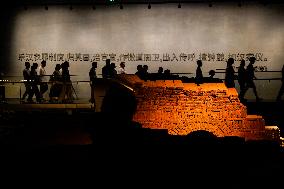
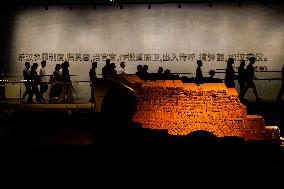
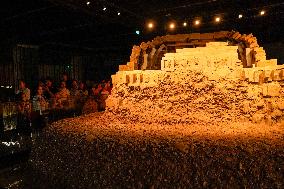
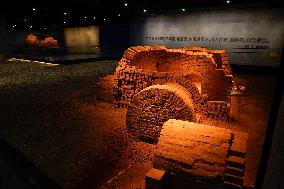
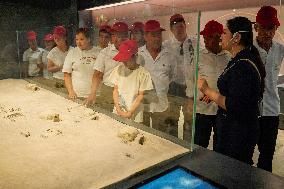
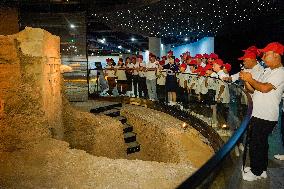
(240716) -- BEIJING, July 16, 2024 Photo by Xinhua/ABACAPRESS.COM) -- People visit the Wei and Jin Dynasties Ancient Tombs Site Museum in Kuqa City, northwest China's Xinjiang Uygur Autonomous Region, July 15, 2024. An underground museum of the Wei and Jin dynasties (220-420) ancient tombs opened on Monday in Kuqa County, an area that previously belonged to the ancient Qiuci State. The Qiuci State, which commenced in the second century BC and existed for more than 1,000 years, was one of the 36 states in the Western Regions, a term used in the Han Dynasty (206 BC-220 AD) for areas west of the Yumen Pass, including present Xinjiang and parts of Central Asia. This in-situ museum with an exhibition space of 5,000 square meters was built to protect 15 brick tomb chambers discovered in 2007 during the construction of the Youyi Road underground pass. The discovery was one of China's top ten new archaeological discoveries that year. The tomb complex was built in consistence with the Han Dynasty style brick-chambered

  •  
Wei And Jin Dynasties Ancient Tombs Site Museum - Kuqa City

Wei And Jin Dynasties Ancient Tombs Site Museum - Kuqa City

This photo taken on July 15, 2024. An underground museum of the Wei and Jin dynasties (220-420) ancient tombs opened on Monday in Kuqa County, an area that previously belonged to the ancient Qiuci State. The Qiuci State, which commenced in the second century BC and existed for more than 1,000 years, was one of the 36 states in the Western Regions, a term used in the Han Dynasty (206 BC-220 AD) for areas west of the Yumen Pass, including present Xinjiang and parts of Central Asia. This in-situ museum with an exhibition space of 5,000 square meters was built to protect 15 brick tomb chambers discovered in 2007 during the construction of the Youyi Road underground pass. The discovery was one of China's top ten new archaeological discoveries that year. The tomb complex was built in consistence with the Han Dynasty style brick-chambered tombs found in the central China region and along the Hexi Corridor, stretching over a distance of nearly 1,000 kilometers in northwest China's Gansu Province, which is home to fiv

  •  
Wei And Jin Dynasties Ancient Tombs Site Museum - Kuqa City

Wei And Jin Dynasties Ancient Tombs Site Museum - Kuqa City

Visitors wear VR sets for exhibitions at the Wei and Jin Dynasties Ancient Tombs Site Museum in Kuqa City, northwest China's Xinjiang Uygur Autonomous Region, July 15, 2024. An underground museum of the Wei and Jin dynasties (220-420) ancient tombs opened on Monday in Kuqa County, an area that previously belonged to the ancient Qiuci State. The Qiuci State, which commenced in the second century BC and existed for more than 1,000 years, was one of the 36 states in the Western Regions, a term used in the Han Dynasty (206 BC-220 AD) for areas west of the Yumen Pass, including present Xinjiang and parts of Central Asia. This in-situ museum with an exhibition space of 5,000 square meters was built to protect 15 brick tomb chambers discovered in 2007 during the construction of the Youyi Road underground pass. The discovery was one of China's top ten new archaeological discoveries that year. The tomb complex was built in consistence with the Han Dynasty style brick-chambered tombs found in the central China region a

  •  
Wei And Jin Dynasties Ancient Tombs Site Museum - Kuqa City

Wei And Jin Dynasties Ancient Tombs Site Museum - Kuqa City

People visit the Wei and Jin Dynasties Ancient Tombs Site Museum in Kuqa City, northwest China's Xinjiang Uygur Autonomous Region, July 15, 2024. An underground museum of the Wei and Jin dynasties (220-420) ancient tombs opened on Monday in Kuqa County, an area that previously belonged to the ancient Qiuci State. The Qiuci State, which commenced in the second century BC and existed for more than 1,000 years, was one of the 36 states in the Western Regions, a term used in the Han Dynasty (206 BC-220 AD) for areas west of the Yumen Pass, including present Xinjiang and parts of Central Asia. This in-situ museum with an exhibition space of 5,000 square meters was built to protect 15 brick tomb chambers discovered in 2007 during the construction of the Youyi Road underground pass. The discovery was one of China's top ten new archaeological discoveries that year. The tomb complex was built in consistence with the Han Dynasty style brick-chambered tombs found in the central China region and along the Hexi Corridor,

  •  
Wei And Jin Dynasties Ancient Tombs Site Museum - Kuqa City

Wei And Jin Dynasties Ancient Tombs Site Museum - Kuqa City

This photo taken on July 15, 2024. An underground museum of the Wei and Jin dynasties (220-420) ancient tombs opened on Monday in Kuqa County, an area that previously belonged to the ancient Qiuci State. The Qiuci State, which commenced in the second century BC and existed for more than 1,000 years, was one of the 36 states in the Western Regions, a term used in the Han Dynasty (206 BC-220 AD) for areas west of the Yumen Pass, including present Xinjiang and parts of Central Asia. This in-situ museum with an exhibition space of 5,000 square meters was built to protect 15 brick tomb chambers discovered in 2007 during the construction of the Youyi Road underground pass. The discovery was one of China's top ten new archaeological discoveries that year. The tomb complex was built in consistence with the Han Dynasty style brick-chambered tombs found in the central China region and along the Hexi Corridor, stretching over a distance of nearly 1,000 kilometers in northwest China's Gansu Province, which is home to fiv

  •  
Wei And Jin Dynasties Ancient Tombs Site Museum - Kuqa City

Wei And Jin Dynasties Ancient Tombs Site Museum - Kuqa City

People visit the Wei and Jin Dynasties Ancient Tombs Site Museum in Kuqa City, northwest China's Xinjiang Uygur Autonomous Region, July 15, 2024. An underground museum of the Wei and Jin dynasties (220-420) ancient tombs opened on Monday in Kuqa County, an area that previously belonged to the ancient Qiuci State. The Qiuci State, which commenced in the second century BC and existed for more than 1,000 years, was one of the 36 states in the Western Regions, a term used in the Han Dynasty (206 BC-220 AD) for areas west of the Yumen Pass, including present Xinjiang and parts of Central Asia. This in-situ museum with an exhibition space of 5,000 square meters was built to protect 15 brick tomb chambers discovered in 2007 during the construction of the Youyi Road underground pass. The discovery was one of China's top ten new archaeological discoveries that year. The tomb complex was built in consistence with the Han Dynasty style brick-chambered tombs found in the central China region and along the Hexi Corridor,

  •  
Wei And Jin Dynasties Ancient Tombs Site Museum - Kuqa City

Wei And Jin Dynasties Ancient Tombs Site Museum - Kuqa City

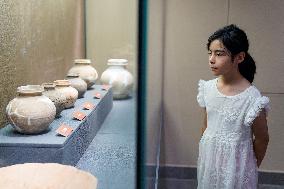
Potteries are exhibited at the Wei and Jin Dynasties Ancient Tombs Site Museum in Kuqa City, northwest China's Xinjiang Uygur Autonomous Region, July 15, 2024. An underground museum of the Wei and Jin dynasties (220-420) ancient tombs opened on Monday in Kuqa County, an area that previously belonged to the ancient Qiuci State. The Qiuci State, which commenced in the second century BC and existed for more than 1,000 years, was one of the 36 states in the Western Regions, a term used in the Han Dynasty (206 BC-220 AD) for areas west of the Yumen Pass, including present Xinjiang and parts of Central Asia. This in-situ museum with an exhibition space of 5,000 square meters was built to protect 15 brick tomb chambers discovered in 2007 during the construction of the Youyi Road underground pass. The discovery was one of China's top ten new archaeological discoveries that year. The tomb complex was built in consistence with the Han Dynasty style brick-chambered tombs found in the central China region and along the H

  •  
Wei And Jin Dynasties Ancient Tombs Site Museum - Kuqa City

Wei And Jin Dynasties Ancient Tombs Site Museum - Kuqa City

People visit the Wei and Jin Dynasties Ancient Tombs Site Museum in Kuqa City, northwest China's Xinjiang Uygur Autonomous Region, July 15, 2024. An underground museum of the Wei and Jin dynasties (220-420) ancient tombs opened on Monday in Kuqa County, an area that previously belonged to the ancient Qiuci State. The Qiuci State, which commenced in the second century BC and existed for more than 1,000 years, was one of the 36 states in the Western Regions, a term used in the Han Dynasty (206 BC-220 AD) for areas west of the Yumen Pass, including present Xinjiang and parts of Central Asia. This in-situ museum with an exhibition space of 5,000 square meters was built to protect 15 brick tomb chambers discovered in 2007 during the construction of the Youyi Road underground pass. The discovery was one of China's top ten new archaeological discoveries that year. The tomb complex was built in consistence with the Han Dynasty style brick-chambered tombs found in the central China region and along the Hexi Corridor,

  •  
Wei And Jin Dynasties Ancient Tombs Site Museum - Kuqa City

Wei And Jin Dynasties Ancient Tombs Site Museum - Kuqa City

This photo taken on July 15, 2024. An underground museum of the Wei and Jin dynasties (220-420) ancient tombs opened on Monday in Kuqa County, an area that previously belonged to the ancient Qiuci State. The Qiuci State, which commenced in the second century BC and existed for more than 1,000 years, was one of the 36 states in the Western Regions, a term used in the Han Dynasty (206 BC-220 AD) for areas west of the Yumen Pass, including present Xinjiang and parts of Central Asia. This in-situ museum with an exhibition space of 5,000 square meters was built to protect 15 brick tomb chambers discovered in 2007 during the construction of the Youyi Road underground pass. The discovery was one of China's top ten new archaeological discoveries that year. The tomb complex was built in consistence with the Han Dynasty style brick-chambered tombs found in the central China region and along the Hexi Corridor, stretching over a distance of nearly 1,000 kilometers in northwest China's Gansu Province, which is home to fiv

  •  
Wei And Jin Dynasties Ancient Tombs Site Museum - Kuqa City

Wei And Jin Dynasties Ancient Tombs Site Museum - Kuqa City

People visit the Wei and Jin Dynasties Ancient Tombs Site Museum in Kuqa City, northwest China's Xinjiang Uygur Autonomous Region, July 15, 2024. An underground museum of the Wei and Jin dynasties (220-420) ancient tombs opened on Monday in Kuqa County, an area that previously belonged to the ancient Qiuci State. The Qiuci State, which commenced in the second century BC and existed for more than 1,000 years, was one of the 36 states in the Western Regions, a term used in the Han Dynasty (206 BC-220 AD) for areas west of the Yumen Pass, including present Xinjiang and parts of Central Asia. This in-situ museum with an exhibition space of 5,000 square meters was built to protect 15 brick tomb chambers discovered in 2007 during the construction of the Youyi Road underground pass. The discovery was one of China's top ten new archaeological discoveries that year. The tomb complex was built in consistence with the Han Dynasty style brick-chambered tombs found in the central China region and along the Hexi Corridor,

  •  
Wei And Jin Dynasties Ancient Tombs Site Museum - Kuqa City

Wei And Jin Dynasties Ancient Tombs Site Museum - Kuqa City

People visit the Wei and Jin Dynasties Ancient Tombs Site Museum in Kuqa City, northwest China's Xinjiang Uygur Autonomous Region, July 15, 2024. An underground museum of the Wei and Jin dynasties (220-420) ancient tombs opened on Monday in Kuqa County, an area that previously belonged to the ancient Qiuci State. The Qiuci State, which commenced in the second century BC and existed for more than 1,000 years, was one of the 36 states in the Western Regions, a term used in the Han Dynasty (206 BC-220 AD) for areas west of the Yumen Pass, including present Xinjiang and parts of Central Asia. This in-situ museum with an exhibition space of 5,000 square meters was built to protect 15 brick tomb chambers discovered in 2007 during the construction of the Youyi Road underground pass. The discovery was one of China's top ten new archaeological discoveries that year. The tomb complex was built in consistence with the Han Dynasty style brick-chambered tombs found in the central China region and along the Hexi Corridor,

  •  
Wei And Jin Dynasties Ancient Tombs Site Museum - Kuqa City

Wei And Jin Dynasties Ancient Tombs Site Museum - Kuqa City

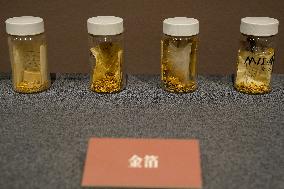
Gold foils are exhibited at the Wei and Jin Dynasties Ancient Tombs Site Museum in Kuqa City, northwest China's Xinjiang Uygur Autonomous Region, July 15, 2024. An underground museum of the Wei and Jin dynasties (220-420) ancient tombs opened on Monday in Kuqa County, an area that previously belonged to the ancient Qiuci State. The Qiuci State, which commenced in the second century BC and existed for more than 1,000 years, was one of the 36 states in the Western Regions, a term used in the Han Dynasty (206 BC-220 AD) for areas west of the Yumen Pass, including present Xinjiang and parts of Central Asia. This in-situ museum with an exhibition space of 5,000 square meters was built to protect 15 brick tomb chambers discovered in 2007 during the construction of the Youyi Road underground pass. The discovery was one of China's top ten new archaeological discoveries that year. The tomb complex was built in consistence with the Han Dynasty style brick-chambered tombs found in the central China region and along the

  •  
Wei And Jin Dynasties Ancient Tombs Site Museum - Kuqa City

Wei And Jin Dynasties Ancient Tombs Site Museum - Kuqa City

People visit the Wei and Jin Dynasties Ancient Tombs Site Museum in Kuqa City, northwest China's Xinjiang Uygur Autonomous Region, July 15, 2024. An underground museum of the Wei and Jin dynasties (220-420) ancient tombs opened on Monday in Kuqa County, an area that previously belonged to the ancient Qiuci State. The Qiuci State, which commenced in the second century BC and existed for more than 1,000 years, was one of the 36 states in the Western Regions, a term used in the Han Dynasty (206 BC-220 AD) for areas west of the Yumen Pass, including present Xinjiang and parts of Central Asia. This in-situ museum with an exhibition space of 5,000 square meters was built to protect 15 brick tomb chambers discovered in 2007 during the construction of the Youyi Road underground pass. The discovery was one of China's top ten new archaeological discoveries that year. The tomb complex was built in consistence with the Han Dynasty style brick-chambered tombs found in the central China region and along the Hexi Corridor,

  •  
Wei And Jin Dynasties Ancient Tombs Site Museum - Kuqa City

Wei And Jin Dynasties Ancient Tombs Site Museum - Kuqa City

People visit the Wei and Jin Dynasties Ancient Tombs Site Museum in Kuqa City, northwest China's Xinjiang Uygur Autonomous Region, July 15, 2024. An underground museum of the Wei and Jin dynasties (220-420) ancient tombs opened on Monday in Kuqa County, an area that previously belonged to the ancient Qiuci State. The Qiuci State, which commenced in the second century BC and existed for more than 1,000 years, was one of the 36 states in the Western Regions, a term used in the Han Dynasty (206 BC-220 AD) for areas west of the Yumen Pass, including present Xinjiang and parts of Central Asia. This in-situ museum with an exhibition space of 5,000 square meters was built to protect 15 brick tomb chambers discovered in 2007 during the construction of the Youyi Road underground pass. The discovery was one of China's top ten new archaeological discoveries that year. The tomb complex was built in consistence with the Han Dynasty style brick-chambered tombs found in the central China region and along the Hexi Corridor,

  •  
Wei And Jin Dynasties Ancient Tombs Site Museum - Kuqa City

Wei And Jin Dynasties Ancient Tombs Site Museum - Kuqa City

A visitor views exhibits at the Wei and Jin Dynasties Ancient Tombs Site Museum in Kuqa City, northwest China's Xinjiang Uygur Autonomous Region, July 15, 2024. An underground museum of the Wei and Jin dynasties (220-420) ancient tombs opened on Monday in Kuqa County, an area that previously belonged to the ancient Qiuci State. The Qiuci State, which commenced in the second century BC and existed for more than 1,000 years, was one of the 36 states in the Western Regions, a term used in the Han Dynasty (206 BC-220 AD) for areas west of the Yumen Pass, including present Xinjiang and parts of Central Asia. This in-situ museum with an exhibition space of 5,000 square meters was built to protect 15 brick tomb chambers discovered in 2007 during the construction of the Youyi Road underground pass. The discovery was one of China's top ten new archaeological discoveries that year. The tomb complex was built in consistence with the Han Dynasty style brick-chambered tombs found in the central China region and along the

  •  
Wei And Jin Dynasties Ancient Tombs Site Museum - Kuqa City

Wei And Jin Dynasties Ancient Tombs Site Museum - Kuqa City

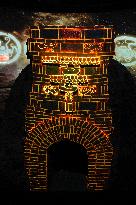
Exhibits powered by digital technologies are pictured at the Wei and Jin Dynasties Ancient Tombs Site Museum in Kuqa City, northwest China's Xinjiang Uygur Autonomous Region, July 15, 2024. An underground museum of the Wei and Jin dynasties (220-420) ancient tombs opened on Monday in Kuqa County, an area that previously belonged to the ancient Qiuci State. The Qiuci State, which commenced in the second century BC and existed for more than 1,000 years, was one of the 36 states in the Western Regions, a term used in the Han Dynasty (206 BC-220 AD) for areas west of the Yumen Pass, including present Xinjiang and parts of Central Asia. This in-situ museum with an exhibition space of 5,000 square meters was built to protect 15 brick tomb chambers discovered in 2007 during the construction of the Youyi Road underground pass. The discovery was one of China's top ten new archaeological discoveries that year. The tomb complex was built in consistence with the Han Dynasty style brick-chambered tombs found in the centra

  •  
CHINA-XINJIANG-KUQA-TOMBS SITE MUSEUM-OPEN (CN)

CHINA-XINJIANG-KUQA-TOMBS SITE MUSEUM-OPEN (CN)

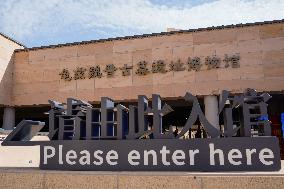
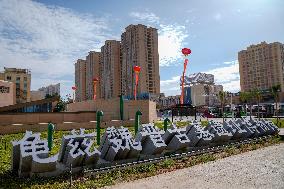
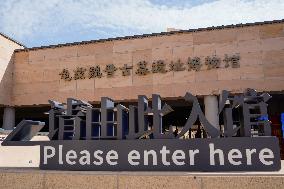
(240715) -- KUQA, July 15, 2024 Photo by Xinhua/ABACAPRESS.COM) -- This photo taken on July 15, 2024 shows an exterior view of the Wei and Jin Dynasties Ancient Tombs Site Museum in Kuqa City, northwest China's Xinjiang Uygur Autonomous Region. An underground museum of the Wei and Jin dynasties (220-420) ancient tombs opened on Monday in Kuqa County, an area that previously belonged to the ancient Qiuci State. The Qiuci State, which commenced in the second century BC and existed for more than 1,000 years, was one of the 36 states in the Western Regions, a term used in the Han Dynasty (206 BC-220 AD) for areas west of the Yumen Pass, including present Xinjiang and parts of Central Asia. This in-situ museum with an exhibition space of 5,000 square meters was built to protect 15 brick tomb chambers discovered in 2007 during the construction of the Youyi Road underground pass. The discovery was one of China's top ten new archaeological discoveries that year. The tomb complex was built in consistence with the Han

  •  
CHINA-XINJIANG-KUQA-TOMBS SITE MUSEUM-OPEN (CN)

CHINA-XINJIANG-KUQA-TOMBS SITE MUSEUM-OPEN (CN)

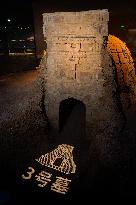
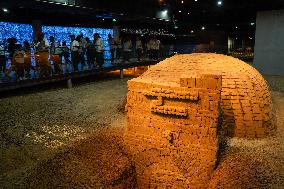
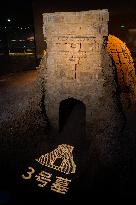
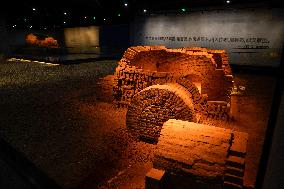
(240715) -- KUQA, July 15, 2024 Photo by Xinhua/ABACAPRESS.COM) -- This photo taken on July 15, 2024 shows a tomb exhibited at the Wei and Jin Dynasties Ancient Tombs Site Museum in Kuqa City, northwest China's Xinjiang Uygur Autonomous Region. An underground museum of the Wei and Jin dynasties (220-420) ancient tombs opened on Monday in Kuqa County, an area that previously belonged to the ancient Qiuci State. The Qiuci State, which commenced in the second century BC and existed for more than 1,000 years, was one of the 36 states in the Western Regions, a term used in the Han Dynasty (206 BC-220 AD) for areas west of the Yumen Pass, including present Xinjiang and parts of Central Asia. This in-situ museum with an exhibition space of 5,000 square meters was built to protect 15 brick tomb chambers discovered in 2007 during the construction of the Youyi Road underground pass. The discovery was one of China's top ten new archaeological discoveries that year. The tomb complex was built in consistence with the Han

  •  
CHINA-XINJIANG-KUQA-TOMBS SITE MUSEUM-OPEN (CN)

CHINA-XINJIANG-KUQA-TOMBS SITE MUSEUM-OPEN (CN)

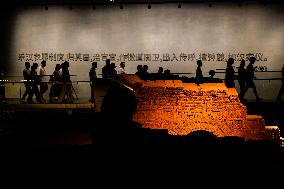
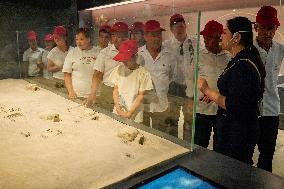
(240715) -- KUQA, July 15, 2024 Photo by Xinhua/ABACAPRESS.COM) -- People visit the Wei and Jin Dynasties Ancient Tombs Site Museum in Kuqa City, northwest China's Xinjiang Uygur Autonomous Region, July 15, 2024. An underground museum of the Wei and Jin dynasties (220-420) ancient tombs opened on Monday in Kuqa County, an area that previously belonged to the ancient Qiuci State. The Qiuci State, which commenced in the second century BC and existed for more than 1,000 years, was one of the 36 states in the Western Regions, a term used in the Han Dynasty (206 BC-220 AD) for areas west of the Yumen Pass, including present Xinjiang and parts of Central Asia. This in-situ museum with an exhibition space of 5,000 square meters was built to protect 15 brick tomb chambers discovered in 2007 during the construction of the Youyi Road underground pass. The discovery was one of China's top ten new archaeological discoveries that year. The tomb complex was built in consistence with the Han Dynasty style brick-chambered to

  •  
CHINA-XINJIANG-KUQA-TOMBS SITE MUSEUM-OPEN (CN)

CHINA-XINJIANG-KUQA-TOMBS SITE MUSEUM-OPEN (CN)

(240715) -- KUQA, July 15, 2024 Photo by Xinhua/ABACAPRESS.COM) -- People visit the Wei and Jin Dynasties Ancient Tombs Site Museum in Kuqa City, northwest China's Xinjiang Uygur Autonomous Region, July 15, 2024. An underground museum of the Wei and Jin dynasties (220-420) ancient tombs opened on Monday in Kuqa County, an area that previously belonged to the ancient Qiuci State. The Qiuci State, which commenced in the second century BC and existed for more than 1,000 years, was one of the 36 states in the Western Regions, a term used in the Han Dynasty (206 BC-220 AD) for areas west of the Yumen Pass, including present Xinjiang and parts of Central Asia. This in-situ museum with an exhibition space of 5,000 square meters was built to protect 15 brick tomb chambers discovered in 2007 during the construction of the Youyi Road underground pass. The discovery was one of China's top ten new archaeological discoveries that year. The tomb complex was built in consistence with the Han Dynasty style brick-chambered to

  •  
CHINA-XINJIANG-KUQA-TOMBS SITE MUSEUM-OPEN (CN)

CHINA-XINJIANG-KUQA-TOMBS SITE MUSEUM-OPEN (CN)

(240715) -- KUQA, July 15, 2024 Photo by Xinhua/ABACAPRESS.COM) -- This photo taken on July 15, 2024 shows an exterior view of the Wei and Jin Dynasties Ancient Tombs Site Museum in Kuqa City, northwest China's Xinjiang Uygur Autonomous Region. An underground museum of the Wei and Jin dynasties (220-420) ancient tombs opened on Monday in Kuqa County, an area that previously belonged to the ancient Qiuci State. The Qiuci State, which commenced in the second century BC and existed for more than 1,000 years, was one of the 36 states in the Western Regions, a term used in the Han Dynasty (206 BC-220 AD) for areas west of the Yumen Pass, including present Xinjiang and parts of Central Asia. This in-situ museum with an exhibition space of 5,000 square meters was built to protect 15 brick tomb chambers discovered in 2007 during the construction of the Youyi Road underground pass. The discovery was one of China's top ten new archaeological discoveries that year. The tomb complex was built in consistence with the Han

  •  
CHINA-XINJIANG-KUQA-TOMBS SITE MUSEUM-OPEN (CN)

CHINA-XINJIANG-KUQA-TOMBS SITE MUSEUM-OPEN (CN)

(240715) -- KUQA, July 15, 2024 Photo by Xinhua/ABACAPRESS.COM) -- People visit the Wei and Jin Dynasties Ancient Tombs Site Museum in Kuqa City, northwest China's Xinjiang Uygur Autonomous Region, July 15, 2024. An underground museum of the Wei and Jin dynasties (220-420) ancient tombs opened on Monday in Kuqa County, an area that previously belonged to the ancient Qiuci State. The Qiuci State, which commenced in the second century BC and existed for more than 1,000 years, was one of the 36 states in the Western Regions, a term used in the Han Dynasty (206 BC-220 AD) for areas west of the Yumen Pass, including present Xinjiang and parts of Central Asia. This in-situ museum with an exhibition space of 5,000 square meters was built to protect 15 brick tomb chambers discovered in 2007 during the construction of the Youyi Road underground pass. The discovery was one of China's top ten new archaeological discoveries that year. The tomb complex was built in consistence with the Han Dynasty style brick-chambered to

  •  
CHINA-XINJIANG-KUQA-TOMBS SITE MUSEUM-OPEN (CN)

CHINA-XINJIANG-KUQA-TOMBS SITE MUSEUM-OPEN (CN)

(240715) -- KUQA, July 15, 2024 Photo by Xinhua/ABACAPRESS.COM) -- Potteries are exhibited at the Wei and Jin Dynasties Ancient Tombs Site Museum in Kuqa City, northwest China's Xinjiang Uygur Autonomous Region, July 15, 2024. An underground museum of the Wei and Jin dynasties (220-420) ancient tombs opened on Monday in Kuqa County, an area that previously belonged to the ancient Qiuci State. The Qiuci State, which commenced in the second century BC and existed for more than 1,000 years, was one of the 36 states in the Western Regions, a term used in the Han Dynasty (206 BC-220 AD) for areas west of the Yumen Pass, including present Xinjiang and parts of Central Asia. This in-situ museum with an exhibition space of 5,000 square meters was built to protect 15 brick tomb chambers discovered in 2007 during the construction of the Youyi Road underground pass. The discovery was one of China's top ten new archaeological discoveries that year. The tomb complex was built in consistence with the Han Dynasty style bric

  •  
CHINA-XINJIANG-KUQA-TOMBS SITE MUSEUM-OPEN (CN)

CHINA-XINJIANG-KUQA-TOMBS SITE MUSEUM-OPEN (CN)

(240715) -- KUQA, July 15, 2024 Photo by Xinhua/ABACAPRESS.COM) -- This photo taken on July 15, 2024 shows an interior view of the Wei and Jin Dynasties Ancient Tombs Site Museum in Kuqa City, northwest China's Xinjiang Uygur Autonomous Region. An underground museum of the Wei and Jin dynasties (220-420) ancient tombs opened on Monday in Kuqa County, an area that previously belonged to the ancient Qiuci State. The Qiuci State, which commenced in the second century BC and existed for more than 1,000 years, was one of the 36 states in the Western Regions, a term used in the Han Dynasty (206 BC-220 AD) for areas west of the Yumen Pass, including present Xinjiang and parts of Central Asia. This in-situ museum with an exhibition space of 5,000 square meters was built to protect 15 brick tomb chambers discovered in 2007 during the construction of the Youyi Road underground pass. The discovery was one of China's top ten new archaeological discoveries that year. The tomb complex was built in consistence with the Han

  •  
CHINA-XINJIANG-KUQA-TOMBS SITE MUSEUM-OPEN (CN)

CHINA-XINJIANG-KUQA-TOMBS SITE MUSEUM-OPEN (CN)

(240715) -- KUQA, July 15, 2024 Photo by Xinhua/ABACAPRESS.COM) -- People visit the Wei and Jin Dynasties Ancient Tombs Site Museum in Kuqa City, northwest China's Xinjiang Uygur Autonomous Region, July 15, 2024. An underground museum of the Wei and Jin dynasties (220-420) ancient tombs opened on Monday in Kuqa County, an area that previously belonged to the ancient Qiuci State. The Qiuci State, which commenced in the second century BC and existed for more than 1,000 years, was one of the 36 states in the Western Regions, a term used in the Han Dynasty (206 BC-220 AD) for areas west of the Yumen Pass, including present Xinjiang and parts of Central Asia. This in-situ museum with an exhibition space of 5,000 square meters was built to protect 15 brick tomb chambers discovered in 2007 during the construction of the Youyi Road underground pass. The discovery was one of China's top ten new archaeological discoveries that year. The tomb complex was built in consistence with the Han Dynasty style brick-chambered to

  • Main
  • Top
  • Editorial
  • Creative
  • About Us
  • About ILG
  • Terms of use
  • Company
  • BEHIND
  • Price List
  • Single Plan
  • Monthly Plan
  • Services
  • Shooting
  • Rights Clearance
  • Support
  • FAQ
  • How To Buy
  • Contact Us
  • Become a Partner

© KYODO NEWS IMAGES INC

All Rights Reserved.

  • Editorial
  • Olympics
  • News
  • Sports
  • Japan
  • Tech
  • Royal
  • Disaster
  • NorthKorea
  • Old Japan
  • SNS
  • Creative
  • Food
  • Japan
  • Landscape
  • Animal
  • Popular
  • #Ukraine
  • #China
  • #coronavirus
  • #N. Korea
  • #Russia
  • #Thailand
  • #Ukraine
  • #China
  • #coronavirus
  • #N. Korea
  • #Russia
  • #Thailand
  • Food
  • Japan
  • Landscape
  • Animal
  • Olympics
  • News
  • Sports
  • Japan
  • Tech
  • Royal
  • Disaster
  • NorthKorea
  • Old Japan
  • SNS