•  
Chive Industry - China

Chive Industry - China

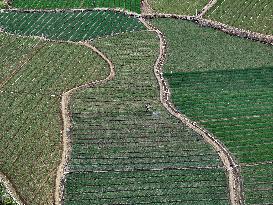
An aerial drone photo taken on November 11, 2025 shows villagers taking care of chives in Jueshan Village of Sandu Town in Liuzhou City, south China's Guangxi Zhuang Autonomous Region. Sandu Town has in recent years promoted the standardized and industrialized production of chives, and developed an integrated business system that ranges from planting and processing to sales and service. To date, the planting area of chives in Sandu Town has topped 43,000 mu (about 2,867 hectares, multiple cropping included), with an annual output of approximately 100,000 metric tons. Photo by Xinhua/Huang Xiaobang/ABACAPRESS.COM

  •  
Chive Industry - China

Chive Industry - China

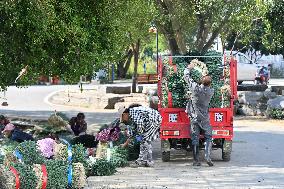
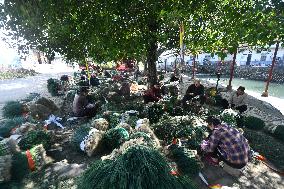
Villagers transfer chive bundles for sale in Jueshan Village of Sandu Town in Liuzhou City, south China's Guangxi Zhuang Autonomous Region, October 28, 2025. Sandu Town has in recent years promoted the standardized and industrialized production of chives, and developed an integrated business system that ranges from planting and processing to sales and service. To date, the planting area of chives in Sandu Town has topped 43,000 mu (about 2,867 hectares, multiple cropping included), with an annual output of approximately 100,000 metric tons. Photo by Xinhua/Huang Xiaobang/ABACAPRESS.COM

  •  
Chive Industry - China

Chive Industry - China

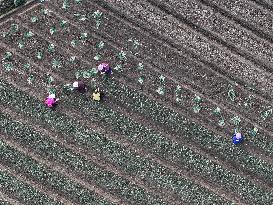
An aerial drone photo taken on November 11, 2025 shows villagers planting chives in Longxing Village of Sandu Town in Liuzhou City, south China's Guangxi Zhuang Autonomous Region. Sandu Town has in recent years promoted the standardized and industrialized production of chives, and developed an integrated business system that ranges from planting and processing to sales and service. To date, the planting area of chives in Sandu Town has topped 43,000 mu (about 2,867 hectares, multiple cropping included), with an annual output of approximately 100,000 metric tons. Photo by Xinhua/Huang Xiaobang/ABACAPRESS.COM

  •  
Chive Industry - China

Chive Industry - China

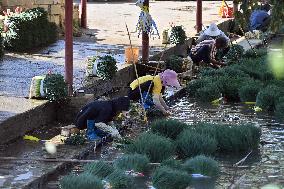
Villagers clean harvested chives in Jueshan Village of Sandu Town in Liuzhou City, south China's Guangxi Zhuang Autonomous Region, October 28, 2025. Sandu Town has in recent years promoted the standardized and industrialized production of chives, and developed an integrated business system that ranges from planting and processing to sales and service. To date, the planting area of chives in Sandu Town has topped 43,000 mu (about 2,867 hectares, multiple cropping included), with an annual output of approximately 100,000 metric tons. Photo by Xinhua/Huang Xiaobang/ABACAPRESS.COM

  •  
Chive Industry - China

Chive Industry - China

Villagers sort harvested chives in Jueshan Village of Sandu Town in Liuzhou City, south China's Guangxi Zhuang Autonomous Region, October 28, 2025. Sandu Town has in recent years promoted the standardized and industrialized production of chives, and developed an integrated business system that ranges from planting and processing to sales and service. To date, the planting area of chives in Sandu Town has topped 43,000 mu (about 2,867 hectares, multiple cropping included), with an annual output of approximately 100,000 metric tons. Photo by Xinhua/Huang Xiaobang/ABACAPRESS.COM

  •  
Chive Industry - China

Chive Industry - China

Villagers sort harvested chives in Jueshan Village of Sandu Town in Liuzhou City, south China's Guangxi Zhuang Autonomous Region, October 28, 2025. Sandu Town has in recent years promoted the standardized and industrialized production of chives, and developed an integrated business system that ranges from planting and processing to sales and service. To date, the planting area of chives in Sandu Town has topped 43,000 mu (about 2,867 hectares, multiple cropping included), with an annual output of approximately 100,000 metric tons. Photo by Xinhua/Huang Xiaobang/ABACAPRESS.COM

  •  
At Least 100 Killed in Israeli Attacks in Recent Days in The Gaza Strip

At Least 100 Killed in Israeli Attacks in Recent Days in The Gaza Strip

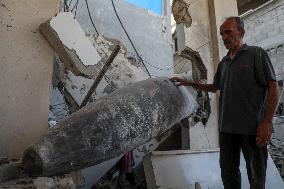
A Palestinian sits near an unexploded shell inside a destroyed house in the Jabalia refugee camp in northern Gaza Strip, on October 30, 2025. The Gaza Center for Human Rights, an independent civil organization monitoring violations, estimates that around 20,000 unexploded bombs and missiles remain scattered across Gaza. It said that by mid-October, the total rubble resulting from the destruction of homes and vital infrastructure had reached between 65 and 70 million tons, containing about 71,000 tons of explosives and remnants of war. Photo by Rizek Abdeljawad/Xinhua/ABACAPRESS.CO

  •  
At Least 100 Killed in Israeli Attacks in Recent Days in The Gaza Strip

At Least 100 Killed in Israeli Attacks in Recent Days in The Gaza Strip

A Palestinian stands beside an unexploded shell inside a destroyed house in the Jabalia refugee camp in northern Gaza Strip, on October 30, 2025. The Gaza Center for Human Rights, an independent civil organization monitoring violations, estimates that around 20,000 unexploded bombs and missiles remain scattered across Gaza. It said that by mid-October, the total rubble resulting from the destruction of homes and vital infrastructure had reached between 65 and 70 million tons, containing about 71,000 tons of explosives and remnants of war. Photo by Rizek Abdeljawad/Xinhua/ABACAPRESS.CO

  •  
At Least 100 Killed in Israeli Attacks in Recent Days in The Gaza Strip

At Least 100 Killed in Israeli Attacks in Recent Days in The Gaza Strip

Palestinian children play around a damaged Israeli military vehicle in the Jabalia refugee camp in northern Gaza Strip, on October 30, 2025. The Gaza Center for Human Rights, an independent civil organization monitoring violations, estimates that around 20,000 unexploded bombs and missiles remain scattered across Gaza. It said that by mid-October, the total rubble resulting from the destruction of homes and vital infrastructure had reached between 65 and 70 million tons, containing about 71,000 tons of explosives and remnants of war. Photo by Rizek Abdeljawad/Xinhua/ABACAPRESS.CO

  •  
At Least 100 Killed in Israeli Attacks in Recent Days in The Gaza Strip

At Least 100 Killed in Israeli Attacks in Recent Days in The Gaza Strip

Palestinian children play around a damaged Israeli military vehicle in the Jabalia refugee camp in northern Gaza Strip, on October 30, 2025. The Gaza Center for Human Rights, an independent civil organization monitoring violations, estimates that around 20,000 unexploded bombs and missiles remain scattered across Gaza. It said that by mid-October, the total rubble resulting from the destruction of homes and vital infrastructure had reached between 65 and 70 million tons, containing about 71,000 tons of explosives and remnants of war. Photo by Rizek Abdeljawad/Xinhua/ABACAPRESS.CO

  •  
At Least 100 Killed in Israeli Attacks in Recent Days in The Gaza Strip

At Least 100 Killed in Israeli Attacks in Recent Days in The Gaza Strip

A Palestinian child plays around a damaged Israeli military vehicle in the Jabalia refugee camp in northern Gaza Strip, on October 30, 2025. The Gaza Center for Human Rights, an independent civil organization monitoring violations, estimates that around 20,000 unexploded bombs and missiles remain scattered across Gaza. It said that by mid-October, the total rubble resulting from the destruction of homes and vital infrastructure had reached between 65 and 70 million tons, containing about 71,000 tons of explosives and remnants of war. Photo by Rizek Abdeljawad/Xinhua/ABACAPRESS.CO

  •  
Salt Harvest Declines Sharply - Iraq

Salt Harvest Declines Sharply - Iraq

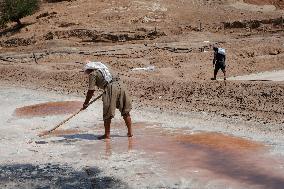
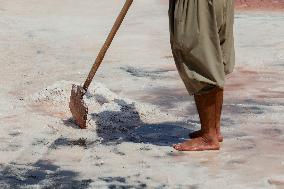
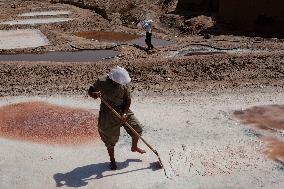
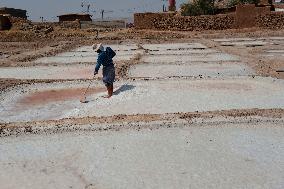
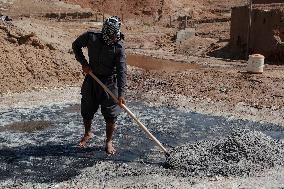
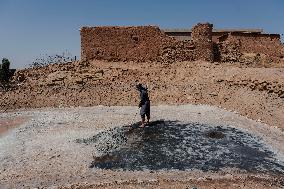
A worker uses a tool to scrape salt from a drying pond in Garmian, southwest of Sulaymaniyah, Iraq, on August 15, 2025. In the plains of Garmian, hundreds of residents continue an ancient salt-harvesting trade once known as "white gold." Production has sharply declined, with ponds now yielding less than a third of their former output, leaving villagers struggling against harsh natural conditions and poor infrastructure. Local harvester Peshkewt Saadoun explains that they collect two types of salt—coarse and fine—and notes that annual production has fallen from 800–900 tons in the past to about 250 tons today. Photo by Gailan Haji/Middle East Images/ABACAPRESS.COM

  •  
Salt Harvest Declines Sharply - Iraq

Salt Harvest Declines Sharply - Iraq

A worker uses a tool to scrape salt from a drying pond in Garmian, southwest of Sulaymaniyah, Iraq, on August 15, 2025. In the plains of Garmian, hundreds of residents continue an ancient salt-harvesting trade once known as "white gold." Production has sharply declined, with ponds now yielding less than a third of their former output, leaving villagers struggling against harsh natural conditions and poor infrastructure. Local harvester Peshkewt Saadoun explains that they collect two types of salt—coarse and fine—and notes that annual production has fallen from 800–900 tons in the past to about 250 tons today. Photo by Gailan Haji/Middle East Images/ABACAPRESS.COM

  •  
Salt Harvest Declines Sharply - Iraq

Salt Harvest Declines Sharply - Iraq

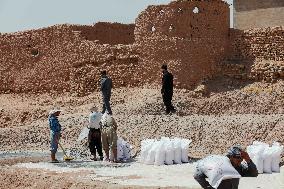
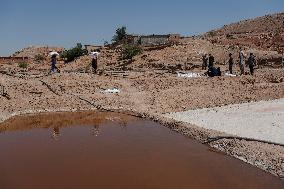
Men work around salt ponds in Garmian, southwest of Sulaymaniyah, Iraq, on August 15, 2025. In the plains of Garmian, hundreds of residents continue an ancient salt-harvesting trade once known as "white gold." Production has sharply declined, with ponds now yielding less than a third of their former output, leaving villagers struggling against harsh natural conditions and poor infrastructure. Local harvester Peshkewt Saadoun explains that they collect two types of salt—coarse and fine—and notes that annual production has fallen from 800–900 tons in the past to about 250 tons today. Photo by Gailan Haji/Middle East Images/ABACAPRESS.COM

  •  
Salt Harvest Declines Sharply - Iraq

Salt Harvest Declines Sharply - Iraq

A worker uses a tool to scrape salt from a drying pond in Garmian, southwest of Sulaymaniyah, Iraq, on August 15, 2025. In the plains of Garmian, hundreds of residents continue an ancient salt-harvesting trade once known as "white gold." Production has sharply declined, with ponds now yielding less than a third of their former output, leaving villagers struggling against harsh natural conditions and poor infrastructure. Local harvester Peshkewt Saadoun explains that they collect two types of salt—coarse and fine—and notes that annual production has fallen from 800–900 tons in the past to about 250 tons today. Photo by Gailan Haji/Middle East Images/ABACAPRESS.COM

  •  
Salt Harvest Declines Sharply - Iraq

Salt Harvest Declines Sharply - Iraq

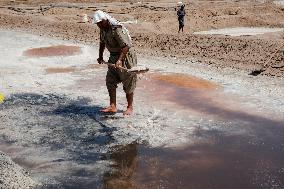
A worker uses a tool to scrape salt from a drying pond in Garmian, southwest of Sulaymaniyah, Iraq, on August 15, 2025. In the plains of Garmian, hundreds of residents continue an ancient salt-harvesting trade once known as "white gold." Production has sharply declined, with ponds now yielding less than a third of their former output, leaving villagers struggling against harsh natural conditions and poor infrastructure. Local harvester Peshkewt Saadoun explains that they collect two types of salt—coarse and fine—and notes that annual production has fallen from 800–900 tons in the past to about 250 tons today. Photo by Gailan Haji/Middle East Images/ABACAPRESS.COM

  •  
Salt Harvest Declines Sharply - Iraq

Salt Harvest Declines Sharply - Iraq

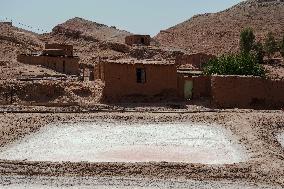
A salt pond lies in front of mud-brick homes in Garmian, southwest of Sulaymaniyah, Iraq, on August 15, 2025. In the plains of Garmian, hundreds of residents continue an ancient salt-harvesting trade once known as "white gold." Production has sharply declined, with ponds now yielding less than a third of their former output, leaving villagers struggling against harsh natural conditions and poor infrastructure. Local harvester Peshkewt Saadoun explains that they collect two types of salt—coarse and fine—and notes that annual production has fallen from 800–900 tons in the past to about 250 tons today. Photo by Gailan Haji/Middle East Images/ABACAPRESS.COM

  •  
Salt Harvest Declines Sharply - Iraq

Salt Harvest Declines Sharply - Iraq

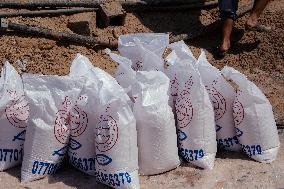
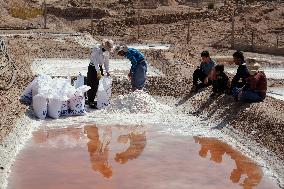
Bags of refined salt are stacked beside the ponds in Garmian, Iraqi Kurdistan, on August 15, 2025. In the plains of Garmian, hundreds of residents continue an ancient salt-harvesting trade once known as "white gold." Production has sharply declined, with ponds now yielding less than a third of their former output, leaving villagers struggling against harsh natural conditions and poor infrastructure. Local harvester Peshkewt Saadoun explains that they collect two types of salt—coarse and fine—and notes that annual production has fallen from 800–900 tons in the past to about 250 tons today. Photo by Gailan Haji/Middle East Images/ABACAPRESS.COM

  •  
Salt Harvest Declines Sharply - Iraq

Salt Harvest Declines Sharply - Iraq

A worker uses a tool to scrape salt from a drying pond in Garmian, southwest of Sulaymaniyah, Iraq, on August 15, 2025. In the plains of Garmian, hundreds of residents continue an ancient salt-harvesting trade once known as "white gold." Production has sharply declined, with ponds now yielding less than a third of their former output, leaving villagers struggling against harsh natural conditions and poor infrastructure. Local harvester Peshkewt Saadoun explains that they collect two types of salt—coarse and fine—and notes that annual production has fallen from 800–900 tons in the past to about 250 tons today. Photo by Gailan Haji/Middle East Images/ABACAPRESS.COM

  •  
Salt Harvest Declines Sharply - Iraq

Salt Harvest Declines Sharply - Iraq

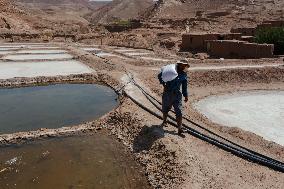
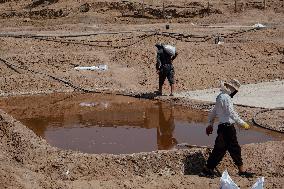
A worker carries a sack of salt across the ponds in Garmian, southwest of Sulaymaniyah, Iraq, on August 15, 2025. In the plains of Garmian, hundreds of residents continue an ancient salt-harvesting trade once known as "white gold." Production has sharply declined, with ponds now yielding less than a third of their former output, leaving villagers struggling against harsh natural conditions and poor infrastructure. Local harvester Peshkewt Saadoun explains that they collect two types of salt—coarse and fine—and notes that annual production has fallen from 800–900 tons in the past to about 250 tons today. Photo by Gailan Haji/Middle East Images/ABACAPRESS.COM

  •  
Salt Harvest Declines Sharply - Iraq

Salt Harvest Declines Sharply - Iraq

Men work around salt ponds in Garmian, southwest of Sulaymaniyah, Iraq, on August 15, 2025. In the plains of Garmian, hundreds of residents continue an ancient salt-harvesting trade once known as "white gold." Production has sharply declined, with ponds now yielding less than a third of their former output, leaving villagers struggling against harsh natural conditions and poor infrastructure. Local harvester Peshkewt Saadoun explains that they collect two types of salt—coarse and fine—and notes that annual production has fallen from 800–900 tons in the past to about 250 tons today. Photo by Gailan Haji/Middle East Images/ABACAPRESS.COM

  •  
Salt Harvest Declines Sharply - Iraq

Salt Harvest Declines Sharply - Iraq

Men work around salt ponds in Garmian, southwest of Sulaymaniyah, Iraq, on August 15, 2025. In the plains of Garmian, hundreds of residents continue an ancient salt-harvesting trade once known as "white gold." Production has sharply declined, with ponds now yielding less than a third of their former output, leaving villagers struggling against harsh natural conditions and poor infrastructure. Local harvester Peshkewt Saadoun explains that they collect two types of salt—coarse and fine—and notes that annual production has fallen from 800–900 tons in the past to about 250 tons today. Photo by Gailan Haji/Middle East Images/ABACAPRESS.COM

  •  
Salt Harvest Declines Sharply - Iraq

Salt Harvest Declines Sharply - Iraq

A worker uses a tool to scrape salt from a drying pond in Garmian, southwest of Sulaymaniyah, Iraq, on August 15, 2025. In the plains of Garmian, hundreds of residents continue an ancient salt-harvesting trade once known as "white gold." Production has sharply declined, with ponds now yielding less than a third of their former output, leaving villagers struggling against harsh natural conditions and poor infrastructure. Local harvester Peshkewt Saadoun explains that they collect two types of salt—coarse and fine—and notes that annual production has fallen from 800–900 tons in the past to about 250 tons today. Photo by Gailan Haji/Middle East Images/ABACAPRESS.COM

  •  
Salt Harvest Declines Sharply - Iraq

Salt Harvest Declines Sharply - Iraq

A worker uses a tool to scrape salt from a drying pond in Garmian, southwest of Sulaymaniyah, Iraq, on August 15, 2025. In the plains of Garmian, hundreds of residents continue an ancient salt-harvesting trade once known as "white gold." Production has sharply declined, with ponds now yielding less than a third of their former output, leaving villagers struggling against harsh natural conditions and poor infrastructure. Local harvester Peshkewt Saadoun explains that they collect two types of salt—coarse and fine—and notes that annual production has fallen from 800–900 tons in the past to about 250 tons today. Photo by Gailan Haji/Middle East Images/ABACAPRESS.COM

  •  
Salt Harvest Declines Sharply - Iraq

Salt Harvest Declines Sharply - Iraq

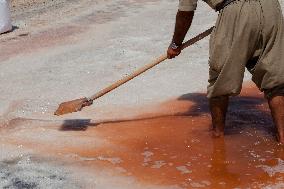
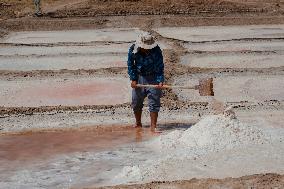
A worker uses a wooden tool to scrape salt from a drying pond in Garmian, southwest of Sulaymaniyah, Iraq, on August 15, 2025. In the plains of Garmian, hundreds of residents continue an ancient salt-harvesting trade once known as "white gold." Production has sharply declined, with ponds now yielding less than a third of their former output, leaving villagers struggling against harsh natural conditions and poor infrastructure. Local harvester Peshkewt Saadoun explains that they collect two types of salt—coarse and fine—and notes that annual production has fallen from 800–900 tons in the past to about 250 tons today. Photo by Gailan Haji/Middle East Images/ABACAPRESS.COM

  •  
Salt Harvest Declines Sharply - Iraq

Salt Harvest Declines Sharply - Iraq

Reflections of workers appear on the surface of a salt pond in Garmian, Iraqi Kurdistan, on August 15, 2025. In the plains of Garmian, hundreds of residents continue an ancient salt-harvesting trade once known as "white gold." Production has sharply declined, with ponds now yielding less than a third of their former output, leaving villagers struggling against harsh natural conditions and poor infrastructure. Local harvester Peshkewt Saadoun explains that they collect two types of salt—coarse and fine—and notes that annual production has fallen from 800–900 tons in the past to about 250 tons today. Photo by Gailan Haji/Middle East Images/ABACAPRESS.COM

  •  
Salt Harvest Declines Sharply - Iraq

Salt Harvest Declines Sharply - Iraq

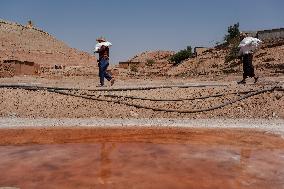
Workers carry salt bags past salt ponds in Khwelin village, southwest of Sulaymaniyah, Iraq, on August 15, 2025. In the plains of Garmian, hundreds of residents continue an ancient salt-harvesting trade once known as "white gold." Production has sharply declined, with ponds now yielding less than a third of their former output, leaving villagers struggling against harsh natural conditions and poor infrastructure. Local harvester Peshkewt Saadoun explains that they collect two types of salt—coarse and fine—and notes that annual production has fallen from 800–900 tons in the past to about 250 tons today. Photo by Gailan Haji/Middle East Images/ABACAPRESS.COM

  •  
Salt Harvest Declines Sharply - Iraq

Salt Harvest Declines Sharply - Iraq

A worker uses a wooden tool to scrape salt from a drying pond in Garmian, southwest of Sulaymaniyah, Iraq, on August 15, 2025. In the plains of Garmian, hundreds of residents continue an ancient salt-harvesting trade once known as "white gold." Production has sharply declined, with ponds now yielding less than a third of their former output, leaving villagers struggling against harsh natural conditions and poor infrastructure. Local harvester Peshkewt Saadoun explains that they collect two types of salt—coarse and fine—and notes that annual production has fallen from 800–900 tons in the past to about 250 tons today. Photo by Gailan Haji/Middle East Images/ABACAPRESS.COM

  •  
Salt Harvest Declines Sharply - Iraq

Salt Harvest Declines Sharply - Iraq

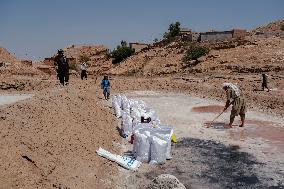
Villagers collect and bag salt in Garmian, Iraqi Kurdistan, on August 15, 2025. In the plains of Garmian, hundreds of residents continue an ancient salt-harvesting trade once known as "white gold." Production has sharply declined, with ponds now yielding less than a third of their former output, leaving villagers struggling against harsh natural conditions and poor infrastructure. Local harvester Peshkewt Saadoun explains that they collect two types of salt—coarse and fine—and notes that annual production has fallen from 800–900 tons in the past to about 250 tons today. Photo by Gailan Haji/Middle East Images/ABACAPRESS.COM

  •  
Salt Harvest Declines Sharply - Iraq

Salt Harvest Declines Sharply - Iraq

Workers carry salt bags past salt ponds in Khwelin village, southwest of Sulaymaniyah, Iraq, on August 15, 2025. In the plains of Garmian, hundreds of residents continue an ancient salt-harvesting trade once known as "white gold." Production has sharply declined, with ponds now yielding less than a third of their former output, leaving villagers struggling against harsh natural conditions and poor infrastructure. Local harvester Peshkewt Saadoun explains that they collect two types of salt—coarse and fine—and notes that annual production has fallen from 800–900 tons in the past to about 250 tons today. Photo by Gailan Haji/Middle East Images/ABACAPRESS.COM

  •  
Submarine Raigei delivered to MSDF

Submarine Raigei delivered to MSDF

Photo taken on March 6, 2025, shows the submarine Raigei following a ceremony marking its delivery to the Japan Maritime Self-Defense Force at a shipyard of Kawasaki Heavy Industries Ltd. in Kobe, western Japan. The 84-meter submarine weighing about 3,000 tons will be deployed at the MSDF's base in Kure in the western Japan prefecture of Hiroshima.

  •  
Submarine Raigei delivered to MSDF

Submarine Raigei delivered to MSDF

Photo taken on March 6, 2025, shows the submarine Raigei following a ceremony marking its delivery to the Japan Maritime Self-Defense Force at a shipyard of Kawasaki Heavy Industries Ltd. in Kobe, western Japan. The 84-meter submarine weighing about 3,000 tons will be deployed at the MSDF's base in Kure in the western Japan prefecture of Hiroshima.

  •  
Natural Gas Pressure Regulating Station in the North of Hangzhou

Natural Gas Pressure Regulating Station in the North of Hangzhou

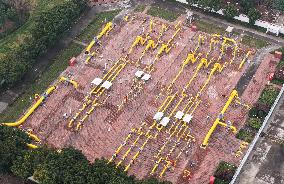
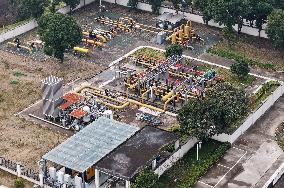
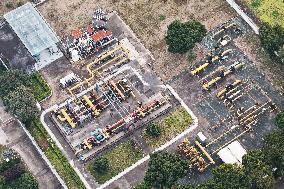
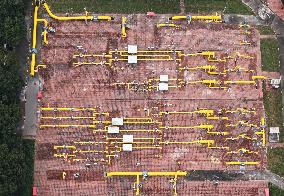
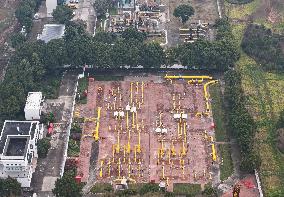
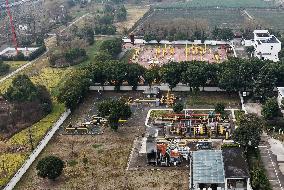
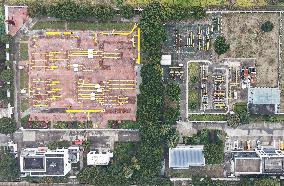
HANGZHOU, CHINA - FEBRUARY 23, 2025 - Aerial photo taken on February 23, 2025 shows the natural gas pressure regulating station in the north of Hangzhou City, Zhejiang province, China. Since February 10, 2025, China has imposed additional tariffs on some imported goods originating in the United States. A 15 percent tariff was imposed on imports of liquefied natural gas originating in the United States. According to the data of the General Administration of Customs, China's LNG imports from the United States in 2024 will be 4.1584 million tons, accounting for 5.4% of the total imports in the same period, ranking fifth among China's LNG suppliers. The amount of imports was 17.18 billion yuan, with an average of about 4,131 yuan per ton.

  •  
Natural Gas Pressure Regulating Station in the North of Hangzhou

Natural Gas Pressure Regulating Station in the North of Hangzhou

HANGZHOU, CHINA - FEBRUARY 23, 2025 - Aerial photo taken on February 23, 2025 shows the natural gas pressure regulating station in the north of Hangzhou City, Zhejiang province, China. Since February 10, 2025, China has imposed additional tariffs on some imported goods originating in the United States. A 15 percent tariff was imposed on imports of liquefied natural gas originating in the United States. According to the data of the General Administration of Customs, China's LNG imports from the United States in 2024 will be 4.1584 million tons, accounting for 5.4% of the total imports in the same period, ranking fifth among China's LNG suppliers. The amount of imports was 17.18 billion yuan, with an average of about 4,131 yuan per ton.

  •  
Natural Gas Pressure Regulating Station in the North of Hangzhou

Natural Gas Pressure Regulating Station in the North of Hangzhou

HANGZHOU, CHINA - FEBRUARY 23, 2025 - Aerial photo taken on February 23, 2025 shows the natural gas pressure regulating station in the north of Hangzhou City, Zhejiang province, China. Since February 10, 2025, China has imposed additional tariffs on some imported goods originating in the United States. A 15 percent tariff was imposed on imports of liquefied natural gas originating in the United States. According to the data of the General Administration of Customs, China's LNG imports from the United States in 2024 will be 4.1584 million tons, accounting for 5.4% of the total imports in the same period, ranking fifth among China's LNG suppliers. The amount of imports was 17.18 billion yuan, with an average of about 4,131 yuan per ton.

  •  
Natural Gas Pressure Regulating Station in the North of Hangzhou

Natural Gas Pressure Regulating Station in the North of Hangzhou

HANGZHOU, CHINA - FEBRUARY 23, 2025 - Aerial photo taken on February 23, 2025 shows the natural gas pressure regulating station in the north of Hangzhou City, Zhejiang province, China. Since February 10, 2025, China has imposed additional tariffs on some imported goods originating in the United States. A 15 percent tariff was imposed on imports of liquefied natural gas originating in the United States. According to the data of the General Administration of Customs, China's LNG imports from the United States in 2024 will be 4.1584 million tons, accounting for 5.4% of the total imports in the same period, ranking fifth among China's LNG suppliers. The amount of imports was 17.18 billion yuan, with an average of about 4,131 yuan per ton.

  •  
Natural Gas Pressure Regulating Station in the North of Hangzhou

Natural Gas Pressure Regulating Station in the North of Hangzhou

HANGZHOU, CHINA - FEBRUARY 23, 2025 - Aerial photo taken on February 23, 2025 shows the natural gas pressure regulating station in the north of Hangzhou City, Zhejiang province, China. Since February 10, 2025, China has imposed additional tariffs on some imported goods originating in the United States. A 15 percent tariff was imposed on imports of liquefied natural gas originating in the United States. According to the data of the General Administration of Customs, China's LNG imports from the United States in 2024 will be 4.1584 million tons, accounting for 5.4% of the total imports in the same period, ranking fifth among China's LNG suppliers. The amount of imports was 17.18 billion yuan, with an average of about 4,131 yuan per ton.

  •  
Natural Gas Pressure Regulating Station in the North of Hangzhou

Natural Gas Pressure Regulating Station in the North of Hangzhou

HANGZHOU, CHINA - FEBRUARY 23, 2025 - Aerial photo taken on February 23, 2025 shows the natural gas pressure regulating station in the north of Hangzhou City, Zhejiang province, China. Since February 10, 2025, China has imposed additional tariffs on some imported goods originating in the United States. A 15 percent tariff was imposed on imports of liquefied natural gas originating in the United States. According to the data of the General Administration of Customs, China's LNG imports from the United States in 2024 will be 4.1584 million tons, accounting for 5.4% of the total imports in the same period, ranking fifth among China's LNG suppliers. The amount of imports was 17.18 billion yuan, with an average of about 4,131 yuan per ton.

  •  
Natural Gas Pressure Regulating Station in the North of Hangzhou

Natural Gas Pressure Regulating Station in the North of Hangzhou

HANGZHOU, CHINA - FEBRUARY 23, 2025 - Aerial photo taken on February 23, 2025 shows the natural gas pressure regulating station in the north of Hangzhou City, Zhejiang province, China. Since February 10, 2025, China has imposed additional tariffs on some imported goods originating in the United States. A 15 percent tariff was imposed on imports of liquefied natural gas originating in the United States. According to the data of the General Administration of Customs, China's LNG imports from the United States in 2024 will be 4.1584 million tons, accounting for 5.4% of the total imports in the same period, ranking fifth among China's LNG suppliers. The amount of imports was 17.18 billion yuan, with an average of about 4,131 yuan per ton.

  •  
Natural Gas Pressure Regulating Station in the North of Hangzhou

Natural Gas Pressure Regulating Station in the North of Hangzhou

HANGZHOU, CHINA - FEBRUARY 23, 2025 - Aerial photo taken on February 23, 2025 shows the natural gas pressure regulating station in the north of Hangzhou City, Zhejiang province, China. Since February 10, 2025, China has imposed additional tariffs on some imported goods originating in the United States. A 15 percent tariff was imposed on imports of liquefied natural gas originating in the United States. According to the data of the General Administration of Customs, China's LNG imports from the United States in 2024 will be 4.1584 million tons, accounting for 5.4% of the total imports in the same period, ranking fifth among China's LNG suppliers. The amount of imports was 17.18 billion yuan, with an average of about 4,131 yuan per ton.

  •  
Bridge girder blocks road in southwestern Japan

Bridge girder blocks road in southwestern Japan

A bridge girder about 30 meters long and 140 tons blocks a prefectural road in Sasebo in Nagasaki Prefecture, southwestern Japan, on Feb. 15, 2025, after it fell over while being transferred for work to expand an expressway.

  •  
Coffee Industry - China

Coffee Industry - China

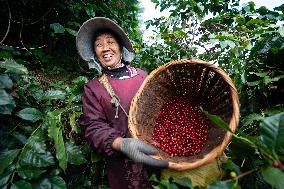
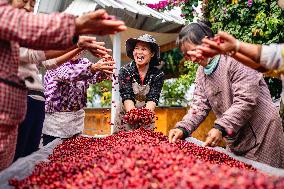
A farmer displays the coffee fruit at a coffee manor in Pu'er, southwest China's Yunnan Province, Jan. 8, 2025. As the Spring Festival approaches, many tourists who have just finished their trip in Yunnan choose to take home one or two bags of coffee beans that they roasted themselves. These beans have become a special festive gift this year, whether for friends and family or for personal enjoyment. Ethiopia is currently Africa's largest coffee producer and the fifth largest in the world, with an annual output of about 600,000 tons. Coffee is a major source of foreign exchange for the country. According to incomplete statistics, about 5 million small-scale farmers in Ethiopia cultivate coffee, while over 25 million people are engaged in its production, processing and sales sectors. Ethiopia's neighbor Kenya shares the same passion for coffee. As a latecomer in this industry, Kenya has achieved a high degree of refinement in its coffee production. By adopting and optimizing methods of selection, grading, and p

  •  
Coffee Industry - China

Coffee Industry - China

Staff members celebrate the harvest of coffee this year in Pu'er, southwest China's Yunnan Province, Jan. 8, 2025. As the Spring Festival approaches, many tourists who have just finished their trip in Yunnan choose to take home one or two bags of coffee beans that they roasted themselves. These beans have become a special festive gift this year, whether for friends and family or for personal enjoyment. Ethiopia is currently Africa's largest coffee producer and the fifth largest in the world, with an annual output of about 600,000 tons. Coffee is a major source of foreign exchange for the country. According to incomplete statistics, about 5 million small-scale farmers in Ethiopia cultivate coffee, while over 25 million people are engaged in its production, processing and sales sectors. Ethiopia's neighbor Kenya shares the same passion for coffee. As a latecomer in this industry, Kenya has achieved a high degree of refinement in its coffee production. By adopting and optimizing methods of selection, grading, an

  •  
Coffee Industry - China

Coffee Industry - China

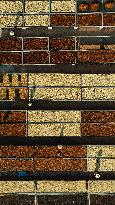
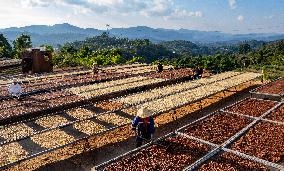
An aerial drone photo taken on Jan. 7, 2025 shows workers drying coffee beans at a coffee manor in Pu'er, southwest China's Yunnan Province. As the Spring Festival approaches, many tourists who have just finished their trip in Yunnan choose to take home one or two bags of coffee beans that they roasted themselves. These beans have become a special festive gift this year, whether for friends and family or for personal enjoyment. Ethiopia is currently Africa's largest coffee producer and the fifth largest in the world, with an annual output of about 600,000 tons. Coffee is a major source of foreign exchange for the country. According to incomplete statistics, about 5 million small-scale farmers in Ethiopia cultivate coffee, while over 25 million people are engaged in its production, processing and sales sectors. Ethiopia's neighbor Kenya shares the same passion for coffee. As a latecomer in this industry, Kenya has achieved a high degree of refinement in its coffee production. By adopting and optimizing methods

  •  
Coffee Industry - China

Coffee Industry - China

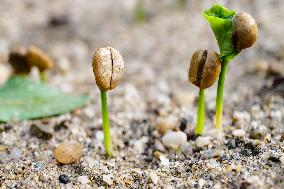
Coffee beans are seen sprouting at a plantation in Pu'er, southwest China's Yunnan Province, Jan. 8, 2025. As the Spring Festival approaches, many tourists who have just finished their trip in Yunnan choose to take home one or two bags of coffee beans that they roasted themselves. These beans have become a special festive gift this year, whether for friends and family or for personal enjoyment. Ethiopia is currently Africa's largest coffee producer and the fifth largest in the world, with an annual output of about 600,000 tons. Coffee is a major source of foreign exchange for the country. According to incomplete statistics, about 5 million small-scale farmers in Ethiopia cultivate coffee, while over 25 million people are engaged in its production, processing and sales sectors. Ethiopia's neighbor Kenya shares the same passion for coffee. As a latecomer in this industry, Kenya has achieved a high degree of refinement in its coffee production. By adopting and optimizing methods of selection, grading, and proces

  •  
Coffee Industry - China

Coffee Industry - China

Tourists take photos at a coffee experience center in Pu'er, southwest China's Yunnan Province, Jan. 8, 2025. As the Spring Festival approaches, many tourists who have just finished their trip in Yunnan choose to take home one or two bags of coffee beans that they roasted themselves. These beans have become a special festive gift this year, whether for friends and family or for personal enjoyment. Ethiopia is currently Africa's largest coffee producer and the fifth largest in the world, with an annual output of about 600,000 tons. Coffee is a major source of foreign exchange for the country. According to incomplete statistics, about 5 million small-scale farmers in Ethiopia cultivate coffee, while over 25 million people are engaged in its production, processing and sales sectors. Ethiopia's neighbor Kenya shares the same passion for coffee. As a latecomer in this industry, Kenya has achieved a high degree of refinement in its coffee production. By adopting and optimizing methods of selection, grading, and pro

  •  
Coffee Industry - China

Coffee Industry - China

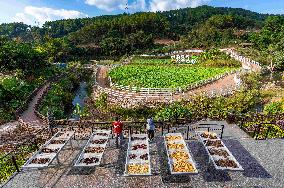
Tourist check coffee beans at a coffee manor in Pu'er, southwest China's Yunnan Province, Jan. 7, 2025. As the Spring Festival approaches, many tourists who have just finished their trip in Yunnan choose to take home one or two bags of coffee beans that they roasted themselves. These beans have become a special festive gift this year, whether for friends and family or for personal enjoyment. Ethiopia is currently Africa's largest coffee producer and the fifth largest in the world, with an annual output of about 600,000 tons. Coffee is a major source of foreign exchange for the country. According to incomplete statistics, about 5 million small-scale farmers in Ethiopia cultivate coffee, while over 25 million people are engaged in its production, processing and sales sectors. Ethiopia's neighbor Kenya shares the same passion for coffee. As a latecomer in this industry, Kenya has achieved a high degree of refinement in its coffee production. By adopting and optimizing methods of selection, grading, and processin

  •  
Coffee Industry - China

Coffee Industry - China

Coffee beans are seen sprouting at a plantation in Pu'er, southwest China's Yunnan Province, Jan. 8, 2025. As the Spring Festival approaches, many tourists who have just finished their trip in Yunnan choose to take home one or two bags of coffee beans that they roasted themselves. These beans have become a special festive gift this year, whether for friends and family or for personal enjoyment. Ethiopia is currently Africa's largest coffee producer and the fifth largest in the world, with an annual output of about 600,000 tons. Coffee is a major source of foreign exchange for the country. According to incomplete statistics, about 5 million small-scale farmers in Ethiopia cultivate coffee, while over 25 million people are engaged in its production, processing and sales sectors. Ethiopia's neighbor Kenya shares the same passion for coffee. As a latecomer in this industry, Kenya has achieved a high degree of refinement in its coffee production. By adopting and optimizing methods of selection, grading, and proces

  •  
Coffee Industry - China

Coffee Industry - China

An aerial drone photo taken on Jan. 7, 2025 shows workers drying coffee beans at a coffee manor in Pu'er, southwest China's Yunnan Province. As the Spring Festival approaches, many tourists who have just finished their trip in Yunnan choose to take home one or two bags of coffee beans that they roasted themselves. These beans have become a special festive gift this year, whether for friends and family or for personal enjoyment. Ethiopia is currently Africa's largest coffee producer and the fifth largest in the world, with an annual output of about 600,000 tons. Coffee is a major source of foreign exchange for the country. According to incomplete statistics, about 5 million small-scale farmers in Ethiopia cultivate coffee, while over 25 million people are engaged in its production, processing and sales sectors. Ethiopia's neighbor Kenya shares the same passion for coffee. As a latecomer in this industry, Kenya has achieved a high degree of refinement in its coffee production. By adopting and optimizing methods

  •  
Iron Ore

Iron Ore

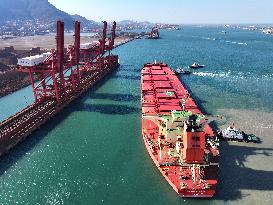
LIANYUNGANG, CHINA - JANUARY 8, 2025 - A Marshall Islands ship loaded with about 400,000 tons of iron ore prepares to unload at the terminal berth of Xinsu Port, port of call, in Lianyungang, Jiangsu province, China, Jan. 8, 2025.

  • Main
  • Top
  • Editorial
  • Creative
  • About Us
  • About ILG
  • Terms of use
  • Company
  • BEHIND
  • Price List
  • Single Plan
  • Monthly Plan
  • Services
  • Shooting
  • Rights Clearance
  • Support
  • FAQ
  • How To Buy
  • Contact Us
  • Become a Partner

© KYODO NEWS IMAGES INC

All Rights Reserved.

  • Editorial
  • Olympics
  • News
  • Sports
  • Japan
  • Tech
  • Royal
  • Disaster
  • NorthKorea
  • Old Japan
  • SNS
  • Creative
  • Food
  • Japan
  • Landscape
  • Animal
  • Popular
  • #Ukraine
  • #Russia
  • #coronavirus
  • #N. Korea
  • #Thailand
  • #China
  • #Ukraine
  • #Russia
  • #coronavirus
  • #N. Korea
  • #Thailand
  • #China
  • Food
  • Japan
  • Landscape
  • Animal
  • Olympics
  • News
  • Sports
  • Japan
  • Tech
  • Royal
  • Disaster
  • NorthKorea
  • Old Japan
  • SNS