•  
CHINA-GANSU-LANZHOU-INDUSTRIAL GROWTH (CN)

CHINA-GANSU-LANZHOU-INDUSTRIAL GROWTH (CN)

(240728) -- LANZHOU, July 28, 2024 Photo by Xinhua/ABACAPRESS.COM) -- Workers work on a copper foil production line in Lanzhou New Area in Lanzhou, northwest China's Gansu Province, July 25, 2024. In recent years, Lanzhou New Area has introduced 1,080 high-quality industrial projects with a total investment of 528 billion yuan (about 72.8 billion U.S. dollars), and the annual increasing rate of industrial added value has maintained over 50 percent. From 2011 to 2023, the regional GDP of Lanzhou New Area has increased from less than 500 million yuan (about 69 million U.S. dollars) to 37.5 billion yuan (about 5.2 billion U.S. dollars). Photo by Xinhua/ABACAPRESS.COM/Fan Peishen)

  •  
CHINA-GANSU-LANZHOU-INDUSTRIAL GROWTH (CN)

CHINA-GANSU-LANZHOU-INDUSTRIAL GROWTH (CN)

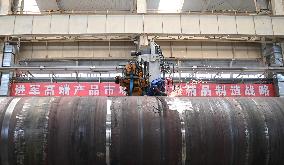
(240728) -- LANZHOU, July 28, 2024 Photo by Xinhua/ABACAPRESS.COM) -- A worker welds in a workshop of LS Group High Tech Equipment Industrial Park of Lanzhou New Area in Lanzhou, northwest China's Gansu Province, July 25, 2024. In recent years, Lanzhou New Area has introduced 1,080 high-quality industrial projects with a total investment of 528 billion yuan (about 72.8 billion U.S. dollars), and the annual increasing rate of industrial added value has maintained over 50 percent. From 2011 to 2023, the regional GDP of Lanzhou New Area has increased from less than 500 million yuan (about 69 million U.S. dollars) to 37.5 billion yuan (about 5.2 billion U.S. dollars). Photo by Xinhua/ABACAPRESS.COM/Fan Peishen)

  •  
Water Shortage Raises Health Risks - Khan Younis

Water Shortage Raises Health Risks - Khan Younis

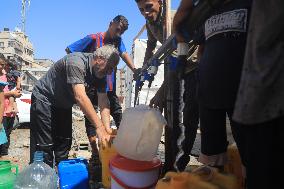
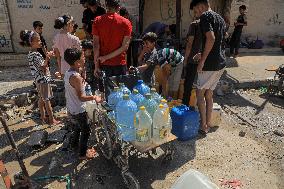
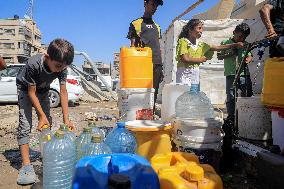
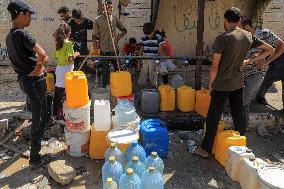
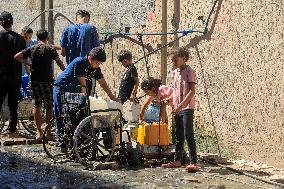
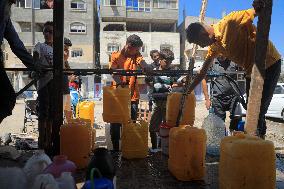
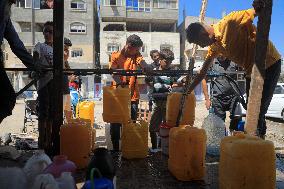
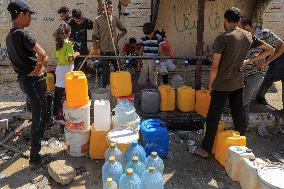
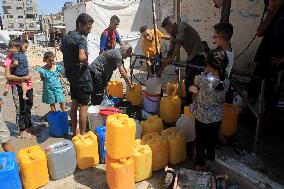
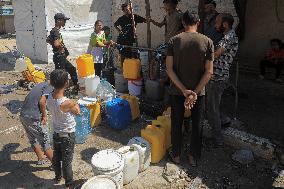
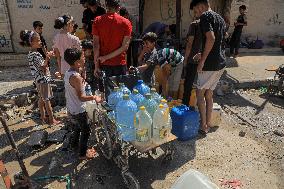
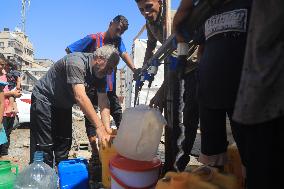
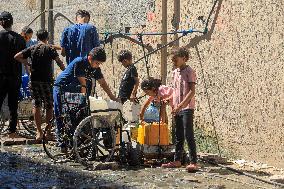
People fetch water in the southern Gaza Strip city of Khan Younis, on July 2, 2024. Nine months into the Palestinian-Israeli conflict, war-torn Gaza is facing increasingly severe water shortages exacerbated by the dry summer, dwindling supplies, and devastated infrastructure. About 67 percent of water, sanitation facilities and infrastructure have been destroyed or damaged in the Gaza Strip, the United Nations Relief and Works Agency for Palestine Refugees in the Near East (UNRWA) said on the social media platform X in June. Water production from groundwater wells, which historically accounted for 80 percent of Gaza's water supply, has recently dropped from 35,000 to 15,000 cubic meters per day, shrinking by over 50 percent of pre-war groundwater production capacity, according to UN statistics in June. Photo by Rizek Abdeljawad/Xinhua/ABACAPRESS.COM

  •  
Water Shortage Raises Health Risks - Khan Younis

Water Shortage Raises Health Risks - Khan Younis

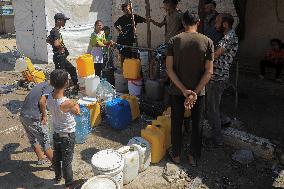
People fetch water in the southern Gaza Strip city of Khan Younis, on July 2, 2024. Nine months into the Palestinian-Israeli conflict, war-torn Gaza is facing increasingly severe water shortages exacerbated by the dry summer, dwindling supplies, and devastated infrastructure. About 67 percent of water, sanitation facilities and infrastructure have been destroyed or damaged in the Gaza Strip, the United Nations Relief and Works Agency for Palestine Refugees in the Near East (UNRWA) said on the social media platform X in June. Water production from groundwater wells, which historically accounted for 80 percent of Gaza's water supply, has recently dropped from 35,000 to 15,000 cubic meters per day, shrinking by over 50 percent of pre-war groundwater production capacity, according to UN statistics in June. Photo by Rizek Abdeljawad/Xinhua/ABACAPRESS.COM

  •  
Water Shortage Raises Health Risks - Khan Younis

Water Shortage Raises Health Risks - Khan Younis

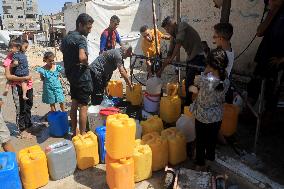
People fetch water in the southern Gaza Strip city of Khan Younis, on July 2, 2024. Nine months into the Palestinian-Israeli conflict, war-torn Gaza is facing increasingly severe water shortages exacerbated by the dry summer, dwindling supplies, and devastated infrastructure. About 67 percent of water, sanitation facilities and infrastructure have been destroyed or damaged in the Gaza Strip, the United Nations Relief and Works Agency for Palestine Refugees in the Near East (UNRWA) said on the social media platform X in June. Water production from groundwater wells, which historically accounted for 80 percent of Gaza's water supply, has recently dropped from 35,000 to 15,000 cubic meters per day, shrinking by over 50 percent of pre-war groundwater production capacity, according to UN statistics in June. Photo by Rizek Abdeljawad/Xinhua/ABACAPRESS.COM

  •  
Water Shortage Raises Health Risks - Khan Younis

Water Shortage Raises Health Risks - Khan Younis

People fetch water in the southern Gaza Strip city of Khan Younis, on July 2, 2024. Nine months into the Palestinian-Israeli conflict, war-torn Gaza is facing increasingly severe water shortages exacerbated by the dry summer, dwindling supplies, and devastated infrastructure. About 67 percent of water, sanitation facilities and infrastructure have been destroyed or damaged in the Gaza Strip, the United Nations Relief and Works Agency for Palestine Refugees in the Near East (UNRWA) said on the social media platform X in June. Water production from groundwater wells, which historically accounted for 80 percent of Gaza's water supply, has recently dropped from 35,000 to 15,000 cubic meters per day, shrinking by over 50 percent of pre-war groundwater production capacity, according to UN statistics in June. Photo by Rizek Abdeljawad/Xinhua/ABACAPRESS.COM

  •  
Water Shortage Raises Health Risks - Khan Younis

Water Shortage Raises Health Risks - Khan Younis

People fetch water in the southern Gaza Strip city of Khan Younis, on July 2, 2024. Nine months into the Palestinian-Israeli conflict, war-torn Gaza is facing increasingly severe water shortages exacerbated by the dry summer, dwindling supplies, and devastated infrastructure. About 67 percent of water, sanitation facilities and infrastructure have been destroyed or damaged in the Gaza Strip, the United Nations Relief and Works Agency for Palestine Refugees in the Near East (UNRWA) said on the social media platform X in June. Water production from groundwater wells, which historically accounted for 80 percent of Gaza's water supply, has recently dropped from 35,000 to 15,000 cubic meters per day, shrinking by over 50 percent of pre-war groundwater production capacity, according to UN statistics in June. Photo by Rizek Abdeljawad/Xinhua/ABACAPRESS.COM

  •  
Water Shortage Raises Health Risks - Khan Younis

Water Shortage Raises Health Risks - Khan Younis

People fetch water in the southern Gaza Strip city of Khan Younis, on July 2, 2024. Nine months into the Palestinian-Israeli conflict, war-torn Gaza is facing increasingly severe water shortages exacerbated by the dry summer, dwindling supplies, and devastated infrastructure. About 67 percent of water, sanitation facilities and infrastructure have been destroyed or damaged in the Gaza Strip, the United Nations Relief and Works Agency for Palestine Refugees in the Near East (UNRWA) said on the social media platform X in June. Water production from groundwater wells, which historically accounted for 80 percent of Gaza's water supply, has recently dropped from 35,000 to 15,000 cubic meters per day, shrinking by over 50 percent of pre-war groundwater production capacity, according to UN statistics in June. Photo by Rizek Abdeljawad/Xinhua/ABACAPRESS.COM

  •  
Water Shortage Raises Health Risks - Khan Younis

Water Shortage Raises Health Risks - Khan Younis

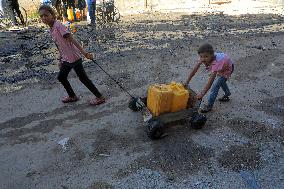
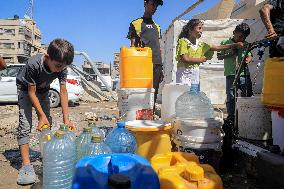
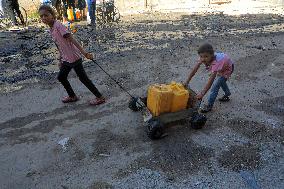
Children leave after fetching water in the southern Gaza Strip city of Khan Younis, on July 2, 2024. Nine months into the Palestinian-Israeli conflict, war-torn Gaza is facing increasingly severe water shortages exacerbated by the dry summer, dwindling supplies, and devastated infrastructure. About 67 percent of water, sanitation facilities and infrastructure have been destroyed or damaged in the Gaza Strip, the United Nations Relief and Works Agency for Palestine Refugees in the Near East (UNRWA) said on the social media platform X in June. Water production from groundwater wells, which historically accounted for 80 percent of Gaza's water supply, has recently dropped from 35,000 to 15,000 cubic meters per day, shrinking by over 50 percent of pre-war groundwater production capacity, according to UN statistics in June. Photo by Rizek Abdeljawad/Xinhua/ABACAPRESS.COM

  •  
Water Shortage Raises Health Risks - Khan Younis

Water Shortage Raises Health Risks - Khan Younis

People fetch water in the southern Gaza Strip city of Khan Younis, on July 2, 2024. Nine months into the Palestinian-Israeli conflict, war-torn Gaza is facing increasingly severe water shortages exacerbated by the dry summer, dwindling supplies, and devastated infrastructure. About 67 percent of water, sanitation facilities and infrastructure have been destroyed or damaged in the Gaza Strip, the United Nations Relief and Works Agency for Palestine Refugees in the Near East (UNRWA) said on the social media platform X in June. Water production from groundwater wells, which historically accounted for 80 percent of Gaza's water supply, has recently dropped from 35,000 to 15,000 cubic meters per day, shrinking by over 50 percent of pre-war groundwater production capacity, according to UN statistics in June. Photo by Rizek Abdeljawad/Xinhua/ABACAPRESS.COM

  •  
Water Shortage Raises Health Risks - Khan Younis

Water Shortage Raises Health Risks - Khan Younis

People fetch water in the southern Gaza Strip city of Khan Younis, on July 2, 2024. Nine months into the Palestinian-Israeli conflict, war-torn Gaza is facing increasingly severe water shortages exacerbated by the dry summer, dwindling supplies, and devastated infrastructure. About 67 percent of water, sanitation facilities and infrastructure have been destroyed or damaged in the Gaza Strip, the United Nations Relief and Works Agency for Palestine Refugees in the Near East (UNRWA) said on the social media platform X in June. Water production from groundwater wells, which historically accounted for 80 percent of Gaza's water supply, has recently dropped from 35,000 to 15,000 cubic meters per day, shrinking by over 50 percent of pre-war groundwater production capacity, according to UN statistics in June. Photo by Rizek Abdeljawad/Xinhua/ABACAPRESS.COM

  •  
MIDEAST-GAZA-KHAN YOUNIS-WATER SHORTAGE

MIDEAST-GAZA-KHAN YOUNIS-WATER SHORTAGE

(240703) -- GAZA, July 3, 2024 Photo by Xinhua/ABACAPRESS.COM) -- People fetch water in the southern Gaza Strip city of Khan Younis, on July 2, 2024. Nine months into the Palestinian-Israeli conflict, war-torn Gaza is facing increasingly severe water shortages exacerbated by the dry summer, dwindling supplies, and devastated infrastructure. About 67 percent of water, sanitation facilities and infrastructure have been destroyed or damaged in the Gaza Strip, the United Nations Relief and Works Agency for Palestine Refugees in the Near East (UNRWA) said on the social media platform X in June. Water production from groundwater wells, which historically accounted for 80 percent of Gaza's water supply, has recently dropped from 35,000 to 15,000 cubic meters per day, shrinking by over 50 percent of pre-war groundwater production capacity, according to UN statistics in June. (Photo by Rizek Abdeljawad/Xinhua/ABACAPRESS.COM TO GO WITH Feature: Acute water shortage deepens Gazans' suffering amid hot summer

  •  
MIDEAST-GAZA-KHAN YOUNIS-WATER SHORTAGE

MIDEAST-GAZA-KHAN YOUNIS-WATER SHORTAGE

(240703) -- GAZA, July 3, 2024 Photo by Xinhua/ABACAPRESS.COM) -- People fetch water in the southern Gaza Strip city of Khan Younis, on July 2, 2024. Nine months into the Palestinian-Israeli conflict, war-torn Gaza is facing increasingly severe water shortages exacerbated by the dry summer, dwindling supplies, and devastated infrastructure. About 67 percent of water, sanitation facilities and infrastructure have been destroyed or damaged in the Gaza Strip, the United Nations Relief and Works Agency for Palestine Refugees in the Near East (UNRWA) said on the social media platform X in June. Water production from groundwater wells, which historically accounted for 80 percent of Gaza's water supply, has recently dropped from 35,000 to 15,000 cubic meters per day, shrinking by over 50 percent of pre-war groundwater production capacity, according to UN statistics in June. (Photo by Rizek Abdeljawad/Xinhua/ABACAPRESS.COM TO GO WITH Feature: Acute water shortage deepens Gazans' suffering amid hot summer

  •  
MIDEAST-GAZA-KHAN YOUNIS-WATER SHORTAGE

MIDEAST-GAZA-KHAN YOUNIS-WATER SHORTAGE

(240703) -- GAZA, July 3, 2024 Photo by Xinhua/ABACAPRESS.COM) -- People fetch water in the southern Gaza Strip city of Khan Younis, on July 2, 2024. Nine months into the Palestinian-Israeli conflict, war-torn Gaza is facing increasingly severe water shortages exacerbated by the dry summer, dwindling supplies, and devastated infrastructure. About 67 percent of water, sanitation facilities and infrastructure have been destroyed or damaged in the Gaza Strip, the United Nations Relief and Works Agency for Palestine Refugees in the Near East (UNRWA) said on the social media platform X in June. Water production from groundwater wells, which historically accounted for 80 percent of Gaza's water supply, has recently dropped from 35,000 to 15,000 cubic meters per day, shrinking by over 50 percent of pre-war groundwater production capacity, according to UN statistics in June. (Photo by Rizek Abdeljawad/Xinhua/ABACAPRESS.COM TO GO WITH Feature: Acute water shortage deepens Gazans' suffering amid hot summer

  •  
MIDEAST-GAZA-KHAN YOUNIS-WATER SHORTAGE

MIDEAST-GAZA-KHAN YOUNIS-WATER SHORTAGE

(240703) -- GAZA, July 3, 2024 Photo by Xinhua/ABACAPRESS.COM) -- People fetch water in the southern Gaza Strip city of Khan Younis, on July 2, 2024. Nine months into the Palestinian-Israeli conflict, war-torn Gaza is facing increasingly severe water shortages exacerbated by the dry summer, dwindling supplies, and devastated infrastructure. About 67 percent of water, sanitation facilities and infrastructure have been destroyed or damaged in the Gaza Strip, the United Nations Relief and Works Agency for Palestine Refugees in the Near East (UNRWA) said on the social media platform X in June. Water production from groundwater wells, which historically accounted for 80 percent of Gaza's water supply, has recently dropped from 35,000 to 15,000 cubic meters per day, shrinking by over 50 percent of pre-war groundwater production capacity, according to UN statistics in June. (Photo by Rizek Abdeljawad/Xinhua/ABACAPRESS.COM TO GO WITH Feature: Acute water shortage deepens Gazans' suffering amid hot summer

  •  
MIDEAST-GAZA-KHAN YOUNIS-WATER SHORTAGE

MIDEAST-GAZA-KHAN YOUNIS-WATER SHORTAGE

(240703) -- GAZA, July 3, 2024 Photo by Xinhua/ABACAPRESS.COM) -- People fetch water in the southern Gaza Strip city of Khan Younis, on July 2, 2024. Nine months into the Palestinian-Israeli conflict, war-torn Gaza is facing increasingly severe water shortages exacerbated by the dry summer, dwindling supplies, and devastated infrastructure. About 67 percent of water, sanitation facilities and infrastructure have been destroyed or damaged in the Gaza Strip, the United Nations Relief and Works Agency for Palestine Refugees in the Near East (UNRWA) said on the social media platform X in June. Water production from groundwater wells, which historically accounted for 80 percent of Gaza's water supply, has recently dropped from 35,000 to 15,000 cubic meters per day, shrinking by over 50 percent of pre-war groundwater production capacity, according to UN statistics in June. (Photo by Rizek Abdeljawad/Xinhua/ABACAPRESS.COM TO GO WITH Feature: Acute water shortage deepens Gazans' suffering amid hot summer

  •  
MIDEAST-GAZA-KHAN YOUNIS-WATER SHORTAGE

MIDEAST-GAZA-KHAN YOUNIS-WATER SHORTAGE

(240703) -- GAZA, July 3, 2024 Photo by Xinhua/ABACAPRESS.COM) -- Children leave after fetching water in the southern Gaza Strip city of Khan Younis, on July 2, 2024. Nine months into the Palestinian-Israeli conflict, war-torn Gaza is facing increasingly severe water shortages exacerbated by the dry summer, dwindling supplies, and devastated infrastructure. About 67 percent of water, sanitation facilities and infrastructure have been destroyed or damaged in the Gaza Strip, the United Nations Relief and Works Agency for Palestine Refugees in the Near East (UNRWA) said on the social media platform X in June. Water production from groundwater wells, which historically accounted for 80 percent of Gaza's water supply, has recently dropped from 35,000 to 15,000 cubic meters per day, shrinking by over 50 percent of pre-war groundwater production capacity, according to UN statistics in June. (Photo by Rizek Abdeljawad/Xinhua/ABACAPRESS.COM TO GO WITH Feature: Acute water shortage deepens Gazans' suffering amid hot su

  •  
MIDEAST-GAZA-KHAN YOUNIS-WATER SHORTAGE

MIDEAST-GAZA-KHAN YOUNIS-WATER SHORTAGE

(240703) -- GAZA, July 3, 2024 Photo by Xinhua/ABACAPRESS.COM) -- People fetch water in the southern Gaza Strip city of Khan Younis, on July 2, 2024. Nine months into the Palestinian-Israeli conflict, war-torn Gaza is facing increasingly severe water shortages exacerbated by the dry summer, dwindling supplies, and devastated infrastructure. About 67 percent of water, sanitation facilities and infrastructure have been destroyed or damaged in the Gaza Strip, the United Nations Relief and Works Agency for Palestine Refugees in the Near East (UNRWA) said on the social media platform X in June. Water production from groundwater wells, which historically accounted for 80 percent of Gaza's water supply, has recently dropped from 35,000 to 15,000 cubic meters per day, shrinking by over 50 percent of pre-war groundwater production capacity, according to UN statistics in June. (Photo by Rizek Abdeljawad/Xinhua/ABACAPRESS.COM TO GO WITH Feature: Acute water shortage deepens Gazans' suffering amid hot summer

  •  
MIDEAST-GAZA-KHAN YOUNIS-WATER SHORTAGE

MIDEAST-GAZA-KHAN YOUNIS-WATER SHORTAGE

(240703) -- GAZA, July 3, 2024 Photo by Xinhua/ABACAPRESS.COM) -- People fetch water in the southern Gaza Strip city of Khan Younis, on July 2, 2024. Nine months into the Palestinian-Israeli conflict, war-torn Gaza is facing increasingly severe water shortages exacerbated by the dry summer, dwindling supplies, and devastated infrastructure. About 67 percent of water, sanitation facilities and infrastructure have been destroyed or damaged in the Gaza Strip, the United Nations Relief and Works Agency for Palestine Refugees in the Near East (UNRWA) said on the social media platform X in June. Water production from groundwater wells, which historically accounted for 80 percent of Gaza's water supply, has recently dropped from 35,000 to 15,000 cubic meters per day, shrinking by over 50 percent of pre-war groundwater production capacity, according to UN statistics in June. (Photo by Rizek Abdeljawad/Xinhua/ABACAPRESS.COM TO GO WITH Feature: Acute water shortage deepens Gazans' suffering amid hot summer

  •  
MIDEAST-GAZA-KHAN YOUNIS-WATER SHORTAGE

MIDEAST-GAZA-KHAN YOUNIS-WATER SHORTAGE

(240703) -- GAZA, July 3, 2024 Photo by Xinhua/ABACAPRESS.COM) -- People fetch water in the southern Gaza Strip city of Khan Younis, on July 2, 2024. Nine months into the Palestinian-Israeli conflict, war-torn Gaza is facing increasingly severe water shortages exacerbated by the dry summer, dwindling supplies, and devastated infrastructure. About 67 percent of water, sanitation facilities and infrastructure have been destroyed or damaged in the Gaza Strip, the United Nations Relief and Works Agency for Palestine Refugees in the Near East (UNRWA) said on the social media platform X in June. Water production from groundwater wells, which historically accounted for 80 percent of Gaza's water supply, has recently dropped from 35,000 to 15,000 cubic meters per day, shrinking by over 50 percent of pre-war groundwater production capacity, according to UN statistics in June. (Photo by Rizek Abdeljawad/Xinhua/ABACAPRESS.COM TO GO WITH Feature: Acute water shortage deepens Gazans' suffering amid hot summer

  •  
ChineseToday | Ecological researcher dedicates himself to desertification control in northeast China's Liaoning

ChineseToday | Ecological researcher dedicates himself to desertification control in northeast China's Liaoning

(240601) -- SHENYANG, June 1, 2024 Photo by Xinhua/ABACAPRESS.COM) -- Lyu Linyou checks the growth of alfalfa in Zhangwu County, northeast China's Liaoning Province, May 30, 2024. In 2004, 24-year-old Lyu Linyou joined the former provincial institute of sandy land utilization, which is now the sand control and utilization research institute of the Liaoning Academy of Agricultural Sciences, after graduation. Initially, Lyu specialized in grass science and had no clear idea about sand control. He learned from senior colleagues and local farmers in Zhangwu County, accumulating experience and gradually becoming determined to apply his knowledge to sand control. Located on the southern edge of the Horqin sandy land, Zhangwu was once plagued by sand and dust storms. Historically, 96 percent of Zhangwu County's total area was desertified land. For the ecological management of desertified grasslands, Lyu introduced and tested over 400 varieties of grass and herb plants, ultimately selecting more than 50 suitable vari

  •  
ChineseToday | Ecological researcher dedicates himself to desertification control in northeast China's Liaoning

ChineseToday | Ecological researcher dedicates himself to desertification control in northeast China's Liaoning

(240601) -- SHENYANG, June 1, 2024 (Xinhua) -- Lyu Linyou checks the growth of alfalfa in Zhangwu County, northeast China's Liaoning Province, May 30, 2024. In 2004, 24-year-old Lyu Linyou joined the former provincial institute of sandy land utilization, which is now the sand control and utilization research institute of the Liaoning Academy of Agricultural Sciences, after graduation. Initially, Lyu specialized in grass science and had no clear idea about sand control. He learned from senior colleagues and local farmers in Zhangwu County, accumulating experience and gradually becoming determined to apply his knowledge to sand control. Located on the southern edge of the Horqin sandy land, Zhangwu was once plagued by sand and dust storms. Historically, 96 percent of Zhangwu County's total area was desertified land. For the ecological management of desertified grasslands, Lyu introduced and tested over 400 varieties of grass and herb plants, ultimately selecting more than 50 suitable varieties. He also

  •  
Plastic Recycling Factory - Bangladesh

Plastic Recycling Factory - Bangladesh

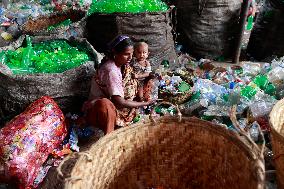
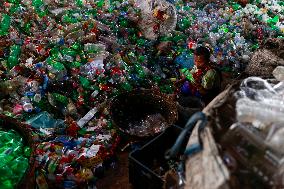
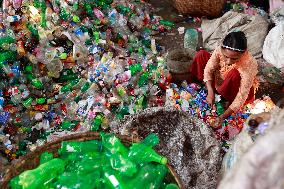
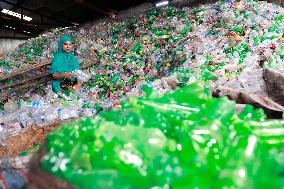
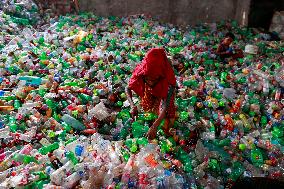
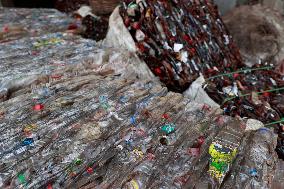
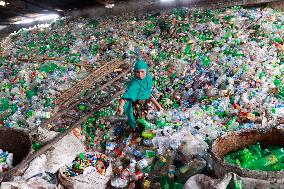
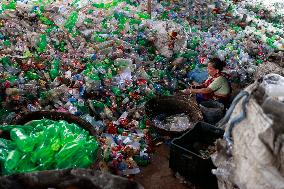
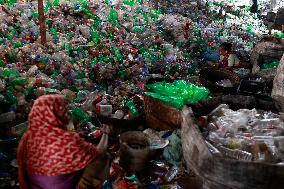
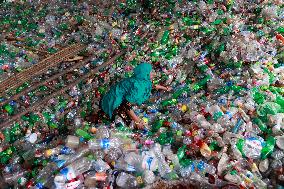
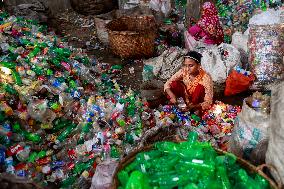
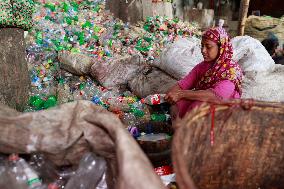
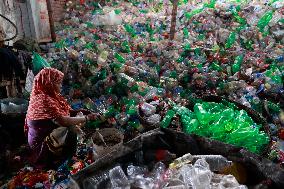
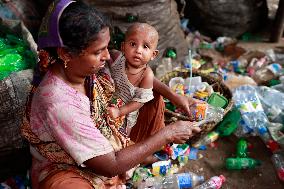
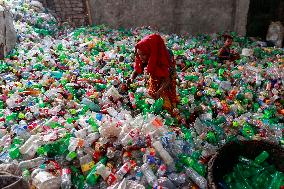
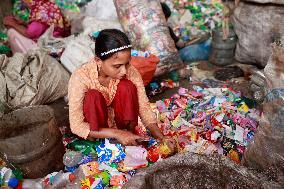
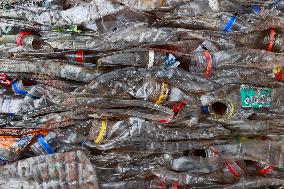
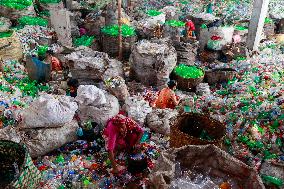
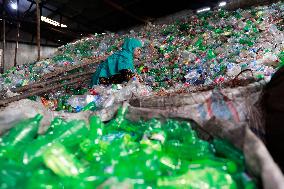
A Bangladeshi woman works in a plastic bottle recycling factory in Dhaka, Bangladesh, May 14, 2024. Workers are sorting discarded plastic bottles collected from the garbage heap and preparing them for recycling. These bottles are cleaned and cut into pieces by a cutting machine. There, new products are made from these pieces of plastic. According to the Environment Department of Bangladesh, about 24 thousand tons of waste is produced every day in the country. Of this 7.35 percent waste are plastic materials, which is 1,700 tones. Only 50 percent of these plastic wastes are recyclable. Photo by Suvra Kanti Das/ABACAPRESS.COM

  •  
Plastic Recycling Factory - Bangladesh

Plastic Recycling Factory - Bangladesh

A Bangladeshi woman works in a plastic bottle recycling factory in Dhaka, Bangladesh, May 14, 2024. Workers are sorting discarded plastic bottles collected from the garbage heap and preparing them for recycling. These bottles are cleaned and cut into pieces by a cutting machine. There, new products are made from these pieces of plastic. According to the Environment Department of Bangladesh, about 24 thousand tons of waste is produced every day in the country. Of this 7.35 percent waste are plastic materials, which is 1,700 tones. Only 50 percent of these plastic wastes are recyclable. Photo by Suvra Kanti Das/ABACAPRESS.COM

  •  
Plastic Recycling Factory - Bangladesh

Plastic Recycling Factory - Bangladesh

A Bangladeshi woman works in a plastic bottle recycling factory in Dhaka, Bangladesh, May 14, 2024. Workers are sorting discarded plastic bottles collected from the garbage heap and preparing them for recycling. These bottles are cleaned and cut into pieces by a cutting machine. There, new products are made from these pieces of plastic. According to the Environment Department of Bangladesh, about 24 thousand tons of waste is produced every day in the country. Of this 7.35 percent waste are plastic materials, which is 1,700 tones. Only 50 percent of these plastic wastes are recyclable. Photo by Suvra Kanti Das/ABACAPRESS.COM

  •  
Plastic Recycling Factory - Bangladesh

Plastic Recycling Factory - Bangladesh

A Bangladeshi woman works in a plastic bottle recycling factory in Dhaka, Bangladesh, May 14, 2024. Workers are sorting discarded plastic bottles collected from the garbage heap and preparing them for recycling. These bottles are cleaned and cut into pieces by a cutting machine. There, new products are made from these pieces of plastic. According to the Environment Department of Bangladesh, about 24 thousand tons of waste is produced every day in the country. Of this 7.35 percent waste are plastic materials, which is 1,700 tones. Only 50 percent of these plastic wastes are recyclable. Photo by Suvra Kanti Das/ABACAPRESS.COM

  •  
Plastic Recycling Factory - Bangladesh

Plastic Recycling Factory - Bangladesh

A Bangladeshi woman works in a plastic bottle recycling factory in Dhaka, Bangladesh, May 14, 2024. Workers are sorting discarded plastic bottles collected from the garbage heap and preparing them for recycling. These bottles are cleaned and cut into pieces by a cutting machine. There, new products are made from these pieces of plastic. According to the Environment Department of Bangladesh, about 24 thousand tons of waste is produced every day in the country. Of this 7.35 percent waste are plastic materials, which is 1,700 tones. Only 50 percent of these plastic wastes are recyclable. Photo by Suvra Kanti Das/ABACAPRESS.COM

  •  
Plastic Recycling Factory - Bangladesh

Plastic Recycling Factory - Bangladesh

A Bangladeshi woman works in a plastic bottle recycling factory in Dhaka, Bangladesh, May 14, 2024. Workers are sorting discarded plastic bottles collected from the garbage heap and preparing them for recycling. These bottles are cleaned and cut into pieces by a cutting machine. There, new products are made from these pieces of plastic. According to the Environment Department of Bangladesh, about 24 thousand tons of waste is produced every day in the country. Of this 7.35 percent waste are plastic materials, which is 1,700 tones. Only 50 percent of these plastic wastes are recyclable. Photo by Suvra Kanti Das/ABACAPRESS.COM

  •  
Plastic Recycling Factory - Bangladesh

Plastic Recycling Factory - Bangladesh

A Bangladeshi woman works in a plastic bottle recycling factory in Dhaka, Bangladesh, May 14, 2024. Workers are sorting discarded plastic bottles collected from the garbage heap and preparing them for recycling. These bottles are cleaned and cut into pieces by a cutting machine. There, new products are made from these pieces of plastic. According to the Environment Department of Bangladesh, about 24 thousand tons of waste is produced every day in the country. Of this 7.35 percent waste are plastic materials, which is 1,700 tones. Only 50 percent of these plastic wastes are recyclable. Photo by Suvra Kanti Das/ABACAPRESS.COM

  •  
Plastic Recycling Factory - Bangladesh

Plastic Recycling Factory - Bangladesh

A Bangladeshi woman works in a plastic bottle recycling factory in Dhaka, Bangladesh, May 14, 2024. Workers are sorting discarded plastic bottles collected from the garbage heap and preparing them for recycling. These bottles are cleaned and cut into pieces by a cutting machine. There, new products are made from these pieces of plastic. According to the Environment Department of Bangladesh, about 24 thousand tons of waste is produced every day in the country. Of this 7.35 percent waste are plastic materials, which is 1,700 tones. Only 50 percent of these plastic wastes are recyclable. Photo by Suvra Kanti Das/ABACAPRESS.COM

  •  
Plastic Recycling Factory - Bangladesh

Plastic Recycling Factory - Bangladesh

A Bangladeshi woman works in a plastic bottle recycling factory in Dhaka, Bangladesh, May 14, 2024. Workers are sorting discarded plastic bottles collected from the garbage heap and preparing them for recycling. These bottles are cleaned and cut into pieces by a cutting machine. There, new products are made from these pieces of plastic. According to the Environment Department of Bangladesh, about 24 thousand tons of waste is produced every day in the country. Of this 7.35 percent waste are plastic materials, which is 1,700 tones. Only 50 percent of these plastic wastes are recyclable. Photo by Suvra Kanti Das/ABACAPRESS.COM

  •  
Plastic Recycling Factory - Bangladesh

Plastic Recycling Factory - Bangladesh

A Bangladeshi woman works in a plastic bottle recycling factory in Dhaka, Bangladesh, May 14, 2024. Workers are sorting discarded plastic bottles collected from the garbage heap and preparing them for recycling. These bottles are cleaned and cut into pieces by a cutting machine. There, new products are made from these pieces of plastic. According to the Environment Department of Bangladesh, about 24 thousand tons of waste is produced every day in the country. Of this 7.35 percent waste are plastic materials, which is 1,700 tones. Only 50 percent of these plastic wastes are recyclable. Photo by Suvra Kanti Das/ABACAPRESS.COM

  •  
Plastic Recycling Factory - Bangladesh

Plastic Recycling Factory - Bangladesh

A Bangladeshi woman works in a plastic bottle recycling factory in Dhaka, Bangladesh, May 14, 2024. Workers are sorting discarded plastic bottles collected from the garbage heap and preparing them for recycling. These bottles are cleaned and cut into pieces by a cutting machine. There, new products are made from these pieces of plastic. According to the Environment Department of Bangladesh, about 24 thousand tons of waste is produced every day in the country. Of this 7.35 percent waste are plastic materials, which is 1,700 tones. Only 50 percent of these plastic wastes are recyclable. Photo by Suvra Kanti Das/ABACAPRESS.COM

  •  
Plastic Recycling Factory - Bangladesh

Plastic Recycling Factory - Bangladesh

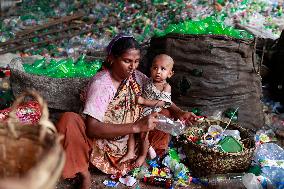
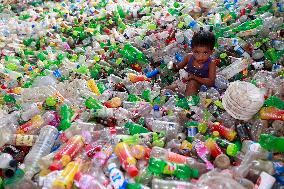
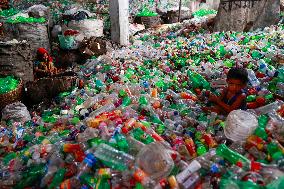
A child plays with plastic bottles at a recycling factory in Dhaka, Bangladesh, May 14, 2024. Workers are sorting discarded plastic bottles collected from the garbage heap and preparing them for recycling. These bottles are cleaned and cut into pieces by a cutting machine. There, new products are made from these pieces of plastic. According to the Environment Department of Bangladesh, about 24 thousand tons of waste is produced every day in the country. Of this 7.35 percent waste are plastic materials, which is 1,700 tones. Only 50 percent of these plastic wastes are recyclable. Photo by Suvra Kanti Das/ABACAPRESS.COM

  •  
Plastic Recycling Factory - Bangladesh

Plastic Recycling Factory - Bangladesh

A Bangladeshi woman works in a plastic bottle recycling factory in Dhaka, Bangladesh, May 14, 2024. Workers are sorting discarded plastic bottles collected from the garbage heap and preparing them for recycling. These bottles are cleaned and cut into pieces by a cutting machine. There, new products are made from these pieces of plastic. According to the Environment Department of Bangladesh, about 24 thousand tons of waste is produced every day in the country. Of this 7.35 percent waste are plastic materials, which is 1,700 tones. Only 50 percent of these plastic wastes are recyclable. Photo by Suvra Kanti Das/ABACAPRESS.COM

  •  
Plastic Recycling Factory - Bangladesh

Plastic Recycling Factory - Bangladesh

A Bangladeshi woman works in a plastic bottle recycling factory in Dhaka, Bangladesh, May 14, 2024. Workers are sorting discarded plastic bottles collected from the garbage heap and preparing them for recycling. These bottles are cleaned and cut into pieces by a cutting machine. There, new products are made from these pieces of plastic. According to the Environment Department of Bangladesh, about 24 thousand tons of waste is produced every day in the country. Of this 7.35 percent waste are plastic materials, which is 1,700 tones. Only 50 percent of these plastic wastes are recyclable. Photo by Suvra Kanti Das/ABACAPRESS.COM

  •  
Plastic Recycling Factory - Bangladesh

Plastic Recycling Factory - Bangladesh

A Bangladeshi woman works in a plastic bottle recycling factory in Dhaka, Bangladesh, May 14, 2024. Workers are sorting discarded plastic bottles collected from the garbage heap and preparing them for recycling. These bottles are cleaned and cut into pieces by a cutting machine. There, new products are made from these pieces of plastic. According to the Environment Department of Bangladesh, about 24 thousand tons of waste is produced every day in the country. Of this 7.35 percent waste are plastic materials, which is 1,700 tones. Only 50 percent of these plastic wastes are recyclable. Photo by Suvra Kanti Das/ABACAPRESS.COM

  •  
Plastic Recycling Factory - Bangladesh

Plastic Recycling Factory - Bangladesh

A Bangladeshi woman works in a plastic bottle recycling factory in Dhaka, Bangladesh, May 14, 2024. Workers are sorting discarded plastic bottles collected from the garbage heap and preparing them for recycling. These bottles are cleaned and cut into pieces by a cutting machine. There, new products are made from these pieces of plastic. According to the Environment Department of Bangladesh, about 24 thousand tons of waste is produced every day in the country. Of this 7.35 percent waste are plastic materials, which is 1,700 tones. Only 50 percent of these plastic wastes are recyclable. Photo by Suvra Kanti Das/ABACAPRESS.COM

  •  
Plastic Recycling Factory - Bangladesh

Plastic Recycling Factory - Bangladesh

A Bangladeshi woman works in a plastic bottle recycling factory in Dhaka, Bangladesh, May 14, 2024. Workers are sorting discarded plastic bottles collected from the garbage heap and preparing them for recycling. These bottles are cleaned and cut into pieces by a cutting machine. There, new products are made from these pieces of plastic. According to the Environment Department of Bangladesh, about 24 thousand tons of waste is produced every day in the country. Of this 7.35 percent waste are plastic materials, which is 1,700 tones. Only 50 percent of these plastic wastes are recyclable. Photo by Suvra Kanti Das/ABACAPRESS.COM

  •  
Plastic Recycling Factory - Bangladesh

Plastic Recycling Factory - Bangladesh

A child plays with plastic bottles at a recycling factory in Dhaka, Bangladesh, May 14, 2024. Workers are sorting discarded plastic bottles collected from the garbage heap and preparing them for recycling. These bottles are cleaned and cut into pieces by a cutting machine. There, new products are made from these pieces of plastic. According to the Environment Department of Bangladesh, about 24 thousand tons of waste is produced every day in the country. Of this 7.35 percent waste are plastic materials, which is 1,700 tones. Only 50 percent of these plastic wastes are recyclable. Photo by Suvra Kanti Das/ABACAPRESS.COM

  •  
Plastic Recycling Factory - Bangladesh

Plastic Recycling Factory - Bangladesh

A Bangladeshi woman works in a plastic bottle recycling factory in Dhaka, Bangladesh, May 14, 2024. Workers are sorting discarded plastic bottles collected from the garbage heap and preparing them for recycling. These bottles are cleaned and cut into pieces by a cutting machine. There, new products are made from these pieces of plastic. According to the Environment Department of Bangladesh, about 24 thousand tons of waste is produced every day in the country. Of this 7.35 percent waste are plastic materials, which is 1,700 tones. Only 50 percent of these plastic wastes are recyclable. Photo by Suvra Kanti Das/ABACAPRESS.COM

  •  
Plastic Recycling Factory - Bangladesh

Plastic Recycling Factory - Bangladesh

A Bangladeshi woman works in a plastic bottle recycling factory in Dhaka, Bangladesh, May 14, 2024. Workers are sorting discarded plastic bottles collected from the garbage heap and preparing them for recycling. These bottles are cleaned and cut into pieces by a cutting machine. There, new products are made from these pieces of plastic. According to the Environment Department of Bangladesh, about 24 thousand tons of waste is produced every day in the country. Of this 7.35 percent waste are plastic materials, which is 1,700 tones. Only 50 percent of these plastic wastes are recyclable. Photo by Suvra Kanti Das/ABACAPRESS.COM

  •  
Plastic Recycling Factory - Bangladesh

Plastic Recycling Factory - Bangladesh

A Bangladeshi woman works in a plastic bottle recycling factory in Dhaka, Bangladesh, May 14, 2024. Workers are sorting discarded plastic bottles collected from the garbage heap and preparing them for recycling. These bottles are cleaned and cut into pieces by a cutting machine. There, new products are made from these pieces of plastic. According to the Environment Department of Bangladesh, about 24 thousand tons of waste is produced every day in the country. Of this 7.35 percent waste are plastic materials, which is 1,700 tones. Only 50 percent of these plastic wastes are recyclable. Photo by Suvra Kanti Das/ABACAPRESS.COM

  •  
Plastic Recycling Factory - Bangladesh

Plastic Recycling Factory - Bangladesh

A Bangladeshi woman works in a plastic bottle recycling factory in Dhaka, Bangladesh, May 14, 2024. Workers are sorting discarded plastic bottles collected from the garbage heap and preparing them for recycling. These bottles are cleaned and cut into pieces by a cutting machine. There, new products are made from these pieces of plastic. According to the Environment Department of Bangladesh, about 24 thousand tons of waste is produced every day in the country. Of this 7.35 percent waste are plastic materials, which is 1,700 tones. Only 50 percent of these plastic wastes are recyclable. Photo by Suvra Kanti Das/ABACAPRESS.COM

  •  

Bank of Japan cuts purchases of Japanese government bonds

STORY: Bank of Japan cuts purchases of Japanese government bonds SHOOTING TIME: April 30, 2024 DATELINE: May 14, 2024 LENGTH: 00:01:44 LOCATION: Tokyo CATEGORY: ECONOMY SHOTLIST: 1. various of Bank of Japan 2. various of banks in Tokyo STORYLINE: The Bank of Japan (BOJ) on Monday announced a reduction of the amount of Japanese government bonds it offered to buy in a regular purchase operation. The central bank offered to buy 425 billion yen (about 2.73 billion U.S. dollars) in Japanese government bonds with five to 10 years left to maturity, down 50 billion yen from the previous such operation. The benchmark yield on the 10-year Japanese government bond subsequently climbed to a six-month high of 0.935 percent at one point. The reduction was the first since the BOJ in March adjusted its massive monetary easing, including ending its negative interest rate policy. Some market participants saw the move as the BOJ's latest effort to counter the weakening yen. BOJ Governor Kazuo Ueda has said r

  •  

Work on Chinese-built airport for Cambodian capital in full swing

STORY: Work on Chinese-built airport for Cambodian capital in full swing SHOOTING TIME: March 12, 2024 DATELINE: March 13, 2024 LENGTH: 00:01:13 LOCATION: Phnom Penh CATEGORY: SOCIETY SHOTLIST: 1. various of Chinese-built new Phnom Penh international airport 2. SOUNDBITE (English): EL SETHSOVATHA, Site engineer at Techo International Airport project STORYLINE: Some 66.1 percent of the construction work on a Chinese-built new Phnom Penh international airport, officially known as the Techo International Airport, has been completed so far, Cambodian Prime Minister Hun Manet said on Tuesday. Invested by the Cambodia Airport Investment Co., Ltd, the 1.5-billion-U.S. dollar airport is being constructed by the China Construction Third Engineering Bureau Group Co., Ltd. on an area of 2,600 hectares, about 20 km from the capital Phnom Penh. It will be capable of handling 13 million passengers a year in the first phase, 30 million passengers in the second phase after 2030, and up to 50 million passengers in 2050 i

  •  

Chinese electric vehicles gain popularity in Indonesia

STORY: Chinese electric vehicles gain popularity in Indonesia SHOOTING TIME: March 6, 2024 DATELINE: March 8, 2024 LENGTH: 00:02:02 LOCATION: Jakarta CATEGORY: ECONOMY/SOCIETY SHOTLIST: 1. STANDUP (English): SUN LEI, Xinhua correspondent 2. various of Chinese electric vehicles in Indonesia 3. SOUNDBITE (Chinese): LIU YAN, Marketing Operation Director of Wuling Indonesia STORYLINE: STANDUP (English): SUN LEI, Xinhua correspondent "This is a street in Jakarta, the capital of Indonesia, one of the most densely populated and congested cities in the world. Traffic congestion contributes to the deterioration of air quality in Jakarta, with about 50 percent of air pollution coming from traffic. Indonesia plans to achieve carbon neutrality by 2060 or even earlier, with new energy vehicles being the current priority industry in Indonesia." According to the Association of Indonesia Automotive Industries (GAIKINDO), the number of electric car brands from China coming to Indonesia has increased in the last six years

  •  

Egypt's central bank issues 50 bln EGP in T-bills

STORY: Egypt's central bank issues 50 bln EGP in T-bills SHOOTING TIME: file DATELINE: March 4, 2024 LENGTH: 00:00:45 LOCATION: Cairo CATEGORY: ECONOMY SHOTLIST: 1. various of Egypt's Finance Ministry and the minister 2. various of Egypt's central bank 3. various of the Egyptian banknotes STORYLINE: The Central Bank of Egypt (CBE), on behalf of the Ministry of Finance, issued treasury bills (T-bills) at a total value of EGP 50 billion through two offerings on Sunday. With a tenor of 91 days, the first tranche was valued at about EGP 25 billion, according to official data. The second offering stood at EGP 25 billion and will mature in 273 days. In early February, the Central Bank of Egypt raised the key interest rates by two percent. Accordingly, the overnight deposit rate, the overnight lending rate, and the main operation rate were raised to 21.25 percent, 22.25 percent, and 21.75 percent, respectively. In addition, the discount rate was raised by 200 basis points to 21.75 percent. The decision has b

  •  

China's aid eases misery of quake-affected Afghans in chilly winter

STORY: China's aid eases misery of quake-affected Afghans in chilly winter SHOOTING TIME: Feb. 11, 2024 DATELINE: Feb. 22, 2024 LENGTH: 00:01:53 LOCATION: HERAT, Afghanistan CATEGORY: SOCIETY SHOTLIST: 1. various of the quake-affected areas 2. SOUNDBITE 1 (Dari): GHULAM REZA, Gazara resident 3. SOUNDBITE 2 (Dari): MOHAMMAD, Quake victim 4. SOUNDBITE 3 (Pashto): MOHAMMAD MUSA ASHARI, Herat's provincial director for natural disaster management authority STORYLINE: Surviving the devastating earthquake last October, Ghulam Reza, a resident of Gazara locality in west Afghanistan's Herat province, thanked China for sending assistance to the quake-affected families ahead of the chilly winter. SOUNDBITE 1 (Dari): GHULAM REZA, Gazara resident "I am thankful to China for sending assistance to our area which has covered about 50 to 60 families. There could be a catastrophe in the absence of humanitarian assistance." Around 800 families live in Gazara, and 90 percent of the villagers are living in poverty. A

  •  
MIDEAST-GAZA-RAFAH-DESTROYED BUILDINGS

MIDEAST-GAZA-RAFAH-DESTROYED BUILDINGS

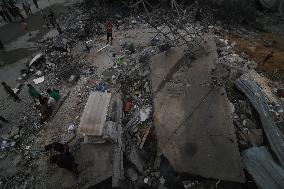
(231023) -- RAFAH, Oct. 23, 2023 (Xinhua) -- People inspect buildings destroyed in airstrikes in the southern Gaza Strip city of Rafah, Oct. 23, 2023. About 50 percent of the Palestinian residential units were partially or completely damaged by the ongoing Israeli attacks on the coastal enclave, a Palestinian official said on Sunday. (Photo by Khaled Omar/Xinhua)

  • Main
  • Top
  • Editorial
  • Creative
  • About Us
  • About ILG
  • Terms of use
  • Company
  • BEHIND
  • Price List
  • Single Plan
  • Monthly Plan
  • Services
  • Shooting
  • Rights Clearance
  • Support
  • FAQ
  • How To Buy
  • Contact Us
  • Become a Partner

© KYODO NEWS IMAGES INC

All Rights Reserved.

  • Editorial
  • Olympics
  • News
  • Sports
  • Japan
  • Tech
  • Royal
  • Disaster
  • NorthKorea
  • Old Japan
  • SNS
  • Creative
  • Food
  • Japan
  • Landscape
  • Animal
  • Popular
  • #Ukraine
  • #China
  • #coronavirus
  • #N. Korea
  • #Thailand
  • #Russia
  • #Ukraine
  • #China
  • #coronavirus
  • #N. Korea
  • #Thailand
  • #Russia
  • Food
  • Japan
  • Landscape
  • Animal
  • Olympics
  • News
  • Sports
  • Japan
  • Tech
  • Royal
  • Disaster
  • NorthKorea
  • Old Japan
  • SNS