•  
Rare Blue Room Discovered In Pompeii - Italy

Rare Blue Room Discovered In Pompeii - Italy

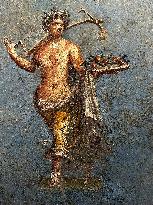
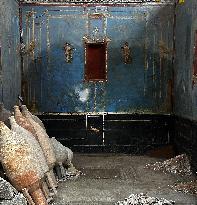
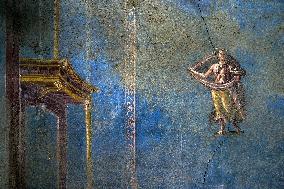
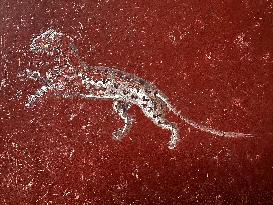
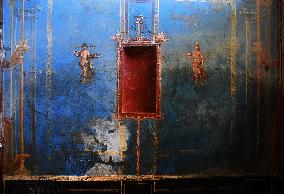
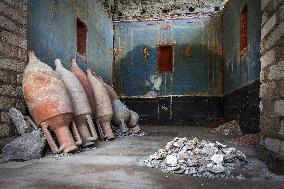
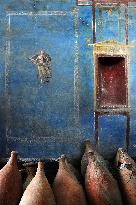
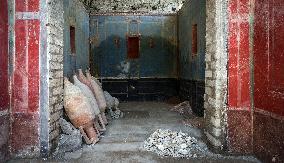
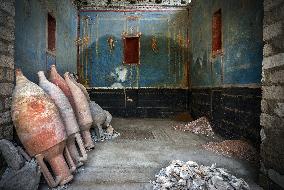
A new room in the central area of the ancient city of Pompeii, Italy emerged during excavations on May 2024. The room, which measures about 8 square meters, is painted blue and interpretable as a sacrarium, or a space dedicated to ritual activities and the storage of sacred objects. The light blue color found here was rarely witnessed in Pompeian frescoes and was generally found in highly decorative settings. Fifteen transport amphorae and a bronze set consisting of two jugs and two oil lamps were found in the room. Also present were accumulations of building materials, ready to be used in the renovations. A pile of already worn oyster shells was found on the threshold of the entrance, which were probably added to plaster and mortar mixes once they had been ground up. The figures found in the Blue Room flank niches in the center and depict the four seasons in the side niches. On the central wall are allegories of Agriculture and cattle breeding, as indicated by the attributes of a plow and a short stick used

  •  
Rare Blue Room Discovered In Pompeii - Italy

Rare Blue Room Discovered In Pompeii - Italy

A new room in the central area of the ancient city of Pompeii, Italy emerged during excavations on May 2024. The room, which measures about 8 square meters, is painted blue and interpretable as a sacrarium, or a space dedicated to ritual activities and the storage of sacred objects. The light blue color found here was rarely witnessed in Pompeian frescoes and was generally found in highly decorative settings. Fifteen transport amphorae and a bronze set consisting of two jugs and two oil lamps were found in the room. Also present were accumulations of building materials, ready to be used in the renovations. A pile of already worn oyster shells was found on the threshold of the entrance, which were probably added to plaster and mortar mixes once they had been ground up. The figures found in the Blue Room flank niches in the center and depict the four seasons in the side niches. On the central wall are allegories of Agriculture and cattle breeding, as indicated by the attributes of a plow and a short stick used

  •  
Rare Blue Room Discovered In Pompeii - Italy

Rare Blue Room Discovered In Pompeii - Italy

A new room in the central area of the ancient city of Pompeii, Italy emerged during excavations on May 2024. The room, which measures about 8 square meters, is painted blue and interpretable as a sacrarium, or a space dedicated to ritual activities and the storage of sacred objects. The light blue color found here was rarely witnessed in Pompeian frescoes and was generally found in highly decorative settings. Fifteen transport amphorae and a bronze set consisting of two jugs and two oil lamps were found in the room. Also present were accumulations of building materials, ready to be used in the renovations. A pile of already worn oyster shells was found on the threshold of the entrance, which were probably added to plaster and mortar mixes once they had been ground up. The figures found in the Blue Room flank niches in the center and depict the four seasons in the side niches. On the central wall are allegories of Agriculture and cattle breeding, as indicated by the attributes of a plow and a short stick used

  •  
Rare Blue Room Discovered In Pompeii - Italy

Rare Blue Room Discovered In Pompeii - Italy

A new room in the central area of the ancient city of Pompeii, Italy emerged during excavations on May 2024. The room, which measures about 8 square meters, is painted blue and interpretable as a sacrarium, or a space dedicated to ritual activities and the storage of sacred objects. The light blue color found here was rarely witnessed in Pompeian frescoes and was generally found in highly decorative settings. Fifteen transport amphorae and a bronze set consisting of two jugs and two oil lamps were found in the room. Also present were accumulations of building materials, ready to be used in the renovations. A pile of already worn oyster shells was found on the threshold of the entrance, which were probably added to plaster and mortar mixes once they had been ground up. The figures found in the Blue Room flank niches in the center and depict the four seasons in the side niches. On the central wall are allegories of Agriculture and cattle breeding, as indicated by the attributes of a plow and a short stick used

  •  
Rare Blue Room Discovered In Pompeii - Italy

Rare Blue Room Discovered In Pompeii - Italy

A new room in the central area of the ancient city of Pompeii, Italy emerged during excavations on May 2024. The room, which measures about 8 square meters, is painted blue and interpretable as a sacrarium, or a space dedicated to ritual activities and the storage of sacred objects. The light blue color found here was rarely witnessed in Pompeian frescoes and was generally found in highly decorative settings. Fifteen transport amphorae and a bronze set consisting of two jugs and two oil lamps were found in the room. Also present were accumulations of building materials, ready to be used in the renovations. A pile of already worn oyster shells was found on the threshold of the entrance, which were probably added to plaster and mortar mixes once they had been ground up. The figures found in the Blue Room flank niches in the center and depict the four seasons in the side niches. On the central wall are allegories of Agriculture and cattle breeding, as indicated by the attributes of a plow and a short stick used

  •  
Rare Blue Room Discovered In Pompeii - Italy

Rare Blue Room Discovered In Pompeii - Italy

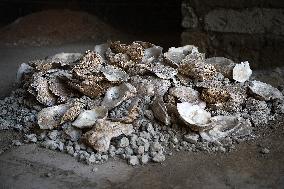
A pile of already worn oyster shells was found in the new room in the central area of the ancient city of Pompeii, Italy which emerged during excavations on May 2024. The room, which measures about 8 square meters, is painted blue and interpretable as a sacrarium, or a space dedicated to ritual activities and the storage of sacred objects. The light blue color found here was rarely witnessed in Pompeian frescoes and was generally found in highly decorative settings. Fifteen transport amphorae and a bronze set consisting of two jugs and two oil lamps were found in the room. Also present were accumulations of building materials, ready to be used in the renovations. A pile of already worn oyster shells was found on the threshold of the entrance, which were probably added to plaster and mortar mixes once they had been ground up. The figures found in the Blue Room flank niches in the center and depict the four seasons in the side niches. On the central wall are allegories of Agriculture and cattle breeding, as ind

  •  
Rare Blue Room Discovered In Pompeii - Italy

Rare Blue Room Discovered In Pompeii - Italy

A new room in the central area of the ancient city of Pompeii, Italy emerged during excavations on May 2024. The room, which measures about 8 square meters, is painted blue and interpretable as a sacrarium, or a space dedicated to ritual activities and the storage of sacred objects. The light blue color found here was rarely witnessed in Pompeian frescoes and was generally found in highly decorative settings. Fifteen transport amphorae and a bronze set consisting of two jugs and two oil lamps were found in the room. Also present were accumulations of building materials, ready to be used in the renovations. A pile of already worn oyster shells was found on the threshold of the entrance, which were probably added to plaster and mortar mixes once they had been ground up. The figures found in the Blue Room flank niches in the center and depict the four seasons in the side niches. On the central wall are allegories of Agriculture and cattle breeding, as indicated by the attributes of a plow and a short stick used

  •  
Rare Blue Room Discovered In Pompeii - Italy

Rare Blue Room Discovered In Pompeii - Italy

A new room in the central area of the ancient city of Pompeii, Italy emerged during excavations on May 2024. The room, which measures about 8 square meters, is painted blue and interpretable as a sacrarium, or a space dedicated to ritual activities and the storage of sacred objects. The light blue color found here was rarely witnessed in Pompeian frescoes and was generally found in highly decorative settings. Fifteen transport amphorae and a bronze set consisting of two jugs and two oil lamps were found in the room. Also present were accumulations of building materials, ready to be used in the renovations. A pile of already worn oyster shells was found on the threshold of the entrance, which were probably added to plaster and mortar mixes once they had been ground up. The figures found in the Blue Room flank niches in the center and depict the four seasons in the side niches. On the central wall are allegories of Agriculture and cattle breeding, as indicated by the attributes of a plow and a short stick used

  •  
Rare Blue Room Discovered In Pompeii - Italy

Rare Blue Room Discovered In Pompeii - Italy

A new room in the central area of the ancient city of Pompeii, Italy emerged during excavations on May 2024. The room, which measures about 8 square meters, is painted blue and interpretable as a sacrarium, or a space dedicated to ritual activities and the storage of sacred objects. The light blue color found here was rarely witnessed in Pompeian frescoes and was generally found in highly decorative settings. Fifteen transport amphorae and a bronze set consisting of two jugs and two oil lamps were found in the room. Also present were accumulations of building materials, ready to be used in the renovations. A pile of already worn oyster shells was found on the threshold of the entrance, which were probably added to plaster and mortar mixes once they had been ground up. The figures found in the Blue Room flank niches in the center and depict the four seasons in the side niches. On the central wall are allegories of Agriculture and cattle breeding, as indicated by the attributes of a plow and a short stick used

  •  
Rare Blue Room Discovered In Pompeii - Italy

Rare Blue Room Discovered In Pompeii - Italy

A new room in the central area of the ancient city of Pompeii, Italy emerged during excavations on May 2024. The room, which measures about 8 square meters, is painted blue and interpretable as a sacrarium, or a space dedicated to ritual activities and the storage of sacred objects. The light blue color found here was rarely witnessed in Pompeian frescoes and was generally found in highly decorative settings. Fifteen transport amphorae and a bronze set consisting of two jugs and two oil lamps were found in the room. Also present were accumulations of building materials, ready to be used in the renovations. A pile of already worn oyster shells was found on the threshold of the entrance, which were probably added to plaster and mortar mixes once they had been ground up. The figures found in the Blue Room flank niches in the center and depict the four seasons in the side niches. On the central wall are allegories of Agriculture and cattle breeding, as indicated by the attributes of a plow and a short stick used

  •  
Archaeologists Discover 2 New Skeletons At Pompeii

Archaeologists Discover 2 New Skeletons At Pompeii

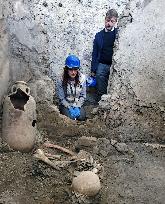
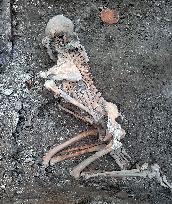
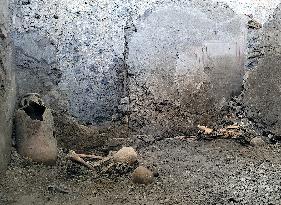
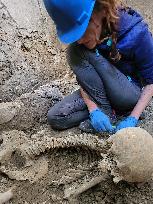
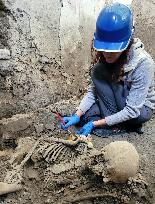
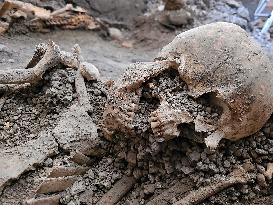
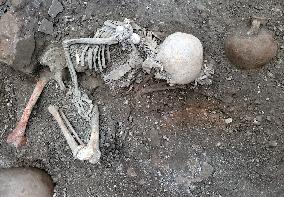
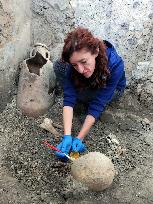
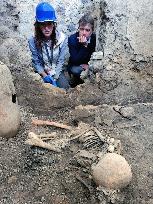
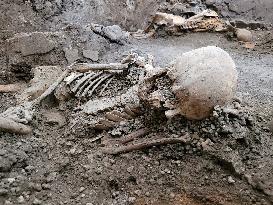
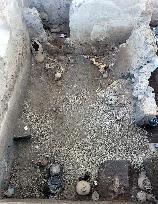
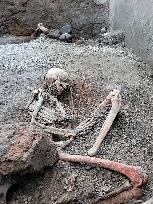
Archaeologists have discovered two skeletons in Pompeii, Italy on May 16, 2023 that they believe were men who died when a wall collapsed on them during the powerful earthquakes that accompanied the eruption of Mount Vesuvius in AD79. The skeletons were discovered at the excavation site known as the Insula dei Casti Amanti (Insula of the Chaste Lovers). According to Gabriel Zuchtriegel (Right), the Director of the Pompeii Archaeological Park, the two were men working in an area that was not a luxurious part of Pompeii, possibly involved in building projects using plaster and amphorae filled with water. He said that the bones show various fractures and are mixed with pieces of the wall that crumbled on them. Bone fractures indicate that the men probably died as a result of multiple injuries sustained as the building they sought refuge in caved in because of an earthquake that struck during the early stage of the volcanic eruption. One of the victims is thought to have raised his arm in an attempt to protect him

  •  
Archaeologists Discover 2 New Skeletons At Pompeii

Archaeologists Discover 2 New Skeletons At Pompeii

Archaeologists have discovered two skeletons in Pompeii, Italy on May 16, 2023 that they believe were men who died when a wall collapsed on them during the powerful earthquakes that accompanied the eruption of Mount Vesuvius in AD79. The skeletons were discovered at the excavation site known as the Insula dei Casti Amanti (Insula of the Chaste Lovers). According to Gabriel Zuchtriegel, the Director of the Pompeii Archaeological Park, the two were men working in an area that was not a luxurious part of Pompeii, possibly involved in building projects using plaster and amphorae filled with water. He said that the bones show various fractures and are mixed with pieces of the wall that crumbled on them. Bone fractures indicate that the men probably died as a result of multiple injuries sustained as the building they sought refuge in caved in because of an earthquake that struck during the early stage of the volcanic eruption. One of the victims is thought to have raised his arm in an attempt to protect himself fro

  •  
Archaeologists Discover 2 New Skeletons At Pompeii

Archaeologists Discover 2 New Skeletons At Pompeii

Archaeologists have discovered two skeletons in Pompeii, Italy on May 16, 2023 that they believe were men who died when a wall collapsed on them during the powerful earthquakes that accompanied the eruption of Mount Vesuvius in AD79. The skeletons were discovered at the excavation site known as the Insula dei Casti Amanti (Insula of the Chaste Lovers). According to Gabriel Zuchtriegel, the Director of the Pompeii Archaeological Park, the two were men working in an area that was not a luxurious part of Pompeii, possibly involved in building projects using plaster and amphorae filled with water. He said that the bones show various fractures and are mixed with pieces of the wall that crumbled on them. Bone fractures indicate that the men probably died as a result of multiple injuries sustained as the building they sought refuge in caved in because of an earthquake that struck during the early stage of the volcanic eruption. One of the victims is thought to have raised his arm in an attempt to protect himself fro

  •  
Archaeologists Discover 2 New Skeletons At Pompeii

Archaeologists Discover 2 New Skeletons At Pompeii

Archaeologists have discovered two skeletons in Pompeii, Italy on May 16, 2023 that they believe were men who died when a wall collapsed on them during the powerful earthquakes that accompanied the eruption of Mount Vesuvius in AD79. The skeletons were discovered at the excavation site known as the Insula dei Casti Amanti (Insula of the Chaste Lovers). According to Gabriel Zuchtriegel, the Director of the Pompeii Archaeological Park, the two were men working in an area that was not a luxurious part of Pompeii, possibly involved in building projects using plaster and amphorae filled with water. He said that the bones show various fractures and are mixed with pieces of the wall that crumbled on them. Bone fractures indicate that the men probably died as a result of multiple injuries sustained as the building they sought refuge in caved in because of an earthquake that struck during the early stage of the volcanic eruption. One of the victims is thought to have raised his arm in an attempt to protect himself fro

  •  
Archaeologists Discover 2 New Skeletons At Pompeii

Archaeologists Discover 2 New Skeletons At Pompeii

Archaeologists have discovered two skeletons in Pompeii, Italy on May 16, 2023 that they believe were men who died when a wall collapsed on them during the powerful earthquakes that accompanied the eruption of Mount Vesuvius in AD79. The skeletons were discovered at the excavation site known as the Insula dei Casti Amanti (Insula of the Chaste Lovers). According to Gabriel Zuchtriegel, the Director of the Pompeii Archaeological Park, the two were men working in an area that was not a luxurious part of Pompeii, possibly involved in building projects using plaster and amphorae filled with water. He said that the bones show various fractures and are mixed with pieces of the wall that crumbled on them. Bone fractures indicate that the men probably died as a result of multiple injuries sustained as the building they sought refuge in caved in because of an earthquake that struck during the early stage of the volcanic eruption. One of the victims is thought to have raised his arm in an attempt to protect himself fro

  •  
Archaeologists Discover 2 New Skeletons At Pompeii

Archaeologists Discover 2 New Skeletons At Pompeii

Archaeologists have discovered two skeletons in Pompeii, Italy on May 16, 2023 that they believe were men who died when a wall collapsed on them during the powerful earthquakes that accompanied the eruption of Mount Vesuvius in AD79. The skeletons were discovered at the excavation site known as the Insula dei Casti Amanti (Insula of the Chaste Lovers). According to Gabriel Zuchtriegel, the Director of the Pompeii Archaeological Park, the two were men working in an area that was not a luxurious part of Pompeii, possibly involved in building projects using plaster and amphorae filled with water. He said that the bones show various fractures and are mixed with pieces of the wall that crumbled on them. Bone fractures indicate that the men probably died as a result of multiple injuries sustained as the building they sought refuge in caved in because of an earthquake that struck during the early stage of the volcanic eruption. One of the victims is thought to have raised his arm in an attempt to protect himself fro

  •  
Archaeologists Discover 2 New Skeletons At Pompeii

Archaeologists Discover 2 New Skeletons At Pompeii

Archaeologists have discovered two skeletons in Pompeii, Italy on May 16, 2023 that they believe were men who died when a wall collapsed on them during the powerful earthquakes that accompanied the eruption of Mount Vesuvius in AD79. The skeletons were discovered at the excavation site known as the Insula dei Casti Amanti (Insula of the Chaste Lovers). According to Gabriel Zuchtriegel, the Director of the Pompeii Archaeological Park, the two were men working in an area that was not a luxurious part of Pompeii, possibly involved in building projects using plaster and amphorae filled with water. He said that the bones show various fractures and are mixed with pieces of the wall that crumbled on them. Bone fractures indicate that the men probably died as a result of multiple injuries sustained as the building they sought refuge in caved in because of an earthquake that struck during the early stage of the volcanic eruption. One of the victims is thought to have raised his arm in an attempt to protect himself fro

  •  
Archaeologists Discover 2 New Skeletons At Pompeii

Archaeologists Discover 2 New Skeletons At Pompeii

Archaeologists have discovered two skeletons in Pompeii, Italy on May 16, 2023 that they believe were men who died when a wall collapsed on them during the powerful earthquakes that accompanied the eruption of Mount Vesuvius in AD79. The skeletons were discovered at the excavation site known as the Insula dei Casti Amanti (Insula of the Chaste Lovers). According to Gabriel Zuchtriegel, the Director of the Pompeii Archaeological Park, the two were men working in an area that was not a luxurious part of Pompeii, possibly involved in building projects using plaster and amphorae filled with water. He said that the bones show various fractures and are mixed with pieces of the wall that crumbled on them. Bone fractures indicate that the men probably died as a result of multiple injuries sustained as the building they sought refuge in caved in because of an earthquake that struck during the early stage of the volcanic eruption. One of the victims is thought to have raised his arm in an attempt to protect himself fro

  •  
Archaeologists Discover 2 New Skeletons At Pompeii

Archaeologists Discover 2 New Skeletons At Pompeii

Archaeologists have discovered two skeletons in Pompeii, Italy on May 16, 2023 that they believe were men who died when a wall collapsed on them during the powerful earthquakes that accompanied the eruption of Mount Vesuvius in AD79. The skeletons were discovered at the excavation site known as the Insula dei Casti Amanti (Insula of the Chaste Lovers). According to Gabriel Zuchtriegel (Right), the Director of the Pompeii Archaeological Park, the two were men working in an area that was not a luxurious part of Pompeii, possibly involved in building projects using plaster and amphorae filled with water. He said that the bones show various fractures and are mixed with pieces of the wall that crumbled on them. Bone fractures indicate that the men probably died as a result of multiple injuries sustained as the building they sought refuge in caved in because of an earthquake that struck during the early stage of the volcanic eruption. One of the victims is thought to have raised his arm in an attempt to protect him

  •  
Archaeologists Discover 2 New Skeletons At Pompeii

Archaeologists Discover 2 New Skeletons At Pompeii

Archaeologists have discovered two skeletons in Pompeii, Italy on May 16, 2023 that they believe were men who died when a wall collapsed on them during the powerful earthquakes that accompanied the eruption of Mount Vesuvius in AD79. The skeletons were discovered at the excavation site known as the Insula dei Casti Amanti (Insula of the Chaste Lovers). According to Gabriel Zuchtriegel, the Director of the Pompeii Archaeological Park, the two were men working in an area that was not a luxurious part of Pompeii, possibly involved in building projects using plaster and amphorae filled with water. He said that the bones show various fractures and are mixed with pieces of the wall that crumbled on them. Bone fractures indicate that the men probably died as a result of multiple injuries sustained as the building they sought refuge in caved in because of an earthquake that struck during the early stage of the volcanic eruption. One of the victims is thought to have raised his arm in an attempt to protect himself fro

  •  
Archaeologists Discover 2 New Skeletons At Pompeii

Archaeologists Discover 2 New Skeletons At Pompeii

Archaeologists have discovered two skeletons in Pompeii, Italy on May 16, 2023 that they believe were men who died when a wall collapsed on them during the powerful earthquakes that accompanied the eruption of Mount Vesuvius in AD79. The skeletons were discovered at the excavation site known as the Insula dei Casti Amanti (Insula of the Chaste Lovers). According to Gabriel Zuchtriegel, the Director of the Pompeii Archaeological Park, the two were men working in an area that was not a luxurious part of Pompeii, possibly involved in building projects using plaster and amphorae filled with water. He said that the bones show various fractures and are mixed with pieces of the wall that crumbled on them. Bone fractures indicate that the men probably died as a result of multiple injuries sustained as the building they sought refuge in caved in because of an earthquake that struck during the early stage of the volcanic eruption. One of the victims is thought to have raised his arm in an attempt to protect himself fro

  •  
Archaeologists Discover 2 New Skeletons At Pompeii

Archaeologists Discover 2 New Skeletons At Pompeii

Archaeologists have discovered two skeletons in Pompeii, Italy on May 16, 2023 that they believe were men who died when a wall collapsed on them during the powerful earthquakes that accompanied the eruption of Mount Vesuvius in AD79. The skeletons were discovered at the excavation site known as the Insula dei Casti Amanti (Insula of the Chaste Lovers). According to Gabriel Zuchtriegel, the Director of the Pompeii Archaeological Park, the two were men working in an area that was not a luxurious part of Pompeii, possibly involved in building projects using plaster and amphorae filled with water. He said that the bones show various fractures and are mixed with pieces of the wall that crumbled on them. Bone fractures indicate that the men probably died as a result of multiple injuries sustained as the building they sought refuge in caved in because of an earthquake that struck during the early stage of the volcanic eruption. One of the victims is thought to have raised his arm in an attempt to protect himself fro

  • Main
  • Top
  • Editorial
  • Creative
  • About Us
  • About ILG
  • Terms of use
  • Company
  • BEHIND
  • Price List
  • Single Plan
  • Monthly Plan
  • Services
  • Shooting
  • Rights Clearance
  • Support
  • FAQ
  • How To Buy
  • Contact Us
  • Become a Partner

© KYODO NEWS IMAGES INC

All Rights Reserved.

  • Editorial
  • Olympics
  • News
  • Sports
  • Japan
  • Tech
  • Royal
  • Disaster
  • NorthKorea
  • Old Japan
  • SNS
  • Creative
  • Food
  • Japan
  • Landscape
  • Animal
  • Popular
  • #Ukraine
  • #China
  • #coronavirus
  • #N. Korea
  • #Russia
  • #Thailand
  • #Ukraine
  • #China
  • #coronavirus
  • #N. Korea
  • #Russia
  • #Thailand
  • Food
  • Japan
  • Landscape
  • Animal
  • Olympics
  • News
  • Sports
  • Japan
  • Tech
  • Royal
  • Disaster
  • NorthKorea
  • Old Japan
  • SNS