•  
Kumartuli Sculptors Prepare for Festival Season - India

Kumartuli Sculptors Prepare for Festival Season - India

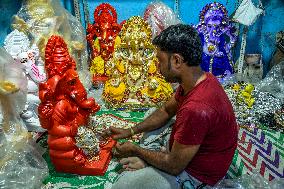
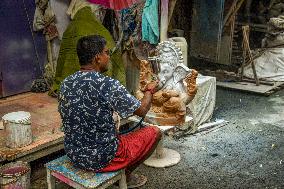
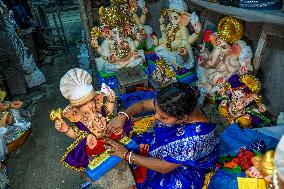
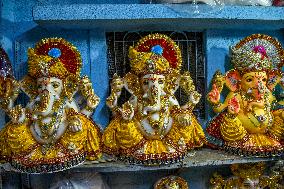
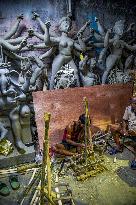
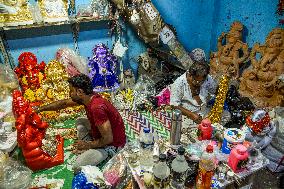
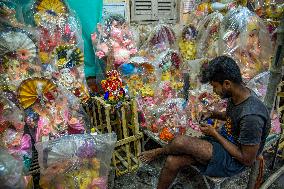
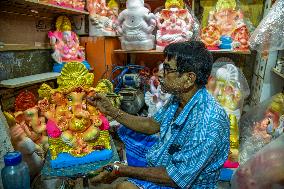
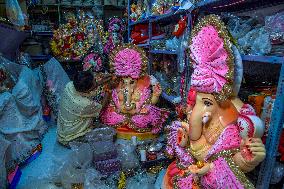
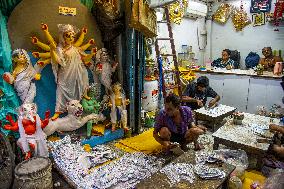
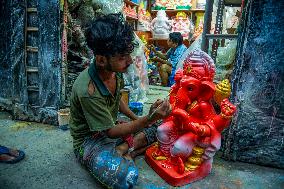
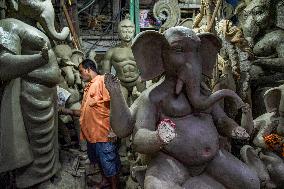
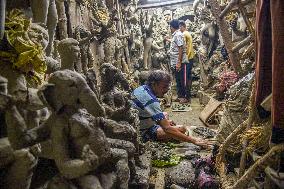
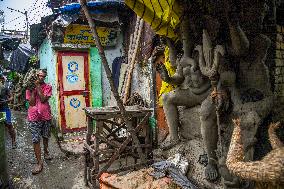
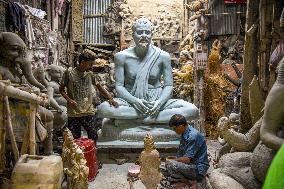
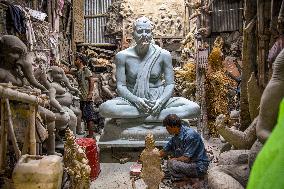
Kumartuli, Kolkata's historic potters' quarter, is renowned for its centuries-old tradition of crafting clay idols, especially for the Durga Puja festival. Artisans sculpt elaborate figures of Hindu deities from straw and clay inside narrow, open-air workshops in this densely populated neighborhood in northern Kolkata, India, on August 5, 2025. The area dates back to the early 18th century, when potters were commissioned to create idols for wealthy Bengali households. Today, Kumartuli supplies thousands of handcrafted idols not only to cities across India but also to international communities celebrating Durga Puja. As the festival approaches, the pace of work intensifies, with sculptors of all ages and skill levels contributing to the creation of goddess Durga, Ganesh, Kartik, Lakshmi, and Saraswati. The craft blends spiritual devotion with generational artistry, sustaining a vital cultural heritage that continues to thrive amid urban transformation. Photo by Debajyoti Chakraborty/Middle East Images/ABACAPRE

  •  
Kumartuli Sculptors Prepare for Festival Season - India

Kumartuli Sculptors Prepare for Festival Season - India

Kumartuli, Kolkata's historic potters' quarter, is renowned for its centuries-old tradition of crafting clay idols, especially for the Durga Puja festival. Artisans sculpt elaborate figures of Hindu deities from straw and clay inside narrow, open-air workshops in this densely populated neighborhood in northern Kolkata, India, on August 5, 2025. The area dates back to the early 18th century, when potters were commissioned to create idols for wealthy Bengali households. Today, Kumartuli supplies thousands of handcrafted idols not only to cities across India but also to international communities celebrating Durga Puja. As the festival approaches, the pace of work intensifies, with sculptors of all ages and skill levels contributing to the creation of goddess Durga, Ganesh, Kartik, Lakshmi, and Saraswati. The craft blends spiritual devotion with generational artistry, sustaining a vital cultural heritage that continues to thrive amid urban transformation. Photo by Debajyoti Chakraborty/Middle East Images/ABACAPRE

  •  
Kumartuli Sculptors Prepare for Festival Season - India

Kumartuli Sculptors Prepare for Festival Season - India

Kumartuli, Kolkata's historic potters' quarter, is renowned for its centuries-old tradition of crafting clay idols, especially for the Durga Puja festival. Artisans sculpt elaborate figures of Hindu deities from straw and clay inside narrow, open-air workshops in this densely populated neighborhood in northern Kolkata, India, on August 5, 2025. The area dates back to the early 18th century, when potters were commissioned to create idols for wealthy Bengali households. Today, Kumartuli supplies thousands of handcrafted idols not only to cities across India but also to international communities celebrating Durga Puja. As the festival approaches, the pace of work intensifies, with sculptors of all ages and skill levels contributing to the creation of goddess Durga, Ganesh, Kartik, Lakshmi, and Saraswati. The craft blends spiritual devotion with generational artistry, sustaining a vital cultural heritage that continues to thrive amid urban transformation. Photo by Debajyoti Chakraborty/Middle East Images/ABACAPRE

  •  
Kumartuli Sculptors Prepare for Festival Season - India

Kumartuli Sculptors Prepare for Festival Season - India

Kumartuli, Kolkata's historic potters' quarter, is renowned for its centuries-old tradition of crafting clay idols, especially for the Durga Puja festival. Artisans sculpt elaborate figures of Hindu deities from straw and clay inside narrow, open-air workshops in this densely populated neighborhood in northern Kolkata, India, on August 5, 2025. The area dates back to the early 18th century, when potters were commissioned to create idols for wealthy Bengali households. Today, Kumartuli supplies thousands of handcrafted idols not only to cities across India but also to international communities celebrating Durga Puja. As the festival approaches, the pace of work intensifies, with sculptors of all ages and skill levels contributing to the creation of goddess Durga, Ganesh, Kartik, Lakshmi, and Saraswati. The craft blends spiritual devotion with generational artistry, sustaining a vital cultural heritage that continues to thrive amid urban transformation. Photo by Debajyoti Chakraborty/Middle East Images/ABACAPRE

  •  
Kumartuli Sculptors Prepare for Festival Season - India

Kumartuli Sculptors Prepare for Festival Season - India

Kumartuli, Kolkata's historic potters' quarter, is renowned for its centuries-old tradition of crafting clay idols, especially for the Durga Puja festival. Artisans sculpt elaborate figures of Hindu deities from straw and clay inside narrow, open-air workshops in this densely populated neighborhood in northern Kolkata, India, on August 5, 2025. The area dates back to the early 18th century, when potters were commissioned to create idols for wealthy Bengali households. Today, Kumartuli supplies thousands of handcrafted idols not only to cities across India but also to international communities celebrating Durga Puja. As the festival approaches, the pace of work intensifies, with sculptors of all ages and skill levels contributing to the creation of goddess Durga, Ganesh, Kartik, Lakshmi, and Saraswati. The craft blends spiritual devotion with generational artistry, sustaining a vital cultural heritage that continues to thrive amid urban transformation. Photo by Debajyoti Chakraborty/Middle East Images/ABACAPRE

  •  
Kumartuli Sculptors Prepare for Festival Season - India

Kumartuli Sculptors Prepare for Festival Season - India

Kumartuli, Kolkata's historic potters' quarter, is renowned for its centuries-old tradition of crafting clay idols, especially for the Durga Puja festival. Artisans sculpt elaborate figures of Hindu deities from straw and clay inside narrow, open-air workshops in this densely populated neighborhood in northern Kolkata, India, on August 5, 2025. The area dates back to the early 18th century, when potters were commissioned to create idols for wealthy Bengali households. Today, Kumartuli supplies thousands of handcrafted idols not only to cities across India but also to international communities celebrating Durga Puja. As the festival approaches, the pace of work intensifies, with sculptors of all ages and skill levels contributing to the creation of goddess Durga, Ganesh, Kartik, Lakshmi, and Saraswati. The craft blends spiritual devotion with generational artistry, sustaining a vital cultural heritage that continues to thrive amid urban transformation. Photo by Debajyoti Chakraborty/Middle East Images/ABACAPRE

  •  
Kumartuli Sculptors Prepare for Festival Season - India

Kumartuli Sculptors Prepare for Festival Season - India

Kumartuli, Kolkata's historic potters' quarter, is renowned for its centuries-old tradition of crafting clay idols, especially for the Durga Puja festival. Artisans sculpt elaborate figures of Hindu deities from straw and clay inside narrow, open-air workshops in this densely populated neighborhood in northern Kolkata, India, on August 5, 2025. The area dates back to the early 18th century, when potters were commissioned to create idols for wealthy Bengali households. Today, Kumartuli supplies thousands of handcrafted idols not only to cities across India but also to international communities celebrating Durga Puja. As the festival approaches, the pace of work intensifies, with sculptors of all ages and skill levels contributing to the creation of goddess Durga, Ganesh, Kartik, Lakshmi, and Saraswati. The craft blends spiritual devotion with generational artistry, sustaining a vital cultural heritage that continues to thrive amid urban transformation. Photo by Debajyoti Chakraborty/Middle East Images/ABACAPRE

  •  
Kumartuli Sculptors Prepare for Festival Season - India

Kumartuli Sculptors Prepare for Festival Season - India

Kumartuli, Kolkata's historic potters' quarter, is renowned for its centuries-old tradition of crafting clay idols, especially for the Durga Puja festival. Artisans sculpt elaborate figures of Hindu deities from straw and clay inside narrow, open-air workshops in this densely populated neighborhood in northern Kolkata, India, on August 5, 2025. The area dates back to the early 18th century, when potters were commissioned to create idols for wealthy Bengali households. Today, Kumartuli supplies thousands of handcrafted idols not only to cities across India but also to international communities celebrating Durga Puja. As the festival approaches, the pace of work intensifies, with sculptors of all ages and skill levels contributing to the creation of goddess Durga, Ganesh, Kartik, Lakshmi, and Saraswati. The craft blends spiritual devotion with generational artistry, sustaining a vital cultural heritage that continues to thrive amid urban transformation. Photo by Debajyoti Chakraborty/Middle East Images/ABACAPRE

  •  
Kumartuli Sculptors Prepare for Festival Season - India

Kumartuli Sculptors Prepare for Festival Season - India

Kumartuli, Kolkata's historic potters' quarter, is renowned for its centuries-old tradition of crafting clay idols, especially for the Durga Puja festival. Artisans sculpt elaborate figures of Hindu deities from straw and clay inside narrow, open-air workshops in this densely populated neighborhood in northern Kolkata, India, on August 5, 2025. The area dates back to the early 18th century, when potters were commissioned to create idols for wealthy Bengali households. Today, Kumartuli supplies thousands of handcrafted idols not only to cities across India but also to international communities celebrating Durga Puja. As the festival approaches, the pace of work intensifies, with sculptors of all ages and skill levels contributing to the creation of goddess Durga, Ganesh, Kartik, Lakshmi, and Saraswati. The craft blends spiritual devotion with generational artistry, sustaining a vital cultural heritage that continues to thrive amid urban transformation. Photo by Debajyoti Chakraborty/Middle East Images/ABACAPRE

  •  
Kumartuli Sculptors Prepare for Festival Season - India

Kumartuli Sculptors Prepare for Festival Season - India

Kumartuli, Kolkata's historic potters' quarter, is renowned for its centuries-old tradition of crafting clay idols, especially for the Durga Puja festival. Artisans sculpt elaborate figures of Hindu deities from straw and clay inside narrow, open-air workshops in this densely populated neighborhood in northern Kolkata, India, on August 5, 2025. The area dates back to the early 18th century, when potters were commissioned to create idols for wealthy Bengali households. Today, Kumartuli supplies thousands of handcrafted idols not only to cities across India but also to international communities celebrating Durga Puja. As the festival approaches, the pace of work intensifies, with sculptors of all ages and skill levels contributing to the creation of goddess Durga, Ganesh, Kartik, Lakshmi, and Saraswati. The craft blends spiritual devotion with generational artistry, sustaining a vital cultural heritage that continues to thrive amid urban transformation. Photo by Debajyoti Chakraborty/Middle East Images/ABACAPRE

  •  
Kumartuli Sculptors Prepare for Festival Season - India

Kumartuli Sculptors Prepare for Festival Season - India

Kumartuli, Kolkata's historic potters' quarter, is renowned for its centuries-old tradition of crafting clay idols, especially for the Durga Puja festival. Artisans sculpt elaborate figures of Hindu deities from straw and clay inside narrow, open-air workshops in this densely populated neighborhood in northern Kolkata, India, on August 5, 2025. The area dates back to the early 18th century, when potters were commissioned to create idols for wealthy Bengali households. Today, Kumartuli supplies thousands of handcrafted idols not only to cities across India but also to international communities celebrating Durga Puja. As the festival approaches, the pace of work intensifies, with sculptors of all ages and skill levels contributing to the creation of goddess Durga, Ganesh, Kartik, Lakshmi, and Saraswati. The craft blends spiritual devotion with generational artistry, sustaining a vital cultural heritage that continues to thrive amid urban transformation. Photo by Debajyoti Chakraborty/Middle East Images/ABACAPRE

  •  
Kumartuli Sculptors Prepare for Festival Season - India

Kumartuli Sculptors Prepare for Festival Season - India

Kumartuli, Kolkata's historic potters' quarter, is renowned for its centuries-old tradition of crafting clay idols, especially for the Durga Puja festival. Artisans sculpt elaborate figures of Hindu deities from straw and clay inside narrow, open-air workshops in this densely populated neighborhood in northern Kolkata, India, on August 5, 2025. The area dates back to the early 18th century, when potters were commissioned to create idols for wealthy Bengali households. Today, Kumartuli supplies thousands of handcrafted idols not only to cities across India but also to international communities celebrating Durga Puja. As the festival approaches, the pace of work intensifies, with sculptors of all ages and skill levels contributing to the creation of goddess Durga, Ganesh, Kartik, Lakshmi, and Saraswati. The craft blends spiritual devotion with generational artistry, sustaining a vital cultural heritage that continues to thrive amid urban transformation. Photo by Debajyoti Chakraborty/Middle East Images/ABACAPRE

  •  
Kumartuli Sculptors Prepare for Festival Season - India

Kumartuli Sculptors Prepare for Festival Season - India

Kumartuli, Kolkata's historic potters' quarter, is renowned for its centuries-old tradition of crafting clay idols, especially for the Durga Puja festival. Artisans sculpt elaborate figures of Hindu deities from straw and clay inside narrow, open-air workshops in this densely populated neighborhood in northern Kolkata, India, on August 5, 2025. The area dates back to the early 18th century, when potters were commissioned to create idols for wealthy Bengali households. Today, Kumartuli supplies thousands of handcrafted idols not only to cities across India but also to international communities celebrating Durga Puja. As the festival approaches, the pace of work intensifies, with sculptors of all ages and skill levels contributing to the creation of goddess Durga, Ganesh, Kartik, Lakshmi, and Saraswati. The craft blends spiritual devotion with generational artistry, sustaining a vital cultural heritage that continues to thrive amid urban transformation. Photo by Debajyoti Chakraborty/Middle East Images/ABACAPRE

  •  
Kumartuli Sculptors Prepare for Festival Season - India

Kumartuli Sculptors Prepare for Festival Season - India

Kumartuli, Kolkata's historic potters' quarter, is renowned for its centuries-old tradition of crafting clay idols, especially for the Durga Puja festival. Artisans sculpt elaborate figures of Hindu deities from straw and clay inside narrow, open-air workshops in this densely populated neighborhood in northern Kolkata, India, on August 5, 2025. The area dates back to the early 18th century, when potters were commissioned to create idols for wealthy Bengali households. Today, Kumartuli supplies thousands of handcrafted idols not only to cities across India but also to international communities celebrating Durga Puja. As the festival approaches, the pace of work intensifies, with sculptors of all ages and skill levels contributing to the creation of goddess Durga, Ganesh, Kartik, Lakshmi, and Saraswati. The craft blends spiritual devotion with generational artistry, sustaining a vital cultural heritage that continues to thrive amid urban transformation. Photo by Debajyoti Chakraborty/Middle East Images/ABACAPRE

  •  
Kumartuli Sculptors Prepare for Festival Season - India

Kumartuli Sculptors Prepare for Festival Season - India

Kumartuli, Kolkata's historic potters' quarter, is renowned for its centuries-old tradition of crafting clay idols, especially for the Durga Puja festival. Artisans sculpt elaborate figures of Hindu deities from straw and clay inside narrow, open-air workshops in this densely populated neighborhood in northern Kolkata, India, on August 5, 2025. The area dates back to the early 18th century, when potters were commissioned to create idols for wealthy Bengali households. Today, Kumartuli supplies thousands of handcrafted idols not only to cities across India but also to international communities celebrating Durga Puja. As the festival approaches, the pace of work intensifies, with sculptors of all ages and skill levels contributing to the creation of goddess Durga, Ganesh, Kartik, Lakshmi, and Saraswati. The craft blends spiritual devotion with generational artistry, sustaining a vital cultural heritage that continues to thrive amid urban transformation. Photo by Debajyoti Chakraborty/Middle East Images/ABACAPRE

  •  
Kumartuli Sculptors Prepare for Festival Season - India

Kumartuli Sculptors Prepare for Festival Season - India

Kumartuli, Kolkata's historic potters' quarter, is renowned for its centuries-old tradition of crafting clay idols, especially for the Durga Puja festival. Artisans sculpt elaborate figures of Hindu deities from straw and clay inside narrow, open-air workshops in this densely populated neighborhood in northern Kolkata, India, on August 5, 2025. The area dates back to the early 18th century, when potters were commissioned to create idols for wealthy Bengali households. Today, Kumartuli supplies thousands of handcrafted idols not only to cities across India but also to international communities celebrating Durga Puja. As the festival approaches, the pace of work intensifies, with sculptors of all ages and skill levels contributing to the creation of goddess Durga, Ganesh, Kartik, Lakshmi, and Saraswati. The craft blends spiritual devotion with generational artistry, sustaining a vital cultural heritage that continues to thrive amid urban transformation. Photo by Debajyoti Chakraborty/Middle East Images/ABACAPRE

  •  

China: Feather-like Snowflakes Blanket Huangshi’s Peaks

On January 26, 2025, in Huangshi, Hubei, a man marveled at the delicate ice formations, which resembled soft feathers scattered across the landscape. According to the videographer, Mr. Chen, the temperature had plunged dramatically from 20 degrees Celsius to minus 3 degrees Celsius, prompting him to document the breathtaking phenomenon upon reaching the summit. The video concluded with a serene view of the snow-blanketed mountain, offering a rare glimpse into the beauty of nature’s winter artistry in this region of China.

  •  
(MASTER OF CRAFTS) CHINA-BEIJING-PALACE CARPET-INHERITOR-STUDIO (CN)

(MASTER OF CRAFTS) CHINA-BEIJING-PALACE CARPET-INHERITOR-STUDIO (CN)

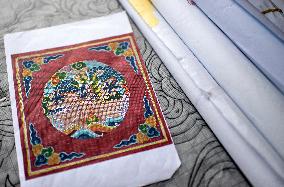
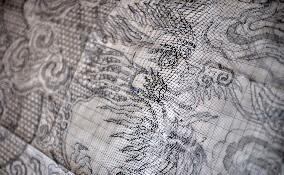
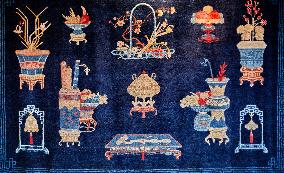
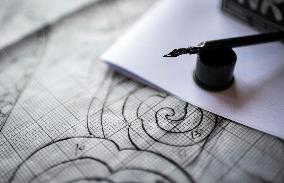
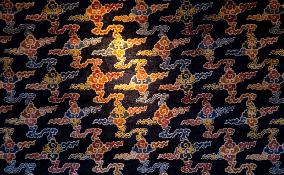
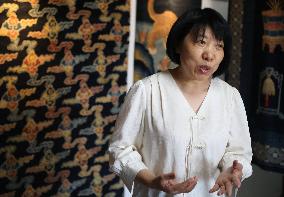
(240629) -- BEIJING, June 29, 2024 Photo by Xinhua/ABACAPRESS.COM) -- This photo taken on June 27, 2024 shows a design pattern of a palace carpet displayed at the studio of Ji Yu in Beijing, capital of China. Beijing palace carpet is a splendid example of China's traditional carpet weaving techniques. Known for its intricate production processes and beautiful patterns, the palace carpet represents the pinnacle of Chinese weaving artistry. The production involves four main steps: dyeing with traditional Chinese herbs, pattern design, weaving and shaping, and finally, finishing touches. As one of the "Beijing Eight Imperial Handicrafts," the art of palace carpet was designated a national intangible cultural heritage in 2008. Ji Yu, born in 1971 in central China's Henan Province, has dedicated over 30 years to the repair and creation of traditional palace carpets. In 1995, along with her husband Li Dongyang, she moved to Beijing to specialize in restoring ancient carpets. Over the years, the couple has insisted

  •  
(MASTER OF CRAFTS) CHINA-BEIJING-PALACE CARPET-INHERITOR-STUDIO (CN)

(MASTER OF CRAFTS) CHINA-BEIJING-PALACE CARPET-INHERITOR-STUDIO (CN)

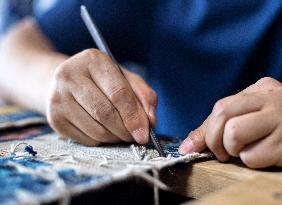
(240629) -- BEIJING, June 29, 2024 Photo by Xinhua/ABACAPRESS.COM) -- Ji Yu's husband Li Dongyang repairs a palace carpet at her studio in Beijing, capital of China, June 27, 2024. Beijing palace carpet is a splendid example of China's traditional carpet weaving techniques. Known for its intricate production processes and beautiful patterns, the palace carpet represents the pinnacle of Chinese weaving artistry. The production involves four main steps: dyeing with traditional Chinese herbs, pattern design, weaving and shaping, and finally, finishing touches. As one of the "Beijing Eight Imperial Handicrafts," the art of palace carpet was designated a national intangible cultural heritage in 2008. Ji Yu, born in 1971 in central China's Henan Province, has dedicated over 30 years to the repair and creation of traditional palace carpets. In 1995, along with her husband Li Dongyang, she moved to Beijing to specialize in restoring ancient carpets. Over the years, the couple has insisted on traditional dyeing and we

  •  
(MASTER OF CRAFTS) CHINA-BEIJING-PALACE CARPET-INHERITOR-STUDIO (CN)

(MASTER OF CRAFTS) CHINA-BEIJING-PALACE CARPET-INHERITOR-STUDIO (CN)

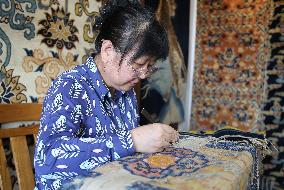
(240629) -- BEIJING, June 29, 2024 Photo by Xinhua/ABACAPRESS.COM) -- Wang Guoying sits on a palace carpet at the studio of Ji Yu in Beijing, capital of China, June 27, 2024. Beijing palace carpet is a splendid example of China's traditional carpet weaving techniques. Known for its intricate production processes and beautiful patterns, the palace carpet represents the pinnacle of Chinese weaving artistry. The production involves four main steps: dyeing with traditional Chinese herbs, pattern design, weaving and shaping, and finally, finishing touches. As one of the "Beijing Eight Imperial Handicrafts," the art of palace carpet was designated a national intangible cultural heritage in 2008. Ji Yu, born in 1971 in central China's Henan Province, has dedicated over 30 years to the repair and creation of traditional palace carpets. In 1995, along with her husband Li Dongyang, she moved to Beijing to specialize in restoring ancient carpets. Over the years, the couple has insisted on traditional dyeing and weaving

  •  
(MASTER OF CRAFTS) CHINA-BEIJING-PALACE CARPET-INHERITOR-STUDIO (CN)

(MASTER OF CRAFTS) CHINA-BEIJING-PALACE CARPET-INHERITOR-STUDIO (CN)

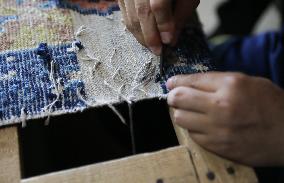
(240629) -- BEIJING, June 29, 2024 Photo by Xinhua/ABACAPRESS.COM) -- This photo taken on June 27, 2024 shows a palace carpet waiting for repair at the studio of Ji Yu in Beijing, capital of China. Beijing palace carpet is a splendid example of China's traditional carpet weaving techniques. Known for its intricate production processes and beautiful patterns, the palace carpet represents the pinnacle of Chinese weaving artistry. The production involves four main steps: dyeing with traditional Chinese herbs, pattern design, weaving and shaping, and finally, finishing touches. As one of the "Beijing Eight Imperial Handicrafts," the art of palace carpet was designated a national intangible cultural heritage in 2008. Ji Yu, born in 1971 in central China's Henan Province, has dedicated over 30 years to the repair and creation of traditional palace carpets. In 1995, along with her husband Li Dongyang, she moved to Beijing to specialize in restoring ancient carpets. Over the years, the couple has insisted on traditio

  •  
(MASTER OF CRAFTS) CHINA-BEIJING-PALACE CARPET-INHERITOR-STUDIO (CN)

(MASTER OF CRAFTS) CHINA-BEIJING-PALACE CARPET-INHERITOR-STUDIO (CN)

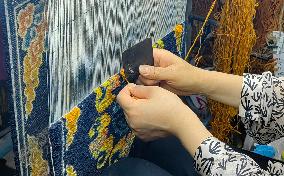
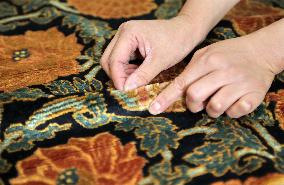
(240629) -- BEIJING, June 29, 2024 Photo by Xinhua/ABACAPRESS.COM) -- Wang Guoying repairs a palace carpet at the studio of Ji Yu in Beijing, capital of China, June 27, 2024. Beijing palace carpet is a splendid example of China's traditional carpet weaving techniques. Known for its intricate production processes and beautiful patterns, the palace carpet represents the pinnacle of Chinese weaving artistry. The production involves four main steps: dyeing with traditional Chinese herbs, pattern design, weaving and shaping, and finally, finishing touches. As one of the "Beijing Eight Imperial Handicrafts," the art of palace carpet was designated a national intangible cultural heritage in 2008. Ji Yu, born in 1971 in central China's Henan Province, has dedicated over 30 years to the repair and creation of traditional palace carpets. In 1995, along with her husband Li Dongyang, she moved to Beijing to specialize in restoring ancient carpets. Over the years, the couple has insisted on traditional dyeing and weaving

  •  
(MASTER OF CRAFTS) CHINA-BEIJING-PALACE CARPET-INHERITOR-STUDIO (CN)

(MASTER OF CRAFTS) CHINA-BEIJING-PALACE CARPET-INHERITOR-STUDIO (CN)

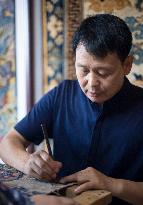
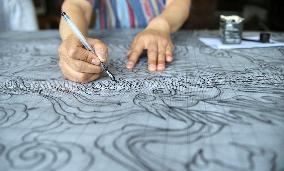
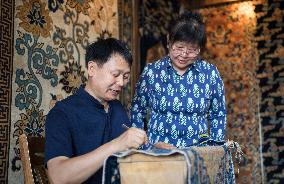
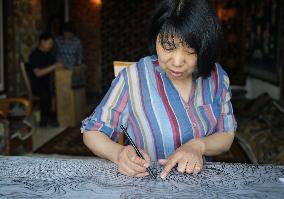
(240629) -- BEIJING, June 29, 2024 Photo by Xinhua/ABACAPRESS.COM) -- Ji Yu draws a design pattern for a palace carpet at her studio in Beijing, capital of China, June 27, 2024. Beijing palace carpet is a splendid example of China's traditional carpet weaving techniques. Known for its intricate production processes and beautiful patterns, the palace carpet represents the pinnacle of Chinese weaving artistry. The production involves four main steps: dyeing with traditional Chinese herbs, pattern design, weaving and shaping, and finally, finishing touches. As one of the "Beijing Eight Imperial Handicrafts," the art of palace carpet was designated a national intangible cultural heritage in 2008. Ji Yu, born in 1971 in central China's Henan Province, has dedicated over 30 years to the repair and creation of traditional palace carpets. In 1995, along with her husband Li Dongyang, she moved to Beijing to specialize in restoring ancient carpets. Over the years, the couple has insisted on traditional dyeing and weavi

  •  
(MASTER OF CRAFTS) CHINA-BEIJING-PALACE CARPET-INHERITOR-STUDIO (CN)

(MASTER OF CRAFTS) CHINA-BEIJING-PALACE CARPET-INHERITOR-STUDIO (CN)

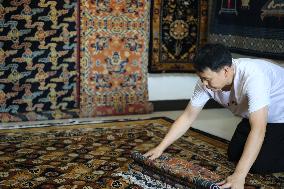
(240629) -- BEIJING, June 29, 2024 Photo by Xinhua/ABACAPRESS.COM) -- Ji Yu's husband Li Dongyang shows a palace carpet at her studio in Beijing, capital of China, June 27, 2024. Beijing palace carpet is a splendid example of China's traditional carpet weaving techniques. Known for its intricate production processes and beautiful patterns, the palace carpet represents the pinnacle of Chinese weaving artistry. The production involves four main steps: dyeing with traditional Chinese herbs, pattern design, weaving and shaping, and finally, finishing touches. As one of the "Beijing Eight Imperial Handicrafts," the art of palace carpet was designated a national intangible cultural heritage in 2008. Ji Yu, born in 1971 in central China's Henan Province, has dedicated over 30 years to the repair and creation of traditional palace carpets. In 1995, along with her husband Li Dongyang, she moved to Beijing to specialize in restoring ancient carpets. Over the years, the couple has insisted on traditional dyeing and weav

  •  
(MASTER OF CRAFTS) CHINA-BEIJING-PALACE CARPET-INHERITOR-STUDIO (CN)

(MASTER OF CRAFTS) CHINA-BEIJING-PALACE CARPET-INHERITOR-STUDIO (CN)

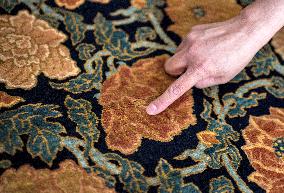
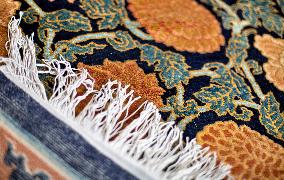
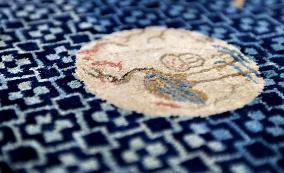
(240629) -- BEIJING, June 29, 2024 Photo by Xinhua/ABACAPRESS.COM) -- This photo taken on June 27, 2024 shows a detail of a palace carpet displayed at the studio of Ji Yu in Beijing, capital of China. Beijing palace carpet is a splendid example of China's traditional carpet weaving techniques. Known for its intricate production processes and beautiful patterns, the palace carpet represents the pinnacle of Chinese weaving artistry. The production involves four main steps: dyeing with traditional Chinese herbs, pattern design, weaving and shaping, and finally, finishing touches. As one of the "Beijing Eight Imperial Handicrafts," the art of palace carpet was designated a national intangible cultural heritage in 2008. Ji Yu, born in 1971 in central China's Henan Province, has dedicated over 30 years to the repair and creation of traditional palace carpets. In 1995, along with her husband Li Dongyang, she moved to Beijing to specialize in restoring ancient carpets. Over the years, the couple has insisted on tradi

  •  
(MASTER OF CRAFTS) CHINA-BEIJING-PALACE CARPET-INHERITOR-STUDIO (CN)

(MASTER OF CRAFTS) CHINA-BEIJING-PALACE CARPET-INHERITOR-STUDIO (CN)

(240629) -- BEIJING, June 29, 2024 Photo by Xinhua/ABACAPRESS.COM) -- This photo taken on June 27, 2024 shows the design pattern for a palace carpet displayed at the studio of Ji Yu in Beijing, capital of China. Beijing palace carpet is a splendid example of China's traditional carpet weaving techniques. Known for its intricate production processes and beautiful patterns, the palace carpet represents the pinnacle of Chinese weaving artistry. The production involves four main steps: dyeing with traditional Chinese herbs, pattern design, weaving and shaping, and finally, finishing touches. As one of the "Beijing Eight Imperial Handicrafts," the art of palace carpet was designated a national intangible cultural heritage in 2008. Ji Yu, born in 1971 in central China's Henan Province, has dedicated over 30 years to the repair and creation of traditional palace carpets. In 1995, along with her husband Li Dongyang, she moved to Beijing to specialize in restoring ancient carpets. Over the years, the couple has insist

  •  
(MASTER OF CRAFTS) CHINA-BEIJING-PALACE CARPET-INHERITOR-STUDIO (CN)

(MASTER OF CRAFTS) CHINA-BEIJING-PALACE CARPET-INHERITOR-STUDIO (CN)

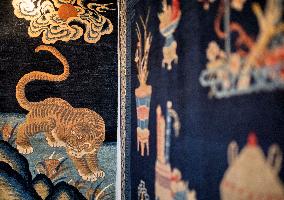
(240629) -- BEIJING, June 29, 2024 Photo by Xinhua/ABACAPRESS.COM) -- This photo taken on June 27, 2024 shows a palace carpet displayed at the studio of Ji Yu in Beijing, capital of China. Beijing palace carpet is a splendid example of China's traditional carpet weaving techniques. Known for its intricate production processes and beautiful patterns, the palace carpet represents the pinnacle of Chinese weaving artistry. The production involves four main steps: dyeing with traditional Chinese herbs, pattern design, weaving and shaping, and finally, finishing touches. As one of the "Beijing Eight Imperial Handicrafts," the art of palace carpet was designated a national intangible cultural heritage in 2008. Ji Yu, born in 1971 in central China's Henan Province, has dedicated over 30 years to the repair and creation of traditional palace carpets. In 1995, along with her husband Li Dongyang, she moved to Beijing to specialize in restoring ancient carpets. Over the years, the couple has insisted on traditional dyein

  •  
(MASTER OF CRAFTS) CHINA-BEIJING-PALACE CARPET-INHERITOR-STUDIO (CN)

(MASTER OF CRAFTS) CHINA-BEIJING-PALACE CARPET-INHERITOR-STUDIO (CN)

(240629) -- BEIJING, June 29, 2024 Photo by Xinhua/ABACAPRESS.COM) -- Ji Yu's husband Li Dongyang (L) repairs a palace carpet with Wang Guoying standing by at Ji Yu's studio in Beijing, capital of China, June 27, 2024. Beijing palace carpet is a splendid example of China's traditional carpet weaving techniques. Known for its intricate production processes and beautiful patterns, the palace carpet represents the pinnacle of Chinese weaving artistry. The production involves four main steps: dyeing with traditional Chinese herbs, pattern design, weaving and shaping, and finally, finishing touches. As one of the "Beijing Eight Imperial Handicrafts," the art of palace carpet was designated a national intangible cultural heritage in 2008. Ji Yu, born in 1971 in central China's Henan Province, has dedicated over 30 years to the repair and creation of traditional palace carpets. In 1995, along with her husband Li Dongyang, she moved to Beijing to specialize in restoring ancient carpets. Over the years, the couple has

  •  
(MASTER OF CRAFTS) CHINA-BEIJING-PALACE CARPET-INHERITOR-STUDIO (CN)

(MASTER OF CRAFTS) CHINA-BEIJING-PALACE CARPET-INHERITOR-STUDIO (CN)

(240629) -- BEIJING, June 29, 2024 Photo by Xinhua/ABACAPRESS.COM) -- This undated photo shows Ji Yu weaving a palace carpet at her factory in central China's Henan Province. Beijing palace carpet is a splendid example of China's traditional carpet weaving techniques. Known for its intricate production processes and beautiful patterns, the palace carpet represents the pinnacle of Chinese weaving artistry. The production involves four main steps: dyeing with traditional Chinese herbs, pattern design, weaving and shaping, and finally, finishing touches. As one of the "Beijing Eight Imperial Handicrafts," the art of palace carpet was designated a national intangible cultural heritage in 2008. Ji Yu, born in 1971 in central China's Henan Province, has dedicated over 30 years to the repair and creation of traditional palace carpets. In 1995, along with her husband Li Dongyang, she moved to Beijing to specialize in restoring ancient carpets. Over the years, the couple has insisted on traditional dyeing and weaving

  •  
(MASTER OF CRAFTS) CHINA-BEIJING-PALACE CARPET-INHERITOR-STUDIO (CN)

(MASTER OF CRAFTS) CHINA-BEIJING-PALACE CARPET-INHERITOR-STUDIO (CN)

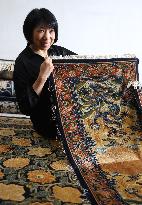
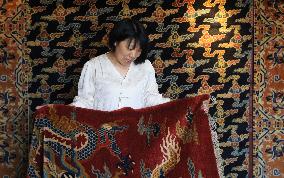
(240629) -- BEIJING, June 29, 2024 Photo by Xinhua/ABACAPRESS.COM) -- Ji Yu shows a palace carpet at her studio in Beijing, capital of China, June 27, 2024. Beijing palace carpet is a splendid example of China's traditional carpet weaving techniques. Known for its intricate production processes and beautiful patterns, the palace carpet represents the pinnacle of Chinese weaving artistry. The production involves four main steps: dyeing with traditional Chinese herbs, pattern design, weaving and shaping, and finally, finishing touches. As one of the "Beijing Eight Imperial Handicrafts," the art of palace carpet was designated a national intangible cultural heritage in 2008. Ji Yu, born in 1971 in central China's Henan Province, has dedicated over 30 years to the repair and creation of traditional palace carpets. In 1995, along with her husband Li Dongyang, she moved to Beijing to specialize in restoring ancient carpets. Over the years, the couple has insisted on traditional dyeing and weaving techniques. During

  •  
(MASTER OF CRAFTS) CHINA-BEIJING-PALACE CARPET-INHERITOR-STUDIO (CN)

(MASTER OF CRAFTS) CHINA-BEIJING-PALACE CARPET-INHERITOR-STUDIO (CN)

(240629) -- BEIJING, June 29, 2024 Photo by Xinhua/ABACAPRESS.COM) -- Ji Yu draws a pattern for a palace carpet at her studio in Beijing, capital of China, June 27, 2024. Beijing palace carpet is a splendid example of China's traditional carpet weaving techniques. Known for its intricate production processes and beautiful patterns, the palace carpet represents the pinnacle of Chinese weaving artistry. The production involves four main steps: dyeing with traditional Chinese herbs, pattern design, weaving and shaping, and finally, finishing touches. As one of the "Beijing Eight Imperial Handicrafts," the art of palace carpet was designated a national intangible cultural heritage in 2008. Ji Yu, born in 1971 in central China's Henan Province, has dedicated over 30 years to the repair and creation of traditional palace carpets. In 1995, along with her husband Li Dongyang, she moved to Beijing to specialize in restoring ancient carpets. Over the years, the couple has insisted on traditional dyeing and weaving tech

  •  
(MASTER OF CRAFTS) CHINA-BEIJING-PALACE CARPET-INHERITOR-STUDIO (CN)

(MASTER OF CRAFTS) CHINA-BEIJING-PALACE CARPET-INHERITOR-STUDIO (CN)

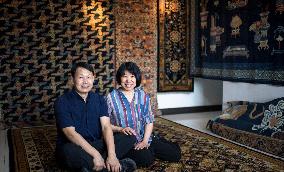
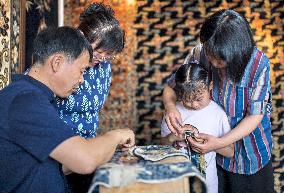
(240629) -- BEIJING, June 29, 2024 Photo by Xinhua/ABACAPRESS.COM) -- Ji Yu poses for a photo with her husband Li Dongyang at her studio in Beijing, capital of China, June 27, 2024. Beijing palace carpet is a splendid example of China's traditional carpet weaving techniques. Known for its intricate production processes and beautiful patterns, the palace carpet represents the pinnacle of Chinese weaving artistry. The production involves four main steps: dyeing with traditional Chinese herbs, pattern design, weaving and shaping, and finally, finishing touches. As one of the "Beijing Eight Imperial Handicrafts," the art of palace carpet was designated a national intangible cultural heritage in 2008. Ji Yu, born in 1971 in central China's Henan Province, has dedicated over 30 years to the repair and creation of traditional palace carpets. In 1995, along with her husband Li Dongyang, she moved to Beijing to specialize in restoring ancient carpets. Over the years, the couple has insisted on traditional dyeing and w

  •  
(MASTER OF CRAFTS) CHINA-BEIJING-PALACE CARPET-INHERITOR-STUDIO (CN)

(MASTER OF CRAFTS) CHINA-BEIJING-PALACE CARPET-INHERITOR-STUDIO (CN)

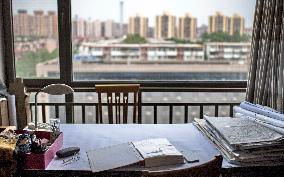
(240629) -- BEIJING, June 29, 2024 Photo by Xinhua/ABACAPRESS.COM) -- This photo taken on June 27, 2024 shows a scene at the studio of Ji Yu in Beijing, capital of China. Beijing palace carpet is a splendid example of China's traditional carpet weaving techniques. Known for its intricate production processes and beautiful patterns, the palace carpet represents the pinnacle of Chinese weaving artistry. The production involves four main steps: dyeing with traditional Chinese herbs, pattern design, weaving and shaping, and finally, finishing touches. As one of the "Beijing Eight Imperial Handicrafts," the art of palace carpet was designated a national intangible cultural heritage in 2008. Ji Yu, born in 1971 in central China's Henan Province, has dedicated over 30 years to the repair and creation of traditional palace carpets. In 1995, along with her husband Li Dongyang, she moved to Beijing to specialize in restoring ancient carpets. Over the years, the couple has insisted on traditional dyeing and weaving tech

  •  
(MASTER OF CRAFTS) CHINA-BEIJING-PALACE CARPET-INHERITOR-STUDIO (CN)

(MASTER OF CRAFTS) CHINA-BEIJING-PALACE CARPET-INHERITOR-STUDIO (CN)

(240629) -- BEIJING, June 29, 2024 Photo by Xinhua/ABACAPRESS.COM) -- A design pattern of palace carpet is seen at the studio of Ji Yu in Beijing, capital of China, June 27, 2024. Beijing palace carpet is a splendid example of China's traditional carpet weaving techniques. Known for its intricate production processes and beautiful patterns, the palace carpet represents the pinnacle of Chinese weaving artistry. The production involves four main steps: dyeing with traditional Chinese herbs, pattern design, weaving and shaping, and finally, finishing touches. As one of the "Beijing Eight Imperial Handicrafts," the art of palace carpet was designated a national intangible cultural heritage in 2008. Ji Yu, born in 1971 in central China's Henan Province, has dedicated over 30 years to the repair and creation of traditional palace carpets. In 1995, along with her husband Li Dongyang, she moved to Beijing to specialize in restoring ancient carpets. Over the years, the couple has insisted on traditional dyeing and wea

  •  
(MASTER OF CRAFTS) CHINA-BEIJING-PALACE CARPET-INHERITOR-STUDIO (CN)

(MASTER OF CRAFTS) CHINA-BEIJING-PALACE CARPET-INHERITOR-STUDIO (CN)

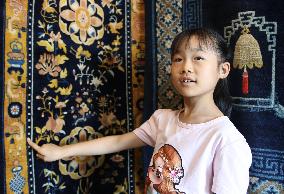
(240629) -- BEIJING, June 29, 2024 Photo by Xinhua/ABACAPRESS.COM) -- Ji Yu's daughter shows a palace carpet at Ji Yu's studio in Beijing, capital of China, June 27, 2024. Beijing palace carpet is a splendid example of China's traditional carpet weaving techniques. Known for its intricate production processes and beautiful patterns, the palace carpet represents the pinnacle of Chinese weaving artistry. The production involves four main steps: dyeing with traditional Chinese herbs, pattern design, weaving and shaping, and finally, finishing touches. As one of the "Beijing Eight Imperial Handicrafts," the art of palace carpet was designated a national intangible cultural heritage in 2008. Ji Yu, born in 1971 in central China's Henan Province, has dedicated over 30 years to the repair and creation of traditional palace carpets. In 1995, along with her husband Li Dongyang, she moved to Beijing to specialize in restoring ancient carpets. Over the years, the couple has insisted on traditional dyeing and weaving tec

  •  
(MASTER OF CRAFTS) CHINA-BEIJING-PALACE CARPET-INHERITOR-STUDIO (CN)

(MASTER OF CRAFTS) CHINA-BEIJING-PALACE CARPET-INHERITOR-STUDIO (CN)

(240629) -- BEIJING, June 29, 2024 Photo by Xinhua/ABACAPRESS.COM) -- This photo taken on June 27, 2024 shows a detail of a palace carpet displayed at the studio of Ji Yu in Beijing, capital of China. Beijing palace carpet is a splendid example of China's traditional carpet weaving techniques. Known for its intricate production processes and beautiful patterns, the palace carpet represents the pinnacle of Chinese weaving artistry. The production involves four main steps: dyeing with traditional Chinese herbs, pattern design, weaving and shaping, and finally, finishing touches. As one of the "Beijing Eight Imperial Handicrafts," the art of palace carpet was designated a national intangible cultural heritage in 2008. Ji Yu, born in 1971 in central China's Henan Province, has dedicated over 30 years to the repair and creation of traditional palace carpets. In 1995, along with her husband Li Dongyang, she moved to Beijing to specialize in restoring ancient carpets. Over the years, the couple has insisted on tradi

  •  
(MASTER OF CRAFTS) CHINA-BEIJING-PALACE CARPET-INHERITOR-STUDIO (CN)

(MASTER OF CRAFTS) CHINA-BEIJING-PALACE CARPET-INHERITOR-STUDIO (CN)

(240629) -- BEIJING, June 29, 2024 Photo by Xinhua/ABACAPRESS.COM) -- Ji Yu's husband Li Dongyang repairs a palace carpet at her studio in Beijing, capital of China, June 27, 2024. Beijing palace carpet is a splendid example of China's traditional carpet weaving techniques. Known for its intricate production processes and beautiful patterns, the palace carpet represents the pinnacle of Chinese weaving artistry. The production involves four main steps: dyeing with traditional Chinese herbs, pattern design, weaving and shaping, and finally, finishing touches. As one of the "Beijing Eight Imperial Handicrafts," the art of palace carpet was designated a national intangible cultural heritage in 2008. Ji Yu, born in 1971 in central China's Henan Province, has dedicated over 30 years to the repair and creation of traditional palace carpets. In 1995, along with her husband Li Dongyang, she moved to Beijing to specialize in restoring ancient carpets. Over the years, the couple has insisted on traditional dyeing and we

  •  
(MASTER OF CRAFTS) CHINA-BEIJING-PALACE CARPET-INHERITOR-STUDIO (CN)

(MASTER OF CRAFTS) CHINA-BEIJING-PALACE CARPET-INHERITOR-STUDIO (CN)

(240629) -- BEIJING, June 29, 2024 Photo by Xinhua/ABACAPRESS.COM) -- This photo taken on June 27, 2024 shows the details of a palace carpet displayed at the studio of Ji Yu in Beijing, capital of China. Beijing palace carpet is a splendid example of China's traditional carpet weaving techniques. Known for its intricate production processes and beautiful patterns, the palace carpet represents the pinnacle of Chinese weaving artistry. The production involves four main steps: dyeing with traditional Chinese herbs, pattern design, weaving and shaping, and finally, finishing touches. As one of the "Beijing Eight Imperial Handicrafts," the art of palace carpet was designated a national intangible cultural heritage in 2008. Ji Yu, born in 1971 in central China's Henan Province, has dedicated over 30 years to the repair and creation of traditional palace carpets. In 1995, along with her husband Li Dongyang, she moved to Beijing to specialize in restoring ancient carpets. Over the years, the couple has insisted on tr

  •  
(MASTER OF CRAFTS) CHINA-BEIJING-PALACE CARPET-INHERITOR-STUDIO (CN)

(MASTER OF CRAFTS) CHINA-BEIJING-PALACE CARPET-INHERITOR-STUDIO (CN)

(240629) -- BEIJING, June 29, 2024 Photo by Xinhua/ABACAPRESS.COM) -- Ji Yu's husband Li Dongyang (1st L) repairs a palace carpet while Wang Guoying (2nd L), Ji Yu (1st, R) and Ji Yu's daughter look on in Beijing, capital of China, June 27, 2024. Beijing palace carpet is a splendid example of China's traditional carpet weaving techniques. Known for its intricate production processes and beautiful patterns, the palace carpet represents the pinnacle of Chinese weaving artistry. The production involves four main steps: dyeing with traditional Chinese herbs, pattern design, weaving and shaping, and finally, finishing touches. As one of the "Beijing Eight Imperial Handicrafts," the art of palace carpet was designated a national intangible cultural heritage in 2008. Ji Yu, born in 1971 in central China's Henan Province, has dedicated over 30 years to the repair and creation of traditional palace carpets. In 1995, along with her husband Li Dongyang, she moved to Beijing to specialize in restoring ancient carpets. Ov

  •  
(MASTER OF CRAFTS) CHINA-BEIJING-PALACE CARPET-INHERITOR-STUDIO (CN)

(MASTER OF CRAFTS) CHINA-BEIJING-PALACE CARPET-INHERITOR-STUDIO (CN)

(240629) -- BEIJING, June 29, 2024 Photo by Xinhua/ABACAPRESS.COM) -- Ji Yu's husband Li Dongyang arranges palace carpets at her studio in Beijing, capital of China, June 27, 2024. Beijing palace carpet is a splendid example of China's traditional carpet weaving techniques. Known for its intricate production processes and beautiful patterns, the palace carpet represents the pinnacle of Chinese weaving artistry. The production involves four main steps: dyeing with traditional Chinese herbs, pattern design, weaving and shaping, and finally, finishing touches. As one of the "Beijing Eight Imperial Handicrafts," the art of palace carpet was designated a national intangible cultural heritage in 2008. Ji Yu, born in 1971 in central China's Henan Province, has dedicated over 30 years to the repair and creation of traditional palace carpets. In 1995, along with her husband Li Dongyang, she moved to Beijing to specialize in restoring ancient carpets. Over the years, the couple has insisted on traditional dyeing and we

  •  
(MASTER OF CRAFTS) CHINA-BEIJING-PALACE CARPET-INHERITOR-STUDIO (CN)

(MASTER OF CRAFTS) CHINA-BEIJING-PALACE CARPET-INHERITOR-STUDIO (CN)

(240629) -- BEIJING, June 29, 2024 Photo by Xinhua/ABACAPRESS.COM) -- This photo taken on June 27, 2024 shows a detail of a palace carpet displayed at the studio of Ji Yu in Beijing, capital of China. Beijing palace carpet is a splendid example of China's traditional carpet weaving techniques. Known for its intricate production processes and beautiful patterns, the palace carpet represents the pinnacle of Chinese weaving artistry. The production involves four main steps: dyeing with traditional Chinese herbs, pattern design, weaving and shaping, and finally, finishing touches. As one of the "Beijing Eight Imperial Handicrafts," the art of palace carpet was designated a national intangible cultural heritage in 2008. Ji Yu, born in 1971 in central China's Henan Province, has dedicated over 30 years to the repair and creation of traditional palace carpets. In 1995, along with her husband Li Dongyang, she moved to Beijing to specialize in restoring ancient carpets. Over the years, the couple has insisted on tradi

  •  
(MASTER OF CRAFTS) CHINA-BEIJING-PALACE CARPET-INHERITOR-STUDIO (CN)

(MASTER OF CRAFTS) CHINA-BEIJING-PALACE CARPET-INHERITOR-STUDIO (CN)

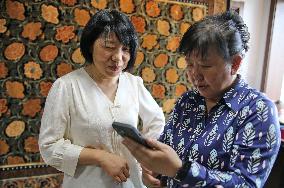
(240629) -- BEIJING, June 29, 2024 Photo by Xinhua/ABACAPRESS.COM) -- Ji Yu (L) and Wang Guoying discuss on the design patterns for a palace carpet in Beijing, capital of China, June 27, 2024. Beijing palace carpet is a splendid example of China's traditional carpet weaving techniques. Known for its intricate production processes and beautiful patterns, the palace carpet represents the pinnacle of Chinese weaving artistry. The production involves four main steps: dyeing with traditional Chinese herbs, pattern design, weaving and shaping, and finally, finishing touches. As one of the "Beijing Eight Imperial Handicrafts," the art of palace carpet was designated a national intangible cultural heritage in 2008. Ji Yu, born in 1971 in central China's Henan Province, has dedicated over 30 years to the repair and creation of traditional palace carpets. In 1995, along with her husband Li Dongyang, she moved to Beijing to specialize in restoring ancient carpets. Over the years, the couple has insisted on traditional d

  •  
(MASTER OF CRAFTS) CHINA-BEIJING-PALACE CARPET-INHERITOR-STUDIO (CN)

(MASTER OF CRAFTS) CHINA-BEIJING-PALACE CARPET-INHERITOR-STUDIO (CN)

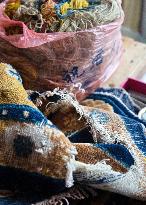
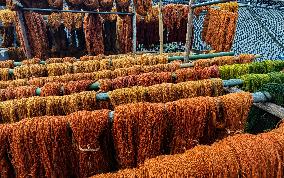
(240629) -- BEIJING, June 29, 2024 Photo by Xinhua/ABACAPRESS.COM) -- This undated photo shows materials dyed with Chinese herbs and medicines for making palace carpet at the factory of Ji Yu in central China's Henan Province. Beijing palace carpet is a splendid example of China's traditional carpet weaving techniques. Known for its intricate production processes and beautiful patterns, the palace carpet represents the pinnacle of Chinese weaving artistry. The production involves four main steps: dyeing with traditional Chinese herbs, pattern design, weaving and shaping, and finally, finishing touches. As one of the "Beijing Eight Imperial Handicrafts," the art of palace carpet was designated a national intangible cultural heritage in 2008. Ji Yu, born in 1971 in central China's Henan Province, has dedicated over 30 years to the repair and creation of traditional palace carpets. In 1995, along with her husband Li Dongyang, she moved to Beijing to specialize in restoring ancient carpets. Over the years, the co

  •  
(MASTER OF CRAFTS) CHINA-BEIJING-PALACE CARPET-INHERITOR-STUDIO (CN)

(MASTER OF CRAFTS) CHINA-BEIJING-PALACE CARPET-INHERITOR-STUDIO (CN)

(240629) -- BEIJING, June 29, 2024 Photo by Xinhua/ABACAPRESS.COM) -- Ji Yu shows a palace carpet at her studio in Beijing, capital of China, June 27, 2024. Beijing palace carpet is a splendid example of China's traditional carpet weaving techniques. Known for its intricate production processes and beautiful patterns, the palace carpet represents the pinnacle of Chinese weaving artistry. The production involves four main steps: dyeing with traditional Chinese herbs, pattern design, weaving and shaping, and finally, finishing touches. As one of the "Beijing Eight Imperial Handicrafts," the art of palace carpet was designated a national intangible cultural heritage in 2008. Ji Yu, born in 1971 in central China's Henan Province, has dedicated over 30 years to the repair and creation of traditional palace carpets. In 1995, along with her husband Li Dongyang, she moved to Beijing to specialize in restoring ancient carpets. Over the years, the couple has insisted on traditional dyeing and weaving techniques. During

  •  
(MASTER OF CRAFTS) CHINA-BEIJING-PALACE CARPET-INHERITOR-STUDIO (CN)

(MASTER OF CRAFTS) CHINA-BEIJING-PALACE CARPET-INHERITOR-STUDIO (CN)

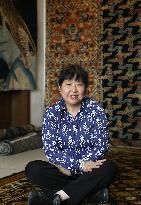
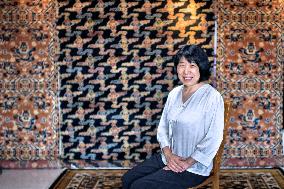
(240629) -- BEIJING, June 29, 2024 Photo by Xinhua/ABACAPRESS.COM) -- Ji Yu poses for a photo at her studio in Beijing, capital of China, June 27, 2024. Beijing palace carpet is a splendid example of China's traditional carpet weaving techniques. Known for its intricate production processes and beautiful patterns, the palace carpet represents the pinnacle of Chinese weaving artistry. The production involves four main steps: dyeing with traditional Chinese herbs, pattern design, weaving and shaping, and finally, finishing touches. As one of the "Beijing Eight Imperial Handicrafts," the art of palace carpet was designated a national intangible cultural heritage in 2008. Ji Yu, born in 1971 in central China's Henan Province, has dedicated over 30 years to the repair and creation of traditional palace carpets. In 1995, along with her husband Li Dongyang, she moved to Beijing to specialize in restoring ancient carpets. Over the years, the couple has insisted on traditional dyeing and weaving techniques. During the

  •  
(MASTER OF CRAFTS) CHINA-BEIJING-PALACE CARPET-INHERITOR-STUDIO (CN)

(MASTER OF CRAFTS) CHINA-BEIJING-PALACE CARPET-INHERITOR-STUDIO (CN)

(240629) -- BEIJING, June 29, 2024 Photo by Xinhua/ABACAPRESS.COM) -- Ji Yu shows the details of a palace carpet at her studio in Beijing, capital of China, June 27, 2024. Beijing palace carpet is a splendid example of China's traditional carpet weaving techniques. Known for its intricate production processes and beautiful patterns, the palace carpet represents the pinnacle of Chinese weaving artistry. The production involves four main steps: dyeing with traditional Chinese herbs, pattern design, weaving and shaping, and finally, finishing touches. As one of the "Beijing Eight Imperial Handicrafts," the art of palace carpet was designated a national intangible cultural heritage in 2008. Ji Yu, born in 1971 in central China's Henan Province, has dedicated over 30 years to the repair and creation of traditional palace carpets. In 1995, along with her husband Li Dongyang, she moved to Beijing to specialize in restoring ancient carpets. Over the years, the couple has insisted on traditional dyeing and weaving tec

  •  
(MASTER OF CRAFTS) CHINA-BEIJING-PALACE CARPET-INHERITOR-STUDIO (CN)

(MASTER OF CRAFTS) CHINA-BEIJING-PALACE CARPET-INHERITOR-STUDIO (CN)

(240629) -- BEIJING, June 29, 2024 Photo by Xinhua/ABACAPRESS.COM) -- Ji Yu talks about palace carpet weaving at her studio in Beijing, capital of China, June 27, 2024. Beijing palace carpet is a splendid example of China's traditional carpet weaving techniques. Known for its intricate production processes and beautiful patterns, the palace carpet represents the pinnacle of Chinese weaving artistry. The production involves four main steps: dyeing with traditional Chinese herbs, pattern design, weaving and shaping, and finally, finishing touches. As one of the "Beijing Eight Imperial Handicrafts," the art of palace carpet was designated a national intangible cultural heritage in 2008. Ji Yu, born in 1971 in central China's Henan Province, has dedicated over 30 years to the repair and creation of traditional palace carpets. In 1995, along with her husband Li Dongyang, she moved to Beijing to specialize in restoring ancient carpets. Over the years, the couple has insisted on traditional dyeing and weaving techni

  •  
(MASTER OF CRAFTS) CHINA-BEIJING-PALACE CARPET-INHERITOR-STUDIO (CN)

(MASTER OF CRAFTS) CHINA-BEIJING-PALACE CARPET-INHERITOR-STUDIO (CN)

(240629) -- BEIJING, June 29, 2024 Photo by Xinhua/ABACAPRESS.COM) -- Ji Yu's husband Li Dongyang repairs a palace carpet at her studio in Beijing, capital of China, June 27, 2024. Beijing palace carpet is a splendid example of China's traditional carpet weaving techniques. Known for its intricate production processes and beautiful patterns, the palace carpet represents the pinnacle of Chinese weaving artistry. The production involves four main steps: dyeing with traditional Chinese herbs, pattern design, weaving and shaping, and finally, finishing touches. As one of the "Beijing Eight Imperial Handicrafts," the art of palace carpet was designated a national intangible cultural heritage in 2008. Ji Yu, born in 1971 in central China's Henan Province, has dedicated over 30 years to the repair and creation of traditional palace carpets. In 1995, along with her husband Li Dongyang, she moved to Beijing to specialize in restoring ancient carpets. Over the years, the couple has insisted on traditional dyeing and we

  •  

Digital technologies help with Yungang Grottoes protection in N China

STORY: Digital technologies help with Yungang Grottoes protection in N China SHOOTING TIME: recent footage DATELINE: June 11, 2024 LENGTH: 00:01:29 LOCATION: TAIYUAN, China CATEGORY: TECHNOLOGY/CULTURE SHOTLIST: 1. SOUNDBITE (Chinese): PAN PENG, Digital protection center of Yungang Research Institute 2. various of technologies applied on Yungang Grottoes protection STORYLINE: Yungang Grottoes in China's Datong is a UNESCO World Heritage site featuring over 50,000 stone Buddhist sculptures It is considered a pinnacle of Chinese Buddhist art and represents the highest level of sculptural artistry in the world during the 5th century Nowadays, digital technologies are helping with its protection SOUNDBITE (Chinese): PAN PENG, Digital protection center of Yungang Research Institute "The challenging part of this work is its meticulous nature, much like knitting a sweater. We primarily use three methods for cave digitization. One method involves a handheld 3D laser scanner, which is mainly used to capture d

  •  
(ChineseToday)CHINA-SHANXI-YUNGANG GROTTOES-NPC DEPUTY (CN)

(ChineseToday)CHINA-SHANXI-YUNGANG GROTTOES-NPC DEPUTY (CN)

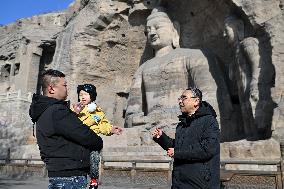
(240307) -- DATONG, March 7, 2024 (Xinhua) -- Hang Kan (R) talks with tourists and learns about their requests at the Yungang Grottoes in Datong, north China's Shanxi Province, Feb. 25, 2024. Hang Kan is head of the research institute of the Yungang Grottoes, a UNESCO World Heritage site featuring over 50,000 stone Buddhist sculptures. Yungang Grottoes was built during the Northern Wei Dynasty (386-534). It is considered a pinnacle of Chinese Buddhist art and represents the highest level of sculptural artistry in the world during the 5th century. In Hang's view, preventive protection and more investment in science and technology are crucial for the Yungang Grottoes. In 2023, Hang was elected a deputy to the 14th National People's Congress (NPC). He has been actively promoting the scientific research and personnel training of Yungang Grottoes, hoping to explore the historical connotation of exchanges among ethnic groups behind the works of art and enhance the sense of community for Chinese nation.

  • Main
  • Top
  • Editorial
  • Creative
  • About Us
  • About ILG
  • Terms of use
  • Company
  • BEHIND
  • Price List
  • Single Plan
  • Monthly Plan
  • Services
  • Shooting
  • Rights Clearance
  • Support
  • FAQ
  • How To Buy
  • Contact Us
  • Become a Partner

© KYODO NEWS IMAGES INC

All Rights Reserved.

  • Editorial
  • Olympics
  • News
  • Sports
  • Japan
  • Tech
  • Royal
  • Disaster
  • NorthKorea
  • Old Japan
  • SNS
  • Creative
  • Food
  • Japan
  • Landscape
  • Animal
  • Popular
  • #Ukraine
  • #Russia
  • #coronavirus
  • #N. Korea
  • #Thailand
  • #China
  • #Ukraine
  • #Russia
  • #coronavirus
  • #N. Korea
  • #Thailand
  • #China
  • Food
  • Japan
  • Landscape
  • Animal
  • Olympics
  • News
  • Sports
  • Japan
  • Tech
  • Royal
  • Disaster
  • NorthKorea
  • Old Japan
  • SNS