•  

Australia: Southern Lights Light Up Skies Amid Severe Geomagnetic Storm

A severe geomagnetic storm triggered by multiple coronal mass ejections caused one of the most spectacular Southern Lights displays across parts of Australia.

  •  
Total Lunar Eclipse - Madrid

Total Lunar Eclipse - Madrid

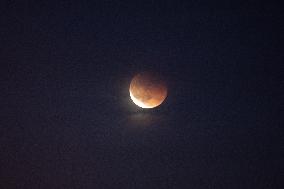
A person tries to see the eclipse on September 7, 2025, in Madrid (Spain). During the astronomical phenomenon, the Earth will interpose itself between the Sun and the Moon, casting its shadow on the satellite. In addition, for a few minutes, the Moon will acquire a characteristic reddish hue, popularly known as the "Blood Moon". Photo by Mateo Lanzuela/Europa Press/ABACAPRESS.COM

  •  
Total Lunar Eclipse - Madrid

Total Lunar Eclipse - Madrid

A person tries to see the eclipse on September 7, 2025, in Madrid (Spain). During the astronomical phenomenon, the Earth will interpose itself between the Sun and the Moon, casting its shadow on the satellite. In addition, for a few minutes, the Moon will acquire a characteristic reddish hue, popularly known as the "Blood Moon". Photo by Mateo Lanzuela/Europa Press/ABACAPRESS.COM

  •  
Total Lunar Eclipse - Madrid

Total Lunar Eclipse - Madrid

Several people try to see the eclipse, on September 7, 2025, in Madrid (Spain). During the astronomical phenomenon, the Earth will interpose itself between the Sun and the Moon, casting its shadow on the satellite. In addition, for a few minutes, the Moon will acquire a characteristic reddish hue, which is popularly known as "Blood Moon". Photo by Mateo Lanzuela/Europa Press/ABACAPRESS.COM

  •  
Total Lunar Eclipse - Madrid

Total Lunar Eclipse - Madrid

A person tries to see the eclipse on September 7, 2025, in Madrid (Spain). During the astronomical phenomenon, the Earth will interpose itself between the Sun and the Moon, casting its shadow on the satellite. In addition, for a few minutes, the Moon will acquire a characteristic reddish hue, popularly known as the "Blood Moon". Photo by Mateo Lanzuela/Europa Press/ABACAPRESS.COM

  •  
Total Lunar Eclipse - Madrid

Total Lunar Eclipse - Madrid

View of the lunar eclipse with the skyline of Barcelona, on September 7, 2025, in Barcelona, Catalonia (Spain). During the astronomical phenomenon, the Earth will interpose itself between the Sun and the Moon, casting its shadow on the satellite. In addition, for a few minutes, the Moon will acquire a characteristic reddish hue, which is popularly known as "Blood Moon". Photo by Lorena Sopêna / Europa Press/ABACAPRESS.COM

  •  
Total Lunar Eclipse - Madrid

Total Lunar Eclipse - Madrid

A person tries to see the eclipse on September 7, 2025, in Madrid (Spain). During the astronomical phenomenon, the Earth will interpose itself between the Sun and the Moon, casting its shadow on the satellite. In addition, for a few minutes, the Moon will acquire a characteristic reddish hue, popularly known as the "Blood Moon". Photo by Mateo Lanzuela/Europa Press/ABACAPRESS.COM

  •  
Total Lunar Eclipse - Madrid

Total Lunar Eclipse - Madrid

View of the lunar eclipse, on September 7, 2025, in Barcelona, Catalonia (Spain). During the astronomical phenomenon, the Earth will interpose itself between the Sun and the Moon, casting its shadow on the satellite. In addition, for a few minutes, the Moon will acquire a characteristic reddish hue, which is popularly known as "Blood Moon". Photo by Lorena Sopêna / Europa Press/ABACAPRESS.COM

  •  
Total Lunar Eclipse - Madrid

Total Lunar Eclipse - Madrid

View of the lunar eclipse, on September 7, 2025, in Barcelona, Catalonia (Spain). During the astronomical phenomenon, the Earth will interpose itself between the Sun and the Moon, casting its shadow on the satellite. In addition, for a few minutes, the Moon will acquire a characteristic reddish hue, which is popularly known as "Blood Moon". Photo by Lorena Sopêna / Europa Press/ABACAPRESS.COM

  •  
Total Lunar Eclipse - Madrid

Total Lunar Eclipse - Madrid

View of the lunar eclipse, on September 7, 2025, in Barcelona, Catalonia (Spain). During the astronomical phenomenon, the Earth will interpose itself between the Sun and the Moon, casting its shadow on the satellite. In addition, for a few minutes, the Moon will acquire a characteristic reddish hue, which is popularly known as "Blood Moon". Photo by Lorena Sopêna / Europa Press/ABACAPRESS.COM

  •  
Total Lunar Eclipse - Madrid

Total Lunar Eclipse - Madrid

View of the lunar eclipse, on September 7, 2025, in Barcelona, Catalonia (Spain). During the astronomical phenomenon, the Earth will interpose itself between the Sun and the Moon, casting its shadow on the satellite. In addition, for a few minutes, the Moon will acquire a characteristic reddish hue, which is popularly known as "Blood Moon". Photo by Lorena Sopêna / Europa Press/ABACAPRESS.COM

  •  
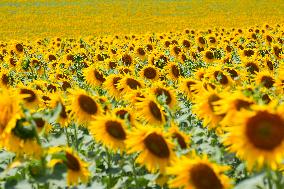
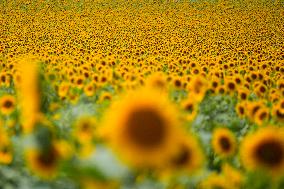
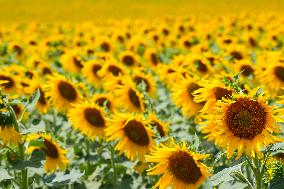
Sunflower Field Illustrations - Spain

Sunflower Field Illustrations - Spain

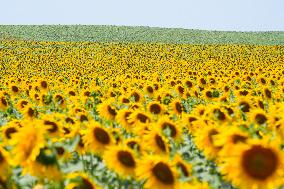
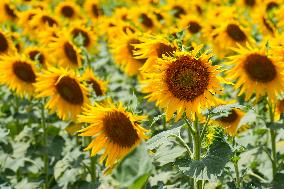
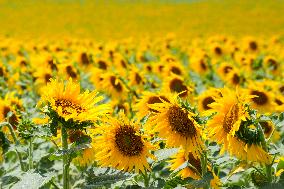
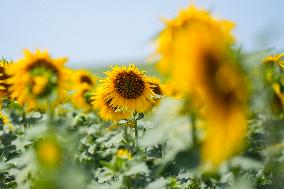
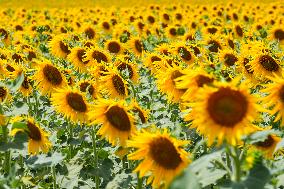
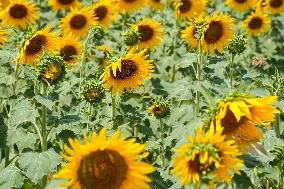
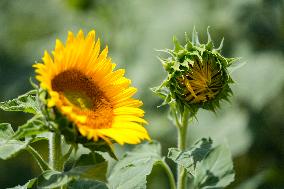
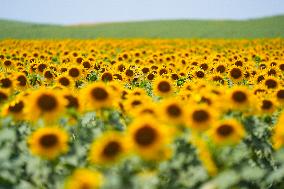
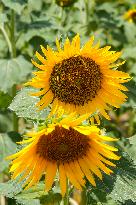
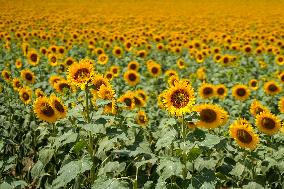
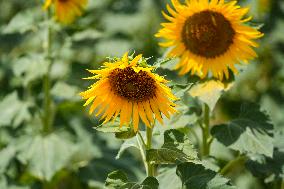
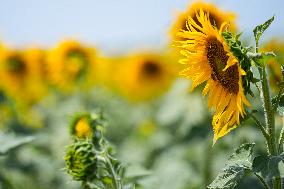
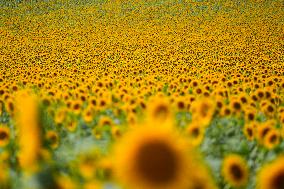
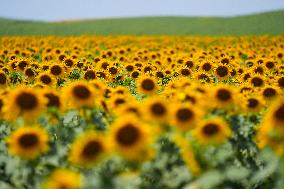
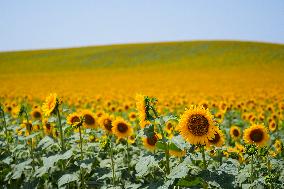
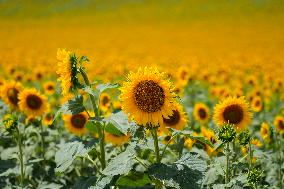
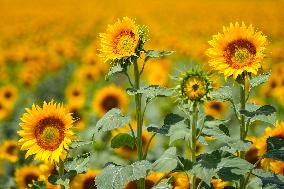
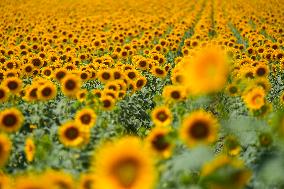
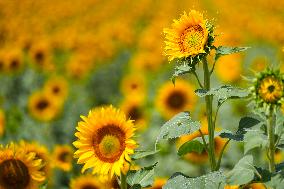
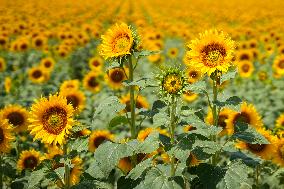
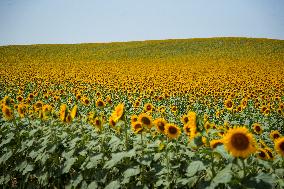
Images of a field of sunflowers in bloom in the Sevillian town of Sanlucar la Mayor, on June 20, 2025, in Seville, Andalusia, Spain. This Saturday, June 21, at 2 hours 42 minutes UTC, according to calculations by the National Astronomical Observatory, the summer solstice will occur, a phenomenon in which the Sun reaches its maximum declination projecting its light over the maximum geographic latitude on Earth. This astronomical event starts the summer in the northern hemisphere and the winter in the southern hemisphere. In addition, the day of the summer solstice corresponds to the longest day of the year, since it is the day on which the Sun rises the earliest and the day on which it sets the latest. Photo by Joaquin Corchero/Europa Press/ABACAPRESS.COM

  •  
Sunflower Field Illustrations - Spain

Sunflower Field Illustrations - Spain

Images of a field of sunflowers in bloom in the Sevillian town of Sanlucar la Mayor, on June 20, 2025, in Seville, Andalusia, Spain. This Saturday, June 21, at 2 hours 42 minutes UTC, according to calculations by the National Astronomical Observatory, the summer solstice will occur, a phenomenon in which the Sun reaches its maximum declination projecting its light over the maximum geographic latitude on Earth. This astronomical event starts the summer in the northern hemisphere and the winter in the southern hemisphere. In addition, the day of the summer solstice corresponds to the longest day of the year, since it is the day on which the Sun rises the earliest and the day on which it sets the latest. Photo by Joaquin Corchero/Europa Press/ABACAPRESS.COM

  •  
Sunflower Field Illustrations - Spain

Sunflower Field Illustrations - Spain

Images of a field of sunflowers in bloom in the Sevillian town of Sanlucar la Mayor, on June 20, 2025, in Seville, Andalusia, Spain. This Saturday, June 21, at 2 hours 42 minutes UTC, according to calculations by the National Astronomical Observatory, the summer solstice will occur, a phenomenon in which the Sun reaches its maximum declination projecting its light over the maximum geographic latitude on Earth. This astronomical event starts the summer in the northern hemisphere and the winter in the southern hemisphere. In addition, the day of the summer solstice corresponds to the longest day of the year, since it is the day on which the Sun rises the earliest and the day on which it sets the latest. Photo by Joaquin Corchero/Europa Press/ABACAPRESS.COM

  •  
Sunflower Field Illustrations - Spain

Sunflower Field Illustrations - Spain

Images of a field of sunflowers in bloom in the Sevillian town of Sanlucar la Mayor, on June 20, 2025, in Seville, Andalusia, Spain. This Saturday, June 21, at 2 hours 42 minutes UTC, according to calculations by the National Astronomical Observatory, the summer solstice will occur, a phenomenon in which the Sun reaches its maximum declination projecting its light over the maximum geographic latitude on Earth. This astronomical event starts the summer in the northern hemisphere and the winter in the southern hemisphere. In addition, the day of the summer solstice corresponds to the longest day of the year, since it is the day on which the Sun rises the earliest and the day on which it sets the latest. Photo by Joaquin Corchero/Europa Press/ABACAPRESS.COM

  •  
Sunflower Field Illustrations - Spain

Sunflower Field Illustrations - Spain

Images of a field of sunflowers in bloom in the Sevillian town of Sanlucar la Mayor, on June 20, 2025, in Seville, Andalusia, Spain. This Saturday, June 21, at 2 hours 42 minutes UTC, according to calculations by the National Astronomical Observatory, the summer solstice will occur, a phenomenon in which the Sun reaches its maximum declination projecting its light over the maximum geographic latitude on Earth. This astronomical event starts the summer in the northern hemisphere and the winter in the southern hemisphere. In addition, the day of the summer solstice corresponds to the longest day of the year, since it is the day on which the Sun rises the earliest and the day on which it sets the latest. Photo by Joaquin Corchero/Europa Press/ABACAPRESS.COM

  •  
Sunflower Field Illustrations - Spain

Sunflower Field Illustrations - Spain

Images of a field of sunflowers in bloom in the Sevillian town of Sanlucar la Mayor, on June 20, 2025, in Seville, Andalusia, Spain. This Saturday, June 21, at 2 hours 42 minutes UTC, according to calculations by the National Astronomical Observatory, the summer solstice will occur, a phenomenon in which the Sun reaches its maximum declination projecting its light over the maximum geographic latitude on Earth. This astronomical event starts the summer in the northern hemisphere and the winter in the southern hemisphere. In addition, the day of the summer solstice corresponds to the longest day of the year, since it is the day on which the Sun rises the earliest and the day on which it sets the latest. Photo by Joaquin Corchero/Europa Press/ABACAPRESS.COM

  •  
Sunflower Field Illustrations - Spain

Sunflower Field Illustrations - Spain

Images of a field of sunflowers in bloom in the Sevillian town of Sanlucar la Mayor, on June 20, 2025, in Seville, Andalusia, Spain. This Saturday, June 21, at 2 hours 42 minutes UTC, according to calculations by the National Astronomical Observatory, the summer solstice will occur, a phenomenon in which the Sun reaches its maximum declination projecting its light over the maximum geographic latitude on Earth. This astronomical event starts the summer in the northern hemisphere and the winter in the southern hemisphere. In addition, the day of the summer solstice corresponds to the longest day of the year, since it is the day on which the Sun rises the earliest and the day on which it sets the latest. Photo by Joaquin Corchero/Europa Press/ABACAPRESS.COM

  •  
Sunflower Field Illustrations - Spain

Sunflower Field Illustrations - Spain

Images of a field of sunflowers in bloom in the Sevillian town of Sanlucar la Mayor, on June 20, 2025, in Seville, Andalusia, Spain. This Saturday, June 21, at 2 hours 42 minutes UTC, according to calculations by the National Astronomical Observatory, the summer solstice will occur, a phenomenon in which the Sun reaches its maximum declination projecting its light over the maximum geographic latitude on Earth. This astronomical event starts the summer in the northern hemisphere and the winter in the southern hemisphere. In addition, the day of the summer solstice corresponds to the longest day of the year, since it is the day on which the Sun rises the earliest and the day on which it sets the latest. Photo by Joaquin Corchero/Europa Press/ABACAPRESS.COM

  •  
Sunflower Field Illustrations - Spain

Sunflower Field Illustrations - Spain

Images of a field of sunflowers in bloom in the Sevillian town of Sanlucar la Mayor, on June 20, 2025, in Seville, Andalusia, Spain. This Saturday, June 21, at 2 hours 42 minutes UTC, according to calculations by the National Astronomical Observatory, the summer solstice will occur, a phenomenon in which the Sun reaches its maximum declination projecting its light over the maximum geographic latitude on Earth. This astronomical event starts the summer in the northern hemisphere and the winter in the southern hemisphere. In addition, the day of the summer solstice corresponds to the longest day of the year, since it is the day on which the Sun rises the earliest and the day on which it sets the latest. Photo by Joaquin Corchero/Europa Press/ABACAPRESS.COM

  •  
Sunflower Field Illustrations - Spain

Sunflower Field Illustrations - Spain

Images of a field of sunflowers in bloom in the Sevillian town of Sanlucar la Mayor, on June 20, 2025, in Seville, Andalusia, Spain. This Saturday, June 21, at 2 hours 42 minutes UTC, according to calculations by the National Astronomical Observatory, the summer solstice will occur, a phenomenon in which the Sun reaches its maximum declination projecting its light over the maximum geographic latitude on Earth. This astronomical event starts the summer in the northern hemisphere and the winter in the southern hemisphere. In addition, the day of the summer solstice corresponds to the longest day of the year, since it is the day on which the Sun rises the earliest and the day on which it sets the latest. Photo by Joaquin Corchero/Europa Press/ABACAPRESS.COM

  •  
Sunflower Field Illustrations - Spain

Sunflower Field Illustrations - Spain

Images of a field of sunflowers in bloom in the Sevillian town of Sanlucar la Mayor, on June 20, 2025, in Seville, Andalusia, Spain. This Saturday, June 21, at 2 hours 42 minutes UTC, according to calculations by the National Astronomical Observatory, the summer solstice will occur, a phenomenon in which the Sun reaches its maximum declination projecting its light over the maximum geographic latitude on Earth. This astronomical event starts the summer in the northern hemisphere and the winter in the southern hemisphere. In addition, the day of the summer solstice corresponds to the longest day of the year, since it is the day on which the Sun rises the earliest and the day on which it sets the latest. Photo by Joaquin Corchero/Europa Press/ABACAPRESS.COM

  •  
Sunflower Field Illustrations - Spain

Sunflower Field Illustrations - Spain

Images of a field of sunflowers in bloom in the Sevillian town of Sanlucar la Mayor, on June 20, 2025, in Seville, Andalusia, Spain. This Saturday, June 21, at 2 hours 42 minutes UTC, according to calculations by the National Astronomical Observatory, the summer solstice will occur, a phenomenon in which the Sun reaches its maximum declination projecting its light over the maximum geographic latitude on Earth. This astronomical event starts the summer in the northern hemisphere and the winter in the southern hemisphere. In addition, the day of the summer solstice corresponds to the longest day of the year, since it is the day on which the Sun rises the earliest and the day on which it sets the latest. Photo by Joaquin Corchero/Europa Press/ABACAPRESS.COM

  •  
Sunflower Field Illustrations - Spain

Sunflower Field Illustrations - Spain

Images of a field of sunflowers in bloom in the Sevillian town of Sanlucar la Mayor, on June 20, 2025, in Seville, Andalusia, Spain. This Saturday, June 21, at 2 hours 42 minutes UTC, according to calculations by the National Astronomical Observatory, the summer solstice will occur, a phenomenon in which the Sun reaches its maximum declination projecting its light over the maximum geographic latitude on Earth. This astronomical event starts the summer in the northern hemisphere and the winter in the southern hemisphere. In addition, the day of the summer solstice corresponds to the longest day of the year, since it is the day on which the Sun rises the earliest and the day on which it sets the latest. Photo by Joaquin Corchero/Europa Press/ABACAPRESS.COM

  •  
Sunflower Field Illustrations - Spain

Sunflower Field Illustrations - Spain

Images of a field of sunflowers in bloom in the Sevillian town of Sanlucar la Mayor, on June 20, 2025, in Seville, Andalusia, Spain. This Saturday, June 21, at 2 hours 42 minutes UTC, according to calculations by the National Astronomical Observatory, the summer solstice will occur, a phenomenon in which the Sun reaches its maximum declination projecting its light over the maximum geographic latitude on Earth. This astronomical event starts the summer in the northern hemisphere and the winter in the southern hemisphere. In addition, the day of the summer solstice corresponds to the longest day of the year, since it is the day on which the Sun rises the earliest and the day on which it sets the latest. Photo by Joaquin Corchero/Europa Press/ABACAPRESS.COM

  •  
Sunflower Field Illustrations - Spain

Sunflower Field Illustrations - Spain

Images of a field of sunflowers in bloom in the Sevillian town of Sanlucar la Mayor, on June 20, 2025, in Seville, Andalusia, Spain. This Saturday, June 21, at 2 hours 42 minutes UTC, according to calculations by the National Astronomical Observatory, the summer solstice will occur, a phenomenon in which the Sun reaches its maximum declination projecting its light over the maximum geographic latitude on Earth. This astronomical event starts the summer in the northern hemisphere and the winter in the southern hemisphere. In addition, the day of the summer solstice corresponds to the longest day of the year, since it is the day on which the Sun rises the earliest and the day on which it sets the latest. Photo by Joaquin Corchero/Europa Press/ABACAPRESS.COM

  •  
Sunflower Field Illustrations - Spain

Sunflower Field Illustrations - Spain

Images of a field of sunflowers in bloom in the Sevillian town of Sanlucar la Mayor, on June 20, 2025, in Seville, Andalusia, Spain. This Saturday, June 21, at 2 hours 42 minutes UTC, according to calculations by the National Astronomical Observatory, the summer solstice will occur, a phenomenon in which the Sun reaches its maximum declination projecting its light over the maximum geographic latitude on Earth. This astronomical event starts the summer in the northern hemisphere and the winter in the southern hemisphere. In addition, the day of the summer solstice corresponds to the longest day of the year, since it is the day on which the Sun rises the earliest and the day on which it sets the latest. Photo by Joaquin Corchero/Europa Press/ABACAPRESS.COM

  •  
Sunflower Field Illustrations - Spain

Sunflower Field Illustrations - Spain

Images of a field of sunflowers in bloom in the Sevillian town of Sanlucar la Mayor, on June 20, 2025, in Seville, Andalusia, Spain. This Saturday, June 21, at 2 hours 42 minutes UTC, according to calculations by the National Astronomical Observatory, the summer solstice will occur, a phenomenon in which the Sun reaches its maximum declination projecting its light over the maximum geographic latitude on Earth. This astronomical event starts the summer in the northern hemisphere and the winter in the southern hemisphere. In addition, the day of the summer solstice corresponds to the longest day of the year, since it is the day on which the Sun rises the earliest and the day on which it sets the latest. Photo by Joaquin Corchero/Europa Press/ABACAPRESS.COM

  •  
Sunflower Field Illustrations - Spain

Sunflower Field Illustrations - Spain

Images of a field of sunflowers in bloom in the Sevillian town of Sanlucar la Mayor, on June 20, 2025, in Seville, Andalusia, Spain. This Saturday, June 21, at 2 hours 42 minutes UTC, according to calculations by the National Astronomical Observatory, the summer solstice will occur, a phenomenon in which the Sun reaches its maximum declination projecting its light over the maximum geographic latitude on Earth. This astronomical event starts the summer in the northern hemisphere and the winter in the southern hemisphere. In addition, the day of the summer solstice corresponds to the longest day of the year, since it is the day on which the Sun rises the earliest and the day on which it sets the latest. Photo by Joaquin Corchero/Europa Press/ABACAPRESS.COM

  •  
Sunflower Field Illustrations - Spain

Sunflower Field Illustrations - Spain

Images of a field of sunflowers in bloom in the Sevillian town of Sanlucar la Mayor, on June 20, 2025, in Seville, Andalusia, Spain. This Saturday, June 21, at 2 hours 42 minutes UTC, according to calculations by the National Astronomical Observatory, the summer solstice will occur, a phenomenon in which the Sun reaches its maximum declination projecting its light over the maximum geographic latitude on Earth. This astronomical event starts the summer in the northern hemisphere and the winter in the southern hemisphere. In addition, the day of the summer solstice corresponds to the longest day of the year, since it is the day on which the Sun rises the earliest and the day on which it sets the latest. Photo by Joaquin Corchero/Europa Press/ABACAPRESS.COM

  •  
Sunflower Field Illustrations - Spain

Sunflower Field Illustrations - Spain

Images of a field of sunflowers in bloom in the Sevillian town of Sanlucar la Mayor, on June 20, 2025, in Seville, Andalusia, Spain. This Saturday, June 21, at 2 hours 42 minutes UTC, according to calculations by the National Astronomical Observatory, the summer solstice will occur, a phenomenon in which the Sun reaches its maximum declination projecting its light over the maximum geographic latitude on Earth. This astronomical event starts the summer in the northern hemisphere and the winter in the southern hemisphere. In addition, the day of the summer solstice corresponds to the longest day of the year, since it is the day on which the Sun rises the earliest and the day on which it sets the latest. Photo by Joaquin Corchero/Europa Press/ABACAPRESS.COM

  •  
Sunflower Field Illustrations - Spain

Sunflower Field Illustrations - Spain

Images of a field of sunflowers in bloom in the Sevillian town of Sanlucar la Mayor, on June 20, 2025, in Seville, Andalusia, Spain. This Saturday, June 21, at 2 hours 42 minutes UTC, according to calculations by the National Astronomical Observatory, the summer solstice will occur, a phenomenon in which the Sun reaches its maximum declination projecting its light over the maximum geographic latitude on Earth. This astronomical event starts the summer in the northern hemisphere and the winter in the southern hemisphere. In addition, the day of the summer solstice corresponds to the longest day of the year, since it is the day on which the Sun rises the earliest and the day on which it sets the latest. Photo by Joaquin Corchero/Europa Press/ABACAPRESS.COM

  •  
Sunflower Field Illustrations - Spain

Sunflower Field Illustrations - Spain

Images of a field of sunflowers in bloom in the Sevillian town of Sanlucar la Mayor, on June 20, 2025, in Seville, Andalusia, Spain. This Saturday, June 21, at 2 hours 42 minutes UTC, according to calculations by the National Astronomical Observatory, the summer solstice will occur, a phenomenon in which the Sun reaches its maximum declination projecting its light over the maximum geographic latitude on Earth. This astronomical event starts the summer in the northern hemisphere and the winter in the southern hemisphere. In addition, the day of the summer solstice corresponds to the longest day of the year, since it is the day on which the Sun rises the earliest and the day on which it sets the latest. Photo by Joaquin Corchero/Europa Press/ABACAPRESS.COM

  •  
Sunflower Field Illustrations - Spain

Sunflower Field Illustrations - Spain

Images of a field of sunflowers in bloom in the Sevillian town of Sanlucar la Mayor, on June 20, 2025, in Seville, Andalusia, Spain. This Saturday, June 21, at 2 hours 42 minutes UTC, according to calculations by the National Astronomical Observatory, the summer solstice will occur, a phenomenon in which the Sun reaches its maximum declination projecting its light over the maximum geographic latitude on Earth. This astronomical event starts the summer in the northern hemisphere and the winter in the southern hemisphere. In addition, the day of the summer solstice corresponds to the longest day of the year, since it is the day on which the Sun rises the earliest and the day on which it sets the latest. Photo by Joaquin Corchero/Europa Press/ABACAPRESS.COM

  •  
Sunflower Field Illustrations - Spain

Sunflower Field Illustrations - Spain

Images of a field of sunflowers in bloom in the Sevillian town of Sanlucar la Mayor, on June 20, 2025, in Seville, Andalusia, Spain. This Saturday, June 21, at 2 hours 42 minutes UTC, according to calculations by the National Astronomical Observatory, the summer solstice will occur, a phenomenon in which the Sun reaches its maximum declination projecting its light over the maximum geographic latitude on Earth. This astronomical event starts the summer in the northern hemisphere and the winter in the southern hemisphere. In addition, the day of the summer solstice corresponds to the longest day of the year, since it is the day on which the Sun rises the earliest and the day on which it sets the latest. Photo by Joaquin Corchero/Europa Press/ABACAPRESS.COM

  •  
Sunflower Field Illustrations - Spain

Sunflower Field Illustrations - Spain

Images of a field of sunflowers in bloom in the Sevillian town of Sanlucar la Mayor, on June 20, 2025, in Seville, Andalusia, Spain. This Saturday, June 21, at 2 hours 42 minutes UTC, according to calculations by the National Astronomical Observatory, the summer solstice will occur, a phenomenon in which the Sun reaches its maximum declination projecting its light over the maximum geographic latitude on Earth. This astronomical event starts the summer in the northern hemisphere and the winter in the southern hemisphere. In addition, the day of the summer solstice corresponds to the longest day of the year, since it is the day on which the Sun rises the earliest and the day on which it sets the latest. Photo by Joaquin Corchero/Europa Press/ABACAPRESS.COM

  •  

US: Spectacular May’s Flower Moon Lights Up Skies 2

A spectacular May's Flower Moon lit up the night skies across the U.S. on Monday, May 12.

  •  

US: Spectacular May’s Flower Moon Lights Up Skies

A spectacular May's Flower Moon lit up the night skies across the U.S. on Monday, May 12.

  •  
Lunar Eclipse - Mexico

Lunar Eclipse - Mexico

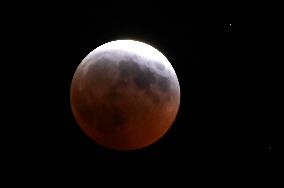
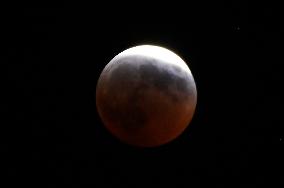
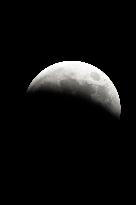
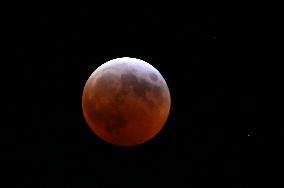
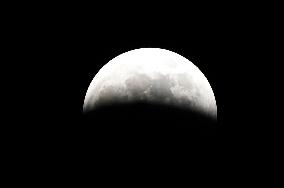
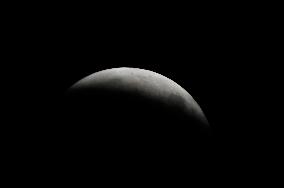
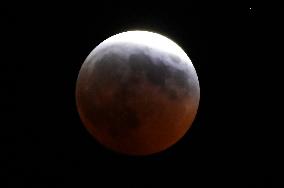
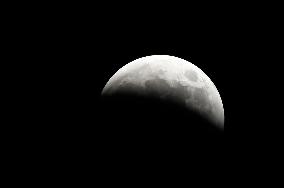
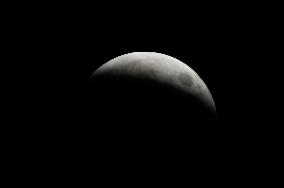
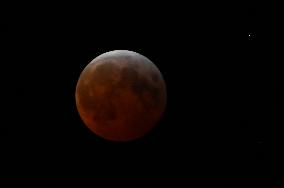
General view of the total lunar eclipse where the moon will be tinged with a reddish hue for a little more than an hour known as blood moon. The astronomical phenomenon is the only one of 2025 visible in the American continent. on March 13, 2025 in Mexico City, Mexico. Photo by Carlos Tischler/ Eyepix Group/ABACAPRESS.COM

  •  
Lunar Eclipse - Mexico

Lunar Eclipse - Mexico

General view of the total lunar eclipse where the moon will be tinged with a reddish hue for a little more than an hour known as blood moon. The astronomical phenomenon is the only one of 2025 visible in the American continent. on March 13, 2025 in Mexico City, Mexico. Photo by Carlos Tischler/ Eyepix Group/ABACAPRESS.COM

  •  
Lunar Eclipse - Mexico

Lunar Eclipse - Mexico

General view of the total lunar eclipse where the moon will be tinged with a reddish hue for a little more than an hour known as blood moon. The astronomical phenomenon is the only one of 2025 visible in the American continent. on March 13, 2025 in Mexico City, Mexico. Photo by Carlos Tischler/ Eyepix Group/ABACAPRESS.COM

  •  
Lunar Eclipse - Mexico

Lunar Eclipse - Mexico

General view of the total lunar eclipse where the moon will be tinged with a reddish hue for a little more than an hour known as blood moon. The astronomical phenomenon is the only one of 2025 visible in the American continent. on March 13, 2025 in Mexico City, Mexico. Photo by Carlos Tischler/ Eyepix Group/ABACAPRESS.COM

  •  
Lunar Eclipse - Mexico

Lunar Eclipse - Mexico

General view of the total lunar eclipse where the moon will be tinged with a reddish hue for a little more than an hour known as blood moon. The astronomical phenomenon is the only one of 2025 visible in the American continent. on March 13, 2025 in Mexico City, Mexico. Photo by Carlos Tischler/ Eyepix Group/ABACAPRESS.COM

  •  
Lunar Eclipse - Mexico

Lunar Eclipse - Mexico

General view of the total lunar eclipse where the moon will be tinged with a reddish hue for a little more than an hour known as blood moon. The astronomical phenomenon is the only one of 2025 visible in the American continent. on March 13, 2025 in Mexico City, Mexico. Photo by Carlos Tischler/ Eyepix Group/ABACAPRESS.COM

  •  
Lunar Eclipse - Mexico

Lunar Eclipse - Mexico

General view of the total lunar eclipse where the moon will be tinged with a reddish hue for a little more than an hour known as blood moon. The astronomical phenomenon is the only one of 2025 visible in the American continent. on March 13, 2025 in Mexico City, Mexico. Photo by Carlos Tischler/ Eyepix Group/ABACAPRESS.COM

  •  
Lunar Eclipse - Mexico

Lunar Eclipse - Mexico

General view of the total lunar eclipse where the moon will be tinged with a reddish hue for a little more than an hour known as blood moon. The astronomical phenomenon is the only one of 2025 visible in the American continent. on March 13, 2025 in Mexico City, Mexico. Photo by Carlos Tischler/ Eyepix Group/ABACAPRESS.COM

  •  
Lunar Eclipse - Mexico

Lunar Eclipse - Mexico

General view of the total lunar eclipse where the moon will be tinged with a reddish hue for a little more than an hour known as blood moon. The astronomical phenomenon is the only one of 2025 visible in the American continent. on March 13, 2025 in Mexico City, Mexico. Photo by Carlos Tischler/ Eyepix Group/ABACAPRESS.COM

  •  
Lunar Eclipse - Mexico

Lunar Eclipse - Mexico

General view of the total lunar eclipse where the moon will be tinged with a reddish hue for a little more than an hour known as blood moon. The astronomical phenomenon is the only one of 2025 visible in the American continent. on March 13, 2025 in Mexico City, Mexico. Photo by Carlos Tischler/ Eyepix Group/ABACAPRESS.COM

  •  
Lunar Eclipse - Mexico

Lunar Eclipse - Mexico

General view of the total lunar eclipse where the moon will be tinged with a reddish hue for a little more than an hour known as blood moon. The astronomical phenomenon is the only one of 2025 visible in the American continent. on March 13, 2025 in Mexico City, Mexico. Photo by Carlos Tischler/ Eyepix Group/ABACAPRESS.COM

  •  
Lunar Eclipse - Mexico

Lunar Eclipse - Mexico

General view of the total lunar eclipse where the moon will be tinged with a reddish hue for a little more than an hour known as blood moon. The astronomical phenomenon is the only one of 2025 visible in the American continent. on March 13, 2025 in Mexico City, Mexico. Photo by Carlos Tischler/ Eyepix Group/ABACAPRESS.COM

  • Main
  • Top
  • Editorial
  • Creative
  • About Us
  • About ILG
  • Terms of use
  • Company
  • BEHIND
  • Price List
  • Single Plan
  • Monthly Plan
  • Services
  • Shooting
  • Rights Clearance
  • Support
  • FAQ
  • How To Buy
  • Contact Us
  • Become a Partner

© KYODO NEWS IMAGES INC

All Rights Reserved.

  • Editorial
  • Olympics
  • News
  • Sports
  • Japan
  • Tech
  • Royal
  • Disaster
  • NorthKorea
  • Old Japan
  • SNS
  • Creative
  • Food
  • Japan
  • Landscape
  • Animal
  • Popular
  • #Ukraine
  • #Russia
  • #coronavirus
  • #N. Korea
  • #Thailand
  • #China
  • #Ukraine
  • #Russia
  • #coronavirus
  • #N. Korea
  • #Thailand
  • #China
  • Food
  • Japan
  • Landscape
  • Animal
  • Olympics
  • News
  • Sports
  • Japan
  • Tech
  • Royal
  • Disaster
  • NorthKorea
  • Old Japan
  • SNS