•  
Tie-Dye Technique Of Bai Ethnic Group - Chin

Tie-Dye Technique Of Bai Ethnic Group - Chin

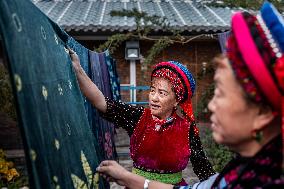
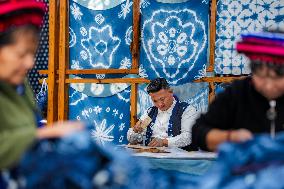
Duan Yuan, an inheritor of the tie-dye technique of Bai ethnic group, makes tie-dye designs in a dyehouse in Zhoucheng Village of Dali Bai Autonomous Prefecture, southwest China's Yunnan Province, November 21, 2025. Known as the hometown of the tie-dye technique of Bai ethnic group, Zhoucheng Village hosts over 200 households engaging in tie-dye businesses, with the number of employees exceeding 4,000. As a traditional folk technique of the Bai ethnic group, tie-dye boasts a history spanning over a thousand years and was included in the first batch of China's national intangible cultural heritage list in 2006. Tying and dyeing are the core steps in the process of making indigo tie-dye products. Artisans use needles and threads to create various patterns on the fabric, which are then dyed with plant-based dyes, resulting in blue backgrounds adorned with vivid white patterns. Photo by Hu Chao/Xinhua/ABACAPRESS.COM

  •  
Tie-Dye Technique Of Bai Ethnic Group - Chin

Tie-Dye Technique Of Bai Ethnic Group - Chin

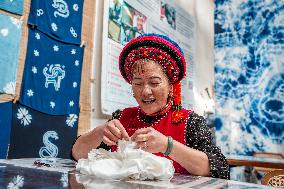
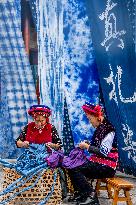
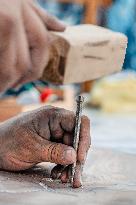
Duan Yinmei, an inheritor of the tie-dye technique of Bai ethnic group, creates knots on fabrics in a dyehouse in Zhoucheng Village of Dali Bai Autonomous Prefecture, southwest China's Yunnan Province, November 21, 2025. Known as the hometown of the tie-dye technique of Bai ethnic group, Zhoucheng Village hosts over 200 households engaging in tie-dye businesses, with the number of employees exceeding 4,000. As a traditional folk technique of the Bai ethnic group, tie-dye boasts a history spanning over a thousand years and was included in the first batch of China's national intangible cultural heritage list in 2006. Tying and dyeing are the core steps in the process of making indigo tie-dye products. Artisans use needles and threads to create various patterns on the fabric, which are then dyed with plant-based dyes, resulting in blue backgrounds adorned with vivid white patterns. Photo by Hu Chao/Xinhua/ABACAPRESS.COM

  •  
Tie-Dye Technique Of Bai Ethnic Group - Chin

Tie-Dye Technique Of Bai Ethnic Group - Chin

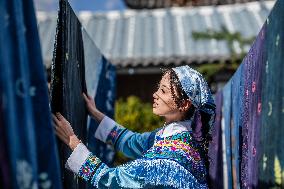
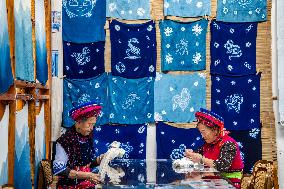
A woman experiences the tie-dye technique of Bai ethnic group in a dyehouse in Zhoucheng Village of Dali Bai Autonomous Prefecture, southwest China's Yunnan Province, November 21, 2025. Known as the hometown of the tie-dye technique of Bai ethnic group, Zhoucheng Village hosts over 200 households engaging in tie-dye businesses, with the number of employees exceeding 4,000. As a traditional folk technique of the Bai ethnic group, tie-dye boasts a history spanning over a thousand years and was included in the first batch of China's national intangible cultural heritage list in 2006. Tying and dyeing are the core steps in the process of making indigo tie-dye products. Artisans use needles and threads to create various patterns on the fabric, which are then dyed with plant-based dyes, resulting in blue backgrounds adorned with vivid white patterns. Photo by Hu Chao/Xinhua/ABACAPRESS.COM

  •  
Tie-Dye Technique Of Bai Ethnic Group - Chin

Tie-Dye Technique Of Bai Ethnic Group - Chin

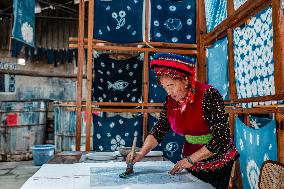
Duan Yinmei, an inheritor of the tie-dye technique of Bai ethnic group, dyes patterns on fabrics in a dyehouse in Zhoucheng Village of Dali Bai Autonomous Prefecture, southwest China's Yunnan Province, November 21, 2025. Known as the hometown of the tie-dye technique of Bai ethnic group, Zhoucheng Village hosts over 200 households engaging in tie-dye businesses, with the number of employees exceeding 4,000. As a traditional folk technique of the Bai ethnic group, tie-dye boasts a history spanning over a thousand years and was included in the first batch of China's national intangible cultural heritage list in 2006. Tying and dyeing are the core steps in the process of making indigo tie-dye products. Artisans use needles and threads to create various patterns on the fabric, which are then dyed with plant-based dyes, resulting in blue backgrounds adorned with vivid white patterns. Photo by Hu Chao/Xinhua/ABACAPRESS.COM

  •  
Tie-Dye Technique Of Bai Ethnic Group - Chin

Tie-Dye Technique Of Bai Ethnic Group - Chin

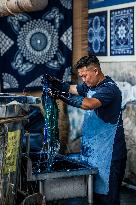
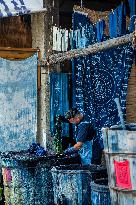
Duan Yuan, an inheritor of the tie-dye technique of Bai ethnic group, rinses dyed fabrics in a dyehouse in Zhoucheng Village of Dali Bai Autonomous Prefecture, southwest China's Yunnan Province, November 21, 2025. Known as the hometown of the tie-dye technique of Bai ethnic group, Zhoucheng Village hosts over 200 households engaging in tie-dye businesses, with the number of employees exceeding 4,000. As a traditional folk technique of the Bai ethnic group, tie-dye boasts a history spanning over a thousand years and was included in the first batch of China's national intangible cultural heritage list in 2006. Tying and dyeing are the core steps in the process of making indigo tie-dye products. Artisans use needles and threads to create various patterns on the fabric, which are then dyed with plant-based dyes, resulting in blue backgrounds adorned with vivid white patterns. Photo by Hu Chao/Xinhua/ABACAPRESS.COM

  •  
Tie-Dye Technique Of Bai Ethnic Group - Chin

Tie-Dye Technique Of Bai Ethnic Group - Chin

Duan Yinmei (L), an inheritor of the tie-dye technique of Bai ethnic group, and handicraftsman Duan Lilan dry tie-dye fabrics in a dyehouse in Zhoucheng Village of Dali Bai Autonomous Prefecture, southwest China's Yunnan Province, November 21, 2025. Known as the hometown of the tie-dye technique of Bai ethnic group, Zhoucheng Village hosts over 200 households engaging in tie-dye businesses, with the number of employees exceeding 4,000. As a traditional folk technique of the Bai ethnic group, tie-dye boasts a history spanning over a thousand years and was included in the first batch of China's national intangible cultural heritage list in 2006. Tying and dyeing are the core steps in the process of making indigo tie-dye products. Artisans use needles and threads to create various patterns on the fabric, which are then dyed with plant-based dyes, resulting in blue backgrounds adorned with vivid white patterns. Photo by Hu Chao/Xinhua/ABACAPRESS.COM

  •  
Tie-Dye Technique Of Bai Ethnic Group - Chin

Tie-Dye Technique Of Bai Ethnic Group - Chin

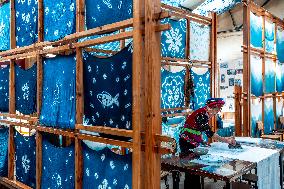
An aerial drone photo shows a scene at a dyehouse in Zhoucheng Village of Dali Bai Autonomous Prefecture, southwest China's Yunnan Province, November 21, 2025. Known as the hometown of the tie-dye technique of Bai ethnic group, Zhoucheng Village hosts over 200 households engaging in tie-dye businesses, with the number of employees exceeding 4,000. As a traditional folk technique of the Bai ethnic group, tie-dye boasts a history spanning over a thousand years and was included in the first batch of China's national intangible cultural heritage list in 2006. Tying and dyeing are the core steps in the process of making indigo tie-dye products. Artisans use needles and threads to create various patterns on the fabric, which are then dyed with plant-based dyes, resulting in blue backgrounds adorned with vivid white patterns. Photo by Hu Chao/Xinhua/ABACAPRESS.COM

  •  
Tie-Dye Technique Of Bai Ethnic Group - Chin

Tie-Dye Technique Of Bai Ethnic Group - Chin

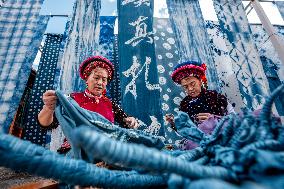
Duan Yinmei (L), an inheritor of the tie-dye technique of Bai ethnic group, and handicraftsman Duan Lilan untie knots on fabrics in a dyehouse in Zhoucheng Village of Dali Bai Autonomous Prefecture, southwest China's Yunnan Province, November 21, 2025. Known as the hometown of the tie-dye technique of Bai ethnic group, Zhoucheng Village hosts over 200 households engaging in tie-dye businesses, with the number of employees exceeding 4,000. As a traditional folk technique of the Bai ethnic group, tie-dye boasts a history spanning over a thousand years and was included in the first batch of China's national intangible cultural heritage list in 2006. Tying and dyeing are the core steps in the process of making indigo tie-dye products. Artisans use needles and threads to create various patterns on the fabric, which are then dyed with plant-based dyes, resulting in blue backgrounds adorned with vivid white patterns. Photo by Hu Chao/Xinhua/ABACAPRESS.COM

  •  
Tie-Dye Technique Of Bai Ethnic Group - Chin

Tie-Dye Technique Of Bai Ethnic Group - Chin

Duan Yinmei (L), an inheritor of the tie-dye technique of Bai ethnic group, and handicraftsman Duan Lilan untie knots on fabrics in a dyehouse in Zhoucheng Village of Dali Bai Autonomous Prefecture, southwest China's Yunnan Province, November 21, 2025. Known as the hometown of the tie-dye technique of Bai ethnic group, Zhoucheng Village hosts over 200 households engaging in tie-dye businesses, with the number of employees exceeding 4,000. As a traditional folk technique of the Bai ethnic group, tie-dye boasts a history spanning over a thousand years and was included in the first batch of China's national intangible cultural heritage list in 2006. Tying and dyeing are the core steps in the process of making indigo tie-dye products. Artisans use needles and threads to create various patterns on the fabric, which are then dyed with plant-based dyes, resulting in blue backgrounds adorned with vivid white patterns. Photo by Hu Chao/Xinhua/ABACAPRESS.COM

  •  
Tie-Dye Technique Of Bai Ethnic Group - Chin

Tie-Dye Technique Of Bai Ethnic Group - Chin

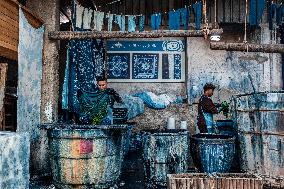
Duan Yuan (L), an inheritor of the tie-dye technique of Bai ethnic group, dyes fabrics in a dyehouse in Zhoucheng Village of Dali Bai Autonomous Prefecture, southwest China's Yunnan Province, November 21, 2025. Known as the hometown of the tie-dye technique of Bai ethnic group, Zhoucheng Village hosts over 200 households engaging in tie-dye businesses, with the number of employees exceeding 4,000. As a traditional folk technique of the Bai ethnic group, tie-dye boasts a history spanning over a thousand years and was included in the first batch of China's national intangible cultural heritage list in 2006. Tying and dyeing are the core steps in the process of making indigo tie-dye products. Artisans use needles and threads to create various patterns on the fabric, which are then dyed with plant-based dyes, resulting in blue backgrounds adorned with vivid white patterns. Photo by Hu Chao/Xinhua/ABACAPRESS.COM

  •  
Tie-Dye Technique Of Bai Ethnic Group - Chin

Tie-Dye Technique Of Bai Ethnic Group - Chin

Duan Yuan, an inheritor of the tie-dye technique of Bai ethnic group, makes tie-dye designs in a dyehouse in Zhoucheng Village of Dali Bai Autonomous Prefecture, southwest China's Yunnan Province, November 21, 2025. Known as the hometown of the tie-dye technique of Bai ethnic group, Zhoucheng Village hosts over 200 households engaging in tie-dye businesses, with the number of employees exceeding 4,000. As a traditional folk technique of the Bai ethnic group, tie-dye boasts a history spanning over a thousand years and was included in the first batch of China's national intangible cultural heritage list in 2006. Tying and dyeing are the core steps in the process of making indigo tie-dye products. Artisans use needles and threads to create various patterns on the fabric, which are then dyed with plant-based dyes, resulting in blue backgrounds adorned with vivid white patterns. Photo by Hu Chao/Xinhua/ABACAPRESS.COM

  •  
Tie-Dye Technique Of Bai Ethnic Group - Chin

Tie-Dye Technique Of Bai Ethnic Group - Chin

Duan Yuan, an inheritor of the tie-dye technique of Bai ethnic group, dyes fabrics in a dyehouse in Zhoucheng Village of Dali Bai Autonomous Prefecture, southwest China's Yunnan Province, November 21, 2025. Known as the hometown of the tie-dye technique of Bai ethnic group, Zhoucheng Village hosts over 200 households engaging in tie-dye businesses, with the number of employees exceeding 4,000. As a traditional folk technique of the Bai ethnic group, tie-dye boasts a history spanning over a thousand years and was included in the first batch of China's national intangible cultural heritage list in 2006. Tying and dyeing are the core steps in the process of making indigo tie-dye products. Artisans use needles and threads to create various patterns on the fabric, which are then dyed with plant-based dyes, resulting in blue backgrounds adorned with vivid white patterns. Photo by Hu Chao/Xinhua/ABACAPRESS.COM

  •  
Tie-Dye Technique Of Bai Ethnic Group - Chin

Tie-Dye Technique Of Bai Ethnic Group - Chin

Duan Yuan, an inheritor of the tie-dye technique of Bai ethnic group, dyes fabrics in a dyehouse in Zhoucheng Village of Dali Bai Autonomous Prefecture, southwest China's Yunnan Province, November 21, 2025. Known as the hometown of the tie-dye technique of Bai ethnic group, Zhoucheng Village hosts over 200 households engaging in tie-dye businesses, with the number of employees exceeding 4,000. As a traditional folk technique of the Bai ethnic group, tie-dye boasts a history spanning over a thousand years and was included in the first batch of China's national intangible cultural heritage list in 2006. Tying and dyeing are the core steps in the process of making indigo tie-dye products. Artisans use needles and threads to create various patterns on the fabric, which are then dyed with plant-based dyes, resulting in blue backgrounds adorned with vivid white patterns. Photo by Hu Chao/Xinhua/ABACAPRESS.COM

  •  
Tie-Dye Technique Of Bai Ethnic Group - Chin

Tie-Dye Technique Of Bai Ethnic Group - Chin

Duan Yuan, an inheritor of the tie-dye technique of Bai ethnic group, makes tie-dye designs in a dyehouse in Zhoucheng Village of Dali Bai Autonomous Prefecture, southwest China's Yunnan Province, November 21, 2025. Known as the hometown of the tie-dye technique of Bai ethnic group, Zhoucheng Village hosts over 200 households engaging in tie-dye businesses, with the number of employees exceeding 4,000. As a traditional folk technique of the Bai ethnic group, tie-dye boasts a history spanning over a thousand years and was included in the first batch of China's national intangible cultural heritage list in 2006. Tying and dyeing are the core steps in the process of making indigo tie-dye products. Artisans use needles and threads to create various patterns on the fabric, which are then dyed with plant-based dyes, resulting in blue backgrounds adorned with vivid white patterns. Photo by Hu Chao/Xinhua/ABACAPRESS.COM

  •  
Tie-Dye Technique Of Bai Ethnic Group - Chin

Tie-Dye Technique Of Bai Ethnic Group - Chin

Duan Yinmei, an inheritor of the tie-dye technique of Bai ethnic group, unties knots on fabrics in a dyehouse in Zhoucheng Village of Dali Bai Autonomous Prefecture, southwest China's Yunnan Province, November 21, 2025. Known as the hometown of the tie-dye technique of Bai ethnic group, Zhoucheng Village hosts over 200 households engaging in tie-dye businesses, with the number of employees exceeding 4,000. As a traditional folk technique of the Bai ethnic group, tie-dye boasts a history spanning over a thousand years and was included in the first batch of China's national intangible cultural heritage list in 2006. Tying and dyeing are the core steps in the process of making indigo tie-dye products. Artisans use needles and threads to create various patterns on the fabric, which are then dyed with plant-based dyes, resulting in blue backgrounds adorned with vivid white patterns. Photo by Hu Chao/Xinhua/ABACAPRESS.COM

  •  
Tie-Dye Technique Of Bai Ethnic Group - Chin

Tie-Dye Technique Of Bai Ethnic Group - Chin

Duan Yinmei, an inheritor of the tie-dye technique of Bai ethnic group, dyes patterns on fabrics in a dyehouse in Zhoucheng Village of Dali Bai Autonomous Prefecture, southwest China's Yunnan Province, November 21, 2025. Known as the hometown of the tie-dye technique of Bai ethnic group, Zhoucheng Village hosts over 200 households engaging in tie-dye businesses, with the number of employees exceeding 4,000. As a traditional folk technique of the Bai ethnic group, tie-dye boasts a history spanning over a thousand years and was included in the first batch of China's national intangible cultural heritage list in 2006. Tying and dyeing are the core steps in the process of making indigo tie-dye products. Artisans use needles and threads to create various patterns on the fabric, which are then dyed with plant-based dyes, resulting in blue backgrounds adorned with vivid white patterns. Photo by Hu Chao/Xinhua/ABACAPRESS.COM

  •  
Tie-Dye Technique Of Bai Ethnic Group - Chin

Tie-Dye Technique Of Bai Ethnic Group - Chin

Duan Yinmei (R), an inheritor of the tie-dye technique of Bai ethnic group, and handicraftsman Duan Lilan create knots on fabrics in a dyehouse in Zhoucheng Village of Dali Bai Autonomous Prefecture, southwest China's Yunnan Province, November 21, 2025. Known as the hometown of the tie-dye technique of Bai ethnic group, Zhoucheng Village hosts over 200 households engaging in tie-dye businesses, with the number of employees exceeding 4,000. As a traditional folk technique of the Bai ethnic group, tie-dye boasts a history spanning over a thousand years and was included in the first batch of China's national intangible cultural heritage list in 2006. Tying and dyeing are the core steps in the process of making indigo tie-dye products. Artisans use needles and threads to create various patterns on the fabric, which are then dyed with plant-based dyes, resulting in blue backgrounds adorned with vivid white patterns. Photo by Hu Chao/Xinhua/ABACAPRESS.COM

  •  
China First International New Standard Car Carrier For Transporting New Energy Vehicles

China First International New Standard Car Carrier For Transporting New Energy Vehicles

A batch of new energy vehicles entered the "NOCC PACIFIC" automobile transport ship at CIMC Raffles Shandong Longkou Construction Base in Yantai, Shandong Province, China on November 14, 2025.

  •  
Displaced Syrians Return Home - Lebanon

Displaced Syrians Return Home - Lebanon

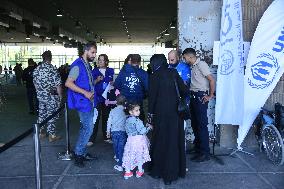
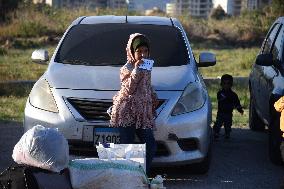
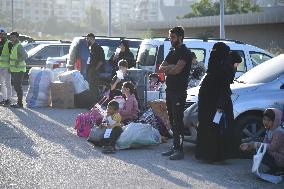
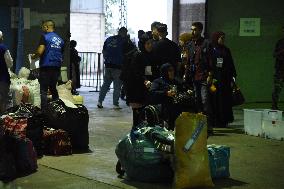
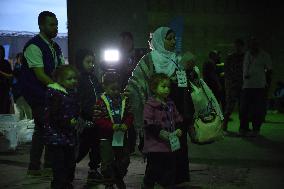
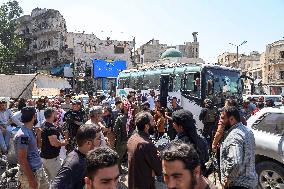
The sixth voluntary batch of displaced Syrians return to Syria via the Al-Arida crossing in Tripoli, Lebanon, on Oct. 23, 2025. (Photo by Khaled Habashiti/Xinhua/ABCAPRESS.COM)

  •  
Displaced Syrians Return Home - Lebanon

Displaced Syrians Return Home - Lebanon

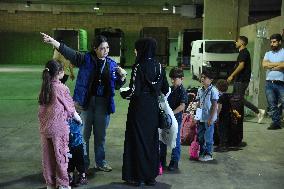
The sixth voluntary batch of displaced Syrians return to Syria via the Al-Arida crossing in Tripoli, Lebanon, on Oct. 23, 2025. (Photo by Khaled Habashiti/Xinhua/ABCAPRESS.COM)

  •  
Displaced Syrians Return Home - Lebanon

Displaced Syrians Return Home - Lebanon

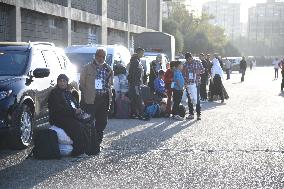
The sixth voluntary batch of displaced Syrians return to Syria via the Al-Arida crossing in Tripoli, Lebanon, on Oct. 23, 2025. (Photo by Khaled Habashiti/Xinhua/ABCAPRESS.COM)

  •  
Displaced Syrians Return Home - Lebanon

Displaced Syrians Return Home - Lebanon

The sixth voluntary batch of displaced Syrians return to Syria via the Al-Arida crossing in Tripoli, Lebanon, on Oct. 23, 2025. (Photo by Khaled Habashiti/Xinhua/ABCAPRESS.COM)

  •  
Displaced Syrians Return Home - Lebanon

Displaced Syrians Return Home - Lebanon

The sixth voluntary batch of displaced Syrians return to Syria via the Al-Arida crossing in Tripoli, Lebanon, on Oct. 23, 2025. (Photo by Khaled Habashiti/Xinhua/ABCAPRESS.COM)

  •  
Displaced Syrians Return Home - Lebanon

Displaced Syrians Return Home - Lebanon

The sixth voluntary batch of displaced Syrians return to Syria via the Al-Arida crossing in Tripoli, Lebanon, on Oct. 23, 2025. (Photo by Khaled Habashiti/Xinhua/ABCAPRESS.COM)

  •  
Prisoner-hostage Swap and Ceasefire deal Between Israel And Hamas

Prisoner-hostage Swap and Ceasefire deal Between Israel And Hamas

International Red Cross vehicles move towards the eastern Gaza Strip from Khan Yunis in the south of the besieged Palestinian territory on October 13, 2025, ahead of the release of Israeli hostages held by Hamas since the October 7 attacks two years ago. On the other side, a Red Cross convoy is on its way to pick up a first batch of Israeli hostages to be freed by Hamas as part of a Gaza ceasefire deal announced by US President Donald Trump earlier this month, the Israeli military said on October 13. Photo by Abdelrahman Rashad/Middle East Images/ABACAPRESS.COM

  •  
Prisoner-hostage Swap and Ceasefire deal Between Israel And Hamas

Prisoner-hostage Swap and Ceasefire deal Between Israel And Hamas

International Red Cross vehicles move towards the eastern Gaza Strip from Khan Yunis in the south of the besieged Palestinian territory on October 13, 2025, ahead of the release of Israeli hostages held by Hamas since the October 7 attacks two years ago. On the other side, a Red Cross convoy is on its way to pick up a first batch of Israeli hostages to be freed by Hamas as part of a Gaza ceasefire deal announced by US President Donald Trump earlier this month, the Israeli military said on October 13. Photo by Abdelrahman Rashad/Middle East Images/ABACAPRESS.COM

  •  
Displaced Syrians Begin Return To Tripoli - Lebanon

Displaced Syrians Begin Return To Tripoli - Lebanon

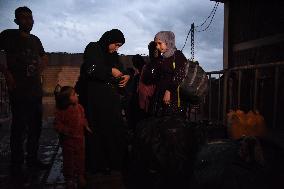
The fourth voluntary batch of displaced Syrians return from Tripoli to Syria via the Al-Arida crossing in Tripoli, Lebanon, on Oct. 9, 2025. Photo by Khaled Habashiti/Xinhua/ABACAPRESS.COM

  •  
Displaced Syrians Begin Return To Tripoli - Lebanon

Displaced Syrians Begin Return To Tripoli - Lebanon

The fourth voluntary batch of displaced Syrians return from Tripoli to Syria via the Al-Arida crossing in Tripoli, Lebanon, on Oct. 9, 2025. Photo by Khaled Habashiti/Xinhua/ABACAPRESS.COM

  •  
Displaced Syrians Begin Return To Tripoli - Lebanon

Displaced Syrians Begin Return To Tripoli - Lebanon

The fourth voluntary batch of displaced Syrians return from Tripoli to Syria via the Al-Arida crossing in Tripoli, Lebanon, on Oct. 9, 2025. Photo by Khaled Habashiti/Xinhua/ABACAPRESS.COM

  •  
The First Batch of Seafood

The First Batch of Seafood

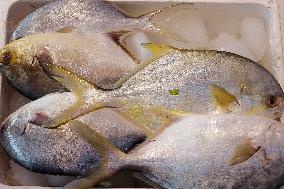
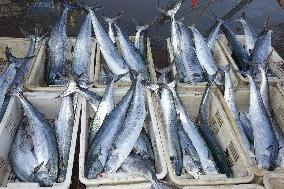
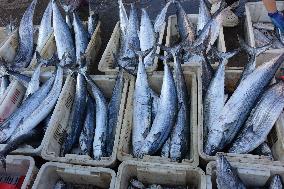
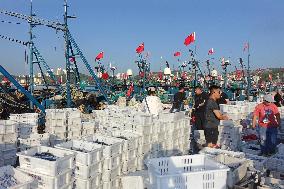
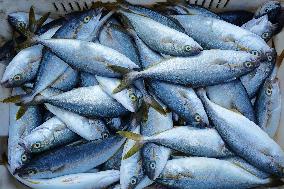
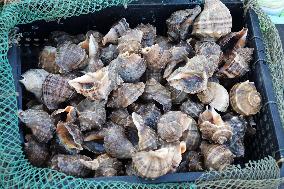
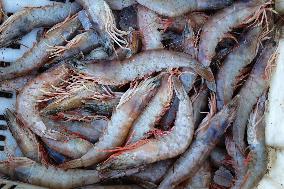
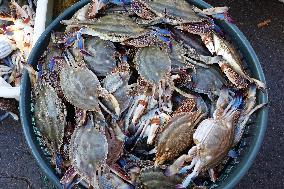
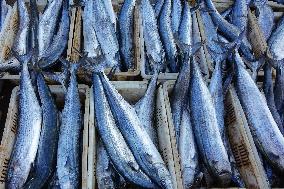
QINGDAO, CHINA - SEPTEMBER 2, 2025 - The first batch of seafood caught by the returning fishing boats after the autumn opening of the sea, at Jimiya Fishing Port in the West Coast New Area of Qingdao, Shandong Province, China on September 2, 2025.

  •  
The First Batch of Seafood

The First Batch of Seafood

QINGDAO, CHINA - SEPTEMBER 2, 2025 - The first batch of seafood caught by the returning fishing boats after the autumn opening of the sea, at Jimiya Fishing Port in the West Coast New Area of Qingdao, Shandong Province, China on September 2, 2025.

  •  
The First Batch of Seafood

The First Batch of Seafood

QINGDAO, CHINA - SEPTEMBER 2, 2025 - The first batch of seafood caught by the returning fishing boats after the autumn opening of the sea, at Jimiya Fishing Port in the West Coast New Area of Qingdao, Shandong Province, China on September 2, 2025.

  •  
The First Batch of Seafood

The First Batch of Seafood

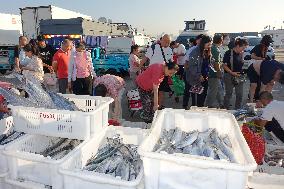
QINGDAO, CHINA - SEPTEMBER 2, 2025 - Citizens purchase seafood caught by the first batch of returning fishing boats after the autumn opening of the sea, at Jimiya Fishing Port in the West Coast New Area of Qingdao, Shandong Province, China on September 2, 2025.

  •  
The First Batch of Seafood

The First Batch of Seafood

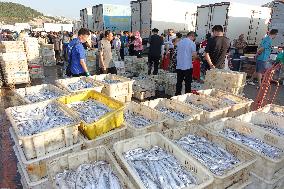
QINGDAO, CHINA - SEPTEMBER 2, 2025 - The first batch of seafood caught by the returning fishing boats after the autumn opening of the sea, at Jimiya Fishing Port in the West Coast New Area of Qingdao, Shandong Province, China on September 2, 2025.

  •  
The First Batch of Seafood

The First Batch of Seafood

QINGDAO, CHINA - SEPTEMBER 2, 2025 - The first batch of seafood caught by the returning fishing boats after the autumn opening of the sea, at Jimiya Fishing Port in the West Coast New Area of Qingdao, Shandong Province, China on September 2, 2025.

  •  
The First Batch of Seafood

The First Batch of Seafood

QINGDAO, CHINA - SEPTEMBER 2, 2025 - The first batch of seafood caught by the returning fishing boats after the autumn opening of the sea, at Jimiya Fishing Port in the West Coast New Area of Qingdao, Shandong Province, China on September 2, 2025.

  •  
The First Batch of Seafood

The First Batch of Seafood

QINGDAO, CHINA - SEPTEMBER 2, 2025 - The first batch of seafood caught by the returning fishing boats after the autumn opening of the sea, at Jimiya Fishing Port in the West Coast New Area of Qingdao, Shandong Province, China on September 2, 2025.

  •  
The First Batch of Seafood

The First Batch of Seafood

QINGDAO, CHINA - SEPTEMBER 2, 2025 - The first batch of seafood caught by the returning fishing boats after the autumn opening of the sea, at Jimiya Fishing Port in the West Coast New Area of Qingdao, Shandong Province, China on September 2, 2025.

  •  
The First Batch of Seafood

The First Batch of Seafood

QINGDAO, CHINA - SEPTEMBER 2, 2025 - The first batch of seafood caught by the returning fishing boats after the autumn opening of the sea, at Jimiya Fishing Port in the West Coast New Area of Qingdao, Shandong Province, China on September 2, 2025.

  •  
The First Batch of Seafood

The First Batch of Seafood

QINGDAO, CHINA - SEPTEMBER 2, 2025 - Citizens purchase seafood caught by the first batch of returning fishing boats after the autumn opening of the sea, at Jimiya Fishing Port in the West Coast New Area of Qingdao, Shandong Province, China on September 2, 2025.

  •  
The First Batch of Seafood

The First Batch of Seafood

QINGDAO, CHINA - SEPTEMBER 2, 2025 - Citizens purchase seafood caught by the first batch of returning fishing boats after the autumn opening of the sea, at Jimiya Fishing Port in the West Coast New Area of Qingdao, Shandong Province, China on September 2, 2025.

  •  
Surrender of Weapons from Palestinian Camps to The Lebanese Army - Tyre

Surrender of Weapons from Palestinian Camps to The Lebanese Army - Tyre

Lebanese army soldiers oversee the handover of a batch of weapons from Palestinian camps of Rashidieh, el-Buss, and Burj Al-Shemali in the city of Tyre, Lebanon on August 28, 2025. Lebanon on Thursday conducted the second phase of transferring weapons from Palestinian camps in the country to the Lebanese army, according to Lebanese media and Palestinian sources. Photo by Ali Hashisho/Xinhua/ABACAPRESS.COM

  •  
Surrender of Weapons from Palestinian Camps to The Lebanese Army - Tyre

Surrender of Weapons from Palestinian Camps to The Lebanese Army - Tyre

Lebanese army soldiers oversee the handover of a batch of weapons from Palestinian camps of Rashidieh, el-Buss, and Burj Al-Shemali in the city of Tyre, Lebanon on August 28, 2025. Lebanon on Thursday conducted the second phase of transferring weapons from Palestinian camps in the country to the Lebanese army, according to Lebanese media and Palestinian sources. Photo by Ali Hashisho/Xinhua/ABACAPRESS.COM

  •  
Surrender of Weapons from Palestinian Camps to The Lebanese Army - Tyre

Surrender of Weapons from Palestinian Camps to The Lebanese Army - Tyre

Lebanese army soldiers oversee the handover of a batch of weapons from Palestinian camps of Rashidieh, el-Buss, and Burj Al-Shemali in the city of Tyre, Lebanon on August 28, 2025. Lebanon on Thursday conducted the second phase of transferring weapons from Palestinian camps in the country to the Lebanese army, according to Lebanese media and Palestinian sources. Photo by Ali Hashisho/Xinhua/ABACAPRESS.COM

  •  
Weapons Handover at Burj Barajneh Camp in Beirut - Lebanon

Weapons Handover at Burj Barajneh Camp in Beirut - Lebanon

Lebanese army members oversee the handover of a batch of weapons from the Palestinian camps at the Burj Barajneh camp in Beirut, Lebanon, on Aug. 21, 2025. Lebanon on Thursday started transferring weapons from Palestinian camps in the country to the Lebanese army at the Burj Barajneh camp, according to Ramez Dimechkie, head of the Lebanese-Palestinian Dialogue Committee. Photo by Bilal Jawich/Xinhua/ABACAPRESS.COM

  •  
Weapons Handover at Burj Barajneh Camp in Beirut - Lebanon

Weapons Handover at Burj Barajneh Camp in Beirut - Lebanon

Lebanese army members oversee the handover of a batch of weapons from the Palestinian camps at the Burj Barajneh camp in Beirut, Lebanon, on Aug. 21, 2025. Lebanon on Thursday started transferring weapons from Palestinian camps in the country to the Lebanese army at the Burj Barajneh camp, according to Ramez Dimechkie, head of the Lebanese-Palestinian Dialogue Committee. Photo by Bilal Jawich/Xinhua/ABACAPRESS.COM

  •  
Arab Tribes Mobilize Toward Sweida - Syria

Arab Tribes Mobilize Toward Sweida - Syria

A new batch of Arab tribesmen, estimated in the thousands, departs from Idlib and its surrounding countryside toward the southern city of Sweida, Syria, on July 18, 2025. The movement is part of a growing mobilization driven by complex tribal dynamics and shifting alliances in the context of Syria’s long-running conflict. Tribal groups play a pivotal role in regional politics and security, often navigating between local authorities, armed factions, and national interests. Their relocation reflects mounting pressure and instability in northern Syria, as well as strategic efforts to assert influence in the Druze-majority region of Sweida. The convoy includes both fighters and civilians, many traveling in vehicles over long distances under difficult conditions. This tribal realignment could have significant implications for local governance, military balance, and social cohesion in southern Syria. Photo by Omar Albaw/Middle East Images/ABACAPRESS.COM

  •  
Arab Tribes Mobilize Toward Sweida - Syria

Arab Tribes Mobilize Toward Sweida - Syria

A new batch of Arab tribesmen, estimated in the thousands, departs from Idlib and its surrounding countryside toward the southern city of Sweida, Syria, on July 18, 2025. The movement is part of a growing mobilization driven by complex tribal dynamics and shifting alliances in the context of Syria’s long-running conflict. Tribal groups play a pivotal role in regional politics and security, often navigating between local authorities, armed factions, and national interests. Their relocation reflects mounting pressure and instability in northern Syria, as well as strategic efforts to assert influence in the Druze-majority region of Sweida. The convoy includes both fighters and civilians, many traveling in vehicles over long distances under difficult conditions. This tribal realignment could have significant implications for local governance, military balance, and social cohesion in southern Syria. Photo by Omar Albaw/Middle East Images/ABACAPRESS.COM

  •  
Arab Tribes Mobilize Toward Sweida - Syria

Arab Tribes Mobilize Toward Sweida - Syria

A new batch of Arab tribesmen, estimated in the thousands, departs from Idlib and its surrounding countryside toward the southern city of Sweida, Syria, on July 18, 2025. The movement is part of a growing mobilization driven by complex tribal dynamics and shifting alliances in the context of Syria’s long-running conflict. Tribal groups play a pivotal role in regional politics and security, often navigating between local authorities, armed factions, and national interests. Their relocation reflects mounting pressure and instability in northern Syria, as well as strategic efforts to assert influence in the Druze-majority region of Sweida. The convoy includes both fighters and civilians, many traveling in vehicles over long distances under difficult conditions. This tribal realignment could have significant implications for local governance, military balance, and social cohesion in southern Syria. Photo by Omar Albaw/Middle East Images/ABACAPRESS.COM

  •  
Arab Tribes Mobilize Toward Sweida - Syria

Arab Tribes Mobilize Toward Sweida - Syria

A new batch of Arab tribesmen, estimated in the thousands, departs from Idlib and its surrounding countryside toward the southern city of Sweida, Syria, on July 18, 2025. The movement is part of a growing mobilization driven by complex tribal dynamics and shifting alliances in the context of Syria’s long-running conflict. Tribal groups play a pivotal role in regional politics and security, often navigating between local authorities, armed factions, and national interests. Their relocation reflects mounting pressure and instability in northern Syria, as well as strategic efforts to assert influence in the Druze-majority region of Sweida. The convoy includes both fighters and civilians, many traveling in vehicles over long distances under difficult conditions. This tribal realignment could have significant implications for local governance, military balance, and social cohesion in southern Syria. Photo by Omar Albaw/Middle East Images/ABACAPRESS.COM

  • Main
  • Top
  • Editorial
  • Creative
  • About Us
  • About ILG
  • Terms of use
  • Company
  • BEHIND
  • Price List
  • Single Plan
  • Monthly Plan
  • Services
  • Shooting
  • Rights Clearance
  • Support
  • FAQ
  • How To Buy
  • Contact Us
  • Become a Partner

© KYODO NEWS IMAGES INC

All Rights Reserved.

  • Editorial
  • Olympics
  • News
  • Sports
  • Japan
  • Tech
  • Royal
  • Disaster
  • NorthKorea
  • Old Japan
  • SNS
  • Creative
  • Food
  • Japan
  • Landscape
  • Animal
  • Popular
  • #Ukraine
  • #Thailand
  • #coronavirus
  • #N. Korea
  • #Russia
  • #China
  • #Ukraine
  • #Thailand
  • #coronavirus
  • #N. Korea
  • #Russia
  • #China
  • Food
  • Japan
  • Landscape
  • Animal
  • Olympics
  • News
  • Sports
  • Japan
  • Tech
  • Royal
  • Disaster
  • NorthKorea
  • Old Japan
  • SNS