•  
Rome Cinema Fest 2025 - Roberto Rossellini More than A Life Red Carpet

Rome Cinema Fest 2025 - Roberto Rossellini More than A Life Red Carpet

Tinto Brass. Elettra Wiedemann. attending the red carpet event for the film "Roberto Rossellini – More Than a Life" at the Roma Cinema Fest 2025. Rome, Italy, October 23, 2025. Photo by IPA/ABACAPRESS.COM

  •  
Rome Cinema Fest 2025 - Roberto Rossellini More than A Life Red Carpet

Rome Cinema Fest 2025 - Roberto Rossellini More than A Life Red Carpet

Tinto Brass. Elettra Wiedemann. attending the red carpet event for the film "Roberto Rossellini – More Than a Life" at the Roma Cinema Fest 2025. Rome, Italy, October 23, 2025. Photo by IPA/ABACAPRESS.COM

  •  
Rome Cinema Fest 2025 - Roberto Rossellini More than A Life Red Carpet

Rome Cinema Fest 2025 - Roberto Rossellini More than A Life Red Carpet

Tinto Brass. Elettra Wiedemann. attending the red carpet event for the film "Roberto Rossellini – More Than a Life" at the Roma Cinema Fest 2025. Rome, Italy, October 23, 2025. Photo by IPA/ABACAPRESS.COM

  •  
Rome Cinema Fest 2025 - Roberto Rossellini More than A Life Red Carpet

Rome Cinema Fest 2025 - Roberto Rossellini More than A Life Red Carpet

Tinto Brass. Elettra Wiedemann. attending the red carpet event for the film "Roberto Rossellini – More Than a Life" at the Roma Cinema Fest 2025. Rome, Italy, October 23, 2025. Photo by IPA/ABACAPRESS.COM

  •  
Rome Cinema Fest 2025 - Roberto Rossellini More than A Life Red Carpet

Rome Cinema Fest 2025 - Roberto Rossellini More than A Life Red Carpet

Isabella Rossellini, Tinto Brass and Elettra Wiedemann attending the red carpet event for the film "Roberto Rossellini – More Than a Life" at the Roma Cinema Fest 2025. Rome, Italy, October 23, 2025. Photo by IPA/ABACAPRESS.COM

  •  
Rome Cinema Fest 2025 - Roberto Rossellini More than A Life Red Carpet

Rome Cinema Fest 2025 - Roberto Rossellini More than A Life Red Carpet

Isabella Rossellini Tinto Brass attending the red carpet event for the film "Roberto Rossellini – More Than a Life" at the Roma Cinema Fest 2025. Rome, Italy, October 23, 2025. Photo by IPA/ABACAPRESS.COM

  •  
Rome Cinema Fest 2025 - Roberto Rossellini More than A Life Red Carpet

Rome Cinema Fest 2025 - Roberto Rossellini More than A Life Red Carpet

Isabella Rossellini Tinto Brass attending the red carpet event for the film "Roberto Rossellini – More Than a Life" at the Roma Cinema Fest 2025. Rome, Italy, October 23, 2025. Photo by IPA/ABACAPRESS.COM

  •  
Rome Cinema Fest 2025 - Roberto Rossellini More than A Life Red Carpet

Rome Cinema Fest 2025 - Roberto Rossellini More than A Life Red Carpet

Isabella Rossellini Tinto Brass attending the red carpet event for the film "Roberto Rossellini – More Than a Life" at the Roma Cinema Fest 2025. Rome, Italy, October 23, 2025. Photo by IPA/ABACAPRESS.COM

  •  
Rome Cinema Fest 2025 - Roberto Rossellini More than A Life Red Carpet

Rome Cinema Fest 2025 - Roberto Rossellini More than A Life Red Carpet

Isabella Rossellini Tinto Brass attending the red carpet event for the film "Roberto Rossellini – More Than a Life" at the Roma Cinema Fest 2025. Rome, Italy, October 23, 2025. Photo by IPA/ABACAPRESS.COM

  •  
Rome Cinema Fest 2025 - Roberto Rossellini More than A Life Red Carpet

Rome Cinema Fest 2025 - Roberto Rossellini More than A Life Red Carpet

Isabella Rossellini, Tinto Brass and Elettra Wiedemann attending the red carpet event for the film "Roberto Rossellini – More Than a Life" at the Roma Cinema Fest 2025. Rome, Italy, October 23, 2025. Photo by IPA/ABACAPRESS.COM

  •  
Water Festival in Vilagarcía de Arousa - Spain

Water Festival in Vilagarcía de Arousa - Spain

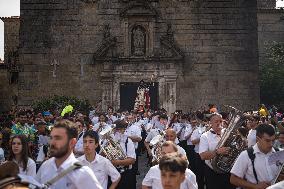
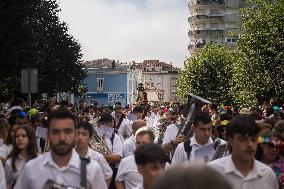
A brass band during the Water Festival, August 16, 2025, in Vilagarcía de Arousa, Pontevedra, Galicia (Spain). This festival is part of the festivities of the patron saint of San Roque. The day begins with the transfer of the image of San Roque from the church to his chapel, where the proclamation is read, the person in charge of which is kept secret until the last moment. Then starts the Water Festival to the center of Vilagarcía asking for water to the neighbors from the balconies and with hoses and buckets. Photo by Elena Fernández/Europa Press/ABACAPRESS.COM

  •  
Water Festival in Vilagarcía de Arousa - Spain

Water Festival in Vilagarcía de Arousa - Spain

A brass band during the Water Festival, August 16, 2025, in Vilagarcía de Arousa, Pontevedra, Galicia (Spain). This festival is part of the festivities of the patron saint of San Roque. The day begins with the transfer of the image of San Roque from the church to his chapel, where the proclamation is read, the person in charge of which is kept secret until the last moment. Then starts the Water Festival to the center of Vilagarcía asking for water to the neighbors from the balconies and with hoses and buckets. Photo by Elena Fernández/Europa Press/ABACAPRESS.COM

  •  
The Jewelry-Making Village - Bangladesh

The Jewelry-Making Village - Bangladesh

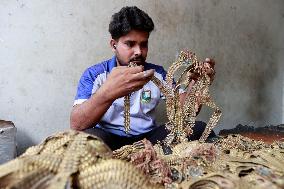
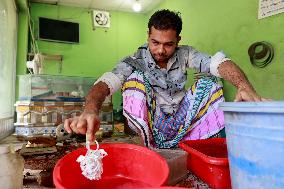
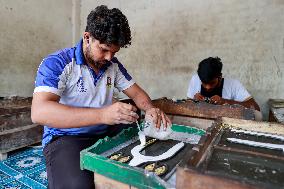
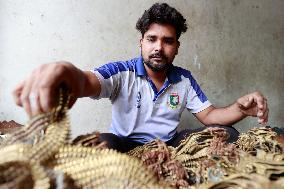
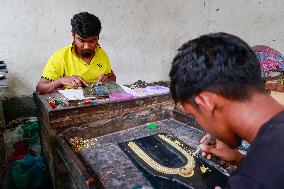
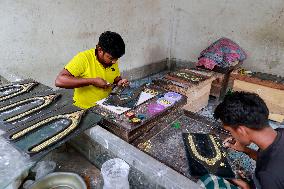
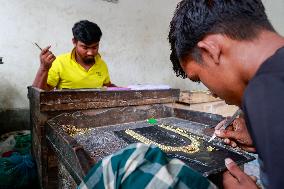
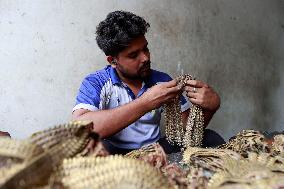
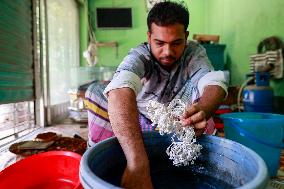
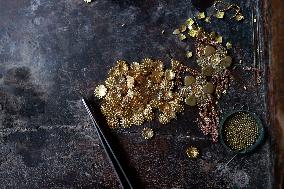
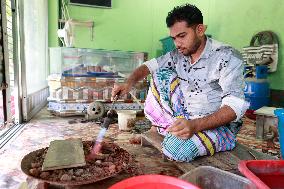
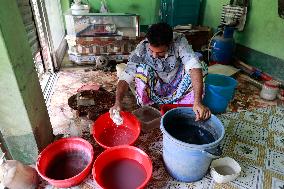
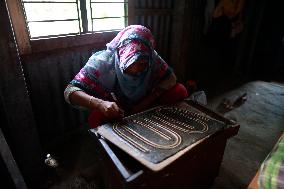
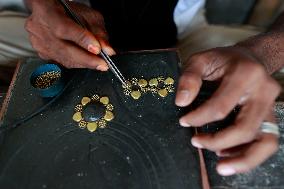
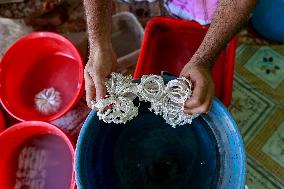
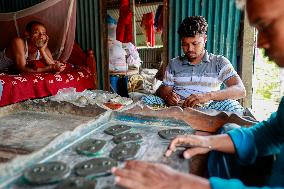
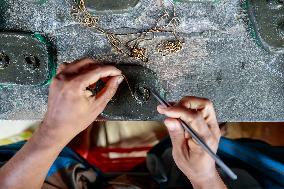
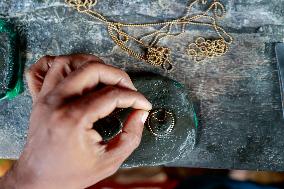
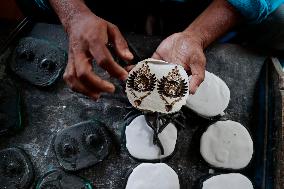
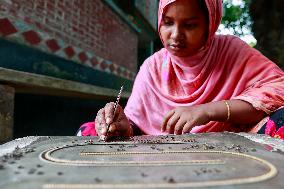
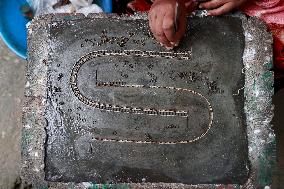
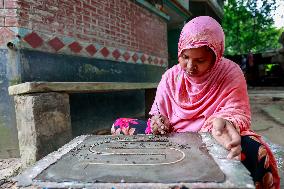
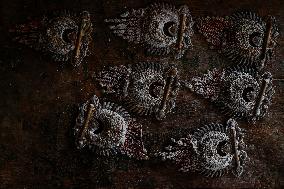
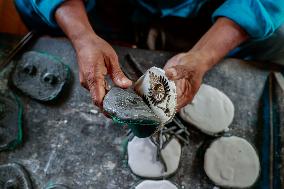
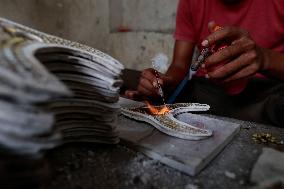
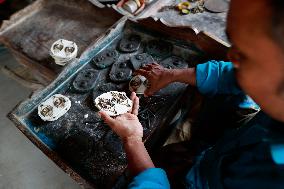
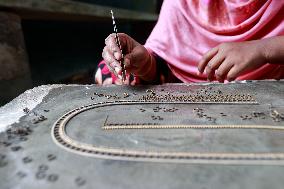
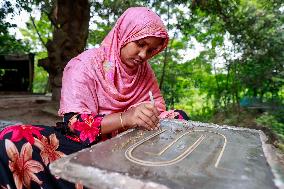
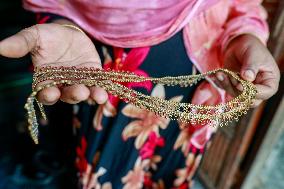
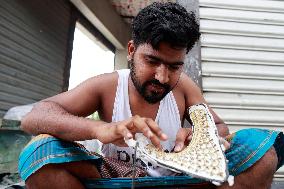
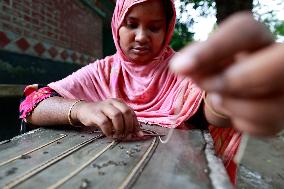
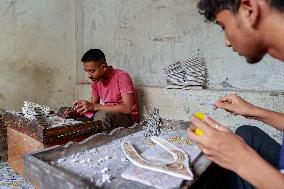
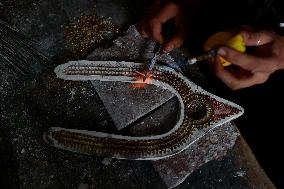
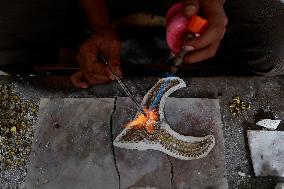
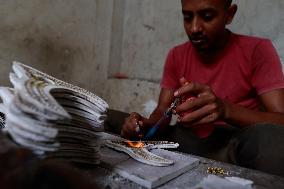
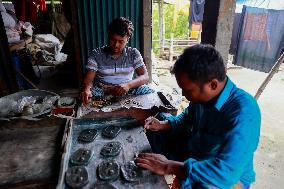
July 3, 2025, Savar, Bangladesh: In Bhakurta Union of Savar, on the outskirts of the capital, jewelry is made in almost every household. Around 10,000 people in the area are involved in the craft. According to locals, the tradition dates back to the British era, when residents adopted jewelry-making as an alternative profession. Initially, they used to craft gold ornaments. Gradually, they shifted to making silver jewelry. Nowadays, most of the ornaments are made from copper and brass. Since the 1980s, the production and sale of jewelry have expanded widely.

  •  
The Jewelry-Making Village - Bangladesh

The Jewelry-Making Village - Bangladesh

July 3, 2025, Savar, Bangladesh: In Bhakurta Union of Savar, on the outskirts of the capital, jewelry is made in almost every household. Around 10,000 people in the area are involved in the craft. According to locals, the tradition dates back to the British era, when residents adopted jewelry-making as an alternative profession. Initially, they used to craft gold ornaments. Gradually, they shifted to making silver jewelry. Nowadays, most of the ornaments are made from copper and brass. Since the 1980s, the production and sale of jewelry have expanded widely.

  •  
The Jewelry-Making Village - Bangladesh

The Jewelry-Making Village - Bangladesh

July 3, 2025, Savar, Bangladesh: In Bhakurta Union of Savar, on the outskirts of the capital, jewelry is made in almost every household. Around 10,000 people in the area are involved in the craft. According to locals, the tradition dates back to the British era, when residents adopted jewelry-making as an alternative profession. Initially, they used to craft gold ornaments. Gradually, they shifted to making silver jewelry. Nowadays, most of the ornaments are made from copper and brass. Since the 1980s, the production and sale of jewelry have expanded widely.

  •  
The Jewelry-Making Village - Bangladesh

The Jewelry-Making Village - Bangladesh

July 3, 2025, Savar, Bangladesh: In Bhakurta Union of Savar, on the outskirts of the capital, jewelry is made in almost every household. Around 10,000 people in the area are involved in the craft. According to locals, the tradition dates back to the British era, when residents adopted jewelry-making as an alternative profession. Initially, they used to craft gold ornaments. Gradually, they shifted to making silver jewelry. Nowadays, most of the ornaments are made from copper and brass. Since the 1980s, the production and sale of jewelry have expanded widely.

  •  
The Jewelry-Making Village - Bangladesh

The Jewelry-Making Village - Bangladesh

July 3, 2025, Savar, Bangladesh: In Bhakurta Union of Savar, on the outskirts of the capital, jewelry is made in almost every household. Around 10,000 people in the area are involved in the craft. According to locals, the tradition dates back to the British era, when residents adopted jewelry-making as an alternative profession. Initially, they used to craft gold ornaments. Gradually, they shifted to making silver jewelry. Nowadays, most of the ornaments are made from copper and brass. Since the 1980s, the production and sale of jewelry have expanded widely.

  •  
The Jewelry-Making Village - Bangladesh

The Jewelry-Making Village - Bangladesh

July 3, 2025, Savar, Bangladesh: In Bhakurta Union of Savar, on the outskirts of the capital, jewelry is made in almost every household. Around 10,000 people in the area are involved in the craft. According to locals, the tradition dates back to the British era, when residents adopted jewelry-making as an alternative profession. Initially, they used to craft gold ornaments. Gradually, they shifted to making silver jewelry. Nowadays, most of the ornaments are made from copper and brass. Since the 1980s, the production and sale of jewelry have expanded widely.

  •  
The Jewelry-Making Village - Bangladesh

The Jewelry-Making Village - Bangladesh

July 3, 2025, Savar, Bangladesh: In Bhakurta Union of Savar, on the outskirts of the capital, jewelry is made in almost every household. Around 10,000 people in the area are involved in the craft. According to locals, the tradition dates back to the British era, when residents adopted jewelry-making as an alternative profession. Initially, they used to craft gold ornaments. Gradually, they shifted to making silver jewelry. Nowadays, most of the ornaments are made from copper and brass. Since the 1980s, the production and sale of jewelry have expanded widely.

  •  
The Jewelry-Making Village - Bangladesh

The Jewelry-Making Village - Bangladesh

July 3, 2025, Savar, Bangladesh: In Bhakurta Union of Savar, on the outskirts of the capital, jewelry is made in almost every household. Around 10,000 people in the area are involved in the craft. According to locals, the tradition dates back to the British era, when residents adopted jewelry-making as an alternative profession. Initially, they used to craft gold ornaments. Gradually, they shifted to making silver jewelry. Nowadays, most of the ornaments are made from copper and brass. Since the 1980s, the production and sale of jewelry have expanded widely.

  •  
The Jewelry-Making Village - Bangladesh

The Jewelry-Making Village - Bangladesh

July 3, 2025, Savar, Bangladesh: In Bhakurta Union of Savar, on the outskirts of the capital, jewelry is made in almost every household. Around 10,000 people in the area are involved in the craft. According to locals, the tradition dates back to the British era, when residents adopted jewelry-making as an alternative profession. Initially, they used to craft gold ornaments. Gradually, they shifted to making silver jewelry. Nowadays, most of the ornaments are made from copper and brass. Since the 1980s, the production and sale of jewelry have expanded widely.

  •  
The Jewelry-Making Village - Bangladesh

The Jewelry-Making Village - Bangladesh

July 3, 2025, Savar, Bangladesh: In Bhakurta Union of Savar, on the outskirts of the capital, jewelry is made in almost every household. Around 10,000 people in the area are involved in the craft. According to locals, the tradition dates back to the British era, when residents adopted jewelry-making as an alternative profession. Initially, they used to craft gold ornaments. Gradually, they shifted to making silver jewelry. Nowadays, most of the ornaments are made from copper and brass. Since the 1980s, the production and sale of jewelry have expanded widely.

  •  
The Jewelry-Making Village - Bangladesh

The Jewelry-Making Village - Bangladesh

July 3, 2025, Savar, Bangladesh: In Bhakurta Union of Savar, on the outskirts of the capital, jewelry is made in almost every household. Around 10,000 people in the area are involved in the craft. According to locals, the tradition dates back to the British era, when residents adopted jewelry-making as an alternative profession. Initially, they used to craft gold ornaments. Gradually, they shifted to making silver jewelry. Nowadays, most of the ornaments are made from copper and brass. Since the 1980s, the production and sale of jewelry have expanded widely.

  •  
The Jewelry-Making Village - Bangladesh

The Jewelry-Making Village - Bangladesh

July 3, 2025, Savar, Bangladesh: In Bhakurta Union of Savar, on the outskirts of the capital, jewelry is made in almost every household. Around 10,000 people in the area are involved in the craft. According to locals, the tradition dates back to the British era, when residents adopted jewelry-making as an alternative profession. Initially, they used to craft gold ornaments. Gradually, they shifted to making silver jewelry. Nowadays, most of the ornaments are made from copper and brass. Since the 1980s, the production and sale of jewelry have expanded widely.

  •  
The Jewelry-Making Village - Bangladesh

The Jewelry-Making Village - Bangladesh

July 3, 2025, Savar, Bangladesh: In Bhakurta Union of Savar, on the outskirts of the capital, jewelry is made in almost every household. Around 10,000 people in the area are involved in the craft. According to locals, the tradition dates back to the British era, when residents adopted jewelry-making as an alternative profession. Initially, they used to craft gold ornaments. Gradually, they shifted to making silver jewelry. Nowadays, most of the ornaments are made from copper and brass. Since the 1980s, the production and sale of jewelry have expanded widely.

  •  
The Jewelry-Making Village - Bangladesh

The Jewelry-Making Village - Bangladesh

July 3, 2025, Savar, Bangladesh: In Bhakurta Union of Savar, on the outskirts of the capital, jewelry is made in almost every household. Around 10,000 people in the area are involved in the craft. According to locals, the tradition dates back to the British era, when residents adopted jewelry-making as an alternative profession. Initially, they used to craft gold ornaments. Gradually, they shifted to making silver jewelry. Nowadays, most of the ornaments are made from copper and brass. Since the 1980s, the production and sale of jewelry have expanded widely.

  •  
The Jewelry-Making Village - Bangladesh

The Jewelry-Making Village - Bangladesh

July 3, 2025, Savar, Bangladesh: In Bhakurta Union of Savar, on the outskirts of the capital, jewelry is made in almost every household. Around 10,000 people in the area are involved in the craft. According to locals, the tradition dates back to the British era, when residents adopted jewelry-making as an alternative profession. Initially, they used to craft gold ornaments. Gradually, they shifted to making silver jewelry. Nowadays, most of the ornaments are made from copper and brass. Since the 1980s, the production and sale of jewelry have expanded widely.

  •  
The Jewelry-Making Village - Bangladesh

The Jewelry-Making Village - Bangladesh

July 3, 2025, Savar, Bangladesh: In Bhakurta Union of Savar, on the outskirts of the capital, jewelry is made in almost every household. Around 10,000 people in the area are involved in the craft. According to locals, the tradition dates back to the British era, when residents adopted jewelry-making as an alternative profession. Initially, they used to craft gold ornaments. Gradually, they shifted to making silver jewelry. Nowadays, most of the ornaments are made from copper and brass. Since the 1980s, the production and sale of jewelry have expanded widely.

  •  
The Jewelry-Making Village - Bangladesh

The Jewelry-Making Village - Bangladesh

July 3, 2025, Savar, Bangladesh: In Bhakurta Union of Savar, on the outskirts of the capital, jewelry is made in almost every household. Around 10,000 people in the area are involved in the craft. According to locals, the tradition dates back to the British era, when residents adopted jewelry-making as an alternative profession. Initially, they used to craft gold ornaments. Gradually, they shifted to making silver jewelry. Nowadays, most of the ornaments are made from copper and brass. Since the 1980s, the production and sale of jewelry have expanded widely.

  •  
The Jewelry-Making Village - Bangladesh

The Jewelry-Making Village - Bangladesh

July 3, 2025, Savar, Bangladesh: In Bhakurta Union of Savar, on the outskirts of the capital, jewelry is made in almost every household. Around 10,000 people in the area are involved in the craft. According to locals, the tradition dates back to the British era, when residents adopted jewelry-making as an alternative profession. Initially, they used to craft gold ornaments. Gradually, they shifted to making silver jewelry. Nowadays, most of the ornaments are made from copper and brass. Since the 1980s, the production and sale of jewelry have expanded widely.

  •  
The Jewelry-Making Village - Bangladesh

The Jewelry-Making Village - Bangladesh

July 3, 2025, Savar, Bangladesh: In Bhakurta Union of Savar, on the outskirts of the capital, jewelry is made in almost every household. Around 10,000 people in the area are involved in the craft. According to locals, the tradition dates back to the British era, when residents adopted jewelry-making as an alternative profession. Initially, they used to craft gold ornaments. Gradually, they shifted to making silver jewelry. Nowadays, most of the ornaments are made from copper and brass. Since the 1980s, the production and sale of jewelry have expanded widely.

  •  
The Jewelry-Making Village - Bangladesh

The Jewelry-Making Village - Bangladesh

July 3, 2025, Savar, Bangladesh: In Bhakurta Union of Savar, on the outskirts of the capital, jewelry is made in almost every household. Around 10,000 people in the area are involved in the craft. According to locals, the tradition dates back to the British era, when residents adopted jewelry-making as an alternative profession. Initially, they used to craft gold ornaments. Gradually, they shifted to making silver jewelry. Nowadays, most of the ornaments are made from copper and brass. Since the 1980s, the production and sale of jewelry have expanded widely.

  •  
The Jewelry-Making Village - Bangladesh

The Jewelry-Making Village - Bangladesh

July 3, 2025, Savar, Bangladesh: In Bhakurta Union of Savar, on the outskirts of the capital, jewelry is made in almost every household. Around 10,000 people in the area are involved in the craft. According to locals, the tradition dates back to the British era, when residents adopted jewelry-making as an alternative profession. Initially, they used to craft gold ornaments. Gradually, they shifted to making silver jewelry. Nowadays, most of the ornaments are made from copper and brass. Since the 1980s, the production and sale of jewelry have expanded widely.

  •  
The Jewelry-Making Village - Bangladesh

The Jewelry-Making Village - Bangladesh

July 3, 2025, Savar, Bangladesh: In Bhakurta Union of Savar, on the outskirts of the capital, jewelry is made in almost every household. Around 10,000 people in the area are involved in the craft. According to locals, the tradition dates back to the British era, when residents adopted jewelry-making as an alternative profession. Initially, they used to craft gold ornaments. Gradually, they shifted to making silver jewelry. Nowadays, most of the ornaments are made from copper and brass. Since the 1980s, the production and sale of jewelry have expanded widely.

  •  
The Jewelry-Making Village - Bangladesh

The Jewelry-Making Village - Bangladesh

July 3, 2025, Savar, Bangladesh: In Bhakurta Union of Savar, on the outskirts of the capital, jewelry is made in almost every household. Around 10,000 people in the area are involved in the craft. According to locals, the tradition dates back to the British era, when residents adopted jewelry-making as an alternative profession. Initially, they used to craft gold ornaments. Gradually, they shifted to making silver jewelry. Nowadays, most of the ornaments are made from copper and brass. Since the 1980s, the production and sale of jewelry have expanded widely.

  •  
The Jewelry-Making Village - Bangladesh

The Jewelry-Making Village - Bangladesh

July 3, 2025, Savar, Bangladesh: In Bhakurta Union of Savar, on the outskirts of the capital, jewelry is made in almost every household. Around 10,000 people in the area are involved in the craft. According to locals, the tradition dates back to the British era, when residents adopted jewelry-making as an alternative profession. Initially, they used to craft gold ornaments. Gradually, they shifted to making silver jewelry. Nowadays, most of the ornaments are made from copper and brass. Since the 1980s, the production and sale of jewelry have expanded widely.

  •  
The Jewelry-Making Village - Bangladesh

The Jewelry-Making Village - Bangladesh

July 3, 2025, Savar, Bangladesh: In Bhakurta Union of Savar, on the outskirts of the capital, jewelry is made in almost every household. Around 10,000 people in the area are involved in the craft. According to locals, the tradition dates back to the British era, when residents adopted jewelry-making as an alternative profession. Initially, they used to craft gold ornaments. Gradually, they shifted to making silver jewelry. Nowadays, most of the ornaments are made from copper and brass. Since the 1980s, the production and sale of jewelry have expanded widely.

  •  
The Jewelry-Making Village - Bangladesh

The Jewelry-Making Village - Bangladesh

July 3, 2025, Savar, Bangladesh: In Bhakurta Union of Savar, on the outskirts of the capital, jewelry is made in almost every household. Around 10,000 people in the area are involved in the craft. According to locals, the tradition dates back to the British era, when residents adopted jewelry-making as an alternative profession. Initially, they used to craft gold ornaments. Gradually, they shifted to making silver jewelry. Nowadays, most of the ornaments are made from copper and brass. Since the 1980s, the production and sale of jewelry have expanded widely.

  •  
The Jewelry-Making Village - Bangladesh

The Jewelry-Making Village - Bangladesh

July 3, 2025, Savar, Bangladesh: In Bhakurta Union of Savar, on the outskirts of the capital, jewelry is made in almost every household. Around 10,000 people in the area are involved in the craft. According to locals, the tradition dates back to the British era, when residents adopted jewelry-making as an alternative profession. Initially, they used to craft gold ornaments. Gradually, they shifted to making silver jewelry. Nowadays, most of the ornaments are made from copper and brass. Since the 1980s, the production and sale of jewelry have expanded widely.

  •  
The Jewelry-Making Village - Bangladesh

The Jewelry-Making Village - Bangladesh

July 3, 2025, Savar, Bangladesh: In Bhakurta Union of Savar, on the outskirts of the capital, jewelry is made in almost every household. Around 10,000 people in the area are involved in the craft. According to locals, the tradition dates back to the British era, when residents adopted jewelry-making as an alternative profession. Initially, they used to craft gold ornaments. Gradually, they shifted to making silver jewelry. Nowadays, most of the ornaments are made from copper and brass. Since the 1980s, the production and sale of jewelry have expanded widely.

  •  
The Jewelry-Making Village - Bangladesh

The Jewelry-Making Village - Bangladesh

July 3, 2025, Savar, Bangladesh: In Bhakurta Union of Savar, on the outskirts of the capital, jewelry is made in almost every household. Around 10,000 people in the area are involved in the craft. According to locals, the tradition dates back to the British era, when residents adopted jewelry-making as an alternative profession. Initially, they used to craft gold ornaments. Gradually, they shifted to making silver jewelry. Nowadays, most of the ornaments are made from copper and brass. Since the 1980s, the production and sale of jewelry have expanded widely.

  •  
The Jewelry-Making Village - Bangladesh

The Jewelry-Making Village - Bangladesh

July 3, 2025, Savar, Bangladesh: In Bhakurta Union of Savar, on the outskirts of the capital, jewelry is made in almost every household. Around 10,000 people in the area are involved in the craft. According to locals, the tradition dates back to the British era, when residents adopted jewelry-making as an alternative profession. Initially, they used to craft gold ornaments. Gradually, they shifted to making silver jewelry. Nowadays, most of the ornaments are made from copper and brass. Since the 1980s, the production and sale of jewelry have expanded widely.

  •  
The Jewelry-Making Village - Bangladesh

The Jewelry-Making Village - Bangladesh

July 3, 2025, Savar, Bangladesh: In Bhakurta Union of Savar, on the outskirts of the capital, jewelry is made in almost every household. Around 10,000 people in the area are involved in the craft. According to locals, the tradition dates back to the British era, when residents adopted jewelry-making as an alternative profession. Initially, they used to craft gold ornaments. Gradually, they shifted to making silver jewelry. Nowadays, most of the ornaments are made from copper and brass. Since the 1980s, the production and sale of jewelry have expanded widely.

  •  
The Jewelry-Making Village - Bangladesh

The Jewelry-Making Village - Bangladesh

July 3, 2025, Savar, Bangladesh: In Bhakurta Union of Savar, on the outskirts of the capital, jewelry is made in almost every household. Around 10,000 people in the area are involved in the craft. According to locals, the tradition dates back to the British era, when residents adopted jewelry-making as an alternative profession. Initially, they used to craft gold ornaments. Gradually, they shifted to making silver jewelry. Nowadays, most of the ornaments are made from copper and brass. Since the 1980s, the production and sale of jewelry have expanded widely.

  •  
The Jewelry-Making Village - Bangladesh

The Jewelry-Making Village - Bangladesh

July 3, 2025, Savar, Bangladesh: In Bhakurta Union of Savar, on the outskirts of the capital, jewelry is made in almost every household. Around 10,000 people in the area are involved in the craft. According to locals, the tradition dates back to the British era, when residents adopted jewelry-making as an alternative profession. Initially, they used to craft gold ornaments. Gradually, they shifted to making silver jewelry. Nowadays, most of the ornaments are made from copper and brass. Since the 1980s, the production and sale of jewelry have expanded widely.

  •  
The Jewelry-Making Village - Bangladesh

The Jewelry-Making Village - Bangladesh

July 3, 2025, Savar, Bangladesh: In Bhakurta Union of Savar, on the outskirts of the capital, jewelry is made in almost every household. Around 10,000 people in the area are involved in the craft. According to locals, the tradition dates back to the British era, when residents adopted jewelry-making as an alternative profession. Initially, they used to craft gold ornaments. Gradually, they shifted to making silver jewelry. Nowadays, most of the ornaments are made from copper and brass. Since the 1980s, the production and sale of jewelry have expanded widely.

  •  
The Jewelry-Making Village - Bangladesh

The Jewelry-Making Village - Bangladesh

July 3, 2025, Savar, Bangladesh: In Bhakurta Union of Savar, on the outskirts of the capital, jewelry is made in almost every household. Around 10,000 people in the area are involved in the craft. According to locals, the tradition dates back to the British era, when residents adopted jewelry-making as an alternative profession. Initially, they used to craft gold ornaments. Gradually, they shifted to making silver jewelry. Nowadays, most of the ornaments are made from copper and brass. Since the 1980s, the production and sale of jewelry have expanded widely.

  •  
The Jewelry-Making Village - Bangladesh

The Jewelry-Making Village - Bangladesh

July 3, 2025, Savar, Bangladesh: In Bhakurta Union of Savar, on the outskirts of the capital, jewelry is made in almost every household. Around 10,000 people in the area are involved in the craft. According to locals, the tradition dates back to the British era, when residents adopted jewelry-making as an alternative profession. Initially, they used to craft gold ornaments. Gradually, they shifted to making silver jewelry. Nowadays, most of the ornaments are made from copper and brass. Since the 1980s, the production and sale of jewelry have expanded widely.

  •  
The Jewelry-Making Village - Bangladesh

The Jewelry-Making Village - Bangladesh

July 3, 2025, Savar, Bangladesh: In Bhakurta Union of Savar, on the outskirts of the capital, jewelry is made in almost every household. Around 10,000 people in the area are involved in the craft. According to locals, the tradition dates back to the British era, when residents adopted jewelry-making as an alternative profession. Initially, they used to craft gold ornaments. Gradually, they shifted to making silver jewelry. Nowadays, most of the ornaments are made from copper and brass. Since the 1980s, the production and sale of jewelry have expanded widely.

  •  
Artisans Build Traditional Rath - Kolkata

Artisans Build Traditional Rath - Kolkata

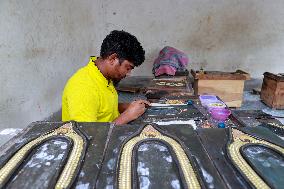
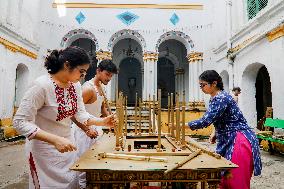
Family members assemble the legendary brass-made ''Rath'' or chariot of Kolkata since 1746 inside their ancestor’s house in Kolkata, India, on June 25, 2025, ahead of the annual Rath Yatra, or chariot festival, which will be celebrated on June 27. Rath Yatra, also known as the Chariot Festival, is a major Hindu festival that involves the ceremonial procession of deities in massive chariots. It is primarily celebrated in Puri, Odisha, and is dedicated to Lord Jagannath, along with his siblings Balabhadra and Subhadra. Photo by Rupak De Chowdhuri/Middle East Images/ABACAPRESS.COM

  • Main
  • Top
  • Editorial
  • Creative
  • About Us
  • About ILG
  • Terms of use
  • Company
  • BEHIND
  • Price List
  • Single Plan
  • Monthly Plan
  • Services
  • Shooting
  • Rights Clearance
  • Support
  • FAQ
  • How To Buy
  • Contact Us
  • Become a Partner

© KYODO NEWS IMAGES INC

All Rights Reserved.

  • Editorial
  • Olympics
  • News
  • Sports
  • Japan
  • Tech
  • Royal
  • Disaster
  • NorthKorea
  • Old Japan
  • SNS
  • Creative
  • Food
  • Japan
  • Landscape
  • Animal
  • Popular
  • #Ukraine
  • #Thailand
  • #coronavirus
  • #N. Korea
  • #Russia
  • #China
  • #Ukraine
  • #Thailand
  • #coronavirus
  • #N. Korea
  • #Russia
  • #China
  • Food
  • Japan
  • Landscape
  • Animal
  • Olympics
  • News
  • Sports
  • Japan
  • Tech
  • Royal
  • Disaster
  • NorthKorea
  • Old Japan
  • SNS