•  
(SP)GUANGDONG-FOSHAN-GUANGDONG LION DANCE(CN)

(SP)GUANGDONG-FOSHAN-GUANGDONG LION DANCE(CN)

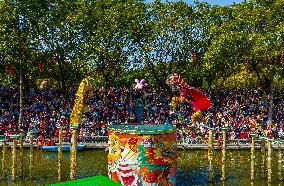
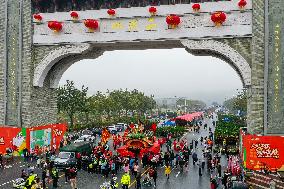
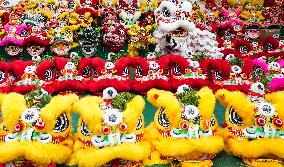
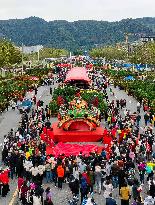
(230206) -- FOSHAN, Feb. 6, 2023 (Xinhua) -- This aerial photo taken on Jan. 12, 2023 shows a giant costume of the "Lion King" lifted to be on display during a parade in Foshan, south China's Guangdong Province. The Guangdong Lion Dance, which was listed as a national intangible cultural heritage in 2006, is a combination of martial arts, dance and music. It originated from the royal lion dance during the Tang Dynasty (618-907) and was later introduced to the south by migrants from the north. The Guangdong Lion Dance developed into its modern form during the Ming Dynasty (1368-1644). In Chinese tradition, people regard the lion as a symbol of braveness and strength, which can drive away evil and protect humans and livestock. Dancing on the poles makes the art a gripping spectacle. There are usually poles of heights between 1.2 meters and 2.5 meters with up to 1.8 meters between them. Lion Dancers have to practice very hard to avoid tumbling to the ground. The Guangdong Lion Dance is popular not only in Guangd

  •  
(SP)GUANGDONG-FOSHAN-GUANGDONG LION DANCE(CN)

(SP)GUANGDONG-FOSHAN-GUANGDONG LION DANCE(CN)

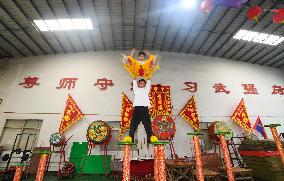
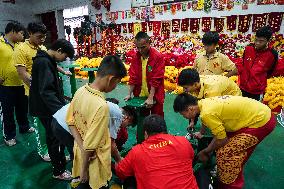
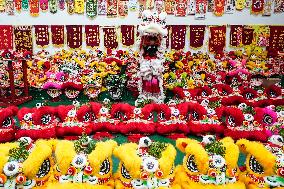
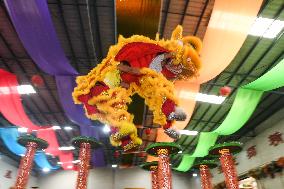
(230206) -- FOSHAN, Feb. 6, 2023 (Xinhua) -- Guangdong Lion Dancers practice at a training base in Foshan, south China's Guangdong Province, Jan. 13, 2023. The Guangdong Lion Dance, which was listed as a national intangible cultural heritage in 2006, is a combination of martial arts, dance and music. It originated from the royal lion dance during the Tang Dynasty (618-907) and was later introduced to the south by migrants from the north. The Guangdong Lion Dance developed into its modern form during the Ming Dynasty (1368-1644). In Chinese tradition, people regard the lion as a symbol of braveness and strength, which can drive away evil and protect humans and livestock. Dancing on the poles makes the art a gripping spectacle. There are usually poles of heights between 1.2 meters and 2.5 meters with up to 1.8 meters between them. Lion Dancers have to practice very hard to avoid tumbling to the ground. The Guangdong Lion Dance is popular not only in Guangdong Province, but also among the overseas Chinese, makin

  •  
(SP)GUANGDONG-FOSHAN-GUANGDONG LION DANCE(CN)

(SP)GUANGDONG-FOSHAN-GUANGDONG LION DANCE(CN)

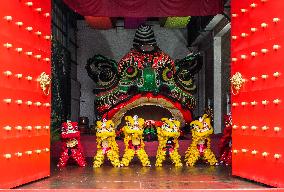
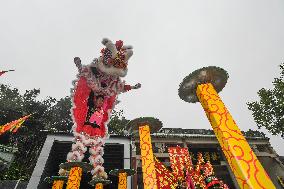
(230206) -- FOSHAN, Feb. 6, 2023 (Xinhua) -- Guangdong Lion Dancers perform at a training base in Foshan, south China's Guangdong Province, Jan. 13, 2023. The Guangdong Lion Dance, which was listed as a national intangible cultural heritage in 2006, is a combination of martial arts, dance and music. It originated from the royal lion dance during the Tang Dynasty (618-907) and was later introduced to the south by migrants from the north. The Guangdong Lion Dance developed into its modern form during the Ming Dynasty (1368-1644). In Chinese tradition, people regard the lion as a symbol of braveness and strength, which can drive away evil and protect humans and livestock. Dancing on the poles makes the art a gripping spectacle. There are usually poles of heights between 1.2 meters and 2.5 meters with up to 1.8 meters between them. Lion Dancers have to practice very hard to avoid tumbling to the ground. The Guangdong Lion Dance is popular not only in Guangdong Province, but also among the overseas Chinese, making

  •  
(SP)GUANGDONG-FOSHAN-GUANGDONG LION DANCE(CN)

(SP)GUANGDONG-FOSHAN-GUANGDONG LION DANCE(CN)

(230206) -- FOSHAN, Feb. 6, 2023 (Xinhua) -- This aerial photo taken on Jan. 12, 2023 shows Guangdong Lion Dancers performing in Foshan, south China's Guangdong Province. The Guangdong Lion Dance, which was listed as a national intangible cultural heritage in 2006, is a combination of martial arts, dance and music. It originated from the royal lion dance during the Tang Dynasty (618-907) and was later introduced to the south by migrants from the north. The Guangdong Lion Dance developed into its modern form during the Ming Dynasty (1368-1644). In Chinese tradition, people regard the lion as a symbol of braveness and strength, which can drive away evil and protect humans and livestock. Dancing on the poles makes the art a gripping spectacle. There are usually poles of heights between 1.2 meters and 2.5 meters with up to 1.8 meters between them. Lion Dancers have to practice very hard to avoid tumbling to the ground. The Guangdong Lion Dance is popular not only in Guangdong Province, but also among the overseas

  •  
(SP)GUANGDONG-FOSHAN-GUANGDONG LION DANCE(CN)

(SP)GUANGDONG-FOSHAN-GUANGDONG LION DANCE(CN)

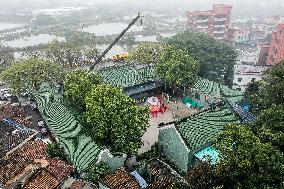
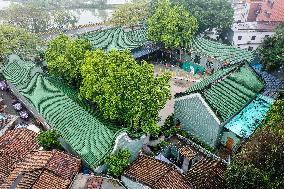
(230206) -- FOSHAN, Feb. 6, 2023 (Xinhua) -- This aerial photo taken on Jan. 24, 2023 shows people enjoying a Guangdong Lion Dance show in Foshan, south China's Guangdong Province. The Guangdong Lion Dance, which was listed as a national intangible cultural heritage in 2006, is a combination of martial arts, dance and music. It originated from the royal lion dance during the Tang Dynasty (618-907) and was later introduced to the south by migrants from the north. The Guangdong Lion Dance developed into its modern form during the Ming Dynasty (1368-1644). In Chinese tradition, people regard the lion as a symbol of braveness and strength, which can drive away evil and protect humans and livestock. Dancing on the poles makes the art a gripping spectacle. There are usually poles of heights between 1.2 meters and 2.5 meters with up to 1.8 meters between them. Lion Dancers have to practice very hard to avoid tumbling to the ground. The Guangdong Lion Dance is popular not only in Guangdong Province, but also among th

  •  
(SP)GUANGDONG-FOSHAN-GUANGDONG LION DANCE(CN)

(SP)GUANGDONG-FOSHAN-GUANGDONG LION DANCE(CN)

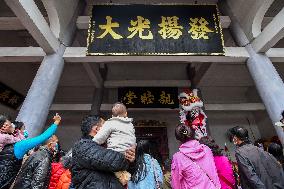
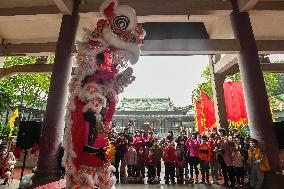
(230206) -- FOSHAN, Feb. 6, 2023 (Xinhua) -- Tourists enjoy a Guangdong Lion Dance show in Foshan, south China's Guangdong Province, Jan. 12, 2023. The Guangdong Lion Dance, which was listed as a national intangible cultural heritage in 2006, is a combination of martial arts, dance and music. It originated from the royal lion dance during the Tang Dynasty (618-907) and was later introduced to the south by migrants from the north. The Guangdong Lion Dance developed into its modern form during the Ming Dynasty (1368-1644). In Chinese tradition, people regard the lion as a symbol of braveness and strength, which can drive away evil and protect humans and livestock. Dancing on the poles makes the art a gripping spectacle. There are usually poles of heights between 1.2 meters and 2.5 meters with up to 1.8 meters between them. Lion Dancers have to practice very hard to avoid tumbling to the ground. The Guangdong Lion Dance is popular not only in Guangdong Province, but also among the overseas Chinese, making it a c

  •  
(SP)GUANGDONG-FOSHAN-GUANGDONG LION DANCE(CN)

(SP)GUANGDONG-FOSHAN-GUANGDONG LION DANCE(CN)

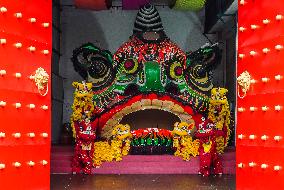
(230206) -- FOSHAN, Feb. 6, 2023 (Xinhua) -- Guangdong Lion Dancers practice at a training base in Foshan, south China's Guangdong Province, Jan. 13, 2023. The Guangdong Lion Dance, which was listed as a national intangible cultural heritage in 2006, is a combination of martial arts, dance and music. It originated from the royal lion dance during the Tang Dynasty (618-907) and was later introduced to the south by migrants from the north. The Guangdong Lion Dance developed into its modern form during the Ming Dynasty (1368-1644). In Chinese tradition, people regard the lion as a symbol of braveness and strength, which can drive away evil and protect humans and livestock. Dancing on the poles makes the art a gripping spectacle. There are usually poles of heights between 1.2 meters and 2.5 meters with up to 1.8 meters between them. Lion Dancers have to practice very hard to avoid tumbling to the ground. The Guangdong Lion Dance is popular not only in Guangdong Province, but also among the overseas Chinese, makin

  •  
(SP)GUANGDONG-FOSHAN-GUANGDONG LION DANCE(CN)

(SP)GUANGDONG-FOSHAN-GUANGDONG LION DANCE(CN)

(230206) -- FOSHAN, Feb. 6, 2023 (Xinhua) -- This aerial photo taken on Jan. 12, 2023 shows a giant costume of the "Lion King" being on display during a parade in Foshan, south China's Guangdong Province. The Guangdong Lion Dance, which was listed as a national intangible cultural heritage in 2006, is a combination of martial arts, dance and music. It originated from the royal lion dance during the Tang Dynasty (618-907) and was later introduced to the south by migrants from the north. The Guangdong Lion Dance developed into its modern form during the Ming Dynasty (1368-1644). In Chinese tradition, people regard the lion as a symbol of braveness and strength, which can drive away evil and protect humans and livestock. Dancing on the poles makes the art a gripping spectacle. There are usually poles of heights between 1.2 meters and 2.5 meters with up to 1.8 meters between them. Lion Dancers have to practice very hard to avoid tumbling to the ground. The Guangdong Lion Dance is popular not only in Guangdong Pro

  •  
(SP)GUANGDONG-FOSHAN-GUANGDONG LION DANCE(CN)

(SP)GUANGDONG-FOSHAN-GUANGDONG LION DANCE(CN)

(230206) -- FOSHAN, Feb. 6, 2023 (Xinhua) -- Guangdong Lion Dancers perform at a training base in Foshan, south China's Guangdong Province, Jan. 13, 2023. The Guangdong Lion Dance, which was listed as a national intangible cultural heritage in 2006, is a combination of martial arts, dance and music. It originated from the royal lion dance during the Tang Dynasty (618-907) and was later introduced to the south by migrants from the north. The Guangdong Lion Dance developed into its modern form during the Ming Dynasty (1368-1644). In Chinese tradition, people regard the lion as a symbol of braveness and strength, which can drive away evil and protect humans and livestock. Dancing on the poles makes the art a gripping spectacle. There are usually poles of heights between 1.2 meters and 2.5 meters with up to 1.8 meters between them. Lion Dancers have to practice very hard to avoid tumbling to the ground. The Guangdong Lion Dance is popular not only in Guangdong Province, but also among the overseas Chinese, making

  •  
(SP)GUANGDONG-FOSHAN-GUANGDONG LION DANCE(CN)

(SP)GUANGDONG-FOSHAN-GUANGDONG LION DANCE(CN)

(230206) -- FOSHAN, Feb. 6, 2023 (Xinhua) -- Guangdong Lion Dancers practice at a training base in Foshan, south China's Guangdong Province, Jan. 13, 2023. The Guangdong Lion Dance, which was listed as a national intangible cultural heritage in 2006, is a combination of martial arts, dance and music. It originated from the royal lion dance during the Tang Dynasty (618-907) and was later introduced to the south by migrants from the north. The Guangdong Lion Dance developed into its modern form during the Ming Dynasty (1368-1644). In Chinese tradition, people regard the lion as a symbol of braveness and strength, which can drive away evil and protect humans and livestock. Dancing on the poles makes the art a gripping spectacle. There are usually poles of heights between 1.2 meters and 2.5 meters with up to 1.8 meters between them. Lion Dancers have to practice very hard to avoid tumbling to the ground. The Guangdong Lion Dance is popular not only in Guangdong Province, but also among the overseas Chinese, makin

  •  
(SP)GUANGDONG-FOSHAN-GUANGDONG LION DANCE(CN)

(SP)GUANGDONG-FOSHAN-GUANGDONG LION DANCE(CN)

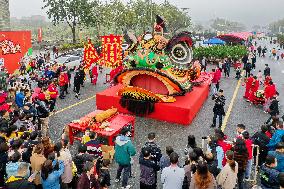
(230206) -- FOSHAN, Feb. 6, 2023 (Xinhua) -- This aerial photo taken on Jan. 12, 2023 shows a giant costume of the "Lion King" being on display during a parade in Foshan, south China's Guangdong Province. The Guangdong Lion Dance, which was listed as a national intangible cultural heritage in 2006, is a combination of martial arts, dance and music. It originated from the royal lion dance during the Tang Dynasty (618-907) and was later introduced to the south by migrants from the north. The Guangdong Lion Dance developed into its modern form during the Ming Dynasty (1368-1644). In Chinese tradition, people regard the lion as a symbol of braveness and strength, which can drive away evil and protect humans and livestock. Dancing on the poles makes the art a gripping spectacle. There are usually poles of heights between 1.2 meters and 2.5 meters with up to 1.8 meters between them. Lion Dancers have to practice very hard to avoid tumbling to the ground. The Guangdong Lion Dance is popular not only in Guangdong Pro

  •  
(SP)GUANGDONG-FOSHAN-GUANGDONG LION DANCE(CN)

(SP)GUANGDONG-FOSHAN-GUANGDONG LION DANCE(CN)

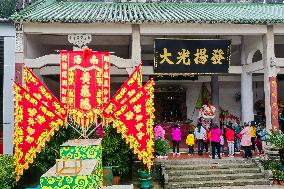
(230206) -- FOSHAN, Feb. 6, 2023 (Xinhua) -- Tourists enjoy a Guangdong Lion Dance show in Foshan, south China's Guangdong Province, Jan. 12, 2023. The Guangdong Lion Dance, which was listed as a national intangible cultural heritage in 2006, is a combination of martial arts, dance and music. It originated from the royal lion dance during the Tang Dynasty (618-907) and was later introduced to the south by migrants from the north. The Guangdong Lion Dance developed into its modern form during the Ming Dynasty (1368-1644). In Chinese tradition, people regard the lion as a symbol of braveness and strength, which can drive away evil and protect humans and livestock. Dancing on the poles makes the art a gripping spectacle. There are usually poles of heights between 1.2 meters and 2.5 meters with up to 1.8 meters between them. Lion Dancers have to practice very hard to avoid tumbling to the ground. The Guangdong Lion Dance is popular not only in Guangdong Province, but also among the overseas Chinese, making it a c

  •  
(SP)GUANGDONG-FOSHAN-GUANGDONG LION DANCE(CN)

(SP)GUANGDONG-FOSHAN-GUANGDONG LION DANCE(CN)

(230206) -- FOSHAN, Feb. 6, 2023 (Xinhua) -- Tourists enjoy a Guangdong Lion Dance show in Foshan, south China's Guangdong Province, Jan. 12, 2023. The Guangdong Lion Dance, which was listed as a national intangible cultural heritage in 2006, is a combination of martial arts, dance and music. It originated from the royal lion dance during the Tang Dynasty (618-907) and was later introduced to the south by migrants from the north. The Guangdong Lion Dance developed into its modern form during the Ming Dynasty (1368-1644). In Chinese tradition, people regard the lion as a symbol of braveness and strength, which can drive away evil and protect humans and livestock. Dancing on the poles makes the art a gripping spectacle. There are usually poles of heights between 1.2 meters and 2.5 meters with up to 1.8 meters between them. Lion Dancers have to practice very hard to avoid tumbling to the ground. The Guangdong Lion Dance is popular not only in Guangdong Province, but also among the overseas Chinese, making it a c

  •  
(SP)GUANGDONG-FOSHAN-GUANGDONG LION DANCE(CN)

(SP)GUANGDONG-FOSHAN-GUANGDONG LION DANCE(CN)

(230206) -- FOSHAN, Feb. 6, 2023 (Xinhua) -- Guangdong Lion Dancers practice at a training base in Foshan, south China's Guangdong Province, Jan. 13, 2023. The Guangdong Lion Dance, which was listed as a national intangible cultural heritage in 2006, is a combination of martial arts, dance and music. It originated from the royal lion dance during the Tang Dynasty (618-907) and was later introduced to the south by migrants from the north. The Guangdong Lion Dance developed into its modern form during the Ming Dynasty (1368-1644). In Chinese tradition, people regard the lion as a symbol of braveness and strength, which can drive away evil and protect humans and livestock. Dancing on the poles makes the art a gripping spectacle. There are usually poles of heights between 1.2 meters and 2.5 meters with up to 1.8 meters between them. Lion Dancers have to practice very hard to avoid tumbling to the ground. The Guangdong Lion Dance is popular not only in Guangdong Province, but also among the overseas Chinese, makin

  •  
(SP)GUANGDONG-FOSHAN-GUANGDONG LION DANCE(CN)

(SP)GUANGDONG-FOSHAN-GUANGDONG LION DANCE(CN)

(230206) -- FOSHAN, Feb. 6, 2023 (Xinhua) -- A giant costume of the "Lion King" is lifted to be on display during a parade in Foshan, south China's Guangdong Province, Jan. 12, 2023. The Guangdong Lion Dance, which was listed as a national intangible cultural heritage in 2006, is a combination of martial arts, dance and music. It originated from the royal lion dance during the Tang Dynasty (618-907) and was later introduced to the south by migrants from the north. The Guangdong Lion Dance developed into its modern form during the Ming Dynasty (1368-1644). In Chinese tradition, people regard the lion as a symbol of braveness and strength, which can drive away evil and protect humans and livestock. Dancing on the poles makes the art a gripping spectacle. There are usually poles of heights between 1.2 meters and 2.5 meters with up to 1.8 meters between them. Lion Dancers have to practice very hard to avoid tumbling to the ground. The Guangdong Lion Dance is popular not only in Guangdong Province, but also among

  •  
(SP)GUANGDONG-FOSHAN-GUANGDONG LION DANCE(CN)

(SP)GUANGDONG-FOSHAN-GUANGDONG LION DANCE(CN)

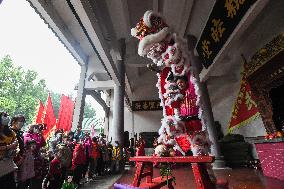
(230206) -- FOSHAN, Feb. 6, 2023 (Xinhua) -- Guangdong Lion Dancers perform in Foshan, south China's Guangdong Province, Jan. 12, 2023. The Guangdong Lion Dance, which was listed as a national intangible cultural heritage in 2006, is a combination of martial arts, dance and music. It originated from the royal lion dance during the Tang Dynasty (618-907) and was later introduced to the south by migrants from the north. The Guangdong Lion Dance developed into its modern form during the Ming Dynasty (1368-1644). In Chinese tradition, people regard the lion as a symbol of braveness and strength, which can drive away evil and protect humans and livestock. Dancing on the poles makes the art a gripping spectacle. There are usually poles of heights between 1.2 meters and 2.5 meters with up to 1.8 meters between them. Lion Dancers have to practice very hard to avoid tumbling to the ground. The Guangdong Lion Dance is popular not only in Guangdong Province, but also among the overseas Chinese, making it a cultural brid

  •  
(SP)GUANGDONG-FOSHAN-GUANGDONG LION DANCE(CN)

(SP)GUANGDONG-FOSHAN-GUANGDONG LION DANCE(CN)

(230206) -- FOSHAN, Feb. 6, 2023 (Xinhua) -- Guangdong Lion Dancers are seen at a training base in Foshan, south China's Guangdong Province, Jan. 13, 2023. The Guangdong Lion Dance, which was listed as a national intangible cultural heritage in 2006, is a combination of martial arts, dance and music. It originated from the royal lion dance during the Tang Dynasty (618-907) and was later introduced to the south by migrants from the north. The Guangdong Lion Dance developed into its modern form during the Ming Dynasty (1368-1644). In Chinese tradition, people regard the lion as a symbol of braveness and strength, which can drive away evil and protect humans and livestock. Dancing on the poles makes the art a gripping spectacle. There are usually poles of heights between 1.2 meters and 2.5 meters with up to 1.8 meters between them. Lion Dancers have to practice very hard to avoid tumbling to the ground. The Guangdong Lion Dance is popular not only in Guangdong Province, but also among the overseas Chinese, makin

  •  
(SP)GUANGDONG-FOSHAN-GUANGDONG LION DANCE(CN)

(SP)GUANGDONG-FOSHAN-GUANGDONG LION DANCE(CN)

(230206) -- FOSHAN, Feb. 6, 2023 (Xinhua) -- A giant costume of the "Lion King" is on display during a parade in Foshan, south China's Guangdong Province, Jan. 15, 2023. The Guangdong Lion Dance, which was listed as a national intangible cultural heritage in 2006, is a combination of martial arts, dance and music. It originated from the royal lion dance during the Tang Dynasty (618-907) and was later introduced to the south by migrants from the north. The Guangdong Lion Dance developed into its modern form during the Ming Dynasty (1368-1644). In Chinese tradition, people regard the lion as a symbol of braveness and strength, which can drive away evil and protect humans and livestock. Dancing on the poles makes the art a gripping spectacle. There are usually poles of heights between 1.2 meters and 2.5 meters with up to 1.8 meters between them. Lion Dancers have to practice very hard to avoid tumbling to the ground. The Guangdong Lion Dance is popular not only in Guangdong Province, but also among the overseas

  •  
(SP)GUANGDONG-FOSHAN-GUANGDONG LION DANCE(CN)

(SP)GUANGDONG-FOSHAN-GUANGDONG LION DANCE(CN)

(230206) -- FOSHAN, Feb. 6, 2023 (Xinhua) -- Tourists enjoy a Guangdong Lion Dance show in Foshan, south China's Guangdong Province, Jan. 12, 2023. The Guangdong Lion Dance, which was listed as a national intangible cultural heritage in 2006, is a combination of martial arts, dance and music. It originated from the royal lion dance during the Tang Dynasty (618-907) and was later introduced to the south by migrants from the north. The Guangdong Lion Dance developed into its modern form during the Ming Dynasty (1368-1644). In Chinese tradition, people regard the lion as a symbol of braveness and strength, which can drive away evil and protect humans and livestock. Dancing on the poles makes the art a gripping spectacle. There are usually poles of heights between 1.2 meters and 2.5 meters with up to 1.8 meters between them. Lion Dancers have to practice very hard to avoid tumbling to the ground. The Guangdong Lion Dance is popular not only in Guangdong Province, but also among the overseas Chinese, making it a c

  • Main
  • Top
  • Editorial
  • Creative
  • About Us
  • About ILG
  • Terms of use
  • Company
  • BEHIND
  • Price List
  • Single Plan
  • Monthly Plan
  • Services
  • Shooting
  • Rights Clearance
  • Support
  • FAQ
  • How To Buy
  • Contact Us
  • Become a Partner

© KYODO NEWS IMAGES INC

All Rights Reserved.

  • Editorial
  • Olympics
  • News
  • Sports
  • Japan
  • Tech
  • Royal
  • Disaster
  • NorthKorea
  • Old Japan
  • SNS
  • Creative
  • Food
  • Japan
  • Landscape
  • Animal
  • Popular
  • #Ukraine
  • #Russia
  • #coronavirus
  • #N. Korea
  • #China
  • #Thailand
  • #Ukraine
  • #Russia
  • #coronavirus
  • #N. Korea
  • #China
  • #Thailand
  • Food
  • Japan
  • Landscape
  • Animal
  • Olympics
  • News
  • Sports
  • Japan
  • Tech
  • Royal
  • Disaster
  • NorthKorea
  • Old Japan
  • SNS