•  
Laborers Work At A Bricks Field In Bangladesh

Laborers Work At A Bricks Field In Bangladesh

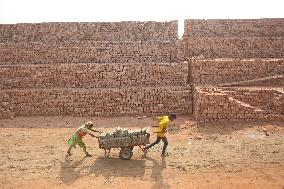
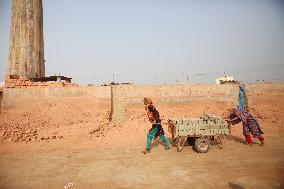
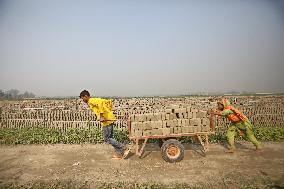
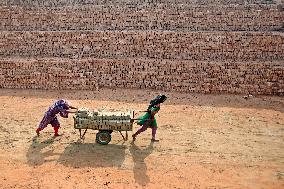
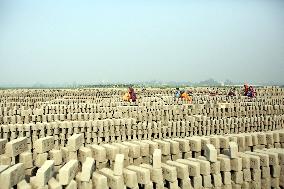
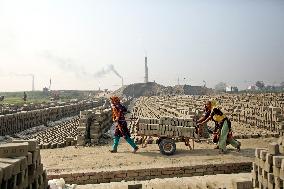
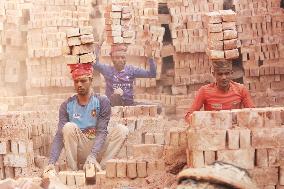
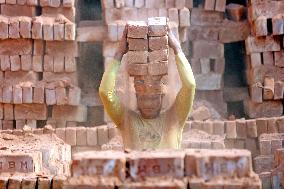
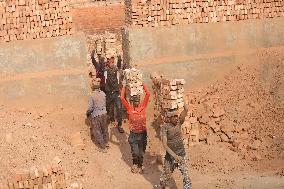
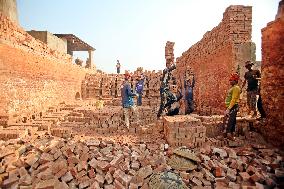
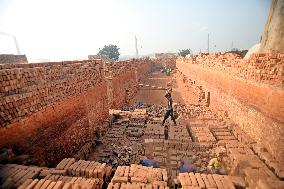
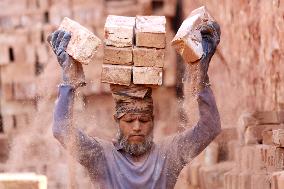
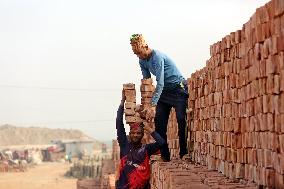
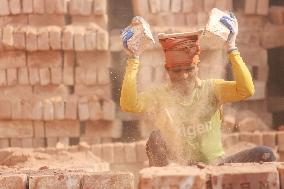
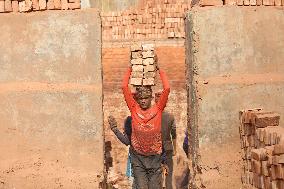
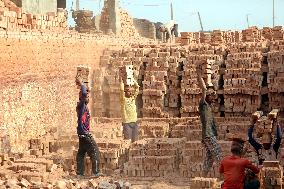
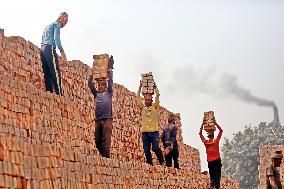
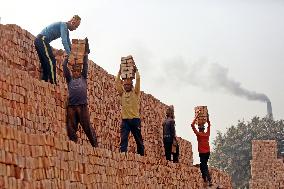
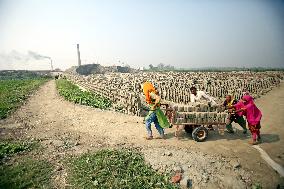
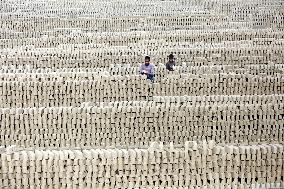
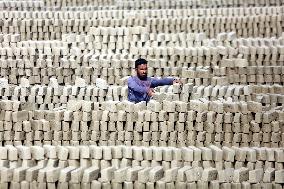
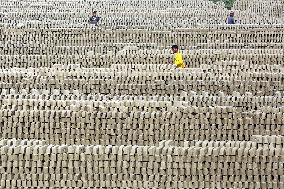
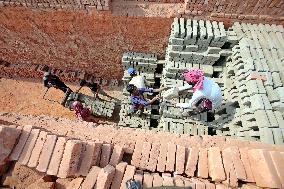
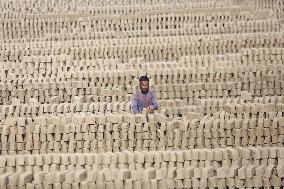
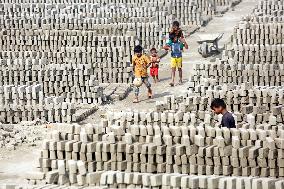
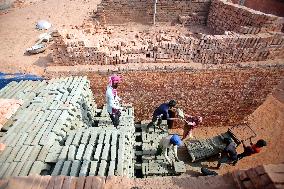
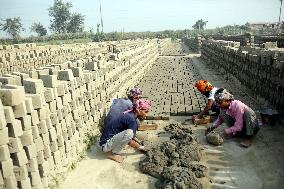
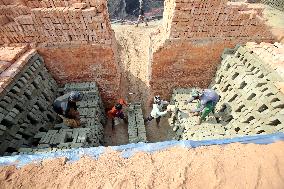
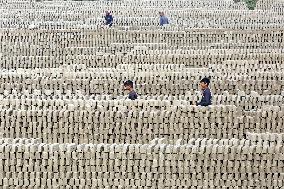
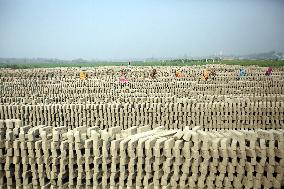
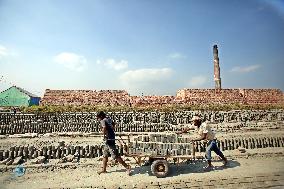
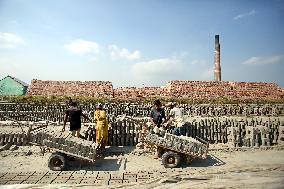
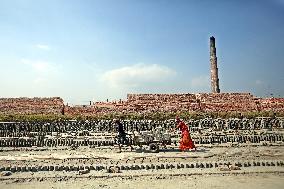
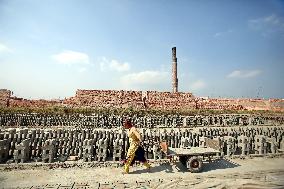
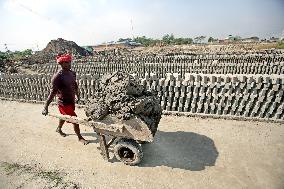
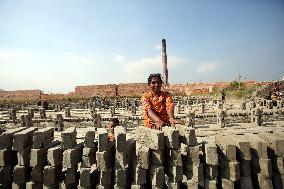
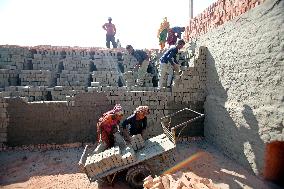
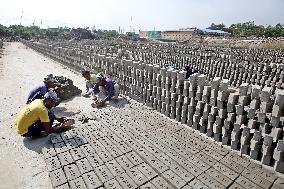
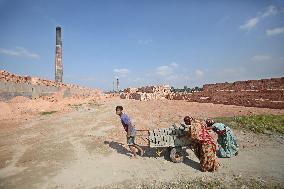
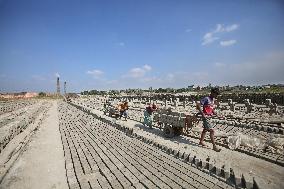
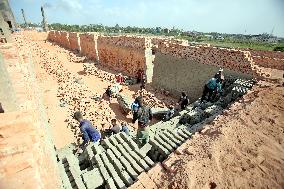
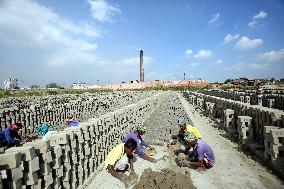
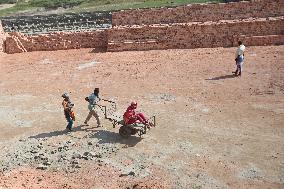
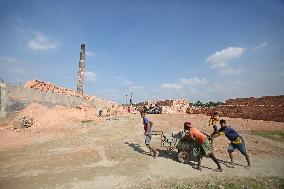
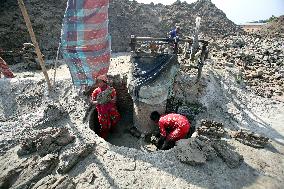
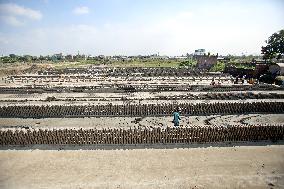
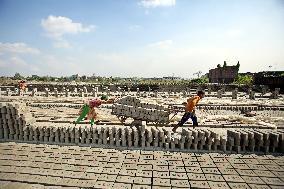
Laborers work at a brickyard on January 28, 2024, in Dhaka, Bangladesh. Bangladesh goes through speedy urbanization. Rapid urbanization generates massive demand for bricks as it is one of the key ingredients to build concrete structures. To meet this growing need, the number of brick-making fields has been increasing at an alarming rate in Bangladesh. Most of them take place in farming lands which causes a reduction in agricultural production, and burning coal causes tremendous emission of Carbon-Di-Oxide (CO2) gas which is primarily responsible for climate change. Photo by Habibur Rahman/ABACAPRESS.COM

  •  
Laborers Work At A Bricks Field In Bangladesh

Laborers Work At A Bricks Field In Bangladesh

Laborers work at a brickyard on January 28, 2024, in Dhaka, Bangladesh. Bangladesh goes through speedy urbanization. Rapid urbanization generates massive demand for bricks as it is one of the key ingredients to build concrete structures. To meet this growing need, the number of brick-making fields has been increasing at an alarming rate in Bangladesh. Most of them take place in farming lands which causes a reduction in agricultural production, and burning coal causes tremendous emission of Carbon-Di-Oxide (CO2) gas which is primarily responsible for climate change. Photo by Habibur Rahman/ABACAPRESS.COM

  •  
Laborers Work At A Bricks Field In Bangladesh

Laborers Work At A Bricks Field In Bangladesh

Laborers work at a brickyard on January 28, 2024, in Dhaka, Bangladesh. Bangladesh goes through speedy urbanization. Rapid urbanization generates massive demand for bricks as it is one of the key ingredients to build concrete structures. To meet this growing need, the number of brick-making fields has been increasing at an alarming rate in Bangladesh. Most of them take place in farming lands which causes a reduction in agricultural production, and burning coal causes tremendous emission of Carbon-Di-Oxide (CO2) gas which is primarily responsible for climate change. Photo by Habibur Rahman/ABACAPRESS.COM

  •  
Laborers Work At A Bricks Field In Bangladesh

Laborers Work At A Bricks Field In Bangladesh

Laborers work at a brickyard on January 28, 2024, in Dhaka, Bangladesh. Bangladesh goes through speedy urbanization. Rapid urbanization generates massive demand for bricks as it is one of the key ingredients to build concrete structures. To meet this growing need, the number of brick-making fields has been increasing at an alarming rate in Bangladesh. Most of them take place in farming lands which causes a reduction in agricultural production, and burning coal causes tremendous emission of Carbon-Di-Oxide (CO2) gas which is primarily responsible for climate change. Photo by Habibur Rahman/ABACAPRESS.COM

  •  
Laborers Work At A Bricks Field In Bangladesh

Laborers Work At A Bricks Field In Bangladesh

Laborers work at a brickyard on January 28, 2024, in Dhaka, Bangladesh. Bangladesh goes through speedy urbanization. Rapid urbanization generates massive demand for bricks as it is one of the key ingredients to build concrete structures. To meet this growing need, the number of brick-making fields has been increasing at an alarming rate in Bangladesh. Most of them take place in farming lands which causes a reduction in agricultural production, and burning coal causes tremendous emission of Carbon-Di-Oxide (CO2) gas which is primarily responsible for climate change. Photo by Habibur Rahman/ABACAPRESS.COM

  •  
Laborers Work At A Bricks Field In Bangladesh

Laborers Work At A Bricks Field In Bangladesh

Laborers work at a brickyard on January 28, 2024, in Dhaka, Bangladesh. Bangladesh goes through speedy urbanization. Rapid urbanization generates massive demand for bricks as it is one of the key ingredients to build concrete structures. To meet this growing need, the number of brick-making fields has been increasing at an alarming rate in Bangladesh. Most of them take place in farming lands which causes a reduction in agricultural production, and burning coal causes tremendous emission of Carbon-Di-Oxide (CO2) gas which is primarily responsible for climate change. Photo by Habibur Rahman/ABACAPRESS.COM

  •  
Laborers Work At A Bricks Field In Bangladesh

Laborers Work At A Bricks Field In Bangladesh

Laborers work at a brickyard on January 28, 2024, in Dhaka, Bangladesh. Bangladesh goes through speedy urbanization. Rapid urbanization generates massive demand for bricks as it is one of the key ingredients to build concrete structures. To meet this growing need, the number of brick-making fields has been increasing at an alarming rate in Bangladesh. Most of them take place in farming lands which causes a reduction in agricultural production, and burning coal causes tremendous emission of Carbon-Di-Oxide (CO2) gas which is primarily responsible for climate change. Photo by Habibur Rahman/ABACAPRESS.COM

  •  
Laborers Work At A Bricks Field In Bangladesh

Laborers Work At A Bricks Field In Bangladesh

Laborers work at a brickyard on January 28, 2024, in Dhaka, Bangladesh. Bangladesh goes through speedy urbanization. Rapid urbanization generates massive demand for bricks as it is one of the key ingredients to build concrete structures. To meet this growing need, the number of brick-making fields has been increasing at an alarming rate in Bangladesh. Most of them take place in farming lands which causes a reduction in agricultural production, and burning coal causes tremendous emission of Carbon-Di-Oxide (CO2) gas which is primarily responsible for climate change. Photo by Habibur Rahman/ABACAPRESS.COM

  •  
Laborers Work At A Bricks Field In Bangladesh

Laborers Work At A Bricks Field In Bangladesh

Laborers work at a brickyard on January 28, 2024, in Dhaka, Bangladesh. Bangladesh goes through speedy urbanization. Rapid urbanization generates massive demand for bricks as it is one of the key ingredients to build concrete structures. To meet this growing need, the number of brick-making fields has been increasing at an alarming rate in Bangladesh. Most of them take place in farming lands which causes a reduction in agricultural production, and burning coal causes tremendous emission of Carbon-Di-Oxide (CO2) gas which is primarily responsible for climate change. Photo by Habibur Rahman/ABACAPRESS.COM

  •  
Laborers Work At A Bricks Field In Bangladesh

Laborers Work At A Bricks Field In Bangladesh

Laborers work at a brickyard on January 28, 2024, in Dhaka, Bangladesh. Bangladesh goes through speedy urbanization. Rapid urbanization generates massive demand for bricks as it is one of the key ingredients to build concrete structures. To meet this growing need, the number of brick-making fields has been increasing at an alarming rate in Bangladesh. Most of them take place in farming lands which causes a reduction in agricultural production, and burning coal causes tremendous emission of Carbon-Di-Oxide (CO2) gas which is primarily responsible for climate change. Photo by Habibur Rahman/ABACAPRESS.COM

  •  
Laborers Work At A Bricks Field In Bangladesh

Laborers Work At A Bricks Field In Bangladesh

Laborers work at a brickyard on January 28, 2024, in Dhaka, Bangladesh. Bangladesh goes through speedy urbanization. Rapid urbanization generates massive demand for bricks as it is one of the key ingredients to build concrete structures. To meet this growing need, the number of brick-making fields has been increasing at an alarming rate in Bangladesh. Most of them take place in farming lands which causes a reduction in agricultural production, and burning coal causes tremendous emission of Carbon-Di-Oxide (CO2) gas which is primarily responsible for climate change. Photo by Habibur Rahman/ABACAPRESS.COM

  •  
Laborers Work At A Bricks Field In Bangladesh

Laborers Work At A Bricks Field In Bangladesh

Laborers work at a brickyard on January 28, 2024, in Dhaka, Bangladesh. Bangladesh goes through speedy urbanization. Rapid urbanization generates massive demand for bricks as it is one of the key ingredients to build concrete structures. To meet this growing need, the number of brick-making fields has been increasing at an alarming rate in Bangladesh. Most of them take place in farming lands which causes a reduction in agricultural production, and burning coal causes tremendous emission of Carbon-Di-Oxide (CO2) gas which is primarily responsible for climate change. Photo by Habibur Rahman/ABACAPRESS.COM

  •  
Laborers Work At A Bricks Field In Bangladesh

Laborers Work At A Bricks Field In Bangladesh

Laborers work at a brickyard on January 28, 2024, in Dhaka, Bangladesh. Bangladesh goes through speedy urbanization. Rapid urbanization generates massive demand for bricks as it is one of the key ingredients to build concrete structures. To meet this growing need, the number of brick-making fields has been increasing at an alarming rate in Bangladesh. Most of them take place in farming lands which causes a reduction in agricultural production, and burning coal causes tremendous emission of Carbon-Di-Oxide (CO2) gas which is primarily responsible for climate change. Photo by Habibur Rahman/ABACAPRESS.COM

  •  
Laborers Work At A Bricks Field In Bangladesh

Laborers Work At A Bricks Field In Bangladesh

Laborers work at a brickyard on January 28, 2024, in Dhaka, Bangladesh. Bangladesh goes through speedy urbanization. Rapid urbanization generates massive demand for bricks as it is one of the key ingredients to build concrete structures. To meet this growing need, the number of brick-making fields has been increasing at an alarming rate in Bangladesh. Most of them take place in farming lands which causes a reduction in agricultural production, and burning coal causes tremendous emission of Carbon-Di-Oxide (CO2) gas which is primarily responsible for climate change. Photo by Habibur Rahman/ABACAPRESS.COM

  •  
Laborers Work At A Bricks Field In Bangladesh

Laborers Work At A Bricks Field In Bangladesh

Laborers work at a brickyard on January 28, 2024, in Dhaka, Bangladesh. Bangladesh goes through speedy urbanization. Rapid urbanization generates massive demand for bricks as it is one of the key ingredients to build concrete structures. To meet this growing need, the number of brick-making fields has been increasing at an alarming rate in Bangladesh. Most of them take place in farming lands which causes a reduction in agricultural production, and burning coal causes tremendous emission of Carbon-Di-Oxide (CO2) gas which is primarily responsible for climate change. Photo by Habibur Rahman/ABACAPRESS.COM

  •  
Laborers Work At A Bricks Field In Bangladesh

Laborers Work At A Bricks Field In Bangladesh

Laborers work at a brickyard on January 28, 2024, in Dhaka, Bangladesh. Bangladesh goes through speedy urbanization. Rapid urbanization generates massive demand for bricks as it is one of the key ingredients to build concrete structures. To meet this growing need, the number of brick-making fields has been increasing at an alarming rate in Bangladesh. Most of them take place in farming lands which causes a reduction in agricultural production, and burning coal causes tremendous emission of Carbon-Di-Oxide (CO2) gas which is primarily responsible for climate change. Photo by Habibur Rahman/ABACAPRESS.COM

  •  
Laborers Work At A Bricks Field In Bangladesh

Laborers Work At A Bricks Field In Bangladesh

Laborers work at a brickyard on January 28, 2024, in Dhaka, Bangladesh. Bangladesh goes through speedy urbanization. Rapid urbanization generates massive demand for bricks as it is one of the key ingredients to build concrete structures. To meet this growing need, the number of brick-making fields has been increasing at an alarming rate in Bangladesh. Most of them take place in farming lands which causes a reduction in agricultural production, and burning coal causes tremendous emission of Carbon-Di-Oxide (CO2) gas which is primarily responsible for climate change. Photo by Habibur Rahman/ABACAPRESS.COM

  •  
Laborers Work At A Bricks Field In Bangladesh

Laborers Work At A Bricks Field In Bangladesh

Laborers work at a brickyard on January 28, 2024, in Dhaka, Bangladesh. Bangladesh goes through speedy urbanization. Rapid urbanization generates massive demand for bricks as it is one of the key ingredients to build concrete structures. To meet this growing need, the number of brick-making fields has been increasing at an alarming rate in Bangladesh. Most of them take place in farming lands which causes a reduction in agricultural production, and burning coal causes tremendous emission of Carbon-Di-Oxide (CO2) gas which is primarily responsible for climate change. Photo by Habibur Rahman/ABACAPRESS.COM

  •  
Laborers Work At A Bricks Field In Bangladesh

Laborers Work At A Bricks Field In Bangladesh

Laborers work at a brickyard on January 28, 2024, in Dhaka, Bangladesh. Bangladesh goes through speedy urbanization. Rapid urbanization generates massive demand for bricks as it is one of the key ingredients to build concrete structures. To meet this growing need, the number of brick-making fields has been increasing at an alarming rate in Bangladesh. Most of them take place in farming lands which causes a reduction in agricultural production, and burning coal causes tremendous emission of Carbon-Di-Oxide (CO2) gas which is primarily responsible for climate change. Photo by Habibur Rahman/ABACAPRESS.COM

  •  
Laborers Work At A Bricks Field In Bangladesh

Laborers Work At A Bricks Field In Bangladesh

Laborers work at a brickyard on January 28, 2024, in Dhaka, Bangladesh. Bangladesh goes through speedy urbanization. Rapid urbanization generates massive demand for bricks as it is one of the key ingredients to build concrete structures. To meet this growing need, the number of brick-making fields has been increasing at an alarming rate in Bangladesh. Most of them take place in farming lands which causes a reduction in agricultural production, and burning coal causes tremendous emission of Carbon-Di-Oxide (CO2) gas which is primarily responsible for climate change. Photo by Habibur Rahman/ABACAPRESS.COM

  •  
Laborers Work At A Bricks Field In Bangladesh

Laborers Work At A Bricks Field In Bangladesh

Laborers work at a brickyard on January 28, 2024, in Dhaka, Bangladesh. Bangladesh goes through speedy urbanization. Rapid urbanization generates massive demand for bricks as it is one of the key ingredients to build concrete structures. To meet this growing need, the number of brick-making fields has been increasing at an alarming rate in Bangladesh. Most of them take place in farming lands which causes a reduction in agricultural production, and burning coal causes tremendous emission of Carbon-Di-Oxide (CO2) gas which is primarily responsible for climate change. Photo by Habibur Rahman/ABACAPRESS.COM

  •  
Laborers Work At A Bricks Field In Bangladesh

Laborers Work At A Bricks Field In Bangladesh

Laborers work at a brickyard on January 28, 2024, in Dhaka, Bangladesh. Bangladesh goes through speedy urbanization. Rapid urbanization generates massive demand for bricks as it is one of the key ingredients to build concrete structures. To meet this growing need, the number of brick-making fields has been increasing at an alarming rate in Bangladesh. Most of them take place in farming lands which causes a reduction in agricultural production, and burning coal causes tremendous emission of Carbon-Di-Oxide (CO2) gas which is primarily responsible for climate change. Photo by Habibur Rahman/ABACAPRESS.COM

  •  
Laborers Work At A Bricks Field In Bangladesh

Laborers Work At A Bricks Field In Bangladesh

Laborers work at a brickyard on January 28, 2024, in Dhaka, Bangladesh. Bangladesh goes through speedy urbanization. Rapid urbanization generates massive demand for bricks as it is one of the key ingredients to build concrete structures. To meet this growing need, the number of brick-making fields has been increasing at an alarming rate in Bangladesh. Most of them take place in farming lands which causes a reduction in agricultural production, and burning coal causes tremendous emission of Carbon-Di-Oxide (CO2) gas which is primarily responsible for climate change. Photo by Habibur Rahman/ABACAPRESS.COM

  •  
Laborers Work At A Bricks Field In Bangladesh

Laborers Work At A Bricks Field In Bangladesh

Laborers work at a brickyard on January 28, 2024, in Dhaka, Bangladesh. Bangladesh goes through speedy urbanization. Rapid urbanization generates massive demand for bricks as it is one of the key ingredients to build concrete structures. To meet this growing need, the number of brick-making fields has been increasing at an alarming rate in Bangladesh. Most of them take place in farming lands which causes a reduction in agricultural production, and burning coal causes tremendous emission of Carbon-Di-Oxide (CO2) gas which is primarily responsible for climate change. Photo by Habibur Rahman/ABACAPRESS.COM

  •  
Laborers Work At A Bricks Field In Bangladesh

Laborers Work At A Bricks Field In Bangladesh

Laborers work at a brickyard on January 28, 2024, in Dhaka, Bangladesh. Bangladesh goes through speedy urbanization. Rapid urbanization generates massive demand for bricks as it is one of the key ingredients to build concrete structures. To meet this growing need, the number of brick-making fields has been increasing at an alarming rate in Bangladesh. Most of them take place in farming lands which causes a reduction in agricultural production, and burning coal causes tremendous emission of Carbon-Di-Oxide (CO2) gas which is primarily responsible for climate change. Photo by Habibur Rahman/ABACAPRESS.COM

  •  
Laborers Work At A Bricks Field In Bangladesh

Laborers Work At A Bricks Field In Bangladesh

Laborers work at a brickyard on January 28, 2024, in Dhaka, Bangladesh. Bangladesh goes through speedy urbanization. Rapid urbanization generates massive demand for bricks as it is one of the key ingredients to build concrete structures. To meet this growing need, the number of brick-making fields has been increasing at an alarming rate in Bangladesh. Most of them take place in farming lands which causes a reduction in agricultural production, and burning coal causes tremendous emission of Carbon-Di-Oxide (CO2) gas which is primarily responsible for climate change. Photo by Habibur Rahman/ABACAPRESS.COM

  •  
Laborers Work At A Bricks Field In Bangladesh

Laborers Work At A Bricks Field In Bangladesh

Laborers work at a brickyard on January 28, 2024, in Dhaka, Bangladesh. Bangladesh goes through speedy urbanization. Rapid urbanization generates massive demand for bricks as it is one of the key ingredients to build concrete structures. To meet this growing need, the number of brick-making fields has been increasing at an alarming rate in Bangladesh. Most of them take place in farming lands which causes a reduction in agricultural production, and burning coal causes tremendous emission of Carbon-Di-Oxide (CO2) gas which is primarily responsible for climate change. Photo by Habibur Rahman/ABACAPRESS.COM

  •  
Laborers Work At A Bricks Field In Bangladesh

Laborers Work At A Bricks Field In Bangladesh

Laborers work at a brickyard on January 28, 2024, in Dhaka, Bangladesh. Bangladesh goes through speedy urbanization. Rapid urbanization generates massive demand for bricks as it is one of the key ingredients to build concrete structures. To meet this growing need, the number of brick-making fields has been increasing at an alarming rate in Bangladesh. Most of them take place in farming lands which causes a reduction in agricultural production, and burning coal causes tremendous emission of Carbon-Di-Oxide (CO2) gas which is primarily responsible for climate change. Photo by Habibur Rahman/ABACAPRESS.COM

  •  
Laborers Work At A Bricks Field In Bangladesh

Laborers Work At A Bricks Field In Bangladesh

Laborers work at a brickyard on January 28, 2024, in Dhaka, Bangladesh. Bangladesh goes through speedy urbanization. Rapid urbanization generates massive demand for bricks as it is one of the key ingredients to build concrete structures. To meet this growing need, the number of brick-making fields has been increasing at an alarming rate in Bangladesh. Most of them take place in farming lands which causes a reduction in agricultural production, and burning coal causes tremendous emission of Carbon-Di-Oxide (CO2) gas which is primarily responsible for climate change. Photo by Habibur Rahman/ABACAPRESS.COM

  •  
Laborers Work At A Bricks Field In Bangladesh

Laborers Work At A Bricks Field In Bangladesh

Laborers work at a brickyard on January 28, 2024, in Dhaka, Bangladesh. Bangladesh goes through speedy urbanization. Rapid urbanization generates massive demand for bricks as it is one of the key ingredients to build concrete structures. To meet this growing need, the number of brick-making fields has been increasing at an alarming rate in Bangladesh. Most of them take place in farming lands which causes a reduction in agricultural production, and burning coal causes tremendous emission of Carbon-Di-Oxide (CO2) gas which is primarily responsible for climate change. Photo by Habibur Rahman/ABACAPRESS.COM

  •  
CHINA-BEIJING-AMERICAN ARCHITECT-GREAT WALL-DREAM (CN)

CHINA-BEIJING-AMERICAN ARCHITECT-GREAT WALL-DREAM (CN)

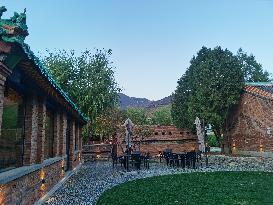
(231201) -- BEIJING, Dec. 1, 2023 (Xinhua) -- This photo taken on Nov. 8, 2023 shows the Brickyard Hotel designed by American architect Jim Spear in Beigou Village of Huairou District in Beijing, capital of China. TO GO WITH "Into Chinese Culture: American architect builds dreams under Great Wall" (Photo by Wang Zilu/Xinhua)

  •  
Laborers Work At A Brickyard - Bangladesh

Laborers Work At A Brickyard - Bangladesh

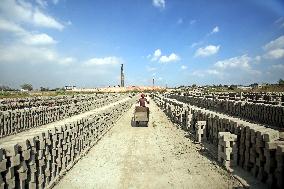
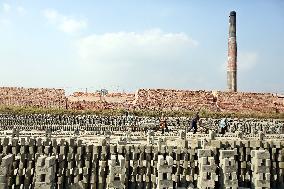
Laborer work at a brickyard. Bangladesh goes through speedy urbanization. Rapid urbanization generates massive demand for bricks as it is one of the key ingredients to build concrete structures. To meet this growing need, the number of brick-making fields has been increasing at an alarming rate in Bangladesh. Most of them take place in farming lands which causes a reduction in agricultural production, and burning coal causes tremendous emission of Carbon-Di-Oxide (CO2) gas which is primarily responsible for climate change. On November 26, 2023 in Dhaka, Bangladesh.Most laborers work here 7 days a week and get BDT (Bangladeshi taka) 450 ($ 4.37) per day. Photo by Habibur Rahman/ABACAPRESS.COM

  •  
Laborers Work At A Brickyard - Bangladesh

Laborers Work At A Brickyard - Bangladesh

Laborer work at a brickyard. Bangladesh goes through speedy urbanization. Rapid urbanization generates massive demand for bricks as it is one of the key ingredients to build concrete structures. To meet this growing need, the number of brick-making fields has been increasing at an alarming rate in Bangladesh. Most of them take place in farming lands which causes a reduction in agricultural production, and burning coal causes tremendous emission of Carbon-Di-Oxide (CO2) gas which is primarily responsible for climate change. On November 26, 2023 in Dhaka, Bangladesh.Most laborers work here 7 days a week and get BDT (Bangladeshi taka) 450 ($ 4.37) per day. Photo by Habibur Rahman/ABACAPRESS.COM

  •  
Laborers Work At A Brickyard - Bangladesh

Laborers Work At A Brickyard - Bangladesh

Laborer work at a brickyard. Bangladesh goes through speedy urbanization. Rapid urbanization generates massive demand for bricks as it is one of the key ingredients to build concrete structures. To meet this growing need, the number of brick-making fields has been increasing at an alarming rate in Bangladesh. Most of them take place in farming lands which causes a reduction in agricultural production, and burning coal causes tremendous emission of Carbon-Di-Oxide (CO2) gas which is primarily responsible for climate change. On November 26, 2023 in Dhaka, Bangladesh.Most laborers work here 7 days a week and get BDT (Bangladeshi taka) 450 ($ 4.37) per day. Photo by Habibur Rahman/ABACAPRESS.COM

  •  
Laborers Work At A Brickyard - Bangladesh

Laborers Work At A Brickyard - Bangladesh

Laborer work at a brickyard. Bangladesh goes through speedy urbanization. Rapid urbanization generates massive demand for bricks as it is one of the key ingredients to build concrete structures. To meet this growing need, the number of brick-making fields has been increasing at an alarming rate in Bangladesh. Most of them take place in farming lands which causes a reduction in agricultural production, and burning coal causes tremendous emission of Carbon-Di-Oxide (CO2) gas which is primarily responsible for climate change. On November 26, 2023 in Dhaka, Bangladesh.Most laborers work here 7 days a week and get BDT (Bangladeshi taka) 450 ($ 4.37) per day. Photo by Habibur Rahman/ABACAPRESS.COM

  •  
Laborers Work At A Brickyard - Bangladesh

Laborers Work At A Brickyard - Bangladesh

Laborer work at a brickyard. Bangladesh goes through speedy urbanization. Rapid urbanization generates massive demand for bricks as it is one of the key ingredients to build concrete structures. To meet this growing need, the number of brick-making fields has been increasing at an alarming rate in Bangladesh. Most of them take place in farming lands which causes a reduction in agricultural production, and burning coal causes tremendous emission of Carbon-Di-Oxide (CO2) gas which is primarily responsible for climate change. On November 26, 2023 in Dhaka, Bangladesh.Most laborers work here 7 days a week and get BDT (Bangladeshi taka) 450 ($ 4.37) per day. Photo by Habibur Rahman/ABACAPRESS.COM

  •  
Laborers Work At A Brickyard - Bangladesh

Laborers Work At A Brickyard - Bangladesh

Laborer work at a brickyard. Bangladesh goes through speedy urbanization. Rapid urbanization generates massive demand for bricks as it is one of the key ingredients to build concrete structures. To meet this growing need, the number of brick-making fields has been increasing at an alarming rate in Bangladesh. Most of them take place in farming lands which causes a reduction in agricultural production, and burning coal causes tremendous emission of Carbon-Di-Oxide (CO2) gas which is primarily responsible for climate change. On November 26, 2023 in Dhaka, Bangladesh.Most laborers work here 7 days a week and get BDT (Bangladeshi taka) 450 ($ 4.37) per day. Photo by Habibur Rahman/ABACAPRESS.COM

  •  
Laborers Work At A Brickyard - Bangladesh

Laborers Work At A Brickyard - Bangladesh

Laborer work at a brickyard. Bangladesh goes through speedy urbanization. Rapid urbanization generates massive demand for bricks as it is one of the key ingredients to build concrete structures. To meet this growing need, the number of brick-making fields has been increasing at an alarming rate in Bangladesh. Most of them take place in farming lands which causes a reduction in agricultural production, and burning coal causes tremendous emission of Carbon-Di-Oxide (CO2) gas which is primarily responsible for climate change. On November 26, 2023 in Dhaka, Bangladesh.Most laborers work here 7 days a week and get BDT (Bangladeshi taka) 450 ($ 4.37) per day. Photo by Habibur Rahman/ABACAPRESS.COM

  •  
Laborers Work At A Brickyard - Bangladesh

Laborers Work At A Brickyard - Bangladesh

Laborer work at a brickyard. Bangladesh goes through speedy urbanization. Rapid urbanization generates massive demand for bricks as it is one of the key ingredients to build concrete structures. To meet this growing need, the number of brick-making fields has been increasing at an alarming rate in Bangladesh. Most of them take place in farming lands which causes a reduction in agricultural production, and burning coal causes tremendous emission of Carbon-Di-Oxide (CO2) gas which is primarily responsible for climate change. On November 26, 2023 in Dhaka, Bangladesh.Most laborers work here 7 days a week and get BDT (Bangladeshi taka) 450 ($ 4.37) per day. Photo by Habibur Rahman/ABACAPRESS.COM

  •  
Laborers Work At A Brickyard - Bangladesh

Laborers Work At A Brickyard - Bangladesh

Laborer work at a brickyard. Bangladesh goes through speedy urbanization. Rapid urbanization generates massive demand for bricks as it is one of the key ingredients to build concrete structures. To meet this growing need, the number of brick-making fields has been increasing at an alarming rate in Bangladesh. Most of them take place in farming lands which causes a reduction in agricultural production, and burning coal causes tremendous emission of Carbon-Di-Oxide (CO2) gas which is primarily responsible for climate change. On November 26, 2023 in Dhaka, Bangladesh.Most laborers work here 7 days a week and get BDT (Bangladeshi taka) 450 ($ 4.37) per day. Photo by Habibur Rahman/ABACAPRESS.COM

  •  
Laborers Work At A Brickyard - Bangladesh

Laborers Work At A Brickyard - Bangladesh

Laborer work at a brickyard. Bangladesh goes through speedy urbanization. Rapid urbanization generates massive demand for bricks as it is one of the key ingredients to build concrete structures. To meet this growing need, the number of brick-making fields has been increasing at an alarming rate in Bangladesh. Most of them take place in farming lands which causes a reduction in agricultural production, and burning coal causes tremendous emission of Carbon-Di-Oxide (CO2) gas which is primarily responsible for climate change. On November 26, 2023 in Dhaka, Bangladesh.Most laborers work here 7 days a week and get BDT (Bangladeshi taka) 450 ($ 4.37) per day. Photo by Habibur Rahman/ABACAPRESS.COM

  •  
Laborers Work At A Brickyard - Bangladesh

Laborers Work At A Brickyard - Bangladesh

Laborer work at a brickyard. Bangladesh goes through speedy urbanization. Rapid urbanization generates massive demand for bricks as it is one of the key ingredients to build concrete structures. To meet this growing need, the number of brick-making fields has been increasing at an alarming rate in Bangladesh. Most of them take place in farming lands which causes a reduction in agricultural production, and burning coal causes tremendous emission of Carbon-Di-Oxide (CO2) gas which is primarily responsible for climate change. On November 26, 2023 in Dhaka, Bangladesh.Most laborers work here 7 days a week and get BDT (Bangladeshi taka) 450 ($ 4.37) per day. Photo by Habibur Rahman/ABACAPRESS.COM

  •  
Laborers Work At A Brickyard - Bangladesh

Laborers Work At A Brickyard - Bangladesh

Laborer work at a brickyard. Bangladesh goes through speedy urbanization. Rapid urbanization generates massive demand for bricks as it is one of the key ingredients to build concrete structures. To meet this growing need, the number of brick-making fields has been increasing at an alarming rate in Bangladesh. Most of them take place in farming lands which causes a reduction in agricultural production, and burning coal causes tremendous emission of Carbon-Di-Oxide (CO2) gas which is primarily responsible for climate change. On November 26, 2023 in Dhaka, Bangladesh.Most laborers work here 7 days a week and get BDT (Bangladeshi taka) 450 ($ 4.37) per day. Photo by Habibur Rahman/ABACAPRESS.COM

  •  
Laborers Work At A Brickyard - Bangladesh

Laborers Work At A Brickyard - Bangladesh

Laborer work at a brickyard. Bangladesh goes through speedy urbanization. Rapid urbanization generates massive demand for bricks as it is one of the key ingredients to build concrete structures. To meet this growing need, the number of brick-making fields has been increasing at an alarming rate in Bangladesh. Most of them take place in farming lands which causes a reduction in agricultural production, and burning coal causes tremendous emission of Carbon-Di-Oxide (CO2) gas which is primarily responsible for climate change. On November 26, 2023 in Dhaka, Bangladesh.Most laborers work here 7 days a week and get BDT (Bangladeshi taka) 450 ($ 4.37) per day. Photo by Habibur Rahman/ABACAPRESS.COM

  •  
Laborers Work At A Brickyard - Bangladesh

Laborers Work At A Brickyard - Bangladesh

Laborer work at a brickyard. Bangladesh goes through speedy urbanization. Rapid urbanization generates massive demand for bricks as it is one of the key ingredients to build concrete structures. To meet this growing need, the number of brick-making fields has been increasing at an alarming rate in Bangladesh. Most of them take place in farming lands which causes a reduction in agricultural production, and burning coal causes tremendous emission of Carbon-Di-Oxide (CO2) gas which is primarily responsible for climate change. On November 26, 2023 in Dhaka, Bangladesh.Most laborers work here 7 days a week and get BDT (Bangladeshi taka) 450 ($ 4.37) per day. Photo by Habibur Rahman/ABACAPRESS.COM

  •  
Laborers Work At A Brickyard - Bangladesh

Laborers Work At A Brickyard - Bangladesh

Laborer work at a brickyard. Bangladesh goes through speedy urbanization. Rapid urbanization generates massive demand for bricks as it is one of the key ingredients to build concrete structures. To meet this growing need, the number of brick-making fields has been increasing at an alarming rate in Bangladesh. Most of them take place in farming lands which causes a reduction in agricultural production, and burning coal causes tremendous emission of Carbon-Di-Oxide (CO2) gas which is primarily responsible for climate change. On November 26, 2023 in Dhaka, Bangladesh.Most laborers work here 7 days a week and get BDT (Bangladeshi taka) 450 ($ 4.37) per day. Photo by Habibur Rahman/ABACAPRESS.COM

  •  
Laborers Work At A Brickyard - Bangladesh

Laborers Work At A Brickyard - Bangladesh

Laborer work at a brickyard. Bangladesh goes through speedy urbanization. Rapid urbanization generates massive demand for bricks as it is one of the key ingredients to build concrete structures. To meet this growing need, the number of brick-making fields has been increasing at an alarming rate in Bangladesh. Most of them take place in farming lands which causes a reduction in agricultural production, and burning coal causes tremendous emission of Carbon-Di-Oxide (CO2) gas which is primarily responsible for climate change. On November 26, 2023 in Dhaka, Bangladesh.Most laborers work here 7 days a week and get BDT (Bangladeshi taka) 450 ($ 4.37) per day. Photo by Habibur Rahman/ABACAPRESS.COM

  •  
Laborers Work At A Brickyard - Bangladesh

Laborers Work At A Brickyard - Bangladesh

Laborer work at a brickyard. Bangladesh goes through speedy urbanization. Rapid urbanization generates massive demand for bricks as it is one of the key ingredients to build concrete structures. To meet this growing need, the number of brick-making fields has been increasing at an alarming rate in Bangladesh. Most of them take place in farming lands which causes a reduction in agricultural production, and burning coal causes tremendous emission of Carbon-Di-Oxide (CO2) gas which is primarily responsible for climate change. On November 26, 2023 in Dhaka, Bangladesh.Most laborers work here 7 days a week and get BDT (Bangladeshi taka) 450 ($ 4.37) per day. Photo by Habibur Rahman/ABACAPRESS.COM

  •  
Laborers Work At A Brickyard - Bangladesh

Laborers Work At A Brickyard - Bangladesh

Laborer work at a brickyard. Bangladesh goes through speedy urbanization. Rapid urbanization generates massive demand for bricks as it is one of the key ingredients to build concrete structures. To meet this growing need, the number of brick-making fields has been increasing at an alarming rate in Bangladesh. Most of them take place in farming lands which causes a reduction in agricultural production, and burning coal causes tremendous emission of Carbon-Di-Oxide (CO2) gas which is primarily responsible for climate change. On November 26, 2023 in Dhaka, Bangladesh.Most laborers work here 7 days a week and get BDT (Bangladeshi taka) 450 ($ 4.37) per day. Photo by Habibur Rahman/ABACAPRESS.COM

  •  
Laborers Work At A Brickyard - Bangladesh

Laborers Work At A Brickyard - Bangladesh

Laborer work at a brickyard. Bangladesh goes through speedy urbanization. Rapid urbanization generates massive demand for bricks as it is one of the key ingredients to build concrete structures. To meet this growing need, the number of brick-making fields has been increasing at an alarming rate in Bangladesh. Most of them take place in farming lands which causes a reduction in agricultural production, and burning coal causes tremendous emission of Carbon-Di-Oxide (CO2) gas which is primarily responsible for climate change. On November 26, 2023 in Dhaka, Bangladesh.Most laborers work here 7 days a week and get BDT (Bangladeshi taka) 450 ($ 4.37) per day. Photo by Habibur Rahman/ABACAPRESS.COM

  • Main
  • Top
  • Editorial
  • Creative
  • About Us
  • About ILG
  • Terms of use
  • Company
  • BEHIND
  • Price List
  • Single Plan
  • Monthly Plan
  • Services
  • Shooting
  • Rights Clearance
  • Support
  • FAQ
  • How To Buy
  • Contact Us
  • Become a Partner

© KYODO NEWS IMAGES INC

All Rights Reserved.

  • Editorial
  • Olympics
  • News
  • Sports
  • Japan
  • Tech
  • Royal
  • Disaster
  • NorthKorea
  • Old Japan
  • SNS
  • Creative
  • Food
  • Japan
  • Landscape
  • Animal
  • Popular
  • #Ukraine
  • #Russia
  • #coronavirus
  • #N. Korea
  • #Thailand
  • #China
  • #Ukraine
  • #Russia
  • #coronavirus
  • #N. Korea
  • #Thailand
  • #China
  • Food
  • Japan
  • Landscape
  • Animal
  • Olympics
  • News
  • Sports
  • Japan
  • Tech
  • Royal
  • Disaster
  • NorthKorea
  • Old Japan
  • SNS