•  

UK: Farmers Drive Tractors Into Central London for Budget Day Protest Despite Ban 3

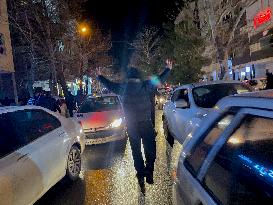
Farmers drove tractors into Westminster on Budget day despite a police ban, protesting Chancellor Rachel Reeves’ plan to impose a 20% inheritance tax on farmland and agricultural businesses worth over £1 million. More than a dozen tractors, some with slogans like “Fools vote Labour,” caused traffic disruptions while police monitored the demonstration. The protest highlights farmers’ fears over rising costs, market pressures, and threats to their livelihoods.

  •  

Greece: Finikounda Ravaged by Storm Adel–Spawned Tornado 2

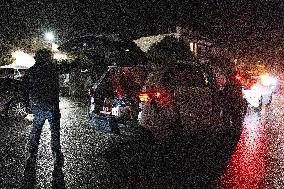
A tornado spawned by Storm Adel tore through Finikounda, Messinia, on Thursday, November 27, causing extensive damage, including ripped-off roofs, uprooted trees, destroyed hotels and businesses, and fallen power poles. No injuries were reported.

  •  

Greece: Finikounda Ravaged by Storm Adel–Spawned Tornado

A tornado spawned by Storm Adel tore through Finikounda, Messinia, on Thursday, November 27, causing extensive damage, including ripped-off roofs, uprooted trees, destroyed hotels and businesses, and fallen power poles. No injuries were reported.

  •  

UK: Farmers Drive Tractors Into Central London for Budget Day Protest Despite Ban 2

Farmers drove tractors into Westminster on Budget day despite a police ban, protesting Chancellor Rachel Reeves’ plan to impose a 20% inheritance tax on farmland and agricultural businesses worth over £1 million. More than a dozen tractors, some with slogans like “Fools vote Labour,” caused traffic disruptions while police monitored the demonstration. The protest highlights farmers’ fears over rising costs, market pressures, and threats to their livelihoods.

  •  

UK: Farmers Drive Tractors Into Central London for Budget Day Protest Despite Ban

Farmers drove tractors into Westminster on Budget day despite a police ban, protesting Chancellor Rachel Reeves’ plan to impose a 20% inheritance tax on farmland and agricultural businesses worth over £1 million. More than a dozen tractors, some with slogans like “Fools vote Labour,” caused traffic disruptions while police monitored the demonstration. The protest highlights farmers’ fears over rising costs, market pressures, and threats to their livelihoods.

  •  
Winners of the 101 Women Entrepreneurs - Strasbourg

Winners of the 101 Women Entrepreneurs - Strasbourg

Jacques Witkowski, Prefect of the Grand Est region, invited the press to the Prefectural Hotel for the inauguration of an exhibition dedicated to the ten winners of the “101 Women Entrepreneurs” award for the Grand Est region. The exhibition highlights the careers, commitments, and successes of these women entrepreneurs from various professional backgrounds. It pays tribute to the diversity, creativity, and determination of women who contribute to the country's economic and social dynamism through their projects and businesses. November 21, 2025, Strasbourg, Eastern France. Photo by Nicolas Roses/ABACAPRESS.COM

  •  
Winners of the 101 Women Entrepreneurs - Strasbourg

Winners of the 101 Women Entrepreneurs - Strasbourg

Jacques Witkowski, Prefect of the Grand Est region, invited the press to the Prefectural Hotel for the inauguration of an exhibition dedicated to the ten winners of the “101 Women Entrepreneurs” award for the Grand Est region. The exhibition highlights the careers, commitments, and successes of these women entrepreneurs from various professional backgrounds. It pays tribute to the diversity, creativity, and determination of women who contribute to the country's economic and social dynamism through their projects and businesses. November 21, 2025, Strasbourg, Eastern France. Photo by Nicolas Roses/ABACAPRESS.COM

  •  
Winners of the 101 Women Entrepreneurs - Strasbourg

Winners of the 101 Women Entrepreneurs - Strasbourg

Jacques Witkowski, Prefect of the Grand Est region, invited the press to the Prefectural Hotel for the inauguration of an exhibition dedicated to the ten winners of the “101 Women Entrepreneurs” award for the Grand Est region. The exhibition highlights the careers, commitments, and successes of these women entrepreneurs from various professional backgrounds. It pays tribute to the diversity, creativity, and determination of women who contribute to the country's economic and social dynamism through their projects and businesses. November 21, 2025, Strasbourg, Eastern France. Photo by Nicolas Roses/ABACAPRESS.COM

  •  
Winners of the 101 Women Entrepreneurs - Strasbourg

Winners of the 101 Women Entrepreneurs - Strasbourg

Jacques Witkowski, Prefect of the Grand Est region, invited the press to the Prefectural Hotel for the inauguration of an exhibition dedicated to the ten winners of the “101 Women Entrepreneurs” award for the Grand Est region. The exhibition highlights the careers, commitments, and successes of these women entrepreneurs from various professional backgrounds. It pays tribute to the diversity, creativity, and determination of women who contribute to the country's economic and social dynamism through their projects and businesses. November 21, 2025, Strasbourg, Eastern France. Photo by Nicolas Roses/ABACAPRESS.COM

  •  
Winners of the 101 Women Entrepreneurs - Strasbourg

Winners of the 101 Women Entrepreneurs - Strasbourg

Jacques Witkowski, Prefect of the Grand Est region, invited the press to the Prefectural Hotel for the inauguration of an exhibition dedicated to the ten winners of the “101 Women Entrepreneurs” award for the Grand Est region. The exhibition highlights the careers, commitments, and successes of these women entrepreneurs from various professional backgrounds. It pays tribute to the diversity, creativity, and determination of women who contribute to the country's economic and social dynamism through their projects and businesses. November 21, 2025, Strasbourg, Eastern France. Photo by Nicolas Roses/ABACAPRESS.COM

  •  
Winners of the 101 Women Entrepreneurs - Strasbourg

Winners of the 101 Women Entrepreneurs - Strasbourg

Jacques Witkowski, Prefect of the Grand Est region, invited the press to the Prefectural Hotel for the inauguration of an exhibition dedicated to the ten winners of the “101 Women Entrepreneurs” award for the Grand Est region. The exhibition highlights the careers, commitments, and successes of these women entrepreneurs from various professional backgrounds. It pays tribute to the diversity, creativity, and determination of women who contribute to the country's economic and social dynamism through their projects and businesses. November 21, 2025, Strasbourg, Eastern France. Photo by Nicolas Roses/ABACAPRESS.COM

  •  
Winners of the 101 Women Entrepreneurs - Strasbourg

Winners of the 101 Women Entrepreneurs - Strasbourg

Jacques Witkowski, Prefect of the Grand Est region, invited the press to the Prefectural Hotel for the inauguration of an exhibition dedicated to the ten winners of the “101 Women Entrepreneurs” award for the Grand Est region. The exhibition highlights the careers, commitments, and successes of these women entrepreneurs from various professional backgrounds. It pays tribute to the diversity, creativity, and determination of women who contribute to the country's economic and social dynamism through their projects and businesses. November 21, 2025, Strasbourg, Eastern France. Photo by Nicolas Roses/ABACAPRESS.COM

  •  
Winners of the 101 Women Entrepreneurs - Strasbourg

Winners of the 101 Women Entrepreneurs - Strasbourg

Jacques Witkowski, Prefect of the Grand Est region, invited the press to the Prefectural Hotel for the inauguration of an exhibition dedicated to the ten winners of the “101 Women Entrepreneurs” award for the Grand Est region. The exhibition highlights the careers, commitments, and successes of these women entrepreneurs from various professional backgrounds. It pays tribute to the diversity, creativity, and determination of women who contribute to the country's economic and social dynamism through their projects and businesses. November 21, 2025, Strasbourg, Eastern France. Photo by Nicolas Roses/ABACAPRESS.COM

  •  
Winners of the 101 Women Entrepreneurs - Strasbourg

Winners of the 101 Women Entrepreneurs - Strasbourg

Jacques Witkowski, Prefect of the Grand Est region, invited the press to the Prefectural Hotel for the inauguration of an exhibition dedicated to the ten winners of the “101 Women Entrepreneurs” award for the Grand Est region. The exhibition highlights the careers, commitments, and successes of these women entrepreneurs from various professional backgrounds. It pays tribute to the diversity, creativity, and determination of women who contribute to the country's economic and social dynamism through their projects and businesses. November 21, 2025, Strasbourg, Eastern France. Photo by Nicolas Roses/ABACAPRESS.COM

  •  
Winners of the 101 Women Entrepreneurs - Strasbourg

Winners of the 101 Women Entrepreneurs - Strasbourg

Jacques Witkowski, Prefect of the Grand Est region, invited the press to the Prefectural Hotel for the inauguration of an exhibition dedicated to the ten winners of the “101 Women Entrepreneurs” award for the Grand Est region. The exhibition highlights the careers, commitments, and successes of these women entrepreneurs from various professional backgrounds. It pays tribute to the diversity, creativity, and determination of women who contribute to the country's economic and social dynamism through their projects and businesses. November 21, 2025, Strasbourg, Eastern France. Photo by Nicolas Roses/ABACAPRESS.COM

  •  
Winners of the 101 Women Entrepreneurs - Strasbourg

Winners of the 101 Women Entrepreneurs - Strasbourg

Jacques Witkowski, Prefect of the Grand Est region, invited the press to the Prefectural Hotel for the inauguration of an exhibition dedicated to the ten winners of the “101 Women Entrepreneurs” award for the Grand Est region. The exhibition highlights the careers, commitments, and successes of these women entrepreneurs from various professional backgrounds. It pays tribute to the diversity, creativity, and determination of women who contribute to the country's economic and social dynamism through their projects and businesses. November 21, 2025, Strasbourg, Eastern France. Photo by Nicolas Roses/ABACAPRESS.COM

  •  
Winners of the 101 Women Entrepreneurs - Strasbourg

Winners of the 101 Women Entrepreneurs - Strasbourg

Jacques Witkowski, Prefect of the Grand Est region, invited the press to the Prefectural Hotel for the inauguration of an exhibition dedicated to the ten winners of the “101 Women Entrepreneurs” award for the Grand Est region. The exhibition highlights the careers, commitments, and successes of these women entrepreneurs from various professional backgrounds. It pays tribute to the diversity, creativity, and determination of women who contribute to the country's economic and social dynamism through their projects and businesses. November 21, 2025, Strasbourg, Eastern France. Photo by Nicolas Roses/ABACAPRESS.COM

  •  
Winners of the 101 Women Entrepreneurs - Strasbourg

Winners of the 101 Women Entrepreneurs - Strasbourg

Jacques Witkowski, Prefect of the Grand Est region, invited the press to the Prefectural Hotel for the inauguration of an exhibition dedicated to the ten winners of the “101 Women Entrepreneurs” award for the Grand Est region. The exhibition highlights the careers, commitments, and successes of these women entrepreneurs from various professional backgrounds. It pays tribute to the diversity, creativity, and determination of women who contribute to the country's economic and social dynamism through their projects and businesses. November 21, 2025, Strasbourg, Eastern France. Photo by Nicolas Roses/ABACAPRESS.COM

  •  
Tie-Dye Technique Of Bai Ethnic Group - Chin

Tie-Dye Technique Of Bai Ethnic Group - Chin

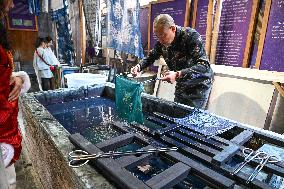
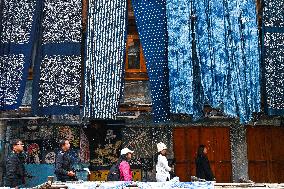
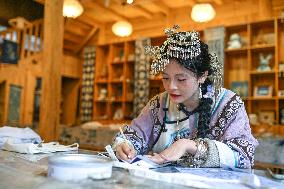
Duan Yuan, an inheritor of the tie-dye technique of Bai ethnic group, makes tie-dye designs in a dyehouse in Zhoucheng Village of Dali Bai Autonomous Prefecture, southwest China's Yunnan Province, November 21, 2025. Known as the hometown of the tie-dye technique of Bai ethnic group, Zhoucheng Village hosts over 200 households engaging in tie-dye businesses, with the number of employees exceeding 4,000. As a traditional folk technique of the Bai ethnic group, tie-dye boasts a history spanning over a thousand years and was included in the first batch of China's national intangible cultural heritage list in 2006. Tying and dyeing are the core steps in the process of making indigo tie-dye products. Artisans use needles and threads to create various patterns on the fabric, which are then dyed with plant-based dyes, resulting in blue backgrounds adorned with vivid white patterns. Photo by Hu Chao/Xinhua/ABACAPRESS.COM

  •  
Tie-Dye Technique Of Bai Ethnic Group - Chin

Tie-Dye Technique Of Bai Ethnic Group - Chin

Duan Yinmei, an inheritor of the tie-dye technique of Bai ethnic group, creates knots on fabrics in a dyehouse in Zhoucheng Village of Dali Bai Autonomous Prefecture, southwest China's Yunnan Province, November 21, 2025. Known as the hometown of the tie-dye technique of Bai ethnic group, Zhoucheng Village hosts over 200 households engaging in tie-dye businesses, with the number of employees exceeding 4,000. As a traditional folk technique of the Bai ethnic group, tie-dye boasts a history spanning over a thousand years and was included in the first batch of China's national intangible cultural heritage list in 2006. Tying and dyeing are the core steps in the process of making indigo tie-dye products. Artisans use needles and threads to create various patterns on the fabric, which are then dyed with plant-based dyes, resulting in blue backgrounds adorned with vivid white patterns. Photo by Hu Chao/Xinhua/ABACAPRESS.COM

  •  
Tie-Dye Technique Of Bai Ethnic Group - Chin

Tie-Dye Technique Of Bai Ethnic Group - Chin

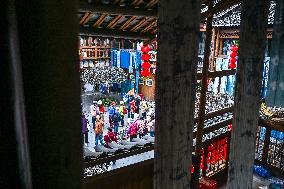
A woman experiences the tie-dye technique of Bai ethnic group in a dyehouse in Zhoucheng Village of Dali Bai Autonomous Prefecture, southwest China's Yunnan Province, November 21, 2025. Known as the hometown of the tie-dye technique of Bai ethnic group, Zhoucheng Village hosts over 200 households engaging in tie-dye businesses, with the number of employees exceeding 4,000. As a traditional folk technique of the Bai ethnic group, tie-dye boasts a history spanning over a thousand years and was included in the first batch of China's national intangible cultural heritage list in 2006. Tying and dyeing are the core steps in the process of making indigo tie-dye products. Artisans use needles and threads to create various patterns on the fabric, which are then dyed with plant-based dyes, resulting in blue backgrounds adorned with vivid white patterns. Photo by Hu Chao/Xinhua/ABACAPRESS.COM

  •  
Tie-Dye Technique Of Bai Ethnic Group - Chin

Tie-Dye Technique Of Bai Ethnic Group - Chin

Duan Yinmei, an inheritor of the tie-dye technique of Bai ethnic group, dyes patterns on fabrics in a dyehouse in Zhoucheng Village of Dali Bai Autonomous Prefecture, southwest China's Yunnan Province, November 21, 2025. Known as the hometown of the tie-dye technique of Bai ethnic group, Zhoucheng Village hosts over 200 households engaging in tie-dye businesses, with the number of employees exceeding 4,000. As a traditional folk technique of the Bai ethnic group, tie-dye boasts a history spanning over a thousand years and was included in the first batch of China's national intangible cultural heritage list in 2006. Tying and dyeing are the core steps in the process of making indigo tie-dye products. Artisans use needles and threads to create various patterns on the fabric, which are then dyed with plant-based dyes, resulting in blue backgrounds adorned with vivid white patterns. Photo by Hu Chao/Xinhua/ABACAPRESS.COM

  •  
Tie-Dye Technique Of Bai Ethnic Group - Chin

Tie-Dye Technique Of Bai Ethnic Group - Chin

Duan Yuan, an inheritor of the tie-dye technique of Bai ethnic group, rinses dyed fabrics in a dyehouse in Zhoucheng Village of Dali Bai Autonomous Prefecture, southwest China's Yunnan Province, November 21, 2025. Known as the hometown of the tie-dye technique of Bai ethnic group, Zhoucheng Village hosts over 200 households engaging in tie-dye businesses, with the number of employees exceeding 4,000. As a traditional folk technique of the Bai ethnic group, tie-dye boasts a history spanning over a thousand years and was included in the first batch of China's national intangible cultural heritage list in 2006. Tying and dyeing are the core steps in the process of making indigo tie-dye products. Artisans use needles and threads to create various patterns on the fabric, which are then dyed with plant-based dyes, resulting in blue backgrounds adorned with vivid white patterns. Photo by Hu Chao/Xinhua/ABACAPRESS.COM

  •  
Tie-Dye Technique Of Bai Ethnic Group - Chin

Tie-Dye Technique Of Bai Ethnic Group - Chin

Duan Yinmei (L), an inheritor of the tie-dye technique of Bai ethnic group, and handicraftsman Duan Lilan dry tie-dye fabrics in a dyehouse in Zhoucheng Village of Dali Bai Autonomous Prefecture, southwest China's Yunnan Province, November 21, 2025. Known as the hometown of the tie-dye technique of Bai ethnic group, Zhoucheng Village hosts over 200 households engaging in tie-dye businesses, with the number of employees exceeding 4,000. As a traditional folk technique of the Bai ethnic group, tie-dye boasts a history spanning over a thousand years and was included in the first batch of China's national intangible cultural heritage list in 2006. Tying and dyeing are the core steps in the process of making indigo tie-dye products. Artisans use needles and threads to create various patterns on the fabric, which are then dyed with plant-based dyes, resulting in blue backgrounds adorned with vivid white patterns. Photo by Hu Chao/Xinhua/ABACAPRESS.COM

  •  
Tie-Dye Technique Of Bai Ethnic Group - Chin

Tie-Dye Technique Of Bai Ethnic Group - Chin

An aerial drone photo shows a scene at a dyehouse in Zhoucheng Village of Dali Bai Autonomous Prefecture, southwest China's Yunnan Province, November 21, 2025. Known as the hometown of the tie-dye technique of Bai ethnic group, Zhoucheng Village hosts over 200 households engaging in tie-dye businesses, with the number of employees exceeding 4,000. As a traditional folk technique of the Bai ethnic group, tie-dye boasts a history spanning over a thousand years and was included in the first batch of China's national intangible cultural heritage list in 2006. Tying and dyeing are the core steps in the process of making indigo tie-dye products. Artisans use needles and threads to create various patterns on the fabric, which are then dyed with plant-based dyes, resulting in blue backgrounds adorned with vivid white patterns. Photo by Hu Chao/Xinhua/ABACAPRESS.COM

  •  
Tie-Dye Technique Of Bai Ethnic Group - Chin

Tie-Dye Technique Of Bai Ethnic Group - Chin

Duan Yinmei (L), an inheritor of the tie-dye technique of Bai ethnic group, and handicraftsman Duan Lilan untie knots on fabrics in a dyehouse in Zhoucheng Village of Dali Bai Autonomous Prefecture, southwest China's Yunnan Province, November 21, 2025. Known as the hometown of the tie-dye technique of Bai ethnic group, Zhoucheng Village hosts over 200 households engaging in tie-dye businesses, with the number of employees exceeding 4,000. As a traditional folk technique of the Bai ethnic group, tie-dye boasts a history spanning over a thousand years and was included in the first batch of China's national intangible cultural heritage list in 2006. Tying and dyeing are the core steps in the process of making indigo tie-dye products. Artisans use needles and threads to create various patterns on the fabric, which are then dyed with plant-based dyes, resulting in blue backgrounds adorned with vivid white patterns. Photo by Hu Chao/Xinhua/ABACAPRESS.COM

  •  
Tie-Dye Technique Of Bai Ethnic Group - Chin

Tie-Dye Technique Of Bai Ethnic Group - Chin

Duan Yinmei (L), an inheritor of the tie-dye technique of Bai ethnic group, and handicraftsman Duan Lilan untie knots on fabrics in a dyehouse in Zhoucheng Village of Dali Bai Autonomous Prefecture, southwest China's Yunnan Province, November 21, 2025. Known as the hometown of the tie-dye technique of Bai ethnic group, Zhoucheng Village hosts over 200 households engaging in tie-dye businesses, with the number of employees exceeding 4,000. As a traditional folk technique of the Bai ethnic group, tie-dye boasts a history spanning over a thousand years and was included in the first batch of China's national intangible cultural heritage list in 2006. Tying and dyeing are the core steps in the process of making indigo tie-dye products. Artisans use needles and threads to create various patterns on the fabric, which are then dyed with plant-based dyes, resulting in blue backgrounds adorned with vivid white patterns. Photo by Hu Chao/Xinhua/ABACAPRESS.COM

  •  
Tie-Dye Technique Of Bai Ethnic Group - Chin

Tie-Dye Technique Of Bai Ethnic Group - Chin

Duan Yuan (L), an inheritor of the tie-dye technique of Bai ethnic group, dyes fabrics in a dyehouse in Zhoucheng Village of Dali Bai Autonomous Prefecture, southwest China's Yunnan Province, November 21, 2025. Known as the hometown of the tie-dye technique of Bai ethnic group, Zhoucheng Village hosts over 200 households engaging in tie-dye businesses, with the number of employees exceeding 4,000. As a traditional folk technique of the Bai ethnic group, tie-dye boasts a history spanning over a thousand years and was included in the first batch of China's national intangible cultural heritage list in 2006. Tying and dyeing are the core steps in the process of making indigo tie-dye products. Artisans use needles and threads to create various patterns on the fabric, which are then dyed with plant-based dyes, resulting in blue backgrounds adorned with vivid white patterns. Photo by Hu Chao/Xinhua/ABACAPRESS.COM

  •  
Tie-Dye Technique Of Bai Ethnic Group - Chin

Tie-Dye Technique Of Bai Ethnic Group - Chin

Duan Yuan, an inheritor of the tie-dye technique of Bai ethnic group, makes tie-dye designs in a dyehouse in Zhoucheng Village of Dali Bai Autonomous Prefecture, southwest China's Yunnan Province, November 21, 2025. Known as the hometown of the tie-dye technique of Bai ethnic group, Zhoucheng Village hosts over 200 households engaging in tie-dye businesses, with the number of employees exceeding 4,000. As a traditional folk technique of the Bai ethnic group, tie-dye boasts a history spanning over a thousand years and was included in the first batch of China's national intangible cultural heritage list in 2006. Tying and dyeing are the core steps in the process of making indigo tie-dye products. Artisans use needles and threads to create various patterns on the fabric, which are then dyed with plant-based dyes, resulting in blue backgrounds adorned with vivid white patterns. Photo by Hu Chao/Xinhua/ABACAPRESS.COM

  •  
Tie-Dye Technique Of Bai Ethnic Group - Chin

Tie-Dye Technique Of Bai Ethnic Group - Chin

Duan Yuan, an inheritor of the tie-dye technique of Bai ethnic group, dyes fabrics in a dyehouse in Zhoucheng Village of Dali Bai Autonomous Prefecture, southwest China's Yunnan Province, November 21, 2025. Known as the hometown of the tie-dye technique of Bai ethnic group, Zhoucheng Village hosts over 200 households engaging in tie-dye businesses, with the number of employees exceeding 4,000. As a traditional folk technique of the Bai ethnic group, tie-dye boasts a history spanning over a thousand years and was included in the first batch of China's national intangible cultural heritage list in 2006. Tying and dyeing are the core steps in the process of making indigo tie-dye products. Artisans use needles and threads to create various patterns on the fabric, which are then dyed with plant-based dyes, resulting in blue backgrounds adorned with vivid white patterns. Photo by Hu Chao/Xinhua/ABACAPRESS.COM

  •  
Tie-Dye Technique Of Bai Ethnic Group - Chin

Tie-Dye Technique Of Bai Ethnic Group - Chin

Duan Yuan, an inheritor of the tie-dye technique of Bai ethnic group, dyes fabrics in a dyehouse in Zhoucheng Village of Dali Bai Autonomous Prefecture, southwest China's Yunnan Province, November 21, 2025. Known as the hometown of the tie-dye technique of Bai ethnic group, Zhoucheng Village hosts over 200 households engaging in tie-dye businesses, with the number of employees exceeding 4,000. As a traditional folk technique of the Bai ethnic group, tie-dye boasts a history spanning over a thousand years and was included in the first batch of China's national intangible cultural heritage list in 2006. Tying and dyeing are the core steps in the process of making indigo tie-dye products. Artisans use needles and threads to create various patterns on the fabric, which are then dyed with plant-based dyes, resulting in blue backgrounds adorned with vivid white patterns. Photo by Hu Chao/Xinhua/ABACAPRESS.COM

  •  
Tie-Dye Technique Of Bai Ethnic Group - Chin

Tie-Dye Technique Of Bai Ethnic Group - Chin

Duan Yuan, an inheritor of the tie-dye technique of Bai ethnic group, makes tie-dye designs in a dyehouse in Zhoucheng Village of Dali Bai Autonomous Prefecture, southwest China's Yunnan Province, November 21, 2025. Known as the hometown of the tie-dye technique of Bai ethnic group, Zhoucheng Village hosts over 200 households engaging in tie-dye businesses, with the number of employees exceeding 4,000. As a traditional folk technique of the Bai ethnic group, tie-dye boasts a history spanning over a thousand years and was included in the first batch of China's national intangible cultural heritage list in 2006. Tying and dyeing are the core steps in the process of making indigo tie-dye products. Artisans use needles and threads to create various patterns on the fabric, which are then dyed with plant-based dyes, resulting in blue backgrounds adorned with vivid white patterns. Photo by Hu Chao/Xinhua/ABACAPRESS.COM

  •  
Tie-Dye Technique Of Bai Ethnic Group - Chin

Tie-Dye Technique Of Bai Ethnic Group - Chin

Duan Yinmei, an inheritor of the tie-dye technique of Bai ethnic group, unties knots on fabrics in a dyehouse in Zhoucheng Village of Dali Bai Autonomous Prefecture, southwest China's Yunnan Province, November 21, 2025. Known as the hometown of the tie-dye technique of Bai ethnic group, Zhoucheng Village hosts over 200 households engaging in tie-dye businesses, with the number of employees exceeding 4,000. As a traditional folk technique of the Bai ethnic group, tie-dye boasts a history spanning over a thousand years and was included in the first batch of China's national intangible cultural heritage list in 2006. Tying and dyeing are the core steps in the process of making indigo tie-dye products. Artisans use needles and threads to create various patterns on the fabric, which are then dyed with plant-based dyes, resulting in blue backgrounds adorned with vivid white patterns. Photo by Hu Chao/Xinhua/ABACAPRESS.COM

  •  
Tie-Dye Technique Of Bai Ethnic Group - Chin

Tie-Dye Technique Of Bai Ethnic Group - Chin

Duan Yinmei, an inheritor of the tie-dye technique of Bai ethnic group, dyes patterns on fabrics in a dyehouse in Zhoucheng Village of Dali Bai Autonomous Prefecture, southwest China's Yunnan Province, November 21, 2025. Known as the hometown of the tie-dye technique of Bai ethnic group, Zhoucheng Village hosts over 200 households engaging in tie-dye businesses, with the number of employees exceeding 4,000. As a traditional folk technique of the Bai ethnic group, tie-dye boasts a history spanning over a thousand years and was included in the first batch of China's national intangible cultural heritage list in 2006. Tying and dyeing are the core steps in the process of making indigo tie-dye products. Artisans use needles and threads to create various patterns on the fabric, which are then dyed with plant-based dyes, resulting in blue backgrounds adorned with vivid white patterns. Photo by Hu Chao/Xinhua/ABACAPRESS.COM

  •  
Tie-Dye Technique Of Bai Ethnic Group - Chin

Tie-Dye Technique Of Bai Ethnic Group - Chin

Duan Yinmei (R), an inheritor of the tie-dye technique of Bai ethnic group, and handicraftsman Duan Lilan create knots on fabrics in a dyehouse in Zhoucheng Village of Dali Bai Autonomous Prefecture, southwest China's Yunnan Province, November 21, 2025. Known as the hometown of the tie-dye technique of Bai ethnic group, Zhoucheng Village hosts over 200 households engaging in tie-dye businesses, with the number of employees exceeding 4,000. As a traditional folk technique of the Bai ethnic group, tie-dye boasts a history spanning over a thousand years and was included in the first batch of China's national intangible cultural heritage list in 2006. Tying and dyeing are the core steps in the process of making indigo tie-dye products. Artisans use needles and threads to create various patterns on the fabric, which are then dyed with plant-based dyes, resulting in blue backgrounds adorned with vivid white patterns. Photo by Hu Chao/Xinhua/ABACAPRESS.COM

  •  

Spain: Heavy Rainfall Causes Flooding in Extremadura

Heavy rainfall, lightning, and strong winds caused significant disruption in Spain’s Extremadura region on Wednesday, November 5. The city of Cáceres was particularly hard hit, receiving 18 liters of rain in just half an hour, which led to localized flooding, fallen branches, and damage to cars and businesses. Due to an orange alert for rain issued by AEMET, all afternoon academic activities at the University of Extremadura were suspended.

  •  
The King inaugurates the XXVIII National Congress of Family Businesses - Spain

The King inaugurates the XXVIII National Congress of Family Businesses - Spain

King Felipe VI during the inauguration of the XXVIII National Family Business Congress at the Forum Evolucion Burgos, on October 20, 2025, in Burgos, Castilla y Leon (Spain). The Instituto de la Empresa Familiar is an independent, non-profit, statewide business organization that brings together around one hundred leading family businesses in their sectors of activity in Spain. Photo by Tomas Alonso/Europa Press/ABACAPRESS.COM

  •  
The King inaugurates the XXVIII National Congress of Family Businesses - Spain

The King inaugurates the XXVIII National Congress of Family Businesses - Spain

King Felipe VI during the inauguration of the XXVIII National Family Business Congress at the Forum Evolucion Burgos, on October 20, 2025, in Burgos, Castilla y Leon (Spain). The Instituto de la Empresa Familiar is an independent, non-profit, statewide business organization that brings together around one hundred leading family businesses in their sectors of activity in Spain. Photo by Tomas Alonso/Europa Press/ABACAPRESS.COM

  •  
The King inaugurates the XXVIII National Congress of Family Businesses - Spain

The King inaugurates the XXVIII National Congress of Family Businesses - Spain

King Felipe VI during the inauguration of the XXVIII National Family Business Congress at the Forum Evolucion Burgos, on October 20, 2025, in Burgos, Castilla y Leon (Spain). The Instituto de la Empresa Familiar is an independent, non-profit, statewide business organization that brings together around one hundred leading family businesses in their sectors of activity in Spain. Photo by Tomas Alonso/Europa Press/ABACAPRESS.COM

  •  
The King inaugurates the XXVIII National Congress of Family Businesses - Spain

The King inaugurates the XXVIII National Congress of Family Businesses - Spain

King Felipe VI during the inauguration of the XXVIII National Family Business Congress at the Forum Evolucion Burgos, on October 20, 2025, in Burgos, Castilla y Leon (Spain). The Instituto de la Empresa Familiar is an independent, non-profit, statewide business organization that brings together around one hundred leading family businesses in their sectors of activity in Spain. Photo by Tomas Alonso/Europa Press/ABACAPRESS.COM

  •  
The King inaugurates the XXVIII National Congress of Family Businesses - Spain

The King inaugurates the XXVIII National Congress of Family Businesses - Spain

King Felipe VI during the inauguration of the XXVIII National Family Business Congress at the Forum Evolucion Burgos, on October 20, 2025, in Burgos, Castilla y Leon (Spain). The Instituto de la Empresa Familiar is an independent, non-profit, statewide business organization that brings together around one hundred leading family businesses in their sectors of activity in Spain. Photo by Tomas Alonso/Europa Press/ABACAPRESS.COM

  •  
The King inaugurates the XXVIII National Congress of Family Businesses - Spain

The King inaugurates the XXVIII National Congress of Family Businesses - Spain

King Felipe VI during the inauguration of the XXVIII National Family Business Congress at the Forum Evolucion Burgos, on October 20, 2025, in Burgos, Castilla y Leon (Spain). The Instituto de la Empresa Familiar is an independent, non-profit, statewide business organization that brings together around one hundred leading family businesses in their sectors of activity in Spain. Photo by Tomas Alonso/Europa Press/ABACAPRESS.COM

  •  
The King inaugurates the XXVIII National Congress of Family Businesses - Spain

The King inaugurates the XXVIII National Congress of Family Businesses - Spain

King Felipe VI on his arrival at the inauguration of the XXVIII National Family Business Congress at the Forum Evolucion Burgos, on October 20, 2025, in Burgos, Castilla y Leon (Spain). The Instituto de la Empresa Familiar is an independent, non-profit, statewide business organization that brings together around one hundred leading family businesses in their sectors of activity in Spain. Photo by Tomas Alonso/Europa Press/ABACAPRESS.COM

  •  
The King inaugurates the XXVIII National Congress of Family Businesses - Spain

The King inaugurates the XXVIII National Congress of Family Businesses - Spain

King Felipe VI during the inauguration of the XXVIII National Family Business Congress at the Forum Evolucion Burgos, on October 20, 2025, in Burgos, Castilla y Leon (Spain). The Instituto de la Empresa Familiar is an independent, non-profit, statewide business organization that brings together around one hundred leading family businesses in their sectors of activity in Spain. Photo by Tomas Alonso/Europa Press/ABACAPRESS.COM

  •  
The King inaugurates the XXVIII National Congress of Family Businesses - Spain

The King inaugurates the XXVIII National Congress of Family Businesses - Spain

King Felipe VI during the inauguration of the XXVIII National Family Business Congress at the Forum Evolucion Burgos, on October 20, 2025, in Burgos, Castilla y Leon (Spain). The Instituto de la Empresa Familiar is an independent, non-profit, statewide business organization that brings together around one hundred leading family businesses in their sectors of activity in Spain. Photo by Tomas Alonso/Europa Press/ABACAPRESS.COM

  •  
The King inaugurates the XXVIII National Congress of Family Businesses - Spain

The King inaugurates the XXVIII National Congress of Family Businesses - Spain

King Felipe VI during the inauguration of the XXVIII National Family Business Congress at the Forum Evolucion Burgos, on October 20, 2025, in Burgos, Castilla y Leon (Spain). The Instituto de la Empresa Familiar is an independent, non-profit, statewide business organization that brings together around one hundred leading family businesses in their sectors of activity in Spain. Photo by Tomas Alonso/Europa Press/ABACAPRESS.COM

  •  
The King inaugurates the XXVIII National Congress of Family Businesses - Spain

The King inaugurates the XXVIII National Congress of Family Businesses - Spain

King Felipe VI during the inauguration of the XXVIII National Family Business Congress at the Forum Evolucion Burgos, on October 20, 2025, in Burgos, Castilla y Leon (Spain). The Instituto de la Empresa Familiar is an independent, non-profit, statewide business organization that brings together around one hundred leading family businesses in their sectors of activity in Spain. Photo by Tomas Alonso/Europa Press/ABACAPRESS.COM

  •  
The King inaugurates the XXVIII National Congress of Family Businesses - Spain

The King inaugurates the XXVIII National Congress of Family Businesses - Spain

King Felipe VI during the inauguration of the XXVIII National Family Business Congress at the Forum Evolucion Burgos, on October 20, 2025, in Burgos, Castilla y Leon (Spain). The Instituto de la Empresa Familiar is an independent, non-profit, statewide business organization that brings together around one hundred leading family businesses in their sectors of activity in Spain. Photo by Tomas Alonso/Europa Press/ABACAPRESS.COM

  •  
The King inaugurates the XXVIII National Congress of Family Businesses - Spain

The King inaugurates the XXVIII National Congress of Family Businesses - Spain

King Felipe VI during the inauguration of the XXVIII National Family Business Congress at the Forum Evolucion Burgos, on October 20, 2025, in Burgos, Castilla y Leon (Spain). The Instituto de la Empresa Familiar is an independent, non-profit, statewide business organization that brings together around one hundred leading family businesses in their sectors of activity in Spain. Photo by Tomas Alonso/Europa Press/ABACAPRESS.COM

  •  
The King inaugurates the XXVIII National Congress of Family Businesses - Spain

The King inaugurates the XXVIII National Congress of Family Businesses - Spain

King Felipe VI on his arrival at the inauguration of the XXVIII National Family Business Congress at the Forum Evolucion Burgos, on October 20, 2025, in Burgos, Castilla y Leon (Spain). The Instituto de la Empresa Familiar is an independent, non-profit, statewide business organization that brings together around one hundred leading family businesses in their sectors of activity in Spain. Photo by Tomas Alonso/Europa Press/ABACAPRESS.COM

  • Main
  • Top
  • Editorial
  • Creative
  • About Us
  • About ILG
  • Terms of use
  • Company
  • BEHIND
  • Price List
  • Single Plan
  • Monthly Plan
  • Services
  • Shooting
  • Rights Clearance
  • Support
  • FAQ
  • How To Buy
  • Contact Us
  • Become a Partner

© KYODO NEWS IMAGES INC

All Rights Reserved.

  • Editorial
  • Olympics
  • News
  • Sports
  • Japan
  • Tech
  • Royal
  • Disaster
  • NorthKorea
  • Old Japan
  • SNS
  • Creative
  • Food
  • Japan
  • Landscape
  • Animal
  • Popular
  • #Ukraine
  • #Russia
  • #coronavirus
  • #N. Korea
  • #China
  • #Thailand
  • #Ukraine
  • #Russia
  • #coronavirus
  • #N. Korea
  • #China
  • #Thailand
  • Food
  • Japan
  • Landscape
  • Animal
  • Olympics
  • News
  • Sports
  • Japan
  • Tech
  • Royal
  • Disaster
  • NorthKorea
  • Old Japan
  • SNS