•  

Solar, wind Australia's cheapest electricity options, nuclear most expensive: report

STORY: Solar, wind Australia's cheapest electricity options, nuclear most expensive: report SHOOTING TIME: Dec. 22, 2023 DATELINE: Dec. 23, 2023 LENGTH: 00:00:50 LOCATION: Canberra CATEGORY: ECONOMY SHOTLIST: 1. various of solar panels 2. various of wind farm 3. various of electricity paper bill STORYLINE: Electricity generated by solar and onshore wind farms is the cheapest in Australia, a report from the national science agency has found. The Commonwealth Scientific and Industrial Research Organisation (CSIRO) on Thursday published the draft of its annual GenCost report for 2023-24, forecasting the generation cost of electricity from various sources through to 2030. According to the report, a mix of wind and solar power in 2023 would generate electricity at a maximum cost of 134 Australian dollars (90.1 U.S. dollars) per megawatt hour (MWh), the lowest of any technology explored in the report. In 2030, the CSIRO projects that wind and solar generation will cost a maximum of 100 Australian dollars (67

  •  
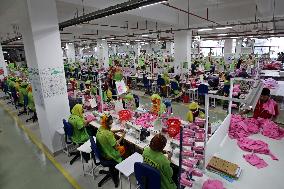
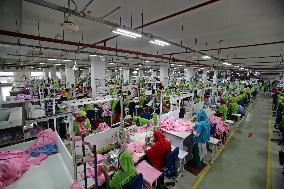
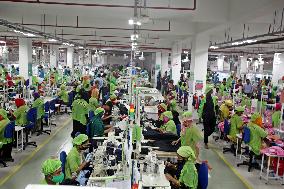
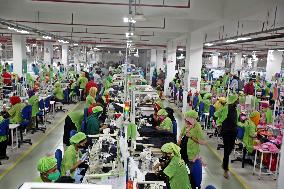
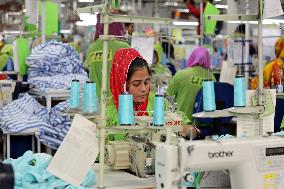
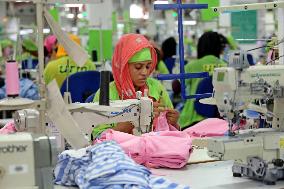
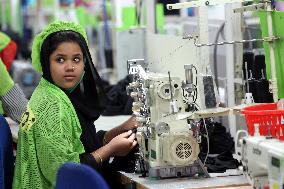
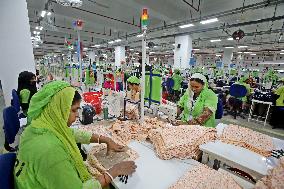
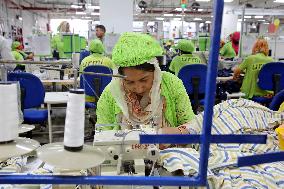
Garments factory In Bangladesh

Garments factory In Bangladesh

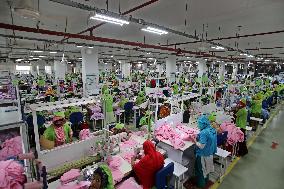
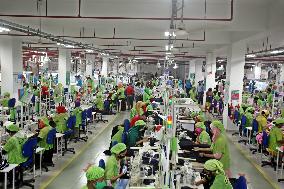
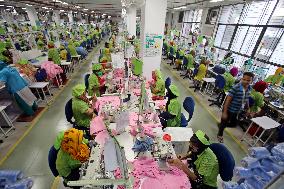
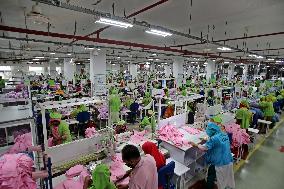
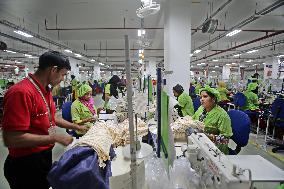
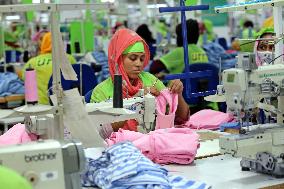
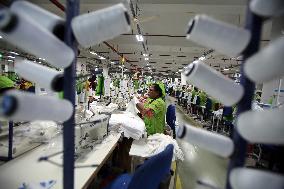
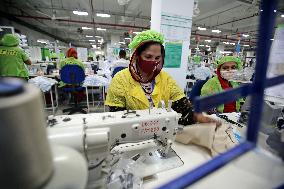
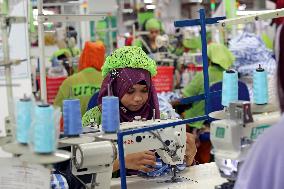
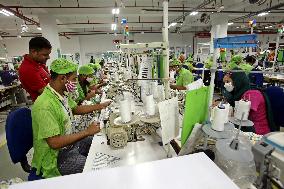
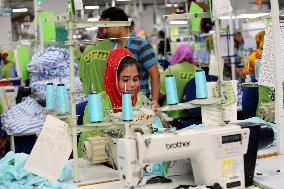
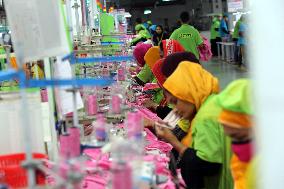
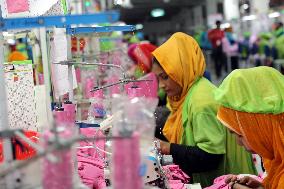
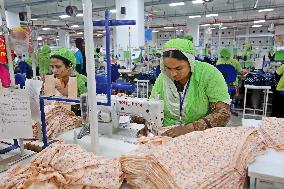
Ready-made garments worker works in a garments factory in Dhaka, Bangladesh on December 23, 2023. Bangladeshi textile factories have production of clothing, which They supply the most important brands in the world and represent 84% of the country's total exports. Bangladesh is one of the largest textile exporters in the world employing more than 4 million people, most of them women. Bangladesh's labor force is one of the cheapest in the region, and as a result, it has achieved an advantageous position over other areas in the global textile market. Photo by Habibur Rahman/ABACAPRESS.COM

  •  
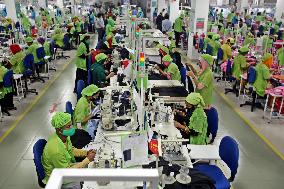
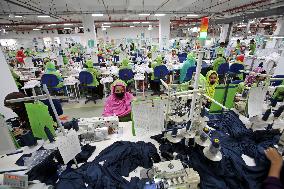
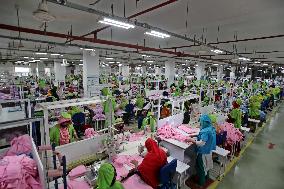
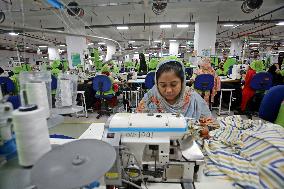
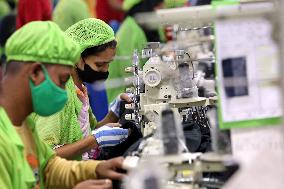
Garments factory In Bangladesh

Garments factory In Bangladesh

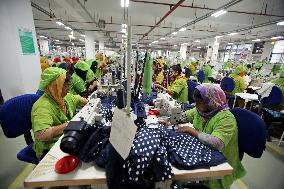
Ready-made garments worker works in a garments factory in Dhaka, Bangladesh on December 23, 2023. Bangladeshi textile factories have production of clothing, which They supply the most important brands in the world and represent 84% of the country's total exports. Bangladesh is one of the largest textile exporters in the world employing more than 4 million people, most of them women. Bangladesh's labor force is one of the cheapest in the region, and as a result, it has achieved an advantageous position over other areas in the global textile market. Photo by Habibur Rahman/ABACAPRESS.COM

  •  
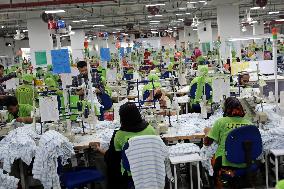
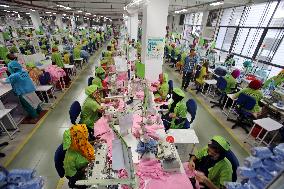
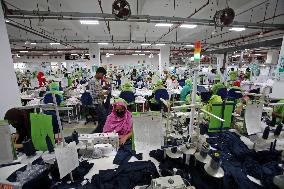
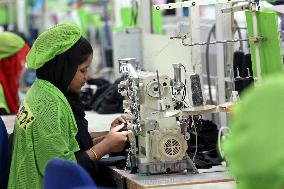
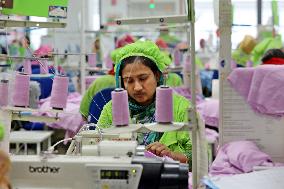
Garments factory In Bangladesh

Garments factory In Bangladesh

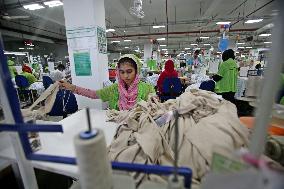
Ready-made garments worker works in a garments factory in Dhaka, Bangladesh on December 23, 2023. Bangladeshi textile factories have production of clothing, which They supply the most important brands in the world and represent 84% of the country's total exports. Bangladesh is one of the largest textile exporters in the world employing more than 4 million people, most of them women. Bangladesh's labor force is one of the cheapest in the region, and as a result, it has achieved an advantageous position over other areas in the global textile market. Photo by Habibur Rahman/ABACAPRESS.COM

  •  
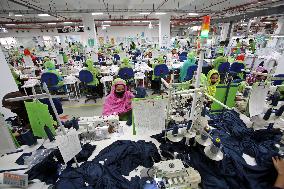
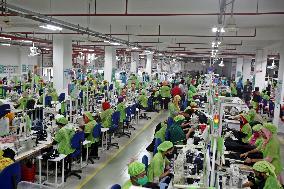
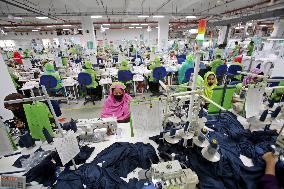
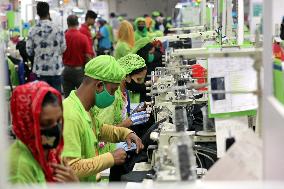
Garments factory In Bangladesh

Garments factory In Bangladesh

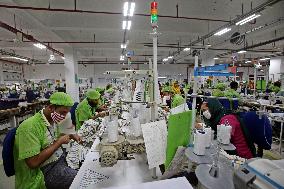
Ready-made garments worker works in a garments factory in Dhaka, Bangladesh on December 23, 2023. Bangladeshi textile factories have production of clothing, which They supply the most important brands in the world and represent 84% of the country's total exports. Bangladesh is one of the largest textile exporters in the world employing more than 4 million people, most of them women. Bangladesh's labor force is one of the cheapest in the region, and as a result, it has achieved an advantageous position over other areas in the global textile market. Photo by Habibur Rahman/ABACAPRESS.COM

  •  
Garments factory In Bangladesh

Garments factory In Bangladesh

Ready-made garments worker works in a garments factory in Dhaka, Bangladesh on December 23, 2023. Bangladeshi textile factories have production of clothing, which They supply the most important brands in the world and represent 84% of the country's total exports. Bangladesh is one of the largest textile exporters in the world employing more than 4 million people, most of them women. Bangladesh's labor force is one of the cheapest in the region, and as a result, it has achieved an advantageous position over other areas in the global textile market. Photo by Habibur Rahman/ABACAPRESS.COM

  •  
Garments factory In Bangladesh

Garments factory In Bangladesh

Ready-made garments worker works in a garments factory in Dhaka, Bangladesh on December 23, 2023. Bangladeshi textile factories have production of clothing, which They supply the most important brands in the world and represent 84% of the country's total exports. Bangladesh is one of the largest textile exporters in the world employing more than 4 million people, most of them women. Bangladesh's labor force is one of the cheapest in the region, and as a result, it has achieved an advantageous position over other areas in the global textile market. Photo by Habibur Rahman/ABACAPRESS.COM

  •  
Garments factory In Bangladesh

Garments factory In Bangladesh

Ready-made garments worker works in a garments factory in Dhaka, Bangladesh on December 23, 2023. Bangladeshi textile factories have production of clothing, which They supply the most important brands in the world and represent 84% of the country's total exports. Bangladesh is one of the largest textile exporters in the world employing more than 4 million people, most of them women. Bangladesh's labor force is one of the cheapest in the region, and as a result, it has achieved an advantageous position over other areas in the global textile market. Photo by Habibur Rahman/ABACAPRESS.COM

  •  
Garments factory In Bangladesh

Garments factory In Bangladesh

Ready-made garments worker works in a garments factory in Dhaka, Bangladesh on December 23, 2023. Bangladeshi textile factories have production of clothing, which They supply the most important brands in the world and represent 84% of the country's total exports. Bangladesh is one of the largest textile exporters in the world employing more than 4 million people, most of them women. Bangladesh's labor force is one of the cheapest in the region, and as a result, it has achieved an advantageous position over other areas in the global textile market. Photo by Habibur Rahman/ABACAPRESS.COM

  •  
Garments factory In Bangladesh

Garments factory In Bangladesh

Ready-made garments worker works in a garments factory in Dhaka, Bangladesh on December 23, 2023. Bangladeshi textile factories have production of clothing, which They supply the most important brands in the world and represent 84% of the country's total exports. Bangladesh is one of the largest textile exporters in the world employing more than 4 million people, most of them women. Bangladesh's labor force is one of the cheapest in the region, and as a result, it has achieved an advantageous position over other areas in the global textile market. Photo by Habibur Rahman/ABACAPRESS.COM

  •  
Garments factory In Bangladesh

Garments factory In Bangladesh

Ready-made garments worker works in a garments factory in Dhaka, Bangladesh on December 23, 2023. Bangladeshi textile factories have production of clothing, which They supply the most important brands in the world and represent 84% of the country's total exports. Bangladesh is one of the largest textile exporters in the world employing more than 4 million people, most of them women. Bangladesh's labor force is one of the cheapest in the region, and as a result, it has achieved an advantageous position over other areas in the global textile market. Photo by Habibur Rahman/ABACAPRESS.COM

  •  
Garments factory In Bangladesh

Garments factory In Bangladesh

Ready-made garments worker works in a garments factory in Dhaka, Bangladesh on December 23, 2023. Bangladeshi textile factories have production of clothing, which They supply the most important brands in the world and represent 84% of the country's total exports. Bangladesh is one of the largest textile exporters in the world employing more than 4 million people, most of them women. Bangladesh's labor force is one of the cheapest in the region, and as a result, it has achieved an advantageous position over other areas in the global textile market. Photo by Habibur Rahman/ABACAPRESS.COM

  •  
Garments factory In Bangladesh

Garments factory In Bangladesh

Ready-made garments worker works in a garments factory in Dhaka, Bangladesh on December 23, 2023. Bangladeshi textile factories have production of clothing, which They supply the most important brands in the world and represent 84% of the country's total exports. Bangladesh is one of the largest textile exporters in the world employing more than 4 million people, most of them women. Bangladesh's labor force is one of the cheapest in the region, and as a result, it has achieved an advantageous position over other areas in the global textile market. Photo by Habibur Rahman/ABACAPRESS.COM

  •  
Garments factory In Bangladesh

Garments factory In Bangladesh

Ready-made garments worker works in a garments factory in Dhaka, Bangladesh on December 23, 2023. Bangladeshi textile factories have production of clothing, which They supply the most important brands in the world and represent 84% of the country's total exports. Bangladesh is one of the largest textile exporters in the world employing more than 4 million people, most of them women. Bangladesh's labor force is one of the cheapest in the region, and as a result, it has achieved an advantageous position over other areas in the global textile market. Photo by Habibur Rahman/ABACAPRESS.COM

  •  
Garments factory In Bangladesh

Garments factory In Bangladesh

Ready-made garments worker works in a garments factory in Dhaka, Bangladesh on December 23, 2023. Bangladeshi textile factories have production of clothing, which They supply the most important brands in the world and represent 84% of the country's total exports. Bangladesh is one of the largest textile exporters in the world employing more than 4 million people, most of them women. Bangladesh's labor force is one of the cheapest in the region, and as a result, it has achieved an advantageous position over other areas in the global textile market. Photo by Habibur Rahman/ABACAPRESS.COM

  •  
Garments factory In Bangladesh

Garments factory In Bangladesh

Ready-made garments worker works in a garments factory in Dhaka, Bangladesh on December 23, 2023. Bangladeshi textile factories have production of clothing, which They supply the most important brands in the world and represent 84% of the country's total exports. Bangladesh is one of the largest textile exporters in the world employing more than 4 million people, most of them women. Bangladesh's labor force is one of the cheapest in the region, and as a result, it has achieved an advantageous position over other areas in the global textile market. Photo by Habibur Rahman/ABACAPRESS.COM

  •  
Garments factory In Bangladesh

Garments factory In Bangladesh

Ready-made garments worker works in a garments factory in Dhaka, Bangladesh on December 23, 2023. Bangladeshi textile factories have production of clothing, which They supply the most important brands in the world and represent 84% of the country's total exports. Bangladesh is one of the largest textile exporters in the world employing more than 4 million people, most of them women. Bangladesh's labor force is one of the cheapest in the region, and as a result, it has achieved an advantageous position over other areas in the global textile market. Photo by Habibur Rahman/ABACAPRESS.COM

  •  
Garments factory In Bangladesh

Garments factory In Bangladesh

Ready-made garments worker works in a garments factory in Dhaka, Bangladesh on December 23, 2023. Bangladeshi textile factories have production of clothing, which They supply the most important brands in the world and represent 84% of the country's total exports. Bangladesh is one of the largest textile exporters in the world employing more than 4 million people, most of them women. Bangladesh's labor force is one of the cheapest in the region, and as a result, it has achieved an advantageous position over other areas in the global textile market. Photo by Habibur Rahman/ABACAPRESS.COM

  •  
Bangladesh Apparel Industry - Dhaka

Bangladesh Apparel Industry - Dhaka

Ready-made garments worker works in a garments factory in Dhaka, Bangladesh on December 21, 2023. Bangladeshi textile factories have production of clothing, which They supply the most important brands in the world and represent 84% of the country's total exports. Bangladesh is one of the largest textile exporters in the world employing more than 4 million people, most of them women. Bangladesh's labor force is one of the cheapest in the region, and as a result, it has achieved an advantageous position over other areas in the global textile market. Photo by Habibur Rahman/ABACAPRESS.COM

  •  
Bangladesh Apparel Industry - Dhaka

Bangladesh Apparel Industry - Dhaka

Ready-made garments worker works in a garments factory in Dhaka, Bangladesh on December 21, 2023. Bangladeshi textile factories have production of clothing, which They supply the most important brands in the world and represent 84% of the country's total exports. Bangladesh is one of the largest textile exporters in the world employing more than 4 million people, most of them women. Bangladesh's labor force is one of the cheapest in the region, and as a result, it has achieved an advantageous position over other areas in the global textile market. Photo by Habibur Rahman/ABACAPRESS.COM

  •  
Bangladesh Apparel Industry - Dhaka

Bangladesh Apparel Industry - Dhaka

Ready-made garments worker works in a garments factory in Dhaka, Bangladesh on December 21, 2023. Bangladeshi textile factories have production of clothing, which They supply the most important brands in the world and represent 84% of the country's total exports. Bangladesh is one of the largest textile exporters in the world employing more than 4 million people, most of them women. Bangladesh's labor force is one of the cheapest in the region, and as a result, it has achieved an advantageous position over other areas in the global textile market. Photo by Habibur Rahman/ABACAPRESS.COM

  •  
Bangladesh Apparel Industry - Dhaka

Bangladesh Apparel Industry - Dhaka

Ready-made garments worker works in a garments factory in Dhaka, Bangladesh on December 21, 2023. Bangladeshi textile factories have production of clothing, which They supply the most important brands in the world and represent 84% of the country's total exports. Bangladesh is one of the largest textile exporters in the world employing more than 4 million people, most of them women. Bangladesh's labor force is one of the cheapest in the region, and as a result, it has achieved an advantageous position over other areas in the global textile market. Photo by Habibur Rahman/ABACAPRESS.COM

  •  
Bangladesh Apparel Industry - Dhaka

Bangladesh Apparel Industry - Dhaka

Ready-made garments worker works in a garments factory in Dhaka, Bangladesh on December 21, 2023. Bangladeshi textile factories have production of clothing, which They supply the most important brands in the world and represent 84% of the country's total exports. Bangladesh is one of the largest textile exporters in the world employing more than 4 million people, most of them women. Bangladesh's labor force is one of the cheapest in the region, and as a result, it has achieved an advantageous position over other areas in the global textile market. Photo by Habibur Rahman/ABACAPRESS.COM

  •  
Bangladesh Apparel Industry - Dhaka

Bangladesh Apparel Industry - Dhaka

Ready-made garments worker works in a garments factory in Dhaka, Bangladesh on December 21, 2023. Bangladeshi textile factories have production of clothing, which They supply the most important brands in the world and represent 84% of the country's total exports. Bangladesh is one of the largest textile exporters in the world employing more than 4 million people, most of them women. Bangladesh's labor force is one of the cheapest in the region, and as a result, it has achieved an advantageous position over other areas in the global textile market. Photo by Habibur Rahman/ABACAPRESS.COM

  •  
Bangladesh Apparel Industry - Dhaka

Bangladesh Apparel Industry - Dhaka

Ready-made garments worker works in a garments factory in Dhaka, Bangladesh on December 21, 2023. Bangladeshi textile factories have production of clothing, which They supply the most important brands in the world and represent 84% of the country's total exports. Bangladesh is one of the largest textile exporters in the world employing more than 4 million people, most of them women. Bangladesh's labor force is one of the cheapest in the region, and as a result, it has achieved an advantageous position over other areas in the global textile market. Photo by Habibur Rahman/ABACAPRESS.COM

  •  
Bangladesh Apparel Industry - Dhaka

Bangladesh Apparel Industry - Dhaka

Ready-made garments worker works in a garments factory in Dhaka, Bangladesh on December 21, 2023. Bangladeshi textile factories have production of clothing, which They supply the most important brands in the world and represent 84% of the country's total exports. Bangladesh is one of the largest textile exporters in the world employing more than 4 million people, most of them women. Bangladesh's labor force is one of the cheapest in the region, and as a result, it has achieved an advantageous position over other areas in the global textile market. Photo by Habibur Rahman/ABACAPRESS.COM

  •  
Bangladesh Apparel Industry - Dhaka

Bangladesh Apparel Industry - Dhaka

Ready-made garments worker works in a garments factory in Dhaka, Bangladesh on December 21, 2023. Bangladeshi textile factories have production of clothing, which They supply the most important brands in the world and represent 84% of the country's total exports. Bangladesh is one of the largest textile exporters in the world employing more than 4 million people, most of them women. Bangladesh's labor force is one of the cheapest in the region, and as a result, it has achieved an advantageous position over other areas in the global textile market. Photo by Habibur Rahman/ABACAPRESS.COM

  •  
Bangladesh Apparel Industry - Dhaka

Bangladesh Apparel Industry - Dhaka

Ready-made garments worker works in a garments factory in Dhaka, Bangladesh on December 21, 2023. Bangladeshi textile factories have production of clothing, which They supply the most important brands in the world and represent 84% of the country's total exports. Bangladesh is one of the largest textile exporters in the world employing more than 4 million people, most of them women. Bangladesh's labor force is one of the cheapest in the region, and as a result, it has achieved an advantageous position over other areas in the global textile market. Photo by Habibur Rahman/ABACAPRESS.COM

  •  
Bangladesh Apparel Industry - Dhaka

Bangladesh Apparel Industry - Dhaka

Ready-made garments worker works in a garments factory in Dhaka, Bangladesh on December 21, 2023. Bangladeshi textile factories have production of clothing, which They supply the most important brands in the world and represent 84% of the country's total exports. Bangladesh is one of the largest textile exporters in the world employing more than 4 million people, most of them women. Bangladesh's labor force is one of the cheapest in the region, and as a result, it has achieved an advantageous position over other areas in the global textile market. Photo by Habibur Rahman/ABACAPRESS.COM

  •  
Bangladesh Apparel Industry - Dhaka

Bangladesh Apparel Industry - Dhaka

Ready-made garments worker works in a garments factory in Dhaka, Bangladesh on December 21, 2023. Bangladeshi textile factories have production of clothing, which They supply the most important brands in the world and represent 84% of the country's total exports. Bangladesh is one of the largest textile exporters in the world employing more than 4 million people, most of them women. Bangladesh's labor force is one of the cheapest in the region, and as a result, it has achieved an advantageous position over other areas in the global textile market. Photo by Habibur Rahman/ABACAPRESS.COM

  •  
Bangladesh Apparel Industry - Dhaka

Bangladesh Apparel Industry - Dhaka

Ready-made garments worker works in a garments factory in Dhaka, Bangladesh on December 21, 2023. Bangladeshi textile factories have production of clothing, which They supply the most important brands in the world and represent 84% of the country's total exports. Bangladesh is one of the largest textile exporters in the world employing more than 4 million people, most of them women. Bangladesh's labor force is one of the cheapest in the region, and as a result, it has achieved an advantageous position over other areas in the global textile market. Photo by Habibur Rahman/ABACAPRESS.COM

  •  
Bangladesh Apparel Industry - Dhaka

Bangladesh Apparel Industry - Dhaka

Ready-made garments worker works in a garments factory in Dhaka, Bangladesh on December 21, 2023. Bangladeshi textile factories have production of clothing, which They supply the most important brands in the world and represent 84% of the country's total exports. Bangladesh is one of the largest textile exporters in the world employing more than 4 million people, most of them women. Bangladesh's labor force is one of the cheapest in the region, and as a result, it has achieved an advantageous position over other areas in the global textile market. Photo by Habibur Rahman/ABACAPRESS.COM

  •  
Bangladesh Apparel Industry - Dhaka

Bangladesh Apparel Industry - Dhaka

Ready-made garments worker works in a garments factory in Dhaka, Bangladesh on December 21, 2023. Bangladeshi textile factories have production of clothing, which They supply the most important brands in the world and represent 84% of the country's total exports. Bangladesh is one of the largest textile exporters in the world employing more than 4 million people, most of them women. Bangladesh's labor force is one of the cheapest in the region, and as a result, it has achieved an advantageous position over other areas in the global textile market. Photo by Habibur Rahman/ABACAPRESS.COM

  •  
Bangladesh Apparel Industry - Dhaka

Bangladesh Apparel Industry - Dhaka

Ready-made garments worker works in a garments factory in Dhaka, Bangladesh on December 21, 2023. Bangladeshi textile factories have production of clothing, which They supply the most important brands in the world and represent 84% of the country's total exports. Bangladesh is one of the largest textile exporters in the world employing more than 4 million people, most of them women. Bangladesh's labor force is one of the cheapest in the region, and as a result, it has achieved an advantageous position over other areas in the global textile market. Photo by Habibur Rahman/ABACAPRESS.COM

  •  
Bangladesh Apparel Industry - Dhaka

Bangladesh Apparel Industry - Dhaka

Ready-made garments worker works in a garments factory in Dhaka, Bangladesh on December 21, 2023. Bangladeshi textile factories have production of clothing, which They supply the most important brands in the world and represent 84% of the country's total exports. Bangladesh is one of the largest textile exporters in the world employing more than 4 million people, most of them women. Bangladesh's labor force is one of the cheapest in the region, and as a result, it has achieved an advantageous position over other areas in the global textile market. Photo by Habibur Rahman/ABACAPRESS.COM

  •  
Bangladesh Apparel Industry - Dhaka

Bangladesh Apparel Industry - Dhaka

Ready-made garments worker works in a garments factory in Dhaka, Bangladesh on December 21, 2023. Bangladeshi textile factories have production of clothing, which They supply the most important brands in the world and represent 84% of the country's total exports. Bangladesh is one of the largest textile exporters in the world employing more than 4 million people, most of them women. Bangladesh's labor force is one of the cheapest in the region, and as a result, it has achieved an advantageous position over other areas in the global textile market. Photo by Habibur Rahman/ABACAPRESS.COM

  •  
Bangladesh Apparel Industry - Dhaka

Bangladesh Apparel Industry - Dhaka

Ready-made garments worker works in a garments factory in Dhaka, Bangladesh on December 21, 2023. Bangladeshi textile factories have production of clothing, which They supply the most important brands in the world and represent 84% of the country's total exports. Bangladesh is one of the largest textile exporters in the world employing more than 4 million people, most of them women. Bangladesh's labor force is one of the cheapest in the region, and as a result, it has achieved an advantageous position over other areas in the global textile market. Photo by Habibur Rahman/ABACAPRESS.COM

  •  
Bangladesh Apparel Industry - Dhaka

Bangladesh Apparel Industry - Dhaka

Ready-made garments worker works in a garments factory in Dhaka, Bangladesh on December 21, 2023. Bangladeshi textile factories have production of clothing, which They supply the most important brands in the world and represent 84% of the country's total exports. Bangladesh is one of the largest textile exporters in the world employing more than 4 million people, most of them women. Bangladesh's labor force is one of the cheapest in the region, and as a result, it has achieved an advantageous position over other areas in the global textile market. Photo by Habibur Rahman/ABACAPRESS.COM

  •  
Bangladesh Apparel Industry - Dhaka

Bangladesh Apparel Industry - Dhaka

Ready-made garments worker works in a garments factory in Dhaka, Bangladesh on December 21, 2023. Bangladeshi textile factories have production of clothing, which They supply the most important brands in the world and represent 84% of the country's total exports. Bangladesh is one of the largest textile exporters in the world employing more than 4 million people, most of them women. Bangladesh's labor force is one of the cheapest in the region, and as a result, it has achieved an advantageous position over other areas in the global textile market. Photo by Habibur Rahman/ABACAPRESS.COM

  •  
Bangladesh Apparel Industry - Dhaka

Bangladesh Apparel Industry - Dhaka

Ready-made garments worker works in a garments factory in Dhaka, Bangladesh on December 21, 2023. Bangladeshi textile factories have production of clothing, which They supply the most important brands in the world and represent 84% of the country's total exports. Bangladesh is one of the largest textile exporters in the world employing more than 4 million people, most of them women. Bangladesh's labor force is one of the cheapest in the region, and as a result, it has achieved an advantageous position over other areas in the global textile market. Photo by Habibur Rahman/ABACAPRESS.COM

  •  
Bangladesh Apparel Industry - Dhaka

Bangladesh Apparel Industry - Dhaka

Ready-made garments worker works in a garments factory in Dhaka, Bangladesh on December 21, 2023. Bangladeshi textile factories have production of clothing, which They supply the most important brands in the world and represent 84% of the country's total exports. Bangladesh is one of the largest textile exporters in the world employing more than 4 million people, most of them women. Bangladesh's labor force is one of the cheapest in the region, and as a result, it has achieved an advantageous position over other areas in the global textile market. Photo by Habibur Rahman/ABACAPRESS.COM

  •  

Electricity trading mirrors China's commitment to green shift

STORY: Electricity trading mirrors China's commitment to green shift DATELINE: July 18, 2023 LENGTH: 00:01:44 LOCATION: TAIYUAN, China CATEGORY: ECONOMY SHOTLIST: 1. various of Zhang Shuai working at his office 2. SOUNDBITE 1 (Chinese): ZHANG SHUAI, Electricity trader in Shanxi 3. SOUNDBITE 2 (Chinese): ZHANG SHUAI, Electricity trader in Shanxi STORYLINE: 34-year-old Zhang Shuai is an electricity trader in China's Shanxi Province. His main role is to work out the best scheme for buying and selling electricity in the energy market, to facilitate the efficient distribution of electricity from power producers to consumers. SOUNDBITE 1 (Chinese): ZHANG SHUAI, Electricity trader in Shanxi "Electricity traders should try their best to buy the cheapest electricity in the market, to minimize their wholesale cost. The traders also need to choose a proper market to sell the electricity, so that they could maximize the economic returns." In 2015, China issued a regulation on deepening the reform of the electri

  •  

Ukraine conflict pushes cost of living in Spain further

STORY: Ukraine conflict pushes cost of living in Spain further DATELINE: Feb. 24, 2023 LENGTH: 0:01:08 LOCATION: Madrid CATEGORY: ECONOMY SHOTLIST: 1. various of food and energy 2. SOUNDBITE 1 (Spanish): VERONICA ARMAS, Venezuelan living in Madrid 3. SOUNDBITE 2 (Spanish): PEDRO MANUEL SERNA, Logistics worker in Madrid STORYLINE: Just like the rest of Europe, Spain is still suffering from rising food and fuel prices on the first anniversary of the Ukraine conflict. The conflict affects the budgets of households throughout the country, despite the government's attempts to keep prices as low as possible. SOUNDBITE 1 (Spanish): VERONICA ARMAS, Venezuelan living in Madrid "Everything is more expensive. The food price goes up by 10 cents. Then it goes down, but later it goes back up by 20 cents more." SOUNDBITE 2 (Spanish): PEDRO MANUEL SERNA, Logistics worker in Madrid "In the end, it becomes a habit to look for where the cheapest price is." According to the Spanish Statistical Office (INE), prices rose by

  •  

Swiss explorer praises China for its contribution to tackling climate change

STORY: Swiss explorer praises China for its contribution to tackling climate change DATELINE: Jan. 18, 2023 LENGTH: 00:01:10 LOCATION: GENEVA, Switzerland CATEGORY: ENVIRONMENT SHOTLIST: 1. various of the views in China and solar panels 2. SOUNDBITE 1 (English): BERTRAND PICCARD, Chairman of Solar Impulse Foundation STORYLINE: Swiss explorer and chairman of the Solar Impulse Foundation Bertrand Piccard has said that China has made a great contribution to tackling climate change. SOUNDBITE 1 (English): BERTRAND PICCARD, Chairman of Solar Impulse Foundation "China has already done a lot for the world, and I thank China for that, in the production of cheap solar cells. You know, before China was producing the solar cells, the solar cells were produced in Europe. And it cost a lot. And it was so expensive that nobody could afford solar energy without subsidies. Thanks to China, solar energy has become the cheapest source of energy in the world. We should put all the solutions on the table, all the solutions i

  •  
Seiko Epson to debut cheaper projectors with built-in DVD players

Seiko Epson to debut cheaper projectors with built-in DVD players

TOKYO, Japan - A new model of Seiko Epson home-use, large-screen projector with a built-in DVD player displayed in Tokyo on Sept. 4. The cheapest model, with an 80-inch screen and 3.8 kilograms in weight, will cost less than 100,000 yen.

  •  
World's cheapest Indian tablet

World's cheapest Indian tablet

NEW DELHI, India - A woman holds on Oct. 5, 2011 in New Delhi a tablet computer, nicknamed Aakash, which was unveiled and launched in the Indian capital by the government the same day. Aakash, which has been designed, developed and manufactured by the Britain-based DataWind Ltd. in association with the Indian Institute of Technology in Rajasthan under the Indian government's National Mission on Education through Information and Technology (NME-ICT), will carry a price as low as $38, making it the world's cheapest tablet computer.

  •  
World's cheapest Indian tablet

World's cheapest Indian tablet

NEW DELHI, India - A student holds on Oct. 5, 2011 in New Delhi a tablet computer, nicknamed Aakash, which was unveiled and launched in the Indian capital by the government the same day. Aakash, which has been designed, developed and manufactured by the Britain-based DataWind Ltd. in association with the Indian Institute of Technology in Rajasthan under the Indian government's National Mission on Education through Information and Technology (NME-ICT), will carry a price as low as $38, making it the world's cheapest tablet computer.

  •  
Honda releases hybrid Fit

Honda releases hybrid Fit

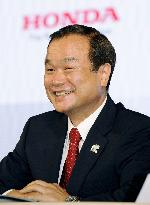
TOKYO, Japan - Honda Motor Co. President Takanobu Ito speaks at a ceremony on the debut of a hybrid model of its popular Fit subcompact in Tokyo on Oct. 8, 2010. Ito said the automaker hopes the launch of the 1.59-million-yen gasoline-electric car, the cheapest in Japan of its kind, will help hybrid vehicles become more popular.

  •  
Honda releases hybrid Fit

Honda releases hybrid Fit

TOKYO, Japan - Honda Motor Co. President Takanobu Ito poses beside a hybrid model of the automaker's popular Fit subcompact in Tokyo on Oct. 8, 2010, after releasing the gasoline-electric vehicle the same day at the price of 1.59 million yen, making it the cheapest model of its kind in Japan.

  •  
Honda releases hybrid Fit

Honda releases hybrid Fit

TOKYO, Japan - Honda Motor Co. President Takanobu Ito poses beside a hybrid model of the automaker's popular Fit subcompact in Tokyo on Oct. 8, 2010, after releasing the gasoline-electric vehicle the same day at the price of 1.59 million yen, making it the cheapest model of its kind in Japan.

  • Main
  • Top
  • Editorial
  • Creative
  • About Us
  • About ILG
  • Terms of use
  • Company
  • BEHIND
  • Price List
  • Single Plan
  • Monthly Plan
  • Services
  • Shooting
  • Rights Clearance
  • Support
  • FAQ
  • How To Buy
  • Contact Us
  • Become a Partner

© KYODO NEWS IMAGES INC

All Rights Reserved.

  • Editorial
  • Olympics
  • News
  • Sports
  • Japan
  • Tech
  • Royal
  • Disaster
  • NorthKorea
  • Old Japan
  • SNS
  • Creative
  • Food
  • Japan
  • Landscape
  • Animal
  • Popular
  • #Ukraine
  • #Russia
  • #coronavirus
  • #N. Korea
  • #China
  • #Thailand
  • #Ukraine
  • #Russia
  • #coronavirus
  • #N. Korea
  • #China
  • #Thailand
  • Food
  • Japan
  • Landscape
  • Animal
  • Olympics
  • News
  • Sports
  • Japan
  • Tech
  • Royal
  • Disaster
  • NorthKorea
  • Old Japan
  • SNS