•  
Water Crisis Impacts Aquaculture In Taq Taq - Iraq

Water Crisis Impacts Aquaculture In Taq Taq - Iraq

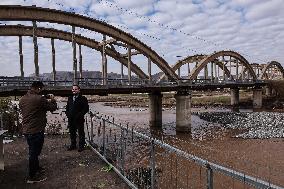
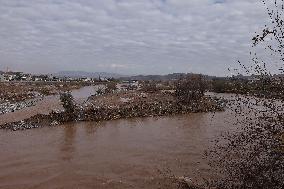
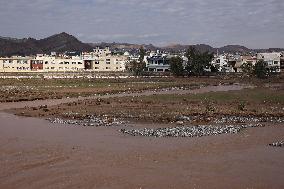
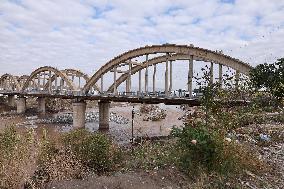
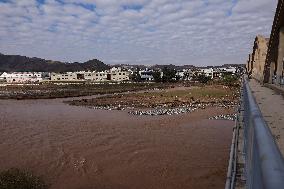
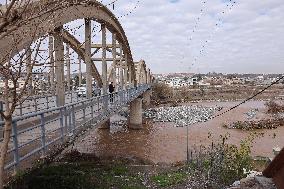
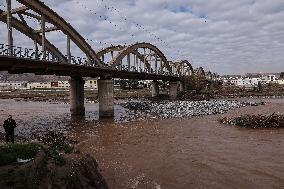
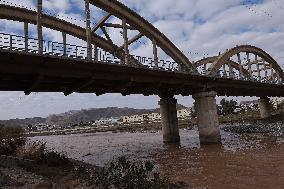
TAQ TAQ, Kurdistan Region The escalating water crisis in the Kurdistan Region has transcended the threat to potable water, now systematically dismantling one of the region’s most vital economic pillars: the aquaculture and fish farming sector. In Taq Taq district, a cornerstone of the region's fish production, the plummeting water levels of the Lesser Zab River have triggered a catastrophic die-off of millions of fish, inflicting millions of dollars in losses on investors. An Economic and Environmental Catastrophe The upstream damming of the Lesser Zab’s headwaters by Iran, compounded by the severe impacts of climate change, has caused oxygen levels in Kurdistan’s aquaculture projects to drop to lethal levels. Consequently, farm owners are not only losing their livestock but are also witnessing the erosion of thousands of jobs that rely on this sector. Erosion of Food Security Economic analysts warn that the collapse of fish farming in Taq Taq and its surroundings will have immediate repercussions on the broa

  •  
Water Crisis Impacts Aquaculture In Taq Taq - Iraq

Water Crisis Impacts Aquaculture In Taq Taq - Iraq

TAQ TAQ, Kurdistan Region The escalating water crisis in the Kurdistan Region has transcended the threat to potable water, now systematically dismantling one of the region’s most vital economic pillars: the aquaculture and fish farming sector. In Taq Taq district, a cornerstone of the region's fish production, the plummeting water levels of the Lesser Zab River have triggered a catastrophic die-off of millions of fish, inflicting millions of dollars in losses on investors. An Economic and Environmental Catastrophe The upstream damming of the Lesser Zab’s headwaters by Iran, compounded by the severe impacts of climate change, has caused oxygen levels in Kurdistan’s aquaculture projects to drop to lethal levels. Consequently, farm owners are not only losing their livestock but are also witnessing the erosion of thousands of jobs that rely on this sector. Erosion of Food Security Economic analysts warn that the collapse of fish farming in Taq Taq and its surroundings will have immediate repercussions on the broa

  •  
Water Crisis Impacts Aquaculture In Taq Taq - Iraq

Water Crisis Impacts Aquaculture In Taq Taq - Iraq

TAQ TAQ, Kurdistan Region The escalating water crisis in the Kurdistan Region has transcended the threat to potable water, now systematically dismantling one of the region’s most vital economic pillars: the aquaculture and fish farming sector. In Taq Taq district, a cornerstone of the region's fish production, the plummeting water levels of the Lesser Zab River have triggered a catastrophic die-off of millions of fish, inflicting millions of dollars in losses on investors. An Economic and Environmental Catastrophe The upstream damming of the Lesser Zab’s headwaters by Iran, compounded by the severe impacts of climate change, has caused oxygen levels in Kurdistan’s aquaculture projects to drop to lethal levels. Consequently, farm owners are not only losing their livestock but are also witnessing the erosion of thousands of jobs that rely on this sector. Erosion of Food Security Economic analysts warn that the collapse of fish farming in Taq Taq and its surroundings will have immediate repercussions on the broa

  •  
Water Crisis Impacts Aquaculture In Taq Taq - Iraq

Water Crisis Impacts Aquaculture In Taq Taq - Iraq

TAQ TAQ, Kurdistan Region The escalating water crisis in the Kurdistan Region has transcended the threat to potable water, now systematically dismantling one of the region’s most vital economic pillars: the aquaculture and fish farming sector. In Taq Taq district, a cornerstone of the region's fish production, the plummeting water levels of the Lesser Zab River have triggered a catastrophic die-off of millions of fish, inflicting millions of dollars in losses on investors. An Economic and Environmental Catastrophe The upstream damming of the Lesser Zab’s headwaters by Iran, compounded by the severe impacts of climate change, has caused oxygen levels in Kurdistan’s aquaculture projects to drop to lethal levels. Consequently, farm owners are not only losing their livestock but are also witnessing the erosion of thousands of jobs that rely on this sector. Erosion of Food Security Economic analysts warn that the collapse of fish farming in Taq Taq and its surroundings will have immediate repercussions on the broa

  •  
Water Crisis Impacts Aquaculture In Taq Taq - Iraq

Water Crisis Impacts Aquaculture In Taq Taq - Iraq

TAQ TAQ, Kurdistan Region The escalating water crisis in the Kurdistan Region has transcended the threat to potable water, now systematically dismantling one of the region’s most vital economic pillars: the aquaculture and fish farming sector. In Taq Taq district, a cornerstone of the region's fish production, the plummeting water levels of the Lesser Zab River have triggered a catastrophic die-off of millions of fish, inflicting millions of dollars in losses on investors. An Economic and Environmental Catastrophe The upstream damming of the Lesser Zab’s headwaters by Iran, compounded by the severe impacts of climate change, has caused oxygen levels in Kurdistan’s aquaculture projects to drop to lethal levels. Consequently, farm owners are not only losing their livestock but are also witnessing the erosion of thousands of jobs that rely on this sector. Erosion of Food Security Economic analysts warn that the collapse of fish farming in Taq Taq and its surroundings will have immediate repercussions on the broa

  •  
Water Crisis Impacts Aquaculture In Taq Taq - Iraq

Water Crisis Impacts Aquaculture In Taq Taq - Iraq

TAQ TAQ, Kurdistan Region The escalating water crisis in the Kurdistan Region has transcended the threat to potable water, now systematically dismantling one of the region’s most vital economic pillars: the aquaculture and fish farming sector. In Taq Taq district, a cornerstone of the region's fish production, the plummeting water levels of the Lesser Zab River have triggered a catastrophic die-off of millions of fish, inflicting millions of dollars in losses on investors. An Economic and Environmental Catastrophe The upstream damming of the Lesser Zab’s headwaters by Iran, compounded by the severe impacts of climate change, has caused oxygen levels in Kurdistan’s aquaculture projects to drop to lethal levels. Consequently, farm owners are not only losing their livestock but are also witnessing the erosion of thousands of jobs that rely on this sector. Erosion of Food Security Economic analysts warn that the collapse of fish farming in Taq Taq and its surroundings will have immediate repercussions on the broa

  •  
Water Crisis Impacts Aquaculture In Taq Taq - Iraq

Water Crisis Impacts Aquaculture In Taq Taq - Iraq

TAQ TAQ, Kurdistan Region The escalating water crisis in the Kurdistan Region has transcended the threat to potable water, now systematically dismantling one of the region’s most vital economic pillars: the aquaculture and fish farming sector. In Taq Taq district, a cornerstone of the region's fish production, the plummeting water levels of the Lesser Zab River have triggered a catastrophic die-off of millions of fish, inflicting millions of dollars in losses on investors. An Economic and Environmental Catastrophe The upstream damming of the Lesser Zab’s headwaters by Iran, compounded by the severe impacts of climate change, has caused oxygen levels in Kurdistan’s aquaculture projects to drop to lethal levels. Consequently, farm owners are not only losing their livestock but are also witnessing the erosion of thousands of jobs that rely on this sector. Erosion of Food Security Economic analysts warn that the collapse of fish farming in Taq Taq and its surroundings will have immediate repercussions on the broa

  •  
Water Crisis Impacts Aquaculture In Taq Taq - Iraq

Water Crisis Impacts Aquaculture In Taq Taq - Iraq

TAQ TAQ, Kurdistan Region The escalating water crisis in the Kurdistan Region has transcended the threat to potable water, now systematically dismantling one of the region’s most vital economic pillars: the aquaculture and fish farming sector. In Taq Taq district, a cornerstone of the region's fish production, the plummeting water levels of the Lesser Zab River have triggered a catastrophic die-off of millions of fish, inflicting millions of dollars in losses on investors. An Economic and Environmental Catastrophe The upstream damming of the Lesser Zab’s headwaters by Iran, compounded by the severe impacts of climate change, has caused oxygen levels in Kurdistan’s aquaculture projects to drop to lethal levels. Consequently, farm owners are not only losing their livestock but are also witnessing the erosion of thousands of jobs that rely on this sector. Erosion of Food Security Economic analysts warn that the collapse of fish farming in Taq Taq and its surroundings will have immediate repercussions on the broa

  •  
Lake Urmia Environmental Disaster - Iran

Lake Urmia Environmental Disaster - Iran

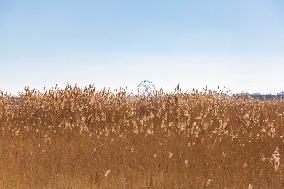
A view shows dry reeds on the dry bed of Lake Urmia in northwestern Iran on December 20, 2025. Lake Urmia, once the largest lake in the Middle East, has dramatically shrunk due to prolonged drought, the damming of rivers feeding the lake, and extensive groundwater extraction in the surrounding area. Although increased rainfall and water diversion briefly helped restore water levels in 2019, renewed drought and administrative mismanagement in the early 2020s reversed the trend, and satellite imagery shows the lake has almost entirely dried up by September 2025. Photo by Morteza Aminoroayayi/Middle East Images/ABACAPRESS.COM

  •  
Lake Urmia Environmental Disaster - Iran

Lake Urmia Environmental Disaster - Iran

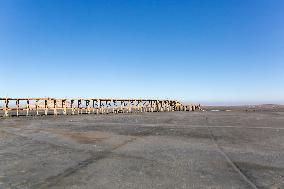
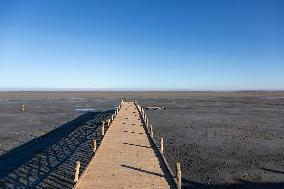
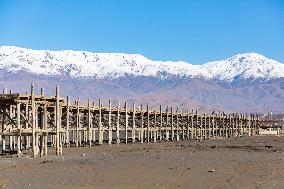
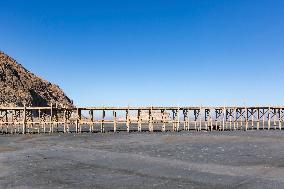
A view shows a wooden pier on the dry bed of Lake Urmia in northwestern Iran on December 20, 2025. Lake Urmia, once the largest lake in the Middle East, has dramatically shrunk due to prolonged drought, the damming of rivers feeding the lake, and extensive groundwater extraction in the surrounding area. Although increased rainfall and water diversion briefly helped restore water levels in 2019, renewed drought and administrative mismanagement in the early 2020s reversed the trend, and satellite imagery shows the lake has almost entirely dried up by September 2025. Photo by Morteza Aminoroayayi/Middle East Images/ABACAPRESS.COM

  •  
Lake Urmia Environmental Disaster - Iran

Lake Urmia Environmental Disaster - Iran

A view shows a wooden pier on the dry bed of Lake Urmia in northwestern Iran on December 20, 2025. Lake Urmia, once the largest lake in the Middle East, has dramatically shrunk due to prolonged drought, the damming of rivers feeding the lake, and extensive groundwater extraction in the surrounding area. Although increased rainfall and water diversion briefly helped restore water levels in 2019, renewed drought and administrative mismanagement in the early 2020s reversed the trend, and satellite imagery shows the lake has almost entirely dried up by September 2025. Photo by Morteza Aminoroayayi/Middle East Images/ABACAPRESS.COM

  •  
Lake Urmia Environmental Disaster - Iran

Lake Urmia Environmental Disaster - Iran

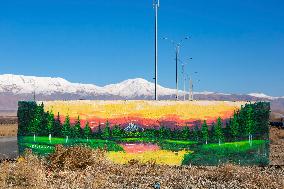
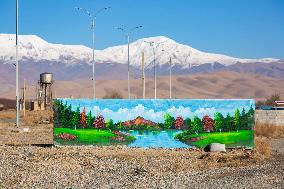
A view shows a mural depicting a landscape painted on a concrete wall near Sharafkhaneh port at Lake Urmia in northwestern Iran on December 19, 2025. Lake Urmia, once the largest lake in the Middle East, has dramatically shrunk due to prolonged drought, the damming of rivers feeding the lake, and extensive groundwater extraction in the surrounding area. Although increased rainfall and water diversion briefly helped restore water levels in 2019, renewed drought and administrative mismanagement in the early 2020s reversed the trend, and satellite imagery shows the lake has almost entirely dried up by September 2025. Photo by Morteza Aminoroayayi/Middle East Images/ABACAPRESS.COM

  •  
Lake Urmia Environmental Disaster - Iran

Lake Urmia Environmental Disaster - Iran

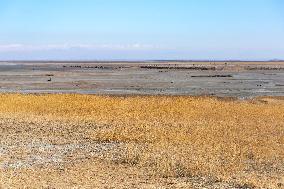
A view shows dry grass and the dry bed of Lake Urmia in northwestern Iran on December 20, 2025. Lake Urmia, once the largest lake in the Middle East, has dramatically shrunk due to prolonged drought, the damming of rivers feeding the lake, and extensive groundwater extraction in the surrounding area. Although increased rainfall and water diversion briefly helped restore water levels in 2019, renewed drought and administrative mismanagement in the early 2020s reversed the trend, and satellite imagery shows the lake has almost entirely dried up by September 2025. Photo by Morteza Aminoroayayi/Middle East Images/ABACAPRESS.COM

  •  
Lake Urmia Environmental Disaster - Iran

Lake Urmia Environmental Disaster - Iran

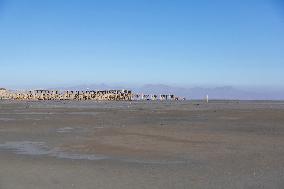
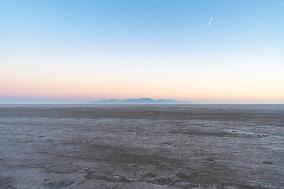
A view shows the dry bed of Lake Urmia in northwestern Iran on December 19, 2025. Lake Urmia, once the largest lake in the Middle East, has dramatically shrunk due to prolonged drought, the damming of rivers feeding the lake, and extensive groundwater extraction in the surrounding area. Although increased rainfall and water diversion briefly helped restore water levels in 2019, renewed drought and administrative mismanagement in the early 2020s reversed the trend, and satellite imagery shows the lake has almost entirely dried up by September 2025. Photo by Morteza Aminoroayayi/Middle East Images/ABACAPRESS.COM

  •  
Lake Urmia Environmental Disaster - Iran

Lake Urmia Environmental Disaster - Iran

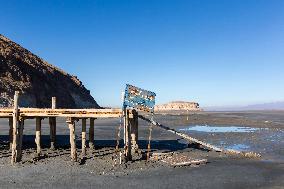
A view shows a rusty sign next to a wooden pier on the dry bed of Lake Urmia in northwestern Iran on December 20, 2025. Lake Urmia, once the largest lake in the Middle East, has dramatically shrunk due to prolonged drought, the damming of rivers feeding the lake, and extensive groundwater extraction in the surrounding area. Although increased rainfall and water diversion briefly helped restore water levels in 2019, renewed drought and administrative mismanagement in the early 2020s reversed the trend, and satellite imagery shows the lake has almost entirely dried up by September 2025. Photo by Morteza Aminoroayayi/Middle East Images/ABACAPRESS.COM

  •  
Lake Urmia Environmental Disaster - Iran

Lake Urmia Environmental Disaster - Iran

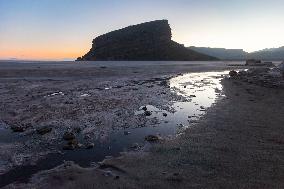
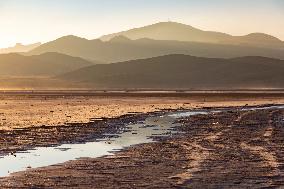
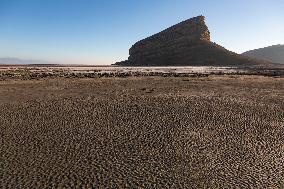
A view shows a shallow stream near a rocky cliff on the bed of Lake Urmia in northwestern Iran on December 19, 2025. Lake Urmia, once the largest lake in the Middle East, has dramatically shrunk due to prolonged drought, the damming of rivers feeding the lake, and extensive groundwater extraction in the surrounding area. Although increased rainfall and water diversion briefly helped restore water levels in 2019, renewed drought and administrative mismanagement in the early 2020s reversed the trend, and satellite imagery shows the lake has almost entirely dried up by September 2025. Photo by Morteza Aminoroayayi/Middle East Images/ABACAPRESS.COM

  •  
Lake Urmia Environmental Disaster - Iran

Lake Urmia Environmental Disaster - Iran

A view shows a wooden pier on the dry bed of Lake Urmia in northwestern Iran on December 20, 2025. Lake Urmia, once the largest lake in the Middle East, has dramatically shrunk due to prolonged drought, the damming of rivers feeding the lake, and extensive groundwater extraction in the surrounding area. Although increased rainfall and water diversion briefly helped restore water levels in 2019, renewed drought and administrative mismanagement in the early 2020s reversed the trend, and satellite imagery shows the lake has almost entirely dried up by September 2025. Photo by Morteza Aminoroayayi/Middle East Images/ABACAPRESS.COM

  •  
Lake Urmia Environmental Disaster - Iran

Lake Urmia Environmental Disaster - Iran

A view shows tire tracks running alongside a shallow stream on the bed of Lake Urmia in northwestern Iran on December 19, 2025. Lake Urmia, once the largest lake in the Middle East, has dramatically shrunk due to prolonged drought, the damming of rivers feeding the lake, and extensive groundwater extraction in the surrounding area. Although increased rainfall and water diversion briefly helped restore water levels in 2019, renewed drought and administrative mismanagement in the early 2020s reversed the trend, and satellite imagery shows the lake has almost entirely dried up by September 2025. Photo by Morteza Aminoroayayi/Middle East Images/ABACAPRESS.COM

  •  
Lake Urmia Environmental Disaster - Iran

Lake Urmia Environmental Disaster - Iran

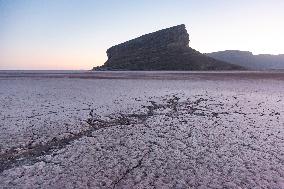
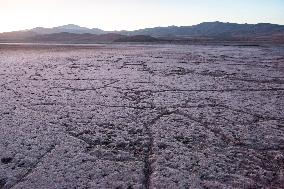
Salt formations cover the cracked surface of the dried bed of Lake Urmia in northwestern Iran on December 19, 2025. Lake Urmia, once the largest lake in the Middle East, has dramatically shrunk due to prolonged drought, the damming of rivers feeding the lake and extensive groundwater extraction in the surrounding area. Although increased rainfall and water diversion briefly helped restore water levels in 2019, renewed drought and administrative mismanagement in the early 2020s reversed the trend, and satellite imagery shows the lake has almost entirely dried up by September 2025. Photo by Morteza Aminoroayayi/Middle East Images/ABACAPRESS.COM

  •  
Lake Urmia Environmental Disaster - Iran

Lake Urmia Environmental Disaster - Iran

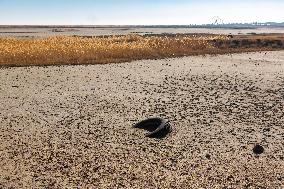
A discarded tire sits near dry reeds on the dry bed of Lake Urmia in northwestern Iran on December 20, 2025. Lake Urmia, once the largest lake in the Middle East, has dramatically shrunk due to prolonged drought, the damming of rivers feeding the lake, and extensive groundwater extraction in the surrounding area. Although increased rainfall and water diversion briefly helped restore water levels in 2019, renewed drought and administrative mismanagement in the early 2020s reversed the trend, and satellite imagery shows the lake has almost entirely dried up by September 2025. Photo by Morteza Aminoroayayi/Middle East Images/ABACAPRESS.COM

  •  
Lake Urmia Environmental Disaster - Iran

Lake Urmia Environmental Disaster - Iran

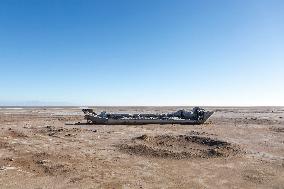
Remnants of a boat sit on the dry bed of Lake Urmia in northwestern Iran on December 19, 2025. Lake Urmia, once the largest lake in the Middle East, has dramatically shrunk due to prolonged drought, the damming of rivers feeding the lake, and extensive groundwater extraction in the surrounding area. Although increased rainfall and water diversion briefly helped restore water levels in 2019, renewed drought and administrative mismanagement in the early 2020s reversed the trend, and satellite imagery shows the lake has almost entirely dried up by September 2025. Photo by Morteza Aminoroayayi/Middle East Images/ABACAPRESS.COM

  •  
Lake Urmia Environmental Disaster - Iran

Lake Urmia Environmental Disaster - Iran

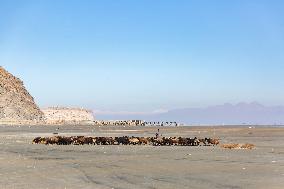
A shepherd guides a flock of sheep on the dry bed of Lake Urmia in northwestern Iran on December 20, 2025. Lake Urmia, once the largest lake in the Middle East, has dramatically shrunk due to prolonged drought, the damming of rivers feeding the lake, and extensive groundwater extraction in the surrounding area. Although increased rainfall and water diversion briefly helped restore water levels in 2019, renewed drought and administrative mismanagement in the early 2020s reversed the trend, and satellite imagery shows the lake has almost entirely dried up by September 2025. Photo by Morteza Aminoroayayi/Middle East Images/ABACAPRESS.COM

  •  
Lake Urmia Environmental Disaster - Iran

Lake Urmia Environmental Disaster - Iran

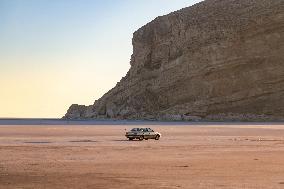
A car drives near a rocky cliff on the dry bed of Lake Urmia in northwestern Iran on December 19, 2025. Lake Urmia, once the largest lake in the Middle East, has dramatically shrunk due to prolonged drought, the damming of rivers feeding the lake, and extensive groundwater extraction in the surrounding area. Although increased rainfall and water diversion briefly helped restore water levels in 2019, renewed drought and administrative mismanagement in the early 2020s reversed the trend, and satellite imagery shows the lake has almost entirely dried up by September 2025. Photo by Morteza Aminoroayayi/Middle East Images/ABACAPRESS.COM

  •  
Lake Urmia Environmental Disaster - Iran

Lake Urmia Environmental Disaster - Iran

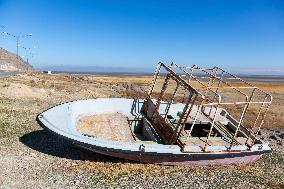
A rusty boat sits next to a road near Lake Urmia in northwestern Iran on December 20, 2025. Lake Urmia, once the largest lake in the Middle East, has dramatically shrunk due to prolonged drought, the damming of rivers feeding the lake, and extensive groundwater extraction in the surrounding area. Although increased rainfall and water diversion briefly helped restore water levels in 2019, renewed drought and administrative mismanagement in the early 2020s reversed the trend, and satellite imagery shows the lake has almost entirely dried up by September 2025. Photo by Morteza Aminoroayayi/Middle East Images/ABACAPRESS.COM

  •  
Lake Urmia Environmental Disaster - Iran

Lake Urmia Environmental Disaster - Iran

A view shows a wooden pier on the dry bed of Lake Urmia in northwestern Iran on December 19, 2025. Lake Urmia, once the largest lake in the Middle East, has dramatically shrunk due to prolonged drought, the damming of rivers feeding the lake, and extensive groundwater extraction in the surrounding area. Although increased rainfall and water diversion briefly helped restore water levels in 2019, renewed drought and administrative mismanagement in the early 2020s reversed the trend, and satellite imagery shows the lake has almost entirely dried up by September 2025. Photo by Morteza Aminoroayayi/Middle East Images/ABACAPRESS.COM

  •  
Lake Urmia Environmental Disaster - Iran

Lake Urmia Environmental Disaster - Iran

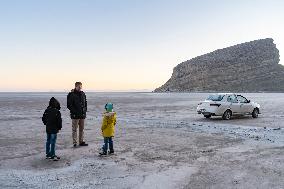
A man and two children stand near a car and a rocky cliff on the dry bed of Lake Urmia in northwestern Iran on December 19, 2025. Lake Urmia, once the largest lake in the Middle East, has dramatically shrunk due to prolonged drought, the damming of rivers feeding the lake, and extensive groundwater extraction in the surrounding area. Although increased rainfall and water diversion briefly helped restore water levels in 2019, renewed drought and administrative mismanagement in the early 2020s reversed the trend, and satellite imagery shows the lake has almost entirely dried up by September 2025. Photo by Morteza Aminoroayayi/Middle East Images/ABACAPRESS.COM

  •  
Lake Urmia Environmental Disaster - Iran

Lake Urmia Environmental Disaster - Iran

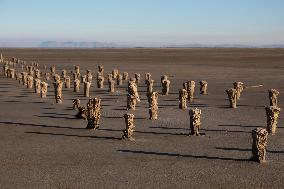
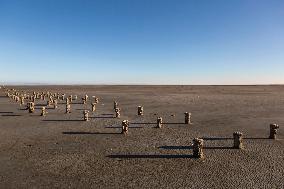
A view shows rows of wooden posts protruding from the dry bed of Lake Urmia in northwestern Iran on December 20, 2025. Lake Urmia, once the largest lake in the Middle East, has dramatically shrunk due to prolonged drought, the damming of rivers feeding the lake, and extensive groundwater extraction in the surrounding area. Although increased rainfall and water diversion briefly helped restore water levels in 2019, renewed drought and administrative mismanagement in the early 2020s reversed the trend, and satellite imagery shows the lake has almost entirely dried up by September 2025. Photo by Morteza Aminoroayayi/Middle East Images/ABACAPRESS.COM

  •  
Lake Urmia Environmental Disaster - Iran

Lake Urmia Environmental Disaster - Iran

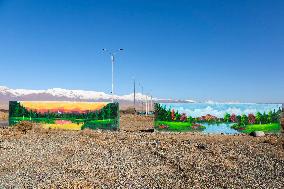
A view shows murals depicting nature scenes painted on concrete walls near Sharafkhaneh port at Lake Urmia in northwestern Iran on December 19, 2025. Lake Urmia, once the largest lake in the Middle East, has dramatically shrunk due to prolonged drought, the damming of rivers feeding the lake, and extensive groundwater extraction in the surrounding area. Although increased rainfall and water diversion briefly helped restore water levels in 2019, renewed drought and administrative mismanagement in the early 2020s reversed the trend, and satellite imagery shows the lake has almost entirely dried up by September 2025. Photo by Morteza Aminoroayayi/Middle East Images/ABACAPRESS.COM

  •  
Lake Urmia Environmental Disaster - Iran

Lake Urmia Environmental Disaster - Iran

A view shows the dry bed of Lake Urmia in northwestern Iran on December 19, 2025. Lake Urmia, once the largest lake in the Middle East, has dramatically shrunk due to prolonged drought, the damming of rivers feeding the lake, and extensive groundwater extraction in the surrounding area. Although increased rainfall and water diversion briefly helped restore water levels in 2019, renewed drought and administrative mismanagement in the early 2020s reversed the trend, and satellite imagery shows the lake has almost entirely dried up by September 2025. Photo by Morteza Aminoroayayi/Middle East Images/ABACAPRESS.COM

  •  
Lake Urmia Environmental Disaster - Iran

Lake Urmia Environmental Disaster - Iran

A view shows a wooden pier on the dry bed of Lake Urmia in northwestern Iran on December 20, 2025. Lake Urmia, once the largest lake in the Middle East, has dramatically shrunk due to prolonged drought, the damming of rivers feeding the lake, and extensive groundwater extraction in the surrounding area. Although increased rainfall and water diversion briefly helped restore water levels in 2019, renewed drought and administrative mismanagement in the early 2020s reversed the trend, and satellite imagery shows the lake has almost entirely dried up by September 2025. Photo by Morteza Aminoroayayi/Middle East Images/ABACAPRESS.COM

  •  
Lake Urmia Environmental Disaster - Iran

Lake Urmia Environmental Disaster - Iran

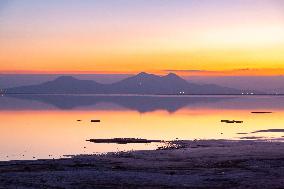
A view shows reflections on the surface of Lake Urmia in northwestern Iran on December 18, 2025. Lake Urmia, once the largest lake in the Middle East, has dramatically shrunk due to prolonged drought, the damming of rivers feeding the lake, and extensive groundwater extraction in the surrounding area. Although increased rainfall and water diversion briefly helped restore water levels in 2019, renewed drought and administrative mismanagement in the early 2020s reversed the trend, and satellite imagery shows the lake has almost entirely dried up by September 2025. Photo by Morteza Aminoroayayi/Middle East Images/ABACAPRESS.COM

  •  
Lake Urmia Environmental Disaster - Iran

Lake Urmia Environmental Disaster - Iran

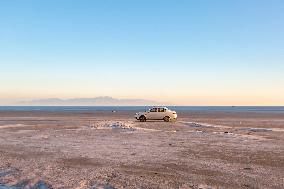
A car drives on the dry bed of Lake Urmia in northwestern Iran on December 19, 2025. Lake Urmia, once the largest lake in the Middle East, has dramatically shrunk due to prolonged drought, the damming of rivers feeding the lake, and extensive groundwater extraction in the surrounding area. Although increased rainfall and water diversion briefly helped restore water levels in 2019, renewed drought and administrative mismanagement in the early 2020s reversed the trend, and satellite imagery shows the lake has almost entirely dried up by September 2025. Photo by Morteza Aminoroayayi/Middle East Images/ABACAPRESS.COM

  •  
Lake Urmia Environmental Disaster - Iran

Lake Urmia Environmental Disaster - Iran

A view shows a mural depicting a landscape painted on a concrete wall near Sharafkhaneh port at Lake Urmia in northwestern Iran on December 19, 2025. Lake Urmia, once the largest lake in the Middle East, has dramatically shrunk due to prolonged drought, the damming of rivers feeding the lake, and extensive groundwater extraction in the surrounding area. Although increased rainfall and water diversion briefly helped restore water levels in 2019, renewed drought and administrative mismanagement in the early 2020s reversed the trend, and satellite imagery shows the lake has almost entirely dried up by September 2025. Photo by Morteza Aminoroayayi/Middle East Images/ABACAPRESS.COM

  •  
Lake Urmia Environmental Disaster - Iran

Lake Urmia Environmental Disaster - Iran

A view shows rows of wooden posts protruding from the dry bed of Lake Urmia in northwestern Iran on December 20, 2025. Lake Urmia, once the largest lake in the Middle East, has dramatically shrunk due to prolonged drought, the damming of rivers feeding the lake, and extensive groundwater extraction in the surrounding area. Although increased rainfall and water diversion briefly helped restore water levels in 2019, renewed drought and administrative mismanagement in the early 2020s reversed the trend, and satellite imagery shows the lake has almost entirely dried up by September 2025. Photo by Morteza Aminoroayayi/Middle East Images/ABACAPRESS.COM

  •  
Lake Urmia Environmental Disaster - Iran

Lake Urmia Environmental Disaster - Iran

Salt formations cover the cracked surface of the dried bed of Lake Urmia in northwestern Iran on December 19, 2025. Lake Urmia, once the largest lake in the Middle East, has dramatically shrunk due to prolonged drought, the damming of rivers feeding the lake and extensive groundwater extraction in the surrounding area. Although increased rainfall and water diversion briefly helped restore water levels in 2019, renewed drought and administrative mismanagement in the early 2020s reversed the trend, and satellite imagery shows the lake has almost entirely dried up by September 2025. Photo by Morteza Aminoroayayi/Middle East Images/ABACAPRESS.COM

  •  
Lake Urmia Environmental Disaster - Iran

Lake Urmia Environmental Disaster - Iran

Remains of a boat sits near the dry bed of Lake Urmia in northwestern Iran on December 20, 2025. Lake Urmia, once the largest lake in the Middle East, has dramatically shrunk due to prolonged drought, the damming of rivers feeding the lake, and extensive groundwater extraction in the surrounding area. Although increased rainfall and water diversion briefly helped restore water levels in 2019, renewed drought and administrative mismanagement in the early 2020s reversed the trend, and satellite imagery shows the lake has almost entirely dried up by September 2025. Photo by Morteza Aminoroayayi/Middle East Images/ABACAPRESS.COM

  •  
Lake Urmia Environmental Disaster - Iran

Lake Urmia Environmental Disaster - Iran

A car drives on the dry bed of Lake Urmia in northwestern Iran on December 19, 2025. Lake Urmia, once the largest lake in the Middle East, has dramatically shrunk due to prolonged drought, the damming of rivers feeding the lake, and extensive groundwater extraction in the surrounding area. Although increased rainfall and water diversion briefly helped restore water levels in 2019, renewed drought and administrative mismanagement in the early 2020s reversed the trend, and satellite imagery shows the lake has almost entirely dried up by September 2025. Photo by Morteza Aminoroayayi/Middle East Images/ABACAPRESS.COM

  •  
Lake Urmia Environmental Disaster - Iran

Lake Urmia Environmental Disaster - Iran

A view shows the dry bed of Lake Urmia in northwestern Iran on December 19, 2025. Lake Urmia, once the largest lake in the Middle East, has dramatically shrunk due to prolonged drought, the damming of rivers feeding the lake, and extensive groundwater extraction in the surrounding area. Although increased rainfall and water diversion briefly helped restore water levels in 2019, renewed drought and administrative mismanagement in the early 2020s reversed the trend, and satellite imagery shows the lake has almost entirely dried up by September 2025. Photo by Morteza Aminoroayayi/Middle East Images/ABACAPRESS.COM

  •  
Lake Urmia Environmental Disaster - Iran

Lake Urmia Environmental Disaster - Iran

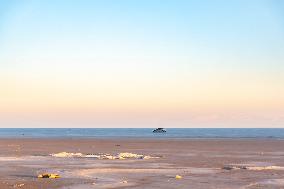
A view shows scattered rocks and shallow water in parts of Lake Urmia in northwestern Iran on December 18, 2025. Lake Urmia, once the largest lake in the Middle East, has dramatically shrunk due to prolonged drought, the damming of rivers feeding the lake, and extensive groundwater extraction in the surrounding area. Although increased rainfall and water diversion briefly helped restore water levels in 2019, renewed drought and administrative mismanagement in the early 2020s reversed the trend, and satellite imagery shows the lake has almost entirely dried up by September 2025. Photo by Morteza Aminoroayayi/Middle East Images/ABACAPRESS.COM

  •  

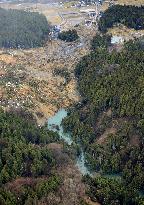
[Breaking News]Aftermath of strong quake in central Japan

Video taken from a Kyodo News helicopter on Feb. 7, 2024, shows a landslide damming up a river in Wajima, Ishikawa Prefecture, following a strong quake in central Japan on Jan. 1.

  •  
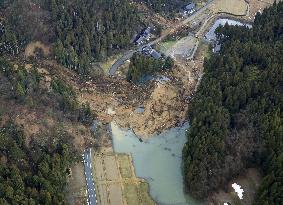
Aftermath of strong quake in central Japan

Aftermath of strong quake in central Japan

Photo taken from a Kyodo News helicopter on Feb. 7, 2024, shows a landslide damming up a river in Wajima, Ishikawa Prefecture, following a strong quake in central Japan on Jan. 1.

  •  
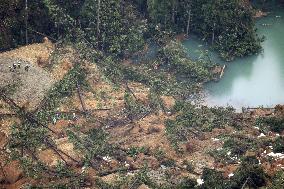
Aftermath of strong quake in central Japan

Aftermath of strong quake in central Japan

Photo taken from a Kyodo News helicopter on Feb. 7, 2024, shows a landslide damming up a river in Wajima, Ishikawa Prefecture, following a strong quake in central Japan on Jan. 1.

  •  
Aftermath of strong quake in central Japan

Aftermath of strong quake in central Japan

Photo taken from a Kyodo News helicopter on Feb. 7, 2024, shows a landslide damming up a river in Wajima, Ishikawa Prefecture, following a strong quake in central Japan on Jan. 1.

  •  
Extreme Drought Conditions Continue In Southern Alberta - Canada

Extreme Drought Conditions Continue In Southern Alberta - Canada

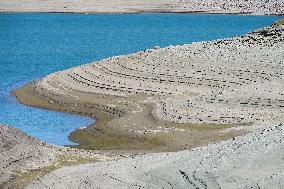
St. Mary Reservoir, shown near Magrath, Alberta, Canada on Tuesday, July 25, 2023, is a reservoir with a low water table due to little rain and high temperatures in southwestern Alberta. It was created for irrigation purposes by the damming of the St. Mary River, which was completed in 1951. Photo by Todd Korol/CP/ABACAPRESS.COM

  •  
Extreme Drought Conditions Continue In Southern Alberta - Canada

Extreme Drought Conditions Continue In Southern Alberta - Canada

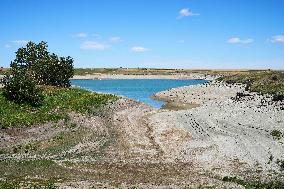
St. Mary Reservoir, shown near Magrath, Alberta, Canada on Tuesday, July 25, 2023, is a reservoir with a low water table due to little rain and high temperatures in southwestern Alberta. It was created for irrigation purposes by the damming of the St. Mary River, which was completed in 1951. Photo by Todd Korol/CP/ABACAPRESS.COM

  •  
Extreme Drought Conditions Continue In Southern Alberta - Canada

Extreme Drought Conditions Continue In Southern Alberta - Canada

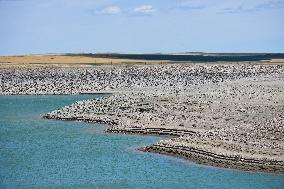
St. Mary Reservoir, shown near Magrath, Alberta, Canada on Tuesday, July 25, 2023, is a reservoir with a low water table due to little rain and high temperatures in southwestern Alberta. It was created for irrigation purposes by the damming of the St. Mary River, which was completed in 1951. Photo by Todd Korol/CP/ABACAPRESS.COM

  • Main
  • Top
  • Editorial
  • Creative
  • About Us
  • About ILG
  • Terms of use
  • Company
  • BEHIND
  • Price List
  • Single Plan
  • Monthly Plan
  • Services
  • Shooting
  • Rights Clearance
  • Support
  • FAQ
  • How To Buy
  • Contact Us
  • Become a Partner

© KYODO NEWS IMAGES INC

All Rights Reserved.

  • Editorial
  • Olympics
  • News
  • Sports
  • Japan
  • Tech
  • Royal
  • Disaster
  • NorthKorea
  • Old Japan
  • SNS
  • Creative
  • Food
  • Japan
  • Landscape
  • Animal
  • Popular
  • #Ukraine
  • #Thailand
  • #coronavirus
  • #N. Korea
  • #China
  • #Russia
  • #Ukraine
  • #Thailand
  • #coronavirus
  • #N. Korea
  • #China
  • #Russia
  • Food
  • Japan
  • Landscape
  • Animal
  • Olympics
  • News
  • Sports
  • Japan
  • Tech
  • Royal
  • Disaster
  • NorthKorea
  • Old Japan
  • SNS