•  
Analysis results of MS Estonia wreck

Analysis results of MS Estonia wreck

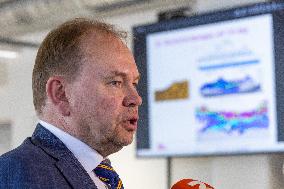
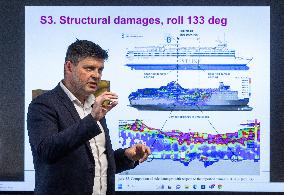
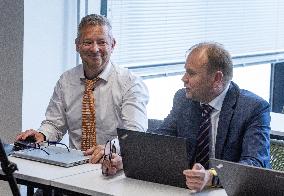
21.09.2023, Tallinn. Based on computational modeling by Tallinn University of Technology researchers, a report presented suggests that the Estonia's starboard side was damaged by the ship's collision with the seafloor. he study's lead author, Professor of Marine Structures and Technology Kristjan Tabri, explained that a computational method was used to simulate the ship's sinking and its impact with the seafloor, while assessing structural deformations and damage. On the photo head of the Estonian Safety Investigation Bureau Märt Ots. Photo Mihkel Maripuu, Postimees

  •  
Analysis results of MS Estonia wreck

Analysis results of MS Estonia wreck

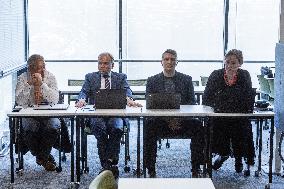
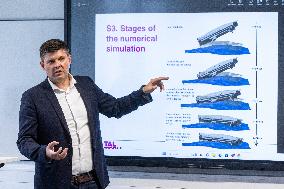
21.09.2023, Tallinn. Based on computational modeling by Tallinn University of Technology researchers, a report presented suggests that the Estonia's starboard side was damaged by the ship's collision with the seafloor. he study's lead author, Professor of Marine Structures and Technology Kristjan Tabri, explained that a computational method was used to simulate the ship's sinking and its impact with the seafloor, while assessing structural deformations and damage. On the photo head of the Estonian Safety Investigation Bureau Märt Ots (2nd left), deputy head of the Swedish Accident Investigation Authority Jonas Bäckstrand (L). Photo Mihkel Maripuu, Postimees

  •  
Analysis results of MS Estonia wreck

Analysis results of MS Estonia wreck

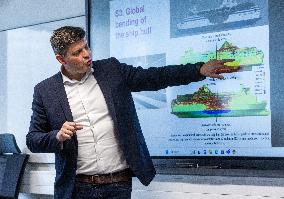
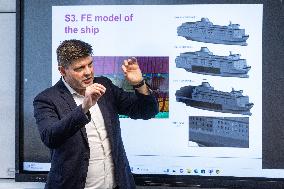
21.09.2023, Tallinn. Based on computational modeling by Tallinn University of Technology researchers, a report presented suggests that the Estonia's starboard side was damaged by the ship's collision with the seafloor. he study's lead author, Professor of Marine Structures and Technology Kristjan Tabri, explained that a computational method was used to simulate the ship's sinking and its impact with the seafloor, while assessing structural deformations and damage. Photo Mihkel Maripuu, Postimees

  •  
Analysis results of MS Estonia wreck

Analysis results of MS Estonia wreck

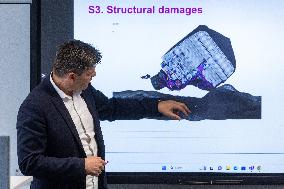
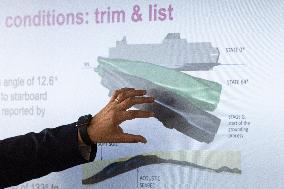
21.09.2023, Tallinn. Based on computational modeling by Tallinn University of Technology researchers, a report presented suggests that the Estonia's starboard side was damaged by the ship's collision with the seafloor. he study's lead author, Professor of Marine Structures and Technology Kristjan Tabri, explained that a computational method was used to simulate the ship's sinking and its impact with the seafloor, while assessing structural deformations and damage. Photo Mihkel Maripuu, Postimees

  •  
Analysis results of MS Estonia wreck

Analysis results of MS Estonia wreck

21.09.2023, Tallinn. Based on computational modeling by Tallinn University of Technology researchers, a report presented suggests that the Estonia's starboard side was damaged by the ship's collision with the seafloor. he study's lead author, Professor of Marine Structures and Technology Kristjan Tabri, explained that a computational method was used to simulate the ship's sinking and its impact with the seafloor, while assessing structural deformations and damage. Photo Mihkel Maripuu, Postimees

  •  
Analysis results of MS Estonia wreck

Analysis results of MS Estonia wreck

21.09.2023, Tallinn. Based on computational modeling by Tallinn University of Technology researchers, a report presented suggests that the Estonia's starboard side was damaged by the ship's collision with the seafloor. he study's lead author, Professor of Marine Structures and Technology Kristjan Tabri, explained that a computational method was used to simulate the ship's sinking and its impact with the seafloor, while assessing structural deformations and damage. Photo Mihkel Maripuu, Postimees

  •  
Analysis results of MS Estonia wreck

Analysis results of MS Estonia wreck

21.09.2023, Tallinn. Based on computational modeling by Tallinn University of Technology researchers, a report presented suggests that the Estonia's starboard side was damaged by the ship's collision with the seafloor. he study's lead author, Professor of Marine Structures and Technology Kristjan Tabri, explained that a computational method was used to simulate the ship's sinking and its impact with the seafloor, while assessing structural deformations and damage. Photo Mihkel Maripuu, Postimees

  •  
Analysis results of MS Estonia wreck

Analysis results of MS Estonia wreck

21.09.2023, Tallinn. Based on computational modeling by Tallinn University of Technology researchers, a report presented suggests that the Estonia's starboard side was damaged by the ship's collision with the seafloor. he study's lead author, Professor of Marine Structures and Technology Kristjan Tabri, explained that a computational method was used to simulate the ship's sinking and its impact with the seafloor, while assessing structural deformations and damage. Photo Mihkel Maripuu, Postimees

  •  
Analysis results of MS Estonia wreck

Analysis results of MS Estonia wreck

21.09.2023, Tallinn. Based on computational modeling by Tallinn University of Technology researchers, a report presented suggests that the Estonia's starboard side was damaged by the ship's collision with the seafloor. he study's lead author, Professor of Marine Structures and Technology Kristjan Tabri, explained that a computational method was used to simulate the ship's sinking and its impact with the seafloor, while assessing structural deformations and damage. On the photo head of the Estonian Safety Investigation Bureau Märt Ots (R), deputy head of the Swedish Accident Investigation Authority Jonas Bäckstrand (L). Photo Mihkel Maripuu, Postimees

  •  
Drainage ditch inspection robot for muddy water

Drainage ditch inspection robot for muddy water

Sanritsu Automation (Machida City, Tokyo), Aichi Institute of Technology, Tokyo Metropolitan Industrial Technology Research Institute, and others have developed an inspection robot that can operate in water and mud. Any distortions or deformations, such as pipes collapsing vertically, will be detected and reflected in the maintenance plan. The aircraft is 39 cm wide, 72 cm long, and 40 cm high, and the angle sensor on the aircraft can measure the inclination of water pipes in 1 degree increments. The angle of the concrete structure of the waterway and the angle of the joints will be measured to check the drainage performance. Drainage ditches of less than 60 cm in width were difficult for humans to enter, and it was necessary to check the amount of oxygen and whether gas was stagnant. After confirming its running and survey performance, the company will proceed with commercialization. (= November 14, 2019, photo credit: Nikkan Kogyo Shimbun / Kyodo News Images)

  • Main
  • Top
  • Editorial
  • Creative
  • About Us
  • About ILG
  • Terms of use
  • Company
  • BEHIND
  • Price List
  • Single Plan
  • Monthly Plan
  • Services
  • Shooting
  • Rights Clearance
  • Support
  • FAQ
  • How To Buy
  • Contact Us
  • Become a Partner

© KYODO NEWS IMAGES INC

All Rights Reserved.

  • Editorial
  • Olympics
  • News
  • Sports
  • Japan
  • Tech
  • Royal
  • Disaster
  • NorthKorea
  • Old Japan
  • SNS
  • Creative
  • Food
  • Japan
  • Landscape
  • Animal
  • Popular
  • #Ukraine
  • #Russia
  • #coronavirus
  • #N. Korea
  • #Thailand
  • #China
  • #Ukraine
  • #Russia
  • #coronavirus
  • #N. Korea
  • #Thailand
  • #China
  • Food
  • Japan
  • Landscape
  • Animal
  • Olympics
  • News
  • Sports
  • Japan
  • Tech
  • Royal
  • Disaster
  • NorthKorea
  • Old Japan
  • SNS