•  

Australia: Ex-Tropical Cyclone Koji Leaves Widespread Destruction in Queensland

The slow-moving system swept across the Central Highlands and Coalfield regions on Monday, January 12. Wind gusts reached 113 km/h on Hamilton Island. Early estimates suggest that more than 48,000 livestock have perished in the floods, which continue to inundate vast areas of Queensland—stretching from the coast at Mackay, 1,000 kilometres west to Cloncurry, and north to Townsville and Cairns. Central Queensland is the latest region to feel the impact of Ex-Tropical Cyclone Koji, with Clermont recently enduring its heaviest rainfall in 110 years.

  •  

Chile: Flight to Punta Arenas Captures Smoke From Argentina Wildfires

A video taken from a flight to Punta Arenas shows thick smoke from wildfires in Argentina drifting over the area near Lake Todos los Santos in Los Lagos, southern Chile on Wednesday, January 14.

  •  

South Africa: Heavy Rains Trigger Flood Warnings in Limpopo, Mpumalanga 3

Heavy rains batter northern and eastern South Africa, with flood warnings issued for Limpopo and Mpumalanga, and Kruger National Park partially closed as rivers rise. Residents are urged to stay alert.

  •  

South Africa: Heavy Rains Trigger Flood Warnings in Limpopo, Mpumalanga

Heavy rains batter northern and eastern South Africa, with flood warnings issued for Limpopo and Mpumalanga, and Kruger National Park partially closed as rivers rise. Residents are urged to stay alert.

  •  

South Africa: Heavy Rains Trigger Flood Warnings in Limpopo, Mpumalanga 2

Heavy rains batter northern and eastern South Africa, with flood warnings issued for Limpopo and Mpumalanga, and Kruger National Park partially closed as rivers rise. Residents are urged to stay alert.

  •  

Australia: Three Missing in Victoria as Heatwave Fuels Catastrophic Fire Conditions

Three people, including a child, have been reported missing after a home burned down in Longwood on Friday, January 9, as catastrophic bushfires sweep through Victoria and South Australia. Authorities remain on high alert with dozens of towns under threat and multiple properties already destroyed by the out-of-control blazes.

  •  
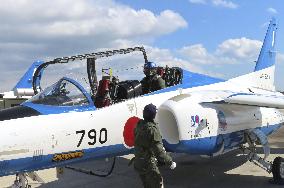
Police march in Tokyo to mark new year

Police march in Tokyo to mark new year

Members of a Tokyo Metropolitan Police Department special counter-disaster unit take part in an annual march to mark the new year in the Japanese capital on Jan. 9, 2026.

  •  
Heavy Rains that Have Been Impacting Madagascar Since Late November Last Year

Heavy Rains that Have Been Impacting Madagascar Since Late November Last Year

Vendors sell fruits alongside a flooded street in a neighborhood in Antananarivo, the capital of Madagascar, on January 7, 2026. Heavy rains that have been impacting Madagascar since late November last year have caused the deaths of 11 people and left six others injured, according to a report released Tuesday by the country's disaster management agency. The capital, Antananarivo, is among the areas hardest hit. A total of 274 people have been affected, with 26 residential houses damaged or destroyed, said the National Office for Risk and Disaster Management. Located in the western Indian Ocean, Madagascar typically experiences its rainy season from November to March. The accompanying severe weather often causes loss of life, displaces residents, and floods vast areas of agricultural land. Photo by Sitraka Rajaonarison/Xinhua/ABACAPRESS.COM

  •  
Heavy Rains that Have Been Impacting Madagascar Since Late November Last Year

Heavy Rains that Have Been Impacting Madagascar Since Late November Last Year

Vendors sell fruits alongside a flooded street in a neighborhood in Antananarivo, the capital of Madagascar, on January 7, 2026. Heavy rains that have been impacting Madagascar since late November last year have caused the deaths of 11 people and left six others injured, according to a report released Tuesday by the country's disaster management agency. The capital, Antananarivo, is among the areas hardest hit. A total of 274 people have been affected, with 26 residential houses damaged or destroyed, said the National Office for Risk and Disaster Management. Located in the western Indian Ocean, Madagascar typically experiences its rainy season from November to March. The accompanying severe weather often causes loss of life, displaces residents, and floods vast areas of agricultural land. Photo by Sitraka Rajaonarison/Xinhua/ABACAPRESS.COM

  •  
Heavy Rains that Have Been Impacting Madagascar Since Late November Last Year

Heavy Rains that Have Been Impacting Madagascar Since Late November Last Year

Vendors sell fruits alongside a flooded street in a neighborhood in Antananarivo, the capital of Madagascar, on January 7, 2026. Heavy rains that have been impacting Madagascar since late November last year have caused the deaths of 11 people and left six others injured, according to a report released Tuesday by the country's disaster management agency. The capital, Antananarivo, is among the areas hardest hit. A total of 274 people have been affected, with 26 residential houses damaged or destroyed, said the National Office for Risk and Disaster Management. Located in the western Indian Ocean, Madagascar typically experiences its rainy season from November to March. The accompanying severe weather often causes loss of life, displaces residents, and floods vast areas of agricultural land. Photo by Sitraka Rajaonarison/Xinhua/ABACAPRESS.COM

  •  
Heavy Rains that Have Been Impacting Madagascar Since Late November Last Year

Heavy Rains that Have Been Impacting Madagascar Since Late November Last Year

People cross a flooded street in a neighborhood in Antananarivo, the capital of Madagascar, on January 7, 2026. Heavy rains that have been impacting Madagascar since late November last year have caused the deaths of 11 people and left six others injured, according to a report released Tuesday by the country's disaster management agency. The capital, Antananarivo, is among the areas hardest hit. A total of 274 people have been affected, with 26 residential houses damaged or destroyed, said the National Office for Risk and Disaster Management. Located in the western Indian Ocean, Madagascar typically experiences its rainy season from November to March. The accompanying severe weather often causes loss of life, displaces residents, and floods vast areas of agricultural land. Photo by Sitraka Rajaonarison/Xinhua/ABACAPRESS.COM

  •  
Heavy Rains that Have Been Impacting Madagascar Since Late November Last Year

Heavy Rains that Have Been Impacting Madagascar Since Late November Last Year

People walk through floodwaters in a neighborhood in Antananarivo, the capital of Madagascar, on January 7, 2026. Heavy rains that have been impacting Madagascar since late November last year have caused the deaths of 11 people and left six others injured, according to a report released Tuesday by the country's disaster management agency. The capital, Antananarivo, is among the areas hardest hit. A total of 274 people have been affected, with 26 residential houses damaged or destroyed, said the National Office for Risk and Disaster Management. Located in the western Indian Ocean, Madagascar typically experiences its rainy season from November to March. The accompanying severe weather often causes loss of life, displaces residents, and floods vast areas of agricultural land. Photo by Sitraka Rajaonarison/Xinhua/ABACAPRESS.COM

  •  
Heavy Rains that Have Been Impacting Madagascar Since Late November Last Year

Heavy Rains that Have Been Impacting Madagascar Since Late November Last Year

People travel by cart to wade through floodwaters in Antananarivo, the capital of Madagascar, on January 7, 2026. Heavy rains that have been impacting Madagascar since late November last year have caused the deaths of 11 people and left six others injured, according to a report released Tuesday by the country's disaster management agency. The capital, Antananarivo, is among the areas hardest hit. A total of 274 people have been affected, with 26 residential houses damaged or destroyed, said the National Office for Risk and Disaster Management. Located in the western Indian Ocean, Madagascar typically experiences its rainy season from November to March. The accompanying severe weather often causes loss of life, displaces residents, and floods vast areas of agricultural land. Photo by Sitraka Rajaonarison/Xinhua/ABACAPRESS.COM

  •  

Japan: M6.2 Earthquake Causes Damage in Shimane

A series of earthquakes, including one with a maximum magnitude of 6.2, struck western Japan on Tuesday, January 6, with epicenters in eastern Shimane Prefecture. Authorities said there was no tsunami threat. This video shows a landslide triggered by the quake at a residential property in Yasugi City, eastern Shimane.

  •  

Japan: M6.2 Earthquake Strikes Shimane Prefecture, No Tsunami Threat 4

A series of earthquakes, with a maximum magnitude of 6.2, struck western Japan on Tuesday, January 6, with the epicenters located in eastern Shimane Prefecture. Authorities state there is no threat of a tsunami resulting from these quakes.

  •  

Japan: M6.2 Earthquake Strikes Shimane Prefecture, No Tsunami Threat 3

A series of earthquakes, with a maximum magnitude of 6.2, struck western Japan on Tuesday, January 6, with the epicenters located in eastern Shimane Prefecture. Authorities state there is no threat of a tsunami resulting from these quakes.

  •  

Japan: M6.2 Earthquake Strikes Shimane Prefecture, No Tsunami Threat

A magnitude 6.2 earthquake struck western Japan on Tuesday, January 6, at 10:18 a.m. local time, with its epicenter located in eastern Shimane Prefecture. Authorities state there is no threat of a tsunami resulting from this quake.

  •  

[Breaking News]TEPCO to reboot 1st reactor since Fukushima disaster

TOKYO, Japan, Dec. 25 Kyodo - Tokyo Electric Power Company Holdings Inc. President Tomoaki Kobayakawa speaks at a press conference at the company's headquarters in Tokyo on Dec. 24, 2025. TEPCO plans to restart the No. 6 unit at the Kashiwazaki-Kariwa nuclear complex in Niigata Prefecture on Jan. 20, the utility's first reactor reboot since the 2011 disaster at the Fukushima Daiichi nuclear complex. (Kyodo)

  •  
Lake Urmia Environmental Disaster - Iran

Lake Urmia Environmental Disaster - Iran

A view shows dry reeds on the dry bed of Lake Urmia in northwestern Iran on December 20, 2025. Lake Urmia, once the largest lake in the Middle East, has dramatically shrunk due to prolonged drought, the damming of rivers feeding the lake, and extensive groundwater extraction in the surrounding area. Although increased rainfall and water diversion briefly helped restore water levels in 2019, renewed drought and administrative mismanagement in the early 2020s reversed the trend, and satellite imagery shows the lake has almost entirely dried up by September 2025. Photo by Morteza Aminoroayayi/Middle East Images/ABACAPRESS.COM

  •  
Lake Urmia Environmental Disaster - Iran

Lake Urmia Environmental Disaster - Iran

A view shows a wooden pier on the dry bed of Lake Urmia in northwestern Iran on December 20, 2025. Lake Urmia, once the largest lake in the Middle East, has dramatically shrunk due to prolonged drought, the damming of rivers feeding the lake, and extensive groundwater extraction in the surrounding area. Although increased rainfall and water diversion briefly helped restore water levels in 2019, renewed drought and administrative mismanagement in the early 2020s reversed the trend, and satellite imagery shows the lake has almost entirely dried up by September 2025. Photo by Morteza Aminoroayayi/Middle East Images/ABACAPRESS.COM

  •  
Lake Urmia Environmental Disaster - Iran

Lake Urmia Environmental Disaster - Iran

A view shows a wooden pier on the dry bed of Lake Urmia in northwestern Iran on December 20, 2025. Lake Urmia, once the largest lake in the Middle East, has dramatically shrunk due to prolonged drought, the damming of rivers feeding the lake, and extensive groundwater extraction in the surrounding area. Although increased rainfall and water diversion briefly helped restore water levels in 2019, renewed drought and administrative mismanagement in the early 2020s reversed the trend, and satellite imagery shows the lake has almost entirely dried up by September 2025. Photo by Morteza Aminoroayayi/Middle East Images/ABACAPRESS.COM

  •  
Lake Urmia Environmental Disaster - Iran

Lake Urmia Environmental Disaster - Iran

A view shows a mural depicting a landscape painted on a concrete wall near Sharafkhaneh port at Lake Urmia in northwestern Iran on December 19, 2025. Lake Urmia, once the largest lake in the Middle East, has dramatically shrunk due to prolonged drought, the damming of rivers feeding the lake, and extensive groundwater extraction in the surrounding area. Although increased rainfall and water diversion briefly helped restore water levels in 2019, renewed drought and administrative mismanagement in the early 2020s reversed the trend, and satellite imagery shows the lake has almost entirely dried up by September 2025. Photo by Morteza Aminoroayayi/Middle East Images/ABACAPRESS.COM

  •  
Lake Urmia Environmental Disaster - Iran

Lake Urmia Environmental Disaster - Iran

A view shows dry grass and the dry bed of Lake Urmia in northwestern Iran on December 20, 2025. Lake Urmia, once the largest lake in the Middle East, has dramatically shrunk due to prolonged drought, the damming of rivers feeding the lake, and extensive groundwater extraction in the surrounding area. Although increased rainfall and water diversion briefly helped restore water levels in 2019, renewed drought and administrative mismanagement in the early 2020s reversed the trend, and satellite imagery shows the lake has almost entirely dried up by September 2025. Photo by Morteza Aminoroayayi/Middle East Images/ABACAPRESS.COM

  •  
Lake Urmia Environmental Disaster - Iran

Lake Urmia Environmental Disaster - Iran

A view shows the dry bed of Lake Urmia in northwestern Iran on December 19, 2025. Lake Urmia, once the largest lake in the Middle East, has dramatically shrunk due to prolonged drought, the damming of rivers feeding the lake, and extensive groundwater extraction in the surrounding area. Although increased rainfall and water diversion briefly helped restore water levels in 2019, renewed drought and administrative mismanagement in the early 2020s reversed the trend, and satellite imagery shows the lake has almost entirely dried up by September 2025. Photo by Morteza Aminoroayayi/Middle East Images/ABACAPRESS.COM

  •  
Lake Urmia Environmental Disaster - Iran

Lake Urmia Environmental Disaster - Iran

A view shows a rusty sign next to a wooden pier on the dry bed of Lake Urmia in northwestern Iran on December 20, 2025. Lake Urmia, once the largest lake in the Middle East, has dramatically shrunk due to prolonged drought, the damming of rivers feeding the lake, and extensive groundwater extraction in the surrounding area. Although increased rainfall and water diversion briefly helped restore water levels in 2019, renewed drought and administrative mismanagement in the early 2020s reversed the trend, and satellite imagery shows the lake has almost entirely dried up by September 2025. Photo by Morteza Aminoroayayi/Middle East Images/ABACAPRESS.COM

  •  
Lake Urmia Environmental Disaster - Iran

Lake Urmia Environmental Disaster - Iran

A view shows a shallow stream near a rocky cliff on the bed of Lake Urmia in northwestern Iran on December 19, 2025. Lake Urmia, once the largest lake in the Middle East, has dramatically shrunk due to prolonged drought, the damming of rivers feeding the lake, and extensive groundwater extraction in the surrounding area. Although increased rainfall and water diversion briefly helped restore water levels in 2019, renewed drought and administrative mismanagement in the early 2020s reversed the trend, and satellite imagery shows the lake has almost entirely dried up by September 2025. Photo by Morteza Aminoroayayi/Middle East Images/ABACAPRESS.COM

  •  
Lake Urmia Environmental Disaster - Iran

Lake Urmia Environmental Disaster - Iran

A view shows a wooden pier on the dry bed of Lake Urmia in northwestern Iran on December 20, 2025. Lake Urmia, once the largest lake in the Middle East, has dramatically shrunk due to prolonged drought, the damming of rivers feeding the lake, and extensive groundwater extraction in the surrounding area. Although increased rainfall and water diversion briefly helped restore water levels in 2019, renewed drought and administrative mismanagement in the early 2020s reversed the trend, and satellite imagery shows the lake has almost entirely dried up by September 2025. Photo by Morteza Aminoroayayi/Middle East Images/ABACAPRESS.COM

  •  
Lake Urmia Environmental Disaster - Iran

Lake Urmia Environmental Disaster - Iran

A view shows tire tracks running alongside a shallow stream on the bed of Lake Urmia in northwestern Iran on December 19, 2025. Lake Urmia, once the largest lake in the Middle East, has dramatically shrunk due to prolonged drought, the damming of rivers feeding the lake, and extensive groundwater extraction in the surrounding area. Although increased rainfall and water diversion briefly helped restore water levels in 2019, renewed drought and administrative mismanagement in the early 2020s reversed the trend, and satellite imagery shows the lake has almost entirely dried up by September 2025. Photo by Morteza Aminoroayayi/Middle East Images/ABACAPRESS.COM

  •  
Lake Urmia Environmental Disaster - Iran

Lake Urmia Environmental Disaster - Iran

Salt formations cover the cracked surface of the dried bed of Lake Urmia in northwestern Iran on December 19, 2025. Lake Urmia, once the largest lake in the Middle East, has dramatically shrunk due to prolonged drought, the damming of rivers feeding the lake and extensive groundwater extraction in the surrounding area. Although increased rainfall and water diversion briefly helped restore water levels in 2019, renewed drought and administrative mismanagement in the early 2020s reversed the trend, and satellite imagery shows the lake has almost entirely dried up by September 2025. Photo by Morteza Aminoroayayi/Middle East Images/ABACAPRESS.COM

  •  
Lake Urmia Environmental Disaster - Iran

Lake Urmia Environmental Disaster - Iran

A discarded tire sits near dry reeds on the dry bed of Lake Urmia in northwestern Iran on December 20, 2025. Lake Urmia, once the largest lake in the Middle East, has dramatically shrunk due to prolonged drought, the damming of rivers feeding the lake, and extensive groundwater extraction in the surrounding area. Although increased rainfall and water diversion briefly helped restore water levels in 2019, renewed drought and administrative mismanagement in the early 2020s reversed the trend, and satellite imagery shows the lake has almost entirely dried up by September 2025. Photo by Morteza Aminoroayayi/Middle East Images/ABACAPRESS.COM

  •  
Lake Urmia Environmental Disaster - Iran

Lake Urmia Environmental Disaster - Iran

Remnants of a boat sit on the dry bed of Lake Urmia in northwestern Iran on December 19, 2025. Lake Urmia, once the largest lake in the Middle East, has dramatically shrunk due to prolonged drought, the damming of rivers feeding the lake, and extensive groundwater extraction in the surrounding area. Although increased rainfall and water diversion briefly helped restore water levels in 2019, renewed drought and administrative mismanagement in the early 2020s reversed the trend, and satellite imagery shows the lake has almost entirely dried up by September 2025. Photo by Morteza Aminoroayayi/Middle East Images/ABACAPRESS.COM

  •  
Lake Urmia Environmental Disaster - Iran

Lake Urmia Environmental Disaster - Iran

A shepherd guides a flock of sheep on the dry bed of Lake Urmia in northwestern Iran on December 20, 2025. Lake Urmia, once the largest lake in the Middle East, has dramatically shrunk due to prolonged drought, the damming of rivers feeding the lake, and extensive groundwater extraction in the surrounding area. Although increased rainfall and water diversion briefly helped restore water levels in 2019, renewed drought and administrative mismanagement in the early 2020s reversed the trend, and satellite imagery shows the lake has almost entirely dried up by September 2025. Photo by Morteza Aminoroayayi/Middle East Images/ABACAPRESS.COM

  •  
Lake Urmia Environmental Disaster - Iran

Lake Urmia Environmental Disaster - Iran

A car drives near a rocky cliff on the dry bed of Lake Urmia in northwestern Iran on December 19, 2025. Lake Urmia, once the largest lake in the Middle East, has dramatically shrunk due to prolonged drought, the damming of rivers feeding the lake, and extensive groundwater extraction in the surrounding area. Although increased rainfall and water diversion briefly helped restore water levels in 2019, renewed drought and administrative mismanagement in the early 2020s reversed the trend, and satellite imagery shows the lake has almost entirely dried up by September 2025. Photo by Morteza Aminoroayayi/Middle East Images/ABACAPRESS.COM

  •  
Lake Urmia Environmental Disaster - Iran

Lake Urmia Environmental Disaster - Iran

A rusty boat sits next to a road near Lake Urmia in northwestern Iran on December 20, 2025. Lake Urmia, once the largest lake in the Middle East, has dramatically shrunk due to prolonged drought, the damming of rivers feeding the lake, and extensive groundwater extraction in the surrounding area. Although increased rainfall and water diversion briefly helped restore water levels in 2019, renewed drought and administrative mismanagement in the early 2020s reversed the trend, and satellite imagery shows the lake has almost entirely dried up by September 2025. Photo by Morteza Aminoroayayi/Middle East Images/ABACAPRESS.COM

  •  
Lake Urmia Environmental Disaster - Iran

Lake Urmia Environmental Disaster - Iran

A view shows a wooden pier on the dry bed of Lake Urmia in northwestern Iran on December 19, 2025. Lake Urmia, once the largest lake in the Middle East, has dramatically shrunk due to prolonged drought, the damming of rivers feeding the lake, and extensive groundwater extraction in the surrounding area. Although increased rainfall and water diversion briefly helped restore water levels in 2019, renewed drought and administrative mismanagement in the early 2020s reversed the trend, and satellite imagery shows the lake has almost entirely dried up by September 2025. Photo by Morteza Aminoroayayi/Middle East Images/ABACAPRESS.COM

  •  
Lake Urmia Environmental Disaster - Iran

Lake Urmia Environmental Disaster - Iran

A man and two children stand near a car and a rocky cliff on the dry bed of Lake Urmia in northwestern Iran on December 19, 2025. Lake Urmia, once the largest lake in the Middle East, has dramatically shrunk due to prolonged drought, the damming of rivers feeding the lake, and extensive groundwater extraction in the surrounding area. Although increased rainfall and water diversion briefly helped restore water levels in 2019, renewed drought and administrative mismanagement in the early 2020s reversed the trend, and satellite imagery shows the lake has almost entirely dried up by September 2025. Photo by Morteza Aminoroayayi/Middle East Images/ABACAPRESS.COM

  •  
Lake Urmia Environmental Disaster - Iran

Lake Urmia Environmental Disaster - Iran

A view shows rows of wooden posts protruding from the dry bed of Lake Urmia in northwestern Iran on December 20, 2025. Lake Urmia, once the largest lake in the Middle East, has dramatically shrunk due to prolonged drought, the damming of rivers feeding the lake, and extensive groundwater extraction in the surrounding area. Although increased rainfall and water diversion briefly helped restore water levels in 2019, renewed drought and administrative mismanagement in the early 2020s reversed the trend, and satellite imagery shows the lake has almost entirely dried up by September 2025. Photo by Morteza Aminoroayayi/Middle East Images/ABACAPRESS.COM

  •  
Lake Urmia Environmental Disaster - Iran

Lake Urmia Environmental Disaster - Iran

A view shows murals depicting nature scenes painted on concrete walls near Sharafkhaneh port at Lake Urmia in northwestern Iran on December 19, 2025. Lake Urmia, once the largest lake in the Middle East, has dramatically shrunk due to prolonged drought, the damming of rivers feeding the lake, and extensive groundwater extraction in the surrounding area. Although increased rainfall and water diversion briefly helped restore water levels in 2019, renewed drought and administrative mismanagement in the early 2020s reversed the trend, and satellite imagery shows the lake has almost entirely dried up by September 2025. Photo by Morteza Aminoroayayi/Middle East Images/ABACAPRESS.COM

  •  
Lake Urmia Environmental Disaster - Iran

Lake Urmia Environmental Disaster - Iran

A view shows the dry bed of Lake Urmia in northwestern Iran on December 19, 2025. Lake Urmia, once the largest lake in the Middle East, has dramatically shrunk due to prolonged drought, the damming of rivers feeding the lake, and extensive groundwater extraction in the surrounding area. Although increased rainfall and water diversion briefly helped restore water levels in 2019, renewed drought and administrative mismanagement in the early 2020s reversed the trend, and satellite imagery shows the lake has almost entirely dried up by September 2025. Photo by Morteza Aminoroayayi/Middle East Images/ABACAPRESS.COM

  •  
Lake Urmia Environmental Disaster - Iran

Lake Urmia Environmental Disaster - Iran

A view shows a wooden pier on the dry bed of Lake Urmia in northwestern Iran on December 20, 2025. Lake Urmia, once the largest lake in the Middle East, has dramatically shrunk due to prolonged drought, the damming of rivers feeding the lake, and extensive groundwater extraction in the surrounding area. Although increased rainfall and water diversion briefly helped restore water levels in 2019, renewed drought and administrative mismanagement in the early 2020s reversed the trend, and satellite imagery shows the lake has almost entirely dried up by September 2025. Photo by Morteza Aminoroayayi/Middle East Images/ABACAPRESS.COM

  •  
Lake Urmia Environmental Disaster - Iran

Lake Urmia Environmental Disaster - Iran

A view shows reflections on the surface of Lake Urmia in northwestern Iran on December 18, 2025. Lake Urmia, once the largest lake in the Middle East, has dramatically shrunk due to prolonged drought, the damming of rivers feeding the lake, and extensive groundwater extraction in the surrounding area. Although increased rainfall and water diversion briefly helped restore water levels in 2019, renewed drought and administrative mismanagement in the early 2020s reversed the trend, and satellite imagery shows the lake has almost entirely dried up by September 2025. Photo by Morteza Aminoroayayi/Middle East Images/ABACAPRESS.COM

  •  
Lake Urmia Environmental Disaster - Iran

Lake Urmia Environmental Disaster - Iran

A car drives on the dry bed of Lake Urmia in northwestern Iran on December 19, 2025. Lake Urmia, once the largest lake in the Middle East, has dramatically shrunk due to prolonged drought, the damming of rivers feeding the lake, and extensive groundwater extraction in the surrounding area. Although increased rainfall and water diversion briefly helped restore water levels in 2019, renewed drought and administrative mismanagement in the early 2020s reversed the trend, and satellite imagery shows the lake has almost entirely dried up by September 2025. Photo by Morteza Aminoroayayi/Middle East Images/ABACAPRESS.COM

  •  
Lake Urmia Environmental Disaster - Iran

Lake Urmia Environmental Disaster - Iran

A view shows a mural depicting a landscape painted on a concrete wall near Sharafkhaneh port at Lake Urmia in northwestern Iran on December 19, 2025. Lake Urmia, once the largest lake in the Middle East, has dramatically shrunk due to prolonged drought, the damming of rivers feeding the lake, and extensive groundwater extraction in the surrounding area. Although increased rainfall and water diversion briefly helped restore water levels in 2019, renewed drought and administrative mismanagement in the early 2020s reversed the trend, and satellite imagery shows the lake has almost entirely dried up by September 2025. Photo by Morteza Aminoroayayi/Middle East Images/ABACAPRESS.COM

  •  
Lake Urmia Environmental Disaster - Iran

Lake Urmia Environmental Disaster - Iran

A view shows rows of wooden posts protruding from the dry bed of Lake Urmia in northwestern Iran on December 20, 2025. Lake Urmia, once the largest lake in the Middle East, has dramatically shrunk due to prolonged drought, the damming of rivers feeding the lake, and extensive groundwater extraction in the surrounding area. Although increased rainfall and water diversion briefly helped restore water levels in 2019, renewed drought and administrative mismanagement in the early 2020s reversed the trend, and satellite imagery shows the lake has almost entirely dried up by September 2025. Photo by Morteza Aminoroayayi/Middle East Images/ABACAPRESS.COM

  •  
Lake Urmia Environmental Disaster - Iran

Lake Urmia Environmental Disaster - Iran

Salt formations cover the cracked surface of the dried bed of Lake Urmia in northwestern Iran on December 19, 2025. Lake Urmia, once the largest lake in the Middle East, has dramatically shrunk due to prolonged drought, the damming of rivers feeding the lake and extensive groundwater extraction in the surrounding area. Although increased rainfall and water diversion briefly helped restore water levels in 2019, renewed drought and administrative mismanagement in the early 2020s reversed the trend, and satellite imagery shows the lake has almost entirely dried up by September 2025. Photo by Morteza Aminoroayayi/Middle East Images/ABACAPRESS.COM

  •  
Lake Urmia Environmental Disaster - Iran

Lake Urmia Environmental Disaster - Iran

Remains of a boat sits near the dry bed of Lake Urmia in northwestern Iran on December 20, 2025. Lake Urmia, once the largest lake in the Middle East, has dramatically shrunk due to prolonged drought, the damming of rivers feeding the lake, and extensive groundwater extraction in the surrounding area. Although increased rainfall and water diversion briefly helped restore water levels in 2019, renewed drought and administrative mismanagement in the early 2020s reversed the trend, and satellite imagery shows the lake has almost entirely dried up by September 2025. Photo by Morteza Aminoroayayi/Middle East Images/ABACAPRESS.COM

  •  
Lake Urmia Environmental Disaster - Iran

Lake Urmia Environmental Disaster - Iran

A car drives on the dry bed of Lake Urmia in northwestern Iran on December 19, 2025. Lake Urmia, once the largest lake in the Middle East, has dramatically shrunk due to prolonged drought, the damming of rivers feeding the lake, and extensive groundwater extraction in the surrounding area. Although increased rainfall and water diversion briefly helped restore water levels in 2019, renewed drought and administrative mismanagement in the early 2020s reversed the trend, and satellite imagery shows the lake has almost entirely dried up by September 2025. Photo by Morteza Aminoroayayi/Middle East Images/ABACAPRESS.COM

  •  
Lake Urmia Environmental Disaster - Iran

Lake Urmia Environmental Disaster - Iran

A view shows the dry bed of Lake Urmia in northwestern Iran on December 19, 2025. Lake Urmia, once the largest lake in the Middle East, has dramatically shrunk due to prolonged drought, the damming of rivers feeding the lake, and extensive groundwater extraction in the surrounding area. Although increased rainfall and water diversion briefly helped restore water levels in 2019, renewed drought and administrative mismanagement in the early 2020s reversed the trend, and satellite imagery shows the lake has almost entirely dried up by September 2025. Photo by Morteza Aminoroayayi/Middle East Images/ABACAPRESS.COM

  •  
Lake Urmia Environmental Disaster - Iran

Lake Urmia Environmental Disaster - Iran

A view shows scattered rocks and shallow water in parts of Lake Urmia in northwestern Iran on December 18, 2025. Lake Urmia, once the largest lake in the Middle East, has dramatically shrunk due to prolonged drought, the damming of rivers feeding the lake, and extensive groundwater extraction in the surrounding area. Although increased rainfall and water diversion briefly helped restore water levels in 2019, renewed drought and administrative mismanagement in the early 2020s reversed the trend, and satellite imagery shows the lake has almost entirely dried up by September 2025. Photo by Morteza Aminoroayayi/Middle East Images/ABACAPRESS.COM

  •  
New Year Celebrations in Indonesia

New Year Celebrations in Indonesia

A vibrant display of fireworks illuminates the night sky as citizens gather to welcome the New Year 2026. After a moment of solemn reflection and interfaith prayer for disaster recovery across Sumatra, the community looks forward with renewed hope and resilience. This celebration marks a transition toward a year of unity and strength for Indonesia.

  • Main
  • Top
  • Editorial
  • Creative
  • About Us
  • About ILG
  • Terms of use
  • Company
  • BEHIND
  • Price List
  • Single Plan
  • Monthly Plan
  • Services
  • Shooting
  • Rights Clearance
  • Support
  • FAQ
  • How To Buy
  • Contact Us
  • Become a Partner

© KYODO NEWS IMAGES INC

All Rights Reserved.

  • Editorial
  • Olympics
  • News
  • Sports
  • Japan
  • Tech
  • Royal
  • Disaster
  • NorthKorea
  • Old Japan
  • SNS
  • Creative
  • Food
  • Japan
  • Landscape
  • Animal
  • Popular
  • #Ukraine
  • #China
  • #coronavirus
  • #N. Korea
  • #Russia
  • #Thailand
  • #Ukraine
  • #China
  • #coronavirus
  • #N. Korea
  • #Russia
  • #Thailand
  • Food
  • Japan
  • Landscape
  • Animal
  • Olympics
  • News
  • Sports
  • Japan
  • Tech
  • Royal
  • Disaster
  • NorthKorea
  • Old Japan
  • SNS