•  
Japanese Veteran Visits China To Apologize - Harbin

Japanese Veteran Visits China To Apologize - Harbin

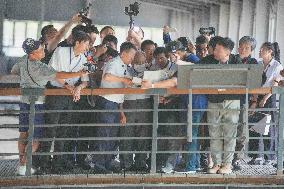
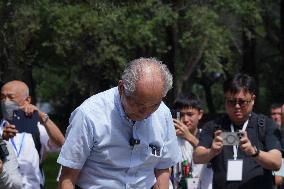
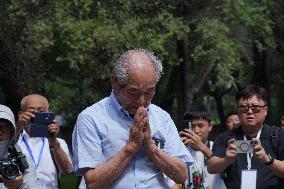
Hideo Shimizu (C) identifies the crimes of the Japanese germ-warfare at the former site of Unit 731 in Harbin, northeast China's Heilongjiang Province, August 13, 2024. Shimizu, a former member of Unit 731, the notorious Japanese germ-warfare detachment during World War II, identified the crimes of the Japanese army on Tuesday at the site where he served 79 years ago in China. Shimizu, 94, was among the last batch of Unit 731 Youth Corps members sent by Japan to Harbin, China, where he spent more than four months witnessing the war crimes committed by the unit, including the cultivation of pathogens, human dissections and human experiments. He fled China with the retreating Japanese forces on August 14, 1945. This visit is Shimizu's first return to Chinese soil in 79 years. Photo by Wang Jianwei/Xinhua/ABACAPRESS.COM

  •  
Japanese Veteran Visits China To Apologize - Harbin

Japanese Veteran Visits China To Apologize - Harbin

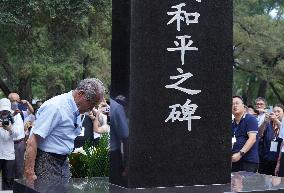
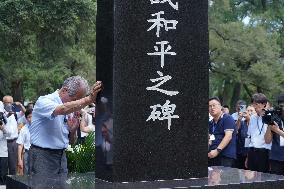
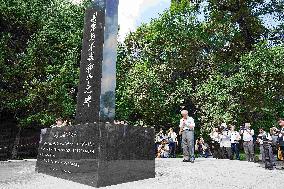
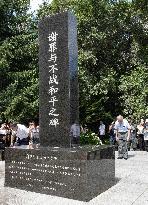
Hideo Shimizu (L) offers apology in front of an apology and anti-war monument at the former site of Unit 731 in Harbin, northeast China's Heilongjiang Province, August 13, 2024. Shimizu, a former member of Unit 731, the notorious Japanese germ-warfare detachment during World War II, identified the crimes of the Japanese army on Tuesday at the site where he served 79 years ago in China. Shimizu, 94, was among the last batch of Unit 731 Youth Corps members sent by Japan to Harbin, China, where he spent more than four months witnessing the war crimes committed by the unit, including the cultivation of pathogens, human dissections and human experiments. He fled China with the retreating Japanese forces on August 14, 1945. This visit is Shimizu's first return to Chinese soil in 79 years. Photo by Wang Song/Xinhua/ABACAPRESS.COM

  •  
Japanese Veteran Visits China To Apologize - Harbin

Japanese Veteran Visits China To Apologize - Harbin

Hideo Shimizu (C) identifies the crimes of the Japanese germ-warfare at the former site of Unit 731 in Harbin, northeast China's Heilongjiang Province, August 13, 2024. Shimizu, a former member of Unit 731, the notorious Japanese germ-warfare detachment during World War II, identified the crimes of the Japanese army on Tuesday at the site where he served 79 years ago in China. Shimizu, 94, was among the last batch of Unit 731 Youth Corps members sent by Japan to Harbin, China, where he spent more than four months witnessing the war crimes committed by the unit, including the cultivation of pathogens, human dissections and human experiments. He fled China with the retreating Japanese forces on August 14, 1945. This visit is Shimizu's first return to Chinese soil in 79 years. Photo by Wang Jianwei/Xinhua/ABACAPRESS.COM

  •  
Japanese Veteran Visits China To Apologize - Harbin

Japanese Veteran Visits China To Apologize - Harbin

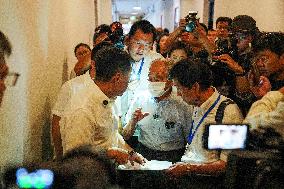
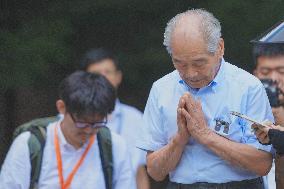
Hideo Shimizu identifies the crimes of the Japanese germ-warfare at the former site of Unit 731 in Harbin, northeast China's Heilongjiang Province, August 13, 2024. Shimizu, a former member of Unit 731, the notorious Japanese germ-warfare detachment during World War II, identified the crimes of the Japanese army on Tuesday at the site where he served 79 years ago in China. Shimizu, 94, was among the last batch of Unit 731 Youth Corps members sent by Japan to Harbin, China, where he spent more than four months witnessing the war crimes committed by the unit, including the cultivation of pathogens, human dissections and human experiments. He fled China with the retreating Japanese forces on August 14, 1945. This visit is Shimizu's first return to Chinese soil in 79 years. Photo by Wang Song/Xinhua/ABACAPRESS.COM

  •  
Japanese Veteran Visits China To Apologize - Harbin

Japanese Veteran Visits China To Apologize - Harbin

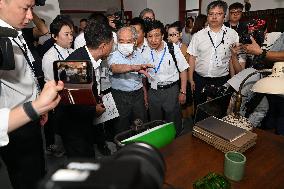
Hideo Shimizu (C) identifies the crimes of the Japanese germ-warfare at the former site of Unit 731 in Harbin, northeast China's Heilongjiang Province, August 13, 2024. Shimizu, a former member of Unit 731, the notorious Japanese germ-warfare detachment during World War II, identified the crimes of the Japanese army on Tuesday at the site where he served 79 years ago in China. Shimizu, 94, was among the last batch of Unit 731 Youth Corps members sent by Japan to Harbin, China, where he spent more than four months witnessing the war crimes committed by the unit, including the cultivation of pathogens, human dissections and human experiments. He fled China with the retreating Japanese forces on August 14, 1945. This visit is Shimizu's first return to Chinese soil in 79 years. Photo by Xie Jianfei/Xinhua/ABACAPRESS.COM

  •  
Japanese Veteran Visits China To Apologize - Harbin

Japanese Veteran Visits China To Apologize - Harbin

Hideo Shimizu offers apology in front of an apology and anti-war monument at the former site of Unit 731 in Harbin, northeast China's Heilongjiang Province, August 13, 2024. Shimizu, a former member of Unit 731, the notorious Japanese germ-warfare detachment during World War II, identified the crimes of the Japanese army on Tuesday at the site where he served 79 years ago in China. Shimizu, 94, was among the last batch of Unit 731 Youth Corps members sent by Japan to Harbin, China, where he spent more than four months witnessing the war crimes committed by the unit, including the cultivation of pathogens, human dissections and human experiments. He fled China with the retreating Japanese forces on August 14, 1945. This visit is Shimizu's first return to Chinese soil in 79 years. Photo by Wang Song/Xinhua/ABACAPRESS.COM

  •  
Japanese Veteran Visits China To Apologize - Harbin

Japanese Veteran Visits China To Apologize - Harbin

Hideo Shimizu offers apology in front of an apology and anti-war monument at the former site of Unit 731 in Harbin, northeast China's Heilongjiang Province, August 13, 2024. Shimizu, a former member of Unit 731, the notorious Japanese germ-warfare detachment during World War II, identified the crimes of the Japanese army on Tuesday at the site where he served 79 years ago in China. Shimizu, 94, was among the last batch of Unit 731 Youth Corps members sent by Japan to Harbin, China, where he spent more than four months witnessing the war crimes committed by the unit, including the cultivation of pathogens, human dissections and human experiments. He fled China with the retreating Japanese forces on August 14, 1945. This visit is Shimizu's first return to Chinese soil in 79 years. Photo by Wang Song/Xinhua/ABACAPRESS.COM

  •  
Japanese Veteran Visits China To Apologize - Harbin

Japanese Veteran Visits China To Apologize - Harbin

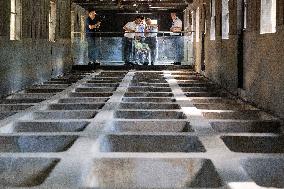
Hideo Shimizu (2nd R) takes pictures at the former site of Unit 731 in Harbin, northeast China's Heilongjiang Province, August 13, 2024. Shimizu, a former member of Unit 731, the notorious Japanese germ-warfare detachment during World War II, identified the crimes of the Japanese army on Tuesday at the site where he served 79 years ago in China. Shimizu, 94, was among the last batch of Unit 731 Youth Corps members sent by Japan to Harbin, China, where he spent more than four months witnessing the war crimes committed by the unit, including the cultivation of pathogens, human dissections and human experiments. He fled China with the retreating Japanese forces on August 14, 1945. This visit is Shimizu's first return to Chinese soil in 79 years. Photo by Xie Jianfei/Xinhua/ABACAPRESS.COM

  •  
Japanese Veteran Visits China To Apologize - Harbin

Japanese Veteran Visits China To Apologize - Harbin

Hideo Shimizu offers apology in front of an apology and anti-war monument at the former site of Unit 731 in Harbin, northeast China's Heilongjiang Province, August 13, 2024. Shimizu, a former member of Unit 731, the notorious Japanese germ-warfare detachment during World War II, identified the crimes of the Japanese army on Tuesday at the site where he served 79 years ago in China. Shimizu, 94, was among the last batch of Unit 731 Youth Corps members sent by Japan to Harbin, China, where he spent more than four months witnessing the war crimes committed by the unit, including the cultivation of pathogens, human dissections and human experiments. He fled China with the retreating Japanese forces on August 14, 1945. This visit is Shimizu's first return to Chinese soil in 79 years. Photo by Wang Jianwei/Xinhua/ABACAPRESS.COM

  •  
Japanese Veteran Visits China To Apologize - Harbin

Japanese Veteran Visits China To Apologize - Harbin

Hideo Shimizu offers apology in front of an apology and anti-war monument at the former site of Unit 731 in Harbin, northeast China's Heilongjiang Province, August 13, 2024. Shimizu, a former member of Unit 731, the notorious Japanese germ-warfare detachment during World War II, identified the crimes of the Japanese army on Tuesday at the site where he served 79 years ago in China. Shimizu, 94, was among the last batch of Unit 731 Youth Corps members sent by Japan to Harbin, China, where he spent more than four months witnessing the war crimes committed by the unit, including the cultivation of pathogens, human dissections and human experiments. He fled China with the retreating Japanese forces on August 14, 1945. This visit is Shimizu's first return to Chinese soil in 79 years. Photo by Xie Jianfei/Xinhua/ABACAPRESS.COM

  •  
Japanese Veteran Visits China To Apologize - Harbin

Japanese Veteran Visits China To Apologize - Harbin

Hideo Shimizu offers apology in front of an apology and anti-war monument at the former site of Unit 731 in Harbin, northeast China's Heilongjiang Province, August 13, 2024. Shimizu, a former member of Unit 731, the notorious Japanese germ-warfare detachment during World War II, identified the crimes of the Japanese army on Tuesday at the site where he served 79 years ago in China. Shimizu, 94, was among the last batch of Unit 731 Youth Corps members sent by Japan to Harbin, China, where he spent more than four months witnessing the war crimes committed by the unit, including the cultivation of pathogens, human dissections and human experiments. He fled China with the retreating Japanese forces on August 14, 1945. This visit is Shimizu's first return to Chinese soil in 79 years. Photo by Wang Song/Xinhua/ABACAPRESS.COM

  •  
Japanese Veteran Visits China To Apologize - Harbin

Japanese Veteran Visits China To Apologize - Harbin

Hideo Shimizu (2nd L, front) puts his palms together as he identifies the crimes of the Japanese germ-warfare at the former site of Unit 731 in Harbin, northeast China's Heilongjiang Province, August 13, 2024. Shimizu, a former member of Unit 731, the notorious Japanese germ-warfare detachment during World War II, identified the crimes of the Japanese army on Tuesday at the site where he served 79 years ago in China. Shimizu, 94, was among the last batch of Unit 731 Youth Corps members sent by Japan to Harbin, China, where he spent more than four months witnessing the war crimes committed by the unit, including the cultivation of pathogens, human dissections and human experiments. He fled China with the retreating Japanese forces on August 14, 1945. This visit is Shimizu's first return to Chinese soil in 79 years. Photo by Xie Jianfei/Xinhua/ABACAPRESS.COM

  •  
Japanese Veteran Visits China To Apologize - Harbin

Japanese Veteran Visits China To Apologize - Harbin

Hideo Shimizu offers apology in front of an apology and anti-war monument at the former site of Unit 731 in Harbin, northeast China's Heilongjiang Province, August 13, 2024. Shimizu, a former member of Unit 731, the notorious Japanese germ-warfare detachment during World War II, identified the crimes of the Japanese army on Tuesday at the site where he served 79 years ago in China. Shimizu, 94, was among the last batch of Unit 731 Youth Corps members sent by Japan to Harbin, China, where he spent more than four months witnessing the war crimes committed by the unit, including the cultivation of pathogens, human dissections and human experiments. He fled China with the retreating Japanese forces on August 14, 1945. This visit is Shimizu's first return to Chinese soil in 79 years. Photo by Wang Jianwei/Xinhua/ABACAPRESS.COM

  •  
Kyushu University museum refers to vivisection of U.S. POWs

Kyushu University museum refers to vivisection of U.S. POWs

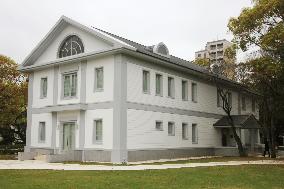
Photo taken April 4, 2015, shows a museum that opened the same day featuring over a century of the history of Kyushu University's medical school, including references to the infamous 1945 dissections of U.S. prisoners of war while they were still alive, located on the university's campus in the southwestern Japanese city of Fukuoka. (Kyodo) ==Kyodo

  •  
Kyushu University museum refers to vivisection of U.S. POWs

Kyushu University museum refers to vivisection of U.S. POWs

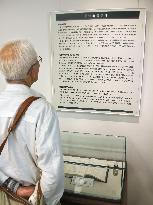
Photo taken April 4, 2015, shows a panel, explaining the infamous 1945 dissections of U.S. prisoners of war while they were still alive, at the medical history museum that opened the same day on Kyushu University's campus in the southwestern Japanese city of Fukuoka. (Kyodo) ==Kyodo

  • Main
  • Top
  • Editorial
  • Creative
  • About Us
  • About ILG
  • Terms of use
  • Company
  • BEHIND
  • Price List
  • Single Plan
  • Monthly Plan
  • Services
  • Shooting
  • Rights Clearance
  • Support
  • FAQ
  • How To Buy
  • Contact Us
  • Become a Partner

© KYODO NEWS IMAGES INC

All Rights Reserved.

  • Editorial
  • Olympics
  • News
  • Sports
  • Japan
  • Tech
  • Royal
  • Disaster
  • NorthKorea
  • Old Japan
  • SNS
  • Creative
  • Food
  • Japan
  • Landscape
  • Animal
  • Popular
  • #Ukraine
  • #Thailand
  • #coronavirus
  • #N. Korea
  • #China
  • #Russia
  • #Ukraine
  • #Thailand
  • #coronavirus
  • #N. Korea
  • #China
  • #Russia
  • Food
  • Japan
  • Landscape
  • Animal
  • Olympics
  • News
  • Sports
  • Japan
  • Tech
  • Royal
  • Disaster
  • NorthKorea
  • Old Japan
  • SNS