•  
Lake Urmia Environmental Disaster - Iran

Lake Urmia Environmental Disaster - Iran

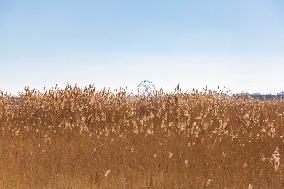
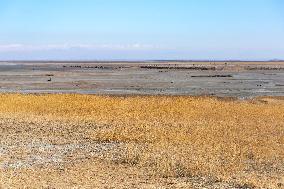
A view shows dry reeds on the dry bed of Lake Urmia in northwestern Iran on December 20, 2025. Lake Urmia, once the largest lake in the Middle East, has dramatically shrunk due to prolonged drought, the damming of rivers feeding the lake, and extensive groundwater extraction in the surrounding area. Although increased rainfall and water diversion briefly helped restore water levels in 2019, renewed drought and administrative mismanagement in the early 2020s reversed the trend, and satellite imagery shows the lake has almost entirely dried up by September 2025. Photo by Morteza Aminoroayayi/Middle East Images/ABACAPRESS.COM

  •  
Lake Urmia Environmental Disaster - Iran

Lake Urmia Environmental Disaster - Iran

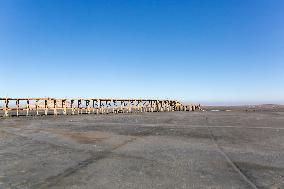
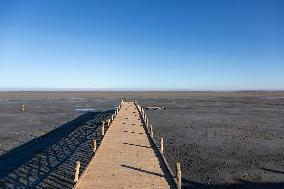
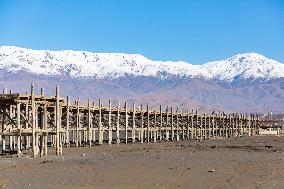
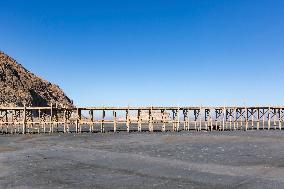
A view shows a wooden pier on the dry bed of Lake Urmia in northwestern Iran on December 20, 2025. Lake Urmia, once the largest lake in the Middle East, has dramatically shrunk due to prolonged drought, the damming of rivers feeding the lake, and extensive groundwater extraction in the surrounding area. Although increased rainfall and water diversion briefly helped restore water levels in 2019, renewed drought and administrative mismanagement in the early 2020s reversed the trend, and satellite imagery shows the lake has almost entirely dried up by September 2025. Photo by Morteza Aminoroayayi/Middle East Images/ABACAPRESS.COM

  •  
Lake Urmia Environmental Disaster - Iran

Lake Urmia Environmental Disaster - Iran

A view shows a wooden pier on the dry bed of Lake Urmia in northwestern Iran on December 20, 2025. Lake Urmia, once the largest lake in the Middle East, has dramatically shrunk due to prolonged drought, the damming of rivers feeding the lake, and extensive groundwater extraction in the surrounding area. Although increased rainfall and water diversion briefly helped restore water levels in 2019, renewed drought and administrative mismanagement in the early 2020s reversed the trend, and satellite imagery shows the lake has almost entirely dried up by September 2025. Photo by Morteza Aminoroayayi/Middle East Images/ABACAPRESS.COM

  •  
Lake Urmia Environmental Disaster - Iran

Lake Urmia Environmental Disaster - Iran

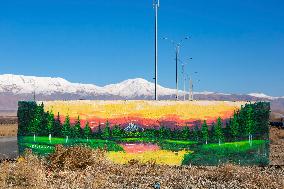
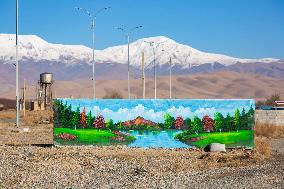
A view shows a mural depicting a landscape painted on a concrete wall near Sharafkhaneh port at Lake Urmia in northwestern Iran on December 19, 2025. Lake Urmia, once the largest lake in the Middle East, has dramatically shrunk due to prolonged drought, the damming of rivers feeding the lake, and extensive groundwater extraction in the surrounding area. Although increased rainfall and water diversion briefly helped restore water levels in 2019, renewed drought and administrative mismanagement in the early 2020s reversed the trend, and satellite imagery shows the lake has almost entirely dried up by September 2025. Photo by Morteza Aminoroayayi/Middle East Images/ABACAPRESS.COM

  •  
Lake Urmia Environmental Disaster - Iran

Lake Urmia Environmental Disaster - Iran

A view shows dry grass and the dry bed of Lake Urmia in northwestern Iran on December 20, 2025. Lake Urmia, once the largest lake in the Middle East, has dramatically shrunk due to prolonged drought, the damming of rivers feeding the lake, and extensive groundwater extraction in the surrounding area. Although increased rainfall and water diversion briefly helped restore water levels in 2019, renewed drought and administrative mismanagement in the early 2020s reversed the trend, and satellite imagery shows the lake has almost entirely dried up by September 2025. Photo by Morteza Aminoroayayi/Middle East Images/ABACAPRESS.COM

  •  
Lake Urmia Environmental Disaster - Iran

Lake Urmia Environmental Disaster - Iran

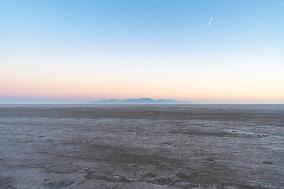
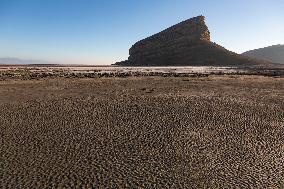
A view shows the dry bed of Lake Urmia in northwestern Iran on December 19, 2025. Lake Urmia, once the largest lake in the Middle East, has dramatically shrunk due to prolonged drought, the damming of rivers feeding the lake, and extensive groundwater extraction in the surrounding area. Although increased rainfall and water diversion briefly helped restore water levels in 2019, renewed drought and administrative mismanagement in the early 2020s reversed the trend, and satellite imagery shows the lake has almost entirely dried up by September 2025. Photo by Morteza Aminoroayayi/Middle East Images/ABACAPRESS.COM

  •  
Lake Urmia Environmental Disaster - Iran

Lake Urmia Environmental Disaster - Iran

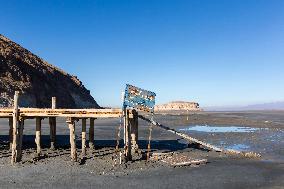
A view shows a rusty sign next to a wooden pier on the dry bed of Lake Urmia in northwestern Iran on December 20, 2025. Lake Urmia, once the largest lake in the Middle East, has dramatically shrunk due to prolonged drought, the damming of rivers feeding the lake, and extensive groundwater extraction in the surrounding area. Although increased rainfall and water diversion briefly helped restore water levels in 2019, renewed drought and administrative mismanagement in the early 2020s reversed the trend, and satellite imagery shows the lake has almost entirely dried up by September 2025. Photo by Morteza Aminoroayayi/Middle East Images/ABACAPRESS.COM

  •  
Lake Urmia Environmental Disaster - Iran

Lake Urmia Environmental Disaster - Iran

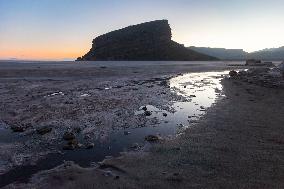
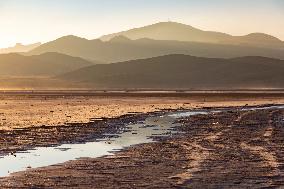
A view shows a shallow stream near a rocky cliff on the bed of Lake Urmia in northwestern Iran on December 19, 2025. Lake Urmia, once the largest lake in the Middle East, has dramatically shrunk due to prolonged drought, the damming of rivers feeding the lake, and extensive groundwater extraction in the surrounding area. Although increased rainfall and water diversion briefly helped restore water levels in 2019, renewed drought and administrative mismanagement in the early 2020s reversed the trend, and satellite imagery shows the lake has almost entirely dried up by September 2025. Photo by Morteza Aminoroayayi/Middle East Images/ABACAPRESS.COM

  •  
Lake Urmia Environmental Disaster - Iran

Lake Urmia Environmental Disaster - Iran

A view shows a wooden pier on the dry bed of Lake Urmia in northwestern Iran on December 20, 2025. Lake Urmia, once the largest lake in the Middle East, has dramatically shrunk due to prolonged drought, the damming of rivers feeding the lake, and extensive groundwater extraction in the surrounding area. Although increased rainfall and water diversion briefly helped restore water levels in 2019, renewed drought and administrative mismanagement in the early 2020s reversed the trend, and satellite imagery shows the lake has almost entirely dried up by September 2025. Photo by Morteza Aminoroayayi/Middle East Images/ABACAPRESS.COM

  •  
Lake Urmia Environmental Disaster - Iran

Lake Urmia Environmental Disaster - Iran

A view shows tire tracks running alongside a shallow stream on the bed of Lake Urmia in northwestern Iran on December 19, 2025. Lake Urmia, once the largest lake in the Middle East, has dramatically shrunk due to prolonged drought, the damming of rivers feeding the lake, and extensive groundwater extraction in the surrounding area. Although increased rainfall and water diversion briefly helped restore water levels in 2019, renewed drought and administrative mismanagement in the early 2020s reversed the trend, and satellite imagery shows the lake has almost entirely dried up by September 2025. Photo by Morteza Aminoroayayi/Middle East Images/ABACAPRESS.COM

  •  
Lake Urmia Environmental Disaster - Iran

Lake Urmia Environmental Disaster - Iran

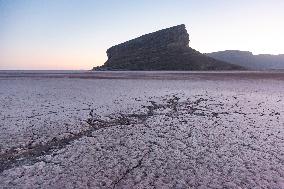
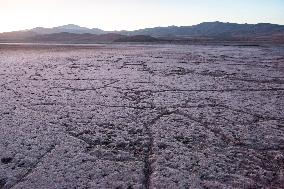
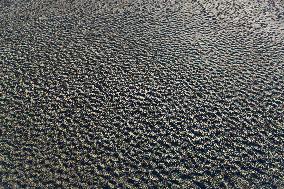
Salt formations cover the cracked surface of the dried bed of Lake Urmia in northwestern Iran on December 19, 2025. Lake Urmia, once the largest lake in the Middle East, has dramatically shrunk due to prolonged drought, the damming of rivers feeding the lake and extensive groundwater extraction in the surrounding area. Although increased rainfall and water diversion briefly helped restore water levels in 2019, renewed drought and administrative mismanagement in the early 2020s reversed the trend, and satellite imagery shows the lake has almost entirely dried up by September 2025. Photo by Morteza Aminoroayayi/Middle East Images/ABACAPRESS.COM

  •  
Lake Urmia Environmental Disaster - Iran

Lake Urmia Environmental Disaster - Iran

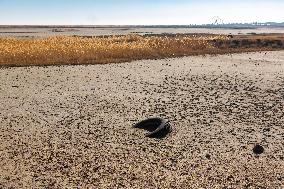
A discarded tire sits near dry reeds on the dry bed of Lake Urmia in northwestern Iran on December 20, 2025. Lake Urmia, once the largest lake in the Middle East, has dramatically shrunk due to prolonged drought, the damming of rivers feeding the lake, and extensive groundwater extraction in the surrounding area. Although increased rainfall and water diversion briefly helped restore water levels in 2019, renewed drought and administrative mismanagement in the early 2020s reversed the trend, and satellite imagery shows the lake has almost entirely dried up by September 2025. Photo by Morteza Aminoroayayi/Middle East Images/ABACAPRESS.COM

  •  
Lake Urmia Environmental Disaster - Iran

Lake Urmia Environmental Disaster - Iran

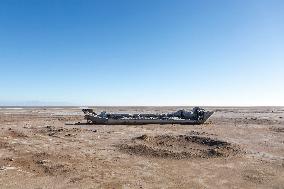
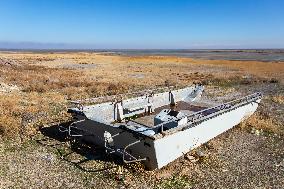
Remnants of a boat sit on the dry bed of Lake Urmia in northwestern Iran on December 19, 2025. Lake Urmia, once the largest lake in the Middle East, has dramatically shrunk due to prolonged drought, the damming of rivers feeding the lake, and extensive groundwater extraction in the surrounding area. Although increased rainfall and water diversion briefly helped restore water levels in 2019, renewed drought and administrative mismanagement in the early 2020s reversed the trend, and satellite imagery shows the lake has almost entirely dried up by September 2025. Photo by Morteza Aminoroayayi/Middle East Images/ABACAPRESS.COM

  •  
Lake Urmia Environmental Disaster - Iran

Lake Urmia Environmental Disaster - Iran

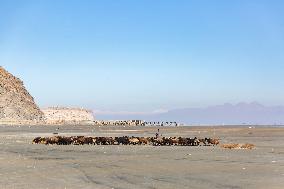
A shepherd guides a flock of sheep on the dry bed of Lake Urmia in northwestern Iran on December 20, 2025. Lake Urmia, once the largest lake in the Middle East, has dramatically shrunk due to prolonged drought, the damming of rivers feeding the lake, and extensive groundwater extraction in the surrounding area. Although increased rainfall and water diversion briefly helped restore water levels in 2019, renewed drought and administrative mismanagement in the early 2020s reversed the trend, and satellite imagery shows the lake has almost entirely dried up by September 2025. Photo by Morteza Aminoroayayi/Middle East Images/ABACAPRESS.COM

  •  
Lake Urmia Environmental Disaster - Iran

Lake Urmia Environmental Disaster - Iran

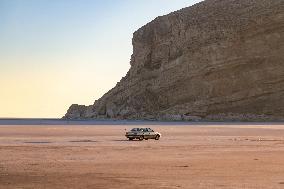
A car drives near a rocky cliff on the dry bed of Lake Urmia in northwestern Iran on December 19, 2025. Lake Urmia, once the largest lake in the Middle East, has dramatically shrunk due to prolonged drought, the damming of rivers feeding the lake, and extensive groundwater extraction in the surrounding area. Although increased rainfall and water diversion briefly helped restore water levels in 2019, renewed drought and administrative mismanagement in the early 2020s reversed the trend, and satellite imagery shows the lake has almost entirely dried up by September 2025. Photo by Morteza Aminoroayayi/Middle East Images/ABACAPRESS.COM

  •  
Lake Urmia Environmental Disaster - Iran

Lake Urmia Environmental Disaster - Iran

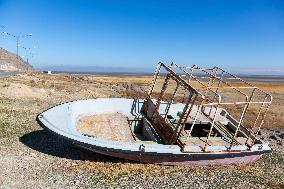
A rusty boat sits next to a road near Lake Urmia in northwestern Iran on December 20, 2025. Lake Urmia, once the largest lake in the Middle East, has dramatically shrunk due to prolonged drought, the damming of rivers feeding the lake, and extensive groundwater extraction in the surrounding area. Although increased rainfall and water diversion briefly helped restore water levels in 2019, renewed drought and administrative mismanagement in the early 2020s reversed the trend, and satellite imagery shows the lake has almost entirely dried up by September 2025. Photo by Morteza Aminoroayayi/Middle East Images/ABACAPRESS.COM

  •  
Lake Urmia Environmental Disaster - Iran

Lake Urmia Environmental Disaster - Iran

A view shows a wooden pier on the dry bed of Lake Urmia in northwestern Iran on December 19, 2025. Lake Urmia, once the largest lake in the Middle East, has dramatically shrunk due to prolonged drought, the damming of rivers feeding the lake, and extensive groundwater extraction in the surrounding area. Although increased rainfall and water diversion briefly helped restore water levels in 2019, renewed drought and administrative mismanagement in the early 2020s reversed the trend, and satellite imagery shows the lake has almost entirely dried up by September 2025. Photo by Morteza Aminoroayayi/Middle East Images/ABACAPRESS.COM

  •  
Lake Urmia Environmental Disaster - Iran

Lake Urmia Environmental Disaster - Iran

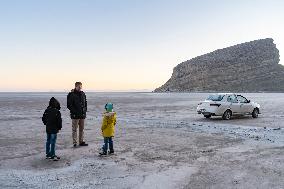
A man and two children stand near a car and a rocky cliff on the dry bed of Lake Urmia in northwestern Iran on December 19, 2025. Lake Urmia, once the largest lake in the Middle East, has dramatically shrunk due to prolonged drought, the damming of rivers feeding the lake, and extensive groundwater extraction in the surrounding area. Although increased rainfall and water diversion briefly helped restore water levels in 2019, renewed drought and administrative mismanagement in the early 2020s reversed the trend, and satellite imagery shows the lake has almost entirely dried up by September 2025. Photo by Morteza Aminoroayayi/Middle East Images/ABACAPRESS.COM

  •  
Lake Urmia Environmental Disaster - Iran

Lake Urmia Environmental Disaster - Iran

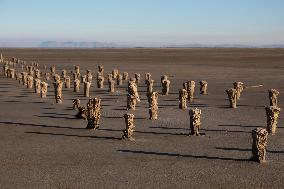
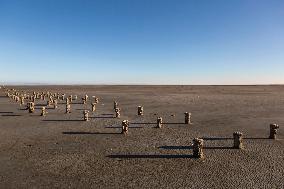
A view shows rows of wooden posts protruding from the dry bed of Lake Urmia in northwestern Iran on December 20, 2025. Lake Urmia, once the largest lake in the Middle East, has dramatically shrunk due to prolonged drought, the damming of rivers feeding the lake, and extensive groundwater extraction in the surrounding area. Although increased rainfall and water diversion briefly helped restore water levels in 2019, renewed drought and administrative mismanagement in the early 2020s reversed the trend, and satellite imagery shows the lake has almost entirely dried up by September 2025. Photo by Morteza Aminoroayayi/Middle East Images/ABACAPRESS.COM

  •  
Lake Urmia Environmental Disaster - Iran

Lake Urmia Environmental Disaster - Iran

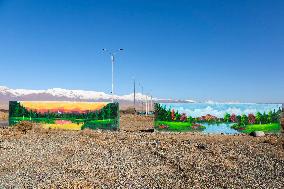
A view shows murals depicting nature scenes painted on concrete walls near Sharafkhaneh port at Lake Urmia in northwestern Iran on December 19, 2025. Lake Urmia, once the largest lake in the Middle East, has dramatically shrunk due to prolonged drought, the damming of rivers feeding the lake, and extensive groundwater extraction in the surrounding area. Although increased rainfall and water diversion briefly helped restore water levels in 2019, renewed drought and administrative mismanagement in the early 2020s reversed the trend, and satellite imagery shows the lake has almost entirely dried up by September 2025. Photo by Morteza Aminoroayayi/Middle East Images/ABACAPRESS.COM

  •  
Lake Urmia Environmental Disaster - Iran

Lake Urmia Environmental Disaster - Iran

A view shows the dry bed of Lake Urmia in northwestern Iran on December 19, 2025. Lake Urmia, once the largest lake in the Middle East, has dramatically shrunk due to prolonged drought, the damming of rivers feeding the lake, and extensive groundwater extraction in the surrounding area. Although increased rainfall and water diversion briefly helped restore water levels in 2019, renewed drought and administrative mismanagement in the early 2020s reversed the trend, and satellite imagery shows the lake has almost entirely dried up by September 2025. Photo by Morteza Aminoroayayi/Middle East Images/ABACAPRESS.COM

  •  
Lake Urmia Environmental Disaster - Iran

Lake Urmia Environmental Disaster - Iran

A view shows a wooden pier on the dry bed of Lake Urmia in northwestern Iran on December 20, 2025. Lake Urmia, once the largest lake in the Middle East, has dramatically shrunk due to prolonged drought, the damming of rivers feeding the lake, and extensive groundwater extraction in the surrounding area. Although increased rainfall and water diversion briefly helped restore water levels in 2019, renewed drought and administrative mismanagement in the early 2020s reversed the trend, and satellite imagery shows the lake has almost entirely dried up by September 2025. Photo by Morteza Aminoroayayi/Middle East Images/ABACAPRESS.COM

  •  
Lake Urmia Environmental Disaster - Iran

Lake Urmia Environmental Disaster - Iran

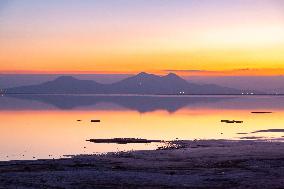
A view shows reflections on the surface of Lake Urmia in northwestern Iran on December 18, 2025. Lake Urmia, once the largest lake in the Middle East, has dramatically shrunk due to prolonged drought, the damming of rivers feeding the lake, and extensive groundwater extraction in the surrounding area. Although increased rainfall and water diversion briefly helped restore water levels in 2019, renewed drought and administrative mismanagement in the early 2020s reversed the trend, and satellite imagery shows the lake has almost entirely dried up by September 2025. Photo by Morteza Aminoroayayi/Middle East Images/ABACAPRESS.COM

  •  
Lake Urmia Environmental Disaster - Iran

Lake Urmia Environmental Disaster - Iran

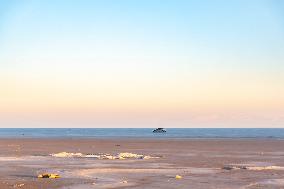
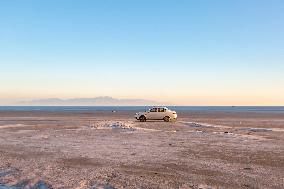
A car drives on the dry bed of Lake Urmia in northwestern Iran on December 19, 2025. Lake Urmia, once the largest lake in the Middle East, has dramatically shrunk due to prolonged drought, the damming of rivers feeding the lake, and extensive groundwater extraction in the surrounding area. Although increased rainfall and water diversion briefly helped restore water levels in 2019, renewed drought and administrative mismanagement in the early 2020s reversed the trend, and satellite imagery shows the lake has almost entirely dried up by September 2025. Photo by Morteza Aminoroayayi/Middle East Images/ABACAPRESS.COM

  •  
Lake Urmia Environmental Disaster - Iran

Lake Urmia Environmental Disaster - Iran

A view shows a mural depicting a landscape painted on a concrete wall near Sharafkhaneh port at Lake Urmia in northwestern Iran on December 19, 2025. Lake Urmia, once the largest lake in the Middle East, has dramatically shrunk due to prolonged drought, the damming of rivers feeding the lake, and extensive groundwater extraction in the surrounding area. Although increased rainfall and water diversion briefly helped restore water levels in 2019, renewed drought and administrative mismanagement in the early 2020s reversed the trend, and satellite imagery shows the lake has almost entirely dried up by September 2025. Photo by Morteza Aminoroayayi/Middle East Images/ABACAPRESS.COM

  •  
Lake Urmia Environmental Disaster - Iran

Lake Urmia Environmental Disaster - Iran

A view shows rows of wooden posts protruding from the dry bed of Lake Urmia in northwestern Iran on December 20, 2025. Lake Urmia, once the largest lake in the Middle East, has dramatically shrunk due to prolonged drought, the damming of rivers feeding the lake, and extensive groundwater extraction in the surrounding area. Although increased rainfall and water diversion briefly helped restore water levels in 2019, renewed drought and administrative mismanagement in the early 2020s reversed the trend, and satellite imagery shows the lake has almost entirely dried up by September 2025. Photo by Morteza Aminoroayayi/Middle East Images/ABACAPRESS.COM

  •  
Lake Urmia Environmental Disaster - Iran

Lake Urmia Environmental Disaster - Iran

Salt formations cover the cracked surface of the dried bed of Lake Urmia in northwestern Iran on December 19, 2025. Lake Urmia, once the largest lake in the Middle East, has dramatically shrunk due to prolonged drought, the damming of rivers feeding the lake and extensive groundwater extraction in the surrounding area. Although increased rainfall and water diversion briefly helped restore water levels in 2019, renewed drought and administrative mismanagement in the early 2020s reversed the trend, and satellite imagery shows the lake has almost entirely dried up by September 2025. Photo by Morteza Aminoroayayi/Middle East Images/ABACAPRESS.COM

  •  
Lake Urmia Environmental Disaster - Iran

Lake Urmia Environmental Disaster - Iran

Remains of a boat sits near the dry bed of Lake Urmia in northwestern Iran on December 20, 2025. Lake Urmia, once the largest lake in the Middle East, has dramatically shrunk due to prolonged drought, the damming of rivers feeding the lake, and extensive groundwater extraction in the surrounding area. Although increased rainfall and water diversion briefly helped restore water levels in 2019, renewed drought and administrative mismanagement in the early 2020s reversed the trend, and satellite imagery shows the lake has almost entirely dried up by September 2025. Photo by Morteza Aminoroayayi/Middle East Images/ABACAPRESS.COM

  •  
Lake Urmia Environmental Disaster - Iran

Lake Urmia Environmental Disaster - Iran

A car drives on the dry bed of Lake Urmia in northwestern Iran on December 19, 2025. Lake Urmia, once the largest lake in the Middle East, has dramatically shrunk due to prolonged drought, the damming of rivers feeding the lake, and extensive groundwater extraction in the surrounding area. Although increased rainfall and water diversion briefly helped restore water levels in 2019, renewed drought and administrative mismanagement in the early 2020s reversed the trend, and satellite imagery shows the lake has almost entirely dried up by September 2025. Photo by Morteza Aminoroayayi/Middle East Images/ABACAPRESS.COM

  •  
Lake Urmia Environmental Disaster - Iran

Lake Urmia Environmental Disaster - Iran

A view shows the dry bed of Lake Urmia in northwestern Iran on December 19, 2025. Lake Urmia, once the largest lake in the Middle East, has dramatically shrunk due to prolonged drought, the damming of rivers feeding the lake, and extensive groundwater extraction in the surrounding area. Although increased rainfall and water diversion briefly helped restore water levels in 2019, renewed drought and administrative mismanagement in the early 2020s reversed the trend, and satellite imagery shows the lake has almost entirely dried up by September 2025. Photo by Morteza Aminoroayayi/Middle East Images/ABACAPRESS.COM

  •  
Lake Urmia Environmental Disaster - Iran

Lake Urmia Environmental Disaster - Iran

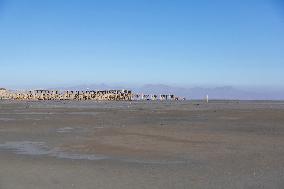
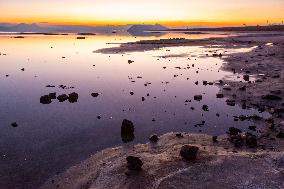
A view shows scattered rocks and shallow water in parts of Lake Urmia in northwestern Iran on December 18, 2025. Lake Urmia, once the largest lake in the Middle East, has dramatically shrunk due to prolonged drought, the damming of rivers feeding the lake, and extensive groundwater extraction in the surrounding area. Although increased rainfall and water diversion briefly helped restore water levels in 2019, renewed drought and administrative mismanagement in the early 2020s reversed the trend, and satellite imagery shows the lake has almost entirely dried up by September 2025. Photo by Morteza Aminoroayayi/Middle East Images/ABACAPRESS.COM

  •  
Workers Processing Dried Fish in Chattogram - Bangladesh

Workers Processing Dried Fish in Chattogram - Bangladesh

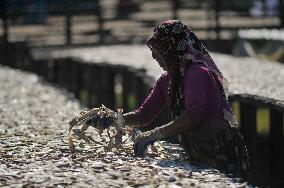
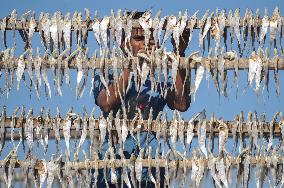
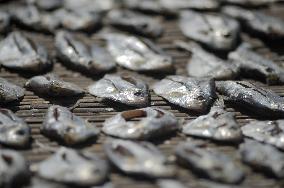
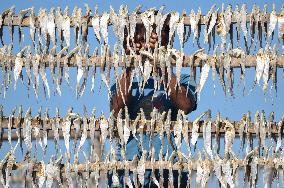
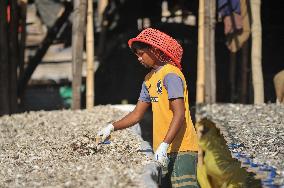
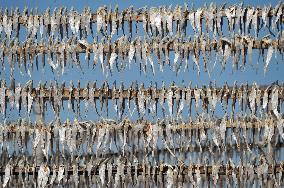
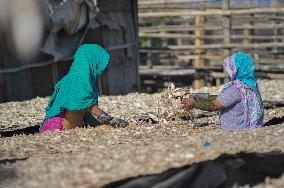
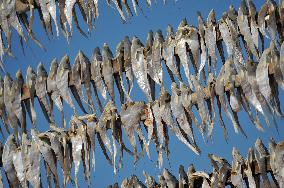
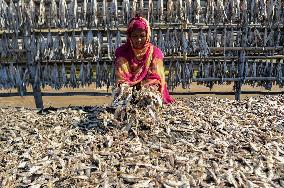
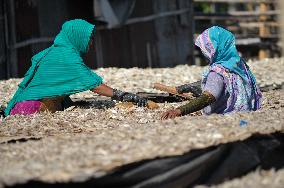
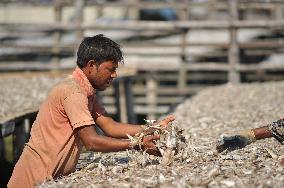
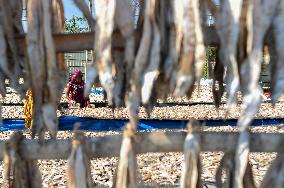
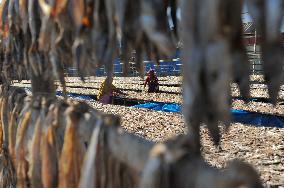
Workers during the process of drying fish at an open yard. The fish are cleaned, salted, and sun-dried on bamboo platforms for 4 to 5 days, depending on weather conditions. Dry fish processing requires consistent heat and remains a vital food source in Bangladesh, accounting for the fourth-largest share of fish consumption and providing an affordable protein across all income levels. on December 18, 2025 in Chittagong, Bangladesh. Photo by Md Rafayat Haque Khan/ Eyepix Group/ABACAPRESS.COM

  •  
Workers Processing Dried Fish in Chattogram - Bangladesh

Workers Processing Dried Fish in Chattogram - Bangladesh

Workers during the process of drying fish at an open yard. The fish are cleaned, salted, and sun-dried on bamboo platforms for 4 to 5 days, depending on weather conditions. Dry fish processing requires consistent heat and remains a vital food source in Bangladesh, accounting for the fourth-largest share of fish consumption and providing an affordable protein across all income levels. on December 18, 2025 in Chittagong, Bangladesh. Photo by Md Rafayat Haque Khan/ Eyepix Group/ABACAPRESS.COM

  •  
Workers Processing Dried Fish in Chattogram - Bangladesh

Workers Processing Dried Fish in Chattogram - Bangladesh

Workers during the process of drying fish at an open yard. The fish are cleaned, salted, and sun-dried on bamboo platforms for 4 to 5 days, depending on weather conditions. Dry fish processing requires consistent heat and remains a vital food source in Bangladesh, accounting for the fourth-largest share of fish consumption and providing an affordable protein across all income levels. on December 18, 2025 in Chittagong, Bangladesh. Photo by Md Rafayat Haque Khan/ Eyepix Group/ABACAPRESS.COM

  •  
Workers Processing Dried Fish in Chattogram - Bangladesh

Workers Processing Dried Fish in Chattogram - Bangladesh

Workers during the process of drying fish at an open yard. The fish are cleaned, salted, and sun-dried on bamboo platforms for 4 to 5 days, depending on weather conditions. Dry fish processing requires consistent heat and remains a vital food source in Bangladesh, accounting for the fourth-largest share of fish consumption and providing an affordable protein across all income levels. on December 18, 2025 in Chittagong, Bangladesh. Photo by Md Rafayat Haque Khan/ Eyepix Group/ABACAPRESS.COM

  •  
Workers Processing Dried Fish in Chattogram - Bangladesh

Workers Processing Dried Fish in Chattogram - Bangladesh

Workers during the process of drying fish at an open yard. The fish are cleaned, salted, and sun-dried on bamboo platforms for 4 to 5 days, depending on weather conditions. Dry fish processing requires consistent heat and remains a vital food source in Bangladesh, accounting for the fourth-largest share of fish consumption and providing an affordable protein across all income levels. on December 18, 2025 in Chittagong, Bangladesh. Photo by Md Rafayat Haque Khan/ Eyepix Group/ABACAPRESS.COM

  •  
Workers Processing Dried Fish in Chattogram - Bangladesh

Workers Processing Dried Fish in Chattogram - Bangladesh

Workers during the process of drying fish at an open yard. The fish are cleaned, salted, and sun-dried on bamboo platforms for 4 to 5 days, depending on weather conditions. Dry fish processing requires consistent heat and remains a vital food source in Bangladesh, accounting for the fourth-largest share of fish consumption and providing an affordable protein across all income levels. on December 18, 2025 in Chittagong, Bangladesh. Photo by Md Rafayat Haque Khan/ Eyepix Group/ABACAPRESS.COM

  •  
Workers Processing Dried Fish in Chattogram - Bangladesh

Workers Processing Dried Fish in Chattogram - Bangladesh

Workers during the process of drying fish at an open yard. The fish are cleaned, salted, and sun-dried on bamboo platforms for 4 to 5 days, depending on weather conditions. Dry fish processing requires consistent heat and remains a vital food source in Bangladesh, accounting for the fourth-largest share of fish consumption and providing an affordable protein across all income levels. on December 18, 2025 in Chittagong, Bangladesh. Photo by Md Rafayat Haque Khan/ Eyepix Group/ABACAPRESS.COM

  •  
Workers Processing Dried Fish in Chattogram - Bangladesh

Workers Processing Dried Fish in Chattogram - Bangladesh

Workers during the process of drying fish at an open yard. The fish are cleaned, salted, and sun-dried on bamboo platforms for 4 to 5 days, depending on weather conditions. Dry fish processing requires consistent heat and remains a vital food source in Bangladesh, accounting for the fourth-largest share of fish consumption and providing an affordable protein across all income levels. on December 18, 2025 in Chittagong, Bangladesh. Photo by Md Rafayat Haque Khan/ Eyepix Group/ABACAPRESS.COM

  •  
Workers Processing Dried Fish in Chattogram - Bangladesh

Workers Processing Dried Fish in Chattogram - Bangladesh

Workers during the process of drying fish at an open yard. The fish are cleaned, salted, and sun-dried on bamboo platforms for 4 to 5 days, depending on weather conditions. Dry fish processing requires consistent heat and remains a vital food source in Bangladesh, accounting for the fourth-largest share of fish consumption and providing an affordable protein across all income levels. on December 18, 2025 in Chittagong, Bangladesh. Photo by Md Rafayat Haque Khan/ Eyepix Group/ABACAPRESS.COM

  •  
Workers Processing Dried Fish in Chattogram - Bangladesh

Workers Processing Dried Fish in Chattogram - Bangladesh

Workers during the process of drying fish at an open yard. The fish are cleaned, salted, and sun-dried on bamboo platforms for 4 to 5 days, depending on weather conditions. Dry fish processing requires consistent heat and remains a vital food source in Bangladesh, accounting for the fourth-largest share of fish consumption and providing an affordable protein across all income levels. on December 18, 2025 in Chittagong, Bangladesh. Photo by Md Rafayat Haque Khan/ Eyepix Group/ABACAPRESS.COM

  •  
Workers Processing Dried Fish in Chattogram - Bangladesh

Workers Processing Dried Fish in Chattogram - Bangladesh

Workers during the process of drying fish at an open yard. The fish are cleaned, salted, and sun-dried on bamboo platforms for 4 to 5 days, depending on weather conditions. Dry fish processing requires consistent heat and remains a vital food source in Bangladesh, accounting for the fourth-largest share of fish consumption and providing an affordable protein across all income levels. on December 18, 2025 in Chittagong, Bangladesh. Photo by Md Rafayat Haque Khan/ Eyepix Group/ABACAPRESS.COM

  •  
Workers Processing Dried Fish in Chattogram - Bangladesh

Workers Processing Dried Fish in Chattogram - Bangladesh

Workers during the process of drying fish at an open yard. The fish are cleaned, salted, and sun-dried on bamboo platforms for 4 to 5 days, depending on weather conditions. Dry fish processing requires consistent heat and remains a vital food source in Bangladesh, accounting for the fourth-largest share of fish consumption and providing an affordable protein across all income levels. on December 18, 2025 in Chittagong, Bangladesh. Photo by Md Rafayat Haque Khan/ Eyepix Group/ABACAPRESS.COM

  •  
Workers Processing Dried Fish in Chattogram - Bangladesh

Workers Processing Dried Fish in Chattogram - Bangladesh

Workers during the process of drying fish at an open yard. The fish are cleaned, salted, and sun-dried on bamboo platforms for 4 to 5 days, depending on weather conditions. Dry fish processing requires consistent heat and remains a vital food source in Bangladesh, accounting for the fourth-largest share of fish consumption and providing an affordable protein across all income levels. on December 18, 2025 in Chittagong, Bangladesh. Photo by Md Rafayat Haque Khan/ Eyepix Group/ABACAPRESS.COM

  •  
Workers Processing Dried Fish in Chattogram - Bangladesh

Workers Processing Dried Fish in Chattogram - Bangladesh

Workers during the process of drying fish at an open yard. The fish are cleaned, salted, and sun-dried on bamboo platforms for 4 to 5 days, depending on weather conditions. Dry fish processing requires consistent heat and remains a vital food source in Bangladesh, accounting for the fourth-largest share of fish consumption and providing an affordable protein across all income levels. on December 18, 2025 in Chittagong, Bangladesh. Photo by Md Rafayat Haque Khan/ Eyepix Group/ABACAPRESS.COM

  •  
Rezaabad Desert in Semnan - Iran

Rezaabad Desert in Semnan - Iran

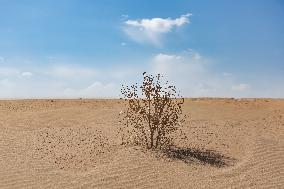
A view shows a tree with dried branches on a sand dune in Rezaabad desert near Biarjomand, Iran, on April 1, 2025. The desert lies near Khar Turan National Park and has become a regional destination for hiking, off-road driving, and stargazing in northeastern Iran. Photo by Morteza Aminoroayayi/Middle East Images/ABACAPRESS.COM

  •  
Dried Red Chilies - Pakistan

Dried Red Chilies - Pakistan

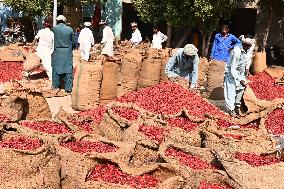
People buy dried red chilies at a market in Umerkot district in southern Sindh province, Pakistan, December 6, 2025. Photo by Str/Xinhua/ABACAPRESS.COM

  •  
Dried Red Chilies - Pakistan

Dried Red Chilies - Pakistan

A farmer checks dried red chilies at a market in Umerkot district in southern Sindh province, Pakistan, December 6, 2025. Photo by Str/Xinhua/ABACAPRESS.COM

  •  
Dried Red Chilies - Pakistan

Dried Red Chilies - Pakistan

A farmer checks dried red chilies at a market in Umerkot district in southern Sindh province, Pakistan, December 6, 2025. Photo by Str/Xinhua/ABACAPRESS.COM

  •  
Dried Red Chilies - Pakistan

Dried Red Chilies - Pakistan

People buy dried red chilies at a market in Umerkot district in southern Sindh province, Pakistan, December 6, 2025. Photo by Str/Xinhua/ABACAPRESS.COM

  • Main
  • Top
  • Editorial
  • Creative
  • About Us
  • About ILG
  • Terms of use
  • Company
  • BEHIND
  • Price List
  • Single Plan
  • Monthly Plan
  • Services
  • Shooting
  • Rights Clearance
  • Support
  • FAQ
  • How To Buy
  • Contact Us
  • Become a Partner

© KYODO NEWS IMAGES INC

All Rights Reserved.

  • Editorial
  • Olympics
  • News
  • Sports
  • Japan
  • Tech
  • Royal
  • Disaster
  • NorthKorea
  • Old Japan
  • SNS
  • Creative
  • Food
  • Japan
  • Landscape
  • Animal
  • Popular
  • #Ukraine
  • #China
  • #coronavirus
  • #N. Korea
  • #Russia
  • #Thailand
  • #Ukraine
  • #China
  • #coronavirus
  • #N. Korea
  • #Russia
  • #Thailand
  • Food
  • Japan
  • Landscape
  • Animal
  • Olympics
  • News
  • Sports
  • Japan
  • Tech
  • Royal
  • Disaster
  • NorthKorea
  • Old Japan
  • SNS