•  
Pope Leo XIV in Turkey

Pope Leo XIV in Turkey

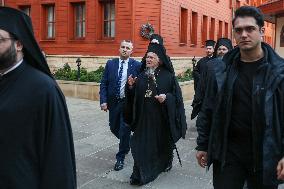
Pope Leo XIV (front, L) attends a ceremony marking the 1,700th anniversary of the Council of Nicaea with leaders of the Eastern Orthodox Church at the archaeological excavation site of the ancient Basilica of Saint Neophytos, in Iznik, Turkey, on Nov. 28, 2025, during his first foreign trip, a six-day visit to Turkey and Lebanon.

  •  
Pope Leo XIV in Turkey

Pope Leo XIV in Turkey

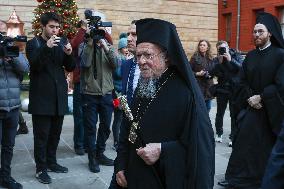
Pope Leo XIV (front, C) attends a ceremony marking the 1,700th anniversary of the Council of Nicaea with leaders of the Eastern Orthodox Church at the archaeological excavation site of the ancient Basilica of Saint Neophytos, in Iznik, Turkey, on Nov. 28, 2025, during his first foreign trip, a six-day visit to Turkey and Lebanon.

  •  
Pope Leo XIV in Turkey

Pope Leo XIV in Turkey

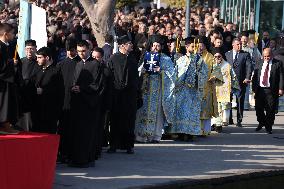
Pope Leo XIV (front, C) attends a ceremony marking the 1,700th anniversary of the Council of Nicaea with leaders of the Eastern Orthodox Church at the archaeological excavation site of the ancient Basilica of Saint Neophytos, in Iznik, Turkey, on Nov. 28, 2025, during his first foreign trip, a six-day visit to Turkey and Lebanon.

  •  
Pope Leo XIV in Turkey

Pope Leo XIV in Turkey

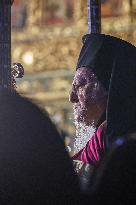
Pope Leo XIV (front, C) attends a ceremony marking the 1,700th anniversary of the Council of Nicaea with leaders of the Eastern Orthodox Church at the archaeological excavation site of the ancient Basilica of Saint Neophytos, in Iznik, Turkey, on Nov. 28, 2025, during his first foreign trip, a six-day visit to Turkey and Lebanon.

  •  
Epiphany Celebration - Istanbul

Epiphany Celebration - Istanbul

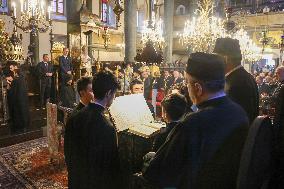
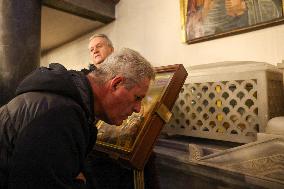
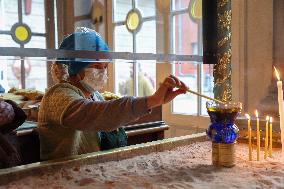
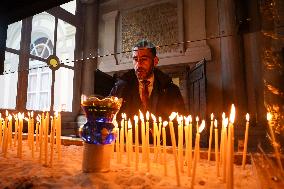
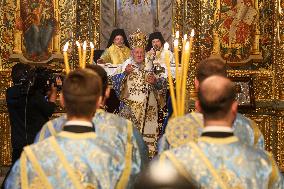
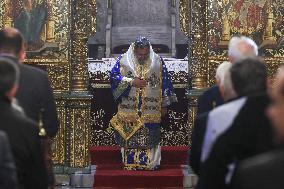
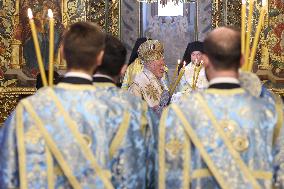
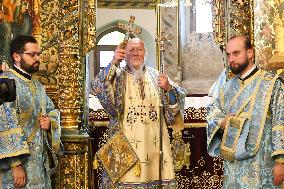
Greek Orthodox Ecumenical Patriarch Bartholomew I of Constantinople, spiritual leader of Eastern Orthodox Christians world, leads the service during the Epiphany Day ceremony at St. George Patriarchal Church in Fener district, Istanbul, Turkey, on January 06, 2025. Photo by Sercan Ozkurnazli/DIA Images/ABACAPRESS.COM

  •  
Epiphany Celebration - Istanbul

Epiphany Celebration - Istanbul

Greek Orthodox Ecumenical Patriarch Bartholomew I of Constantinople, spiritual leader of Eastern Orthodox Christians world, leads the service during the Epiphany Day ceremony at St. George Patriarchal Church in Fener district, Istanbul, Turkey, on January 06, 2025. Photo by Sercan Ozkurnazli/DIA Images/ABACAPRESS.COM

  •  
Epiphany Celebration - Istanbul

Epiphany Celebration - Istanbul

Greek Orthodox Ecumenical Patriarch Bartholomew I of Constantinople, spiritual leader of Eastern Orthodox Christians world, leads the service during the Epiphany Day ceremony at St. George Patriarchal Church in Fener district, Istanbul, Turkey, on January 06, 2025. Photo by Dilara Acikgoz/DIA Images/ABACAPRESS.COM

  •  
Epiphany Celebration - Istanbul

Epiphany Celebration - Istanbul

Greek Orthodox Ecumenical Patriarch Bartholomew I of Constantinople, spiritual leader of Eastern Orthodox Christians world, leads the service during the Epiphany Day ceremony at St. George Patriarchal Church in Fener district, Istanbul, Turkey, on January 06, 2025. Photo by Sercan Ozkurnazli/DIA Images/ABACAPRESS.COM

  •  
Epiphany Celebration - Istanbul

Epiphany Celebration - Istanbul

Greek Orthodox Ecumenical Patriarch Bartholomew I of Constantinople, spiritual leader of Eastern Orthodox Christians world, leads the service during the Epiphany Day ceremony at St. George Patriarchal Church in Fener district, Istanbul, Turkey, on January 06, 2025. Photo by Sercan Ozkurnazli/DIA Images/ABACAPRESS.COM

  •  
Epiphany Celebration - Istanbul

Epiphany Celebration - Istanbul

Greek Orthodox Ecumenical Patriarch Bartholomew I of Constantinople, spiritual leader of Eastern Orthodox Christians world, leads the service during the Epiphany Day ceremony at St. George Patriarchal Church in Fener district, Istanbul, Turkey, on January 06, 2025. Photo by Sercan Ozkurnazli/DIA Images/ABACAPRESS.COM

  •  
Epiphany Celebration - Istanbul

Epiphany Celebration - Istanbul

Greek Orthodox Ecumenical Patriarch Bartholomew I of Constantinople, spiritual leader of Eastern Orthodox Christians world, leads the service during the Epiphany Day ceremony at St. George Patriarchal Church in Fener district, Istanbul, Turkey, on January 06, 2025. Photo by Sercan Ozkurnazli/DIA Images/ABACAPRESS.COM

  •  
Epiphany Celebration - Istanbul

Epiphany Celebration - Istanbul

Greek Orthodox Ecumenical Patriarch Bartholomew I of Constantinople, spiritual leader of Eastern Orthodox Christians world, leads the service during the Epiphany Day ceremony at St. George Patriarchal Church in Fener district, Istanbul, Turkey, on January 06, 2025. Photo by Sercan Ozkurnazli/DIA Images/ABACAPRESS.COM

  •  
Epiphany Celebration - Istanbul

Epiphany Celebration - Istanbul

Greek Orthodox Ecumenical Patriarch Bartholomew I of Constantinople, spiritual leader of Eastern Orthodox Christians world, leads the service during the Epiphany Day ceremony at St. George Patriarchal Church in Fener district, Istanbul, Turkey, on January 06, 2025. Photo by Sercan Ozkurnazli/DIA Images/ABACAPRESS.COM

  •  
Epiphany Celebration - Istanbul

Epiphany Celebration - Istanbul

Greek Orthodox Ecumenical Patriarch Bartholomew I of Constantinople, spiritual leader of Eastern Orthodox Christians world, leads the service during the Epiphany Day ceremony at St. George Patriarchal Church in Fener district, Istanbul, Turkey, on January 06, 2025. Photo by Sercan Ozkurnazli/DIA Images/ABACAPRESS.COM

  •  
Epiphany Celebration - Istanbul

Epiphany Celebration - Istanbul

Greek Orthodox Ecumenical Patriarch Bartholomew I of Constantinople, spiritual leader of Eastern Orthodox Christians world, leads the service during the Epiphany Day ceremony at St. George Patriarchal Church in Fener district, Istanbul, Turkey, on January 06, 2025. Photo by Sercan Ozkurnazli/DIA Images/ABACAPRESS.COM

  •  
Epiphany Celebration - Istanbul

Epiphany Celebration - Istanbul

Greek Orthodox Ecumenical Patriarch Bartholomew I of Constantinople, spiritual leader of Eastern Orthodox Christians world, leads the service during the Epiphany Day ceremony at St. George Patriarchal Church in Fener district, Istanbul, Turkey, on January 06, 2025. Photo by Sercan Ozkurnazli/DIA Images/ABACAPRESS.COM

  •  
Epiphany Celebration - Istanbul

Epiphany Celebration - Istanbul

Greek Orthodox Ecumenical Patriarch Bartholomew I of Constantinople, spiritual leader of Eastern Orthodox Christians world, leads the service during the Epiphany Day ceremony at St. George Patriarchal Church in Fener district, Istanbul, Turkey, on January 06, 2025. Photo by Dilara Acikgoz/DIA Images/ABACAPRESS.COM

  •  
Epiphany Celebration - Istanbul

Epiphany Celebration - Istanbul

Greek Orthodox Ecumenical Patriarch Bartholomew I of Constantinople, spiritual leader of Eastern Orthodox Christians world, leads the service during the Epiphany Day ceremony at St. George Patriarchal Church in Fener district, Istanbul, Turkey, on January 06, 2025. Photo by Sercan Ozkurnazli/DIA Images/ABACAPRESS.COM

  •  

Turkey: Teenage Judo Star Emre Yazgan Killed In Palandöken Avalanche

Emre Yazgan, 18, a Turkish judo star, was killed, and four others were injured in an avalanche on Palandöken Ski Resort in Erzurum, eastern Turkey, on Saturday, December 21, the Ministry of Health reported.

  •  
Baking Tradition - Turkey

Baking Tradition - Turkey

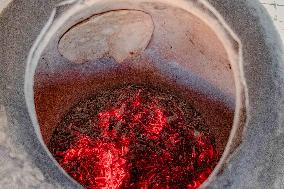
View of baking flat bread in tandoor, a clay oven in Hatay, Turkey, on July 17, 2024. With a 5,000-year history dating back to the Seljuks, the tandoor remains a vital tradition in Central Asia, Anatolia, and beyond. In Hatay, tandoors are placed above ground, unlike the underground ones in Eastern Anatolia, and are widely used alongside stone ovens to bake the traditional 'Tandır Bread'. Photo by Murat Kocabas/Middle East Images/ABACAPRESS.COM

  •  
Baking Tradition - Turkey

Baking Tradition - Turkey

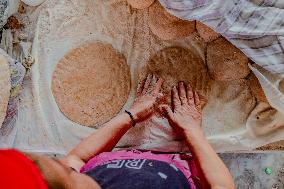
A woman makes flat bread in Hatay, Turkey, on July 17, 2024. With a 5,000-year history dating back to the Seljuks, the tandoor remains a vital tradition in Central Asia, Anatolia, and beyond. In Hatay, tandoors are placed above ground, unlike the underground ones in Eastern Anatolia, and are widely used alongside stone ovens to bake the traditional 'Tandır Bread'. Photo by Murat Kocabas/Middle East Images/ABACAPRESS.COM

  •  
Baking Tradition - Turkey

Baking Tradition - Turkey

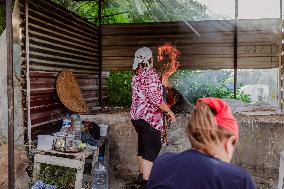
A woman fires up a tandoor, a clay oven in Hatay, Turkey, on July 17, 2024. With a 5,000-year history dating back to the Seljuks, the tandoor remains a vital tradition in Central Asia, Anatolia, and beyond. In Hatay, tandoors are placed above ground, unlike the underground ones in Eastern Anatolia, and are widely used alongside stone ovens to bake the traditional 'Tandır Bread'. Photo by Murat Kocabas/Middle East Images/ABACAPRESS.COM

  •  
Baking Tradition - Turkey

Baking Tradition - Turkey

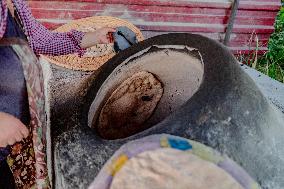
A woman makes flat bread in tandoor, a clay oven in Hatay, Turkey, on July 17, 2024. With a 5,000-year history dating back to the Seljuks, the tandoor remains a vital tradition in Central Asia, Anatolia, and beyond. In Hatay, tandoors are placed above ground, unlike the underground ones in Eastern Anatolia, and are widely used alongside stone ovens to bake the traditional 'Tandır Bread'. Photo by Murat Kocabas/Middle East Images/ABACAPRESS.COM

  •  
Baking Tradition - Turkey

Baking Tradition - Turkey

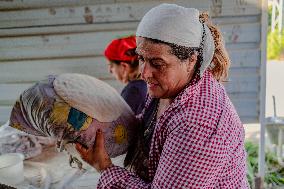
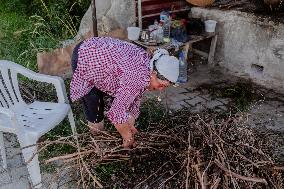
A woman picks wood to fire up a tandoor, a clay oven in Hatay, Turkey on July 17, 2024. With a 5,000-year history dating back to the Seljuks, the tandoor remains a vital tradition in Central Asia, Anatolia, and beyond. In Hatay, tandoors are placed above ground, unlike the underground ones in Eastern Anatolia, and are widely used alongside stone ovens to bake the traditional 'Tandır Bread'. Photo by Murat Kocabas/Middle East Images/ABACAPRESS.COM

  •  
Baking Tradition - Turkey

Baking Tradition - Turkey

A woman makes flat bread in tandoor, a clay oven in Hatay, Turkey, on July 17, 2024. With a 5,000-year history dating back to the Seljuks, the tandoor remains a vital tradition in Central Asia, Anatolia, and beyond. In Hatay, tandoors are placed above ground, unlike the underground ones in Eastern Anatolia, and are widely used alongside stone ovens to bake the traditional 'Tandır Bread'. Photo by Murat Kocabas/Middle East Images/ABACAPRESS.COM

  •  
Baking Tradition - Turkey

Baking Tradition - Turkey

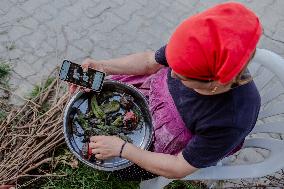
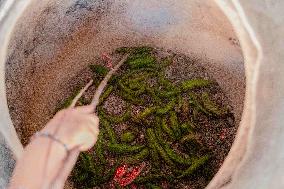
A woman cleans charred tomato and pepers cooked in a tandoor, a clay oven in Hatay, Turkey on July 17, 2024. With a 5,000-year history dating back to the Seljuks, the tandoor remains a vital tradition in Central Asia, Anatolia, and beyond. In Hatay, tandoors are placed above ground, unlike the underground ones in Eastern Anatolia, and are widely used alongside stone ovens to bake the traditional 'Tandır Bread'. Photo by Murat Kocabas/Middle East Images/ABACAPRESS.COM

  •  
Baking Tradition - Turkey

Baking Tradition - Turkey

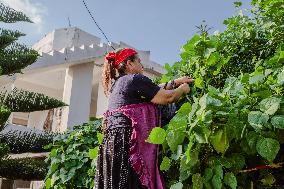
A woman picks green beans from her garden in Hatay, Turkey, on July 17, 2024. With a 5,000-year history dating back to the Seljuks, the tandoor remains a vital tradition in Central Asia, Anatolia, and beyond. In Hatay, tandoors are placed above ground, unlike the underground ones in Eastern Anatolia, and are widely used alongside stone ovens to bake the traditional 'Tandır Bread'. Photo by Murat Kocabas/Middle East Images/ABACAPRESS.COM

  •  
Baking Tradition - Turkey

Baking Tradition - Turkey

A view of charred tomato and pepers cooked in a tandoor, a clay oven in Hatay, Turkey on July 17, 2024. With a 5,000-year history dating back to the Seljuks, the tandoor remains a vital tradition in Central Asia, Anatolia, and beyond. In Hatay, tandoors are placed above ground, unlike the underground ones in Eastern Anatolia, and are widely used alongside stone ovens to bake the traditional 'Tandır Bread'. Photo by Murat Kocabas/Middle East Images/ABACAPRESS.COM

  •  
Baking Tradition - Turkey

Baking Tradition - Turkey

A woman charrs tomato and pepers in a tandoor, a clay oven in Hatay, Turkey on July 17, 2024. With a 5,000-year history dating back to the Seljuks, the tandoor remains a vital tradition in Central Asia, Anatolia, and beyond. In Hatay, tandoors are placed above ground, unlike the underground ones in Eastern Anatolia, and are widely used alongside stone ovens to bake the traditional 'Tandır Bread'. Photo by Murat Kocabas/Middle East Images/ABACAPRESS.COM

  •  
Baking Tradition - Turkey

Baking Tradition - Turkey

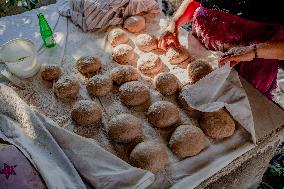
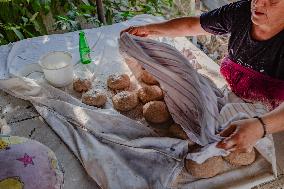
A woman prepares dough to make flat bread in a tandoor, a clay oven in Hatay, Turkey on July 17, 2024. With a 5,000-year history dating back to the Seljuks, the tandoor remains a vital tradition in Central Asia, Anatolia, and beyond. In Hatay, tandoors are placed above ground, unlike the underground ones in Eastern Anatolia, and are widely used alongside stone ovens to bake the traditional 'Tandır Bread'. Photo by Murat Kocabas/Middle East Images/ABACAPRESS.COM

  •  
Baking Tradition - Turkey

Baking Tradition - Turkey

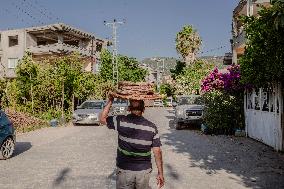
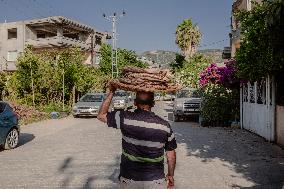
A man carries a tray of flat bread cooked in a tandoor, a clay oven in Hatay, Turkey on July 17, 2024. With a 5,000-year history dating back to the Seljuks, the tandoor remains a vital tradition in Central Asia, Anatolia, and beyond. In Hatay, tandoors are placed above ground, unlike the underground ones in Eastern Anatolia, and are widely used alongside stone ovens to bake the traditional 'Tandır Bread'. Photo by Murat Kocabas/Middle East Images/ABACAPRESS.COM

  •  
Baking Tradition - Turkey

Baking Tradition - Turkey

A woman prepares dough to make flat bread in a tandoor, a clay oven in Hatay, Turkey on July 17, 2024. With a 5,000-year history dating back to the Seljuks, the tandoor remains a vital tradition in Central Asia, Anatolia, and beyond. In Hatay, tandoors are placed above ground, unlike the underground ones in Eastern Anatolia, and are widely used alongside stone ovens to bake the traditional 'Tandır Bread'. Photo by Murat Kocabas/Middle East Images/ABACAPRESS.COM

  •  
Baking Tradition - Turkey

Baking Tradition - Turkey

A man carries a tray of flat bread cooked in a tandoor, a clay oven in Hatay, Turkey on July 17, 2024. With a 5,000-year history dating back to the Seljuks, the tandoor remains a vital tradition in Central Asia, Anatolia, and beyond. In Hatay, tandoors are placed above ground, unlike the underground ones in Eastern Anatolia, and are widely used alongside stone ovens to bake the traditional 'Tandır Bread'. Photo by Murat Kocabas/Middle East Images/ABACAPRESS.COM

  •  

Turkey: Magnitude 6.0 Earthquake Hits Malatya 4

An earthquake struck Malatya province in eastern Turkey on Wednesday, October 16, with its epicenter in the district of Kale, about 40 km (25 miles) east of the city of Malatya.” According to the USGS, the magnitude was 6.0. The shaking was felt across a wide range of areas.

  •  

Turkey: Magnitude 6.0 Earthquake Hits Malatya

An earthquake struck Malatya province in eastern Turkey on Wednesday, October 16, with its epicenter in the district of Kale, about 40 km (25 miles) east of the city of Malatya. According to the USGS, the magnitude was 6.0. The shaking was felt across a wide range of areas.

  •  

Turkey: Magnitude 6.0 Earthquake Hits Malatya 2

An earthquake struck Malatya province in eastern Turkey on Wednesday, October 16, with its epicenter in the district of Kale, about 40 km (25 miles) east of the city of Malatya.” According to the USGS, the magnitude was 6.0. The shaking was felt across a wide range of areas.

  •  

Turkey: Magnitude 6.0 Earthquake Hits Malatya 3

An earthquake struck Malatya province in eastern Turkey on Wednesday, October 16, with its epicenter in the district of Kale, about 40 km (25 miles) east of the city of Malatya.” According to the USGS, the magnitude was 6.0. The shaking was felt across a wide range of areas.

  •  
Amik Plain Agriculture Workers - Turkey

Amik Plain Agriculture Workers - Turkey

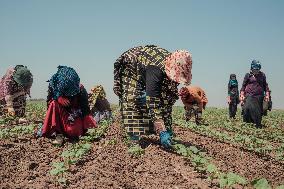
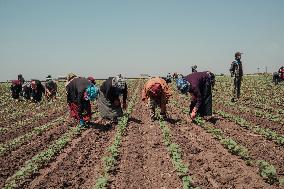
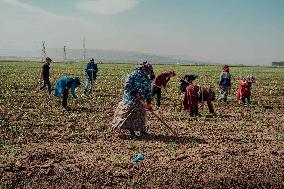
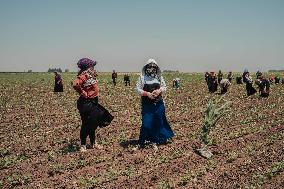
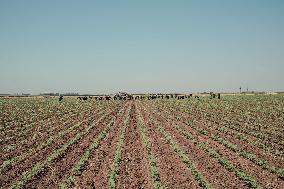
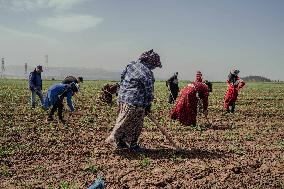
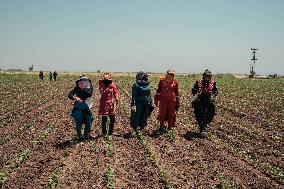
Seasonal farm workers work on a farm in Amik Plain, located on the Syrian border in Reyhanli district of Hatay, Turkey, on May 23, 2024. Thanks to its climate and fertile soil, farmers grow many crops in all seasons. The fertility of the plain continues to be a source of livelihood for agricultural workers. Apart from the region's people, seasonal workers from different provinces of Eastern and Southeastern Anatolia come to work in specific periods. The majority of the workers are Syrian families. Syrian Arabs and Kurds make up 80 percent of the workers. Workers come to the fields at dawn and work in the scorching heat until the evening. Landowners see young, old, and children as cheap labor with poor working conditions and wages. Child laborers earn 550 Turkish Liras (US$17) a day, while adult laborers earn between 1000 Turkish Liras (US$31) and 1700 Turkish Liras (US$53). Photo by Murat Kocabas/Middle East Images/ABACAPRESS.COM

  •  
Amik Plain Agriculture Workers - Turkey

Amik Plain Agriculture Workers - Turkey

Seasonal farm workers work on a farm in Amik Plain, located on the Syrian border in Reyhanli district of Hatay, Turkey, on May 23, 2024. Thanks to its climate and fertile soil, farmers grow many crops in all seasons. The fertility of the plain continues to be a source of livelihood for agricultural workers. Apart from the region's people, seasonal workers from different provinces of Eastern and Southeastern Anatolia come to work in specific periods. The majority of the workers are Syrian families. Syrian Arabs and Kurds make up 80 percent of the workers. Workers come to the fields at dawn and work in the scorching heat until the evening. Landowners see young, old, and children as cheap labor with poor working conditions and wages. Child laborers earn 550 Turkish Liras (US$17) a day, while adult laborers earn between 1000 Turkish Liras (US$31) and 1700 Turkish Liras (US$53). Photo by Murat Kocabas/Middle East Images/ABACAPRESS.COM

  •  
Amik Plain Agriculture Workers - Turkey

Amik Plain Agriculture Workers - Turkey

Seasonal farm workers work on a farm in Amik Plain, located on the Syrian border in Reyhanli district of Hatay, Turkey, on May 23, 2024. Thanks to its climate and fertile soil, farmers grow many crops in all seasons. The fertility of the plain continues to be a source of livelihood for agricultural workers. Apart from the region's people, seasonal workers from different provinces of Eastern and Southeastern Anatolia come to work in specific periods. The majority of the workers are Syrian families. Syrian Arabs and Kurds make up 80 percent of the workers. Workers come to the fields at dawn and work in the scorching heat until the evening. Landowners see young, old, and children as cheap labor with poor working conditions and wages. Child laborers earn 550 Turkish Liras (US$17) a day, while adult laborers earn between 1000 Turkish Liras (US$31) and 1700 Turkish Liras (US$53). Photo by Murat Kocabas/Middle East Images/ABACAPRESS.COM

  •  
Amik Plain Agriculture Workers - Turkey

Amik Plain Agriculture Workers - Turkey

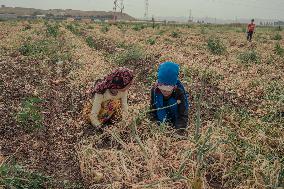
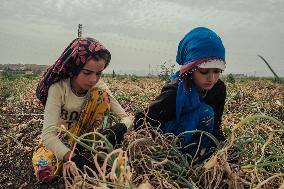
Two young seasonal farm workers pick onions in the farmlands of Amik Plain, located on the Syrian border in Reyhanli district of Hatay, Turkey, on May 23, 2024. Thanks to its climate and fertile soil, farmers grow many crops in all seasons. The fertility of the plain continues to be a source of livelihood for agricultural workers. Apart from the region's people, seasonal workers from different provinces of Eastern and Southeastern Anatolia come to work in specific periods. The majority of the workers are Syrian families. Syrian Arabs and Kurds make up 80 percent of the workers. Workers come to the fields at dawn and work in the scorching heat until the evening. Landowners see young, old, and children as cheap labor with poor working conditions and wages. Child laborers earn 550 Turkish Liras (US$17) a day, while adult laborers earn between 1000 Turkish Liras (US$31) and 1700 Turkish Liras (US$53). Photo by Murat Kocabas/Middle East Images/ABACAPRESS.COM

  •  
Amik Plain Agriculture Workers - Turkey

Amik Plain Agriculture Workers - Turkey

Two young seasonal farm workers pick onions in the farmlands of Amik Plain, located on the Syrian border in Reyhanli district of Hatay, Turkey, on May 23, 2024. Thanks to its climate and fertile soil, farmers grow many crops in all seasons. The fertility of the plain continues to be a source of livelihood for agricultural workers. Apart from the region's people, seasonal workers from different provinces of Eastern and Southeastern Anatolia come to work in specific periods. The majority of the workers are Syrian families. Syrian Arabs and Kurds make up 80 percent of the workers. Workers come to the fields at dawn and work in the scorching heat until the evening. Landowners see young, old, and children as cheap labor with poor working conditions and wages. Child laborers earn 550 Turkish Liras (US$17) a day, while adult laborers earn between 1000 Turkish Liras (US$31) and 1700 Turkish Liras (US$53). Photo by Murat Kocabas/Middle East Images/ABACAPRESS.COM

  •  
Amik Plain Agriculture Workers - Turkey

Amik Plain Agriculture Workers - Turkey

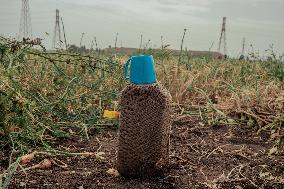
View of a water bottle of seanonal farm workers in the farmlands of Amik Plain, located on the Syrian border in Reyhanli district of Hatay, Turkey, on May 23, 2024. Thanks to its climate and fertile soil, farmers grow many crops in all seasons. The fertility of the plain continues to be a source of livelihood for agricultural workers. Apart from the region's people, seasonal workers from different provinces of Eastern and Southeastern Anatolia come to work in specific periods. The majority of the workers are Syrian families. Syrian Arabs and Kurds make up 80 percent of the workers. Workers come to the fields at dawn and work in the scorching heat until the evening. Landowners see young, old, and children as cheap labor with poor working conditions and wages. Child laborers earn 550 Turkish Liras (US$17) a day, while adult laborers earn between 1000 Turkish Liras (US$31) and 1700 Turkish Liras (US$53). Photo by Murat Kocabas/Middle East Images/ABACAPRESS.COM

  •  
Amik Plain Agriculture Workers - Turkey

Amik Plain Agriculture Workers - Turkey

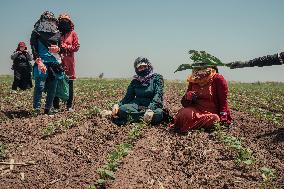
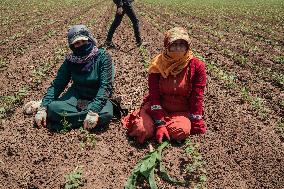
Seasonal farm workers take a break while working on a farm in Amik Plain, located on the Syrian border in Reyhanli district of Hatay, Turkey, on May 23, 2024. Thanks to its climate and fertile soil, farmers grow many crops in all seasons. The fertility of the plain continues to be a source of livelihood for agricultural workers. Apart from the region's people, seasonal workers from different provinces of Eastern and Southeastern Anatolia come to work in specific periods. The majority of the workers are Syrian families. Syrian Arabs and Kurds make up 80 percent of the workers. Workers come to the fields at dawn and work in the scorching heat until the evening. Landowners see young, old, and children as cheap labor with poor working conditions and wages. Child laborers earn 550 Turkish Liras (US$17) a day, while adult laborers earn between 1000 Turkish Liras (US$31) and 1700 Turkish Liras (US$53). Photo by Murat Kocabas/Middle East Images/ABACAPRESS.COM

  •  
Amik Plain Agriculture Workers - Turkey

Amik Plain Agriculture Workers - Turkey

Seasonal farm workers work on a farm in Amik Plain, located on the Syrian border in Reyhanli district of Hatay, Turkey, on May 23, 2024. Thanks to its climate and fertile soil, farmers grow many crops in all seasons. The fertility of the plain continues to be a source of livelihood for agricultural workers. Apart from the region's people, seasonal workers from different provinces of Eastern and Southeastern Anatolia come to work in specific periods. The majority of the workers are Syrian families. Syrian Arabs and Kurds make up 80 percent of the workers. Workers come to the fields at dawn and work in the scorching heat until the evening. Landowners see young, old, and children as cheap labor with poor working conditions and wages. Child laborers earn 550 Turkish Liras (US$17) a day, while adult laborers earn between 1000 Turkish Liras (US$31) and 1700 Turkish Liras (US$53). Photo by Murat Kocabas/Middle East Images/ABACAPRESS.COM

  •  
Amik Plain Agriculture Workers - Turkey

Amik Plain Agriculture Workers - Turkey

Seasonal farm workers work on a farm in Amik Plain, located on the Syrian border in Reyhanli district of Hatay, Turkey, on May 23, 2024. Thanks to its climate and fertile soil, farmers grow many crops in all seasons. The fertility of the plain continues to be a source of livelihood for agricultural workers. Apart from the region's people, seasonal workers from different provinces of Eastern and Southeastern Anatolia come to work in specific periods. The majority of the workers are Syrian families. Syrian Arabs and Kurds make up 80 percent of the workers. Workers come to the fields at dawn and work in the scorching heat until the evening. Landowners see young, old, and children as cheap labor with poor working conditions and wages. Child laborers earn 550 Turkish Liras (US$17) a day, while adult laborers earn between 1000 Turkish Liras (US$31) and 1700 Turkish Liras (US$53). Photo by Murat Kocabas/Middle East Images/ABACAPRESS.COM

  •  
Amik Plain Agriculture Workers - Turkey

Amik Plain Agriculture Workers - Turkey

Seasonal farm workers take a break while working on a farm in Amik Plain, located on the Syrian border in Reyhanli district of Hatay, Turkey, on May 23, 2024. Thanks to its climate and fertile soil, farmers grow many crops in all seasons. The fertility of the plain continues to be a source of livelihood for agricultural workers. Apart from the region's people, seasonal workers from different provinces of Eastern and Southeastern Anatolia come to work in specific periods. The majority of the workers are Syrian families. Syrian Arabs and Kurds make up 80 percent of the workers. Workers come to the fields at dawn and work in the scorching heat until the evening. Landowners see young, old, and children as cheap labor with poor working conditions and wages. Child laborers earn 550 Turkish Liras (US$17) a day, while adult laborers earn between 1000 Turkish Liras (US$31) and 1700 Turkish Liras (US$53). Photo by Murat Kocabas/Middle East Images/ABACAPRESS.COM

  •  
Amik Plain Agriculture Workers - Turkey

Amik Plain Agriculture Workers - Turkey

Seasonal farm workers take a break while working on a farm in Amik Plain, located on the Syrian border in Reyhanli district of Hatay, Turkey, on May 23, 2024. Thanks to its climate and fertile soil, farmers grow many crops in all seasons. The fertility of the plain continues to be a source of livelihood for agricultural workers. Apart from the region's people, seasonal workers from different provinces of Eastern and Southeastern Anatolia come to work in specific periods. The majority of the workers are Syrian families. Syrian Arabs and Kurds make up 80 percent of the workers. Workers come to the fields at dawn and work in the scorching heat until the evening. Landowners see young, old, and children as cheap labor with poor working conditions and wages. Child laborers earn 550 Turkish Liras (US$17) a day, while adult laborers earn between 1000 Turkish Liras (US$31) and 1700 Turkish Liras (US$53). Photo by Murat Kocabas/Middle East Images/ABACAPRESS.COM

  •  
Amik Plain Agriculture Workers - Turkey

Amik Plain Agriculture Workers - Turkey

Seasonal farm workers take a break while working on a farm in Amik Plain, located on the Syrian border in Reyhanli district of Hatay, Turkey, on May 23, 2024. Thanks to its climate and fertile soil, farmers grow many crops in all seasons. The fertility of the plain continues to be a source of livelihood for agricultural workers. Apart from the region's people, seasonal workers from different provinces of Eastern and Southeastern Anatolia come to work in specific periods. The majority of the workers are Syrian families. Syrian Arabs and Kurds make up 80 percent of the workers. Workers come to the fields at dawn and work in the scorching heat until the evening. Landowners see young, old, and children as cheap labor with poor working conditions and wages. Child laborers earn 550 Turkish Liras (US$17) a day, while adult laborers earn between 1000 Turkish Liras (US$31) and 1700 Turkish Liras (US$53). Photo by Murat Kocabas/Middle East Images/ABACAPRESS.COM

  •  
Amik Plain Agriculture Workers - Turkey

Amik Plain Agriculture Workers - Turkey

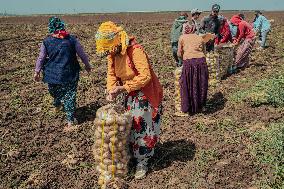
Seasonal farm workers stuff potatoes in gunny sacks in the farmlands of Amik Plain, located on the Syrian border in Reyhanli district of Hatay, Turkey, on May 23, 2024. Thanks to its climate and fertile soil, farmers grow many crops in all seasons. The fertility of the plain continues to be a source of livelihood for agricultural workers. Apart from the region's people, seasonal workers from different provinces of Eastern and Southeastern Anatolia come to work in specific periods. The majority of the workers are Syrian families. Syrian Arabs and Kurds make up 80 percent of the workers. Workers come to the fields at dawn and work in the scorching heat until the evening. Landowners see young, old, and children as cheap labor with poor working conditions and wages. Child laborers earn 550 Turkish Liras (US$17) a day, while adult laborers earn between 1000 Turkish Liras (US$31) and 1700 Turkish Liras (US$53). Photo by Murat Kocabas/Middle East Images/ABACAPRESS.COM

  • Main
  • Top
  • Editorial
  • Creative
  • About Us
  • About ILG
  • Terms of use
  • Company
  • BEHIND
  • Price List
  • Single Plan
  • Monthly Plan
  • Services
  • Shooting
  • Rights Clearance
  • Support
  • FAQ
  • How To Buy
  • Contact Us
  • Become a Partner

© KYODO NEWS IMAGES INC

All Rights Reserved.

  • Editorial
  • Olympics
  • News
  • Sports
  • Japan
  • Tech
  • Royal
  • Disaster
  • NorthKorea
  • Old Japan
  • SNS
  • Creative
  • Food
  • Japan
  • Landscape
  • Animal
  • Popular
  • #Ukraine
  • #Russia
  • #coronavirus
  • #N. Korea
  • #China
  • #Thailand
  • #Ukraine
  • #Russia
  • #coronavirus
  • #N. Korea
  • #China
  • #Thailand
  • Food
  • Japan
  • Landscape
  • Animal
  • Olympics
  • News
  • Sports
  • Japan
  • Tech
  • Royal
  • Disaster
  • NorthKorea
  • Old Japan
  • SNS