•  
Cape Town Minstrel Carnival parade - South Africa

Cape Town Minstrel Carnival parade - South Africa

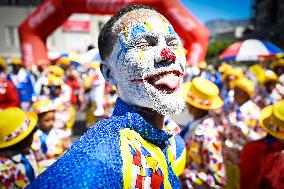
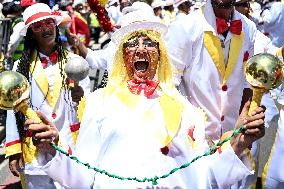
A performer takes part in the annual Cape Town Minstrel Carnival parade in Cape Town, South Africa, January 5, 2026. Tens of thousands of people gathered in Cape Town on Monday for the annual Cape Town Minstrel Carnival, a key part of the city's New Year celebrations. The carnival, officially known as the Cape Town Street Parade, is widely regarded as Africa's largest cultural festival. Its origins date back to the colonial era, when enslaved people were granted a single day after New Year's Day to celebrate. Over the years, the event has evolved into a vibrant cultural tradition marked by music, dance, and elaborate costumes. TO GO WITH "Tens of thousands attend Cape Town Minstrel Carnival to mark New Year" Photo by Xabiso Mkhabela/Xinhua/ABACAPRESS.COM

  •  
Cape Town Minstrel Carnival parade - South Africa

Cape Town Minstrel Carnival parade - South Africa

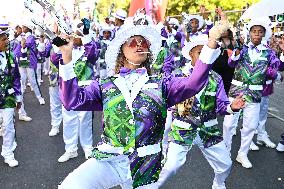
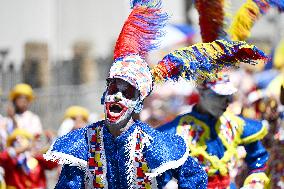
Performers take part in the annual Cape Town Minstrel Carnival parade in Cape Town, South Africa, January 5, 2026. Tens of thousands of people gathered in Cape Town on Monday for the annual Cape Town Minstrel Carnival, a key part of the city's New Year celebrations. The carnival, officially known as the Cape Town Street Parade, is widely regarded as Africa's largest cultural festival. Its origins date back to the colonial era, when enslaved people were granted a single day after New Year's Day to celebrate. Over the years, the event has evolved into a vibrant cultural tradition marked by music, dance, and elaborate costumes. TO GO WITH "Tens of thousands attend Cape Town Minstrel Carnival to mark New Year" Photo by Xabiso Mkhabela/Xinhua/ABACAPRESS.COM

  •  
Cape Town Minstrel Carnival parade - South Africa

Cape Town Minstrel Carnival parade - South Africa

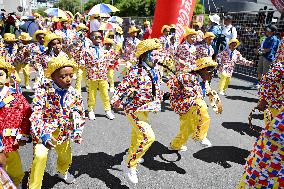
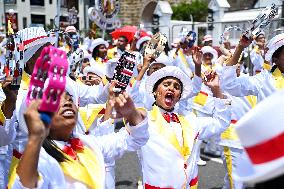
Performers take part in the annual Cape Town Minstrel Carnival parade in Cape Town, South Africa, January 5, 2026. Tens of thousands of people gathered in Cape Town on Monday for the annual Cape Town Minstrel Carnival, a key part of the city's New Year celebrations. The carnival, officially known as the Cape Town Street Parade, is widely regarded as Africa's largest cultural festival. Its origins date back to the colonial era, when enslaved people were granted a single day after New Year's Day to celebrate. Over the years, the event has evolved into a vibrant cultural tradition marked by music, dance, and elaborate costumes. TO GO WITH "Tens of thousands attend Cape Town Minstrel Carnival to mark New Year" Photo by Xabiso Mkhabela/Xinhua/ABACAPRESS.COM

  •  
Cape Town Minstrel Carnival parade - South Africa

Cape Town Minstrel Carnival parade - South Africa

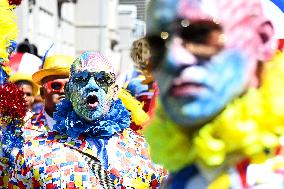
Performers take part in the annual Cape Town Minstrel Carnival parade in Cape Town, South Africa, January 5, 2026. Tens of thousands of people gathered in Cape Town on Monday for the annual Cape Town Minstrel Carnival, a key part of the city's New Year celebrations. The carnival, officially known as the Cape Town Street Parade, is widely regarded as Africa's largest cultural festival. Its origins date back to the colonial era, when enslaved people were granted a single day after New Year's Day to celebrate. Over the years, the event has evolved into a vibrant cultural tradition marked by music, dance, and elaborate costumes. TO GO WITH "Tens of thousands attend Cape Town Minstrel Carnival to mark New Year" Photo by Xabiso Mkhabela/Xinhua/ABACAPRESS.COM

  •  
Cape Town Minstrel Carnival parade - South Africa

Cape Town Minstrel Carnival parade - South Africa

A performer takes part in the annual Cape Town Minstrel Carnival parade in Cape Town, South Africa, January 5, 2026. Tens of thousands of people gathered in Cape Town on Monday for the annual Cape Town Minstrel Carnival, a key part of the city's New Year celebrations. The carnival, officially known as the Cape Town Street Parade, is widely regarded as Africa's largest cultural festival. Its origins date back to the colonial era, when enslaved people were granted a single day after New Year's Day to celebrate. Over the years, the event has evolved into a vibrant cultural tradition marked by music, dance, and elaborate costumes. TO GO WITH "Tens of thousands attend Cape Town Minstrel Carnival to mark New Year" Photo by Xabiso Mkhabela/Xinhua/ABACAPRESS.COM

  •  
Cape Town Minstrel Carnival parade - South Africa

Cape Town Minstrel Carnival parade - South Africa

A performer takes part in the annual Cape Town Minstrel Carnival parade in Cape Town, South Africa, January 5, 2026. Tens of thousands of people gathered in Cape Town on Monday for the annual Cape Town Minstrel Carnival, a key part of the city's New Year celebrations. The carnival, officially known as the Cape Town Street Parade, is widely regarded as Africa's largest cultural festival. Its origins date back to the colonial era, when enslaved people were granted a single day after New Year's Day to celebrate. Over the years, the event has evolved into a vibrant cultural tradition marked by music, dance, and elaborate costumes. TO GO WITH "Tens of thousands attend Cape Town Minstrel Carnival to mark New Year" Photo by Xabiso Mkhabela/Xinhua/ABACAPRESS.COM

  •  
Cape Town Minstrel Carnival parade - South Africa

Cape Town Minstrel Carnival parade - South Africa

A performer takes part in the annual Cape Town Minstrel Carnival parade in Cape Town, South Africa, January 5, 2026. Tens of thousands of people gathered in Cape Town on Monday for the annual Cape Town Minstrel Carnival, a key part of the city's New Year celebrations. The carnival, officially known as the Cape Town Street Parade, is widely regarded as Africa's largest cultural festival. Its origins date back to the colonial era, when enslaved people were granted a single day after New Year's Day to celebrate. Over the years, the event has evolved into a vibrant cultural tradition marked by music, dance, and elaborate costumes. TO GO WITH "Tens of thousands attend Cape Town Minstrel Carnival to mark New Year" Photo by Xabiso Mkhabela/Xinhua/ABACAPRESS.COM

  •  
Cape Town Minstrel Carnival parade - South Africa

Cape Town Minstrel Carnival parade - South Africa

Performers take part in the annual Cape Town Minstrel Carnival parade in Cape Town, South Africa, January 5, 2026. Tens of thousands of people gathered in Cape Town on Monday for the annual Cape Town Minstrel Carnival, a key part of the city's New Year celebrations. The carnival, officially known as the Cape Town Street Parade, is widely regarded as Africa's largest cultural festival. Its origins date back to the colonial era, when enslaved people were granted a single day after New Year's Day to celebrate. Over the years, the event has evolved into a vibrant cultural tradition marked by music, dance, and elaborate costumes. TO GO WITH "Tens of thousands attend Cape Town Minstrel Carnival to mark New Year" Photo by Xabiso Mkhabela/Xinhua/ABACAPRESS.COM

  •  
Kumartuli Sculptors Prepare for Festival Season - India

Kumartuli Sculptors Prepare for Festival Season - India

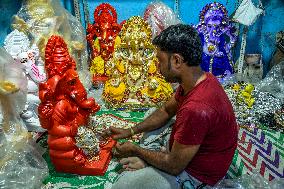
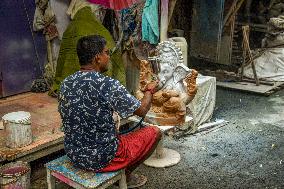
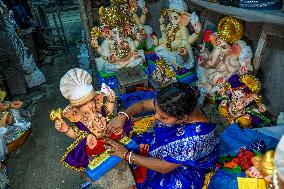
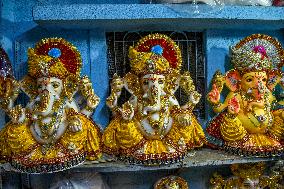
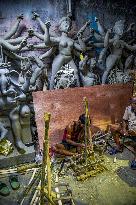
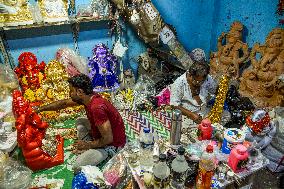
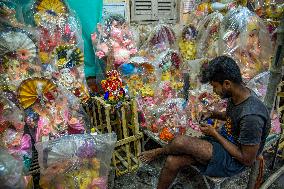
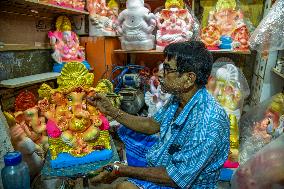
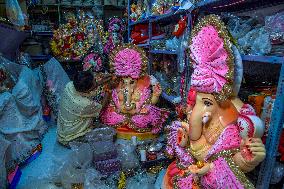
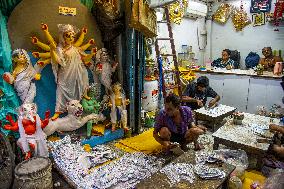
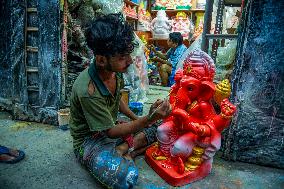
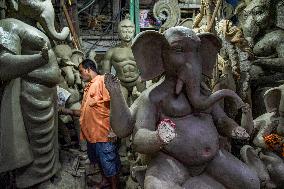
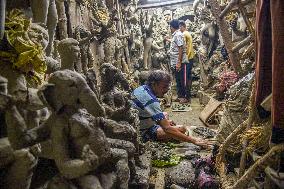
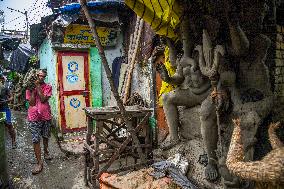
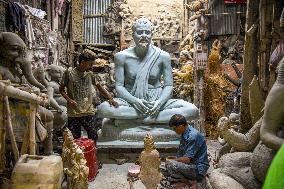
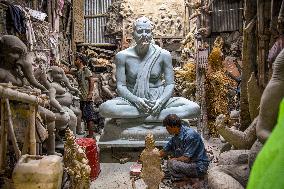
Kumartuli, Kolkata's historic potters' quarter, is renowned for its centuries-old tradition of crafting clay idols, especially for the Durga Puja festival. Artisans sculpt elaborate figures of Hindu deities from straw and clay inside narrow, open-air workshops in this densely populated neighborhood in northern Kolkata, India, on August 5, 2025. The area dates back to the early 18th century, when potters were commissioned to create idols for wealthy Bengali households. Today, Kumartuli supplies thousands of handcrafted idols not only to cities across India but also to international communities celebrating Durga Puja. As the festival approaches, the pace of work intensifies, with sculptors of all ages and skill levels contributing to the creation of goddess Durga, Ganesh, Kartik, Lakshmi, and Saraswati. The craft blends spiritual devotion with generational artistry, sustaining a vital cultural heritage that continues to thrive amid urban transformation. Photo by Debajyoti Chakraborty/Middle East Images/ABACAPRE

  •  
Kumartuli Sculptors Prepare for Festival Season - India

Kumartuli Sculptors Prepare for Festival Season - India

Kumartuli, Kolkata's historic potters' quarter, is renowned for its centuries-old tradition of crafting clay idols, especially for the Durga Puja festival. Artisans sculpt elaborate figures of Hindu deities from straw and clay inside narrow, open-air workshops in this densely populated neighborhood in northern Kolkata, India, on August 5, 2025. The area dates back to the early 18th century, when potters were commissioned to create idols for wealthy Bengali households. Today, Kumartuli supplies thousands of handcrafted idols not only to cities across India but also to international communities celebrating Durga Puja. As the festival approaches, the pace of work intensifies, with sculptors of all ages and skill levels contributing to the creation of goddess Durga, Ganesh, Kartik, Lakshmi, and Saraswati. The craft blends spiritual devotion with generational artistry, sustaining a vital cultural heritage that continues to thrive amid urban transformation. Photo by Debajyoti Chakraborty/Middle East Images/ABACAPRE

  •  
Kumartuli Sculptors Prepare for Festival Season - India

Kumartuli Sculptors Prepare for Festival Season - India

Kumartuli, Kolkata's historic potters' quarter, is renowned for its centuries-old tradition of crafting clay idols, especially for the Durga Puja festival. Artisans sculpt elaborate figures of Hindu deities from straw and clay inside narrow, open-air workshops in this densely populated neighborhood in northern Kolkata, India, on August 5, 2025. The area dates back to the early 18th century, when potters were commissioned to create idols for wealthy Bengali households. Today, Kumartuli supplies thousands of handcrafted idols not only to cities across India but also to international communities celebrating Durga Puja. As the festival approaches, the pace of work intensifies, with sculptors of all ages and skill levels contributing to the creation of goddess Durga, Ganesh, Kartik, Lakshmi, and Saraswati. The craft blends spiritual devotion with generational artistry, sustaining a vital cultural heritage that continues to thrive amid urban transformation. Photo by Debajyoti Chakraborty/Middle East Images/ABACAPRE

  •  
Kumartuli Sculptors Prepare for Festival Season - India

Kumartuli Sculptors Prepare for Festival Season - India

Kumartuli, Kolkata's historic potters' quarter, is renowned for its centuries-old tradition of crafting clay idols, especially for the Durga Puja festival. Artisans sculpt elaborate figures of Hindu deities from straw and clay inside narrow, open-air workshops in this densely populated neighborhood in northern Kolkata, India, on August 5, 2025. The area dates back to the early 18th century, when potters were commissioned to create idols for wealthy Bengali households. Today, Kumartuli supplies thousands of handcrafted idols not only to cities across India but also to international communities celebrating Durga Puja. As the festival approaches, the pace of work intensifies, with sculptors of all ages and skill levels contributing to the creation of goddess Durga, Ganesh, Kartik, Lakshmi, and Saraswati. The craft blends spiritual devotion with generational artistry, sustaining a vital cultural heritage that continues to thrive amid urban transformation. Photo by Debajyoti Chakraborty/Middle East Images/ABACAPRE

  •  
Kumartuli Sculptors Prepare for Festival Season - India

Kumartuli Sculptors Prepare for Festival Season - India

Kumartuli, Kolkata's historic potters' quarter, is renowned for its centuries-old tradition of crafting clay idols, especially for the Durga Puja festival. Artisans sculpt elaborate figures of Hindu deities from straw and clay inside narrow, open-air workshops in this densely populated neighborhood in northern Kolkata, India, on August 5, 2025. The area dates back to the early 18th century, when potters were commissioned to create idols for wealthy Bengali households. Today, Kumartuli supplies thousands of handcrafted idols not only to cities across India but also to international communities celebrating Durga Puja. As the festival approaches, the pace of work intensifies, with sculptors of all ages and skill levels contributing to the creation of goddess Durga, Ganesh, Kartik, Lakshmi, and Saraswati. The craft blends spiritual devotion with generational artistry, sustaining a vital cultural heritage that continues to thrive amid urban transformation. Photo by Debajyoti Chakraborty/Middle East Images/ABACAPRE

  •  
Kumartuli Sculptors Prepare for Festival Season - India

Kumartuli Sculptors Prepare for Festival Season - India

Kumartuli, Kolkata's historic potters' quarter, is renowned for its centuries-old tradition of crafting clay idols, especially for the Durga Puja festival. Artisans sculpt elaborate figures of Hindu deities from straw and clay inside narrow, open-air workshops in this densely populated neighborhood in northern Kolkata, India, on August 5, 2025. The area dates back to the early 18th century, when potters were commissioned to create idols for wealthy Bengali households. Today, Kumartuli supplies thousands of handcrafted idols not only to cities across India but also to international communities celebrating Durga Puja. As the festival approaches, the pace of work intensifies, with sculptors of all ages and skill levels contributing to the creation of goddess Durga, Ganesh, Kartik, Lakshmi, and Saraswati. The craft blends spiritual devotion with generational artistry, sustaining a vital cultural heritage that continues to thrive amid urban transformation. Photo by Debajyoti Chakraborty/Middle East Images/ABACAPRE

  •  
Kumartuli Sculptors Prepare for Festival Season - India

Kumartuli Sculptors Prepare for Festival Season - India

Kumartuli, Kolkata's historic potters' quarter, is renowned for its centuries-old tradition of crafting clay idols, especially for the Durga Puja festival. Artisans sculpt elaborate figures of Hindu deities from straw and clay inside narrow, open-air workshops in this densely populated neighborhood in northern Kolkata, India, on August 5, 2025. The area dates back to the early 18th century, when potters were commissioned to create idols for wealthy Bengali households. Today, Kumartuli supplies thousands of handcrafted idols not only to cities across India but also to international communities celebrating Durga Puja. As the festival approaches, the pace of work intensifies, with sculptors of all ages and skill levels contributing to the creation of goddess Durga, Ganesh, Kartik, Lakshmi, and Saraswati. The craft blends spiritual devotion with generational artistry, sustaining a vital cultural heritage that continues to thrive amid urban transformation. Photo by Debajyoti Chakraborty/Middle East Images/ABACAPRE

  •  
Kumartuli Sculptors Prepare for Festival Season - India

Kumartuli Sculptors Prepare for Festival Season - India

Kumartuli, Kolkata's historic potters' quarter, is renowned for its centuries-old tradition of crafting clay idols, especially for the Durga Puja festival. Artisans sculpt elaborate figures of Hindu deities from straw and clay inside narrow, open-air workshops in this densely populated neighborhood in northern Kolkata, India, on August 5, 2025. The area dates back to the early 18th century, when potters were commissioned to create idols for wealthy Bengali households. Today, Kumartuli supplies thousands of handcrafted idols not only to cities across India but also to international communities celebrating Durga Puja. As the festival approaches, the pace of work intensifies, with sculptors of all ages and skill levels contributing to the creation of goddess Durga, Ganesh, Kartik, Lakshmi, and Saraswati. The craft blends spiritual devotion with generational artistry, sustaining a vital cultural heritage that continues to thrive amid urban transformation. Photo by Debajyoti Chakraborty/Middle East Images/ABACAPRE

  •  
Kumartuli Sculptors Prepare for Festival Season - India

Kumartuli Sculptors Prepare for Festival Season - India

Kumartuli, Kolkata's historic potters' quarter, is renowned for its centuries-old tradition of crafting clay idols, especially for the Durga Puja festival. Artisans sculpt elaborate figures of Hindu deities from straw and clay inside narrow, open-air workshops in this densely populated neighborhood in northern Kolkata, India, on August 5, 2025. The area dates back to the early 18th century, when potters were commissioned to create idols for wealthy Bengali households. Today, Kumartuli supplies thousands of handcrafted idols not only to cities across India but also to international communities celebrating Durga Puja. As the festival approaches, the pace of work intensifies, with sculptors of all ages and skill levels contributing to the creation of goddess Durga, Ganesh, Kartik, Lakshmi, and Saraswati. The craft blends spiritual devotion with generational artistry, sustaining a vital cultural heritage that continues to thrive amid urban transformation. Photo by Debajyoti Chakraborty/Middle East Images/ABACAPRE

  •  
Kumartuli Sculptors Prepare for Festival Season - India

Kumartuli Sculptors Prepare for Festival Season - India

Kumartuli, Kolkata's historic potters' quarter, is renowned for its centuries-old tradition of crafting clay idols, especially for the Durga Puja festival. Artisans sculpt elaborate figures of Hindu deities from straw and clay inside narrow, open-air workshops in this densely populated neighborhood in northern Kolkata, India, on August 5, 2025. The area dates back to the early 18th century, when potters were commissioned to create idols for wealthy Bengali households. Today, Kumartuli supplies thousands of handcrafted idols not only to cities across India but also to international communities celebrating Durga Puja. As the festival approaches, the pace of work intensifies, with sculptors of all ages and skill levels contributing to the creation of goddess Durga, Ganesh, Kartik, Lakshmi, and Saraswati. The craft blends spiritual devotion with generational artistry, sustaining a vital cultural heritage that continues to thrive amid urban transformation. Photo by Debajyoti Chakraborty/Middle East Images/ABACAPRE

  •  
Kumartuli Sculptors Prepare for Festival Season - India

Kumartuli Sculptors Prepare for Festival Season - India

Kumartuli, Kolkata's historic potters' quarter, is renowned for its centuries-old tradition of crafting clay idols, especially for the Durga Puja festival. Artisans sculpt elaborate figures of Hindu deities from straw and clay inside narrow, open-air workshops in this densely populated neighborhood in northern Kolkata, India, on August 5, 2025. The area dates back to the early 18th century, when potters were commissioned to create idols for wealthy Bengali households. Today, Kumartuli supplies thousands of handcrafted idols not only to cities across India but also to international communities celebrating Durga Puja. As the festival approaches, the pace of work intensifies, with sculptors of all ages and skill levels contributing to the creation of goddess Durga, Ganesh, Kartik, Lakshmi, and Saraswati. The craft blends spiritual devotion with generational artistry, sustaining a vital cultural heritage that continues to thrive amid urban transformation. Photo by Debajyoti Chakraborty/Middle East Images/ABACAPRE

  •  
Kumartuli Sculptors Prepare for Festival Season - India

Kumartuli Sculptors Prepare for Festival Season - India

Kumartuli, Kolkata's historic potters' quarter, is renowned for its centuries-old tradition of crafting clay idols, especially for the Durga Puja festival. Artisans sculpt elaborate figures of Hindu deities from straw and clay inside narrow, open-air workshops in this densely populated neighborhood in northern Kolkata, India, on August 5, 2025. The area dates back to the early 18th century, when potters were commissioned to create idols for wealthy Bengali households. Today, Kumartuli supplies thousands of handcrafted idols not only to cities across India but also to international communities celebrating Durga Puja. As the festival approaches, the pace of work intensifies, with sculptors of all ages and skill levels contributing to the creation of goddess Durga, Ganesh, Kartik, Lakshmi, and Saraswati. The craft blends spiritual devotion with generational artistry, sustaining a vital cultural heritage that continues to thrive amid urban transformation. Photo by Debajyoti Chakraborty/Middle East Images/ABACAPRE

  •  
Kumartuli Sculptors Prepare for Festival Season - India

Kumartuli Sculptors Prepare for Festival Season - India

Kumartuli, Kolkata's historic potters' quarter, is renowned for its centuries-old tradition of crafting clay idols, especially for the Durga Puja festival. Artisans sculpt elaborate figures of Hindu deities from straw and clay inside narrow, open-air workshops in this densely populated neighborhood in northern Kolkata, India, on August 5, 2025. The area dates back to the early 18th century, when potters were commissioned to create idols for wealthy Bengali households. Today, Kumartuli supplies thousands of handcrafted idols not only to cities across India but also to international communities celebrating Durga Puja. As the festival approaches, the pace of work intensifies, with sculptors of all ages and skill levels contributing to the creation of goddess Durga, Ganesh, Kartik, Lakshmi, and Saraswati. The craft blends spiritual devotion with generational artistry, sustaining a vital cultural heritage that continues to thrive amid urban transformation. Photo by Debajyoti Chakraborty/Middle East Images/ABACAPRE

  •  
Kumartuli Sculptors Prepare for Festival Season - India

Kumartuli Sculptors Prepare for Festival Season - India

Kumartuli, Kolkata's historic potters' quarter, is renowned for its centuries-old tradition of crafting clay idols, especially for the Durga Puja festival. Artisans sculpt elaborate figures of Hindu deities from straw and clay inside narrow, open-air workshops in this densely populated neighborhood in northern Kolkata, India, on August 5, 2025. The area dates back to the early 18th century, when potters were commissioned to create idols for wealthy Bengali households. Today, Kumartuli supplies thousands of handcrafted idols not only to cities across India but also to international communities celebrating Durga Puja. As the festival approaches, the pace of work intensifies, with sculptors of all ages and skill levels contributing to the creation of goddess Durga, Ganesh, Kartik, Lakshmi, and Saraswati. The craft blends spiritual devotion with generational artistry, sustaining a vital cultural heritage that continues to thrive amid urban transformation. Photo by Debajyoti Chakraborty/Middle East Images/ABACAPRE

  •  
Kumartuli Sculptors Prepare for Festival Season - India

Kumartuli Sculptors Prepare for Festival Season - India

Kumartuli, Kolkata's historic potters' quarter, is renowned for its centuries-old tradition of crafting clay idols, especially for the Durga Puja festival. Artisans sculpt elaborate figures of Hindu deities from straw and clay inside narrow, open-air workshops in this densely populated neighborhood in northern Kolkata, India, on August 5, 2025. The area dates back to the early 18th century, when potters were commissioned to create idols for wealthy Bengali households. Today, Kumartuli supplies thousands of handcrafted idols not only to cities across India but also to international communities celebrating Durga Puja. As the festival approaches, the pace of work intensifies, with sculptors of all ages and skill levels contributing to the creation of goddess Durga, Ganesh, Kartik, Lakshmi, and Saraswati. The craft blends spiritual devotion with generational artistry, sustaining a vital cultural heritage that continues to thrive amid urban transformation. Photo by Debajyoti Chakraborty/Middle East Images/ABACAPRE

  •  
Kumartuli Sculptors Prepare for Festival Season - India

Kumartuli Sculptors Prepare for Festival Season - India

Kumartuli, Kolkata's historic potters' quarter, is renowned for its centuries-old tradition of crafting clay idols, especially for the Durga Puja festival. Artisans sculpt elaborate figures of Hindu deities from straw and clay inside narrow, open-air workshops in this densely populated neighborhood in northern Kolkata, India, on August 5, 2025. The area dates back to the early 18th century, when potters were commissioned to create idols for wealthy Bengali households. Today, Kumartuli supplies thousands of handcrafted idols not only to cities across India but also to international communities celebrating Durga Puja. As the festival approaches, the pace of work intensifies, with sculptors of all ages and skill levels contributing to the creation of goddess Durga, Ganesh, Kartik, Lakshmi, and Saraswati. The craft blends spiritual devotion with generational artistry, sustaining a vital cultural heritage that continues to thrive amid urban transformation. Photo by Debajyoti Chakraborty/Middle East Images/ABACAPRE

  •  
Behind The Scenes Of The Vatican

Behind The Scenes Of The Vatican

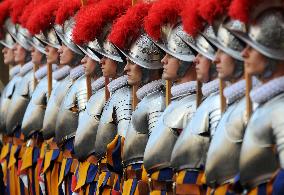
The Vatican's Swiss Guards swore in 32 new recruits on May 6, 2009. The new recruits joined their ranks in an elaborate swearing-in ceremony in the Vatican's Apostolic Palace. The ceremony is held each May 6 to commemorate the 147 Swiss Guards who died protecting Pope Clement VII during the 1527 Sack of Rome. Then each new recruit grasped the corps' flag and, raising three fingers in a symbol of the Holy Trinity, swore to uphold the Swiss Guard oath to protect Benedict XVI and his successors. Photo by Eric Vandeville/ABACAPRESS.COM

  •  
Behind The Scenes Of The Vatican

Behind The Scenes Of The Vatican

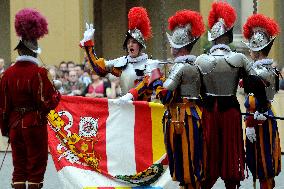
The Vatican's Swiss Guards swore in 32 new recruits on May 6, 2015 at the Vatican. The new recruits joined their ranks in an elaborate swearing-in ceremony . The ceremony is held each May 6 to commemorate the 147 Swiss Guards who died protecting Pope Clement VII during the 1527 Sack of Rome. Then each new recruit grasped the corps' flag and, raising three fingers in a symbol of the Holy Trinity, swore to uphold the Swiss Guard oath to protect pope Francis and his successors. The Swiss Guard, founded in 1506, consists of 100 volunteers who must be Swiss nationals, Catholic, single, at least 174 cm (5 feet 8 inches) tall and beardless. Photo by Eric Vandeville/ABACAPRESS.COM

  •  
Behind The Scenes Of The Vatican

Behind The Scenes Of The Vatican

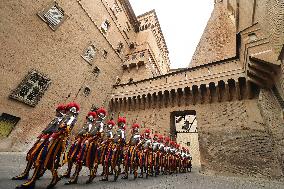
The Vatican's Swiss Guards swore in 32 new recruits on May 6, 2009. The new recruits joined their ranks in an elaborate swearing-in ceremony in the Vatican's Apostolic Palace. The ceremony is held each May 6 to commemorate the 147 Swiss Guards who died protecting Pope Clement VII during the 1527 Sack of Rome. Then each new recruit grasped the corps' flag and, raising three fingers in a symbol of the Holy Trinity, swore to uphold the Swiss Guard oath to protect Benedict XVI and his successors. Photo by Eric Vandeville/ABACAPRESS.COM

  •  
Paris Carnival 2025 - France

Paris Carnival 2025 - France

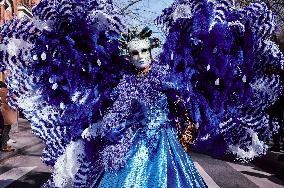
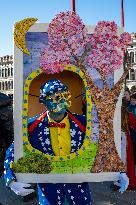
A performer in an elaborate blue costume poses during the Promenade du Boeuf Gras in Paris, on March 2, 2025. The parade, known for its extravagant costumes and theatrical performances, dates back to the Middle Ages and features a symbolic procession led by the “Fat Ox,” a nod to historic French feasting customs before Lent. Photo by Olivia Bonnamour/ABACAPRESS.COM

  •  
Venice Carnival 2025

Venice Carnival 2025

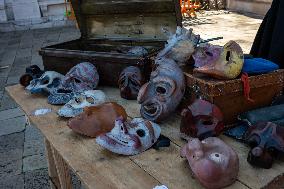
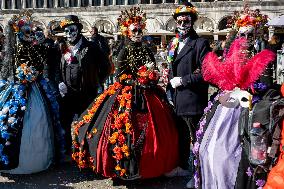
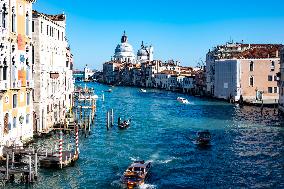
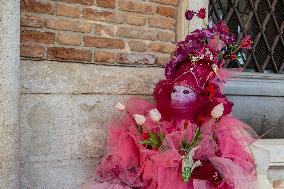
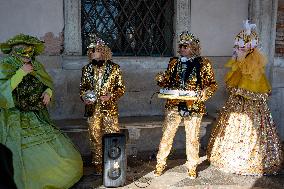
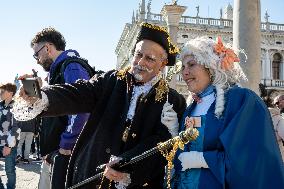
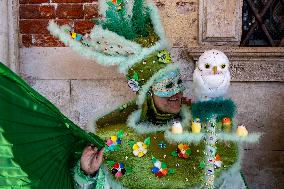
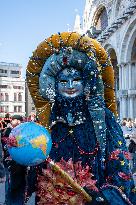
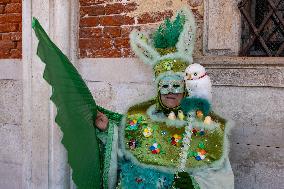
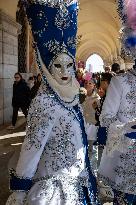
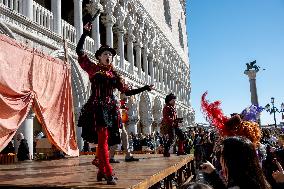
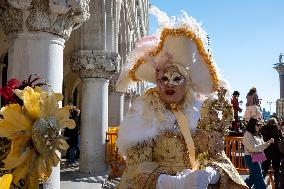
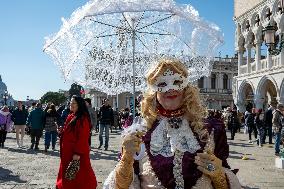
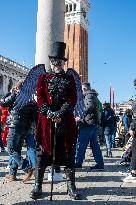
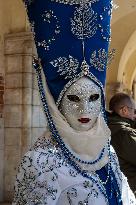
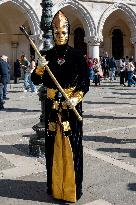
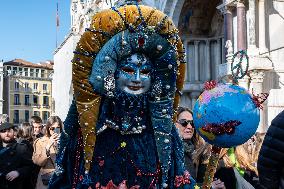
Elaborate costumes and masks at the Venice Carnival, in Venice, Italy, on March 04, 2025. The Carnival traces its origins to the Middle Ages, existing for several centuries until it was abolished in 1797. The tradition was revived in 1979, and the modern event now attracts approximately 3 million visitors annually. Photo by Alessio Marini/LiveMedia/IPA/ABACAPRESS.COM

  •  
Venice Carnival 2025

Venice Carnival 2025

Elaborate costumes and masks at the Venice Carnival, in Venice, Italy, on March 04, 2025. The Carnival traces its origins to the Middle Ages, existing for several centuries until it was abolished in 1797. The tradition was revived in 1979, and the modern event now attracts approximately 3 million visitors annually. Photo by Alessio Marini/LiveMedia/IPA/ABACAPRESS.COM

  •  
Venice Carnival 2025

Venice Carnival 2025

Elaborate costumes and masks at the Venice Carnival, in Venice, Italy, on March 04, 2025. The Carnival traces its origins to the Middle Ages, existing for several centuries until it was abolished in 1797. The tradition was revived in 1979, and the modern event now attracts approximately 3 million visitors annually. Photo by Alessio Marini/LiveMedia/IPA/ABACAPRESS.COM

  •  
Venice Carnival 2025

Venice Carnival 2025

Elaborate costumes and masks at the Venice Carnival, in Venice, Italy, on March 04, 2025. The Carnival traces its origins to the Middle Ages, existing for several centuries until it was abolished in 1797. The tradition was revived in 1979, and the modern event now attracts approximately 3 million visitors annually. Photo by Alessio Marini/LiveMedia/IPA/ABACAPRESS.COM

  •  
Venice Carnival 2025

Venice Carnival 2025

Elaborate costumes and masks at the Venice Carnival, in Venice, Italy, on March 04, 2025. The Carnival traces its origins to the Middle Ages, existing for several centuries until it was abolished in 1797. The tradition was revived in 1979, and the modern event now attracts approximately 3 million visitors annually. Photo by Alessio Marini/LiveMedia/IPA/ABACAPRESS.COM

  •  
Venice Carnival 2025

Venice Carnival 2025

Elaborate costumes and masks at the Venice Carnival, in Venice, Italy, on March 04, 2025. The Carnival traces its origins to the Middle Ages, existing for several centuries until it was abolished in 1797. The tradition was revived in 1979, and the modern event now attracts approximately 3 million visitors annually. Photo by Alessio Marini/LiveMedia/IPA/ABACAPRESS.COM

  •  
Venice Carnival 2025

Venice Carnival 2025

Elaborate costumes and masks at the Venice Carnival, in Venice, Italy, on March 04, 2025. The Carnival traces its origins to the Middle Ages, existing for several centuries until it was abolished in 1797. The tradition was revived in 1979, and the modern event now attracts approximately 3 million visitors annually. Photo by Alessio Marini/LiveMedia/IPA/ABACAPRESS.COM

  •  
Venice Carnival 2025

Venice Carnival 2025

Elaborate costumes and masks at the Venice Carnival, in Venice, Italy, on March 04, 2025. The Carnival traces its origins to the Middle Ages, existing for several centuries until it was abolished in 1797. The tradition was revived in 1979, and the modern event now attracts approximately 3 million visitors annually. Photo by Alessio Marini/LiveMedia/IPA/ABACAPRESS.COM

  •  
Venice Carnival 2025

Venice Carnival 2025

Elaborate costumes and masks at the Venice Carnival, in Venice, Italy, on March 04, 2025. The Carnival traces its origins to the Middle Ages, existing for several centuries until it was abolished in 1797. The tradition was revived in 1979, and the modern event now attracts approximately 3 million visitors annually. Photo by Alessio Marini/LiveMedia/IPA/ABACAPRESS.COM

  •  
Venice Carnival 2025

Venice Carnival 2025

Elaborate costumes and masks at the Venice Carnival, in Venice, Italy, on March 04, 2025. The Carnival traces its origins to the Middle Ages, existing for several centuries until it was abolished in 1797. The tradition was revived in 1979, and the modern event now attracts approximately 3 million visitors annually. Photo by Alessio Marini/LiveMedia/IPA/ABACAPRESS.COM

  •  
Venice Carnival 2025

Venice Carnival 2025

Elaborate costumes and masks at the Venice Carnival, in Venice, Italy, on March 04, 2025. The Carnival traces its origins to the Middle Ages, existing for several centuries until it was abolished in 1797. The tradition was revived in 1979, and the modern event now attracts approximately 3 million visitors annually. Photo by Alessio Marini/LiveMedia/IPA/ABACAPRESS.COM

  •  
Venice Carnival 2025

Venice Carnival 2025

Elaborate costumes and masks at the Venice Carnival, in Venice, Italy, on March 04, 2025. The Carnival traces its origins to the Middle Ages, existing for several centuries until it was abolished in 1797. The tradition was revived in 1979, and the modern event now attracts approximately 3 million visitors annually. Photo by Alessio Marini/LiveMedia/IPA/ABACAPRESS.COM

  •  
Venice Carnival 2025

Venice Carnival 2025

Elaborate costumes and masks at the Venice Carnival, in Venice, Italy, on March 04, 2025. The Carnival traces its origins to the Middle Ages, existing for several centuries until it was abolished in 1797. The tradition was revived in 1979, and the modern event now attracts approximately 3 million visitors annually. Photo by Alessio Marini/LiveMedia/IPA/ABACAPRESS.COM

  •  
Venice Carnival 2025

Venice Carnival 2025

Elaborate costumes and masks at the Venice Carnival, in Venice, Italy, on March 04, 2025. The Carnival traces its origins to the Middle Ages, existing for several centuries until it was abolished in 1797. The tradition was revived in 1979, and the modern event now attracts approximately 3 million visitors annually. Photo by Alessio Marini/LiveMedia/IPA/ABACAPRESS.COM

  •  
Venice Carnival 2025

Venice Carnival 2025

Elaborate costumes and masks at the Venice Carnival, in Venice, Italy, on March 04, 2025. The Carnival traces its origins to the Middle Ages, existing for several centuries until it was abolished in 1797. The tradition was revived in 1979, and the modern event now attracts approximately 3 million visitors annually. Photo by Alessio Marini/LiveMedia/IPA/ABACAPRESS.COM

  •  
Venice Carnival 2025

Venice Carnival 2025

Elaborate costumes and masks at the Venice Carnival, in Venice, Italy, on March 04, 2025. The Carnival traces its origins to the Middle Ages, existing for several centuries until it was abolished in 1797. The tradition was revived in 1979, and the modern event now attracts approximately 3 million visitors annually. Photo by Alessio Marini/LiveMedia/IPA/ABACAPRESS.COM

  •  
Venice Carnival 2025

Venice Carnival 2025

Elaborate costumes and masks at the Venice Carnival, in Venice, Italy, on March 04, 2025. The Carnival traces its origins to the Middle Ages, existing for several centuries until it was abolished in 1797. The tradition was revived in 1979, and the modern event now attracts approximately 3 million visitors annually. Photo by Alessio Marini/LiveMedia/IPA/ABACAPRESS.COM

  •  
Venice Carnival 2025

Venice Carnival 2025

Elaborate costumes and masks at the Venice Carnival, in Venice, Italy, on March 04, 2025. The Carnival traces its origins to the Middle Ages, existing for several centuries until it was abolished in 1797. The tradition was revived in 1979, and the modern event now attracts approximately 3 million visitors annually. Photo by Alessio Marini/LiveMedia/IPA/ABACAPRESS.COM

  •  
Venice Carnival 2025

Venice Carnival 2025

Elaborate costumes and masks at the Venice Carnival, in Venice, Italy, on March 04, 2025. The Carnival traces its origins to the Middle Ages, existing for several centuries until it was abolished in 1797. The tradition was revived in 1979, and the modern event now attracts approximately 3 million visitors annually. Photo by Alessio Marini/LiveMedia/IPA/ABACAPRESS.COM

  •  
Venice Carnival 2025

Venice Carnival 2025

Elaborate costumes and masks at the Venice Carnival, in Venice, Italy, on March 04, 2025. The Carnival traces its origins to the Middle Ages, existing for several centuries until it was abolished in 1797. The tradition was revived in 1979, and the modern event now attracts approximately 3 million visitors annually. Photo by Alessio Marini/LiveMedia/IPA/ABACAPRESS.COM

  •  
Venice Carnival 2025

Venice Carnival 2025

Elaborate costumes and masks at the Venice Carnival, in Venice, Italy, on March 04, 2025. The Carnival traces its origins to the Middle Ages, existing for several centuries until it was abolished in 1797. The tradition was revived in 1979, and the modern event now attracts approximately 3 million visitors annually. Photo by Alessio Marini/LiveMedia/IPA/ABACAPRESS.COM

  •  
Venice Carnival 2025

Venice Carnival 2025

Elaborate costumes and masks at the Venice Carnival, in Venice, Italy, on March 04, 2025. The Carnival traces its origins to the Middle Ages, existing for several centuries until it was abolished in 1797. The tradition was revived in 1979, and the modern event now attracts approximately 3 million visitors annually. Photo by Alessio Marini/LiveMedia/IPA/ABACAPRESS.COM

  • Main
  • Top
  • Editorial
  • Creative
  • About Us
  • About ILG
  • Terms of use
  • Company
  • BEHIND
  • Price List
  • Single Plan
  • Monthly Plan
  • Services
  • Shooting
  • Rights Clearance
  • Support
  • FAQ
  • How To Buy
  • Contact Us
  • Become a Partner

© KYODO NEWS IMAGES INC

All Rights Reserved.

  • Editorial
  • Olympics
  • News
  • Sports
  • Japan
  • Tech
  • Royal
  • Disaster
  • NorthKorea
  • Old Japan
  • SNS

  • Creative
  • Food
  • Japan
  • Landscape
  • Animal
  • Popular
  • #Ukraine
  • #Thailand
  • #coronavirus
  • #N. Korea
  • #Russia
  • #China
  • #Ukraine
  • #Thailand
  • #coronavirus
  • #N. Korea
  • #Russia
  • #China
  • Food
  • Japan
  • Landscape
  • Animal
  • Olympics
  • News
  • Sports
  • Japan
  • Tech
  • Royal
  • Disaster
  • NorthKorea
  • Old Japan
  • SNS