•  
Environmental Pollution In Bangladesh

Environmental Pollution In Bangladesh

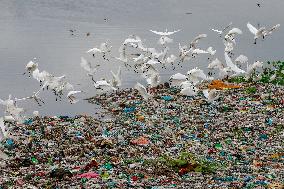
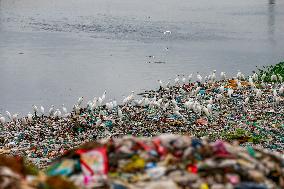
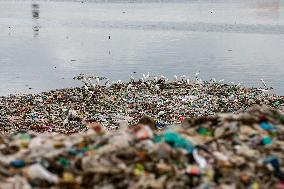
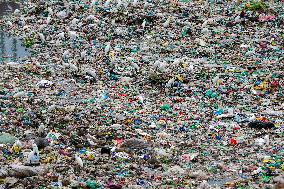
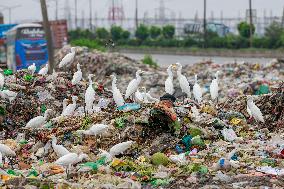
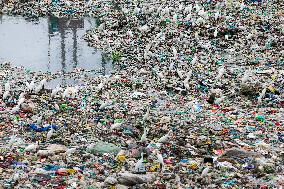
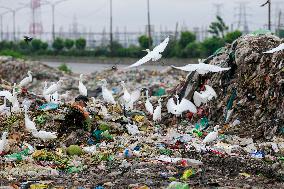
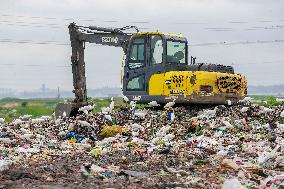
October 02, 2025, Dhaka, Bangladesh: The rivers and canals around Dhaka were once vital sanctuaries of biodiversity. Countless fish swam in their waters, serving as the main food source for fish-eating birds. But now that scene belongs to the past. What was once clear water is now occupied by heaps of garbage. Plastic, polythene, industrial waste, and household trash have severely polluted the water. Faced with a food crisis, fish-eating egrets are being forced to search for food in these piles of waste. Their natural food—fish—is no longer easily available, compelling them to look for alternatives. In Bangladesh, the filling up of rivers and wetlands, illegal encroachment, and plastic pollution together are pushing aquatic ecosystems towards destruction. These wetlands once provided shelter to thousands of native and migratory birds. But in recent years, their numbers have sharply declined. From the haors to Dhaka’s Turag and Balu rivers and other wetlands, the picture is the same: encroachment, landfilling,

  •  
Environmental Pollution In Bangladesh

Environmental Pollution In Bangladesh

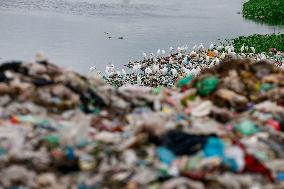
October 02, 2025, Dhaka, Bangladesh: The rivers and canals around Dhaka were once vital sanctuaries of biodiversity. Countless fish swam in their waters, serving as the main food source for fish-eating birds. But now that scene belongs to the past. What was once clear water is now occupied by heaps of garbage. Plastic, polythene, industrial waste, and household trash have severely polluted the water. Faced with a food crisis, fish-eating egrets are being forced to search for food in these piles of waste. Their natural food—fish—is no longer easily available, compelling them to look for alternatives. In Bangladesh, the filling up of rivers and wetlands, illegal encroachment, and plastic pollution together are pushing aquatic ecosystems towards destruction. These wetlands once provided shelter to thousands of native and migratory birds. But in recent years, their numbers have sharply declined. From the haors to Dhaka’s Turag and Balu rivers and other wetlands, the picture is the same: encroachment, landfilling,

  •  
Environmental Pollution In Bangladesh

Environmental Pollution In Bangladesh

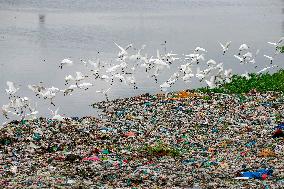
October 02, 2025, Dhaka, Bangladesh: The rivers and canals around Dhaka were once vital sanctuaries of biodiversity. Countless fish swam in their waters, serving as the main food source for fish-eating birds. But now that scene belongs to the past. What was once clear water is now occupied by heaps of garbage. Plastic, polythene, industrial waste, and household trash have severely polluted the water. Faced with a food crisis, fish-eating egrets are being forced to search for food in these piles of waste. Their natural food—fish—is no longer easily available, compelling them to look for alternatives. In Bangladesh, the filling up of rivers and wetlands, illegal encroachment, and plastic pollution together are pushing aquatic ecosystems towards destruction. These wetlands once provided shelter to thousands of native and migratory birds. But in recent years, their numbers have sharply declined. From the haors to Dhaka’s Turag and Balu rivers and other wetlands, the picture is the same: encroachment, landfilling,

  •  
Environmental Pollution In Bangladesh

Environmental Pollution In Bangladesh

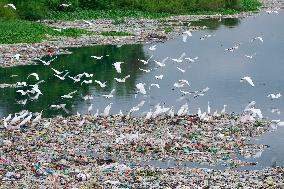
October 02, 2025, Dhaka, Bangladesh: The rivers and canals around Dhaka were once vital sanctuaries of biodiversity. Countless fish swam in their waters, serving as the main food source for fish-eating birds. But now that scene belongs to the past. What was once clear water is now occupied by heaps of garbage. Plastic, polythene, industrial waste, and household trash have severely polluted the water. Faced with a food crisis, fish-eating egrets are being forced to search for food in these piles of waste. Their natural food—fish—is no longer easily available, compelling them to look for alternatives. In Bangladesh, the filling up of rivers and wetlands, illegal encroachment, and plastic pollution together are pushing aquatic ecosystems towards destruction. These wetlands once provided shelter to thousands of native and migratory birds. But in recent years, their numbers have sharply declined. From the haors to Dhaka’s Turag and Balu rivers and other wetlands, the picture is the same: encroachment, landfilling,

  •  
Environmental Pollution In Bangladesh

Environmental Pollution In Bangladesh

October 02, 2025, Dhaka, Bangladesh: The rivers and canals around Dhaka were once vital sanctuaries of biodiversity. Countless fish swam in their waters, serving as the main food source for fish-eating birds. But now that scene belongs to the past. What was once clear water is now occupied by heaps of garbage. Plastic, polythene, industrial waste, and household trash have severely polluted the water. Faced with a food crisis, fish-eating egrets are being forced to search for food in these piles of waste. Their natural food—fish—is no longer easily available, compelling them to look for alternatives. In Bangladesh, the filling up of rivers and wetlands, illegal encroachment, and plastic pollution together are pushing aquatic ecosystems towards destruction. These wetlands once provided shelter to thousands of native and migratory birds. But in recent years, their numbers have sharply declined. From the haors to Dhaka’s Turag and Balu rivers and other wetlands, the picture is the same: encroachment, landfilling,

  •  
Environmental Pollution In Bangladesh

Environmental Pollution In Bangladesh

October 02, 2025, Dhaka, Bangladesh: The rivers and canals around Dhaka were once vital sanctuaries of biodiversity. Countless fish swam in their waters, serving as the main food source for fish-eating birds. But now that scene belongs to the past. What was once clear water is now occupied by heaps of garbage. Plastic, polythene, industrial waste, and household trash have severely polluted the water. Faced with a food crisis, fish-eating egrets are being forced to search for food in these piles of waste. Their natural food—fish—is no longer easily available, compelling them to look for alternatives. In Bangladesh, the filling up of rivers and wetlands, illegal encroachment, and plastic pollution together are pushing aquatic ecosystems towards destruction. These wetlands once provided shelter to thousands of native and migratory birds. But in recent years, their numbers have sharply declined. From the haors to Dhaka’s Turag and Balu rivers and other wetlands, the picture is the same: encroachment, landfilling,

  •  
Environmental Pollution In Bangladesh

Environmental Pollution In Bangladesh

October 02, 2025, Dhaka, Bangladesh: The rivers and canals around Dhaka were once vital sanctuaries of biodiversity. Countless fish swam in their waters, serving as the main food source for fish-eating birds. But now that scene belongs to the past. What was once clear water is now occupied by heaps of garbage. Plastic, polythene, industrial waste, and household trash have severely polluted the water. Faced with a food crisis, fish-eating egrets are being forced to search for food in these piles of waste. Their natural food—fish—is no longer easily available, compelling them to look for alternatives. In Bangladesh, the filling up of rivers and wetlands, illegal encroachment, and plastic pollution together are pushing aquatic ecosystems towards destruction. These wetlands once provided shelter to thousands of native and migratory birds. But in recent years, their numbers have sharply declined. From the haors to Dhaka’s Turag and Balu rivers and other wetlands, the picture is the same: encroachment, landfilling,

  •  
Environmental Pollution In Bangladesh

Environmental Pollution In Bangladesh

October 02, 2025, Dhaka, Bangladesh: The rivers and canals around Dhaka were once vital sanctuaries of biodiversity. Countless fish swam in their waters, serving as the main food source for fish-eating birds. But now that scene belongs to the past. What was once clear water is now occupied by heaps of garbage. Plastic, polythene, industrial waste, and household trash have severely polluted the water. Faced with a food crisis, fish-eating egrets are being forced to search for food in these piles of waste. Their natural food—fish—is no longer easily available, compelling them to look for alternatives. In Bangladesh, the filling up of rivers and wetlands, illegal encroachment, and plastic pollution together are pushing aquatic ecosystems towards destruction. These wetlands once provided shelter to thousands of native and migratory birds. But in recent years, their numbers have sharply declined. From the haors to Dhaka’s Turag and Balu rivers and other wetlands, the picture is the same: encroachment, landfilling,

  •  
Environmental Pollution In Bangladesh

Environmental Pollution In Bangladesh

October 02, 2025, Dhaka, Bangladesh: The rivers and canals around Dhaka were once vital sanctuaries of biodiversity. Countless fish swam in their waters, serving as the main food source for fish-eating birds. But now that scene belongs to the past. What was once clear water is now occupied by heaps of garbage. Plastic, polythene, industrial waste, and household trash have severely polluted the water. Faced with a food crisis, fish-eating egrets are being forced to search for food in these piles of waste. Their natural food—fish—is no longer easily available, compelling them to look for alternatives. In Bangladesh, the filling up of rivers and wetlands, illegal encroachment, and plastic pollution together are pushing aquatic ecosystems towards destruction. These wetlands once provided shelter to thousands of native and migratory birds. But in recent years, their numbers have sharply declined. From the haors to Dhaka’s Turag and Balu rivers and other wetlands, the picture is the same: encroachment, landfilling,

  •  
Environmental Pollution In Bangladesh

Environmental Pollution In Bangladesh

October 02, 2025, Dhaka, Bangladesh: The rivers and canals around Dhaka were once vital sanctuaries of biodiversity. Countless fish swam in their waters, serving as the main food source for fish-eating birds. But now that scene belongs to the past. What was once clear water is now occupied by heaps of garbage. Plastic, polythene, industrial waste, and household trash have severely polluted the water. Faced with a food crisis, fish-eating egrets are being forced to search for food in these piles of waste. Their natural food—fish—is no longer easily available, compelling them to look for alternatives. In Bangladesh, the filling up of rivers and wetlands, illegal encroachment, and plastic pollution together are pushing aquatic ecosystems towards destruction. These wetlands once provided shelter to thousands of native and migratory birds. But in recent years, their numbers have sharply declined. From the haors to Dhaka’s Turag and Balu rivers and other wetlands, the picture is the same: encroachment, landfilling,

  •  
Environmental Pollution In Bangladesh

Environmental Pollution In Bangladesh

October 02, 2025, Dhaka, Bangladesh: The rivers and canals around Dhaka were once vital sanctuaries of biodiversity. Countless fish swam in their waters, serving as the main food source for fish-eating birds. But now that scene belongs to the past. What was once clear water is now occupied by heaps of garbage. Plastic, polythene, industrial waste, and household trash have severely polluted the water. Faced with a food crisis, fish-eating egrets are being forced to search for food in these piles of waste. Their natural food—fish—is no longer easily available, compelling them to look for alternatives. In Bangladesh, the filling up of rivers and wetlands, illegal encroachment, and plastic pollution together are pushing aquatic ecosystems towards destruction. These wetlands once provided shelter to thousands of native and migratory birds. But in recent years, their numbers have sharply declined. From the haors to Dhaka’s Turag and Balu rivers and other wetlands, the picture is the same: encroachment, landfilling,

  •  
Destroying Olive Trees in Palestinian Territories

Destroying Olive Trees in Palestinian Territories

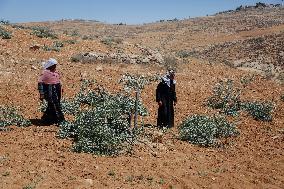
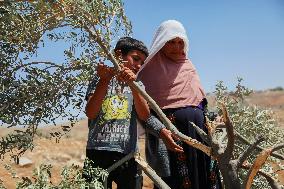
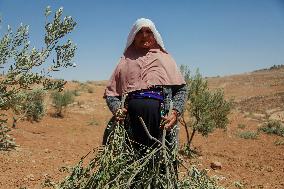
Reda Al-Adra and a boy examine a damaged olive tree in Ad Dayrat, West Bank on May 24, 2025. Israeli settlers have cut down around 100 olive trees belonging to Palestinian farmers in the area. The Karmiel settlement, established on the lands of Umm Al-Khair, is expanding toward Palestinian territory through pastoral encroachment and frequent settler attacks, according to the Municipal Council. Photo by Mosab Shawer/Middle East/ABACAPRESS.COM

  •  
Destroying Olive Trees in Palestinian Territories

Destroying Olive Trees in Palestinian Territories

Ismail Al-Adra and his wife Reda walk through their damaged olive grove in Ad Dayrat, West Bank on May 24, 2025. Israeli settlers have cut down around 100 olive trees belonging to Palestinian farmers in the area. The Karmiel settlement, established on the lands of Umm Al-Khair, is expanding toward Palestinian territory through pastoral encroachment and frequent settler attacks, according to the Municipal Council. Photo by Mosab Shawer/Middle East/ABACAPRESS.COM

  •  
Destroying Olive Trees in Palestinian Territories

Destroying Olive Trees in Palestinian Territories

Reda Al-Adra and a boy examine a damaged olive tree in Ad Dayrat, West Bank on May 24, 2025. Israeli settlers have cut down around 100 olive trees belonging to Palestinian farmers in the area. The Karmiel settlement, established on the lands of Umm Al-Khair, is expanding toward Palestinian territory through pastoral encroachment and frequent settler attacks, according to the Municipal Council. Photo by Mosab Shawer/Middle East/ABACAPRESS.COM

  •  
Destroying Olive Trees in Palestinian Territories

Destroying Olive Trees in Palestinian Territories

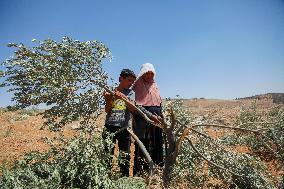
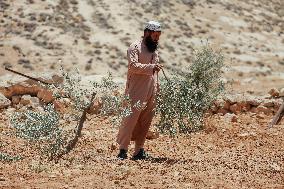
A man holds an uprooted olive branch in Ad Dayrat, West Bank on May 24, 2025. Israeli settlers have cut down around 100 olive trees belonging to Palestinian farmers in the area. The Karmiel settlement, established on the lands of Umm Al-Khair, is expanding toward Palestinian territory through pastoral encroachment and frequent settler attacks, according to the Municipal Council. Photo by Mosab Shawer/Middle East/ABACAPRESS.COM

  •  
Destroying Olive Trees in Palestinian Territories

Destroying Olive Trees in Palestinian Territories

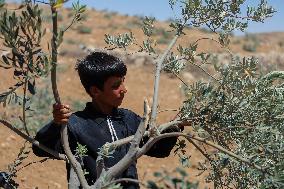
A boy holds the branch of a damaged olive tree in Ad Dayrat, West Bank on May 24, 2025. Israeli settlers have cut down around 100 olive trees belonging to Palestinian farmers in the area. The Karmiel settlement, established on the lands of Umm Al-Khair, is expanding toward Palestinian territory through pastoral encroachment and frequent settler attacks, according to the Municipal Council. Photo by Mosab Shawer/Middle East/ABACAPRESS.COM

  •  
Destroying Olive Trees in Palestinian Territories

Destroying Olive Trees in Palestinian Territories

Reda Al-Adra stands beside uprooted olive branches in Ad Dayrat, West Bank on May 24, 2025. Israeli settlers have cut down around 100 olive trees belonging to Palestinian farmers in the area. The Karmiel settlement, established on the lands of Umm Al-Khair, is expanding toward Palestinian territory through pastoral encroachment and frequent settler attacks, according to the Municipal Council. Photo by Mosab Shawer/Middle East/ABACAPRESS.COM

  •  

Green belt on edge of desert benefits farmers, herdsmen in north China

STORY: Green belt on edge of desert benefits farmers, herdsmen in north China DATELINE: Oct. 21, 2022 LENGTH: 0:01:19 LOCATION: HOHHOT, China CATEGORY: ENVIRONMENT SHOTLIST: 1. various of saxaul trees 2. SOUNDBITE 1 (Chinese): LIU HONGYI, Head of a forestry station in Alxa Left Banner in Inner Mongolia 3. SOUNDBITE 2 (Chinese): LIU HONGYI, Head of a forestry station in Alxa Left Banner in Inner Mongolia 4. SOUNDBITE 3 (Chinese): XU QIANGYE, Local herdsman STORYLINE: A forest of saxaul trees on the edge of a desert in China's Inner Mongolia, not only prevents the encroachment of the desert, but also helps boost incomes for local residents. SOUNDBITE 1 (Chinese): LIU HONGYI, Head of a forestry station in Alxa Left Banner in Inner Mongolia "The government in Alxa Left Banner proposed building an industrial base of saxauls and herba cistanches in 2010, which covers an area of about 66,667 hectares. One purpose of it was to improve the ecology, and the other is to facilitate the employment of farmers and herde

  •  

Iran criticizes West's centuries-long history of environmental destruction

STORY: Iran criticizes West's centuries-long history of environmental destruction DATELINE: July 13, 2022 LENGTH: 00:01:57 LOCATION: Tehran CATEGORY: POLITICS SHOTLIST: 1. various of the regional meeting STORYLINE: Iranian President Ebrahim Raisi on Tuesday slammed Western countries for having played a major role in global environmental destruction over the past centuries. "The hegemonic approach of Western governments during the past centuries and their unlimited encroachment on natural resources... has been one of the main factors of environmental problems," Raisi said at a regional meeting on environmental issues held in the capital Tehran. The West should "take more responsibility in environmental protection," he said, urging the Western countries to avoid using the environmental factor for their "new colonialism" in the technology field. Raisi also pointed out some regional environmental challenges, including the crisis of increasing dust storms, climate change, and pollution of bio

  •  
Scenes from Tuvalu

Scenes from Tuvalu

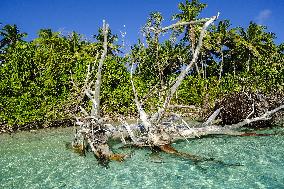
Photo taken Oct. 12, 2019, shows a collapsed tree following encroachment of seawater after the rise of sea levels on Tepuka islet within the atoll of Funafuti, Tuvalu. (Photo by freelance photographer Shuichi Endo) (Kyodo) ==Kyodo

  • Main
  • Top
  • Editorial
  • Creative
  • About Us
  • About ILG
  • Terms of use
  • Company
  • BEHIND
  • Price List
  • Single Plan
  • Monthly Plan
  • Services
  • Shooting
  • Rights Clearance
  • Support
  • FAQ
  • How To Buy
  • Contact Us
  • Become a Partner

© KYODO NEWS IMAGES INC

All Rights Reserved.

  • Editorial
  • Olympics
  • News
  • Sports
  • Japan
  • Tech
  • Royal
  • Disaster
  • NorthKorea
  • Old Japan
  • SNS
  • Creative
  • Food
  • Japan
  • Landscape
  • Animal
  • Popular
  • #Ukraine
  • #China
  • #coronavirus
  • #N. Korea
  • #Thailand
  • #Russia
  • #Ukraine
  • #China
  • #coronavirus
  • #N. Korea
  • #Thailand
  • #Russia
  • Food
  • Japan
  • Landscape
  • Animal
  • Olympics
  • News
  • Sports
  • Japan
  • Tech
  • Royal
  • Disaster
  • NorthKorea
  • Old Japan
  • SNS