•  
Drying Wetland Fuels Dust Storm Crisis - Iran

Drying Wetland Fuels Dust Storm Crisis - Iran

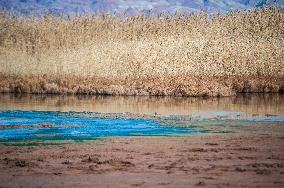
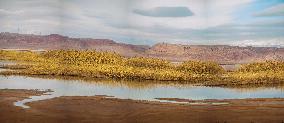
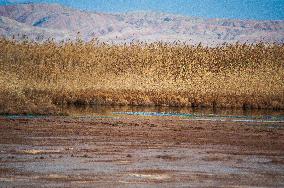
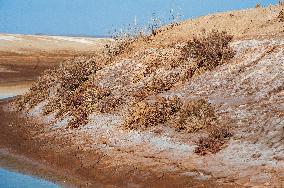
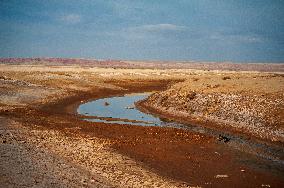
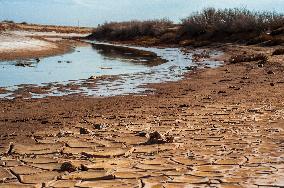
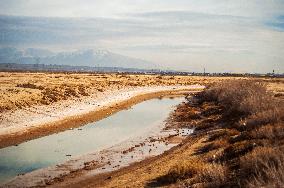
A narrow stream of water runs through the parched expanse of Eshtehard Wetland in Alborz Province, on January 5, 2016, in Eshtehard, Iran. Once a seasonal lake, the wetland has largely dried up due to prolonged drought, declining rainfall, and poor water management, becoming a growing source of dust pollution for nearby communities. Photo by Damoun Pournemati/Middle East Images/ABACAPRESS.COM

  •  
Drying Wetland Fuels Dust Storm Crisis - Iran

Drying Wetland Fuels Dust Storm Crisis - Iran

A narrow stream of water runs through the parched expanse of Eshtehard Wetland in Alborz Province, on January 5, 2016, in Eshtehard, Iran. Once a seasonal lake, the wetland has largely dried up due to prolonged drought, declining rainfall, and poor water management, becoming a growing source of dust pollution for nearby communities. Photo by Damoun Pournemati/Middle East Images/ABACAPRESS.COM

  •  
Drying Wetland Fuels Dust Storm Crisis - Iran

Drying Wetland Fuels Dust Storm Crisis - Iran

A narrow stream of water runs through the parched expanse of Eshtehard Wetland in Alborz Province, on January 5, 2016, in Eshtehard, Iran. Once a seasonal lake, the wetland has largely dried up due to prolonged drought, declining rainfall, and poor water management, becoming a growing source of dust pollution for nearby communities. Photo by Damoun Pournemati/Middle East Images/ABACAPRESS.COM

  •  
Drying Wetland Fuels Dust Storm Crisis - Iran

Drying Wetland Fuels Dust Storm Crisis - Iran

A narrow stream of water runs through the parched expanse of Eshtehard Wetland in Alborz Province, on January 5, 2016, in Eshtehard, Iran. Once a seasonal lake, the wetland has largely dried up due to prolonged drought, declining rainfall, and poor water management, becoming a growing source of dust pollution for nearby communities. Photo by Damoun Pournemati/Middle East Images/ABACAPRESS.COM

  •  
Drying Wetland Fuels Dust Storm Crisis - Iran

Drying Wetland Fuels Dust Storm Crisis - Iran

A narrow stream of water runs through the parched expanse of Eshtehard Wetland in Alborz Province, on January 5, 2016, in Eshtehard, Iran. Once a seasonal lake, the wetland has largely dried up due to prolonged drought, declining rainfall, and poor water management, becoming a growing source of dust pollution for nearby communities. Photo by Damoun Pournemati/Middle East Images/ABACAPRESS.COM

  •  
Drying Wetland Fuels Dust Storm Crisis - Iran

Drying Wetland Fuels Dust Storm Crisis - Iran

A narrow stream of water runs through the parched expanse of Eshtehard Wetland in Alborz Province, on January 5, 2016, in Eshtehard, Iran. Once a seasonal lake, the wetland has largely dried up due to prolonged drought, declining rainfall, and poor water management, becoming a growing source of dust pollution for nearby communities. Photo by Damoun Pournemati/Middle East Images/ABACAPRESS.COM

  •  
Drying Wetland Fuels Dust Storm Crisis - Iran

Drying Wetland Fuels Dust Storm Crisis - Iran

A narrow stream of water runs through the parched expanse of Eshtehard Wetland in Alborz Province, on January 5, 2016, in Eshtehard, Iran. Once a seasonal lake, the wetland has largely dried up due to prolonged drought, declining rainfall, and poor water management, becoming a growing source of dust pollution for nearby communities. Photo by Damoun Pournemati/Middle East Images/ABACAPRESS.COM

  •  
Snub-Nosed Monkey - China

Snub-Nosed Monkey - China

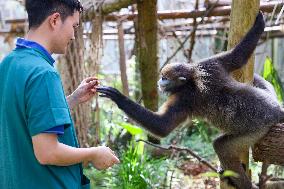
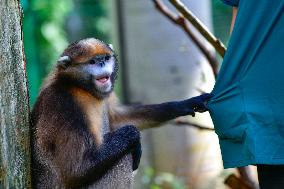
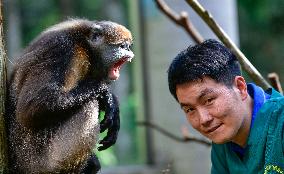
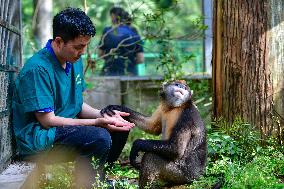
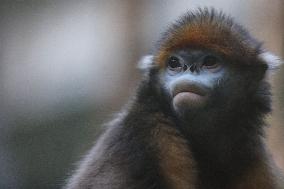
A keeper interacts with a Guizhou snub-nosed monkey in a Guizhou snub-nosed monkey research center of Mount Fanjing National Nature Reserve in southwest China's Guizhou Province, April 15, 2025. The rare Guizhou snub-nosed monkey, or Guizhou golden monkey, exclusively nestled within the expanse of Mount Fanjing, a UNESCO World Natural Heritage Site, is under top-level protection in China and is listed as a "critically endangered" species by the International Union for Conservation of Nature. Among the three species of golden snub-nosed monkeys endemic to China, the Guizhou snub-nosed monkey is the one with the smallest population, the narrowest habitat and the least ecological information. At present, there are nine captive Guizhou snub-nosed monkeys at the Guizhou snub-nosed monkey research center of Mount Fanjing National Nature Reserve, according to data from the reserve administration. Photo by Ou Dongqu/Xinhua/ABACAPRESS.COM

  •  
Snub-Nosed Monkey - China

Snub-Nosed Monkey - China

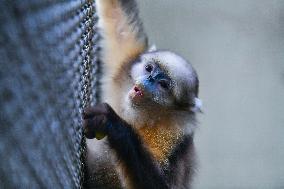
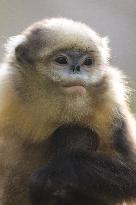
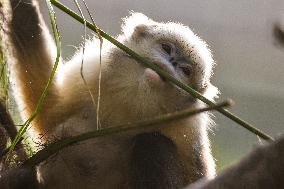
A Guizhou snub-nosed monkey is seen in a Guizhou snub-nosed monkey research center of Mount Fanjing National Nature Reserve in southwest China's Guizhou Province, April 15, 2025. The rare Guizhou snub-nosed monkey, or Guizhou golden monkey, exclusively nestled within the expanse of Mount Fanjing, a UNESCO World Natural Heritage Site, is under top-level protection in China and is listed as a "critically endangered" species by the International Union for Conservation of Nature. Among the three species of golden snub-nosed monkeys endemic to China, the Guizhou snub-nosed monkey is the one with the smallest population, the narrowest habitat and the least ecological information. At present, there are nine captive Guizhou snub-nosed monkeys at the Guizhou snub-nosed monkey research center of Mount Fanjing National Nature Reserve, according to data from the reserve administration. Photo by Xinhua/Yang Wenbin/ABACAPRESS.COM

  •  
Snub-Nosed Monkey - China

Snub-Nosed Monkey - China

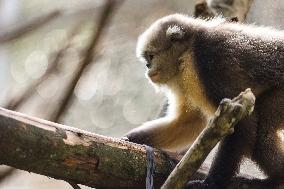
A Guizhou snub-nosed monkey is seen in a Guizhou snub-nosed monkey research center of Mount Fanjing National Nature Reserve in southwest China's Guizhou Province, April 15, 2025. The rare Guizhou snub-nosed monkey, or Guizhou golden monkey, exclusively nestled within the expanse of Mount Fanjing, a UNESCO World Natural Heritage Site, is under top-level protection in China and is listed as a "critically endangered" species by the International Union for Conservation of Nature. Among the three species of golden snub-nosed monkeys endemic to China, the Guizhou snub-nosed monkey is the one with the smallest population, the narrowest habitat and the least ecological information. At present, there are nine captive Guizhou snub-nosed monkeys at the Guizhou snub-nosed monkey research center of Mount Fanjing National Nature Reserve, according to data from the reserve administration. Photo by Xinhua/Yang Wenbin/ABACAPRESS.COM

  •  
Snub-Nosed Monkey - China

Snub-Nosed Monkey - China

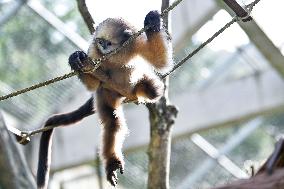
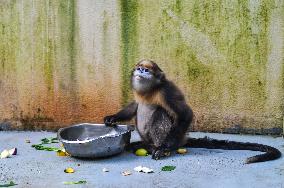
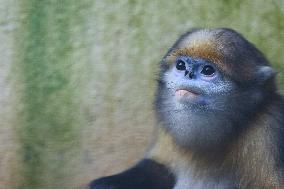
A Guizhou snub-nosed monkey is seen in a Guizhou snub-nosed monkey research center of Mount Fanjing National Nature Reserve in southwest China's Guizhou Province, April 15, 2025. The rare Guizhou snub-nosed monkey, or Guizhou golden monkey, exclusively nestled within the expanse of Mount Fanjing, a UNESCO World Natural Heritage Site, is under top-level protection in China and is listed as a "critically endangered" species by the International Union for Conservation of Nature. Among the three species of golden snub-nosed monkeys endemic to China, the Guizhou snub-nosed monkey is the one with the smallest population, the narrowest habitat and the least ecological information. At present, there are nine captive Guizhou snub-nosed monkeys at the Guizhou snub-nosed monkey research center of Mount Fanjing National Nature Reserve, according to data from the reserve administration. Photo by Ou Dongqu/Xinhua/ABACAPRESS.COM

  •  
Snub-Nosed Monkey - China

Snub-Nosed Monkey - China

A Guizhou snub-nosed monkey is seen in a Guizhou snub-nosed monkey research center of Mount Fanjing National Nature Reserve in southwest China's Guizhou Province, April 15, 2025. The rare Guizhou snub-nosed monkey, or Guizhou golden monkey, exclusively nestled within the expanse of Mount Fanjing, a UNESCO World Natural Heritage Site, is under top-level protection in China and is listed as a "critically endangered" species by the International Union for Conservation of Nature. Among the three species of golden snub-nosed monkeys endemic to China, the Guizhou snub-nosed monkey is the one with the smallest population, the narrowest habitat and the least ecological information. At present, there are nine captive Guizhou snub-nosed monkeys at the Guizhou snub-nosed monkey research center of Mount Fanjing National Nature Reserve, according to data from the reserve administration. Photo by Xinhua/Yang Wenbin/ABACAPRESS.COM

  •  
Snub-Nosed Monkey - China

Snub-Nosed Monkey - China

A Guizhou snub-nosed monkey is seen in a Guizhou snub-nosed monkey research center of Mount Fanjing National Nature Reserve in southwest China's Guizhou Province, April 15, 2025. The rare Guizhou snub-nosed monkey, or Guizhou golden monkey, exclusively nestled within the expanse of Mount Fanjing, a UNESCO World Natural Heritage Site, is under top-level protection in China and is listed as a "critically endangered" species by the International Union for Conservation of Nature. Among the three species of golden snub-nosed monkeys endemic to China, the Guizhou snub-nosed monkey is the one with the smallest population, the narrowest habitat and the least ecological information. At present, there are nine captive Guizhou snub-nosed monkeys at the Guizhou snub-nosed monkey research center of Mount Fanjing National Nature Reserve, according to data from the reserve administration. Photo by Ou Dongqu/Xinhua/ABACAPRESS.COM

  •  
Snub-Nosed Monkey - China

Snub-Nosed Monkey - China

A keeper interacts with a Guizhou snub-nosed monkey in a Guizhou snub-nosed monkey research center of Mount Fanjing National Nature Reserve in southwest China's Guizhou Province, April 15, 2025. The rare Guizhou snub-nosed monkey, or Guizhou golden monkey, exclusively nestled within the expanse of Mount Fanjing, a UNESCO World Natural Heritage Site, is under top-level protection in China and is listed as a "critically endangered" species by the International Union for Conservation of Nature. Among the three species of golden snub-nosed monkeys endemic to China, the Guizhou snub-nosed monkey is the one with the smallest population, the narrowest habitat and the least ecological information. At present, there are nine captive Guizhou snub-nosed monkeys at the Guizhou snub-nosed monkey research center of Mount Fanjing National Nature Reserve, according to data from the reserve administration. Photo by Xinhua/Yang Wenbin/ABACAPRESS.COM

  •  
Snub-Nosed Monkey - China

Snub-Nosed Monkey - China

A Guizhou snub-nosed monkey is seen in a Guizhou snub-nosed monkey research center of Mount Fanjing National Nature Reserve in southwest China's Guizhou Province, April 15, 2025. The rare Guizhou snub-nosed monkey, or Guizhou golden monkey, exclusively nestled within the expanse of Mount Fanjing, a UNESCO World Natural Heritage Site, is under top-level protection in China and is listed as a "critically endangered" species by the International Union for Conservation of Nature. Among the three species of golden snub-nosed monkeys endemic to China, the Guizhou snub-nosed monkey is the one with the smallest population, the narrowest habitat and the least ecological information. At present, there are nine captive Guizhou snub-nosed monkeys at the Guizhou snub-nosed monkey research center of Mount Fanjing National Nature Reserve, according to data from the reserve administration. Photo by Xinhua/Yang Wenbin/ABACAPRESS.COM

  •  
Snub-Nosed Monkey - China

Snub-Nosed Monkey - China

A keeper interacts with a Guizhou snub-nosed monkey in a Guizhou snub-nosed monkey research center of Mount Fanjing National Nature Reserve in southwest China's Guizhou Province, April 15, 2025. The rare Guizhou snub-nosed monkey, or Guizhou golden monkey, exclusively nestled within the expanse of Mount Fanjing, a UNESCO World Natural Heritage Site, is under top-level protection in China and is listed as a "critically endangered" species by the International Union for Conservation of Nature. Among the three species of golden snub-nosed monkeys endemic to China, the Guizhou snub-nosed monkey is the one with the smallest population, the narrowest habitat and the least ecological information. At present, there are nine captive Guizhou snub-nosed monkeys at the Guizhou snub-nosed monkey research center of Mount Fanjing National Nature Reserve, according to data from the reserve administration. Photo by Xinhua/Yang Wenbin/ABACAPRESS.COM

  •  
Snub-Nosed Monkey - China

Snub-Nosed Monkey - China

A Guizhou snub-nosed monkey is seen in a Guizhou snub-nosed monkey research center of Mount Fanjing National Nature Reserve in southwest China's Guizhou Province, April 15, 2025. The rare Guizhou snub-nosed monkey, or Guizhou golden monkey, exclusively nestled within the expanse of Mount Fanjing, a UNESCO World Natural Heritage Site, is under top-level protection in China and is listed as a "critically endangered" species by the International Union for Conservation of Nature. Among the three species of golden snub-nosed monkeys endemic to China, the Guizhou snub-nosed monkey is the one with the smallest population, the narrowest habitat and the least ecological information. At present, there are nine captive Guizhou snub-nosed monkeys at the Guizhou snub-nosed monkey research center of Mount Fanjing National Nature Reserve, according to data from the reserve administration. Photo by Ou Dongqu/Xinhua/ABACAPRESS.COM

  •  
Snub-Nosed Monkey - China

Snub-Nosed Monkey - China

A Guizhou snub-nosed monkey is seen in a Guizhou snub-nosed monkey research center of Mount Fanjing National Nature Reserve in southwest China's Guizhou Province, April 15, 2025. The rare Guizhou snub-nosed monkey, or Guizhou golden monkey, exclusively nestled within the expanse of Mount Fanjing, a UNESCO World Natural Heritage Site, is under top-level protection in China and is listed as a "critically endangered" species by the International Union for Conservation of Nature. Among the three species of golden snub-nosed monkeys endemic to China, the Guizhou snub-nosed monkey is the one with the smallest population, the narrowest habitat and the least ecological information. At present, there are nine captive Guizhou snub-nosed monkeys at the Guizhou snub-nosed monkey research center of Mount Fanjing National Nature Reserve, according to data from the reserve administration. Photo by Ou Dongqu/Xinhua/ABACAPRESS.COM

  •  
Snub-Nosed Monkey - China

Snub-Nosed Monkey - China

A Guizhou snub-nosed monkey is seen in a Guizhou snub-nosed monkey research center of Mount Fanjing National Nature Reserve in southwest China's Guizhou Province, April 15, 2025. The rare Guizhou snub-nosed monkey, or Guizhou golden monkey, exclusively nestled within the expanse of Mount Fanjing, a UNESCO World Natural Heritage Site, is under top-level protection in China and is listed as a "critically endangered" species by the International Union for Conservation of Nature. Among the three species of golden snub-nosed monkeys endemic to China, the Guizhou snub-nosed monkey is the one with the smallest population, the narrowest habitat and the least ecological information. At present, there are nine captive Guizhou snub-nosed monkeys at the Guizhou snub-nosed monkey research center of Mount Fanjing National Nature Reserve, according to data from the reserve administration. Photo by Ou Dongqu/Xinhua/ABACAPRESS.COM

  •  
Historic Firas Commercial Market Turned Into The Largest Landfill In Gaza

Historic Firas Commercial Market Turned Into The Largest Landfill In Gaza

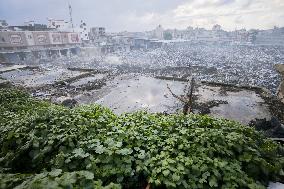
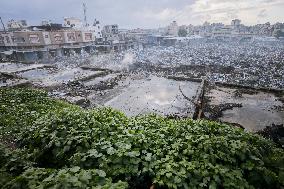
A patch of green vegetation grows near a vast expanse of garbage in the Firas market in Gaza City on February 12, 2025. Tons of accumulated garbage have turned this area into an uninhabitable zone. Photo by Youssef Alzanoun/Middle East Images/ABACAPRESS.COM

  •  
Historic Firas Commercial Market Turned Into The Largest Landfill In Gaza

Historic Firas Commercial Market Turned Into The Largest Landfill In Gaza

A patch of green vegetation grows near a vast expanse of garbage in the Firas market in Gaza City on February 12, 2025. Tons of accumulated garbage have turned this area into an uninhabitable zone. Photo by Youssef Alzanoun/Middle East Images/ABACAPRESS.COM

  •  
Situation in Yarmouk and Zamalka Palestinian refugee camps - Damascus

Situation in Yarmouk and Zamalka Palestinian refugee camps - Damascus

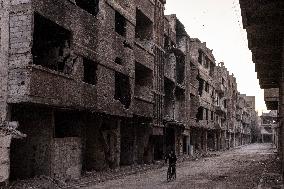
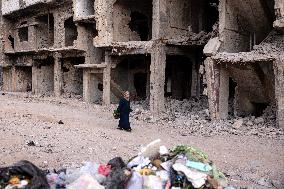
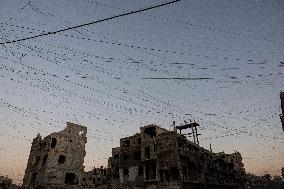
A view of the devastated area shows the Yarmouk refugee camp in Damascus, which suffered heavy destruction during attacks by the Assad regime and its allies between 2015 and 2018 in Damascus, Syria on December 17, 2024. Once a vibrant home to a predominantly Palestinian population, the camp remains a desolate expanse of rubble, untouched since the regime reclaimed control in 2018. Photo by Ugur Yildirim/DIA Images/ABACAPRESS.COM

  •  
Situation in Yarmouk and Zamalka Palestinian refugee camps - Damascus

Situation in Yarmouk and Zamalka Palestinian refugee camps - Damascus

A view of the devastated area shows the Yarmouk refugee camp in Damascus, which suffered heavy destruction during attacks by the Assad regime and its allies between 2015 and 2018 in Damascus, Syria on December 17, 2024. Once a vibrant home to a predominantly Palestinian population, the camp remains a desolate expanse of rubble, untouched since the regime reclaimed control in 2018. Photo by Ugur Yildirim/DIA Images/ABACAPRESS.COM

  •  
Situation in Yarmouk and Zamalka Palestinian refugee camps - Damascus

Situation in Yarmouk and Zamalka Palestinian refugee camps - Damascus

A view of the devastated area shows the Yarmouk refugee camp in Damascus, which suffered heavy destruction during attacks by the Assad regime and its allies between 2015 and 2018 in Damascus, Syria on December 17, 2024. Once a vibrant home to a predominantly Palestinian population, the camp remains a desolate expanse of rubble, untouched since the regime reclaimed control in 2018. Photo by Ugur Yildirim/DIA Images/ABACAPRESS.COM

  •  
Situation in Yarmouk and Zamalka Palestinian refugee camps - Damascus

Situation in Yarmouk and Zamalka Palestinian refugee camps - Damascus

A view of the devastated area shows the Yarmouk refugee camp in Damascus, which suffered heavy destruction during attacks by the Assad regime and its allies between 2015 and 2018 in Damascus, Syria on December 17, 2024. Once a vibrant home to a predominantly Palestinian population, the camp remains a desolate expanse of rubble, untouched since the regime reclaimed control in 2018. Photo by Ugur Yildirim/DIA Images/ABACAPRESS.COM

  •  
Situation in Yarmouk and Zamalka Palestinian refugee camps - Damascus

Situation in Yarmouk and Zamalka Palestinian refugee camps - Damascus

A view of the devastated area shows the Yarmouk refugee camp in Damascus, which suffered heavy destruction during attacks by the Assad regime and its allies between 2015 and 2018 in Damascus, Syria on December 17, 2024. Once a vibrant home to a predominantly Palestinian population, the camp remains a desolate expanse of rubble, untouched since the regime reclaimed control in 2018. Photo by Ugur Yildirim/DIA Images/ABACAPRESS.COM

  •  
Situation in Yarmouk and Zamalka Palestinian refugee camps - Damascus

Situation in Yarmouk and Zamalka Palestinian refugee camps - Damascus

A view of the devastated area shows the Yarmouk refugee camp in Damascus, which suffered heavy destruction during attacks by the Assad regime and its allies between 2015 and 2018 in Damascus, Syria on December 17, 2024. Once a vibrant home to a predominantly Palestinian population, the camp remains a desolate expanse of rubble, untouched since the regime reclaimed control in 2018. Photo by Ugur Yildirim/DIA Images/ABACAPRESS.COM

  •  
Climate Crisis In Khuzestan - Iran

Climate Crisis In Khuzestan - Iran

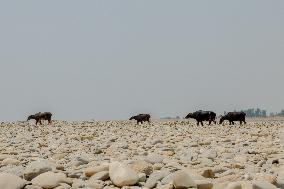
Buffaloes roam across a rocky expanse in Gav Mish Abad, Iran, Dezful, Iran on July 20, 2021. The village is home to over 50 families raising thousands of livestock but struggles with water scarcity and pollution. Photo by Maya/Middle East Images/ABACAPRESS.COM

  •  

Syrians brave landmines to harvest truffles amidst soaring prices

STORY: Syrians brave landmines to harvest truffles amidst soaring prices SHOOTING TIME: recent footages DATELINE: April 28, 2024 LENGTH: 00:03:36 LOCATION: Damascus CATEGORY: SOCIETY SHOTLIST: 1. various of farmers gathering truffles 2. SOUNDBITE 1 (Arabic): AHMED AL FARAJ, Vegetable merchant 3. various of farmers gathering truffles 4. SOUNDBITE 2 (Arabic): ABDULLAH AL-NUAIMAN, Farmer 5. various of farmers gathering truffles 6. SOUNDBITE 3 (Arabic): MOHAMMED AL-MOHAMMED, Farmer STORYLINE: In the vast expanse of the Syrian desert, where the scars of war still linger, a risky yet lucrative enterprise emerged several years ago and is still attracting people to risk their lives for the sake of making money out of it: the harvest of truffles. Despite the dangers posed by undetected landmines and warnings from authorities, Syrians are risking their lives to gather these prized delicacies, driven by the promise of profit in a region where economic opportunities are scarce. In the countryside of Salamiyah region

  •  
Illustrations of Bali

Illustrations of Bali

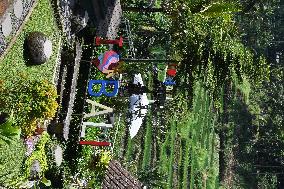
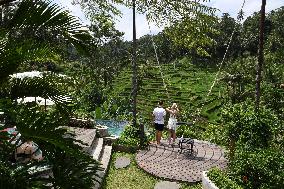
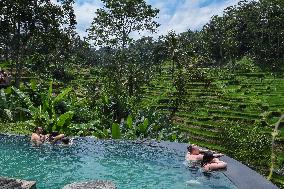
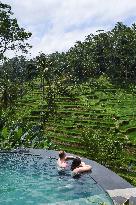
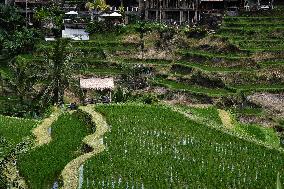
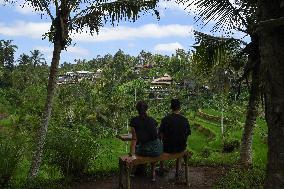
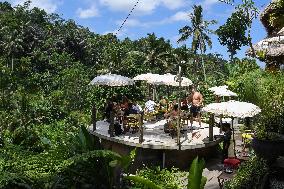
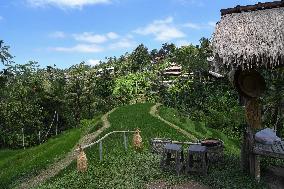
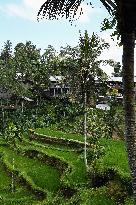
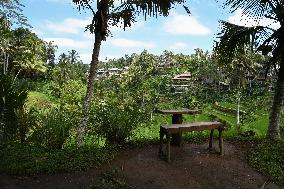
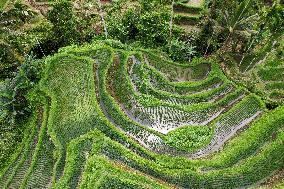
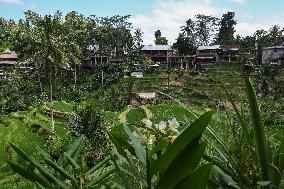
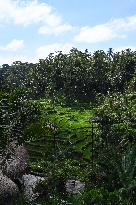
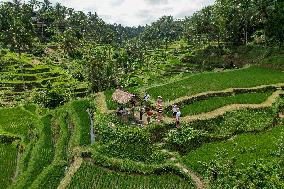
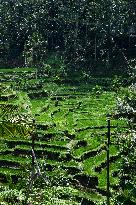
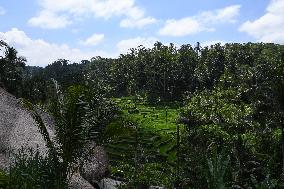
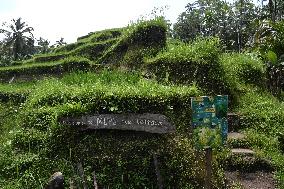
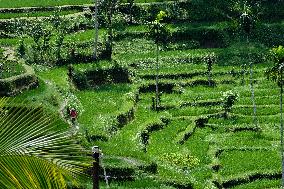
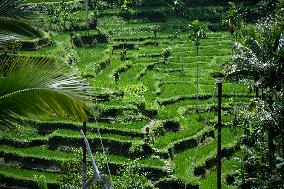
Ceking Rice terrace (also known as Tegalalang Rice Terrace) is a green rice field expanse which located in the northern of Ubud Village, in Bali, Indonesia, on April 13, 2024. The scenery of rice field is pretty unique. Rice terrace have been exist since 9th Century and still well guarded until now by local farmers. Photo by Lionel Urman/ABACAPRESS.COM

  •  
Illustrations of Bali

Illustrations of Bali

Ceking Rice terrace (also known as Tegalalang Rice Terrace) is a green rice field expanse which located in the northern of Ubud Village, in Bali, Indonesia, on April 13, 2024. The scenery of rice field is pretty unique. Rice terrace have been exist since 9th Century and still well guarded until now by local farmers. Photo by Lionel Urman/ABACAPRESS.COM

  •  
Illustrations of Bali

Illustrations of Bali

Ceking Rice terrace (also known as Tegalalang Rice Terrace) is a green rice field expanse which located in the northern of Ubud Village, in Bali, Indonesia, on April 13, 2024. The scenery of rice field is pretty unique. Rice terrace have been exist since 9th Century and still well guarded until now by local farmers. Photo by Lionel Urman/ABACAPRESS.COM

  •  
Illustrations of Bali

Illustrations of Bali

Ceking Rice terrace (also known as Tegalalang Rice Terrace) is a green rice field expanse which located in the northern of Ubud Village, in Bali, Indonesia, on April 13, 2024. The scenery of rice field is pretty unique. Rice terrace have been exist since 9th Century and still well guarded until now by local farmers. Photo by Lionel Urman/ABACAPRESS.COM

  •  
Illustrations of Bali

Illustrations of Bali

Ceking Rice terrace (also known as Tegalalang Rice Terrace) is a green rice field expanse which located in the northern of Ubud Village, in Bali, Indonesia, on April 13, 2024. The scenery of rice field is pretty unique. Rice terrace have been exist since 9th Century and still well guarded until now by local farmers. Photo by Lionel Urman/ABACAPRESS.COM

  •  
Illustrations of Bali

Illustrations of Bali

Ceking Rice terrace (also known as Tegalalang Rice Terrace) is a green rice field expanse which located in the northern of Ubud Village, in Bali, Indonesia, on April 13, 2024. The scenery of rice field is pretty unique. Rice terrace have been exist since 9th Century and still well guarded until now by local farmers. Photo by Lionel Urman/ABACAPRESS.COM

  •  
Illustrations of Bali

Illustrations of Bali

Ceking Rice terrace (also known as Tegalalang Rice Terrace) is a green rice field expanse which located in the northern of Ubud Village, in Bali, Indonesia, on April 13, 2024. The scenery of rice field is pretty unique. Rice terrace have been exist since 9th Century and still well guarded until now by local farmers. Photo by Lionel Urman/ABACAPRESS.COM

  •  
Illustrations of Bali

Illustrations of Bali

Ceking Rice terrace (also known as Tegalalang Rice Terrace) is a green rice field expanse which located in the northern of Ubud Village, in Bali, Indonesia, on April 13, 2024. The scenery of rice field is pretty unique. Rice terrace have been exist since 9th Century and still well guarded until now by local farmers. Photo by Lionel Urman/ABACAPRESS.COM

  •  
Illustrations of Bali

Illustrations of Bali

Ceking Rice terrace (also known as Tegalalang Rice Terrace) is a green rice field expanse which located in the northern of Ubud Village, in Bali, Indonesia, on April 13, 2024. The scenery of rice field is pretty unique. Rice terrace have been exist since 9th Century and still well guarded until now by local farmers. Photo by Lionel Urman/ABACAPRESS.COM

  •  
Illustrations of Bali

Illustrations of Bali

Ceking Rice terrace (also known as Tegalalang Rice Terrace) is a green rice field expanse which located in the northern of Ubud Village, in Bali, Indonesia, on April 13, 2024. The scenery of rice field is pretty unique. Rice terrace have been exist since 9th Century and still well guarded until now by local farmers. Photo by Lionel Urman/ABACAPRESS.COM

  •  
Illustrations of Bali

Illustrations of Bali

Ceking Rice terrace (also known as Tegalalang Rice Terrace) is a green rice field expanse which located in the northern of Ubud Village, in Bali, Indonesia, on April 13, 2024. The scenery of rice field is pretty unique. Rice terrace have been exist since 9th Century and still well guarded until now by local farmers. Photo by Lionel Urman/ABACAPRESS.COM

  •  
Illustrations of Bali

Illustrations of Bali

Ceking Rice terrace (also known as Tegalalang Rice Terrace) is a green rice field expanse which located in the northern of Ubud Village, in Bali, Indonesia, on April 13, 2024. The scenery of rice field is pretty unique. Rice terrace have been exist since 9th Century and still well guarded until now by local farmers. Photo by Lionel Urman/ABACAPRESS.COM

  •  
Illustrations of Bali

Illustrations of Bali

Ceking Rice terrace (also known as Tegalalang Rice Terrace) is a green rice field expanse which located in the northern of Ubud Village, in Bali, Indonesia, on April 13, 2024. The scenery of rice field is pretty unique. Rice terrace have been exist since 9th Century and still well guarded until now by local farmers. Photo by Lionel Urman/ABACAPRESS.COM

  •  
Illustrations of Bali

Illustrations of Bali

Ceking Rice terrace (also known as Tegalalang Rice Terrace) is a green rice field expanse which located in the northern of Ubud Village, in Bali, Indonesia, on April 13, 2024. The scenery of rice field is pretty unique. Rice terrace have been exist since 9th Century and still well guarded until now by local farmers. Photo by Lionel Urman/ABACAPRESS.COM

  •  
Illustrations of Bali

Illustrations of Bali

Ceking Rice terrace (also known as Tegalalang Rice Terrace) is a green rice field expanse which located in the northern of Ubud Village, in Bali, Indonesia, on April 13, 2024. The scenery of rice field is pretty unique. Rice terrace have been exist since 9th Century and still well guarded until now by local farmers. Photo by Lionel Urman/ABACAPRESS.COM

  •  
Illustrations of Bali

Illustrations of Bali

Ceking Rice terrace (also known as Tegalalang Rice Terrace) is a green rice field expanse which located in the northern of Ubud Village, in Bali, Indonesia, on April 13, 2024. The scenery of rice field is pretty unique. Rice terrace have been exist since 9th Century and still well guarded until now by local farmers. Photo by Lionel Urman/ABACAPRESS.COM

  •  
Illustrations of Bali

Illustrations of Bali

Ceking Rice terrace (also known as Tegalalang Rice Terrace) is a green rice field expanse which located in the northern of Ubud Village, in Bali, Indonesia, on April 13, 2024. The scenery of rice field is pretty unique. Rice terrace have been exist since 9th Century and still well guarded until now by local farmers. Photo by Lionel Urman/ABACAPRESS.COM

  •  
Illustrations of Bali

Illustrations of Bali

Ceking Rice terrace (also known as Tegalalang Rice Terrace) is a green rice field expanse which located in the northern of Ubud Village, in Bali, Indonesia, on April 13, 2024. The scenery of rice field is pretty unique. Rice terrace have been exist since 9th Century and still well guarded until now by local farmers. Photo by Lionel Urman/ABACAPRESS.COM

  •  
Illustrations of Bali

Illustrations of Bali

Ceking Rice terrace (also known as Tegalalang Rice Terrace) is a green rice field expanse which located in the northern of Ubud Village, in Bali, Indonesia, on April 13, 2024. The scenery of rice field is pretty unique. Rice terrace have been exist since 9th Century and still well guarded until now by local farmers. Photo by Lionel Urman/ABACAPRESS.COM

  •  
Illustrations of Bali

Illustrations of Bali

Ceking Rice terrace (also known as Tegalalang Rice Terrace) is a green rice field expanse which located in the northern of Ubud Village, in Bali, Indonesia, on April 13, 2024. The scenery of rice field is pretty unique. Rice terrace have been exist since 9th Century and still well guarded until now by local farmers. Photo by Lionel Urman/ABACAPRESS.COM

  •  
Illustrations of Bali

Illustrations of Bali

Ceking Rice terrace (also known as Tegalalang Rice Terrace) is a green rice field expanse which located in the northern of Ubud Village, in Bali, Indonesia, on April 13, 2024. The scenery of rice field is pretty unique. Rice terrace have been exist since 9th Century and still well guarded until now by local farmers. Photo by Lionel Urman/ABACAPRESS.COM

  • Main
  • Top
  • Editorial
  • Creative
  • About Us
  • About ILG
  • Terms of use
  • Company
  • BEHIND
  • Price List
  • Single Plan
  • Monthly Plan
  • Services
  • Shooting
  • Rights Clearance
  • Support
  • FAQ
  • How To Buy
  • Contact Us
  • Become a Partner

© KYODO NEWS IMAGES INC

All Rights Reserved.

  • Editorial
  • Olympics
  • News
  • Sports
  • Japan
  • Tech
  • Royal
  • Disaster
  • NorthKorea
  • Old Japan
  • SNS
  • Creative
  • Food
  • Japan
  • Landscape
  • Animal
  • Popular
  • #Ukraine
  • #Russia
  • #coronavirus
  • #N. Korea
  • #China
  • #Thailand
  • #Ukraine
  • #Russia
  • #coronavirus
  • #N. Korea
  • #China
  • #Thailand
  • Food
  • Japan
  • Landscape
  • Animal
  • Olympics
  • News
  • Sports
  • Japan
  • Tech
  • Royal
  • Disaster
  • NorthKorea
  • Old Japan
  • SNS