•  
Japan PM visits crippled Fukushima plant

Japan PM visits crippled Fukushima plant

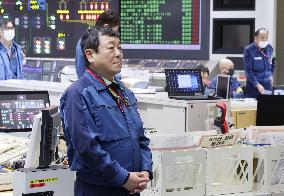
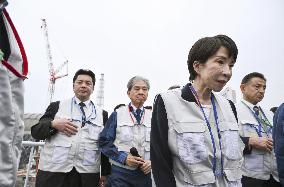
Japanese Prime Minister Sanae Takaichi (far R) addresses employees of the Fukushima Daiichi nuclear power plant straddling the towns of Okuma and Futaba in Fukushima Prefecture, northeastern Japan, on Dec. 2, 2025, during her first visit to the crippled plant since taking office in October. (Pool photo)

  •  
Japan PM visits crippled Fukushima plant

Japan PM visits crippled Fukushima plant

Japanese Prime Minister Sanae Takaichi (far R) addresses employees of the Fukushima Daiichi nuclear power plant straddling the towns of Okuma and Futaba in Fukushima Prefecture, northeastern Japan, on Dec. 2, 2025, during her first visit to the crippled plant since taking office in October. (Pool photo)

  •  
Japan PM visits crippled Fukushima plant

Japan PM visits crippled Fukushima plant

Japanese Prime Minister Sanae Takaichi addresses employees of the Fukushima Daiichi nuclear power plant straddling the towns of Okuma and Futaba in Fukushima Prefecture, northeastern Japan, on Dec. 2, 2025, during her first visit to the crippled plant since taking office in October. (Pool photo)

  •  
Japan PM visits crippled Fukushima plant

Japan PM visits crippled Fukushima plant

Japanese Prime Minister Sanae Takaichi addresses employees of the Fukushima Daiichi nuclear power plant straddling the towns of Okuma and Futaba in Fukushima Prefecture, northeastern Japan, on Dec. 2, 2025, during her first visit to the crippled plant since taking office in October. (Pool photo)

  •  
Japan PM visits crippled Fukushima plant

Japan PM visits crippled Fukushima plant

Japanese Prime Minister Sanae Takaichi (back, R) addresses employees of the Fukushima Daiichi nuclear power plant straddling the towns of Okuma and Futaba in Fukushima Prefecture, northeastern Japan, on Dec. 2, 2025, during her first visit to the crippled plant since taking office in October. (Pool photo)

  •  
Japan PM visits crippled Fukushima plant

Japan PM visits crippled Fukushima plant

Japanese Prime Minister Sanae Takaichi (back, R) meets the press after inspecting the crippled Fukushima Daiichi nuclear power plant straddling the towns of Okuma and Futaba in Fukushima Prefecture, northeastern Japan, on Dec. 2, 2025, during her first visit to the plant since taking office in October. (Pool photo)

  •  
Japan PM visits crippled Fukushima plant

Japan PM visits crippled Fukushima plant

Japanese Prime Minister Sanae Takaichi meets the press after inspecting the crippled Fukushima Daiichi nuclear power plant straddling the towns of Okuma and Futaba in Fukushima Prefecture, northeastern Japan, on Dec. 2, 2025, during her first visit to the plant since taking office in October. (Pool photo)

  •  
Japan PM visits crippled Fukushima plant

Japan PM visits crippled Fukushima plant

Japanese Prime Minister Sanae Takaichi meets the press after inspecting the crippled Fukushima Daiichi nuclear power plant straddling the towns of Okuma and Futaba in Fukushima Prefecture, northeastern Japan, on Dec. 2, 2025, during her first visit to the plant since taking office in October. (Pool photo)

  •  
Japan PM visits crippled Fukushima plant

Japan PM visits crippled Fukushima plant

Japanese Prime Minister Sanae Takaichi (C) meets the press after inspecting the crippled Fukushima Daiichi nuclear power plant straddling the towns of Okuma and Futaba in Fukushima Prefecture, northeastern Japan, on Dec. 2, 2025, during her first visit to the plant since taking office in October. (Pool photo)

  •  
Japan PM visits crippled Fukushima plant

Japan PM visits crippled Fukushima plant

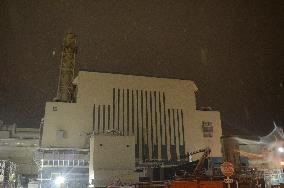
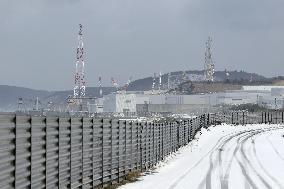
Japanese Prime Minister Sanae Takaichi (C) visits the crippled Fukushima Daiichi nuclear power plant straddling Okuma and Futaba towns in the northeastern Japan prefecture of Fukushima on Dec. 2, 2025, for the first time since taking office in October. (Pool photo)

  •  
Japan PM visits crippled Fukushima plant

Japan PM visits crippled Fukushima plant

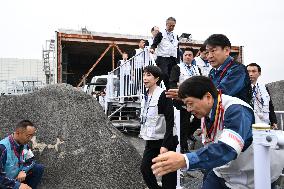
Japanese Prime Minister Sanae Takaichi (2nd from L) visits the crippled Fukushima Daiichi nuclear power plant straddling Okuma and Futaba towns in the northeastern Japan prefecture of Fukushima on Dec. 2, 2025, for the first time since taking office in October. (Pool photo)

  •  
Japan PM visits crippled Fukushima plant

Japan PM visits crippled Fukushima plant

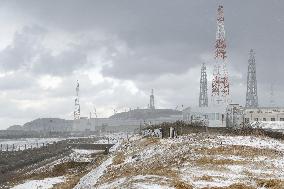
Japanese Prime Minister Sanae Takaichi (2nd from L) visits the crippled Fukushima Daiichi nuclear power plant straddling Okuma and Futaba towns in the northeastern Japan prefecture of Fukushima on Dec. 2, 2025, for the first time since taking office in October. (Pool photo)

  •  
Japan PM visits crippled Fukushima plant

Japan PM visits crippled Fukushima plant

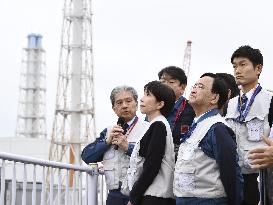
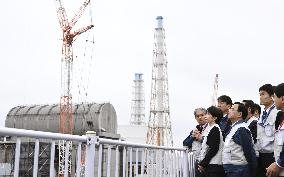
Japanese Prime Minister Sanae Takaichi (2nd from L) visits the crippled Fukushima Daiichi nuclear power plant straddling Okuma and Futaba towns in the northeastern Japan prefecture of Fukushima on Dec. 2, 2025, for the first time since taking office in October. (Pool photo)

  •  
Japan PM visits crippled Fukushima plant

Japan PM visits crippled Fukushima plant

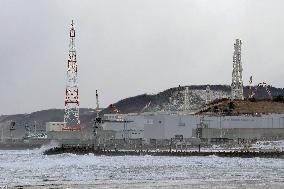
Japanese Prime Minister Sanae Takaichi (front) visits the crippled Fukushima Daiichi nuclear power plant straddling Okuma and Futaba towns in the northeastern Japan prefecture of Fukushima on Dec. 2, 2025, for the first time since taking office in October. (Pool photo)

  •  
Japan PM visits crippled Fukushima plant

Japan PM visits crippled Fukushima plant

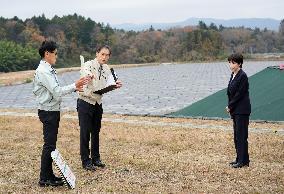
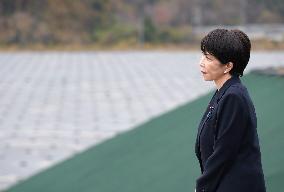
Japanese Prime Minister Sanae Takaichi (R) on Dec. 2, 2025, visits an interim storage facility in Okuma in Fukushima Prefecture, northeastern Japan, for soil extracted during decontamination work near the crippled Fukushima Daiichi nuclear power plant, ahead of her first visit to the plant since taking office in October. (Pool photo)

  •  
Japan PM visits crippled Fukushima plant

Japan PM visits crippled Fukushima plant

Japanese Prime Minister Sanae Takaichi (R) on Dec. 2, 2025, visits an interim storage facility in Okuma in Fukushima Prefecture, northeastern Japan, for soil extracted during decontamination work near the crippled Fukushima Daiichi nuclear power plant, ahead of her first visit to the plant since taking office in October. (Pool photo)

  •  

Niigata gov. OKs TEPCO's 1st nuclear reactor restart since Fukushima

NIIGATA, Japan, Nov. 21 Kyodo - Niigata Gov. Hideyo Hanazumi holds an unscheduled press conference in Niigata, northwest of Tokyo, on Nov. 21, 2025, saying he will approve the restart of the No. 6 reactor at the Kashiwazaki-Kariwa nuclear power plant in the prefecture, the first for its operator Tokyo Electric Power Company Holdings Inc. since the 2011 Fukushima nuclear crisis. (Kyodo)

  •  
Saffron Harvesting in The Village of Vamenan - Iran

Saffron Harvesting in The Village of Vamenan - Iran

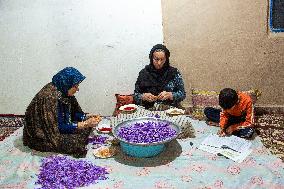
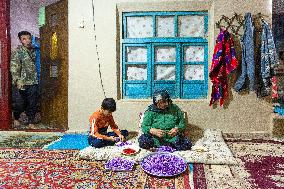
Women separate saffron stigmas (threads) from flower petals as a boy writes his homework in a house in the village of Vamenan in Golestan Province, Iran, on October 23, 2023. Vamenan is known as the “red gold hub” of the province due to its saffron cultivation. Nearly 400 hectares of saffron are cultivated in this village. In 1993, Mohammad Ahmadi, the village's cleric resident, was the first person to plant saffron bulbs in Vamenan. By encouraging the people, he transformed the village and the region's economy. Photo by Morteza Aminoroayayi/Middle East Images/ABACAPRESS.COM

  •  
Saffron Harvesting in The Village of Vamenan - Iran

Saffron Harvesting in The Village of Vamenan - Iran

A woman separates saffron stigmas (threads) from flower petals in a house in the village of Vamenan in Golestan Province, Iran, on October 23, 2023. Vamenan is known as the “red gold hub” of the province due to its saffron cultivation. Nearly 400 hectares of saffron are cultivated in this village. In 1993, Mohammad Ahmadi, the village's cleric resident, was the first person to plant saffron bulbs in Vamenan. By encouraging the people, he transformed the village and the region's economy. Photo by Morteza Aminoroayayi/Middle East Images/ABACAPRESS.COM

  •  
Saffron Harvesting in The Village of Vamenan - Iran

Saffron Harvesting in The Village of Vamenan - Iran

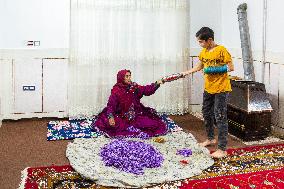
A woman hands a plate of saffron stigmas (threads) to a boy after separating them from flower petals in a house in the village of Vamenan in Golestan Province, Iran, on October 23, 2023. Vamenan is known as the “red gold hub” of the province due to its saffron cultivation. Nearly 400 hectares of saffron are cultivated in this village. In 1993, Mohammad Ahmadi, the village's cleric resident, was the first person to plant saffron bulbs in Vamenan. By encouraging the people, he transformed the village and the region's economy. Photo by Morteza Aminoroayayi/Middle East Images/ABACAPRESS.COM

  •  
Saffron Harvesting in The Village of Vamenan - Iran

Saffron Harvesting in The Village of Vamenan - Iran

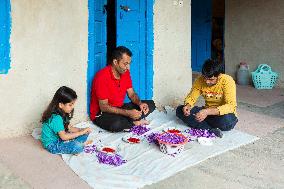
People separate saffron stigmas (threads) from flower petals in a house in the village of Vamenan in Golestan Province, Iran, on October 23, 2023. Vamenan is known as the “red gold hub” of the province due to its saffron cultivation. Nearly 400 hectares of saffron are cultivated in this village. In 1993, Mohammad Ahmadi, the village's cleric resident, was the first person to plant saffron bulbs in Vamenan. By encouraging the people, he transformed the village and the region's economy. Photo by Morteza Aminoroayayi/Middle East Images/ABACAPRESS.COM

  •  
Saffron Harvesting in The Village of Vamenan - Iran

Saffron Harvesting in The Village of Vamenan - Iran

People separate saffron stigmas (threads) from flower petals in a house in the village of Vamenan in Golestan Province, Iran, on October 23, 2023. Vamenan is known as the “red gold hub” of the province due to its saffron cultivation. Nearly 400 hectares of saffron are cultivated in this village. In 1993, Mohammad Ahmadi, the village's cleric resident, was the first person to plant saffron bulbs in Vamenan. By encouraging the people, he transformed the village and the region's economy. Photo by Morteza Aminoroayayi/Middle East Images/ABACAPRESS.COM

  •  
Saffron Harvesting in The Village of Vamenan - Iran

Saffron Harvesting in The Village of Vamenan - Iran

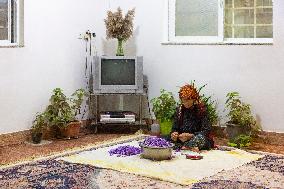
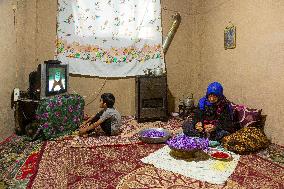
An elderly woman separates saffron stigmas (threads) from flower petals as a boy watches TV in a house in the village of Vamenan in Golestan Province, Iran, on October 23, 2023. Vamenan is known as the “red gold hub” of the province due to its saffron cultivation. Nearly 400 hectares of saffron are cultivated in this village. In 1993, Mohammad Ahmadi, the village's cleric resident, was the first person to plant saffron bulbs in Vamenan. By encouraging the people, he transformed the village and the region's economy. Photo by Morteza Aminoroayayi/Middle East Images/ABACAPRESS.COM

  •  
Saffron Harvesting in The Village of Vamenan - Iran

Saffron Harvesting in The Village of Vamenan - Iran

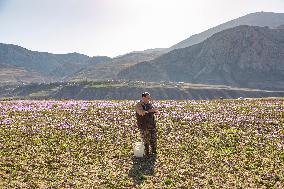
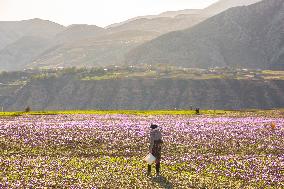
A farmer works with his phone while standing in a saffron field in the village of Vamenan in Golestan Province, Iran, on October 23, 2023. Vamenan is known as the “red gold hub” of the province due to its saffron cultivation. Nearly 400 hectares of saffron are cultivated in this village. In 1993, Mohammad Ahmadi, the village's cleric resident, was the first person to plant saffron bulbs in Vamenan. By encouraging the people, he transformed the village and the region's economy. Photo by Morteza Aminoroayayi/Middle East Images/ABACAPRESS.COM

  •  
Saffron Harvesting in The Village of Vamenan - Iran

Saffron Harvesting in The Village of Vamenan - Iran

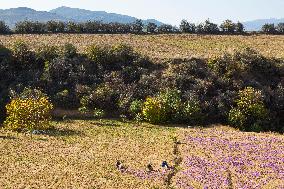
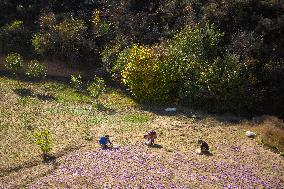
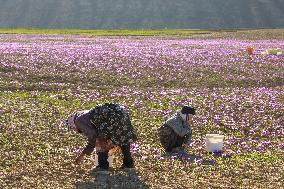
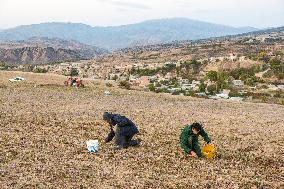
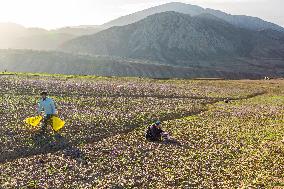
Farmers pluck saffron flowers in a field in the village of Vamenan in Golestan Province, Iran, on October 23, 2023. Vamenan is known as the “red gold hub” of the province due to its saffron cultivation. Nearly 400 hectares of saffron are cultivated in this village. In 1993, Mohammad Ahmadi, the village's cleric resident, was the first person to plant saffron bulbs in Vamenan. By encouraging the people, he transformed the village and the region's economy. Photo by Morteza Aminoroayayi/Middle East Images/ABACAPRESS.COM

  •  
Saffron Harvesting in The Village of Vamenan - Iran

Saffron Harvesting in The Village of Vamenan - Iran

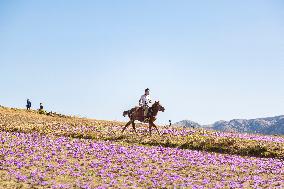
A man rides a horse along a saffron field in the village of Vamenan in Golestan Province, Iran, on October 23, 2023. Vamenan is known as the “red gold hub” of the province due to its saffron cultivation. Nearly 400 hectares of saffron are cultivated in this village. In 1993, Mohammad Ahmadi, the village's cleric resident, was the first person to plant saffron bulbs in Vamenan. By encouraging the people, he transformed the village and the region's economy. Photo by Morteza Aminoroayayi/Middle East Images/ABACAPRESS.COM

  •  
Saffron Harvesting in The Village of Vamenan - Iran

Saffron Harvesting in The Village of Vamenan - Iran

Farmers pluck saffron flowers in a field in the village of Vamenan in Golestan Province, Iran, on October 23, 2023. Vamenan is known as the “red gold hub” of the province due to its saffron cultivation. Nearly 400 hectares of saffron are cultivated in this village. In 1993, Mohammad Ahmadi, the village's cleric resident, was the first person to plant saffron bulbs in Vamenan. By encouraging the people, he transformed the village and the region's economy. Photo by Morteza Aminoroayayi/Middle East Images/ABACAPRESS.COM

  •  
Saffron Harvesting in The Village of Vamenan - Iran

Saffron Harvesting in The Village of Vamenan - Iran

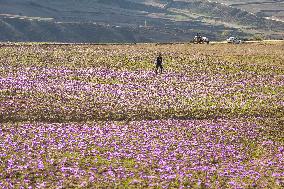
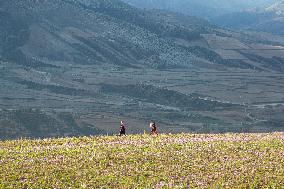
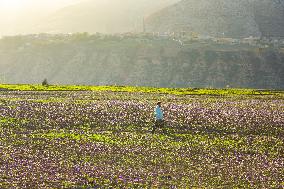
A man walks in a saffron field in the village of Vamenan in Golestan Province, Iran, on October 23, 2023. Vamenan is known as the “red gold hub” of the province due to its saffron cultivation. Nearly 400 hectares of saffron are cultivated in this village. In 1993, Mohammad Ahmadi, the village's cleric resident, was the first person to plant saffron bulbs in Vamenan. By encouraging the people, he transformed the village and the region's economy. Photo by Morteza Aminoroayayi/Middle East Images/ABACAPRESS.COM

  •  
Saffron Harvesting in The Village of Vamenan - Iran

Saffron Harvesting in The Village of Vamenan - Iran

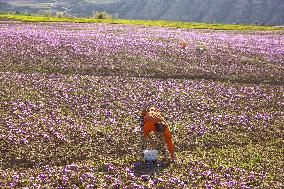
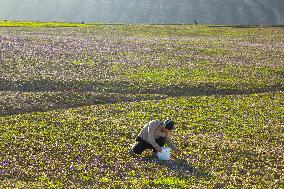
A farmer plucks saffron flowers in a field in the village of Vamenan in Golestan Province, Iran, on October 23, 2023. Vamenan is known as the “red gold hub” of the province due to its saffron cultivation. Nearly 400 hectares of saffron are cultivated in this village. In 1993, Mohammad Ahmadi, the village's cleric resident, was the first person to plant saffron bulbs in Vamenan. By encouraging the people, he transformed the village and the region's economy. Photo by Morteza Aminoroayayi/Middle East Images/ABACAPRESS.COM

  •  
Saffron Harvesting in The Village of Vamenan - Iran

Saffron Harvesting in The Village of Vamenan - Iran

Farmers pluck saffron flowers in a field in the village of Vamenan in Golestan Province, Iran, on October 23, 2023. Vamenan is known as the “red gold hub” of the province due to its saffron cultivation. Nearly 400 hectares of saffron are cultivated in this village. In 1993, Mohammad Ahmadi, the village's cleric resident, was the first person to plant saffron bulbs in Vamenan. By encouraging the people, he transformed the village and the region's economy. Photo by Morteza Aminoroayayi/Middle East Images/ABACAPRESS.COM

  •  
Saffron Harvesting in The Village of Vamenan - Iran

Saffron Harvesting in The Village of Vamenan - Iran

Farmers pluck saffron flowers in a field in the village of Vamenan in Golestan Province, Iran, on October 23, 2023. Vamenan is known as the “red gold hub” of the province due to its saffron cultivation. Nearly 400 hectares of saffron are cultivated in this village. In 1993, Mohammad Ahmadi, the village's cleric resident, was the first person to plant saffron bulbs in Vamenan. By encouraging the people, he transformed the village and the region's economy. Photo by Morteza Aminoroayayi/Middle East Images/ABACAPRESS.COM

  •  
Saffron Harvesting in The Village of Vamenan - Iran

Saffron Harvesting in The Village of Vamenan - Iran

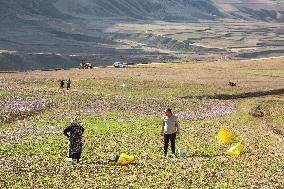
Farmers walk in a saffron field in the village of Vamenan in Golestan Province, Iran, on October 23, 2023. Vamenan is known as the “red gold hub” of the province due to its saffron cultivation. Nearly 400 hectares of saffron are cultivated in this village. In 1993, Mohammad Ahmadi, the village's cleric resident, was the first person to plant saffron bulbs in Vamenan. By encouraging the people, he transformed the village and the region's economy. Photo by Morteza Aminoroayayi/Middle East Images/ABACAPRESS.COM

  •  
Saffron Harvesting in The Village of Vamenan - Iran

Saffron Harvesting in The Village of Vamenan - Iran

A woman plucks saffron flowers while another farmer speaks on her phone in a field in the village of Vamenan in Golestan Province, Iran, on October 23, 2023. Vamenan is known as the “red gold hub” of the province due to its saffron cultivation. Nearly 400 hectares of saffron are cultivated in this village. In 1993, Mohammad Ahmadi, the village's cleric resident, was the first person to plant saffron bulbs in Vamenan. By encouraging the people, he transformed the village and the region's economy. Photo by Morteza Aminoroayayi/Middle East Images/ABACAPRESS.COM

  •  
Saffron Harvesting in The Village of Vamenan - Iran

Saffron Harvesting in The Village of Vamenan - Iran

Farmers pluck saffron flowers in a field in the village of Vamenan in Golestan Province, Iran, on October 23, 2023. Vamenan is known as the “red gold hub” of the province due to its saffron cultivation. Nearly 400 hectares of saffron are cultivated in this village. In 1993, Mohammad Ahmadi, the village's cleric resident, was the first person to plant saffron bulbs in Vamenan. By encouraging the people, he transformed the village and the region's economy. Photo by Morteza Aminoroayayi/Middle East Images/ABACAPRESS.COM

  •  
Saffron Harvesting in The Village of Vamenan - Iran

Saffron Harvesting in The Village of Vamenan - Iran

Farmers pluck saffron flowers in a field in the village of Vamenan in Golestan Province, Iran, on October 23, 2023. Vamenan is known as the “red gold hub” of the province due to its saffron cultivation. Nearly 400 hectares of saffron are cultivated in this village. In 1993, Mohammad Ahmadi, the village's cleric resident, was the first person to plant saffron bulbs in Vamenan. By encouraging the people, he transformed the village and the region's economy. Photo by Morteza Aminoroayayi/Middle East Images/ABACAPRESS.COM

  •  
Saffron Harvesting in The Village of Vamenan - Iran

Saffron Harvesting in The Village of Vamenan - Iran

A man walks in a saffron field in the village of Vamenan in Golestan Province, Iran, on October 23, 2023. Vamenan is known as the “red gold hub” of the province due to its saffron cultivation. Nearly 400 hectares of saffron are cultivated in this village. In 1993, Mohammad Ahmadi, the village's cleric resident, was the first person to plant saffron bulbs in Vamenan. By encouraging the people, he transformed the village and the region's economy. Photo by Morteza Aminoroayayi/Middle East Images/ABACAPRESS.COM

  •  
Saffron Harvesting in The Village of Vamenan - Iran

Saffron Harvesting in The Village of Vamenan - Iran

Farmers pluck saffron flowers in a field in the village of Vamenan in Golestan Province, Iran, on October 23, 2023. Vamenan is known as the “red gold hub” of the province due to its saffron cultivation. Nearly 400 hectares of saffron are cultivated in this village. In 1993, Mohammad Ahmadi, the village's cleric resident, was the first person to plant saffron bulbs in Vamenan. By encouraging the people, he transformed the village and the region's economy. Photo by Morteza Aminoroayayi/Middle East Images/ABACAPRESS.COM

  •  
Saffron Harvesting in The Village of Vamenan - Iran

Saffron Harvesting in The Village of Vamenan - Iran

A man walks in a saffron field in the village of Vamenan in Golestan Province, Iran, on October 23, 2023. Vamenan is known as the “red gold hub” of the province due to its saffron cultivation. Nearly 400 hectares of saffron are cultivated in this village. In 1993, Mohammad Ahmadi, the village's cleric resident, was the first person to plant saffron bulbs in Vamenan. By encouraging the people, he transformed the village and the region's economy. Photo by Morteza Aminoroayayi/Middle East Images/ABACAPRESS.COM

  •  
Saffron Harvesting in The Village of Vamenan - Iran

Saffron Harvesting in The Village of Vamenan - Iran

Farmers pluck saffron flowers in a field in the village of Vamenan in Golestan Province, Iran, on October 23, 2023. Vamenan is known as the “red gold hub” of the province due to its saffron cultivation. Nearly 400 hectares of saffron are cultivated in this village. In 1993, Mohammad Ahmadi, the village's cleric resident, was the first person to plant saffron bulbs in Vamenan. By encouraging the people, he transformed the village and the region's economy. Photo by Morteza Aminoroayayi/Middle East Images/ABACAPRESS.COM

  •  
Saffron Harvesting in The Village of Vamenan - Iran

Saffron Harvesting in The Village of Vamenan - Iran

Farmers pluck saffron flowers in a field in the village of Vamenan in Golestan Province, Iran, on October 23, 2023. Vamenan is known as the “red gold hub” of the province due to its saffron cultivation. Nearly 400 hectares of saffron are cultivated in this village. In 1993, Mohammad Ahmadi, the village's cleric resident, was the first person to plant saffron bulbs in Vamenan. By encouraging the people, he transformed the village and the region's economy. Photo by Morteza Aminoroayayi/Middle East Images/ABACAPRESS.COM

  •  
Saffron Harvesting in The Village of Vamenan - Iran

Saffron Harvesting in The Village of Vamenan - Iran

Farmers pluck saffron flowers in a field in the village of Vamenan in Golestan Province, Iran, on October 23, 2023. Vamenan is known as the “red gold hub” of the province due to its saffron cultivation. Nearly 400 hectares of saffron are cultivated in this village. In 1993, Mohammad Ahmadi, the village's cleric resident, was the first person to plant saffron bulbs in Vamenan. By encouraging the people, he transformed the village and the region's economy. Photo by Morteza Aminoroayayi/Middle East Images/ABACAPRESS.COM

  •  
Saffron Harvesting in The Village of Vamenan - Iran

Saffron Harvesting in The Village of Vamenan - Iran

Farmers pluck saffron flowers in a field in the village of Vamenan in Golestan Province, Iran, on October 23, 2023. Vamenan is known as the “red gold hub” of the province due to its saffron cultivation. Nearly 400 hectares of saffron are cultivated in this village. In 1993, Mohammad Ahmadi, the village's cleric resident, was the first person to plant saffron bulbs in Vamenan. By encouraging the people, he transformed the village and the region's economy. Photo by Morteza Aminoroayayi/Middle East Images/ABACAPRESS.COM

  •  
Tie-Dye Technique Of Bai Ethnic Group - Chin

Tie-Dye Technique Of Bai Ethnic Group - Chin

Duan Yuan, an inheritor of the tie-dye technique of Bai ethnic group, makes tie-dye designs in a dyehouse in Zhoucheng Village of Dali Bai Autonomous Prefecture, southwest China's Yunnan Province, November 21, 2025. Known as the hometown of the tie-dye technique of Bai ethnic group, Zhoucheng Village hosts over 200 households engaging in tie-dye businesses, with the number of employees exceeding 4,000. As a traditional folk technique of the Bai ethnic group, tie-dye boasts a history spanning over a thousand years and was included in the first batch of China's national intangible cultural heritage list in 2006. Tying and dyeing are the core steps in the process of making indigo tie-dye products. Artisans use needles and threads to create various patterns on the fabric, which are then dyed with plant-based dyes, resulting in blue backgrounds adorned with vivid white patterns. Photo by Hu Chao/Xinhua/ABACAPRESS.COM

  •  
Tie-Dye Technique Of Bai Ethnic Group - Chin

Tie-Dye Technique Of Bai Ethnic Group - Chin

Duan Yinmei, an inheritor of the tie-dye technique of Bai ethnic group, creates knots on fabrics in a dyehouse in Zhoucheng Village of Dali Bai Autonomous Prefecture, southwest China's Yunnan Province, November 21, 2025. Known as the hometown of the tie-dye technique of Bai ethnic group, Zhoucheng Village hosts over 200 households engaging in tie-dye businesses, with the number of employees exceeding 4,000. As a traditional folk technique of the Bai ethnic group, tie-dye boasts a history spanning over a thousand years and was included in the first batch of China's national intangible cultural heritage list in 2006. Tying and dyeing are the core steps in the process of making indigo tie-dye products. Artisans use needles and threads to create various patterns on the fabric, which are then dyed with plant-based dyes, resulting in blue backgrounds adorned with vivid white patterns. Photo by Hu Chao/Xinhua/ABACAPRESS.COM

  •  
Tie-Dye Technique Of Bai Ethnic Group - Chin

Tie-Dye Technique Of Bai Ethnic Group - Chin

A woman experiences the tie-dye technique of Bai ethnic group in a dyehouse in Zhoucheng Village of Dali Bai Autonomous Prefecture, southwest China's Yunnan Province, November 21, 2025. Known as the hometown of the tie-dye technique of Bai ethnic group, Zhoucheng Village hosts over 200 households engaging in tie-dye businesses, with the number of employees exceeding 4,000. As a traditional folk technique of the Bai ethnic group, tie-dye boasts a history spanning over a thousand years and was included in the first batch of China's national intangible cultural heritage list in 2006. Tying and dyeing are the core steps in the process of making indigo tie-dye products. Artisans use needles and threads to create various patterns on the fabric, which are then dyed with plant-based dyes, resulting in blue backgrounds adorned with vivid white patterns. Photo by Hu Chao/Xinhua/ABACAPRESS.COM

  •  
Tie-Dye Technique Of Bai Ethnic Group - Chin

Tie-Dye Technique Of Bai Ethnic Group - Chin

Duan Yinmei, an inheritor of the tie-dye technique of Bai ethnic group, dyes patterns on fabrics in a dyehouse in Zhoucheng Village of Dali Bai Autonomous Prefecture, southwest China's Yunnan Province, November 21, 2025. Known as the hometown of the tie-dye technique of Bai ethnic group, Zhoucheng Village hosts over 200 households engaging in tie-dye businesses, with the number of employees exceeding 4,000. As a traditional folk technique of the Bai ethnic group, tie-dye boasts a history spanning over a thousand years and was included in the first batch of China's national intangible cultural heritage list in 2006. Tying and dyeing are the core steps in the process of making indigo tie-dye products. Artisans use needles and threads to create various patterns on the fabric, which are then dyed with plant-based dyes, resulting in blue backgrounds adorned with vivid white patterns. Photo by Hu Chao/Xinhua/ABACAPRESS.COM

  •  
Tie-Dye Technique Of Bai Ethnic Group - Chin

Tie-Dye Technique Of Bai Ethnic Group - Chin

Duan Yuan, an inheritor of the tie-dye technique of Bai ethnic group, rinses dyed fabrics in a dyehouse in Zhoucheng Village of Dali Bai Autonomous Prefecture, southwest China's Yunnan Province, November 21, 2025. Known as the hometown of the tie-dye technique of Bai ethnic group, Zhoucheng Village hosts over 200 households engaging in tie-dye businesses, with the number of employees exceeding 4,000. As a traditional folk technique of the Bai ethnic group, tie-dye boasts a history spanning over a thousand years and was included in the first batch of China's national intangible cultural heritage list in 2006. Tying and dyeing are the core steps in the process of making indigo tie-dye products. Artisans use needles and threads to create various patterns on the fabric, which are then dyed with plant-based dyes, resulting in blue backgrounds adorned with vivid white patterns. Photo by Hu Chao/Xinhua/ABACAPRESS.COM

  •  
Tie-Dye Technique Of Bai Ethnic Group - Chin

Tie-Dye Technique Of Bai Ethnic Group - Chin

Duan Yinmei (L), an inheritor of the tie-dye technique of Bai ethnic group, and handicraftsman Duan Lilan dry tie-dye fabrics in a dyehouse in Zhoucheng Village of Dali Bai Autonomous Prefecture, southwest China's Yunnan Province, November 21, 2025. Known as the hometown of the tie-dye technique of Bai ethnic group, Zhoucheng Village hosts over 200 households engaging in tie-dye businesses, with the number of employees exceeding 4,000. As a traditional folk technique of the Bai ethnic group, tie-dye boasts a history spanning over a thousand years and was included in the first batch of China's national intangible cultural heritage list in 2006. Tying and dyeing are the core steps in the process of making indigo tie-dye products. Artisans use needles and threads to create various patterns on the fabric, which are then dyed with plant-based dyes, resulting in blue backgrounds adorned with vivid white patterns. Photo by Hu Chao/Xinhua/ABACAPRESS.COM

  •  
Tie-Dye Technique Of Bai Ethnic Group - Chin

Tie-Dye Technique Of Bai Ethnic Group - Chin

An aerial drone photo shows a scene at a dyehouse in Zhoucheng Village of Dali Bai Autonomous Prefecture, southwest China's Yunnan Province, November 21, 2025. Known as the hometown of the tie-dye technique of Bai ethnic group, Zhoucheng Village hosts over 200 households engaging in tie-dye businesses, with the number of employees exceeding 4,000. As a traditional folk technique of the Bai ethnic group, tie-dye boasts a history spanning over a thousand years and was included in the first batch of China's national intangible cultural heritage list in 2006. Tying and dyeing are the core steps in the process of making indigo tie-dye products. Artisans use needles and threads to create various patterns on the fabric, which are then dyed with plant-based dyes, resulting in blue backgrounds adorned with vivid white patterns. Photo by Hu Chao/Xinhua/ABACAPRESS.COM

  •  
Tie-Dye Technique Of Bai Ethnic Group - Chin

Tie-Dye Technique Of Bai Ethnic Group - Chin

Duan Yinmei (L), an inheritor of the tie-dye technique of Bai ethnic group, and handicraftsman Duan Lilan untie knots on fabrics in a dyehouse in Zhoucheng Village of Dali Bai Autonomous Prefecture, southwest China's Yunnan Province, November 21, 2025. Known as the hometown of the tie-dye technique of Bai ethnic group, Zhoucheng Village hosts over 200 households engaging in tie-dye businesses, with the number of employees exceeding 4,000. As a traditional folk technique of the Bai ethnic group, tie-dye boasts a history spanning over a thousand years and was included in the first batch of China's national intangible cultural heritage list in 2006. Tying and dyeing are the core steps in the process of making indigo tie-dye products. Artisans use needles and threads to create various patterns on the fabric, which are then dyed with plant-based dyes, resulting in blue backgrounds adorned with vivid white patterns. Photo by Hu Chao/Xinhua/ABACAPRESS.COM

  • Main
  • Top
  • Editorial
  • Creative
  • About Us
  • About ILG
  • Terms of use
  • Company
  • BEHIND
  • Price List
  • Single Plan
  • Monthly Plan
  • Services
  • Shooting
  • Rights Clearance
  • Support
  • FAQ
  • How To Buy
  • Contact Us
  • Become a Partner

© KYODO NEWS IMAGES INC

All Rights Reserved.

  • Editorial
  • Olympics
  • News
  • Sports
  • Japan
  • Tech
  • Royal
  • Disaster
  • NorthKorea
  • Old Japan
  • SNS
  • Creative
  • Food
  • Japan
  • Landscape
  • Animal
  • Popular
  • #Ukraine
  • #Thailand
  • #coronavirus
  • #N. Korea
  • #China
  • #Russia
  • #Ukraine
  • #Thailand
  • #coronavirus
  • #N. Korea
  • #China
  • #Russia
  • Food
  • Japan
  • Landscape
  • Animal
  • Olympics
  • News
  • Sports
  • Japan
  • Tech
  • Royal
  • Disaster
  • NorthKorea
  • Old Japan
  • SNS