•  
First images From Copernicus Sentinel-5A

First images From Copernicus Sentinel-5A

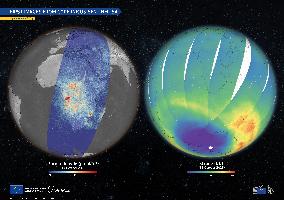
Handout photo dated October 13, 2025 shows Copernicus Sentinel-5A has delivered its first images after its launch on 13 August 2025, marking a significant milestone in the monitoring of air quality from space. The Sentinel-5 mission provides observations of key air pollutants, essential climate variables, and stratospheric ozone, which is the protective layer shielding life on Earth from harmful ultraviolet radiation. This visualisation, created with Sentinel-5A data acquired on 13 October 2025, shows atmospheric concentrations of two trace gases: ozone (O₃) and formaldehyde (HCHO). The image on the left presents the formaldehyde vertical column density. Elevated concentrations along the northwestern coast of Angola are linked to emissions from wildfires, while increased levels over the Central African Republic stem from a combination of fire activity and biogenic emissions. The image on the right shows a global map of ozone. The hole in stratospheric ozone above Antarctica is clearly visible, with column den

  •  

[Breaking News]Nobel Prize in chemistry winner Kitagawa

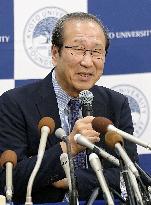
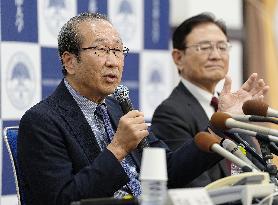
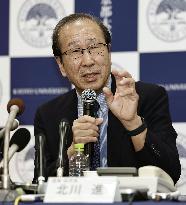
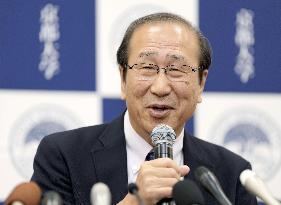
KYOTO, Japan, Oct. 9 Kyodo - Kyoto University distinguished professor Susumu Kitagawa attends a press conference in the western Japan city on Oct. 9, 2025, a day after being named one of the three winners of the Nobel Prize in Chemistry for developing porous materials that can store and release gases such as natural gas. (Kyodo)

  •  

Nobel Prize in chemistry winner Kitagawa

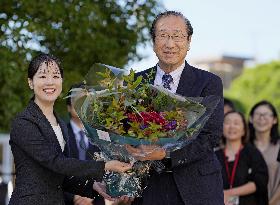
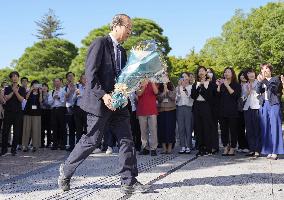
KYOTO, Japan, Oct. 9 Kyodo - Kyoto University distinguished professor Susumu Kitagawa receives flowers from a university staff member in the western Japan city on Oct. 9, 2025, a day after being named one of the three winners of the Nobel Prize in Chemistry for developing porous materials that can store and release gases such as natural gas. (Kyodo)

  •  

Nobel Prize in chemistry winner Kitagawa

KYOTO, Japan, Oct. 9 Kyodo - Kyoto University distinguished professor Susumu Kitagawa attends a press conference in the western Japan city on Oct. 8, 2025, after being named one of the three winners of the Nobel Prize in Chemistry earlier in the day for developing porous materials that can store and release gases such as natural gas. (Kyodo)

  •  
Nobel Prize in chemistry winner Kitagawa

Nobel Prize in chemistry winner Kitagawa

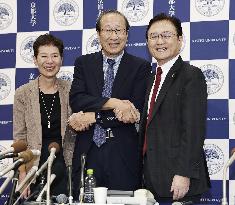
Kyoto University distinguished professor Susumu Kitagawa (C) poses for a photo with his spouse (L) and Kyoto University President Nagahiro Minato following a press conference in the western Japan city on Oct. 8, 2025, after being named one of the three winners of the Nobel Prize in Chemistry earlier in the day for developing porous materials that can store and release gases such as natural gas.

  •  
Nobel Prize in chemistry winner Kitagawa

Nobel Prize in chemistry winner Kitagawa

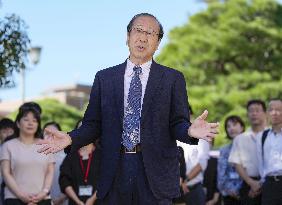
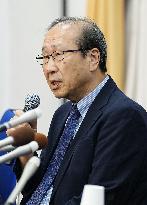
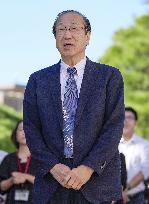
Kyoto University distinguished professor Susumu Kitagawa speaks to the press in the western Japan city on Oct. 9, 2025, a day after being named one of the three winners of the Nobel Prize in Chemistry for developing porous materials that can store and release gases such as natural gas.

  •  
Nobel Prize in chemistry winner Kitagawa

Nobel Prize in chemistry winner Kitagawa

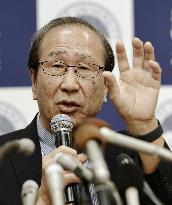
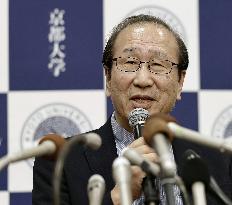
Kyoto University distinguished professor Susumu Kitagawa speaks during a press conference in the western Japan city on Oct. 8, 2025, after being named one of the three winners of the Nobel Prize in Chemistry earlier in the day for developing porous materials that can store and release gases such as natural gas.

  •  
Nobel Prize in chemistry winner Kitagawa

Nobel Prize in chemistry winner Kitagawa

Kyoto University distinguished professor Susumu Kitagawa speaks during a press conference in the western Japan city on Oct. 8, 2025, after being named one of the three winners of the Nobel Prize in Chemistry earlier in the day for developing porous materials that can store and release gases such as natural gas.

  •  
Nobel Prize in chemistry winner Kitagawa

Nobel Prize in chemistry winner Kitagawa

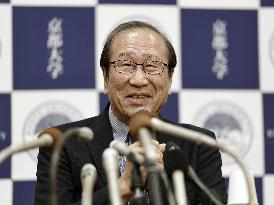
Kyoto University distinguished professor Susumu Kitagawa speaks during a press conference in the western Japan city on Oct. 8, 2025, after being named one of the three winners of the Nobel Prize in Chemistry earlier in the day for developing porous materials that can store and release gases such as natural gas.

  •  
Nobel Prize in chemistry winner Kitagawa

Nobel Prize in chemistry winner Kitagawa

Kyoto University distinguished professor Susumu Kitagawa speaks during a press conference in the western Japan city on Oct. 8, 2025, after being named one of the three winners of the Nobel Prize in Chemistry earlier in the day for developing porous materials that can store and release gases such as natural gas.

  •  
Nobel Prize in chemistry winner Kitagawa

Nobel Prize in chemistry winner Kitagawa

Kyoto University distinguished professor Susumu Kitagawa attends a press conference in the western Japan city on Oct. 8, 2025, after being named one of the three winners of the Nobel Prize in Chemistry earlier in the day for developing porous materials that can store and release gases such as natural gas.

  •  
Nobel Prize in chemistry winner Kitagawa

Nobel Prize in chemistry winner Kitagawa

Kyoto University distinguished professor Susumu Kitagawa attends a press conference in the western Japan city on Oct. 8, 2025, after being named one of the three winners of the Nobel Prize in Chemistry earlier in the day for developing porous materials that can store and release gases such as natural gas.

  •  
Nobel Prize in chemistry winner Kitagawa

Nobel Prize in chemistry winner Kitagawa

Kyoto University distinguished professor Susumu Kitagawa (L) attends a press conference in the western Japan city on Oct. 8, 2025, after being named one of the three winners of the Nobel Prize in Chemistry earlier in the day for developing porous materials that can store and release gases such as natural gas.

  •  
Nobel Prize in chemistry winner Kitagawa

Nobel Prize in chemistry winner Kitagawa

Kyoto University distinguished professor Susumu Kitagawa (R) receives flowers from a university staff member in the western Japan city on Oct. 9, 2025, a day after being named one of the three winners of the Nobel Prize in Chemistry for developing porous materials that can store and release gases such as natural gas.

  •  
Nobel Prize in chemistry winner Kitagawa

Nobel Prize in chemistry winner Kitagawa

Kyoto University distinguished professor Susumu Kitagawa (L) is pictured following a press conference in the western Japan city on Oct. 8, 2025, after being named one of the three winners of the Nobel Prize in Chemistry earlier in the day for developing porous materials that can store and release gases such as natural gas.

  •  
Nobel Prize in chemistry winner Kitagawa

Nobel Prize in chemistry winner Kitagawa

Kyoto University distinguished professor Susumu Kitagawa (L), in the western Japan city, talks over the phone with Asahi Kasei Corp. honorary fellow and 2019 Nobel Prize in Chemistry laureate Akira Yoshino, in Tokyo, on Oct. 8, 2025, after Kitagawa was named one of the three winners of the prize earlier in the day for developing porous materials that can store and release gases such as natural gas.

  •  
Nobel Prize in chemistry winner Kitagawa

Nobel Prize in chemistry winner Kitagawa

Kyoto University distinguished professor Susumu Kitagawa (L), in the western Japan city, talks over the phone with Asahi Kasei Corp. honorary fellow and 2019 Nobel Prize in Chemistry laureate Akira Yoshino, in Tokyo, on Oct. 8, 2025, after Kitagawa was named one of the three winners of the prize earlier in the day for developing porous materials that can store and release gases such as natural gas.

  •  
Nobel Prize in chemistry winner Kitagawa

Nobel Prize in chemistry winner Kitagawa

Kyoto University distinguished professor Susumu Kitagawa speaks to the press in the western Japan city on Oct. 9, 2025, a day after being named one of the three winners of the Nobel Prize in Chemistry for developing porous materials that can store and release gases such as natural gas.

  •  
Nobel Prize in chemistry winner Kitagawa

Nobel Prize in chemistry winner Kitagawa

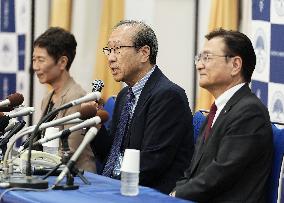
Kyoto University distinguished professor Susumu Kitagawa (C), alongside his spouse and Kyoto University President Nagahiro Minato (R), attends a press conference in the western Japan city on Oct. 8, 2025, after being named one of the three winners of the Nobel Prize in Chemistry earlier in the day for developing porous materials that can store and release gases such as natural gas.

  •  
Nobel Prize in chemistry winner Kitagawa

Nobel Prize in chemistry winner Kitagawa

Kyoto University distinguished professor Susumu Kitagawa is congratulated by university staff in the western Japan city on Oct. 9, 2025, a day after being named one of the three winners of the Nobel Prize in Chemistry for developing porous materials that can store and release gases such as natural gas.

  •  
Nobel Prize in chemistry winner Kitagawa

Nobel Prize in chemistry winner Kitagawa

Kyoto University distinguished professor Susumu Kitagawa attends a press conference in the western Japan city on Oct. 8, 2025, after being named one of the three winners of the Nobel Prize in Chemistry earlier in the day for developing porous materials that can store and release gases such as natural gas.

  •  
Nobel Prize in chemistry winner Kitagawa

Nobel Prize in chemistry winner Kitagawa

Kyoto University distinguished professor Susumu Kitagawa attends a press conference in the western Japan city on Oct. 9, 2025, a day after being named one of the three winners of the Nobel Prize in Chemistry for developing porous materials that can store and release gases such as natural gas.

  •  
Environmental Pollution In Bangladesh

Environmental Pollution In Bangladesh

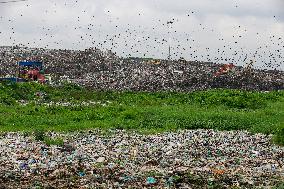
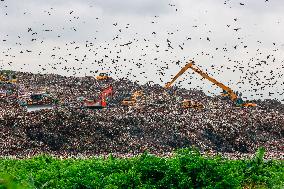
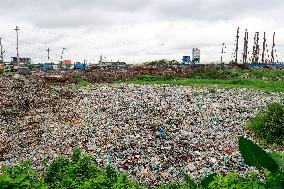
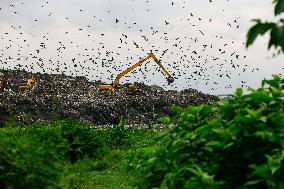
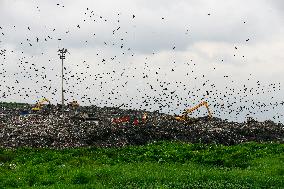
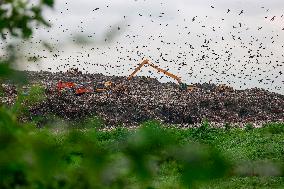
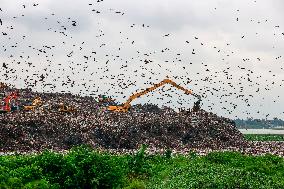
October 02, 2025, Outskirts of Dhaka, Bangladesh: Birds swarm over a massive dumpyard on the outskirts of Dhaka, where mountains of waste and heavy machinery dominate the landscape. The landfill, a major source of environmental pollution, threatens nearby habitats and forces birds to forage dangerously close to toxic waste. To free up space, the city authorities often resort to burning solid waste, according to garbage collectors, releasing carbon dioxide (CO₂), nitrogen compounds, ammonia, sulfides, and other hazardous gases into the air, not to mention the foul smell that envelops an area of at least three-square kilometres. Environmental experts warn that CH₄ emissions significantly contribute to global warming by trapping atmospheric heat. Furthermore, the black smoke produced from burning waste exacerbates air pollution, posing serious health risks to residents. Photo by Suvra Kanti Das/ABACAPRESS.COM

  •  
Environmental Pollution In Bangladesh

Environmental Pollution In Bangladesh

October 02, 2025, Outskirts of Dhaka, Bangladesh: Birds swarm over a massive dumpyard on the outskirts of Dhaka, where mountains of waste and heavy machinery dominate the landscape. The landfill, a major source of environmental pollution, threatens nearby habitats and forces birds to forage dangerously close to toxic waste. To free up space, the city authorities often resort to burning solid waste, according to garbage collectors, releasing carbon dioxide (CO₂), nitrogen compounds, ammonia, sulfides, and other hazardous gases into the air, not to mention the foul smell that envelops an area of at least three-square kilometres. Environmental experts warn that CH₄ emissions significantly contribute to global warming by trapping atmospheric heat. Furthermore, the black smoke produced from burning waste exacerbates air pollution, posing serious health risks to residents. Photo by Suvra Kanti Das/ABACAPRESS.COM

  •  
Environmental Pollution In Bangladesh

Environmental Pollution In Bangladesh

October 02, 2025, Outskirts of Dhaka, Bangladesh: Birds swarm over a massive dumpyard on the outskirts of Dhaka, where mountains of waste and heavy machinery dominate the landscape. The landfill, a major source of environmental pollution, threatens nearby habitats and forces birds to forage dangerously close to toxic waste. To free up space, the city authorities often resort to burning solid waste, according to garbage collectors, releasing carbon dioxide (CO₂), nitrogen compounds, ammonia, sulfides, and other hazardous gases into the air, not to mention the foul smell that envelops an area of at least three-square kilometres. Environmental experts warn that CH₄ emissions significantly contribute to global warming by trapping atmospheric heat. Furthermore, the black smoke produced from burning waste exacerbates air pollution, posing serious health risks to residents. Photo by Suvra Kanti Das/ABACAPRESS.COM

  •  
Environmental Pollution In Bangladesh

Environmental Pollution In Bangladesh

October 02, 2025, Outskirts of Dhaka, Bangladesh: Birds swarm over a massive dumpyard on the outskirts of Dhaka, where mountains of waste and heavy machinery dominate the landscape. The landfill, a major source of environmental pollution, threatens nearby habitats and forces birds to forage dangerously close to toxic waste. To free up space, the city authorities often resort to burning solid waste, according to garbage collectors, releasing carbon dioxide (CO₂), nitrogen compounds, ammonia, sulfides, and other hazardous gases into the air, not to mention the foul smell that envelops an area of at least three-square kilometres. Environmental experts warn that CH₄ emissions significantly contribute to global warming by trapping atmospheric heat. Furthermore, the black smoke produced from burning waste exacerbates air pollution, posing serious health risks to residents. Photo by Suvra Kanti Das/ABACAPRESS.COM

  •  
Environmental Pollution In Bangladesh

Environmental Pollution In Bangladesh

October 02, 2025, Outskirts of Dhaka, Bangladesh: Birds swarm over a massive dumpyard on the outskirts of Dhaka, where mountains of waste and heavy machinery dominate the landscape. The landfill, a major source of environmental pollution, threatens nearby habitats and forces birds to forage dangerously close to toxic waste. To free up space, the city authorities often resort to burning solid waste, according to garbage collectors, releasing carbon dioxide (CO₂), nitrogen compounds, ammonia, sulfides, and other hazardous gases into the air, not to mention the foul smell that envelops an area of at least three-square kilometres. Environmental experts warn that CH₄ emissions significantly contribute to global warming by trapping atmospheric heat. Furthermore, the black smoke produced from burning waste exacerbates air pollution, posing serious health risks to residents. Photo by Suvra Kanti Das/ABACAPRESS.COM

  •  
Environmental Pollution In Bangladesh

Environmental Pollution In Bangladesh

October 02, 2025, Outskirts of Dhaka, Bangladesh: Birds swarm over a massive dumpyard on the outskirts of Dhaka, where mountains of waste and heavy machinery dominate the landscape. The landfill, a major source of environmental pollution, threatens nearby habitats and forces birds to forage dangerously close to toxic waste. To free up space, the city authorities often resort to burning solid waste, according to garbage collectors, releasing carbon dioxide (CO₂), nitrogen compounds, ammonia, sulfides, and other hazardous gases into the air, not to mention the foul smell that envelops an area of at least three-square kilometres. Environmental experts warn that CH₄ emissions significantly contribute to global warming by trapping atmospheric heat. Furthermore, the black smoke produced from burning waste exacerbates air pollution, posing serious health risks to residents. Photo by Suvra Kanti Das/ABACAPRESS.COM

  •  
Environmental Pollution In Bangladesh

Environmental Pollution In Bangladesh

October 02, 2025, Outskirts of Dhaka, Bangladesh: Birds swarm over a massive dumpyard on the outskirts of Dhaka, where mountains of waste and heavy machinery dominate the landscape. The landfill, a major source of environmental pollution, threatens nearby habitats and forces birds to forage dangerously close to toxic waste. To free up space, the city authorities often resort to burning solid waste, according to garbage collectors, releasing carbon dioxide (CO₂), nitrogen compounds, ammonia, sulfides, and other hazardous gases into the air, not to mention the foul smell that envelops an area of at least three-square kilometres. Environmental experts warn that CH₄ emissions significantly contribute to global warming by trapping atmospheric heat. Furthermore, the black smoke produced from burning waste exacerbates air pollution, posing serious health risks to residents. Photo by Suvra Kanti Das/ABACAPRESS.COM

  •  
Drill For Sudden Incidents in High-speed Tunnels ?

Drill For Sudden Incidents in High-speed Tunnels ?

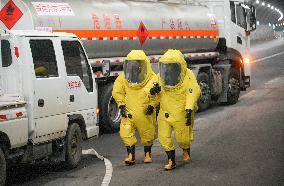
HUZHOU, CHINA - SEPTEMBER 16, 2025 - Emergency rescue personnel monitored the concentration of toxic and harmful gases in the Changchengwu Tunnel emergency drill site in Huzhou City, Zhejiang Province, China on September 16, 2025.

  •  

Mexico: Popocatépetl Unleashes Dozens Of Exhalations, Yellow Phase 2 Alert Remains

Popocatépetl, one of Mexico’s most active volcanoes, was placed on a Yellow Phase 2 alert level after more than 30 exhalations of water vapor, gases, and ash were recorded on Monday, December 16.

  •  
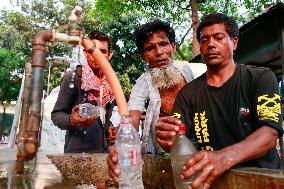
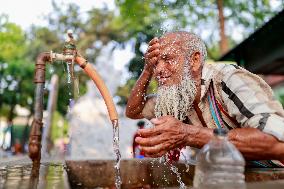
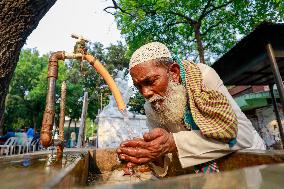
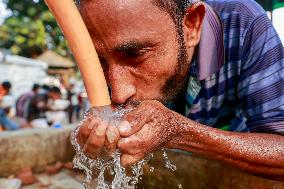
Bangladesh Swelters In Scorching Heat - Dhaka

Bangladesh Swelters In Scorching Heat - Dhaka

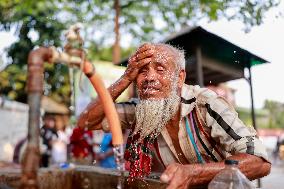
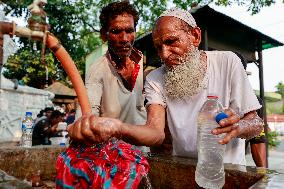
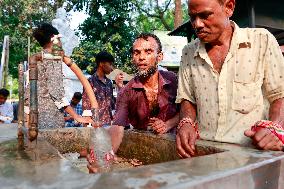
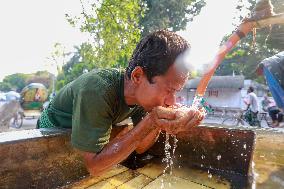
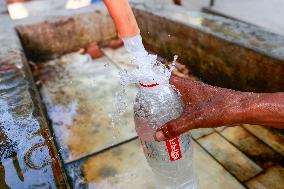
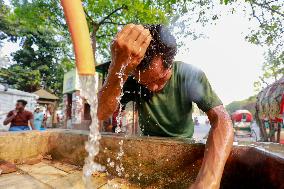
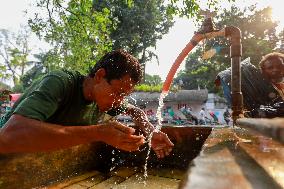
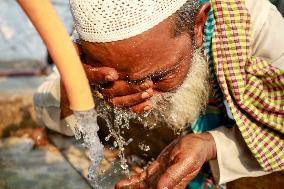
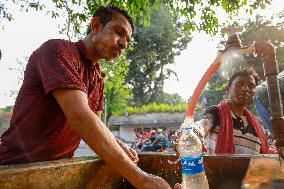
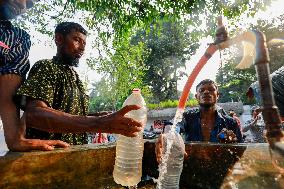
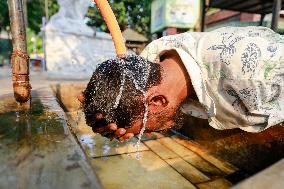
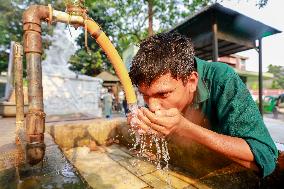
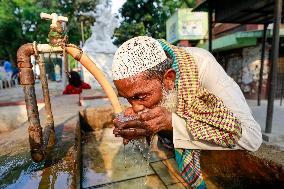
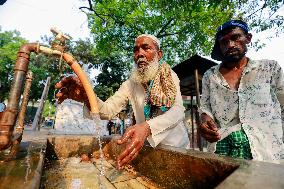
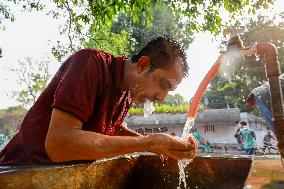
People use roadside tap water to cool down themselves during the heat wave in Dhaka, Bangladesh, April 26, 2024. The country's capital, Dhaka, saw the temperature reach 40.6 degrees Celsius (105.1 degrees Fahrenheit) on April 16, the highest in 58 years, making people's lives unbearable for more than a week with low humidity in the air, according to Bangladesh Meteorological Department (BMD) officials. Five types of gas layers have been created in Dhaka's air. These gases have been produced from garbage dumps, brick kilns, vehicles and the fumes emitting from industries. These gases are increasing the temperature of Dhaka's air and the ground. Added to the heat wave, these harmful gases are making Dhaka weather intolerable. These observations were made in two recent surveys conducted by a group of scientists. Photo by Suvra Kanti Das/ABACAPRESS.COM

  •  
Bangladesh Swelters In Scorching Heat - Dhaka

Bangladesh Swelters In Scorching Heat - Dhaka

People use roadside tap water to cool down themselves during the heat wave in Dhaka, Bangladesh, April 26, 2024. The country's capital, Dhaka, saw the temperature reach 40.6 degrees Celsius (105.1 degrees Fahrenheit) on April 16, the highest in 58 years, making people's lives unbearable for more than a week with low humidity in the air, according to Bangladesh Meteorological Department (BMD) officials. Five types of gas layers have been created in Dhaka's air. These gases have been produced from garbage dumps, brick kilns, vehicles and the fumes emitting from industries. These gases are increasing the temperature of Dhaka's air and the ground. Added to the heat wave, these harmful gases are making Dhaka weather intolerable. These observations were made in two recent surveys conducted by a group of scientists. Photo by Suvra Kanti Das/ABACAPRESS.COM

  •  
Bangladesh Swelters In Scorching Heat - Dhaka

Bangladesh Swelters In Scorching Heat - Dhaka

People use roadside tap water to cool down themselves during the heat wave in Dhaka, Bangladesh, April 26, 2024. The country's capital, Dhaka, saw the temperature reach 40.6 degrees Celsius (105.1 degrees Fahrenheit) on April 16, the highest in 58 years, making people's lives unbearable for more than a week with low humidity in the air, according to Bangladesh Meteorological Department (BMD) officials. Five types of gas layers have been created in Dhaka's air. These gases have been produced from garbage dumps, brick kilns, vehicles and the fumes emitting from industries. These gases are increasing the temperature of Dhaka's air and the ground. Added to the heat wave, these harmful gases are making Dhaka weather intolerable. These observations were made in two recent surveys conducted by a group of scientists. Photo by Suvra Kanti Das/ABACAPRESS.COM

  •  
Bangladesh Swelters In Scorching Heat - Dhaka

Bangladesh Swelters In Scorching Heat - Dhaka

People use roadside tap water to cool down themselves during the heat wave in Dhaka, Bangladesh, April 26, 2024. The country's capital, Dhaka, saw the temperature reach 40.6 degrees Celsius (105.1 degrees Fahrenheit) on April 16, the highest in 58 years, making people's lives unbearable for more than a week with low humidity in the air, according to Bangladesh Meteorological Department (BMD) officials. Five types of gas layers have been created in Dhaka's air. These gases have been produced from garbage dumps, brick kilns, vehicles and the fumes emitting from industries. These gases are increasing the temperature of Dhaka's air and the ground. Added to the heat wave, these harmful gases are making Dhaka weather intolerable. These observations were made in two recent surveys conducted by a group of scientists. Photo by Suvra Kanti Das/ABACAPRESS.COM

  •  
Bangladesh Swelters In Scorching Heat - Dhaka

Bangladesh Swelters In Scorching Heat - Dhaka

People use roadside tap water to cool down themselves during the heat wave in Dhaka, Bangladesh, April 26, 2024. The country's capital, Dhaka, saw the temperature reach 40.6 degrees Celsius (105.1 degrees Fahrenheit) on April 16, the highest in 58 years, making people's lives unbearable for more than a week with low humidity in the air, according to Bangladesh Meteorological Department (BMD) officials. Five types of gas layers have been created in Dhaka's air. These gases have been produced from garbage dumps, brick kilns, vehicles and the fumes emitting from industries. These gases are increasing the temperature of Dhaka's air and the ground. Added to the heat wave, these harmful gases are making Dhaka weather intolerable. These observations were made in two recent surveys conducted by a group of scientists. Photo by Suvra Kanti Das/ABACAPRESS.COM

  •  
Bangladesh Swelters In Scorching Heat - Dhaka

Bangladesh Swelters In Scorching Heat - Dhaka

People use roadside tap water to cool down themselves during the heat wave in Dhaka, Bangladesh, April 26, 2024. The country's capital, Dhaka, saw the temperature reach 40.6 degrees Celsius (105.1 degrees Fahrenheit) on April 16, the highest in 58 years, making people's lives unbearable for more than a week with low humidity in the air, according to Bangladesh Meteorological Department (BMD) officials. Five types of gas layers have been created in Dhaka's air. These gases have been produced from garbage dumps, brick kilns, vehicles and the fumes emitting from industries. These gases are increasing the temperature of Dhaka's air and the ground. Added to the heat wave, these harmful gases are making Dhaka weather intolerable. These observations were made in two recent surveys conducted by a group of scientists. Photo by Suvra Kanti Das/ABACAPRESS.COM

  •  
Bangladesh Swelters In Scorching Heat - Dhaka

Bangladesh Swelters In Scorching Heat - Dhaka

People use roadside tap water to cool down themselves during the heat wave in Dhaka, Bangladesh, April 26, 2024. The country's capital, Dhaka, saw the temperature reach 40.6 degrees Celsius (105.1 degrees Fahrenheit) on April 16, the highest in 58 years, making people's lives unbearable for more than a week with low humidity in the air, according to Bangladesh Meteorological Department (BMD) officials. Five types of gas layers have been created in Dhaka's air. These gases have been produced from garbage dumps, brick kilns, vehicles and the fumes emitting from industries. These gases are increasing the temperature of Dhaka's air and the ground. Added to the heat wave, these harmful gases are making Dhaka weather intolerable. These observations were made in two recent surveys conducted by a group of scientists. Photo by Suvra Kanti Das/ABACAPRESS.COM

  •  
Bangladesh Swelters In Scorching Heat - Dhaka

Bangladesh Swelters In Scorching Heat - Dhaka

People use roadside tap water to cool down themselves during the heat wave in Dhaka, Bangladesh, April 26, 2024. The country's capital, Dhaka, saw the temperature reach 40.6 degrees Celsius (105.1 degrees Fahrenheit) on April 16, the highest in 58 years, making people's lives unbearable for more than a week with low humidity in the air, according to Bangladesh Meteorological Department (BMD) officials. Five types of gas layers have been created in Dhaka's air. These gases have been produced from garbage dumps, brick kilns, vehicles and the fumes emitting from industries. These gases are increasing the temperature of Dhaka's air and the ground. Added to the heat wave, these harmful gases are making Dhaka weather intolerable. These observations were made in two recent surveys conducted by a group of scientists. Photo by Suvra Kanti Das/ABACAPRESS.COM

  •  
Bangladesh Swelters In Scorching Heat - Dhaka

Bangladesh Swelters In Scorching Heat - Dhaka

People use roadside tap water to cool down themselves during the heat wave in Dhaka, Bangladesh, April 26, 2024. The country's capital, Dhaka, saw the temperature reach 40.6 degrees Celsius (105.1 degrees Fahrenheit) on April 16, the highest in 58 years, making people's lives unbearable for more than a week with low humidity in the air, according to Bangladesh Meteorological Department (BMD) officials. Five types of gas layers have been created in Dhaka's air. These gases have been produced from garbage dumps, brick kilns, vehicles and the fumes emitting from industries. These gases are increasing the temperature of Dhaka's air and the ground. Added to the heat wave, these harmful gases are making Dhaka weather intolerable. These observations were made in two recent surveys conducted by a group of scientists. Photo by Suvra Kanti Das/ABACAPRESS.COM

  •  
Bangladesh Swelters In Scorching Heat - Dhaka

Bangladesh Swelters In Scorching Heat - Dhaka

People use roadside tap water to cool down themselves during the heat wave in Dhaka, Bangladesh, April 26, 2024. The country's capital, Dhaka, saw the temperature reach 40.6 degrees Celsius (105.1 degrees Fahrenheit) on April 16, the highest in 58 years, making people's lives unbearable for more than a week with low humidity in the air, according to Bangladesh Meteorological Department (BMD) officials. Five types of gas layers have been created in Dhaka's air. These gases have been produced from garbage dumps, brick kilns, vehicles and the fumes emitting from industries. These gases are increasing the temperature of Dhaka's air and the ground. Added to the heat wave, these harmful gases are making Dhaka weather intolerable. These observations were made in two recent surveys conducted by a group of scientists. Photo by Suvra Kanti Das/ABACAPRESS.COM

  •  
Bangladesh Swelters In Scorching Heat - Dhaka

Bangladesh Swelters In Scorching Heat - Dhaka

People use roadside tap water to cool down themselves during the heat wave in Dhaka, Bangladesh, April 26, 2024. The country's capital, Dhaka, saw the temperature reach 40.6 degrees Celsius (105.1 degrees Fahrenheit) on April 16, the highest in 58 years, making people's lives unbearable for more than a week with low humidity in the air, according to Bangladesh Meteorological Department (BMD) officials. Five types of gas layers have been created in Dhaka's air. These gases have been produced from garbage dumps, brick kilns, vehicles and the fumes emitting from industries. These gases are increasing the temperature of Dhaka's air and the ground. Added to the heat wave, these harmful gases are making Dhaka weather intolerable. These observations were made in two recent surveys conducted by a group of scientists. Photo by Suvra Kanti Das/ABACAPRESS.COM

  •  
Bangladesh Swelters In Scorching Heat - Dhaka

Bangladesh Swelters In Scorching Heat - Dhaka

People use roadside tap water to cool down themselves during the heat wave in Dhaka, Bangladesh, April 26, 2024. The country's capital, Dhaka, saw the temperature reach 40.6 degrees Celsius (105.1 degrees Fahrenheit) on April 16, the highest in 58 years, making people's lives unbearable for more than a week with low humidity in the air, according to Bangladesh Meteorological Department (BMD) officials. Five types of gas layers have been created in Dhaka's air. These gases have been produced from garbage dumps, brick kilns, vehicles and the fumes emitting from industries. These gases are increasing the temperature of Dhaka's air and the ground. Added to the heat wave, these harmful gases are making Dhaka weather intolerable. These observations were made in two recent surveys conducted by a group of scientists. Photo by Suvra Kanti Das/ABACAPRESS.COM

  •  
Bangladesh Swelters In Scorching Heat - Dhaka

Bangladesh Swelters In Scorching Heat - Dhaka

People use roadside tap water to cool down themselves during the heat wave in Dhaka, Bangladesh, April 26, 2024. The country's capital, Dhaka, saw the temperature reach 40.6 degrees Celsius (105.1 degrees Fahrenheit) on April 16, the highest in 58 years, making people's lives unbearable for more than a week with low humidity in the air, according to Bangladesh Meteorological Department (BMD) officials. Five types of gas layers have been created in Dhaka's air. These gases have been produced from garbage dumps, brick kilns, vehicles and the fumes emitting from industries. These gases are increasing the temperature of Dhaka's air and the ground. Added to the heat wave, these harmful gases are making Dhaka weather intolerable. These observations were made in two recent surveys conducted by a group of scientists. Photo by Suvra Kanti Das/ABACAPRESS.COM

  •  
Bangladesh Swelters In Scorching Heat - Dhaka

Bangladesh Swelters In Scorching Heat - Dhaka

People use roadside tap water to cool down themselves during the heat wave in Dhaka, Bangladesh, April 26, 2024. The country's capital, Dhaka, saw the temperature reach 40.6 degrees Celsius (105.1 degrees Fahrenheit) on April 16, the highest in 58 years, making people's lives unbearable for more than a week with low humidity in the air, according to Bangladesh Meteorological Department (BMD) officials. Five types of gas layers have been created in Dhaka's air. These gases have been produced from garbage dumps, brick kilns, vehicles and the fumes emitting from industries. These gases are increasing the temperature of Dhaka's air and the ground. Added to the heat wave, these harmful gases are making Dhaka weather intolerable. These observations were made in two recent surveys conducted by a group of scientists. Photo by Suvra Kanti Das/ABACAPRESS.COM

  •  
Bangladesh Swelters In Scorching Heat - Dhaka

Bangladesh Swelters In Scorching Heat - Dhaka

People use roadside tap water to cool down themselves during the heat wave in Dhaka, Bangladesh, April 26, 2024. The country's capital, Dhaka, saw the temperature reach 40.6 degrees Celsius (105.1 degrees Fahrenheit) on April 16, the highest in 58 years, making people's lives unbearable for more than a week with low humidity in the air, according to Bangladesh Meteorological Department (BMD) officials. Five types of gas layers have been created in Dhaka's air. These gases have been produced from garbage dumps, brick kilns, vehicles and the fumes emitting from industries. These gases are increasing the temperature of Dhaka's air and the ground. Added to the heat wave, these harmful gases are making Dhaka weather intolerable. These observations were made in two recent surveys conducted by a group of scientists. Photo by Suvra Kanti Das/ABACAPRESS.COM

  •  
Bangladesh Swelters In Scorching Heat - Dhaka

Bangladesh Swelters In Scorching Heat - Dhaka

People use roadside tap water to cool down themselves during the heat wave in Dhaka, Bangladesh, April 26, 2024. The country's capital, Dhaka, saw the temperature reach 40.6 degrees Celsius (105.1 degrees Fahrenheit) on April 16, the highest in 58 years, making people's lives unbearable for more than a week with low humidity in the air, according to Bangladesh Meteorological Department (BMD) officials. Five types of gas layers have been created in Dhaka's air. These gases have been produced from garbage dumps, brick kilns, vehicles and the fumes emitting from industries. These gases are increasing the temperature of Dhaka's air and the ground. Added to the heat wave, these harmful gases are making Dhaka weather intolerable. These observations were made in two recent surveys conducted by a group of scientists. Photo by Suvra Kanti Das/ABACAPRESS.COM

  •  
Bangladesh Swelters In Scorching Heat - Dhaka

Bangladesh Swelters In Scorching Heat - Dhaka

People use roadside tap water to cool down themselves during the heat wave in Dhaka, Bangladesh, April 26, 2024. The country's capital, Dhaka, saw the temperature reach 40.6 degrees Celsius (105.1 degrees Fahrenheit) on April 16, the highest in 58 years, making people's lives unbearable for more than a week with low humidity in the air, according to Bangladesh Meteorological Department (BMD) officials. Five types of gas layers have been created in Dhaka's air. These gases have been produced from garbage dumps, brick kilns, vehicles and the fumes emitting from industries. These gases are increasing the temperature of Dhaka's air and the ground. Added to the heat wave, these harmful gases are making Dhaka weather intolerable. These observations were made in two recent surveys conducted by a group of scientists. Photo by Suvra Kanti Das/ABACAPRESS.COM

  •  
Bangladesh Swelters In Scorching Heat - Dhaka

Bangladesh Swelters In Scorching Heat - Dhaka

People use roadside tap water to cool down themselves during the heat wave in Dhaka, Bangladesh, April 26, 2024. The country's capital, Dhaka, saw the temperature reach 40.6 degrees Celsius (105.1 degrees Fahrenheit) on April 16, the highest in 58 years, making people's lives unbearable for more than a week with low humidity in the air, according to Bangladesh Meteorological Department (BMD) officials. Five types of gas layers have been created in Dhaka's air. These gases have been produced from garbage dumps, brick kilns, vehicles and the fumes emitting from industries. These gases are increasing the temperature of Dhaka's air and the ground. Added to the heat wave, these harmful gases are making Dhaka weather intolerable. These observations were made in two recent surveys conducted by a group of scientists. Photo by Suvra Kanti Das/ABACAPRESS.COM

  •  
Bangladesh Swelters In Scorching Heat - Dhaka

Bangladesh Swelters In Scorching Heat - Dhaka

People use roadside tap water to cool down themselves during the heat wave in Dhaka, Bangladesh, April 26, 2024. The country's capital, Dhaka, saw the temperature reach 40.6 degrees Celsius (105.1 degrees Fahrenheit) on April 16, the highest in 58 years, making people's lives unbearable for more than a week with low humidity in the air, according to Bangladesh Meteorological Department (BMD) officials. Five types of gas layers have been created in Dhaka's air. These gases have been produced from garbage dumps, brick kilns, vehicles and the fumes emitting from industries. These gases are increasing the temperature of Dhaka's air and the ground. Added to the heat wave, these harmful gases are making Dhaka weather intolerable. These observations were made in two recent surveys conducted by a group of scientists. Photo by Suvra Kanti Das/ABACAPRESS.COM

  • Main
  • Top
  • Editorial
  • Creative
  • About Us
  • About ILG
  • Terms of use
  • Company
  • BEHIND
  • Price List
  • Single Plan
  • Monthly Plan
  • Services
  • Shooting
  • Rights Clearance
  • Support
  • FAQ
  • How To Buy
  • Contact Us
  • Become a Partner

© KYODO NEWS IMAGES INC

All Rights Reserved.

  • Editorial
  • Olympics
  • News
  • Sports
  • Japan
  • Tech
  • Royal
  • Disaster
  • NorthKorea
  • Old Japan
  • SNS
  • Creative
  • Food
  • Japan
  • Landscape
  • Animal
  • Popular
  • #Ukraine
  • #Russia
  • #coronavirus
  • #N. Korea
  • #Thailand
  • #China
  • #Ukraine
  • #Russia
  • #coronavirus
  • #N. Korea
  • #Thailand
  • #China
  • Food
  • Japan
  • Landscape
  • Animal
  • Olympics
  • News
  • Sports
  • Japan
  • Tech
  • Royal
  • Disaster
  • NorthKorea
  • Old Japan
  • SNS