•  
Groundwater Mapping in Normandy - France

Groundwater Mapping in Normandy - France

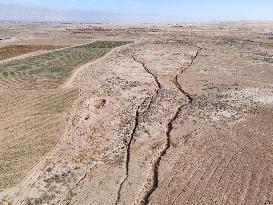
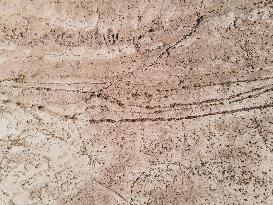
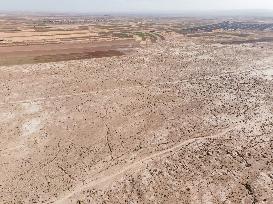
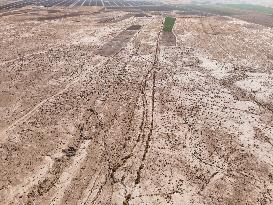
Eaux-SCARS, a large-scale scientific program involving the BRGM (Bureau of Geological and Mining Research), local authorities, and in this case the SMABI (Joint Development Authority for the Iton Basin) in the Normandy region. A helicopter from Germany, piloted by a specialist in this type of mission, tows a polygon measuring around 20 meters in diameter. This giant probe can map groundwater tables to a depth of 300 meters and see the interconnections with rivers. The Danish company SkyTEM is carrying out this work, which covers several regions of France, on October 31, 2025, in Saint Andre de l'Eure, Normandy, France. Photo by Mario Fourmy/ABACAPRESS.COM

  •  
Groundwater Mapping in Normandy - France

Groundwater Mapping in Normandy - France

Eaux-SCARS, a large-scale scientific program involving the BRGM (Bureau of Geological and Mining Research), local authorities, and in this case the SMABI (Joint Development Authority for the Iton Basin) in the Normandy region. A helicopter from Germany, piloted by a specialist in this type of mission, tows a polygon measuring around 20 meters in diameter. This giant probe can map groundwater tables to a depth of 300 meters and see the interconnections with rivers. The Danish company SkyTEM is carrying out this work, which covers several regions of France, on October 31, 2025, in Saint Andre de l'Eure, Normandy, France. Photo by Mario Fourmy/ABACAPRESS.COM

  •  
Groundwater Mapping in Normandy - France

Groundwater Mapping in Normandy - France

Eaux-SCARS, a large-scale scientific program involving the BRGM (Bureau of Geological and Mining Research), local authorities, and in this case the SMABI (Joint Development Authority for the Iton Basin) in the Normandy region. A helicopter from Germany, piloted by a specialist in this type of mission, tows a polygon measuring around 20 meters in diameter. This giant probe can map groundwater tables to a depth of 300 meters and see the interconnections with rivers. The Danish company SkyTEM is carrying out this work, which covers several regions of France, on October 31, 2025, in Saint Andre de l'Eure, Normandy, France. Photo by Mario Fourmy/ABACAPRESS.COM

  •  
Groundwater Mapping in Normandy - France

Groundwater Mapping in Normandy - France

Eaux-SCARS, a large-scale scientific program involving the BRGM (Bureau of Geological and Mining Research), local authorities, and in this case the SMABI (Joint Development Authority for the Iton Basin) in the Normandy region. A helicopter from Germany, piloted by a specialist in this type of mission, tows a polygon measuring around 20 meters in diameter. This giant probe can map groundwater tables to a depth of 300 meters and see the interconnections with rivers. The Danish company SkyTEM is carrying out this work, which covers several regions of France, on October 31, 2025, in Saint Andre de l'Eure, Normandy, France. Photo by Mario Fourmy/ABACAPRESS.COM

  •  
Groundwater Mapping in Normandy - France

Groundwater Mapping in Normandy - France

Eaux-SCARS, a large-scale scientific program involving the BRGM (Bureau of Geological and Mining Research), local authorities, and in this case the SMABI (Joint Development Authority for the Iton Basin) in the Normandy region. A helicopter from Germany, piloted by a specialist in this type of mission, tows a polygon measuring around 20 meters in diameter. This giant probe can map groundwater tables to a depth of 300 meters and see the interconnections with rivers. The Danish company SkyTEM is carrying out this work, which covers several regions of France, on October 31, 2025, in Saint Andre de l'Eure, Normandy, France. Photo by Mario Fourmy/ABACAPRESS.COM

  •  
Groundwater Mapping in Normandy - France

Groundwater Mapping in Normandy - France

Eaux-SCARS, a large-scale scientific program involving the BRGM (Bureau of Geological and Mining Research), local authorities, and in this case the SMABI (Joint Development Authority for the Iton Basin) in the Normandy region. A helicopter from Germany, piloted by a specialist in this type of mission, tows a polygon measuring around 20 meters in diameter. This giant probe can map groundwater tables to a depth of 300 meters and see the interconnections with rivers. The Danish company SkyTEM is carrying out this work, which covers several regions of France, on October 31, 2025, in Saint Andre de l'Eure, Normandy, France. Photo by Mario Fourmy/ABACAPRESS.COM

  •  
Groundwater Mapping in Normandy - France

Groundwater Mapping in Normandy - France

Eaux-SCARS, a large-scale scientific program involving the BRGM (Bureau of Geological and Mining Research), local authorities, and in this case the SMABI (Joint Development Authority for the Iton Basin) in the Normandy region. A helicopter from Germany, piloted by a specialist in this type of mission, tows a polygon measuring around 20 meters in diameter. This giant probe can map groundwater tables to a depth of 300 meters and see the interconnections with rivers. The Danish company SkyTEM is carrying out this work, which covers several regions of France, on October 31, 2025, in Saint Andre de l'Eure, Normandy, France. Photo by Mario Fourmy/ABACAPRESS.COM

  •  
Groundwater Mapping in Normandy - France

Groundwater Mapping in Normandy - France

Eaux-SCARS, a large-scale scientific program involving the BRGM (Bureau of Geological and Mining Research), local authorities, and in this case the SMABI (Joint Development Authority for the Iton Basin) in the Normandy region. A helicopter from Germany, piloted by a specialist in this type of mission, tows a polygon measuring around 20 meters in diameter. This giant probe can map groundwater tables to a depth of 300 meters and see the interconnections with rivers. The Danish company SkyTEM is carrying out this work, which covers several regions of France, on October 31, 2025, in Saint Andre de l'Eure, Normandy, France. Photo by Mario Fourmy/ABACAPRESS.COM

  •  
Groundwater Mapping in Normandy - France

Groundwater Mapping in Normandy - France

Eaux-SCARS, a large-scale scientific program involving the BRGM (Bureau of Geological and Mining Research), local authorities, and in this case the SMABI (Joint Development Authority for the Iton Basin) in the Normandy region. A helicopter from Germany, piloted by a specialist in this type of mission, tows a polygon measuring around 20 meters in diameter. This giant probe can map groundwater tables to a depth of 300 meters and see the interconnections with rivers. The Danish company SkyTEM is carrying out this work, which covers several regions of France, on October 31, 2025, in Saint Andre de l'Eure, Normandy, France. Photo by Mario Fourmy/ABACAPRESS.COM

  •  
Groundwater Mapping in Normandy - France

Groundwater Mapping in Normandy - France

Eaux-SCARS, a large-scale scientific program involving the BRGM (Bureau of Geological and Mining Research), local authorities, and in this case the SMABI (Joint Development Authority for the Iton Basin) in the Normandy region. A helicopter from Germany, piloted by a specialist in this type of mission, tows a polygon measuring around 20 meters in diameter. This giant probe can map groundwater tables to a depth of 300 meters and see the interconnections with rivers. The Danish company SkyTEM is carrying out this work, which covers several regions of France, on October 31, 2025, in Saint Andre de l'Eure, Normandy, France. Photo by Mario Fourmy/ABACAPRESS.COM

  •  
Groundwater Mapping in Normandy - France

Groundwater Mapping in Normandy - France

Eaux-SCARS, a large-scale scientific program involving the BRGM (Bureau of Geological and Mining Research), local authorities, and in this case the SMABI (Joint Development Authority for the Iton Basin) in the Normandy region. A helicopter from Germany, piloted by a specialist in this type of mission, tows a polygon measuring around 20 meters in diameter. This giant probe can map groundwater tables to a depth of 300 meters and see the interconnections with rivers. The Danish company SkyTEM is carrying out this work, which covers several regions of France, on October 31, 2025, in Saint Andre de l'Eure, Normandy, France. Photo by Mario Fourmy/ABACAPRESS.COM

  •  
Groundwater Mapping in Normandy - France

Groundwater Mapping in Normandy - France

Eaux-SCARS, a large-scale scientific program involving the BRGM (Bureau of Geological and Mining Research), local authorities, and in this case the SMABI (Joint Development Authority for the Iton Basin) in the Normandy region. A helicopter from Germany, piloted by a specialist in this type of mission, tows a polygon measuring around 20 meters in diameter. This giant probe can map groundwater tables to a depth of 300 meters and see the interconnections with rivers. The Danish company SkyTEM is carrying out this work, which covers several regions of France, on October 31, 2025, in Saint Andre de l'Eure, Normandy, France. Photo by Mario Fourmy/ABACAPRESS.COM

  •  
A Farm In The Desert Of New Valley Governorate - Cairo

A Farm In The Desert Of New Valley Governorate - Cairo

Workers transport a well-drilling rig at the site of Owainat Water Well Project in the desert of New Valley Governorate, Egypt, on May 3, 2025. Over 1,300 kilometers away from the capital Cairo, a sea of ripe wheat, rippling in the breeze, are waiting to be harvested in a desert. "It used to be an arid desert here and the well-drilling teams have turned it into farmland," said Mohamed Gabar, a worker with the Owainat Water Well Project operated by ZPEC (China's Zhongman Petroleum and Natural Gas Group Corp., Ltd.) branch in Egypt. The project, located in southern desert of New Valley Governorate, is part of the country's efforts to accelerate its desert reclamation initiatives since 2015. At the project site, six towering rigs are drilling deep into the desert in search of groundwater. "There are six well-drilling teams, comprising over 130 employees from China and Egypt," said the project manager Zhao Baojiang. The rigs operate 24 hours a day, with workers rotating in two shifts, he introduced. In less than

  •  
A Farm In The Desert Of New Valley Governorate - Cairo

A Farm In The Desert Of New Valley Governorate - Cairo

This photo taken on May 3, 2025 shows a well-drilling rig at night at the site of Owainat Water Well Project in the desert of New Valley Governorate, Egypt. Over 1,300 kilometers away from the capital Cairo, a sea of ripe wheat, rippling in the breeze, are waiting to be harvested in a desert. "It used to be an arid desert here and the well-drilling teams have turned it into farmland," said Mohamed Gabar, a worker with the Owainat Water Well Project operated by ZPEC (China's Zhongman Petroleum and Natural Gas Group Corp., Ltd.) branch in Egypt. The project, located in southern desert of New Valley Governorate, is part of the country's efforts to accelerate its desert reclamation initiatives since 2015. At the project site, six towering rigs are drilling deep into the desert in search of groundwater. "There are six well-drilling teams, comprising over 130 employees from China and Egypt," said the project manager Zhao Baojiang. The rigs operate 24 hours a day, with workers rotating in two shifts, he introduced.

  •  
A Farm In The Desert Of New Valley Governorate - Cairo

A Farm In The Desert Of New Valley Governorate - Cairo

Workers operate on a well-drilling rig at the site of Owainat Water Well Project in the desert of New Valley Governorate, Egypt, on May 3, 2025. Over 1,300 kilometers away from the capital Cairo, a sea of ripe wheat, rippling in the breeze, are waiting to be harvested in a desert. "It used to be an arid desert here and the well-drilling teams have turned it into farmland," said Mohamed Gabar, a worker with the Owainat Water Well Project operated by ZPEC (China's Zhongman Petroleum and Natural Gas Group Corp., Ltd.) branch in Egypt. The project, located in southern desert of New Valley Governorate, is part of the country's efforts to accelerate its desert reclamation initiatives since 2015. At the project site, six towering rigs are drilling deep into the desert in search of groundwater. "There are six well-drilling teams, comprising over 130 employees from China and Egypt," said the project manager Zhao Baojiang. The rigs operate 24 hours a day, with workers rotating in two shifts, he introduced. In less than

  •  
A Farm In The Desert Of New Valley Governorate - Cairo

A Farm In The Desert Of New Valley Governorate - Cairo

Workers operate on a well-drilling rig at the site of Owainat Water Well Project in the desert of New Valley Governorate, Egypt, on May 3, 2025. Over 1,300 kilometers away from the capital Cairo, a sea of ripe wheat, rippling in the breeze, are waiting to be harvested in a desert. "It used to be an arid desert here and the well-drilling teams have turned it into farmland," said Mohamed Gabar, a worker with the Owainat Water Well Project operated by ZPEC (China's Zhongman Petroleum and Natural Gas Group Corp., Ltd.) branch in Egypt. The project, located in southern desert of New Valley Governorate, is part of the country's efforts to accelerate its desert reclamation initiatives since 2015. At the project site, six towering rigs are drilling deep into the desert in search of groundwater. "There are six well-drilling teams, comprising over 130 employees from China and Egypt," said the project manager Zhao Baojiang. The rigs operate 24 hours a day, with workers rotating in two shifts, he introduced. In less than

  •  
A Farm In The Desert Of New Valley Governorate - Cairo

A Farm In The Desert Of New Valley Governorate - Cairo

(Egyptians gesture while working on newly-harvested wheat at a farm in the desert of New Valley Governorate, Egypt, on May 3, 2025. Over 1,300 kilometers away from the capital Cairo, a sea of ripe wheat, rippling in the breeze, are waiting to be harvested in a desert. "It used to be an arid desert here and the well-drilling teams have turned it into farmland," said Mohamed Gabar, a worker with the Owainat Water Well Project operated by ZPEC (China's Zhongman Petroleum and Natural Gas Group Corp., Ltd.) branch in Egypt. The project, located in southern desert of New Valley Governorate, is part of the country's efforts to accelerate its desert reclamation initiatives since 2015. At the project site, six towering rigs are drilling deep into the desert in search of groundwater. "There are six well-drilling teams, comprising over 130 employees from China and Egypt," said the project manager Zhao Baojiang. The rigs operate 24 hours a day, with workers rotating in two shifts, he introduced. In less than a year, more

  •  
A Farm In The Desert Of New Valley Governorate - Cairo

A Farm In The Desert Of New Valley Governorate - Cairo

An aerial drone photo taken on May 3, 2025 shows the farmland in the desert of New Valley Governorate, Egypt. Over 1,300 kilometers away from the capital Cairo, a sea of ripe wheat, rippling in the breeze, are waiting to be harvested in a desert. "It used to be an arid desert here and the well-drilling teams have turned it into farmland," said Mohamed Gabar, a worker with the Owainat Water Well Project operated by ZPEC (China's Zhongman Petroleum and Natural Gas Group Corp., Ltd.) branch in Egypt. The project, located in southern desert of New Valley Governorate, is part of the country's efforts to accelerate its desert reclamation initiatives since 2015. At the project site, six towering rigs are drilling deep into the desert in search of groundwater. "There are six well-drilling teams, comprising over 130 employees from China and Egypt," said the project manager Zhao Baojiang. The rigs operate 24 hours a day, with workers rotating in two shifts, he introduced. In less than a year, more than 60 units of 450-

  •  
A Farm In The Desert Of New Valley Governorate - Cairo

A Farm In The Desert Of New Valley Governorate - Cairo

An aerial drone photo taken on May 3, 2025 shows harvesters reaping wheat at a farm in the desert of New Valley Governorate, Egypt. The irrigation water for the farm comes from wells drilled by ZPEC. Over 1,300 kilometers away from the capital Cairo, a sea of ripe wheat, rippling in the breeze, are waiting to be harvested in a desert. "It used to be an arid desert here and the well-drilling teams have turned it into farmland," said Mohamed Gabar, a worker with the Owainat Water Well Project operated by ZPEC (China's Zhongman Petroleum and Natural Gas Group Corp., Ltd.) branch in Egypt. The project, located in southern desert of New Valley Governorate, is part of the country's efforts to accelerate its desert reclamation initiatives since 2015. At the project site, six towering rigs are drilling deep into the desert in search of groundwater. "There are six well-drilling teams, comprising over 130 employees from China and Egypt," said the project manager Zhao Baojiang. The rigs operate 24 hours a day, with work

  •  
A Farm In The Desert Of New Valley Governorate - Cairo

A Farm In The Desert Of New Valley Governorate - Cairo

(A harvester reaps wheat at a farm in the desert of New Valley Governorate, Egypt, on May 3, 2025. Over 1,300 kilometers away from the capital Cairo, a sea of ripe wheat, rippling in the breeze, are waiting to be harvested in a desert. "It used to be an arid desert here and the well-drilling teams have turned it into farmland," said Mohamed Gabar, a worker with the Owainat Water Well Project operated by ZPEC (China's Zhongman Petroleum and Natural Gas Group Corp., Ltd.) branch in Egypt. The project, located in southern desert of New Valley Governorate, is part of the country's efforts to accelerate its desert reclamation initiatives since 2015. At the project site, six towering rigs are drilling deep into the desert in search of groundwater. "There are six well-drilling teams, comprising over 130 employees from China and Egypt," said the project manager Zhao Baojiang. The rigs operate 24 hours a day, with workers rotating in two shifts, he introduced. In less than a year, more than 60 units of 450-meter-deep

  •  
A Farm In The Desert Of New Valley Governorate - Cairo

A Farm In The Desert Of New Valley Governorate - Cairo

An aerial drone photo taken on May 3, 2025 shows the farmland in the desert of New Valley Governorate, Egypt. Over 1,300 kilometers away from the capital Cairo, a sea of ripe wheat, rippling in the breeze, are waiting to be harvested in a desert. "It used to be an arid desert here and the well-drilling teams have turned it into farmland," said Mohamed Gabar, a worker with the Owainat Water Well Project operated by ZPEC (China's Zhongman Petroleum and Natural Gas Group Corp., Ltd.) branch in Egypt. The project, located in southern desert of New Valley Governorate, is part of the country's efforts to accelerate its desert reclamation initiatives since 2015. At the project site, six towering rigs are drilling deep into the desert in search of groundwater. "There are six well-drilling teams, comprising over 130 employees from China and Egypt," said the project manager Zhao Baojiang. The rigs operate 24 hours a day, with workers rotating in two shifts, he introduced. In less than a year, more than 60 units of 450-

  •  
A Farm In The Desert Of New Valley Governorate - Cairo

A Farm In The Desert Of New Valley Governorate - Cairo

This photo taken on May 3, 2025 shows makeshift rooms for workers at the site of Owainat Water Well Project in the desert of New Valley Governorate, Egypt. Over 1,300 kilometers away from the capital Cairo, a sea of ripe wheat, rippling in the breeze, are waiting to be harvested in a desert. "It used to be an arid desert here and the well-drilling teams have turned it into farmland," said Mohamed Gabar, a worker with the Owainat Water Well Project operated by ZPEC (China's Zhongman Petroleum and Natural Gas Group Corp., Ltd.) branch in Egypt. The project, located in southern desert of New Valley Governorate, is part of the country's efforts to accelerate its desert reclamation initiatives since 2015. At the project site, six towering rigs are drilling deep into the desert in search of groundwater. "There are six well-drilling teams, comprising over 130 employees from China and Egypt," said the project manager Zhao Baojiang. The rigs operate 24 hours a day, with workers rotating in two shifts, he introduced. I

  •  
A Farm In The Desert Of New Valley Governorate - Cairo

A Farm In The Desert Of New Valley Governorate - Cairo

Li Chundi, chairman of ZPEC, tastes groundwater from a water well drilled by the ZPEC branch in Egypt in the desert of New Valley Governorate, Egypt, on May 3, 2025. Over 1,300 kilometers away from the capital Cairo, a sea of ripe wheat, rippling in the breeze, are waiting to be harvested in a desert. "It used to be an arid desert here and the well-drilling teams have turned it into farmland," said Mohamed Gabar, a worker with the Owainat Water Well Project operated by ZPEC (China's Zhongman Petroleum and Natural Gas Group Corp., Ltd.) branch in Egypt. The project, located in southern desert of New Valley Governorate, is part of the country's efforts to accelerate its desert reclamation initiatives since 2015. At the project site, six towering rigs are drilling deep into the desert in search of groundwater. "There are six well-drilling teams, comprising over 130 employees from China and Egypt," said the project manager Zhao Baojiang. The rigs operate 24 hours a day, with workers rotating in two shifts, he int

  •  
A Farm In The Desert Of New Valley Governorate - Cairo

A Farm In The Desert Of New Valley Governorate - Cairo

This photo taken on May 3, 2025 shows ripe wheat to be harvested at a farm in the desert of New Valley Governorate, Egypt. Over 1,300 kilometers away from the capital Cairo, a sea of ripe wheat, rippling in the breeze, are waiting to be harvested in a desert. "It used to be an arid desert here and the well-drilling teams have turned it into farmland," said Mohamed Gabar, a worker with the Owainat Water Well Project operated by ZPEC (China's Zhongman Petroleum and Natural Gas Group Corp., Ltd.) branch in Egypt. The project, located in southern desert of New Valley Governorate, is part of the country's efforts to accelerate its desert reclamation initiatives since 2015. At the project site, six towering rigs are drilling deep into the desert in search of groundwater. "There are six well-drilling teams, comprising over 130 employees from China and Egypt," said the project manager Zhao Baojiang. The rigs operate 24 hours a day, with workers rotating in two shifts, he introduced. In less than a year, more than 60

  •  
Tuhala 'witch's well'

Tuhala 'witch's well'

02.02.2025, Tuhala. Tuhala 'witch's well' already overflowing. Witch's wells, man-made constructions which alleviate groundwater flooding in spring-time has already started overflowing, comparatively early in the year as the result of the recent mild conditions. Photo Madis Veltman, Postimees

  •  
Tuhala 'witch's well'

Tuhala 'witch's well'

02.02.2025, Tuhala. Tuhala 'witch's well' already overflowing. Witch's wells, man-made constructions which alleviate groundwater flooding in spring-time has already started overflowing, comparatively early in the year as the result of the recent mild conditions. Photo Madis Veltman, Postimees

  •  
Tuhala 'witch's well'

Tuhala 'witch's well'

02.02.2025, Tuhala. Tuhala 'witch's well' already overflowing. Witch's wells, man-made constructions which alleviate groundwater flooding in spring-time has already started overflowing, comparatively early in the year as the result of the recent mild conditions. Photo Madis Veltman, Postimees

  •  
Lake Kulu Drying - Turkey

Lake Kulu Drying - Turkey

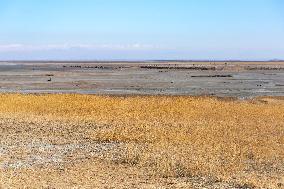
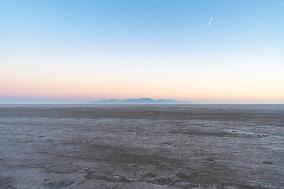
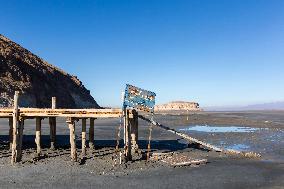
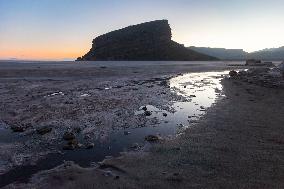
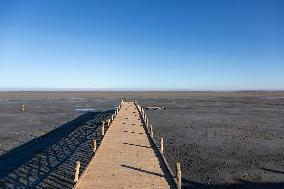
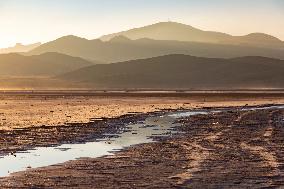
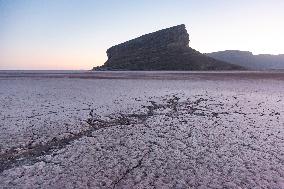
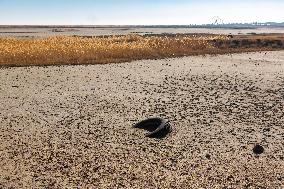
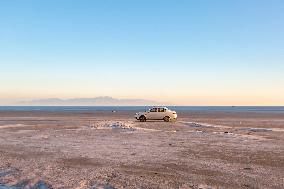
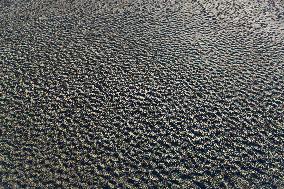
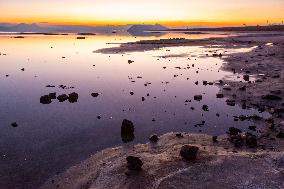
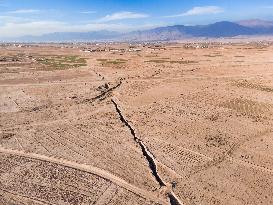
An aerial photo taken on September 25, 2024 shows a part of Lake Kulu in Konya, Turkey. Lake Kulu, by which Uludag grew up, is located some 5 km east of Konya Province's Kulu district. Once a haven for rose flamingos and other migratory birds on their way to Africa, it has already dried up due to groundwater overuse and climate change. Photo by Mustafa Kaya/Handout via Xinhua/ABACAPRESS.COM

  •  
Lake Kulu Drying - Turkey

Lake Kulu Drying - Turkey

An aerial photo taken on September 25, 2024 shows a part of Lake Kulu in Konya, Turkey. Lake Kulu, by which Uludag grew up, is located some 5 km east of Konya Province's Kulu district. Once a haven for rose flamingos and other migratory birds on their way to Africa, it has already dried up due to groundwater overuse and climate change. Photo by Mustafa Kaya/Handout via Xinhua/ABACAPRESS.COM

  •  
Lake Kulu Drying - Turkey

Lake Kulu Drying - Turkey

An aerial photo taken on September 25, 2024 shows a part of Lake Kulu in Konya, Turkey. Lake Kulu, by which Uludag grew up, is located some 5 km east of Konya Province's Kulu district. Once a haven for rose flamingos and other migratory birds on their way to Africa, it has already dried up due to groundwater overuse and climate change. Photo by Mustafa Kaya/Handout via Xinhua/ABACAPRESS.COM

  •  
Lake Kulu Drying - Turkey

Lake Kulu Drying - Turkey

An aerial photo taken on September 25, 2024 shows a part of Lake Kulu in Konya, Turkey. Lake Kulu, by which Uludag grew up, is located some 5 km east of Konya Province's Kulu district. Once a haven for rose flamingos and other migratory birds on their way to Africa, it has already dried up due to groundwater overuse and climate change. Photo by Mustafa Kaya/Handout via Xinhua/ABACAPRESS.COM

  •  
Lake Kulu Drying - Turkey

Lake Kulu Drying - Turkey

An aerial photo taken on September 25, 2024 shows a part of Lake Kulu in Konya, Turkey. Lake Kulu, by which Uludag grew up, is located some 5 km east of Konya Province's Kulu district. Once a haven for rose flamingos and other migratory birds on their way to Africa, it has already dried up due to groundwater overuse and climate change. Photo by Mustafa Kaya/Handout via Xinhua/ABACAPRESS.COM

  •  
Lake Kulu Drying - Turkey

Lake Kulu Drying - Turkey

An aerial photo taken on September 25, 2024 shows a part of Lake Kulu in Konya, Turkey. Lake Kulu, by which Uludag grew up, is located some 5 km east of Konya Province's Kulu district. Once a haven for rose flamingos and other migratory birds on their way to Africa, it has already dried up due to groundwater overuse and climate change. Photo by Mustafa Kaya/Handout via Xinhua/ABACAPRESS.COM

  •  
Lake Kulu Drying - Turkey

Lake Kulu Drying - Turkey

An aerial photo taken on September 25, 2024 shows a part of Lake Kulu in Konya, Turkey. Lake Kulu, by which Uludag grew up, is located some 5 km east of Konya Province's Kulu district. Once a haven for rose flamingos and other migratory birds on their way to Africa, it has already dried up due to groundwater overuse and climate change. Photo by Mustafa Kaya/Handout via Xinhua/ABACAPRESS.COM

  •  
Lake Kulu Drying - Turkey

Lake Kulu Drying - Turkey

An aerial photo taken on September 25, 2024 shows a part of Lake Kulu in Konya, Turkey. Lake Kulu, by which Uludag grew up, is located some 5 km east of Konya Province's Kulu district. Once a haven for rose flamingos and other migratory birds on their way to Africa, it has already dried up due to groundwater overuse and climate change. Photo by Mustafa Kaya/Handout via Xinhua/ABACAPRESS.COM

  •  
Lake Kulu Drying - Turkey

Lake Kulu Drying - Turkey

An aerial photo taken on September 25, 2024 shows a part of Lake Kulu in Konya, Turkey. Lake Kulu, by which Uludag grew up, is located some 5 km east of Konya Province's Kulu district. Once a haven for rose flamingos and other migratory birds on their way to Africa, it has already dried up due to groundwater overuse and climate change. Photo by Mustafa Kaya/Handout via Xinhua/ABACAPRESS.COM

  •  
Lake Kulu Drying - Turkey

Lake Kulu Drying - Turkey

An aerial photo taken on September 25, 2024 shows a part of Lake Kulu in Konya, Turkey. Lake Kulu, by which Uludag grew up, is located some 5 km east of Konya Province's Kulu district. Once a haven for rose flamingos and other migratory birds on their way to Africa, it has already dried up due to groundwater overuse and climate change. Photo by Mustafa Kaya/Handout via Xinhua/ABACAPRESS.COM

  •  
Palm Oil Mills And Harvest - Indonesia

Palm Oil Mills And Harvest - Indonesia

Women workers were seen during oil palm fruit harvesting activities at one of the palm oil plantations and factories in Sei Lepan, Langkat, North Sumatra, Indonesia on August 06, 2024. Based on data from the World Wildlife Fund (WWF), palm oil mills produce 2.5 metric tons of liquid waste for every metric ton. The direct release of this liquid waste can cause freshwater pollution, which affects biodiversity and downstream communities. Although palm oil plantations are not large users of pesticides and fertilizers, the indiscriminate use of these materials can pollute surface and groundwater sources. Photo by Sutanta Aditya/ABACAPRESS.COM

  •  
Palm Oil Mills And Harvest - Indonesia

Palm Oil Mills And Harvest - Indonesia

Palm oil plantation factory activities in Sei Lepan, Langkat, North Sumatra, Indonesia on August 06, 2024. Based on data from the World Wildlife Fund (WWF), palm oil mills produce 2.5 metric tons of liquid waste for every metric ton. The direct release of this liquid waste can cause freshwater pollution, which affects biodiversity and downstream communities. Although palm oil plantations are not large users of pesticides and fertilizers, the indiscriminate use of these materials can pollute surface and groundwater sources. Photo by Sutanta Aditya/ABACAPRESS.COM

  •  
Palm Oil Mills And Harvest - Indonesia

Palm Oil Mills And Harvest - Indonesia

Palm oil plantation factory activities in Sei Lepan, Langkat, North Sumatra, Indonesia on August 06, 2024. Based on data from the World Wildlife Fund (WWF), palm oil mills produce 2.5 metric tons of liquid waste for every metric ton. The direct release of this liquid waste can cause freshwater pollution, which affects biodiversity and downstream communities. Although palm oil plantations are not large users of pesticides and fertilizers, the indiscriminate use of these materials can pollute surface and groundwater sources. Photo by Sutanta Aditya/ABACAPRESS.COM

  •  
Palm Oil Mills And Harvest - Indonesia

Palm Oil Mills And Harvest - Indonesia

Women workers were seen during oil palm fruit harvesting activities at one of the palm oil plantations and factories in Sei Lepan, Langkat, North Sumatra, Indonesia on August 06, 2024. Based on data from the World Wildlife Fund (WWF), palm oil mills produce 2.5 metric tons of liquid waste for every metric ton. The direct release of this liquid waste can cause freshwater pollution, which affects biodiversity and downstream communities. Although palm oil plantations are not large users of pesticides and fertilizers, the indiscriminate use of these materials can pollute surface and groundwater sources. Photo by Sutanta Aditya/ABACAPRESS.COM

  •  
Palm Oil Mills And Harvest - Indonesia

Palm Oil Mills And Harvest - Indonesia

Women workers were seen during oil palm fruit harvesting activities at one of the palm oil plantations and factories in Sei Lepan, Langkat, North Sumatra, Indonesia on August 06, 2024. Based on data from the World Wildlife Fund (WWF), palm oil mills produce 2.5 metric tons of liquid waste for every metric ton. The direct release of this liquid waste can cause freshwater pollution, which affects biodiversity and downstream communities. Although palm oil plantations are not large users of pesticides and fertilizers, the indiscriminate use of these materials can pollute surface and groundwater sources. Photo by Sutanta Aditya/ABACAPRESS.COM

  •  
Palm Oil Mills And Harvest - Indonesia

Palm Oil Mills And Harvest - Indonesia

Women workers were seen during oil palm fruit harvesting activities at one of the palm oil plantations and factories in Sei Lepan, Langkat, North Sumatra, Indonesia on August 06, 2024. Based on data from the World Wildlife Fund (WWF), palm oil mills produce 2.5 metric tons of liquid waste for every metric ton. The direct release of this liquid waste can cause freshwater pollution, which affects biodiversity and downstream communities. Although palm oil plantations are not large users of pesticides and fertilizers, the indiscriminate use of these materials can pollute surface and groundwater sources. Photo by Sutanta Aditya/ABACAPRESS.COM

  •  
Palm Oil Mills And Harvest - Indonesia

Palm Oil Mills And Harvest - Indonesia

Women workers were seen during oil palm fruit harvesting activities at one of the palm oil plantations and factories in Sei Lepan, Langkat, North Sumatra, Indonesia on August 06, 2024. Based on data from the World Wildlife Fund (WWF), palm oil mills produce 2.5 metric tons of liquid waste for every metric ton. The direct release of this liquid waste can cause freshwater pollution, which affects biodiversity and downstream communities. Although palm oil plantations are not large users of pesticides and fertilizers, the indiscriminate use of these materials can pollute surface and groundwater sources. Photo by Sutanta Aditya/ABACAPRESS.COM

  •  
(EyesOnSci)CHINA-QINGHAI-RIVER HEADWATERS-SCIENTIFIC EXPEDITION (CN)

(EyesOnSci)CHINA-QINGHAI-RIVER HEADWATERS-SCIENTIFIC EXPEDITION (CN)

(240725) -- YUSHU, July 25, 2024 Photo by Xinhua/ABACAPRESS.COM) -- Scientists measure groundwater in Sanjiangyuan area, northwest China's Qinghai Province, July 23, 2024. Chinese scientists embarked on an expedition on July 20 to investigate the water resources and ecological environment in the headwater regions of the Yangtze and Lancang rivers. The expedition, comprising around 20 members, will carry out scientific investigations into river hydrology, water ecology, soil erosion, glaciers and permafrost in northwest China's Qinghai Province. Key research projects include estimating the carbon stock of wetlands, assessing the impacts of permafrost thawing on the plateau, and measuring the thickness of permafrost on glaciers. Photo by Xinhua/ABACAPRESS.COM/Pan Binbin)

  •  
(EyesOnSci)CHINA-QINGHAI-RIVER HEADWATERS-SCIENTIFIC EXPEDITION (CN)

(EyesOnSci)CHINA-QINGHAI-RIVER HEADWATERS-SCIENTIFIC EXPEDITION (CN)

(240725) -- YUSHU, July 25, 2024 Photo by Xinhua/ABACAPRESS.COM) -- Scientists measure groundwater by the Koikyim River in Yushu Tibetan Autonomous Prefecture, northwest China's Qinghai Province, July 24, 2024. Chinese scientists embarked on an expedition on July 20 to investigate the water resources and ecological environment in the headwater regions of the Yangtze and Lancang rivers. The expedition, comprising around 20 members, will carry out scientific investigations into river hydrology, water ecology, soil erosion, glaciers and permafrost in northwest China's Qinghai Province. Key research projects include estimating the carbon stock of wetlands, assessing the impacts of permafrost thawing on the plateau, and measuring the thickness of permafrost on glaciers. Photo by Xinhua/ABACAPRESS.COM/Pan Binbin)

  •  
Water Shortage Raises Health Risks - Khan Younis

Water Shortage Raises Health Risks - Khan Younis

People fetch water in the southern Gaza Strip city of Khan Younis, on July 2, 2024. Nine months into the Palestinian-Israeli conflict, war-torn Gaza is facing increasingly severe water shortages exacerbated by the dry summer, dwindling supplies, and devastated infrastructure. About 67 percent of water, sanitation facilities and infrastructure have been destroyed or damaged in the Gaza Strip, the United Nations Relief and Works Agency for Palestine Refugees in the Near East (UNRWA) said on the social media platform X in June. Water production from groundwater wells, which historically accounted for 80 percent of Gaza's water supply, has recently dropped from 35,000 to 15,000 cubic meters per day, shrinking by over 50 percent of pre-war groundwater production capacity, according to UN statistics in June. Photo by Rizek Abdeljawad/Xinhua/ABACAPRESS.COM

  •  
Water Shortage Raises Health Risks - Khan Younis

Water Shortage Raises Health Risks - Khan Younis

People fetch water in the southern Gaza Strip city of Khan Younis, on July 2, 2024. Nine months into the Palestinian-Israeli conflict, war-torn Gaza is facing increasingly severe water shortages exacerbated by the dry summer, dwindling supplies, and devastated infrastructure. About 67 percent of water, sanitation facilities and infrastructure have been destroyed or damaged in the Gaza Strip, the United Nations Relief and Works Agency for Palestine Refugees in the Near East (UNRWA) said on the social media platform X in June. Water production from groundwater wells, which historically accounted for 80 percent of Gaza's water supply, has recently dropped from 35,000 to 15,000 cubic meters per day, shrinking by over 50 percent of pre-war groundwater production capacity, according to UN statistics in June. Photo by Rizek Abdeljawad/Xinhua/ABACAPRESS.COM

  •  
Water Shortage Raises Health Risks - Khan Younis

Water Shortage Raises Health Risks - Khan Younis

People fetch water in the southern Gaza Strip city of Khan Younis, on July 2, 2024. Nine months into the Palestinian-Israeli conflict, war-torn Gaza is facing increasingly severe water shortages exacerbated by the dry summer, dwindling supplies, and devastated infrastructure. About 67 percent of water, sanitation facilities and infrastructure have been destroyed or damaged in the Gaza Strip, the United Nations Relief and Works Agency for Palestine Refugees in the Near East (UNRWA) said on the social media platform X in June. Water production from groundwater wells, which historically accounted for 80 percent of Gaza's water supply, has recently dropped from 35,000 to 15,000 cubic meters per day, shrinking by over 50 percent of pre-war groundwater production capacity, according to UN statistics in June. Photo by Rizek Abdeljawad/Xinhua/ABACAPRESS.COM

  •  
Water Shortage Raises Health Risks - Khan Younis

Water Shortage Raises Health Risks - Khan Younis

People fetch water in the southern Gaza Strip city of Khan Younis, on July 2, 2024. Nine months into the Palestinian-Israeli conflict, war-torn Gaza is facing increasingly severe water shortages exacerbated by the dry summer, dwindling supplies, and devastated infrastructure. About 67 percent of water, sanitation facilities and infrastructure have been destroyed or damaged in the Gaza Strip, the United Nations Relief and Works Agency for Palestine Refugees in the Near East (UNRWA) said on the social media platform X in June. Water production from groundwater wells, which historically accounted for 80 percent of Gaza's water supply, has recently dropped from 35,000 to 15,000 cubic meters per day, shrinking by over 50 percent of pre-war groundwater production capacity, according to UN statistics in June. Photo by Rizek Abdeljawad/Xinhua/ABACAPRESS.COM

  • Main
  • Top
  • Editorial
  • Creative
  • About Us
  • About ILG
  • Terms of use
  • Company
  • BEHIND
  • Price List
  • Single Plan
  • Monthly Plan
  • Services
  • Shooting
  • Rights Clearance
  • Support
  • FAQ
  • How To Buy
  • Contact Us
  • Become a Partner

© KYODO NEWS IMAGES INC

All Rights Reserved.

  • Editorial
  • Olympics
  • News
  • Sports
  • Japan
  • Tech
  • Royal
  • Disaster
  • NorthKorea
  • Old Japan
  • SNS
  • Creative
  • Food
  • Japan
  • Landscape
  • Animal
  • Popular
  • #Ukraine
  • #Thailand
  • #coronavirus
  • #N. Korea
  • #China
  • #Russia
  • #Ukraine
  • #Thailand
  • #coronavirus
  • #N. Korea
  • #China
  • #Russia
  • Food
  • Japan
  • Landscape
  • Animal
  • Olympics
  • News
  • Sports
  • Japan
  • Tech
  • Royal
  • Disaster
  • NorthKorea
  • Old Japan
  • SNS