•  
Golden Snub-Nosed Monkey - China

Golden Snub-Nosed Monkey - China

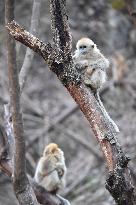
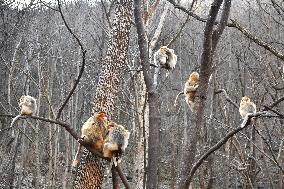
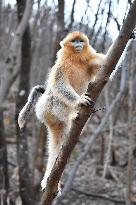
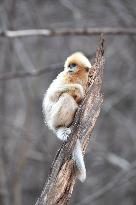
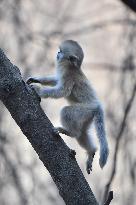
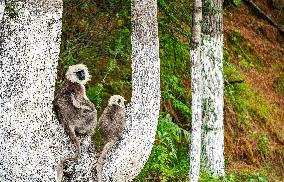
A golden snub-nosed monkey cub is pictured at the Zhouzhi National Nature Reserve in northwest China's Shaanxi Province, on December 11, 2025. Spanning the northern and southern slopes of the Qinling Mountains, the Zhouzhi National Nature Reserve is dedicated to protecting golden snub-nosed monkeys and other rare wildlife as well as their habitats. In recent years, the reserve has implemented multiple ecological restoration projects, leading to a steady increase in wildlife populations within the region. The population of golden snub-nosed monkeys here has expanded from over 1,200 to around 2,000. Photo by Shao Rui/Xinhua/ABACAPRESS.COM

  •  
Golden Snub-Nosed Monkey - China

Golden Snub-Nosed Monkey - China

A golden snub-nosed monkey cub is pictured at the Zhouzhi National Nature Reserve in northwest China's Shaanxi Province, on December 11, 2025. Spanning the northern and southern slopes of the Qinling Mountains, the Zhouzhi National Nature Reserve is dedicated to protecting golden snub-nosed monkeys and other rare wildlife as well as their habitats. In recent years, the reserve has implemented multiple ecological restoration projects, leading to a steady increase in wildlife populations within the region. The population of golden snub-nosed monkeys here has expanded from over 1,200 to around 2,000. Photo by Shao Rui/Xinhua/ABACAPRESS.COM

  •  
Golden Snub-Nosed Monkey - China

Golden Snub-Nosed Monkey - China

A golden snub-nosed monkey cub is pictured at the Zhouzhi National Nature Reserve in northwest China's Shaanxi Province, on December 11, 2025. Spanning the northern and southern slopes of the Qinling Mountains, the Zhouzhi National Nature Reserve is dedicated to protecting golden snub-nosed monkeys and other rare wildlife as well as their habitats. In recent years, the reserve has implemented multiple ecological restoration projects, leading to a steady increase in wildlife populations within the region. The population of golden snub-nosed monkeys here has expanded from over 1,200 to around 2,000. Photo by Shao Rui/Xinhua/ABACAPRESS.COM

  •  
Golden Snub-Nosed Monkey - China

Golden Snub-Nosed Monkey - China

A golden snub-nosed monkey cub is pictured at the Zhouzhi National Nature Reserve in northwest China's Shaanxi Province, on December 11, 2025. Spanning the northern and southern slopes of the Qinling Mountains, the Zhouzhi National Nature Reserve is dedicated to protecting golden snub-nosed monkeys and other rare wildlife as well as their habitats. In recent years, the reserve has implemented multiple ecological restoration projects, leading to a steady increase in wildlife populations within the region. The population of golden snub-nosed monkeys here has expanded from over 1,200 to around 2,000. Photo by Shao Rui/Xinhua/ABACAPRESS.COM

  •  
Golden Snub-Nosed Monkey - China

Golden Snub-Nosed Monkey - China

A golden snub-nosed monkey cub is pictured at the Zhouzhi National Nature Reserve in northwest China's Shaanxi Province, on December 11, 2025. Spanning the northern and southern slopes of the Qinling Mountains, the Zhouzhi National Nature Reserve is dedicated to protecting golden snub-nosed monkeys and other rare wildlife as well as their habitats. In recent years, the reserve has implemented multiple ecological restoration projects, leading to a steady increase in wildlife populations within the region. The population of golden snub-nosed monkeys here has expanded from over 1,200 to around 2,000. Photo by Shao Rui/Xinhua/ABACAPRESS.COM

  •  
Golden Snub-Nosed Monkey - China

Golden Snub-Nosed Monkey - China

A golden snub-nosed monkey cub is pictured at the Zhouzhi National Nature Reserve in northwest China's Shaanxi Province, on December 11, 2025. Spanning the northern and southern slopes of the Qinling Mountains, the Zhouzhi National Nature Reserve is dedicated to protecting golden snub-nosed monkeys and other rare wildlife as well as their habitats. In recent years, the reserve has implemented multiple ecological restoration projects, leading to a steady increase in wildlife populations within the region. The population of golden snub-nosed monkeys here has expanded from over 1,200 to around 2,000. Photo by Shao Rui/Xinhua/ABACAPRESS.COM

  •  
Golden Snub-Nosed Monkey - China

Golden Snub-Nosed Monkey - China

A golden snub-nosed monkey cub is pictured at the Zhouzhi National Nature Reserve in northwest China's Shaanxi Province, on December 11, 2025. Spanning the northern and southern slopes of the Qinling Mountains, the Zhouzhi National Nature Reserve is dedicated to protecting golden snub-nosed monkeys and other rare wildlife as well as their habitats. In recent years, the reserve has implemented multiple ecological restoration projects, leading to a steady increase in wildlife populations within the region. The population of golden snub-nosed monkeys here has expanded from over 1,200 to around 2,000. Photo by Shao Rui/Xinhua/ABACAPRESS.COM

  •  
Golden Snub-Nosed Monkey - China

Golden Snub-Nosed Monkey - China

A golden snub-nosed monkey cub is pictured at the Zhouzhi National Nature Reserve in northwest China's Shaanxi Province, on December 11, 2025. Spanning the northern and southern slopes of the Qinling Mountains, the Zhouzhi National Nature Reserve is dedicated to protecting golden snub-nosed monkeys and other rare wildlife as well as their habitats. In recent years, the reserve has implemented multiple ecological restoration projects, leading to a steady increase in wildlife populations within the region. The population of golden snub-nosed monkeys here has expanded from over 1,200 to around 2,000. Photo by Shao Rui/Xinhua/ABACAPRESS.COM

  •  
Golden Snub-Nosed Monkey - China

Golden Snub-Nosed Monkey - China

A golden snub-nosed monkey cub is pictured at the Zhouzhi National Nature Reserve in northwest China's Shaanxi Province, on December 11, 2025. Spanning the northern and southern slopes of the Qinling Mountains, the Zhouzhi National Nature Reserve is dedicated to protecting golden snub-nosed monkeys and other rare wildlife as well as their habitats. In recent years, the reserve has implemented multiple ecological restoration projects, leading to a steady increase in wildlife populations within the region. The population of golden snub-nosed monkeys here has expanded from over 1,200 to around 2,000. Photo by Shao Rui/Xinhua/ABACAPRESS.COM

  •  
Satellite View of Gulf of Morbihan - France

Satellite View of Gulf of Morbihan - France

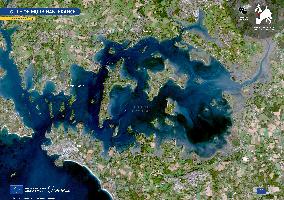
Handout Satellite View, dated October 17, 2025, shows the Gulf of Morbihan in France. The Gulf of Morbihan, part of the Natura 2000 network, forms one of France’s most distinctive coastal landscapes. This inland sea is dotted with dozens of small islands and peninsulas, creating a labyrinth of sheltered bays, narrow channels, and shifting tidal flats. Its highly indented shape supports a mosaic of coastal habitats, from eelgrass meadows to mudflats, which provide vital feeding and breeding grounds for migratory birds and numerous marine species. Located in Brittany, near towns such as Vannes, Arradon, and Arzon, the gulf’s intricate contours are clearly visible in this Copernicus Sentinel-2 image acquired on 17 October 2025. The deep blues highlight the flooded channels at high tide, while surrounding vegetation appears in bright green. Photo by European Union, Copernicus Sentinel-2 imagery via ABACAPRESS.COM

  •  
Oriental White Storks Migration - China

Oriental White Storks Migration - China

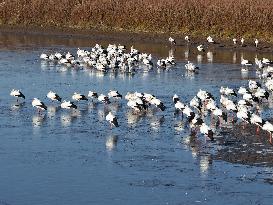
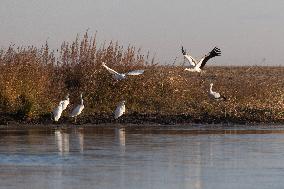
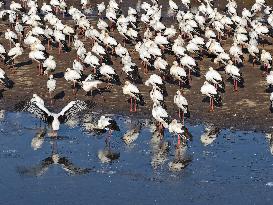
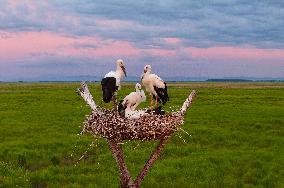
A drone photo taken on October 22, 2025 shows oriental white storks resting at a wetland along the Songhua River in northeast China's Heilongjiang Province. At present, a large number of migratory birds have gathered in various migratory bird habitats across the province and moved southward. Photo by Qu Yubao/Xinhua/ABACAPRESS.CO

  •  
Oriental White Storks Migration - China

Oriental White Storks Migration - China

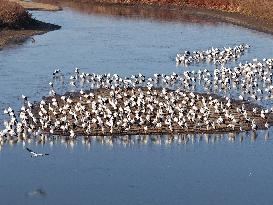
A drone photo taken on October 22, 2025 shows oriental white storks resting at a wetland along the Songhua River in northeast China's Heilongjiang Province. At present, a large number of migratory birds have gathered in various migratory bird habitats across the province and moved southward. Photo by Geng Xiqing/Xinhua/ABACAPRESS.CO

  •  
Oriental White Storks Migration - China

Oriental White Storks Migration - China

This photo taken on October 22, 2025 shows oriental white storks at a wetland along the Songhua River in northeast China's Heilongjiang Province. At present, a large number of migratory birds have gathered in various migratory bird habitats across the province and moved southward. Photo by Qu Yubao/Xinhua/ABACAPRESS.CO

  •  
Oriental White Storks Migration - China

Oriental White Storks Migration - China

A drone photo taken on October 22, 2025 shows oriental white storks resting at a wetland along the Songhua River in northeast China's Heilongjiang Province. At present, a large number of migratory birds have gathered in various migratory bird habitats across the province and moved southward. Photo by Geng Xiqing/Xinhua/ABACAPRESS.CO

  •  
Environmental Pollution In Bangladesh

Environmental Pollution In Bangladesh

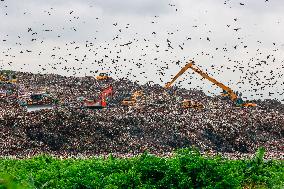
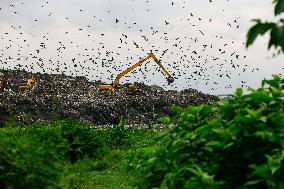
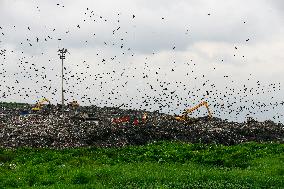
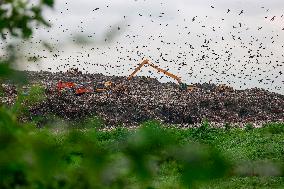
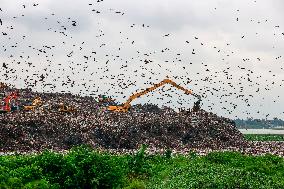
October 02, 2025, Outskirts of Dhaka, Bangladesh: Birds swarm over a massive dumpyard on the outskirts of Dhaka, where mountains of waste and heavy machinery dominate the landscape. The landfill, a major source of environmental pollution, threatens nearby habitats and forces birds to forage dangerously close to toxic waste. To free up space, the city authorities often resort to burning solid waste, according to garbage collectors, releasing carbon dioxide (CO₂), nitrogen compounds, ammonia, sulfides, and other hazardous gases into the air, not to mention the foul smell that envelops an area of at least three-square kilometres. Environmental experts warn that CH₄ emissions significantly contribute to global warming by trapping atmospheric heat. Furthermore, the black smoke produced from burning waste exacerbates air pollution, posing serious health risks to residents. Photo by Suvra Kanti Das/ABACAPRESS.COM

  •  
Environmental Pollution In Bangladesh

Environmental Pollution In Bangladesh

October 02, 2025, Outskirts of Dhaka, Bangladesh: Birds swarm over a massive dumpyard on the outskirts of Dhaka, where mountains of waste and heavy machinery dominate the landscape. The landfill, a major source of environmental pollution, threatens nearby habitats and forces birds to forage dangerously close to toxic waste. To free up space, the city authorities often resort to burning solid waste, according to garbage collectors, releasing carbon dioxide (CO₂), nitrogen compounds, ammonia, sulfides, and other hazardous gases into the air, not to mention the foul smell that envelops an area of at least three-square kilometres. Environmental experts warn that CH₄ emissions significantly contribute to global warming by trapping atmospheric heat. Furthermore, the black smoke produced from burning waste exacerbates air pollution, posing serious health risks to residents. Photo by Suvra Kanti Das/ABACAPRESS.COM

  •  
Environmental Pollution In Bangladesh

Environmental Pollution In Bangladesh

October 02, 2025, Outskirts of Dhaka, Bangladesh: Birds swarm over a massive dumpyard on the outskirts of Dhaka, where mountains of waste and heavy machinery dominate the landscape. The landfill, a major source of environmental pollution, threatens nearby habitats and forces birds to forage dangerously close to toxic waste. To free up space, the city authorities often resort to burning solid waste, according to garbage collectors, releasing carbon dioxide (CO₂), nitrogen compounds, ammonia, sulfides, and other hazardous gases into the air, not to mention the foul smell that envelops an area of at least three-square kilometres. Environmental experts warn that CH₄ emissions significantly contribute to global warming by trapping atmospheric heat. Furthermore, the black smoke produced from burning waste exacerbates air pollution, posing serious health risks to residents. Photo by Suvra Kanti Das/ABACAPRESS.COM

  •  
Environmental Pollution In Bangladesh

Environmental Pollution In Bangladesh

October 02, 2025, Outskirts of Dhaka, Bangladesh: Birds swarm over a massive dumpyard on the outskirts of Dhaka, where mountains of waste and heavy machinery dominate the landscape. The landfill, a major source of environmental pollution, threatens nearby habitats and forces birds to forage dangerously close to toxic waste. To free up space, the city authorities often resort to burning solid waste, according to garbage collectors, releasing carbon dioxide (CO₂), nitrogen compounds, ammonia, sulfides, and other hazardous gases into the air, not to mention the foul smell that envelops an area of at least three-square kilometres. Environmental experts warn that CH₄ emissions significantly contribute to global warming by trapping atmospheric heat. Furthermore, the black smoke produced from burning waste exacerbates air pollution, posing serious health risks to residents. Photo by Suvra Kanti Das/ABACAPRESS.COM

  •  
Environmental Pollution In Bangladesh

Environmental Pollution In Bangladesh

October 02, 2025, Outskirts of Dhaka, Bangladesh: Birds swarm over a massive dumpyard on the outskirts of Dhaka, where mountains of waste and heavy machinery dominate the landscape. The landfill, a major source of environmental pollution, threatens nearby habitats and forces birds to forage dangerously close to toxic waste. To free up space, the city authorities often resort to burning solid waste, according to garbage collectors, releasing carbon dioxide (CO₂), nitrogen compounds, ammonia, sulfides, and other hazardous gases into the air, not to mention the foul smell that envelops an area of at least three-square kilometres. Environmental experts warn that CH₄ emissions significantly contribute to global warming by trapping atmospheric heat. Furthermore, the black smoke produced from burning waste exacerbates air pollution, posing serious health risks to residents. Photo by Suvra Kanti Das/ABACAPRESS.COM

  •  
Environmental Pollution In Bangladesh

Environmental Pollution In Bangladesh

October 02, 2025, Outskirts of Dhaka, Bangladesh: Birds swarm over a massive dumpyard on the outskirts of Dhaka, where mountains of waste and heavy machinery dominate the landscape. The landfill, a major source of environmental pollution, threatens nearby habitats and forces birds to forage dangerously close to toxic waste. To free up space, the city authorities often resort to burning solid waste, according to garbage collectors, releasing carbon dioxide (CO₂), nitrogen compounds, ammonia, sulfides, and other hazardous gases into the air, not to mention the foul smell that envelops an area of at least three-square kilometres. Environmental experts warn that CH₄ emissions significantly contribute to global warming by trapping atmospheric heat. Furthermore, the black smoke produced from burning waste exacerbates air pollution, posing serious health risks to residents. Photo by Suvra Kanti Das/ABACAPRESS.COM

  •  
Environmental Pollution In Bangladesh

Environmental Pollution In Bangladesh

October 02, 2025, Outskirts of Dhaka, Bangladesh: Birds swarm over a massive dumpyard on the outskirts of Dhaka, where mountains of waste and heavy machinery dominate the landscape. The landfill, a major source of environmental pollution, threatens nearby habitats and forces birds to forage dangerously close to toxic waste. To free up space, the city authorities often resort to burning solid waste, according to garbage collectors, releasing carbon dioxide (CO₂), nitrogen compounds, ammonia, sulfides, and other hazardous gases into the air, not to mention the foul smell that envelops an area of at least three-square kilometres. Environmental experts warn that CH₄ emissions significantly contribute to global warming by trapping atmospheric heat. Furthermore, the black smoke produced from burning waste exacerbates air pollution, posing serious health risks to residents. Photo by Suvra Kanti Das/ABACAPRESS.COM

  •  
Tibetan Antelopes Migration - China

Tibetan Antelopes Migration - China

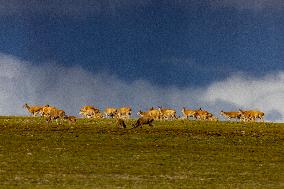
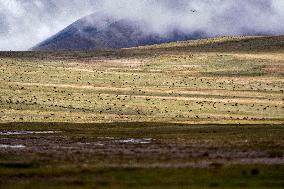
Tibetan antelopes prepare to cross the Senlong Zangbo River in Changtang National Nature Reserve in southwest China's Xizang Autonomous Region, July 14, 2025. The Senlong Zangbo River, located in Changtang National Nature Reserve in Nagqu, is a vital migration route for Tibetan antelopes. Each July, Tibetan antelope calves and their mothers cross the river and migrate to their habitats. Over the past three years, the number of Tibetan antelope migrating across this river has exceeded 150,000 each year. Thanks to effective conservation measures, the number of Tibetan antelopes in Xizang has increased to more than 300,000, according to data from the region's ecology and environment department. Photo by Jiang Fan /Xinhua/ABACAPRESS.COM

  •  
Tibetan Antelopes Migration - China

Tibetan Antelopes Migration - China

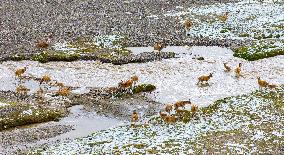
This aerial drone photo shows Tibetan antelopes crossing the Senlong Zangbo River in Changtang National Nature Reserve in southwest China's Xizang Autonomous Region, July 14, 2025. The Senlong Zangbo River, located in Changtang National Nature Reserve in Nagqu, is a vital migration route for Tibetan antelopes. Each July, Tibetan antelope calves and their mothers cross the river and migrate to their habitats. Over the past three years, the number of Tibetan antelope migrating across this river has exceeded 150,000 each year. Thanks to effective conservation measures, the number of Tibetan antelopes in Xizang has increased to more than 300,000, according to data from the region's ecology and environment department. Photo by Jiang Fan /Xinhua/ABACAPRESS.COM

  •  
Tibetan Antelopes Migration - China

Tibetan Antelopes Migration - China

A ranger rescues a stranded Tibetan antelope calf in Changtang National Nature Reserve in southwest China's Xizang Autonomous Region, July 14, 2025. The Senlong Zangbo River, located in Changtang National Nature Reserve in Nagqu, is a vital migration route for Tibetan antelopes. Each July, Tibetan antelope calves and their mothers cross the river and migrate to their habitats. Over the past three years, the number of Tibetan antelope migrating across this river has exceeded 150,000 each year. Thanks to effective conservation measures, the number of Tibetan antelopes in Xizang has increased to more than 300,000, according to data from the region's ecology and environment department. Photo by Jiang Fan /Xinhua/ABACAPRESS.COM

  •  
Tibetan Antelopes Migration - China

Tibetan Antelopes Migration - China

Tibetan antelopes prepare to cross the Senlong Zangbo River in Changtang National Nature Reserve in southwest China's Xizang Autonomous Region, July 15, 2025. The Senlong Zangbo River, located in Changtang National Nature Reserve in Nagqu, is a vital migration route for Tibetan antelopes. Each July, Tibetan antelope calves and their mothers cross the river and migrate to their habitats. Over the past three years, the number of Tibetan antelope migrating across this river has exceeded 150,000 each year. Thanks to effective conservation measures, the number of Tibetan antelopes in Xizang has increased to more than 300,000, according to data from the region's ecology and environment department. Photo by Jiang Fan /Xinhua/ABACAPRESS.COM

  •  
Tibetan Antelopes Migration - China

Tibetan Antelopes Migration - China

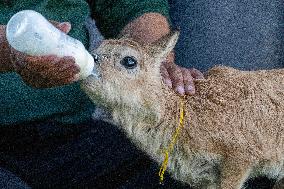
Ngawang Lodro, a staff member at a management station, feeds a Tibetan antelope calf in Changtang National Nature Reserve in southwest China's Xizang Autonomous Region, July 16, 2025. The Senlong Zangbo River, located in Changtang National Nature Reserve in Nagqu, is a vital migration route for Tibetan antelopes. Each July, Tibetan antelope calves and their mothers cross the river and migrate to their habitats. Over the past three years, the number of Tibetan antelope migrating across this river has exceeded 150,000 each year. Thanks to effective conservation measures, the number of Tibetan antelopes in Xizang has increased to more than 300,000, according to data from the region's ecology and environment department. Photo by Jiang Fan /Xinhua/ABACAPRESS.COM

  •  
Tibetan Antelopes Migration - China

Tibetan Antelopes Migration - China

This aerial drone photo taken on July 14, 2025 shows Tibetan antelopes crossing the Senlong Zangbo River in Changtang National Nature Reserve in southwest China's Xizang Autonomous Region. The Senlong Zangbo River, located in Changtang National Nature Reserve in Nagqu, is a vital migration route for Tibetan antelopes. Each July, Tibetan antelope calves and their mothers cross the river and migrate to their habitats. Over the past three years, the number of Tibetan antelope migrating across this river has exceeded 150,000 each year. Thanks to effective conservation measures, the number of Tibetan antelopes in Xizang has increased to more than 300,000, according to data from the region's ecology and environment department. Photo by Jiang Fan /Xinhua/ABACAPRESS.COM

  •  
Tibetan Antelopes Migration - China

Tibetan Antelopes Migration - China

This aerial drone photo shows Tibetan antelopes crossing the Senlong Zangbo River in Changtang National Nature Reserve in southwest China's Xizang Autonomous Region, July 14, 2025. The Senlong Zangbo River, located in Changtang National Nature Reserve in Nagqu, is a vital migration route for Tibetan antelopes. Each July, Tibetan antelope calves and their mothers cross the river and migrate to their habitats. Over the past three years, the number of Tibetan antelope migrating across this river has exceeded 150,000 each year. Thanks to effective conservation measures, the number of Tibetan antelopes in Xizang has increased to more than 300,000, according to data from the region's ecology and environment department. Photo by Jiang Fan /Xinhua/ABACAPRESS.COM

  •  
Oriental White Storks - Fungin

Oriental White Storks - Fungin

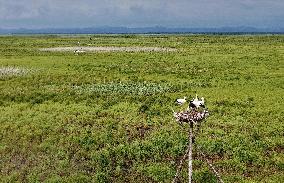
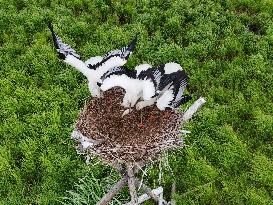
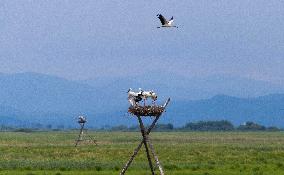
A drone photo taken on July 13, 2025 shows oriental white storks in an artificial nest at Sanhuanpao National Nature Reserve, in Fujin City, northeast China's Heilongjiang Province. Midsummer is the typical fledging season for oriental white stork chicks, which will later leave their parents. The bird species is under first-class national protection in China. Every spring, the birds migrate from the middle and lower reaches of the Yangtze River back to their breeding habitats in northeast China. Photo by Qu Yubao/Xinhua/ABACAPRESS.COM

  •  
Oriental White Storks - Fungin

Oriental White Storks - Fungin

A drone photo taken on July 13, 2025 shows oriental white storks in an artificial nest at Sanhuanpao National Nature Reserve, in Fujin City, northeast China's Heilongjiang Province. Midsummer is the typical fledging season for oriental white stork chicks, which will later leave their parents. The bird species is under first-class national protection in China. Every spring, the birds migrate from the middle and lower reaches of the Yangtze River back to their breeding habitats in northeast China. Photo by Qu Yubao/Xinhua/ABACAPRESS.COM

  •  
Oriental White Storks - Fungin

Oriental White Storks - Fungin

A drone photo taken on July 13, 2025 shows oriental white storks in an artificial nest at Sanhuanpao National Nature Reserve, in Fujin City, northeast China's Heilongjiang Province.. Midsummer is the typical fledging season for oriental white stork chicks, which will later leave their parents. The bird species is under first-class national protection in China. Every spring, the birds migrate from the middle and lower reaches of the Yangtze River back to their breeding habitats in northeast China. Photo by Qu Yubao/Xinhua/ABACAPRESS.COM

  •  
Oriental White Storks - Fungin

Oriental White Storks - Fungin

A drone photo taken on July 13, 2025 shows oriental white stork chicks feeding in an artificial nest at Sanhuanpao National Nature Reserve, in Fujin City, northeast China's Heilongjiang Province. Midsummer is the typical fledging season for oriental white stork chicks, which will later leave their parents. The bird species is under first-class national protection in China. Every spring, the birds migrate from the middle and lower reaches of the Yangtze River back to their breeding habitats in northeast China. Photo by Qu Yubao/Xinhua/ABACAPRESS.COM

  •  
Oriental White Storks - Fungin

Oriental White Storks - Fungin

A drone photo taken on July 13, 2025 shows oriental white storks at Sanhuanpao National Nature Reserve, in Fujin City, northeast China's Heilongjiang Province. Midsummer is the typical fledging season for oriental white stork chicks, which will later leave their parents. The bird species is under first-class national protection in China. Every spring, the birds migrate from the middle and lower reaches of the Yangtze River back to their breeding habitats in northeast China. Photo by Qu Yubao/Xinhua/ABACAPRESS.COM

  •  
Himalayan Langurs - China

Himalayan Langurs - China

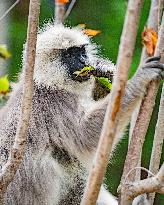
A Himalayan langur sits atop a car on the roadside in Yadong County of Xigaze City, southwest China's Xizang Autonomous Region, June 20, 2025. Forests in Medog, Yadong and Jilung of Xizang are the main habitats in China for the Himalayan langur, a first-class protected wildlife species of the country. In recent years, due to the continuous improvement of ecological environment, the langurs have been frequently observed in Yadong. Photo by Tenzin Nyida/Xinhua/ABACAPRESS.COM

  •  
Himalayan Langurs - China

Himalayan Langurs - China

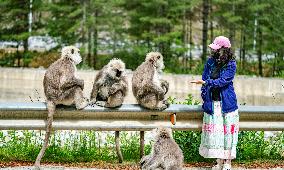
A tourist interacts with Himalayan langurs on the roadside in Yadong County of Xigaze City, southwest China's Xizang Autonomous Region, June 20, 2025. Forests in Medog, Yadong and Jilung of Xizang are the main habitats in China for the Himalayan langur, a first-class protected wildlife species of the country. In recent years, due to the continuous improvement of ecological environment, the langurs have been frequently observed in Yadong. Photo by Tenzin Nyida/Xinhua/ABACAPRESS.COM

  •  
Himalayan Langurs - China

Himalayan Langurs - China

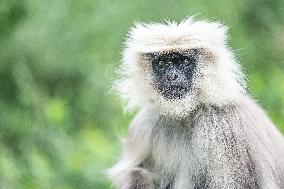
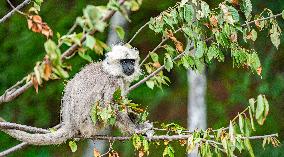
A Himalayan langur is pictured in Yadong County of Xigaze City, southwest China's Xizang Autonomous Region, June 20, 2025. Forests in Medog, Yadong and Jilung of Xizang are the main habitats in China for the Himalayan langur, a first-class protected wildlife species of the country. In recent years, due to the continuous improvement of ecological environment, the langurs have been frequently observed in Yadong. Photo by Tenzin Nyida/Xinhua/ABACAPRESS.COM

  •  
Himalayan Langurs - China

Himalayan Langurs - China

Himalayan langurs are pictured in Yadong County of Xigaze City, southwest China's Xizang Autonomous Region, June 20, 2025. Forests in Medog, Yadong and Jilung of Xizang are the main habitats in China for the Himalayan langur, a first-class protected wildlife species of the country. In recent years, due to the continuous improvement of ecological environment, the langurs have been frequently observed in Yadong. Photo by Tenzin Nyida/Xinhua/ABACAPRESS.COM

  •  
Himalayan Langurs - China

Himalayan Langurs - China

A Himalayan langur is pictured in Yadong County of Xigaze City, southwest China's Xizang Autonomous Region, June 20, 2025. Forests in Medog, Yadong and Jilung of Xizang are the main habitats in China for the Himalayan langur, a first-class protected wildlife species of the country. In recent years, due to the continuous improvement of ecological environment, the langurs have been frequently observed in Yadong. Photo by Tenzin Nyida/Xinhua/ABACAPRESS.COM

  •  
Himalayan Langurs - China

Himalayan Langurs - China

Himalayan langurs are pictured in Yadong County of Xigaze City, southwest China's Xizang Autonomous Region, June 20, 2025. Forests in Medog, Yadong and Jilung of Xizang are the main habitats in China for the Himalayan langur, a first-class protected wildlife species of the country. In recent years, due to the continuous improvement of ecological environment, the langurs have been frequently observed in Yadong. Photo by Tenzin Nyida/Xinhua/ABACAPRESS.COM

  •  
Himalayan Langurs - China

Himalayan Langurs - China

A Himalayan langur is pictured in Yadong County of Xigaze City, southwest China's Xizang Autonomous Region, June 20, 2025. Forests in Medog, Yadong and Jilung of Xizang are the main habitats in China for the Himalayan langur, a first-class protected wildlife species of the country. In recent years, due to the continuous improvement of ecological environment, the langurs have been frequently observed in Yadong. Photo by Tenzin Nyida/Xinhua/ABACAPRESS.COM

  •  
Eld s Deer At The Bangxi Provincial Nature Reserve - China

Eld s Deer At The Bangxi Provincial Nature Reserve - China

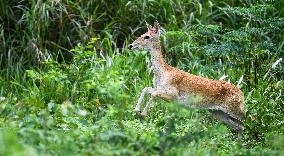
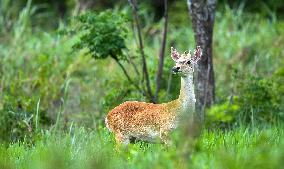
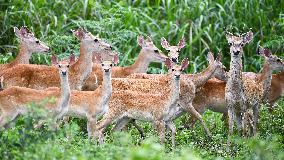
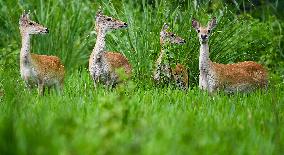
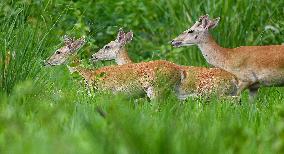
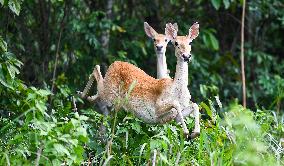
This photo taken on June 17, 2025 shows a Hainan Eld's deer at the Bangxi provincial nature reserve in Baisha Li Autonomous County, south China's Hainan Province. The Hainan Eld's deer, which is native to Hainan, is a national first-class protected animal and is categorized as endangered by the International Union for Conservation of Nature. The Bangxi provincial nature reserve, established in Hainan in the 1970s, is one of the important habitats of the Hainan Eld's deer. Through ongoing conservation efforts, the reserve has become a beautiful home for the deer. According to statistics, there are currently over 200 Hainan Eld's deer living here. Photo by Yang Guanyu/Xinhua/ABACAPRESS.COM

  •  
Eld s Deer At The Bangxi Provincial Nature Reserve - China

Eld s Deer At The Bangxi Provincial Nature Reserve - China

This photo taken on June 17, 2025 shows a Hainan Eld's deer at the Bangxi provincial nature reserve in Baisha Li Autonomous County, south China's Hainan Province. The Hainan Eld's deer, which is native to Hainan, is a national first-class protected animal and is categorized as endangered by the International Union for Conservation of Nature. The Bangxi provincial nature reserve, established in Hainan in the 1970s, is one of the important habitats of the Hainan Eld's deer. Through ongoing conservation efforts, the reserve has become a beautiful home for the deer. According to statistics, there are currently over 200 Hainan Eld's deer living here. Photo by Yang Guanyu/Xinhua/ABACAPRESS.COM

  •  
Himalayan Langurs - China

Himalayan Langurs - China

A Himalayan langur is pictured in Yadong County of Xigaze City, southwest China's Xizang Autonomous Region, June 20, 2025. Forests in Medog, Yadong and Jilung of Xizang are the main habitats in China for the Himalayan langur, a first-class protected wildlife species of the country. In recent years, due to the continuous improvement of ecological environment, the langurs have been frequently observed in Yadong. Photo by Tenzin Nyida/Xinhua/ABACAPRESS.COM

  •  
Eld s Deer At The Bangxi Provincial Nature Reserve - China

Eld s Deer At The Bangxi Provincial Nature Reserve - China

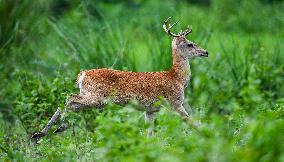
This photo taken on June 18, 2025 shows a Hainan Eld's deer at the Bangxi provincial nature reserve in Baisha Li Autonomous County, south China's Hainan Province. The Hainan Eld's deer, which is native to Hainan, is a national first-class protected animal and is categorized as endangered by the International Union for Conservation of Nature. The Bangxi provincial nature reserve, established in Hainan in the 1970s, is one of the important habitats of the Hainan Eld's deer. Through ongoing conservation efforts, the reserve has become a beautiful home for the deer. According to statistics, there are currently over 200 Hainan Eld's deer living here. Photo by Yang Guanyu/Xinhua/ABACAPRESS.COM

  •  
Eld s Deer At The Bangxi Provincial Nature Reserve - China

Eld s Deer At The Bangxi Provincial Nature Reserve - China

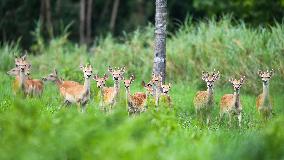
This photo taken on June 17, 2025 shows a group of Hainan Eld's deer at the Bangxi provincial nature reserve in Baisha Li Autonomous County, south China's Hainan Province. The Hainan Eld's deer, which is native to Hainan, is a national first-class protected animal and is categorized as endangered by the International Union for Conservation of Nature. The Bangxi provincial nature reserve, established in Hainan in the 1970s, is one of the important habitats of the Hainan Eld's deer. Through ongoing conservation efforts, the reserve has become a beautiful home for the deer. According to statistics, there are currently over 200 Hainan Eld's deer living here. Photo by Yang Guanyu/Xinhua/ABACAPRESS.COM

  •  
Eld s Deer At The Bangxi Provincial Nature Reserve - China

Eld s Deer At The Bangxi Provincial Nature Reserve - China

This photo taken on June 18, 2025 shows Hainan Eld's deer at the Bangxi provincial nature reserve in Baisha Li Autonomous County, south China's Hainan Province. The Hainan Eld's deer, which is native to Hainan, is a national first-class protected animal and is categorized as endangered by the International Union for Conservation of Nature. The Bangxi provincial nature reserve, established in Hainan in the 1970s, is one of the important habitats of the Hainan Eld's deer. Through ongoing conservation efforts, the reserve has become a beautiful home for the deer. According to statistics, there are currently over 200 Hainan Eld's deer living here. Photo by Yang Guanyu/Xinhua/ABACAPRESS.COM

  •  
Eld s Deer At The Bangxi Provincial Nature Reserve - China

Eld s Deer At The Bangxi Provincial Nature Reserve - China

This photo taken on June 17, 2025 shows a group of Hainan Eld's deer at the Bangxi provincial nature reserve in Baisha Li Autonomous County, south China's Hainan Province. The Hainan Eld's deer, which is native to Hainan, is a national first-class protected animal and is categorized as endangered by the International Union for Conservation of Nature. The Bangxi provincial nature reserve, established in Hainan in the 1970s, is one of the important habitats of the Hainan Eld's deer. Through ongoing conservation efforts, the reserve has become a beautiful home for the deer. According to statistics, there are currently over 200 Hainan Eld's deer living here. Photo by Yang Guanyu/Xinhua/ABACAPRESS.COM

  •  
Eld s Deer At The Bangxi Provincial Nature Reserve - China

Eld s Deer At The Bangxi Provincial Nature Reserve - China

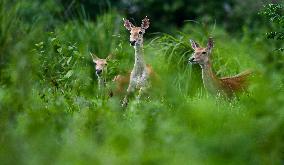
This photo taken on June 18, 2025 shows Hainan Eld's deer at the Bangxi provincial nature reserve in Baisha Li Autonomous County, south China's Hainan Province. The Hainan Eld's deer, which is native to Hainan, is a national first-class protected animal and is categorized as endangered by the International Union for Conservation of Nature. The Bangxi provincial nature reserve, established in Hainan in the 1970s, is one of the important habitats of the Hainan Eld's deer. Through ongoing conservation efforts, the reserve has become a beautiful home for the deer. According to statistics, there are currently over 200 Hainan Eld's deer living here. Photo by Yang Guanyu/Xinhua/ABACAPRESS.COM

  •  
Eld s Deer At The Bangxi Provincial Nature Reserve - China

Eld s Deer At The Bangxi Provincial Nature Reserve - China

This photo taken on June 18, 2025 shows Hainan Eld's deer at the Bangxi provincial nature reserve in Baisha Li Autonomous County, south China's Hainan Province. The Hainan Eld's deer, which is native to Hainan, is a national first-class protected animal and is categorized as endangered by the International Union for Conservation of Nature. The Bangxi provincial nature reserve, established in Hainan in the 1970s, is one of the important habitats of the Hainan Eld's deer. Through ongoing conservation efforts, the reserve has become a beautiful home for the deer. According to statistics, there are currently over 200 Hainan Eld's deer living here. Photo by Yang Guanyu/Xinhua/ABACAPRESS.COM

  •  
Eld s Deer At The Bangxi Provincial Nature Reserve - China

Eld s Deer At The Bangxi Provincial Nature Reserve - China

This photo taken on June 17, 2025 shows Hainan Eld's deer at the Bangxi provincial nature reserve in Baisha Li Autonomous County, south China's Hainan Province. The Hainan Eld's deer, which is native to Hainan, is a national first-class protected animal and is categorized as endangered by the International Union for Conservation of Nature. The Bangxi provincial nature reserve, established in Hainan in the 1970s, is one of the important habitats of the Hainan Eld's deer. Through ongoing conservation efforts, the reserve has become a beautiful home for the deer. According to statistics, there are currently over 200 Hainan Eld's deer living here. Photo by Yang Guanyu/Xinhua/ABACAPRESS.COM

  • Main
  • Top
  • Editorial
  • Creative
  • About Us
  • About ILG
  • Terms of use
  • Company
  • BEHIND
  • Price List
  • Single Plan
  • Monthly Plan
  • Services
  • Shooting
  • Rights Clearance
  • Support
  • FAQ
  • How To Buy
  • Contact Us
  • Become a Partner

© KYODO NEWS IMAGES INC

All Rights Reserved.

  • Editorial
  • Olympics
  • News
  • Sports
  • Japan
  • Tech
  • Royal
  • Disaster
  • NorthKorea
  • Old Japan
  • SNS
  • Creative
  • Food
  • Japan
  • Landscape
  • Animal
  • Popular
  • #Ukraine
  • #China
  • #coronavirus
  • #N. Korea
  • #Russia
  • #Thailand
  • #Ukraine
  • #China
  • #coronavirus
  • #N. Korea
  • #Russia
  • #Thailand
  • Food
  • Japan
  • Landscape
  • Animal
  • Olympics
  • News
  • Sports
  • Japan
  • Tech
  • Royal
  • Disaster
  • NorthKorea
  • Old Japan
  • SNS