•  
Construction of Pinglu Canal In Qinzhou - China

Construction of Pinglu Canal In Qinzhou - China

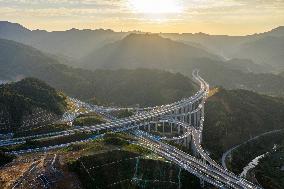
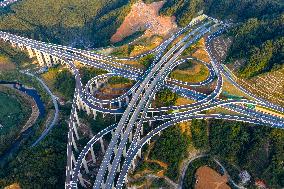
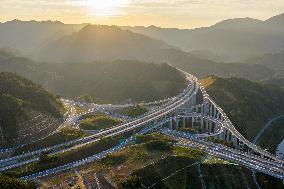
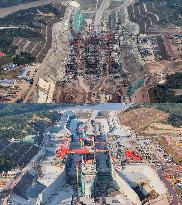
(251218) -- QINZHOU, Dec. 18, 2025 (Xinhua) -- This combo photo shows the aerial view of the construction site of the Qingnian hub, on Dec. 24, 2023 (above), and the aerial view of the construction site of this hub on Dec. 17, 2025 (below), on the Pinglu Canal in Qinzhou, south China's Guangxi Zhuang Autonomous Region. Three years on, the construction of the Pinglu Canal as a core component of the New International Land-Sea Trade Corridor has shown remarkable progress. Upon completion, the 134.2-km canal would wind its way across Nanning and Qinzhou of Guangxi until it reaches the Beibu Gulf. It is expected to serve as an artery for river-sea inter-modal transportation in the southwestern part of the country. Photo by Zhang Ailin/XInhua/ABACAPRESS.COM

  •  
Construction of Pinglu Canal In Qinzhou - China

Construction of Pinglu Canal In Qinzhou - China

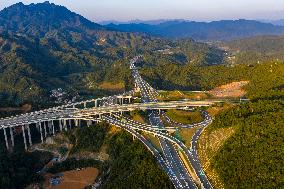
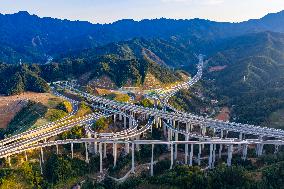
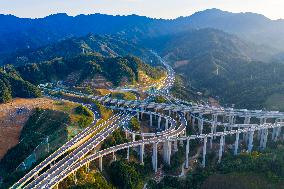
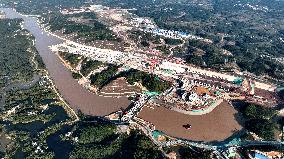
(251218) -- QINZHOU, Dec. 18, 2025 (Xinhua) -- An aerial drone photo shows the construction site of the Qishi hub on the Pinglu Canal in Qinzhou, south China's Guangxi Zhuang Autonomous Region, Nov. 12, 2025. Three years on, the construction of the Pinglu Canal as a core component of the New International Land-Sea Trade Corridor has shown remarkable progress. Upon completion, the 134.2-km canal would wind its way across Nanning and Qinzhou of Guangxi until it reaches the Beibu Gulf. It is expected to serve as an artery for river-sea inter-modal transportation in the southwestern part of the country. Photo by Zhou Hua/XInhua/ABACAPRESS.COM

  •  
Construction of Pinglu Canal In Qinzhou - China

Construction of Pinglu Canal In Qinzhou - China

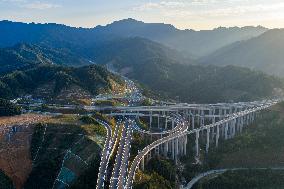
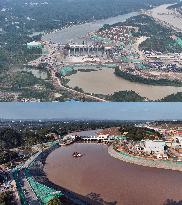
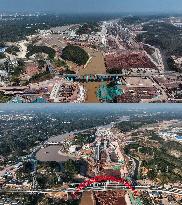
(251218) -- QINZHOU, Dec. 18, 2025 (Xinhua) -- This combo photo shows the aerial view of the construction site of the Qingnian hub waterway, on Oct. 9, 2024 (above), and the aerial view of the construction site of this waterway, on Dec. 17, 2025 (below), on the Pinglu Canal in Qinzhou, south China's Guangxi Zhuang Autonomous Region. Three years on, the construction of the Pinglu Canal as a core component of the New International Land-Sea Trade Corridor has shown remarkable progress. Upon completion, the 134.2-km canal would wind its way across Nanning and Qinzhou of Guangxi until it reaches the Beibu Gulf. It is expected to serve as an artery for river-sea inter-modal transportation in the southwestern part of the country. Photo by Zhang Ailin/XInhua/ABACAPRESS.COM

  •  
Construction of Pinglu Canal In Qinzhou - China

Construction of Pinglu Canal In Qinzhou - China

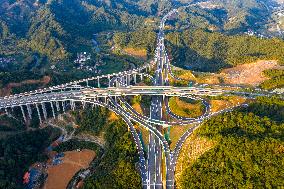
(251218) -- QINZHOU, Dec. 18, 2025 (Xinhua) -- This combo photo shows the aerial view of the construction site of the Qingnian hub, on Oct. 9, 2024, and the aerial view of the construction site of the Qingnian hub on Dec. 17, 2025, on the Pinglu Canal in Qinzhou, south China's Guangxi Zhuang Autonomous Region. Three years on, the construction of the Pinglu Canal as a core component of the New International Land-Sea Trade Corridor has shown remarkable progress. Upon completion, the 134.2-km canal would wind its way across Nanning and Qinzhou of Guangxi until it reaches the Beibu Gulf. It is expected to serve as an artery for river-sea inter-modal transportation in the southwestern part of the country. Photo by Zhang Ailin/XInhua/ABACAPRESS.COM

  •  
Construction of Pinglu Canal In Qinzhou - China

Construction of Pinglu Canal In Qinzhou - China

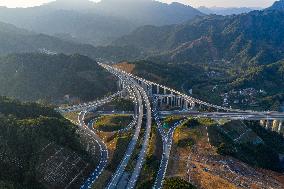
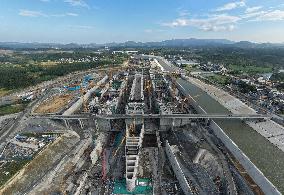
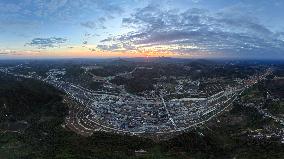
(251218) -- QINZHOU, Dec. 18, 2025 (Xinhua) -- An aerial drone photo shows the construction site of the Qingnian hub on the Pinglu Canal in Qinzhou, south China's Guangxi Zhuang Autonomous Region, Dec. 17, 2025. Three years on, the construction of the Pinglu Canal as a core component of the New International Land-Sea Trade Corridor has shown remarkable progress. Upon completion, the 134.2-km canal would wind its way across Nanning and Qinzhou of Guangxi until it reaches the Beibu Gulf. It is expected to serve as an artery for river-sea inter-modal transportation in the southwestern part of the country. Photo by Zhang Ailin/XInhua/ABACAPRESS.COM

  •  
Construction of Pinglu Canal In Qinzhou - China

Construction of Pinglu Canal In Qinzhou - China

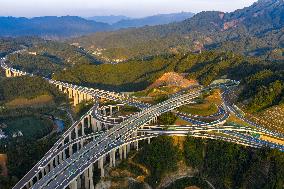
(251218) -- QINZHOU, Dec. 18, 2025 (Xinhua) -- An aerial drone photo shows the construction site of Madao hub on the Pinglu Canal in Qinzhou, south China's Guangxi Zhuang Autonomous Region, Nov. 12, 2025. Three years on, the construction of the Pinglu Canal as a core component of the New International Land-Sea Trade Corridor has shown remarkable progress. Upon completion, the 134.2-km canal would wind its way across Nanning and Qinzhou of Guangxi until it reaches the Beibu Gulf. It is expected to serve as an artery for river-sea inter-modal transportation in the southwestern part of the country. Photo by Zhou Hua/XInhua/ABACAPRESS.COM

  •  
Arg-e Bam Citadel - Iran

Arg-e Bam Citadel - Iran

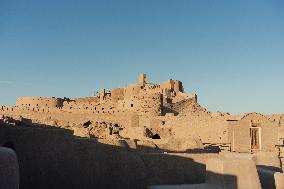
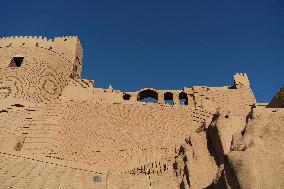
A general view shows adobe structures of the Arg-e Bam citadel in Bam, Iran on December 14, 2025. Arg-e Bam, a UNESCO World Heritage Site, is the largest adobe structure in the world and dates back to at least the Achaemenid period, having served for centuries as a fortified city and a key hub along Silk Road trade routes before being largely destroyed in a 2003 earthquake and subsequently restored. Photo by Bahram/Middle East Images/ABACAPRESS.COM

  •  
Arg-e Bam Citadel - Iran

Arg-e Bam Citadel - Iran

A general view shows adobe structures of the Arg-e Bam citadel in Bam, Iran on December 14, 2025. Arg-e Bam, a UNESCO World Heritage Site, is the largest adobe structure in the world and dates back to at least the Achaemenid period, having served for centuries as a fortified city and a key hub along Silk Road trade routes before being largely destroyed in a 2003 earthquake and subsequently restored. Photo by Bahram/Middle East Images/ABACAPRESS.COM

  •  
Arg-e Bam Citadel - Iran

Arg-e Bam Citadel - Iran

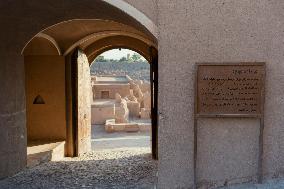
A view of adobe ruins and a tower is seen through a doorway inside the Arg-e Bam citadel in Bam, Iran on December 14, 2025. Arg-e Bam, a UNESCO World Heritage Site, is the largest adobe structure in the world and dates back to at least the Achaemenid period, having served for centuries as a fortified city and a key hub along Silk Road trade routes before being largely destroyed in a 2003 earthquake and subsequently restored. Photo by Bahram/Middle East Images/ABACAPRESS.COM

  •  
Arg-e Bam Citadel - Iran

Arg-e Bam Citadel - Iran

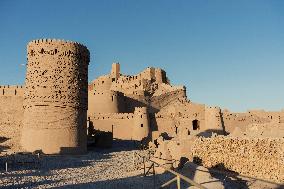
A general view shows adobe structures of the Arg-e Bam citadel in Bam, Iran on December 14, 2025. Arg-e Bam, a UNESCO World Heritage Site, is the largest adobe structure in the world and dates back to at least the Achaemenid period, having served for centuries as a fortified city and a key hub along Silk Road trade routes before being largely destroyed in a 2003 earthquake and subsequently restored. Photo by Bahram/Middle East Images/ABACAPRESS.COM

  •  
Arg-e Bam Citadel - Iran

Arg-e Bam Citadel - Iran

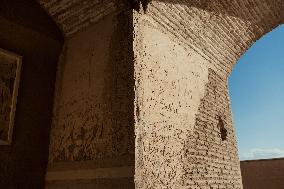
An arched interior structure is seen inside the Arg-e Bam citadel in Bam, Iran on December 14, 2025. Arg-e Bam, a UNESCO World Heritage Site, is the largest adobe structure in the world and dates back to at least the Achaemenid period, having served for centuries as a fortified city and a key hub along Silk Road trade routes before being largely destroyed in a 2003 earthquake and subsequently restored. Photo by Bahram/Middle East Images/ABACAPRESS.COM

  •  
Arg-e Bam Citadel - Iran

Arg-e Bam Citadel - Iran

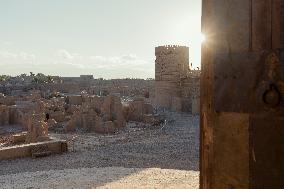
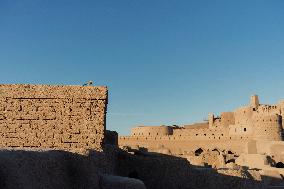
An adobe tower and surrounding defensive walls stand inside the Arg-e Bam citadel in Bam, Iran on December 14, 2025. Arg-e Bam, a UNESCO World Heritage Site, is the largest adobe structure in the world and dates back to at least the Achaemenid period, having served for centuries as a fortified city and a key hub along Silk Road trade routes before being largely destroyed in a 2003 earthquake and subsequently restored. Photo by Bahram/Middle East Images/ABACAPRESS.COM

  •  
Arg-e Bam Citadel - Iran

Arg-e Bam Citadel - Iran

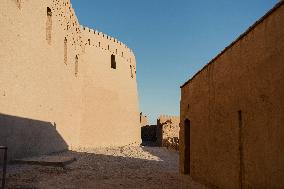
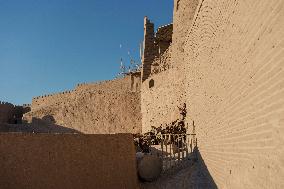
A narrow pathway runs between adobe walls inside the Arg-e Bam citadel in Bam, Iran on December 14, 2025. Arg-e Bam, a UNESCO World Heritage Site, is the largest adobe structure in the world and dates back to at least the Achaemenid period, having served for centuries as a fortified city and a key hub along Silk Road trade routes before being largely destroyed in a 2003 earthquake and subsequently restored. Photo by Bahram/Middle East Images/ABACAPRESS.COM

  •  
Arg-e Bam Citadel - Iran

Arg-e Bam Citadel - Iran

An arched interior structure is seen inside the Arg-e Bam citadel in Bam, Iran on December 14, 2025. Arg-e Bam, a UNESCO World Heritage Site, is the largest adobe structure in the world and dates back to at least the Achaemenid period, having served for centuries as a fortified city and a key hub along Silk Road trade routes before being largely destroyed in a 2003 earthquake and subsequently restored. Photo by Bahram/Middle East Images/ABACAPRESS.COM

  •  
Arg-e Bam Citadel - Iran

Arg-e Bam Citadel - Iran

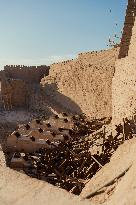
Adobe fortress walls and restoration debris are seen inside the Arg-e Bam citadel in Bam, Iran on December 14, 2025. Arg-e Bam, a UNESCO World Heritage Site, is the largest adobe structure in the world and dates back to at least the Achaemenid period, having served for centuries as a fortified city and a key hub along Silk Road trade routes before being largely destroyed in a 2003 earthquake and subsequently restored. Photo by Bahram/Middle East Images/ABACAPRESS.COM

  •  
Arg-e Bam Citadel - Iran

Arg-e Bam Citadel - Iran

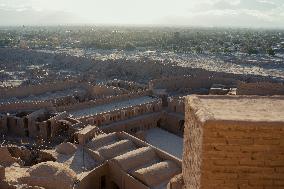
A general view shows the adobe ruins and restored structures of the Arg-e Bam citadel in Bam, Iran on December 14, 2025. Arg-e Bam, a UNESCO World Heritage Site, is the largest adobe structure in the world and dates back to at least the Achaemenid period, having served for centuries as a fortified city and a key hub along Silk Road trade routes before being largely destroyed in a 2003 earthquake and subsequently restored. Photo by Bahram/Middle East Images/ABACAPRESS.COM

  •  
Arg-e Bam Citadel - Iran

Arg-e Bam Citadel - Iran

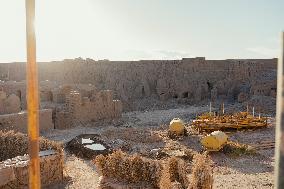
Construction materials and equipment are seen in an open area inside the Arg-e Bam citadel in Bam, Iran on December 14, 2025. Arg-e Bam, a UNESCO World Heritage Site, is the largest adobe structure in the world and dates back to at least the Achaemenid period, having served for centuries as a fortified city and a key hub along Silk Road trade routes before being largely destroyed in a 2003 earthquake and subsequently restored. Photo by Bahram/Middle East Images/ABACAPRESS.COM

  •  
Arg-e Bam Citadel - Iran

Arg-e Bam Citadel - Iran

Adobe fortress walls and restoration debris are seen inside the Arg-e Bam citadel in Bam, Iran on December 14, 2025. Arg-e Bam, a UNESCO World Heritage Site, is the largest adobe structure in the world and dates back to at least the Achaemenid period, having served for centuries as a fortified city and a key hub along Silk Road trade routes before being largely destroyed in a 2003 earthquake and subsequently restored. Photo by Bahram/Middle East Images/ABACAPRESS.COM

  •  
Arg-e Bam Citadel - Iran

Arg-e Bam Citadel - Iran

Adobe fortress walls and restoration debris are seen inside the Arg-e Bam citadel in Bam, Iran on December 14, 2025. Arg-e Bam, a UNESCO World Heritage Site, is the largest adobe structure in the world and dates back to at least the Achaemenid period, having served for centuries as a fortified city and a key hub along Silk Road trade routes before being largely destroyed in a 2003 earthquake and subsequently restored. Photo by Bahram/Middle East Images/ABACAPRESS.COM

  •  
Arg-e Bam Citadel - Iran

Arg-e Bam Citadel - Iran

A general view shows the adobe ruins and restored structures of the Arg-e Bam citadel in Bam, Iran on December 14, 2025. Arg-e Bam, a UNESCO World Heritage Site, is the largest adobe structure in the world and dates back to at least the Achaemenid period, having served for centuries as a fortified city and a key hub along Silk Road trade routes before being largely destroyed in a 2003 earthquake and subsequently restored. Photo by Bahram/Middle East Images/ABACAPRESS.COM

  •  
Arg-e Bam Citadel - Iran

Arg-e Bam Citadel - Iran

A general view shows the adobe ruins and restored structures of the Arg-e Bam citadel in Bam, Iran on December 14, 2025. Arg-e Bam, a UNESCO World Heritage Site, is the largest adobe structure in the world and dates back to at least the Achaemenid period, having served for centuries as a fortified city and a key hub along Silk Road trade routes before being largely destroyed in a 2003 earthquake and subsequently restored. Photo by Bahram/Middle East Images/ABACAPRESS.COM

  •  
Arg-e Bam Citadel - Iran

Arg-e Bam Citadel - Iran

A general view shows the adobe ruins and restored structures of the Arg-e Bam citadel in Bam, Iran on December 14, 2025. Arg-e Bam, a UNESCO World Heritage Site, is the largest adobe structure in the world and dates back to at least the Achaemenid period, having served for centuries as a fortified city and a key hub along Silk Road trade routes before being largely destroyed in a 2003 earthquake and subsequently restored. Photo by Bahram/Middle East Images/ABACAPRESS.COM

  •  
Arg-e Bam Citadel - Iran

Arg-e Bam Citadel - Iran

A general view shows the adobe ruins and restored structures of the Arg-e Bam citadel in Bam, Iran on December 14, 2025. Arg-e Bam, a UNESCO World Heritage Site, is the largest adobe structure in the world and dates back to at least the Achaemenid period, having served for centuries as a fortified city and a key hub along Silk Road trade routes before being largely destroyed in a 2003 earthquake and subsequently restored. Photo by Bahram/Middle East Images/ABACAPRESS.COM

  •  
Arg-e Bam Citadel - Iran

Arg-e Bam Citadel - Iran

A general view shows the adobe ruins and restored structures of the Arg-e Bam citadel in Bam, Iran on December 14, 2025. Arg-e Bam, a UNESCO World Heritage Site, is the largest adobe structure in the world and dates back to at least the Achaemenid period, having served for centuries as a fortified city and a key hub along Silk Road trade routes before being largely destroyed in a 2003 earthquake and subsequently restored. Photo by Bahram/Middle East Images/ABACAPRESS.COM

  •  
Fishers Unload Fresh Seafood by Boats - Chittagong

Fishers Unload Fresh Seafood by Boats - Chittagong

Workers unload fresh fish from trawlers in Fisharigh at, a key maritime hub that drives Bangladesh's fishing industry. on December 12, 2025, in Chittagong, Bangladesh. Photo by Md Rafayat Haque Khan/Eyepix/ABACAPRESS.COM

  •  
Fishers Unload Fresh Seafood by Boats - Chittagong

Fishers Unload Fresh Seafood by Boats - Chittagong

Workers unload fresh fish from trawlers in Fisharigh at, a key maritime hub that drives Bangladesh's fishing industry. on December 12, 2025, in Chittagong, Bangladesh. Photo by Md Rafayat Haque Khan/Eyepix/ABACAPRESS.COM

  •  
Fishers Unload Fresh Seafood by Boats - Chittagong

Fishers Unload Fresh Seafood by Boats - Chittagong

Workers unload fresh fish from trawlers in Fisharigh at, a key maritime hub that drives Bangladesh's fishing industry. on December 12, 2025, in Chittagong, Bangladesh. Photo by Md Rafayat Haque Khan/Eyepix/ABACAPRESS.COM

  •  
Fishers Unload Fresh Seafood by Boats - Chittagong

Fishers Unload Fresh Seafood by Boats - Chittagong

Workers unload fresh fish from trawlers in Fisharigh at, a key maritime hub that drives Bangladesh's fishing industry. on December 12, 2025, in Chittagong, Bangladesh. Photo by Md Rafayat Haque Khan/Eyepix/ABACAPRESS.COM

  •  
Fishers Unload Fresh Seafood by Boats - Chittagong

Fishers Unload Fresh Seafood by Boats - Chittagong

Workers unload fresh fish from trawlers in Fisharigh at, a key maritime hub that drives Bangladesh's fishing industry. on December 12, 2025, in Chittagong, Bangladesh. Photo by Md Rafayat Haque Khan/Eyepix/ABACAPRESS.COM

  •  
Fishers Unload Fresh Seafood by Boats - Chittagong

Fishers Unload Fresh Seafood by Boats - Chittagong

Workers unload fresh fish from trawlers in Fisharigh at, a key maritime hub that drives Bangladesh's fishing industry. on December 12, 2025, in Chittagong, Bangladesh. Photo by Md Rafayat Haque Khan/Eyepix/ABACAPRESS.COM

  •  
Fishers Unload Fresh Seafood by Boats - Chittagong

Fishers Unload Fresh Seafood by Boats - Chittagong

Workers unload fresh fish from trawlers in Fisharigh at, a key maritime hub that drives Bangladesh's fishing industry. on December 12, 2025, in Chittagong, Bangladesh. Photo by Md Rafayat Haque Khan/Eyepix/ABACAPRESS.COM

  •  
Saffron Harvesting in The Village of Vamenan - Iran

Saffron Harvesting in The Village of Vamenan - Iran

Women separate saffron stigmas (threads) from flower petals as a boy writes his homework in a house in the village of Vamenan in Golestan Province, Iran, on October 23, 2023. Vamenan is known as the “red gold hub” of the province due to its saffron cultivation. Nearly 400 hectares of saffron are cultivated in this village. In 1993, Mohammad Ahmadi, the village's cleric resident, was the first person to plant saffron bulbs in Vamenan. By encouraging the people, he transformed the village and the region's economy. Photo by Morteza Aminoroayayi/Middle East Images/ABACAPRESS.COM

  •  
Saffron Harvesting in The Village of Vamenan - Iran

Saffron Harvesting in The Village of Vamenan - Iran

A woman separates saffron stigmas (threads) from flower petals in a house in the village of Vamenan in Golestan Province, Iran, on October 23, 2023. Vamenan is known as the “red gold hub” of the province due to its saffron cultivation. Nearly 400 hectares of saffron are cultivated in this village. In 1993, Mohammad Ahmadi, the village's cleric resident, was the first person to plant saffron bulbs in Vamenan. By encouraging the people, he transformed the village and the region's economy. Photo by Morteza Aminoroayayi/Middle East Images/ABACAPRESS.COM

  •  
Saffron Harvesting in The Village of Vamenan - Iran

Saffron Harvesting in The Village of Vamenan - Iran

A woman hands a plate of saffron stigmas (threads) to a boy after separating them from flower petals in a house in the village of Vamenan in Golestan Province, Iran, on October 23, 2023. Vamenan is known as the “red gold hub” of the province due to its saffron cultivation. Nearly 400 hectares of saffron are cultivated in this village. In 1993, Mohammad Ahmadi, the village's cleric resident, was the first person to plant saffron bulbs in Vamenan. By encouraging the people, he transformed the village and the region's economy. Photo by Morteza Aminoroayayi/Middle East Images/ABACAPRESS.COM

  •  
Saffron Harvesting in The Village of Vamenan - Iran

Saffron Harvesting in The Village of Vamenan - Iran

People separate saffron stigmas (threads) from flower petals in a house in the village of Vamenan in Golestan Province, Iran, on October 23, 2023. Vamenan is known as the “red gold hub” of the province due to its saffron cultivation. Nearly 400 hectares of saffron are cultivated in this village. In 1993, Mohammad Ahmadi, the village's cleric resident, was the first person to plant saffron bulbs in Vamenan. By encouraging the people, he transformed the village and the region's economy. Photo by Morteza Aminoroayayi/Middle East Images/ABACAPRESS.COM

  •  
Saffron Harvesting in The Village of Vamenan - Iran

Saffron Harvesting in The Village of Vamenan - Iran

People separate saffron stigmas (threads) from flower petals in a house in the village of Vamenan in Golestan Province, Iran, on October 23, 2023. Vamenan is known as the “red gold hub” of the province due to its saffron cultivation. Nearly 400 hectares of saffron are cultivated in this village. In 1993, Mohammad Ahmadi, the village's cleric resident, was the first person to plant saffron bulbs in Vamenan. By encouraging the people, he transformed the village and the region's economy. Photo by Morteza Aminoroayayi/Middle East Images/ABACAPRESS.COM

  •  
Saffron Harvesting in The Village of Vamenan - Iran

Saffron Harvesting in The Village of Vamenan - Iran

An elderly woman separates saffron stigmas (threads) from flower petals as a boy watches TV in a house in the village of Vamenan in Golestan Province, Iran, on October 23, 2023. Vamenan is known as the “red gold hub” of the province due to its saffron cultivation. Nearly 400 hectares of saffron are cultivated in this village. In 1993, Mohammad Ahmadi, the village's cleric resident, was the first person to plant saffron bulbs in Vamenan. By encouraging the people, he transformed the village and the region's economy. Photo by Morteza Aminoroayayi/Middle East Images/ABACAPRESS.COM

  •  
Saffron Harvesting in The Village of Vamenan - Iran

Saffron Harvesting in The Village of Vamenan - Iran

A farmer works with his phone while standing in a saffron field in the village of Vamenan in Golestan Province, Iran, on October 23, 2023. Vamenan is known as the “red gold hub” of the province due to its saffron cultivation. Nearly 400 hectares of saffron are cultivated in this village. In 1993, Mohammad Ahmadi, the village's cleric resident, was the first person to plant saffron bulbs in Vamenan. By encouraging the people, he transformed the village and the region's economy. Photo by Morteza Aminoroayayi/Middle East Images/ABACAPRESS.COM

  •  
Saffron Harvesting in The Village of Vamenan - Iran

Saffron Harvesting in The Village of Vamenan - Iran

Farmers pluck saffron flowers in a field in the village of Vamenan in Golestan Province, Iran, on October 23, 2023. Vamenan is known as the “red gold hub” of the province due to its saffron cultivation. Nearly 400 hectares of saffron are cultivated in this village. In 1993, Mohammad Ahmadi, the village's cleric resident, was the first person to plant saffron bulbs in Vamenan. By encouraging the people, he transformed the village and the region's economy. Photo by Morteza Aminoroayayi/Middle East Images/ABACAPRESS.COM

  •  
Saffron Harvesting in The Village of Vamenan - Iran

Saffron Harvesting in The Village of Vamenan - Iran

A man rides a horse along a saffron field in the village of Vamenan in Golestan Province, Iran, on October 23, 2023. Vamenan is known as the “red gold hub” of the province due to its saffron cultivation. Nearly 400 hectares of saffron are cultivated in this village. In 1993, Mohammad Ahmadi, the village's cleric resident, was the first person to plant saffron bulbs in Vamenan. By encouraging the people, he transformed the village and the region's economy. Photo by Morteza Aminoroayayi/Middle East Images/ABACAPRESS.COM

  •  
Saffron Harvesting in The Village of Vamenan - Iran

Saffron Harvesting in The Village of Vamenan - Iran

Farmers pluck saffron flowers in a field in the village of Vamenan in Golestan Province, Iran, on October 23, 2023. Vamenan is known as the “red gold hub” of the province due to its saffron cultivation. Nearly 400 hectares of saffron are cultivated in this village. In 1993, Mohammad Ahmadi, the village's cleric resident, was the first person to plant saffron bulbs in Vamenan. By encouraging the people, he transformed the village and the region's economy. Photo by Morteza Aminoroayayi/Middle East Images/ABACAPRESS.COM

  •  
Saffron Harvesting in The Village of Vamenan - Iran

Saffron Harvesting in The Village of Vamenan - Iran

A man walks in a saffron field in the village of Vamenan in Golestan Province, Iran, on October 23, 2023. Vamenan is known as the “red gold hub” of the province due to its saffron cultivation. Nearly 400 hectares of saffron are cultivated in this village. In 1993, Mohammad Ahmadi, the village's cleric resident, was the first person to plant saffron bulbs in Vamenan. By encouraging the people, he transformed the village and the region's economy. Photo by Morteza Aminoroayayi/Middle East Images/ABACAPRESS.COM

  •  
Saffron Harvesting in The Village of Vamenan - Iran

Saffron Harvesting in The Village of Vamenan - Iran

A farmer plucks saffron flowers in a field in the village of Vamenan in Golestan Province, Iran, on October 23, 2023. Vamenan is known as the “red gold hub” of the province due to its saffron cultivation. Nearly 400 hectares of saffron are cultivated in this village. In 1993, Mohammad Ahmadi, the village's cleric resident, was the first person to plant saffron bulbs in Vamenan. By encouraging the people, he transformed the village and the region's economy. Photo by Morteza Aminoroayayi/Middle East Images/ABACAPRESS.COM

  •  
Saffron Harvesting in The Village of Vamenan - Iran

Saffron Harvesting in The Village of Vamenan - Iran

Farmers pluck saffron flowers in a field in the village of Vamenan in Golestan Province, Iran, on October 23, 2023. Vamenan is known as the “red gold hub” of the province due to its saffron cultivation. Nearly 400 hectares of saffron are cultivated in this village. In 1993, Mohammad Ahmadi, the village's cleric resident, was the first person to plant saffron bulbs in Vamenan. By encouraging the people, he transformed the village and the region's economy. Photo by Morteza Aminoroayayi/Middle East Images/ABACAPRESS.COM

  •  
Saffron Harvesting in The Village of Vamenan - Iran

Saffron Harvesting in The Village of Vamenan - Iran

Farmers pluck saffron flowers in a field in the village of Vamenan in Golestan Province, Iran, on October 23, 2023. Vamenan is known as the “red gold hub” of the province due to its saffron cultivation. Nearly 400 hectares of saffron are cultivated in this village. In 1993, Mohammad Ahmadi, the village's cleric resident, was the first person to plant saffron bulbs in Vamenan. By encouraging the people, he transformed the village and the region's economy. Photo by Morteza Aminoroayayi/Middle East Images/ABACAPRESS.COM

  •  
Saffron Harvesting in The Village of Vamenan - Iran

Saffron Harvesting in The Village of Vamenan - Iran

Farmers walk in a saffron field in the village of Vamenan in Golestan Province, Iran, on October 23, 2023. Vamenan is known as the “red gold hub” of the province due to its saffron cultivation. Nearly 400 hectares of saffron are cultivated in this village. In 1993, Mohammad Ahmadi, the village's cleric resident, was the first person to plant saffron bulbs in Vamenan. By encouraging the people, he transformed the village and the region's economy. Photo by Morteza Aminoroayayi/Middle East Images/ABACAPRESS.COM

  •  
Saffron Harvesting in The Village of Vamenan - Iran

Saffron Harvesting in The Village of Vamenan - Iran

A woman plucks saffron flowers while another farmer speaks on her phone in a field in the village of Vamenan in Golestan Province, Iran, on October 23, 2023. Vamenan is known as the “red gold hub” of the province due to its saffron cultivation. Nearly 400 hectares of saffron are cultivated in this village. In 1993, Mohammad Ahmadi, the village's cleric resident, was the first person to plant saffron bulbs in Vamenan. By encouraging the people, he transformed the village and the region's economy. Photo by Morteza Aminoroayayi/Middle East Images/ABACAPRESS.COM

  •  
Saffron Harvesting in The Village of Vamenan - Iran

Saffron Harvesting in The Village of Vamenan - Iran

Farmers pluck saffron flowers in a field in the village of Vamenan in Golestan Province, Iran, on October 23, 2023. Vamenan is known as the “red gold hub” of the province due to its saffron cultivation. Nearly 400 hectares of saffron are cultivated in this village. In 1993, Mohammad Ahmadi, the village's cleric resident, was the first person to plant saffron bulbs in Vamenan. By encouraging the people, he transformed the village and the region's economy. Photo by Morteza Aminoroayayi/Middle East Images/ABACAPRESS.COM

  •  
Saffron Harvesting in The Village of Vamenan - Iran

Saffron Harvesting in The Village of Vamenan - Iran

Farmers pluck saffron flowers in a field in the village of Vamenan in Golestan Province, Iran, on October 23, 2023. Vamenan is known as the “red gold hub” of the province due to its saffron cultivation. Nearly 400 hectares of saffron are cultivated in this village. In 1993, Mohammad Ahmadi, the village's cleric resident, was the first person to plant saffron bulbs in Vamenan. By encouraging the people, he transformed the village and the region's economy. Photo by Morteza Aminoroayayi/Middle East Images/ABACAPRESS.COM

  •  
Saffron Harvesting in The Village of Vamenan - Iran

Saffron Harvesting in The Village of Vamenan - Iran

A man walks in a saffron field in the village of Vamenan in Golestan Province, Iran, on October 23, 2023. Vamenan is known as the “red gold hub” of the province due to its saffron cultivation. Nearly 400 hectares of saffron are cultivated in this village. In 1993, Mohammad Ahmadi, the village's cleric resident, was the first person to plant saffron bulbs in Vamenan. By encouraging the people, he transformed the village and the region's economy. Photo by Morteza Aminoroayayi/Middle East Images/ABACAPRESS.COM

  • Main
  • Top
  • Editorial
  • Creative
  • About Us
  • About ILG
  • Terms of use
  • Company
  • BEHIND
  • Price List
  • Single Plan
  • Monthly Plan
  • Services
  • Shooting
  • Rights Clearance
  • Support
  • FAQ
  • How To Buy
  • Contact Us
  • Become a Partner

© KYODO NEWS IMAGES INC

All Rights Reserved.

  • Editorial
  • Olympics
  • News
  • Sports
  • Japan
  • Tech
  • Royal
  • Disaster
  • NorthKorea
  • Old Japan
  • SNS
  • Creative
  • Food
  • Japan
  • Landscape
  • Animal
  • Popular
  • #Ukraine
  • #China
  • #coronavirus
  • #N. Korea
  • #Thailand
  • #Russia
  • #Ukraine
  • #China
  • #coronavirus
  • #N. Korea
  • #Thailand
  • #Russia
  • Food
  • Japan
  • Landscape
  • Animal
  • Olympics
  • News
  • Sports
  • Japan
  • Tech
  • Royal
  • Disaster
  • NorthKorea
  • Old Japan
  • SNS