•  
Mouse born using iPS cell

Mouse born using iPS cell

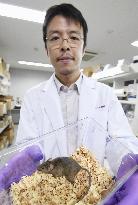
FUKUOKA, Japan, July 31 Kyodo - Photo taken on Oct. 14, 2016, at a Kyushu University Hospital campus in Fukuoka, southwestern Japan, shows Kyushu University professor Katsuhiko Hayashi, who specializes in reproductive genetics, with a baby mouse born using an egg produced from an iPS cell.(Kyodo)

  •  
Kyoto University Center for iPS Cell Research and Application CiRA Signage and logo

Kyoto University Center for iPS Cell Research and Application CiRA Signage and logo

Kyoto University Center for iPS Cell Research and Application CiRA Signage and logo=May 8,2025,Kyoto

  •  
Signboard and logo of Kyoto University iPS Cell Research Foundation

Signboard and logo of Kyoto University iPS Cell Research Foundation

Signboard and logo of Kyoto University iPS Cell Research Foundation=May 8,2025,Kyoto

  •  
Signboard and logo of Kyoto University iPS Cell Research Foundation

Signboard and logo of Kyoto University iPS Cell Research Foundation

Signboard and logo of Kyoto University iPS Cell Research Foundation=May 8,2025,Kyoto

  •  
Kyoto University Center for iPS Cell Research and Application CiRA Signage and logo

Kyoto University Center for iPS Cell Research and Application CiRA Signage and logo

Kyoto University Center for iPS Cell Research and Application CiRA Signage and logo=May 8,2025,Kyoto

  •  
Signboard and logo of Kyoto University iPS Cell Research Foundation

Signboard and logo of Kyoto University iPS Cell Research Foundation

Signboard and logo of Kyoto University iPS Cell Research Foundation=May 8,2025,Kyoto

  •  
Kyoto University Center for iPS Cell Research and Application CiRA Signage and logo

Kyoto University Center for iPS Cell Research and Application CiRA Signage and logo

Kyoto University Center for iPS Cell Research and Application CiRA Signage and logo=May 8,2025,Kyoto

  •  
Signboard and logo of Kyoto University iPS Cell Research Foundation

Signboard and logo of Kyoto University iPS Cell Research Foundation

Signboard and logo of Kyoto University iPS Cell Research Foundation=May 8,2025,Kyoto

  •  
Kyoto University Center for iPS Cell Research and Application CiRA Signage and logo

Kyoto University Center for iPS Cell Research and Application CiRA Signage and logo

Kyoto University Center for iPS Cell Research and Application CiRA Signage and logo=May 8,2025,Kyoto

  •  
Kyoto University Center for iPS Cell Research and Application CiRA Signage and logo

Kyoto University Center for iPS Cell Research and Application CiRA Signage and logo

Kyoto University Center for iPS Cell Research and Application CiRA Signage and logo=May 8,2025,Kyoto

  •  
Kyoto University Center for iPS Cell Research and Application CiRA Signage and logo

Kyoto University Center for iPS Cell Research and Application CiRA Signage and logo

Kyoto University Center for iPS Cell Research and Application CiRA Signage and logo=May 8,2025,Kyoto

  •  
Kyoto University Center for iPS Cell Research and Application CiRA Signage and logo

Kyoto University Center for iPS Cell Research and Application CiRA Signage and logo

Kyoto University Center for iPS Cell Research and Application CiRA Signage and logo=May 8,2025,Kyoto

  •  
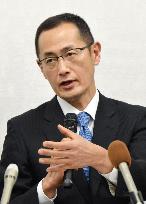
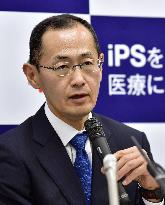
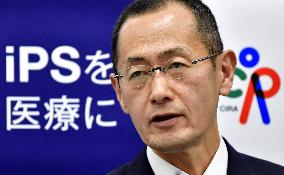
Nobel laureate researcher Shinya Yamanaka

Nobel laureate researcher Shinya Yamanaka

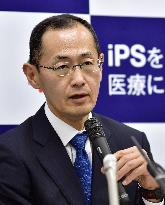
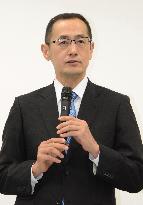
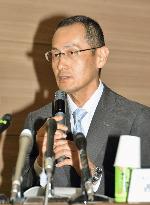
KYOTO, Japan, Dec. 19 Kyodo - Nobel laureate researcher Shinya Yamanaka, who heads Kyoto University's Center for iPS Cell Research and Application, speaks at a press conference in Kyoto on Dec. 18, 2018.

  •  
World's 1st iPS cell transplant

World's 1st iPS cell transplant

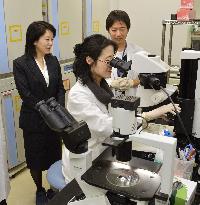
OSAKA, Japan - Masayo Takahashi (L), project leader at Riken Center for Developmental Biology, inspects an experiment at Riken's stem cell culture laboratory in Kobe, western Japan, in February 2013. A Japanese team has recently conducted the world's first surgery to implant tissue derived from induced pluripotent stem cells into a human body as part of the clinical study led by Takahashi and others.

  •  
World's 1st iPS cell transplant

World's 1st iPS cell transplant

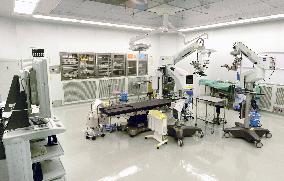
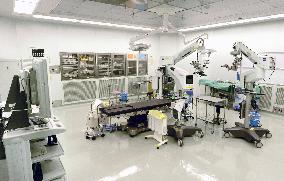
KOBE, Japan - The operation room of the Institute of Biomedical Research and Innovation Hospital in Kobe, western Japan, is seen on Sept. 10, 2014. The world's first surgery to implant retinal tissue derived from induced pluripotent stem cells into a human body was performed there in September 2014.

  •  
Indian leader Modi meets Nobel laureate Yamanaka in Kyoto

Indian leader Modi meets Nobel laureate Yamanaka in Kyoto

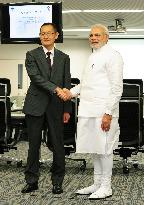
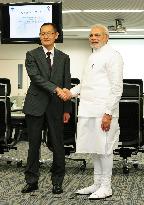
KYOTO, Japan - Indian Prime Minister Narendra Modi (R) shakes hands with Nobel Prize laureate Shinya Yamanaka, professor and head of Kyoto University's Center for iPS Cell Research and Application, at the center in Kyoto, western Japan, on Aug. 31, 2014. Modi is said to be keen in promoting stem cell research in India as it may lead to finding an effective treatment for people suffering from blood diseases.

  •  
Kyoto Univ.'s Yamanaka

Kyoto Univ.'s Yamanaka

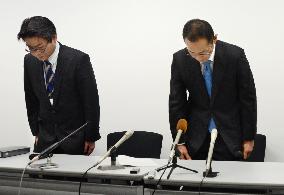
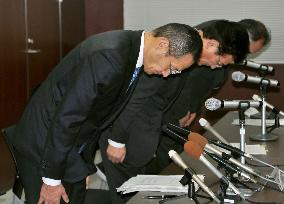
KYOTO, Japan - Shinya Yamanaka (R), who heads Kyoto University's Center for iPS Cell Research and Application, apologizes during a press conference at the university in Kyoto on March 1, 2014, following revelations that the university's laboratory conducting experiments on induced pluripotent stem cells has been warned by the science ministry about its careless control of genetically engineered mice.

  •  
Kyoto Univ.'s Yamanaka

Kyoto Univ.'s Yamanaka

KYOTO, Japan - Shinya Yamanaka, who heads Kyoto University's Center for iPS Cell Research and Application, holds a press conference at the university in Kyoto on March 1, 2014, following revelations that the university's laboratory conducting experiments on induced pluripotent stem cells has been warned by the science ministry about its careless control of genetically engineered mice.

  •  
Kyoto Univ.'s Yamanaka

Kyoto Univ.'s Yamanaka

KYOTO, Japan - Shinya Yamanaka, who heads Kyoto University's Center for iPS Cell Research and Application, holds a press conference at the university in Kyoto on March 1, 2014, following revelations that the university's laboratory conducting experiments on induced pluripotent stem cells has been warned by the science ministry about its careless control of genetically engineered mice.

  •  
Project on iPS cell stock

Project on iPS cell stock

KYOTO, Japan - A Japanese Red Cross Society employee displays a poster at a blood donation center in Kyoto on June 17, 2013, as the group launches a campaign in Kyoto and Osaka urging blood donors to cooperate in an induced pluripotent stem cell stock project spearheaded by iPS cell developer and Nobel Prize winner Shinya Yamanaka.

  •  
Marathons growing as means of collecting donations in Japan

Marathons growing as means of collecting donations in Japan

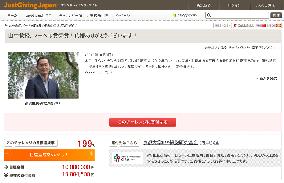
TOKYO, Japan - Photo shows a page of the online fundraising site "Just Giving Japan," which Kyoto University professor Shinya Yamanaka used to call for donations to the iPS Cell Research Fund established by the university. Yamanaka, co-winner of the 2012 Nobel Prize in Physiology or Medicine, heads the Center for iPS Cell Research and Application at the university.

  •  
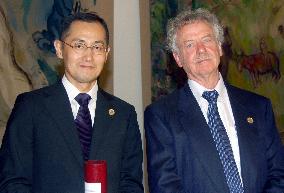
Japan's Yamanaka receives Israel's Wolf Prize

Japan's Yamanaka receives Israel's Wolf Prize

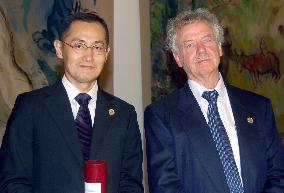
JERUSALEM, Israel - Shinya Yamanaka (L), a professor at Kyoto University known for developing the multipurpose iPS cell, and Rudolf Jaenisch, a German researcher of the technology and professor at the Massachusetts Institute of Technology, pose in Jerusalem on May 29, 2011, as they won the 2011 Wolf Prize for medicine.

  •  
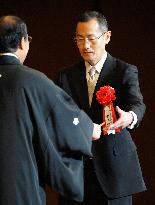
Stem cell pioneer Yamanaka receives Kyoto award

Stem cell pioneer Yamanaka receives Kyoto award

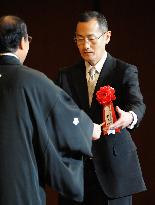
KYOTO, Japan - Shinya Yamanaka (R), professor at Kyoto University's Institute for Integrated Cell-Material Sciences, receives the Kyoto Medal of Honor during a ceremony in the city Oct. 15, 2010 for his contribution in the field of induced pluripotent stem cells, or iPS cells.

  •  
Stem cell pioneer Yamanaka receives Kyoto Medal of Honor

Stem cell pioneer Yamanaka receives Kyoto Medal of Honor

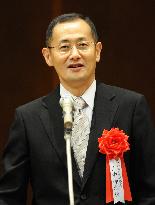
KYOTO, Japan - Shinya Yamanaka, professor at Kyoto University, speaks about his joy in receiving the Kyoto Medal of Honor in the city Oct. 15, 2010. Yamanaka, who developed a technology to generate induced pluripotent stem cells, or iPS cells, said helping patients would be his way of returning the favor.

  •  
Japanese research team to resume iPS cell transplants

Japanese research team to resume iPS cell transplants

Kyoto University professor Shinya Yamanaka, co-winner of the 2012 Nobel Prize in Medicine for his development of induced pluripotent stem cells, speaks at a press conference in the western Japan city of Kobe on June 6, 2016. Japan's government-backed Riken research institute said the same day that a research team including Yamanaka's Kyoto University will resume clinical tests to treat an eye disease by transplanting retinal cells grown from iPS cells. (Kyodo) ==Kyodo

  •  
Japanese research team to resume iPS cell transplants

Japanese research team to resume iPS cell transplants

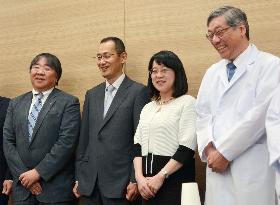
Kyoto University professor Shinya Yamanaka (2nd from L), co-winner of the 2012 Nobel Prize in Medicine for his development of induced pluripotent stem cells, and Masayo Takahashi (3rd from L) of Japan's government-backed Riken research institute attend a press conference in the western Japan city of Kobe on June 6, 2016. The government announced the same day that a research team led by Takahashi, composed of Riken, Kyoto University and two other institutions, will resume clinical tests to treat an eye disease by transplanting retinal cells grown from iPS cells. (Kyodo) ==Kyodo

  •  
Woman makes progress 1 year after world's 1st iPS cell transplant

Woman makes progress 1 year after world's 1st iPS cell transplant

Masayo Takahashi (R), a Riken researcher, holds a press conference in Kobe, western Japan, on Oct. 2, 2015, to announce that a woman in her 70s is making good progress in her eye disease treatment after the world's first transplant using iPS-derived cells a year ago. (Kyodo) ==Kyodo

  •  
Kyoto Univ. institute ties up with Takeda for iPS cell research

Kyoto Univ. institute ties up with Takeda for iPS cell research

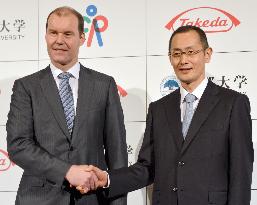
Takeda Pharmaceutical Co. President Christophe Weber (L) and Kyoto University professor and Nobel laureate Shinya Yamanaka shake hands after a joint press conference in Tokyo on April 17, 2015. Takeda and the university's iPS cell research institute will launch a 10-year, 20 billion yen joint program to realize regenerative medicine and drug discovery using iPS cells. (Kyodo) ==Kyodo

  •  
Rakuten, Salesforce CEOs donate total of 500 mil. yen to iPS fund

Rakuten, Salesforce CEOs donate total of 500 mil. yen to iPS fund

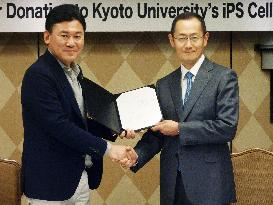
Rakuten Inc. CEO Hiroshi Mikitani (L) and Nobel Prize-winning Kyoto University professor Shinya Yamanaka shake hands at a signing ceremony in Tokyo on April 8, 2015. Mikitani and Salesforce.com CEO Marc Benioff said the same day they will donate about 250 million yen each to the fund supporting the university's induced pluripotent stem, or iPS, cell research. (Kyodo) ==Kyodo

  •  
Nobel laureate Yamanaka speaks in interview

Nobel laureate Yamanaka speaks in interview

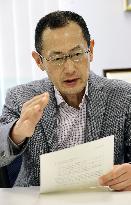
Shinya Yamanaka, co-winner of the 2012 Nobel Prize in Physiology and Medicine for his advanced research on induced pluripotent stems cells and head of the Center for iPS Cell Research and Application at Kyoto University, speaks to Kyodo News in Kyoto, western Japan, on March 26, 2015. Yamanaka said the center is undertaking studies to expand the application of iPS cells to more general medical treatments. (Kyodo) ==Kyodo

  •  
CORRECTED: Nobel laureate researcher Shinya Yamanaka

CORRECTED: Nobel laureate researcher Shinya Yamanaka

Nobel laureate researcher Shinya Yamanaka, who heads Kyoto University's Center for iPS Cell Research and Application, speaks at a press conference in Kyoto on Dec. 18, 2018. (Kyodo) ==Kyodo

  •  
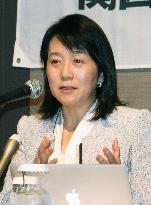
Japanese researcher hopes to lower cost of iPS cell transplant

Japanese researcher hopes to lower cost of iPS cell transplant

Masayo Takahashi, a Riken institute project leader and member of the team that conducted the world's first transplant using iPS-derived cells in 2014, gives a talk at the Kansai Press Club in Osaka, western Japan, on Nov. 25, 2015. Takahashi said she hopes to find ways to lower the cost of such transplants and make them a standard treatment in the future. (Kyodo) ==Kyodo

  •  
Stem cell pioneer Yamanaka receives Kyoto award

Stem cell pioneer Yamanaka receives Kyoto award

KYOTO, Japan - Shinya Yamanaka (R), professor at Kyoto University's Institute for Integrated Cell-Material Sciences, receives the Kyoto Medal of Honor during a ceremony in the city Oct. 15, 2010 for his contribution in the field of induced pluripotent stem cells, or iPS cells. (Kyodo)

  •  
Japan's Yamanaka receives Israel's Wolf Prize

Japan's Yamanaka receives Israel's Wolf Prize

JERUSALEM, Israel - Shinya Yamanaka (L), a professor at Kyoto University known for developing the multipurpose iPS cell, and Rudolf Jaenisch, a German researcher of the technology and professor at the Massachusetts Institute of Technology, pose in Jerusalem on May 29, 2011, as they won the 2011 Wolf Prize for medicine. (Kyodo)

  •  
World's 1st iPS cell transplant

World's 1st iPS cell transplant

OSAKA, Japan - Masayo Takahashi (L), project leader at Riken Center for Developmental Biology, inspects an experiment at Riken's stem cell culture laboratory in Kobe, western Japan, in February 2013. A Japanese team has recently conducted the world's first surgery to implant tissue derived from induced pluripotent stem cells into a human body as part of the clinical study led by Takahashi and others. (Kyodo)

  •  
World's 1st iPS cell transplant

World's 1st iPS cell transplant

KOBE, Japan - The operation room of the Institute of Biomedical Research and Innovation Hospital in Kobe, western Japan, is seen on Sept. 10, 2014. The world's first surgery to implant retinal tissue derived from induced pluripotent stem cells into a human body was performed there in September 2014. (Kyodo)

  •  
Indian leader Modi meets Nobel laureate Yamanaka in Kyoto

Indian leader Modi meets Nobel laureate Yamanaka in Kyoto

KYOTO, Japan - Indian Prime Minister Narendra Modi (R) shakes hands with Nobel Prize laureate Shinya Yamanaka, professor and head of Kyoto University's Center for iPS Cell Research and Application, at the center in Kyoto, western Japan, on Aug. 31, 2014. Modi is said to be keen in promoting stem cell research in India as it may lead to finding an effective treatment for people suffering from blood diseases. (Kyodo)

  •  
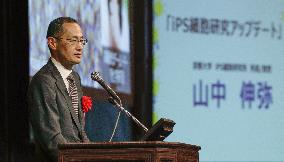
Nobel laureate researcher Shinya Yamanaka

Nobel laureate researcher Shinya Yamanaka

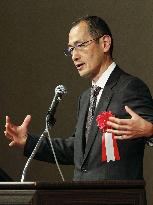
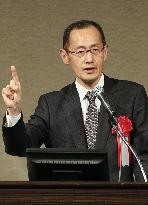
Nobel laureate researcher Shinya Yamanaka, who heads Kyoto University's Center for iPS Cell Research and Application, delivers a lecture at a symposium hosted by the Japan Agency for Medical Research and Development in Tokyo on Feb. 5, 2019. (Kyodo) ==Kyodo

  •  
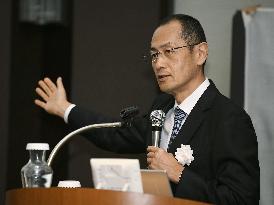
Nobel laureate researcher Shinya Yamanaka

Nobel laureate researcher Shinya Yamanaka

Nobel laureate researcher Shinya Yamanaka, who heads Kyoto University's Center for iPS Cell Research and Application, delivers a lecture at a symposium hosted by the Japan Agency for Medical Research and Development in Tokyo on Feb. 5, 2019. (Kyodo) ==Kyodo

  •  
Nobel laureate researcher Shinya Yamanaka

Nobel laureate researcher Shinya Yamanaka

Nobel laureate researcher Shinya Yamanaka, who heads Kyoto University's Center for iPS Cell Research and Application, delivers a lecture at a symposium hosted by the Japan Agency for Medical Research and Development in Tokyo on Feb. 5, 2019. (Kyodo) ==Kyodo

  •  
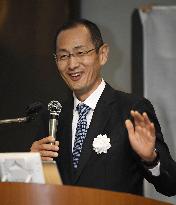
Nobel laureate researcher Shinya Yamanaka

Nobel laureate researcher Shinya Yamanaka

Nobel laureate researcher Shinya Yamanaka, who heads Kyoto University's Center for iPS Cell Research and Application, delivers a lecture at a Kansai Press Club event in Osaka, western Japan, on Feb. 1, 2019. (Kyodo) ==Kyodo

  •  
Nobel laureate researcher Shinya Yamanaka

Nobel laureate researcher Shinya Yamanaka

Nobel laureate researcher Shinya Yamanaka, who heads Kyoto University's Center for iPS Cell Research and Application, delivers a lecture at a Kansai Press Club event in Osaka, western Japan, on Feb. 1, 2019. (Kyodo) ==Kyodo

  •  
Nobel laureate researcher Shinya Yamanaka

Nobel laureate researcher Shinya Yamanaka

Nobel laureate researcher Shinya Yamanaka, who heads Kyoto University's Center for iPS Cell Research and Application, speaks at a press conference in Kyoto on Dec. 18, 2018. (Kyodo) ==Kyodo

  •  
Kyoto Univ.'s iPS cell research center

Kyoto Univ.'s iPS cell research center

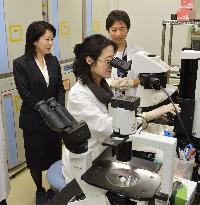
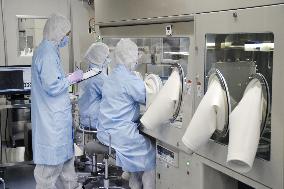
File photo taken in September 2018 shows researchers working at a facility at Kyoto University's Center for iPS Cell Research and Application where iPS cells are generated. (Kyodo) ==Kyodo

  •  
New Shimadzu instrument

New Shimadzu instrument

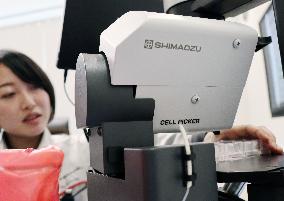
Precision instrument maker Shimadzu Corp. unveils its Cell Picker device developed to automatically remove unnecessary cells during preparation procedures for iPS cells, in Kyoto on March 19, 2018. (Kyodo) ==Kyodo

  •  
Data manipulation at Japan's top stem cell research lab

Data manipulation at Japan's top stem cell research lab

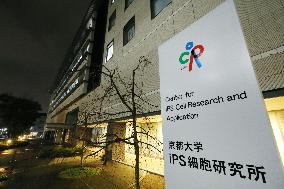
Photo taken Jan. 22, 2018, shows the building that houses the Center for iPS Cell Research and Application of Kyoto University, Japan's top stem cell research facility. (Kyodo) ==Kyodo

  •  
Data manipulation at Japan's top lab

Data manipulation at Japan's top lab

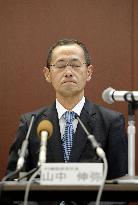
Shinya Yamanaka, a Nobel Prize-winning stem cell researcher and head of Kyoto University's iPS Cell Research and Application, attends a press conference in Kyoto on Jan. 22, 2018. He apologized for the actions of a member of his staff, who fabricated data in a paper on stem cells. (Kyodo) ==Kyodo

  •  
Data manipulation at Japan's top lab

Data manipulation at Japan's top lab

Shinya Yamanaka, a Nobel Prize-winning stem cell researcher and head of Kyoto University's iPS Cell Research and Application, bows at a press conference in Kyoto on Jan. 22, 2018. He was apologizing for the actions of a member of his staff, who fabricated data in a paper on stem cells. (Kyodo) ==Kyodo

  •  
1st serious reaction to iPS-derived retinal cell transplant reported

1st serious reaction to iPS-derived retinal cell transplant reported

The Japanese government-backed Riken institute holds a press conference in Kobe on Jan. 16, 2018, after a patient who received a transplant of retinal cells derived from so-called iPS cells from another person suffered a swollen retina. (Kyodo) ==Kyodo

  •  
1st serious reaction to iPS-derived retinal cell transplant reported

1st serious reaction to iPS-derived retinal cell transplant reported

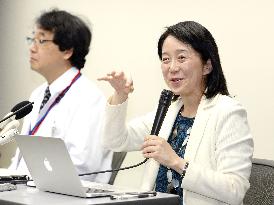
Masayo Takahashi, a researcher at the Japanese government-backed Riken institute, speaks at a press conference in Kobe on Jan. 16, 2018. A patient who received a transplant of retinal cells derived from so-called iPS cells from another person has suffered a swollen retina, said her project team that is implementing the world's first clinical trials of the procedure. (Kyodo) ==Kyodo

  • Main
  • Top
  • Editorial
  • Creative
  • About Us
  • About ILG
  • Terms of use
  • Company
  • BEHIND
  • Price List
  • Single Plan
  • Monthly Plan
  • Services
  • Shooting
  • Rights Clearance
  • Support
  • FAQ
  • How To Buy
  • Contact Us
  • Become a Partner

© KYODO NEWS IMAGES INC

All Rights Reserved.

  • Editorial
  • Olympics
  • News
  • Sports
  • Japan
  • Tech
  • Royal
  • Disaster
  • NorthKorea
  • Old Japan
  • SNS
  • Creative
  • Food
  • Japan
  • Landscape
  • Animal
  • Popular
  • #Ukraine
  • #China
  • #coronavirus
  • #N. Korea
  • #Thailand
  • #Russia
  • #Ukraine
  • #China
  • #coronavirus
  • #N. Korea
  • #Thailand
  • #Russia
  • Food
  • Japan
  • Landscape
  • Animal
  • Olympics
  • News
  • Sports
  • Japan
  • Tech
  • Royal
  • Disaster
  • NorthKorea
  • Old Japan
  • SNS