•  
Paper Cuttings

Paper Cuttings

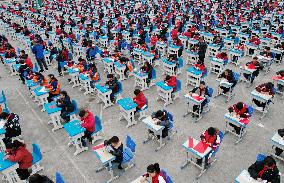
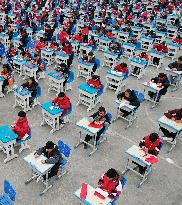
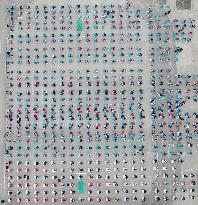
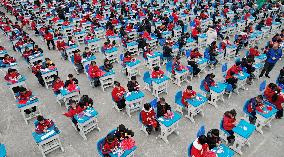
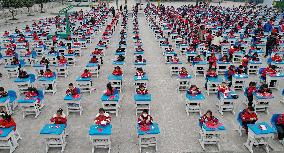
ENSHI, CHINA - DECEMBER 30, 2025 - Primary school teachers and students learn intangible cultural heritage Paper Cuttings to welcome the arrival of 2026 in Enshi City, Hubei Province, China on December 30, 2025.

  •  
Paper Cuttings

Paper Cuttings

ENSHI, CHINA - DECEMBER 30, 2025 - Primary school teachers and students learn intangible cultural heritage Paper Cuttings to welcome the arrival of 2026 in Enshi City, Hubei Province, China on December 30, 2025.

  •  
Paper Cuttings

Paper Cuttings

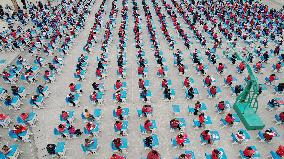
ENSHI, CHINA - DECEMBER 30, 2025 - Primary school teachers and students learn intangible cultural heritage Paper Cuttings to welcome the arrival of 2026 in Enshi City, Hubei Province, China on December 30, 2025.

  •  
Paper Cuttings

Paper Cuttings

ENSHI, CHINA - DECEMBER 30, 2025 - Primary school teachers and students learn intangible cultural heritage Paper Cuttings to welcome the arrival of 2026 in Enshi City, Hubei Province, China on December 30, 2025.

  •  
Paper Cuttings

Paper Cuttings

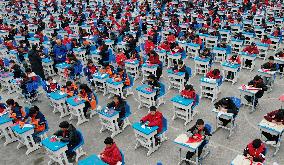
ENSHI, CHINA - DECEMBER 30, 2025 - Primary school teachers and students learn intangible cultural heritage Paper Cuttings to welcome the arrival of 2026 in Enshi City, Hubei Province, China on December 30, 2025.

  •  
Paper Cuttings

Paper Cuttings

ENSHI, CHINA - DECEMBER 30, 2025 - Primary school teachers and students learn intangible cultural heritage Paper Cuttings to welcome the arrival of 2026 in Enshi City, Hubei Province, China on December 30, 2025.

  •  
Paper Cuttings

Paper Cuttings

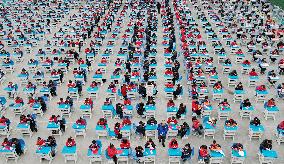
ENSHI, CHINA - DECEMBER 30, 2025 - Primary school teachers and students learn intangible cultural heritage Paper Cuttings to welcome the arrival of 2026 in Enshi City, Hubei Province, China on December 30, 2025.

  •  
Paper Cuttings

Paper Cuttings

ENSHI, CHINA - DECEMBER 30, 2025 - Primary school teachers and students learn intangible cultural heritage Paper Cuttings to welcome the arrival of 2026 in Enshi City, Hubei Province, China on December 30, 2025.

  •  
Paper Cuttings

Paper Cuttings

ENSHI, CHINA - DECEMBER 30, 2025 - Primary school teachers and students learn intangible cultural heritage Paper Cuttings to welcome the arrival of 2026 in Enshi City, Hubei Province, China on December 30, 2025.

  •  
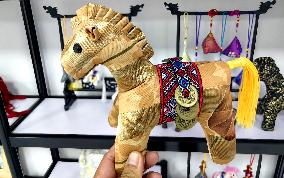
Horse Year Zodiac Ornaments

Horse Year Zodiac Ornaments

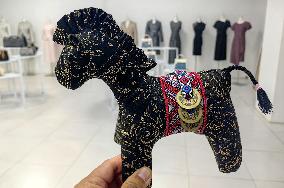
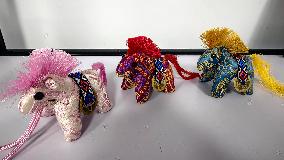
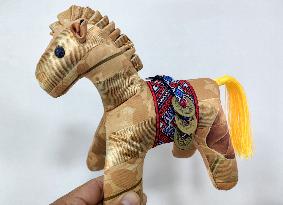
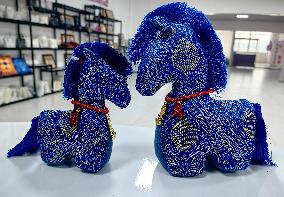
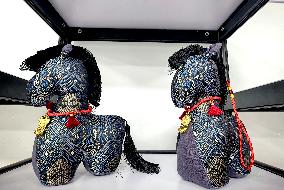
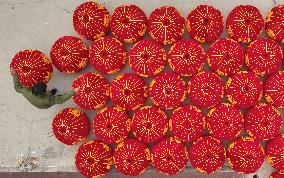
LAIBIN, CHINA - DECEMBER 23, 2025 - Handmade Year of the Horse zodiac ornament photographed at the workshop of Zhuangjin Intangible Cultural Heritage Inheritance Center in Xincheng County, Laibin City, Guangxi, China on December 23, 2025.

  •  
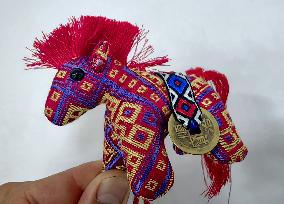
Horse Year Zodiac Ornaments

Horse Year Zodiac Ornaments

LAIBIN, CHINA - DECEMBER 23, 2025 - Handmade Year of the Horse zodiac ornament photographed at the workshop of Zhuangjin Intangible Cultural Heritage Inheritance Center in Xincheng County, Laibin City, Guangxi, China on December 23, 2025.

  •  
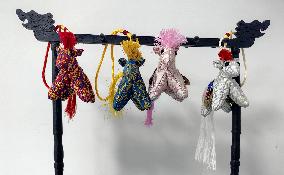
Horse Year Zodiac Ornaments

Horse Year Zodiac Ornaments

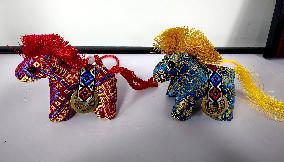
LAIBIN, CHINA - DECEMBER 23, 2025 - Handmade Year of the Horse zodiac ornament photographed at the workshop of Zhuangjin Intangible Cultural Heritage Inheritance Center in Xincheng County, Laibin City, Guangxi, China on December 23, 2025.

  •  
Horse Year Zodiac Ornaments

Horse Year Zodiac Ornaments

LAIBIN, CHINA - DECEMBER 23, 2025 - Handmade Year of the Horse zodiac ornament photographed at the workshop of Zhuangjin Intangible Cultural Heritage Inheritance Center in Xincheng County, Laibin City, Guangxi, China on December 23, 2025.

  •  
Horse Year Zodiac Ornaments

Horse Year Zodiac Ornaments

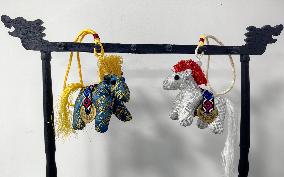
LAIBIN, CHINA - DECEMBER 23, 2025 - Handmade Year of the Horse zodiac ornament photographed at the workshop of Zhuangjin Intangible Cultural Heritage Inheritance Center in Xincheng County, Laibin City, Guangxi, China on December 23, 2025.

  •  
Horse Year Zodiac Ornaments

Horse Year Zodiac Ornaments

LAIBIN, CHINA - DECEMBER 23, 2025 - Handmade Year of the Horse zodiac ornament photographed at the workshop of Zhuangjin Intangible Cultural Heritage Inheritance Center in Xincheng County, Laibin City, Guangxi, China on December 23, 2025.

  •  
Horse Year Zodiac Ornaments

Horse Year Zodiac Ornaments

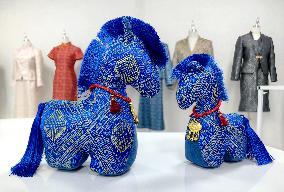
LAIBIN, CHINA - DECEMBER 23, 2025 - Handmade Year of the Horse zodiac ornament photographed at the workshop of Zhuangjin Intangible Cultural Heritage Inheritance Center in Xincheng County, Laibin City, Guangxi, China on December 23, 2025.

  •  
Horse Year Zodiac Ornaments

Horse Year Zodiac Ornaments

LAIBIN, CHINA - DECEMBER 23, 2025 - Handmade Year of the Horse zodiac ornament photographed at the workshop of Zhuangjin Intangible Cultural Heritage Inheritance Center in Xincheng County, Laibin City, Guangxi, China on December 23, 2025.

  •  
Horse Year Zodiac Ornaments

Horse Year Zodiac Ornaments

LAIBIN, CHINA - DECEMBER 23, 2025 - Handmade Year of the Horse zodiac ornament photographed at the workshop of Zhuangjin Intangible Cultural Heritage Inheritance Center in Xincheng County, Laibin City, Guangxi, China on December 23, 2025.

  •  
Horse Year Zodiac Ornaments

Horse Year Zodiac Ornaments

LAIBIN, CHINA - DECEMBER 23, 2025 - Handmade Year of the Horse zodiac ornament photographed at the workshop of Zhuangjin Intangible Cultural Heritage Inheritance Center in Xincheng County, Laibin City, Guangxi, China on December 23, 2025.

  •  
Horse Year Zodiac Ornaments

Horse Year Zodiac Ornaments

LAIBIN, CHINA - DECEMBER 23, 2025 - Handmade Year of the Horse zodiac ornament photographed at the workshop of Zhuangjin Intangible Cultural Heritage Inheritance Center in Xincheng County, Laibin City, Guangxi, China on December 23, 2025.

  •  
Dong New Year at Zhaoxing Dong Village - Chin

Dong New Year at Zhaoxing Dong Village - Chin

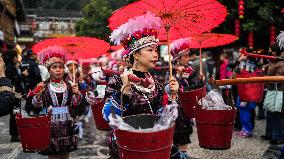
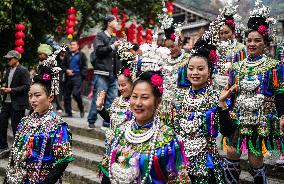
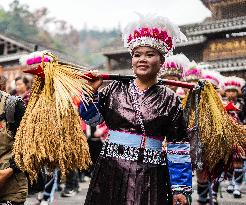
A performance team parades during an event in celebration of Dong New Year at Zhaoxing Dong village of Liping County, Qiandongnan Miao and Dong Autonomous Prefecture, southwest China's Guizhou Province, Dec. 20, 2025. Dong New Year, a traditional festival for harvest and gathering, was enlisted as one of China's national intangible cultural heritages in 2011. Various activities were held in Liping County over the weekend. Photo by Tao Liang /Xinhua/ABACAPRESS.COM

  •  
Dong New Year at Zhaoxing Dong Village - Chin

Dong New Year at Zhaoxing Dong Village - Chin

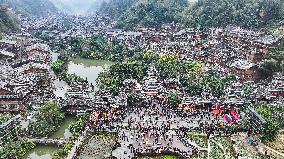
An aerial drone photo taken on Dec. 20, 2025 shows tourists and people of Dong ethnic group celebrating the Dong New Year at Zhaoxing Dong village of Liping County, Qiandongnan Miao and Dong Autonomous Prefecture, southwest China's Guizhou Province. Dong New Year, a traditional festival for harvest and gathering, was enlisted as one of China's national intangible cultural heritages in 2011. Various activities were held in Liping County over the weekend. Photo by Tao Liang /Xinhua/ABACAPRESS.COM

  •  
Dong New Year at Zhaoxing Dong Village - Chin

Dong New Year at Zhaoxing Dong Village - Chin

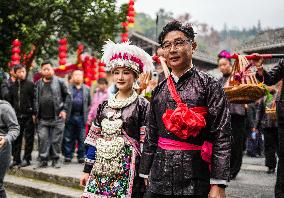
A performance team parades during an event in celebration of Dong New Year at Zhaoxing Dong village of Liping County, Qiandongnan Miao and Dong Autonomous Prefecture, southwest China's Guizhou Province, Dec. 20, 2025. Dong New Year, a traditional festival for harvest and gathering, was enlisted as one of China's national intangible cultural heritages in 2011. Various activities were held in Liping County over the weekend. Photo by Tao Liang /Xinhua/ABACAPRESS.COM

  •  
Dong New Year at Zhaoxing Dong Village - Chin

Dong New Year at Zhaoxing Dong Village - Chin

A performance team parades during an event in celebration of Dong New Year at Zhaoxing Dong village of Liping County, Qiandongnan Miao and Dong Autonomous Prefecture, southwest China's Guizhou Province, Dec. 20, 2025. Dong New Year, a traditional festival for harvest and gathering, was enlisted as one of China's national intangible cultural heritages in 2011. Various activities were held in Liping County over the weekend. Photo by Tao Liang /Xinhua/ABACAPRESS.COM

  •  
Dong New Year at Zhaoxing Dong Village - Chin

Dong New Year at Zhaoxing Dong Village - Chin

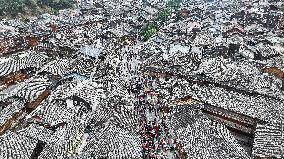
An aerial drone photo taken on Dec. 20, 2025 shows a performance team parading during an event in celebration of Dong New Year at Zhaoxing Dong village of Liping County, Qiandongnan Miao and Dong Autonomous Prefecture, southwest China's Guizhou Province. Dong New Year, a traditional festival for harvest and gathering, was enlisted as one of China's national intangible cultural heritages in 2011. Various activities were held in Liping County over the weekend. Photo by Tao Liang /Xinhua/ABACAPRESS.COM

  •  
Dong New Year at Zhaoxing Dong Village - Chin

Dong New Year at Zhaoxing Dong Village - Chin

A performance team parades during an event in celebration of Dong New Year at Zhaoxing Dong village of Liping County, Qiandongnan Miao and Dong Autonomous Prefecture, southwest China's Guizhou Province, Dec. 20, 2025. Dong New Year, a traditional festival for harvest and gathering, was enlisted as one of China's national intangible cultural heritages in 2011. Various activities were held in Liping County over the weekend. Photo by Tao Liang /Xinhua/ABACAPRESS.COM

  •  
Dong New Year at Zhaoxing Dong Village - Chin

Dong New Year at Zhaoxing Dong Village - Chin

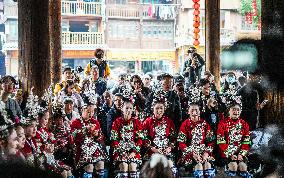
People sing the grand song of the Dong ethnic group at a drum tower during an event in celebration of Dong New Year at Zhaoxing Dong village of Liping County, Qiandongnan Miao and Dong Autonomous Prefecture, southwest China's Guizhou Province, Dec. 20, 2025. Dong New Year, a traditional festival for harvest and gathering, was enlisted as one of China's national intangible cultural heritages in 2011. Various activities were held in Liping County over the weekend. Photo by Tao Liang /Xinhua/ABACAPRESS.COM

  •  
Palace Lantern Factory - China

Palace Lantern Factory - China

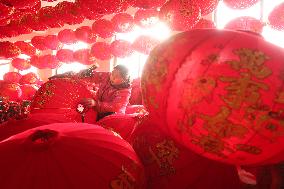
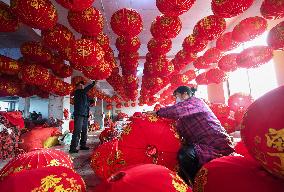
A worker makes Gaocheng palace lanterns at a palace lantern factory in Tuntou Villiage, Gaocheng District of Shijiazhuang, north China's Hebei Province, on December 10, 2025. Gaocheng palace lantern is one of Hebei's provincial intangible cultural heritage items. Photo by Liang Zidong/Xinhua/ABACAPRESS.COM

  •  
Palace Lantern Factory - China

Palace Lantern Factory - China

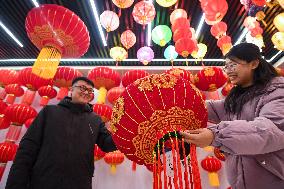
Customers choose Gaocheng palace lanterns at a sales outlet in Tuntou Villiage, Gaocheng District of Shijiazhuang, north China's Hebei Province, on December 10, 2025. Gaocheng palace lantern is one of Hebei's provincial intangible cultural heritage items. Photo by Zhang Xiaofeng/Xinhua/ABACAPRESS.COM

  •  
Palace Lantern Factory - China

Palace Lantern Factory - China

A staff member sells Gaocheng palace lanterns via live-streaming at a sales outlet in Tuntou Villiage, Gaocheng District of Shijiazhuang, north China's Hebei Province, on December 10, 2025. Gaocheng palace lantern is one of Hebei's provincial intangible cultural heritage items. Photo by Zhang Xiaofeng/Xinhua/ABACAPRESS.COM

  •  
Palace Lantern Factory - China

Palace Lantern Factory - China

An aerial drone photo taken on December 10, 2025 shows the Gaocheng palace lanterns at a palace lantern factory in Tuntou Villiage, Gaocheng District of Shijiazhuang, north China's Hebei Province, on December 10, 2025. Gaocheng palace lantern is one of Hebei's provincial intangible cultural heritage items. Photo by Liang Zidong/Xinhua/ABACAPRESS.COM

  •  
Palace Lantern Factory - China

Palace Lantern Factory - China

Workers make Gaocheng palace lanterns at a palace lantern factory in Tuntou Villiage, Gaocheng District of Shijiazhuang, north China's Hebei Province, on December 10, 2025. Gaocheng palace lantern is one of Hebei's provincial intangible cultural heritage items. Photo by Zhang Xiaofeng/Xinhua/ABACAPRESS.COM

  •  
Tie-Dye Technique Of Bai Ethnic Group - Chin

Tie-Dye Technique Of Bai Ethnic Group - Chin

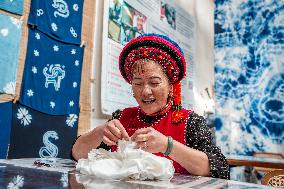
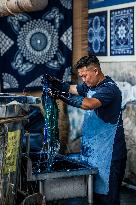
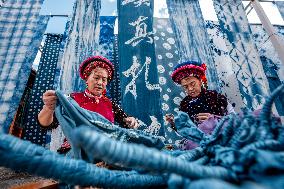
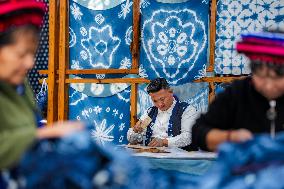
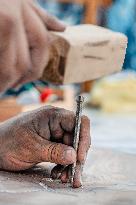
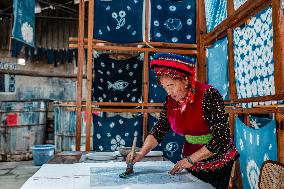
Duan Yuan, an inheritor of the tie-dye technique of Bai ethnic group, makes tie-dye designs in a dyehouse in Zhoucheng Village of Dali Bai Autonomous Prefecture, southwest China's Yunnan Province, November 21, 2025. Known as the hometown of the tie-dye technique of Bai ethnic group, Zhoucheng Village hosts over 200 households engaging in tie-dye businesses, with the number of employees exceeding 4,000. As a traditional folk technique of the Bai ethnic group, tie-dye boasts a history spanning over a thousand years and was included in the first batch of China's national intangible cultural heritage list in 2006. Tying and dyeing are the core steps in the process of making indigo tie-dye products. Artisans use needles and threads to create various patterns on the fabric, which are then dyed with plant-based dyes, resulting in blue backgrounds adorned with vivid white patterns. Photo by Hu Chao/Xinhua/ABACAPRESS.COM

  •  
Tie-Dye Technique Of Bai Ethnic Group - Chin

Tie-Dye Technique Of Bai Ethnic Group - Chin

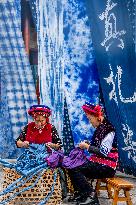
Duan Yinmei, an inheritor of the tie-dye technique of Bai ethnic group, creates knots on fabrics in a dyehouse in Zhoucheng Village of Dali Bai Autonomous Prefecture, southwest China's Yunnan Province, November 21, 2025. Known as the hometown of the tie-dye technique of Bai ethnic group, Zhoucheng Village hosts over 200 households engaging in tie-dye businesses, with the number of employees exceeding 4,000. As a traditional folk technique of the Bai ethnic group, tie-dye boasts a history spanning over a thousand years and was included in the first batch of China's national intangible cultural heritage list in 2006. Tying and dyeing are the core steps in the process of making indigo tie-dye products. Artisans use needles and threads to create various patterns on the fabric, which are then dyed with plant-based dyes, resulting in blue backgrounds adorned with vivid white patterns. Photo by Hu Chao/Xinhua/ABACAPRESS.COM

  •  
Tie-Dye Technique Of Bai Ethnic Group - Chin

Tie-Dye Technique Of Bai Ethnic Group - Chin

A woman experiences the tie-dye technique of Bai ethnic group in a dyehouse in Zhoucheng Village of Dali Bai Autonomous Prefecture, southwest China's Yunnan Province, November 21, 2025. Known as the hometown of the tie-dye technique of Bai ethnic group, Zhoucheng Village hosts over 200 households engaging in tie-dye businesses, with the number of employees exceeding 4,000. As a traditional folk technique of the Bai ethnic group, tie-dye boasts a history spanning over a thousand years and was included in the first batch of China's national intangible cultural heritage list in 2006. Tying and dyeing are the core steps in the process of making indigo tie-dye products. Artisans use needles and threads to create various patterns on the fabric, which are then dyed with plant-based dyes, resulting in blue backgrounds adorned with vivid white patterns. Photo by Hu Chao/Xinhua/ABACAPRESS.COM

  •  
Tie-Dye Technique Of Bai Ethnic Group - Chin

Tie-Dye Technique Of Bai Ethnic Group - Chin

Duan Yinmei, an inheritor of the tie-dye technique of Bai ethnic group, dyes patterns on fabrics in a dyehouse in Zhoucheng Village of Dali Bai Autonomous Prefecture, southwest China's Yunnan Province, November 21, 2025. Known as the hometown of the tie-dye technique of Bai ethnic group, Zhoucheng Village hosts over 200 households engaging in tie-dye businesses, with the number of employees exceeding 4,000. As a traditional folk technique of the Bai ethnic group, tie-dye boasts a history spanning over a thousand years and was included in the first batch of China's national intangible cultural heritage list in 2006. Tying and dyeing are the core steps in the process of making indigo tie-dye products. Artisans use needles and threads to create various patterns on the fabric, which are then dyed with plant-based dyes, resulting in blue backgrounds adorned with vivid white patterns. Photo by Hu Chao/Xinhua/ABACAPRESS.COM

  •  
Tie-Dye Technique Of Bai Ethnic Group - Chin

Tie-Dye Technique Of Bai Ethnic Group - Chin

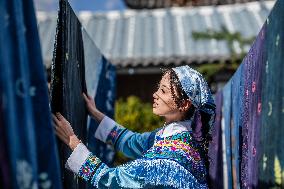
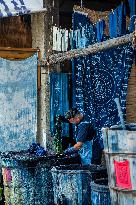
Duan Yuan, an inheritor of the tie-dye technique of Bai ethnic group, rinses dyed fabrics in a dyehouse in Zhoucheng Village of Dali Bai Autonomous Prefecture, southwest China's Yunnan Province, November 21, 2025. Known as the hometown of the tie-dye technique of Bai ethnic group, Zhoucheng Village hosts over 200 households engaging in tie-dye businesses, with the number of employees exceeding 4,000. As a traditional folk technique of the Bai ethnic group, tie-dye boasts a history spanning over a thousand years and was included in the first batch of China's national intangible cultural heritage list in 2006. Tying and dyeing are the core steps in the process of making indigo tie-dye products. Artisans use needles and threads to create various patterns on the fabric, which are then dyed with plant-based dyes, resulting in blue backgrounds adorned with vivid white patterns. Photo by Hu Chao/Xinhua/ABACAPRESS.COM

  •  
Tie-Dye Technique Of Bai Ethnic Group - Chin

Tie-Dye Technique Of Bai Ethnic Group - Chin

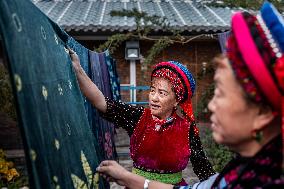
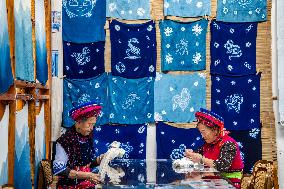
Duan Yinmei (L), an inheritor of the tie-dye technique of Bai ethnic group, and handicraftsman Duan Lilan dry tie-dye fabrics in a dyehouse in Zhoucheng Village of Dali Bai Autonomous Prefecture, southwest China's Yunnan Province, November 21, 2025. Known as the hometown of the tie-dye technique of Bai ethnic group, Zhoucheng Village hosts over 200 households engaging in tie-dye businesses, with the number of employees exceeding 4,000. As a traditional folk technique of the Bai ethnic group, tie-dye boasts a history spanning over a thousand years and was included in the first batch of China's national intangible cultural heritage list in 2006. Tying and dyeing are the core steps in the process of making indigo tie-dye products. Artisans use needles and threads to create various patterns on the fabric, which are then dyed with plant-based dyes, resulting in blue backgrounds adorned with vivid white patterns. Photo by Hu Chao/Xinhua/ABACAPRESS.COM

  •  
Tie-Dye Technique Of Bai Ethnic Group - Chin

Tie-Dye Technique Of Bai Ethnic Group - Chin

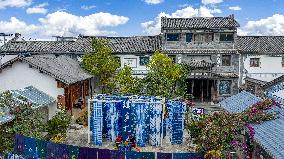
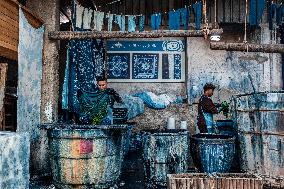
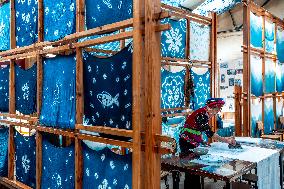
An aerial drone photo shows a scene at a dyehouse in Zhoucheng Village of Dali Bai Autonomous Prefecture, southwest China's Yunnan Province, November 21, 2025. Known as the hometown of the tie-dye technique of Bai ethnic group, Zhoucheng Village hosts over 200 households engaging in tie-dye businesses, with the number of employees exceeding 4,000. As a traditional folk technique of the Bai ethnic group, tie-dye boasts a history spanning over a thousand years and was included in the first batch of China's national intangible cultural heritage list in 2006. Tying and dyeing are the core steps in the process of making indigo tie-dye products. Artisans use needles and threads to create various patterns on the fabric, which are then dyed with plant-based dyes, resulting in blue backgrounds adorned with vivid white patterns. Photo by Hu Chao/Xinhua/ABACAPRESS.COM

  •  
Tie-Dye Technique Of Bai Ethnic Group - Chin

Tie-Dye Technique Of Bai Ethnic Group - Chin

Duan Yinmei (L), an inheritor of the tie-dye technique of Bai ethnic group, and handicraftsman Duan Lilan untie knots on fabrics in a dyehouse in Zhoucheng Village of Dali Bai Autonomous Prefecture, southwest China's Yunnan Province, November 21, 2025. Known as the hometown of the tie-dye technique of Bai ethnic group, Zhoucheng Village hosts over 200 households engaging in tie-dye businesses, with the number of employees exceeding 4,000. As a traditional folk technique of the Bai ethnic group, tie-dye boasts a history spanning over a thousand years and was included in the first batch of China's national intangible cultural heritage list in 2006. Tying and dyeing are the core steps in the process of making indigo tie-dye products. Artisans use needles and threads to create various patterns on the fabric, which are then dyed with plant-based dyes, resulting in blue backgrounds adorned with vivid white patterns. Photo by Hu Chao/Xinhua/ABACAPRESS.COM

  •  
Tie-Dye Technique Of Bai Ethnic Group - Chin

Tie-Dye Technique Of Bai Ethnic Group - Chin

Duan Yinmei (L), an inheritor of the tie-dye technique of Bai ethnic group, and handicraftsman Duan Lilan untie knots on fabrics in a dyehouse in Zhoucheng Village of Dali Bai Autonomous Prefecture, southwest China's Yunnan Province, November 21, 2025. Known as the hometown of the tie-dye technique of Bai ethnic group, Zhoucheng Village hosts over 200 households engaging in tie-dye businesses, with the number of employees exceeding 4,000. As a traditional folk technique of the Bai ethnic group, tie-dye boasts a history spanning over a thousand years and was included in the first batch of China's national intangible cultural heritage list in 2006. Tying and dyeing are the core steps in the process of making indigo tie-dye products. Artisans use needles and threads to create various patterns on the fabric, which are then dyed with plant-based dyes, resulting in blue backgrounds adorned with vivid white patterns. Photo by Hu Chao/Xinhua/ABACAPRESS.COM

  •  
Tie-Dye Technique Of Bai Ethnic Group - Chin

Tie-Dye Technique Of Bai Ethnic Group - Chin

Duan Yuan (L), an inheritor of the tie-dye technique of Bai ethnic group, dyes fabrics in a dyehouse in Zhoucheng Village of Dali Bai Autonomous Prefecture, southwest China's Yunnan Province, November 21, 2025. Known as the hometown of the tie-dye technique of Bai ethnic group, Zhoucheng Village hosts over 200 households engaging in tie-dye businesses, with the number of employees exceeding 4,000. As a traditional folk technique of the Bai ethnic group, tie-dye boasts a history spanning over a thousand years and was included in the first batch of China's national intangible cultural heritage list in 2006. Tying and dyeing are the core steps in the process of making indigo tie-dye products. Artisans use needles and threads to create various patterns on the fabric, which are then dyed with plant-based dyes, resulting in blue backgrounds adorned with vivid white patterns. Photo by Hu Chao/Xinhua/ABACAPRESS.COM

  •  
Tie-Dye Technique Of Bai Ethnic Group - Chin

Tie-Dye Technique Of Bai Ethnic Group - Chin

Duan Yuan, an inheritor of the tie-dye technique of Bai ethnic group, makes tie-dye designs in a dyehouse in Zhoucheng Village of Dali Bai Autonomous Prefecture, southwest China's Yunnan Province, November 21, 2025. Known as the hometown of the tie-dye technique of Bai ethnic group, Zhoucheng Village hosts over 200 households engaging in tie-dye businesses, with the number of employees exceeding 4,000. As a traditional folk technique of the Bai ethnic group, tie-dye boasts a history spanning over a thousand years and was included in the first batch of China's national intangible cultural heritage list in 2006. Tying and dyeing are the core steps in the process of making indigo tie-dye products. Artisans use needles and threads to create various patterns on the fabric, which are then dyed with plant-based dyes, resulting in blue backgrounds adorned with vivid white patterns. Photo by Hu Chao/Xinhua/ABACAPRESS.COM

  •  
Tie-Dye Technique Of Bai Ethnic Group - Chin

Tie-Dye Technique Of Bai Ethnic Group - Chin

Duan Yuan, an inheritor of the tie-dye technique of Bai ethnic group, dyes fabrics in a dyehouse in Zhoucheng Village of Dali Bai Autonomous Prefecture, southwest China's Yunnan Province, November 21, 2025. Known as the hometown of the tie-dye technique of Bai ethnic group, Zhoucheng Village hosts over 200 households engaging in tie-dye businesses, with the number of employees exceeding 4,000. As a traditional folk technique of the Bai ethnic group, tie-dye boasts a history spanning over a thousand years and was included in the first batch of China's national intangible cultural heritage list in 2006. Tying and dyeing are the core steps in the process of making indigo tie-dye products. Artisans use needles and threads to create various patterns on the fabric, which are then dyed with plant-based dyes, resulting in blue backgrounds adorned with vivid white patterns. Photo by Hu Chao/Xinhua/ABACAPRESS.COM

  •  
Tie-Dye Technique Of Bai Ethnic Group - Chin

Tie-Dye Technique Of Bai Ethnic Group - Chin

Duan Yuan, an inheritor of the tie-dye technique of Bai ethnic group, dyes fabrics in a dyehouse in Zhoucheng Village of Dali Bai Autonomous Prefecture, southwest China's Yunnan Province, November 21, 2025. Known as the hometown of the tie-dye technique of Bai ethnic group, Zhoucheng Village hosts over 200 households engaging in tie-dye businesses, with the number of employees exceeding 4,000. As a traditional folk technique of the Bai ethnic group, tie-dye boasts a history spanning over a thousand years and was included in the first batch of China's national intangible cultural heritage list in 2006. Tying and dyeing are the core steps in the process of making indigo tie-dye products. Artisans use needles and threads to create various patterns on the fabric, which are then dyed with plant-based dyes, resulting in blue backgrounds adorned with vivid white patterns. Photo by Hu Chao/Xinhua/ABACAPRESS.COM

  •  
Tie-Dye Technique Of Bai Ethnic Group - Chin

Tie-Dye Technique Of Bai Ethnic Group - Chin

Duan Yuan, an inheritor of the tie-dye technique of Bai ethnic group, makes tie-dye designs in a dyehouse in Zhoucheng Village of Dali Bai Autonomous Prefecture, southwest China's Yunnan Province, November 21, 2025. Known as the hometown of the tie-dye technique of Bai ethnic group, Zhoucheng Village hosts over 200 households engaging in tie-dye businesses, with the number of employees exceeding 4,000. As a traditional folk technique of the Bai ethnic group, tie-dye boasts a history spanning over a thousand years and was included in the first batch of China's national intangible cultural heritage list in 2006. Tying and dyeing are the core steps in the process of making indigo tie-dye products. Artisans use needles and threads to create various patterns on the fabric, which are then dyed with plant-based dyes, resulting in blue backgrounds adorned with vivid white patterns. Photo by Hu Chao/Xinhua/ABACAPRESS.COM

  •  
Tie-Dye Technique Of Bai Ethnic Group - Chin

Tie-Dye Technique Of Bai Ethnic Group - Chin

Duan Yinmei, an inheritor of the tie-dye technique of Bai ethnic group, unties knots on fabrics in a dyehouse in Zhoucheng Village of Dali Bai Autonomous Prefecture, southwest China's Yunnan Province, November 21, 2025. Known as the hometown of the tie-dye technique of Bai ethnic group, Zhoucheng Village hosts over 200 households engaging in tie-dye businesses, with the number of employees exceeding 4,000. As a traditional folk technique of the Bai ethnic group, tie-dye boasts a history spanning over a thousand years and was included in the first batch of China's national intangible cultural heritage list in 2006. Tying and dyeing are the core steps in the process of making indigo tie-dye products. Artisans use needles and threads to create various patterns on the fabric, which are then dyed with plant-based dyes, resulting in blue backgrounds adorned with vivid white patterns. Photo by Hu Chao/Xinhua/ABACAPRESS.COM

  •  
Tie-Dye Technique Of Bai Ethnic Group - Chin

Tie-Dye Technique Of Bai Ethnic Group - Chin

Duan Yinmei, an inheritor of the tie-dye technique of Bai ethnic group, dyes patterns on fabrics in a dyehouse in Zhoucheng Village of Dali Bai Autonomous Prefecture, southwest China's Yunnan Province, November 21, 2025. Known as the hometown of the tie-dye technique of Bai ethnic group, Zhoucheng Village hosts over 200 households engaging in tie-dye businesses, with the number of employees exceeding 4,000. As a traditional folk technique of the Bai ethnic group, tie-dye boasts a history spanning over a thousand years and was included in the first batch of China's national intangible cultural heritage list in 2006. Tying and dyeing are the core steps in the process of making indigo tie-dye products. Artisans use needles and threads to create various patterns on the fabric, which are then dyed with plant-based dyes, resulting in blue backgrounds adorned with vivid white patterns. Photo by Hu Chao/Xinhua/ABACAPRESS.COM

  •  
Tie-Dye Technique Of Bai Ethnic Group - Chin

Tie-Dye Technique Of Bai Ethnic Group - Chin

Duan Yinmei (R), an inheritor of the tie-dye technique of Bai ethnic group, and handicraftsman Duan Lilan create knots on fabrics in a dyehouse in Zhoucheng Village of Dali Bai Autonomous Prefecture, southwest China's Yunnan Province, November 21, 2025. Known as the hometown of the tie-dye technique of Bai ethnic group, Zhoucheng Village hosts over 200 households engaging in tie-dye businesses, with the number of employees exceeding 4,000. As a traditional folk technique of the Bai ethnic group, tie-dye boasts a history spanning over a thousand years and was included in the first batch of China's national intangible cultural heritage list in 2006. Tying and dyeing are the core steps in the process of making indigo tie-dye products. Artisans use needles and threads to create various patterns on the fabric, which are then dyed with plant-based dyes, resulting in blue backgrounds adorned with vivid white patterns. Photo by Hu Chao/Xinhua/ABACAPRESS.COM

  •  
Giant float festival in southwestern Japan

Giant float festival in southwestern Japan

A giant float takes part in the Karatsu Kunchi festival, designated as an UNESCO Intangible Cultural Heritage asset, in Karatsu, Saga Prefecture, southwestern Japan, on Nov. 3, 2025.

  • Main
  • Top
  • Editorial
  • Creative
  • About Us
  • About ILG
  • Terms of use
  • Company
  • BEHIND
  • Price List
  • Single Plan
  • Monthly Plan
  • Services
  • Shooting
  • Rights Clearance
  • Support
  • FAQ
  • How To Buy
  • Contact Us
  • Become a Partner

© KYODO NEWS IMAGES INC

All Rights Reserved.

  • Editorial
  • Olympics
  • News
  • Sports
  • Japan
  • Tech
  • Royal
  • Disaster
  • NorthKorea
  • Old Japan
  • SNS
  • Creative
  • Food
  • Japan
  • Landscape
  • Animal
  • Popular
  • #Ukraine
  • #China
  • #coronavirus
  • #N. Korea
  • #Thailand
  • #Russia
  • #Ukraine
  • #China
  • #coronavirus
  • #N. Korea
  • #Thailand
  • #Russia
  • Food
  • Japan
  • Landscape
  • Animal
  • Olympics
  • News
  • Sports
  • Japan
  • Tech
  • Royal
  • Disaster
  • NorthKorea
  • Old Japan
  • SNS