•  
Groundwater Mapping in Normandy - France

Groundwater Mapping in Normandy - France

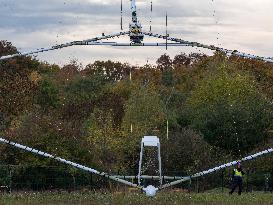
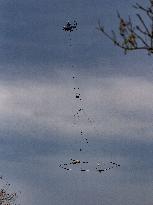
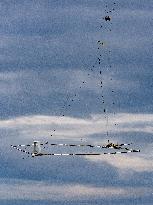
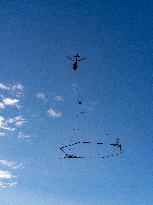
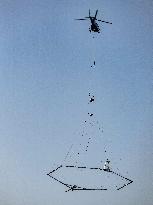
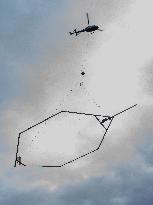
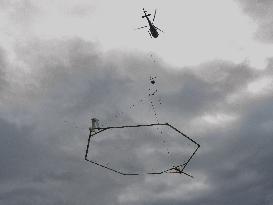
Eaux-SCARS, a large-scale scientific program involving the BRGM (Bureau of Geological and Mining Research), local authorities, and in this case the SMABI (Joint Development Authority for the Iton Basin) in the Normandy region. A helicopter from Germany, piloted by a specialist in this type of mission, tows a polygon measuring around 20 meters in diameter. This giant probe can map groundwater tables to a depth of 300 meters and see the interconnections with rivers. The Danish company SkyTEM is carrying out this work, which covers several regions of France, on October 31, 2025, in Saint Andre de l'Eure, Normandy, France. Photo by Mario Fourmy/ABACAPRESS.COM

  •  
Groundwater Mapping in Normandy - France

Groundwater Mapping in Normandy - France

Eaux-SCARS, a large-scale scientific program involving the BRGM (Bureau of Geological and Mining Research), local authorities, and in this case the SMABI (Joint Development Authority for the Iton Basin) in the Normandy region. A helicopter from Germany, piloted by a specialist in this type of mission, tows a polygon measuring around 20 meters in diameter. This giant probe can map groundwater tables to a depth of 300 meters and see the interconnections with rivers. The Danish company SkyTEM is carrying out this work, which covers several regions of France, on October 31, 2025, in Saint Andre de l'Eure, Normandy, France. Photo by Mario Fourmy/ABACAPRESS.COM

  •  
Groundwater Mapping in Normandy - France

Groundwater Mapping in Normandy - France

Eaux-SCARS, a large-scale scientific program involving the BRGM (Bureau of Geological and Mining Research), local authorities, and in this case the SMABI (Joint Development Authority for the Iton Basin) in the Normandy region. A helicopter from Germany, piloted by a specialist in this type of mission, tows a polygon measuring around 20 meters in diameter. This giant probe can map groundwater tables to a depth of 300 meters and see the interconnections with rivers. The Danish company SkyTEM is carrying out this work, which covers several regions of France, on October 31, 2025, in Saint Andre de l'Eure, Normandy, France. Photo by Mario Fourmy/ABACAPRESS.COM

  •  
Groundwater Mapping in Normandy - France

Groundwater Mapping in Normandy - France

Eaux-SCARS, a large-scale scientific program involving the BRGM (Bureau of Geological and Mining Research), local authorities, and in this case the SMABI (Joint Development Authority for the Iton Basin) in the Normandy region. A helicopter from Germany, piloted by a specialist in this type of mission, tows a polygon measuring around 20 meters in diameter. This giant probe can map groundwater tables to a depth of 300 meters and see the interconnections with rivers. The Danish company SkyTEM is carrying out this work, which covers several regions of France, on October 31, 2025, in Saint Andre de l'Eure, Normandy, France. Photo by Mario Fourmy/ABACAPRESS.COM

  •  
Groundwater Mapping in Normandy - France

Groundwater Mapping in Normandy - France

Eaux-SCARS, a large-scale scientific program involving the BRGM (Bureau of Geological and Mining Research), local authorities, and in this case the SMABI (Joint Development Authority for the Iton Basin) in the Normandy region. A helicopter from Germany, piloted by a specialist in this type of mission, tows a polygon measuring around 20 meters in diameter. This giant probe can map groundwater tables to a depth of 300 meters and see the interconnections with rivers. The Danish company SkyTEM is carrying out this work, which covers several regions of France, on October 31, 2025, in Saint Andre de l'Eure, Normandy, France. Photo by Mario Fourmy/ABACAPRESS.COM

  •  
Groundwater Mapping in Normandy - France

Groundwater Mapping in Normandy - France

Eaux-SCARS, a large-scale scientific program involving the BRGM (Bureau of Geological and Mining Research), local authorities, and in this case the SMABI (Joint Development Authority for the Iton Basin) in the Normandy region. A helicopter from Germany, piloted by a specialist in this type of mission, tows a polygon measuring around 20 meters in diameter. This giant probe can map groundwater tables to a depth of 300 meters and see the interconnections with rivers. The Danish company SkyTEM is carrying out this work, which covers several regions of France, on October 31, 2025, in Saint Andre de l'Eure, Normandy, France. Photo by Mario Fourmy/ABACAPRESS.COM

  •  
Groundwater Mapping in Normandy - France

Groundwater Mapping in Normandy - France

Eaux-SCARS, a large-scale scientific program involving the BRGM (Bureau of Geological and Mining Research), local authorities, and in this case the SMABI (Joint Development Authority for the Iton Basin) in the Normandy region. A helicopter from Germany, piloted by a specialist in this type of mission, tows a polygon measuring around 20 meters in diameter. This giant probe can map groundwater tables to a depth of 300 meters and see the interconnections with rivers. The Danish company SkyTEM is carrying out this work, which covers several regions of France, on October 31, 2025, in Saint Andre de l'Eure, Normandy, France. Photo by Mario Fourmy/ABACAPRESS.COM

  •  
Groundwater Mapping in Normandy - France

Groundwater Mapping in Normandy - France

Eaux-SCARS, a large-scale scientific program involving the BRGM (Bureau of Geological and Mining Research), local authorities, and in this case the SMABI (Joint Development Authority for the Iton Basin) in the Normandy region. A helicopter from Germany, piloted by a specialist in this type of mission, tows a polygon measuring around 20 meters in diameter. This giant probe can map groundwater tables to a depth of 300 meters and see the interconnections with rivers. The Danish company SkyTEM is carrying out this work, which covers several regions of France, on October 31, 2025, in Saint Andre de l'Eure, Normandy, France. Photo by Mario Fourmy/ABACAPRESS.COM

  •  
Groundwater Mapping in Normandy - France

Groundwater Mapping in Normandy - France

Eaux-SCARS, a large-scale scientific program involving the BRGM (Bureau of Geological and Mining Research), local authorities, and in this case the SMABI (Joint Development Authority for the Iton Basin) in the Normandy region. A helicopter from Germany, piloted by a specialist in this type of mission, tows a polygon measuring around 20 meters in diameter. This giant probe can map groundwater tables to a depth of 300 meters and see the interconnections with rivers. The Danish company SkyTEM is carrying out this work, which covers several regions of France, on October 31, 2025, in Saint Andre de l'Eure, Normandy, France. Photo by Mario Fourmy/ABACAPRESS.COM

  •  
Groundwater Mapping in Normandy - France

Groundwater Mapping in Normandy - France

Eaux-SCARS, a large-scale scientific program involving the BRGM (Bureau of Geological and Mining Research), local authorities, and in this case the SMABI (Joint Development Authority for the Iton Basin) in the Normandy region. A helicopter from Germany, piloted by a specialist in this type of mission, tows a polygon measuring around 20 meters in diameter. This giant probe can map groundwater tables to a depth of 300 meters and see the interconnections with rivers. The Danish company SkyTEM is carrying out this work, which covers several regions of France, on October 31, 2025, in Saint Andre de l'Eure, Normandy, France. Photo by Mario Fourmy/ABACAPRESS.COM

  •  
Groundwater Mapping in Normandy - France

Groundwater Mapping in Normandy - France

Eaux-SCARS, a large-scale scientific program involving the BRGM (Bureau of Geological and Mining Research), local authorities, and in this case the SMABI (Joint Development Authority for the Iton Basin) in the Normandy region. A helicopter from Germany, piloted by a specialist in this type of mission, tows a polygon measuring around 20 meters in diameter. This giant probe can map groundwater tables to a depth of 300 meters and see the interconnections with rivers. The Danish company SkyTEM is carrying out this work, which covers several regions of France, on October 31, 2025, in Saint Andre de l'Eure, Normandy, France. Photo by Mario Fourmy/ABACAPRESS.COM

  •  
Groundwater Mapping in Normandy - France

Groundwater Mapping in Normandy - France

Eaux-SCARS, a large-scale scientific program involving the BRGM (Bureau of Geological and Mining Research), local authorities, and in this case the SMABI (Joint Development Authority for the Iton Basin) in the Normandy region. A helicopter from Germany, piloted by a specialist in this type of mission, tows a polygon measuring around 20 meters in diameter. This giant probe can map groundwater tables to a depth of 300 meters and see the interconnections with rivers. The Danish company SkyTEM is carrying out this work, which covers several regions of France, on October 31, 2025, in Saint Andre de l'Eure, Normandy, France. Photo by Mario Fourmy/ABACAPRESS.COM

  •  
Grand Paris Express Construction - Paris

Grand Paris Express Construction - Paris

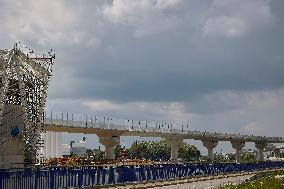
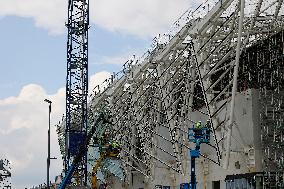
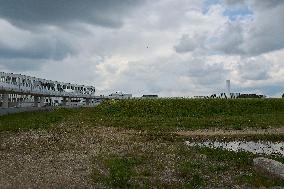
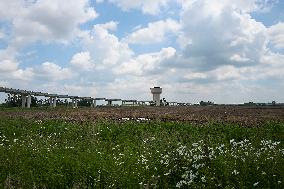
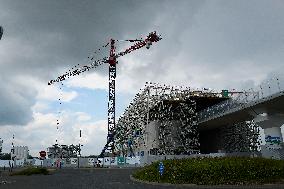
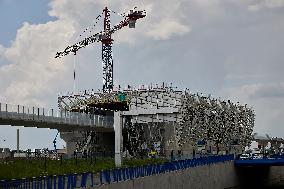
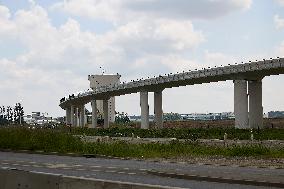
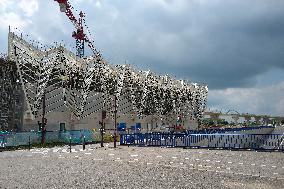
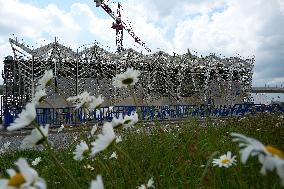
The Grand Paris Express is the new metro which will connect the main places of life and activity in the suburbs without passing through Paris. Line 18 of the Grand Paris Express extends over 35 km, including an aerial part via a viaduct, the longest bridge erected in France at almost 13 km. The metro will run in the open air, on the Saclay plateau in the Essonne department where the Saint Aubin CEA, Orsay/Gif (Paris-Saclay University) and Palaiseau (Polytechnique, etc.) stations are under construction. .. In total, line 18 will serve ten stations, more than 300,000 inhabitants, fourteen municipalities and numerous interconnections (RER, TGV, tram-train, tramway, metro, etc.). The first Orly-Saint Aubin CEA section should be put into service in 2027. Photo by Jean Pierre Nguyen Van Hai Barbier/ABACAPRESS.COM

  •  
Grand Paris Express Construction - Paris

Grand Paris Express Construction - Paris

The Grand Paris Express is the new metro which will connect the main places of life and activity in the suburbs without passing through Paris. Line 18 of the Grand Paris Express extends over 35 km, including an aerial part via a viaduct, the longest bridge erected in France at almost 13 km. The metro will run in the open air, on the Saclay plateau in the Essonne department where the Saint Aubin CEA, Orsay/Gif (Paris-Saclay University) and Palaiseau (Polytechnique, etc.) stations are under construction. .. In total, line 18 will serve ten stations, more than 300,000 inhabitants, fourteen municipalities and numerous interconnections (RER, TGV, tram-train, tramway, metro, etc.). The first Orly-Saint Aubin CEA section should be put into service in 2027. Photo by Jean Pierre Nguyen Van Hai Barbier/ABACAPRESS.COM

  •  
Grand Paris Express Construction - Paris

Grand Paris Express Construction - Paris

The Grand Paris Express is the new metro which will connect the main places of life and activity in the suburbs without passing through Paris. Line 18 of the Grand Paris Express extends over 35 km, including an aerial part via a viaduct, the longest bridge erected in France at almost 13 km. The metro will run in the open air, on the Saclay plateau in the Essonne department where the Saint Aubin CEA, Orsay/Gif (Paris-Saclay University) and Palaiseau (Polytechnique, etc.) stations are under construction. .. In total, line 18 will serve ten stations, more than 300,000 inhabitants, fourteen municipalities and numerous interconnections (RER, TGV, tram-train, tramway, metro, etc.). The first Orly-Saint Aubin CEA section should be put into service in 2027. Photo by Jean Pierre Nguyen Van Hai Barbier/ABACAPRESS.COM

  •  
Grand Paris Express Construction - Paris

Grand Paris Express Construction - Paris

The Grand Paris Express is the new metro which will connect the main places of life and activity in the suburbs without passing through Paris. Line 18 of the Grand Paris Express extends over 35 km, including an aerial part via a viaduct, the longest bridge erected in France at almost 13 km. The metro will run in the open air, on the Saclay plateau in the Essonne department where the Saint Aubin CEA, Orsay/Gif (Paris-Saclay University) and Palaiseau (Polytechnique, etc.) stations are under construction. .. In total, line 18 will serve ten stations, more than 300,000 inhabitants, fourteen municipalities and numerous interconnections (RER, TGV, tram-train, tramway, metro, etc.). The first Orly-Saint Aubin CEA section should be put into service in 2027. Photo by Jean Pierre Nguyen Van Hai Barbier/ABACAPRESS.COM

  •  
Grand Paris Express Construction - Paris

Grand Paris Express Construction - Paris

The Grand Paris Express is the new metro which will connect the main places of life and activity in the suburbs without passing through Paris. Line 18 of the Grand Paris Express extends over 35 km, including an aerial part via a viaduct, the longest bridge erected in France at almost 13 km. The metro will run in the open air, on the Saclay plateau in the Essonne department where the Saint Aubin CEA, Orsay/Gif (Paris-Saclay University) and Palaiseau (Polytechnique, etc.) stations are under construction. .. In total, line 18 will serve ten stations, more than 300,000 inhabitants, fourteen municipalities and numerous interconnections (RER, TGV, tram-train, tramway, metro, etc.). The first Orly-Saint Aubin CEA section should be put into service in 2027. Photo by Jean Pierre Nguyen Van Hai Barbier/ABACAPRESS.COM

  •  
Grand Paris Express Construction - Paris

Grand Paris Express Construction - Paris

The Grand Paris Express is the new metro which will connect the main places of life and activity in the suburbs without passing through Paris. Line 18 of the Grand Paris Express extends over 35 km, including an aerial part via a viaduct, the longest bridge erected in France at almost 13 km. The metro will run in the open air, on the Saclay plateau in the Essonne department where the Saint Aubin CEA, Orsay/Gif (Paris-Saclay University) and Palaiseau (Polytechnique, etc.) stations are under construction. .. In total, line 18 will serve ten stations, more than 300,000 inhabitants, fourteen municipalities and numerous interconnections (RER, TGV, tram-train, tramway, metro, etc.). The first Orly-Saint Aubin CEA section should be put into service in 2027. Photo by Jean Pierre Nguyen Van Hai Barbier/ABACAPRESS.COM

  •  
Grand Paris Express Construction - Paris

Grand Paris Express Construction - Paris

The Grand Paris Express is the new metro which will connect the main places of life and activity in the suburbs without passing through Paris. Line 18 of the Grand Paris Express extends over 35 km, including an aerial part via a viaduct, the longest bridge erected in France at almost 13 km. The metro will run in the open air, on the Saclay plateau in the Essonne department where the Saint Aubin CEA, Orsay/Gif (Paris-Saclay University) and Palaiseau (Polytechnique, etc.) stations are under construction. .. In total, line 18 will serve ten stations, more than 300,000 inhabitants, fourteen municipalities and numerous interconnections (RER, TGV, tram-train, tramway, metro, etc.). The first Orly-Saint Aubin CEA section should be put into service in 2027. Photo by Jean Pierre Nguyen Van Hai Barbier/ABACAPRESS.COM

  •  
Grand Paris Express Construction - Paris

Grand Paris Express Construction - Paris

The Grand Paris Express is the new metro which will connect the main places of life and activity in the suburbs without passing through Paris. Line 18 of the Grand Paris Express extends over 35 km, including an aerial part via a viaduct, the longest bridge erected in France at almost 13 km. The metro will run in the open air, on the Saclay plateau in the Essonne department where the Saint Aubin CEA, Orsay/Gif (Paris-Saclay University) and Palaiseau (Polytechnique, etc.) stations are under construction. .. In total, line 18 will serve ten stations, more than 300,000 inhabitants, fourteen municipalities and numerous interconnections (RER, TGV, tram-train, tramway, metro, etc.). The first Orly-Saint Aubin CEA section should be put into service in 2027. Photo by Jean Pierre Nguyen Van Hai Barbier/ABACAPRESS.COM

  •  
Grand Paris Express Construction - Paris

Grand Paris Express Construction - Paris

The Grand Paris Express is the new metro which will connect the main places of life and activity in the suburbs without passing through Paris. Line 18 of the Grand Paris Express extends over 35 km, including an aerial part via a viaduct, the longest bridge erected in France at almost 13 km. The metro will run in the open air, on the Saclay plateau in the Essonne department where the Saint Aubin CEA, Orsay/Gif (Paris-Saclay University) and Palaiseau (Polytechnique, etc.) stations are under construction. .. In total, line 18 will serve ten stations, more than 300,000 inhabitants, fourteen municipalities and numerous interconnections (RER, TGV, tram-train, tramway, metro, etc.). The first Orly-Saint Aubin CEA section should be put into service in 2027. Photo by Jean Pierre Nguyen Van Hai Barbier/ABACAPRESS.COM

  •  
Grand Paris Express Construction - Paris

Grand Paris Express Construction - Paris

The Grand Paris Express is the new metro which will connect the main places of life and activity in the suburbs without passing through Paris. Line 18 of the Grand Paris Express extends over 35 km, including an aerial part via a viaduct, the longest bridge erected in France at almost 13 km. The metro will run in the open air, on the Saclay plateau in the Essonne department where the Saint Aubin CEA, Orsay/Gif (Paris-Saclay University) and Palaiseau (Polytechnique, etc.) stations are under construction. .. In total, line 18 will serve ten stations, more than 300,000 inhabitants, fourteen municipalities and numerous interconnections (RER, TGV, tram-train, tramway, metro, etc.). The first Orly-Saint Aubin CEA section should be put into service in 2027. Photo by Jean Pierre Nguyen Van Hai Barbier/ABACAPRESS.COM

  •  
Grand Paris Express Construction - Paris

Grand Paris Express Construction - Paris

The Grand Paris Express is the new metro which will connect the main places of life and activity in the suburbs without passing through Paris. Line 18 of the Grand Paris Express extends over 35 km, including an aerial part via a viaduct, the longest bridge erected in France at almost 13 km. The metro will run in the open air, on the Saclay plateau in the Essonne department where the Saint Aubin CEA, Orsay/Gif (Paris-Saclay University) and Palaiseau (Polytechnique, etc.) stations are under construction. .. In total, line 18 will serve ten stations, more than 300,000 inhabitants, fourteen municipalities and numerous interconnections (RER, TGV, tram-train, tramway, metro, etc.). The first Orly-Saint Aubin CEA section should be put into service in 2027. Photo by Jean Pierre Nguyen Van Hai Barbier/ABACAPRESS.COM

  •  
Grand Paris Express Construction - Paris

Grand Paris Express Construction - Paris

The Grand Paris Express is the new metro which will connect the main places of life and activity in the suburbs without passing through Paris. Line 18 of the Grand Paris Express extends over 35 km, including an aerial part via a viaduct, the longest bridge erected in France at almost 13 km. The metro will run in the open air, on the Saclay plateau in the Essonne department where the Saint Aubin CEA, Orsay/Gif (Paris-Saclay University) and Palaiseau (Polytechnique, etc.) stations are under construction. .. In total, line 18 will serve ten stations, more than 300,000 inhabitants, fourteen municipalities and numerous interconnections (RER, TGV, tram-train, tramway, metro, etc.). The first Orly-Saint Aubin CEA section should be put into service in 2027. Photo by Jean Pierre Nguyen Van Hai Barbier/ABACAPRESS.COM

  •  
Grand Paris Express Construction - Paris

Grand Paris Express Construction - Paris

The Grand Paris Express is the new metro which will connect the main places of life and activity in the suburbs without passing through Paris. Line 18 of the Grand Paris Express extends over 35 km, including an aerial part via a viaduct, the longest bridge erected in France at almost 13 km. The metro will run in the open air, on the Saclay plateau in the Essonne department where the Saint Aubin CEA, Orsay/Gif (Paris-Saclay University) and Palaiseau (Polytechnique, etc.) stations are under construction. .. In total, line 18 will serve ten stations, more than 300,000 inhabitants, fourteen municipalities and numerous interconnections (RER, TGV, tram-train, tramway, metro, etc.). The first Orly-Saint Aubin CEA section should be put into service in 2027. Photo by Jean Pierre Nguyen Van Hai Barbier/ABACAPRESS.COM

  •  
Talayotic culture enters the world heritage of humanity - Menorca

Talayotic culture enters the world heritage of humanity - Menorca

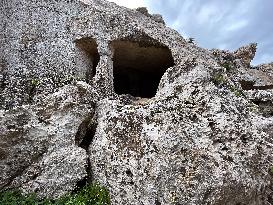
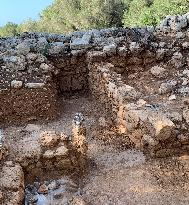
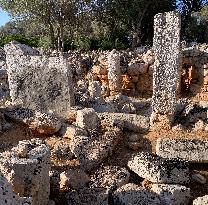
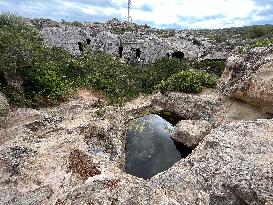
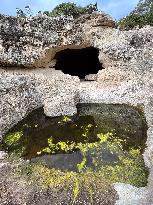
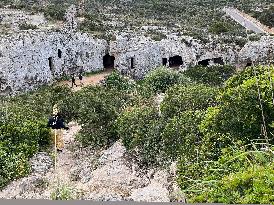
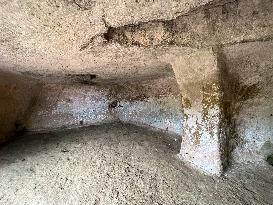
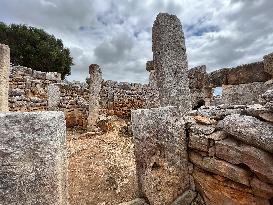
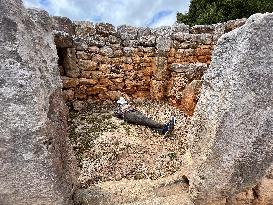
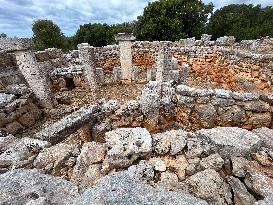
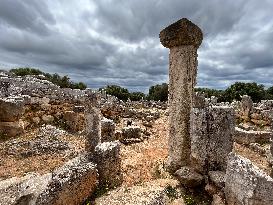
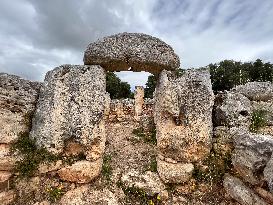
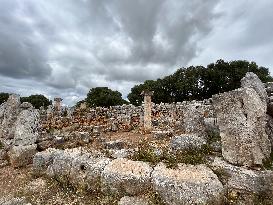
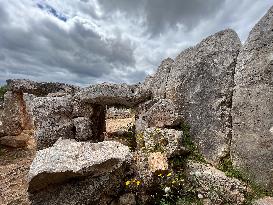
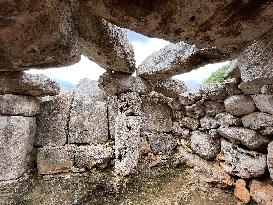
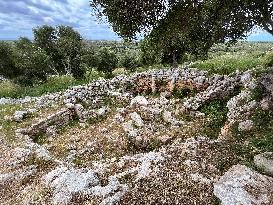
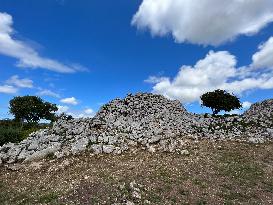
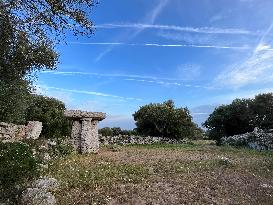
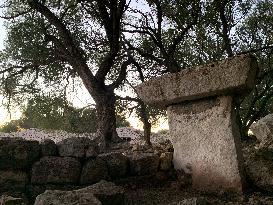
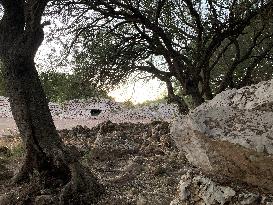
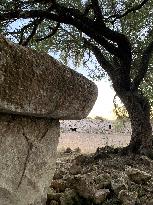
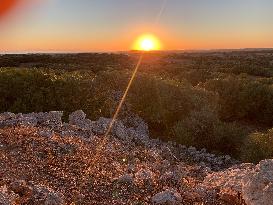
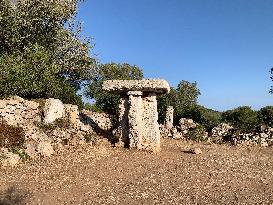
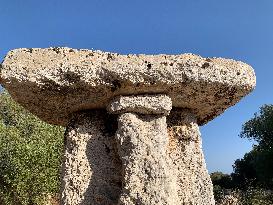
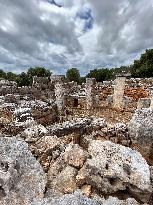
Prehistoric sites in Talayotic Menorca Located on the island of Menorca, in the western Mediterranean, these archaeological sites are located in agropastoral landscapes. Testimony to the occupation of the island by prehistoric populations, these sites present a diversity of prehistoric settlements and burial sites. The materials, shapes and locations of the structures date from the Bronze Age (1600 BC) to the Late Iron Age (123 BC) and show the evolution of a “Cyclopean” architecture composed of very imposing blocks of stone. Clear astronomical orientations and visual interconnections between prehistoric structures indicate the existence of networks with possible cosmological significance. More than 1,500 Talayotic archaeological sites have been inventoried on an island of barely 700 km². Prehistoric remains including megalithic tombs, towers (Talayots), funerary navetas, monumental circular houses, necropolises, towns and taulas (monuments on which the mystery of their original meaning still prevails) withou

  •  
Talayotic culture enters the world heritage of humanity - Menorca

Talayotic culture enters the world heritage of humanity - Menorca

Prehistoric sites in Talayotic Menorca Located on the island of Menorca, in the western Mediterranean, these archaeological sites are located in agropastoral landscapes. Testimony to the occupation of the island by prehistoric populations, these sites present a diversity of prehistoric settlements and burial sites. The materials, shapes and locations of the structures date from the Bronze Age (1600 BC) to the Late Iron Age (123 BC) and show the evolution of a “Cyclopean” architecture composed of very imposing blocks of stone. Clear astronomical orientations and visual interconnections between prehistoric structures indicate the existence of networks with possible cosmological significance. More than 1,500 Talayotic archaeological sites have been inventoried on an island of barely 700 km². Prehistoric remains including megalithic tombs, towers (Talayots), funerary navetas, monumental circular houses, necropolises, towns and taulas (monuments on which the mystery of their original meaning still prevails) withou

  •  
Talayotic culture enters the world heritage of humanity - Menorca

Talayotic culture enters the world heritage of humanity - Menorca

Prehistoric sites in Talayotic Menorca Located on the island of Menorca, in the western Mediterranean, these archaeological sites are located in agropastoral landscapes. Testimony to the occupation of the island by prehistoric populations, these sites present a diversity of prehistoric settlements and burial sites. The materials, shapes and locations of the structures date from the Bronze Age (1600 BC) to the Late Iron Age (123 BC) and show the evolution of a “Cyclopean” architecture composed of very imposing blocks of stone. Clear astronomical orientations and visual interconnections between prehistoric structures indicate the existence of networks with possible cosmological significance. More than 1,500 Talayotic archaeological sites have been inventoried on an island of barely 700 km². Prehistoric remains including megalithic tombs, towers (Talayots), funerary navetas, monumental circular houses, necropolises, towns and taulas (monuments on which the mystery of their original meaning still prevails) withou

  •  
Talayotic culture enters the world heritage of humanity - Menorca

Talayotic culture enters the world heritage of humanity - Menorca

Prehistoric sites in Talayotic Menorca Located on the island of Menorca, in the western Mediterranean, these archaeological sites are located in agropastoral landscapes. Testimony to the occupation of the island by prehistoric populations, these sites present a diversity of prehistoric settlements and burial sites. The materials, shapes and locations of the structures date from the Bronze Age (1600 BC) to the Late Iron Age (123 BC) and show the evolution of a “Cyclopean” architecture composed of very imposing blocks of stone. Clear astronomical orientations and visual interconnections between prehistoric structures indicate the existence of networks with possible cosmological significance. More than 1,500 Talayotic archaeological sites have been inventoried on an island of barely 700 km². Prehistoric remains including megalithic tombs, towers (Talayots), funerary navetas, monumental circular houses, necropolises, towns and taulas (monuments on which the mystery of their original meaning still prevails) withou

  •  
Talayotic culture enters the world heritage of humanity - Menorca

Talayotic culture enters the world heritage of humanity - Menorca

Prehistoric sites in Talayotic Menorca Located on the island of Menorca, in the western Mediterranean, these archaeological sites are located in agropastoral landscapes. Testimony to the occupation of the island by prehistoric populations, these sites present a diversity of prehistoric settlements and burial sites. The materials, shapes and locations of the structures date from the Bronze Age (1600 BC) to the Late Iron Age (123 BC) and show the evolution of a “Cyclopean” architecture composed of very imposing blocks of stone. Clear astronomical orientations and visual interconnections between prehistoric structures indicate the existence of networks with possible cosmological significance. More than 1,500 Talayotic archaeological sites have been inventoried on an island of barely 700 km². Prehistoric remains including megalithic tombs, towers (Talayots), funerary navetas, monumental circular houses, necropolises, towns and taulas (monuments on which the mystery of their original meaning still prevails) withou

  •  
Talayotic culture enters the world heritage of humanity - Menorca

Talayotic culture enters the world heritage of humanity - Menorca

Prehistoric sites in Talayotic Menorca Located on the island of Menorca, in the western Mediterranean, these archaeological sites are located in agropastoral landscapes. Testimony to the occupation of the island by prehistoric populations, these sites present a diversity of prehistoric settlements and burial sites. The materials, shapes and locations of the structures date from the Bronze Age (1600 BC) to the Late Iron Age (123 BC) and show the evolution of a “Cyclopean” architecture composed of very imposing blocks of stone. Clear astronomical orientations and visual interconnections between prehistoric structures indicate the existence of networks with possible cosmological significance. More than 1,500 Talayotic archaeological sites have been inventoried on an island of barely 700 km². Prehistoric remains including megalithic tombs, towers (Talayots), funerary navetas, monumental circular houses, necropolises, towns and taulas (monuments on which the mystery of their original meaning still prevails) withou

  •  
Talayotic culture enters the world heritage of humanity - Menorca

Talayotic culture enters the world heritage of humanity - Menorca

Prehistoric sites in Talayotic Menorca Located on the island of Menorca, in the western Mediterranean, these archaeological sites are located in agropastoral landscapes. Testimony to the occupation of the island by prehistoric populations, these sites present a diversity of prehistoric settlements and burial sites. The materials, shapes and locations of the structures date from the Bronze Age (1600 BC) to the Late Iron Age (123 BC) and show the evolution of a “Cyclopean” architecture composed of very imposing blocks of stone. Clear astronomical orientations and visual interconnections between prehistoric structures indicate the existence of networks with possible cosmological significance. More than 1,500 Talayotic archaeological sites have been inventoried on an island of barely 700 km². Prehistoric remains including megalithic tombs, towers (Talayots), funerary navetas, monumental circular houses, necropolises, towns and taulas (monuments on which the mystery of their original meaning still prevails) withou

  •  
Talayotic culture enters the world heritage of humanity - Menorca

Talayotic culture enters the world heritage of humanity - Menorca

Prehistoric sites in Talayotic Menorca Located on the island of Menorca, in the western Mediterranean, these archaeological sites are located in agropastoral landscapes. Testimony to the occupation of the island by prehistoric populations, these sites present a diversity of prehistoric settlements and burial sites. The materials, shapes and locations of the structures date from the Bronze Age (1600 BC) to the Late Iron Age (123 BC) and show the evolution of a “Cyclopean” architecture composed of very imposing blocks of stone. Clear astronomical orientations and visual interconnections between prehistoric structures indicate the existence of networks with possible cosmological significance. More than 1,500 Talayotic archaeological sites have been inventoried on an island of barely 700 km². Prehistoric remains including megalithic tombs, towers (Talayots), funerary navetas, monumental circular houses, necropolises, towns and taulas (monuments on which the mystery of their original meaning still prevails) withou

  •  
Talayotic culture enters the world heritage of humanity - Menorca

Talayotic culture enters the world heritage of humanity - Menorca

Prehistoric sites in Talayotic Menorca Located on the island of Menorca, in the western Mediterranean, these archaeological sites are located in agropastoral landscapes. Testimony to the occupation of the island by prehistoric populations, these sites present a diversity of prehistoric settlements and burial sites. The materials, shapes and locations of the structures date from the Bronze Age (1600 BC) to the Late Iron Age (123 BC) and show the evolution of a “Cyclopean” architecture composed of very imposing blocks of stone. Clear astronomical orientations and visual interconnections between prehistoric structures indicate the existence of networks with possible cosmological significance. More than 1,500 Talayotic archaeological sites have been inventoried on an island of barely 700 km². Prehistoric remains including megalithic tombs, towers (Talayots), funerary navetas, monumental circular houses, necropolises, towns and taulas (monuments on which the mystery of their original meaning still prevails) withou

  •  
Talayotic culture enters the world heritage of humanity - Menorca

Talayotic culture enters the world heritage of humanity - Menorca

Prehistoric sites in Talayotic Menorca Located on the island of Menorca, in the western Mediterranean, these archaeological sites are located in agropastoral landscapes. Testimony to the occupation of the island by prehistoric populations, these sites present a diversity of prehistoric settlements and burial sites. The materials, shapes and locations of the structures date from the Bronze Age (1600 BC) to the Late Iron Age (123 BC) and show the evolution of a “Cyclopean” architecture composed of very imposing blocks of stone. Clear astronomical orientations and visual interconnections between prehistoric structures indicate the existence of networks with possible cosmological significance. More than 1,500 Talayotic archaeological sites have been inventoried on an island of barely 700 km². Prehistoric remains including megalithic tombs, towers (Talayots), funerary navetas, monumental circular houses, necropolises, towns and taulas (monuments on which the mystery of their original meaning still prevails) withou

  •  
Talayotic culture enters the world heritage of humanity - Menorca

Talayotic culture enters the world heritage of humanity - Menorca

Prehistoric sites in Talayotic Menorca Located on the island of Menorca, in the western Mediterranean, these archaeological sites are located in agropastoral landscapes. Testimony to the occupation of the island by prehistoric populations, these sites present a diversity of prehistoric settlements and burial sites. The materials, shapes and locations of the structures date from the Bronze Age (1600 BC) to the Late Iron Age (123 BC) and show the evolution of a “Cyclopean” architecture composed of very imposing blocks of stone. Clear astronomical orientations and visual interconnections between prehistoric structures indicate the existence of networks with possible cosmological significance. More than 1,500 Talayotic archaeological sites have been inventoried on an island of barely 700 km². Prehistoric remains including megalithic tombs, towers (Talayots), funerary navetas, monumental circular houses, necropolises, towns and taulas (monuments on which the mystery of their original meaning still prevails) withou

  •  
Talayotic culture enters the world heritage of humanity - Menorca

Talayotic culture enters the world heritage of humanity - Menorca

Prehistoric sites in Talayotic Menorca Located on the island of Menorca, in the western Mediterranean, these archaeological sites are located in agropastoral landscapes. Testimony to the occupation of the island by prehistoric populations, these sites present a diversity of prehistoric settlements and burial sites. The materials, shapes and locations of the structures date from the Bronze Age (1600 BC) to the Late Iron Age (123 BC) and show the evolution of a “Cyclopean” architecture composed of very imposing blocks of stone. Clear astronomical orientations and visual interconnections between prehistoric structures indicate the existence of networks with possible cosmological significance. More than 1,500 Talayotic archaeological sites have been inventoried on an island of barely 700 km². Prehistoric remains including megalithic tombs, towers (Talayots), funerary navetas, monumental circular houses, necropolises, towns and taulas (monuments on which the mystery of their original meaning still prevails) withou

  •  
Talayotic culture enters the world heritage of humanity - Menorca

Talayotic culture enters the world heritage of humanity - Menorca

Prehistoric sites in Talayotic Menorca Located on the island of Menorca, in the western Mediterranean, these archaeological sites are located in agropastoral landscapes. Testimony to the occupation of the island by prehistoric populations, these sites present a diversity of prehistoric settlements and burial sites. The materials, shapes and locations of the structures date from the Bronze Age (1600 BC) to the Late Iron Age (123 BC) and show the evolution of a “Cyclopean” architecture composed of very imposing blocks of stone. Clear astronomical orientations and visual interconnections between prehistoric structures indicate the existence of networks with possible cosmological significance. More than 1,500 Talayotic archaeological sites have been inventoried on an island of barely 700 km². Prehistoric remains including megalithic tombs, towers (Talayots), funerary navetas, monumental circular houses, necropolises, towns and taulas (monuments on which the mystery of their original meaning still prevails) withou

  •  
Talayotic culture enters the world heritage of humanity - Menorca

Talayotic culture enters the world heritage of humanity - Menorca

Prehistoric sites in Talayotic Menorca Located on the island of Menorca, in the western Mediterranean, these archaeological sites are located in agropastoral landscapes. Testimony to the occupation of the island by prehistoric populations, these sites present a diversity of prehistoric settlements and burial sites. The materials, shapes and locations of the structures date from the Bronze Age (1600 BC) to the Late Iron Age (123 BC) and show the evolution of a “Cyclopean” architecture composed of very imposing blocks of stone. Clear astronomical orientations and visual interconnections between prehistoric structures indicate the existence of networks with possible cosmological significance. More than 1,500 Talayotic archaeological sites have been inventoried on an island of barely 700 km². Prehistoric remains including megalithic tombs, towers (Talayots), funerary navetas, monumental circular houses, necropolises, towns and taulas (monuments on which the mystery of their original meaning still prevails) withou

  •  
Talayotic culture enters the world heritage of humanity - Menorca

Talayotic culture enters the world heritage of humanity - Menorca

Prehistoric sites in Talayotic Menorca Located on the island of Menorca, in the western Mediterranean, these archaeological sites are located in agropastoral landscapes. Testimony to the occupation of the island by prehistoric populations, these sites present a diversity of prehistoric settlements and burial sites. The materials, shapes and locations of the structures date from the Bronze Age (1600 BC) to the Late Iron Age (123 BC) and show the evolution of a “Cyclopean” architecture composed of very imposing blocks of stone. Clear astronomical orientations and visual interconnections between prehistoric structures indicate the existence of networks with possible cosmological significance. More than 1,500 Talayotic archaeological sites have been inventoried on an island of barely 700 km². Prehistoric remains including megalithic tombs, towers (Talayots), funerary navetas, monumental circular houses, necropolises, towns and taulas (monuments on which the mystery of their original meaning still prevails) withou

  •  
Talayotic culture enters the world heritage of humanity - Menorca

Talayotic culture enters the world heritage of humanity - Menorca

Prehistoric sites in Talayotic Menorca Located on the island of Menorca, in the western Mediterranean, these archaeological sites are located in agropastoral landscapes. Testimony to the occupation of the island by prehistoric populations, these sites present a diversity of prehistoric settlements and burial sites. The materials, shapes and locations of the structures date from the Bronze Age (1600 BC) to the Late Iron Age (123 BC) and show the evolution of a “Cyclopean” architecture composed of very imposing blocks of stone. Clear astronomical orientations and visual interconnections between prehistoric structures indicate the existence of networks with possible cosmological significance. More than 1,500 Talayotic archaeological sites have been inventoried on an island of barely 700 km². Prehistoric remains including megalithic tombs, towers (Talayots), funerary navetas, monumental circular houses, necropolises, towns and taulas (monuments on which the mystery of their original meaning still prevails) withou

  •  
Talayotic culture enters the world heritage of humanity - Menorca

Talayotic culture enters the world heritage of humanity - Menorca

Prehistoric sites in Talayotic Menorca Located on the island of Menorca, in the western Mediterranean, these archaeological sites are located in agropastoral landscapes. Testimony to the occupation of the island by prehistoric populations, these sites present a diversity of prehistoric settlements and burial sites. The materials, shapes and locations of the structures date from the Bronze Age (1600 BC) to the Late Iron Age (123 BC) and show the evolution of a “Cyclopean” architecture composed of very imposing blocks of stone. Clear astronomical orientations and visual interconnections between prehistoric structures indicate the existence of networks with possible cosmological significance. More than 1,500 Talayotic archaeological sites have been inventoried on an island of barely 700 km². Prehistoric remains including megalithic tombs, towers (Talayots), funerary navetas, monumental circular houses, necropolises, towns and taulas (monuments on which the mystery of their original meaning still prevails) withou

  •  
Talayotic culture enters the world heritage of humanity - Menorca

Talayotic culture enters the world heritage of humanity - Menorca

Prehistoric sites in Talayotic Menorca Located on the island of Menorca, in the western Mediterranean, these archaeological sites are located in agropastoral landscapes. Testimony to the occupation of the island by prehistoric populations, these sites present a diversity of prehistoric settlements and burial sites. The materials, shapes and locations of the structures date from the Bronze Age (1600 BC) to the Late Iron Age (123 BC) and show the evolution of a “Cyclopean” architecture composed of very imposing blocks of stone. Clear astronomical orientations and visual interconnections between prehistoric structures indicate the existence of networks with possible cosmological significance. More than 1,500 Talayotic archaeological sites have been inventoried on an island of barely 700 km². Prehistoric remains including megalithic tombs, towers (Talayots), funerary navetas, monumental circular houses, necropolises, towns and taulas (monuments on which the mystery of their original meaning still prevails) withou

  •  
Talayotic culture enters the world heritage of humanity - Menorca

Talayotic culture enters the world heritage of humanity - Menorca

Prehistoric sites in Talayotic Menorca Located on the island of Menorca, in the western Mediterranean, these archaeological sites are located in agropastoral landscapes. Testimony to the occupation of the island by prehistoric populations, these sites present a diversity of prehistoric settlements and burial sites. The materials, shapes and locations of the structures date from the Bronze Age (1600 BC) to the Late Iron Age (123 BC) and show the evolution of a “Cyclopean” architecture composed of very imposing blocks of stone. Clear astronomical orientations and visual interconnections between prehistoric structures indicate the existence of networks with possible cosmological significance. More than 1,500 Talayotic archaeological sites have been inventoried on an island of barely 700 km². Prehistoric remains including megalithic tombs, towers (Talayots), funerary navetas, monumental circular houses, necropolises, towns and taulas (monuments on which the mystery of their original meaning still prevails) withou

  •  
Talayotic culture enters the world heritage of humanity - Menorca

Talayotic culture enters the world heritage of humanity - Menorca

Prehistoric sites in Talayotic Menorca Located on the island of Menorca, in the western Mediterranean, these archaeological sites are located in agropastoral landscapes. Testimony to the occupation of the island by prehistoric populations, these sites present a diversity of prehistoric settlements and burial sites. The materials, shapes and locations of the structures date from the Bronze Age (1600 BC) to the Late Iron Age (123 BC) and show the evolution of a “Cyclopean” architecture composed of very imposing blocks of stone. Clear astronomical orientations and visual interconnections between prehistoric structures indicate the existence of networks with possible cosmological significance. More than 1,500 Talayotic archaeological sites have been inventoried on an island of barely 700 km². Prehistoric remains including megalithic tombs, towers (Talayots), funerary navetas, monumental circular houses, necropolises, towns and taulas (monuments on which the mystery of their original meaning still prevails) withou

  •  
Talayotic culture enters the world heritage of humanity - Menorca

Talayotic culture enters the world heritage of humanity - Menorca

Prehistoric sites in Talayotic Menorca Located on the island of Menorca, in the western Mediterranean, these archaeological sites are located in agropastoral landscapes. Testimony to the occupation of the island by prehistoric populations, these sites present a diversity of prehistoric settlements and burial sites. The materials, shapes and locations of the structures date from the Bronze Age (1600 BC) to the Late Iron Age (123 BC) and show the evolution of a “Cyclopean” architecture composed of very imposing blocks of stone. Clear astronomical orientations and visual interconnections between prehistoric structures indicate the existence of networks with possible cosmological significance. More than 1,500 Talayotic archaeological sites have been inventoried on an island of barely 700 km². Prehistoric remains including megalithic tombs, towers (Talayots), funerary navetas, monumental circular houses, necropolises, towns and taulas (monuments on which the mystery of their original meaning still prevails) withou

  •  
Talayotic culture enters the world heritage of humanity - Menorca

Talayotic culture enters the world heritage of humanity - Menorca

Prehistoric sites in Talayotic Menorca Located on the island of Menorca, in the western Mediterranean, these archaeological sites are located in agropastoral landscapes. Testimony to the occupation of the island by prehistoric populations, these sites present a diversity of prehistoric settlements and burial sites. The materials, shapes and locations of the structures date from the Bronze Age (1600 BC) to the Late Iron Age (123 BC) and show the evolution of a “Cyclopean” architecture composed of very imposing blocks of stone. Clear astronomical orientations and visual interconnections between prehistoric structures indicate the existence of networks with possible cosmological significance. More than 1,500 Talayotic archaeological sites have been inventoried on an island of barely 700 km². Prehistoric remains including megalithic tombs, towers (Talayots), funerary navetas, monumental circular houses, necropolises, towns and taulas (monuments on which the mystery of their original meaning still prevails) withou

  •  
Talayotic culture enters the world heritage of humanity - Menorca

Talayotic culture enters the world heritage of humanity - Menorca

Prehistoric sites in Talayotic Menorca Located on the island of Menorca, in the western Mediterranean, these archaeological sites are located in agropastoral landscapes. Testimony to the occupation of the island by prehistoric populations, these sites present a diversity of prehistoric settlements and burial sites. The materials, shapes and locations of the structures date from the Bronze Age (1600 BC) to the Late Iron Age (123 BC) and show the evolution of a “Cyclopean” architecture composed of very imposing blocks of stone. Clear astronomical orientations and visual interconnections between prehistoric structures indicate the existence of networks with possible cosmological significance. More than 1,500 Talayotic archaeological sites have been inventoried on an island of barely 700 km². Prehistoric remains including megalithic tombs, towers (Talayots), funerary navetas, monumental circular houses, necropolises, towns and taulas (monuments on which the mystery of their original meaning still prevails) withou

  •  
Talayotic culture enters the world heritage of humanity - Menorca

Talayotic culture enters the world heritage of humanity - Menorca

Prehistoric sites in Talayotic Menorca Located on the island of Menorca, in the western Mediterranean, these archaeological sites are located in agropastoral landscapes. Testimony to the occupation of the island by prehistoric populations, these sites present a diversity of prehistoric settlements and burial sites. The materials, shapes and locations of the structures date from the Bronze Age (1600 BC) to the Late Iron Age (123 BC) and show the evolution of a “Cyclopean” architecture composed of very imposing blocks of stone. Clear astronomical orientations and visual interconnections between prehistoric structures indicate the existence of networks with possible cosmological significance. More than 1,500 Talayotic archaeological sites have been inventoried on an island of barely 700 km². Prehistoric remains including megalithic tombs, towers (Talayots), funerary navetas, monumental circular houses, necropolises, towns and taulas (monuments on which the mystery of their original meaning still prevails) withou

  •  
Talayotic culture enters the world heritage of humanity - Menorca

Talayotic culture enters the world heritage of humanity - Menorca

Prehistoric sites in Talayotic Menorca Located on the island of Menorca, in the western Mediterranean, these archaeological sites are located in agropastoral landscapes. Testimony to the occupation of the island by prehistoric populations, these sites present a diversity of prehistoric settlements and burial sites. The materials, shapes and locations of the structures date from the Bronze Age (1600 BC) to the Late Iron Age (123 BC) and show the evolution of a “Cyclopean” architecture composed of very imposing blocks of stone. Clear astronomical orientations and visual interconnections between prehistoric structures indicate the existence of networks with possible cosmological significance. More than 1,500 Talayotic archaeological sites have been inventoried on an island of barely 700 km². Prehistoric remains including megalithic tombs, towers (Talayots), funerary navetas, monumental circular houses, necropolises, towns and taulas (monuments on which the mystery of their original meaning still prevails) withou

  • Main
  • Top
  • Editorial
  • Creative
  • About Us
  • About ILG
  • Terms of use
  • Company
  • BEHIND
  • Price List
  • Single Plan
  • Monthly Plan
  • Services
  • Shooting
  • Rights Clearance
  • Support
  • FAQ
  • How To Buy
  • Contact Us
  • Become a Partner

© KYODO NEWS IMAGES INC

All Rights Reserved.

  • Editorial
  • Olympics
  • News
  • Sports
  • Japan
  • Tech
  • Royal
  • Disaster
  • NorthKorea
  • Old Japan
  • SNS
  • Creative
  • Food
  • Japan
  • Landscape
  • Animal
  • Popular
  • #Ukraine
  • #Thailand
  • #coronavirus
  • #N. Korea
  • #China
  • #Russia
  • #Ukraine
  • #Thailand
  • #coronavirus
  • #N. Korea
  • #China
  • #Russia
  • Food
  • Japan
  • Landscape
  • Animal
  • Olympics
  • News
  • Sports
  • Japan
  • Tech
  • Royal
  • Disaster
  • NorthKorea
  • Old Japan
  • SNS