•  
Environmental Pollution In Bangladesh

Environmental Pollution In Bangladesh

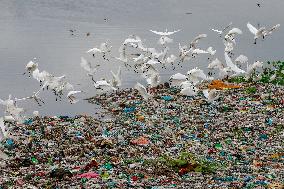
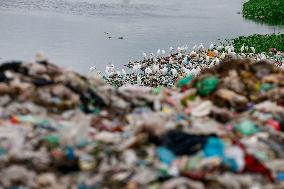
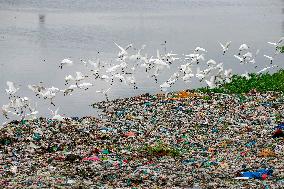
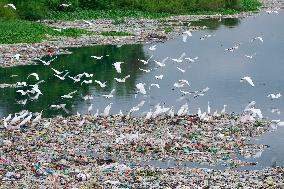
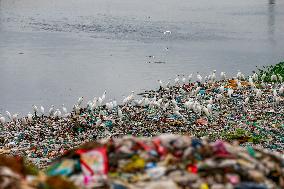
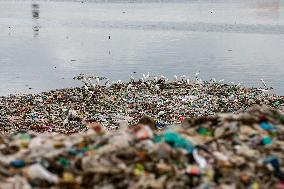
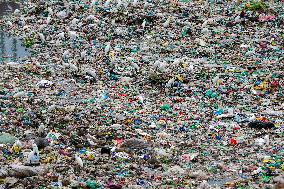
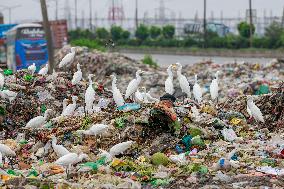
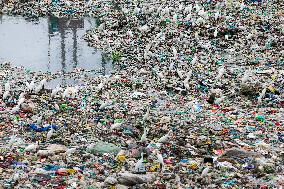
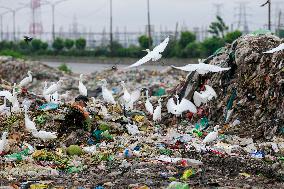
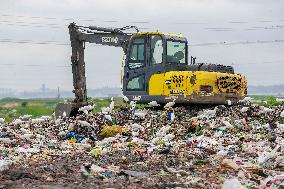
October 02, 2025, Dhaka, Bangladesh: The rivers and canals around Dhaka were once vital sanctuaries of biodiversity. Countless fish swam in their waters, serving as the main food source for fish-eating birds. But now that scene belongs to the past. What was once clear water is now occupied by heaps of garbage. Plastic, polythene, industrial waste, and household trash have severely polluted the water. Faced with a food crisis, fish-eating egrets are being forced to search for food in these piles of waste. Their natural food—fish—is no longer easily available, compelling them to look for alternatives. In Bangladesh, the filling up of rivers and wetlands, illegal encroachment, and plastic pollution together are pushing aquatic ecosystems towards destruction. These wetlands once provided shelter to thousands of native and migratory birds. But in recent years, their numbers have sharply declined. From the haors to Dhaka’s Turag and Balu rivers and other wetlands, the picture is the same: encroachment, landfilling,

  •  
Environmental Pollution In Bangladesh

Environmental Pollution In Bangladesh

October 02, 2025, Dhaka, Bangladesh: The rivers and canals around Dhaka were once vital sanctuaries of biodiversity. Countless fish swam in their waters, serving as the main food source for fish-eating birds. But now that scene belongs to the past. What was once clear water is now occupied by heaps of garbage. Plastic, polythene, industrial waste, and household trash have severely polluted the water. Faced with a food crisis, fish-eating egrets are being forced to search for food in these piles of waste. Their natural food—fish—is no longer easily available, compelling them to look for alternatives. In Bangladesh, the filling up of rivers and wetlands, illegal encroachment, and plastic pollution together are pushing aquatic ecosystems towards destruction. These wetlands once provided shelter to thousands of native and migratory birds. But in recent years, their numbers have sharply declined. From the haors to Dhaka’s Turag and Balu rivers and other wetlands, the picture is the same: encroachment, landfilling,

  •  
Environmental Pollution In Bangladesh

Environmental Pollution In Bangladesh

October 02, 2025, Dhaka, Bangladesh: The rivers and canals around Dhaka were once vital sanctuaries of biodiversity. Countless fish swam in their waters, serving as the main food source for fish-eating birds. But now that scene belongs to the past. What was once clear water is now occupied by heaps of garbage. Plastic, polythene, industrial waste, and household trash have severely polluted the water. Faced with a food crisis, fish-eating egrets are being forced to search for food in these piles of waste. Their natural food—fish—is no longer easily available, compelling them to look for alternatives. In Bangladesh, the filling up of rivers and wetlands, illegal encroachment, and plastic pollution together are pushing aquatic ecosystems towards destruction. These wetlands once provided shelter to thousands of native and migratory birds. But in recent years, their numbers have sharply declined. From the haors to Dhaka’s Turag and Balu rivers and other wetlands, the picture is the same: encroachment, landfilling,

  •  
Environmental Pollution In Bangladesh

Environmental Pollution In Bangladesh

October 02, 2025, Dhaka, Bangladesh: The rivers and canals around Dhaka were once vital sanctuaries of biodiversity. Countless fish swam in their waters, serving as the main food source for fish-eating birds. But now that scene belongs to the past. What was once clear water is now occupied by heaps of garbage. Plastic, polythene, industrial waste, and household trash have severely polluted the water. Faced with a food crisis, fish-eating egrets are being forced to search for food in these piles of waste. Their natural food—fish—is no longer easily available, compelling them to look for alternatives. In Bangladesh, the filling up of rivers and wetlands, illegal encroachment, and plastic pollution together are pushing aquatic ecosystems towards destruction. These wetlands once provided shelter to thousands of native and migratory birds. But in recent years, their numbers have sharply declined. From the haors to Dhaka’s Turag and Balu rivers and other wetlands, the picture is the same: encroachment, landfilling,

  •  
Environmental Pollution In Bangladesh

Environmental Pollution In Bangladesh

October 02, 2025, Dhaka, Bangladesh: The rivers and canals around Dhaka were once vital sanctuaries of biodiversity. Countless fish swam in their waters, serving as the main food source for fish-eating birds. But now that scene belongs to the past. What was once clear water is now occupied by heaps of garbage. Plastic, polythene, industrial waste, and household trash have severely polluted the water. Faced with a food crisis, fish-eating egrets are being forced to search for food in these piles of waste. Their natural food—fish—is no longer easily available, compelling them to look for alternatives. In Bangladesh, the filling up of rivers and wetlands, illegal encroachment, and plastic pollution together are pushing aquatic ecosystems towards destruction. These wetlands once provided shelter to thousands of native and migratory birds. But in recent years, their numbers have sharply declined. From the haors to Dhaka’s Turag and Balu rivers and other wetlands, the picture is the same: encroachment, landfilling,

  •  
Environmental Pollution In Bangladesh

Environmental Pollution In Bangladesh

October 02, 2025, Dhaka, Bangladesh: The rivers and canals around Dhaka were once vital sanctuaries of biodiversity. Countless fish swam in their waters, serving as the main food source for fish-eating birds. But now that scene belongs to the past. What was once clear water is now occupied by heaps of garbage. Plastic, polythene, industrial waste, and household trash have severely polluted the water. Faced with a food crisis, fish-eating egrets are being forced to search for food in these piles of waste. Their natural food—fish—is no longer easily available, compelling them to look for alternatives. In Bangladesh, the filling up of rivers and wetlands, illegal encroachment, and plastic pollution together are pushing aquatic ecosystems towards destruction. These wetlands once provided shelter to thousands of native and migratory birds. But in recent years, their numbers have sharply declined. From the haors to Dhaka’s Turag and Balu rivers and other wetlands, the picture is the same: encroachment, landfilling,

  •  
Environmental Pollution In Bangladesh

Environmental Pollution In Bangladesh

October 02, 2025, Dhaka, Bangladesh: The rivers and canals around Dhaka were once vital sanctuaries of biodiversity. Countless fish swam in their waters, serving as the main food source for fish-eating birds. But now that scene belongs to the past. What was once clear water is now occupied by heaps of garbage. Plastic, polythene, industrial waste, and household trash have severely polluted the water. Faced with a food crisis, fish-eating egrets are being forced to search for food in these piles of waste. Their natural food—fish—is no longer easily available, compelling them to look for alternatives. In Bangladesh, the filling up of rivers and wetlands, illegal encroachment, and plastic pollution together are pushing aquatic ecosystems towards destruction. These wetlands once provided shelter to thousands of native and migratory birds. But in recent years, their numbers have sharply declined. From the haors to Dhaka’s Turag and Balu rivers and other wetlands, the picture is the same: encroachment, landfilling,

  •  
Environmental Pollution In Bangladesh

Environmental Pollution In Bangladesh

October 02, 2025, Dhaka, Bangladesh: The rivers and canals around Dhaka were once vital sanctuaries of biodiversity. Countless fish swam in their waters, serving as the main food source for fish-eating birds. But now that scene belongs to the past. What was once clear water is now occupied by heaps of garbage. Plastic, polythene, industrial waste, and household trash have severely polluted the water. Faced with a food crisis, fish-eating egrets are being forced to search for food in these piles of waste. Their natural food—fish—is no longer easily available, compelling them to look for alternatives. In Bangladesh, the filling up of rivers and wetlands, illegal encroachment, and plastic pollution together are pushing aquatic ecosystems towards destruction. These wetlands once provided shelter to thousands of native and migratory birds. But in recent years, their numbers have sharply declined. From the haors to Dhaka’s Turag and Balu rivers and other wetlands, the picture is the same: encroachment, landfilling,

  •  
Environmental Pollution In Bangladesh

Environmental Pollution In Bangladesh

October 02, 2025, Dhaka, Bangladesh: The rivers and canals around Dhaka were once vital sanctuaries of biodiversity. Countless fish swam in their waters, serving as the main food source for fish-eating birds. But now that scene belongs to the past. What was once clear water is now occupied by heaps of garbage. Plastic, polythene, industrial waste, and household trash have severely polluted the water. Faced with a food crisis, fish-eating egrets are being forced to search for food in these piles of waste. Their natural food—fish—is no longer easily available, compelling them to look for alternatives. In Bangladesh, the filling up of rivers and wetlands, illegal encroachment, and plastic pollution together are pushing aquatic ecosystems towards destruction. These wetlands once provided shelter to thousands of native and migratory birds. But in recent years, their numbers have sharply declined. From the haors to Dhaka’s Turag and Balu rivers and other wetlands, the picture is the same: encroachment, landfilling,

  •  
Environmental Pollution In Bangladesh

Environmental Pollution In Bangladesh

October 02, 2025, Dhaka, Bangladesh: The rivers and canals around Dhaka were once vital sanctuaries of biodiversity. Countless fish swam in their waters, serving as the main food source for fish-eating birds. But now that scene belongs to the past. What was once clear water is now occupied by heaps of garbage. Plastic, polythene, industrial waste, and household trash have severely polluted the water. Faced with a food crisis, fish-eating egrets are being forced to search for food in these piles of waste. Their natural food—fish—is no longer easily available, compelling them to look for alternatives. In Bangladesh, the filling up of rivers and wetlands, illegal encroachment, and plastic pollution together are pushing aquatic ecosystems towards destruction. These wetlands once provided shelter to thousands of native and migratory birds. But in recent years, their numbers have sharply declined. From the haors to Dhaka’s Turag and Balu rivers and other wetlands, the picture is the same: encroachment, landfilling,

  •  
Environmental Pollution In Bangladesh

Environmental Pollution In Bangladesh

October 02, 2025, Dhaka, Bangladesh: The rivers and canals around Dhaka were once vital sanctuaries of biodiversity. Countless fish swam in their waters, serving as the main food source for fish-eating birds. But now that scene belongs to the past. What was once clear water is now occupied by heaps of garbage. Plastic, polythene, industrial waste, and household trash have severely polluted the water. Faced with a food crisis, fish-eating egrets are being forced to search for food in these piles of waste. Their natural food—fish—is no longer easily available, compelling them to look for alternatives. In Bangladesh, the filling up of rivers and wetlands, illegal encroachment, and plastic pollution together are pushing aquatic ecosystems towards destruction. These wetlands once provided shelter to thousands of native and migratory birds. But in recent years, their numbers have sharply declined. From the haors to Dhaka’s Turag and Balu rivers and other wetlands, the picture is the same: encroachment, landfilling,

  •  

Protest held in Okinawa 3 yrs after start of landfill for U.S. base

Anti-base protesters took to canoes and boats Tuesday in waters off Okinawa to show their opposition to the planned relocation of a U.S. air base, exactly three years after full-blown offshore landfill work for the transfer began. Holding signs that read "Stop landfilling operation" and "Protect our beautiful sea," protesters in around 30 canoes paddled out to the site, calling for the halt of work for the transfer of U.S. Marine Corps Air Station Futenma to the Henoko district, both in the southern island prefecture. Protesters yelled in chorus "Stop illegal construction" and "Don't kill the coral," as sand-carrying ships and dump trucks came and went from the area.

  • Main
  • Top
  • Editorial
  • Creative
  • About Us
  • About ILG
  • Terms of use
  • Company
  • BEHIND
  • Price List
  • Single Plan
  • Monthly Plan
  • Services
  • Shooting
  • Rights Clearance
  • Support
  • FAQ
  • How To Buy
  • Contact Us
  • Become a Partner

© KYODO NEWS IMAGES INC

All Rights Reserved.

  • Editorial
  • Olympics
  • News
  • Sports
  • Japan
  • Tech
  • Royal
  • Disaster
  • NorthKorea
  • Old Japan
  • SNS
  • Creative
  • Food
  • Japan
  • Landscape
  • Animal
  • Popular
  • #Ukraine
  • #Russia
  • #coronavirus
  • #N. Korea
  • #Thailand
  • #China
  • #Ukraine
  • #Russia
  • #coronavirus
  • #N. Korea
  • #Thailand
  • #China
  • Food
  • Japan
  • Landscape
  • Animal
  • Olympics
  • News
  • Sports
  • Japan
  • Tech
  • Royal
  • Disaster
  • NorthKorea
  • Old Japan
  • SNS