•  
Illustration - Bike - Paris

Illustration - Bike - Paris

FRANCE. PARIS (75) UBER JUMP. LIME-UBER ELECTRIC SHARING BICYCLE Photo by Serge Attal/Only Paris/ABACAPRESS.COM

  •  
Illustration - Bike - Paris

Illustration - Bike - Paris

FRANCE. PARIS (75) 1 ST DISTRICT. SAINT-HONORE STREET. YOUNG PEOPLE ON A SHARING SCOOTER LIME Photo by Serge Attal/Only Paris/ABACAPRESS.COM

  •  
Illustrations Self Service Bicycles and E-scooters - Brussels

Illustrations Self Service Bicycles and E-scooters - Brussels

Illustration picture shows self-service electric bicycles with the development of sustainable transport in megacities (here a bicycle or bike of the company "LIME" in the streets of Brussels Belgium on October 05, 2024. Photo by Alexis Jumeau/ABACAPRESS.COM

  •  
Illustrations Self Service Bicycles and E-scooters - Brussels

Illustrations Self Service Bicycles and E-scooters - Brussels

Illustration picture shows people using self-service electric scooters (here a E-scooter of the company "LIME Micromobility" or "On Lime + Uber") in the streets of Brussels Belgium on October 05, 2024. Photo by Alexis Jumeau/ABACAPRESS.COM

  •  
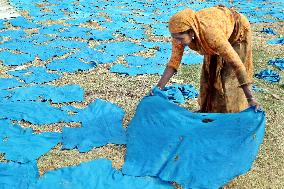
Leather Tanning - Dhaka

Leather Tanning - Dhaka

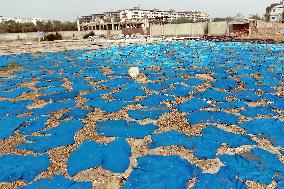
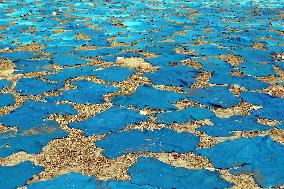
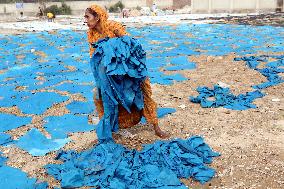
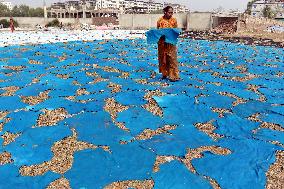
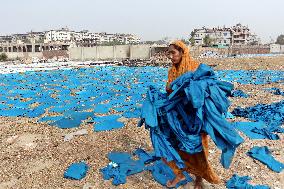
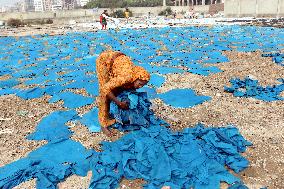
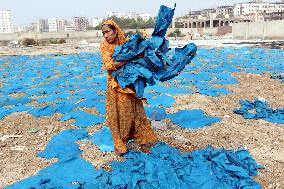
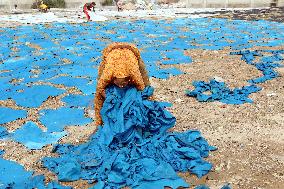
A worker of a tannery from Hazaribagh puts leather pieces to dry that were previously painted on Filed out in the open as part of process of leather tanning before the shoes manufacture. Tanning consists of the hides being soaked, then in order to eliminate the salt in a solution of lime and water to soften the hair and eliminate them using a machine, then the residues are removed by hand with a blunt knife. On January 24, 2024 In Dhaka, Bangladesh. Photo by Habibur Rahman/ABACAPRESS.COM

  •  
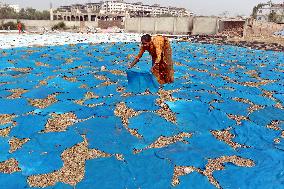
Leather Tanning - Dhaka

Leather Tanning - Dhaka

A worker of a tannery from Hazaribagh puts leather pieces to dry that were previously painted on Filed out in the open as part of process of leather tanning before the shoes manufacture. Tanning consists of the hides being soaked, then in order to eliminate the salt in a solution of lime and water to soften the hair and eliminate them using a machine, then the residues are removed by hand with a blunt knife. On January 24, 2024 In Dhaka, Bangladesh. Photo by Habibur Rahman/ABACAPRESS.COM

  •  
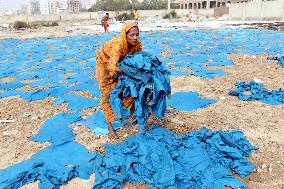
Leather Tanning - Dhaka

Leather Tanning - Dhaka

A worker of a tannery from Hazaribagh puts leather pieces to dry that were previously painted on Filed out in the open as part of process of leather tanning before the shoes manufacture. Tanning consists of the hides being soaked, then in order to eliminate the salt in a solution of lime and water to soften the hair and eliminate them using a machine, then the residues are removed by hand with a blunt knife. On January 24, 2024 In Dhaka, Bangladesh. Photo by Habibur Rahman/ABACAPRESS.COM

  •  
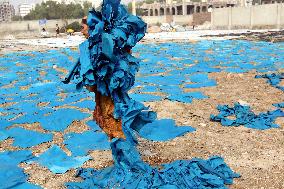
Leather Tanning - Dhaka

Leather Tanning - Dhaka

A worker of a tannery from Hazaribagh puts leather pieces to dry that were previously painted on Filed out in the open as part of process of leather tanning before the shoes manufacture. Tanning consists of the hides being soaked, then in order to eliminate the salt in a solution of lime and water to soften the hair and eliminate them using a machine, then the residues are removed by hand with a blunt knife. On January 24, 2024 In Dhaka, Bangladesh. Photo by Habibur Rahman/ABACAPRESS.COM

  •  
Leather Tanning - Dhaka

Leather Tanning - Dhaka

A worker of a tannery from Hazaribagh puts leather pieces to dry that were previously painted on Filed out in the open as part of process of leather tanning before the shoes manufacture. Tanning consists of the hides being soaked, then in order to eliminate the salt in a solution of lime and water to soften the hair and eliminate them using a machine, then the residues are removed by hand with a blunt knife. On January 24, 2024 In Dhaka, Bangladesh. Photo by Habibur Rahman/ABACAPRESS.COM

  •  
Leather Tanning - Dhaka

Leather Tanning - Dhaka

A worker of a tannery from Hazaribagh puts leather pieces to dry that were previously painted on Filed out in the open as part of process of leather tanning before the shoes manufacture. Tanning consists of the hides being soaked, then in order to eliminate the salt in a solution of lime and water to soften the hair and eliminate them using a machine, then the residues are removed by hand with a blunt knife. On January 24, 2024 In Dhaka, Bangladesh. Photo by Habibur Rahman/ABACAPRESS.COM

  •  
Leather Tanning - Dhaka

Leather Tanning - Dhaka

A worker of a tannery from Hazaribagh puts leather pieces to dry that were previously painted on Filed out in the open as part of process of leather tanning before the shoes manufacture. Tanning consists of the hides being soaked, then in order to eliminate the salt in a solution of lime and water to soften the hair and eliminate them using a machine, then the residues are removed by hand with a blunt knife. On January 24, 2024 In Dhaka, Bangladesh. Photo by Habibur Rahman/ABACAPRESS.COM

  •  
Leather Tanning - Dhaka

Leather Tanning - Dhaka

A worker of a tannery from Hazaribagh puts leather pieces to dry that were previously painted on Filed out in the open as part of process of leather tanning before the shoes manufacture. Tanning consists of the hides being soaked, then in order to eliminate the salt in a solution of lime and water to soften the hair and eliminate them using a machine, then the residues are removed by hand with a blunt knife. On January 24, 2024 In Dhaka, Bangladesh. Photo by Habibur Rahman/ABACAPRESS.COM

  •  
Leather Tanning - Dhaka

Leather Tanning - Dhaka

A worker of a tannery from Hazaribagh puts leather pieces to dry that were previously painted on Filed out in the open as part of process of leather tanning before the shoes manufacture. Tanning consists of the hides being soaked, then in order to eliminate the salt in a solution of lime and water to soften the hair and eliminate them using a machine, then the residues are removed by hand with a blunt knife. On January 24, 2024 In Dhaka, Bangladesh. Photo by Habibur Rahman/ABACAPRESS.COM

  •  
Leather Tanning - Dhaka

Leather Tanning - Dhaka

A worker of a tannery from Hazaribagh puts leather pieces to dry that were previously painted on Filed out in the open as part of process of leather tanning before the shoes manufacture. Tanning consists of the hides being soaked, then in order to eliminate the salt in a solution of lime and water to soften the hair and eliminate them using a machine, then the residues are removed by hand with a blunt knife. On January 24, 2024 In Dhaka, Bangladesh. Photo by Habibur Rahman/ABACAPRESS.COM

  •  
Leather Tanning - Dhaka

Leather Tanning - Dhaka

A worker of a tannery from Hazaribagh puts leather pieces to dry that were previously painted on Filed out in the open as part of process of leather tanning before the shoes manufacture. Tanning consists of the hides being soaked, then in order to eliminate the salt in a solution of lime and water to soften the hair and eliminate them using a machine, then the residues are removed by hand with a blunt knife. On January 24, 2024 In Dhaka, Bangladesh. Photo by Habibur Rahman/ABACAPRESS.COM

  •  
Leather Tanning - Dhaka

Leather Tanning - Dhaka

A worker of a tannery from Hazaribagh puts leather pieces to dry that were previously painted on Filed out in the open as part of process of leather tanning before the shoes manufacture. Tanning consists of the hides being soaked, then in order to eliminate the salt in a solution of lime and water to soften the hair and eliminate them using a machine, then the residues are removed by hand with a blunt knife. On January 24, 2024 In Dhaka, Bangladesh. Photo by Habibur Rahman/ABACAPRESS.COM

  •  
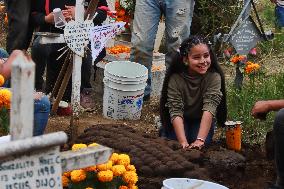
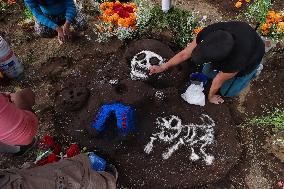
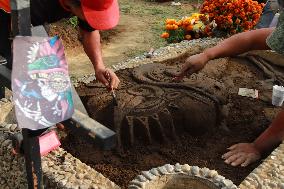
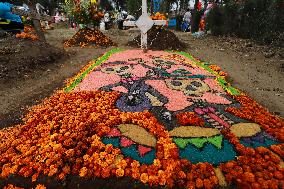
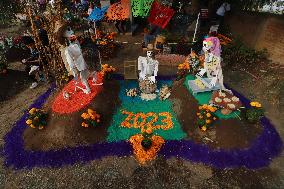
Day Of The Dead - Mexico

Day Of The Dead - Mexico

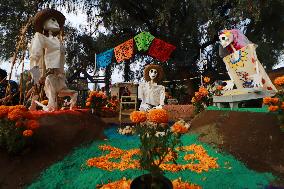
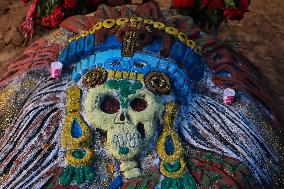
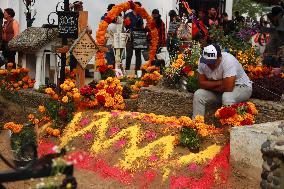
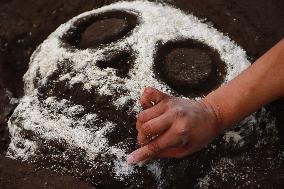
Relatives attend the pantheon of San Antonio Tecómitl and sculpt the earth with elements such as sawdust, lime and flowers, as an offering to receive their dead. Mexico City, Mexico, November 2, 2023. Photo by Carlos Santiago/Eyepix Group/ABACAPRESS.COM

  •  
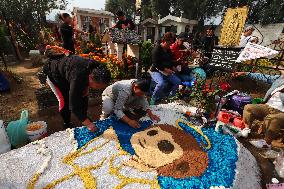
Day Of The Dead - Mexico

Day Of The Dead - Mexico

Relatives attend the pantheon of San Antonio Tecómitl and sculpt the earth with elements such as sawdust, lime and flowers, as an offering to receive their dead. Mexico City, Mexico, November 2, 2023. Photo by Carlos Santiago/Eyepix Group/ABACAPRESS.COM

  •  
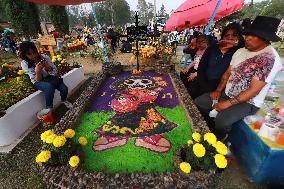
Day Of The Dead - Mexico

Day Of The Dead - Mexico

Relatives attend the pantheon of San Antonio Tecómitl and sculpt the earth with elements such as sawdust, lime and flowers, as an offering to receive their dead. Mexico City, Mexico, November 2, 2023. Photo by Carlos Santiago/Eyepix Group/ABACAPRESS.COM

  •  
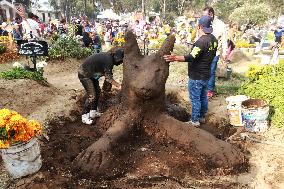
Day Of The Dead - Mexico

Day Of The Dead - Mexico

Relatives attend the pantheon of San Antonio Tecómitl and sculpt the earth with elements such as sawdust, lime and flowers, as an offering to receive their dead. Mexico City, Mexico, November 2, 2023. Photo by Carlos Santiago/Eyepix Group/ABACAPRESS.COM

  •  
Day Of The Dead - Mexico

Day Of The Dead - Mexico

Relatives attend the pantheon of San Antonio Tecómitl and sculpt the earth with elements such as sawdust, lime and flowers, as an offering to receive their dead. Mexico City, Mexico, November 2, 2023. Photo by Carlos Santiago/Eyepix Group/ABACAPRESS.COM

  •  
Day Of The Dead - Mexico

Day Of The Dead - Mexico

Relatives attend the pantheon of San Antonio Tecómitl and sculpt the earth with elements such as sawdust, lime and flowers, as an offering to receive their dead. Mexico City, Mexico, November 2, 2023. Photo by Carlos Santiago/Eyepix Group/ABACAPRESS.COM

  •  
Day Of The Dead - Mexico

Day Of The Dead - Mexico

Relatives attend the pantheon of San Antonio Tecómitl and sculpt the earth with elements such as sawdust, lime and flowers, as an offering to receive their dead. Mexico City, Mexico, November 2, 2023. Photo by Carlos Santiago/Eyepix Group/ABACAPRESS.COM

  •  
Day Of The Dead - Mexico

Day Of The Dead - Mexico

Relatives attend the pantheon of San Antonio Tecómitl and sculpt the earth with elements such as sawdust, lime and flowers, as an offering to receive their dead. Mexico City, Mexico, November 2, 2023. Photo by Carlos Santiago/Eyepix Group/ABACAPRESS.COM

  •  
Day Of The Dead - Mexico

Day Of The Dead - Mexico

Relatives attend the pantheon of San Antonio Tecómitl and sculpt the earth with elements such as sawdust, lime and flowers, as an offering to receive their dead. Mexico City, Mexico, November 2, 2023. Photo by Carlos Santiago/Eyepix Group/ABACAPRESS.COM

  •  
Day Of The Dead - Mexico

Day Of The Dead - Mexico

Relatives attend the pantheon of San Antonio Tecómitl and sculpt the earth with elements such as sawdust, lime and flowers, as an offering to receive their dead. Mexico City, Mexico, November 2, 2023. Photo by Carlos Santiago/Eyepix Group/ABACAPRESS.COM

  •  
Day Of The Dead - Mexico

Day Of The Dead - Mexico

Relatives attend the pantheon of San Antonio Tecómitl and sculpt the earth with elements such as sawdust, lime and flowers, as an offering to receive their dead. Mexico City, Mexico, November 2, 2023. Photo by Carlos Santiago/Eyepix Group/ABACAPRESS.COM

  •  
Day Of The Dead - Mexico

Day Of The Dead - Mexico

Relatives attend the pantheon of San Antonio Tecómitl and sculpt the earth with elements such as sawdust, lime and flowers, as an offering to receive their dead. Mexico City, Mexico, November 2, 2023. Photo by Carlos Santiago/Eyepix Group/ABACAPRESS.COM

  •  
Day Of The Dead - Mexico

Day Of The Dead - Mexico

Relatives attend the pantheon of San Antonio Tecómitl and sculpt the earth with elements such as sawdust, lime and flowers, as an offering to receive their dead. Mexico City, Mexico, November 2, 2023. Photo by Carlos Santiago/Eyepix Group/ABACAPRESS.COM

  •  
(EnchantingGuangxi)CHINA-GUANGXI-MIAO ETHNIC GROUP-TRADITIONAL COSTUME (CN)

(EnchantingGuangxi)CHINA-GUANGXI-MIAO ETHNIC GROUP-TRADITIONAL COSTUME (CN)

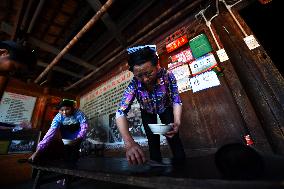
(230903) -- RONGSHUI, Sept. 3, 2023 (Xinhua) -- Wu Meiqiu applies egg white on a piece of "Liang Bu" in Wuying Village on the border between south China's Guangxi Zhuang Autonomous Region and southwest China's Guizhou Province, on Aug. 31, 2023. Wuying Village is a Miao ethnic group hamlet that nestles snugly in the towering mountains stretching across the border between Guangxi and Guizhou. "Liang Bu", named for its glistening appearance, is a kind of traditional hand-made cloth of Miao ethnic group. Women of Miao ethnic group in Wuying plant woad in spring and harvest it in fall. They soak woad in water for days before mixing it with materials such as lime, to make the dye for "Liang Bu". It usually takes months to make a piece of "Liang Bu" after repeated process of dip-dyeing, drying, pounding, applying egg white and steaming. The cloth gradually becomes glistening owing to tens of thousands of poundings by villagers with traditional wooden hammers. After cutting, sewing, embroidery and ironing, a

  •  
(EnchantingGuangxi)CHINA-GUANGXI-MIAO ETHNIC GROUP-TRADITIONAL COSTUME (CN)

(EnchantingGuangxi)CHINA-GUANGXI-MIAO ETHNIC GROUP-TRADITIONAL COSTUME (CN)

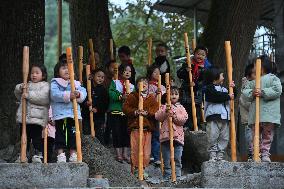
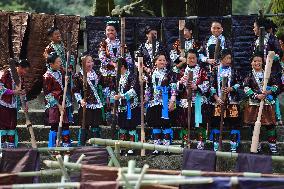
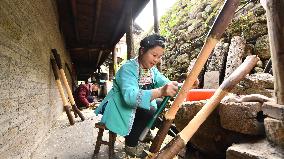
(230903) -- RONGSHUI, Sept. 3, 2023 (Xinhua) -- Children learn to use the traditional "Liang Bu" hammers in Wuying Village on the border between south China's Guangxi Zhuang Autonomous Region and southwest China's Guizhou Province, on Nov. 14, 2022. Wuying Village is a Miao ethnic group hamlet that nestles snugly in the towering mountains stretching across the border between Guangxi and Guizhou. "Liang Bu", named for its glistening appearance, is a kind of traditional hand-made cloth of Miao ethnic group. Women of Miao ethnic group in Wuying plant woad in spring and harvest it in fall. They soak woad in water for days before mixing it with materials such as lime, to make the dye for "Liang Bu". It usually takes months to make a piece of "Liang Bu" after repeated process of dip-dyeing, drying, pounding, applying egg white and steaming. The cloth gradually becomes glistening owing to tens of thousands of poundings by villagers with traditional wooden hammers. After cutting, sewing, embroidery and ironin

  •  
(EnchantingGuangxi)CHINA-GUANGXI-MIAO ETHNIC GROUP-TRADITIONAL COSTUME (CN)

(EnchantingGuangxi)CHINA-GUANGXI-MIAO ETHNIC GROUP-TRADITIONAL COSTUME (CN)

(230903) -- RONGSHUI, Sept. 3, 2023 (Xinhua) -- Wei Meili (R) pounds the cloth with the traditional "Liang Bu" hammer in Wuying Village on the border between south China's Guangxi Zhuang Autonomous Region and southwest China's Guizhou Province, on Sept. 2, 2020. Wuying Village is a Miao ethnic group hamlet that nestles snugly in the towering mountains stretching across the border between Guangxi and Guizhou. "Liang Bu", named for its glistening appearance, is a kind of traditional hand-made cloth of Miao ethnic group. Women of Miao ethnic group in Wuying plant woad in spring and harvest it in fall. They soak woad in water for days before mixing it with materials such as lime, to make the dye for "Liang Bu". It usually takes months to make a piece of "Liang Bu" after repeated process of dip-dyeing, drying, pounding, applying egg white and steaming. The cloth gradually becomes glistening owing to tens of thousands of poundings by villagers with traditional wooden hammers. After cutting, sewing, embroide

  •  
(EnchantingGuangxi)CHINA-GUANGXI-MIAO ETHNIC GROUP-TRADITIONAL COSTUME (CN)

(EnchantingGuangxi)CHINA-GUANGXI-MIAO ETHNIC GROUP-TRADITIONAL COSTUME (CN)

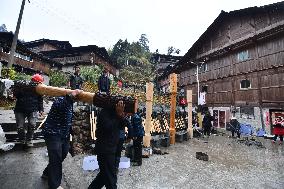
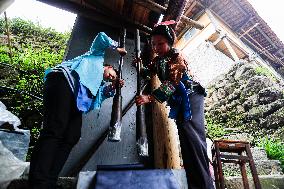
(230903) -- RONGSHUI, Sept. 3, 2023 (Xinhua) -- Villagers install large "Liang Bu" hammers at a square in Wuying Village on the border between south China's Guangxi Zhuang Autonomous Region and southwest China's Guizhou Province, on Nov. 19, 2022. Wuying Village is a Miao ethnic group hamlet that nestles snugly in the towering mountains stretching across the border between Guangxi and Guizhou. "Liang Bu", named for its glistening appearance, is a kind of traditional hand-made cloth of Miao ethnic group. Women of Miao ethnic group in Wuying plant woad in spring and harvest it in fall. They soak woad in water for days before mixing it with materials such as lime, to make the dye for "Liang Bu". It usually takes months to make a piece of "Liang Bu" after repeated process of dip-dyeing, drying, pounding, applying egg white and steaming. The cloth gradually becomes glistening owing to tens of thousands of poundings by villagers with traditional wooden hammers. After cutting, sewing, embroidery and ironing,

  •  
(EnchantingGuangxi)CHINA-GUANGXI-MIAO ETHNIC GROUP-TRADITIONAL COSTUME (CN)

(EnchantingGuangxi)CHINA-GUANGXI-MIAO ETHNIC GROUP-TRADITIONAL COSTUME (CN)

(230903) -- RONGSHUI, Sept. 3, 2023 (Xinhua) -- Wei Meili (R) applies egg white on a piece of "Liang Bu" in Wuying Village on the border between south China's Guangxi Zhuang Autonomous Region and southwest China's Guizhou Province, on Sept. 2, 2020. Wuying Village is a Miao ethnic group hamlet that nestles snugly in the towering mountains stretching across the border between Guangxi and Guizhou. "Liang Bu", named for its glistening appearance, is a kind of traditional hand-made cloth of Miao ethnic group. Women of Miao ethnic group in Wuying plant woad in spring and harvest it in fall. They soak woad in water for days before mixing it with materials such as lime, to make the dye for "Liang Bu". It usually takes months to make a piece of "Liang Bu" after repeated process of dip-dyeing, drying, pounding, applying egg white and steaming. The cloth gradually becomes glistening owing to tens of thousands of poundings by villagers with traditional wooden hammers. After cutting, sewing, embroidery and ironin

  •  
(EnchantingGuangxi)CHINA-GUANGXI-MIAO ETHNIC GROUP-TRADITIONAL COSTUME (CN)

(EnchantingGuangxi)CHINA-GUANGXI-MIAO ETHNIC GROUP-TRADITIONAL COSTUME (CN)

(230903) -- RONGSHUI, Sept. 3, 2023 (Xinhua) -- Liang Zuying dyes the white cloth in Wuying Village on the border between south China's Guangxi Zhuang Autonomous Region and southwest China's Guizhou Province, on Aug. 31, 2023. Wuying Village is a Miao ethnic group hamlet that nestles snugly in the towering mountains stretching across the border between Guangxi and Guizhou. "Liang Bu", named for its glistening appearance, is a kind of traditional hand-made cloth of Miao ethnic group. Women of Miao ethnic group in Wuying plant woad in spring and harvest it in fall. They soak woad in water for days before mixing it with materials such as lime, to make the dye for "Liang Bu". It usually takes months to make a piece of "Liang Bu" after repeated process of dip-dyeing, drying, pounding, applying egg white and steaming. The cloth gradually becomes glistening owing to tens of thousands of poundings by villagers with traditional wooden hammers. After cutting, sewing, embroidery and ironing, a set of glossy "Lia

  •  
(EnchantingGuangxi)CHINA-GUANGXI-MIAO ETHNIC GROUP-TRADITIONAL COSTUME (CN)

(EnchantingGuangxi)CHINA-GUANGXI-MIAO ETHNIC GROUP-TRADITIONAL COSTUME (CN)

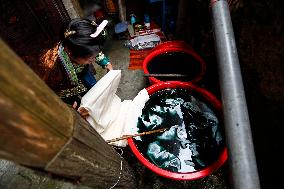
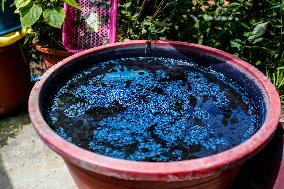
(230903) -- RONGSHUI, Sept. 3, 2023 (Xinhua) -- This photo shows the water after soaking woad in it for three days in Wuying Village on the border between south China's Guangxi Zhuang Autonomous Region and southwest China's Guizhou Province, on Aug. 31, 2023. Wuying Village is a Miao ethnic group hamlet that nestles snugly in the towering mountains stretching across the border between Guangxi and Guizhou. "Liang Bu", named for its glistening appearance, is a kind of traditional hand-made cloth of Miao ethnic group. Women of Miao ethnic group in Wuying plant woad in spring and harvest it in fall. They soak woad in water for days before mixing it with materials such as lime, to make the dye for "Liang Bu". It usually takes months to make a piece of "Liang Bu" after repeated process of dip-dyeing, drying, pounding, applying egg white and steaming. The cloth gradually becomes glistening owing to tens of thousands of poundings by villagers with traditional wooden hammers. After cutting, sewing, embroidery

  •  
(EnchantingGuangxi)CHINA-GUANGXI-MIAO ETHNIC GROUP-TRADITIONAL COSTUME (CN)

(EnchantingGuangxi)CHINA-GUANGXI-MIAO ETHNIC GROUP-TRADITIONAL COSTUME (CN)

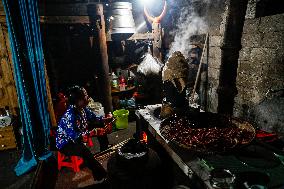
(230903) -- RONGSHUI, Sept. 3, 2023 (Xinhua) -- Liang Zuying steams the cloth in Wuying Village on the border between south China's Guangxi Zhuang Autonomous Region and southwest China's Guizhou Province, on Aug. 30, 2023. Wuying Village is a Miao ethnic group hamlet that nestles snugly in the towering mountains stretching across the border between Guangxi and Guizhou. "Liang Bu", named for its glistening appearance, is a kind of traditional hand-made cloth of Miao ethnic group. Women of Miao ethnic group in Wuying plant woad in spring and harvest it in fall. They soak woad in water for days before mixing it with materials such as lime, to make the dye for "Liang Bu". It usually takes months to make a piece of "Liang Bu" after repeated process of dip-dyeing, drying, pounding, applying egg white and steaming. The cloth gradually becomes glistening owing to tens of thousands of poundings by villagers with traditional wooden hammers. After cutting, sewing, embroidery and ironing, a set of glossy "Liang B

  •  
(EnchantingGuangxi)CHINA-GUANGXI-MIAO ETHNIC GROUP-TRADITIONAL COSTUME (CN)

(EnchantingGuangxi)CHINA-GUANGXI-MIAO ETHNIC GROUP-TRADITIONAL COSTUME (CN)

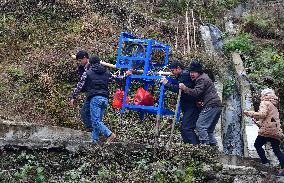
(230903) -- RONGSHUI, Sept. 3, 2023 (Xinhua) -- Villagers carry machines for making "Liang Bu" in Wuying Village on the border between south China's Guangxi Zhuang Autonomous Region and southwest China's Guizhou Province, on Dec. 31, 2021. The machines were donated by the women's federation and the association of women entrepreneurs of Liuzhou. Wuying Village is a Miao ethnic group hamlet that nestles snugly in the towering mountains stretching across the border between Guangxi and Guizhou. "Liang Bu", named for its glistening appearance, is a kind of traditional hand-made cloth of Miao ethnic group. Women of Miao ethnic group in Wuying plant woad in spring and harvest it in fall. They soak woad in water for days before mixing it with materials such as lime, to make the dye for "Liang Bu". It usually takes months to make a piece of "Liang Bu" after repeated process of dip-dyeing, drying, pounding, applying egg white and steaming. The cloth gradually becomes glistening owing to tens of thousands of pou

  •  
(EnchantingGuangxi)CHINA-GUANGXI-MIAO ETHNIC GROUP-TRADITIONAL COSTUME (CN)

(EnchantingGuangxi)CHINA-GUANGXI-MIAO ETHNIC GROUP-TRADITIONAL COSTUME (CN)

(230903) -- RONGSHUI, Sept. 3, 2023 (Xinhua) -- Pan Huami dyes the cloth in Wuying Village on the border between south China's Guangxi Zhuang Autonomous Region and southwest China's Guizhou Province, on Sept. 2, 2023. Wuying Village is a Miao ethnic group hamlet that nestles snugly in the towering mountains stretching across the border between Guangxi and Guizhou. "Liang Bu", named for its glistening appearance, is a kind of traditional hand-made cloth of Miao ethnic group. Women of Miao ethnic group in Wuying plant woad in spring and harvest it in fall. They soak woad in water for days before mixing it with materials such as lime, to make the dye for "Liang Bu". It usually takes months to make a piece of "Liang Bu" after repeated process of dip-dyeing, drying, pounding, applying egg white and steaming. The cloth gradually becomes glistening owing to tens of thousands of poundings by villagers with traditional wooden hammers. After cutting, sewing, embroidery and ironing, a set of glossy "Liang Bu" cl

  •  
(EnchantingGuangxi)CHINA-GUANGXI-MIAO ETHNIC GROUP-TRADITIONAL COSTUME (CN)

(EnchantingGuangxi)CHINA-GUANGXI-MIAO ETHNIC GROUP-TRADITIONAL COSTUME (CN)

(230903) -- RONGSHUI, Sept. 3, 2023 (Xinhua) -- Liang Zuying (3rd L, front) displays "Liang Bu" and traditional costumes with other locals during a "Liang Bu" cultural festival in Wuying Village on the border between south China's Guangxi Zhuang Autonomous Region and southwest China's Guizhou Province, on Oct. 25, 2020. Wuying Village is a Miao ethnic group hamlet that nestles snugly in the towering mountains stretching across the border between Guangxi and Guizhou. "Liang Bu", named for its glistening appearance, is a kind of traditional hand-made cloth of Miao ethnic group. Women of Miao ethnic group in Wuying plant woad in spring and harvest it in fall. They soak woad in water for days before mixing it with materials such as lime, to make the dye for "Liang Bu". It usually takes months to make a piece of "Liang Bu" after repeated process of dip-dyeing, drying, pounding, applying egg white and steaming. The cloth gradually becomes glistening owing to tens of thousands of poundings by villagers with

  •  
(EnchantingGuangxi)CHINA-GUANGXI-MIAO ETHNIC GROUP-TRADITIONAL COSTUME (CN)

(EnchantingGuangxi)CHINA-GUANGXI-MIAO ETHNIC GROUP-TRADITIONAL COSTUME (CN)

(230903) -- RONGSHUI, Sept. 3, 2023 (Xinhua) -- Children watch the making of "Liang Bu" in Wuying Village on the border between south China's Guangxi Zhuang Autonomous Region and southwest China's Guizhou Province, on Sept. 7, 2022. Wuying Village is a Miao ethnic group hamlet that nestles snugly in the towering mountains stretching across the border between Guangxi and Guizhou. "Liang Bu", named for its glistening appearance, is a kind of traditional hand-made cloth of Miao ethnic group. Women of Miao ethnic group in Wuying plant woad in spring and harvest it in fall. They soak woad in water for days before mixing it with materials such as lime, to make the dye for "Liang Bu". It usually takes months to make a piece of "Liang Bu" after repeated process of dip-dyeing, drying, pounding, applying egg white and steaming. The cloth gradually becomes glistening owing to tens of thousands of poundings by villagers with traditional wooden hammers. After cutting, sewing, embroidery and ironing, a set of gloss

  •  
(EnchantingGuangxi)CHINA-GUANGXI-MIAO ETHNIC GROUP-TRADITIONAL COSTUME (CN)

(EnchantingGuangxi)CHINA-GUANGXI-MIAO ETHNIC GROUP-TRADITIONAL COSTUME (CN)

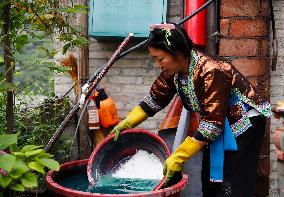
(230903) -- RONGSHUI, Sept. 3, 2023 (Xinhua) -- Liang Zuying adds lime into the water with woad soaked to make the dye in Wuying Village on the border between south China's Guangxi Zhuang Autonomous Region and southwest China's Guizhou Province, on Aug. 31, 2023. Wuying Village is a Miao ethnic group hamlet that nestles snugly in the towering mountains stretching across the border between Guangxi and Guizhou. "Liang Bu", named for its glistening appearance, is a kind of traditional hand-made cloth of Miao ethnic group. Women of Miao ethnic group in Wuying plant woad in spring and harvest it in fall. They soak woad in water for days before mixing it with materials such as lime, to make the dye for "Liang Bu". It usually takes months to make a piece of "Liang Bu" after repeated process of dip-dyeing, drying, pounding, applying egg white and steaming. The cloth gradually becomes glistening owing to tens of thousands of poundings by villagers with traditional wooden hammers. After cutting, sewing, embroid

  •  
(EnchantingGuangxi)CHINA-GUANGXI-MIAO ETHNIC GROUP-TRADITIONAL COSTUME (CN)

(EnchantingGuangxi)CHINA-GUANGXI-MIAO ETHNIC GROUP-TRADITIONAL COSTUME (CN)

(230903) -- RONGSHUI, Sept. 3, 2023 (Xinhua) -- Liang Zuying makes embroidery in Wuying Village on the border between south China's Guangxi Zhuang Autonomous Region and southwest China's Guizhou Province, on Oct. 19, 2019. Wuying Village is a Miao ethnic group hamlet that nestles snugly in the towering mountains stretching across the border between Guangxi and Guizhou. "Liang Bu", named for its glistening appearance, is a kind of traditional hand-made cloth of Miao ethnic group. Women of Miao ethnic group in Wuying plant woad in spring and harvest it in fall. They soak woad in water for days before mixing it with materials such as lime, to make the dye for "Liang Bu". It usually takes months to make a piece of "Liang Bu" after repeated process of dip-dyeing, drying, pounding, applying egg white and steaming. The cloth gradually becomes glistening owing to tens of thousands of poundings by villagers with traditional wooden hammers. After cutting, sewing, embroidery and ironing, a set of glossy "Liang B

  •  
(EnchantingGuangxi)CHINA-GUANGXI-MIAO ETHNIC GROUP-TRADITIONAL COSTUME (CN)

(EnchantingGuangxi)CHINA-GUANGXI-MIAO ETHNIC GROUP-TRADITIONAL COSTUME (CN)

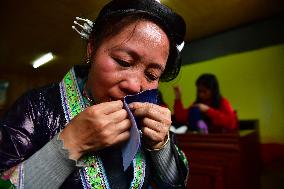
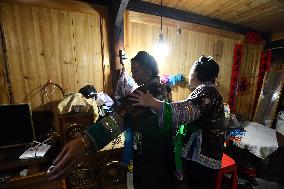
(230903) -- RONGSHUI, Sept. 3, 2023 (Xinhua) -- Wu Meiqiu (R) takes Liang Zuying's measurement for making "Liang Bu" costumes in Wuying Village on the border between south China's Guangxi Zhuang Autonomous Region and southwest China's Guizhou Province, on Aug. 31, 2023. Wuying Village is a Miao ethnic group hamlet that nestles snugly in the towering mountains stretching across the border between Guangxi and Guizhou. "Liang Bu", named for its glistening appearance, is a kind of traditional hand-made cloth of Miao ethnic group. Women of Miao ethnic group in Wuying plant woad in spring and harvest it in fall. They soak woad in water for days before mixing it with materials such as lime, to make the dye for "Liang Bu". It usually takes months to make a piece of "Liang Bu" after repeated process of dip-dyeing, drying, pounding, applying egg white and steaming. The cloth gradually becomes glistening owing to tens of thousands of poundings by villagers with traditional wooden hammers. After cutting, sewing,

  •  
(EnchantingGuangxi)CHINA-GUANGXI-MIAO ETHNIC GROUP-TRADITIONAL COSTUME (CN)

(EnchantingGuangxi)CHINA-GUANGXI-MIAO ETHNIC GROUP-TRADITIONAL COSTUME (CN)

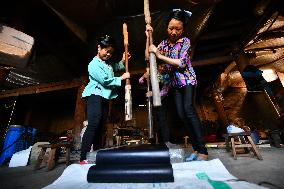
(230903) -- RONGSHUI, Sept. 3, 2023 (Xinhua) -- Liang Zuying (R) pounds the cloth with the traditional "Liang Bu" hammer in Wuying Village on the border between south China's Guangxi Zhuang Autonomous Region and southwest China's Guizhou Province, on Aug. 31, 2023. Wuying Village is a Miao ethnic group hamlet that nestles snugly in the towering mountains stretching across the border between Guangxi and Guizhou. "Liang Bu", named for its glistening appearance, is a kind of traditional hand-made cloth of Miao ethnic group. Women of Miao ethnic group in Wuying plant woad in spring and harvest it in fall. They soak woad in water for days before mixing it with materials such as lime, to make the dye for "Liang Bu". It usually takes months to make a piece of "Liang Bu" after repeated process of dip-dyeing, drying, pounding, applying egg white and steaming. The cloth gradually becomes glistening owing to tens of thousands of poundings by villagers with traditional wooden hammers. After cutting, sewing, embro

  •  
(EnchantingGuangxi)CHINA-GUANGXI-MIAO ETHNIC GROUP-TRADITIONAL COSTUME (CN)

(EnchantingGuangxi)CHINA-GUANGXI-MIAO ETHNIC GROUP-TRADITIONAL COSTUME (CN)

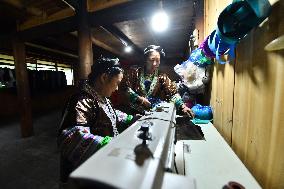
(230903) -- RONGSHUI, Sept. 3, 2023 (Xinhua) -- Liang Zuying (R) and Wu Meiqiu sew "Liang Bu" costumes in Wuying Village on the border between south China's Guangxi Zhuang Autonomous Region and southwest China's Guizhou Province, on Aug. 31, 2023. Wuying Village is a Miao ethnic group hamlet that nestles snugly in the towering mountains stretching across the border between Guangxi and Guizhou. "Liang Bu", named for its glistening appearance, is a kind of traditional hand-made cloth of Miao ethnic group. Women of Miao ethnic group in Wuying plant woad in spring and harvest it in fall. They soak woad in water for days before mixing it with materials such as lime, to make the dye for "Liang Bu". It usually takes months to make a piece of "Liang Bu" after repeated process of dip-dyeing, drying, pounding, applying egg white and steaming. The cloth gradually becomes glistening owing to tens of thousands of poundings by villagers with traditional wooden hammers. After cutting, sewing, embroidery and ironing,

  •  
(EnchantingGuangxi)CHINA-GUANGXI-MIAO ETHNIC GROUP-TRADITIONAL COSTUME (CN)

(EnchantingGuangxi)CHINA-GUANGXI-MIAO ETHNIC GROUP-TRADITIONAL COSTUME (CN)

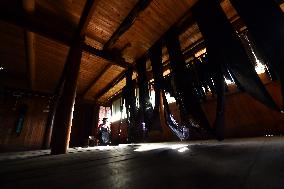
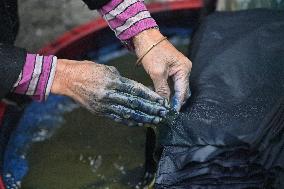
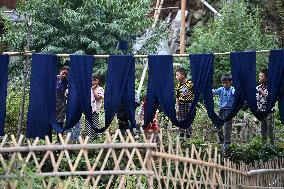
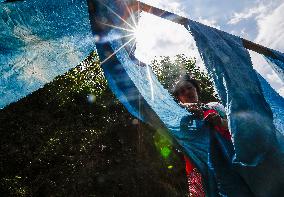
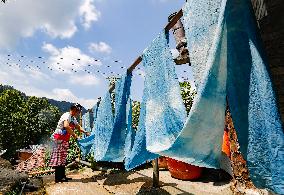
(230903) -- RONGSHUI, Sept. 3, 2023 (Xinhua) -- Liang Zuying dries the cloth after dip-dyeing in Wuying Village on the border between south China's Guangxi Zhuang Autonomous Region and southwest China's Guizhou Province, on Aug. 31, 2023. Wuying Village is a Miao ethnic group hamlet that nestles snugly in the towering mountains stretching across the border between Guangxi and Guizhou. "Liang Bu", named for its glistening appearance, is a kind of traditional hand-made cloth of Miao ethnic group. Women of Miao ethnic group in Wuying plant woad in spring and harvest it in fall. They soak woad in water for days before mixing it with materials such as lime, to make the dye for "Liang Bu". It usually takes months to make a piece of "Liang Bu" after repeated process of dip-dyeing, drying, pounding, applying egg white and steaming. The cloth gradually becomes glistening owing to tens of thousands of poundings by villagers with traditional wooden hammers. After cutting, sewing, embroidery and ironing, a set of

  •  
(EnchantingGuangxi)CHINA-GUANGXI-MIAO ETHNIC GROUP-TRADITIONAL COSTUME (CN)

(EnchantingGuangxi)CHINA-GUANGXI-MIAO ETHNIC GROUP-TRADITIONAL COSTUME (CN)

(230903) -- RONGSHUI, Sept. 3, 2023 (Xinhua) -- Pan Meimei and her husband make the traditional "Liang Bu" hammers in Wuying Village on the border between south China's Guangxi Zhuang Autonomous Region and southwest China's Guizhou Province, on Jan. 15, 2023. Wuying Village is a Miao ethnic group hamlet that nestles snugly in the towering mountains stretching across the border between Guangxi and Guizhou. "Liang Bu", named for its glistening appearance, is a kind of traditional hand-made cloth of Miao ethnic group. Women of Miao ethnic group in Wuying plant woad in spring and harvest it in fall. They soak woad in water for days before mixing it with materials such as lime, to make the dye for "Liang Bu". It usually takes months to make a piece of "Liang Bu" after repeated process of dip-dyeing, drying, pounding, applying egg white and steaming. The cloth gradually becomes glistening owing to tens of thousands of poundings by villagers with traditional wooden hammers. After cutting, sewing, embroidery

  •  
(EnchantingGuangxi)CHINA-GUANGXI-MIAO ETHNIC GROUP-TRADITIONAL COSTUME (CN)

(EnchantingGuangxi)CHINA-GUANGXI-MIAO ETHNIC GROUP-TRADITIONAL COSTUME (CN)

(230903) -- RONGSHUI, Sept. 3, 2023 (Xinhua) -- Liang Zuying dries the cloth after dip-dyeing in Wuying Village on the border between south China's Guangxi Zhuang Autonomous Region and southwest China's Guizhou Province, on Aug. 31, 2023. Wuying Village is a Miao ethnic group hamlet that nestles snugly in the towering mountains stretching across the border between Guangxi and Guizhou. "Liang Bu", named for its glistening appearance, is a kind of traditional hand-made cloth of Miao ethnic group. Women of Miao ethnic group in Wuying plant woad in spring and harvest it in fall. They soak woad in water for days before mixing it with materials such as lime, to make the dye for "Liang Bu". It usually takes months to make a piece of "Liang Bu" after repeated process of dip-dyeing, drying, pounding, applying egg white and steaming. The cloth gradually becomes glistening owing to tens of thousands of poundings by villagers with traditional wooden hammers. After cutting, sewing, embroidery and ironing, a set of

  •  
(EnchantingGuangxi)CHINA-GUANGXI-MIAO ETHNIC GROUP-TRADITIONAL COSTUME (CN)

(EnchantingGuangxi)CHINA-GUANGXI-MIAO ETHNIC GROUP-TRADITIONAL COSTUME (CN)

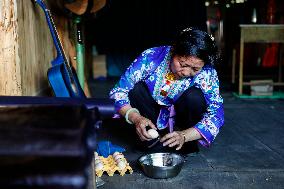
(230903) -- RONGSHUI, Sept. 3, 2023 (Xinhua) -- Liang Zuying takes egg white for applying on the cloth in Wuying Village on the border between south China's Guangxi Zhuang Autonomous Region and southwest China's Guizhou Province, on Aug. 30, 2023. Wuying Village is a Miao ethnic group hamlet that nestles snugly in the towering mountains stretching across the border between Guangxi and Guizhou. "Liang Bu", named for its glistening appearance, is a kind of traditional hand-made cloth of Miao ethnic group. Women of Miao ethnic group in Wuying plant woad in spring and harvest it in fall. They soak woad in water for days before mixing it with materials such as lime, to make the dye for "Liang Bu". It usually takes months to make a piece of "Liang Bu" after repeated process of dip-dyeing, drying, pounding, applying egg white and steaming. The cloth gradually becomes glistening owing to tens of thousands of poundings by villagers with traditional wooden hammers. After cutting, sewing, embroidery and ironing,

  • Main
  • Top
  • Editorial
  • Creative
  • About Us
  • About ILG
  • Terms of use
  • Company
  • BEHIND
  • Price List
  • Single Plan
  • Monthly Plan
  • Services
  • Shooting
  • Rights Clearance
  • Support
  • FAQ
  • How To Buy
  • Contact Us
  • Become a Partner

© KYODO NEWS IMAGES INC

All Rights Reserved.

  • Editorial
  • Olympics
  • News
  • Sports
  • Japan
  • Tech
  • Royal
  • Disaster
  • NorthKorea
  • Old Japan
  • SNS
  • Creative
  • Food
  • Japan
  • Landscape
  • Animal
  • Popular
  • #Ukraine
  • #China
  • #coronavirus
  • #N. Korea
  • #Russia
  • #Thailand
  • #Ukraine
  • #China
  • #coronavirus
  • #N. Korea
  • #Russia
  • #Thailand
  • Food
  • Japan
  • Landscape
  • Animal
  • Olympics
  • News
  • Sports
  • Japan
  • Tech
  • Royal
  • Disaster
  • NorthKorea
  • Old Japan
  • SNS