•  
Peanut Seller Returns To Ariha - Syria

Peanut Seller Returns To Ariha - Syria

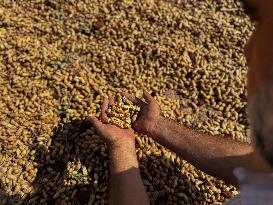
Uncle Abu Omar displays peanuts beside a filed in Ariha, Syria, on October 7, 2025. The drying process supplies the peanuts used by Abu Omar, who has returned to his long-practiced craft of cracking peanuts in the local market. Photo by Omar Albaw/Middle East Images/ABACAPRESS.COM

  •  
Peanut Seller Returns To Ariha - Syria

Peanut Seller Returns To Ariha - Syria

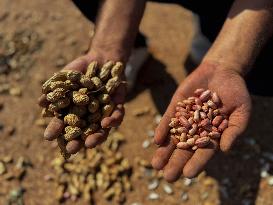
Uncle Abu Omar displays peanuts still in their shells alongside peeled peanuts in Ariha, Syria, on October 7, 2025. The drying process supplies the peanuts used by Abu Omar, who has returned to his long-practiced craft of cracking peanuts in the local market. Photo by Omar Albaw/Middle East Images/ABACAPRESS.COM

  •  
Peanut Seller Returns To Ariha - Syria

Peanut Seller Returns To Ariha - Syria

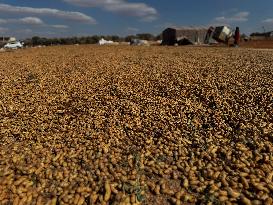
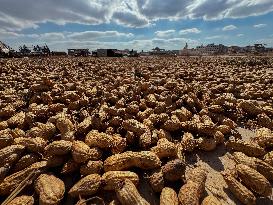
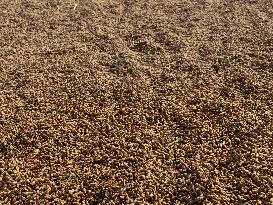
Peanuts are spread out on the ground to dry in Ariha, Syria, on October 7, 2025. The drying process supplies the peanuts used by Abu Omar, who has returned to his long-practiced craft of cracking peanuts in the local market. Photo by Omar Albaw/Middle East Images/ABACAPRESS.COM

  •  
Peanut Seller Returns To Ariha - Syria

Peanut Seller Returns To Ariha - Syria

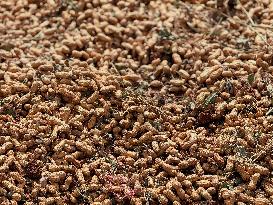
Peanuts are spread out on the ground to dry in Ariha, Syria, on October 7, 2025. The drying process supplies the peanuts used by Abu Omar, who has returned to his long-practiced craft of cracking peanuts in the local market. Photo by Omar Albaw/Middle East Images/ABACAPRESS.COM

  •  
Peanut Seller Returns To Ariha - Syria

Peanut Seller Returns To Ariha - Syria

Peanuts are spread out on the ground to dry in Ariha, Syria, on October 7, 2025. The drying process supplies the peanuts used by Abu Omar, who has returned to his long-practiced craft of cracking peanuts in the local market. Photo by Omar Albaw/Middle East Images/ABACAPRESS.COM

  •  
Peanut Seller Returns To Ariha - Syria

Peanut Seller Returns To Ariha - Syria

Peanuts are spread out on the ground to dry in Ariha, Syria, on October 7, 2025. The drying process supplies the peanuts used by Abu Omar, who has returned to his long-practiced craft of cracking peanuts in the local market. Photo by Omar Albaw/Middle East Images/ABACAPRESS.COM

  •  
Peanut Seller Returns To Ariha - Syria

Peanut Seller Returns To Ariha - Syria

A man carries a sack of peanuts across a field in Ariha, Syria, on October 7, 2025. The drying process supplies the peanuts used by Abu Omar, who has returned to his long-practiced craft of cracking peanuts in the local market. Photo by Omar Albaw/Middle East Images/ABACAPRESS.COM

  •  
Peanut Seller Returns To Ariha - Syria

Peanut Seller Returns To Ariha - Syria

Bags of peanuts are stacked near a drying area in Ariha, Syria, on October 7, 2025. The drying process supplies the peanuts used by Abu Omar, who has returned to his long-practiced craft of cracking peanuts in the local market. Photo by Omar Albaw/Middle East Images/ABACAPRESS.COM

  •  
Peanut Seller Returns To Ariha - Syria

Peanut Seller Returns To Ariha - Syria

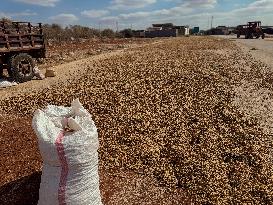
A sack of peanuts stands beside an open area where peanuts are laid out to dry in Ariha, Syria, on October 7, 2025. The drying process supplies the peanuts used by Abu Omar, who has returned to his long-practiced craft of cracking peanuts in the local market. Photo by Omar Albaw/Middle East Images/ABACAPRESS.COM

  •  
Peanut Seller Returns To Ariha - Syria

Peanut Seller Returns To Ariha - Syria

Men carry sacks of peanuts across a field in Ariha, Syria, on October 7, 2025. The drying process supplies the peanuts used by Abu Omar, who has returned to his long-practiced craft of cracking peanuts in the local market. Photo by Omar Albaw/Middle East Images/ABACAPRESS.COM

  •  
Preserving Tradition And Innovating Duck Culture - Bejing

Preserving Tradition And Innovating Duck Culture - Bejing

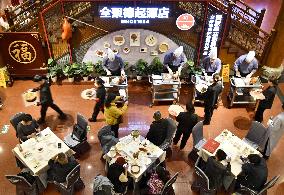
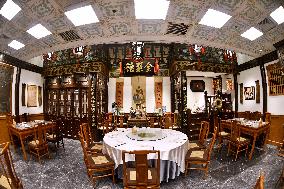
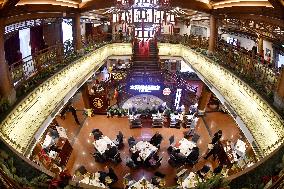
B Customers have meals at the first-ever store of Quanjude on the Qianmen Street in Beijing, capital of China, March 25, 2025. Peking Duck, a representative cuisine of Beijing, has won popularity across the world for its golden, crispy skin and juicy, flavorful meat. Set up by Yang Quanren in 1864 in Beijing, "Quanjude", a time-honored brand for Peking duck, has become a must-go for visitors from both home and abroad. In 2008, Quanjude's craft of making Peking Duck was listed in the second batch of national intangible cultural heritages. The cooking craft of Peking Duck, which has been passed down for seven generations in Quanjude, is mainly used in two steps, preparation and roasting. To ensure the quality of its duck, Quanjude only chooses a type of local ducks which are fed and raised in a special way so that the proportion of the fat in the duck meat is strictly under control. During the roasting procedure, Quanjude uses wood from hard fruit trees and open fire to get a better taste. Meanwhile, the chef w

  •  
Preserving Tradition And Innovating Duck Culture - Bejing

Preserving Tradition And Innovating Duck Culture - Bejing

B This photo taken on March 25, 2025 shows the replica of an old Quanjude store at its first-ever store on the Qianmen Street in Beijing, capital of China, March 25, 2025. Peking Duck, a representative cuisine of Beijing, has won popularity across the world for its golden, crispy skin and juicy, flavorful meat. Set up by Yang Quanren in 1864 in Beijing, "Quanjude", a time-honored brand for Peking duck, has become a must-go for visitors from both home and abroad. In 2008, Quanjude's craft of making Peking Duck was listed in the second batch of national intangible cultural heritages. The cooking craft of Peking Duck, which has been passed down for seven generations in Quanjude, is mainly used in two steps, preparation and roasting. To ensure the quality of its duck, Quanjude only chooses a type of local ducks which are fed and raised in a special way so that the proportion of the fat in the duck meat is strictly under control. During the roasting procedure, Quanjude uses wood from hard fruit trees and open fire

  •  
Preserving Tradition And Innovating Duck Culture - Bejing

Preserving Tradition And Innovating Duck Culture - Bejing

B A chef learns the dish presentation at the Hepingmen store of Quanjude in Beijing, capital of China, March 13, 2025. Peking Duck, a representative cuisine of Beijing, has won popularity across the world for its golden, crispy skin and juicy, flavorful meat. Set up by Yang Quanren in 1864 in Beijing, "Quanjude", a time-honored brand for Peking duck, has become a must-go for visitors from both home and abroad. In 2008, Quanjude's craft of making Peking Duck was listed in the second batch of national intangible cultural heritages. The cooking craft of Peking Duck, which has been passed down for seven generations in Quanjude, is mainly used in two steps, preparation and roasting. To ensure the quality of its duck, Quanjude only chooses a type of local ducks which are fed and raised in a special way so that the proportion of the fat in the duck meat is strictly under control. During the roasting procedure, Quanjude uses wood from hard fruit trees and open fire to get a better taste. Meanwhile, the chef will also

  •  
Preserving Tradition And Innovating Duck Culture - Bejing

Preserving Tradition And Innovating Duck Culture - Bejing

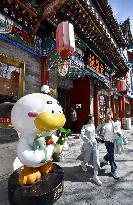
B A mascot of Quanjude is displayed at the entrance of an experience store of Quanjude on the Qianmen Street in Beijing, capital of China, March 25, 2025. Peking Duck, a representative cuisine of Beijing, has won popularity across the world for its golden, crispy skin and juicy, flavorful meat. Set up by Yang Quanren in 1864 in Beijing, "Quanjude", a time-honored brand for Peking duck, has become a must-go for visitors from both home and abroad. In 2008, Quanjude's craft of making Peking Duck was listed in the second batch of national intangible cultural heritages. The cooking craft of Peking Duck, which has been passed down for seven generations in Quanjude, is mainly used in two steps, preparation and roasting. To ensure the quality of its duck, Quanjude only chooses a type of local ducks which are fed and raised in a special way so that the proportion of the fat in the duck meat is strictly under control. During the roasting procedure, Quanjude uses wood from hard fruit trees and open fire to get a better

  •  
Preserving Tradition And Innovating Duck Culture - Bejing

Preserving Tradition And Innovating Duck Culture - Bejing

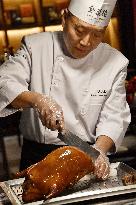
B A chef prepares to slice Peking Duck for customers at the Hepingmen store of Quanjude in Beijing, capital of China, March 13, 2025. Peking Duck, a representative cuisine of Beijing, has won popularity across the world for its golden, crispy skin and juicy, flavorful meat. Set up by Yang Quanren in 1864 in Beijing, "Quanjude", a time-honored brand for Peking duck, has become a must-go for visitors from both home and abroad. In 2008, Quanjude's craft of making Peking Duck was listed in the second batch of national intangible cultural heritages. The cooking craft of Peking Duck, which has been passed down for seven generations in Quanjude, is mainly used in two steps, preparation and roasting. To ensure the quality of its duck, Quanjude only chooses a type of local ducks which are fed and raised in a special way so that the proportion of the fat in the duck meat is strictly under control. During the roasting procedure, Quanjude uses wood from hard fruit trees and open fire to get a better taste. Meanwhile, the

  •  
Preserving Tradition And Innovating Duck Culture - Bejing

Preserving Tradition And Innovating Duck Culture - Bejing

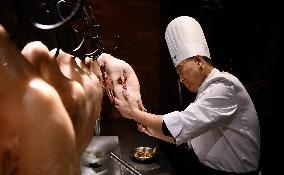
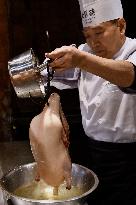
B Wu Yubo prepares the duck at the Hepingmen store of Quanjude in Beijing, capital of China, March 13, 2025. Peking Duck, a representative cuisine of Beijing, has won popularity across the world for its golden, crispy skin and juicy, flavorful meat. Set up by Yang Quanren in 1864 in Beijing, "Quanjude", a time-honored brand for Peking duck, has become a must-go for visitors from both home and abroad. In 2008, Quanjude's craft of making Peking Duck was listed in the second batch of national intangible cultural heritages. The cooking craft of Peking Duck, which has been passed down for seven generations in Quanjude, is mainly used in two steps, preparation and roasting. To ensure the quality of its duck, Quanjude only chooses a type of local ducks which are fed and raised in a special way so that the proportion of the fat in the duck meat is strictly under control. During the roasting procedure, Quanjude uses wood from hard fruit trees and open fire to get a better taste. Meanwhile, the chef will also use a lon

  •  
Preserving Tradition And Innovating Duck Culture - Bejing

Preserving Tradition And Innovating Duck Culture - Bejing

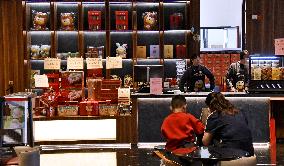
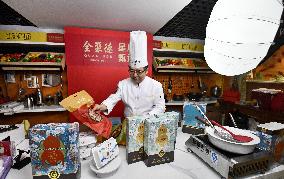
B Cultural creative products are displayed at the Hepingmen store of Quanjude in Beijing, capital of China, March 13, 2025. Peking Duck, a representative cuisine of Beijing, has won popularity across the world for its golden, crispy skin and juicy, flavorful meat. Set up by Yang Quanren in 1864 in Beijing, "Quanjude", a time-honored brand for Peking duck, has become a must-go for visitors from both home and abroad. In 2008, Quanjude's craft of making Peking Duck was listed in the second batch of national intangible cultural heritages. The cooking craft of Peking Duck, which has been passed down for seven generations in Quanjude, is mainly used in two steps, preparation and roasting. To ensure the quality of its duck, Quanjude only chooses a type of local ducks which are fed and raised in a special way so that the proportion of the fat in the duck meat is strictly under control. During the roasting procedure, Quanjude uses wood from hard fruit trees and open fire to get a better taste. Meanwhile, the chef will

  •  
Preserving Tradition And Innovating Duck Culture - Bejing

Preserving Tradition And Innovating Duck Culture - Bejing

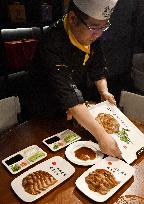
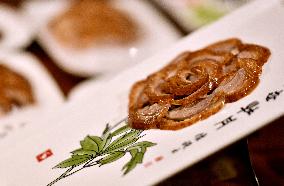
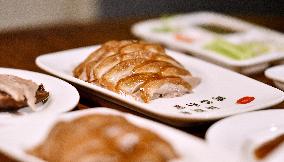
B A plate of sliced Peking Duck is displayed at the Hepingmen store of Quanjude in Beijing, capital of China, March 13, 2025. Peking Duck, a representative cuisine of Beijing, has won popularity across the world for its golden, crispy skin and juicy, flavorful meat. Set up by Yang Quanren in 1864 in Beijing, "Quanjude", a time-honored brand for Peking duck, has become a must-go for visitors from both home and abroad. In 2008, Quanjude's craft of making Peking Duck was listed in the second batch of national intangible cultural heritages. The cooking craft of Peking Duck, which has been passed down for seven generations in Quanjude, is mainly used in two steps, preparation and roasting. To ensure the quality of its duck, Quanjude only chooses a type of local ducks which are fed and raised in a special way so that the proportion of the fat in the duck meat is strictly under control. During the roasting procedure, Quanjude uses wood from hard fruit trees and open fire to get a better taste. Meanwhile, the chef wi

  •  
Preserving Tradition And Innovating Duck Culture - Bejing

Preserving Tradition And Innovating Duck Culture - Bejing

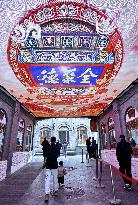
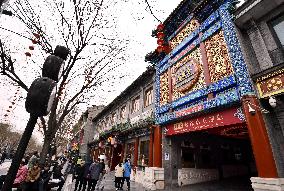
B People walk to the first-ever store of Quanjude on the Qianmen Street in Beijing, capital of China, March 14, 2025. Peking Duck, a representative cuisine of Beijing, has won popularity across the world for its golden, crispy skin and juicy, flavorful meat. Set up by Yang Quanren in 1864 in Beijing, "Quanjude", a time-honored brand for Peking duck, has become a must-go for visitors from both home and abroad. In 2008, Quanjude's craft of making Peking Duck was listed in the second batch of national intangible cultural heritages. The cooking craft of Peking Duck, which has been passed down for seven generations in Quanjude, is mainly used in two steps, preparation and roasting. To ensure the quality of its duck, Quanjude only chooses a type of local ducks which are fed and raised in a special way so that the proportion of the fat in the duck meat is strictly under control. During the roasting procedure, Quanjude uses wood from hard fruit trees and open fire to get a better taste. Meanwhile, the chef will also

  •  
Preserving Tradition And Innovating Duck Culture - Bejing

Preserving Tradition And Innovating Duck Culture - Bejing

B Wu Yubo shows the skills of roasting ducks at the Hepingmen store of Quanjude in Beijing, capital of China, March 13, 2025. Peking Duck, a representative cuisine of Beijing, has won popularity across the world for its golden, crispy skin and juicy, flavorful meat. Set up by Yang Quanren in 1864 in Beijing, "Quanjude", a time-honored brand for Peking duck, has become a must-go for visitors from both home and abroad. In 2008, Quanjude's craft of making Peking Duck was listed in the second batch of national intangible cultural heritages. The cooking craft of Peking Duck, which has been passed down for seven generations in Quanjude, is mainly used in two steps, preparation and roasting. To ensure the quality of its duck, Quanjude only chooses a type of local ducks which are fed and raised in a special way so that the proportion of the fat in the duck meat is strictly under control. During the roasting procedure, Quanjude uses wood from hard fruit trees and open fire to get a better taste. Meanwhile, the chef wi

  •  
Preserving Tradition And Innovating Duck Culture - Bejing

Preserving Tradition And Innovating Duck Culture - Bejing

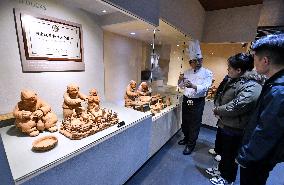
B People visit a museum of Quanjude at the Hepingmen store of Quanjude in Beijing, capital of China, March 13, 2025. Peking Duck, a representative cuisine of Beijing, has won popularity across the world for its golden, crispy skin and juicy, flavorful meat. Set up by Yang Quanren in 1864 in Beijing, "Quanjude", a time-honored brand for Peking duck, has become a must-go for visitors from both home and abroad. In 2008, Quanjude's craft of making Peking Duck was listed in the second batch of national intangible cultural heritages. The cooking craft of Peking Duck, which has been passed down for seven generations in Quanjude, is mainly used in two steps, preparation and roasting. To ensure the quality of its duck, Quanjude only chooses a type of local ducks which are fed and raised in a special way so that the proportion of the fat in the duck meat is strictly under control. During the roasting procedure, Quanjude uses wood from hard fruit trees and open fire to get a better taste. Meanwhile, the chef will also u

  •  
Preserving Tradition And Innovating Duck Culture - Bejing

Preserving Tradition And Innovating Duck Culture - Bejing

B Wu Yubo prepares a duck at the Hepingmen store of Quanjude in Beijing, capital of China, March 13, 2025. Peking Duck, a representative cuisine of Beijing, has won popularity across the world for its golden, crispy skin and juicy, flavorful meat. Set up by Yang Quanren in 1864 in Beijing, "Quanjude", a time-honored brand for Peking duck, has become a must-go for visitors from both home and abroad. In 2008, Quanjude's craft of making Peking Duck was listed in the second batch of national intangible cultural heritages. The cooking craft of Peking Duck, which has been passed down for seven generations in Quanjude, is mainly used in two steps, preparation and roasting. To ensure the quality of its duck, Quanjude only chooses a type of local ducks which are fed and raised in a special way so that the proportion of the fat in the duck meat is strictly under control. During the roasting procedure, Quanjude uses wood from hard fruit trees and open fire to get a better taste. Meanwhile, the chef will also use a long

  •  
Preserving Tradition And Innovating Duck Culture - Bejing

Preserving Tradition And Innovating Duck Culture - Bejing

B The first-ever store of Quanjude is seen on the Qianmen Street in Beijing, capital of China, March 14, 2025. Peking Duck, a representative cuisine of Beijing, has won popularity across the world for its golden, crispy skin and juicy, flavorful meat. Set up by Yang Quanren in 1864 in Beijing, "Quanjude", a time-honored brand for Peking duck, has become a must-go for visitors from both home and abroad. In 2008, Quanjude's craft of making Peking Duck was listed in the second batch of national intangible cultural heritages. The cooking craft of Peking Duck, which has been passed down for seven generations in Quanjude, is mainly used in two steps, preparation and roasting. To ensure the quality of its duck, Quanjude only chooses a type of local ducks which are fed and raised in a special way so that the proportion of the fat in the duck meat is strictly under control. During the roasting procedure, Quanjude uses wood from hard fruit trees and open fire to get a better taste. Meanwhile, the chef will also use a l

  •  
Preserving Tradition And Innovating Duck Culture - Bejing

Preserving Tradition And Innovating Duck Culture - Bejing

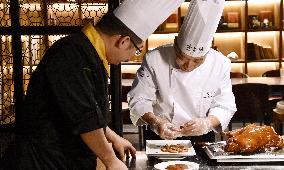
B Wu Yubo (L) teaches his apprentice to prepare ducks at the Hepingmen store of Quanjude in Beijing, capital of China, March 13, 2025. Peking Duck, a representative cuisine of Beijing, has won popularity across the world for its golden, crispy skin and juicy, flavorful meat. Set up by Yang Quanren in 1864 in Beijing, "Quanjude", a time-honored brand for Peking duck, has become a must-go for visitors from both home and abroad. In 2008, Quanjude's craft of making Peking Duck was listed in the second batch of national intangible cultural heritages. The cooking craft of Peking Duck, which has been passed down for seven generations in Quanjude, is mainly used in two steps, preparation and roasting. To ensure the quality of its duck, Quanjude only chooses a type of local ducks which are fed and raised in a special way so that the proportion of the fat in the duck meat is strictly under control. During the roasting procedure, Quanjude uses wood from hard fruit trees and open fire to get a better taste. Meanwhile, th

  •  
Preserving Tradition And Innovating Duck Culture - Bejing

Preserving Tradition And Innovating Duck Culture - Bejing

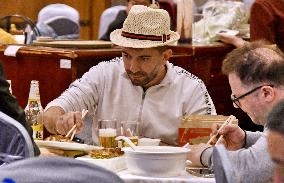
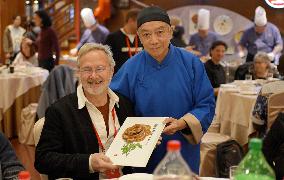
B A foreign guest eats Peking Duck at the first-ever store of Quanjude on the Qianmen Street in Beijing, capital of China, March 25, 2025. Peking Duck, a representative cuisine of Beijing, has won popularity across the world for its golden, crispy skin and juicy, flavorful meat. Set up by Yang Quanren in 1864 in Beijing, "Quanjude", a time-honored brand for Peking duck, has become a must-go for visitors from both home and abroad. In 2008, Quanjude's craft of making Peking Duck was listed in the second batch of national intangible cultural heritages. The cooking craft of Peking Duck, which has been passed down for seven generations in Quanjude, is mainly used in two steps, preparation and roasting. To ensure the quality of its duck, Quanjude only chooses a type of local ducks which are fed and raised in a special way so that the proportion of the fat in the duck meat is strictly under control. During the roasting procedure, Quanjude uses wood from hard fruit trees and open fire to get a better taste. Meanwhile

  •  
Preserving Tradition And Innovating Duck Culture - Bejing

Preserving Tradition And Innovating Duck Culture - Bejing

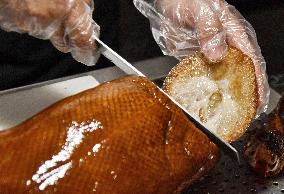
B Wu Yubo shows how to slice a duck at the Hepingmen store of Quanjude in Beijing, capital of China, March 13, 2025. Peking Duck, a representative cuisine of Beijing, has won popularity across the world for its golden, crispy skin and juicy, flavorful meat. Set up by Yang Quanren in 1864 in Beijing, "Quanjude", a time-honored brand for Peking duck, has become a must-go for visitors from both home and abroad. In 2008, Quanjude's craft of making Peking Duck was listed in the second batch of national intangible cultural heritages. The cooking craft of Peking Duck, which has been passed down for seven generations in Quanjude, is mainly used in two steps, preparation and roasting. To ensure the quality of its duck, Quanjude only chooses a type of local ducks which are fed and raised in a special way so that the proportion of the fat in the duck meat is strictly under control. During the roasting procedure, Quanjude uses wood from hard fruit trees and open fire to get a better taste. Meanwhile, the chef will also u

  •  
Preserving Tradition And Innovating Duck Culture - Bejing

Preserving Tradition And Innovating Duck Culture - Bejing

B Wu Yubo teaches his apprentice to arrange a plate at the Hepingmen store of Quanjude in Beijing, capital of China, March 13, 2025. Peking Duck, a representative cuisine of Beijing, has won popularity across the world for its golden, crispy skin and juicy, flavorful meat. Set up by Yang Quanren in 1864 in Beijing, "Quanjude", a time-honored brand for Peking duck, has become a must-go for visitors from both home and abroad. In 2008, Quanjude's craft of making Peking Duck was listed in the second batch of national intangible cultural heritages. The cooking craft of Peking Duck, which has been passed down for seven generations in Quanjude, is mainly used in two steps, preparation and roasting. To ensure the quality of its duck, Quanjude only chooses a type of local ducks which are fed and raised in a special way so that the proportion of the fat in the duck meat is strictly under control. During the roasting procedure, Quanjude uses wood from hard fruit trees and open fire to get a better taste. Meanwhile, the

  •  
Preserving Tradition And Innovating Duck Culture - Bejing

Preserving Tradition And Innovating Duck Culture - Bejing

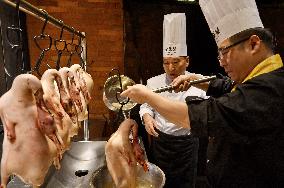
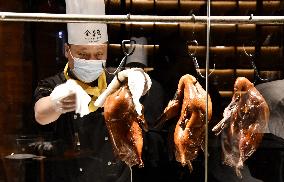
B A chef prepares to promote Peking Duck through online streaming at the Hepingmen store of Quanjude in Beijing, capital of China, March 13, 2025. Peking Duck, a representative cuisine of Beijing, has won popularity across the world for its golden, crispy skin and juicy, flavorful meat. Set up by Yang Quanren in 1864 in Beijing, "Quanjude", a time-honored brand for Peking duck, has become a must-go for visitors from both home and abroad. In 2008, Quanjude's craft of making Peking Duck was listed in the second batch of national intangible cultural heritages. The cooking craft of Peking Duck, which has been passed down for seven generations in Quanjude, is mainly used in two steps, preparation and roasting. To ensure the quality of its duck, Quanjude only chooses a type of local ducks which are fed and raised in a special way so that the proportion of the fat in the duck meat is strictly under control. During the roasting procedure, Quanjude uses wood from hard fruit trees and open fire to get a better taste. M

  •  
Preserving Tradition And Innovating Duck Culture - Bejing

Preserving Tradition And Innovating Duck Culture - Bejing

B Customers taste Peking Ducks at the first-ever store of Quanjude on the Qianmen Street in Beijing, capital of China, March 25, 2025. Peking Duck, a representative cuisine of Beijing, has won popularity across the world for its golden, crispy skin and juicy, flavorful meat. Set up by Yang Quanren in 1864 in Beijing, "Quanjude", a time-honored brand for Peking duck, has become a must-go for visitors from both home and abroad. In 2008, Quanjude's craft of making Peking Duck was listed in the second batch of national intangible cultural heritages. The cooking craft of Peking Duck, which has been passed down for seven generations in Quanjude, is mainly used in two steps, preparation and roasting. To ensure the quality of its duck, Quanjude only chooses a type of local ducks which are fed and raised in a special way so that the proportion of the fat in the duck meat is strictly under control. During the roasting procedure, Quanjude uses wood from hard fruit trees and open fire to get a better taste. Meanwhile, th

  •  
Preserving Tradition And Innovating Duck Culture - Bejing

Preserving Tradition And Innovating Duck Culture - Bejing

B Wu Yubo takes roasted ducks out of an oven at the Hepingmen store of Quanjude in Beijing, capital of China, March 13, 2025. Peking Duck, a representative cuisine of Beijing, has won popularity across the world for its golden, crispy skin and juicy, flavorful meat. Set up by Yang Quanren in 1864 in Beijing, "Quanjude", a time-honored brand for Peking duck, has become a must-go for visitors from both home and abroad. In 2008, Quanjude's craft of making Peking Duck was listed in the second batch of national intangible cultural heritages. The cooking craft of Peking Duck, which has been passed down for seven generations in Quanjude, is mainly used in two steps, preparation and roasting. To ensure the quality of its duck, Quanjude only chooses a type of local ducks which are fed and raised in a special way so that the proportion of the fat in the duck meat is strictly under control. During the roasting procedure, Quanjude uses wood from hard fruit trees and open fire to get a better taste. Meanwhile, the chef wi

  •  
Preserving Tradition And Innovating Duck Culture - Bejing

Preserving Tradition And Innovating Duck Culture - Bejing

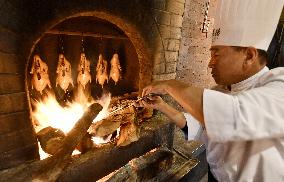
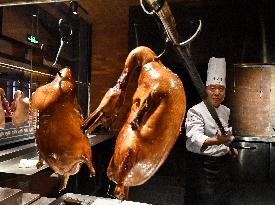
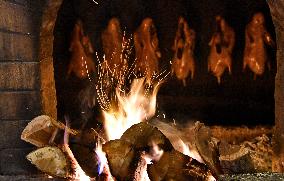
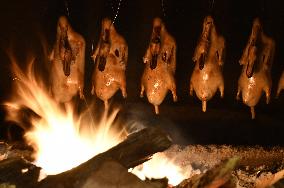
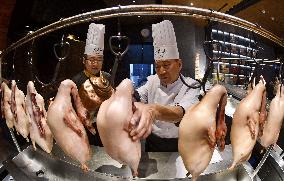
B Ducks are being roasted in an oven at the Hepingmen store of Quanjude in Beijing, capital of China, March 13, 2025. Peking Duck, a representative cuisine of Beijing, has won popularity across the world for its golden, crispy skin and juicy, flavorful meat. Set up by Yang Quanren in 1864 in Beijing, "Quanjude", a time-honored brand for Peking duck, has become a must-go for visitors from both home and abroad. In 2008, Quanjude's craft of making Peking Duck was listed in the second batch of national intangible cultural heritages. The cooking craft of Peking Duck, which has been passed down for seven generations in Quanjude, is mainly used in two steps, preparation and roasting. To ensure the quality of its duck, Quanjude only chooses a type of local ducks which are fed and raised in a special way so that the proportion of the fat in the duck meat is strictly under control. During the roasting procedure, Quanjude uses wood from hard fruit trees and open fire to get a better taste. Meanwhile, the chef will also

  •  
Preserving Tradition And Innovating Duck Culture - Bejing

Preserving Tradition And Innovating Duck Culture - Bejing

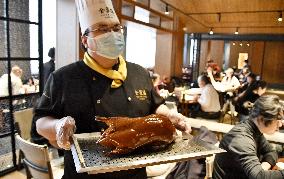
B A chef prepares to slice a roasted duck at the Hepingmen store of Quanjude in Beijing, capital of China, March 13, 2025. Peking Duck, a representative cuisine of Beijing, has won popularity across the world for its golden, crispy skin and juicy, flavorful meat. Set up by Yang Quanren in 1864 in Beijing, "Quanjude", a time-honored brand for Peking duck, has become a must-go for visitors from both home and abroad. In 2008, Quanjude's craft of making Peking Duck was listed in the second batch of national intangible cultural heritages. The cooking craft of Peking Duck, which has been passed down for seven generations in Quanjude, is mainly used in two steps, preparation and roasting. To ensure the quality of its duck, Quanjude only chooses a type of local ducks which are fed and raised in a special way so that the proportion of the fat in the duck meat is strictly under control. During the roasting procedure, Quanjude uses wood from hard fruit trees and open fire to get a better taste. Meanwhile, the chef will

  •  
Preserving Tradition And Innovating Duck Culture - Bejing

Preserving Tradition And Innovating Duck Culture - Bejing

B Ducks are being roasted in an oven at the Hepingmen store of Quanjude in Beijing, capital of China, March 13, 2025. Peking Duck, a representative cuisine of Beijing, has won popularity across the world for its golden, crispy skin and juicy, flavorful meat. Set up by Yang Quanren in 1864 in Beijing, "Quanjude", a time-honored brand for Peking duck, has become a must-go for visitors from both home and abroad. In 2008, Quanjude's craft of making Peking Duck was listed in the second batch of national intangible cultural heritages. The cooking craft of Peking Duck, which has been passed down for seven generations in Quanjude, is mainly used in two steps, preparation and roasting. To ensure the quality of its duck, Quanjude only chooses a type of local ducks which are fed and raised in a special way so that the proportion of the fat in the duck meat is strictly under control. During the roasting procedure, Quanjude uses wood from hard fruit trees and open fire to get a better taste. Meanwhile, the chef will also

  •  
Preserving Tradition And Innovating Duck Culture - Bejing

Preserving Tradition And Innovating Duck Culture - Bejing

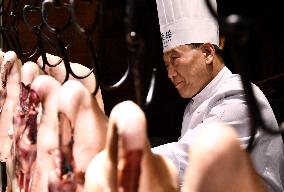
B Wu Yubo checks the prepared duck at the Hepingmen store of Quanjude in Beijing, capital of China, March 13, 2025. Peking Duck, a representative cuisine of Beijing, has won popularity across the world for its golden, crispy skin and juicy, flavorful meat. Set up by Yang Quanren in 1864 in Beijing, "Quanjude", a time-honored brand for Peking duck, has become a must-go for visitors from both home and abroad. In 2008, Quanjude's craft of making Peking Duck was listed in the second batch of national intangible cultural heritages. The cooking craft of Peking Duck, which has been passed down for seven generations in Quanjude, is mainly used in two steps, preparation and roasting. To ensure the quality of its duck, Quanjude only chooses a type of local ducks which are fed and raised in a special way so that the proportion of the fat in the duck meat is strictly under control. During the roasting procedure, Quanjude uses wood from hard fruit trees and open fire to get a better taste. Meanwhile, the chef will also us

  •  
Preserving Tradition And Innovating Duck Culture - Bejing

Preserving Tradition And Innovating Duck Culture - Bejing

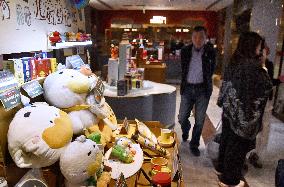
B Customers look at cultural creative products of Quanjude at one of its experience stores on the Qianmen Street in Beijing, capital of China, March 25, 2025. Peking Duck, a representative cuisine of Beijing, has won popularity across the world for its golden, crispy skin and juicy, flavorful meat. Set up by Yang Quanren in 1864 in Beijing, "Quanjude", a time-honored brand for Peking duck, has become a must-go for visitors from both home and abroad. In 2008, Quanjude's craft of making Peking Duck was listed in the second batch of national intangible cultural heritages. The cooking craft of Peking Duck, which has been passed down for seven generations in Quanjude, is mainly used in two steps, preparation and roasting. To ensure the quality of its duck, Quanjude only chooses a type of local ducks which are fed and raised in a special way so that the proportion of the fat in the duck meat is strictly under control. During the roasting procedure, Quanjude uses wood from hard fruit trees and open fire to get a bet

  •  
Preserving Tradition And Innovating Duck Culture - Bejing

Preserving Tradition And Innovating Duck Culture - Bejing

B Wu Yubo shows how to slice a duck at the Hepingmen store of Quanjude in Beijing, capital of China, March 13, 2025. Peking Duck, a representative cuisine of Beijing, has won popularity across the world for its golden, crispy skin and juicy, flavorful meat. Set up by Yang Quanren in 1864 in Beijing, "Quanjude", a time-honored brand for Peking duck, has become a must-go for visitors from both home and abroad. In 2008, Quanjude's craft of making Peking Duck was listed in the second batch of national intangible cultural heritages. The cooking craft of Peking Duck, which has been passed down for seven generations in Quanjude, is mainly used in two steps, preparation and roasting. To ensure the quality of its duck, Quanjude only chooses a type of local ducks which are fed and raised in a special way so that the proportion of the fat in the duck meat is strictly under control. During the roasting procedure, Quanjude uses wood from hard fruit trees and open fire to get a better taste. Meanwhile, the chef will also u

  •  
Preserving Tradition And Innovating Duck Culture - Bejing

Preserving Tradition And Innovating Duck Culture - Bejing

B This undated file photo shows a foreign tourist experiencing the making of Peking Duck at the Hepingmen store of Quanjude in Beijing, capital of China. Peking Duck, a representative cuisine of Beijing, has won popularity across the world for its golden, crispy skin and juicy, flavorful meat. Set up by Yang Quanren in 1864 in Beijing, "Quanjude", a time-honored brand for Peking duck, has become a must-go for visitors from both home and abroad. In 2008, Quanjude's craft of making Peking Duck was listed in the second batch of national intangible cultural heritages. The cooking craft of Peking Duck, which has been passed down for seven generations in Quanjude, is mainly used in two steps, preparation and roasting. To ensure the quality of its duck, Quanjude only chooses a type of local ducks which are fed and raised in a special way so that the proportion of the fat in the duck meat is strictly under control. During the roasting procedure, Quanjude uses wood from hard fruit trees and open fire to get a better t

  •  
Preserving Tradition And Innovating Duck Culture - Bejing

Preserving Tradition And Innovating Duck Culture - Bejing

B A staff member introduces the history of Quanjude to customers at its first-ever store on the Qianmen Street in Beijing, capital of China, March 25, 2025. Peking Duck, a representative cuisine of Beijing, has won popularity across the world for its golden, crispy skin and juicy, flavorful meat. Set up by Yang Quanren in 1864 in Beijing, "Quanjude", a time-honored brand for Peking duck, has become a must-go for visitors from both home and abroad. In 2008, Quanjude's craft of making Peking Duck was listed in the second batch of national intangible cultural heritages. The cooking craft of Peking Duck, which has been passed down for seven generations in Quanjude, is mainly used in two steps, preparation and roasting. To ensure the quality of its duck, Quanjude only chooses a type of local ducks which are fed and raised in a special way so that the proportion of the fat in the duck meat is strictly under control. During the roasting procedure, Quanjude uses wood from hard fruit trees and open fire to get a bette

  •  
Preserving Tradition And Innovating Duck Culture - Bejing

Preserving Tradition And Innovating Duck Culture - Bejing

B Wu Yubo checks a roasted duck at the Hepingmen store of Quanjude in Beijing, capital of China, March 13, 2025. Peking Duck, a representative cuisine of Beijing, has won popularity across the world for its golden, crispy skin and juicy, flavorful meat. Set up by Yang Quanren in 1864 in Beijing, "Quanjude", a time-honored brand for Peking duck, has become a must-go for visitors from both home and abroad. In 2008, Quanjude's craft of making Peking Duck was listed in the second batch of national intangible cultural heritages. The cooking craft of Peking Duck, which has been passed down for seven generations in Quanjude, is mainly used in two steps, preparation and roasting. To ensure the quality of its duck, Quanjude only chooses a type of local ducks which are fed and raised in a special way so that the proportion of the fat in the duck meat is strictly under control. During the roasting procedure, Quanjude uses wood from hard fruit trees and open fire to get a better taste. Meanwhile, the chef will also use a

  •  
Preserving Tradition And Innovating Duck Culture - Bejing

Preserving Tradition And Innovating Duck Culture - Bejing

B A plate of sliced Peking Duck is displayed at the Hepingmen store of Quanjude in Beijing, capital of China, March 13, 2025. Peking Duck, a representative cuisine of Beijing, has won popularity across the world for its golden, crispy skin and juicy, flavorful meat. Set up by Yang Quanren in 1864 in Beijing, "Quanjude", a time-honored brand for Peking duck, has become a must-go for visitors from both home and abroad. In 2008, Quanjude's craft of making Peking Duck was listed in the second batch of national intangible cultural heritages. The cooking craft of Peking Duck, which has been passed down for seven generations in Quanjude, is mainly used in two steps, preparation and roasting. To ensure the quality of its duck, Quanjude only chooses a type of local ducks which are fed and raised in a special way so that the proportion of the fat in the duck meat is strictly under control. During the roasting procedure, Quanjude uses wood from hard fruit trees and open fire to get a better taste. Meanwhile, the chef wi

  •  
Preserving Tradition And Innovating Duck Culture - Bejing

Preserving Tradition And Innovating Duck Culture - Bejing

B Wu Yubo (R) teaches his apprentice at the Hepingmen store of Quanjude in Beijing, capital of China, March 13, 2025. Peking Duck, a representative cuisine of Beijing, has won popularity across the world for its golden, crispy skin and juicy, flavorful meat. Set up by Yang Quanren in 1864 in Beijing, "Quanjude", a time-honored brand for Peking duck, has become a must-go for visitors from both home and abroad. In 2008, Quanjude's craft of making Peking Duck was listed in the second batch of national intangible cultural heritages. The cooking craft of Peking Duck, which has been passed down for seven generations in Quanjude, is mainly used in two steps, preparation and roasting. To ensure the quality of its duck, Quanjude only chooses a type of local ducks which are fed and raised in a special way so that the proportion of the fat in the duck meat is strictly under control. During the roasting procedure, Quanjude uses wood from hard fruit trees and open fire to get a better taste. Meanwhile, the chef will also

  •  
Preserving Tradition And Innovating Duck Culture - Bejing

Preserving Tradition And Innovating Duck Culture - Bejing

B This undated file photo shows a foreign tourist posing for photos with a waiter in traditional costumes at the first-ever store of Quanjude on the Qianmen Street in Beijing, capital of China. Peking Duck, a representative cuisine of Beijing, has won popularity across the world for its golden, crispy skin and juicy, flavorful meat. Set up by Yang Quanren in 1864 in Beijing, "Quanjude", a time-honored brand for Peking duck, has become a must-go for visitors from both home and abroad. In 2008, Quanjude's craft of making Peking Duck was listed in the second batch of national intangible cultural heritages. The cooking craft of Peking Duck, which has been passed down for seven generations in Quanjude, is mainly used in two steps, preparation and roasting. To ensure the quality of its duck, Quanjude only chooses a type of local ducks which are fed and raised in a special way so that the proportion of the fat in the duck meat is strictly under control. During the roasting procedure, Quanjude uses wood from hard fru

  •  
(AmazingAnhui)CHINA-ANHUI-JIESHOU-PAINTED POTTERY (CN)

(AmazingAnhui)CHINA-ANHUI-JIESHOU-PAINTED POTTERY (CN)

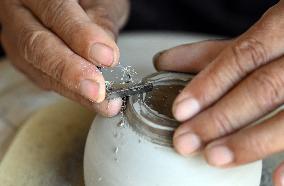
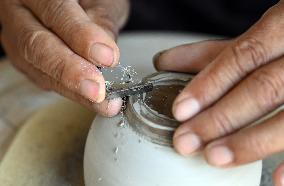
(240531) -- JIESHOU, May 31, 2024 Photo by Xinhua/ABACAPRESS.COM) -- Lu Hua, a provincial inheritor of Jieshou painted pottery, makes a painted pottery craft at Jieshou City in east China's Anhui Province, May 24, 2024. The making of Jieshou painted pottery can be traced back to the Tang Dynasty (618-907). Tianying Township in Jieshou City of east China's Anhui Province was the main production site of Jieshou painted pottery in history. The technique of making Jieshou painted pottery was inscribed as a national-level intangible cultural heritage in 2006. To inherit and revive the technique, the local inheritors have innovated the shape and carving patterns to meet the demand of modern society. The cultural and creative products designed by these inheritors are also favored by consumers. Nowadays, Tianying Township not only remains as a production place of Jieshou painted pottery, but also accommodates a museum for displaying potteries and a base for inheriting and reviving intangible cultural heritage, which

  •  
(AmazingAnhui)CHINA-ANHUI-JIESHOU-PAINTED POTTERY (CN)

(AmazingAnhui)CHINA-ANHUI-JIESHOU-PAINTED POTTERY (CN)

(240531) -- JIESHOU, May 31, 2024 (Xinhua) -- Lu Hua, a provincial inheritor of Jieshou painted pottery, makes a painted pottery craft at Jieshou City in east China's Anhui Province, May 24, 2024. The making of Jieshou painted pottery can be traced back to the Tang Dynasty (618-907). Tianying Township in Jieshou City of east China's Anhui Province was the main production site of Jieshou painted pottery in history. The technique of making Jieshou painted pottery was inscribed as a national-level intangible cultural heritage in 2006. To inherit and revive the technique, the local inheritors have innovated the shape and carving patterns to meet the demand of modern society. The cultural and creative products designed by these inheritors are also favored by consumers. Nowadays, Tianying Township not only remains as a production place of Jieshou painted pottery, but also accommodates a museum for displaying potteries and a base for inheriting and reviving intangible cultural heritage, which makes the township a

  •  

Chinese standards benefit Cameroon's modern highway construction

STORY: Chinese standards benefit Cameroon's modern highway construction SHOOTING TIME: April 23-24, 2024 DATELINE: May 2, 2024 LENGTH: 00:01:58 LOCATION: KRIBI, Cameroon CATEGORY: SOCIETY SHOTLIST: 1. various of the highway STORYLINE: The Kribi-Lolabe highway, a Chinese-built freeway, spans the southern region of Cameroon, forging a link between the Kribi Deep Seaport and the country's N7 national highway. It adheres to Chinese standards throughout its design, construction, and operational phases. Kribi Highway Management (KHM), a subsidiary of China Harbour Engineering Company, has taken an approach by assimilating Chinese highway operation and management standards. Through their efforts, these standards have been translated into French, enabling Cameroon to craft its own set of modern highway operation and management protocols. The highway not only benefits the port transportation and logistics, but also creates jobs and contributes to local prosperity. Xinhua News Agency correspondents reporting fro

  •  
XINHUA PHOTOS OF THE DAY

XINHUA PHOTOS OF THE DAY

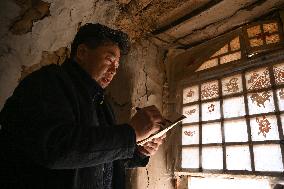
(240413) -- BEIJING, April 13, 2024 (Xinhua) -- Duan Jianjun records paper-cutting patterns in an old residence in Horinger County, north China's Inner Mongolia Autonomous Region, March 15, 2024. The Horinger paper-cutting has formed a unique artistic style with rich patterns demonstrating animals, plants and folk customs, which is closely related to the geographical location of Horinger County, a place boasts a long history of both farming civilization and nomadic civilization. The craft was included in the national intangible cultural heritage list in 2008. Duan Jianjun, 51, is a national representative inheritor of Horinger paper-cutting. Since 1994, Duan has been engaged in the protection work of Horinger paper-cutting techniques by collecting dictations from elderly people to record paper-cutting instructions and patterns. His work has brought many endangered skills and a large number of precious patterns back to life. In recent years, with the support of local authorities, Duan established an inst

  •  
(MASTER OF CRAFTS)CHINA-INNER MONGOLIA-HORINGER PAPER-CUTTING-INHERITOR (CN)

(MASTER OF CRAFTS)CHINA-INNER MONGOLIA-HORINGER PAPER-CUTTING-INHERITOR (CN)

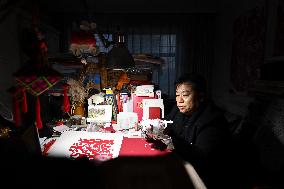
(240412) -- HOHHOT, April 12, 2024 (Xinhua) -- Duan Jianjun makes paper-cutting works at home in Horinger County, north China's Inner Mongolia Autonomous Region, March 14, 2024. The Horinger paper-cutting has formed a unique artistic style with rich patterns demonstrating animals, plants and folk customs, which is closely related to the geographical location of Horinger County, a place boasts a long history of both farming civilization and nomadic civilization. The craft was included in the national intangible cultural heritage list in 2008. Duan Jianjun, 51, is a national representative inheritor of Horinger paper-cutting. Since 1994, Duan has been engaged in the protection work of Horinger paper-cutting techniques by collecting dictations from elderly people to record paper-cutting instructions and patterns. His work has brought many endangered skills and a large number of precious patterns back to life. In recent years, with the support of local authorities, Duan established an institute for the sake

  •  
(MASTER OF CRAFTS)CHINA-INNER MONGOLIA-HORINGER PAPER-CUTTING-INHERITOR (CN)

(MASTER OF CRAFTS)CHINA-INNER MONGOLIA-HORINGER PAPER-CUTTING-INHERITOR (CN)

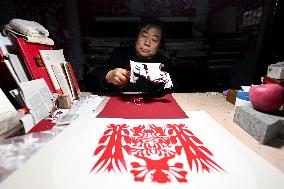
(240412) -- HOHHOT, April 12, 2024 (Xinhua) -- Duan Jianjun makes paper-cutting works at home in Horinger County, north China's Inner Mongolia Autonomous Region, March 14, 2024. The Horinger paper-cutting has formed a unique artistic style with rich patterns demonstrating animals, plants and folk customs, which is closely related to the geographical location of Horinger County, a place boasts a long history of both farming civilization and nomadic civilization. The craft was included in the national intangible cultural heritage list in 2008. Duan Jianjun, 51, is a national representative inheritor of Horinger paper-cutting. Since 1994, Duan has been engaged in the protection work of Horinger paper-cutting techniques by collecting dictations from elderly people to record paper-cutting instructions and patterns. His work has brought many endangered skills and a large number of precious patterns back to life. In recent years, with the support of local authorities, Duan established an institute for the sake

  •  
(MASTER OF CRAFTS)CHINA-INNER MONGOLIA-HORINGER PAPER-CUTTING-INHERITOR (CN)

(MASTER OF CRAFTS)CHINA-INNER MONGOLIA-HORINGER PAPER-CUTTING-INHERITOR (CN)

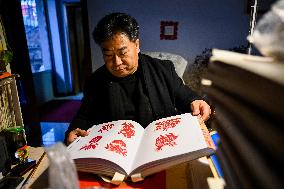
(240412) -- HOHHOT, April 12, 2024 (Xinhua) -- Duan Jianjun reads a book about paper-cutting at home in Horinger County, north China's Inner Mongolia Autonomous Region, March 14, 2024. The Horinger paper-cutting has formed a unique artistic style with rich patterns demonstrating animals, plants and folk customs, which is closely related to the geographical location of Horinger County, a place boasts a long history of both farming civilization and nomadic civilization. The craft was included in the national intangible cultural heritage list in 2008. Duan Jianjun, 51, is a national representative inheritor of Horinger paper-cutting. Since 1994, Duan has been engaged in the protection work of Horinger paper-cutting techniques by collecting dictations from elderly people to record paper-cutting instructions and patterns. His work has brought many endangered skills and a large number of precious patterns back to life. In recent years, with the support of local authorities, Duan established an institute for t

  •  
(MASTER OF CRAFTS)CHINA-INNER MONGOLIA-HORINGER PAPER-CUTTING-INHERITOR (CN)

(MASTER OF CRAFTS)CHINA-INNER MONGOLIA-HORINGER PAPER-CUTTING-INHERITOR (CN)

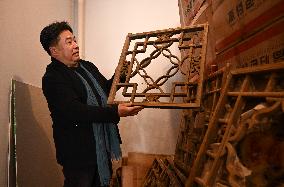
(240412) -- HOHHOT, April 12, 2024 (Xinhua) -- Duan Jianjun checks an ancient window sash component at his institute in Horinger County, north China's Inner Mongolia Autonomous Region, March 14, 2024. The Horinger paper-cutting has formed a unique artistic style with rich patterns demonstrating animals, plants and folk customs, which is closely related to the geographical location of Horinger County, a place boasts a long history of both farming civilization and nomadic civilization. The craft was included in the national intangible cultural heritage list in 2008. Duan Jianjun, 51, is a national representative inheritor of Horinger paper-cutting. Since 1994, Duan has been engaged in the protection work of Horinger paper-cutting techniques by collecting dictations from elderly people to record paper-cutting instructions and patterns. His work has brought many endangered skills and a large number of precious patterns back to life. In recent years, with the support of local authorities, Duan established an

  • Main
  • Top
  • Editorial
  • Creative
  • About Us
  • About ILG
  • Terms of use
  • Company
  • BEHIND
  • Price List
  • Single Plan
  • Monthly Plan
  • Services
  • Shooting
  • Rights Clearance
  • Support
  • FAQ
  • How To Buy
  • Contact Us
  • Become a Partner

© KYODO NEWS IMAGES INC

All Rights Reserved.

  • Editorial
  • Olympics
  • News
  • Sports
  • Japan
  • Tech
  • Royal
  • Disaster
  • NorthKorea
  • Old Japan
  • SNS
  • Creative
  • Food
  • Japan
  • Landscape
  • Animal
  • Popular
  • #Ukraine
  • #Thailand
  • #coronavirus
  • #N. Korea
  • #China
  • #Russia
  • #Ukraine
  • #Thailand
  • #coronavirus
  • #N. Korea
  • #China
  • #Russia
  • Food
  • Japan
  • Landscape
  • Animal
  • Olympics
  • News
  • Sports
  • Japan
  • Tech
  • Royal
  • Disaster
  • NorthKorea
  • Old Japan
  • SNS