•  
China's Yangtze River Floods

China's Yangtze River Floods

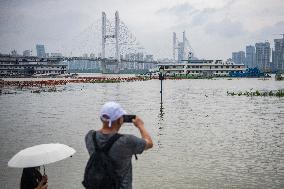
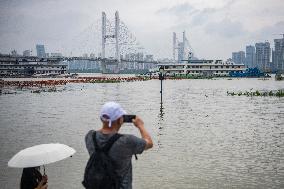
A citizen takes photos of the marshland by the Yangtze River in Hankou of Wuhan, central China's Hubei Province, July 2, 2024. Water levels in sections of the middle and lower reaches of the Yangtze River -- China's longest river -- below the estuary of Dongting Lake, have exceeded the warning mark, according to the Ministry of Water Resources Tuesday. The water level at the Yangtze Hankou monitoring station in central China's Hubei Province, had reached 27.31 meters as of late Monday, 0.01 meters above the alert mark, the ministry said. Photo by Xinhua/Wu Zhizun/ABACAPRESS.COM

  •  
China's Yangtze River Floods

China's Yangtze River Floods

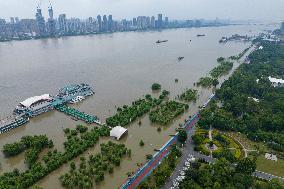
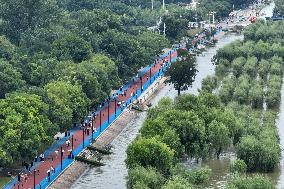
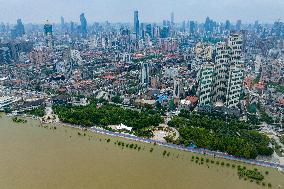
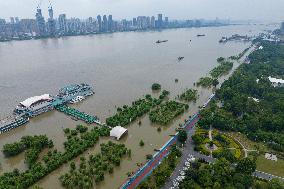
This aerial photo taken on July 2, 2024 shows the view of the marshland by the Yangtze River in Hankou of Wuhan, central China's Hubei Province. Water levels in sections of the middle and lower reaches of the Yangtze River -- China's longest river -- below the estuary of Dongting Lake, have exceeded the warning mark, according to the Ministry of Water Resources Tuesday. The water level at the Yangtze Hankou monitoring station in central China's Hubei Province, had reached 27.31 meters as of late Monday, 0.01 meters above the alert mark, the ministry said. Photo by Xinhua/Wu Zhizun/ABACAPRESS.COM

  •  
China's Yangtze River Floods

China's Yangtze River Floods

This aerial photo taken on July 2, 2024 shows the view of the marshland by the Yangtze River in Hankou of Wuhan, central China's Hubei Province. Water levels in sections of the middle and lower reaches of the Yangtze River -- China's longest river -- below the estuary of Dongting Lake, have exceeded the warning mark, according to the Ministry of Water Resources Tuesday. The water level at the Yangtze Hankou monitoring station in central China's Hubei Province, had reached 27.31 meters as of late Monday, 0.01 meters above the alert mark, the ministry said. Photo by Xinhua/Wu Zhizun/ABACAPRESS.COM

  •  
China's Yangtze River Floods

China's Yangtze River Floods

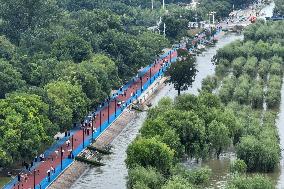
Pedestrians walk past the marshland by the Yangtze River in Hankou of Wuhan, central China's Hubei Province, July 1, 2024. Water levels in sections of the middle and lower reaches of the Yangtze River -- China's longest river -- below the estuary of Dongting Lake, have exceeded the warning mark, according to the Ministry of Water Resources Tuesday. The water level at the Yangtze Hankou monitoring station in central China's Hubei Province, had reached 27.31 meters as of late Monday, 0.01 meters above the alert mark, the ministry said. Photo by Xinhua/Wu Zhizun/ABACAPRESS.COM

  •  
China's Yangtze River Floods

China's Yangtze River Floods

This aerial photo taken on July 2, 2024 shows the view of the marshland by the Yangtze River in Hankou of Wuhan, central China's Hubei Province. Water levels in sections of the middle and lower reaches of the Yangtze River -- China's longest river -- below the estuary of Dongting Lake, have exceeded the warning mark, according to the Ministry of Water Resources Tuesday. The water level at the Yangtze Hankou monitoring station in central China's Hubei Province, had reached 27.31 meters as of late Monday, 0.01 meters above the alert mark, the ministry said. Photo by Xinhua/Wu Zhizun/ABACAPRESS.COM

  •  
CHINA-HUBEI-WUHAN-YANGTZE RIVER-WATER LEVEL-WARNING MARK (CN)

CHINA-HUBEI-WUHAN-YANGTZE RIVER-WATER LEVEL-WARNING MARK (CN)

(240702) -- WUHAN, July 2, 2024 Photo by Xinhua/ABACAPRESS.COM) -- This aerial photo taken on July 2, 2024 shows the view of the marshland by the Yangtze River in Hankou of Wuhan, central China's Hubei Province. Water levels in sections of the middle and lower reaches of the Yangtze River -- China's longest river -- below the estuary of Dongting Lake, have exceeded the warning mark, according to the Ministry of Water Resources Tuesday. The water level at the Yangtze Hankou monitoring station in central China's Hubei Province, had reached 27.31 meters as of late Monday, 0.01 meters above the alert mark, the ministry said. Photo by Xinhua/ABACAPRESS.COM/Wu Zhizun)

  •  
CHINA-HUBEI-WUHAN-YANGTZE RIVER-WATER LEVEL-WARNING MARK (CN)

CHINA-HUBEI-WUHAN-YANGTZE RIVER-WATER LEVEL-WARNING MARK (CN)

(240702) -- WUHAN, July 2, 2024 Photo by Xinhua/ABACAPRESS.COM) -- Pedestrians walk past the marshland by the Yangtze River in Hankou of Wuhan, central China's Hubei Province, July 1, 2024. Water levels in sections of the middle and lower reaches of the Yangtze River -- China's longest river -- below the estuary of Dongting Lake, have exceeded the warning mark, according to the Ministry of Water Resources Tuesday. The water level at the Yangtze Hankou monitoring station in central China's Hubei Province, had reached 27.31 meters as of late Monday, 0.01 meters above the alert mark, the ministry said. Photo by Xinhua/ABACAPRESS.COM/Wu Zhizun)

  •  
CHINA-HUBEI-WUHAN-YANGTZE RIVER-WATER LEVEL-WARNING MARK (CN)

CHINA-HUBEI-WUHAN-YANGTZE RIVER-WATER LEVEL-WARNING MARK (CN)

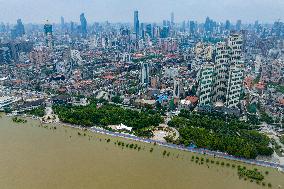
(240702) -- WUHAN, July 2, 2024 Photo by Xinhua/ABACAPRESS.COM) -- This aerial photo taken on July 2, 2024 shows the view of the marshland by the Yangtze River in Hankou of Wuhan, central China's Hubei Province. Water levels in sections of the middle and lower reaches of the Yangtze River -- China's longest river -- below the estuary of Dongting Lake, have exceeded the warning mark, according to the Ministry of Water Resources Tuesday. The water level at the Yangtze Hankou monitoring station in central China's Hubei Province, had reached 27.31 meters as of late Monday, 0.01 meters above the alert mark, the ministry said. Photo by Xinhua/ABACAPRESS.COM/Wu Zhizun)

  •  
CHINA-HUBEI-WUHAN-YANGTZE RIVER-WATER LEVEL-WARNING MARK (CN)

CHINA-HUBEI-WUHAN-YANGTZE RIVER-WATER LEVEL-WARNING MARK (CN)

(240702) -- WUHAN, July 2, 2024 Photo by Xinhua/ABACAPRESS.COM) -- A citizen takes photos of the marshland by the Yangtze River in Hankou of Wuhan, central China's Hubei Province, July 2, 2024. Water levels in sections of the middle and lower reaches of the Yangtze River -- China's longest river -- below the estuary of Dongting Lake, have exceeded the warning mark, according to the Ministry of Water Resources Tuesday. The water level at the Yangtze Hankou monitoring station in central China's Hubei Province, had reached 27.31 meters as of late Monday, 0.01 meters above the alert mark, the ministry said. Photo by Xinhua/ABACAPRESS.COM/Wu Zhizun)

  •  
CHINA-HUBEI-WUHAN-YANGTZE RIVER-WATER LEVEL-WARNING MARK (CN)

CHINA-HUBEI-WUHAN-YANGTZE RIVER-WATER LEVEL-WARNING MARK (CN)

(240702) -- WUHAN, July 2, 2024 Photo by Xinhua/ABACAPRESS.COM) -- This combo photo taken from June 28 to July 2 by Xinhua photographers Hu Jingwen and Wu Zhizun (from top to bottom) shows a statue at the marshland by the Yangtze River in Hankou of Wuhan, central China's Hubei Province. Water levels in sections of the middle and lower reaches of the Yangtze River -- China's longest river -- below the estuary of Dongting Lake, have exceeded the warning mark, according to the Ministry of Water Resources Tuesday. The water level at the Yangtze Hankou monitoring station in central China's Hubei Province, had reached 27.31 meters as of late Monday, 0.01 meters above the alert mark, the ministry said. Photo by Xinhua/ABACAPRESS.COM)

  •  
CHINA-HUBEI-WUHAN-YANGTZE RIVER-WATER LEVEL-WARNING MARK (CN)

CHINA-HUBEI-WUHAN-YANGTZE RIVER-WATER LEVEL-WARNING MARK (CN)

(240702) -- WUHAN, July 2, 2024 Photo by Xinhua/ABACAPRESS.COM) -- This aerial photo taken on July 2, 2024 shows the view of the marshland by the Yangtze River in Hankou of Wuhan, central China's Hubei Province. Water levels in sections of the middle and lower reaches of the Yangtze River -- China's longest river -- below the estuary of Dongting Lake, have exceeded the warning mark, according to the Ministry of Water Resources Tuesday. The water level at the Yangtze Hankou monitoring station in central China's Hubei Province, had reached 27.31 meters as of late Monday, 0.01 meters above the alert mark, the ministry said. Photo by Xinhua/ABACAPRESS.COM/Wu Zhizun)

  •  
The Marsh Arabs - Iraq

The Marsh Arabs - Iraq

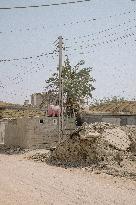
View of a street in the Chibayesh marshland in Iraq's southern Ahwar area of Dhi Qar on January 22, 2021. The Mesopotamian Marshes are located in southern Iraq, in the basin of the two mythical rivers of the Middle East: the Euphrates and the Tigris. The region is considered one of the cradles of civilization and, according to legend, even hosted the Gardens of Eden. The Marsh Arabs, also called Maadans, are an ancient community. It is estimated that they have occupied the marshes for almost 5,000 years. Between 1991 and 2003, the former dictator Saddam Hussein completely dried up the area because he believed it harbored his opponents. When he fell, the Maadans returned and tore down the dikes and dams he had built. The marshes have then almost returned to their original state. But in recent years, global warming and dams built upstream of the two rivers in Turkey have once again put the marshes in danger. Photo by Aline Deschamps/Middle East Images/ABACAPRESS.COM

  •  
The Marsh Arabs - Iraq

The Marsh Arabs - Iraq

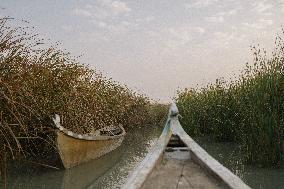
View of wooden narrow canoes by a waterway in the Chibayesh marshland in Iraq's southern Ahwar area of Dhi Qar on January 22, 2021. The Mesopotamian Marshes are located in southern Iraq, in the basin of the two mythical rivers of the Middle East: the Euphrates and the Tigris. The region is considered one of the cradles of civilization and, according to legend, even hosted the Gardens of Eden. The Marsh Arabs, also called Maadans, are an ancient community. It is estimated that they have occupied the marshes for almost 5,000 years. Between 1991 and 2003, the former dictator Saddam Hussein completely dried up the area because he believed it harbored his opponents. When he fell, the Maadans returned and tore down the dikes and dams he had built. The marshes have then almost returned to their original state. But in recent years, global warming and dams built upstream of the two rivers in Turkey have once again put the marshes in danger. Photo by Aline Deschamps/Middle East Images/ABACAPRESS.COM

  •  
The Marsh Arabs - Iraq

The Marsh Arabs - Iraq

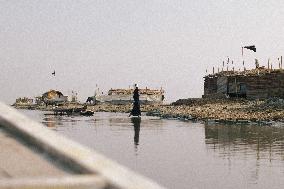
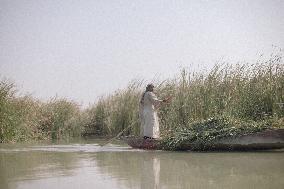
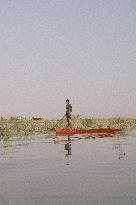
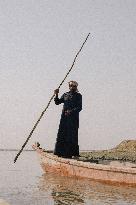
A man stands on a wooden narrow canoe in the waterways of the Chibayesh marshland in Iraq's southern Ahwar area of Dhi Qar on January 22, 2021. The Mesopotamian Marshes are located in southern Iraq, in the basin of the two mythical rivers of the Middle East: the Euphrates and the Tigris. The region is considered one of the cradles of civilization and, according to legend, even hosted the Gardens of Eden. The Marsh Arabs, also called Maadans, are an ancient community. It is estimated that they have occupied the marshes for almost 5,000 years. Between 1991 and 2003, the former dictator Saddam Hussein completely dried up the area because he believed it harbored his opponents. When he fell, the Maadans returned and tore down the dikes and dams he had built. The marshes have then almost returned to their original state. But in recent years, global warming and dams built upstream of the two rivers in Turkey have once again put the marshes in danger. Photo by Aline Deschamps/Middle East Images/ABACAPRESS.COM

  •  
The Marsh Arabs - Iraq

The Marsh Arabs - Iraq

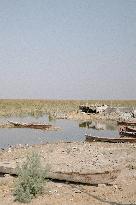
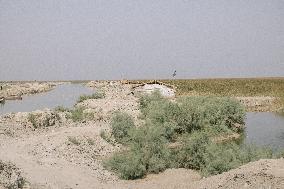
View of a waterway in the Chibayesh marshland in Iraq's southern Ahwar area of Dhi Qar on January 22, 2021. The Mesopotamian Marshes are located in southern Iraq, in the basin of the two mythical rivers of the Middle East: the Euphrates and the Tigris. The region is considered one of the cradles of civilization and, according to legend, even hosted the Gardens of Eden. The Marsh Arabs, also called Maadans, are an ancient community. It is estimated that they have occupied the marshes for almost 5,000 years. Between 1991 and 2003, the former dictator Saddam Hussein completely dried up the area because he believed it harbored his opponents. When he fell, the Maadans returned and tore down the dikes and dams he had built. The marshes have then almost returned to their original state. But in recent years, global warming and dams built upstream of the two rivers in Turkey have once again put the marshes in danger. Photo by Aline Deschamps/Middle East Images/ABACAPRESS.COM

  •  
The Marsh Arabs - Iraq

The Marsh Arabs - Iraq

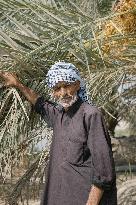
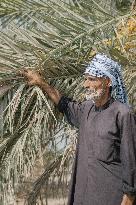
A man stands next to a palm tree in the Chibayesh marshland in Iraq's southern Ahwar area of Dhi Qar on January 22, 2021. The Mesopotamian Marshes are located in southern Iraq, in the basin of the two mythical rivers of the Middle East: the Euphrates and the Tigris. The region is considered one of the cradles of civilization and, according to legend, even hosted the Gardens of Eden. The Marsh Arabs, also called Maadans, are an ancient community. It is estimated that they have occupied the marshes for almost 5,000 years. Between 1991 and 2003, the former dictator Saddam Hussein completely dried up the area because he believed it harbored his opponents. When he fell, the Maadans returned and tore down the dikes and dams he had built. The marshes have then almost returned to their original state. But in recent years, global warming and dams built upstream of the two rivers in Turkey have once again put the marshes in danger. Photo by Aline Deschamps/Middle East Images/ABACAPRESS.COM

  •  
The Marsh Arabs - Iraq

The Marsh Arabs - Iraq

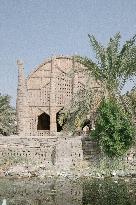
View of a reed house from a waterway in the Chibayesh marshland in Iraq's southern Ahwar area of Dhi Qar on January 22, 2021. The Mesopotamian Marshes are located in southern Iraq, in the basin of the two mythical rivers of the Middle East: the Euphrates and the Tigris. The region is considered one of the cradles of civilization and, according to legend, even hosted the Gardens of Eden. The Marsh Arabs, also called Maadans, are an ancient community. It is estimated that they have occupied the marshes for almost 5,000 years. Between 1991 and 2003, the former dictator Saddam Hussein completely dried up the area because he believed it harbored his opponents. When he fell, the Maadans returned and tore down the dikes and dams he had built. The marshes have then almost returned to their original state. But in recent years, global warming and dams built upstream of the two rivers in Turkey have once again put the marshes in danger. Photo by Aline Deschamps/Middle East Images/ABACAPRESS.COM

  •  
The Marsh Arabs - Iraq

The Marsh Arabs - Iraq

A man stands next to a palm tree in the Chibayesh marshland in Iraq's southern Ahwar area of Dhi Qar on January 22, 2021. The Mesopotamian Marshes are located in southern Iraq, in the basin of the two mythical rivers of the Middle East: the Euphrates and the Tigris. The region is considered one of the cradles of civilization and, according to legend, even hosted the Gardens of Eden. The Marsh Arabs, also called Maadans, are an ancient community. It is estimated that they have occupied the marshes for almost 5,000 years. Between 1991 and 2003, the former dictator Saddam Hussein completely dried up the area because he believed it harbored his opponents. When he fell, the Maadans returned and tore down the dikes and dams he had built. The marshes have then almost returned to their original state. But in recent years, global warming and dams built upstream of the two rivers in Turkey have once again put the marshes in danger. Photo by Aline Deschamps/Middle East Images/ABACAPRESS.COM

  •  
The Marsh Arabs - Iraq

The Marsh Arabs - Iraq

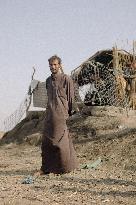
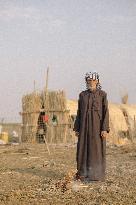
A man stands near his house in the Chibayesh marshland in Iraq's southern Ahwar area of Dhi Qar on January 22, 2021. The Mesopotamian Marshes are located in southern Iraq, in the basin of the two mythical rivers of the Middle East: the Euphrates and the Tigris. The region is considered one of the cradles of civilization and, according to legend, even hosted the Gardens of Eden. The Marsh Arabs, also called Maadans, are an ancient community. It is estimated that they have occupied the marshes for almost 5,000 years. Between 1991 and 2003, the former dictator Saddam Hussein completely dried up the area because he believed it harbored his opponents. When he fell, the Maadans returned and tore down the dikes and dams he had built. The marshes have then almost returned to their original state. But in recent years, global warming and dams built upstream of the two rivers in Turkey have once again put the marshes in danger. Photo by Aline Deschamps/Middle East Images/ABACAPRESS.COM

  •  
The Marsh Arabs - Iraq

The Marsh Arabs - Iraq

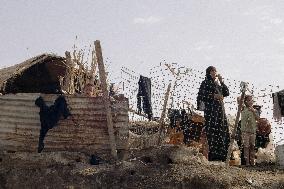
A buffalo herder carries water to her house in the Chibayesh marshland in Iraq's southern Ahwar area of Dhi Qar on January 22, 2021. The Mesopotamian Marshes are located in southern Iraq, in the basin of the two mythical rivers of the Middle East: the Euphrates and the Tigris. The region is considered one of the cradles of civilization and, according to legend, even hosted the Gardens of Eden. The Marsh Arabs, also called Maadans, are an ancient community. It is estimated that they have occupied the marshes for almost 5,000 years. Between 1991 and 2003, the former dictator Saddam Hussein completely dried up the area because he believed it harbored his opponents. When he fell, the Maadans returned and tore down the dikes and dams he had built. The marshes have then almost returned to their original state. But in recent years, global warming and dams built upstream of the two rivers in Turkey have once again put the marshes in danger. Photo by Aline Deschamps/Middle East Images/ABACAPRESS.COM

  •  
The Marsh Arabs - Iraq

The Marsh Arabs - Iraq

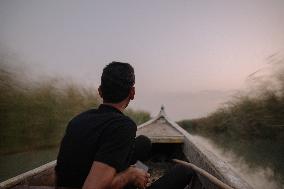
A man sits on a wooden narrow canoe in the waterways of the Chibayesh marshland in Iraq's southern Ahwar area of Dhi Qar on January 22, 2021. The Mesopotamian Marshes are located in southern Iraq, in the basin of the two mythical rivers of the Middle East: the Euphrates and the Tigris. The region is considered one of the cradles of civilization and, according to legend, even hosted the Gardens of Eden. The Marsh Arabs, also called Maadans, are an ancient community. It is estimated that they have occupied the marshes for almost 5,000 years. Between 1991 and 2003, the former dictator Saddam Hussein completely dried up the area because he believed it harbored his opponents. When he fell, the Maadans returned and tore down the dikes and dams he had built. The marshes have then almost returned to their original state. But in recent years, global warming and dams built upstream of the two rivers in Turkey have once again put the marshes in danger. Photo by Aline Deschamps/Middle East Images/ABACAPRESS.COM

  •  
The Marsh Arabs - Iraq

The Marsh Arabs - Iraq

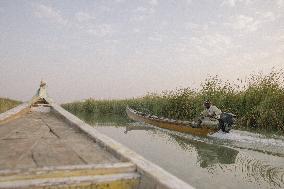
A man rows a wooden narrow canoe in the waterways of the Chibayesh marshland in Iraq's southern Ahwar area of Dhi Qar on January 22, 2021. The Mesopotamian Marshes are located in southern Iraq, in the basin of the two mythical rivers of the Middle East: the Euphrates and the Tigris. The region is considered one of the cradles of civilization and, according to legend, even hosted the Gardens of Eden. The Marsh Arabs, also called Maadans, are an ancient community. It is estimated that they have occupied the marshes for almost 5,000 years. Between 1991 and 2003, the former dictator Saddam Hussein completely dried up the area because he believed it harbored his opponents. When he fell, the Maadans returned and tore down the dikes and dams he had built. The marshes have then almost returned to their original state. But in recent years, global warming and dams built upstream of the two rivers in Turkey have once again put the marshes in danger. Photo by Aline Deschamps/Middle East Images/ABACAPRESS.COM

  •  
The Marsh Arabs - Iraq

The Marsh Arabs - Iraq

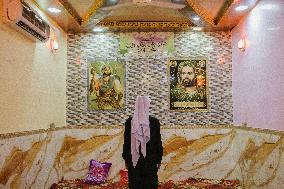
Buffalo herders stand in their home in the Chibayesh marshland in Iraq's southern Ahwar area of Dhi Qar on January 22, 2021. The Mesopotamian Marshes are located in southern Iraq, in the basin of the two mythical rivers of the Middle East: the Euphrates and the Tigris. The region is considered one of the cradles of civilization and, according to legend, even hosted the Gardens of Eden. The Marsh Arabs, also called Maadans, are an ancient community. It is estimated that they have occupied the marshes for almost 5,000 years. Between 1991 and 2003, the former dictator Saddam Hussein completely dried up the area because he believed it harbored his opponents. When he fell, the Maadans returned and tore down the dikes and dams he had built. The marshes have then almost returned to their original state. But in recent years, global warming and dams built upstream of the two rivers in Turkey have once again put the marshes in danger. Photo by Aline Deschamps/Middle East Images/ABACAPRESS.COM

  •  
The Marsh Arabs - Iraq

The Marsh Arabs - Iraq

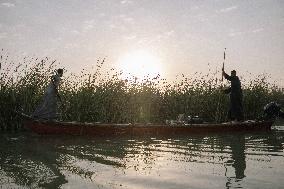
A man stands on a wooden narrow canoe in the waterways in the Chibayesh marshland in Iraq's southern Ahwar area of Dhi Qar on January 22, 2021. The Mesopotamian Marshes are located in southern Iraq, in the basin of the two mythical rivers of the Middle East: the Euphrates and the Tigris. The region is considered one of the cradles of civilization and, according to legend, even hosted the Gardens of Eden. The Marsh Arabs, also called Maadans, are an ancient community. It is estimated that they have occupied the marshes for almost 5,000 years. Between 1991 and 2003, the former dictator Saddam Hussein completely dried up the area because he believed it harbored his opponents. When he fell, the Maadans returned and tore down the dikes and dams he had built. The marshes have then almost returned to their original state. But in recent years, global warming and dams built upstream of the two rivers in Turkey have once again put the marshes in danger. Photo by Aline Deschamps/Middle East Images/ABACAPRESS.COM

  •  
The Marsh Arabs - Iraq

The Marsh Arabs - Iraq

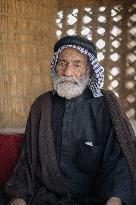
A man sits in a reed house in the Chibayesh marshland in Iraq's southern Ahwar area of Dhi Qar on January 22, 2021. The Mesopotamian Marshes are located in southern Iraq, in the basin of the two mythical rivers of the Middle East: the Euphrates and the Tigris. The region is considered one of the cradles of civilization and, according to legend, even hosted the Gardens of Eden. The Marsh Arabs, also called Maadans, are an ancient community. It is estimated that they have occupied the marshes for almost 5,000 years. Between 1991 and 2003, the former dictator Saddam Hussein completely dried up the area because he believed it harbored his opponents. When he fell, the Maadans returned and tore down the dikes and dams he had built. The marshes have then almost returned to their original state. But in recent years, global warming and dams built upstream of the two rivers in Turkey have once again put the marshes in danger. Photo by Aline Deschamps/Middle East Images/ABACAPRESS.COM

  •  
The Marsh Arabs - Iraq

The Marsh Arabs - Iraq

View of a waterway in the Chibayesh marshland in Iraq's southern Ahwar area of Dhi Qar on January 22, 2021. The Mesopotamian Marshes are located in southern Iraq, in the basin of the two mythical rivers of the Middle East: the Euphrates and the Tigris. The region is considered one of the cradles of civilization and, according to legend, even hosted the Gardens of Eden. The Marsh Arabs, also called Maadans, are an ancient community. It is estimated that they have occupied the marshes for almost 5,000 years. Between 1991 and 2003, the former dictator Saddam Hussein completely dried up the area because he believed it harbored his opponents. When he fell, the Maadans returned and tore down the dikes and dams he had built. The marshes have then almost returned to their original state. But in recent years, global warming and dams built upstream of the two rivers in Turkey have once again put the marshes in danger. Photo by Aline Deschamps/Middle East Images/ABACAPRESS.COM

  •  
The Marsh Arabs - Iraq

The Marsh Arabs - Iraq

A fisherman stands on a wooden narrow canoe in the waterways of the Chibayesh marshland in Iraq's southern Ahwar area of Dhi Qar on January 22, 2021. The Mesopotamian Marshes are located in southern Iraq, in the basin of the two mythical rivers of the Middle East: the Euphrates and the Tigris. The region is considered one of the cradles of civilization and, according to legend, even hosted the Gardens of Eden. The Marsh Arabs, also called Maadans, are an ancient community. It is estimated that they have occupied the marshes for almost 5,000 years. Between 1991 and 2003, the former dictator Saddam Hussein completely dried up the area because he believed it harbored his opponents. When he fell, the Maadans returned and tore down the dikes and dams he had built. The marshes have then almost returned to their original state. But in recent years, global warming and dams built upstream of the two rivers in Turkey have once again put the marshes in danger. Photo by Aline Deschamps/Middle East Images/ABACAPRESS.COM

  •  
The Marsh Arabs - Iraq

The Marsh Arabs - Iraq

A buffalo herder sits down with visitors in the Chibayesh marshland in Iraq's southern Ahwar area of Dhi Qar on January 22, 2021. The Mesopotamian Marshes are located in southern Iraq, in the basin of the two mythical rivers of the Middle East: the Euphrates and the Tigris. The region is considered one of the cradles of civilization and, according to legend, even hosted the Gardens of Eden. The Marsh Arabs, also called Maadans, are an ancient community. It is estimated that they have occupied the marshes for almost 5,000 years. Between 1991 and 2003, the former dictator Saddam Hussein completely dried up the area because he believed it harbored his opponents. When he fell, the Maadans returned and tore down the dikes and dams he had built. The marshes have then almost returned to their original state. But in recent years, global warming and dams built upstream of the two rivers in Turkey have once again put the marshes in danger. Photo by Aline Deschamps/Middle East Images/ABACAPRESS.COM

  •  
The Marsh Arabs - Iraq

The Marsh Arabs - Iraq

A man rows a wooden narrow canoe in the waterways of the Chibayesh marshland in Iraq's southern Ahwar area of Dhi Qar on January 22, 2021. The Mesopotamian Marshes are located in southern Iraq, in the basin of the two mythical rivers of the Middle East: the Euphrates and the Tigris. The region is considered one of the cradles of civilization and, according to legend, even hosted the Gardens of Eden. The Marsh Arabs, also called Maadans, are an ancient community. It is estimated that they have occupied the marshes for almost 5,000 years. Between 1991 and 2003, the former dictator Saddam Hussein completely dried up the area because he believed it harbored his opponents. When he fell, the Maadans returned and tore down the dikes and dams he had built. The marshes have then almost returned to their original state. But in recent years, global warming and dams built upstream of the two rivers in Turkey have once again put the marshes in danger. Photo by Aline Deschamps/Middle East Images/ABACAPRESS.COM

  •  
The Marsh Arabs - Iraq

The Marsh Arabs - Iraq

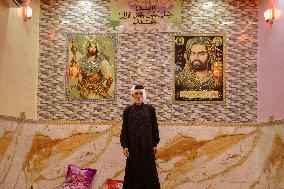
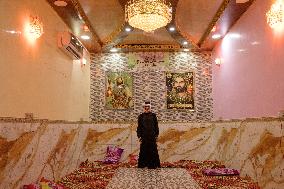
A man stands in his house in the of the Chibayesh town in the marshland in Iraq's southern Ahwar area of Dhi Qar on January 22, 2021. The Mesopotamian Marshes are located in southern Iraq, in the basin of the two mythical rivers of the Middle East: the Euphrates and the Tigris. The region is considered one of the cradles of civilization and, according to legend, even hosted the Gardens of Eden. The Marsh Arabs, also called Maadans, are an ancient community. It is estimated that they have occupied the marshes for almost 5,000 years. Between 1991 and 2003, the former dictator Saddam Hussein completely dried up the area because he believed it harbored his opponents. When he fell, the Maadans returned and tore down the dikes and dams he had built. The marshes have then almost returned to their original state. But in recent years, global warming and dams built upstream of the two rivers in Turkey have once again put the marshes in danger. Photo by Aline Deschamps/Middle East Images/ABACAPRESS.COM

  •  
The Marsh Arabs - Iraq

The Marsh Arabs - Iraq

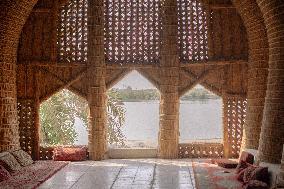
View of a waterway from a reed house in the Chibayesh marshland in Iraq's southern Ahwar area of Dhi Qar on January 22, 2021. The Mesopotamian Marshes are located in southern Iraq, in the basin of the two mythical rivers of the Middle East: the Euphrates and the Tigris. The region is considered one of the cradles of civilization and, according to legend, even hosted the Gardens of Eden. The Marsh Arabs, also called Maadans, are an ancient community. It is estimated that they have occupied the marshes for almost 5,000 years. Between 1991 and 2003, the former dictator Saddam Hussein completely dried up the area because he believed it harbored his opponents. When he fell, the Maadans returned and tore down the dikes and dams he had built. The marshes have then almost returned to their original state. But in recent years, global warming and dams built upstream of the two rivers in Turkey have once again put the marshes in danger. Photo by Aline Deschamps/Middle East Images/ABACAPRESS.COM

  •  
The Marsh Arabs - Iraq

The Marsh Arabs - Iraq

A man stands in his house in the of the Chibayesh town in the marshland in Iraq's southern Ahwar area of Dhi Qar on January 22, 2021. The Mesopotamian Marshes are located in southern Iraq, in the basin of the two mythical rivers of the Middle East: the Euphrates and the Tigris. The region is considered one of the cradles of civilization and, according to legend, even hosted the Gardens of Eden. The Marsh Arabs, also called Maadans, are an ancient community. It is estimated that they have occupied the marshes for almost 5,000 years. Between 1991 and 2003, the former dictator Saddam Hussein completely dried up the area because he believed it harbored his opponents. When he fell, the Maadans returned and tore down the dikes and dams he had built. The marshes have then almost returned to their original state. But in recent years, global warming and dams built upstream of the two rivers in Turkey have once again put the marshes in danger. Photo by Aline Deschamps/Middle East Images/ABACAPRESS.COM

  •  
The Marsh Arabs - Iraq

The Marsh Arabs - Iraq

A man sits in a reed house in the Chibayesh marshland in Iraq's southern Ahwar area of Dhi Qar on January 22, 2021. The Mesopotamian Marshes are located in southern Iraq, in the basin of the two mythical rivers of the Middle East: the Euphrates and the Tigris. The region is considered one of the cradles of civilization and, according to legend, even hosted the Gardens of Eden. The Marsh Arabs, also called Maadans, are an ancient community. It is estimated that they have occupied the marshes for almost 5,000 years. Between 1991 and 2003, the former dictator Saddam Hussein completely dried up the area because he believed it harbored his opponents. When he fell, the Maadans returned and tore down the dikes and dams he had built. The marshes have then almost returned to their original state. But in recent years, global warming and dams built upstream of the two rivers in Turkey have once again put the marshes in danger. Photo by Aline Deschamps/Middle East Images/ABACAPRESS.COM

  •  
The Marsh Arabs - Iraq

The Marsh Arabs - Iraq

View of a waterway in the Chibayesh marshland in Iraq's southern Ahwar area of Dhi Qar on January 22, 2021. The Mesopotamian Marshes are located in southern Iraq, in the basin of the two mythical rivers of the Middle East: the Euphrates and the Tigris. The region is considered one of the cradles of civilization and, according to legend, even hosted the Gardens of Eden. The Marsh Arabs, also called Maadans, are an ancient community. It is estimated that they have occupied the marshes for almost 5,000 years. Between 1991 and 2003, the former dictator Saddam Hussein completely dried up the area because he believed it harbored his opponents. When he fell, the Maadans returned and tore down the dikes and dams he had built. The marshes have then almost returned to their original state. But in recent years, global warming and dams built upstream of the two rivers in Turkey have once again put the marshes in danger. Photo by Aline Deschamps/Middle East Images/ABACAPRESS.COM

  •  
The Marsh Arabs - Iraq

The Marsh Arabs - Iraq

Men sit a reed house in the Chibayesh marshland in Iraq's southern Ahwar area of Dhi Qar on January 22, 2021. The Mesopotamian Marshes are located in southern Iraq, in the basin of the two mythical rivers of the Middle East: the Euphrates and the Tigris. The region is considered one of the cradles of civilization and, according to legend, even hosted the Gardens of Eden. The Marsh Arabs, also called Maadans, are an ancient community. It is estimated that they have occupied the marshes for almost 5,000 years. Between 1991 and 2003, the former dictator Saddam Hussein completely dried up the area because he believed it harbored his opponents. When he fell, the Maadans returned and tore down the dikes and dams he had built. The marshes have then almost returned to their original state. But in recent years, global warming and dams built upstream of the two rivers in Turkey have once again put the marshes in danger. Photo by Aline Deschamps/Middle East Images/ABACAPRESS.COM

  •  
The Marsh Arabs - Iraq

The Marsh Arabs - Iraq

A man stands in his house in the of the Chibayesh town in the marshland in Iraq's southern Ahwar area of Dhi Qar on January 22, 2021. The Mesopotamian Marshes are located in southern Iraq, in the basin of the two mythical rivers of the Middle East: the Euphrates and the Tigris. The region is considered one of the cradles of civilization and, according to legend, even hosted the Gardens of Eden. The Marsh Arabs, also called Maadans, are an ancient community. It is estimated that they have occupied the marshes for almost 5,000 years. Between 1991 and 2003, the former dictator Saddam Hussein completely dried up the area because he believed it harbored his opponents. When he fell, the Maadans returned and tore down the dikes and dams he had built. The marshes have then almost returned to their original state. But in recent years, global warming and dams built upstream of the two rivers in Turkey have once again put the marshes in danger. Photo by Aline Deschamps/Middle East Images/ABACAPRESS.COM

  •  
The Marsh Arabs - Iraq

The Marsh Arabs - Iraq

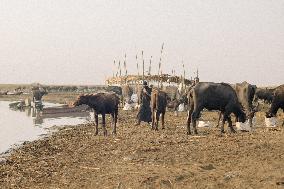
Buffalo herders look after their herd in the Chibayesh marshland in Iraq's southern Ahwar area of Dhi Qar on January 22, 2021. The Mesopotamian Marshes are located in southern Iraq, in the basin of the two mythical rivers of the Middle East: the Euphrates and the Tigris. The region is considered one of the cradles of civilization and, according to legend, even hosted the Gardens of Eden. The Marsh Arabs, also called Maadans, are an ancient community. It is estimated that they have occupied the marshes for almost 5,000 years. Between 1991 and 2003, the former dictator Saddam Hussein completely dried up the area because he believed it harbored his opponents. When he fell, the Maadans returned and tore down the dikes and dams he had built. The marshes have then almost returned to their original state. But in recent years, global warming and dams built upstream of the two rivers in Turkey have once again put the marshes in danger. Photo by Aline Deschamps/Middle East Images/ABACAPRESS.COM

  •  
The Marsh Arabs - Iraq

The Marsh Arabs - Iraq

A man sits on a wooden narrow canoe in the waterways of the Chibayesh marshland in Iraq's southern Ahwar area of Dhi Qar on January 22, 2021. The Mesopotamian Marshes are located in southern Iraq, in the basin of the two mythical rivers of the Middle East: the Euphrates and the Tigris. The region is considered one of the cradles of civilization and, according to legend, even hosted the Gardens of Eden. The Marsh Arabs, also called Maadans, are an ancient community. It is estimated that they have occupied the marshes for almost 5,000 years. Between 1991 and 2003, the former dictator Saddam Hussein completely dried up the area because he believed it harbored his opponents. When he fell, the Maadans returned and tore down the dikes and dams he had built. The marshes have then almost returned to their original state. But in recent years, global warming and dams built upstream of the two rivers in Turkey have once again put the marshes in danger. Photo by Aline Deschamps/Middle East Images/ABACAPRESS.COM

  •  
The Marsh Arabs - Iraq

The Marsh Arabs - Iraq

A man stands near his house in the Chibayesh marshland in Iraq's southern Ahwar area of Dhi Qar on January 22, 2021. The Mesopotamian Marshes are located in southern Iraq, in the basin of the two mythical rivers of the Middle East: the Euphrates and the Tigris. The region is considered one of the cradles of civilization and, according to legend, even hosted the Gardens of Eden. The Marsh Arabs, also called Maadans, are an ancient community. It is estimated that they have occupied the marshes for almost 5,000 years. Between 1991 and 2003, the former dictator Saddam Hussein completely dried up the area because he believed it harbored his opponents. When he fell, the Maadans returned and tore down the dikes and dams he had built. The marshes have then almost returned to their original state. But in recent years, global warming and dams built upstream of the two rivers in Turkey have once again put the marshes in danger. Photo by Aline Deschamps/Middle East Images/ABACAPRESS.COM

  •  
The Marsh Arabs - Iraq

The Marsh Arabs - Iraq

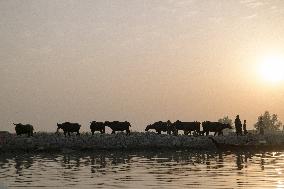
Buffalo herders take their herd back to home during the sunset in the Chibayesh marshland in Iraq's southern Ahwar area of Dhi Qar on January 22, 2021. The Mesopotamian Marshes are located in southern Iraq, in the basin of the two mythical rivers of the Middle East: the Euphrates and the Tigris. The region is considered one of the cradles of civilization and, according to legend, even hosted the Gardens of Eden. The Marsh Arabs, also called Maadans, are an ancient community. It is estimated that they have occupied the marshes for almost 5,000 years. Between 1991 and 2003, the former dictator Saddam Hussein completely dried up the area because he believed it harbored his opponents. When he fell, the Maadans returned and tore down the dikes and dams he had built. The marshes have then almost returned to their original state. But in recent years, global warming and dams built upstream of the two rivers in Turkey have once again put the marshes in danger. Photo by Aline Deschamps/Middle East Images/ABACAPRESS.COM

  •  
The Marsh Arabs - Iraq

The Marsh Arabs - Iraq

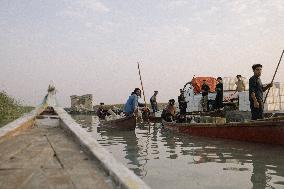
Fishermen sell their fish to a dealer in a waterway of the Chibayesh marshland in Iraq's southern Ahwar area of Dhi Qar on January 22, 2021. The Mesopotamian Marshes are located in southern Iraq, in the basin of the two mythical rivers of the Middle East: the Euphrates and the Tigris. The region is considered one of the cradles of civilization and, according to legend, even hosted the Gardens of Eden. The Marsh Arabs, also called Maadans, are an ancient community. It is estimated that they have occupied the marshes for almost 5,000 years. Between 1991 and 2003, the former dictator Saddam Hussein completely dried up the area because he believed it harbored his opponents. When he fell, the Maadans returned and tore down the dikes and dams he had built. The marshes have then almost returned to their original state. But in recent years, global warming and dams built upstream of the two rivers in Turkey have once again put the marshes in danger. Photo by Aline Deschamps/Middle East Images/ABACAPRESS.COM

  •  
The Marsh Arabs - Iraq

The Marsh Arabs - Iraq

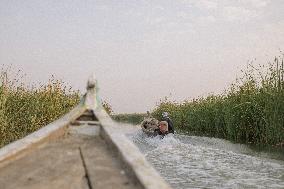
A man drives a wooden narrow canoe in the waterways of the Chibayesh marshland in Iraq's southern Ahwar area of Dhi Qar on January 22, 2021. The Mesopotamian Marshes are located in southern Iraq, in the basin of the two mythical rivers of the Middle East: the Euphrates and the Tigris. The region is considered one of the cradles of civilization and, according to legend, even hosted the Gardens of Eden. The Marsh Arabs, also called Maadans, are an ancient community. It is estimated that they have occupied the marshes for almost 5,000 years. Between 1991 and 2003, the former dictator Saddam Hussein completely dried up the area because he believed it harbored his opponents. When he fell, the Maadans returned and tore down the dikes and dams he had built. The marshes have then almost returned to their original state. But in recent years, global warming and dams built upstream of the two rivers in Turkey have once again put the marshes in danger. Photo by Aline Deschamps/Middle East Images/ABACAPRESS.COM

  •  
The Marsh Arabs - Iraq

The Marsh Arabs - Iraq

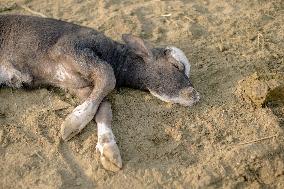
A calf lies on the ground in the Chibayesh marshland in Iraq's southern Ahwar area of Dhi Qar on January 22, 2021. The Mesopotamian Marshes are located in southern Iraq, in the basin of the two mythical rivers of the Middle East: the Euphrates and the Tigris. The region is considered one of the cradles of civilization and, according to legend, even hosted the Gardens of Eden. The Marsh Arabs, also called Maadans, are an ancient community. It is estimated that they have occupied the marshes for almost 5,000 years. Between 1991 and 2003, the former dictator Saddam Hussein completely dried up the area because he believed it harbored his opponents. When he fell, the Maadans returned and tore down the dikes and dams he had built. The marshes have then almost returned to their original state. But in recent years, global warming and dams built upstream of the two rivers in Turkey have once again put the marshes in danger. Photo by Aline Deschamps/Middle East Images/ABACAPRESS.COM

  •  
The Marsh Arabs - Iraq

The Marsh Arabs - Iraq

Men row a narrow wooden canoe in a waterways of the Chibayesh marshland in Iraq's southern Ahwar area of Dhi Qar on January 22, 2021. The Mesopotamian Marshes are located in southern Iraq, in the basin of the two mythical rivers of the Middle East: the Euphrates and the Tigris. The region is considered one of the cradles of civilization and, according to legend, even hosted the Gardens of Eden. The Marsh Arabs, also called Maadans, are an ancient community. It is estimated that they have occupied the marshes for almost 5,000 years. Between 1991 and 2003, the former dictator Saddam Hussein completely dried up the area because he believed it harbored his opponents. When he fell, the Maadans returned and tore down the dikes and dams he had built. The marshes have then almost returned to their original state. But in recent years, global warming and dams built upstream of the two rivers in Turkey have once again put the marshes in danger. Photo by Aline Deschamps/Middle East Images/ABACAPRESS.COM

  •  
The Marsh Arabs - Iraq

The Marsh Arabs - Iraq

A man drives a wooden narrow canoe in the waterways of the Chibayesh marshland in Iraq's southern Ahwar area of Dhi Qar on January 22, 2021. The Mesopotamian Marshes are located in southern Iraq, in the basin of the two mythical rivers of the Middle East: the Euphrates and the Tigris. The region is considered one of the cradles of civilization and, according to legend, even hosted the Gardens of Eden. The Marsh Arabs, also called Maadans, are an ancient community. It is estimated that they have occupied the marshes for almost 5,000 years. Between 1991 and 2003, the former dictator Saddam Hussein completely dried up the area because he believed it harbored his opponents. When he fell, the Maadans returned and tore down the dikes and dams he had built. The marshes have then almost returned to their original state. But in recent years, global warming and dams built upstream of the two rivers in Turkey have once again put the marshes in danger. Photo by Aline Deschamps/Middle East Images/ABACAPRESS.COM

  •  
The Marsh Arabs - Iraq

The Marsh Arabs - Iraq

A man stands in his house in the of the Chibayesh town in the marshland in Iraq's southern Ahwar area of Dhi Qar on January 22, 2021. The Mesopotamian Marshes are located in southern Iraq, in the basin of the two mythical rivers of the Middle East: the Euphrates and the Tigris. The region is considered one of the cradles of civilization and, according to legend, even hosted the Gardens of Eden. The Marsh Arabs, also called Maadans, are an ancient community. It is estimated that they have occupied the marshes for almost 5,000 years. Between 1991 and 2003, the former dictator Saddam Hussein completely dried up the area because he believed it harbored his opponents. When he fell, the Maadans returned and tore down the dikes and dams he had built. The marshes have then almost returned to their original state. But in recent years, global warming and dams built upstream of the two rivers in Turkey have once again put the marshes in danger. Photo by Aline Deschamps/Middle East Images/ABACAPRESS.COM

  •  
The Marsh Arabs - Iraq

The Marsh Arabs - Iraq

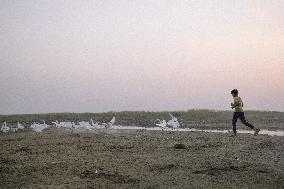
A boy chases geese nearby a waterway in the Chibayesh marshland in Iraq's southern Ahwar area of Dhi Qar on January 22, 2021. The Mesopotamian Marshes are located in southern Iraq, in the basin of the two mythical rivers of the Middle East: the Euphrates and the Tigris. The region is considered one of the cradles of civilization and, according to legend, even hosted the Gardens of Eden. The Marsh Arabs, also called Maadans, are an ancient community. It is estimated that they have occupied the marshes for almost 5,000 years. Between 1991 and 2003, the former dictator Saddam Hussein completely dried up the area because he believed it harbored his opponents. When he fell, the Maadans returned and tore down the dikes and dams he had built. The marshes have then almost returned to their original state. But in recent years, global warming and dams built upstream of the two rivers in Turkey have once again put the marshes in danger. Photo by Aline Deschamps/Middle East Images/ABACAPRESS.COM

  •  
The Marsh Arabs - Iraq

The Marsh Arabs - Iraq

A man stands in his house in the of the Chibayesh town in the marshland in Iraq's southern Ahwar area of Dhi Qar on January 22, 2021. The Mesopotamian Marshes are located in southern Iraq, in the basin of the two mythical rivers of the Middle East: the Euphrates and the Tigris. The region is considered one of the cradles of civilization and, according to legend, even hosted the Gardens of Eden. The Marsh Arabs, also called Maadans, are an ancient community. It is estimated that they have occupied the marshes for almost 5,000 years. Between 1991 and 2003, the former dictator Saddam Hussein completely dried up the area because he believed it harbored his opponents. When he fell, the Maadans returned and tore down the dikes and dams he had built. The marshes have then almost returned to their original state. But in recent years, global warming and dams built upstream of the two rivers in Turkey have once again put the marshes in danger. Photo by Aline Deschamps/Middle East Images/ABACAPRESS.COM

  •  
The Marsh Arabs - Iraq

The Marsh Arabs - Iraq

A man stands in his house in the of the Chibayesh town in the marshland in Iraq's southern Ahwar area of Dhi Qar on January 22, 2021. The Mesopotamian Marshes are located in southern Iraq, in the basin of the two mythical rivers of the Middle East: the Euphrates and the Tigris. The region is considered one of the cradles of civilization and, according to legend, even hosted the Gardens of Eden. The Marsh Arabs, also called Maadans, are an ancient community. It is estimated that they have occupied the marshes for almost 5,000 years. Between 1991 and 2003, the former dictator Saddam Hussein completely dried up the area because he believed it harbored his opponents. When he fell, the Maadans returned and tore down the dikes and dams he had built. The marshes have then almost returned to their original state. But in recent years, global warming and dams built upstream of the two rivers in Turkey have once again put the marshes in danger. Photo by Aline Deschamps/Middle East Images/ABACAPRESS.COM

  •  
The Marsh Arabs - Iraq

The Marsh Arabs - Iraq

A man sits on a wooden narrow canoe in the waterways of the Chibayesh marshland in Iraq's southern Ahwar area of Dhi Qar on January 22, 2021. The Mesopotamian Marshes are located in southern Iraq, in the basin of the two mythical rivers of the Middle East: the Euphrates and the Tigris. The region is considered one of the cradles of civilization and, according to legend, even hosted the Gardens of Eden. The Marsh Arabs, also called Maadans, are an ancient community. It is estimated that they have occupied the marshes for almost 5,000 years. Between 1991 and 2003, the former dictator Saddam Hussein completely dried up the area because he believed it harbored his opponents. When he fell, the Maadans returned and tore down the dikes and dams he had built. The marshes have then almost returned to their original state. But in recent years, global warming and dams built upstream of the two rivers in Turkey have once again put the marshes in danger. Photo by Aline Deschamps/Middle East Images/ABACAPRESS.COM

  • Main
  • Top
  • Editorial
  • Creative
  • About Us
  • About ILG
  • Terms of use
  • Company
  • BEHIND
  • Price List
  • Single Plan
  • Monthly Plan
  • Services
  • Shooting
  • Rights Clearance
  • Support
  • FAQ
  • How To Buy
  • Contact Us
  • Become a Partner

© KYODO NEWS IMAGES INC

All Rights Reserved.

  • Editorial
  • Olympics
  • News
  • Sports
  • Japan
  • Tech
  • Royal
  • Disaster
  • NorthKorea
  • Old Japan
  • SNS
  • Creative
  • Food
  • Japan
  • Landscape
  • Animal
  • Popular
  • #Ukraine
  • #Russia
  • #coronavirus
  • #N. Korea
  • #Thailand
  • #China
  • #Ukraine
  • #Russia
  • #coronavirus
  • #N. Korea
  • #Thailand
  • #China
  • Food
  • Japan
  • Landscape
  • Animal
  • Olympics
  • News
  • Sports
  • Japan
  • Tech
  • Royal
  • Disaster
  • NorthKorea
  • Old Japan
  • SNS