•  
(InXizang)CHINA-XIZANG-FORMER SERF-NEW LIFE-LOZANG (CN)

(InXizang)CHINA-XIZANG-FORMER SERF-NEW LIFE-LOZANG (CN)

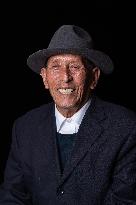
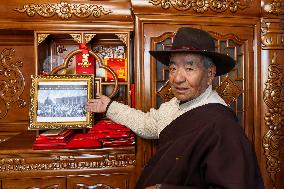
(240404) -- LHASA, April 4, 2024 (Xinhua) -- Lozang is pictured at his house in Kundeling Street, Chengguan District of Lhasa, southwest China's Xizang Autonomous Region, April 2, 2024. Born in 1939, Lozang is a resident of Kundeling Street of Chengguan District in Lhasa. Before the democratic reform, Lozang and his family were serfs, working for Kundeling Monastery. During his childhood, Lozang worked as a muleteer and was obliged to transport supplies, only receiving meager sustenance in return. In March 1959, people in Xizang launched the democratic reform that ended the region's feudal serfdom. Lozang was freed and allocated accommodations. In 1960, he was appointed head of the residents' committee in his community, and elected as a deputy to the National People's Congress. Now retired, Lozang lives with his family in a three-story house. His eldest and second daughters run a tea shop in downtown Lhasa, and his younger daughter works in a bank. Lozang said he was very happy to take care of h

  •  
(InXizang)CHINA-XIZANG-FORMER SERF-NEW LIFE-LOZANG (CN)

(InXizang)CHINA-XIZANG-FORMER SERF-NEW LIFE-LOZANG (CN)

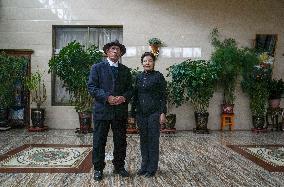
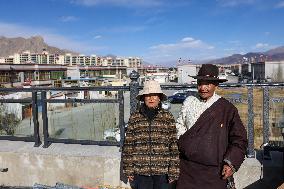
(240404) -- LHASA, April 4, 2024 (Xinhua) -- Lozang poses for a photo with his wife at his house in Kundeling Street, Chengguan District of Lhasa, southwest China's Xizang Autonomous Region, April 2, 2024. Born in 1939, Lozang is a resident of Kundeling Street of Chengguan District in Lhasa. Before the democratic reform, Lozang and his family were serfs, working for Kundeling Monastery. During his childhood, Lozang worked as a muleteer and was obliged to transport supplies, only receiving meager sustenance in return. In March 1959, people in Xizang launched the democratic reform that ended the region's feudal serfdom. Lozang was freed and allocated accommodations. In 1960, he was appointed head of the residents' committee in his community, and elected as a deputy to the National People's Congress. Now retired, Lozang lives with his family in a three-story house. His eldest and second daughters run a tea shop in downtown Lhasa, and his younger daughter works in a bank. Lozang said he was very hap

  •  
(InXizang)CHINA-XIZANG-FORMER SERF-NEW LIFE-LOZANG (CN)

(InXizang)CHINA-XIZANG-FORMER SERF-NEW LIFE-LOZANG (CN)

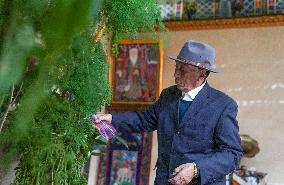
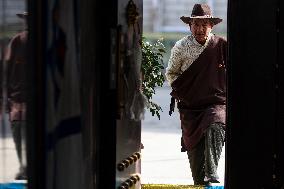
(240404) -- LHASA, April 4, 2024 (Xinhua) -- Lozang waters plants at his house in Kundeling Street, Chengguan District of Lhasa, southwest China's Xizang Autonomous Region, April 2, 2024. Born in 1939, Lozang is a resident of Kundeling Street of Chengguan District in Lhasa. Before the democratic reform, Lozang and his family were serfs, working for Kundeling Monastery. During his childhood, Lozang worked as a muleteer and was obliged to transport supplies, only receiving meager sustenance in return. In March 1959, people in Xizang launched the democratic reform that ended the region's feudal serfdom. Lozang was freed and allocated accommodations. In 1960, he was appointed head of the residents' committee in his community, and elected as a deputy to the National People's Congress. Now retired, Lozang lives with his family in a three-story house. His eldest and second daughters run a tea shop in downtown Lhasa, and his younger daughter works in a bank. Lozang said he was very happy to take care of

  •  
(InXizang)CHINA-XIZANG-FORMER SERF-NEW LIFE-LOZANG (CN)

(InXizang)CHINA-XIZANG-FORMER SERF-NEW LIFE-LOZANG (CN)

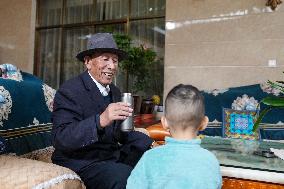
(240404) -- LHASA, April 4, 2024 (Xinhua) -- Lozang plays with his grandchild at his house in Kundeling Street, Chengguan District of Lhasa, southwest China's Xizang Autonomous Region, April 2, 2024. Born in 1939, Lozang is a resident of Kundeling Street of Chengguan District in Lhasa. Before the democratic reform, Lozang and his family were serfs, working for Kundeling Monastery. During his childhood, Lozang worked as a muleteer and was obliged to transport supplies, only receiving meager sustenance in return. In March 1959, people in Xizang launched the democratic reform that ended the region's feudal serfdom. Lozang was freed and allocated accommodations. In 1960, he was appointed head of the residents' committee in his community, and elected as a deputy to the National People's Congress. Now retired, Lozang lives with his family in a three-story house. His eldest and second daughters run a tea shop in downtown Lhasa, and his younger daughter works in a bank. Lozang said he was very happy to

  •  
(InXizang)CHINA-XIZANG-FORMER SERF-NEW LIFE-LOZANG (CN)

(InXizang)CHINA-XIZANG-FORMER SERF-NEW LIFE-LOZANG (CN)

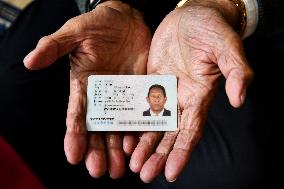
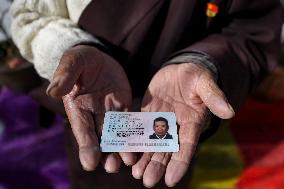
(240404) -- LHASA, April 4, 2024 (Xinhua) -- Lozang presents his ID card in Lhasa, southwest China's Xizang Autonomous Region, Dec. 7, 2021. Born in 1939, Lozang is a resident of Kundeling Street of Chengguan District in Lhasa. Before the democratic reform, Lozang and his family were serfs, working for Kundeling Monastery. During his childhood, Lozang worked as a muleteer and was obliged to transport supplies, only receiving meager sustenance in return. In March 1959, people in Xizang launched the democratic reform that ended the region's feudal serfdom. Lozang was freed and allocated accommodations. In 1960, he was appointed head of the residents' committee in his community, and elected as a deputy to the National People's Congress. Now retired, Lozang lives with his family in a three-story house. His eldest and second daughters run a tea shop in downtown Lhasa, and his younger daughter works in a bank. Lozang said he was very happy to take care of his grandchildren at home and exercise occasio

  •  
(InXizang)CHINA-XIZANG-FORMER SERF-NEW LIFE-LOZANG (CN)

(InXizang)CHINA-XIZANG-FORMER SERF-NEW LIFE-LOZANG (CN)

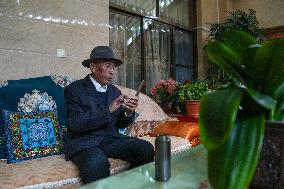
(240404) -- LHASA, April 4, 2024 (Xinhua) -- Lozang uses a mobile phone at his house in Kundeling Street, Chengguan District of Lhasa, southwest China's Xizang Autonomous Region, April 2, 2024. Born in 1939, Lozang is a resident of Kundeling Street of Chengguan District in Lhasa. Before the democratic reform, Lozang and his family were serfs, working for Kundeling Monastery. During his childhood, Lozang worked as a muleteer and was obliged to transport supplies, only receiving meager sustenance in return. In March 1959, people in Xizang launched the democratic reform that ended the region's feudal serfdom. Lozang was freed and allocated accommodations. In 1960, he was appointed head of the residents' committee in his community, and elected as a deputy to the National People's Congress. Now retired, Lozang lives with his family in a three-story house. His eldest and second daughters run a tea shop in downtown Lhasa, and his younger daughter works in a bank. Lozang said he was very happy to take c

  •  
(InXizang)CHINA-XIZANG-FORMER SERF-NEW LIFE-PADMA (CN)

(InXizang)CHINA-XIZANG-FORMER SERF-NEW LIFE-PADMA (CN)

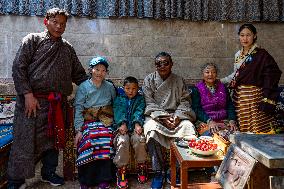
(240401) -- LHASA, April 1, 2024 (Xinhua) -- Padma (4th L) poses for a photo with his family at his residence in Shannan, southwest China's Xizang Autonomous Region, March 27, 2024. Padma was born into a herdsman family in 1942 in Xainza County in Nagqu City, southwest China's Xizang Autonomous Region. During his childhood, his family was obliged to herd over 1,000 sheep for aristocrats, only receiving meager sustenance in return. In March 1959, people in Xizang launched the democratic reform that ended the region's feudal serfdom. This pivotal moment allowed Padma to pursue a better life for himself and his community. Padma established a new settlement with his companions by the Garco Lake in the 1970s, and was awarded the title of "national model worker" in 1989. Padma now resides in the comfort of a two-story dwelling at the relocation site in Shannan City. (Xinhua/Jiang Fan)

  •  
(InXizang)CHINA-XIZANG-FORMER SERF-NEW LIFE-PADMA (CN)

(InXizang)CHINA-XIZANG-FORMER SERF-NEW LIFE-PADMA (CN)

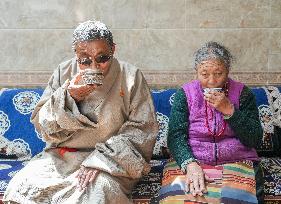
(240401) -- LHASA, April 1, 2024 (Xinhua) -- Padma and his wife enjoy butter tea at his residence in Shannan, southwest China's Xizang Autonomous Region, March 27, 2024. Padma was born into a herdsman family in 1942 in Xainza County in Nagqu City, southwest China's Xizang Autonomous Region. During his childhood, his family was obliged to herd over 1,000 sheep for aristocrats, only receiving meager sustenance in return. In March 1959, people in Xizang launched the democratic reform that ended the region's feudal serfdom. This pivotal moment allowed Padma to pursue a better life for himself and his community. Padma established a new settlement with his companions by the Garco Lake in the 1970s, and was awarded the title of "national model worker" in 1989. Padma now resides in the comfort of a two-story dwelling at the relocation site in Shannan City. (Xinhua/Ding Ting)

  •  
(InXizang)CHINA-XIZANG-FORMER SERF-NEW LIFE-PADMA (CN)

(InXizang)CHINA-XIZANG-FORMER SERF-NEW LIFE-PADMA (CN)

(240401) -- LHASA, April 1, 2024 (Xinhua) -- Padma's granddaughter (L) serves a cup of butter tea to Padma and his wife at his residence in Shannan, southwest China's Xizang Autonomous Region, March 27, 2024. Padma was born into a herdsman family in 1942 in Xainza County in Nagqu City, southwest China's Xizang Autonomous Region. During his childhood, his family was obliged to herd over 1,000 sheep for aristocrats, only receiving meager sustenance in return. In March 1959, people in Xizang launched the democratic reform that ended the region's feudal serfdom. This pivotal moment allowed Padma to pursue a better life for himself and his community. Padma established a new settlement with his companions by the Garco Lake in the 1970s, and was awarded the title of "national model worker" in 1989. Padma now resides in the comfort of a two-story dwelling at the relocation site in Shannan City. (Xinhua/Ding Ting)

  •  
(InXizang)CHINA-XIZANG-FORMER SERF-NEW LIFE-PADMA (CN)

(InXizang)CHINA-XIZANG-FORMER SERF-NEW LIFE-PADMA (CN)

(240401) -- LHASA, April 1, 2024 (Xinhua) -- Padma presents his ID card in Shannan, southwest China's Xizang Autonomous Region, March 27, 2024. Padma was born into a herdsman family in 1942 in Xainza County in Nagqu City, southwest China's Xizang Autonomous Region. During his childhood, his family was obliged to herd over 1,000 sheep for aristocrats, only receiving meager sustenance in return. In March 1959, people in Xizang launched the democratic reform that ended the region's feudal serfdom. This pivotal moment allowed Padma to pursue a better life for himself and his community. Padma established a new settlement with his companions by the Garco Lake in the 1970s, and was awarded the title of "national model worker" in 1989. Padma now resides in the comfort of a two-story dwelling at the relocation site in Shannan City. (Xinhua/Jiang Fan)

  •  
(InXizang)CHINA-XIZANG-FORMER SERF-NEW LIFE-PADMA (CN)

(InXizang)CHINA-XIZANG-FORMER SERF-NEW LIFE-PADMA (CN)

(240401) -- LHASA, April 1, 2024 (Xinhua) -- Padma is pictured in Shannan, southwest China's Xizang Autonomous Region, March 27, 2024. Padma was born into a herdsman family in 1942 in Xainza County in Nagqu City, southwest China's Xizang Autonomous Region. During his childhood, his family was obliged to herd over 1,000 sheep for aristocrats, only receiving meager sustenance in return. In March 1959, people in Xizang launched the democratic reform that ended the region's feudal serfdom. This pivotal moment allowed Padma to pursue a better life for himself and his community. Padma established a new settlement with his companions by the Garco Lake in the 1970s, and was awarded the title of "national model worker" in 1989. Padma now resides in the comfort of a two-story dwelling at the relocation site in Shannan City. (Xinhua/Jiang Fan)

  •  
(InXizang)CHINA-XIZANG-FORMER SERF-NEW LIFE-PADMA (CN)

(InXizang)CHINA-XIZANG-FORMER SERF-NEW LIFE-PADMA (CN)

(240401) -- LHASA, April 1, 2024 (Xinhua) -- Padma presents the "national model worker" medal in Shannan, southwest China's Xizang Autonomous Region, March 27, 2024. Padma was born into a herdsman family in 1942 in Xainza County in Nagqu City, southwest China's Xizang Autonomous Region. During his childhood, his family was obliged to herd over 1,000 sheep for aristocrats, only receiving meager sustenance in return. In March 1959, people in Xizang launched the democratic reform that ended the region's feudal serfdom. This pivotal moment allowed Padma to pursue a better life for himself and his community. Padma established a new settlement with his companions by the Garco Lake in the 1970s, and was awarded the title of "national model worker" in 1989. Padma now resides in the comfort of a two-story dwelling at the relocation site in Shannan City. (Xinhua/Jiang Fan)

  •  
(InXizang)CHINA-XIZANG-FORMER SERF-NEW LIFE-DRAKPA WANGDEN (CN)

(InXizang)CHINA-XIZANG-FORMER SERF-NEW LIFE-DRAKPA WANGDEN (CN)

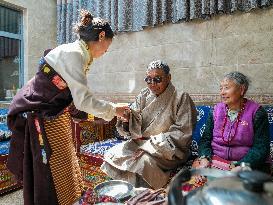
(240330) -- LHASA, March 30, 2024 (Xinhua) -- Drakpa Wangden poses for a photo with his daughter at his home at Yabda Village of Doilungdeqen District in Lhasa, southwest China's Xizang Autonomous Region, March 11, 2024. Born in 1944, Drakpa Wangden lives now in Doilungdeqen District of Lhasa, southwest China's Xizang Autonomous Region. Before the democratic reform, Drakpa Wangden and his family were serfs, working on manors affiliated with two monasteries in present-day Lhasa. For his family, each spring meant borrowing seeds from their masters, however, they could collect nothing during the autumn harvest. At that time, the sustenance of Drakpa Wangden's family of nine was a meager bowl of tsampa, a traditional Tibetan staple made from barley flour, no larger than the palm of a child's hand. In March 1959, people in Xizang launched a democratic reform that ended the region's feudal serfdom and Drakpa Wangden's family was freed along with about a million serfs. Under the systems of the people's con

  •  
(InXizang)CHINA-XIZANG-FORMER SERF-NEW LIFE-DRAKPA WANGDEN (CN)

(InXizang)CHINA-XIZANG-FORMER SERF-NEW LIFE-DRAKPA WANGDEN (CN)

(240330) -- LHASA, March 30, 2024 (Xinhua) -- Drakpa Wangden demonstrates photos and certificates of honor he won in Lhasa, southwest China's Xizang Autonomous Region, March 11, 2024. Born in 1944, Drakpa Wangden lives now in Doilungdeqen District of Lhasa, southwest China's Xizang Autonomous Region. Before the democratic reform, Drakpa Wangden and his family were serfs, working on manors affiliated with two monasteries in present-day Lhasa. For his family, each spring meant borrowing seeds from their masters, however, they could collect nothing during the autumn harvest. At that time, the sustenance of Drakpa Wangden's family of nine was a meager bowl of tsampa, a traditional Tibetan staple made from barley flour, no larger than the palm of a child's hand. In March 1959, people in Xizang launched a democratic reform that ended the region's feudal serfdom and Drakpa Wangden's family was freed along with about a million serfs. Under the systems of the people's congresses and regional ethnic autonomy

  •  
(InXizang)CHINA-XIZANG-FORMER SERF-NEW LIFE-DRAKPA WANGDEN (CN)

(InXizang)CHINA-XIZANG-FORMER SERF-NEW LIFE-DRAKPA WANGDEN (CN)

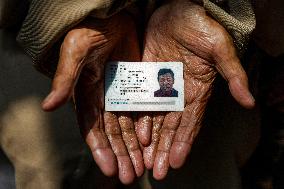
(240330) -- LHASA, March 30, 2024 (Xinhua) -- This photo taken on March 11, 2024 shows the ID card of Drakpa Wangden. Born in 1944, Drakpa Wangden lives now in Doilungdeqen District of Lhasa, southwest China's Xizang Autonomous Region. Before the democratic reform, Drakpa Wangden and his family were serfs, working on manors affiliated with two monasteries in present-day Lhasa. For his family, each spring meant borrowing seeds from their masters, however, they could collect nothing during the autumn harvest. At that time, the sustenance of Drakpa Wangden's family of nine was a meager bowl of tsampa, a traditional Tibetan staple made from barley flour, no larger than the palm of a child's hand. In March 1959, people in Xizang launched a democratic reform that ended the region's feudal serfdom and Drakpa Wangden's family was freed along with about a million serfs. Under the systems of the people's congresses and regional ethnic autonomy that were put in place after the reform, former serfs and slaves w

  •  
(InXizang)CHINA-XIZANG-FORMER SERF-NEW LIFE-DRAKPA WANGDEN (CN)

(InXizang)CHINA-XIZANG-FORMER SERF-NEW LIFE-DRAKPA WANGDEN (CN)

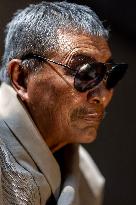
(240330) -- LHASA, March 30, 2024 (Xinhua) -- Drakpa Wangden walks into his home at Yabda Village of Doilungdeqen District in Lhasa, southwest China's Xizang Autonomous Region, March 11, 2024. Born in 1944, Drakpa Wangden lives now in Doilungdeqen District of Lhasa, southwest China's Xizang Autonomous Region. Before the democratic reform, Drakpa Wangden and his family were serfs, working on manors affiliated with two monasteries in present-day Lhasa. For his family, each spring meant borrowing seeds from their masters, however, they could collect nothing during the autumn harvest. At that time, the sustenance of Drakpa Wangden's family of nine was a meager bowl of tsampa, a traditional Tibetan staple made from barley flour, no larger than the palm of a child's hand. In March 1959, people in Xizang launched a democratic reform that ended the region's feudal serfdom and Drakpa Wangden's family was freed along with about a million serfs. Under the systems of the people's congresses and regional ethnic

  •  
(InXizang)CHINA-XIZANG-FORMER SERF-NEW LIFE-DRAKPA WANGDEN (CN)

(InXizang)CHINA-XIZANG-FORMER SERF-NEW LIFE-DRAKPA WANGDEN (CN)

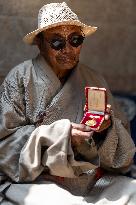
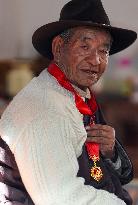
(240330) -- LHASA, March 30, 2024 (Xinhua) -- The 80-year-old Drakpa Wangden shows his commemorative medal awarded to the Communist Party of China (CPC) members after five decades of Party membership in Lhasa, southwest China's Xizang Autonomous Region, March 11, 2024. Born in 1944, Drakpa Wangden lives now in Doilungdeqen District of Lhasa, southwest China's Xizang Autonomous Region. Before the democratic reform, Drakpa Wangden and his family were serfs, working on manors affiliated with two monasteries in present-day Lhasa. For his family, each spring meant borrowing seeds from their masters, however, they could collect nothing during the autumn harvest. At that time, the sustenance of Drakpa Wangden's family of nine was a meager bowl of tsampa, a traditional Tibetan staple made from barley flour, no larger than the palm of a child's hand. In March 1959, people in Xizang launched a democratic reform that ended the region's feudal serfdom and Drakpa Wangden's family was freed along with about a milli

  •  
(InXizang)CHINA-XIZANG-FORMER SERF-NEW LIFE-DRAKPA WANGDEN (CN)

(InXizang)CHINA-XIZANG-FORMER SERF-NEW LIFE-DRAKPA WANGDEN (CN)

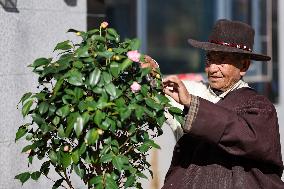
(240330) -- LHASA, March 30, 2024 (Xinhua) -- Drakpa Wangden prunes a potted flower outside his home at Yabda Village of Doilungdeqen District in Lhasa, southwest China's Xizang Autonomous Region, March 11, 2024. Born in 1944, Drakpa Wangden lives now in Doilungdeqen District of Lhasa, southwest China's Xizang Autonomous Region. Before the democratic reform, Drakpa Wangden and his family were serfs, working on manors affiliated with two monasteries in present-day Lhasa. For his family, each spring meant borrowing seeds from their masters, however, they could collect nothing during the autumn harvest. At that time, the sustenance of Drakpa Wangden's family of nine was a meager bowl of tsampa, a traditional Tibetan staple made from barley flour, no larger than the palm of a child's hand. In March 1959, people in Xizang launched a democratic reform that ended the region's feudal serfdom and Drakpa Wangden's family was freed along with about a million serfs. Under the systems of the people's congresses

  •  
CHINA-SICHUAN-CULTURAL RELICS-PROTECTOR (CN)

CHINA-SICHUAN-CULTURAL RELICS-PROTECTOR (CN)

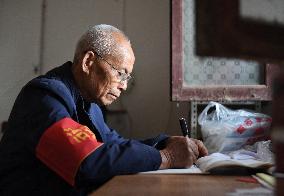
(230430) -- CHENGDU, April 30, 2023 (Xinhua) -- Wu Zhongfu keeps records after patrolling the Wofo Yard in Anyue County, southwest China's Sichuan Province, April 3, 2023. Wu Zhongfu, 73-year-old, has been protecting and conserving the Buddhist statues and stone carvings of Buddhist scriptures from Tang Dynasty (618-907) for 41 years in the Wofo (meaning sleeping Buddha) Yard of Anyue County in Sichuan Province. After becoming a voluntary conservator for cultural relics in 1982, Wu Zhongfu's main job had been patrolled the cultural relics and kept the environment clean. In 2006, he became an official conservator. As more and more people decided to leave the county and seek job opportunities from other places, Wu Zhongfu has once wavered yet decided to stay despite the meager salary. "Standing in front of these statues, I could scarcely bear the thought of leaving them behind," he said. Now, this elderly conservator is still healthy. He said that he would always look after these national treasures as long

  •  
CHINA-SICHUAN-CULTURAL RELICS-PROTECTOR (CN)

CHINA-SICHUAN-CULTURAL RELICS-PROTECTOR (CN)

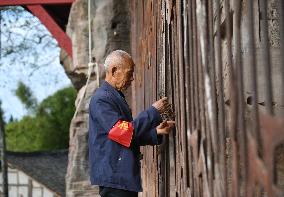
(230430) -- CHENGDU, April 30, 2023 (Xinhua) -- Wu Zhongfu patrols the Wofo Yard in Anyue County, southwest China's Sichuan Province, April 3, 2023. Wu Zhongfu, 73-year-old, has been protecting and conserving the Buddhist statues and stone carvings of Buddhist scriptures from Tang Dynasty (618-907) for 41 years in the Wofo (meaning sleeping Buddha) Yard of Anyue County in Sichuan Province. After becoming a voluntary conservator for cultural relics in 1982, Wu Zhongfu's main job had been patrolled the cultural relics and kept the environment clean. In 2006, he became an official conservator. As more and more people decided to leave the county and seek job opportunities from other places, Wu Zhongfu has once wavered yet decided to stay despite the meager salary. "Standing in front of these statues, I could scarcely bear the thought of leaving them behind," he said. Now, this elderly conservator is still healthy. He said that he would always look after these national treasures as long as he could. Anyue

  •  
CHINA-SICHUAN-CULTURAL RELICS-PROTECTOR (CN)

CHINA-SICHUAN-CULTURAL RELICS-PROTECTOR (CN)

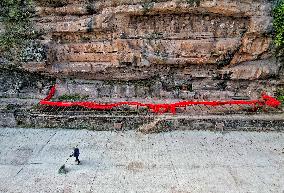
(230430) -- CHENGDU, April 30, 2023 (Xinhua) -- This aerial photo taken on April 3, 2023 shows Wu Zhongfu cleaning the Wofo Yard in Anyue County, southwest China's Sichuan Province. Wu Zhongfu, 73-year-old, has been protecting and conserving the Buddhist statues and stone carvings of Buddhist scriptures from Tang Dynasty (618-907) for 41 years in the Wofo (meaning sleeping Buddha) Yard of Anyue County in Sichuan Province. After becoming a voluntary conservator for cultural relics in 1982, Wu Zhongfu's main job had been patrolled the cultural relics and kept the environment clean. In 2006, he became an official conservator. As more and more people decided to leave the county and seek job opportunities from other places, Wu Zhongfu has once wavered yet decided to stay despite the meager salary. "Standing in front of these statues, I could scarcely bear the thought of leaving them behind," he said. Now, this elderly conservator is still healthy. He said that he would always look after these national treasure

  •  
CHINA-SICHUAN-CULTURAL RELICS-PROTECTOR (CN)

CHINA-SICHUAN-CULTURAL RELICS-PROTECTOR (CN)

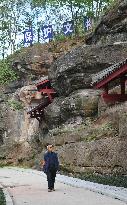
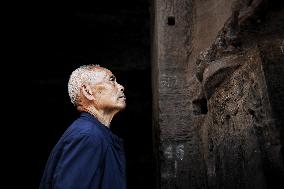
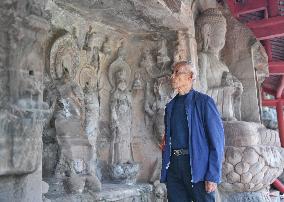
(230430) -- CHENGDU, April 30, 2023 (Xinhua) -- Wu Zhongfu patrols in a grotto in Anyue County, southwest China's Sichuan Province, April 3, 2023. Wu Zhongfu, 73-year-old, has been protecting and conserving the Buddhist statues and stone carvings of Buddhist scriptures from Tang Dynasty (618-907) for 41 years in the Wofo (meaning sleeping Buddha) Yard of Anyue County in Sichuan Province. After becoming a voluntary conservator for cultural relics in 1982, Wu Zhongfu's main job had been patrolled the cultural relics and kept the environment clean. In 2006, he became an official conservator. As more and more people decided to leave the county and seek job opportunities from other places, Wu Zhongfu has once wavered yet decided to stay despite the meager salary. "Standing in front of these statues, I could scarcely bear the thought of leaving them behind," he said. Now, this elderly conservator is still healthy. He said that he would always look after these national treasures as long as he could. Anyue Co

  •  
CHINA-SICHUAN-CULTURAL RELICS-PROTECTOR (CN)

CHINA-SICHUAN-CULTURAL RELICS-PROTECTOR (CN)

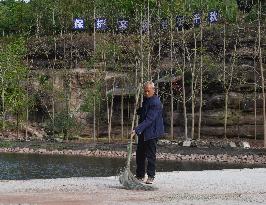
(230430) -- CHENGDU, April 30, 2023 (Xinhua) -- Wu Zhongfu cleans the Wofo Yard in Anyue County, southwest China's Sichuan Province, April 3, 2023. Wu Zhongfu, 73-year-old, has been protecting and conserving the Buddhist statues and stone carvings of Buddhist scriptures from Tang Dynasty (618-907) for 41 years in the Wofo (meaning sleeping Buddha) Yard of Anyue County in Sichuan Province. After becoming a voluntary conservator for cultural relics in 1982, Wu Zhongfu's main job had been patrolled the cultural relics and kept the environment clean. In 2006, he became an official conservator. As more and more people decided to leave the county and seek job opportunities from other places, Wu Zhongfu has once wavered yet decided to stay despite the meager salary. "Standing in front of these statues, I could scarcely bear the thought of leaving them behind," he said. Now, this elderly conservator is still healthy. He said that he would always look after these national treasures as long as he could. Anyue C

  •  
CHINA-SICHUAN-CULTURAL RELICS-PROTECTOR (CN)

CHINA-SICHUAN-CULTURAL RELICS-PROTECTOR (CN)

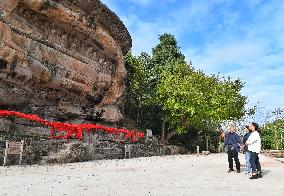
(230430) -- CHENGDU, April 30, 2023 (Xinhua) -- Wu Zhongfu (1st, L) introduces a statue to tourists in the Wofo Yard in Anyue County, southwest China's Sichuan Province, April 3, 2023. Wu Zhongfu, 73-year-old, has been protecting and conserving the Buddhist statues and stone carvings of Buddhist scriptures from Tang Dynasty (618-907) for 41 years in the Wofo (meaning sleeping Buddha) Yard of Anyue County in Sichuan Province. After becoming a voluntary conservator for cultural relics in 1982, Wu Zhongfu's main job had been patrolled the cultural relics and kept the environment clean. In 2006, he became an official conservator. As more and more people decided to leave the county and seek job opportunities from other places, Wu Zhongfu has once wavered yet decided to stay despite the meager salary. "Standing in front of these statues, I could scarcely bear the thought of leaving them behind," he said. Now, this elderly conservator is still healthy. He said that he would always look after these national treas

  •  
CHINA-SICHUAN-CULTURAL RELICS-PROTECTOR (CN)

CHINA-SICHUAN-CULTURAL RELICS-PROTECTOR (CN)

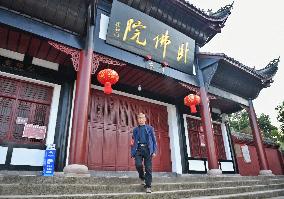
(230430) -- CHENGDU, April 30, 2023 (Xinhua) -- Wu Zhongfu leaves the Wofo Yard after work in Anyue County, southwest China's Sichuan Province, April 3, 2023. Wu Zhongfu, 73-year-old, has been protecting and conserving the Buddhist statues and stone carvings of Buddhist scriptures from Tang Dynasty (618-907) for 41 years in the Wofo (meaning sleeping Buddha) Yard of Anyue County in Sichuan Province. After becoming a voluntary conservator for cultural relics in 1982, Wu Zhongfu's main job had been patrolled the cultural relics and kept the environment clean. In 2006, he became an official conservator. As more and more people decided to leave the county and seek job opportunities from other places, Wu Zhongfu has once wavered yet decided to stay despite the meager salary. "Standing in front of these statues, I could scarcely bear the thought of leaving them behind," he said. Now, this elderly conservator is still healthy. He said that he would always look after these national treasures as long as he could.

  •  
CHINA-SICHUAN-CULTURAL RELICS-PROTECTOR (CN)

CHINA-SICHUAN-CULTURAL RELICS-PROTECTOR (CN)

(230430) -- CHENGDU, April 30, 2023 (Xinhua) -- Wu Zhongfu patrols the Wofo Yard in Anyue County, southwest China's Sichuan Province, April 3, 2023. Wu Zhongfu, 73-year-old, has been protecting and conserving the Buddhist statues and stone carvings of Buddhist scriptures from Tang Dynasty (618-907) for 41 years in the Wofo (meaning sleeping Buddha) Yard of Anyue County in Sichuan Province. After becoming a voluntary conservator for cultural relics in 1982, Wu Zhongfu's main job had been patrolled the cultural relics and kept the environment clean. In 2006, he became an official conservator. As more and more people decided to leave the county and seek job opportunities from other places, Wu Zhongfu has once wavered yet decided to stay despite the meager salary. "Standing in front of these statues, I could scarcely bear the thought of leaving them behind," he said. Now, this elderly conservator is still healthy. He said that he would always look after these national treasures as long as he could. Anyue

  •  
CHINA-SICHUAN-CULTURAL RELICS-PROTECTOR (CN)

CHINA-SICHUAN-CULTURAL RELICS-PROTECTOR (CN)

(230430) -- CHENGDU, April 30, 2023 (Xinhua) -- Wu Zhongfu patrols the Wofo Yard in Anyue County, southwest China's Sichuan Province, April 3, 2023. Wu Zhongfu, 73-year-old, has been protecting and conserving the Buddhist statues and stone carvings of Buddhist scriptures from Tang Dynasty (618-907) for 41 years in the Wofo (meaning sleeping Buddha) Yard of Anyue County in Sichuan Province. After becoming a voluntary conservator for cultural relics in 1982, Wu Zhongfu's main job had been patrolled the cultural relics and kept the environment clean. In 2006, he became an official conservator. As more and more people decided to leave the county and seek job opportunities from other places, Wu Zhongfu has once wavered yet decided to stay despite the meager salary. "Standing in front of these statues, I could scarcely bear the thought of leaving them behind," he said. Now, this elderly conservator is still healthy. He said that he would always look after these national treasures as long as he could. Anyue

  •  
CHINA-SICHUAN-CULTURAL RELICS-PROTECTOR (CN)

CHINA-SICHUAN-CULTURAL RELICS-PROTECTOR (CN)

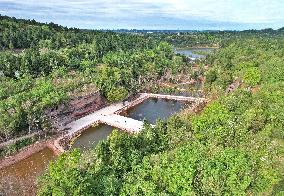
(230430) -- CHENGDU, April 30, 2023 (Xinhua) -- This aerial photo taken on April 3, 2023 shows the Wofo Yard in Anyue County, southwest China's Sichuan Province. Wu Zhongfu, 73-year-old, has been protecting and conserving the Buddhist statues and stone carvings of Buddhist scriptures from Tang Dynasty (618-907) for 41 years in the Wofo (meaning sleeping Buddha) Yard of Anyue County in Sichuan Province. After becoming a voluntary conservator for cultural relics in 1982, Wu Zhongfu's main job had been patrolled the cultural relics and kept the environment clean. In 2006, he became an official conservator. As more and more people decided to leave the county and seek job opportunities from other places, Wu Zhongfu has once wavered yet decided to stay despite the meager salary. "Standing in front of these statues, I could scarcely bear the thought of leaving them behind," he said. Now, this elderly conservator is still healthy. He said that he would always look after these national treasures as long as he coul

  •  
Water shortage in Mayotte

Water shortage in Mayotte

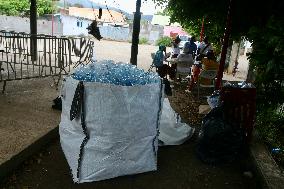
In Bandrele (south) as in several municipalities of the island, the distribution of water to the population is prevented by the outbreak of violence that affects the Mayotte island, on October 29, 2023. Here today, deliveries could not be made, the meager road network being impassable because of roadblocks. So only empty bottles are collected. Photo by Gregoire Merot/ABACAPRESS.COM

  •  

Severe drought exacerbates humanitarian crisis in war-torn Yemen

STORY: Severe drought exacerbates humanitarian crisis in war-torn Yemen DATELINE: Sept. 19, 2023 LENGTH: 00:02:39 LOCATION: Sanaa CATEGORY: ENVIRONMENT SHOTLIST: 1. various of agricultural fields in Yemen STORYLINE: The Yemeni people, already burdened by yearslong turmoil, now face another challenge posed by the unrelenting severe drought. This crisis poses a significant threat to Yemen's agricultural sector, which is a lifeline for millions in this war-torn nation. In the villages on the outskirts of Sanaa, arid and cracked soil and dry wells are a common sight. In Sawan village, about 10 kilometers northeast of the country's capital, the water reservoir has nearly dried up. This year's meager rainfall has driven its water levels dangerously low, casting a menacing shadow over the local villagers heavily reliant on their land. In a recent report, the United Nations (UN) said that climate change-related natural hazards have exacerbated the humanitarian crisis in the war-ravaged country, adding tha

  •  
CHINA-SICHUAN-CULTURAL RELICS-PROTECTOR (CN)

CHINA-SICHUAN-CULTURAL RELICS-PROTECTOR (CN)

(230430) -- CHENGDU, April 30, 2023 (Xinhua) -- Wu Zhongfu (1st, L) introduces a statue to tourists in the Wofo Yard in Anyue County, southwest China's Sichuan Province, April 3, 2023. Wu Zhongfu, 73-year-old, has been protecting and conserving the Buddhist statues and stone carvings of Buddhist scriptures from Tang Dynasty (618-907) for 41 years in the Wofo (meaning sleeping Buddha) Yard of Anyue County in Sichuan Province. After becoming a voluntary conservator for cultural relics in 1982, Wu Zhongfu's main job had been patrolled the cultural relics and kept the environment clean. In 2006, he became an official conservator. As more and more people decided to leave the county and seek job opportunities from other places, Wu Zhongfu has once wavered yet decided to stay despite the meager salary. "Standing in front of these statues, I could scarcely bear the thought of leaving them behind," he said. Now, this elderly conservator is still healthy. He said that he would always look after these national treas

  •  
CHINA-SICHUAN-CULTURAL RELICS-PROTECTOR (CN)

CHINA-SICHUAN-CULTURAL RELICS-PROTECTOR (CN)

(230430) -- CHENGDU, April 30, 2023 (Xinhua) -- Wu Zhongfu patrols in a grotto in Anyue County, southwest China's Sichuan Province, April 3, 2023. Wu Zhongfu, 73-year-old, has been protecting and conserving the Buddhist statues and stone carvings of Buddhist scriptures from Tang Dynasty (618-907) for 41 years in the Wofo (meaning sleeping Buddha) Yard of Anyue County in Sichuan Province. After becoming a voluntary conservator for cultural relics in 1982, Wu Zhongfu's main job had been patrolled the cultural relics and kept the environment clean. In 2006, he became an official conservator. As more and more people decided to leave the county and seek job opportunities from other places, Wu Zhongfu has once wavered yet decided to stay despite the meager salary. "Standing in front of these statues, I could scarcely bear the thought of leaving them behind," he said. Now, this elderly conservator is still healthy. He said that he would always look after these national treasures as long as he could. Anyue Co

  •  
CHINA-SICHUAN-CULTURAL RELICS-PROTECTOR (CN)

CHINA-SICHUAN-CULTURAL RELICS-PROTECTOR (CN)

(230430) -- CHENGDU, April 30, 2023 (Xinhua) -- Wu Zhongfu cleans the Wofo Yard in Anyue County, southwest China's Sichuan Province, April 3, 2023. Wu Zhongfu, 73-year-old, has been protecting and conserving the Buddhist statues and stone carvings of Buddhist scriptures from Tang Dynasty (618-907) for 41 years in the Wofo (meaning sleeping Buddha) Yard of Anyue County in Sichuan Province. After becoming a voluntary conservator for cultural relics in 1982, Wu Zhongfu's main job had been patrolled the cultural relics and kept the environment clean. In 2006, he became an official conservator. As more and more people decided to leave the county and seek job opportunities from other places, Wu Zhongfu has once wavered yet decided to stay despite the meager salary. "Standing in front of these statues, I could scarcely bear the thought of leaving them behind," he said. Now, this elderly conservator is still healthy. He said that he would always look after these national treasures as long as he could. Anyue C

  •  
CHINA-SICHUAN-CULTURAL RELICS-PROTECTOR (CN)

CHINA-SICHUAN-CULTURAL RELICS-PROTECTOR (CN)

(230430) -- CHENGDU, April 30, 2023 (Xinhua) -- Wu Zhongfu patrols the Wofo Yard in Anyue County, southwest China's Sichuan Province, April 3, 2023. Wu Zhongfu, 73-year-old, has been protecting and conserving the Buddhist statues and stone carvings of Buddhist scriptures from Tang Dynasty (618-907) for 41 years in the Wofo (meaning sleeping Buddha) Yard of Anyue County in Sichuan Province. After becoming a voluntary conservator for cultural relics in 1982, Wu Zhongfu's main job had been patrolled the cultural relics and kept the environment clean. In 2006, he became an official conservator. As more and more people decided to leave the county and seek job opportunities from other places, Wu Zhongfu has once wavered yet decided to stay despite the meager salary. "Standing in front of these statues, I could scarcely bear the thought of leaving them behind," he said. Now, this elderly conservator is still healthy. He said that he would always look after these national treasures as long as he could. Anyue

  •  
CHINA-SICHUAN-CULTURAL RELICS-PROTECTOR (CN)

CHINA-SICHUAN-CULTURAL RELICS-PROTECTOR (CN)

(230430) -- CHENGDU, April 30, 2023 (Xinhua) -- This aerial photo taken on April 3, 2023 shows Wu Zhongfu cleaning the Wofo Yard in Anyue County, southwest China's Sichuan Province. Wu Zhongfu, 73-year-old, has been protecting and conserving the Buddhist statues and stone carvings of Buddhist scriptures from Tang Dynasty (618-907) for 41 years in the Wofo (meaning sleeping Buddha) Yard of Anyue County in Sichuan Province. After becoming a voluntary conservator for cultural relics in 1982, Wu Zhongfu's main job had been patrolled the cultural relics and kept the environment clean. In 2006, he became an official conservator. As more and more people decided to leave the county and seek job opportunities from other places, Wu Zhongfu has once wavered yet decided to stay despite the meager salary. "Standing in front of these statues, I could scarcely bear the thought of leaving them behind," he said. Now, this elderly conservator is still healthy. He said that he would always look after these national treasure

  •  
CHINA-SICHUAN-CULTURAL RELICS-PROTECTOR (CN)

CHINA-SICHUAN-CULTURAL RELICS-PROTECTOR (CN)

(230430) -- CHENGDU, April 30, 2023 (Xinhua) -- Wu Zhongfu keeps records after patrolling the Wofo Yard in Anyue County, southwest China's Sichuan Province, April 3, 2023. Wu Zhongfu, 73-year-old, has been protecting and conserving the Buddhist statues and stone carvings of Buddhist scriptures from Tang Dynasty (618-907) for 41 years in the Wofo (meaning sleeping Buddha) Yard of Anyue County in Sichuan Province. After becoming a voluntary conservator for cultural relics in 1982, Wu Zhongfu's main job had been patrolled the cultural relics and kept the environment clean. In 2006, he became an official conservator. As more and more people decided to leave the county and seek job opportunities from other places, Wu Zhongfu has once wavered yet decided to stay despite the meager salary. "Standing in front of these statues, I could scarcely bear the thought of leaving them behind," he said. Now, this elderly conservator is still healthy. He said that he would always look after these national treasures as long

  •  
CHINA-SICHUAN-CULTURAL RELICS-PROTECTOR (CN)

CHINA-SICHUAN-CULTURAL RELICS-PROTECTOR (CN)

(230430) -- CHENGDU, April 30, 2023 (Xinhua) -- This aerial photo taken on April 3, 2023 shows the Wofo Yard in Anyue County, southwest China's Sichuan Province. Wu Zhongfu, 73-year-old, has been protecting and conserving the Buddhist statues and stone carvings of Buddhist scriptures from Tang Dynasty (618-907) for 41 years in the Wofo (meaning sleeping Buddha) Yard of Anyue County in Sichuan Province. After becoming a voluntary conservator for cultural relics in 1982, Wu Zhongfu's main job had been patrolled the cultural relics and kept the environment clean. In 2006, he became an official conservator. As more and more people decided to leave the county and seek job opportunities from other places, Wu Zhongfu has once wavered yet decided to stay despite the meager salary. "Standing in front of these statues, I could scarcely bear the thought of leaving them behind," he said. Now, this elderly conservator is still healthy. He said that he would always look after these national treasures as long as he coul

  •  
CHINA-SICHUAN-CULTURAL RELICS-PROTECTOR (CN)

CHINA-SICHUAN-CULTURAL RELICS-PROTECTOR (CN)

(230430) -- CHENGDU, April 30, 2023 (Xinhua) -- Wu Zhongfu patrols the Wofo Yard in Anyue County, southwest China's Sichuan Province, April 3, 2023. Wu Zhongfu, 73-year-old, has been protecting and conserving the Buddhist statues and stone carvings of Buddhist scriptures from Tang Dynasty (618-907) for 41 years in the Wofo (meaning sleeping Buddha) Yard of Anyue County in Sichuan Province. After becoming a voluntary conservator for cultural relics in 1982, Wu Zhongfu's main job had been patrolled the cultural relics and kept the environment clean. In 2006, he became an official conservator. As more and more people decided to leave the county and seek job opportunities from other places, Wu Zhongfu has once wavered yet decided to stay despite the meager salary. "Standing in front of these statues, I could scarcely bear the thought of leaving them behind," he said. Now, this elderly conservator is still healthy. He said that he would always look after these national treasures as long as he could. Anyue

  •  
CHINA-SICHUAN-CULTURAL RELICS-PROTECTOR (CN)

CHINA-SICHUAN-CULTURAL RELICS-PROTECTOR (CN)

(230430) -- CHENGDU, April 30, 2023 (Xinhua) -- Wu Zhongfu patrols the Wofo Yard in Anyue County, southwest China's Sichuan Province, April 3, 2023. Wu Zhongfu, 73-year-old, has been protecting and conserving the Buddhist statues and stone carvings of Buddhist scriptures from Tang Dynasty (618-907) for 41 years in the Wofo (meaning sleeping Buddha) Yard of Anyue County in Sichuan Province. After becoming a voluntary conservator for cultural relics in 1982, Wu Zhongfu's main job had been patrolled the cultural relics and kept the environment clean. In 2006, he became an official conservator. As more and more people decided to leave the county and seek job opportunities from other places, Wu Zhongfu has once wavered yet decided to stay despite the meager salary. "Standing in front of these statues, I could scarcely bear the thought of leaving them behind," he said. Now, this elderly conservator is still healthy. He said that he would always look after these national treasures as long as he could. Anyue

  •  
CHINA-SICHUAN-CULTURAL RELICS-PROTECTOR (CN)

CHINA-SICHUAN-CULTURAL RELICS-PROTECTOR (CN)

(230430) -- CHENGDU, April 30, 2023 (Xinhua) -- Wu Zhongfu leaves the Wofo Yard after work in Anyue County, southwest China's Sichuan Province, April 3, 2023. Wu Zhongfu, 73-year-old, has been protecting and conserving the Buddhist statues and stone carvings of Buddhist scriptures from Tang Dynasty (618-907) for 41 years in the Wofo (meaning sleeping Buddha) Yard of Anyue County in Sichuan Province. After becoming a voluntary conservator for cultural relics in 1982, Wu Zhongfu's main job had been patrolled the cultural relics and kept the environment clean. In 2006, he became an official conservator. As more and more people decided to leave the county and seek job opportunities from other places, Wu Zhongfu has once wavered yet decided to stay despite the meager salary. "Standing in front of these statues, I could scarcely bear the thought of leaving them behind," he said. Now, this elderly conservator is still healthy. He said that he would always look after these national treasures as long as he could.

  •  

Xinjiang, My home: New skills, new life

STORY: Xinjiang, My home: New skills, new life DATELINE: March 11, 2022 LENGTH: 00:01:28 LOCATION: URMQI, China CATEGORY: SOCIETY SHOTLIST: 1. SOUNDBITE (Uygur): NIYAZI MAIMAITI, Worker STORYLINE: Niyazi Maimaiti is a worker from Yarkant County in northwest China's Xinjiang. She and her husband were farmers who could earn a meager income by farming. Now, they have been better paid to work at an auto repair shop in Qinghe County. They believe their life will be better by working hard. SOUNDBITE (Uygur): NIYAZI MAIMAITI, Worker "I'm Niyazi Maimaiti. This is my husband Niyazi. He works at an auto repair shop in Qinghe County. He has been learning auto repair skills with a master for more than a year. He works while learning. He works very hard. In my eyes, he can do everything. He likes to make gadgets. Recently, he told me that he installed a brake light on a bike. I was very curious. How can you install a brake light on a bike? When I saw it, I understood. He actually created a new gadget. So it would b

  •  

GLOBALink | Xinjiang, My home: New skills, new life

Niyazi Maimaiti and her husband Niyazi were farmers with a meager income in China's Xinjiang. Their life becomes better after they found new jobs at an auto repair shop. Here's their story. Produced by Xinhua Global Service

  • Main
  • Top
  • Editorial
  • Creative
  • About Us
  • About ILG
  • Terms of use
  • Company
  • BEHIND
  • Price List
  • Single Plan
  • Monthly Plan
  • Services
  • Shooting
  • Rights Clearance
  • Support
  • FAQ
  • How To Buy
  • Contact Us
  • Become a Partner

© KYODO NEWS IMAGES INC

All Rights Reserved.

  • Editorial
  • Olympics
  • News
  • Sports
  • Japan
  • Tech
  • Royal
  • Disaster
  • NorthKorea
  • Old Japan
  • SNS
  • Creative
  • Food
  • Japan
  • Landscape
  • Animal
  • Popular
  • #Ukraine
  • #Thailand
  • #coronavirus
  • #N. Korea
  • #China
  • #Russia
  • #Ukraine
  • #Thailand
  • #coronavirus
  • #N. Korea
  • #China
  • #Russia
  • Food
  • Japan
  • Landscape
  • Animal
  • Olympics
  • News
  • Sports
  • Japan
  • Tech
  • Royal
  • Disaster
  • NorthKorea
  • Old Japan
  • SNS