•  
Aspartame May Cause Cancer

Aspartame May Cause Cancer

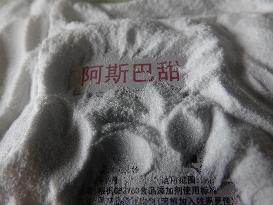
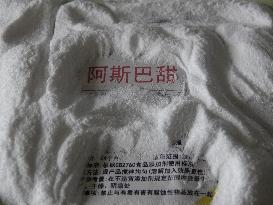
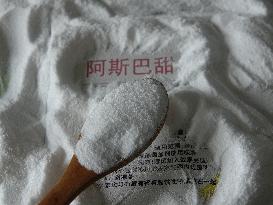
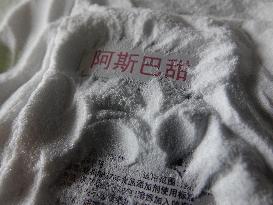
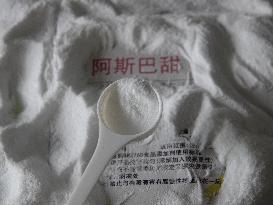
YICHANG, CHINA - JULY 14, 2023 - Citizens display the artificial sweetener aspartame in Yichang, Hubei province, China, July 14, 2023. The World Health Organization announced on the 14th that the artificial sweetener aspartame is listed as a "possible carcinogen." The International Agency for Research on Cancer (IARC), the World Health Organization (WHO) and the United Nations Food and Agriculture Organization's Joint Expert Committee on Food Additives (JECFA) jointly issued a report on the hazards and risk assessment of aspartame, which classified aspartame as a "probable carcinogen" (IARC Class 2B) based on "limited evidence" that aspartame has carcinogenicity in humans. And reiterated that the recommended allowable daily intake is less than 40 milligrams per kilogram of body weight. Aspartame is an artificial sweetener that has been used since the 1980s in a wide variety of food and beverage products, including sugar-free beverages, chewing gum, gelatin, ice cream, dairy products such as yogurt, breakfast

  •  
Aspartame May Cause Cancer

Aspartame May Cause Cancer

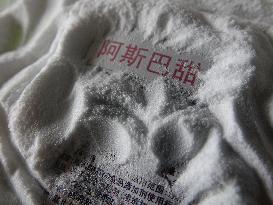
YICHANG, CHINA - JULY 14, 2023 - Citizens display the artificial sweetener aspartame in Yichang, Hubei province, China, July 14, 2023. The World Health Organization announced on the 14th that the artificial sweetener aspartame is listed as a "possible carcinogen." The International Agency for Research on Cancer (IARC), the World Health Organization (WHO) and the United Nations Food and Agriculture Organization's Joint Expert Committee on Food Additives (JECFA) jointly issued a report on the hazards and risk assessment of aspartame, which classified aspartame as a "probable carcinogen" (IARC Class 2B) based on "limited evidence" that aspartame has carcinogenicity in humans. And reiterated that the recommended allowable daily intake is less than 40 milligrams per kilogram of body weight. Aspartame is an artificial sweetener that has been used since the 1980s in a wide variety of food and beverage products, including sugar-free beverages, chewing gum, gelatin, ice cream, dairy products such as yogurt, breakfast

  •  
Aspartame May Cause Cancer

Aspartame May Cause Cancer

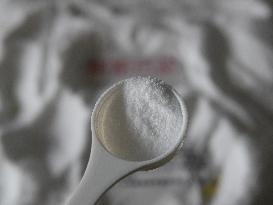
YICHANG, CHINA - JULY 14, 2023 - Citizens display the artificial sweetener aspartame in Yichang, Hubei province, China, July 14, 2023. The World Health Organization announced on the 14th that the artificial sweetener aspartame is listed as a "possible carcinogen." The International Agency for Research on Cancer (IARC), the World Health Organization (WHO) and the United Nations Food and Agriculture Organization's Joint Expert Committee on Food Additives (JECFA) jointly issued a report on the hazards and risk assessment of aspartame, which classified aspartame as a "probable carcinogen" (IARC Class 2B) based on "limited evidence" that aspartame has carcinogenicity in humans. And reiterated that the recommended allowable daily intake is less than 40 milligrams per kilogram of body weight. Aspartame is an artificial sweetener that has been used since the 1980s in a wide variety of food and beverage products, including sugar-free beverages, chewing gum, gelatin, ice cream, dairy products such as yogurt, breakfast

  •  
Aspartame May Cause Cancer

Aspartame May Cause Cancer

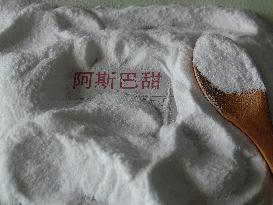
YICHANG, CHINA - JULY 14, 2023 - Citizens display the artificial sweetener aspartame in Yichang, Hubei province, China, July 14, 2023. The World Health Organization announced on the 14th that the artificial sweetener aspartame is listed as a "possible carcinogen." The International Agency for Research on Cancer (IARC), the World Health Organization (WHO) and the United Nations Food and Agriculture Organization's Joint Expert Committee on Food Additives (JECFA) jointly issued a report on the hazards and risk assessment of aspartame, which classified aspartame as a "probable carcinogen" (IARC Class 2B) based on "limited evidence" that aspartame has carcinogenicity in humans. And reiterated that the recommended allowable daily intake is less than 40 milligrams per kilogram of body weight. Aspartame is an artificial sweetener that has been used since the 1980s in a wide variety of food and beverage products, including sugar-free beverages, chewing gum, gelatin, ice cream, dairy products such as yogurt, breakfast

  •  
Aspartame May Cause Cancer

Aspartame May Cause Cancer

YICHANG, CHINA - JULY 14, 2023 - Citizens display the artificial sweetener aspartame in Yichang, Hubei province, China, July 14, 2023. The World Health Organization announced on the 14th that the artificial sweetener aspartame is listed as a "possible carcinogen." The International Agency for Research on Cancer (IARC), the World Health Organization (WHO) and the United Nations Food and Agriculture Organization's Joint Expert Committee on Food Additives (JECFA) jointly issued a report on the hazards and risk assessment of aspartame, which classified aspartame as a "probable carcinogen" (IARC Class 2B) based on "limited evidence" that aspartame has carcinogenicity in humans. And reiterated that the recommended allowable daily intake is less than 40 milligrams per kilogram of body weight. Aspartame is an artificial sweetener that has been used since the 1980s in a wide variety of food and beverage products, including sugar-free beverages, chewing gum, gelatin, ice cream, dairy products such as yogurt, breakfast

  •  
Aspartame May Cause Cancer

Aspartame May Cause Cancer

YICHANG, CHINA - JULY 14, 2023 - Citizens display the artificial sweetener aspartame in Yichang, Hubei province, China, July 14, 2023. The World Health Organization announced on the 14th that the artificial sweetener aspartame is listed as a "possible carcinogen." The International Agency for Research on Cancer (IARC), the World Health Organization (WHO) and the United Nations Food and Agriculture Organization's Joint Expert Committee on Food Additives (JECFA) jointly issued a report on the hazards and risk assessment of aspartame, which classified aspartame as a "probable carcinogen" (IARC Class 2B) based on "limited evidence" that aspartame has carcinogenicity in humans. And reiterated that the recommended allowable daily intake is less than 40 milligrams per kilogram of body weight. Aspartame is an artificial sweetener that has been used since the 1980s in a wide variety of food and beverage products, including sugar-free beverages, chewing gum, gelatin, ice cream, dairy products such as yogurt, breakfast

  •  
Aspartame May Cause Cancer

Aspartame May Cause Cancer

YICHANG, CHINA - JULY 14, 2023 - Citizens display the artificial sweetener aspartame in Yichang, Hubei province, China, July 14, 2023. The World Health Organization announced on the 14th that the artificial sweetener aspartame is listed as a "possible carcinogen." The International Agency for Research on Cancer (IARC), the World Health Organization (WHO) and the United Nations Food and Agriculture Organization's Joint Expert Committee on Food Additives (JECFA) jointly issued a report on the hazards and risk assessment of aspartame, which classified aspartame as a "probable carcinogen" (IARC Class 2B) based on "limited evidence" that aspartame has carcinogenicity in humans. And reiterated that the recommended allowable daily intake is less than 40 milligrams per kilogram of body weight. Aspartame is an artificial sweetener that has been used since the 1980s in a wide variety of food and beverage products, including sugar-free beverages, chewing gum, gelatin, ice cream, dairy products such as yogurt, breakfast

  •  
Aspartame May Cause Cancer

Aspartame May Cause Cancer

YICHANG, CHINA - JULY 14, 2023 - Citizens display the artificial sweetener aspartame in Yichang, Hubei province, China, July 14, 2023. The World Health Organization announced on the 14th that the artificial sweetener aspartame is listed as a "possible carcinogen." The International Agency for Research on Cancer (IARC), the World Health Organization (WHO) and the United Nations Food and Agriculture Organization's Joint Expert Committee on Food Additives (JECFA) jointly issued a report on the hazards and risk assessment of aspartame, which classified aspartame as a "probable carcinogen" (IARC Class 2B) based on "limited evidence" that aspartame has carcinogenicity in humans. And reiterated that the recommended allowable daily intake is less than 40 milligrams per kilogram of body weight. Aspartame is an artificial sweetener that has been used since the 1980s in a wide variety of food and beverage products, including sugar-free beverages, chewing gum, gelatin, ice cream, dairy products such as yogurt, breakfast

  •  
Electrolysis device to replenish oxygen in Lake Biwa

Electrolysis device to replenish oxygen in Lake Biwa

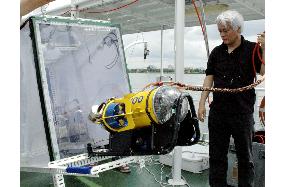
OTSU, Japan - Researchers from Lake Biwa Environmental Research Institute and Shinshu University have jointly developed a deep-water electrolysis device (photo) to replenish oxygen at deep-water locations in Lake Biwa and began an experiment at the lake on July 18. Electricity to power the electrolysis device is supplied by solar batteries installed in a vessel on the lake. The oxygen density in a water tank that was sunk to the bottom of Lake Biwa rose from 0.4 milligram to 6 milligrams 90 minutes after the electrolysis device inside the tank was activated. Michio Kumagai, a senior researcher at the institute, says that density of oxygen is ''totally enough'' to sustain living organisms. Researchers say they plan to tap the hydrogen produced in the electrolysis process for use as energy.

  •  
Electrolysis device to replenish oxygen in Lake Biwa

Electrolysis device to replenish oxygen in Lake Biwa

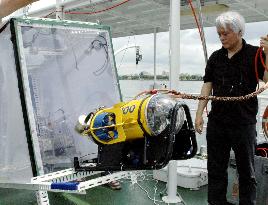
OTSU, Japan - Researchers from Lake Biwa Environmental Research Institute and Shinshu University have jointly developed a deep-water electrolysis device (photo) to replenish oxygen at deep-water locations in Lake Biwa and began an experiment at the lake on July 18. Electricity to power the electrolysis device is supplied by solar batteries installed in a vessel on the lake. The oxygen density in a water tank that was sunk to the bottom of Lake Biwa rose from 0.4 milligram to 6 milligrams 90 minutes after the electrolysis device inside the tank was activated. Michio Kumagai, a senior researcher at the institute, says that density of oxygen is ''totally enough'' to sustain living organisms. Researchers say they plan to tap the hydrogen produced in the electrolysis process for use as energy. (Kyodo)

  •  
Electrolysis device to replenish oxygen in Lake Biwa

Electrolysis device to replenish oxygen in Lake Biwa

OTSU, Japan - Researchers from Lake Biwa Environmental Research Institute and Shinshu University have jointly developed a deep-water electrolysis device (photo) to replenish oxygen at deep-water locations in Lake Biwa and began an experiment at the lake on July 18. Electricity to power the electrolysis device is supplied by solar batteries installed in a vessel on the lake. The oxygen density in a water tank that was sunk to the bottom of Lake Biwa rose from 0.4 milligram to 6 milligrams 90 minutes after the electrolysis device inside the tank was activated. Michio Kumagai, a senior researcher at the institute, says that density of oxygen is ''totally enough'' to sustain living organisms. Researchers say they plan to tap the hydrogen produced in the electrolysis process for use as energy. (Kyodo)

  •  
Osaka_RedCross_Hospital-Press_Conference

Osaka_RedCross_Hospital-Press_Conference

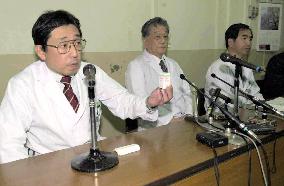
Osaka Red Cross - Press Conference : March 10, 2000 (March 11, 2000) Police on Saturday raided the Osaka Red Cross Hospital over the death last year of a cancer patient who was accidentally given an incorrect dosage of an anticancer agent. The hospital in Osaka's Tennoji Ward is accused of professional negligence resulting in death. Following the instructions of a 27-year-old male intern who was the patient's attending physician, a nurse administered 80 milligrams of an anticancer agent intravenously to the patient on the morning on Dec. 27 last year, investigators said. By the evening of the same day, the 63-year-old patient was suffering stomach pains, diarrhea and other side affects. He died of multiple organ failure on Jan. 13, the investigators said. The doctor had intended the patient to receive 10 mg of an anticancer agent but accidentally prescribed a different agent and gave incorrect guidance to the nurse on the adequate dosage, the investigators said.

  • Main
  • Top
  • Editorial
  • Creative
  • About Us
  • About ILG
  • Terms of use
  • Company
  • BEHIND
  • Price List
  • Single Plan
  • Monthly Plan
  • Services
  • Shooting
  • Rights Clearance
  • Support
  • FAQ
  • How To Buy
  • Contact Us
  • Become a Partner

© KYODO NEWS IMAGES INC

All Rights Reserved.

  • Editorial
  • Olympics
  • News
  • Sports
  • Japan
  • Tech
  • Royal
  • Disaster
  • NorthKorea
  • Old Japan
  • SNS
  • Creative
  • Food
  • Japan
  • Landscape
  • Animal
  • Popular
  • #Ukraine
  • #Thailand
  • #coronavirus
  • #N. Korea
  • #Russia
  • #China
  • #Ukraine
  • #Thailand
  • #coronavirus
  • #N. Korea
  • #Russia
  • #China
  • Food
  • Japan
  • Landscape
  • Animal
  • Olympics
  • News
  • Sports
  • Japan
  • Tech
  • Royal
  • Disaster
  • NorthKorea
  • Old Japan
  • SNS