•  
Indigenous People Participate To Sunrise Ceremony - USA

Indigenous People Participate To Sunrise Ceremony - USA

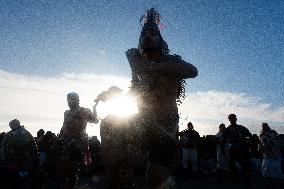
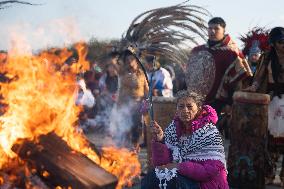
Indigenous people take part in a sunrise ceremony on Alcatraz Island in San Francisco Bay, California, the United States, on Nov. 27, 2025. Held on Thanksgiving Day, the ceremony is meant to mourn lives lost in the Native American genocide and raise public awareness of this history. (Photo by Ziyu Julian Zhu/Xinhua/ABACAPRESS.COM)

  •  
Indigenous People Participate To Sunrise Ceremony - USA

Indigenous People Participate To Sunrise Ceremony - USA

Indigenous people take part in a sunrise ceremony on Alcatraz Island in San Francisco Bay, California, the United States, on Nov. 27, 2025. Held on Thanksgiving Day, the ceremony is meant to mourn lives lost in the Native American genocide and raise public awareness of this history. (Photo by Ziyu Julian Zhu/Xinhua/ABACAPRESS.COM)

  •  
Indigenous People Participate To Sunrise Ceremony - USA

Indigenous People Participate To Sunrise Ceremony - USA

Indigenous people take part in a sunrise ceremony on Alcatraz Island in San Francisco Bay, California, the United States, on Nov. 27, 2025. Held on Thanksgiving Day, the ceremony is meant to mourn lives lost in the Native American genocide and raise public awareness of this history. (Photo by Ziyu Julian Zhu/Xinhua/ABACAPRESS.COM)

  •  
Indigenous People Participate To Sunrise Ceremony - USA

Indigenous People Participate To Sunrise Ceremony - USA

Indigenous people take part in a sunrise ceremony on Alcatraz Island in San Francisco Bay, California, the United States, on Nov. 27, 2025. Held on Thanksgiving Day, the ceremony is meant to mourn lives lost in the Native American genocide and raise public awareness of this history. (Photo by Ziyu Julian Zhu/Xinhua/ABACAPRESS.COM)

  •  
Indigenous People Participate To Sunrise Ceremony - USA

Indigenous People Participate To Sunrise Ceremony - USA

Indigenous people take part in a sunrise ceremony on Alcatraz Island in San Francisco Bay, California, the United States, on Nov. 27, 2025. Held on Thanksgiving Day, the ceremony is meant to mourn lives lost in the Native American genocide and raise public awareness of this history. (Photo by Ziyu Julian Zhu/Xinhua/ABACAPRESS.COM)

  •  
Japan Princess Aiko in Laos

Japan Princess Aiko in Laos

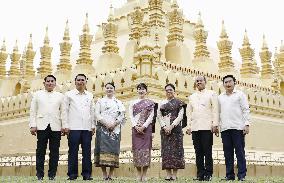
Japanese Princess Aiko (C), in Laotian native dress, poses for a photo in front of Pha That Luang, or the Great Stupa, in Vientiane on Nov. 18, 2025, as she visits Laos on her first official overseas trip, marking the 70th anniversary of the establishment of diplomatic ties. (Pool photo)

  •  
Urca Oil and Gas Production Field Development - Brazil

Urca Oil and Gas Production Field Development - Brazil

A worker operates an oil well at the Urucu Oil and Gas Production Field in the state of Amazonas, Brazil, on Oct. 16, 2025. The Urucu Oil and Gas Production Field, located in the heart of Brazil's Amazonas state, is one of the country's most important onshore oil and gas production bases. Surrounded by pristine rainforest, it has operated steadily since its start-up in 1988, supplying oil and natural gas that support energy needs across northern Brazil. According to its operator Petrobras, the field has preserved about 98 percent of its area as native forest, carries out rainwater recycling, waste recovery, and reforestation programs and plants more than 1.5 million native trees. Photo by Wang Tiancong/Xinhua/ABACAPRESS.COM

  •  
Urca Oil and Gas Production Field Development - Brazil

Urca Oil and Gas Production Field Development - Brazil

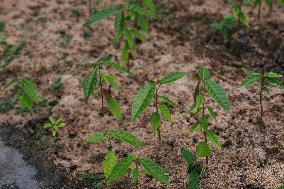
A worker checks the growth of seedlings at the ecological nursery of the Urucu Oil and Gas Production Field in the state of Amazonas, Brazil, on Oct. 17, 2025. The Urucu Oil and Gas Production Field, located in the heart of Brazil's Amazonas state, is one of the country's most important onshore oil and gas production bases. Surrounded by pristine rainforest, it has operated steadily since its start-up in 1988, supplying oil and natural gas that support energy needs across northern Brazil. According to its operator Petrobras, the field has preserved about 98 percent of its area as native forest, carries out rainwater recycling, waste recovery, and reforestation programs and plants more than 1.5 million native trees. Photo by Wang Tiancong/Xinhua/ABACAPRESS.COM

  •  
Urca Oil and Gas Production Field Development - Brazil

Urca Oil and Gas Production Field Development - Brazil

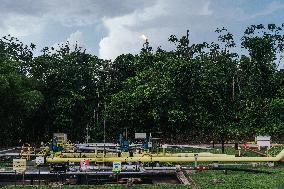
This photo taken on Oct. 17, 2025 shows pipelines stretching through the tropical rainforest at the Urucu Oil and Gas Production Field in the state of Amazonas, Brazil. The Urucu Oil and Gas Production Field, located in the heart of Brazil's Amazonas state, is one of the country's most important onshore oil and gas production bases. Surrounded by pristine rainforest, it has operated steadily since its start-up in 1988, supplying oil and natural gas that support energy needs across northern Brazil. According to its operator Petrobras, the field has preserved about 98 percent of its area as native forest, carries out rainwater recycling, waste recovery, and reforestation programs and plants more than 1.5 million native trees. Photo by Wang Tiancong/Xinhua/ABACAPRESS.COM

  •  
Urca Oil and Gas Production Field Development - Brazil

Urca Oil and Gas Production Field Development - Brazil

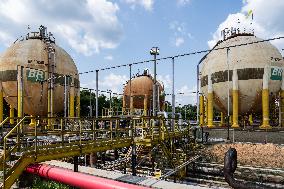
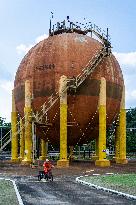
This photo taken on Oct. 16, 2025 shows liquefied petroleum gas storage tanks standing in the production area of the Urucu Oil and Gas Production Field in the state of Amazonas, Brazil. The Urucu Oil and Gas Production Field, located in the heart of Brazil's Amazonas state, is one of the country's most important onshore oil and gas production bases. Surrounded by pristine rainforest, it has operated steadily since its start-up in 1988, supplying oil and natural gas that support energy needs across northern Brazil. According to its operator Petrobras, the field has preserved about 98 percent of its area as native forest, carries out rainwater recycling, waste recovery, and reforestation programs and plants more than 1.5 million native trees. Photo by Wang Tiancong/Xinhua/ABACAPRESS.COM

  •  
Urca Oil and Gas Production Field Development - Brazil

Urca Oil and Gas Production Field Development - Brazil

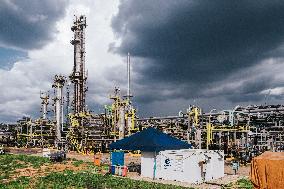
This photo taken on Oct. 16, 2025 shows the production facilities of the Urucu Oil and Gas Production Field in the state of Amazonas, Brazil. The Urucu Oil and Gas Production Field, located in the heart of Brazil's Amazonas state, is one of the country's most important onshore oil and gas production bases. Surrounded by pristine rainforest, it has operated steadily since its start-up in 1988, supplying oil and natural gas that support energy needs across northern Brazil. According to its operator Petrobras, the field has preserved about 98 percent of its area as native forest, carries out rainwater recycling, waste recovery, and reforestation programs and plants more than 1.5 million native trees. Photo by Wang Tiancong/Xinhua/ABACAPRESS.COM

  •  
Urca Oil and Gas Production Field Development - Brazil

Urca Oil and Gas Production Field Development - Brazil

This photo taken on Oct. 17, 2025 shows artificially cultivated tropical rainforest plants in an ecological nursery at the Urucu Oil and Gas Production Field in the state of Amazonas, Brazil. The Urucu Oil and Gas Production Field, located in the heart of Brazil's Amazonas state, is one of the country's most important onshore oil and gas production bases. Surrounded by pristine rainforest, it has operated steadily since its start-up in 1988, supplying oil and natural gas that support energy needs across northern Brazil. According to its operator Petrobras, the field has preserved about 98 percent of its area as native forest, carries out rainwater recycling, waste recovery, and reforestation programs and plants more than 1.5 million native trees. Photo by Wang Tiancong/Xinhua/ABACAPRESS.COM

  •  
Urca Oil and Gas Production Field Development - Brazil

Urca Oil and Gas Production Field Development - Brazil

This photo taken on Oct. 16, 2025 shows a worker riding past liquefied petroleum gas storage tanks at the Urucu Oil and Gas Production Field in the state of Amazonas, Brazil. The Urucu Oil and Gas Production Field, located in the heart of Brazil's Amazonas state, is one of the country's most important onshore oil and gas production bases. Surrounded by pristine rainforest, it has operated steadily since its start-up in 1988, supplying oil and natural gas that support energy needs across northern Brazil. According to its operator Petrobras, the field has preserved about 98 percent of its area as native forest, carries out rainwater recycling, waste recovery, and reforestation programs and plants more than 1.5 million native trees. Photo by Wang Tiancong/Xinhua/ABACAPRESS.COM

  •  
Urca Oil and Gas Production Field Development - Brazil

Urca Oil and Gas Production Field Development - Brazil

This photo taken on Oct. 16, 2025 shows the production facilities of the Urucu Oil and Gas Production Field in the state of Amazonas, Brazil. The Urucu Oil and Gas Production Field, located in the heart of Brazil's Amazonas state, is one of the country's most important onshore oil and gas production bases. Surrounded by pristine rainforest, it has operated steadily since its start-up in 1988, supplying oil and natural gas that support energy needs across northern Brazil. According to its operator Petrobras, the field has preserved about 98 percent of its area as native forest, carries out rainwater recycling, waste recovery, and reforestation programs and plants more than 1.5 million native trees. Photo by Wang Tiancong/Xinhua/ABACAPRESS.COM

  •  
Urca Oil and Gas Production Field Development - Brazil

Urca Oil and Gas Production Field Development - Brazil

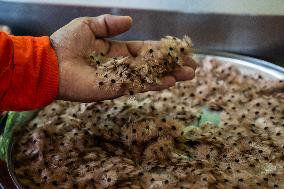
A worker examines seeds used for cultivating tropical rainforest vegetation at the Urucu Oil and Gas Production Field in the state of Amazonas, Brazil, Oct. 17, 2025. The Urucu Oil and Gas Production Field, located in the heart of Brazil's Amazonas state, is one of the country's most important onshore oil and gas production bases. Surrounded by pristine rainforest, it has operated steadily since its start-up in 1988, supplying oil and natural gas that support energy needs across northern Brazil. According to its operator Petrobras, the field has preserved about 98 percent of its area as native forest, carries out rainwater recycling, waste recovery, and reforestation programs and plants more than 1.5 million native trees. Photo by Wang Tiancong/Xinhua/ABACAPRESS.COM

  •  
Urca Oil and Gas Production Field Development - Brazil

Urca Oil and Gas Production Field Development - Brazil

A worker conducts a routine inspection at the Urucu Oil and Gas Production Field in the state of Amazonas, Brazil, on Oct. 16, 2025. The Urucu Oil and Gas Production Field, located in the heart of Brazil's Amazonas state, is one of the country's most important onshore oil and gas production bases. Surrounded by pristine rainforest, it has operated steadily since its start-up in 1988, supplying oil and natural gas that support energy needs across northern Brazil. According to its operator Petrobras, the field has preserved about 98 percent of its area as native forest, carries out rainwater recycling, waste recovery, and reforestation programs and plants more than 1.5 million native trees. Photo by Wang Tiancong/Xinhua/ABACAPRESS.COM

  •  
Urca Oil and Gas Production Field Development - Brazil

Urca Oil and Gas Production Field Development - Brazil

This photo taken on Oct. 17, 2025 shows tropical rainforest vegetation near the Urucu Oil and Gas Production Field, in the state of Amazonas, Brazil. The Urucu Oil and Gas Production Field, located in the heart of Brazil's Amazonas state, is one of the country's most important onshore oil and gas production bases. Surrounded by pristine rainforest, it has operated steadily since its start-up in 1988, supplying oil and natural gas that support energy needs across northern Brazil. According to its operator Petrobras, the field has preserved about 98 percent of its area as native forest, carries out rainwater recycling, waste recovery, and reforestation programs and plants more than 1.5 million native trees. Photo by Wang Tiancong/Xinhua/ABACAPRESS.COM

  •  
Environmental Pollution In Bangladesh

Environmental Pollution In Bangladesh

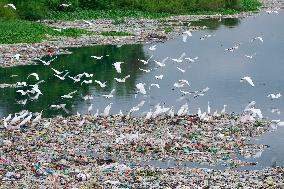
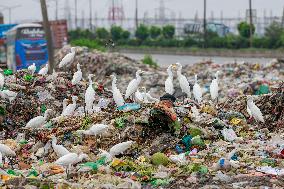
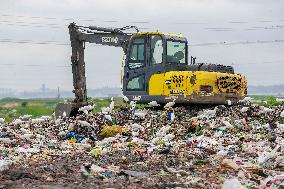
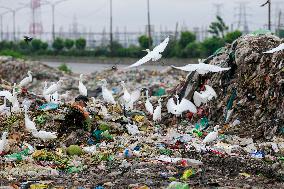
October 02, 2025, Dhaka, Bangladesh: The rivers and canals around Dhaka were once vital sanctuaries of biodiversity. Countless fish swam in their waters, serving as the main food source for fish-eating birds. But now that scene belongs to the past. What was once clear water is now occupied by heaps of garbage. Plastic, polythene, industrial waste, and household trash have severely polluted the water. Faced with a food crisis, fish-eating egrets are being forced to search for food in these piles of waste. Their natural food—fish—is no longer easily available, compelling them to look for alternatives. In Bangladesh, the filling up of rivers and wetlands, illegal encroachment, and plastic pollution together are pushing aquatic ecosystems towards destruction. These wetlands once provided shelter to thousands of native and migratory birds. But in recent years, their numbers have sharply declined. From the haors to Dhaka’s Turag and Balu rivers and other wetlands, the picture is the same: encroachment, landfilling,

  •  
Environmental Pollution In Bangladesh

Environmental Pollution In Bangladesh

October 02, 2025, Dhaka, Bangladesh: The rivers and canals around Dhaka were once vital sanctuaries of biodiversity. Countless fish swam in their waters, serving as the main food source for fish-eating birds. But now that scene belongs to the past. What was once clear water is now occupied by heaps of garbage. Plastic, polythene, industrial waste, and household trash have severely polluted the water. Faced with a food crisis, fish-eating egrets are being forced to search for food in these piles of waste. Their natural food—fish—is no longer easily available, compelling them to look for alternatives. In Bangladesh, the filling up of rivers and wetlands, illegal encroachment, and plastic pollution together are pushing aquatic ecosystems towards destruction. These wetlands once provided shelter to thousands of native and migratory birds. But in recent years, their numbers have sharply declined. From the haors to Dhaka’s Turag and Balu rivers and other wetlands, the picture is the same: encroachment, landfilling,

  •  
Environmental Pollution In Bangladesh

Environmental Pollution In Bangladesh

October 02, 2025, Dhaka, Bangladesh: The rivers and canals around Dhaka were once vital sanctuaries of biodiversity. Countless fish swam in their waters, serving as the main food source for fish-eating birds. But now that scene belongs to the past. What was once clear water is now occupied by heaps of garbage. Plastic, polythene, industrial waste, and household trash have severely polluted the water. Faced with a food crisis, fish-eating egrets are being forced to search for food in these piles of waste. Their natural food—fish—is no longer easily available, compelling them to look for alternatives. In Bangladesh, the filling up of rivers and wetlands, illegal encroachment, and plastic pollution together are pushing aquatic ecosystems towards destruction. These wetlands once provided shelter to thousands of native and migratory birds. But in recent years, their numbers have sharply declined. From the haors to Dhaka’s Turag and Balu rivers and other wetlands, the picture is the same: encroachment, landfilling,

  •  
Environmental Pollution In Bangladesh

Environmental Pollution In Bangladesh

October 02, 2025, Dhaka, Bangladesh: The rivers and canals around Dhaka were once vital sanctuaries of biodiversity. Countless fish swam in their waters, serving as the main food source for fish-eating birds. But now that scene belongs to the past. What was once clear water is now occupied by heaps of garbage. Plastic, polythene, industrial waste, and household trash have severely polluted the water. Faced with a food crisis, fish-eating egrets are being forced to search for food in these piles of waste. Their natural food—fish—is no longer easily available, compelling them to look for alternatives. In Bangladesh, the filling up of rivers and wetlands, illegal encroachment, and plastic pollution together are pushing aquatic ecosystems towards destruction. These wetlands once provided shelter to thousands of native and migratory birds. But in recent years, their numbers have sharply declined. From the haors to Dhaka’s Turag and Balu rivers and other wetlands, the picture is the same: encroachment, landfilling,

  •  
Environmental Pollution In Bangladesh

Environmental Pollution In Bangladesh

October 02, 2025, Dhaka, Bangladesh: The rivers and canals around Dhaka were once vital sanctuaries of biodiversity. Countless fish swam in their waters, serving as the main food source for fish-eating birds. But now that scene belongs to the past. What was once clear water is now occupied by heaps of garbage. Plastic, polythene, industrial waste, and household trash have severely polluted the water. Faced with a food crisis, fish-eating egrets are being forced to search for food in these piles of waste. Their natural food—fish—is no longer easily available, compelling them to look for alternatives. In Bangladesh, the filling up of rivers and wetlands, illegal encroachment, and plastic pollution together are pushing aquatic ecosystems towards destruction. These wetlands once provided shelter to thousands of native and migratory birds. But in recent years, their numbers have sharply declined. From the haors to Dhaka’s Turag and Balu rivers and other wetlands, the picture is the same: encroachment, landfilling,

  •  
Environmental Pollution In Bangladesh

Environmental Pollution In Bangladesh

October 02, 2025, Dhaka, Bangladesh: The rivers and canals around Dhaka were once vital sanctuaries of biodiversity. Countless fish swam in their waters, serving as the main food source for fish-eating birds. But now that scene belongs to the past. What was once clear water is now occupied by heaps of garbage. Plastic, polythene, industrial waste, and household trash have severely polluted the water. Faced with a food crisis, fish-eating egrets are being forced to search for food in these piles of waste. Their natural food—fish—is no longer easily available, compelling them to look for alternatives. In Bangladesh, the filling up of rivers and wetlands, illegal encroachment, and plastic pollution together are pushing aquatic ecosystems towards destruction. These wetlands once provided shelter to thousands of native and migratory birds. But in recent years, their numbers have sharply declined. From the haors to Dhaka’s Turag and Balu rivers and other wetlands, the picture is the same: encroachment, landfilling,

  •  
Environmental Pollution In Bangladesh

Environmental Pollution In Bangladesh

October 02, 2025, Dhaka, Bangladesh: The rivers and canals around Dhaka were once vital sanctuaries of biodiversity. Countless fish swam in their waters, serving as the main food source for fish-eating birds. But now that scene belongs to the past. What was once clear water is now occupied by heaps of garbage. Plastic, polythene, industrial waste, and household trash have severely polluted the water. Faced with a food crisis, fish-eating egrets are being forced to search for food in these piles of waste. Their natural food—fish—is no longer easily available, compelling them to look for alternatives. In Bangladesh, the filling up of rivers and wetlands, illegal encroachment, and plastic pollution together are pushing aquatic ecosystems towards destruction. These wetlands once provided shelter to thousands of native and migratory birds. But in recent years, their numbers have sharply declined. From the haors to Dhaka’s Turag and Balu rivers and other wetlands, the picture is the same: encroachment, landfilling,

  •  
Environmental Pollution In Bangladesh

Environmental Pollution In Bangladesh

October 02, 2025, Dhaka, Bangladesh: The rivers and canals around Dhaka were once vital sanctuaries of biodiversity. Countless fish swam in their waters, serving as the main food source for fish-eating birds. But now that scene belongs to the past. What was once clear water is now occupied by heaps of garbage. Plastic, polythene, industrial waste, and household trash have severely polluted the water. Faced with a food crisis, fish-eating egrets are being forced to search for food in these piles of waste. Their natural food—fish—is no longer easily available, compelling them to look for alternatives. In Bangladesh, the filling up of rivers and wetlands, illegal encroachment, and plastic pollution together are pushing aquatic ecosystems towards destruction. These wetlands once provided shelter to thousands of native and migratory birds. But in recent years, their numbers have sharply declined. From the haors to Dhaka’s Turag and Balu rivers and other wetlands, the picture is the same: encroachment, landfilling,

  •  
Environmental Pollution In Bangladesh

Environmental Pollution In Bangladesh

October 02, 2025, Dhaka, Bangladesh: The rivers and canals around Dhaka were once vital sanctuaries of biodiversity. Countless fish swam in their waters, serving as the main food source for fish-eating birds. But now that scene belongs to the past. What was once clear water is now occupied by heaps of garbage. Plastic, polythene, industrial waste, and household trash have severely polluted the water. Faced with a food crisis, fish-eating egrets are being forced to search for food in these piles of waste. Their natural food—fish—is no longer easily available, compelling them to look for alternatives. In Bangladesh, the filling up of rivers and wetlands, illegal encroachment, and plastic pollution together are pushing aquatic ecosystems towards destruction. These wetlands once provided shelter to thousands of native and migratory birds. But in recent years, their numbers have sharply declined. From the haors to Dhaka’s Turag and Balu rivers and other wetlands, the picture is the same: encroachment, landfilling,

  •  
Environmental Pollution In Bangladesh

Environmental Pollution In Bangladesh

October 02, 2025, Dhaka, Bangladesh: The rivers and canals around Dhaka were once vital sanctuaries of biodiversity. Countless fish swam in their waters, serving as the main food source for fish-eating birds. But now that scene belongs to the past. What was once clear water is now occupied by heaps of garbage. Plastic, polythene, industrial waste, and household trash have severely polluted the water. Faced with a food crisis, fish-eating egrets are being forced to search for food in these piles of waste. Their natural food—fish—is no longer easily available, compelling them to look for alternatives. In Bangladesh, the filling up of rivers and wetlands, illegal encroachment, and plastic pollution together are pushing aquatic ecosystems towards destruction. These wetlands once provided shelter to thousands of native and migratory birds. But in recent years, their numbers have sharply declined. From the haors to Dhaka’s Turag and Balu rivers and other wetlands, the picture is the same: encroachment, landfilling,

  •  
Environmental Pollution In Bangladesh

Environmental Pollution In Bangladesh

October 02, 2025, Dhaka, Bangladesh: The rivers and canals around Dhaka were once vital sanctuaries of biodiversity. Countless fish swam in their waters, serving as the main food source for fish-eating birds. But now that scene belongs to the past. What was once clear water is now occupied by heaps of garbage. Plastic, polythene, industrial waste, and household trash have severely polluted the water. Faced with a food crisis, fish-eating egrets are being forced to search for food in these piles of waste. Their natural food—fish—is no longer easily available, compelling them to look for alternatives. In Bangladesh, the filling up of rivers and wetlands, illegal encroachment, and plastic pollution together are pushing aquatic ecosystems towards destruction. These wetlands once provided shelter to thousands of native and migratory birds. But in recent years, their numbers have sharply declined. From the haors to Dhaka’s Turag and Balu rivers and other wetlands, the picture is the same: encroachment, landfilling,

  •  
Daily life in Tacheng City

Daily life in Tacheng City

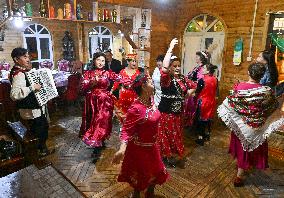
A guest from Kazakh ethnic group plays accordion after a meal while other guests dance at the agritainment of Ma Xiuhua in Tacheng City, northwest China's Xinjiang Uygur Autonomous Region, September 17, 2025. Ma Xiuhua, 60, is a native of Tacheng. Together with her husband, she built an agritainment named "Friends Manor" in their hometown, where they welcome guests from all over the country. Tacheng is home to over 20 ethnic groups, with a population of less than 160,000. Members of Ma's family themselves come from a variety of ethnic backgrounds. Whenever guests arrive at "Friends Manor," Ma greets them with warm hospitality, treating them to her signature homemade dishes and fresh fruits harvested right from the courtyard. She often invites them to sing and dance together, letting the joyful mood fill the air. Xinjiang is a multiethnic region and the agritainment of Ma is expecting more friends from various ethnic groups. (Xinhua/Xin Yuewei)

  •  
Daily life in Tacheng City

Daily life in Tacheng City

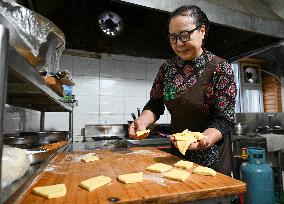
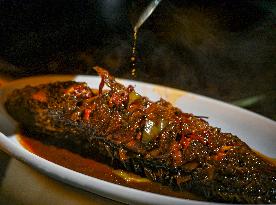
Ma Xiuhua makes a dish of Kazakh ethnic group in Tacheng City, northwest China's Xinjiang Uygur Autonomous Region, September 17, 2025. Ma Xiuhua, 60, is a native of Tacheng. Together with her husband, she built an agritainment named "Friends Manor" in their hometown, where they welcome guests from all over the country. Tacheng is home to over 20 ethnic groups, with a population of less than 160,000. Members of Ma's family themselves come from a variety of ethnic backgrounds. Whenever guests arrive at "Friends Manor," Ma greets them with warm hospitality, treating them to her signature homemade dishes and fresh fruits harvested right from the courtyard. She often invites them to sing and dance together, letting the joyful mood fill the air. Xinjiang is a multiethnic region and the agritainment of Ma is expecting more friends from various ethnic groups. (Xinhua/Chen Shuo)

  •  
Daily life in Tacheng City

Daily life in Tacheng City

Guests dance after a meal at the agritainment of Ma Xiuhua in Tacheng City, northwest China's Xinjiang Uygur Autonomous Region, September 17, 2025. Ma Xiuhua, 60, is a native of Tacheng. Together with her husband, she built an agritainment named "Friends Manor" in their hometown, where they welcome guests from all over the country. Tacheng is home to over 20 ethnic groups, with a population of less than 160,000. Members of Ma's family themselves come from a variety of ethnic backgrounds. Whenever guests arrive at "Friends Manor," Ma greets them with warm hospitality, treating them to her signature homemade dishes and fresh fruits harvested right from the courtyard. She often invites them to sing and dance together, letting the joyful mood fill the air. Xinjiang is a multiethnic region and the agritainment of Ma is expecting more friends from various ethnic groups. Photo by Wang Fei/Xinhua/ABACAPRESS/COM

  •  
Daily life in Tacheng City

Daily life in Tacheng City

Ma Xiuhua serves fruits at her agritainment in Tacheng City, northwest China's Xinjiang Uygur Autonomous Region, September 17, 2025. Ma Xiuhua, 60, is a native of Tacheng. Together with her husband, she built an agritainment named "Friends Manor" in their hometown, where they welcome guests from all over the country. Tacheng is home to over 20 ethnic groups, with a population of less than 160,000. Members of Ma's family themselves come from a variety of ethnic backgrounds. Whenever guests arrive at "Friends Manor," Ma greets them with warm hospitality, treating them to her signature homemade dishes and fresh fruits harvested right from the courtyard. She often invites them to sing and dance together, letting the joyful mood fill the air. Xinjiang is a multiethnic region and the agritainment of Ma is expecting more friends from various ethnic groups. (Xinhua/Chen Shuo)

  •  
Daily life in Tacheng City

Daily life in Tacheng City

Ma Xiuhua is seen at her agritainment in Tacheng City, northwest China's Xinjiang Uygur Autonomous Region, September 17, 2025. Ma Xiuhua, 60, is a native of Tacheng. Together with her husband, she built an agritainment named "Friends Manor" in their hometown, where they welcome guests from all over the country. Tacheng is home to over 20 ethnic groups, with a population of less than 160,000. Members of Ma's family themselves come from a variety of ethnic backgrounds. Whenever guests arrive at "Friends Manor," Ma greets them with warm hospitality, treating them to her signature homemade dishes and fresh fruits harvested right from the courtyard. She often invites them to sing and dance together, letting the joyful mood fill the air. Xinjiang is a multiethnic region and the agritainment of Ma is expecting more friends from various ethnic groups. (Xinhua/Xin Yuewei)

  •  
Daily life in Tacheng City

Daily life in Tacheng City

Guests from various ethnic groups are seen at the agritainment of Ma Xiuhua in Tacheng City, northwest China's Xinjiang Uygur Autonomous Region, September 17, 2025. Ma Xiuhua, 60, is a native of Tacheng. Together with her husband, she built an agritainment named "Friends Manor" in their hometown, where they welcome guests from all over the country. Tacheng is home to over 20 ethnic groups, with a population of less than 160,000. Members of Ma's family themselves come from a variety of ethnic backgrounds. Whenever guests arrive at "Friends Manor," Ma greets them with warm hospitality, treating them to her signature homemade dishes and fresh fruits harvested right from the courtyard. She often invites them to sing and dance together, letting the joyful mood fill the air. Xinjiang is a multiethnic region and the agritainment of Ma is expecting more friends from various ethnic groups. (Xinhua/Xin Yuewei)

  •  
Daily life in Tacheng City

Daily life in Tacheng City

Ma Xiuhua harvests vegetables at her garden in Tacheng City, northwest China's Xinjiang Uygur Autonomous Region, September 17, 2025. Ma Xiuhua, 60, is a native of Tacheng. Together with her husband, she built an agritainment named "Friends Manor" in their hometown, where they welcome guests from all over the country. Tacheng is home to over 20 ethnic groups, with a population of less than 160,000. Members of Ma's family themselves come from a variety of ethnic backgrounds. Whenever guests arrive at "Friends Manor," Ma greets them with warm hospitality, treating them to her signature homemade dishes and fresh fruits harvested right from the courtyard. She often invites them to sing and dance together, letting the joyful mood fill the air. Xinjiang is a multiethnic region and the agritainment of Ma is expecting more friends from various ethnic groups. (Xinhua/Chen Shuo)

  •  
Daily life in Tacheng City

Daily life in Tacheng City

A guest takes photos of a loaf of Russian bread in Tacheng City, northwest China's Xinjiang Uygur Autonomous Region, September 17, 2025. Ma Xiuhua, 60, is a native of Tacheng. Together with her husband, she built an agritainment named "Friends Manor" in their hometown, where they welcome guests from all over the country. Tacheng is home to over 20 ethnic groups, with a population of less than 160,000. Members of Ma's family themselves come from a variety of ethnic backgrounds. Whenever guests arrive at "Friends Manor," Ma greets them with warm hospitality, treating them to her signature homemade dishes and fresh fruits harvested right from the courtyard. She often invites them to sing and dance together, letting the joyful mood fill the air. Xinjiang is a multiethnic region and the agritainment of Ma is expecting more friends from various ethnic groups. (Xinhua/Chen Shuo)

  •  
Daily life in Tacheng City

Daily life in Tacheng City

A guest from Xibe ethnic group (1st L) sings with other guests during a meal at the agritainment of Ma Xiuhua in Tacheng City, northwest China's Xinjiang Uygur Autonomous Region, September 17, 2025. Ma Xiuhua, 60, is a native of Tacheng. Together with her husband, she built an agritainment named "Friends Manor" in their hometown, where they welcome guests from all over the country. Tacheng is home to over 20 ethnic groups, with a population of less than 160,000. Members of Ma's family themselves come from a variety of ethnic backgrounds. Whenever guests arrive at "Friends Manor," Ma greets them with warm hospitality, treating them to her signature homemade dishes and fresh fruits harvested right from the courtyard. She often invites them to sing and dance together, letting the joyful mood fill the air. Xinjiang is a multiethnic region and the agritainment of Ma is expecting more friends from various ethnic groups. Photo by Wang Fei/Xinhua/ABACAPRESS/COM

  •  
Daily life in Tacheng City

Daily life in Tacheng City

This photo taken on September 17, 2025 shows a dish made by Ma Xiuhua in Tacheng City, northwest China's Xinjiang Uygur Autonomous Region. Ma Xiuhua, 60, is a native of Tacheng. Together with her husband, she built an agritainment named "Friends Manor" in their hometown, where they welcome guests from all over the country. Tacheng is home to over 20 ethnic groups, with a population of less than 160,000. Members of Ma's family themselves come from a variety of ethnic backgrounds. Whenever guests arrive at "Friends Manor," Ma greets them with warm hospitality, treating them to her signature homemade dishes and fresh fruits harvested right from the courtyard. She often invites them to sing and dance together, letting the joyful mood fill the air. Xinjiang is a multiethnic region and the agritainment of Ma is expecting more friends from various ethnic groups. (Xinhua/Chen Shuo)

  •  
Daily life in Tacheng City

Daily life in Tacheng City

Ma Xiuhua picks mint leaves at her garden in Tacheng City, northwest China's Xinjiang Uygur Autonomous Region, September 17, 2025. Ma Xiuhua, 60, is a native of Tacheng. Together with her husband, she built an agritainment named "Friends Manor" in their hometown, where they welcome guests from all over the country. Tacheng is home to over 20 ethnic groups, with a population of less than 160,000. Members of Ma's family themselves come from a variety of ethnic backgrounds. Whenever guests arrive at "Friends Manor," Ma greets them with warm hospitality, treating them to her signature homemade dishes and fresh fruits harvested right from the courtyard. She often invites them to sing and dance together, letting the joyful mood fill the air. Xinjiang is a multiethnic region and the agritainment of Ma is expecting more friends from various ethnic groups. (Xinhua/Chen Shuo)

  •  
Daily life in Tacheng City

Daily life in Tacheng City

Guests from various ethnic groups sing during a meal at the agritainment of Ma Xiuhua in Tacheng City, northwest China's Xinjiang Uygur Autonomous Region, September 17, 2025. Ma Xiuhua, 60, is a native of Tacheng. Together with her husband, she built an agritainment named "Friends Manor" in their hometown, where they welcome guests from all over the country. Tacheng is home to over 20 ethnic groups, with a population of less than 160,000. Members of Ma's family themselves come from a variety of ethnic backgrounds. Whenever guests arrive at "Friends Manor," Ma greets them with warm hospitality, treating them to her signature homemade dishes and fresh fruits harvested right from the courtyard. She often invites them to sing and dance together, letting the joyful mood fill the air. Xinjiang is a multiethnic region and the agritainment of Ma is expecting more friends from various ethnic groups. (Xinhua/Xin Yuewei)

  •  
Daily life in Tacheng City

Daily life in Tacheng City

Ma Xiuhua serves dishes for her guests at her agritainment in Tacheng City, northwest China's Xinjiang Uygur Autonomous Region, September 17, 2025. Ma Xiuhua, 60, is a native of Tacheng. Together with her husband, she built an agritainment named "Friends Manor" in their hometown, where they welcome guests from all over the country. Tacheng is home to over 20 ethnic groups, with a population of less than 160,000. Members of Ma's family themselves come from a variety of ethnic backgrounds. Whenever guests arrive at "Friends Manor," Ma greets them with warm hospitality, treating them to her signature homemade dishes and fresh fruits harvested right from the courtyard. She often invites them to sing and dance together, letting the joyful mood fill the air. Xinjiang is a multiethnic region and the agritainment of Ma is expecting more friends from various ethnic groups. Photo by Wang Fei/Xinhua/ABACAPRESS/COM

  •  
Daily life in Tacheng City

Daily life in Tacheng City

Ma Xiuhua (C) walks with her friends at her agritainment in Tacheng City, northwest China's Xinjiang Uygur Autonomous Region, September 17, 2025. Ma Xiuhua, 60, is a native of Tacheng. Together with her husband, she built an agritainment named "Friends Manor" in their hometown, where they welcome guests from all over the country. Tacheng is home to over 20 ethnic groups, with a population of less than 160,000. Members of Ma's family themselves come from a variety of ethnic backgrounds. Whenever guests arrive at "Friends Manor," Ma greets them with warm hospitality, treating them to her signature homemade dishes and fresh fruits harvested right from the courtyard. She often invites them to sing and dance together, letting the joyful mood fill the air. Xinjiang is a multiethnic region and the agritainment of Ma is expecting more friends from various ethnic groups. (Xinhua/Chen Shuo)

  •  
Daily life in Tacheng City

Daily life in Tacheng City

Ma Xiuhua welcomes guests at her agritainment in Tacheng City, northwest China's Xinjiang Uygur Autonomous Region, September 17, 2025. Ma Xiuhua, 60, is a native of Tacheng. Together with her husband, she built an agritainment named "Friends Manor" in their hometown, where they welcome guests from all over the country. Tacheng is home to over 20 ethnic groups, with a population of less than 160,000. Members of Ma's family themselves come from a variety of ethnic backgrounds. Whenever guests arrive at "Friends Manor," Ma greets them with warm hospitality, treating them to her signature homemade dishes and fresh fruits harvested right from the courtyard. She often invites them to sing and dance together, letting the joyful mood fill the air. Xinjiang is a multiethnic region and the agritainment of Ma is expecting more friends from various ethnic groups. (Xinhua/Xin Yuewei)

  •  
Daily life in Tacheng City

Daily life in Tacheng City

Ma Xiuhua (L) talks with a friend in Tacheng City, northwest China's Xinjiang Uygur Autonomous Region, September 17, 2025. Ma Xiuhua, 60, is a native of Tacheng. Together with her husband, she built an agritainment named "Friends Manor" in their hometown, where they welcome guests from all over the country. Tacheng is home to over 20 ethnic groups, with a population of less than 160,000. Members of Ma's family themselves come from a variety of ethnic backgrounds. Whenever guests arrive at "Friends Manor," Ma greets them with warm hospitality, treating them to her signature homemade dishes and fresh fruits harvested right from the courtyard. She often invites them to sing and dance together, letting the joyful mood fill the air. Xinjiang is a multiethnic region and the agritainment of Ma is expecting more friends from various ethnic groups. (Xinhua/Chen Shuo)

  •  
Daily life in Tacheng City

Daily life in Tacheng City

Ma Xiuhua works at her agritainment in Tacheng City, northwest China's Xinjiang Uygur Autonomous Region, September 17, 2025. Ma Xiuhua, 60, is a native of Tacheng. Together with her husband, she built an agritainment named "Friends Manor" in their hometown, where they welcome guests from all over the country. Tacheng is home to over 20 ethnic groups, with a population of less than 160,000. Members of Ma's family themselves come from a variety of ethnic backgrounds. Whenever guests arrive at "Friends Manor," Ma greets them with warm hospitality, treating them to her signature homemade dishes and fresh fruits harvested right from the courtyard. She often invites them to sing and dance together, letting the joyful mood fill the air. Xinjiang is a multiethnic region and the agritainment of Ma is expecting more friends from various ethnic groups. (Xinhua/Xin Yuewei)

  •  
Daily life in Tacheng City

Daily life in Tacheng City

Ma Xiuhua serves dishes for her guests at her agritainment in Tacheng City, northwest China's Xinjiang Uygur Autonomous Region, September 17, 2025. Ma Xiuhua, 60, is a native of Tacheng. Together with her husband, she built an agritainment named "Friends Manor" in their hometown, where they welcome guests from all over the country. Tacheng is home to over 20 ethnic groups, with a population of less than 160,000. Members of Ma's family themselves come from a variety of ethnic backgrounds. Whenever guests arrive at "Friends Manor," Ma greets them with warm hospitality, treating them to her signature homemade dishes and fresh fruits harvested right from the courtyard. She often invites them to sing and dance together, letting the joyful mood fill the air. Xinjiang is a multiethnic region and the agritainment of Ma is expecting more friends from various ethnic groups. Photo by Wang Fei/Xinhua/ABACAPRESS/COM

  •  
Daily life in Tacheng City

Daily life in Tacheng City

A guest from Daur ethnic group dances after a meal at the agritainment of Ma Xiuhua in Tacheng City, northwest China's Xinjiang Uygur Autonomous Region, September 17, 2025. Ma Xiuhua, 60, is a native of Tacheng. Together with her husband, she built an agritainment named "Friends Manor" in their hometown, where they welcome guests from all over the country. Tacheng is home to over 20 ethnic groups, with a population of less than 160,000. Members of Ma's family themselves come from a variety of ethnic backgrounds. Whenever guests arrive at "Friends Manor," Ma greets them with warm hospitality, treating them to her signature homemade dishes and fresh fruits harvested right from the courtyard. She often invites them to sing and dance together, letting the joyful mood fill the air. Xinjiang is a multiethnic region and the agritainment of Ma is expecting more friends from various ethnic groups. (Xinhua/Xin Yuewei)

  •  
Daily life in Tacheng City

Daily life in Tacheng City

A guest from Kazakh ethnic group dances at the agritainment of Ma Xiuhua in Tacheng City, northwest China's Xinjiang Uygur Autonomous Region, September 17, 2025. Ma Xiuhua, 60, is a native of Tacheng. Together with her husband, she built an agritainment named "Friends Manor" in their hometown, where they welcome guests from all over the country. Tacheng is home to over 20 ethnic groups, with a population of less than 160,000. Members of Ma's family themselves come from a variety of ethnic backgrounds. Whenever guests arrive at "Friends Manor," Ma greets them with warm hospitality, treating them to her signature homemade dishes and fresh fruits harvested right from the courtyard. She often invites them to sing and dance together, letting the joyful mood fill the air. Xinjiang is a multiethnic region and the agritainment of Ma is expecting more friends from various ethnic groups. (Xinhua/Xin Yuewei)

  •  
Daily life in Tacheng City

Daily life in Tacheng City

Ma Xiuhua welcomes guests at her agritainment in Tacheng City, northwest China's Xinjiang Uygur Autonomous Region, September 17, 2025. Ma Xiuhua, 60, is a native of Tacheng. Together with her husband, she built an agritainment named "Friends Manor" in their hometown, where they welcome guests from all over the country. Tacheng is home to over 20 ethnic groups, with a population of less than 160,000. Members of Ma's family themselves come from a variety of ethnic backgrounds. Whenever guests arrive at "Friends Manor," Ma greets them with warm hospitality, treating them to her signature homemade dishes and fresh fruits harvested right from the courtyard. She often invites them to sing and dance together, letting the joyful mood fill the air. Xinjiang is a multiethnic region and the agritainment of Ma is expecting more friends from various ethnic groups. (Xinhua/Xin Yuewei)

  •  
Goodwill ambassador for Okinawa Kuninaka

Goodwill ambassador for Okinawa Kuninaka

NAHA, Japan, July 31 Kyodo - Japanese actor Ryoko Kuninaka, a native of Okinawa, gives an interview at a hotel in the southern Japan island prefecture on March 10, 2004. Kuninaka was named goodwill ambassador for Okinawa earlier in the month.(Kyodo)

  • Main
  • Top
  • Editorial
  • Creative
  • About Us
  • About ILG
  • Terms of use
  • Company
  • BEHIND
  • Price List
  • Single Plan
  • Monthly Plan
  • Services
  • Shooting
  • Rights Clearance
  • Support
  • FAQ
  • How To Buy
  • Contact Us
  • Become a Partner

© KYODO NEWS IMAGES INC

All Rights Reserved.

  • Editorial
  • Olympics
  • News
  • Sports
  • Japan
  • Tech
  • Royal
  • Disaster
  • NorthKorea
  • Old Japan
  • SNS
  • Creative
  • Food
  • Japan
  • Landscape
  • Animal
  • Popular
  • #Ukraine
  • #China
  • #coronavirus
  • #N. Korea
  • #Russia
  • #Thailand
  • #Ukraine
  • #China
  • #coronavirus
  • #N. Korea
  • #Russia
  • #Thailand
  • Food
  • Japan
  • Landscape
  • Animal
  • Olympics
  • News
  • Sports
  • Japan
  • Tech
  • Royal
  • Disaster
  • NorthKorea
  • Old Japan
  • SNS