•  
Egrets Building Their Nests - India

Egrets Building Their Nests - India

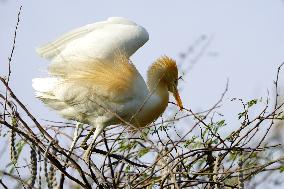
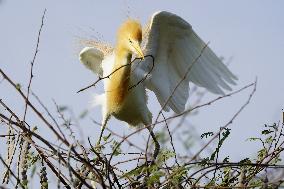
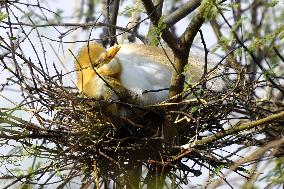
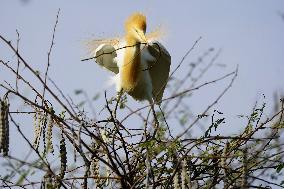
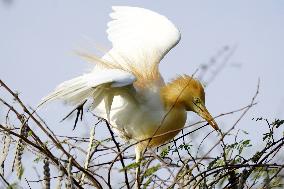
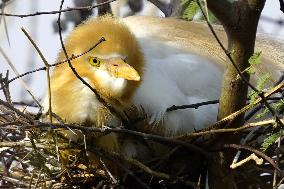
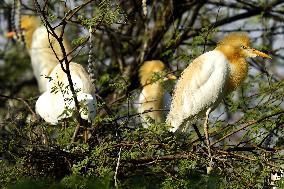
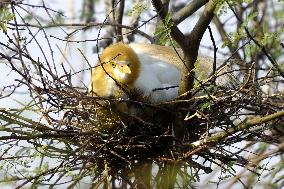
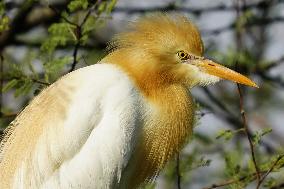
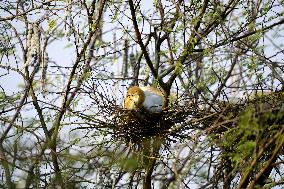
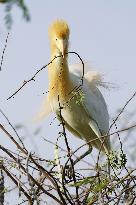
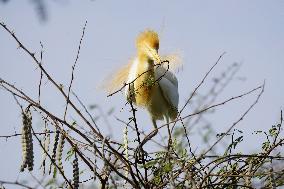
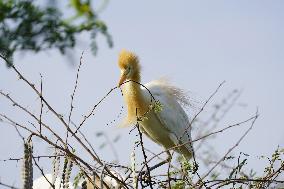
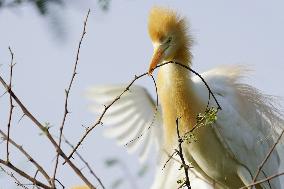
Egret birds are carrying twigs as they transport them and approaching to the way side tree branches to built nest for their annual nesting on the beginning of the monsoon season in Ajmer, India May 12, 2025. Photo by ABACAPRESS.COM

  •  
Egrets Building Their Nests - India

Egrets Building Their Nests - India

Egret birds are carrying twigs as they transport them and approaching to the way side tree branches to built nest for their annual nesting on the beginning of the monsoon season in Ajmer, India May 12, 2025. Photo by ABACAPRESS.COM

  •  
Egrets Building Their Nests - India

Egrets Building Their Nests - India

Egret birds are carrying twigs as they transport them and approaching to the way side tree branches to built nest for their annual nesting on the beginning of the monsoon season in Ajmer, India May 12, 2025. Photo by ABACAPRESS.COM

  •  
Egrets Building Their Nests - India

Egrets Building Their Nests - India

Egret birds are carrying twigs as they transport them and approaching to the way side tree branches to built nest for their annual nesting on the beginning of the monsoon season in Ajmer, India May 12, 2025. Photo by ABACAPRESS.COM

  •  
Egrets Building Their Nests - India

Egrets Building Their Nests - India

Egret birds are carrying twigs as they transport them and approaching to the way side tree branches to built nest for their annual nesting on the beginning of the monsoon season in Ajmer, India May 12, 2025. Photo by ABACAPRESS.COM

  •  
Egrets Building Their Nests - India

Egrets Building Their Nests - India

Egret birds are carrying twigs as they transport them and approaching to the way side tree branches to built nest for their annual nesting on the beginning of the monsoon season in Ajmer, India May 12, 2025. Photo by ABACAPRESS.COM

  •  
Egrets Building Their Nests - India

Egrets Building Their Nests - India

Egret birds are carrying twigs as they transport them and approaching to the way side tree branches to built nest for their annual nesting on the beginning of the monsoon season in Ajmer, India May 12, 2025. Photo by ABACAPRESS.COM

  •  
Egrets Building Their Nests - India

Egrets Building Their Nests - India

Egret birds are carrying twigs as they transport them and approaching to the way side tree branches to built nest for their annual nesting on the beginning of the monsoon season in Ajmer, India May 12, 2025. Photo by ABACAPRESS.COM

  •  
Egrets Building Their Nests - India

Egrets Building Their Nests - India

Egret birds are carrying twigs as they transport them and approaching to the way side tree branches to built nest for their annual nesting on the beginning of the monsoon season in Ajmer, India May 12, 2025. Photo by ABACAPRESS.COM

  •  
Egrets Building Their Nests - India

Egrets Building Their Nests - India

Egret birds are carrying twigs as they transport them and approaching to the way side tree branches to built nest for their annual nesting on the beginning of the monsoon season in Ajmer, India May 12, 2025. Photo by ABACAPRESS.COM

  •  
Egrets Building Their Nests - India

Egrets Building Their Nests - India

Egret birds are carrying twigs as they transport them and approaching to the way side tree branches to built nest for their annual nesting on the beginning of the monsoon season in Ajmer, India May 12, 2025. Photo by ABACAPRESS.COM

  •  
Egrets Building Their Nests - India

Egrets Building Their Nests - India

Egret birds are carrying twigs as they transport them and approaching to the way side tree branches to built nest for their annual nesting on the beginning of the monsoon season in Ajmer, India May 12, 2025. Photo by ABACAPRESS.COM

  •  
Egrets Building Their Nests - India

Egrets Building Their Nests - India

Egret birds are carrying twigs as they transport them and approaching to the way side tree branches to built nest for their annual nesting on the beginning of the monsoon season in Ajmer, India May 12, 2025. Photo by ABACAPRESS.COM

  •  
Egrets Building Their Nests - India

Egrets Building Their Nests - India

Egret birds are carrying twigs as they transport them and approaching to the way side tree branches to built nest for their annual nesting on the beginning of the monsoon season in Ajmer, India May 12, 2025. Photo by ABACAPRESS.COM

  •  
Hoopoe - France

Hoopoe - France

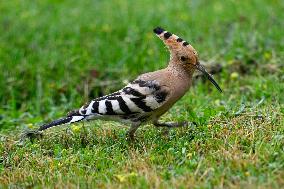
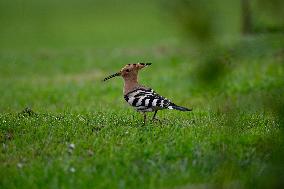
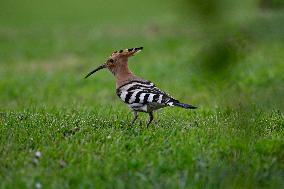
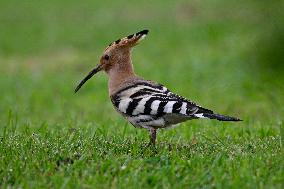
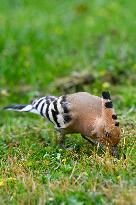
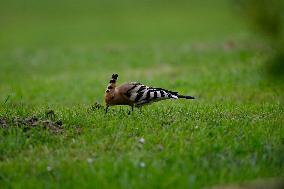
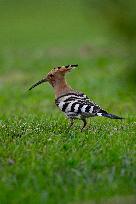
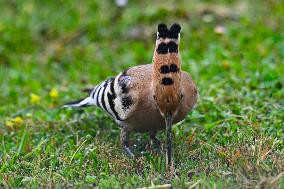
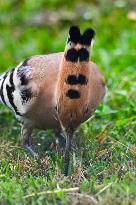
Hoopoe (Upupa epops) is a diurnal bird belonging to the Upupidae family. This migrant can be observed in gardens from the end of February until the end of August when the nesting period is over. It lives mainly in warm, sunny regions of France but also in Europe. It then leaves these geographical areas to migrate to tropical Africa in Payra-sur-l'Hers, France on april 26, 2025. Photo By Marie Hubert Psaila /ABACAPRESS.COM

  •  
Hoopoe - France

Hoopoe - France

Hoopoe (Upupa epops) is a diurnal bird belonging to the Upupidae family. This migrant can be observed in gardens from the end of February until the end of August when the nesting period is over. It lives mainly in warm, sunny regions of France but also in Europe. It then leaves these geographical areas to migrate to tropical Africa in Payra-sur-l'Hers, France on april 26, 2025. Photo By Marie Hubert Psaila /ABACAPRESS.COM

  •  
Hoopoe - France

Hoopoe - France

Hoopoe (Upupa epops) is a diurnal bird belonging to the Upupidae family. This migrant can be observed in gardens from the end of February until the end of August when the nesting period is over. It lives mainly in warm, sunny regions of France but also in Europe. It then leaves these geographical areas to migrate to tropical Africa in Payra-sur-l'Hers, France on april 26, 2025. Photo By Marie Hubert Psaila /ABACAPRESS.COM

  •  
Hoopoe - France

Hoopoe - France

Hoopoe (Upupa epops) is a diurnal bird belonging to the Upupidae family. This migrant can be observed in gardens from the end of February until the end of August when the nesting period is over. It lives mainly in warm, sunny regions of France but also in Europe. It then leaves these geographical areas to migrate to tropical Africa in Payra-sur-l'Hers, France on april 26, 2025. Photo By Marie Hubert Psaila /ABACAPRESS.COM

  •  
Hoopoe - France

Hoopoe - France

Hoopoe (Upupa epops) is a diurnal bird belonging to the Upupidae family. This migrant can be observed in gardens from the end of February until the end of August when the nesting period is over. It lives mainly in warm, sunny regions of France but also in Europe. It then leaves these geographical areas to migrate to tropical Africa in Payra-sur-l'Hers, France on april 26, 2025. Photo By Marie Hubert Psaila /ABACAPRESS.COM

  •  
Hoopoe - France

Hoopoe - France

Hoopoe (Upupa epops) is a diurnal bird belonging to the Upupidae family. This migrant can be observed in gardens from the end of February until the end of August when the nesting period is over. It lives mainly in warm, sunny regions of France but also in Europe. It then leaves these geographical areas to migrate to tropical Africa in Payra-sur-l'Hers, France on april 26, 2025. Photo By Marie Hubert Psaila /ABACAPRESS.COM

  •  
Hoopoe - France

Hoopoe - France

Hoopoe (Upupa epops) is a diurnal bird belonging to the Upupidae family. This migrant can be observed in gardens from the end of February until the end of August when the nesting period is over. It lives mainly in warm, sunny regions of France but also in Europe. It then leaves these geographical areas to migrate to tropical Africa in Payra-sur-l'Hers, France on april 26, 2025. Photo By Marie Hubert Psaila /ABACAPRESS.COM

  •  
Hoopoe - France

Hoopoe - France

Hoopoe (Upupa epops) is a diurnal bird belonging to the Upupidae family. This migrant can be observed in gardens from the end of February until the end of August when the nesting period is over. It lives mainly in warm, sunny regions of France but also in Europe. It then leaves these geographical areas to migrate to tropical Africa in Payra-sur-l'Hers, France on april 26, 2025. Photo By Marie Hubert Psaila /ABACAPRESS.COM

  •  
Hoopoe - France

Hoopoe - France

Hoopoe (Upupa epops) is a diurnal bird belonging to the Upupidae family. This migrant can be observed in gardens from the end of February until the end of August when the nesting period is over. It lives mainly in warm, sunny regions of France but also in Europe. It then leaves these geographical areas to migrate to tropical Africa in Payra-sur-l'Hers, France on april 26, 2025. Photo By Marie Hubert Psaila /ABACAPRESS.COM

  •  
White stork

White stork

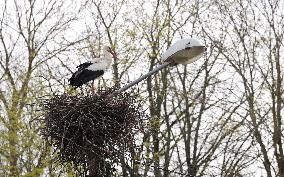
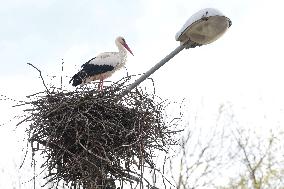
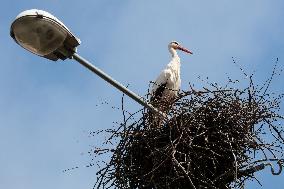
23.04.2025, Puhja. Stork nesting on street light. Photo Margus Ansu, Tartu Postimees

  •  
White stork

White stork

23.04.2025, Puhja. Stork nesting on street light. Photo Margus Ansu, Tartu Postimees

  •  
White stork

White stork

23.04.2025, Puhja. Stork nesting on street light. Photo Margus Ansu, Tartu Postimees

  •  
White stork

White stork

23.04.2025, Puhja. Stork nesting on street light. Photo Margus Ansu, Tartu Postimees

  •  
INDONESIA-CENTRAL SULAWESI-MALEO-CONSERVATION

INDONESIA-CENTRAL SULAWESI-MALEO-CONSERVATION

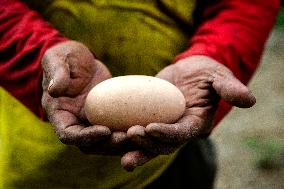
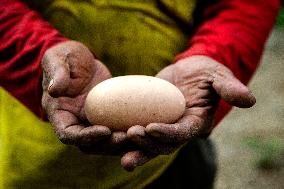
(240611) -- CENTRAL SULAWESI, June 11, 2024 Photo by Xinhua/ABACAPRESS.COM) -- A local villager shows a maleo egg at Lore Lindu National Park in Central Sulawesi, Indonesia, June 10, 2024. The maleo (Macrocephalon maleo) is endemic to the Indonesian island of Sulawesi and the nearby island of Buton, where it lives in tropical lowland and mountain forests. To protect this critically endangered species, a group of local villagers are creating a better living environment for the maleo by building habitats and incubators near its nesting sites, collecting and protecting eggs, and releasing chicks into the wild. (Photo by Deden Isman/Xinhua/ABACAPRESS.COM

  •  
INDONESIA-CENTRAL SULAWESI-MALEO-CONSERVATION

INDONESIA-CENTRAL SULAWESI-MALEO-CONSERVATION

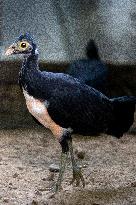
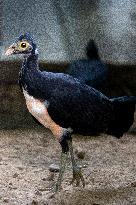
(240611) -- CENTRAL SULAWESI, June 11, 2024 Photo by Xinhua/ABACAPRESS.COM) -- A maleo is pictured at Lore Lindu National Park in Central Sulawesi, Indonesia, June 10, 2024. The maleo (Macrocephalon maleo) is endemic to the Indonesian island of Sulawesi and the nearby island of Buton, where it lives in tropical lowland and mountain forests. To protect this critically endangered species, a group of local villagers are creating a better living environment for the maleo by building habitats and incubators near its nesting sites, collecting and protecting eggs, and releasing chicks into the wild. (Photo by Deden Isman/Xinhua/ABACAPRESS.COM

  •  
INDONESIA-CENTRAL SULAWESI-MALEO-CONSERVATION

INDONESIA-CENTRAL SULAWESI-MALEO-CONSERVATION

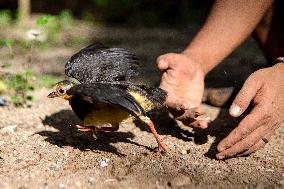
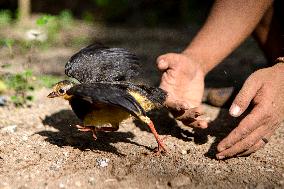
(240611) -- CENTRAL SULAWESI, June 11, 2024 Photo by Xinhua/ABACAPRESS.COM) -- A local villager releases a maleo chick at Lore Lindu National Park in Central Sulawesi, Indonesia, June 10, 2024. The maleo (Macrocephalon maleo) is endemic to the Indonesian island of Sulawesi and the nearby island of Buton, where it lives in tropical lowland and mountain forests. To protect this critically endangered species, a group of local villagers are creating a better living environment for the maleo by building habitats and incubators near its nesting sites, collecting and protecting eggs, and releasing chicks into the wild. (Photo by Deden Isman/Xinhua/ABACAPRESS.COM

  •  
INDONESIA-CENTRAL SULAWESI-MALEO-CONSERVATION

INDONESIA-CENTRAL SULAWESI-MALEO-CONSERVATION

(240611) -- CENTRAL SULAWESI, June 11, 2024 (Xinhua) -- A local villager shows a maleo egg at Lore Lindu National Park in Central Sulawesi, Indonesia, June 10, 2024. The maleo (Macrocephalon maleo) is endemic to the Indonesian island of Sulawesi and the nearby island of Buton, where it lives in tropical lowland and mountain forests. To protect this critically endangered species, a group of local villagers are creating a better living environment for the maleo by building habitats and incubators near its nesting sites, collecting and protecting eggs, and releasing chicks into the wild. (Photo by Deden Isman/Xinhua)

  •  
INDONESIA-CENTRAL SULAWESI-MALEO-CONSERVATION

INDONESIA-CENTRAL SULAWESI-MALEO-CONSERVATION

(240611) -- CENTRAL SULAWESI, June 11, 2024 (Xinhua) -- A local villager releases a maleo chick at Lore Lindu National Park in Central Sulawesi, Indonesia, June 10, 2024. The maleo (Macrocephalon maleo) is endemic to the Indonesian island of Sulawesi and the nearby island of Buton, where it lives in tropical lowland and mountain forests. To protect this critically endangered species, a group of local villagers are creating a better living environment for the maleo by building habitats and incubators near its nesting sites, collecting and protecting eggs, and releasing chicks into the wild. (Photo by Deden Isman/Xinhua)

  •  
INDONESIA-CENTRAL SULAWESI-MALEO-CONSERVATION

INDONESIA-CENTRAL SULAWESI-MALEO-CONSERVATION

(240611) -- CENTRAL SULAWESI, June 11, 2024 (Xinhua) -- A maleo is pictured at Lore Lindu National Park in Central Sulawesi, Indonesia, June 10, 2024. The maleo (Macrocephalon maleo) is endemic to the Indonesian island of Sulawesi and the nearby island of Buton, where it lives in tropical lowland and mountain forests. To protect this critically endangered species, a group of local villagers are creating a better living environment for the maleo by building habitats and incubators near its nesting sites, collecting and protecting eggs, and releasing chicks into the wild. (Photo by Deden Isman/Xinhua)

  •  
Flamingos Return To Fuente Piedra Lagoon

Flamingos Return To Fuente Piedra Lagoon

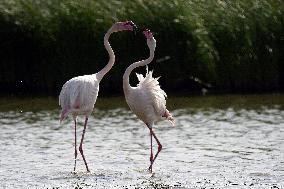
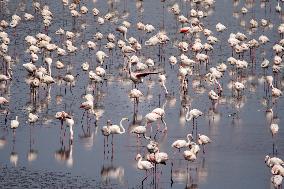
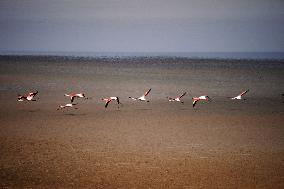
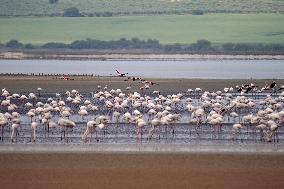
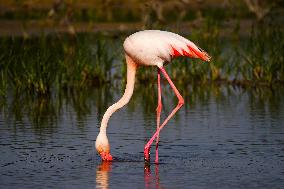
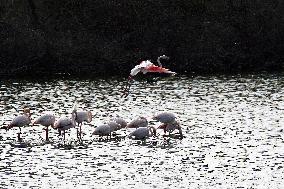
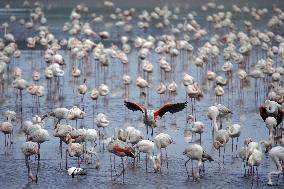
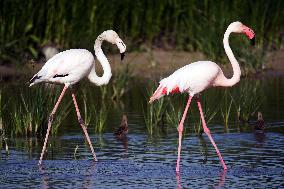
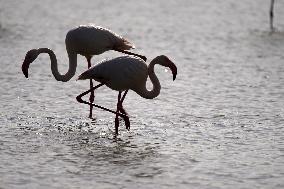
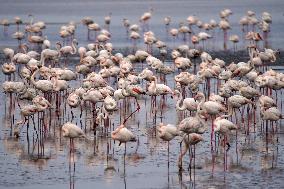
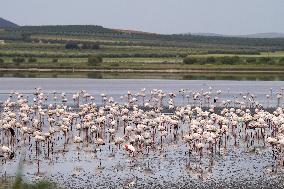
Thousands of pink flamingos return to the Fuente de Piedra lagoon after the abundant rains of the last months in their search for wetlands to breed, on April 20, 2024 in Malaga (Andalusia, Spain). The Fuente de Piedra Lagoon is the largest in Andalusia. This Natural Reserve offers an ideal environment for the reproduction of pink flamingos and other migratory birds. The nesting of this species is one of the tourist attractions of the protected natural area, which in 2023 was unable to establish a colony in the lagoon due to drought. Photo by Álex Zea / Europa Press/ABACAPRESS.COM

  •  
Flamingos Return To Fuente Piedra Lagoon

Flamingos Return To Fuente Piedra Lagoon

Thousands of pink flamingos return to the Fuente de Piedra lagoon after the abundant rains of the last months in their search for wetlands to breed, on April 20, 2024 in Malaga (Andalusia, Spain). The Fuente de Piedra Lagoon is the largest in Andalusia. This Natural Reserve offers an ideal environment for the reproduction of pink flamingos and other migratory birds. The nesting of this species is one of the tourist attractions of the protected natural area, which in 2023 was unable to establish a colony in the lagoon due to drought. Photo by Álex Zea / Europa Press/ABACAPRESS.COM

  •  
Flamingos Return To Fuente Piedra Lagoon

Flamingos Return To Fuente Piedra Lagoon

Thousands of pink flamingos return to the Fuente de Piedra lagoon after the abundant rains of the last months in their search for wetlands to breed, on April 20, 2024 in Malaga (Andalusia, Spain). The Fuente de Piedra Lagoon is the largest in Andalusia. This Natural Reserve offers an ideal environment for the reproduction of pink flamingos and other migratory birds. The nesting of this species is one of the tourist attractions of the protected natural area, which in 2023 was unable to establish a colony in the lagoon due to drought. Photo by Álex Zea / Europa Press/ABACAPRESS.COM

  •  
Flamingos Return To Fuente Piedra Lagoon

Flamingos Return To Fuente Piedra Lagoon

Thousands of pink flamingos return to the Fuente de Piedra lagoon after the abundant rains of the last months in their search for wetlands to breed, on April 20, 2024 in Malaga (Andalusia, Spain). The Fuente de Piedra Lagoon is the largest in Andalusia. This Natural Reserve offers an ideal environment for the reproduction of pink flamingos and other migratory birds. The nesting of this species is one of the tourist attractions of the protected natural area, which in 2023 was unable to establish a colony in the lagoon due to drought. Photo by Álex Zea / Europa Press/ABACAPRESS.COM

  •  
Flamingos Return To Fuente Piedra Lagoon

Flamingos Return To Fuente Piedra Lagoon

Thousands of pink flamingos return to the Fuente de Piedra lagoon after the abundant rains of the last months in their search for wetlands to breed, on April 20, 2024 in Malaga (Andalusia, Spain). The Fuente de Piedra Lagoon is the largest in Andalusia. This Natural Reserve offers an ideal environment for the reproduction of pink flamingos and other migratory birds. The nesting of this species is one of the tourist attractions of the protected natural area, which in 2023 was unable to establish a colony in the lagoon due to drought. Photo by Álex Zea / Europa Press/ABACAPRESS.COM

  •  
Flamingos Return To Fuente Piedra Lagoon

Flamingos Return To Fuente Piedra Lagoon

Thousands of pink flamingos return to the Fuente de Piedra lagoon after the abundant rains of the last months in their search for wetlands to breed, on April 20, 2024 in Malaga (Andalusia, Spain). The Fuente de Piedra Lagoon is the largest in Andalusia. This Natural Reserve offers an ideal environment for the reproduction of pink flamingos and other migratory birds. The nesting of this species is one of the tourist attractions of the protected natural area, which in 2023 was unable to establish a colony in the lagoon due to drought. Photo by Álex Zea / Europa Press/ABACAPRESS.COM

  •  
Flamingos Return To Fuente Piedra Lagoon

Flamingos Return To Fuente Piedra Lagoon

Thousands of pink flamingos return to the Fuente de Piedra lagoon after the abundant rains of the last months in their search for wetlands to breed, on April 20, 2024 in Malaga (Andalusia, Spain). The Fuente de Piedra Lagoon is the largest in Andalusia. This Natural Reserve offers an ideal environment for the reproduction of pink flamingos and other migratory birds. The nesting of this species is one of the tourist attractions of the protected natural area, which in 2023 was unable to establish a colony in the lagoon due to drought. Photo by Álex Zea / Europa Press/ABACAPRESS.COM

  •  
Flamingos Return To Fuente Piedra Lagoon

Flamingos Return To Fuente Piedra Lagoon

Thousands of pink flamingos return to the Fuente de Piedra lagoon after the abundant rains of the last months in their search for wetlands to breed, on April 20, 2024 in Malaga (Andalusia, Spain). The Fuente de Piedra Lagoon is the largest in Andalusia. This Natural Reserve offers an ideal environment for the reproduction of pink flamingos and other migratory birds. The nesting of this species is one of the tourist attractions of the protected natural area, which in 2023 was unable to establish a colony in the lagoon due to drought. Photo by Álex Zea / Europa Press/ABACAPRESS.COM

  •  
Flamingos Return To Fuente Piedra Lagoon

Flamingos Return To Fuente Piedra Lagoon

Thousands of pink flamingos return to the Fuente de Piedra lagoon after the abundant rains of the last months in their search for wetlands to breed, on April 20, 2024 in Malaga (Andalusia, Spain). The Fuente de Piedra Lagoon is the largest in Andalusia. This Natural Reserve offers an ideal environment for the reproduction of pink flamingos and other migratory birds. The nesting of this species is one of the tourist attractions of the protected natural area, which in 2023 was unable to establish a colony in the lagoon due to drought. Photo by Álex Zea / Europa Press/ABACAPRESS.COM

  •  
Flamingos Return To Fuente Piedra Lagoon

Flamingos Return To Fuente Piedra Lagoon

Thousands of pink flamingos return to the Fuente de Piedra lagoon after the abundant rains of the last months in their search for wetlands to breed, on April 20, 2024 in Malaga (Andalusia, Spain). The Fuente de Piedra Lagoon is the largest in Andalusia. This Natural Reserve offers an ideal environment for the reproduction of pink flamingos and other migratory birds. The nesting of this species is one of the tourist attractions of the protected natural area, which in 2023 was unable to establish a colony in the lagoon due to drought. Photo by Álex Zea / Europa Press/ABACAPRESS.COM

  •  
Flamingos Return To Fuente Piedra Lagoon

Flamingos Return To Fuente Piedra Lagoon

Thousands of pink flamingos return to the Fuente de Piedra lagoon after the abundant rains of the last months in their search for wetlands to breed, on April 20, 2024 in Malaga (Andalusia, Spain). The Fuente de Piedra Lagoon is the largest in Andalusia. This Natural Reserve offers an ideal environment for the reproduction of pink flamingos and other migratory birds. The nesting of this species is one of the tourist attractions of the protected natural area, which in 2023 was unable to establish a colony in the lagoon due to drought. Photo by Álex Zea / Europa Press/ABACAPRESS.COM

  •  
CHINA-JIANGSU-GAOYOU-WETLAND-ENVIRONMENT (CN)

CHINA-JIANGSU-GAOYOU-WETLAND-ENVIRONMENT (CN)

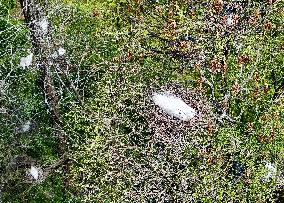
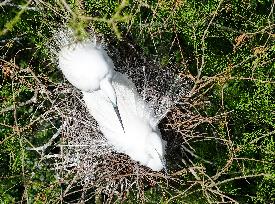
(240419) -- NANJING, April 19, 2024 (Xinhua) -- A drone photo taken on April 19, 2024 shows an egret resting in a nest at the Qingshuitan wetland park in Gaoyou, east China's Jiangsu Province. Thanks to protection work carried out by local authorities, the ecosystem in Qingshuitan wetland park of Gaoyou has been improved in recent years. Various species of birds have chosen this park for nesting and breeding. (Xinhua/Ji Chunpeng)

  •  
CHINA-JIANGSU-GAOYOU-WETLAND-ENVIRONMENT (CN)

CHINA-JIANGSU-GAOYOU-WETLAND-ENVIRONMENT (CN)

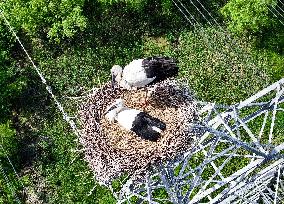
(240419) -- NANJING, April 19, 2024 (Xinhua) -- A drone photo taken on April 19, 2024 shows oriental white storks resting in a nest at the Qingshuitan wetland park in Gaoyou, east China's Jiangsu Province. Thanks to protection work carried out by local authorities, the ecosystem in Qingshuitan wetland park of Gaoyou has been improved in recent years. Various species of birds have chosen this park for nesting and breeding. (Xinhua/Ji Chunpeng)

  •  
CHINA-JIANGSU-GAOYOU-WETLAND-ENVIRONMENT (CN)

CHINA-JIANGSU-GAOYOU-WETLAND-ENVIRONMENT (CN)

(240419) -- NANJING, April 19, 2024 (Xinhua) -- A drone photo taken on April 19, 2024 shows egrets resting in a nest at the Qingshuitan wetland park in Gaoyou, east China's Jiangsu Province. Thanks to protection work carried out by local authorities, the ecosystem in Qingshuitan wetland park of Gaoyou has been improved in recent years. Various species of birds have chosen this park for nesting and breeding. (Xinhua/Ji Chunpeng)

  •  
CHINA-JIANGSU-GAOYOU-WETLAND-ENVIRONMENT (CN)

CHINA-JIANGSU-GAOYOU-WETLAND-ENVIRONMENT (CN)

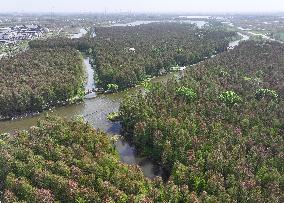
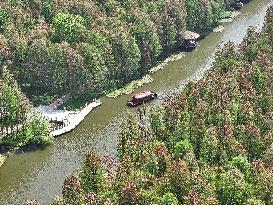
(240419) -- NANJING, April 19, 2024 (Xinhua) -- An aerial drone photo taken on April 19, 2024 shows the scenery of the Qingshuitan wetland park in Gaoyou, east China's Jiangsu Province. Thanks to protection work carried out by local authorities, the ecosystem in Qingshuitan wetland park of Gaoyou has been improved in recent years. Various species of birds have chosen this park for nesting and breeding. (Xinhua/Ji Chunpeng)

  •  
CHINA-JIANGSU-GAOYOU-WETLAND-ENVIRONMENT (CN)

CHINA-JIANGSU-GAOYOU-WETLAND-ENVIRONMENT (CN)

(240419) -- NANJING, April 19, 2024 (Xinhua) -- An aerial drone photo taken on April 19, 2024 shows the scenery of the Qingshuitan wetland park in Gaoyou, east China's Jiangsu Province. Thanks to protection work carried out by local authorities, the ecosystem in Qingshuitan wetland park of Gaoyou has been improved in recent years. Various species of birds have chosen this park for nesting and breeding. (Xinhua/Ji Chunpeng)

  •  
CHINA-JIANGSU-GAOYOU-WETLAND-ENVIRONMENT (CN)

CHINA-JIANGSU-GAOYOU-WETLAND-ENVIRONMENT (CN)

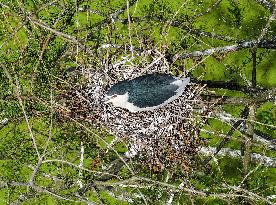
(240419) -- NANJING, April 19, 2024 (Xinhua) -- A drone photo taken on April 19, 2024 shows a night heron resting in a nest at the Qingshuitan wetland park in Gaoyou, east China's Jiangsu Province. Thanks to protection work carried out by local authorities, the ecosystem in Qingshuitan wetland park of Gaoyou has been improved in recent years. Various species of birds have chosen this park for nesting and breeding. (Xinhua/Ji Chunpeng)

  • Main
  • Top
  • Editorial
  • Creative
  • About Us
  • About ILG
  • Terms of use
  • Company
  • BEHIND
  • Price List
  • Single Plan
  • Monthly Plan
  • Services
  • Shooting
  • Rights Clearance
  • Support
  • FAQ
  • How To Buy
  • Contact Us
  • Become a Partner

© KYODO NEWS IMAGES INC

All Rights Reserved.

  • Editorial
  • Olympics
  • News
  • Sports
  • Japan
  • Tech
  • Royal
  • Disaster
  • NorthKorea
  • Old Japan
  • SNS
  • Creative
  • Food
  • Japan
  • Landscape
  • Animal
  • Popular
  • #Ukraine
  • #China
  • #coronavirus
  • #N. Korea
  • #Thailand
  • #Russia
  • #Ukraine
  • #China
  • #coronavirus
  • #N. Korea
  • #Thailand
  • #Russia
  • Food
  • Japan
  • Landscape
  • Animal
  • Olympics
  • News
  • Sports
  • Japan
  • Tech
  • Royal
  • Disaster
  • NorthKorea
  • Old Japan
  • SNS