•  
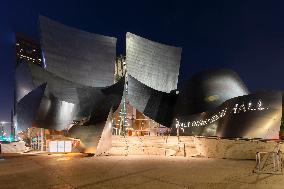
Walt Disney Concert Hall, Architect Frank Gehry, Los Angeles, California, USA

Walt Disney Concert Hall, Architect Frank Gehry, Los Angeles, California, USA

Walt Disney Concert Hall, Architect Frank Gehry, Los Angeles, California, United States of America, North America - Photo by Lange/robertharding/ANDBZ/ABACAPRESS.COM - Amerique du nord; Architectural; architecture; architecture exterieure; architectures exterieures; art; arts; auditorium; auditoriums; batiment; batiments; Californie; cite; cites; Concert Hall; construction; constructions; culture; culture et divertissement; dehors; divertissement; eclaire; edifice; Etats Unis; exterieur; exterieur de batiment; exterieurs de batiment; facade; facades; hall; horizontal; illumine; immeuble; immeubles; largeur; lumiere; lumineux; music hall; music halls; nocturne; nuit; opera; operas; paysage; personne; plein air; salle de concerts; salle de spectacle; salles; salles de concert; salles de spectacle; sans personne; scene urbaine; theatre; theatres; urbain; USA; ville; ville de Los Angeles; Walt Disney Concert Hall

  •  
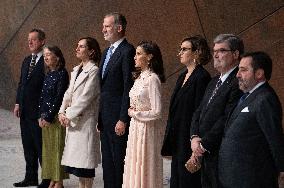
King Felipe VI and Queen Letizia At Opera Performance - Spain

King Felipe VI and Queen Letizia At Opera Performance - Spain

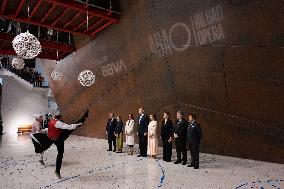
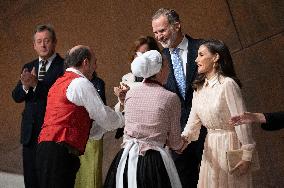
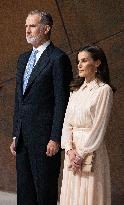
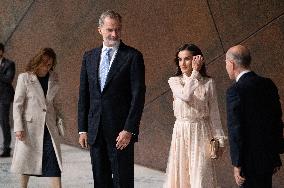
King Felipe VI and Queen Letizia, on their arrival at the performance of the opera 'II Trittico', at the Euskalduna Palace, on November 29, 2024, in Bilbao, Biscay, Basque Country, Spain. The opera "Il Trittico", is a production of ABAO Bilbao Opera with stage direction by Paco Azorín and Pedro Halffter conducting the Orquesta Sinfónica de Navarra, which commemorates the centenary of the death of Giacomo Puccini, a musical and theatrical genius whose operas are among the essential masterpieces of the history of opera, and his characters and heroines among the most famous and popular. Photo by David de Haro/Europa Press/ABACAPRESS.COM

  •  
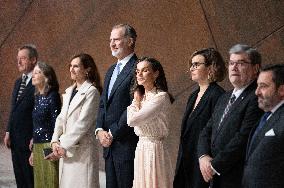
King Felipe VI and Queen Letizia At Opera Performance - Spain

King Felipe VI and Queen Letizia At Opera Performance - Spain

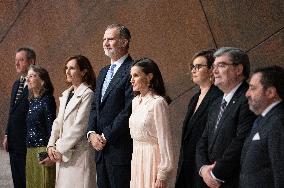
(3RD) Health Minister Monica Garcia, King Felipe VI and Queen Letizia, on their arrival at the performance of the opera 'II Trittico', at the Euskalduna Palace, on November 29, 2024, in Bilbao, Biscay, Basque Country, Spain. The opera "Il Trittico", is a production of ABAO Bilbao Opera with stage direction by Paco Azorín and Pedro Halffter conducting the Orquesta Sinfónica de Navarra, which commemorates the centenary of the death of Giacomo Puccini, a musical and theatrical genius whose operas are among the essential masterpieces of the history of opera, and his characters and heroines among the most famous and popular. Photo by David de Haro/Europa Press/ABACAPRESS.COM

  •  
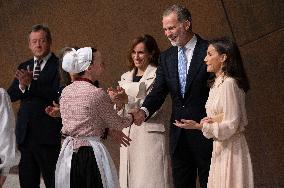
King Felipe VI and Queen Letizia At Opera Performance - Spain

King Felipe VI and Queen Letizia At Opera Performance - Spain

(3RD) Health Minister Monica Garcia, King Felipe VI and Queen Letizia, on their arrival at the performance of the opera 'II Trittico', at the Euskalduna Palace, on November 29, 2024, in Bilbao, Biscay, Basque Country, Spain. The opera "Il Trittico", is a production of ABAO Bilbao Opera with stage direction by Paco Azorín and Pedro Halffter conducting the Orquesta Sinfónica de Navarra, which commemorates the centenary of the death of Giacomo Puccini, a musical and theatrical genius whose operas are among the essential masterpieces of the history of opera, and his characters and heroines among the most famous and popular. Photo by David de Haro/Europa Press/ABACAPRESS.COM

  •  
King Felipe VI and Queen Letizia At Opera Performance - Spain

King Felipe VI and Queen Letizia At Opera Performance - Spain

King Felipe VI and Queen Letizia, on their arrival at the performance of the opera 'II Trittico', at the Euskalduna Palace, on November 29, 2024, in Bilbao, Biscay, Basque Country, Spain. The opera "Il Trittico", is a production of ABAO Bilbao Opera with stage direction by Paco Azorín and Pedro Halffter conducting the Orquesta Sinfónica de Navarra, which commemorates the centenary of the death of Giacomo Puccini, a musical and theatrical genius whose operas are among the essential masterpieces of the history of opera, and his characters and heroines among the most famous and popular. Photo by David de Haro/Europa Press/ABACAPRESS.COM

  •  
King Felipe VI and Queen Letizia At Opera Performance - Spain

King Felipe VI and Queen Letizia At Opera Performance - Spain

(3RD) Health Minister Monica Garcia, King Felipe VI and Queen Letizia, on their arrival at the performance of the opera 'II Trittico', at the Euskalduna Palace, on November 29, 2024, in Bilbao, Biscay, Basque Country, Spain. The opera "Il Trittico", is a production of ABAO Bilbao Opera with stage direction by Paco Azorín and Pedro Halffter conducting the Orquesta Sinfónica de Navarra, which commemorates the centenary of the death of Giacomo Puccini, a musical and theatrical genius whose operas are among the essential masterpieces of the history of opera, and his characters and heroines among the most famous and popular. Photo by David de Haro/Europa Press/ABACAPRESS.COM

  •  
King Felipe VI and Queen Letizia At Opera Performance - Spain

King Felipe VI and Queen Letizia At Opera Performance - Spain

(3RD) Health Minister Monica Garcia, King Felipe VI and Queen Letizia, on their arrival at the performance of the opera 'II Trittico', at the Euskalduna Palace, on November 29, 2024, in Bilbao, Biscay, Basque Country, Spain. The opera "Il Trittico", is a production of ABAO Bilbao Opera with stage direction by Paco Azorín and Pedro Halffter conducting the Orquesta Sinfónica de Navarra, which commemorates the centenary of the death of Giacomo Puccini, a musical and theatrical genius whose operas are among the essential masterpieces of the history of opera, and his characters and heroines among the most famous and popular. Photo by David de Haro/Europa Press/ABACAPRESS.COM

  •  
King Felipe VI and Queen Letizia At Opera Performance - Spain

King Felipe VI and Queen Letizia At Opera Performance - Spain

King Felipe VI and Queen Letizia, on their arrival at the performance of the opera 'II Trittico', at the Euskalduna Palace, on November 29, 2024, in Bilbao, Biscay, Basque Country, Spain. The opera "Il Trittico", is a production of ABAO Bilbao Opera with stage direction by Paco Azorín and Pedro Halffter conducting the Orquesta Sinfónica de Navarra, which commemorates the centenary of the death of Giacomo Puccini, a musical and theatrical genius whose operas are among the essential masterpieces of the history of opera, and his characters and heroines among the most famous and popular. Photo by David de Haro/Europa Press/ABACAPRESS.COM

  •  
King Felipe VI and Queen Letizia At Opera Performance - Spain

King Felipe VI and Queen Letizia At Opera Performance - Spain

King Felipe VI and Queen Letizia, during the performance of the opera 'II Trittico', at the Euskalduna Palace, on November 29, 2024, in Bilbao, Biscay, Basque Country, Spain. The opera "Il Trittico", is a production of ABAO Bilbao Opera with stage direction by Paco Azorín and Pedro Halffter conducting the Orquesta Sinfónica de Navarra, which commemorates the centenary of the death of Giacomo Puccini, a musical and theatrical genius whose operas are among the essential masterpieces of the history of opera, and his characters and heroines among the most famous and popular. Photo by David de Haro/Europa Press/ABACAPRESS.COM

  •  
King Felipe VI and Queen Letizia At Opera Performance - Spain

King Felipe VI and Queen Letizia At Opera Performance - Spain

King Felipe VI and Queen Letizia, on their arrival at the performance of the opera 'II Trittico', at the Euskalduna Palace, on November 29, 2024, in Bilbao, Biscay, Basque Country, Spain. The opera "Il Trittico", is a production of ABAO Bilbao Opera with stage direction by Paco Azorín and Pedro Halffter conducting the Orquesta Sinfónica de Navarra, which commemorates the centenary of the death of Giacomo Puccini, a musical and theatrical genius whose operas are among the essential masterpieces of the history of opera, and his characters and heroines among the most famous and popular. Photo by David de Haro/Europa Press/ABACAPRESS.COM

  •  
King Felipe VI and Queen Letizia At Opera Performance - Spain

King Felipe VI and Queen Letizia At Opera Performance - Spain

King Felipe VI and Queen Letizia, during the performance of the opera 'II Trittico', at the Euskalduna Palace, on November 29, 2024, in Bilbao, Biscay, Basque Country, Spain. The opera "Il Trittico", is a production of ABAO Bilbao Opera with stage direction by Paco Azorín and Pedro Halffter conducting the Orquesta Sinfónica de Navarra, which commemorates the centenary of the death of Giacomo Puccini, a musical and theatrical genius whose operas are among the essential masterpieces of the history of opera, and his characters and heroines among the most famous and popular. Photo by David de Haro/Europa Press/ABACAPRESS.COM

  •  
King Felipe VI and Queen Letizia At Opera Performance - Spain

King Felipe VI and Queen Letizia At Opera Performance - Spain

King Felipe VI and Queen Letizia, on their arrival at the performance of the opera 'II Trittico', at the Euskalduna Palace, on November 29, 2024, in Bilbao, Biscay, Basque Country, Spain. The opera "Il Trittico", is a production of ABAO Bilbao Opera with stage direction by Paco Azorín and Pedro Halffter conducting the Orquesta Sinfónica de Navarra, which commemorates the centenary of the death of Giacomo Puccini, a musical and theatrical genius whose operas are among the essential masterpieces of the history of opera, and his characters and heroines among the most famous and popular. Photo by David de Haro/Europa Press/ABACAPRESS.COM

  •  
King Felipe VI and Queen Letizia At Opera Performance - Spain

King Felipe VI and Queen Letizia At Opera Performance - Spain

King Felipe VI and Queen Letizia, on their arrival at the performance of the opera 'II Trittico', at the Euskalduna Palace, on November 29, 2024, in Bilbao, Biscay, Basque Country, Spain. The opera "Il Trittico", is a production of ABAO Bilbao Opera with stage direction by Paco Azorín and Pedro Halffter conducting the Orquesta Sinfónica de Navarra, which commemorates the centenary of the death of Giacomo Puccini, a musical and theatrical genius whose operas are among the essential masterpieces of the history of opera, and his characters and heroines among the most famous and popular. Photo by David de Haro/Europa Press/ABACAPRESS.COM

  •  
(GloriousGuizhou)CHINA-GUIZHOU-ANSHUN-DIXI OPERA (CN)

(GloriousGuizhou)CHINA-GUIZHOU-ANSHUN-DIXI OPERA (CN)

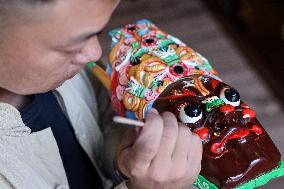
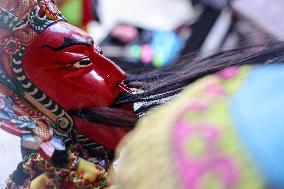
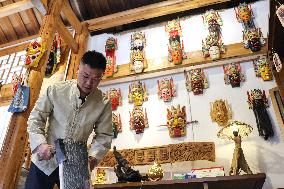
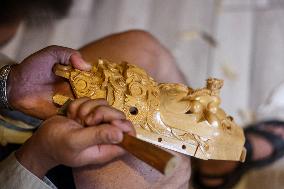
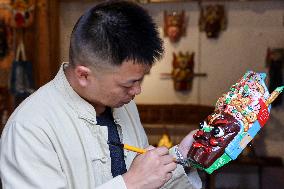
(240810) -- ANSHUN, Aug. 10, 2024 Photo by Xinhua/ABACAPRESS.COM) -- Bao Bo, an inheritor of Anshun woodcarving, colors a Dixi mask in Jiuzhou ancient town scenic area of Anshun City, southwest China's Guizhou Province, July 25, 2024. Anshun Dixi Opera is an important part of Tunpu culture dating back to the Ming Dynasty (1368-1644). The opera has been listed as one of the national intangible cultural heritages in 2006. Dixi performers wear various masks while performing operas about history and rituals to ward off evil spirits. Dozens of tools are needed in the multiple process from engraving to coloring in the making of the wooden facial masks. Photo by Xinhua/ABACAPRESS.COM/Ou Dongqu)

  •  
(GloriousGuizhou)CHINA-GUIZHOU-ANSHUN-DIXI OPERA (CN)

(GloriousGuizhou)CHINA-GUIZHOU-ANSHUN-DIXI OPERA (CN)

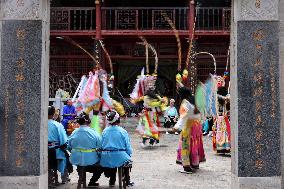
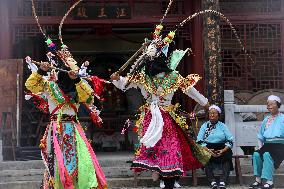
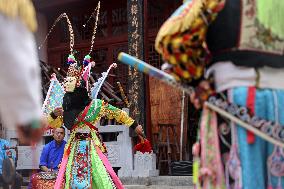
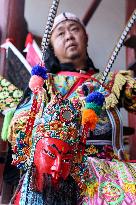
(240810) -- ANSHUN, Aug. 10, 2024 Photo by Xinhua/ABACAPRESS.COM) -- Villagers stage a Dixi opera performance in Jiuxi Village of Daxiqiao Town, Anshun City, southwest China's Guizhou Province, July 24, 2024. Anshun Dixi Opera is an important part of Tunpu culture dating back to the Ming Dynasty (1368-1644). The opera has been listed as one of the national intangible cultural heritages in 2006. Dixi performers wear various masks while performing operas about history and rituals to ward off evil spirits. Dozens of tools are needed in the multiple process from engraving to coloring in the making of the wooden facial masks. Photo by Xinhua/ABACAPRESS.COM/Ou Dongqu)

  •  
(GloriousGuizhou)CHINA-GUIZHOU-ANSHUN-DIXI OPERA (CN)

(GloriousGuizhou)CHINA-GUIZHOU-ANSHUN-DIXI OPERA (CN)

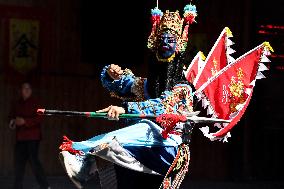
(240810) -- ANSHUN, Aug. 10, 2024 Photo by Xinhua/ABACAPRESS.COM) -- A young Dixi opera enthusiast stages a performance in Pingba District of Anshun City, southwest China's Guizhou Province, July 25, 2024. Anshun Dixi Opera is an important part of Tunpu culture dating back to the Ming Dynasty (1368-1644). The opera has been listed as one of the national intangible cultural heritages in 2006. Dixi performers wear various masks while performing operas about history and rituals to ward off evil spirits. Dozens of tools are needed in the multiple process from engraving to coloring in the making of the wooden facial masks. Photo by Xinhua/ABACAPRESS.COM/Ou Dongqu)

  •  
(GloriousGuizhou)CHINA-GUIZHOU-ANSHUN-DIXI OPERA (CN)

(GloriousGuizhou)CHINA-GUIZHOU-ANSHUN-DIXI OPERA (CN)

(240810) -- ANSHUN, Aug. 10, 2024 Photo by Xinhua/ABACAPRESS.COM) -- Villagers stage a Dixi opera performance in Jiuxi Village of Daxiqiao Town, Anshun City, southwest China's Guizhou Province, July 24, 2024. Anshun Dixi Opera is an important part of Tunpu culture dating back to the Ming Dynasty (1368-1644). The opera has been listed as one of the national intangible cultural heritages in 2006. Dixi performers wear various masks while performing operas about history and rituals to ward off evil spirits. Dozens of tools are needed in the multiple process from engraving to coloring in the making of the wooden facial masks. Photo by Xinhua/ABACAPRESS.COM/Ou Dongqu)

  •  
(GloriousGuizhou)CHINA-GUIZHOU-ANSHUN-DIXI OPERA (CN)

(GloriousGuizhou)CHINA-GUIZHOU-ANSHUN-DIXI OPERA (CN)

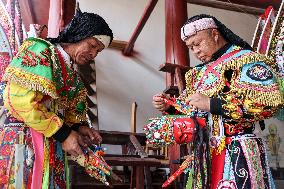
(240810) -- ANSHUN, Aug. 10, 2024 Photo by Xinhua/ABACAPRESS.COM) -- A villager makes preparations for a Dixi opera performance in Jiuxi Village of Daxiqiao Town, Anshun City, southwest China's Guizhou Province, July 24, 2024. Anshun Dixi Opera is an important part of Tunpu culture dating back to the Ming Dynasty (1368-1644). The opera has been listed as one of the national intangible cultural heritages in 2006. Dixi performers wear various masks while performing operas about history and rituals to ward off evil spirits. Dozens of tools are needed in the multiple process from engraving to coloring in the making of the wooden facial masks. Photo by Xinhua/ABACAPRESS.COM/Ou Dongqu)

  •  
(GloriousGuizhou)CHINA-GUIZHOU-ANSHUN-DIXI OPERA (CN)

(GloriousGuizhou)CHINA-GUIZHOU-ANSHUN-DIXI OPERA (CN)

(240810) -- ANSHUN, Aug. 10, 2024 Photo by Xinhua/ABACAPRESS.COM) -- An aerial drone photo shows young Dixi opera enthusiasts staging a performance in Pingba District of Anshun City, southwest China's Guizhou Province, July 25, 2024. Anshun Dixi Opera is an important part of Tunpu culture dating back to the Ming Dynasty (1368-1644). The opera has been listed as one of the national intangible cultural heritages in 2006. Dixi performers wear various masks while performing operas about history and rituals to ward off evil spirits. Dozens of tools are needed in the multiple process from engraving to coloring in the making of the wooden facial masks. Photo by Xinhua/ABACAPRESS.COM/Ou Dongqu)

  •  
(GloriousGuizhou)CHINA-GUIZHOU-ANSHUN-DIXI OPERA (CN)

(GloriousGuizhou)CHINA-GUIZHOU-ANSHUN-DIXI OPERA (CN)

(240810) -- ANSHUN, Aug. 10, 2024 Photo by Xinhua/ABACAPRESS.COM) -- Villagers make preparations for a Dixi opera performance in Jiuxi Village of Daxiqiao Town, Anshun City, southwest China's Guizhou Province, July 24, 2024. Anshun Dixi Opera is an important part of Tunpu culture dating back to the Ming Dynasty (1368-1644). The opera has been listed as one of the national intangible cultural heritages in 2006. Dixi performers wear various masks while performing operas about history and rituals to ward off evil spirits. Dozens of tools are needed in the multiple process from engraving to coloring in the making of the wooden facial masks. Photo by Xinhua/ABACAPRESS.COM/Ou Dongqu)

  •  
(GloriousGuizhou)CHINA-GUIZHOU-ANSHUN-DIXI OPERA (CN)

(GloriousGuizhou)CHINA-GUIZHOU-ANSHUN-DIXI OPERA (CN)

(240810) -- ANSHUN, Aug. 10, 2024 Photo by Xinhua/ABACAPRESS.COM) -- Bao Bo, an inheritor of Anshun woodcarving, makes a Dixi mask in Jiuzhou ancient town scenic area of Anshun City, southwest China's Guizhou Province, July 25, 2024. Anshun Dixi Opera is an important part of Tunpu culture dating back to the Ming Dynasty (1368-1644). The opera has been listed as one of the national intangible cultural heritages in 2006. Dixi performers wear various masks while performing operas about history and rituals to ward off evil spirits. Dozens of tools are needed in the multiple process from engraving to coloring in the making of the wooden facial masks. Photo by Xinhua/ABACAPRESS.COM/Ou Dongqu)

  •  
(GloriousGuizhou)CHINA-GUIZHOU-ANSHUN-DIXI OPERA (CN)

(GloriousGuizhou)CHINA-GUIZHOU-ANSHUN-DIXI OPERA (CN)

(240810) -- ANSHUN, Aug. 10, 2024 Photo by Xinhua/ABACAPRESS.COM) -- Bao Bo, an inheritor of Anshun woodcarving, makes a Dixi mask in Jiuzhou ancient town scenic area of Anshun City, southwest China's Guizhou Province, July 25, 2024. Anshun Dixi Opera is an important part of Tunpu culture dating back to the Ming Dynasty (1368-1644). The opera has been listed as one of the national intangible cultural heritages in 2006. Dixi performers wear various masks while performing operas about history and rituals to ward off evil spirits. Dozens of tools are needed in the multiple process from engraving to coloring in the making of the wooden facial masks. Photo by Xinhua/ABACAPRESS.COM/Ou Dongqu)

  •  
(GloriousGuizhou)CHINA-GUIZHOU-ANSHUN-DIXI OPERA (CN)

(GloriousGuizhou)CHINA-GUIZHOU-ANSHUN-DIXI OPERA (CN)

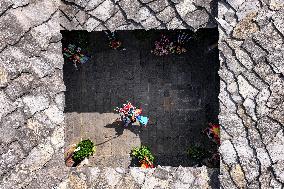
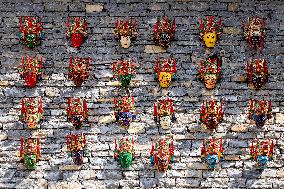
(240810) -- ANSHUN, Aug. 10, 2024 Photo by Xinhua/ABACAPRESS.COM) -- Dixi masks are seen on a wall in Pingba District of Anshun City, southwest China's Guizhou Province, July 25, 2024. Anshun Dixi Opera is an important part of Tunpu culture dating back to the Ming Dynasty (1368-1644). The opera has been listed as one of the national intangible cultural heritages in 2006. Dixi performers wear various masks while performing operas about history and rituals to ward off evil spirits. Dozens of tools are needed in the multiple process from engraving to coloring in the making of the wooden facial masks. Photo by Xinhua/ABACAPRESS.COM/Ou Dongqu)

  •  
(GloriousGuizhou)CHINA-GUIZHOU-ANSHUN-DIXI OPERA (CN)

(GloriousGuizhou)CHINA-GUIZHOU-ANSHUN-DIXI OPERA (CN)

(240810) -- ANSHUN, Aug. 10, 2024 Photo by Xinhua/ABACAPRESS.COM) -- Villagers stage a Dixi opera performance in Jiuxi Village of Daxiqiao Town, Anshun City, southwest China's Guizhou Province, July 24, 2024. Anshun Dixi Opera is an important part of Tunpu culture dating back to the Ming Dynasty (1368-1644). The opera has been listed as one of the national intangible cultural heritages in 2006. Dixi performers wear various masks while performing operas about history and rituals to ward off evil spirits. Dozens of tools are needed in the multiple process from engraving to coloring in the making of the wooden facial masks. Photo by Xinhua/ABACAPRESS.COM/Ou Dongqu)

  •  
(GloriousGuizhou)CHINA-GUIZHOU-ANSHUN-DIXI OPERA (CN)

(GloriousGuizhou)CHINA-GUIZHOU-ANSHUN-DIXI OPERA (CN)

(240810) -- ANSHUN, Aug. 10, 2024 Photo by Xinhua/ABACAPRESS.COM) -- A villager makes preparations for a Dixi opera performance in Jiuxi Village of Daxiqiao Town, Anshun City, southwest China's Guizhou Province, July 24, 2024. Anshun Dixi Opera is an important part of Tunpu culture dating back to the Ming Dynasty (1368-1644). The opera has been listed as one of the national intangible cultural heritages in 2006. Dixi performers wear various masks while performing operas about history and rituals to ward off evil spirits. Dozens of tools are needed in the multiple process from engraving to coloring in the making of the wooden facial masks. Photo by Xinhua/ABACAPRESS.COM/Ou Dongqu)

  •  
(GloriousGuizhou)CHINA-GUIZHOU-ANSHUN-DIXI OPERA (CN)

(GloriousGuizhou)CHINA-GUIZHOU-ANSHUN-DIXI OPERA (CN)

(240810) -- ANSHUN, Aug. 10, 2024 Photo by Xinhua/ABACAPRESS.COM) -- Bao Bo, an inheritor of Anshun woodcarving, colors a Dixi mask in Jiuzhou ancient town scenic area of Anshun City, southwest China's Guizhou Province, July 25, 2024. Anshun Dixi Opera is an important part of Tunpu culture dating back to the Ming Dynasty (1368-1644). The opera has been listed as one of the national intangible cultural heritages in 2006. Dixi performers wear various masks while performing operas about history and rituals to ward off evil spirits. Dozens of tools are needed in the multiple process from engraving to coloring in the making of the wooden facial masks. Photo by Xinhua/ABACAPRESS.COM/Ou Dongqu)

  •  
XINHUA PHOTOS OF THE DAY

XINHUA PHOTOS OF THE DAY

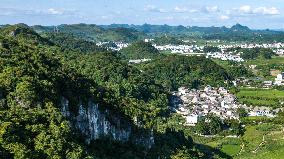
(240805) -- BEIJING, Aug. 5, 2024 Photo by Xinhua/ABACAPRESS.COM) -- An aerial drone photo taken on July 24, 2024 shows a view of Baojiatun Village in Xixiu District of Anshun City, southwest China's Guizhou Province. In Anshun City, ancient stone buildings and unique local traditions have made a cluster of villages popular tourist destinations for many visitors. The stone-structured Tunpu residential buildings were built in the Ming Dynasty (1368-1644), when some troops were sent to Anshun, where they built villages and turned the neighborhood into farmland for growing crops. Their descendants have lived there over generations, and formed the unique Tunpu culture which preserved distinctive customs, architectures, operas and costumes of ancient times. Photo by Xinhua/ABACAPRESS.COM/Ou Dongqu)

  •  
(GloriousGuizhou)CHINA-GUIZHOU-ANSHUN-TUNPU CULTURE (CN)

(GloriousGuizhou)CHINA-GUIZHOU-ANSHUN-TUNPU CULTURE (CN)

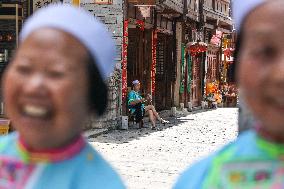
(240804) -- ANSHUN, Aug. 4, 2024 Photo by Xinhua/ABACAPRESS.COM) -- A villager sorts out beans in Benzhai Village, Xixiu District, Anshun City, southwest China's Guizhou Province, July 23, 2024. In Anshun City, southwest China's Guizhou Province, ancient stone buildings and unique local traditions have made a cluster of villages popular tourist destinations for many visitors. The stone-structured Tunpu residential buildings were built in the Ming Dynasty (1368-1644), when some troops were sent to Anshun, where they built villages and turned the neighborhood into farmland for growing crops. Their descendants have lived there over generations, and formed the unique Tunpu culture which preserved distinctive customs, architectures, operas and costumes of ancient times. Photo by Xinhua/ABACAPRESS.COM/Ou Dongqu)

  •  
(GloriousGuizhou)CHINA-GUIZHOU-ANSHUN-TUNPU CULTURE (CN)

(GloriousGuizhou)CHINA-GUIZHOU-ANSHUN-TUNPU CULTURE (CN)

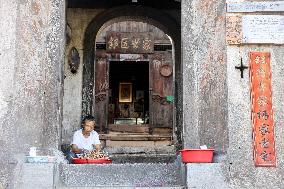
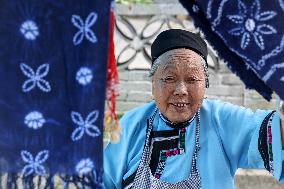
(240804) -- ANSHUN, Aug. 4, 2024 Photo by Xinhua/ABACAPRESS.COM) -- A villager is pictured in Tianlong Tunpu ancient town in Pingba District of Anshun City, southwest China's Guizhou Province, July 25, 2024. In Anshun City, southwest China's Guizhou Province, ancient stone buildings and unique local traditions have made a cluster of villages popular tourist destinations for many visitors. The stone-structured Tunpu residential buildings were built in the Ming Dynasty (1368-1644), when some troops were sent to Anshun, where they built villages and turned the neighborhood into farmland for growing crops. Their descendants have lived there over generations, and formed the unique Tunpu culture which preserved distinctive customs, architectures, operas and costumes of ancient times. Photo by Xinhua/ABACAPRESS.COM/Ou Dongqu)

  •  
(GloriousGuizhou)CHINA-GUIZHOU-ANSHUN-TUNPU CULTURE (CN)

(GloriousGuizhou)CHINA-GUIZHOU-ANSHUN-TUNPU CULTURE (CN)

(240804) -- ANSHUN, Aug. 4, 2024 Photo by Xinhua/ABACAPRESS.COM) -- A villager (back) makes shoe soles in Tianlong Tunpu ancient town in Pingba District of Anshun City, southwest China's Guizhou Province, July 25, 2024. In Anshun City, southwest China's Guizhou Province, ancient stone buildings and unique local traditions have made a cluster of villages popular tourist destinations for many visitors. The stone-structured Tunpu residential buildings were built in the Ming Dynasty (1368-1644), when some troops were sent to Anshun, where they built villages and turned the neighborhood into farmland for growing crops. Their descendants have lived there over generations, and formed the unique Tunpu culture which preserved distinctive customs, architectures, operas and costumes of ancient times. Photo by Xinhua/ABACAPRESS.COM/Ou Dongqu)

  •  
(GloriousGuizhou)CHINA-GUIZHOU-ANSHUN-TUNPU CULTURE (CN)

(GloriousGuizhou)CHINA-GUIZHOU-ANSHUN-TUNPU CULTURE (CN)

(240804) -- ANSHUN, Aug. 4, 2024 Photo by Xinhua/ABACAPRESS.COM) -- An aerial drone photo taken on July 23, 2024 shows a view of Benzhai Village in Xixiu District of Anshun City, southwest China's Guizhou Province. In Anshun City, southwest China's Guizhou Province, ancient stone buildings and unique local traditions have made a cluster of villages popular tourist destinations for many visitors. The stone-structured Tunpu residential buildings were built in the Ming Dynasty (1368-1644), when some troops were sent to Anshun, where they built villages and turned the neighborhood into farmland for growing crops. Their descendants have lived there over generations, and formed the unique Tunpu culture which preserved distinctive customs, architectures, operas and costumes of ancient times. Photo by Xinhua/ABACAPRESS.COM/Ou Dongqu)

  •  
(GloriousGuizhou)CHINA-GUIZHOU-ANSHUN-TUNPU CULTURE (CN)

(GloriousGuizhou)CHINA-GUIZHOU-ANSHUN-TUNPU CULTURE (CN)

(240804) -- ANSHUN, Aug. 4, 2024 Photo by Xinhua/ABACAPRESS.COM) -- An aerial drone photo taken on July 23, 2024 shows a view of Benzhai Village in Xixiu District of Anshun City, southwest China's Guizhou Province. In Anshun City, southwest China's Guizhou Province, ancient stone buildings and unique local traditions have made a cluster of villages popular tourist destinations for many visitors. The stone-structured Tunpu residential buildings were built in the Ming Dynasty (1368-1644), when some troops were sent to Anshun, where they built villages and turned the neighborhood into farmland for growing crops. Their descendants have lived there over generations, and formed the unique Tunpu culture which preserved distinctive customs, architectures, operas and costumes of ancient times. Photo by Xinhua/ABACAPRESS.COM/Ou Dongqu)

  •  
TUNISIA-TUNIS-FIRST CHINESE SONG COMPETITION

TUNISIA-TUNIS-FIRST CHINESE SONG COMPETITION

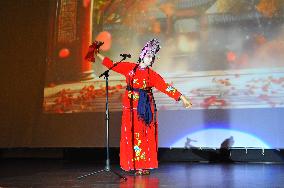
(240620) -- TUNIS, June 20, 2024 (Xinhua) -- A contestant participates in Tunisia's first Chinese song competition in Tunis, Tunisia, June 19, 2024. Seventeen Chinese language and music lovers from Tunisia on Wednesday participated in the final of the country's first Chinese song competition. The participants performed Chinese pop songs and Peking operas during the two-hour event hosted by the Chinese Embassy in Tunisia and organized by the Confucius Institute at Carthage University in the capital city of Tunis. (Photo by Adel Ezzine/Xinhua)

  •  
TUNISIA-TUNIS-FIRST CHINESE SONG COMPETITION

TUNISIA-TUNIS-FIRST CHINESE SONG COMPETITION

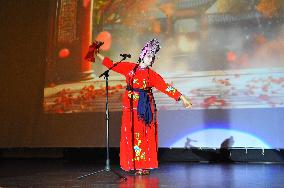
(240620) -- TUNIS, June 20, 2024 Photo by Xinhua/ABACAPRESS.COM) -- A contestant participates in Tunisia's first Chinese song competition in Tunis, Tunisia, June 19, 2024. Seventeen Chinese language and music lovers from Tunisia on Wednesday participated in the final of the country's first Chinese song competition. The participants performed Chinese pop songs and Peking operas during the two-hour event hosted by the Chinese Embassy in Tunisia and organized by the Confucius Institute at Carthage University in the capital city of Tunis. (Photo by Adel Ezzine/Xinhua/ABACAPRESS.COM

  •  
XINHUA PHOTOS OF THE DAY

XINHUA PHOTOS OF THE DAY

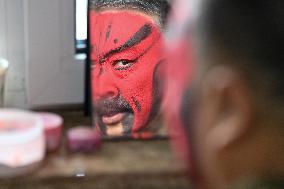
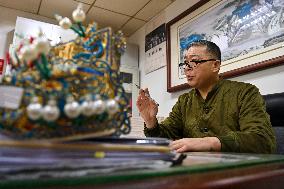
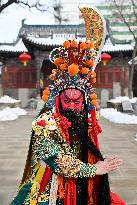
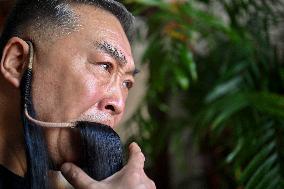
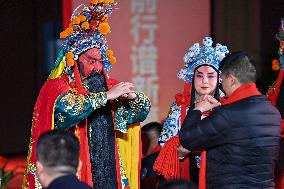
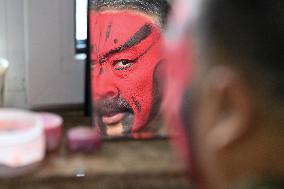
(240403) -- BEIJING, April 3, 2024 (Xinhua) -- Wu Lingyun prepares for a performance in Yingze District of Taiyuan, north China's Shanxi Province, Feb. 2, 2024. Jin Opera, originated in the central area of Shanxi Province, is a representative genre of opera in Shanxi. It was listed as a national intangible cultural heritage in 2006. Wu Lingyun, a representative inheritor of Jin Opera, was born in a family of Jin Opera actors and entered the opera troupe at the age of 12. In 1985, when he was 21, Wu started to play the role of Guan Yu, an ancient general known for his loyalty and bravery in battles and widely revered by the Chinese. In order to play the role well, Wu went through books on the history of Three Kingdoms period (220-280 A.D.) of China, learned from experienced actors and other genres of Chinese operas, and drew inspirations from sculpture, painting, shadow play and other art forms. After years of accumulation, the role of Guan Yu has become Wu Lingyun's representative performance. Decades o

  •  
(ChineseToday)CHINA-SHANXI-JIN OPERA-INHERITOR (CN)

(ChineseToday)CHINA-SHANXI-JIN OPERA-INHERITOR (CN)

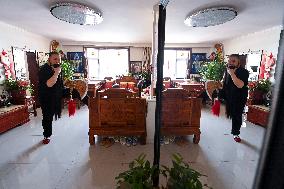
(240402) -- TAIYUAN, April 2, 2024 (Xinhua) -- Wu Lingyun practises at home in Xinghualing District of Taiyuan, north China's Shanxi Province, March 26, 2024. Jin Opera, originated in the central area of Shanxi Province, is a representative genre of opera in Shanxi. It was listed as a national intangible cultural heritage in 2006. Wu Lingyun, a representative inheritor of Jin Opera, was born in a family of Jin Opera actors and entered the opera troupe at the age of 12. In 1985, when he was 21, Wu started to play the role of Guan Yu, an ancient general known for his loyalty and bravery in battles and widely revered by the Chinese. In order to play the role well, Wu went through books on the history of Three Kingdoms period (220-280 A.D.) of China, learned from experienced actors and other genres of Chinese operas, and drew inspirations from sculpture, painting, shadow play and other art forms. After years of accumulation, the role of Guan Yu has become Wu Lingyun's representative performance. Decades of

  •  
(ChineseToday)CHINA-SHANXI-JIN OPERA-INHERITOR (CN)

(ChineseToday)CHINA-SHANXI-JIN OPERA-INHERITOR (CN)

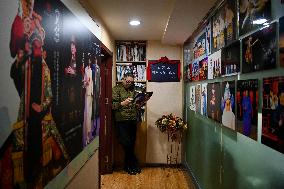
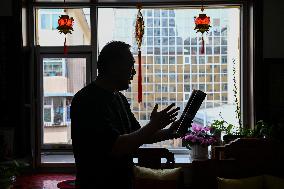
(240402) -- TAIYUAN, April 2, 2024 (Xinhua) -- Wu Lingyun reads a book at the Jin Opera art research institute in Taiyuan, north China's Shanxi Province, Feb. 6, 2024. Jin Opera, originated in the central area of Shanxi Province, is a representative genre of opera in Shanxi. It was listed as a national intangible cultural heritage in 2006. Wu Lingyun, a representative inheritor of Jin Opera, was born in a family of Jin Opera actors and entered the opera troupe at the age of 12. In 1985, when he was 21, Wu started to play the role of Guan Yu, an ancient general known for his loyalty and bravery in battles and widely revered by the Chinese. In order to play the role well, Wu went through books on the history of Three Kingdoms period (220-280 A.D.) of China, learned from experienced actors and other genres of Chinese operas, and drew inspirations from sculpture, painting, shadow play and other art forms. After years of accumulation, the role of Guan Yu has become Wu Lingyun's representative performance. De

  •  
(ChineseToday)CHINA-SHANXI-JIN OPERA-INHERITOR (CN)

(ChineseToday)CHINA-SHANXI-JIN OPERA-INHERITOR (CN)

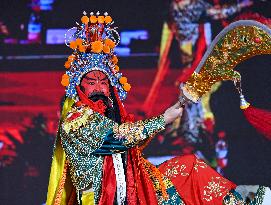
(240402) -- TAIYUAN, April 2, 2024 (Xinhua) -- Wu Lingyun stages a performance in Yingze District of Taiyuan, north China's Shanxi Province, Feb. 2, 2024. Jin Opera, originated in the central area of Shanxi Province, is a representative genre of opera in Shanxi. It was listed as a national intangible cultural heritage in 2006. Wu Lingyun, a representative inheritor of Jin Opera, was born in a family of Jin Opera actors and entered the opera troupe at the age of 12. In 1985, when he was 21, Wu started to play the role of Guan Yu, an ancient general known for his loyalty and bravery in battles and widely revered by the Chinese. In order to play the role well, Wu went through books on the history of Three Kingdoms period (220-280 A.D.) of China, learned from experienced actors and other genres of Chinese operas, and drew inspirations from sculpture, painting, shadow play and other art forms. After years of accumulation, the role of Guan Yu has become Wu Lingyun's representative performance. Decades of stag

  •  
(ChineseToday)CHINA-SHANXI-JIN OPERA-INHERITOR (CN)

(ChineseToday)CHINA-SHANXI-JIN OPERA-INHERITOR (CN)

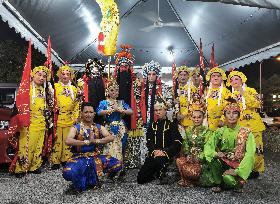
(240402) -- TAIYUAN, April 2, 2024 (Xinhua) -- This file photo taken on Oct. 23, 2019 shows Wu Lingyun (4th L, back) and his troupe members posing for a photo with local actors during an international Guan Gong cultural festival in Malaysia. Jin Opera, originated in the central area of Shanxi Province, is a representative genre of opera in Shanxi. It was listed as a national intangible cultural heritage in 2006. Wu Lingyun, a representative inheritor of Jin Opera, was born in a family of Jin Opera actors and entered the opera troupe at the age of 12. In 1985, when he was 21, Wu started to play the role of Guan Yu, an ancient general known for his loyalty and bravery in battles and widely revered by the Chinese. In order to play the role well, Wu went through books on the history of Three Kingdoms period (220-280 A.D.) of China, learned from experienced actors and other genres of Chinese operas, and drew inspirations from sculpture, painting, shadow play and other art forms. After years of accumulation, the

  •  
(ChineseToday)CHINA-SHANXI-JIN OPERA-INHERITOR (CN)

(ChineseToday)CHINA-SHANXI-JIN OPERA-INHERITOR (CN)

(240402) -- TAIYUAN, April 2, 2024 (Xinhua) -- Wu Lingyun studies a play at the Jin Opera art research institute in Taiyuan, north China's Shanxi Province, Feb. 6, 2024. Jin Opera, originated in the central area of Shanxi Province, is a representative genre of opera in Shanxi. It was listed as a national intangible cultural heritage in 2006. Wu Lingyun, a representative inheritor of Jin Opera, was born in a family of Jin Opera actors and entered the opera troupe at the age of 12. In 1985, when he was 21, Wu started to play the role of Guan Yu, an ancient general known for his loyalty and bravery in battles and widely revered by the Chinese. In order to play the role well, Wu went through books on the history of Three Kingdoms period (220-280 A.D.) of China, learned from experienced actors and other genres of Chinese operas, and drew inspirations from sculpture, painting, shadow play and other art forms. After years of accumulation, the role of Guan Yu has become Wu Lingyun's representative performance.

  •  
(ChineseToday)CHINA-SHANXI-JIN OPERA-INHERITOR (CN)

(ChineseToday)CHINA-SHANXI-JIN OPERA-INHERITOR (CN)

(240402) -- TAIYUAN, April 2, 2024 (Xinhua) -- Wu Lingyun practises acting moves of Jin Opera at the Temple of Guan Yu in Yingze District of Taiyuan, north China's Shanxi Province, Feb. 23, 2024. Jin Opera, originated in the central area of Shanxi Province, is a representative genre of opera in Shanxi. It was listed as a national intangible cultural heritage in 2006. Wu Lingyun, a representative inheritor of Jin Opera, was born in a family of Jin Opera actors and entered the opera troupe at the age of 12. In 1985, when he was 21, Wu started to play the role of Guan Yu, an ancient general known for his loyalty and bravery in battles and widely revered by the Chinese. In order to play the role well, Wu went through books on the history of Three Kingdoms period (220-280 A.D.) of China, learned from experienced actors and other genres of Chinese operas, and drew inspirations from sculpture, painting, shadow play and other art forms. After years of accumulation, the role of Guan Yu has become Wu Lingyun's repre

  •  
(ChineseToday)CHINA-SHANXI-JIN OPERA-INHERITOR (CN)

(ChineseToday)CHINA-SHANXI-JIN OPERA-INHERITOR (CN)

(240402) -- TAIYUAN, April 2, 2024 (Xinhua) -- Wu Lingyun practises at home in Xinghualing District of Taiyuan, north China's Shanxi Province, March 26, 2024. Jin Opera, originated in the central area of Shanxi Province, is a representative genre of opera in Shanxi. It was listed as a national intangible cultural heritage in 2006. Wu Lingyun, a representative inheritor of Jin Opera, was born in a family of Jin Opera actors and entered the opera troupe at the age of 12. In 1985, when he was 21, Wu started to play the role of Guan Yu, an ancient general known for his loyalty and bravery in battles and widely revered by the Chinese. In order to play the role well, Wu went through books on the history of Three Kingdoms period (220-280 A.D.) of China, learned from experienced actors and other genres of Chinese operas, and drew inspirations from sculpture, painting, shadow play and other art forms. After years of accumulation, the role of Guan Yu has become Wu Lingyun's representative performance. Decades of

  •  
(ChineseToday)CHINA-SHANXI-JIN OPERA-INHERITOR (CN)

(ChineseToday)CHINA-SHANXI-JIN OPERA-INHERITOR (CN)

(240402) -- TAIYUAN, April 2, 2024 (Xinhua) -- Wu Lingyun (L) interacts with the audience during a performance in Yingze District of Taiyuan, north China's Shanxi Province, Feb. 2, 2024. Jin Opera, originated in the central area of Shanxi Province, is a representative genre of opera in Shanxi. It was listed as a national intangible cultural heritage in 2006. Wu Lingyun, a representative inheritor of Jin Opera, was born in a family of Jin Opera actors and entered the opera troupe at the age of 12. In 1985, when he was 21, Wu started to play the role of Guan Yu, an ancient general known for his loyalty and bravery in battles and widely revered by the Chinese. In order to play the role well, Wu went through books on the history of Three Kingdoms period (220-280 A.D.) of China, learned from experienced actors and other genres of Chinese operas, and drew inspirations from sculpture, painting, shadow play and other art forms. After years of accumulation, the role of Guan Yu has become Wu Lingyun's representative

  •  
(ChineseToday)CHINA-SHANXI-JIN OPERA-INHERITOR (CN)

(ChineseToday)CHINA-SHANXI-JIN OPERA-INHERITOR (CN)

(240402) -- TAIYUAN, April 2, 2024 (Xinhua) -- Wu Lingyun prepares for performances at home in Xinghualing District of Taiyuan, north China's Shanxi Province, March 26, 2024. Jin Opera, originated in the central area of Shanxi Province, is a representative genre of opera in Shanxi. It was listed as a national intangible cultural heritage in 2006. Wu Lingyun, a representative inheritor of Jin Opera, was born in a family of Jin Opera actors and entered the opera troupe at the age of 12. In 1985, when he was 21, Wu started to play the role of Guan Yu, an ancient general known for his loyalty and bravery in battles and widely revered by the Chinese. In order to play the role well, Wu went through books on the history of Three Kingdoms period (220-280 A.D.) of China, learned from experienced actors and other genres of Chinese operas, and drew inspirations from sculpture, painting, shadow play and other art forms. After years of accumulation, the role of Guan Yu has become Wu Lingyun's representative performance

  •  
(ChineseToday)CHINA-SHANXI-JIN OPERA-INHERITOR (CN)

(ChineseToday)CHINA-SHANXI-JIN OPERA-INHERITOR (CN)

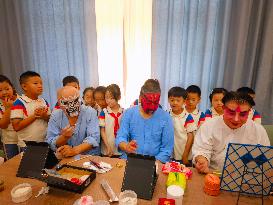
(240402) -- TAIYUAN, April 2, 2024 (Xinhua) -- Wu Lingyun (C, front) communicates with pupils at a primary school in Xinghualing District of Taiyuan, north China's Shanxi Province, June 26, 2023. Jin Opera, originated in the central area of Shanxi Province, is a representative genre of opera in Shanxi. It was listed as a national intangible cultural heritage in 2006. Wu Lingyun, a representative inheritor of Jin Opera, was born in a family of Jin Opera actors and entered the opera troupe at the age of 12. In 1985, when he was 21, Wu started to play the role of Guan Yu, an ancient general known for his loyalty and bravery in battles and widely revered by the Chinese. In order to play the role well, Wu went through books on the history of Three Kingdoms period (220-280 A.D.) of China, learned from experienced actors and other genres of Chinese operas, and drew inspirations from sculpture, painting, shadow play and other art forms. After years of accumulation, the role of Guan Yu has become Wu Lingyun's repre

  •  
(ChineseToday)CHINA-SHANXI-JIN OPERA-INHERITOR (CN)

(ChineseToday)CHINA-SHANXI-JIN OPERA-INHERITOR (CN)

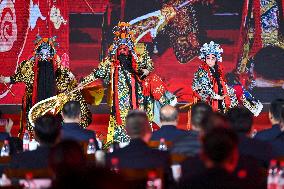
(240402) -- TAIYUAN, April 2, 2024 (Xinhua) -- Wu Lingyun (C) stages a performance in Yingze District of Taiyuan, north China's Shanxi Province, Feb. 2, 2024. Jin Opera, originated in the central area of Shanxi Province, is a representative genre of opera in Shanxi. It was listed as a national intangible cultural heritage in 2006. Wu Lingyun, a representative inheritor of Jin Opera, was born in a family of Jin Opera actors and entered the opera troupe at the age of 12. In 1985, when he was 21, Wu started to play the role of Guan Yu, an ancient general known for his loyalty and bravery in battles and widely revered by the Chinese. In order to play the role well, Wu went through books on the history of Three Kingdoms period (220-280 A.D.) of China, learned from experienced actors and other genres of Chinese operas, and drew inspirations from sculpture, painting, shadow play and other art forms. After years of accumulation, the role of Guan Yu has become Wu Lingyun's representative performance. Decades of

  •  
(ChineseToday)CHINA-SHANXI-JIN OPERA-INHERITOR (CN)

(ChineseToday)CHINA-SHANXI-JIN OPERA-INHERITOR (CN)

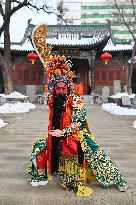
(240402) -- TAIYUAN, April 2, 2024 (Xinhua) -- Wu Lingyun practises acting moves of Jin Opera at the Temple of Guan Yu in Yingze District of Taiyuan, north China's Shanxi Province, Feb. 23, 2024. Jin Opera, originated in the central area of Shanxi Province, is a representative genre of opera in Shanxi. It was listed as a national intangible cultural heritage in 2006. Wu Lingyun, a representative inheritor of Jin Opera, was born in a family of Jin Opera actors and entered the opera troupe at the age of 12. In 1985, when he was 21, Wu started to play the role of Guan Yu, an ancient general known for his loyalty and bravery in battles and widely revered by the Chinese. In order to play the role well, Wu went through books on the history of Three Kingdoms period (220-280 A.D.) of China, learned from experienced actors and other genres of Chinese operas, and drew inspirations from sculpture, painting, shadow play and other art forms. After years of accumulation, the role of Guan Yu has become Wu Lingyun's repre

  •  
(ChineseToday)CHINA-SHANXI-JIN OPERA-INHERITOR (CN)

(ChineseToday)CHINA-SHANXI-JIN OPERA-INHERITOR (CN)

(240402) -- TAIYUAN, April 2, 2024 (Xinhua) -- Wu Lingyun prepares for a performance in Yingze District of Taiyuan, north China's Shanxi Province, Feb. 2, 2024. Jin Opera, originated in the central area of Shanxi Province, is a representative genre of opera in Shanxi. It was listed as a national intangible cultural heritage in 2006. Wu Lingyun, a representative inheritor of Jin Opera, was born in a family of Jin Opera actors and entered the opera troupe at the age of 12. In 1985, when he was 21, Wu started to play the role of Guan Yu, an ancient general known for his loyalty and bravery in battles and widely revered by the Chinese. In order to play the role well, Wu went through books on the history of Three Kingdoms period (220-280 A.D.) of China, learned from experienced actors and other genres of Chinese operas, and drew inspirations from sculpture, painting, shadow play and other art forms. After years of accumulation, the role of Guan Yu has become Wu Lingyun's representative performance. Decades o

  •  
(ChineseToday)CHINA-SHANXI-JIN OPERA-INHERITOR (CN)

(ChineseToday)CHINA-SHANXI-JIN OPERA-INHERITOR (CN)

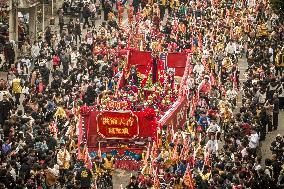
(240402) -- TAIYUAN, April 2, 2024 (Xinhua) -- Wu Lingyun (C) and his troupe members take part in an activity in Honglai Township of Nan'an City, southeast China's Fujian Province, March 16, 2024. Jin Opera, originated in the central area of Shanxi Province, is a representative genre of opera in Shanxi. It was listed as a national intangible cultural heritage in 2006. Wu Lingyun, a representative inheritor of Jin Opera, was born in a family of Jin Opera actors and entered the opera troupe at the age of 12. In 1985, when he was 21, Wu started to play the role of Guan Yu, an ancient general known for his loyalty and bravery in battles and widely revered by the Chinese. In order to play the role well, Wu went through books on the history of Three Kingdoms period (220-280 A.D.) of China, learned from experienced actors and other genres of Chinese operas, and drew inspirations from sculpture, painting, shadow play and other art forms. After years of accumulation, the role of Guan Yu has become Wu Lingyun's repr

  •  
(ChineseToday)CHINA-SHANXI-JIN OPERA-INHERITOR (CN)

(ChineseToday)CHINA-SHANXI-JIN OPERA-INHERITOR (CN)

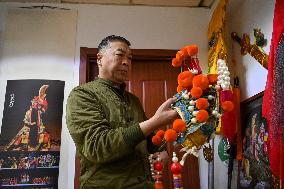
(240402) -- TAIYUAN, April 2, 2024 (Xinhua) -- Wu Lingyun arranges props at the Jin Opera art research institute in Taiyuan, north China's Shanxi Province, Feb. 6, 2024. Jin Opera, originated in the central area of Shanxi Province, is a representative genre of opera in Shanxi. It was listed as a national intangible cultural heritage in 2006. Wu Lingyun, a representative inheritor of Jin Opera, was born in a family of Jin Opera actors and entered the opera troupe at the age of 12. In 1985, when he was 21, Wu started to play the role of Guan Yu, an ancient general known for his loyalty and bravery in battles and widely revered by the Chinese. In order to play the role well, Wu went through books on the history of Three Kingdoms period (220-280 A.D.) of China, learned from experienced actors and other genres of Chinese operas, and drew inspirations from sculpture, painting, shadow play and other art forms. After years of accumulation, the role of Guan Yu has become Wu Lingyun's representative performance.

  • Main
  • Top
  • Editorial
  • Creative
  • About Us
  • About ILG
  • Terms of use
  • Company
  • BEHIND
  • Price List
  • Single Plan
  • Monthly Plan
  • Services
  • Shooting
  • Rights Clearance
  • Support
  • FAQ
  • How To Buy
  • Contact Us
  • Become a Partner

© KYODO NEWS IMAGES INC

All Rights Reserved.

  • Editorial
  • Olympics
  • News
  • Sports
  • Japan
  • Tech
  • Royal
  • Disaster
  • NorthKorea
  • Old Japan
  • SNS
  • Creative
  • Food
  • Japan
  • Landscape
  • Animal
  • Popular
  • #Ukraine
  • #Russia
  • #coronavirus
  • #N. Korea
  • #Thailand
  • #China
  • #Ukraine
  • #Russia
  • #coronavirus
  • #N. Korea
  • #Thailand
  • #China
  • Food
  • Japan
  • Landscape
  • Animal
  • Olympics
  • News
  • Sports
  • Japan
  • Tech
  • Royal
  • Disaster
  • NorthKorea
  • Old Japan
  • SNS