•  
Dance of the Dimonis of Manacor - Spain

Dance of the Dimonis of Manacor - Spain

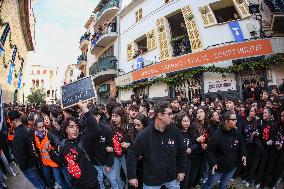
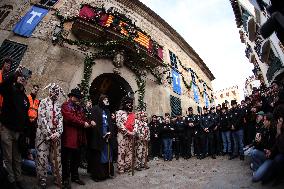
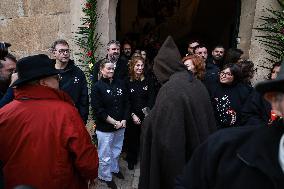
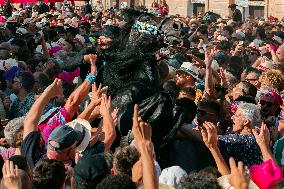
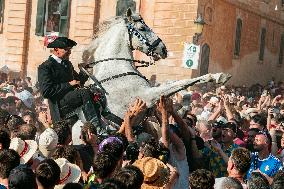
People during the dimonis dance, on 16 January 2026, in Manacor, Balearic Islands (Spain). The dimonis of Manacor is a popular celebration of the festivities of Sant Antoni Abad that takes place in Manacor (Mallorca) every January, with documented origins in 1883. During the festival, the Dimoni Gros, the dimonis and the Baciner go around the town amid bonfires, traditional dances such as the Ball del Bot and emblematic events such as Les Beneïdes, making it one of the most participative and beloved festivities in the town. Photo by Tomas Moya/Europa Press/ABACAPRESS.COM

  •  
Dance of the Dimonis of Manacor - Spain

Dance of the Dimonis of Manacor - Spain

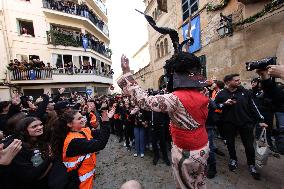
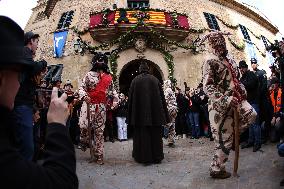
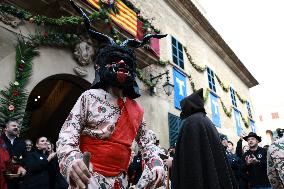
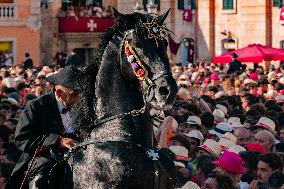
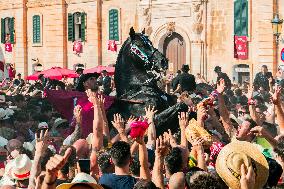
Dance of the dimonis, on 16 January 2026, in Manacor, Balearic Islands (Spain). The dimonis of Manacor is a popular celebration of the festivities of Sant Antoni Abad that takes place in Manacor (Mallorca) every January, with documented origins in 1883. During the festival, the Dimoni Gros, the dimonis and the Baciner go around the town amid bonfires, traditional dances such as the Ball del Bot and emblematic events such as Les Beneïdes, making it one of the most participative and beloved festivities in the town. Photo by Tomas Moya/Europa Press/ABACAPRESS.COM

  •  
Dance of the Dimonis of Manacor - Spain

Dance of the Dimonis of Manacor - Spain

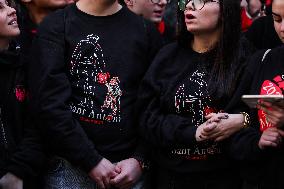
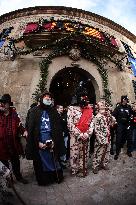
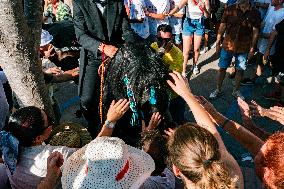
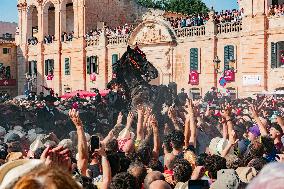
People during the dimonis dance, on 16 January 2026, in Manacor, Balearic Islands (Spain). The dimonis of Manacor is a popular celebration of the festivities of Sant Antoni Abad that takes place in Manacor (Mallorca) every January, with documented origins in 1883. During the festival, the Dimoni Gros, the dimonis and the Baciner go around the town amid bonfires, traditional dances such as the Ball del Bot and emblematic events such as Les Beneïdes, making it one of the most participative and beloved festivities in the town. Photo by Tomas Moya/Europa Press/ABACAPRESS.COM

  •  
Dance of the Dimonis of Manacor - Spain

Dance of the Dimonis of Manacor - Spain

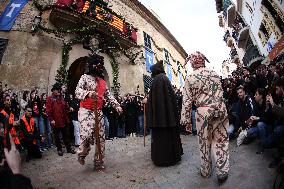
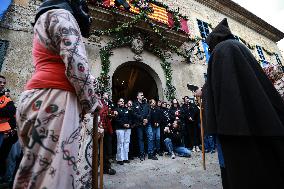
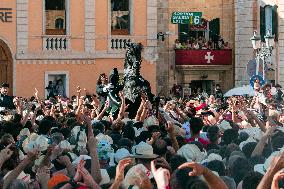
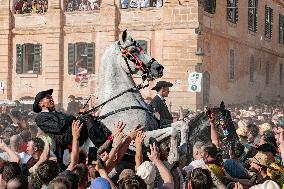
Dance of the dimonis, on 16 January 2026, in Manacor, Balearic Islands (Spain). The dimonis of Manacor is a popular celebration of the festivities of Sant Antoni Abad that takes place in Manacor (Mallorca) every January, with documented origins in 1883. During the festival, the Dimoni Gros, the dimonis and the Baciner go around the town amid bonfires, traditional dances such as the Ball del Bot and emblematic events such as Les Beneïdes, making it one of the most participative and beloved festivities in the town. Photo by Tomas Moya/Europa Press/ABACAPRESS.COM

  •  
Dance of the Dimonis of Manacor - Spain

Dance of the Dimonis of Manacor - Spain

Dance of the dimonis, on 16 January 2026, in Manacor, Balearic Islands (Spain). The dimonis of Manacor is a popular celebration of the festivities of Sant Antoni Abad that takes place in Manacor (Mallorca) every January, with documented origins in 1883. During the festival, the Dimoni Gros, the dimonis and the Baciner go around the town amid bonfires, traditional dances such as the Ball del Bot and emblematic events such as Les Beneïdes, making it one of the most participative and beloved festivities in the town. Photo by Tomas Moya/Europa Press/ABACAPRESS.COM

  •  
Dance of the Dimonis of Manacor - Spain

Dance of the Dimonis of Manacor - Spain

Dance of the dimonis, on 16 January 2026, in Manacor, Balearic Islands (Spain). The dimonis of Manacor is a popular celebration of the festivities of Sant Antoni Abad that takes place in Manacor (Mallorca) every January, with documented origins in 1883. During the festival, the Dimoni Gros, the dimonis and the Baciner go around the town amid bonfires, traditional dances such as the Ball del Bot and emblematic events such as Les Beneïdes, making it one of the most participative and beloved festivities in the town. Photo by Tomas Moya/Europa Press/ABACAPRESS.COM

  •  
Dance of the Dimonis of Manacor - Spain

Dance of the Dimonis of Manacor - Spain

Dance of the dimonis, on 16 January 2026, in Manacor, Balearic Islands (Spain). The dimonis of Manacor is a popular celebration of the festivities of Sant Antoni Abad that takes place in Manacor (Mallorca) every January, with documented origins in 1883. During the festival, the Dimoni Gros, the dimonis and the Baciner go around the town amid bonfires, traditional dances such as the Ball del Bot and emblematic events such as Les Beneïdes, making it one of the most participative and beloved festivities in the town. Photo by Tomas Moya/Europa Press/ABACAPRESS.COM

  •  
Dance of the Dimonis of Manacor - Spain

Dance of the Dimonis of Manacor - Spain

Dance of the dimonis, on 16 January 2026, in Manacor, Balearic Islands (Spain). The dimonis of Manacor is a popular celebration of the festivities of Sant Antoni Abad that takes place in Manacor (Mallorca) every January, with documented origins in 1883. During the festival, the Dimoni Gros, the dimonis and the Baciner go around the town amid bonfires, traditional dances such as the Ball del Bot and emblematic events such as Les Beneïdes, making it one of the most participative and beloved festivities in the town. Photo by Tomas Moya/Europa Press/ABACAPRESS.COM

  •  
Dance of the Dimonis of Manacor - Spain

Dance of the Dimonis of Manacor - Spain

Dance of the dimonis, on 16 January 2026, in Manacor, Balearic Islands (Spain). The dimonis of Manacor is a popular celebration of the festivities of Sant Antoni Abad that takes place in Manacor (Mallorca) every January, with documented origins in 1883. During the festival, the Dimoni Gros, the dimonis and the Baciner go around the town amid bonfires, traditional dances such as the Ball del Bot and emblematic events such as Les Beneïdes, making it one of the most participative and beloved festivities in the town. Photo by Tomas Moya/Europa Press/ABACAPRESS.COM

  •  
Dance of the Dimonis of Manacor - Spain

Dance of the Dimonis of Manacor - Spain

Dance of the dimonis, on 16 January 2026, in Manacor, Balearic Islands (Spain). The dimonis of Manacor is a popular celebration of the festivities of Sant Antoni Abad that takes place in Manacor (Mallorca) every January, with documented origins in 1883. During the festival, the Dimoni Gros, the dimonis and the Baciner go around the town amid bonfires, traditional dances such as the Ball del Bot and emblematic events such as Les Beneïdes, making it one of the most participative and beloved festivities in the town. Photo by Tomas Moya/Europa Press/ABACAPRESS.COM

  •  
Cape Town Minstrel Carnival parade - South Africa

Cape Town Minstrel Carnival parade - South Africa

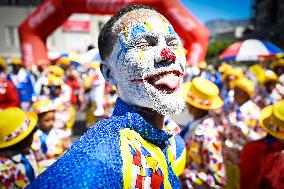
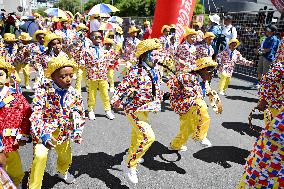
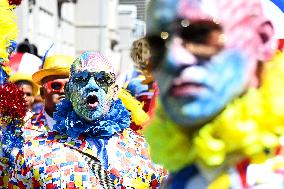
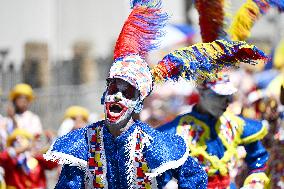
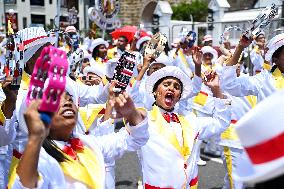
A performer takes part in the annual Cape Town Minstrel Carnival parade in Cape Town, South Africa, January 5, 2026. Tens of thousands of people gathered in Cape Town on Monday for the annual Cape Town Minstrel Carnival, a key part of the city's New Year celebrations. The carnival, officially known as the Cape Town Street Parade, is widely regarded as Africa's largest cultural festival. Its origins date back to the colonial era, when enslaved people were granted a single day after New Year's Day to celebrate. Over the years, the event has evolved into a vibrant cultural tradition marked by music, dance, and elaborate costumes. TO GO WITH "Tens of thousands attend Cape Town Minstrel Carnival to mark New Year" Photo by Xabiso Mkhabela/Xinhua/ABACAPRESS.COM

  •  
Cape Town Minstrel Carnival parade - South Africa

Cape Town Minstrel Carnival parade - South Africa

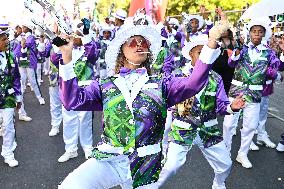
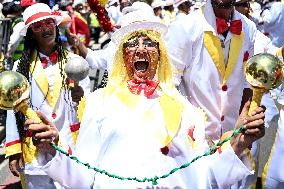
Performers take part in the annual Cape Town Minstrel Carnival parade in Cape Town, South Africa, January 5, 2026. Tens of thousands of people gathered in Cape Town on Monday for the annual Cape Town Minstrel Carnival, a key part of the city's New Year celebrations. The carnival, officially known as the Cape Town Street Parade, is widely regarded as Africa's largest cultural festival. Its origins date back to the colonial era, when enslaved people were granted a single day after New Year's Day to celebrate. Over the years, the event has evolved into a vibrant cultural tradition marked by music, dance, and elaborate costumes. TO GO WITH "Tens of thousands attend Cape Town Minstrel Carnival to mark New Year" Photo by Xabiso Mkhabela/Xinhua/ABACAPRESS.COM

  •  
Cape Town Minstrel Carnival parade - South Africa

Cape Town Minstrel Carnival parade - South Africa

Performers take part in the annual Cape Town Minstrel Carnival parade in Cape Town, South Africa, January 5, 2026. Tens of thousands of people gathered in Cape Town on Monday for the annual Cape Town Minstrel Carnival, a key part of the city's New Year celebrations. The carnival, officially known as the Cape Town Street Parade, is widely regarded as Africa's largest cultural festival. Its origins date back to the colonial era, when enslaved people were granted a single day after New Year's Day to celebrate. Over the years, the event has evolved into a vibrant cultural tradition marked by music, dance, and elaborate costumes. TO GO WITH "Tens of thousands attend Cape Town Minstrel Carnival to mark New Year" Photo by Xabiso Mkhabela/Xinhua/ABACAPRESS.COM

  •  
Cape Town Minstrel Carnival parade - South Africa

Cape Town Minstrel Carnival parade - South Africa

Performers take part in the annual Cape Town Minstrel Carnival parade in Cape Town, South Africa, January 5, 2026. Tens of thousands of people gathered in Cape Town on Monday for the annual Cape Town Minstrel Carnival, a key part of the city's New Year celebrations. The carnival, officially known as the Cape Town Street Parade, is widely regarded as Africa's largest cultural festival. Its origins date back to the colonial era, when enslaved people were granted a single day after New Year's Day to celebrate. Over the years, the event has evolved into a vibrant cultural tradition marked by music, dance, and elaborate costumes. TO GO WITH "Tens of thousands attend Cape Town Minstrel Carnival to mark New Year" Photo by Xabiso Mkhabela/Xinhua/ABACAPRESS.COM

  •  
Cape Town Minstrel Carnival parade - South Africa

Cape Town Minstrel Carnival parade - South Africa

A performer takes part in the annual Cape Town Minstrel Carnival parade in Cape Town, South Africa, January 5, 2026. Tens of thousands of people gathered in Cape Town on Monday for the annual Cape Town Minstrel Carnival, a key part of the city's New Year celebrations. The carnival, officially known as the Cape Town Street Parade, is widely regarded as Africa's largest cultural festival. Its origins date back to the colonial era, when enslaved people were granted a single day after New Year's Day to celebrate. Over the years, the event has evolved into a vibrant cultural tradition marked by music, dance, and elaborate costumes. TO GO WITH "Tens of thousands attend Cape Town Minstrel Carnival to mark New Year" Photo by Xabiso Mkhabela/Xinhua/ABACAPRESS.COM

  •  
Cape Town Minstrel Carnival parade - South Africa

Cape Town Minstrel Carnival parade - South Africa

A performer takes part in the annual Cape Town Minstrel Carnival parade in Cape Town, South Africa, January 5, 2026. Tens of thousands of people gathered in Cape Town on Monday for the annual Cape Town Minstrel Carnival, a key part of the city's New Year celebrations. The carnival, officially known as the Cape Town Street Parade, is widely regarded as Africa's largest cultural festival. Its origins date back to the colonial era, when enslaved people were granted a single day after New Year's Day to celebrate. Over the years, the event has evolved into a vibrant cultural tradition marked by music, dance, and elaborate costumes. TO GO WITH "Tens of thousands attend Cape Town Minstrel Carnival to mark New Year" Photo by Xabiso Mkhabela/Xinhua/ABACAPRESS.COM

  •  
Cape Town Minstrel Carnival parade - South Africa

Cape Town Minstrel Carnival parade - South Africa

A performer takes part in the annual Cape Town Minstrel Carnival parade in Cape Town, South Africa, January 5, 2026. Tens of thousands of people gathered in Cape Town on Monday for the annual Cape Town Minstrel Carnival, a key part of the city's New Year celebrations. The carnival, officially known as the Cape Town Street Parade, is widely regarded as Africa's largest cultural festival. Its origins date back to the colonial era, when enslaved people were granted a single day after New Year's Day to celebrate. Over the years, the event has evolved into a vibrant cultural tradition marked by music, dance, and elaborate costumes. TO GO WITH "Tens of thousands attend Cape Town Minstrel Carnival to mark New Year" Photo by Xabiso Mkhabela/Xinhua/ABACAPRESS.COM

  •  
Cape Town Minstrel Carnival parade - South Africa

Cape Town Minstrel Carnival parade - South Africa

Performers take part in the annual Cape Town Minstrel Carnival parade in Cape Town, South Africa, January 5, 2026. Tens of thousands of people gathered in Cape Town on Monday for the annual Cape Town Minstrel Carnival, a key part of the city's New Year celebrations. The carnival, officially known as the Cape Town Street Parade, is widely regarded as Africa's largest cultural festival. Its origins date back to the colonial era, when enslaved people were granted a single day after New Year's Day to celebrate. Over the years, the event has evolved into a vibrant cultural tradition marked by music, dance, and elaborate costumes. TO GO WITH "Tens of thousands attend Cape Town Minstrel Carnival to mark New Year" Photo by Xabiso Mkhabela/Xinhua/ABACAPRESS.COM

  •  
Pope Leo XIV Visits Vatican’s Astronomical Observatory - Ital

Pope Leo XIV Visits Vatican’s Astronomical Observatory - Ital

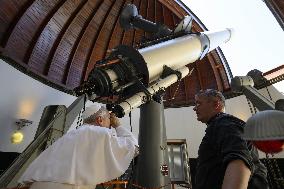
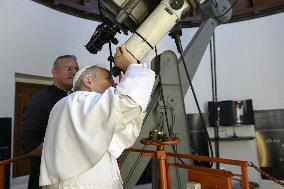
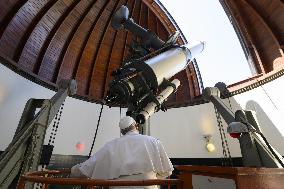
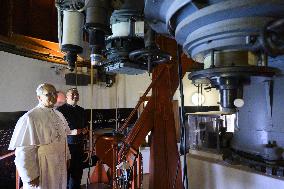
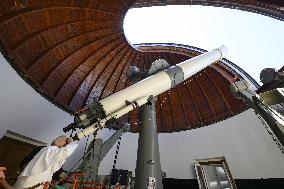
Pope Leo XIV visits the Vatican’s Astronomical Observatory (or Specola Vaticana) in Castel Gandolfo, near Rome, Italy, where he is on holidays on July 20, 2025. The Specola Vaticana can be considered one of the oldest astronomical observatories in the world. Its origins date back to the second half of the 16th century, when Pope Gregory XIII had the Tower of Winds built in the Vatican in 1578, and invited Jesuit astronomers and mathematicians of the Roman College to prepare a reform of the calendar, which had been promulgated in 1582. Since then, with significant continuity, the Holy See has never stopped showing an interest in and supporting astronomical research. Pius XI thus ordered that the Specola be transferred to his summer residence at Castel Gandolfo on the Alban Hills, some 25 kilometres south of Rome. In that environment so rich in history, a modern Observatory was re-founded and entrusted to Jesuits in 1935. It was equipped with three new telescopes and a laboratory for astrophysics, capable of sp

  •  
Pope Leo XIV Visits Vatican’s Astronomical Observatory - Ital

Pope Leo XIV Visits Vatican’s Astronomical Observatory - Ital

Pope Leo XIV visits the Vatican’s Astronomical Observatory (or Specola Vaticana) in Castel Gandolfo, near Rome, Italy, where he is on holidays on July 20, 2025. The Specola Vaticana can be considered one of the oldest astronomical observatories in the world. Its origins date back to the second half of the 16th century, when Pope Gregory XIII had the Tower of Winds built in the Vatican in 1578, and invited Jesuit astronomers and mathematicians of the Roman College to prepare a reform of the calendar, which had been promulgated in 1582. Since then, with significant continuity, the Holy See has never stopped showing an interest in and supporting astronomical research. Pius XI thus ordered that the Specola be transferred to his summer residence at Castel Gandolfo on the Alban Hills, some 25 kilometres south of Rome. In that environment so rich in history, a modern Observatory was re-founded and entrusted to Jesuits in 1935. It was equipped with three new telescopes and a laboratory for astrophysics, capable of sp

  •  
Pope Leo XIV Visits Vatican’s Astronomical Observatory - Ital

Pope Leo XIV Visits Vatican’s Astronomical Observatory - Ital

Pope Leo XIV visits the Vatican’s Astronomical Observatory (or Specola Vaticana) in Castel Gandolfo, near Rome, Italy, where he is on holidays on July 20, 2025. The Specola Vaticana can be considered one of the oldest astronomical observatories in the world. Its origins date back to the second half of the 16th century, when Pope Gregory XIII had the Tower of Winds built in the Vatican in 1578, and invited Jesuit astronomers and mathematicians of the Roman College to prepare a reform of the calendar, which had been promulgated in 1582. Since then, with significant continuity, the Holy See has never stopped showing an interest in and supporting astronomical research. Pius XI thus ordered that the Specola be transferred to his summer residence at Castel Gandolfo on the Alban Hills, some 25 kilometres south of Rome. In that environment so rich in history, a modern Observatory was re-founded and entrusted to Jesuits in 1935. It was equipped with three new telescopes and a laboratory for astrophysics, capable of sp

  •  
Pope Leo XIV Visits Vatican’s Astronomical Observatory - Ital

Pope Leo XIV Visits Vatican’s Astronomical Observatory - Ital

Pope Leo XIV visits the Vatican’s Astronomical Observatory (or Specola Vaticana) in Castel Gandolfo, near Rome, Italy, where he is on holidays on July 20, 2025. The Specola Vaticana can be considered one of the oldest astronomical observatories in the world. Its origins date back to the second half of the 16th century, when Pope Gregory XIII had the Tower of Winds built in the Vatican in 1578, and invited Jesuit astronomers and mathematicians of the Roman College to prepare a reform of the calendar, which had been promulgated in 1582. Since then, with significant continuity, the Holy See has never stopped showing an interest in and supporting astronomical research. Pius XI thus ordered that the Specola be transferred to his summer residence at Castel Gandolfo on the Alban Hills, some 25 kilometres south of Rome. In that environment so rich in history, a modern Observatory was re-founded and entrusted to Jesuits in 1935. It was equipped with three new telescopes and a laboratory for astrophysics, capable of sp

  •  
Pope Leo XIV Visits Vatican’s Astronomical Observatory - Ital

Pope Leo XIV Visits Vatican’s Astronomical Observatory - Ital

Pope Leo XIV visits the Vatican’s Astronomical Observatory (or Specola Vaticana) in Castel Gandolfo, near Rome, Italy, where he is on holidays on July 20, 2025. The Specola Vaticana can be considered one of the oldest astronomical observatories in the world. Its origins date back to the second half of the 16th century, when Pope Gregory XIII had the Tower of Winds built in the Vatican in 1578, and invited Jesuit astronomers and mathematicians of the Roman College to prepare a reform of the calendar, which had been promulgated in 1582. Since then, with significant continuity, the Holy See has never stopped showing an interest in and supporting astronomical research. Pius XI thus ordered that the Specola be transferred to his summer residence at Castel Gandolfo on the Alban Hills, some 25 kilometres south of Rome. In that environment so rich in history, a modern Observatory was re-founded and entrusted to Jesuits in 1935. It was equipped with three new telescopes and a laboratory for astrophysics, capable of sp

  •  
Pope Leo XIV Visits Vatican’s Astronomical Observatory - Ital

Pope Leo XIV Visits Vatican’s Astronomical Observatory - Ital

Pope Leo XIV visits the Vatican’s Astronomical Observatory (or Specola Vaticana) in Castel Gandolfo, near Rome, Italy, where he is on holidays on July 20, 2025. The Specola Vaticana can be considered one of the oldest astronomical observatories in the world. Its origins date back to the second half of the 16th century, when Pope Gregory XIII had the Tower of Winds built in the Vatican in 1578, and invited Jesuit astronomers and mathematicians of the Roman College to prepare a reform of the calendar, which had been promulgated in 1582. Since then, with significant continuity, the Holy See has never stopped showing an interest in and supporting astronomical research. Pius XI thus ordered that the Specola be transferred to his summer residence at Castel Gandolfo on the Alban Hills, some 25 kilometres south of Rome. In that environment so rich in history, a modern Observatory was re-founded and entrusted to Jesuits in 1935. It was equipped with three new telescopes and a laboratory for astrophysics, capable of sp

  •  
Pope Leo XIV Visits Vatican’s Astronomical Observatory - Ital

Pope Leo XIV Visits Vatican’s Astronomical Observatory - Ital

Pope Leo XIV visits the Vatican’s Astronomical Observatory (or Specola Vaticana) in Castel Gandolfo, near Rome, Italy, where he is on holidays on July 20, 2025. The Specola Vaticana can be considered one of the oldest astronomical observatories in the world. Its origins date back to the second half of the 16th century, when Pope Gregory XIII had the Tower of Winds built in the Vatican in 1578, and invited Jesuit astronomers and mathematicians of the Roman College to prepare a reform of the calendar, which had been promulgated in 1582. Since then, with significant continuity, the Holy See has never stopped showing an interest in and supporting astronomical research. Pius XI thus ordered that the Specola be transferred to his summer residence at Castel Gandolfo on the Alban Hills, some 25 kilometres south of Rome. In that environment so rich in history, a modern Observatory was re-founded and entrusted to Jesuits in 1935. It was equipped with three new telescopes and a laboratory for astrophysics, capable of sp

  •  
Caragol des Born During Sant Joan - Menorca

Caragol des Born During Sant Joan - Menorca

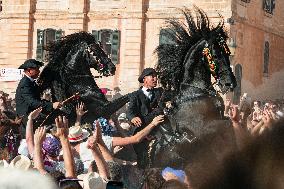
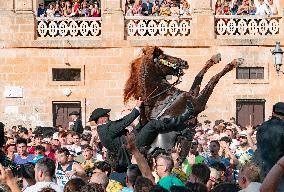
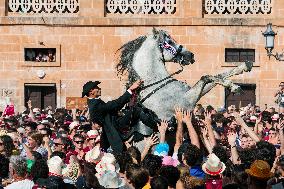
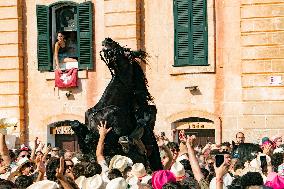
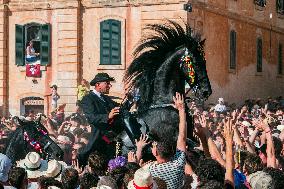
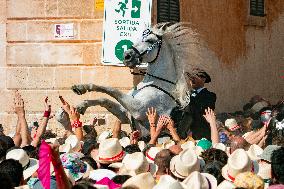
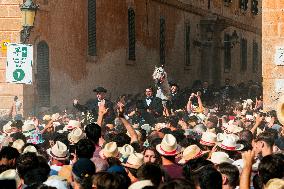
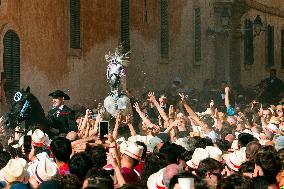
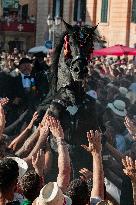
Dozens of people during the Caragol des Born at the Plaça Es Born in Ciutadella during the Sant Joan festivities, June 23, 2025, in Menorca, Balearic Islands (Spain). In the Caragol des Born, riders and horses parade around the square to the rhythm of the traditional "jaleo", in front of thousands of people. This act marks the beginning of the most important moments of the festivities, characterized by emotion, music and popular participation. After the Caragol des Born, the procession heads to the hermitage of Sant Joan and continues with other equestrian and religious events. The festivities, which have medieval origins, last until June 25. Photo by Alba Redondo/Europa Press/ABACAPRESS.COM

  •  
Caragol des Born During Sant Joan - Menorca

Caragol des Born During Sant Joan - Menorca

Dozens of people during the Caragol des Born at the Plaça Es Born in Ciutadella during the Sant Joan festivities, June 23, 2025, in Menorca, Balearic Islands (Spain). In the Caragol des Born, riders and horses parade around the square to the rhythm of the traditional "jaleo", in front of thousands of people. This act marks the beginning of the most important moments of the festivities, characterized by emotion, music and popular participation. After the Caragol des Born, the procession heads to the hermitage of Sant Joan and continues with other equestrian and religious events. The festivities, which have medieval origins, last until June 25. Photo by Alba Redondo/Europa Press/ABACAPRESS.COM

  •  
Caragol des Born During Sant Joan - Menorca

Caragol des Born During Sant Joan - Menorca

Dozens of people during the Caragol des Born at the Plaça Es Born in Ciutadella during the Sant Joan festivities, June 23, 2025, in Menorca, Balearic Islands (Spain). In the Caragol des Born, riders and horses parade around the square to the rhythm of the traditional "jaleo", in front of thousands of people. This act marks the beginning of the most important moments of the festivities, characterized by emotion, music and popular participation. After the Caragol des Born, the procession heads to the hermitage of Sant Joan and continues with other equestrian and religious events. The festivities, which have medieval origins, last until June 25. Photo by Alba Redondo/Europa Press/ABACAPRESS.COM

  •  
Caragol des Born During Sant Joan - Menorca

Caragol des Born During Sant Joan - Menorca

Dozens of people during the Caragol des Born at the Plaça Es Born in Ciutadella during the Sant Joan festivities, June 23, 2025, in Menorca, Balearic Islands (Spain). In the Caragol des Born, riders and horses parade around the square to the rhythm of the traditional "jaleo", in front of thousands of people. This act marks the beginning of the most important moments of the festivities, characterized by emotion, music and popular participation. After the Caragol des Born, the procession heads to the hermitage of Sant Joan and continues with other equestrian and religious events. The festivities, which have medieval origins, last until June 25. Photo by Alba Redondo/Europa Press/ABACAPRESS.COM

  •  
Caragol des Born During Sant Joan - Menorca

Caragol des Born During Sant Joan - Menorca

Dozens of people during the Caragol des Born at the Plaça Es Born in Ciutadella during the Sant Joan festivities, June 23, 2025, in Menorca, Balearic Islands (Spain). In the Caragol des Born, riders and horses parade around the square to the rhythm of the traditional "jaleo", in front of thousands of people. This act marks the beginning of the most important moments of the festivities, characterized by emotion, music and popular participation. After the Caragol des Born, the procession heads to the hermitage of Sant Joan and continues with other equestrian and religious events. The festivities, which have medieval origins, last until June 25. Photo by Alba Redondo/Europa Press/ABACAPRESS.COM

  •  
Caragol des Born During Sant Joan - Menorca

Caragol des Born During Sant Joan - Menorca

Dozens of people during the Caragol des Born at the Plaça Es Born in Ciutadella during the Sant Joan festivities, June 23, 2025, in Menorca, Balearic Islands (Spain). In the Caragol des Born, riders and horses parade around the square to the rhythm of the traditional "jaleo", in front of thousands of people. This act marks the beginning of the most important moments of the festivities, characterized by emotion, music and popular participation. After the Caragol des Born, the procession heads to the hermitage of Sant Joan and continues with other equestrian and religious events. The festivities, which have medieval origins, last until June 25. Photo by Alba Redondo/Europa Press/ABACAPRESS.COM

  •  
Caragol des Born During Sant Joan - Menorca

Caragol des Born During Sant Joan - Menorca

Dozens of people during the Caragol des Born at the Plaça Es Born in Ciutadella during the Sant Joan festivities, June 23, 2025, in Menorca, Balearic Islands (Spain). In the Caragol des Born, riders and horses parade around the square to the rhythm of the traditional "jaleo", in front of thousands of people. This act marks the beginning of the most important moments of the festivities, characterized by emotion, music and popular participation. After the Caragol des Born, the procession heads to the hermitage of Sant Joan and continues with other equestrian and religious events. The festivities, which have medieval origins, last until June 25. Photo by Alba Redondo/Europa Press/ABACAPRESS.COM

  •  
Caragol des Born During Sant Joan - Menorca

Caragol des Born During Sant Joan - Menorca

Dozens of people during the Caragol des Born at the Plaça Es Born in Ciutadella during the Sant Joan festivities, June 23, 2025, in Menorca, Balearic Islands (Spain). In the Caragol des Born, riders and horses parade around the square to the rhythm of the traditional "jaleo", in front of thousands of people. This act marks the beginning of the most important moments of the festivities, characterized by emotion, music and popular participation. After the Caragol des Born, the procession heads to the hermitage of Sant Joan and continues with other equestrian and religious events. The festivities, which have medieval origins, last until June 25. Photo by Alba Redondo/Europa Press/ABACAPRESS.COM

  •  
Caragol des Born During Sant Joan - Menorca

Caragol des Born During Sant Joan - Menorca

Dozens of people during the Caragol des Born at the Plaça Es Born in Ciutadella during the Sant Joan festivities, June 23, 2025, in Menorca, Balearic Islands (Spain). In the Caragol des Born, riders and horses parade around the square to the rhythm of the traditional "jaleo", in front of thousands of people. This act marks the beginning of the most important moments of the festivities, characterized by emotion, music and popular participation. After the Caragol des Born, the procession heads to the hermitage of Sant Joan and continues with other equestrian and religious events. The festivities, which have medieval origins, last until June 25. Photo by Alba Redondo/Europa Press/ABACAPRESS.COM

  •  
Caragol des Born During Sant Joan - Menorca

Caragol des Born During Sant Joan - Menorca

Dozens of people during the Caragol des Born at the Plaça Es Born in Ciutadella during the Sant Joan festivities, June 23, 2025, in Menorca, Balearic Islands (Spain). In the Caragol des Born, riders and horses parade around the square to the rhythm of the traditional "jaleo", in front of thousands of people. This act marks the beginning of the most important moments of the festivities, characterized by emotion, music and popular participation. After the Caragol des Born, the procession heads to the hermitage of Sant Joan and continues with other equestrian and religious events. The festivities, which have medieval origins, last until June 25. Photo by Alba Redondo/Europa Press/ABACAPRESS.COM

  •  
Caragol des Born During Sant Joan - Menorca

Caragol des Born During Sant Joan - Menorca

Dozens of people during the Caragol des Born at the Plaça Es Born in Ciutadella during the Sant Joan festivities, June 23, 2025, in Menorca, Balearic Islands (Spain). In the Caragol des Born, riders and horses parade around the square to the rhythm of the traditional "jaleo", in front of thousands of people. This act marks the beginning of the most important moments of the festivities, characterized by emotion, music and popular participation. After the Caragol des Born, the procession heads to the hermitage of Sant Joan and continues with other equestrian and religious events. The festivities, which have medieval origins, last until June 25. Photo by Alba Redondo/Europa Press/ABACAPRESS.COM

  •  
Caragol des Born During Sant Joan - Menorca

Caragol des Born During Sant Joan - Menorca

Dozens of people during the Caragol des Born at the Plaça Es Born in Ciutadella during the Sant Joan festivities, June 23, 2025, in Menorca, Balearic Islands (Spain). In the Caragol des Born, riders and horses parade around the square to the rhythm of the traditional "jaleo", in front of thousands of people. This act marks the beginning of the most important moments of the festivities, characterized by emotion, music and popular participation. After the Caragol des Born, the procession heads to the hermitage of Sant Joan and continues with other equestrian and religious events. The festivities, which have medieval origins, last until June 25. Photo by Alba Redondo/Europa Press/ABACAPRESS.COM

  •  
Caragol des Born During Sant Joan - Menorca

Caragol des Born During Sant Joan - Menorca

Dozens of people during the Caragol des Born at the Plaça Es Born in Ciutadella during the Sant Joan festivities, June 23, 2025, in Menorca, Balearic Islands (Spain). In the Caragol des Born, riders and horses parade around the square to the rhythm of the traditional "jaleo", in front of thousands of people. This act marks the beginning of the most important moments of the festivities, characterized by emotion, music and popular participation. After the Caragol des Born, the procession heads to the hermitage of Sant Joan and continues with other equestrian and religious events. The festivities, which have medieval origins, last until June 25. Photo by Alba Redondo/Europa Press/ABACAPRESS.COM

  •  
Caragol des Born During Sant Joan - Menorca

Caragol des Born During Sant Joan - Menorca

Dozens of people during the Caragol des Born at the Plaça Es Born in Ciutadella during the Sant Joan festivities, June 23, 2025, in Menorca, Balearic Islands (Spain). In the Caragol des Born, riders and horses parade around the square to the rhythm of the traditional "jaleo", in front of thousands of people. This act marks the beginning of the most important moments of the festivities, characterized by emotion, music and popular participation. After the Caragol des Born, the procession heads to the hermitage of Sant Joan and continues with other equestrian and religious events. The festivities, which have medieval origins, last until June 25. Photo by Alba Redondo/Europa Press/ABACAPRESS.COM

  •  
Caragol des Born During Sant Joan - Menorca

Caragol des Born During Sant Joan - Menorca

Dozens of people during the Caragol des Born at the Plaça Es Born in Ciutadella during the Sant Joan festivities, June 23, 2025, in Menorca, Balearic Islands (Spain). In the Caragol des Born, riders and horses parade around the square to the rhythm of the traditional "jaleo", in front of thousands of people. This act marks the beginning of the most important moments of the festivities, characterized by emotion, music and popular participation. After the Caragol des Born, the procession heads to the hermitage of Sant Joan and continues with other equestrian and religious events. The festivities, which have medieval origins, last until June 25. Photo by Alba Redondo/Europa Press/ABACAPRESS.COM

  •  
Caragol des Born During Sant Joan - Menorca

Caragol des Born During Sant Joan - Menorca

Dozens of people during the Caragol des Born at the Plaça Es Born in Ciutadella during the Sant Joan festivities, June 23, 2025, in Menorca, Balearic Islands (Spain). In the Caragol des Born, riders and horses parade around the square to the rhythm of the traditional "jaleo", in front of thousands of people. This act marks the beginning of the most important moments of the festivities, characterized by emotion, music and popular participation. After the Caragol des Born, the procession heads to the hermitage of Sant Joan and continues with other equestrian and religious events. The festivities, which have medieval origins, last until June 25. Photo by Alba Redondo/Europa Press/ABACAPRESS.COM

  •  
Caragol des Born During Sant Joan - Menorca

Caragol des Born During Sant Joan - Menorca

Dozens of people during the Caragol des Born at the Plaça Es Born in Ciutadella during the Sant Joan festivities, June 23, 2025, in Menorca, Balearic Islands (Spain). In the Caragol des Born, riders and horses parade around the square to the rhythm of the traditional "jaleo", in front of thousands of people. This act marks the beginning of the most important moments of the festivities, characterized by emotion, music and popular participation. After the Caragol des Born, the procession heads to the hermitage of Sant Joan and continues with other equestrian and religious events. The festivities, which have medieval origins, last until June 25. Photo by Alba Redondo/Europa Press/ABACAPRESS.COM

  •  
Fujian Fortified Manors - China

Fujian Fortified Manors - China

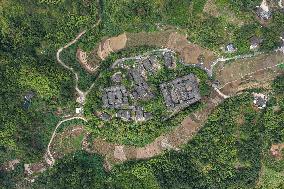
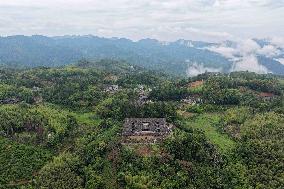
An aerial drone photo taken on May 20, 2025 shows Zhutou Manor in Yongtai County, southeast China's Fujian Province. Nestled in the Daiyun Mountain like scattered pearls, over 2,000 fortified manors in Yongtai County trace their origins to the Tang Dynasty 618-907 AD), flourishing later during the Ming 1368-1644) and Qing 1644-1911) eras. Today, increasing numbers of ancient manors and villages are being protected and revitalized. As historical heritage integrates with contemporary life and cultural landscapes merge with humanistic values, these age-old structures are radiating renewed vitality. Photo by Zhang Keren/Xinhua/ABACAPRESS.COM

  •  
Fujian Fortified Manors - China

Fujian Fortified Manors - China

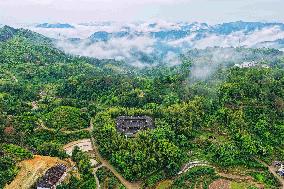
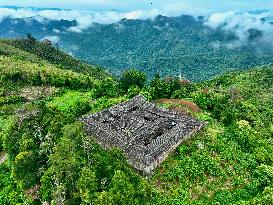
An aerial drone photo taken on May 20, 2025 shows Beishan Manor in Yongtai County, southeast China's Fujian Province. Nestled in the Daiyun Mountain like scattered pearls, over 2,000 fortified manors in Yongtai County trace their origins to the Tang Dynasty 618-907 AD), flourishing later during the Ming 1368-1644) and Qing 1644-1911) eras. Today, increasing numbers of ancient manors and villages are being protected and revitalized. As historical heritage integrates with contemporary life and cultural landscapes merge with humanistic values, these age-old structures are radiating renewed vitality. Photo by Zhang Keren/Xinhua/ABACAPRESS.COM

  •  
Fujian Fortified Manors - China

Fujian Fortified Manors - China

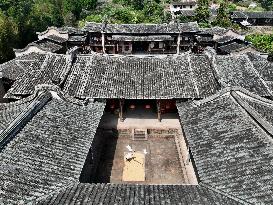
A resident spreads out unhusked rice to dry in Zhutou Manor in Yongtai County, southeast China's Fujian Province, on Octobre 2, 2023. Nestled in the Daiyun Mountain like scattered pearls, over 2,000 fortified manors in Yongtai County trace their origins to the Tang Dynasty 618-907 AD), flourishing later during the Ming 1368-1644) and Qing 1644-1911) eras. Today, increasing numbers of ancient manors and villages are being protected and revitalized. As historical heritage integrates with contemporary life and cultural landscapes merge with humanistic values, these age-old structures are radiating renewed vitality. Photo by Jiang Kehong/Xinhua/ABACAPRESS.COM

  •  
Fujian Fortified Manors - China

Fujian Fortified Manors - China

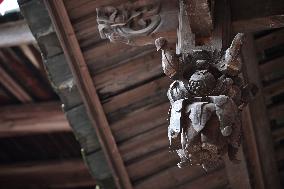
This photo taken on May 20, 2025 shows timber structural elements of a fortified manor in Yongtai County, southeast China's Fujian Province. Nestled in the Daiyun Mountain like scattered pearls, over 2,000 fortified manors in Yongtai County trace their origins to the Tang Dynasty 618-907 AD), flourishing later during the Ming 1368-1644) and Qing 1644-1911) eras. Today, increasing numbers of ancient manors and villages are being protected and revitalized. As historical heritage integrates with contemporary life and cultural landscapes merge with humanistic values, these age-old structures are radiating renewed vitality. Photo by Wang Zecong/Xinhua/ABACAPRESS.COM

  •  
Fujian Fortified Manors - China

Fujian Fortified Manors - China

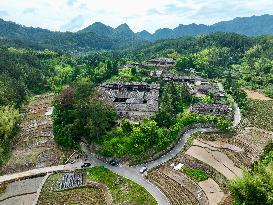
An aerial drone photo taken on May 20, 2025 shows Hecheng Manor in Yongtai County, southeast China's Fujian Province. Nestled in the Daiyun Mountain like scattered pearls, over 2,000 fortified manors in Yongtai County trace their origins to the Tang Dynasty 618-907 AD), flourishing later during the Ming 1368-1644) and Qing 1644-1911) eras. Today, increasing numbers of ancient manors and villages are being protected and revitalized. As historical heritage integrates with contemporary life and cultural landscapes merge with humanistic values, these age-old structures are radiating renewed vitality. Photo by Zhang Keren/Xinhua/ABACAPRESS.COM

  •  
Fujian Fortified Manors - China

Fujian Fortified Manors - China

An aerial drone photo taken on May 20, 2025 shows Hecheng Manor in Yongtai County, southeast China's Fujian Province. Nestled in the Daiyun Mountain like scattered pearls, over 2,000 fortified manors in Yongtai County trace their origins to the Tang Dynasty 618-907 AD), flourishing later during the Ming 1368-1644) and Qing 1644-1911) eras. Today, increasing numbers of ancient manors and villages are being protected and revitalized. As historical heritage integrates with contemporary life and cultural landscapes merge with humanistic values, these age-old structures are radiating renewed vitality. Photo by Wang Zecong/Xinhua/ABACAPRESS.COM

  •  
Fujian Fortified Manors - China

Fujian Fortified Manors - China

An aerial photo taken on May 20, 2025 shows Hecheng Manor in Yongtai County, southeast China's Fujian Province. Nestled in the Daiyun Mountain like scattered pearls, over 2,000 fortified manors in Yongtai County trace their origins to the Tang Dynasty 618-907 AD), flourishing later during the Ming 1368-1644) and Qing 1644-1911) eras. Today, increasing numbers of ancient manors and villages are being protected and revitalized. As historical heritage integrates with contemporary life and cultural landscapes merge with humanistic values, these age-old structures are radiating renewed vitality. Photo by Jiang Kehong/Xinhua/ABACAPRESS.COM

  •  
Fujian Fortified Manors - China

Fujian Fortified Manors - China

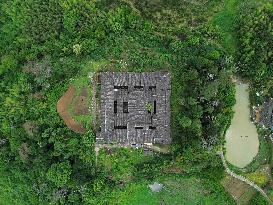
An aerial photo taken on May 20, 2025 shows Zhutou Manor in Yongtai County, southeast China's Fujian Province. Nestled in the Daiyun Mountain like scattered pearls, over 2,000 fortified manors in Yongtai County trace their origins to the Tang Dynasty 618-907 AD), flourishing later during the Ming 1368-1644) and Qing 1644-1911) eras. Today, increasing numbers of ancient manors and villages are being protected and revitalized. As historical heritage integrates with contemporary life and cultural landscapes merge with humanistic values, these age-old structures are radiating renewed vitality. Photo by Jiang Kehong/Xinhua/ABACAPRESS.COM

  • Main
  • Top
  • Editorial
  • Creative
  • About Us
  • About ILG
  • Terms of use
  • Company
  • BEHIND
  • Price List
  • Single Plan
  • Monthly Plan
  • Services
  • Shooting
  • Rights Clearance
  • Support
  • FAQ
  • How To Buy
  • Contact Us
  • Become a Partner

© KYODO NEWS IMAGES INC

All Rights Reserved.

  • Editorial
  • Olympics
  • News
  • Sports
  • Japan
  • Tech
  • Royal
  • Disaster
  • NorthKorea
  • Old Japan
  • SNS
  • Creative
  • Food
  • Japan
  • Landscape
  • Animal
  • Popular
  • #Ukraine
  • #Russia
  • #coronavirus
  • #N. Korea
  • #Thailand
  • #China
  • #Ukraine
  • #Russia
  • #coronavirus
  • #N. Korea
  • #Thailand
  • #China
  • Food
  • Japan
  • Landscape
  • Animal
  • Olympics
  • News
  • Sports
  • Japan
  • Tech
  • Royal
  • Disaster
  • NorthKorea
  • Old Japan
  • SNS