•  
Subsidence in Neyshabur Iran

Subsidence in Neyshabur Iran

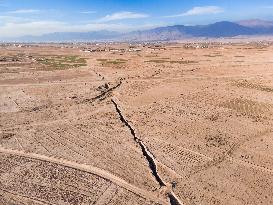
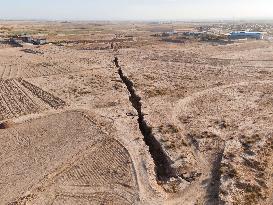
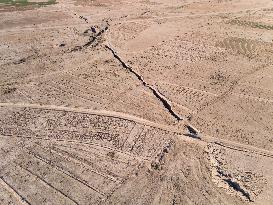
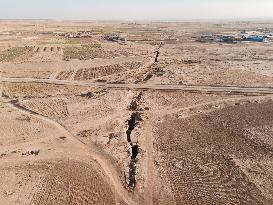
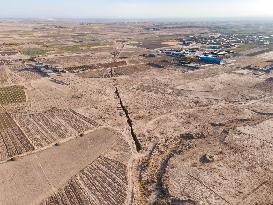
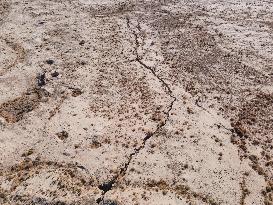
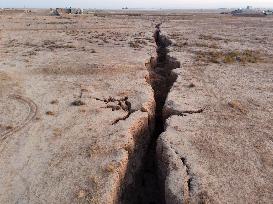
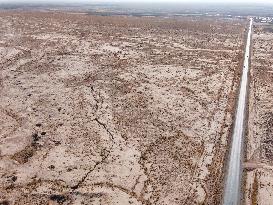
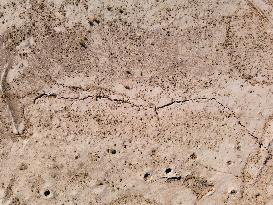
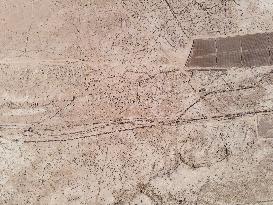
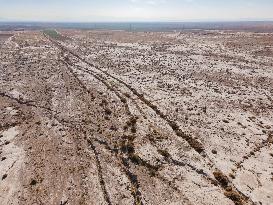
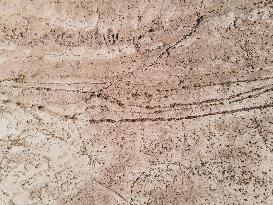
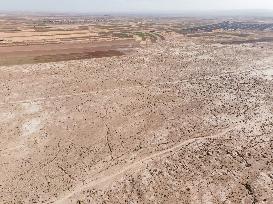
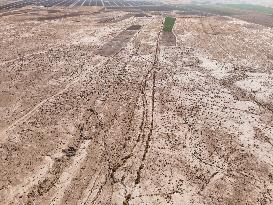
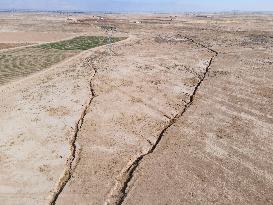
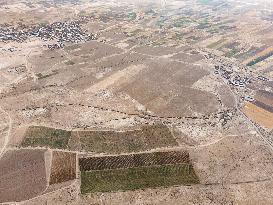
An aerial view shows wide subsidence cracks and circular sinkholes cutting across fields on the outskirts of Neyshabur, Iran, on November 14, 2025. Experts say excessive groundwater extraction has turned Neyshabur into one of Iran’s most critical subsidence hotspots. The subsidence now poses a threat to agriculture and key infrastructure, including the Tehran-Mashhad railroad and major energy pipelines. Photo by Morteza Aminoroayayi/Middle East Images/ABACAPRESS.COM

  •  
Subsidence in Neyshabur Iran

Subsidence in Neyshabur Iran

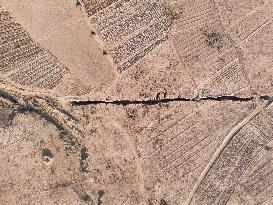
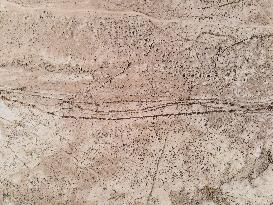
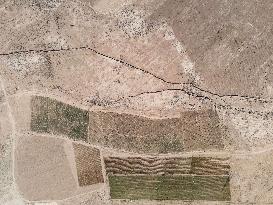
An aerial view shows a wide subsidence crack cutting across fields on the outskirts of Neyshabur, Iran, on November 14, 2025. Experts say excessive groundwater extraction has turned Neyshabur into one of Iran’s most critical subsidence hotspots. The subsidence now poses a threat to agriculture and key infrastructure, including the Tehran-Mashhad railroad and major energy pipelines. Photo by Morteza Aminoroayayi/Middle East Images/ABACAPRESS.COM

  •  
Subsidence in Neyshabur Iran

Subsidence in Neyshabur Iran

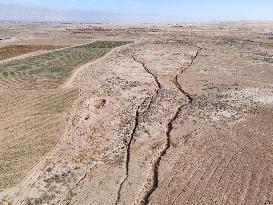
An aerial view shows wide subsidence cracks and circular sinkholes cutting across fields on the outskirts of Neyshabur, Iran, on November 14, 2025. Experts say excessive groundwater extraction has turned Neyshabur into one of Iran’s most critical subsidence hotspots. The subsidence now poses a threat to agriculture and key infrastructure, including the Tehran-Mashhad railroad and major energy pipelines. Photo by Morteza Aminoroayayi/Middle East Images/ABACAPRESS.COM

  •  
Subsidence in Neyshabur Iran

Subsidence in Neyshabur Iran

An aerial view shows wide subsidence cracks and circular sinkholes cutting across fields on the outskirts of Neyshabur, Iran, on November 14, 2025. Experts say excessive groundwater extraction has turned Neyshabur into one of Iran’s most critical subsidence hotspots. The subsidence now poses a threat to agriculture and key infrastructure, including the Tehran-Mashhad railroad and major energy pipelines. Photo by Morteza Aminoroayayi/Middle East Images/ABACAPRESS.COM

  •  
Subsidence in Neyshabur Iran

Subsidence in Neyshabur Iran

An aerial view shows wide subsidence cracks and circular sinkholes cutting across fields on the outskirts of Neyshabur, Iran, on November 14, 2025. Experts say excessive groundwater extraction has turned Neyshabur into one of Iran’s most critical subsidence hotspots. The subsidence now poses a threat to agriculture and key infrastructure, including the Tehran-Mashhad railroad and major energy pipelines. Photo by Morteza Aminoroayayi/Middle East Images/ABACAPRESS.COM

  •  
Subsidence in Neyshabur Iran

Subsidence in Neyshabur Iran

An aerial view shows wide subsidence cracks and circular sinkholes cutting across fields on the outskirts of Neyshabur, Iran, on November 14, 2025. Experts say excessive groundwater extraction has turned Neyshabur into one of Iran’s most critical subsidence hotspots. The subsidence now poses a threat to agriculture and key infrastructure, including the Tehran-Mashhad railroad and major energy pipelines. Photo by Morteza Aminoroayayi/Middle East Images/ABACAPRESS.COM

  •  
Subsidence in Neyshabur Iran

Subsidence in Neyshabur Iran

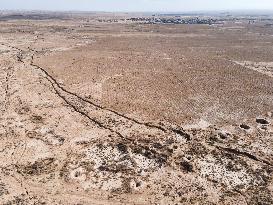
An aerial view shows a large subsidence crack and circular sinkholes cutting across the ground on the outskirts of Neyshabur, Iran, on November 14, 2025. Experts say excessive groundwater extraction has turned Neyshabur into one of Iran’s most critical subsidence hotspots. The subsidence now poses a threat to agriculture and key infrastructure, including the Tehran-Mashhad railroad and major energy pipelines. Photo by Morteza Aminoroayayi/Middle East Images/ABACAPRESS.COM

  •  
Subsidence in Neyshabur Iran

Subsidence in Neyshabur Iran

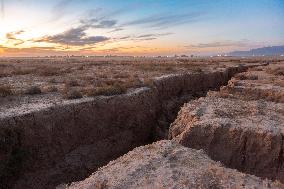
A view shows a large subsidence crack in the ground on the outskirts of Neyshabur, Iran, on November 14, 2025. Experts say excessive groundwater extraction has turned Neyshabur into one of Iran’s most critical subsidence hotspots. The subsidence now poses a threat to agriculture and key infrastructure, including the Tehran-Mashhad railroad and major energy pipelines. Photo by Morteza Aminoroayayi/Middle East Images/ABACAPRESS.COM

  •  
Subsidence in Neyshabur Iran

Subsidence in Neyshabur Iran

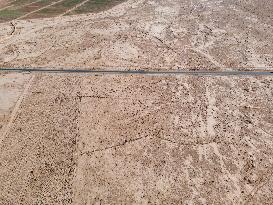
An aerial view shows subsidence cracks and circular sinkholes cutting across the ground near a road on the outskirts of Neyshabur, Iran, on November 14, 2025. Experts say excessive groundwater extraction has turned Neyshabur into one of Iran’s most critical subsidence hotspots. The subsidence now poses a threat to agriculture and key infrastructure, including the Tehran-Mashhad railroad and major energy pipelines. Photo by Morteza Aminoroayayi/Middle East Images/ABACAPRESS.COM

  •  
Subsidence in Neyshabur Iran

Subsidence in Neyshabur Iran

An aerial view shows subsidence cracks and circular sinkholes cutting across the ground near a road on the outskirts of Neyshabur, Iran, on November 14, 2025. Experts say excessive groundwater extraction has turned Neyshabur into one of Iran’s most critical subsidence hotspots. The subsidence now poses a threat to agriculture and key infrastructure, including the Tehran-Mashhad railroad and major energy pipelines. Photo by Morteza Aminoroayayi/Middle East Images/ABACAPRESS.COM

  •  
Subsidence in Neyshabur Iran

Subsidence in Neyshabur Iran

An aerial view shows a large subsidence crack and circular sinkholes cutting across the ground on the outskirts of Neyshabur, Iran, on November 14, 2025. Experts say excessive groundwater extraction has turned Neyshabur into one of Iran’s most critical subsidence hotspots. The subsidence now poses a threat to agriculture and key infrastructure, including the Tehran-Mashhad railroad and major energy pipelines. Photo by Morteza Aminoroayayi/Middle East Images/ABACAPRESS.COM

  •  
Subsidence in Neyshabur Iran

Subsidence in Neyshabur Iran

An aerial view shows subsidence cracks and circular sinkholes cutting across the ground on the outskirts of Neyshabur, Iran, on November 14, 2025. Experts say excessive groundwater extraction has turned Neyshabur into one of Iran’s most critical subsidence hotspots. The subsidence now poses a threat to agriculture and key infrastructure, including the Tehran-Mashhad railroad and major energy pipelines. Photo by Morteza Aminoroayayi/Middle East Images/ABACAPRESS.COM

  •  
Subsidence in Neyshabur Iran

Subsidence in Neyshabur Iran

An aerial view shows subsidence cracks and circular sinkholes cutting across the ground on the outskirts of Neyshabur, Iran, on November 14, 2025. Experts say excessive groundwater extraction has turned Neyshabur into one of Iran’s most critical subsidence hotspots. The subsidence now poses a threat to agriculture and key infrastructure, including the Tehran-Mashhad railroad and major energy pipelines. Photo by Morteza Aminoroayayi/Middle East Images/ABACAPRESS.COM

  •  
Subsidence in Neyshabur Iran

Subsidence in Neyshabur Iran

An aerial view shows subsidence cracks and circular sinkholes cutting across the ground on the outskirts of Neyshabur, Iran, on November 14, 2025. Experts say excessive groundwater extraction has turned Neyshabur into one of Iran’s most critical subsidence hotspots. The subsidence now poses a threat to agriculture and key infrastructure, including the Tehran-Mashhad railroad and major energy pipelines. Photo by Morteza Aminoroayayi/Middle East Images/ABACAPRESS.COM

  •  
Subsidence in Neyshabur Iran

Subsidence in Neyshabur Iran

An aerial view shows wide subsidence cracks and circular sinkholes cutting across fields on the outskirts of Neyshabur, Iran, on November 14, 2025. Experts say excessive groundwater extraction has turned Neyshabur into one of Iran’s most critical subsidence hotspots. The subsidence now poses a threat to agriculture and key infrastructure, including the Tehran-Mashhad railroad and major energy pipelines. Photo by Morteza Aminoroayayi/Middle East Images/ABACAPRESS.COM

  •  
Subsidence in Neyshabur Iran

Subsidence in Neyshabur Iran

An aerial view shows subsidence cracks cutting across the ground on the outskirts of Neyshabur, Iran, on November 14, 2025. Experts say excessive groundwater extraction has turned Neyshabur into one of Iran’s most critical subsidence hotspots. The subsidence now poses a threat to agriculture and key infrastructure, including the Tehran-Mashhad railroad and major energy pipelines. Photo by Morteza Aminoroayayi/Middle East Images/ABACAPRESS.COM

  •  
Subsidence in Neyshabur Iran

Subsidence in Neyshabur Iran

An aerial view shows subsidence cracks and circular sinkholes cutting across the ground near farmlands on the outskirts of Neyshabur, Iran, on November 14, 2025. Experts say excessive groundwater extraction has turned Neyshabur into one of Iran’s most critical subsidence hotspots. The subsidence now poses a threat to agriculture and key infrastructure, including the Tehran-Mashhad railroad and major energy pipelines. Photo by Morteza Aminoroayayi/Middle East Images/ABACAPRESS.COM

  •  
Subsidence in Neyshabur Iran

Subsidence in Neyshabur Iran

An aerial view shows subsidence cracks and circular sinkholes cutting across fields on the outskirts of Neyshabur, Iran, on November 14, 2025. Experts say excessive groundwater extraction has turned Neyshabur into one of Iran’s most critical subsidence hotspots. The subsidence now poses a threat to agriculture and key infrastructure, including the Tehran-Mashhad railroad and major energy pipelines. Photo by Morteza Aminoroayayi/Middle East Images/ABACAPRESS.COM

  •  
Subsidence in Neyshabur Iran

Subsidence in Neyshabur Iran

An aerial view shows wide subsidence cracks and circular sinkholes cutting across fields on the outskirts of Neyshabur, Iran, on November 14, 2025. Experts say excessive groundwater extraction has turned Neyshabur into one of Iran’s most critical subsidence hotspots. The subsidence now poses a threat to agriculture and key infrastructure, including the Tehran-Mashhad railroad and major energy pipelines. Photo by Morteza Aminoroayayi/Middle East Images/ABACAPRESS.COM

  •  
Subsidence in Neyshabur Iran

Subsidence in Neyshabur Iran

An aerial view shows wide subsidence cracks and circular sinkholes cutting across fields on the outskirts of Neyshabur, Iran, on November 14, 2025. Experts say excessive groundwater extraction has turned Neyshabur into one of Iran’s most critical subsidence hotspots. The subsidence now poses a threat to agriculture and key infrastructure, including the Tehran-Mashhad railroad and major energy pipelines. Photo by Morteza Aminoroayayi/Middle East Images/ABACAPRESS.COM

  •  
Subsidence in Neyshabur Iran

Subsidence in Neyshabur Iran

An aerial view shows wide subsidence cracks and circular sinkholes cutting across fields on the outskirts of Neyshabur, Iran, on November 14, 2025. Experts say excessive groundwater extraction has turned Neyshabur into one of Iran’s most critical subsidence hotspots. The subsidence now poses a threat to agriculture and key infrastructure, including the Tehran-Mashhad railroad and major energy pipelines. Photo by Morteza Aminoroayayi/Middle East Images/ABACAPRESS.COM

  •  
Subsidence in Neyshabur Iran

Subsidence in Neyshabur Iran

A view shows a large subsidence crack in the ground on the outskirts of Neyshabur, Iran, on November 14, 2025. Experts say excessive groundwater extraction has turned Neyshabur into one of Iran’s most critical subsidence hotspots. The subsidence now poses a threat to agriculture and key infrastructure, including the Tehran-Mashhad railroad and major energy pipelines. Photo by Morteza Aminoroayayi/Middle East Images/ABACAPRESS.COM

  •  
Subsidence in Neyshabur Iran

Subsidence in Neyshabur Iran

An aerial view shows wide subsidence cracks and circular sinkholes cutting across fields on the outskirts of Neyshabur, Iran, on November 14, 2025. Experts say excessive groundwater extraction has turned Neyshabur into one of Iran’s most critical subsidence hotspots. The subsidence now poses a threat to agriculture and key infrastructure, including the Tehran-Mashhad railroad and major energy pipelines. Photo by Morteza Aminoroayayi/Middle East Images/ABACAPRESS.COM

  •  
Subsidence in Neyshabur Iran

Subsidence in Neyshabur Iran

An aerial view shows wide subsidence cracks and circular sinkholes cutting across fields on the outskirts of Neyshabur, Iran, on November 14, 2025. Experts say excessive groundwater extraction has turned Neyshabur into one of Iran’s most critical subsidence hotspots. The subsidence now poses a threat to agriculture and key infrastructure, including the Tehran-Mashhad railroad and major energy pipelines. Photo by Morteza Aminoroayayi/Middle East Images/ABACAPRESS.COM

  •  
Subsidence in Neyshabur Iran

Subsidence in Neyshabur Iran

A view shows a large subsidence crack in the ground on the outskirts of Neyshabur, Iran, on November 14, 2025. Experts say excessive groundwater extraction has turned Neyshabur into one of Iran’s most critical subsidence hotspots. The subsidence now poses a threat to agriculture and key infrastructure, including the Tehran-Mashhad railroad and major energy pipelines. Photo by Morteza Aminoroayayi/Middle East Images/ABACAPRESS.COM

  •  
Subsidence in Neyshabur Iran

Subsidence in Neyshabur Iran

A view shows a large subsidence crack in the ground on the outskirts of Neyshabur, Iran, on November 14, 2025. Experts say excessive groundwater extraction has turned Neyshabur into one of Iran’s most critical subsidence hotspots. The subsidence now poses a threat to agriculture and key infrastructure, including the Tehran-Mashhad railroad and major energy pipelines. Photo by Morteza Aminoroayayi/Middle East Images/ABACAPRESS.COM

  •  
Subsidence in Neyshabur Iran

Subsidence in Neyshabur Iran

A view shows a large subsidence crack in the ground on the outskirts of Neyshabur, Iran, on November 14, 2025. Experts say excessive groundwater extraction has turned Neyshabur into one of Iran’s most critical subsidence hotspots. The subsidence now poses a threat to agriculture and key infrastructure, including the Tehran-Mashhad railroad and major energy pipelines. Photo by Morteza Aminoroayayi/Middle East Images/ABACAPRESS.COM

  •  
Subsidence in Neyshabur Iran

Subsidence in Neyshabur Iran

A view shows a large subsidence crack in the ground on the outskirts of Neyshabur, Iran, on November 14, 2025. Experts say excessive groundwater extraction has turned Neyshabur into one of Iran’s most critical subsidence hotspots. The subsidence now poses a threat to agriculture and key infrastructure, including the Tehran-Mashhad railroad and major energy pipelines. Photo by Morteza Aminoroayayi/Middle East Images/ABACAPRESS.COM

  •  
Subsidence in Neyshabur Iran

Subsidence in Neyshabur Iran

A view shows a wide subsidence crack in the ground on the outskirts of Neyshabur, Iran, on November 13, 2025. Experts say excessive groundwater extraction has turned Neyshabur into one of Iran’s most critical subsidence hotspots. The subsidence now poses a threat to agriculture and key infrastructure, including the Tehran-Mashhad railroad and major energy pipelines. Photo by Morteza Aminoroayayi/Middle East Images/ABACAPRESS.COM

  •  
Subsidence in Neyshabur Iran

Subsidence in Neyshabur Iran

A view shows a large subsidence crack in the ground on the outskirts of Neyshabur, Iran, on November 14, 2025. Experts say excessive groundwater extraction has turned Neyshabur into one of Iran’s most critical subsidence hotspots. The subsidence now poses a threat to agriculture and key infrastructure, including the Tehran-Mashhad railroad and major energy pipelines. Photo by Morteza Aminoroayayi/Middle East Images/ABACAPRESS.COM

  •  
Subsidence in Neyshabur Iran

Subsidence in Neyshabur Iran

A view shows circular sinkholes and subsidence cracks on the ground on the outskirts of Neyshabur, Iran, on November 10, 2025. Experts say excessive groundwater extraction has turned Neyshabur into one of Iran’s most critical subsidence hotspots. The subsidence now poses a threat to agriculture and key infrastructure, including the Tehran-Mashhad railroad and major energy pipelines. Photo by Morteza Aminoroayayi/Middle East Images/ABACAPRESS.COM

  •  
Christmas press visit to the Rungis International Market

Christmas press visit to the Rungis International Market

Portrait of Rungis International Market's president Stephane Layani at the vegetables and fruits department of the Rungis International Market, in Rungis, south outskirts of Paris on December 10, 2025. The world's leading fresh produce market, Rungis International Market covers 234 hectares, with 1,200 companies, 13,000 workers, 3 million tons of goods, and sales of 10 billion euros, of which fruit and vegetables account for the largest share. Photo by Alexis Jumeau/ABACAPRESS.COM

  •  
Christmas press visit to the Rungis International Market

Christmas press visit to the Rungis International Market

Portrait of Rungis International Market's president Stephane Layani at the vegetables and fruits department of the Rungis International Market, in Rungis, south outskirts of Paris on December 10, 2025. The world's leading fresh produce market, Rungis International Market covers 234 hectares, with 1,200 companies, 13,000 workers, 3 million tons of goods, and sales of 10 billion euros, of which fruit and vegetables account for the largest share. Photo by Alexis Jumeau/ABACAPRESS.COM

  •  
Christmas press visit to the Rungis International Market

Christmas press visit to the Rungis International Market

Portrait of Rungis International Market's president Stephane Layani at the vegetables and fruits department of the Rungis International Market, in Rungis, south outskirts of Paris on December 10, 2025. The world's leading fresh produce market, Rungis International Market covers 234 hectares, with 1,200 companies, 13,000 workers, 3 million tons of goods, and sales of 10 billion euros, of which fruit and vegetables account for the largest share. Photo by Alexis Jumeau/ABACAPRESS.COM

  •  
Christmas press visit to the Rungis International Market

Christmas press visit to the Rungis International Market

Portrait of Rungis International Market's president Stephane Layani at the vegetables and fruits department of the Rungis International Market, in Rungis, south outskirts of Paris on December 10, 2025. The world's leading fresh produce market, Rungis International Market covers 234 hectares, with 1,200 companies, 13,000 workers, 3 million tons of goods, and sales of 10 billion euros, of which fruit and vegetables account for the largest share. Photo by Alexis Jumeau/ABACAPRESS.COM

  •  
Christmas press visit to the Rungis International Market

Christmas press visit to the Rungis International Market

Portrait of Rungis International Market's president Stephane Layani at the vegetables and fruits department of the Rungis International Market, in Rungis, south outskirts of Paris on December 10, 2025. The world's leading fresh produce market, Rungis International Market covers 234 hectares, with 1,200 companies, 13,000 workers, 3 million tons of goods, and sales of 10 billion euros, of which fruit and vegetables account for the largest share. Photo by Alexis Jumeau/ABACAPRESS.COM

  •  
Christmas press visit to the Rungis International Market

Christmas press visit to the Rungis International Market

Portrait of Rungis International Market's president Stephane Layani at the vegetables and fruits department of the Rungis International Market, in Rungis, south outskirts of Paris on December 10, 2025. The world's leading fresh produce market, Rungis International Market covers 234 hectares, with 1,200 companies, 13,000 workers, 3 million tons of goods, and sales of 10 billion euros, of which fruit and vegetables account for the largest share. Photo by Alexis Jumeau/ABACAPRESS.COM

  •  
Christmas press visit to the Rungis International Market

Christmas press visit to the Rungis International Market

Portrait of Rungis International Market's president Stephane Layani at the vegetables and fruits department of the Rungis International Market, in Rungis, south outskirts of Paris on December 10, 2025. The world's leading fresh produce market, Rungis International Market covers 234 hectares, with 1,200 companies, 13,000 workers, 3 million tons of goods, and sales of 10 billion euros, of which fruit and vegetables account for the largest share. Photo by Alexis Jumeau/ABACAPRESS.COM

  •  
Christmas press visit to the Rungis International Market

Christmas press visit to the Rungis International Market

Portrait of Rungis International Market's president Stephane Layani at the vegetables and fruits department of the Rungis International Market, in Rungis, south outskirts of Paris on December 10, 2025. The world's leading fresh produce market, Rungis International Market covers 234 hectares, with 1,200 companies, 13,000 workers, 3 million tons of goods, and sales of 10 billion euros, of which fruit and vegetables account for the largest share. Photo by Alexis Jumeau/ABACAPRESS.COM

  •  
Christmas press visit to the Rungis International Market

Christmas press visit to the Rungis International Market

Portrait of Rungis International Market's president Stephane Layani at the vegetables and fruits department of the Rungis International Market, in Rungis, south outskirts of Paris on December 10, 2025. The world's leading fresh produce market, Rungis International Market covers 234 hectares, with 1,200 companies, 13,000 workers, 3 million tons of goods, and sales of 10 billion euros, of which fruit and vegetables account for the largest share. Photo by Alexis Jumeau/ABACAPRESS.COM

  •  
Christmas press visit to the Rungis International Market

Christmas press visit to the Rungis International Market

Portrait of Rungis International Market's president Stephane Layani at the vegetables and fruits department of the Rungis International Market, in Rungis, south outskirts of Paris on December 10, 2025. The world's leading fresh produce market, Rungis International Market covers 234 hectares, with 1,200 companies, 13,000 workers, 3 million tons of goods, and sales of 10 billion euros, of which fruit and vegetables account for the largest share. Photo by Alexis Jumeau/ABACAPRESS.COM

  •  
Christmas press visit to the Rungis International Market

Christmas press visit to the Rungis International Market

Portrait of Rungis International Market's president Stephane Layani at the vegetables and fruits department of the Rungis International Market, in Rungis, south outskirts of Paris on December 10, 2025. The world's leading fresh produce market, Rungis International Market covers 234 hectares, with 1,200 companies, 13,000 workers, 3 million tons of goods, and sales of 10 billion euros, of which fruit and vegetables account for the largest share. Photo by Alexis Jumeau/ABACAPRESS.COM

  •  
Christmas press visit to the Rungis International Market

Christmas press visit to the Rungis International Market

Portrait of Rungis International Market's president Stephane Layani at the vegetables and fruits department of the Rungis International Market, in Rungis, south outskirts of Paris on December 10, 2025. The world's leading fresh produce market, Rungis International Market covers 234 hectares, with 1,200 companies, 13,000 workers, 3 million tons of goods, and sales of 10 billion euros, of which fruit and vegetables account for the largest share. Photo by Alexis Jumeau/ABACAPRESS.COM

  •  
Christmas press visit to the Rungis International Market

Christmas press visit to the Rungis International Market

Portrait of Rungis International Market's president Stephane Layani at the vegetables and fruits department of the Rungis International Market, in Rungis, south outskirts of Paris on December 10, 2025. The world's leading fresh produce market, Rungis International Market covers 234 hectares, with 1,200 companies, 13,000 workers, 3 million tons of goods, and sales of 10 billion euros, of which fruit and vegetables account for the largest share. Photo by Alexis Jumeau/ABACAPRESS.COM

  •  
Christmas press visit to the Rungis International Market

Christmas press visit to the Rungis International Market

Portrait of Rungis International Market's president Stephane Layani at the vegetables and fruits department of the Rungis International Market, in Rungis, south outskirts of Paris on December 10, 2025. The world's leading fresh produce market, Rungis International Market covers 234 hectares, with 1,200 companies, 13,000 workers, 3 million tons of goods, and sales of 10 billion euros, of which fruit and vegetables account for the largest share. Photo by Alexis Jumeau/ABACAPRESS.COM

  •  
Christmas press visit to the Rungis International Market

Christmas press visit to the Rungis International Market

Portrait of Rungis International Market's president Stephane Layani at the vegetables and fruits department of the Rungis International Market, in Rungis, south outskirts of Paris on December 10, 2025. The world's leading fresh produce market, Rungis International Market covers 234 hectares, with 1,200 companies, 13,000 workers, 3 million tons of goods, and sales of 10 billion euros, of which fruit and vegetables account for the largest share. Photo by Alexis Jumeau/ABACAPRESS.COM

  •  
Christmas press visit to the Rungis International Market

Christmas press visit to the Rungis International Market

Portrait of Rungis International Market's president Stephane Layani at the vegetables and fruits department of the Rungis International Market, in Rungis, south outskirts of Paris on December 10, 2025. The world's leading fresh produce market, Rungis International Market covers 234 hectares, with 1,200 companies, 13,000 workers, 3 million tons of goods, and sales of 10 billion euros, of which fruit and vegetables account for the largest share. Photo by Alexis Jumeau/ABACAPRESS.COM

  •  
Christmas press visit to the Rungis International Market

Christmas press visit to the Rungis International Market

Portrait of Rungis International Market's president Stephane Layani at the vegetables and fruits department of the Rungis International Market, in Rungis, south outskirts of Paris on December 10, 2025. The world's leading fresh produce market, Rungis International Market covers 234 hectares, with 1,200 companies, 13,000 workers, 3 million tons of goods, and sales of 10 billion euros, of which fruit and vegetables account for the largest share. Photo by Alexis Jumeau/ABACAPRESS.COM

  •  
Christmas press visit to the Rungis International Market

Christmas press visit to the Rungis International Market

Portrait of Rungis International Market's president Stephane Layani at the vegetables and fruits department of the Rungis International Market, in Rungis, south outskirts of Paris on December 10, 2025. The world's leading fresh produce market, Rungis International Market covers 234 hectares, with 1,200 companies, 13,000 workers, 3 million tons of goods, and sales of 10 billion euros, of which fruit and vegetables account for the largest share. Photo by Alexis Jumeau/ABACAPRESS.COM

  •  
Christmas press visit to the Rungis International Market

Christmas press visit to the Rungis International Market

Portrait of Rungis International Market's president Stephane Layani at the vegetables and fruits department of the Rungis International Market, in Rungis, south outskirts of Paris on December 10, 2025. The world's leading fresh produce market, Rungis International Market covers 234 hectares, with 1,200 companies, 13,000 workers, 3 million tons of goods, and sales of 10 billion euros, of which fruit and vegetables account for the largest share. Photo by Alexis Jumeau/ABACAPRESS.COM

  • Main
  • Top
  • Editorial
  • Creative
  • About Us
  • About ILG
  • Terms of use
  • Company
  • BEHIND
  • Price List
  • Single Plan
  • Monthly Plan
  • Services
  • Shooting
  • Rights Clearance
  • Support
  • FAQ
  • How To Buy
  • Contact Us
  • Become a Partner

© KYODO NEWS IMAGES INC

All Rights Reserved.

  • Editorial
  • Olympics
  • News
  • Sports
  • Japan
  • Tech
  • Royal
  • Disaster
  • NorthKorea
  • Old Japan
  • SNS
  • Creative
  • Food
  • Japan
  • Landscape
  • Animal
  • Popular
  • #Ukraine
  • #China
  • #coronavirus
  • #N. Korea
  • #Russia
  • #Thailand
  • #Ukraine
  • #China
  • #coronavirus
  • #N. Korea
  • #Russia
  • #Thailand
  • Food
  • Japan
  • Landscape
  • Animal
  • Olympics
  • News
  • Sports
  • Japan
  • Tech
  • Royal
  • Disaster
  • NorthKorea
  • Old Japan
  • SNS