•  
Environmental Pollution In Bangladesh

Environmental Pollution In Bangladesh

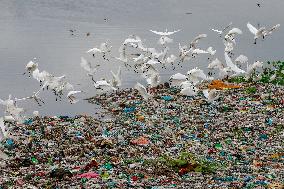
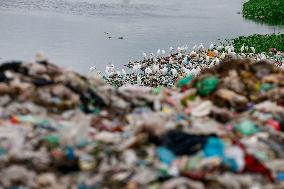
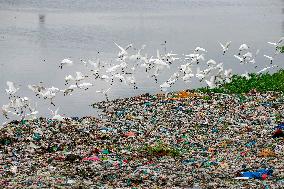
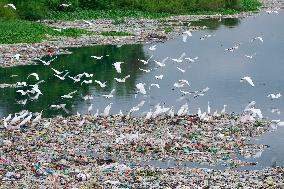
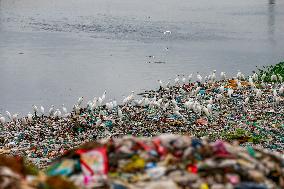
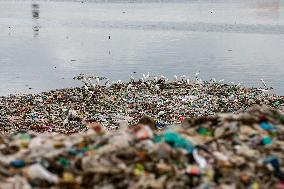
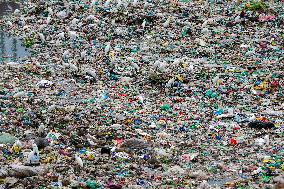
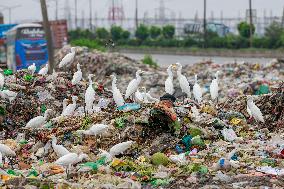
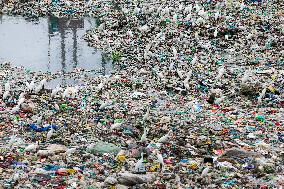
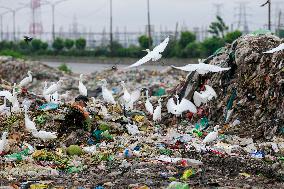
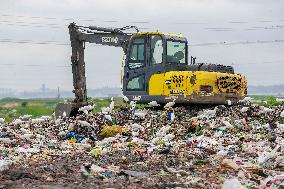
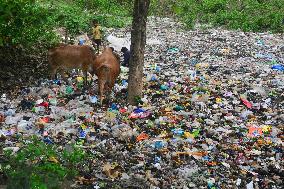
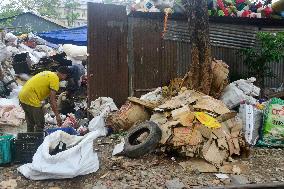
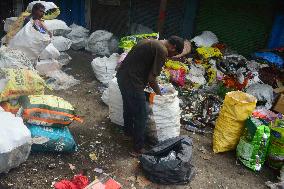
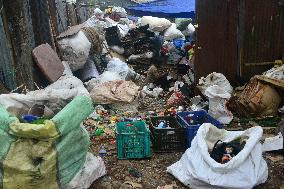
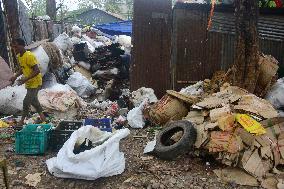
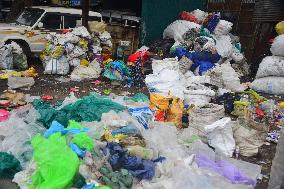
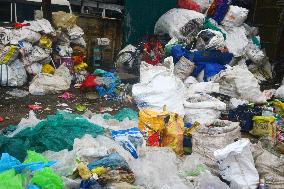
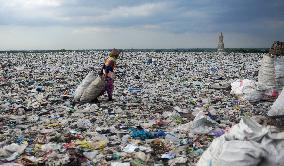
October 02, 2025, Dhaka, Bangladesh: The rivers and canals around Dhaka were once vital sanctuaries of biodiversity. Countless fish swam in their waters, serving as the main food source for fish-eating birds. But now that scene belongs to the past. What was once clear water is now occupied by heaps of garbage. Plastic, polythene, industrial waste, and household trash have severely polluted the water. Faced with a food crisis, fish-eating egrets are being forced to search for food in these piles of waste. Their natural food—fish—is no longer easily available, compelling them to look for alternatives. In Bangladesh, the filling up of rivers and wetlands, illegal encroachment, and plastic pollution together are pushing aquatic ecosystems towards destruction. These wetlands once provided shelter to thousands of native and migratory birds. But in recent years, their numbers have sharply declined. From the haors to Dhaka’s Turag and Balu rivers and other wetlands, the picture is the same: encroachment, landfilling,

  •  
Environmental Pollution In Bangladesh

Environmental Pollution In Bangladesh

October 02, 2025, Dhaka, Bangladesh: The rivers and canals around Dhaka were once vital sanctuaries of biodiversity. Countless fish swam in their waters, serving as the main food source for fish-eating birds. But now that scene belongs to the past. What was once clear water is now occupied by heaps of garbage. Plastic, polythene, industrial waste, and household trash have severely polluted the water. Faced with a food crisis, fish-eating egrets are being forced to search for food in these piles of waste. Their natural food—fish—is no longer easily available, compelling them to look for alternatives. In Bangladesh, the filling up of rivers and wetlands, illegal encroachment, and plastic pollution together are pushing aquatic ecosystems towards destruction. These wetlands once provided shelter to thousands of native and migratory birds. But in recent years, their numbers have sharply declined. From the haors to Dhaka’s Turag and Balu rivers and other wetlands, the picture is the same: encroachment, landfilling,

  •  
Environmental Pollution In Bangladesh

Environmental Pollution In Bangladesh

October 02, 2025, Dhaka, Bangladesh: The rivers and canals around Dhaka were once vital sanctuaries of biodiversity. Countless fish swam in their waters, serving as the main food source for fish-eating birds. But now that scene belongs to the past. What was once clear water is now occupied by heaps of garbage. Plastic, polythene, industrial waste, and household trash have severely polluted the water. Faced with a food crisis, fish-eating egrets are being forced to search for food in these piles of waste. Their natural food—fish—is no longer easily available, compelling them to look for alternatives. In Bangladesh, the filling up of rivers and wetlands, illegal encroachment, and plastic pollution together are pushing aquatic ecosystems towards destruction. These wetlands once provided shelter to thousands of native and migratory birds. But in recent years, their numbers have sharply declined. From the haors to Dhaka’s Turag and Balu rivers and other wetlands, the picture is the same: encroachment, landfilling,

  •  
Environmental Pollution In Bangladesh

Environmental Pollution In Bangladesh

October 02, 2025, Dhaka, Bangladesh: The rivers and canals around Dhaka were once vital sanctuaries of biodiversity. Countless fish swam in their waters, serving as the main food source for fish-eating birds. But now that scene belongs to the past. What was once clear water is now occupied by heaps of garbage. Plastic, polythene, industrial waste, and household trash have severely polluted the water. Faced with a food crisis, fish-eating egrets are being forced to search for food in these piles of waste. Their natural food—fish—is no longer easily available, compelling them to look for alternatives. In Bangladesh, the filling up of rivers and wetlands, illegal encroachment, and plastic pollution together are pushing aquatic ecosystems towards destruction. These wetlands once provided shelter to thousands of native and migratory birds. But in recent years, their numbers have sharply declined. From the haors to Dhaka’s Turag and Balu rivers and other wetlands, the picture is the same: encroachment, landfilling,

  •  
Environmental Pollution In Bangladesh

Environmental Pollution In Bangladesh

October 02, 2025, Dhaka, Bangladesh: The rivers and canals around Dhaka were once vital sanctuaries of biodiversity. Countless fish swam in their waters, serving as the main food source for fish-eating birds. But now that scene belongs to the past. What was once clear water is now occupied by heaps of garbage. Plastic, polythene, industrial waste, and household trash have severely polluted the water. Faced with a food crisis, fish-eating egrets are being forced to search for food in these piles of waste. Their natural food—fish—is no longer easily available, compelling them to look for alternatives. In Bangladesh, the filling up of rivers and wetlands, illegal encroachment, and plastic pollution together are pushing aquatic ecosystems towards destruction. These wetlands once provided shelter to thousands of native and migratory birds. But in recent years, their numbers have sharply declined. From the haors to Dhaka’s Turag and Balu rivers and other wetlands, the picture is the same: encroachment, landfilling,

  •  
Environmental Pollution In Bangladesh

Environmental Pollution In Bangladesh

October 02, 2025, Dhaka, Bangladesh: The rivers and canals around Dhaka were once vital sanctuaries of biodiversity. Countless fish swam in their waters, serving as the main food source for fish-eating birds. But now that scene belongs to the past. What was once clear water is now occupied by heaps of garbage. Plastic, polythene, industrial waste, and household trash have severely polluted the water. Faced with a food crisis, fish-eating egrets are being forced to search for food in these piles of waste. Their natural food—fish—is no longer easily available, compelling them to look for alternatives. In Bangladesh, the filling up of rivers and wetlands, illegal encroachment, and plastic pollution together are pushing aquatic ecosystems towards destruction. These wetlands once provided shelter to thousands of native and migratory birds. But in recent years, their numbers have sharply declined. From the haors to Dhaka’s Turag and Balu rivers and other wetlands, the picture is the same: encroachment, landfilling,

  •  
Environmental Pollution In Bangladesh

Environmental Pollution In Bangladesh

October 02, 2025, Dhaka, Bangladesh: The rivers and canals around Dhaka were once vital sanctuaries of biodiversity. Countless fish swam in their waters, serving as the main food source for fish-eating birds. But now that scene belongs to the past. What was once clear water is now occupied by heaps of garbage. Plastic, polythene, industrial waste, and household trash have severely polluted the water. Faced with a food crisis, fish-eating egrets are being forced to search for food in these piles of waste. Their natural food—fish—is no longer easily available, compelling them to look for alternatives. In Bangladesh, the filling up of rivers and wetlands, illegal encroachment, and plastic pollution together are pushing aquatic ecosystems towards destruction. These wetlands once provided shelter to thousands of native and migratory birds. But in recent years, their numbers have sharply declined. From the haors to Dhaka’s Turag and Balu rivers and other wetlands, the picture is the same: encroachment, landfilling,

  •  
Environmental Pollution In Bangladesh

Environmental Pollution In Bangladesh

October 02, 2025, Dhaka, Bangladesh: The rivers and canals around Dhaka were once vital sanctuaries of biodiversity. Countless fish swam in their waters, serving as the main food source for fish-eating birds. But now that scene belongs to the past. What was once clear water is now occupied by heaps of garbage. Plastic, polythene, industrial waste, and household trash have severely polluted the water. Faced with a food crisis, fish-eating egrets are being forced to search for food in these piles of waste. Their natural food—fish—is no longer easily available, compelling them to look for alternatives. In Bangladesh, the filling up of rivers and wetlands, illegal encroachment, and plastic pollution together are pushing aquatic ecosystems towards destruction. These wetlands once provided shelter to thousands of native and migratory birds. But in recent years, their numbers have sharply declined. From the haors to Dhaka’s Turag and Balu rivers and other wetlands, the picture is the same: encroachment, landfilling,

  •  
Environmental Pollution In Bangladesh

Environmental Pollution In Bangladesh

October 02, 2025, Dhaka, Bangladesh: The rivers and canals around Dhaka were once vital sanctuaries of biodiversity. Countless fish swam in their waters, serving as the main food source for fish-eating birds. But now that scene belongs to the past. What was once clear water is now occupied by heaps of garbage. Plastic, polythene, industrial waste, and household trash have severely polluted the water. Faced with a food crisis, fish-eating egrets are being forced to search for food in these piles of waste. Their natural food—fish—is no longer easily available, compelling them to look for alternatives. In Bangladesh, the filling up of rivers and wetlands, illegal encroachment, and plastic pollution together are pushing aquatic ecosystems towards destruction. These wetlands once provided shelter to thousands of native and migratory birds. But in recent years, their numbers have sharply declined. From the haors to Dhaka’s Turag and Balu rivers and other wetlands, the picture is the same: encroachment, landfilling,

  •  
Environmental Pollution In Bangladesh

Environmental Pollution In Bangladesh

October 02, 2025, Dhaka, Bangladesh: The rivers and canals around Dhaka were once vital sanctuaries of biodiversity. Countless fish swam in their waters, serving as the main food source for fish-eating birds. But now that scene belongs to the past. What was once clear water is now occupied by heaps of garbage. Plastic, polythene, industrial waste, and household trash have severely polluted the water. Faced with a food crisis, fish-eating egrets are being forced to search for food in these piles of waste. Their natural food—fish—is no longer easily available, compelling them to look for alternatives. In Bangladesh, the filling up of rivers and wetlands, illegal encroachment, and plastic pollution together are pushing aquatic ecosystems towards destruction. These wetlands once provided shelter to thousands of native and migratory birds. But in recent years, their numbers have sharply declined. From the haors to Dhaka’s Turag and Balu rivers and other wetlands, the picture is the same: encroachment, landfilling,

  •  
Environmental Pollution In Bangladesh

Environmental Pollution In Bangladesh

October 02, 2025, Dhaka, Bangladesh: The rivers and canals around Dhaka were once vital sanctuaries of biodiversity. Countless fish swam in their waters, serving as the main food source for fish-eating birds. But now that scene belongs to the past. What was once clear water is now occupied by heaps of garbage. Plastic, polythene, industrial waste, and household trash have severely polluted the water. Faced with a food crisis, fish-eating egrets are being forced to search for food in these piles of waste. Their natural food—fish—is no longer easily available, compelling them to look for alternatives. In Bangladesh, the filling up of rivers and wetlands, illegal encroachment, and plastic pollution together are pushing aquatic ecosystems towards destruction. These wetlands once provided shelter to thousands of native and migratory birds. But in recent years, their numbers have sharply declined. From the haors to Dhaka’s Turag and Balu rivers and other wetlands, the picture is the same: encroachment, landfilling,

  •  
Garbage In Nature - Iran

Garbage In Nature - Iran

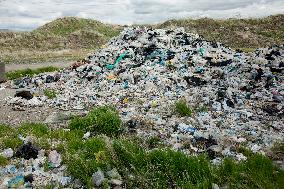
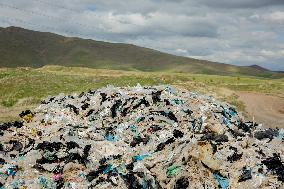
A view of a large pile of mixed plastic waste exposed in a natural landscape near Saqqez, Iran, on April 17, 2025. The villages of Taveh Qaran and Badrabad near Saqqez face mounting environmental challenges due to flawed waste management systems, leaving large amounts of garbage scattered across natural landscapes. Photo by Barbod Khorshidi/Middle East Images/ABACAPRESS.COM

  •  
Garbage In Nature - Iran

Garbage In Nature - Iran

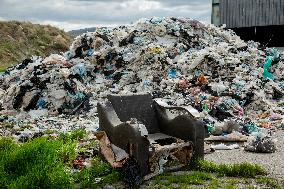
A view of a torn sofa amid piles of plastic waste at an open dump near Saqqez, Iran, on April 17, 2025. The villages of Taveh Qaran and Badrabad near Saqqez face mounting environmental challenges due to flawed waste management systems, leaving large amounts of garbage scattered across natural landscapes. Photo by Barbod Khorshidi/Middle East Images/ABACAPRESS.COM

  •  
Garbage In Nature - Iran

Garbage In Nature - Iran

A view of a large pile of mixed plastic waste exposed in a natural landscape near Saqqez, Iran, on April 17, 2025. The villages of Taveh Qaran and Badrabad near Saqqez face mounting environmental challenges due to flawed waste management systems, leaving large amounts of garbage scattered across natural landscapes. Photo by Barbod Khorshidi/Middle East Images/ABACAPRESS.COM

  •  
Waste Pickers And Solid Waste During Earth Day - India

Waste Pickers And Solid Waste During Earth Day - India

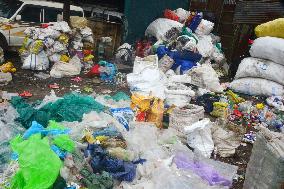
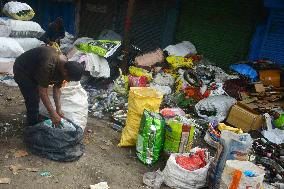
A female labour searches for reusable plastic and other at a roadside garbage store during Earth Day in Siliguri on April 22, 2025. Earth Day is marked on April 22 to inspire awareness of and appreciation for the earth's environment. Photo by Diptendu Dutta/Middle East Images/ABACAPRESS.COM

  •  
Waste Pickers And Solid Waste During Earth Day - India

Waste Pickers And Solid Waste During Earth Day - India

Child ragpickers searches for reusable plastic and other at a roadside garbage thrown area during Earth Day at Dagapur area on the outskirts of Siliguri on April 22, 2025. Earth Day is marked on April 22 to inspire awareness of and appreciation for the earth's environment. Photo by Diptendu Dutta/Middle East Images/ABACAPRESS.COM

  •  
Waste Pickers And Solid Waste During Earth Day - India

Waste Pickers And Solid Waste During Earth Day - India

A worker and ragpickers searches for reusable plastic and other at a roadside garbage store during Earth Day at Dagapur area on the outskirts of Siliguri on April 22, 2025. Earth Day is marked on April 22 to inspire awareness of and appreciation for the earth's environment. Photo by Diptendu Dutta/Middle East Images/ABACAPRESS.COM

  •  
Waste Pickers And Solid Waste During Earth Day - India

Waste Pickers And Solid Waste During Earth Day - India

Ragpickers searches for reusable plastic and other at a roadside garbage store during Earth Day in Siliguri on April 22, 2025. Earth Day is marked on April 22 to inspire awareness of and appreciation for the earth's environment. Photo by Diptendu Dutta/Middle East Images/ABACAPRESS.COM

  •  
Waste Pickers And Solid Waste During Earth Day - India

Waste Pickers And Solid Waste During Earth Day - India

A worker and ragpickers searches for reusable plastic and other at a roadside garbage store during Earth Day at Dagapur area on the outskirts of Siliguri on April 22, 2025. Earth Day is marked on April 22 to inspire awareness of and appreciation for the earth's environment. Photo by Diptendu Dutta/Middle East Images/ABACAPRESS.COM

  •  
Waste Pickers And Solid Waste During Earth Day - India

Waste Pickers And Solid Waste During Earth Day - India

Worker and ragpickers searches for reusable plastic and other at a roadside garbage store during Earth Day at Dagapur area on the outskirts of Siliguri on April 22, 2025. Earth Day is marked on April 22 to inspire awareness of and appreciation for the earth's environment. Photo by Diptendu Dutta/Middle East Images/ABACAPRESS.COM

  •  
Waste Pickers And Solid Waste During Earth Day - India

Waste Pickers And Solid Waste During Earth Day - India

A female labour searches for reusable plastic and other at a roadside garbage store during Earth Day in Siliguri on April 22, 2025. Earth Day is marked on April 22 to inspire awareness of and appreciation for the earth's environment. Photo by Diptendu Dutta/Middle East Images/ABACAPRESS.COM

  •  
Waste Pickers And Solid Waste During Earth Day - India

Waste Pickers And Solid Waste During Earth Day - India

A female labour searches for reusable plastic and other at a roadside garbage store during Earth Day in Siliguri on April 22, 2025. Earth Day is marked on April 22 to inspire awareness of and appreciation for the earth's environment. Photo by Diptendu Dutta/Middle East Images/ABACAPRESS.COM

  •  
Waste Pickers And Solid Waste During Earth Day - India

Waste Pickers And Solid Waste During Earth Day - India

Ragpickers searches for reusable plastic and other at a roadside garbage store during Earth Day in Siliguri on April 22, 2025. Earth Day is marked on April 22 to inspire awareness of and appreciation for the earth's environment. Photo by Diptendu Dutta/Middle East Images/ABACAPRESS.COM

  •  
Sidoarjo Garbage Landfill - Indonesia

Sidoarjo Garbage Landfill - Indonesia

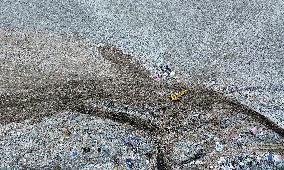
An aerial drone photo shows workers sorting plastic waste at Griyo Mulyo garbage landfill in Sidoarjo Regency, East Java, Indonesia, on January 3, 2025. Photo by Sahlan Kurniawan/Xinhua/ABACAPRESS.COM

  •  
Sidoarjo Garbage Landfill - Indonesia

Sidoarjo Garbage Landfill - Indonesia

A worker drags sacks of plastic waste at Griyo Mulyo garbage landfill in Sidoarjo Regency, East Java, Indonesia, on January 3, 2025. Photo by Sahlan Kurniawan/Xinhua/ABACAPRESS.COM

  •  
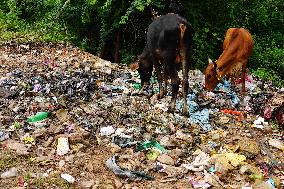
Cows Feed On Garbage - India

Cows Feed On Garbage - India

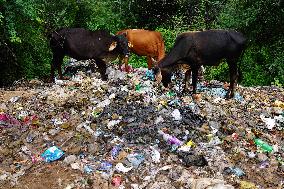
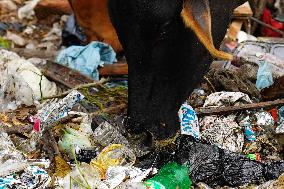
Cows rummage through plastic bags with garbage at a road side in Pushkar, India on 10 September 2024. Photo by ABACAPRESS.COM

  •  
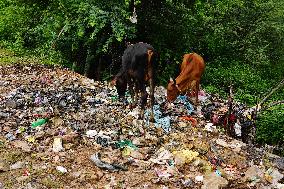
Cows Feed On Garbage - India

Cows Feed On Garbage - India

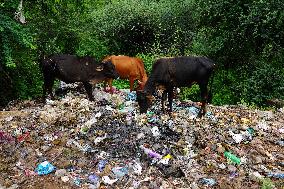
Cows rummage through plastic bags with garbage at a road side in Pushkar, India on 10 September 2024. Photo by ABACAPRESS.COM

  •  
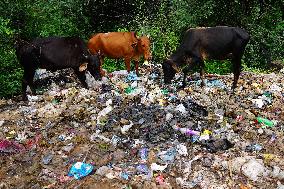
Cows Feed On Garbage - India

Cows Feed On Garbage - India

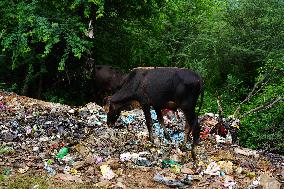
Cows rummage through plastic bags with garbage at a road side in Pushkar, India on 10 September 2024. Photo by ABACAPRESS.COM

  •  
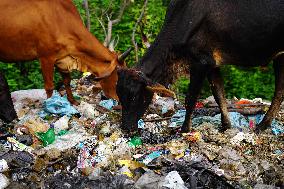
Cows Feed On Garbage - India

Cows Feed On Garbage - India

Cows rummage through plastic bags with garbage at a road side in Pushkar, India on 10 September 2024. Photo by ABACAPRESS.COM

  •  
Cows Feed On Garbage - India

Cows Feed On Garbage - India

Cows rummage through plastic bags with garbage at a road side in Pushkar, India on 10 September 2024. Photo by ABACAPRESS.COM

  •  
Cows Feed On Garbage - India

Cows Feed On Garbage - India

Cows rummage through plastic bags with garbage at a road side in Pushkar, India on 10 September 2024. Photo by ABACAPRESS.COM

  •  
Cows Feed On Garbage - India

Cows Feed On Garbage - India

Cows rummage through plastic bags with garbage at a road side in Pushkar, India on 10 September 2024. Photo by ABACAPRESS.COM

  •  
Cows Feed On Garbage - India

Cows Feed On Garbage - India

Cows rummage through plastic bags with garbage at a road side in Pushkar, India on 10 September 2024. Photo by ABACAPRESS.COM

  •  
Plastic Recycling Factory - Bangladesh

Plastic Recycling Factory - Bangladesh

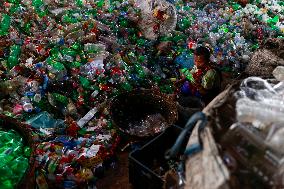
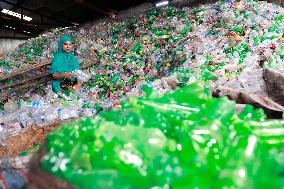
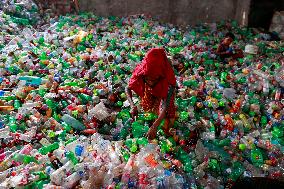
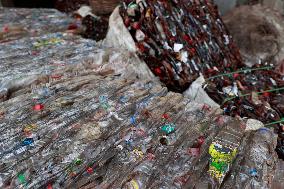
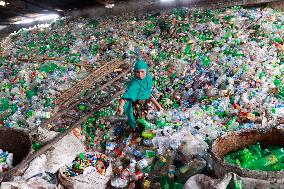
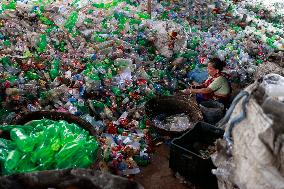
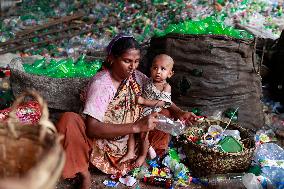
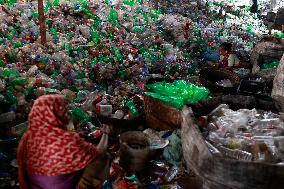
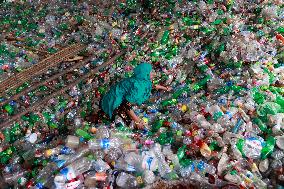
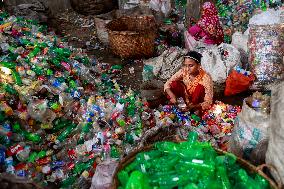
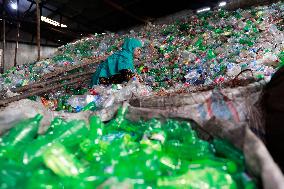
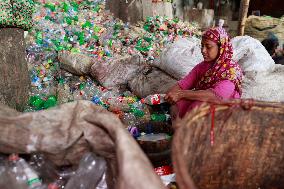
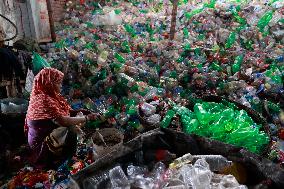
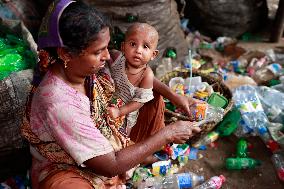
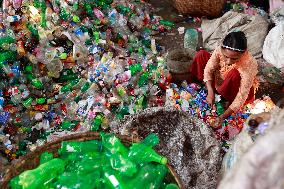
A Bangladeshi woman works in a plastic bottle recycling factory in Dhaka, Bangladesh, May 14, 2024. Workers are sorting discarded plastic bottles collected from the garbage heap and preparing them for recycling. These bottles are cleaned and cut into pieces by a cutting machine. There, new products are made from these pieces of plastic. According to the Environment Department of Bangladesh, about 24 thousand tons of waste is produced every day in the country. Of this 7.35 percent waste are plastic materials, which is 1,700 tones. Only 50 percent of these plastic wastes are recyclable. Photo by Suvra Kanti Das/ABACAPRESS.COM

  •  
Plastic Recycling Factory - Bangladesh

Plastic Recycling Factory - Bangladesh

A Bangladeshi woman works in a plastic bottle recycling factory in Dhaka, Bangladesh, May 14, 2024. Workers are sorting discarded plastic bottles collected from the garbage heap and preparing them for recycling. These bottles are cleaned and cut into pieces by a cutting machine. There, new products are made from these pieces of plastic. According to the Environment Department of Bangladesh, about 24 thousand tons of waste is produced every day in the country. Of this 7.35 percent waste are plastic materials, which is 1,700 tones. Only 50 percent of these plastic wastes are recyclable. Photo by Suvra Kanti Das/ABACAPRESS.COM

  •  
Plastic Recycling Factory - Bangladesh

Plastic Recycling Factory - Bangladesh

A Bangladeshi woman works in a plastic bottle recycling factory in Dhaka, Bangladesh, May 14, 2024. Workers are sorting discarded plastic bottles collected from the garbage heap and preparing them for recycling. These bottles are cleaned and cut into pieces by a cutting machine. There, new products are made from these pieces of plastic. According to the Environment Department of Bangladesh, about 24 thousand tons of waste is produced every day in the country. Of this 7.35 percent waste are plastic materials, which is 1,700 tones. Only 50 percent of these plastic wastes are recyclable. Photo by Suvra Kanti Das/ABACAPRESS.COM

  •  
Plastic Recycling Factory - Bangladesh

Plastic Recycling Factory - Bangladesh

A Bangladeshi woman works in a plastic bottle recycling factory in Dhaka, Bangladesh, May 14, 2024. Workers are sorting discarded plastic bottles collected from the garbage heap and preparing them for recycling. These bottles are cleaned and cut into pieces by a cutting machine. There, new products are made from these pieces of plastic. According to the Environment Department of Bangladesh, about 24 thousand tons of waste is produced every day in the country. Of this 7.35 percent waste are plastic materials, which is 1,700 tones. Only 50 percent of these plastic wastes are recyclable. Photo by Suvra Kanti Das/ABACAPRESS.COM

  •  
Plastic Recycling Factory - Bangladesh

Plastic Recycling Factory - Bangladesh

A Bangladeshi woman works in a plastic bottle recycling factory in Dhaka, Bangladesh, May 14, 2024. Workers are sorting discarded plastic bottles collected from the garbage heap and preparing them for recycling. These bottles are cleaned and cut into pieces by a cutting machine. There, new products are made from these pieces of plastic. According to the Environment Department of Bangladesh, about 24 thousand tons of waste is produced every day in the country. Of this 7.35 percent waste are plastic materials, which is 1,700 tones. Only 50 percent of these plastic wastes are recyclable. Photo by Suvra Kanti Das/ABACAPRESS.COM

  •  
Plastic Recycling Factory - Bangladesh

Plastic Recycling Factory - Bangladesh

A Bangladeshi woman works in a plastic bottle recycling factory in Dhaka, Bangladesh, May 14, 2024. Workers are sorting discarded plastic bottles collected from the garbage heap and preparing them for recycling. These bottles are cleaned and cut into pieces by a cutting machine. There, new products are made from these pieces of plastic. According to the Environment Department of Bangladesh, about 24 thousand tons of waste is produced every day in the country. Of this 7.35 percent waste are plastic materials, which is 1,700 tones. Only 50 percent of these plastic wastes are recyclable. Photo by Suvra Kanti Das/ABACAPRESS.COM

  •  
Plastic Recycling Factory - Bangladesh

Plastic Recycling Factory - Bangladesh

A Bangladeshi woman works in a plastic bottle recycling factory in Dhaka, Bangladesh, May 14, 2024. Workers are sorting discarded plastic bottles collected from the garbage heap and preparing them for recycling. These bottles are cleaned and cut into pieces by a cutting machine. There, new products are made from these pieces of plastic. According to the Environment Department of Bangladesh, about 24 thousand tons of waste is produced every day in the country. Of this 7.35 percent waste are plastic materials, which is 1,700 tones. Only 50 percent of these plastic wastes are recyclable. Photo by Suvra Kanti Das/ABACAPRESS.COM

  •  
Plastic Recycling Factory - Bangladesh

Plastic Recycling Factory - Bangladesh

A Bangladeshi woman works in a plastic bottle recycling factory in Dhaka, Bangladesh, May 14, 2024. Workers are sorting discarded plastic bottles collected from the garbage heap and preparing them for recycling. These bottles are cleaned and cut into pieces by a cutting machine. There, new products are made from these pieces of plastic. According to the Environment Department of Bangladesh, about 24 thousand tons of waste is produced every day in the country. Of this 7.35 percent waste are plastic materials, which is 1,700 tones. Only 50 percent of these plastic wastes are recyclable. Photo by Suvra Kanti Das/ABACAPRESS.COM

  •  
Plastic Recycling Factory - Bangladesh

Plastic Recycling Factory - Bangladesh

A Bangladeshi woman works in a plastic bottle recycling factory in Dhaka, Bangladesh, May 14, 2024. Workers are sorting discarded plastic bottles collected from the garbage heap and preparing them for recycling. These bottles are cleaned and cut into pieces by a cutting machine. There, new products are made from these pieces of plastic. According to the Environment Department of Bangladesh, about 24 thousand tons of waste is produced every day in the country. Of this 7.35 percent waste are plastic materials, which is 1,700 tones. Only 50 percent of these plastic wastes are recyclable. Photo by Suvra Kanti Das/ABACAPRESS.COM

  •  
Plastic Recycling Factory - Bangladesh

Plastic Recycling Factory - Bangladesh

A Bangladeshi woman works in a plastic bottle recycling factory in Dhaka, Bangladesh, May 14, 2024. Workers are sorting discarded plastic bottles collected from the garbage heap and preparing them for recycling. These bottles are cleaned and cut into pieces by a cutting machine. There, new products are made from these pieces of plastic. According to the Environment Department of Bangladesh, about 24 thousand tons of waste is produced every day in the country. Of this 7.35 percent waste are plastic materials, which is 1,700 tones. Only 50 percent of these plastic wastes are recyclable. Photo by Suvra Kanti Das/ABACAPRESS.COM

  •  
Plastic Recycling Factory - Bangladesh

Plastic Recycling Factory - Bangladesh

A Bangladeshi woman works in a plastic bottle recycling factory in Dhaka, Bangladesh, May 14, 2024. Workers are sorting discarded plastic bottles collected from the garbage heap and preparing them for recycling. These bottles are cleaned and cut into pieces by a cutting machine. There, new products are made from these pieces of plastic. According to the Environment Department of Bangladesh, about 24 thousand tons of waste is produced every day in the country. Of this 7.35 percent waste are plastic materials, which is 1,700 tones. Only 50 percent of these plastic wastes are recyclable. Photo by Suvra Kanti Das/ABACAPRESS.COM

  •  
Plastic Recycling Factory - Bangladesh

Plastic Recycling Factory - Bangladesh

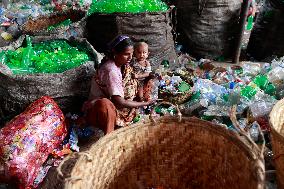
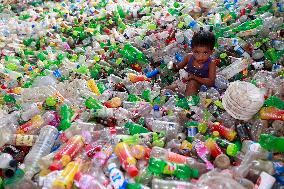
A child plays with plastic bottles at a recycling factory in Dhaka, Bangladesh, May 14, 2024. Workers are sorting discarded plastic bottles collected from the garbage heap and preparing them for recycling. These bottles are cleaned and cut into pieces by a cutting machine. There, new products are made from these pieces of plastic. According to the Environment Department of Bangladesh, about 24 thousand tons of waste is produced every day in the country. Of this 7.35 percent waste are plastic materials, which is 1,700 tones. Only 50 percent of these plastic wastes are recyclable. Photo by Suvra Kanti Das/ABACAPRESS.COM

  •  
Plastic Recycling Factory - Bangladesh

Plastic Recycling Factory - Bangladesh

A Bangladeshi woman works in a plastic bottle recycling factory in Dhaka, Bangladesh, May 14, 2024. Workers are sorting discarded plastic bottles collected from the garbage heap and preparing them for recycling. These bottles are cleaned and cut into pieces by a cutting machine. There, new products are made from these pieces of plastic. According to the Environment Department of Bangladesh, about 24 thousand tons of waste is produced every day in the country. Of this 7.35 percent waste are plastic materials, which is 1,700 tones. Only 50 percent of these plastic wastes are recyclable. Photo by Suvra Kanti Das/ABACAPRESS.COM

  •  
Plastic Recycling Factory - Bangladesh

Plastic Recycling Factory - Bangladesh

A Bangladeshi woman works in a plastic bottle recycling factory in Dhaka, Bangladesh, May 14, 2024. Workers are sorting discarded plastic bottles collected from the garbage heap and preparing them for recycling. These bottles are cleaned and cut into pieces by a cutting machine. There, new products are made from these pieces of plastic. According to the Environment Department of Bangladesh, about 24 thousand tons of waste is produced every day in the country. Of this 7.35 percent waste are plastic materials, which is 1,700 tones. Only 50 percent of these plastic wastes are recyclable. Photo by Suvra Kanti Das/ABACAPRESS.COM

  •  
Plastic Recycling Factory - Bangladesh

Plastic Recycling Factory - Bangladesh

A Bangladeshi woman works in a plastic bottle recycling factory in Dhaka, Bangladesh, May 14, 2024. Workers are sorting discarded plastic bottles collected from the garbage heap and preparing them for recycling. These bottles are cleaned and cut into pieces by a cutting machine. There, new products are made from these pieces of plastic. According to the Environment Department of Bangladesh, about 24 thousand tons of waste is produced every day in the country. Of this 7.35 percent waste are plastic materials, which is 1,700 tones. Only 50 percent of these plastic wastes are recyclable. Photo by Suvra Kanti Das/ABACAPRESS.COM

  •  
Plastic Recycling Factory - Bangladesh

Plastic Recycling Factory - Bangladesh

A Bangladeshi woman works in a plastic bottle recycling factory in Dhaka, Bangladesh, May 14, 2024. Workers are sorting discarded plastic bottles collected from the garbage heap and preparing them for recycling. These bottles are cleaned and cut into pieces by a cutting machine. There, new products are made from these pieces of plastic. According to the Environment Department of Bangladesh, about 24 thousand tons of waste is produced every day in the country. Of this 7.35 percent waste are plastic materials, which is 1,700 tones. Only 50 percent of these plastic wastes are recyclable. Photo by Suvra Kanti Das/ABACAPRESS.COM

  •  
Plastic Recycling Factory - Bangladesh

Plastic Recycling Factory - Bangladesh

A Bangladeshi woman works in a plastic bottle recycling factory in Dhaka, Bangladesh, May 14, 2024. Workers are sorting discarded plastic bottles collected from the garbage heap and preparing them for recycling. These bottles are cleaned and cut into pieces by a cutting machine. There, new products are made from these pieces of plastic. According to the Environment Department of Bangladesh, about 24 thousand tons of waste is produced every day in the country. Of this 7.35 percent waste are plastic materials, which is 1,700 tones. Only 50 percent of these plastic wastes are recyclable. Photo by Suvra Kanti Das/ABACAPRESS.COM

  • Main
  • Top
  • Editorial
  • Creative
  • About Us
  • About ILG
  • Terms of use
  • Company
  • BEHIND
  • Price List
  • Single Plan
  • Monthly Plan
  • Services
  • Shooting
  • Rights Clearance
  • Support
  • FAQ
  • How To Buy
  • Contact Us
  • Become a Partner

© KYODO NEWS IMAGES INC

All Rights Reserved.

  • Editorial
  • Olympics
  • News
  • Sports
  • Japan
  • Tech
  • Royal
  • Disaster
  • NorthKorea
  • Old Japan
  • SNS
  • Creative
  • Food
  • Japan
  • Landscape
  • Animal
  • Popular
  • #Ukraine
  • #Thailand
  • #coronavirus
  • #N. Korea
  • #Russia
  • #China
  • #Ukraine
  • #Thailand
  • #coronavirus
  • #N. Korea
  • #Russia
  • #China
  • Food
  • Japan
  • Landscape
  • Animal
  • Olympics
  • News
  • Sports
  • Japan
  • Tech
  • Royal
  • Disaster
  • NorthKorea
  • Old Japan
  • SNS