•  
Przewalski s horses at the Helan Mountain Nature Reserve - China

Przewalski s horses at the Helan Mountain Nature Reserve - China

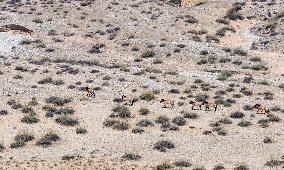
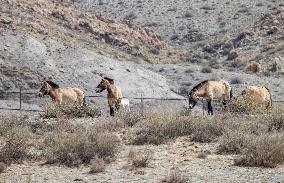
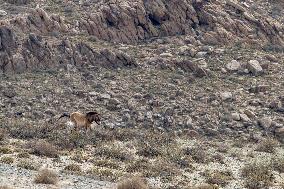
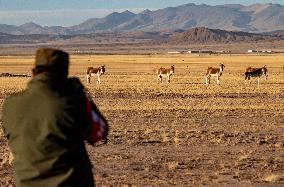
A staff member checks the Przewalski's horses at the Helan Mountain Nature Reserve in northwest China's Ningxia Hui Autonomous Region, April 17, 2025. The Przewalski's horse is listed as endangered by the International Union for Conservation of Nature Red List of Threatened Species and is under first-class national protection. Once extinct in China due to excessive poaching and environmental degradation, the Przewalski's horses were reintroduced to the country from Britain, Germany and the United States starting in the mid-1980s, and were raised in northwest China's Xinjiang Uygur Autonomous Region and Gansu Province. Since 2024, a total of 18 Przewalski's horses in three batches from Xinjiang have been released into the Helan Mountain Nature Reserve in Ningxia, as a way to protect the endangered species. On April 13 this year, a Przewalski's horse gave birth to a foal, marking the first case of breeding after the reintroduction of the Przewalski's horse in the nature reserve. Photo by Yang Zhisen/Xinhua/ABAC

  •  
Przewalski s horses at the Helan Mountain Nature Reserve - China

Przewalski s horses at the Helan Mountain Nature Reserve - China

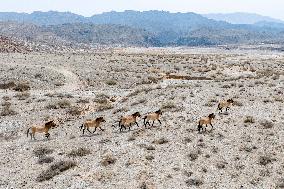
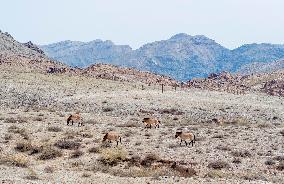
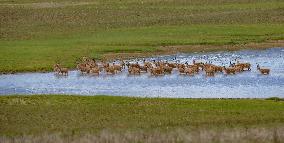
An aerial drone photo shows Przewalski's horses at the Helan Mountain Nature Reserve in northwest China's Ningxia Hui Autonomous Region, April 17, 2025. The Przewalski's horse is listed as endangered by the International Union for Conservation of Nature Red List of Threatened Species and is under first-class national protection. Once extinct in China due to excessive poaching and environmental degradation, the Przewalski's horses were reintroduced to the country from Britain, Germany and the United States starting in the mid-1980s, and were raised in northwest China's Xinjiang Uygur Autonomous Region and Gansu Province. Since 2024, a total of 18 Przewalski's horses in three batches from Xinjiang have been released into the Helan Mountain Nature Reserve in Ningxia, as a way to protect the endangered species. On April 13 this year, a Przewalski's horse gave birth to a foal, marking the first case of breeding after the reintroduction of the Przewalski's horse in the nature reserve. Photo by Yang Zhisen/Xinhua/AB

  •  
Przewalski s horses at the Helan Mountain Nature Reserve - China

Przewalski s horses at the Helan Mountain Nature Reserve - China

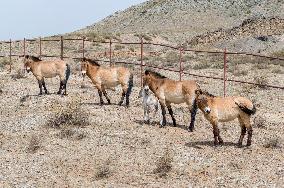
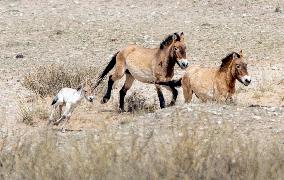
Przewalski's horses and a foal are seen at the Helan Mountain Nature Reserve in northwest China's Ningxia Hui Autonomous Region, April 17, 2025. The Przewalski's horse is listed as endangered by the International Union for Conservation of Nature Red List of Threatened Species and is under first-class national protection. Once extinct in China due to excessive poaching and environmental degradation, the Przewalski's horses were reintroduced to the country from Britain, Germany and the United States starting in the mid-1980s, and were raised in northwest China's Xinjiang Uygur Autonomous Region and Gansu Province. Since 2024, a total of 18 Przewalski's horses in three batches from Xinjiang have been released into the Helan Mountain Nature Reserve in Ningxia, as a way to protect the endangered species. On April 13 this year, a Przewalski's horse gave birth to a foal, marking the first case of breeding after the reintroduction of the Przewalski's horse in the nature reserve. Photo by Yang Zhisen/Xinhua/ABACAPRESS

  •  
Przewalski s horses at the Helan Mountain Nature Reserve - China

Przewalski s horses at the Helan Mountain Nature Reserve - China

An aerial drone photo shows Przewalski's horses and a foal at the Helan Mountain Nature Reserve in northwest China's Ningxia Hui Autonomous Region, April 17, 2025. The Przewalski's horse is listed as endangered by the International Union for Conservation of Nature Red List of Threatened Species and is under first-class national protection. Once extinct in China due to excessive poaching and environmental degradation, the Przewalski's horses were reintroduced to the country from Britain, Germany and the United States starting in the mid-1980s, and were raised in northwest China's Xinjiang Uygur Autonomous Region and Gansu Province. Since 2024, a total of 18 Przewalski's horses in three batches from Xinjiang have been released into the Helan Mountain Nature Reserve in Ningxia, as a way to protect the endangered species. On April 13 this year, a Przewalski's horse gave birth to a foal, marking the first case of breeding after the reintroduction of the Przewalski's horse in the nature reserve. Photo by Yang Zhise

  •  
Przewalski s horses at the Helan Mountain Nature Reserve - China

Przewalski s horses at the Helan Mountain Nature Reserve - China

An aerial drone photo shows Przewalski's horses at the Helan Mountain Nature Reserve in northwest China's Ningxia Hui Autonomous Region, April 17, 2025. The Przewalski's horse is listed as endangered by the International Union for Conservation of Nature Red List of Threatened Species and is under first-class national protection. Once extinct in China due to excessive poaching and environmental degradation, the Przewalski's horses were reintroduced to the country from Britain, Germany and the United States starting in the mid-1980s, and were raised in northwest China's Xinjiang Uygur Autonomous Region and Gansu Province. Since 2024, a total of 18 Przewalski's horses in three batches from Xinjiang have been released into the Helan Mountain Nature Reserve in Ningxia, as a way to protect the endangered species. On April 13 this year, a Przewalski's horse gave birth to a foal, marking the first case of breeding after the reintroduction of the Przewalski's horse in the nature reserve. Photo by Yang Zhisen/Xinhua/AB

  •  
Przewalski s horses at the Helan Mountain Nature Reserve - China

Przewalski s horses at the Helan Mountain Nature Reserve - China

Przewalski's horses and a foal are seen at the Helan Mountain Nature Reserve in northwest China's Ningxia Hui Autonomous Region, April 17, 2025. The Przewalski's horse is listed as endangered by the International Union for Conservation of Nature Red List of Threatened Species and is under first-class national protection. Once extinct in China due to excessive poaching and environmental degradation, the Przewalski's horses were reintroduced to the country from Britain, Germany and the United States starting in the mid-1980s, and were raised in northwest China's Xinjiang Uygur Autonomous Region and Gansu Province. Since 2024, a total of 18 Przewalski's horses in three batches from Xinjiang have been released into the Helan Mountain Nature Reserve in Ningxia, as a way to protect the endangered species. On April 13 this year, a Przewalski's horse gave birth to a foal, marking the first case of breeding after the reintroduction of the Przewalski's horse in the nature reserve. Photo by Yang Zhisen/Xinhua/ABACAPRESS

  •  
Przewalski s horses at the Helan Mountain Nature Reserve - China

Przewalski s horses at the Helan Mountain Nature Reserve - China

An aerial drone photo shows Przewalski's horses at the Helan Mountain Nature Reserve in northwest China's Ningxia Hui Autonomous Region, April 17, 2025. The Przewalski's horse is listed as endangered by the International Union for Conservation of Nature Red List of Threatened Species and is under first-class national protection. Once extinct in China due to excessive poaching and environmental degradation, the Przewalski's horses were reintroduced to the country from Britain, Germany and the United States starting in the mid-1980s, and were raised in northwest China's Xinjiang Uygur Autonomous Region and Gansu Province. Since 2024, a total of 18 Przewalski's horses in three batches from Xinjiang have been released into the Helan Mountain Nature Reserve in Ningxia, as a way to protect the endangered species. On April 13 this year, a Przewalski's horse gave birth to a foal, marking the first case of breeding after the reintroduction of the Przewalski's horse in the nature reserve. Photo by Yang Zhisen/Xinhua/AB

  •  
Przewalski s horses at the Helan Mountain Nature Reserve - China

Przewalski s horses at the Helan Mountain Nature Reserve - China

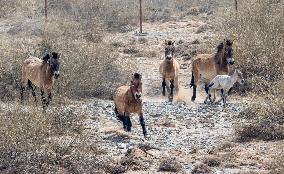
Przewalski's horses and a foal are seen at the Helan Mountain Nature Reserve in northwest China's Ningxia Hui Autonomous Region, April 17, 2025. The Przewalski's horse is listed as endangered by the International Union for Conservation of Nature Red List of Threatened Species and is under first-class national protection. Once extinct in China due to excessive poaching and environmental degradation, the Przewalski's horses were reintroduced to the country from Britain, Germany and the United States starting in the mid-1980s, and were raised in northwest China's Xinjiang Uygur Autonomous Region and Gansu Province. Since 2024, a total of 18 Przewalski's horses in three batches from Xinjiang have been released into the Helan Mountain Nature Reserve in Ningxia, as a way to protect the endangered species. On April 13 this year, a Przewalski's horse gave birth to a foal, marking the first case of breeding after the reintroduction of the Przewalski's horse in the nature reserve. Photo by Yang Zhisen/Xinhua/ABACAPRESS

  •  
Przewalski s horses at the Helan Mountain Nature Reserve - China

Przewalski s horses at the Helan Mountain Nature Reserve - China

Staff members monitor and record the state of Przewalski's horses at a management station of the Helan Mountain Nature Reserve in northwest China's Ningxia Hui Autonomous Region, April 17, 2025. The Przewalski's horse is listed as endangered by the International Union for Conservation of Nature Red List of Threatened Species and is under first-class national protection. Once extinct in China due to excessive poaching and environmental degradation, the Przewalski's horses were reintroduced to the country from Britain, Germany and the United States starting in the mid-1980s, and were raised in northwest China's Xinjiang Uygur Autonomous Region and Gansu Province. Since 2024, a total of 18 Przewalski's horses in three batches from Xinjiang have been released into the Helan Mountain Nature Reserve in Ningxia, as a way to protect the endangered species. On April 13 this year, a Przewalski's horse gave birth to a foal, marking the first case of breeding after the reintroduction of the Przewalski's horse in the natu

  •  
Przewalski s horses at the Helan Mountain Nature Reserve - China

Przewalski s horses at the Helan Mountain Nature Reserve - China

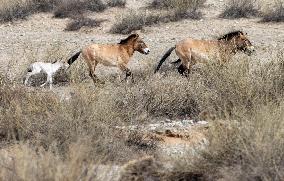
Przewalski's horses and a foal are seen at the Helan Mountain Nature Reserve in northwest China's Ningxia Hui Autonomous Region, April 17, 2025. The Przewalski's horse is listed as endangered by the International Union for Conservation of Nature Red List of Threatened Species and is under first-class national protection. Once extinct in China due to excessive poaching and environmental degradation, the Przewalski's horses were reintroduced to the country from Britain, Germany and the United States starting in the mid-1980s, and were raised in northwest China's Xinjiang Uygur Autonomous Region and Gansu Province. Since 2024, a total of 18 Przewalski's horses in three batches from Xinjiang have been released into the Helan Mountain Nature Reserve in Ningxia, as a way to protect the endangered species. On April 13 this year, a Przewalski's horse gave birth to a foal, marking the first case of breeding after the reintroduction of the Przewalski's horse in the nature reserve. Photo by Yang Zhisen/Xinhua/ABACAPRESS

  •  
Przewalski s horses at the Helan Mountain Nature Reserve - China

Przewalski s horses at the Helan Mountain Nature Reserve - China

Przewalski's horses are seen at the Helan Mountain Nature Reserve in northwest China's Ningxia Hui Autonomous Region, April 17, 2025. The Przewalski's horse is listed as endangered by the International Union for Conservation of Nature Red List of Threatened Species and is under first-class national protection. Once extinct in China due to excessive poaching and environmental degradation, the Przewalski's horses were reintroduced to the country from Britain, Germany and the United States starting in the mid-1980s, and were raised in northwest China's Xinjiang Uygur Autonomous Region and Gansu Province. Since 2024, a total of 18 Przewalski's horses in three batches from Xinjiang have been released into the Helan Mountain Nature Reserve in Ningxia, as a way to protect the endangered species. On April 13 this year, a Przewalski's horse gave birth to a foal, marking the first case of breeding after the reintroduction of the Przewalski's horse in the nature reserve. Photo by Yang Zhisen/Xinhua/ABACAPRESS.COM

  •  
Przewalski s horses at the Helan Mountain Nature Reserve - China

Przewalski s horses at the Helan Mountain Nature Reserve - China

Staff members check the faeces of Przewalski's horses at the Helan Mountain Nature Reserve in northwest China's Ningxia Hui Autonomous Region, April 17, 2025. The Przewalski's horse is listed as endangered by the International Union for Conservation of Nature Red List of Threatened Species and is under first-class national protection. Once extinct in China due to excessive poaching and environmental degradation, the Przewalski's horses were reintroduced to the country from Britain, Germany and the United States starting in the mid-1980s, and were raised in northwest China's Xinjiang Uygur Autonomous Region and Gansu Province. Since 2024, a total of 18 Przewalski's horses in three batches from Xinjiang have been released into the Helan Mountain Nature Reserve in Ningxia, as a way to protect the endangered species. On April 13 this year, a Przewalski's horse gave birth to a foal, marking the first case of breeding after the reintroduction of the Przewalski's horse in the nature reserve. Photo by Yang Zhisen/Xin

  •  
Lynx At Andujar Natural Park - Spain

Lynx At Andujar Natural Park - Spain

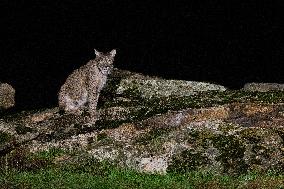
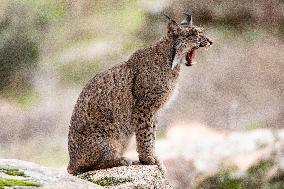
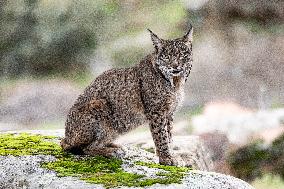
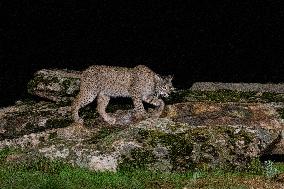
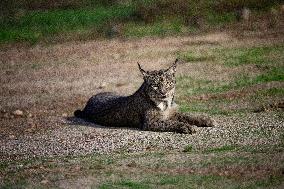
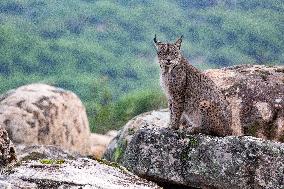
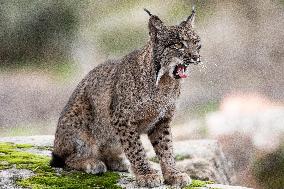
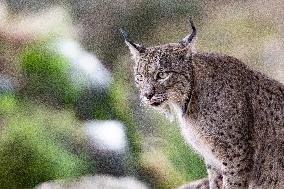
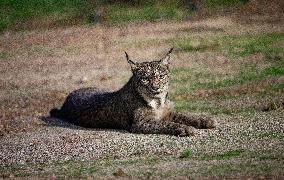
A lynx in Cortijo Gato Clavo, on November 8, 2024, in the Sierra de Andujar Natural Park, Jaen, Andalusia, Spain. In June 2024, the total number of lynx in the Iberian Peninsula exceeded 2000 specimens, thus ceasing to be an "endangered" species and becoming "vulnerable". In any case, this figure is still far from reaching the number of specimens between 3000-5000 to reach a viable population in its entirety and out of danger to be in a favorable conservation status, according to European regulations. Among the threats to the lynx are the decrease in the populations of wild rabbits, which make up 90% of its diet, the increasing number of road killings and poaching. Every year in Spain, 100 lynxes are killed by road kill or killed by hunting, poisons or traps. Photo by Rafael Bastante/Europa Press/ABACAPRESS.COM

  •  
Lynx At Andujar Natural Park - Spain

Lynx At Andujar Natural Park - Spain

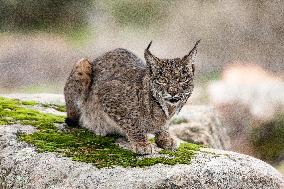
A lynx in Cortijo Gato Clavo, on November 8, 2024, in the Sierra de Andujar Natural Park, Jaen, Andalusia, Spain. In June 2024, the total number of lynx in the Iberian Peninsula exceeded 2000 specimens, thus ceasing to be an "endangered" species and becoming "vulnerable". In any case, this figure is still far from reaching the number of specimens between 3000-5000 to reach a viable population in its entirety and out of danger to be in a favorable conservation status, according to European regulations. Among the threats to the lynx are the decrease in the populations of wild rabbits, which make up 90% of its diet, the increasing number of road killings and poaching. Every year in Spain, 100 lynxes are killed by road kill or killed by hunting, poisons or traps. Photo by Rafael Bastante/Europa Press/ABACAPRESS.COM

  •  
Lynx At Andujar Natural Park - Spain

Lynx At Andujar Natural Park - Spain

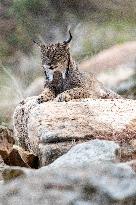
A lynx in Cortijo Gato Clavo, on November 8, 2024, in the Sierra de Andujar Natural Park, Jaen, Andalusia, Spain. In June 2024, the total number of lynx in the Iberian Peninsula exceeded 2000 specimens, thus ceasing to be an "endangered" species and becoming "vulnerable". In any case, this figure is still far from reaching the number of specimens between 3000-5000 to reach a viable population in its entirety and out of danger to be in a favorable conservation status, according to European regulations. Among the threats to the lynx are the decrease in the populations of wild rabbits, which make up 90% of its diet, the increasing number of road killings and poaching. Every year in Spain, 100 lynxes are killed by road kill or killed by hunting, poisons or traps. Photo by Rafael Bastante/Europa Press/ABACAPRESS.COM

  •  
Lynx At Andujar Natural Park - Spain

Lynx At Andujar Natural Park - Spain

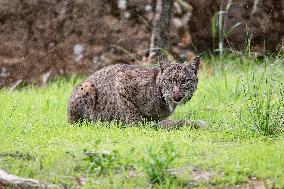
A lynx in Cortijo Gato Clavo, on November 8, 2024, in the Sierra de Andujar Natural Park, Jaen, Andalusia, Spain. In June 2024, the total number of lynx in the Iberian Peninsula exceeded 2000 specimens, thus ceasing to be an "endangered" species and becoming "vulnerable". In any case, this figure is still far from reaching the number of specimens between 3000-5000 to reach a viable population in its entirety and out of danger to be in a favorable conservation status, according to European regulations. Among the threats to the lynx are the decrease in the populations of wild rabbits, which make up 90% of its diet, the increasing number of road killings and poaching. Every year in Spain, 100 lynxes are killed by road kill or killed by hunting, poisons or traps. Photo by Rafael Bastante/Europa Press/ABACAPRESS.COM

  •  
Lynx At Andujar Natural Park - Spain

Lynx At Andujar Natural Park - Spain

A lynx in Cortijo Gato Clavo, on November 8, 2024, in the Sierra de Andujar Natural Park, Jaen, Andalusia, Spain. In June 2024, the total number of lynx in the Iberian Peninsula exceeded 2000 specimens, thus ceasing to be an "endangered" species and becoming "vulnerable". In any case, this figure is still far from reaching the number of specimens between 3000-5000 to reach a viable population in its entirety and out of danger to be in a favorable conservation status, according to European regulations. Among the threats to the lynx are the decrease in the populations of wild rabbits, which make up 90% of its diet, the increasing number of road killings and poaching. Every year in Spain, 100 lynxes are killed by road kill or killed by hunting, poisons or traps. Photo by Rafael Bastante/Europa Press/ABACAPRESS.COM

  •  
Lynx At Andujar Natural Park - Spain

Lynx At Andujar Natural Park - Spain

A lynx in Cortijo Gato Clavo, on November 8, 2024, in the Sierra de Andujar Natural Park, Jaen, Andalusia, Spain. In June 2024, the total number of lynx in the Iberian Peninsula exceeded 2000 specimens, thus ceasing to be an "endangered" species and becoming "vulnerable". In any case, this figure is still far from reaching the number of specimens between 3000-5000 to reach a viable population in its entirety and out of danger to be in a favorable conservation status, according to European regulations. Among the threats to the lynx are the decrease in the populations of wild rabbits, which make up 90% of its diet, the increasing number of road killings and poaching. Every year in Spain, 100 lynxes are killed by road kill or killed by hunting, poisons or traps. Photo by Rafael Bastante/Europa Press/ABACAPRESS.COM

  •  
Lynx At Andujar Natural Park - Spain

Lynx At Andujar Natural Park - Spain

A lynx in Cortijo Gato Clavo, on November 8, 2024, in the Sierra de Andujar Natural Park, Jaen, Andalusia, Spain. In June 2024, the total number of lynx in the Iberian Peninsula exceeded 2000 specimens, thus ceasing to be an "endangered" species and becoming "vulnerable". In any case, this figure is still far from reaching the number of specimens between 3000-5000 to reach a viable population in its entirety and out of danger to be in a favorable conservation status, according to European regulations. Among the threats to the lynx are the decrease in the populations of wild rabbits, which make up 90% of its diet, the increasing number of road killings and poaching. Every year in Spain, 100 lynxes are killed by road kill or killed by hunting, poisons or traps. Photo by Rafael Bastante/Europa Press/ABACAPRESS.COM

  •  
Lynx At Andujar Natural Park - Spain

Lynx At Andujar Natural Park - Spain

A lynx in Cortijo Gato Clavo, on November 8, 2024, in the Sierra de Andujar Natural Park, Jaen, Andalusia, Spain. In June 2024, the total number of lynx in the Iberian Peninsula exceeded 2000 specimens, thus ceasing to be an "endangered" species and becoming "vulnerable". In any case, this figure is still far from reaching the number of specimens between 3000-5000 to reach a viable population in its entirety and out of danger to be in a favorable conservation status, according to European regulations. Among the threats to the lynx are the decrease in the populations of wild rabbits, which make up 90% of its diet, the increasing number of road killings and poaching. Every year in Spain, 100 lynxes are killed by road kill or killed by hunting, poisons or traps. Photo by Rafael Bastante/Europa Press/ABACAPRESS.COM

  •  
Lynx At Andujar Natural Park - Spain

Lynx At Andujar Natural Park - Spain

A lynx in Cortijo Gato Clavo, on November 8, 2024, in the Sierra de Andujar Natural Park, Jaen, Andalusia, Spain. In June 2024, the total number of lynx in the Iberian Peninsula exceeded 2000 specimens, thus ceasing to be an "endangered" species and becoming "vulnerable". In any case, this figure is still far from reaching the number of specimens between 3000-5000 to reach a viable population in its entirety and out of danger to be in a favorable conservation status, according to European regulations. Among the threats to the lynx are the decrease in the populations of wild rabbits, which make up 90% of its diet, the increasing number of road killings and poaching. Every year in Spain, 100 lynxes are killed by road kill or killed by hunting, poisons or traps. Photo by Rafael Bastante/Europa Press/ABACAPRESS.COM

  •  
Lynx At Andujar Natural Park - Spain

Lynx At Andujar Natural Park - Spain

A lynx in Cortijo Gato Clavo, on November 8, 2024, in the Sierra de Andujar Natural Park, Jaen, Andalusia, Spain. In June 2024, the total number of lynx in the Iberian Peninsula exceeded 2000 specimens, thus ceasing to be an "endangered" species and becoming "vulnerable". In any case, this figure is still far from reaching the number of specimens between 3000-5000 to reach a viable population in its entirety and out of danger to be in a favorable conservation status, according to European regulations. Among the threats to the lynx are the decrease in the populations of wild rabbits, which make up 90% of its diet, the increasing number of road killings and poaching. Every year in Spain, 100 lynxes are killed by road kill or killed by hunting, poisons or traps. Photo by Rafael Bastante/Europa Press/ABACAPRESS.COM

  •  
Lynx At Andujar Natural Park - Spain

Lynx At Andujar Natural Park - Spain

A lynx in Cortijo Gato Clavo, on November 8, 2024, in the Sierra de Andujar Natural Park, Jaen, Andalusia, Spain. In June 2024, the total number of lynx in the Iberian Peninsula exceeded 2000 specimens, thus ceasing to be an "endangered" species and becoming "vulnerable". In any case, this figure is still far from reaching the number of specimens between 3000-5000 to reach a viable population in its entirety and out of danger to be in a favorable conservation status, according to European regulations. Among the threats to the lynx are the decrease in the populations of wild rabbits, which make up 90% of its diet, the increasing number of road killings and poaching. Every year in Spain, 100 lynxes are killed by road kill or killed by hunting, poisons or traps. Photo by Rafael Bastante/Europa Press/ABACAPRESS.COM

  •  
Lynx At Andujar Natural Park - Spain

Lynx At Andujar Natural Park - Spain

A lynx in Cortijo Gato Clavo, on November 8, 2024, in the Sierra de Andujar Natural Park, Jaen, Andalusia, Spain. In June 2024, the total number of lynx in the Iberian Peninsula exceeded 2000 specimens, thus ceasing to be an "endangered" species and becoming "vulnerable". In any case, this figure is still far from reaching the number of specimens between 3000-5000 to reach a viable population in its entirety and out of danger to be in a favorable conservation status, according to European regulations. Among the threats to the lynx are the decrease in the populations of wild rabbits, which make up 90% of its diet, the increasing number of road killings and poaching. Every year in Spain, 100 lynxes are killed by road kill or killed by hunting, poisons or traps. Photo by Rafael Bastante/Europa Press/ABACAPRESS.COM

  •  
(InXizang)CHINA-XIZANG-CHANGTANG NATIONAL NATURE RESERVE-RANGERS (CN)

(InXizang)CHINA-XIZANG-CHANGTANG NATIONAL NATURE RESERVE-RANGERS (CN)

(240514) -- NAGQU, May 14, 2024 (Xinhua) -- An aerial drone photo shows rangers paying tribute in front of the monument of Norbu Yugyel, a heroic ranger who died in a fight against poaching in 2002, at the Changtang National Nature Reserve in Nyima County of southwest China's Xizang Autonomous Region, May 10, 2024. Nyima County launched a two-week intensified patrol of the core areas of the Changtang National Nature Reserve, starting from May 7. Located in the northern part of Xizang, the nature reserve is home to over 30 kinds of wild animals listed on China's national-level protection catalogue, including Tibetan antelopes and wild yaks. (Xinhua/Jiang Fan)

  •  
European goldfinch endangered by illegal trafficking - France

European goldfinch endangered by illegal trafficking - France

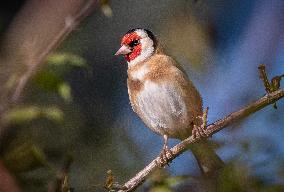
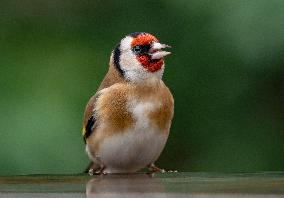
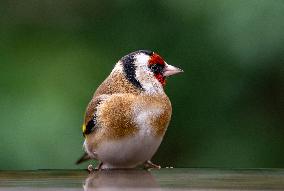
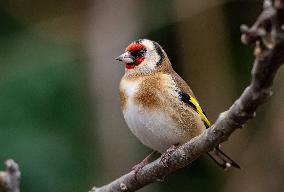
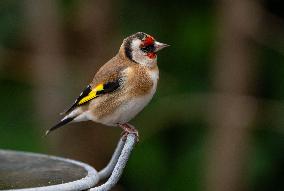
An European Goldfinch ( Chardonneret Elegant ) seen in Rosny Sous Bois near Paris, France on April 7, 2021. Considered to be vulnerable in France, the European goldfinch population has fallen by almost 50% in 10 years as a result of poaching and illegal trafficking, according to the International Union for the Conservation of Nature. Photo by Christophe Geyres/ABACAPRESS.COM

  •  
European goldfinch endangered by illegal trafficking - France

European goldfinch endangered by illegal trafficking - France

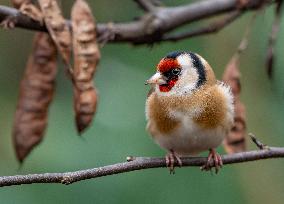
An European Goldfinch ( Chardonneret Elegant ) seen in Rosny Sous Bois near Paris, France on April 7, 2021. Considered to be vulnerable in France, the European goldfinch population has fallen by almost 50% in 10 years as a result of poaching and illegal trafficking, according to the International Union for the Conservation of Nature. Photo by Christophe Geyres/ABACAPRESS.COM

  •  
European goldfinch endangered by illegal trafficking - France

European goldfinch endangered by illegal trafficking - France

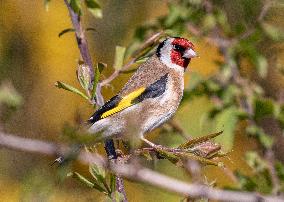
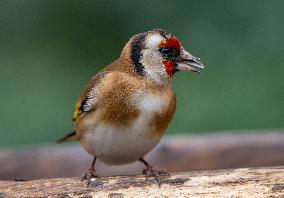
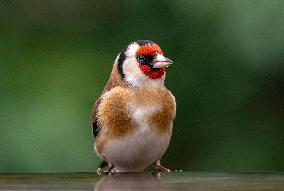
An European Goldfinch ( Chardonneret Elegant ) seen in Rosny Sous Bois near Paris, France on January 14, 2024. Considered to be vulnerable in France, the European goldfinch population has fallen by almost 50% in 10 years as a result of poaching and illegal trafficking, according to the International Union for the Conservation of Nature. Photo by Christophe Geyres/ABACAPRESS.COM

  •  
European goldfinch endangered by illegal trafficking - France

European goldfinch endangered by illegal trafficking - France

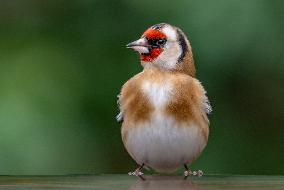
An European Goldfinch ( Chardonneret Elegant ) seen in Rosny Sous Bois near Paris, France on January 14, 2024. Considered to be vulnerable in France, the European goldfinch population has fallen by almost 50% in 10 years as a result of poaching and illegal trafficking, according to the International Union for the Conservation of Nature. Photo by Christophe Geyres/ABACAPRESS.COM

  •  
European goldfinch endangered by illegal trafficking - France

European goldfinch endangered by illegal trafficking - France

An European Goldfinch ( Chardonneret Elegant ) seen in Rosny Sous Bois near Paris, France on January 14, 2024. Considered to be vulnerable in France, the European goldfinch population has fallen by almost 50% in 10 years as a result of poaching and illegal trafficking, according to the International Union for the Conservation of Nature. Photo by Christophe Geyres/ABACAPRESS.COM

  •  
European goldfinch endangered by illegal trafficking - France

European goldfinch endangered by illegal trafficking - France

An European Goldfinch ( Chardonneret Elegant ) seen in Rosny Sous Bois near Paris, France on January 14, 2024. Considered to be vulnerable in France, the European goldfinch population has fallen by almost 50% in 10 years as a result of poaching and illegal trafficking, according to the International Union for the Conservation of Nature. Photo by Christophe Geyres/ABACAPRESS.COM

  •  
European goldfinch endangered by illegal trafficking - France

European goldfinch endangered by illegal trafficking - France

An European Goldfinch ( Chardonneret Elegant ) seen in Rosny Sous Bois near Paris, France on January 14, 2024. Considered to be vulnerable in France, the European goldfinch population has fallen by almost 50% in 10 years as a result of poaching and illegal trafficking, according to the International Union for the Conservation of Nature. Photo by Christophe Geyres/ABACAPRESS.COM

  •  
European goldfinch endangered by illegal trafficking - France

European goldfinch endangered by illegal trafficking - France

An European Goldfinch ( Chardonneret Elegant ) seen in Rosny Sous Bois near Paris, France on January 14, 2024. Considered to be vulnerable in France, the European goldfinch population has fallen by almost 50% in 10 years as a result of poaching and illegal trafficking, according to the International Union for the Conservation of Nature. Photo by Christophe Geyres/ABACAPRESS.COM

  •  
European goldfinch endangered by illegal trafficking - France

European goldfinch endangered by illegal trafficking - France

An European Goldfinch ( Chardonneret Elegant ) seen in Rosny Sous Bois near Paris, France on January 14, 2024. Considered to be vulnerable in France, the European goldfinch population has fallen by almost 50% in 10 years as a result of poaching and illegal trafficking, according to the International Union for the Conservation of Nature. Photo by Christophe Geyres/ABACAPRESS.COM

  •  
European goldfinch endangered by illegal trafficking - France

European goldfinch endangered by illegal trafficking - France

An European Goldfinch ( Chardonneret Elegant ) seen in Rosny Sous Bois near Paris, France on January 14, 2024. Considered to be vulnerable in France, the European goldfinch population has fallen by almost 50% in 10 years as a result of poaching and illegal trafficking, according to the International Union for the Conservation of Nature. Photo by Christophe Geyres/ABACAPRESS.COM

  •  
(InTibet) CHINA-XIZANG-CHANGTANG NATIONAL NATURE RESERVE-RANGERS (CN)

(InTibet) CHINA-XIZANG-CHANGTANG NATIONAL NATURE RESERVE-RANGERS (CN)

(231223) -- LHASA, Dec. 23, 2023 (Xinhua) -- Kelsang Lhundrup checks photos of wild animals during his patrol at the Changtang National Nature Reserve in southwest China's Xizang Autonomous Region, Dec. 21, 2023. Changtang National Nature Reserve is located in the northern part of southwest China's Xizang Autonomous Region. With a total area of about 298,000 square kilometers, the reserve is home to over 30 wild animal species listed on China's national-level protection catalogue, such as the Tibetan antelope and the wild yak. Norbu Yugyel wildlife protection station, named after a heroic ranger who died in a fight against poaching, is among the 73 wildlife protection stations established at the Changtang National Nature Reserve since 2015. It guards the main road leading to the no-man's land of Changtang. Kelsang Lhundrup, 35, leads a team of 14 rangers at the Norbu Yugyel wildlife protection station. Kelsang loves documenting wild animals, the starry sky, and everything along his patrol routes. "While

  •  
(InTibet) CHINA-XIZANG-CHANGTANG NATIONAL NATURE RESERVE-RANGERS (CN)

(InTibet) CHINA-XIZANG-CHANGTANG NATIONAL NATURE RESERVE-RANGERS (CN)

(231223) -- LHASA, Dec. 23, 2023 (Xinhua) -- Rangers get ready to patrol the Changtang National Nature Reserve in southwest China's Xizang Autonomous Region, Dec. 17, 2023. Changtang National Nature Reserve is located in the northern part of southwest China's Xizang Autonomous Region. With a total area of about 298,000 square kilometers, the reserve is home to over 30 wild animal species listed on China's national-level protection catalogue, such as the Tibetan antelope and the wild yak. Norbu Yugyel wildlife protection station, named after a heroic ranger who died in a fight against poaching, is among the 73 wildlife protection stations established at the Changtang National Nature Reserve since 2015. It guards the main road leading to the no-man's land of Changtang. Kelsang Lhundrup, 35, leads a team of 14 rangers at the Norbu Yugyel wildlife protection station. Kelsang loves documenting wild animals, the starry sky, and everything along his patrol routes. "While everyone is chasing broad dreams, the C

  •  
(InTibet) CHINA-XIZANG-CHANGTANG NATIONAL NATURE RESERVE-RANGERS (CN)

(InTibet) CHINA-XIZANG-CHANGTANG NATIONAL NATURE RESERVE-RANGERS (CN)

(231223) -- LHASA, Dec. 23, 2023 (Xinhua) -- Tibetan antelopes are pictured by Kelsang Lhundrup as he patrols the Changtang National Nature Reserve in southwest China's Xizang Autonomous Region, Aug. 12, 2023. Changtang National Nature Reserve is located in the northern part of southwest China's Xizang Autonomous Region. With a total area of about 298,000 square kilometers, the reserve is home to over 30 wild animal species listed on China's national-level protection catalogue, such as the Tibetan antelope and the wild yak. Norbu Yugyel wildlife protection station, named after a heroic ranger who died in a fight against poaching, is among the 73 wildlife protection stations established at the Changtang National Nature Reserve since 2015. It guards the main road leading to the no-man's land of Changtang. Kelsang Lhundrup, 35, leads a team of 14 rangers at the Norbu Yugyel wildlife protection station. Kelsang loves documenting wild animals, the starry sky, and everything along his patrol routes. "While ev

  •  
(InTibet) CHINA-XIZANG-CHANGTANG NATIONAL NATURE RESERVE-RANGERS (CN)

(InTibet) CHINA-XIZANG-CHANGTANG NATIONAL NATURE RESERVE-RANGERS (CN)

(231223) -- LHASA, Dec. 23, 2023 (Xinhua) -- Kelsang Lhundrup takes photos of wild animals during his patrol at the Changtang National Nature Reserve in southwest China's Xizang Autonomous Region, Dec. 21, 2023. Changtang National Nature Reserve is located in the northern part of southwest China's Xizang Autonomous Region. With a total area of about 298,000 square kilometers, the reserve is home to over 30 wild animal species listed on China's national-level protection catalogue, such as the Tibetan antelope and the wild yak. Norbu Yugyel wildlife protection station, named after a heroic ranger who died in a fight against poaching, is among the 73 wildlife protection stations established at the Changtang National Nature Reserve since 2015. It guards the main road leading to the no-man's land of Changtang. Kelsang Lhundrup, 35, leads a team of 14 rangers at the Norbu Yugyel wildlife protection station. Kelsang loves documenting wild animals, the starry sky, and everything along his patrol routes. "While

  •  
(InTibet) CHINA-XIZANG-CHANGTANG NATIONAL NATURE RESERVE-RANGERS (CN)

(InTibet) CHINA-XIZANG-CHANGTANG NATIONAL NATURE RESERVE-RANGERS (CN)

(231223) -- LHASA, Dec. 23, 2023 (Xinhua) -- Rangers patrol the Changtang National Nature Reserve in southwest China's Xizang Autonomous Region, Dec. 17, 2023. Changtang National Nature Reserve is located in the northern part of southwest China's Xizang Autonomous Region. With a total area of about 298,000 square kilometers, the reserve is home to over 30 wild animal species listed on China's national-level protection catalogue, such as the Tibetan antelope and the wild yak. Norbu Yugyel wildlife protection station, named after a heroic ranger who died in a fight against poaching, is among the 73 wildlife protection stations established at the Changtang National Nature Reserve since 2015. It guards the main road leading to the no-man's land of Changtang. Kelsang Lhundrup, 35, leads a team of 14 rangers at the Norbu Yugyel wildlife protection station. Kelsang loves documenting wild animals, the starry sky, and everything along his patrol routes. "While everyone is chasing broad dreams, the Changtang gras

  •  
(InTibet) CHINA-XIZANG-CHANGTANG NATIONAL NATURE RESERVE-RANGERS (CN)

(InTibet) CHINA-XIZANG-CHANGTANG NATIONAL NATURE RESERVE-RANGERS (CN)

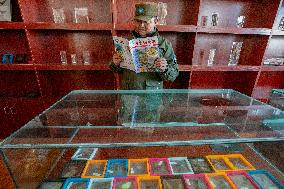
(231223) -- LHASA, Dec. 23, 2023 (Xinhua) -- Kelsang Lhundrup reads a magazine next to fossil specimens displayed at Norbu Yugyel wildlife protection station of the Changtang National Nature Reserve in southwest China's Xizang Autonomous Region, Dec. 21, 2023. Changtang National Nature Reserve is located in the northern part of southwest China's Xizang Autonomous Region. With a total area of about 298,000 square kilometers, the reserve is home to over 30 wild animal species listed on China's national-level protection catalogue, such as the Tibetan antelope and the wild yak. Norbu Yugyel wildlife protection station, named after a heroic ranger who died in a fight against poaching, is among the 73 wildlife protection stations established at the Changtang National Nature Reserve since 2015. It guards the main road leading to the no-man's land of Changtang. Kelsang Lhundrup, 35, leads a team of 14 rangers at the Norbu Yugyel wildlife protection station. Kelsang loves documenting wild animals, the starry sky

  •  
(InTibet) CHINA-XIZANG-CHANGTANG NATIONAL NATURE RESERVE-RANGERS (CN)

(InTibet) CHINA-XIZANG-CHANGTANG NATIONAL NATURE RESERVE-RANGERS (CN)

(231223) -- LHASA, Dec. 23, 2023 (Xinhua) -- Kelsang Lhundrup takes photos of wild animals during his patrol at the Changtang National Nature Reserve in southwest China's Xizang Autonomous Region, Dec. 21, 2023. Changtang National Nature Reserve is located in the northern part of southwest China's Xizang Autonomous Region. With a total area of about 298,000 square kilometers, the reserve is home to over 30 wild animal species listed on China's national-level protection catalogue, such as the Tibetan antelope and the wild yak. Norbu Yugyel wildlife protection station, named after a heroic ranger who died in a fight against poaching, is among the 73 wildlife protection stations established at the Changtang National Nature Reserve since 2015. It guards the main road leading to the no-man's land of Changtang. Kelsang Lhundrup, 35, leads a team of 14 rangers at the Norbu Yugyel wildlife protection station. Kelsang loves documenting wild animals, the starry sky, and everything along his patrol routes. "While

  •  
(InTibet) CHINA-XIZANG-CHANGTANG NATIONAL NATURE RESERVE-RANGERS (CN)

(InTibet) CHINA-XIZANG-CHANGTANG NATIONAL NATURE RESERVE-RANGERS (CN)

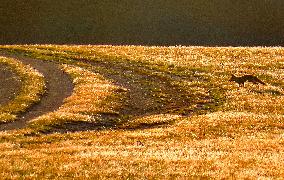
(231223) -- LHASA, Dec. 23, 2023 (Xinhua) -- A Tibetan fox is pictured by Kelsang Lhundrup as he patrols the Changtang National Nature Reserve in southwest China's Xizang Autonomous Region, July 20, 2023. Changtang National Nature Reserve is located in the northern part of southwest China's Xizang Autonomous Region. With a total area of about 298,000 square kilometers, the reserve is home to over 30 wild animal species listed on China's national-level protection catalogue, such as the Tibetan antelope and the wild yak. Norbu Yugyel wildlife protection station, named after a heroic ranger who died in a fight against poaching, is among the 73 wildlife protection stations established at the Changtang National Nature Reserve since 2015. It guards the main road leading to the no-man's land of Changtang. Kelsang Lhundrup, 35, leads a team of 14 rangers at the Norbu Yugyel wildlife protection station. Kelsang loves documenting wild animals, the starry sky, and everything along his patrol routes. "While everyon

  •  

Endangered Mongolian saiga antelopes' population exceeds 15,500

STORY: Endangered Mongolian saiga antelopes' population exceeds 15,500 SHOOTING TIME: Earlier footage DATELINE: Nov. 21, 2023 LENGTH: 00:00:46 LOCATION: Ulan Bator CATEGORY: ENVIRONMENT SHOTLIST: 1. various of Mongolian Saiga antelopes STORYLINE: The number of Mongolian saiga antelopes, a critically endangered species, has increased to more than 15,500, local media reported Tuesday, citing the World Wide Fund for Nature (WWF)-Mongolia. "The population of Mongolian Saiga antelopes has increased to at least 15,540 this year. Also, since 2018, there have been no recorded cases of illegal hunting of Mongolian Saiga antelopes," the WWF-Mongolia said in a statement. The species' population had declined to only 750 in early 2000 due to several factors such as infectious diseases, harsh weather conditions and poaching. Xinhua News Agency correspondents reporting from Ulan Bator. (XHTV)

  •  
CHINA-GUANGXI-CHONGZUO-WHITE-HEADED LANGURS (CN)

CHINA-GUANGXI-CHONGZUO-WHITE-HEADED LANGURS (CN)

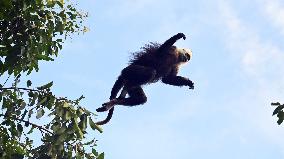
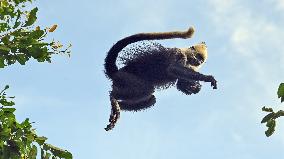
(230808) -- CHONGZUO, Aug. 8, 2023 (Xinhua) -- A white-headed langur leaps at a national nature reserve in Luobai Town of Jiangzhou District, Chongzuo City, south China's Guangxi Zhuang Autonomous Region, Aug. 5, 2023. The white-headed langur is one of the world's most endangered primate species and exclusive to China. The endangered animal, characterized by the white hair on their heads, are spotted in the karst hills between the Zuojiang and Mingjiang rivers in the city of Chongzuo, Guangxi. In the 1980s, the population of white-headed langur dwindled to some 300 due to deforestation, land reclamation and poaching. Now the population of the animal has increased to around 1,400. (Xinhua/Zhang Ailin)

  •  
CHINA-GUANGXI-CHONGZUO-WHITE-HEADED LANGURS (CN)

CHINA-GUANGXI-CHONGZUO-WHITE-HEADED LANGURS (CN)

(230808) -- CHONGZUO, Aug. 8, 2023 (Xinhua) -- A white-headed langur leaps at a national nature reserve in Luobai Town of Jiangzhou District, Chongzuo City, south China's Guangxi Zhuang Autonomous Region, Aug. 5, 2023. The white-headed langur is one of the world's most endangered primate species and exclusive to China. The endangered animal, characterized by the white hair on their heads, are spotted in the karst hills between the Zuojiang and Mingjiang rivers in the city of Chongzuo, Guangxi. In the 1980s, the population of white-headed langur dwindled to some 300 due to deforestation, land reclamation and poaching. Now the population of the animal has increased to around 1,400. (Xinhua/Zhang Ailin)

  •  
CHINA-GUANGXI-CHONGZUO-WHITE-HEADED LANGURS (CN)

CHINA-GUANGXI-CHONGZUO-WHITE-HEADED LANGURS (CN)

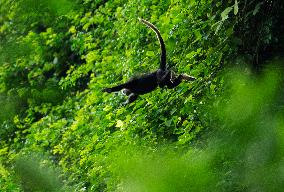
(230808) -- CHONGZUO, Aug. 8, 2023 (Xinhua) -- A white-headed langur leaps at a national nature reserve in Luobai Town of Jiangzhou District, Chongzuo City, south China's Guangxi Zhuang Autonomous Region, Aug. 5, 2023. The white-headed langur is one of the world's most endangered primate species and exclusive to China. The endangered animal, characterized by the white hair on their heads, are spotted in the karst hills between the Zuojiang and Mingjiang rivers in the city of Chongzuo, Guangxi. In the 1980s, the population of white-headed langur dwindled to some 300 due to deforestation, land reclamation and poaching. Now the population of the animal has increased to around 1,400. (Xinhua/Zhang Ailin)

  •  
CHINA-GUANGXI-CHONGZUO-WHITE-HEADED LANGURS (CN)

CHINA-GUANGXI-CHONGZUO-WHITE-HEADED LANGURS (CN)

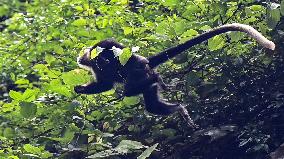
(230808) -- CHONGZUO, Aug. 8, 2023 (Xinhua) -- A white-headed langur leaps at a national nature reserve in Luobai Town of Jiangzhou District, Chongzuo City, south China's Guangxi Zhuang Autonomous Region, Aug. 5, 2023. The white-headed langur is one of the world's most endangered primate species and exclusive to China. The endangered animal, characterized by the white hair on their heads, are spotted in the karst hills between the Zuojiang and Mingjiang rivers in the city of Chongzuo, Guangxi. In the 1980s, the population of white-headed langur dwindled to some 300 due to deforestation, land reclamation and poaching. Now the population of the animal has increased to around 1,400. (Xinhua/Fei Maohua)

  •  
CHINA-GUANGXI-CHONGZUO-WHITE-HEADED LANGURS (CN)

CHINA-GUANGXI-CHONGZUO-WHITE-HEADED LANGURS (CN)

(230808) -- CHONGZUO, Aug. 8, 2023 (Xinhua) -- A tourist takes photos of a white-headed langur at a national nature reserve in Luobai Town of Jiangzhou District, Chongzuo City, south China's Guangxi Zhuang Autonomous Region, Aug. 4, 2023. The white-headed langur is one of the world's most endangered primate species and exclusive to China. The endangered animal, characterized by the white hair on their heads, are spotted in the karst hills between the Zuojiang and Mingjiang rivers in the city of Chongzuo, Guangxi. In the 1980s, the population of white-headed langur dwindled to some 300 due to deforestation, land reclamation and poaching. Now the population of the animal has increased to around 1,400. (Xinhua/Fei Maohua)

  •  
CHINA-GUANGXI-CHONGZUO-WHITE-HEADED LANGURS (CN)

CHINA-GUANGXI-CHONGZUO-WHITE-HEADED LANGURS (CN)

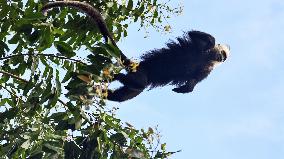
(230808) -- CHONGZUO, Aug. 8, 2023 (Xinhua) -- A white-headed langur leaps at a national nature reserve in Luobai Town of Jiangzhou District, Chongzuo City, south China's Guangxi Zhuang Autonomous Region, Aug. 5, 2023. The white-headed langur is one of the world's most endangered primate species and exclusive to China. The endangered animal, characterized by the white hair on their heads, are spotted in the karst hills between the Zuojiang and Mingjiang rivers in the city of Chongzuo, Guangxi. In the 1980s, the population of white-headed langur dwindled to some 300 due to deforestation, land reclamation and poaching. Now the population of the animal has increased to around 1,400. (Xinhua/Zhang Ailin)

  • Main
  • Top
  • Editorial
  • Creative
  • About Us
  • About ILG
  • Terms of use
  • Company
  • BEHIND
  • Price List
  • Single Plan
  • Monthly Plan
  • Services
  • Shooting
  • Rights Clearance
  • Support
  • FAQ
  • How To Buy
  • Contact Us
  • Become a Partner

© KYODO NEWS IMAGES INC

All Rights Reserved.

  • Editorial
  • Olympics
  • News
  • Sports
  • Japan
  • Tech
  • Royal
  • Disaster
  • NorthKorea
  • Old Japan
  • SNS

  • Creative
  • Food
  • Japan
  • Landscape
  • Animal
  • Popular
  • #Ukraine
  • #Russia
  • #coronavirus
  • #N. Korea
  • #Thailand
  • #China
  • #Ukraine
  • #Russia
  • #coronavirus
  • #N. Korea
  • #Thailand
  • #China
  • Food
  • Japan
  • Landscape
  • Animal
  • Olympics
  • News
  • Sports
  • Japan
  • Tech
  • Royal
  • Disaster
  • NorthKorea
  • Old Japan
  • SNS