•  
Asian hornets preying on hundreds of native insect species in Europe

Asian hornets preying on hundreds of native insect species in Europe

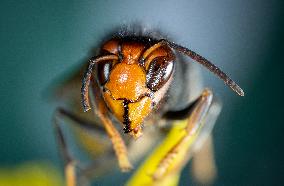
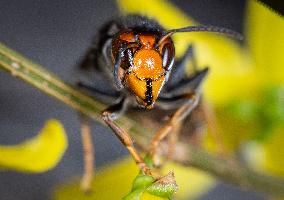
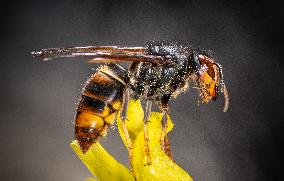
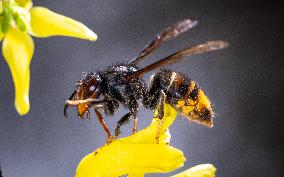
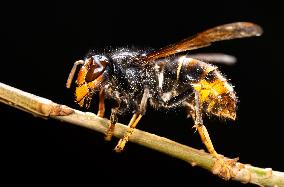
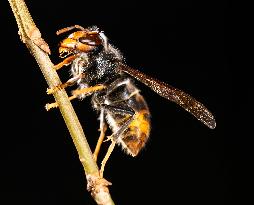
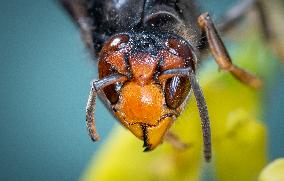
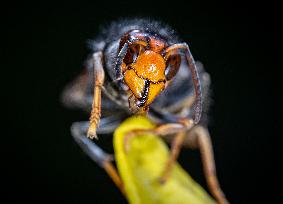
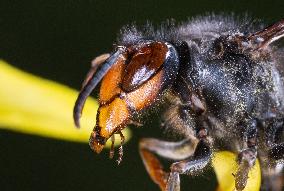
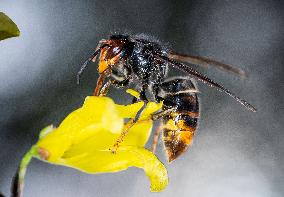
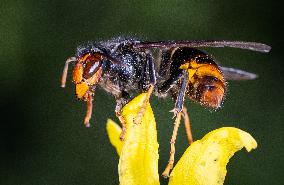
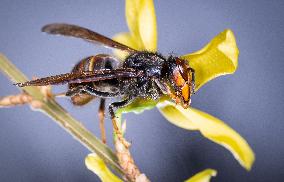
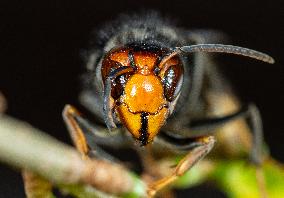
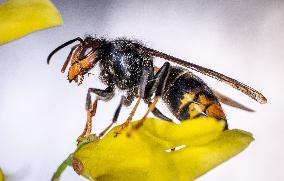
Close up on an Asian Hornet ( Vespa Velutina, Frelon Asiatique ) in Rosny Sous Bois near Paris on March 2025. Researchers at University of Exeter, UK warn many of the hunted species by Asian Hornets are important crop pollinators.The Asian hornet, or yellow-legged hornet, a voracious invasive, is native to south-east Asia. It arrived in France in a cargo of pottery from China about 20 years ago and spread rapidly across the continent. Photo by Christophe Geyres/ABACAPRESS.COM

  •  
Asian hornets preying on hundreds of native insect species in Europe

Asian hornets preying on hundreds of native insect species in Europe

Close up on an Asian Hornet ( Vespa Velutina, Frelon Asiatique ) in Rosny Sous Bois near Paris on March 2025. Researchers at University of Exeter, UK warn many of the hunted species by Asian Hornets are important crop pollinators.The Asian hornet, or yellow-legged hornet, a voracious invasive, is native to south-east Asia. It arrived in France in a cargo of pottery from China about 20 years ago and spread rapidly across the continent. Photo by Christophe Geyres/ABACAPRESS.COM

  •  
Asian hornets preying on hundreds of native insect species in Europe

Asian hornets preying on hundreds of native insect species in Europe

Close up on an Asian Hornet ( Vespa Velutina, Frelon Asiatique ) in Rosny Sous Bois near Paris on March 2025. Researchers at University of Exeter, UK warn many of the hunted species by Asian Hornets are important crop pollinators.The Asian hornet, or yellow-legged hornet, a voracious invasive, is native to south-east Asia. It arrived in France in a cargo of pottery from China about 20 years ago and spread rapidly across the continent. Photo by Christophe Geyres/ABACAPRESS.COM

  •  
Asian hornets preying on hundreds of native insect species in Europe

Asian hornets preying on hundreds of native insect species in Europe

Close up on an Asian Hornet ( Vespa Velutina, Frelon Asiatique ) in Rosny Sous Bois near Paris on March 2025. Researchers at University of Exeter, UK warn many of the hunted species by Asian Hornets are important crop pollinators.The Asian hornet, or yellow-legged hornet, a voracious invasive, is native to south-east Asia. It arrived in France in a cargo of pottery from China about 20 years ago and spread rapidly across the continent. Photo by Christophe Geyres/ABACAPRESS.COM

  •  
Asian hornets preying on hundreds of native insect species in Europe

Asian hornets preying on hundreds of native insect species in Europe

Close up on an Asian Hornet ( Vespa Velutina, Frelon Asiatique ) in Rosny Sous Bois near Paris on March 2025. Researchers at University of Exeter, UK warn many of the hunted species by Asian Hornets are important crop pollinators.The Asian hornet, or yellow-legged hornet, a voracious invasive, is native to south-east Asia. It arrived in France in a cargo of pottery from China about 20 years ago and spread rapidly across the continent. Photo by Christophe Geyres/ABACAPRESS.COM

  •  
Asian hornets preying on hundreds of native insect species in Europe

Asian hornets preying on hundreds of native insect species in Europe

Close up on an Asian Hornet ( Vespa Velutina, Frelon Asiatique ) in Rosny Sous Bois near Paris on March 2025. Researchers at University of Exeter, UK warn many of the hunted species by Asian Hornets are important crop pollinators.The Asian hornet, or yellow-legged hornet, a voracious invasive, is native to south-east Asia. It arrived in France in a cargo of pottery from China about 20 years ago and spread rapidly across the continent. Photo by Christophe Geyres/ABACAPRESS.COM

  •  
Asian hornets preying on hundreds of native insect species in Europe

Asian hornets preying on hundreds of native insect species in Europe

Close up on an Asian Hornet ( Vespa Velutina, Frelon Asiatique ) in Rosny Sous Bois near Paris on March 2025. Researchers at University of Exeter, UK warn many of the hunted species by Asian Hornets are important crop pollinators.The Asian hornet, or yellow-legged hornet, a voracious invasive, is native to south-east Asia. It arrived in France in a cargo of pottery from China about 20 years ago and spread rapidly across the continent. Photo by Christophe Geyres/ABACAPRESS.COM

  •  
Asian hornets preying on hundreds of native insect species in Europe

Asian hornets preying on hundreds of native insect species in Europe

Close up on an Asian Hornet ( Vespa Velutina, Frelon Asiatique ) in Rosny Sous Bois near Paris on March 2025. Researchers at University of Exeter, UK warn many of the hunted species by Asian Hornets are important crop pollinators.The Asian hornet, or yellow-legged hornet, a voracious invasive, is native to south-east Asia. It arrived in France in a cargo of pottery from China about 20 years ago and spread rapidly across the continent. Photo by Christophe Geyres/ABACAPRESS.COM

  •  
Asian hornets preying on hundreds of native insect species in Europe

Asian hornets preying on hundreds of native insect species in Europe

Close up on an Asian Hornet ( Vespa Velutina, Frelon Asiatique ) in Rosny Sous Bois near Paris on March 2025. Researchers at University of Exeter, UK warn many of the hunted species by Asian Hornets are important crop pollinators.The Asian hornet, or yellow-legged hornet, a voracious invasive, is native to south-east Asia. It arrived in France in a cargo of pottery from China about 20 years ago and spread rapidly across the continent. Photo by Christophe Geyres/ABACAPRESS.COM

  •  
Asian hornets preying on hundreds of native insect species in Europe

Asian hornets preying on hundreds of native insect species in Europe

Close up on an Asian Hornet ( Vespa Velutina, Frelon Asiatique ) in Rosny Sous Bois near Paris on March 2025. Researchers at University of Exeter, UK warn many of the hunted species by Asian Hornets are important crop pollinators.The Asian hornet, or yellow-legged hornet, a voracious invasive, is native to south-east Asia. It arrived in France in a cargo of pottery from China about 20 years ago and spread rapidly across the continent. Photo by Christophe Geyres/ABACAPRESS.COM

  •  
Asian hornets preying on hundreds of native insect species in Europe

Asian hornets preying on hundreds of native insect species in Europe

Close up on an Asian Hornet ( Vespa Velutina, Frelon Asiatique ) in Rosny Sous Bois near Paris on March 2025. Researchers at University of Exeter, UK warn many of the hunted species by Asian Hornets are important crop pollinators.The Asian hornet, or yellow-legged hornet, a voracious invasive, is native to south-east Asia. It arrived in France in a cargo of pottery from China about 20 years ago and spread rapidly across the continent. Photo by Christophe Geyres/ABACAPRESS.COM

  •  
Asian hornets preying on hundreds of native insect species in Europe

Asian hornets preying on hundreds of native insect species in Europe

Close up on an Asian Hornet ( Vespa Velutina, Frelon Asiatique ) in Rosny Sous Bois near Paris on March 2025. Researchers at University of Exeter, UK warn many of the hunted species by Asian Hornets are important crop pollinators.The Asian hornet, or yellow-legged hornet, a voracious invasive, is native to south-east Asia. It arrived in France in a cargo of pottery from China about 20 years ago and spread rapidly across the continent. Photo by Christophe Geyres/ABACAPRESS.COM

  •  
Asian hornets preying on hundreds of native insect species in Europe

Asian hornets preying on hundreds of native insect species in Europe

Close up on an Asian Hornet ( Vespa Velutina, Frelon Asiatique ) in Rosny Sous Bois near Paris on March 2025. Researchers at University of Exeter, UK warn many of the hunted species by Asian Hornets are important crop pollinators.The Asian hornet, or yellow-legged hornet, a voracious invasive, is native to south-east Asia. It arrived in France in a cargo of pottery from China about 20 years ago and spread rapidly across the continent. Photo by Christophe Geyres/ABACAPRESS.COM

  •  
Asian hornets preying on hundreds of native insect species in Europe

Asian hornets preying on hundreds of native insect species in Europe

Close up on an Asian Hornet ( Vespa Velutina, Frelon Asiatique ) in Rosny Sous Bois near Paris on March 2025. Researchers at University of Exeter, UK warn many of the hunted species by Asian Hornets are important crop pollinators.The Asian hornet, or yellow-legged hornet, a voracious invasive, is native to south-east Asia. It arrived in France in a cargo of pottery from China about 20 years ago and spread rapidly across the continent. Photo by Christophe Geyres/ABACAPRESS.COM

  •  
(HainanOutlook)CHINA-ECO-RED-FOOTED BOOBY (CN)

(HainanOutlook)CHINA-ECO-RED-FOOTED BOOBY (CN)

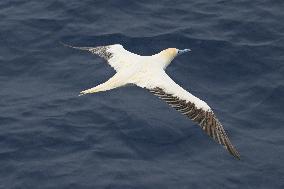
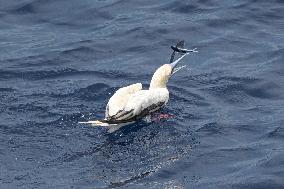
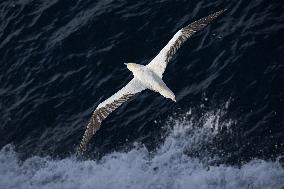
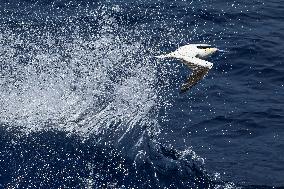
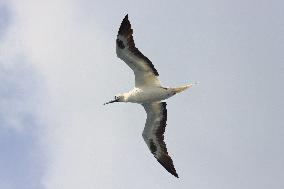
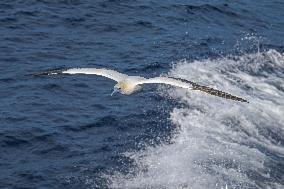
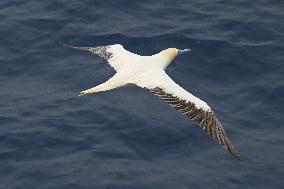
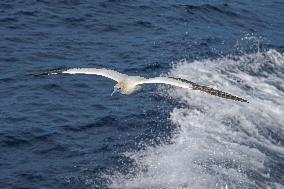
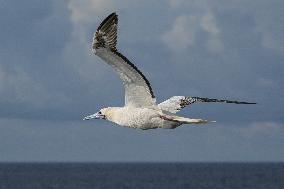
(240528) -- HAIKOU, May 28, 2024 Photo by Xinhua/ABACAPRESS.COM) -- A red-footed booby flies over the South China Sea, May 24, 2024. The South China Sea is home to a diverse array of marine life, including the flying fish, a unique creature which has the remarkable ability to leap out of the water and glide for short distances while under attack or disturbed by the sounds of nearby vessels. Among the many predators of the flying fish, the red-footed booby stands out as a particularly skilled hunter. Recognized as a national second-class protected wild animal, the red-footed booby has earned the nickname "hunter of flying fish." These birds are often seen accompanying ships and preying on flying fish that are startled by the ships. (Photo by Ding Yongchang/Xinhua/ABACAPRESS.COM

  •  
(HainanOutlook)CHINA-ECO-RED-FOOTED BOOBY (CN)

(HainanOutlook)CHINA-ECO-RED-FOOTED BOOBY (CN)

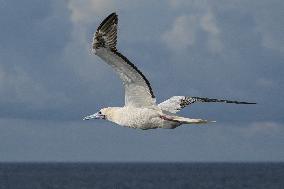
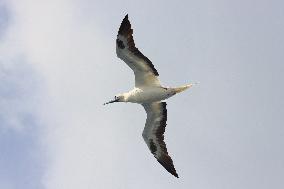
(240528) -- HAIKOU, May 28, 2024 Photo by Xinhua/ABACAPRESS.COM) -- A red-footed booby flies over the South China Sea, May 22, 2024. The South China Sea is home to a diverse array of marine life, including the flying fish, a unique creature which has the remarkable ability to leap out of the water and glide for short distances while under attack or disturbed by the sounds of nearby vessels. Among the many predators of the flying fish, the red-footed booby stands out as a particularly skilled hunter. Recognized as a national second-class protected wild animal, the red-footed booby has earned the nickname "hunter of flying fish." These birds are often seen accompanying ships and preying on flying fish that are startled by the ships. Photo by Xinhua/ABACAPRESS.COM/Pu Xiaoxu)

  •  
(HainanOutlook)CHINA-ECO-RED-FOOTED BOOBY (CN)

(HainanOutlook)CHINA-ECO-RED-FOOTED BOOBY (CN)

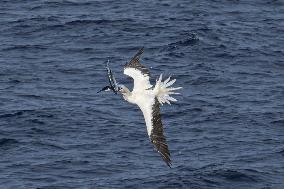
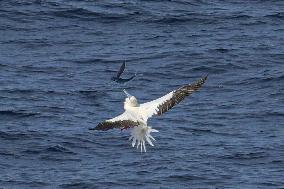
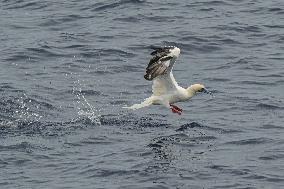
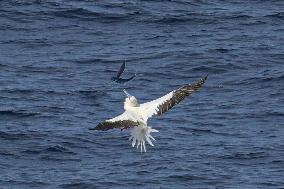
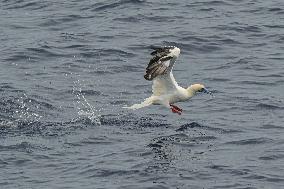
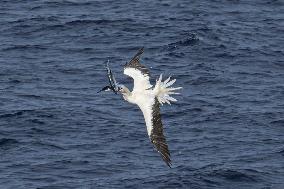
(240528) -- HAIKOU, May 28, 2024 Photo by Xinhua/ABACAPRESS.COM) -- A red-footed booby catches a flying fish over the South China Sea, May 24, 2024. The South China Sea is home to a diverse array of marine life, including the flying fish, a unique creature which has the remarkable ability to leap out of the water and glide for short distances while under attack or disturbed by the sounds of nearby vessels. Among the many predators of the flying fish, the red-footed booby stands out as a particularly skilled hunter. Recognized as a national second-class protected wild animal, the red-footed booby has earned the nickname "hunter of flying fish." These birds are often seen accompanying ships and preying on flying fish that are startled by the ships. Photo by Xinhua/ABACAPRESS.COM/Pu Xiaoxu)

  •  
(HainanOutlook)CHINA-ECO-RED-FOOTED BOOBY (CN)

(HainanOutlook)CHINA-ECO-RED-FOOTED BOOBY (CN)

(240528) -- HAIKOU, May 28, 2024 Photo by Xinhua/ABACAPRESS.COM) -- A red-footed booby flies over the South China Sea, May 22, 2024. The South China Sea is home to a diverse array of marine life, including the flying fish, a unique creature which has the remarkable ability to leap out of the water and glide for short distances while under attack or disturbed by the sounds of nearby vessels. Among the many predators of the flying fish, the red-footed booby stands out as a particularly skilled hunter. Recognized as a national second-class protected wild animal, the red-footed booby has earned the nickname "hunter of flying fish." These birds are often seen accompanying ships and preying on flying fish that are startled by the ships. Photo by Xinhua/ABACAPRESS.COM/Pu Xiaoxu)

  •  
(HainanOutlook)CHINA-ECO-RED-FOOTED BOOBY (CN)

(HainanOutlook)CHINA-ECO-RED-FOOTED BOOBY (CN)

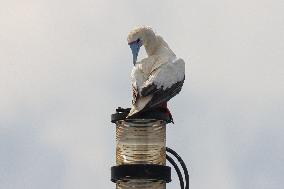
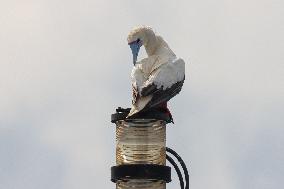
(240528) -- HAIKOU, May 28, 2024 Photo by Xinhua/ABACAPRESS.COM) -- A red-footed booby stands on the mast of a ship in the South China Sea, May 22, 2024. The South China Sea is home to a diverse array of marine life, including the flying fish, a unique creature which has the remarkable ability to leap out of the water and glide for short distances while under attack or disturbed by the sounds of nearby vessels. Among the many predators of the flying fish, the red-footed booby stands out as a particularly skilled hunter. Recognized as a national second-class protected wild animal, the red-footed booby has earned the nickname "hunter of flying fish." These birds are often seen accompanying ships and preying on flying fish that are startled by the ships. (Photo by Ding Yongchang/Xinhua/ABACAPRESS.COM

  •  
(HainanOutlook)CHINA-ECO-RED-FOOTED BOOBY (CN)

(HainanOutlook)CHINA-ECO-RED-FOOTED BOOBY (CN)

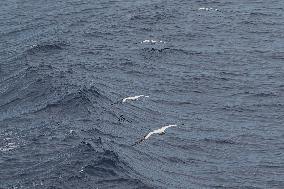
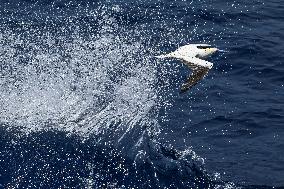
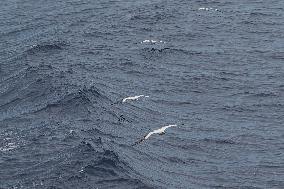
(240528) -- HAIKOU, May 28, 2024 Photo by Xinhua/ABACAPRESS.COM) -- Red-footed boobies fly over the South China Sea, May 24, 2024. The South China Sea is home to a diverse array of marine life, including the flying fish, a unique creature which has the remarkable ability to leap out of the water and glide for short distances while under attack or disturbed by the sounds of nearby vessels. Among the many predators of the flying fish, the red-footed booby stands out as a particularly skilled hunter. Recognized as a national second-class protected wild animal, the red-footed booby has earned the nickname "hunter of flying fish." These birds are often seen accompanying ships and preying on flying fish that are startled by the ships. (Photo by Ding Yongchang/Xinhua/ABACAPRESS.COM

  •  
(HainanOutlook)CHINA-ECO-RED-FOOTED BOOBY (CN)

(HainanOutlook)CHINA-ECO-RED-FOOTED BOOBY (CN)

(240528) -- HAIKOU, May 28, 2024 Photo by Xinhua/ABACAPRESS.COM) -- A red-footed booby flies over the South China Sea, May 24, 2024. The South China Sea is home to a diverse array of marine life, including the flying fish, a unique creature which has the remarkable ability to leap out of the water and glide for short distances while under attack or disturbed by the sounds of nearby vessels. Among the many predators of the flying fish, the red-footed booby stands out as a particularly skilled hunter. Recognized as a national second-class protected wild animal, the red-footed booby has earned the nickname "hunter of flying fish." These birds are often seen accompanying ships and preying on flying fish that are startled by the ships. Photo by Xinhua/ABACAPRESS.COM/Pu Xiaoxu)

  •  
(HainanOutlook)CHINA-ECO-RED-FOOTED BOOBY (CN)

(HainanOutlook)CHINA-ECO-RED-FOOTED BOOBY (CN)

(240528) -- HAIKOU, May 28, 2024 Photo by Xinhua/ABACAPRESS.COM) -- A red-footed booby catches a flying fish over the South China Sea, May 22, 2024. The South China Sea is home to a diverse array of marine life, including the flying fish, a unique creature which has the remarkable ability to leap out of the water and glide for short distances while under attack or disturbed by the sounds of nearby vessels. Among the many predators of the flying fish, the red-footed booby stands out as a particularly skilled hunter. Recognized as a national second-class protected wild animal, the red-footed booby has earned the nickname "hunter of flying fish." These birds are often seen accompanying ships and preying on flying fish that are startled by the ships. Photo by Xinhua/ABACAPRESS.COM/Pu Xiaoxu)

  •  
(HainanOutlook)CHINA-ECO-RED-FOOTED BOOBY (CN)

(HainanOutlook)CHINA-ECO-RED-FOOTED BOOBY (CN)

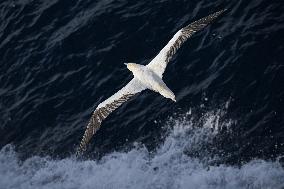
(240528) -- HAIKOU, May 28, 2024 Photo by Xinhua/ABACAPRESS.COM) -- A red-footed booby flies over the South China Sea, May 22, 2024. The South China Sea is home to a diverse array of marine life, including the flying fish, a unique creature which has the remarkable ability to leap out of the water and glide for short distances while under attack or disturbed by the sounds of nearby vessels. Among the many predators of the flying fish, the red-footed booby stands out as a particularly skilled hunter. Recognized as a national second-class protected wild animal, the red-footed booby has earned the nickname "hunter of flying fish." These birds are often seen accompanying ships and preying on flying fish that are startled by the ships. (Photo by Ding Yongchang/Xinhua/ABACAPRESS.COM

  •  
(HainanOutlook)CHINA-ECO-RED-FOOTED BOOBY (CN)

(HainanOutlook)CHINA-ECO-RED-FOOTED BOOBY (CN)

(240528) -- HAIKOU, May 28, 2024 Photo by Xinhua/ABACAPRESS.COM) -- A red-footed booby catches a flying fish over the South China Sea, May 22, 2024. The South China Sea is home to a diverse array of marine life, including the flying fish, a unique creature which has the remarkable ability to leap out of the water and glide for short distances while under attack or disturbed by the sounds of nearby vessels. Among the many predators of the flying fish, the red-footed booby stands out as a particularly skilled hunter. Recognized as a national second-class protected wild animal, the red-footed booby has earned the nickname "hunter of flying fish." These birds are often seen accompanying ships and preying on flying fish that are startled by the ships. Photo by Xinhua/ABACAPRESS.COM/Pu Xiaoxu)

  •  
(HainanOutlook)CHINA-ECO-RED-FOOTED BOOBY (CN)

(HainanOutlook)CHINA-ECO-RED-FOOTED BOOBY (CN)

(240528) -- HAIKOU, May 28, 2024 Photo by Xinhua/ABACAPRESS.COM) -- A red-footed booby flies over the South China Sea, May 22, 2024. The South China Sea is home to a diverse array of marine life, including the flying fish, a unique creature which has the remarkable ability to leap out of the water and glide for short distances while under attack or disturbed by the sounds of nearby vessels. Among the many predators of the flying fish, the red-footed booby stands out as a particularly skilled hunter. Recognized as a national second-class protected wild animal, the red-footed booby has earned the nickname "hunter of flying fish." These birds are often seen accompanying ships and preying on flying fish that are startled by the ships. Photo by Xinhua/ABACAPRESS.COM/Pu Xiaoxu)

  •  
(HainanOutlook)CHINA-ECO-RED-FOOTED BOOBY (CN)

(HainanOutlook)CHINA-ECO-RED-FOOTED BOOBY (CN)

(240528) -- HAIKOU, May 28, 2024 Photo by Xinhua/ABACAPRESS.COM) -- A red-footed booby flies over the South China Sea, May 24, 2024. The South China Sea is home to a diverse array of marine life, including the flying fish, a unique creature which has the remarkable ability to leap out of the water and glide for short distances while under attack or disturbed by the sounds of nearby vessels. Among the many predators of the flying fish, the red-footed booby stands out as a particularly skilled hunter. Recognized as a national second-class protected wild animal, the red-footed booby has earned the nickname "hunter of flying fish." These birds are often seen accompanying ships and preying on flying fish that are startled by the ships. Photo by Xinhua/ABACAPRESS.COM/Pu Xiaoxu)

  •  
(HainanOutlook)CHINA-ECO-RED-FOOTED BOOBY (CN)

(HainanOutlook)CHINA-ECO-RED-FOOTED BOOBY (CN)

(240528) -- HAIKOU, May 28, 2024 (Xinhua) -- A red-footed booby flies over the South China Sea, May 24, 2024. The South China Sea is home to a diverse array of marine life, including the flying fish, a unique creature which has the remarkable ability to leap out of the water and glide for short distances while under attack or disturbed by the sounds of nearby vessels. Among the many predators of the flying fish, the red-footed booby stands out as a particularly skilled hunter. Recognized as a national second-class protected wild animal, the red-footed booby has earned the nickname "hunter of flying fish." These birds are often seen accompanying ships and preying on flying fish that are startled by the ships. (Xinhua/Pu Xiaoxu)

  •  
(HainanOutlook)CHINA-ECO-RED-FOOTED BOOBY (CN)

(HainanOutlook)CHINA-ECO-RED-FOOTED BOOBY (CN)

(240528) -- HAIKOU, May 28, 2024 (Xinhua) -- A red-footed booby flies over the South China Sea, May 22, 2024. The South China Sea is home to a diverse array of marine life, including the flying fish, a unique creature which has the remarkable ability to leap out of the water and glide for short distances while under attack or disturbed by the sounds of nearby vessels. Among the many predators of the flying fish, the red-footed booby stands out as a particularly skilled hunter. Recognized as a national second-class protected wild animal, the red-footed booby has earned the nickname "hunter of flying fish." These birds are often seen accompanying ships and preying on flying fish that are startled by the ships. (Xinhua/Pu Xiaoxu)

  •  
(HainanOutlook)CHINA-ECO-RED-FOOTED BOOBY (CN)

(HainanOutlook)CHINA-ECO-RED-FOOTED BOOBY (CN)

(240528) -- HAIKOU, May 28, 2024 (Xinhua) -- A red-footed booby stands on the mast of a ship in the South China Sea, May 22, 2024. The South China Sea is home to a diverse array of marine life, including the flying fish, a unique creature which has the remarkable ability to leap out of the water and glide for short distances while under attack or disturbed by the sounds of nearby vessels. Among the many predators of the flying fish, the red-footed booby stands out as a particularly skilled hunter. Recognized as a national second-class protected wild animal, the red-footed booby has earned the nickname "hunter of flying fish." These birds are often seen accompanying ships and preying on flying fish that are startled by the ships. (Photo by Ding Yongchang/Xinhua)

  •  
(HainanOutlook)CHINA-ECO-RED-FOOTED BOOBY (CN)

(HainanOutlook)CHINA-ECO-RED-FOOTED BOOBY (CN)

(240528) -- HAIKOU, May 28, 2024 (Xinhua) -- A red-footed booby flies over the South China Sea, May 24, 2024. The South China Sea is home to a diverse array of marine life, including the flying fish, a unique creature which has the remarkable ability to leap out of the water and glide for short distances while under attack or disturbed by the sounds of nearby vessels. Among the many predators of the flying fish, the red-footed booby stands out as a particularly skilled hunter. Recognized as a national second-class protected wild animal, the red-footed booby has earned the nickname "hunter of flying fish." These birds are often seen accompanying ships and preying on flying fish that are startled by the ships. (Photo by Ding Yongchang/Xinhua)

  •  
(HainanOutlook)CHINA-ECO-RED-FOOTED BOOBY (CN)

(HainanOutlook)CHINA-ECO-RED-FOOTED BOOBY (CN)

(240528) -- HAIKOU, May 28, 2024 (Xinhua) -- A red-footed booby flies over the South China Sea, May 22, 2024. The South China Sea is home to a diverse array of marine life, including the flying fish, a unique creature which has the remarkable ability to leap out of the water and glide for short distances while under attack or disturbed by the sounds of nearby vessels. Among the many predators of the flying fish, the red-footed booby stands out as a particularly skilled hunter. Recognized as a national second-class protected wild animal, the red-footed booby has earned the nickname "hunter of flying fish." These birds are often seen accompanying ships and preying on flying fish that are startled by the ships. (Photo by Ding Yongchang/Xinhua)

  •  
(HainanOutlook)CHINA-ECO-RED-FOOTED BOOBY (CN)

(HainanOutlook)CHINA-ECO-RED-FOOTED BOOBY (CN)

(240528) -- HAIKOU, May 28, 2024 (Xinhua) -- A red-footed booby flies over the South China Sea, May 22, 2024. The South China Sea is home to a diverse array of marine life, including the flying fish, a unique creature which has the remarkable ability to leap out of the water and glide for short distances while under attack or disturbed by the sounds of nearby vessels. Among the many predators of the flying fish, the red-footed booby stands out as a particularly skilled hunter. Recognized as a national second-class protected wild animal, the red-footed booby has earned the nickname "hunter of flying fish." These birds are often seen accompanying ships and preying on flying fish that are startled by the ships. (Xinhua/Pu Xiaoxu)

  •  
(HainanOutlook)CHINA-ECO-RED-FOOTED BOOBY (CN)

(HainanOutlook)CHINA-ECO-RED-FOOTED BOOBY (CN)

(240528) -- HAIKOU, May 28, 2024 (Xinhua) -- Red-footed boobies fly over the South China Sea, May 24, 2024. The South China Sea is home to a diverse array of marine life, including the flying fish, a unique creature which has the remarkable ability to leap out of the water and glide for short distances while under attack or disturbed by the sounds of nearby vessels. Among the many predators of the flying fish, the red-footed booby stands out as a particularly skilled hunter. Recognized as a national second-class protected wild animal, the red-footed booby has earned the nickname "hunter of flying fish." These birds are often seen accompanying ships and preying on flying fish that are startled by the ships. (Photo by Ding Yongchang/Xinhua)

  •  
(HainanOutlook)CHINA-ECO-RED-FOOTED BOOBY (CN)

(HainanOutlook)CHINA-ECO-RED-FOOTED BOOBY (CN)

(240528) -- HAIKOU, May 28, 2024 (Xinhua) -- A red-footed booby catches a flying fish over the South China Sea, May 22, 2024. The South China Sea is home to a diverse array of marine life, including the flying fish, a unique creature which has the remarkable ability to leap out of the water and glide for short distances while under attack or disturbed by the sounds of nearby vessels. Among the many predators of the flying fish, the red-footed booby stands out as a particularly skilled hunter. Recognized as a national second-class protected wild animal, the red-footed booby has earned the nickname "hunter of flying fish." These birds are often seen accompanying ships and preying on flying fish that are startled by the ships. (Xinhua/Pu Xiaoxu)

  •  
(HainanOutlook)CHINA-ECO-RED-FOOTED BOOBY (CN)

(HainanOutlook)CHINA-ECO-RED-FOOTED BOOBY (CN)

(240528) -- HAIKOU, May 28, 2024 (Xinhua) -- A red-footed booby flies over the South China Sea, May 22, 2024. The South China Sea is home to a diverse array of marine life, including the flying fish, a unique creature which has the remarkable ability to leap out of the water and glide for short distances while under attack or disturbed by the sounds of nearby vessels. Among the many predators of the flying fish, the red-footed booby stands out as a particularly skilled hunter. Recognized as a national second-class protected wild animal, the red-footed booby has earned the nickname "hunter of flying fish." These birds are often seen accompanying ships and preying on flying fish that are startled by the ships. (Xinhua/Pu Xiaoxu)

  •  
(HainanOutlook)CHINA-ECO-RED-FOOTED BOOBY (CN)

(HainanOutlook)CHINA-ECO-RED-FOOTED BOOBY (CN)

(240528) -- HAIKOU, May 28, 2024 (Xinhua) -- A red-footed booby catches a flying fish over the South China Sea, May 24, 2024. The South China Sea is home to a diverse array of marine life, including the flying fish, a unique creature which has the remarkable ability to leap out of the water and glide for short distances while under attack or disturbed by the sounds of nearby vessels. Among the many predators of the flying fish, the red-footed booby stands out as a particularly skilled hunter. Recognized as a national second-class protected wild animal, the red-footed booby has earned the nickname "hunter of flying fish." These birds are often seen accompanying ships and preying on flying fish that are startled by the ships. (Xinhua/Pu Xiaoxu)

  •  
(HainanOutlook)CHINA-ECO-RED-FOOTED BOOBY (CN)

(HainanOutlook)CHINA-ECO-RED-FOOTED BOOBY (CN)

(240528) -- HAIKOU, May 28, 2024 (Xinhua) -- A red-footed booby flies over the South China Sea, May 24, 2024. The South China Sea is home to a diverse array of marine life, including the flying fish, a unique creature which has the remarkable ability to leap out of the water and glide for short distances while under attack or disturbed by the sounds of nearby vessels. Among the many predators of the flying fish, the red-footed booby stands out as a particularly skilled hunter. Recognized as a national second-class protected wild animal, the red-footed booby has earned the nickname "hunter of flying fish." These birds are often seen accompanying ships and preying on flying fish that are startled by the ships. (Xinhua/Pu Xiaoxu)

  •  
(HainanOutlook)CHINA-ECO-RED-FOOTED BOOBY (CN)

(HainanOutlook)CHINA-ECO-RED-FOOTED BOOBY (CN)

(240528) -- HAIKOU, May 28, 2024 (Xinhua) -- A red-footed booby catches a flying fish over the South China Sea, May 22, 2024. The South China Sea is home to a diverse array of marine life, including the flying fish, a unique creature which has the remarkable ability to leap out of the water and glide for short distances while under attack or disturbed by the sounds of nearby vessels. Among the many predators of the flying fish, the red-footed booby stands out as a particularly skilled hunter. Recognized as a national second-class protected wild animal, the red-footed booby has earned the nickname "hunter of flying fish." These birds are often seen accompanying ships and preying on flying fish that are startled by the ships. (Xinhua/Pu Xiaoxu)

  •  

Bryde's whales spotted preying on fish in China's Guangxi

STORY: Bryde's whales spotted preying on fish in China's Guangxi SHOOTING TIME: Feb. 5, 2024 DATELINE: Feb. 6, 2024 LENGTH: 00:01:28 LOCATION: NANNING, China CATEGORY: ENVIRONMENT SHOTLIST: 1. various of the Bryde's whale preying on fish STORYLINE: Bryde's whales were recently spotted preying on fish in the waters off south China's Guangxi Zhuang Autonomous Region. Bryde's whales, a national first-class protected aquatic animal, are mainly found in tropical and subtropical waters. They are marked by three ridges in front of their blowhole, a dark grey back and a white or pink abdomen. From around every September to May of next year, the whales could be found foraging in the waters off Weizhou Island in Guangxi. Since 2016, more than 60 Bryde's whales have been identified in waters off Weizhou Island. Xinhua News Agency correspondents reporting from Nanning, China. (XHTV)

  •  

Snow leopard captured preying on deer in China's Xinjiang

STORY: Snow leopard captured preying on deer in China's Xinjiang SHOOTING DATE: Previous footage DATELINE: Jan. 8, 2024 LENGTH: 00:00:39 LOCATION: URUMQI, China CATEGORY: ENVIRONMENT SHOTLIST: 1. various of snow leopard preying on Tianshan red deer STORYLINE: A snow leopard was recently captured preying on a deer at a scenic spot in northwest China's Xinjiang Uygur Autonomous Region. It marked the first time that snow leopard was captured preying by camera at Tianshan Tianchi scenic spot. Officials confirmed that the prey was an adult female Tianshan red deer. Xinhua News Agency correspondents reporting from Urumqi, China. (XHTV)

  •  
Street vendor in Macedonia town sells refugees food, water for high prices

Street vendor in Macedonia town sells refugees food, water for high prices

A street vendor (L) in Gevgelija, Macedonia, sells a refugee food and water on Aug. 19, 2015. Macedonia has been flooded with some 4,400 refugees, mostly from Syria, since July, with such street vendors preying on them by charging exorbitant prices. (Kyodo) ==Kyodo

  •  
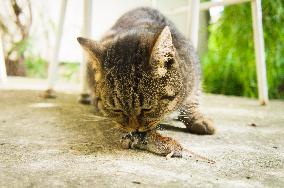
Common Vole, Microtus arvalis, dead mouse, killed, cat`s, cats prey

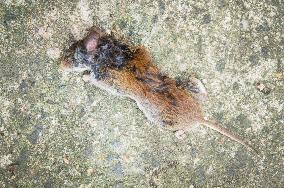
Common Vole, Microtus arvalis, dead mouse, killed, cat`s, cats prey

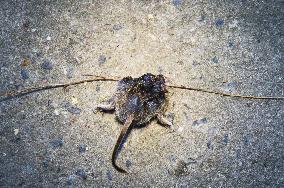
The back half of Common Vole catエs prey on the cement floor. (CTK Photo/Libor Sojka)

  •  
Common Vole, Microtus arvalis, dead mouse, killed, cat`s, cats prey

Common Vole, Microtus arvalis, dead mouse, killed, cat`s, cats prey

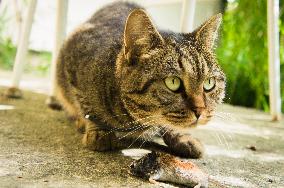
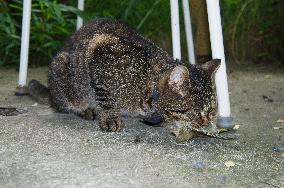
A cat eats its prey Common Vole on the cement floor. (CTK Photo/Libor Sojka)

  •  
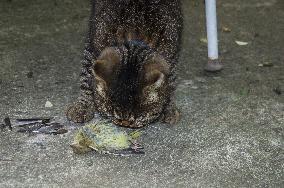
Eurasian Siskin, Carduelis spinus, dead bird, killed, cat`s, cats prey

Eurasian Siskin, Carduelis spinus, dead bird, killed, cat`s, cats prey

A cat eats its prey Eurasian Siskin on the cement floor. (CTK Photo/Libor Sojka)

  •  
Eurasian Siskin, Carduelis spinus, dead bird, killed, cat`s, cats prey

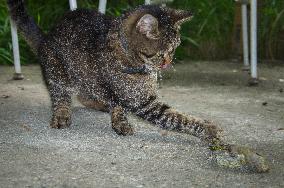
Eurasian Siskin, Carduelis spinus, dead bird, killed, cat`s, cats prey

A cat plays with its prey Eurasian Siskin on the cement floor. (CTK Photo/Libor Sojka)

  •  
Common Vole, Microtus arvalis, dead mouse, killed, cat`s, cats prey

Common Vole, Microtus arvalis, dead mouse, killed, cat`s, cats prey

A cat`s prey Common Vole on the cement floor. (CTK Photo/Libor Sojka)

  •  
Common Vole, Microtus arvalis, dead mouse, killed, cat`s, cats prey

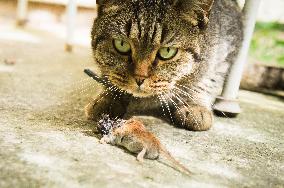
Common Vole, Microtus arvalis, dead mouse, killed, cat`s, cats prey

A cat eats its prey Common Vole on the cement floor. (CTK Photo/Libor Sojka)

  •  
Eastern House Mouse, Mus musculus, dead mouse, killed, cat`s, cats prey

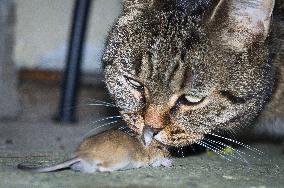
Eastern House Mouse, Mus musculus, dead mouse, killed, cat`s, cats prey

A cat eats its prey Eastern House Mouse on the cement floor. (CTK Photo/Libor Sojka)

  •  
Eurasian Siskin, Carduelis spinus, dead bird, killed, cat`s, cats prey

Eurasian Siskin, Carduelis spinus, dead bird, killed, cat`s, cats prey

A cat eats its prey Eurasian Siskin on the cement floor. (CTK Photo/Libor Sojka)

  •  
Common Vole, Microtus arvalis, dead mouse, killed, cat`s, cats prey

Common Vole, Microtus arvalis, dead mouse, killed, cat`s, cats prey

A cat eats its prey Common Vole on the cement floor. (CTK Photo/Libor Sojka)

  • Main
  • Top
  • Editorial
  • Creative
  • About Us
  • About ILG
  • Terms of use
  • Company
  • BEHIND
  • Price List
  • Single Plan
  • Monthly Plan
  • Services
  • Shooting
  • Rights Clearance
  • Support
  • FAQ
  • How To Buy
  • Contact Us
  • Become a Partner

© KYODO NEWS IMAGES INC

All Rights Reserved.

  • Editorial
  • Olympics
  • News
  • Sports
  • Japan
  • Tech
  • Royal
  • Disaster
  • NorthKorea
  • Old Japan
  • SNS
  • Creative
  • Food
  • Japan
  • Landscape
  • Animal
  • Popular
  • #Ukraine
  • #China
  • #coronavirus
  • #N. Korea
  • #Thailand
  • #Russia
  • #Ukraine
  • #China
  • #coronavirus
  • #N. Korea
  • #Thailand
  • #Russia
  • Food
  • Japan
  • Landscape
  • Animal
  • Olympics
  • News
  • Sports
  • Japan
  • Tech
  • Royal
  • Disaster
  • NorthKorea
  • Old Japan
  • SNS