•  
Mori, Walter share Lasker medical prize

Mori, Walter share Lasker medical prize

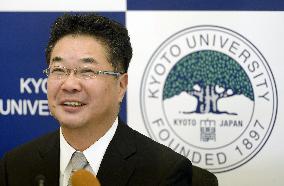
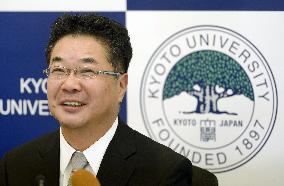
KYOTO, Japan - Kyoto University professor Kazutoshi Mori smiles during a press conference on Sept. 9, 2014 in the city of Kyoto, western Japan. Mori shares the year's Albert Lasker Basic Medical Research Award with Peter Walter of the University of California, San Francisco, for unraveling the inner workings of the cell to process proteins, an understanding that serve as a basis for ongoing development of drugs for a range of illnesses.

  •  
Mori, Walter share Lasker medical prize

Mori, Walter share Lasker medical prize

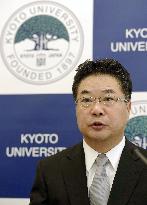
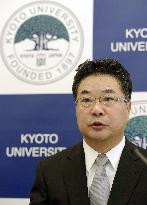
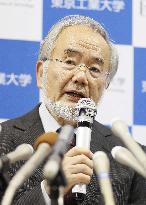
KYOTO, Japan - Kyoto University professor Kazutoshi Mori speaks at a press conference on Sept. 9, 2014 in the city of Kyoto, western Japan. Mori shares the year's Albert Lasker Basic Medical Research Award with Peter Walter of the University of California, San Francisco, for unraveling the inner workings of the cell to process proteins, an understanding that serve as a basis for ongoing development of drugs for a range of illnesses.

  •  
(2) Koshiba, Tanaka receive Nobel prizes at awards ceremony

(2) Koshiba, Tanaka receive Nobel prizes at awards ceremony

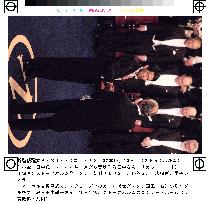
STOCKHOLM, Sweden - Japan's Koichi Tanaka, co-winner of the 2002 Nobel Prize in Chemistry, receives his Nobel medal from King Carl XVI Gustaf at a ceremony in Stockholm on Dec. 10. Tanaka, 43, senior engineer at Kyoto-based precision equipment maker Shimadzu Corp., was recognized for his development of a method to analyze life-forming proteins that has paved the way for the development of new medicines and early diagnosis of cancer.

  •  

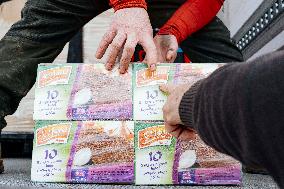
American public pays high price for rising inflation

STORY: American public pays high price for rising inflation DATELINE: Sept. 15, 2022 LENGTH: 00:03:33 LOCATION: CHICAGO, U.S. CATEGORY: SOCIETY/ECONOMY SHOTLIST: 1. SOUNDBITE 1 (English): STEVEN ALEKNA, Grocery store worker in Chicago 2. SOUNDBITE 2 (English): CASE WENER, Support engineer in Chicago 3. SOUNDBITE 3 (English): DANIEL MCGUE, Part-time student in Chicago 4. SOUNDBITE 4 (English): KHAIRY TOURK, Professor of economics at Illinois Institute of Technology in Chicago 5. SOUNDBITE 5 (English): KHAIRY TOURK, Professor of economics at Illinois Institute of Technology in Chicago 6. SOUNDBITE 6 (English): KHAIRY TOURK, Professor of economics at Illinois Institute of Technology in Chicago STORYLINE: Many Americans are feeling the squeeze from rising costs of living. SOUNDBITE 1 (English): STEVEN ALEKNA, Grocery store worker in Chicago "The required everyday essentials, your grocery items, the cost of dairy, meat, proteins, have gone up anywhere from 15 percent, 18 percent up to over 30 percent or 40 per

  •  
Professor Inoue of University of Tokyo, announce the identification of a new coronavirus drug candidate

Professor Inoue of University of Tokyo, announce the identification of a new coronavirus drug candidate

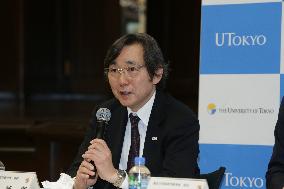
Professor Junichiro Inoue and his colleagues at the University of Tokyo's Institute of Medical Science held a press conference on April 18 and announced that they had identified nafamostat. Nafamostat has been used for more than 30 years in Japan, and early clinical trials are expected to be conducted. The clinical research is expected to start by the beginning of April in cooperation with the National Center for Global Health and Medicine and others. When the new corona infects humans, proteins on the surface of the virus and proteins on the surface of human cells bind to each other, causing the outer membrane of the virus to fuse with the membrane of human cells. As a result, ribonucleic acid (RNA), which is the genetic information of the new corona, enters the human cell, and the virus multiplies. (March 18, 2020, Yasuda Auditorium, The University of Tokyo, Bunkyo-ku, Tokyo; Credit: Nikkan Kogyo Shimbun / Kyodo News Images)

  •  
(2) Koshiba, Tanaka receive Nobel prizes at awards ceremony

(2) Koshiba, Tanaka receive Nobel prizes at awards ceremony

STOCKHOLM, Sweden - Japan's Koichi Tanaka, co-winner of the 2002 Nobel Prize in Chemistry, receives his Nobel medal from King Carl XVI Gustaf at a ceremony in Stockholm on Dec. 10. Tanaka, 43, senior engineer at Kyoto-based precision equipment maker Shimadzu Corp., was recognized for his development of a method to analyze life-forming proteins that has paved the way for the development of new medicines and early diagnosis of cancer. (Kyodo)

  •  
Mori, Walter share Lasker medical prize

Mori, Walter share Lasker medical prize

KYOTO, Japan - Kyoto University professor Kazutoshi Mori smiles during a press conference on Sept. 9, 2014 in the city of Kyoto, western Japan. Mori shares the year's Albert Lasker Basic Medical Research Award with Peter Walter of the University of California, San Francisco, for unraveling the inner workings of the cell to process proteins, an understanding that serve as a basis for ongoing development of drugs for a range of illnesses. (Kyodo)

  •  
Mori, Walter share Lasker medical prize

Mori, Walter share Lasker medical prize

KYOTO, Japan - Kyoto University professor Kazutoshi Mori speaks at a press conference on Sept. 9, 2014 in the city of Kyoto, western Japan. Mori shares the year's Albert Lasker Basic Medical Research Award with Peter Walter of the University of California, San Francisco, for unraveling the inner workings of the cell to process proteins, an understanding that serve as a basis for ongoing development of drugs for a range of illnesses. (Kyodo)

  •  
Japanese Nobel laureate Ohsumi shows his medal

Japanese Nobel laureate Ohsumi shows his medal

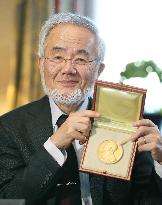
Nobel laureate Yoshinori Ohsumi shows his medal to reporters in Stockholm on Dec. 12, 2016. Ohsumi was awarded the prize in physiology or medicine for elucidating "autophagy," an intracellular process that degrades and recycles proteins. (Kyodo) ==Kyodo

  •  
Japanese Nobel laureate Ohsumi in Stockholm

Japanese Nobel laureate Ohsumi in Stockholm

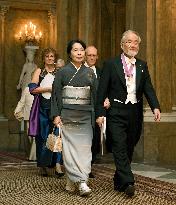
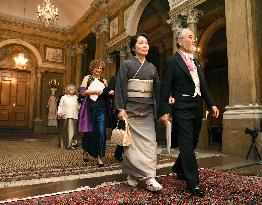
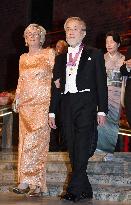
Nobel laureate Yoshinori Ohsumi (R front), together with his wife Mariko, head to a banquet hosted by Sweden's King Carl XVI Gustaf in Stockholm on Dec. 11, 2016. Ohsumi was awarded the Nobel Prize in physiology or medicine for elucidating "autophagy," an intracellular process that degrades and recycles proteins. (Kyodo) ==Kyodo

  •  
Japanese Nobel laureate Ohsumi in Stockholm

Japanese Nobel laureate Ohsumi in Stockholm

Nobel laureate Yoshinori Ohsumi (R front), together with his wife Mariko, head to a banquet hosted by Sweden's King Carl XVI Gustaf in Stockholm on Dec. 11, 2016. Ohsumi was awarded the Nobel Prize in physiology or medicine for elucidating "autophagy," an intracellular process that degrades and recycles proteins. (Kyodo) ==Kyodo

  •  
Japanese scientist Ohsumi receives Nobel Prize

Japanese scientist Ohsumi receives Nobel Prize

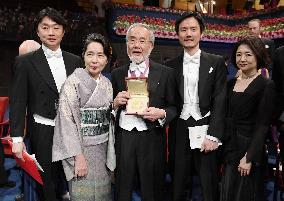
Nobel laureate Yoshinori Ohsumi (C) poses for photos, together with his wife Mariko (2nd from L), after attending an award ceremony in Stockholm on Dec. 10, 2016. Ohsumi was awarded the Nobel Prize in physiology or medicine for elucidating "autophagy," an intracellular process that degrades and recycles proteins. (Kyodo) ==Kyodo

  •  
Japanese scientist Ohsumi receives Nobel Prize

Japanese scientist Ohsumi receives Nobel Prize

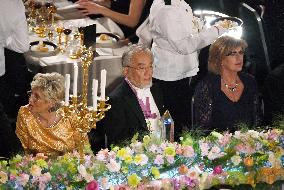
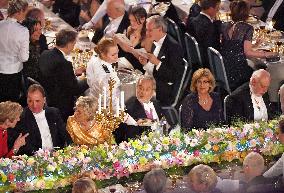
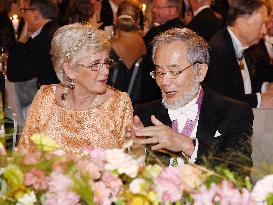
Nobel laureate Yoshinori Ohsumi (C) attends a banquet in Stockholm on Dec. 10, 2016. Ohsumi was awarded the Nobel Prize in physiology or medicine for elucidating "autophagy," an intracellular process that degrades and recycles proteins. (Kyodo) ==Kyodo

  •  
Japanese scientist Ohsumi receives Nobel Prize

Japanese scientist Ohsumi receives Nobel Prize

Nobel laureate Yoshinori Ohsumi (C) attends a banquet in Stockholm on Dec. 10, 2016. Ohsumi was awarded the Nobel Prize in physiology or medicine for elucidating "autophagy," an intracellular process that degrades and recycles proteins. (Kyodo) ==Kyodo

  •  
Japanese scientist Ohsumi receives Nobel Prize

Japanese scientist Ohsumi receives Nobel Prize

Nobel laureate Yoshinori Ohsumi (R) attends a banquet in Stockholm on Dec. 10, 2016. Ohsumi was awarded the Nobel Prize in physiology or medicine for elucidating "autophagy," an intracellular process that degrades and recycles proteins. (Kyodo) ==Kyodo

  •  
Japanese scientist Ohsumi receives Nobel prize

Japanese scientist Ohsumi receives Nobel prize

Nobel laureate Yoshinori Ohsumi gives a speech during a banquet following an award ceremony in Stockholm on Dec. 10, 2016. Ohsumi was awarded the Nobel prize in physiology or medicine for elucidating "autophagy," an intracellular process that degrades and recycles proteins. (Kyodo) ==Kyodo

  •  
Japanese scientist Ohsumi receives Nobel prize

Japanese scientist Ohsumi receives Nobel prize

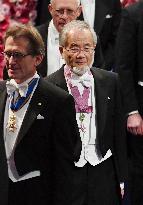
Nobel laureate Yoshinori Ohsumi arrives at the venue for a banquet in Stockholm on Dec. 10, 2016, with his wife Mariko seen behind him. Ohsumi was awarded the Nobel prize in physiology or medicine for elucidating "autophagy," an intracellular process that degrades and recycles proteins. (Kyodo) ==Kyodo

  •  
Japanese scientist Ohsumi receives Nobel prize

Japanese scientist Ohsumi receives Nobel prize

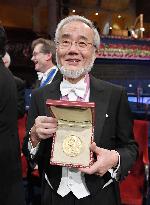
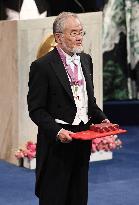
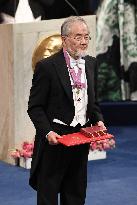
Nobel laureate Yoshinori Ohsumi shows his medal after an award ceremony in Stockholm on Dec. 10, 2016. Ohsumi was awarded the Nobel prize in physiology or medicine for elucidating "autophagy," an intracellular process that degrades and recycles proteins. (Kyodo) ==Kyodo

  •  
Japanese scientist Ohsumi receives Nobel prize

Japanese scientist Ohsumi receives Nobel prize

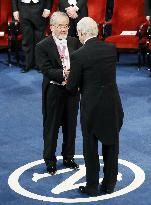
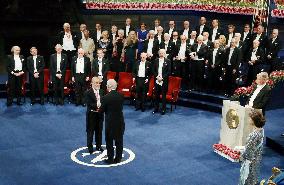
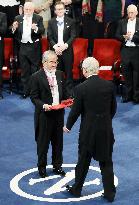
Nobel laureate Yoshinori Ohsumi (L) receives a medal and diploma from Swedish King Carl XVI Gustaf at an award ceremony in Stockholm on Dec. 10, 2016. Ohsumi was awarded the Nobel prize in physiology or medicine for elucidating "autophagy," an intracellular process that degrades and recycles proteins. (Pool photo)(Kyodo) ==Kyodo

  •  
Japanese scientist Ohsumi receives Nobel prize

Japanese scientist Ohsumi receives Nobel prize

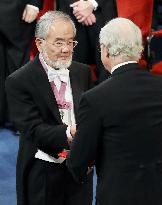
Nobel laureate Yoshinori Ohsumi receives a medal and diploma from Swedish King Carl XVI Gustaf at an award ceremony in Stockholm on Dec. 10, 2016. Ohsumi was awarded the Nobel prize in physiology or medicine for elucidating "autophagy," an intracellular process that degrades and recycles proteins. (Pool photo)(Kyodo) ==Kyodo

  •  
Japanese scientist Ohsumi receives Nobel prize

Japanese scientist Ohsumi receives Nobel prize

Nobel laureate Yoshinori Ohsumi (L) receives a medal and diploma from Swedish King Carl XVI Gustaf at an award ceremony in Stockholm on Dec. 10, 2016. Ohsumi was awarded the Nobel prize in physiology or medicine for elucidating "autophagy," an intracellular process that degrades and recycles proteins. (Pool photo)(Kyodo) ==Kyodo

  •  
Japanese scientist Ohsumi receives Nobel prize

Japanese scientist Ohsumi receives Nobel prize

Nobel laureate Yoshinori Ohsumi (L) receives a medal and diploma from Swedish King Carl XVI Gustaf at an award ceremony in Stockholm on Dec. 10, 2016. Ohsumi was awarded the Nobel prize in physiology or medicine for elucidating "autophagy," an intracellular process that degrades and recycles proteins. (Pool photo)(Kyodo) ==Kyodo

  •  
Japanese scientist Ohsumi receives Nobel prize

Japanese scientist Ohsumi receives Nobel prize

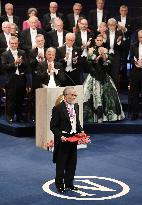
Japanese scientist Yoshinori Ohsumi receives the Nobel Prize in physiology or medicine for his research on cell recycling, at an award ceremony in Stockholm on Dec. 10, 2016. Ohsumi elucidated "autophagy," an intracellular process that degrades and recycles proteins. (Kyodo) ==Kyodo

  •  
Japanese scientist Ohsumi receives Nobel prize

Japanese scientist Ohsumi receives Nobel prize

Japanese scientist Yoshinori Ohsumi receives the Nobel Prize in physiology or medicine for his research on cell recycling, at an award ceremony in Stockholm on Dec. 10, 2016. Ohsumi elucidated "autophagy," an intracellular process that degrades and recycles proteins. (Kyodo) ==Kyodo

  •  
Japanese scientist Ohsumi receives Nobel prize

Japanese scientist Ohsumi receives Nobel prize

Japanese scientist Yoshinori Ohsumi receives the Nobel Prize in physiology or medicine for his research on cell recycling, at an award ceremony in Stockholm on Dec. 10, 2016. Ohsumi elucidated "autophagy," an intracellular process that degrades and recycles proteins. (Kyodo) ==Kyodo

  •  
Japanese scientist Ohsumi receives Nobel prize

Japanese scientist Ohsumi receives Nobel prize

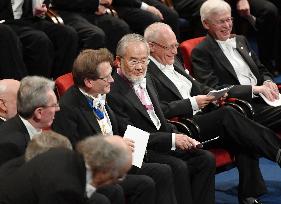
Japanese scientist Yoshinori Ohsumi (C) talks with other Nobel prize laureates during the award ceremony in Stockholm on Dec. 10, 2016. Ohsumi was awarded the Nobel prize in physiology or medicine for elucidating "autophagy," an intracellular process that degrades and recycles proteins. (Kyodo) ==Kyodo

  •  
Japanese scientist Ohsumi receives Nobel prize

Japanese scientist Ohsumi receives Nobel prize

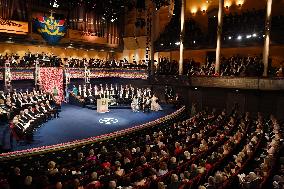
Photo shows a concert hall in Stockholm, at which the Nobel Prize Award Ceremony took place on Dec. 10, 2016. Japanese scientist Yoshinori Ohsumi was awarded the Nobel prize in physiology or medicine for elucidating "autophagy," an intracellular process that degrades and recycles proteins. (Kyodo) ==Kyodo

  •  
Japanese scientist Ohsumi receives Nobel prize

Japanese scientist Ohsumi receives Nobel prize

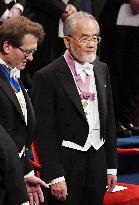
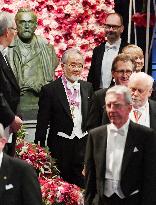
Japanese scientist Yoshinori Ohsumi arrives at a concert hall in Stockholm to attend the Nobel Prize Award Ceremony on Dec. 10, 2016. Ohsumi was awarded the Nobel prize in physiology or medicine for elucidating "autophagy," an intracellular process that degrades and recycles proteins. (Kyodo) ==Kyodo

  •  
Japanese scientist Ohsumi receives Nobel prize

Japanese scientist Ohsumi receives Nobel prize

Japanese scientist Yoshinori Ohsumi (C on front) arrives at a concert hall in Stockholm to attend the Nobel Prize Award Ceremony on Dec. 10, 2016. Ohsumi was awarded the Nobel prize in physiology or medicine for elucidating "autophagy," an intracellular process that degrades and recycles proteins. (Kyodo) ==Kyodo

  •  
Japanese scientist Ohsumi receives Nobel prize

Japanese scientist Ohsumi receives Nobel prize

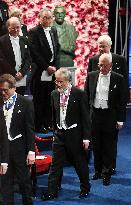
Japanese scientist Yoshinori Ohsumi (C) arrives at a concert hall in Stockholm to attend the Nobel Prize Award Ceremony on Dec. 10, 2016. Ohsumi was awarded the Nobel prize in physiology or medicine for elucidating "autophagy," an intracellular process that degrades and recycles proteins. (Kyodo) ==Kyodo

  •  
Japanese scientist Ohsumi receives Nobel prize

Japanese scientist Ohsumi receives Nobel prize

Japanese scientist Yoshinori Ohsumi (C) arrives at a concert hall in Stockholm to attend the Nobel Prize Award Ceremony on Dec. 10, 2016. Ohsumi was awarded the Nobel prize in physiology or medicine for elucidating "autophagy," an intracellular process that degrades and recycles proteins. (Kyodo) ==Kyodo

  •  
Japan's Ohsumi wins Nobel for work on "self-eating" mechanism in cells

Japan's Ohsumi wins Nobel for work on "self-eating" mechanism in cells

Japanese scientist Yoshinori Ohsumi (2nd from L) poses for photos at the end of a press conference in Tokyo on Oct. 3, 2016, after winning the Nobel Prize in physiology or medicine for elucidating mechanisms for autophagy, an intracellular process that degrades and recycles proteins. (Kyodo) ==Kyodo

  •  
Japanese scientist Yoshinori Osumi wins Nobel Prize in medicine

Japanese scientist Yoshinori Osumi wins Nobel Prize in medicine

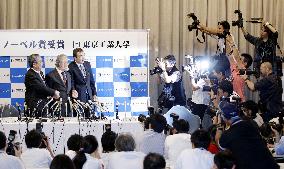
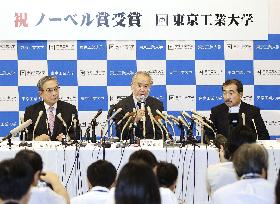
Yoshinori Osumi (C), a Tokyo Institute of Technology professor emeritus, speaks at a press conference in Tokyo on Oct. 3, 2016, after winning the Nobel Prize in physiology or medicine for discovering and elucidating mechanisms for autophagy, an intracellular process that degrades and recycles proteins. (Kyodo) ==Kyodo

  •  
Japanese scientist Yoshinori Osumi wins Nobel Prize in medicine

Japanese scientist Yoshinori Osumi wins Nobel Prize in medicine

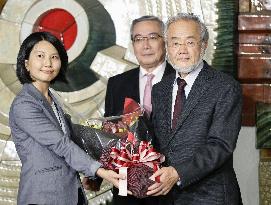
Yoshinori Osumi (R), a Tokyo Institute of Technology professor emeritus, receives flowers at the university's campus in Tokyo on Oct. 3, 2016, after winning the Nobel Prize in physiology or medicine for discovering and elucidating mechanisms for autophagy, an intracellular process that degrades and recycles proteins. (Kyodo) ==Kyodo

  •  
Japanese scientist Yoshinori Osumi wins Nobel Prize in medicine

Japanese scientist Yoshinori Osumi wins Nobel Prize in medicine

Yoshinori Osumi, a Tokyo Institute of Technology professor emeritus, speaks at a press conference in Tokyo on Oct. 3, 2016, after winning the Nobel Prize in physiology or medicine for discovering and elucidating mechanisms for autophagy, an intracellular process that degrades and recycles proteins. (Kyodo) ==Kyodo

  •  
Japanese scientist Yoshinori Osumi wins Nobel Prize in medicine

Japanese scientist Yoshinori Osumi wins Nobel Prize in medicine

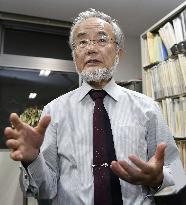
Yoshinori Osumi, a Tokyo Institute of Technology professor emeritus, speaks to reporters at the university's campus in Yokohama on Oct. 3, 2016, after winning the Nobel Prize in physiology or medicine for discovering and elucidating mechanisms for autophagy, an intracellular process that degrades and recycles proteins. (Kyodo) ==Kyodo

  •  
Japanese scientist Yoshinori Osumi wins Nobel Prize in medicine

Japanese scientist Yoshinori Osumi wins Nobel Prize in medicine

Yoshinori Osumi, a Tokyo Institute of Technology professor emeritus, speaks to reporters at the university's campus in Yokohama on Oct. 3, 2016, after winning the Nobel Prize in physiology or medicine for discovering and elucidating mechanisms for autophagy, an intracellular process that degrades and recycles proteins. (Kyodo) ==Kyodo

  •  
Japanese scientist Yoshinori Osumi wins Nobel Prize in medicine

Japanese scientist Yoshinori Osumi wins Nobel Prize in medicine

File photo taken in March 2015 shows Japanese scientist Yoshinori Osumi attending a press conference in Tokyo after winning the Canada Gairdner International Award. Osumi won the 2016 Nobel Prize in physiology or medicine on Oct. 3 for discovering and elucidating mechanisms for autophagy, an intracellular process that degrades and recycles proteins. (Kyodo) ==Kyodo

  •  
Japanese scientist Yoshinori Osumi wins Nobel Prize in medicine

Japanese scientist Yoshinori Osumi wins Nobel Prize in medicine

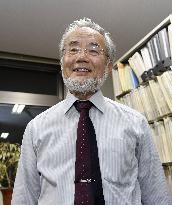
Yoshinori Osumi, a Tokyo Institute of Technology professor emeritus, reacts at the university's campus in Yokohama on Oct. 3, 2016, after winning the Nobel Prize in physiology or medicine for discovering and elucidating mechanisms for autophagy, an intracellular process that degrades and recycles proteins. (Kyodo) ==Kyodo

  •  
Japanese scientist Yoshinori Osumi wins Nobel Prize in medicine

Japanese scientist Yoshinori Osumi wins Nobel Prize in medicine

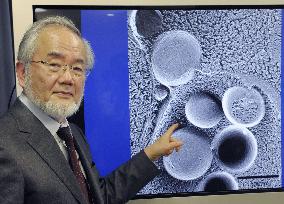
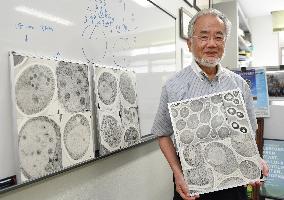
File photo taken in July 2016 shows Yoshinori Osumi, a Tokyo Institute of Technology professor emeritus, at the university's campus in Yokohama. Osumi won the 2016 Nobel Prize in physiology or medicine on Oct. 3 for discovering and elucidating mechanisms for autophagy, an intracellular process that degrades and recycles proteins. (Kyodo) ==Kyodo

  •  
Japanese scientist Yoshinori Osumi wins Nobel Prize in medicine

Japanese scientist Yoshinori Osumi wins Nobel Prize in medicine

Undated photo shows Japanese scientist Yoshinori Osumi, who was awarded the Nobel Prize in physiology or medicine on Oct. 3, 2016, for discovering and elucidating mechanisms for autophagy, an intracellular process that degrades and recycles proteins. (Kyodo) ==Kyodo

  • Main
  • Top
  • Editorial
  • Creative
  • About Us
  • About ILG
  • Terms of use
  • Company
  • BEHIND
  • Price List
  • Single Plan
  • Monthly Plan
  • Services
  • Shooting
  • Rights Clearance
  • Support
  • FAQ
  • How To Buy
  • Contact Us
  • Become a Partner

© KYODO NEWS IMAGES INC

All Rights Reserved.

  • Editorial
  • Olympics
  • News
  • Sports
  • Japan
  • Tech
  • Royal
  • Disaster
  • NorthKorea
  • Old Japan
  • SNS
  • Creative
  • Food
  • Japan
  • Landscape
  • Animal
  • Popular
  • #Ukraine
  • #China
  • #coronavirus
  • #N. Korea
  • #Thailand
  • #Russia
  • #Ukraine
  • #China
  • #coronavirus
  • #N. Korea
  • #Thailand
  • #Russia
  • Food
  • Japan
  • Landscape
  • Animal
  • Olympics
  • News
  • Sports
  • Japan
  • Tech
  • Royal
  • Disaster
  • NorthKorea
  • Old Japan
  • SNS