•  
Kaziranga

Kaziranga

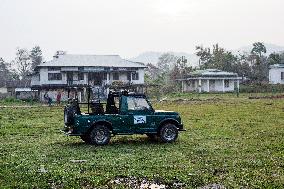
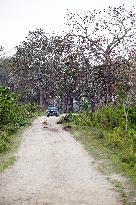
Jeep in the Kaziranga National Park, Assam, India on 9 March, 2019. Kaziranga National Park in Assam in the northeast of India is a reserve of tigers and the last one-horned rhinoceros. Two thirds of the world's rhinos (around 2400) live in the UNESCO-protected Kaziranga Reserve. In 2006, the park was declared a tiger reserve. The park was founded in 1904 as a protection zone for one-horned rhinoceroses and was founded by Baroness Curzon of Kedleston. There are 35 species of animals, including rhinos, Bengal tigers, leopards, wild buffaloes, bears and deer. (CTK Photo/Krystof Kriz)

  •  
road, curvy, Kaziranga

road, curvy, Kaziranga

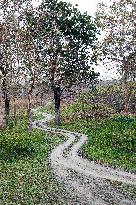
A curvy road in Kaziranga National Park, Assam, India on 8 March, 2019. Kaziranga National Park in Assam in the northeast of India is a reserve of tigers and the last one-horned rhinoceros. Two thirds of the world's rhinos (around 2400) live in the UNESCO-protected Kaziranga Reserve. In 2006, the park was declared a tiger reserve. The park was founded in 1904 as a protection zone for one-horned rhinoceroses and was founded by Baroness Curzon of Kedleston. There are 35 species of animals, including rhinos, Bengal tigers, leopards, wild buffaloes, bears and deer. (CTK Photo/Krystof Kriz)

  •  
Jeep, Kaziranga

Jeep, Kaziranga

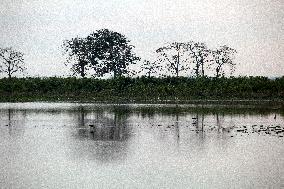
Kaziranga National Park, Assam, India on 8 March, 2019. Kaziranga National Park in Assam in the northeast of India is a reserve of tigers and the last one-horned rhinoceros. Two thirds of the world's rhinos (around 2400) live in the UNESCO-protected Kaziranga Reserve. In 2006, the park was declared a tiger reserve. The park was founded in 1904 as a protection zone for one-horned rhinoceroses and was founded by Baroness Curzon of Kedleston. There are 35 species of animals, including rhinos, Bengal tigers, leopards, wild buffaloes, bears and deer. (CTK Photo/Krystof Kriz)

  •  
deer, Kaziranga

deer, Kaziranga

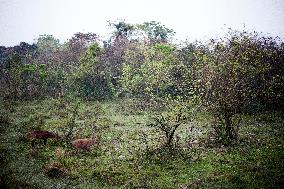
Deer pictured Kaziranga National Park, Assam, India on 9 March, 2019. Kaziranga National Park in Assam in the northeast of India is a reserve of tigers and the last one-horned rhinoceros. Two thirds of the world's rhinos (around 2400) live in the UNESCO-protected Kaziranga Reserve. In 2006, the park was declared a tiger reserve. The park was founded in 1904 as a protection zone for one-horned rhinoceroses and was founded by Baroness Curzon of Kedleston. There are 35 species of animals, including rhinos, Bengal tigers, leopards, wild buffaloes, bears and deer. (CTK Photo/Krystof Kriz)

  •  
Asian Greater One-horned Rhinoceros, Great Indian Rhinoceros, Rhinoceros unicornis, Kaziranga

Asian Greater One-horned Rhinoceros, Great Indian Rhinoceros, Rhinoceros unicornis, Kaziranga

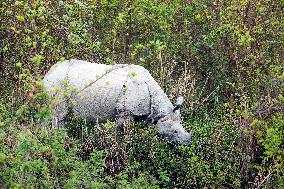
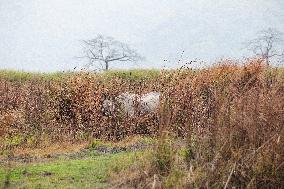
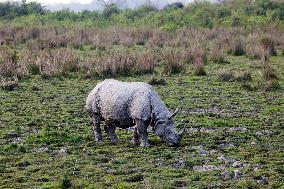
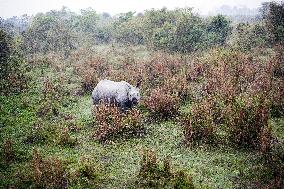
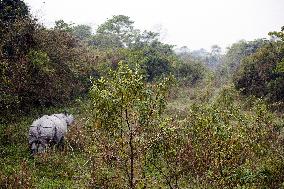
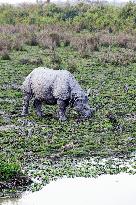
Asian Greater One-horned Rhinoceros, Great Indian Rhinoceros, Rhinoceros unicornis, in Kaziranga National Park, Assam, India on 9 March, 2019. Kaziranga National Park in Assam in the northeast of India is a reserve of tigers and the last one-horned rhinoceros. Two thirds of the world's rhinos (around 2400) live in the UNESCO-protected Kaziranga Reserve. In 2006, the park was declared a tiger reserve. The park was founded in 1904 as a protection zone for one-horned rhinoceroses and was founded by Baroness Curzon of Kedleston. There are 35 species of animals, including rhinos, Bengal tigers, leopards, wild buffaloes, bears and deer. (CTK Photo/Krystof Kriz)

  •  
Asian Greater One-horned Rhinoceros, Great Indian Rhinoceros, Rhinoceros unicornis, Kaziranga

Asian Greater One-horned Rhinoceros, Great Indian Rhinoceros, Rhinoceros unicornis, Kaziranga

Asian Greater One-horned Rhinoceros, Great Indian Rhinoceros, Rhinoceros unicornis, in Kaziranga National Park, Assam, India on 9 March, 2019. Kaziranga National Park in Assam in the northeast of India is a reserve of tigers and the last one-horned rhinoceros. Two thirds of the world's rhinos (around 2400) live in the UNESCO-protected Kaziranga Reserve. In 2006, the park was declared a tiger reserve. The park was founded in 1904 as a protection zone for one-horned rhinoceroses and was founded by Baroness Curzon of Kedleston. There are 35 species of animals, including rhinos, Bengal tigers, leopards, wild buffaloes, bears and deer. (CTK Photo/Krystof Kriz)

  •  
skull, buffalo, Kaziranga

skull, buffalo, Kaziranga

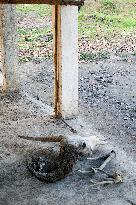
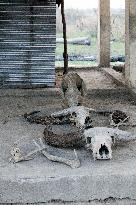
Skull of a buffalo in Kaziranga National Park, Assam, India on 8 March, 2019. Kaziranga National Park in Assam in the northeast of India is a reserve of tigers and the last one-horned rhinoceros. Two thirds of the world's rhinos (around 2400) live in the UNESCO-protected Kaziranga Reserve. In 2006, the park was declared a tiger reserve. The park was founded in 1904 as a protection zone for one-horned rhinoceroses and was founded by Baroness Curzon of Kedleston. There are 35 species of animals, including rhinos, Bengal tigers, leopards, wild buffaloes, bears and deer. (CTK Photo/Krystof Kriz)

  •  
Asian Greater One-horned Rhinoceros, Great Indian Rhinoceros, Rhinoceros unicornis, Kaziranga

Asian Greater One-horned Rhinoceros, Great Indian Rhinoceros, Rhinoceros unicornis, Kaziranga

Asian Greater One-horned Rhinoceros, Great Indian Rhinoceros, Rhinoceros unicornis, in Kaziranga National Park, Assam, India on 9 March, 2019. Kaziranga National Park in Assam in the northeast of India is a reserve of tigers and the last one-horned rhinoceros. Two thirds of the world's rhinos (around 2400) live in the UNESCO-protected Kaziranga Reserve. In 2006, the park was declared a tiger reserve. The park was founded in 1904 as a protection zone for one-horned rhinoceroses and was founded by Baroness Curzon of Kedleston. There are 35 species of animals, including rhinos, Bengal tigers, leopards, wild buffaloes, bears and deer. (CTK Photo/Krystof Kriz)

  •  
Asian Greater One-horned Rhinoceros, Great Indian Rhinoceros, Rhinoceros unicornis, Kaziranga

Asian Greater One-horned Rhinoceros, Great Indian Rhinoceros, Rhinoceros unicornis, Kaziranga

Asian Greater One-horned Rhinoceros, Great Indian Rhinoceros, Rhinoceros unicornis, in Kaziranga National Park, Assam, India on 9 March, 2019. Kaziranga National Park in Assam in the northeast of India is a reserve of tigers and the last one-horned rhinoceros. Two thirds of the world's rhinos (around 2400) live in the UNESCO-protected Kaziranga Reserve. In 2006, the park was declared a tiger reserve. The park was founded in 1904 as a protection zone for one-horned rhinoceroses and was founded by Baroness Curzon of Kedleston. There are 35 species of animals, including rhinos, Bengal tigers, leopards, wild buffaloes, bears and deer. (CTK Photo/Krystof Kriz)

  •  
Kaziranga

Kaziranga

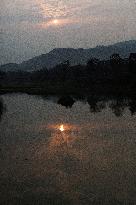
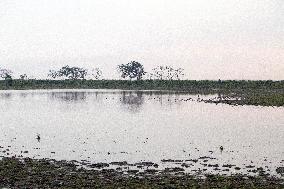
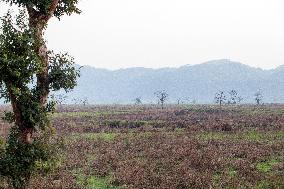
Kaziranga National Park, Assam, India on 9 March, 2019. Kaziranga National Park in Assam in the northeast of India is a reserve of tigers and the last one-horned rhinoceros. Two thirds of the world's rhinos (around 2400) live in the UNESCO-protected Kaziranga Reserve. In 2006, the park was declared a tiger reserve. The park was founded in 1904 as a protection zone for one-horned rhinoceroses and was founded by Baroness Curzon of Kedleston. There are 35 species of animals, including rhinos, Bengal tigers, leopards, wild buffaloes, bears and deer. (CTK Photo/Krystof Kriz)

  •  
Asian Greater One-horned Rhinoceros, Great Indian Rhinoceros, Rhinoceros unicornis, Kaziranga

Asian Greater One-horned Rhinoceros, Great Indian Rhinoceros, Rhinoceros unicornis, Kaziranga

Asian Greater One-horned Rhinoceros, Great Indian Rhinoceros, Rhinoceros unicornis, in Kaziranga National Park, Assam, India on 9 March, 2019. Kaziranga National Park in Assam in the northeast of India is a reserve of tigers and the last one-horned rhinoceros. Two thirds of the world's rhinos (around 2400) live in the UNESCO-protected Kaziranga Reserve. In 2006, the park was declared a tiger reserve. The park was founded in 1904 as a protection zone for one-horned rhinoceroses and was founded by Baroness Curzon of Kedleston. There are 35 species of animals, including rhinos, Bengal tigers, leopards, wild buffaloes, bears and deer. (CTK Photo/Krystof Kriz)

  •  
elephant, tourists, Kaziranga

elephant, tourists, Kaziranga

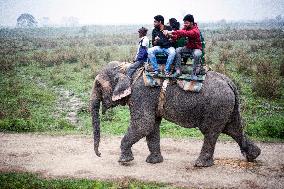
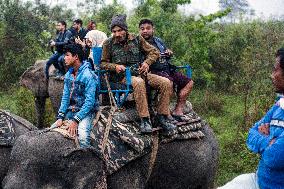
Tourist ride on elephant through Kaziranga National Park, Assam, India on 9 March, 2019. Kaziranga National Park in Assam in the northeast of India is a reserve of tigers and the last one-horned rhinoceros. Two thirds of the world's rhinos (around 2400) live in the UNESCO-protected Kaziranga Reserve. In 2006, the park was declared a tiger reserve. The park was founded in 1904 as a protection zone for one-horned rhinoceroses and was founded by Baroness Curzon of Kedleston. There are 35 species of animals, including rhinos, Bengal tigers, leopards, wild buffaloes, bears and deer. (CTK Photo/Krystof Kriz)

  •  
Jeep, Kaziranga

Jeep, Kaziranga

Jeep in Kaziranga National Park, Assam, India on 8 March, 2019. Kaziranga National Park in Assam in the northeast of India is a reserve of tigers and the last one-horned rhinoceros. Two thirds of the world's rhinos (around 2400) live in the UNESCO-protected Kaziranga Reserve. In 2006, the park was declared a tiger reserve. The park was founded in 1904 as a protection zone for one-horned rhinoceroses and was founded by Baroness Curzon of Kedleston. There are 35 species of animals, including rhinos, Bengal tigers, leopards, wild buffaloes, bears and deer. (CTK Photo/Krystof Kriz)

  •  
Jeep, Kaziranga

Jeep, Kaziranga

Kaziranga National Park, Assam, India on 8 March, 2019. Kaziranga National Park in Assam in the northeast of India is a reserve of tigers and the last one-horned rhinoceros. Two thirds of the world's rhinos (around 2400) live in the UNESCO-protected Kaziranga Reserve. In 2006, the park was declared a tiger reserve. The park was founded in 1904 as a protection zone for one-horned rhinoceroses and was founded by Baroness Curzon of Kedleston. There are 35 species of animals, including rhinos, Bengal tigers, leopards, wild buffaloes, bears and deer. (CTK Photo/Krystof Kriz)

  •  
herd of Asian Greater One-horned Rhinoceros, Great Indian Rhinoceros, Rhinoceros unicornis, Kaziranga

herd of Asian Greater One-horned Rhinoceros, Great Indian Rhinoceros, Rhinoceros unicornis, Kaziranga

One-horned rhinoceros herd in Kaziranga National Park, Assam, India on 8 March, 2019. Kaziranga National Park in Assam in the northeast of India is a reserve of tigers and the last one-horned rhinoceros. Two thirds of the world's rhinos (around 2400) live in the UNESCO-protected Kaziranga Reserve. In 2006, the park was declared a tiger reserve. The park was founded in 1904 as a protection zone for one-horned rhinoceroses and was founded by Baroness Curzon of Kedleston. There are 35 species of animals, including rhinos, Bengal tigers, leopards, wild buffaloes, bears and deer. (CTK Photo/Krystof Kriz)

  •  
Asian Greater One-horned Rhinoceros, Great Indian Rhinoceros, Rhinoceros unicornis, Kaziranga

Asian Greater One-horned Rhinoceros, Great Indian Rhinoceros, Rhinoceros unicornis, Kaziranga

Asian Greater One-horned Rhinoceros, Great Indian Rhinoceros, Rhinoceros unicornis, in Kaziranga National Park, Assam, India on 9 March, 2019. Kaziranga National Park in Assam in the northeast of India is a reserve of tigers and the last one-horned rhinoceros. Two thirds of the world's rhinos (around 2400) live in the UNESCO-protected Kaziranga Reserve. In 2006, the park was declared a tiger reserve. The park was founded in 1904 as a protection zone for one-horned rhinoceroses and was founded by Baroness Curzon of Kedleston. There are 35 species of animals, including rhinos, Bengal tigers, leopards, wild buffaloes, bears and deer. (CTK Photo/Krystof Kriz)

  •  
ranger, gun, Kaziranga

ranger, gun, Kaziranga

A ranger with a gun in Kaziranga National Park, Assam, India on 8 March, 2019. It is possible to visit the park with a ranger in the Jeep or on elephant early mornings. Kaziranga National Park in Assam in the northeast of India is a reserve of tigers and the last one-horned rhinoceros. Two thirds of the world's rhinos (around 2400) live in the UNESCO-protected Kaziranga Reserve. In 2006, the park was declared a tiger reserve. The park was founded in 1904 as a protection zone for one-horned rhinoceroses and was founded by Baroness Curzon of Kedleston. There are 35 species of animals, including rhinos, Bengal tigers, leopards, wild buffaloes, bears and deer. (CTK Photo/Krystof Kriz)

  •  
ranger, gun, Kaziranga

ranger, gun, Kaziranga

A ranger with a gun in Kaziranga National Park, Assam, India on 8 March, 2019. It is possible to visit the park with a ranger in the Jeep or on elephant early mornings. Kaziranga National Park in Assam in the northeast of India is a reserve of tigers and the last one-horned rhinoceros. Two thirds of the world's rhinos (around 2400) live in the UNESCO-protected Kaziranga Reserve. In 2006, the park was declared a tiger reserve. The park was founded in 1904 as a protection zone for one-horned rhinoceroses and was founded by Baroness Curzon of Kedleston. There are 35 species of animals, including rhinos, Bengal tigers, leopards, wild buffaloes, bears and deer. (CTK Photo/Krystof Kriz)

  •  
elephant, tourists, Kaziranga

elephant, tourists, Kaziranga

Tourist ride on elephant through Kaziranga National Park, Assam, India on 9 March, 2019. Kaziranga National Park in Assam in the northeast of India is a reserve of tigers and the last one-horned rhinoceros. Two thirds of the world's rhinos (around 2400) live in the UNESCO-protected Kaziranga Reserve. In 2006, the park was declared a tiger reserve. The park was founded in 1904 as a protection zone for one-horned rhinoceroses and was founded by Baroness Curzon of Kedleston. There are 35 species of animals, including rhinos, Bengal tigers, leopards, wild buffaloes, bears and deer. (CTK Photo/Krystof Kriz)

  •  
skull, buffalo, Kaziranga

skull, buffalo, Kaziranga

Skull of a buffalo in Kaziranga National Park, Assam, India on 8 March, 2019. Kaziranga National Park in Assam in the northeast of India is a reserve of tigers and the last one-horned rhinoceros. Two thirds of the world's rhinos (around 2400) live in the UNESCO-protected Kaziranga Reserve. In 2006, the park was declared a tiger reserve. The park was founded in 1904 as a protection zone for one-horned rhinoceroses and was founded by Baroness Curzon of Kedleston. There are 35 species of animals, including rhinos, Bengal tigers, leopards, wild buffaloes, bears and deer. (CTK Photo/Krystof Kriz)

  •  
southern white rhinoceros, southern square-lipped rhinoceros (Ceratotherium simum simum)

southern white rhinoceros, southern square-lipped rhinoceros (Ceratotherium simum simum)

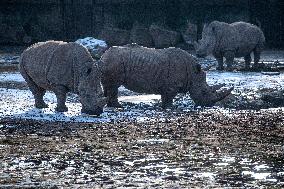
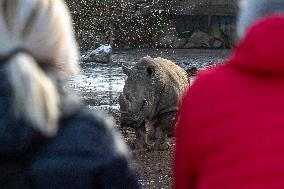
Southern white rhinoceroses (Ceratotherium simum simum) are seen in the Dvur Kralove Zoo, Czech Republic, on December 30, 2019. (CTK Photo/David Tanecek)

  •  
southern white rhinoceros, southern square-lipped rhinoceros (Ceratotherium simum simum)

southern white rhinoceros, southern square-lipped rhinoceros (Ceratotherium simum simum)

Southern white rhinoceroses (Ceratotherium simum simum) are seen in the Dvur Kralove Zoo, Czech Republic, on December 30, 2019. (CTK Photo/David Tanecek)

  • Main
  • Top
  • Editorial
  • Creative
  • About Us
  • About ILG
  • Terms of use
  • Company
  • BEHIND
  • Price List
  • Single Plan
  • Monthly Plan
  • Services
  • Shooting
  • Rights Clearance
  • Support
  • FAQ
  • How To Buy
  • Contact Us
  • Become a Partner

© KYODO NEWS IMAGES INC

All Rights Reserved.

  • Editorial
  • Olympics
  • News
  • Sports
  • Japan
  • Tech
  • Royal
  • Disaster
  • NorthKorea
  • Old Japan
  • SNS
  • Creative
  • Food
  • Japan
  • Landscape
  • Animal
  • Popular
  • #Ukraine
  • #Thailand
  • #coronavirus
  • #N. Korea
  • #China
  • #Russia
  • #Ukraine
  • #Thailand
  • #coronavirus
  • #N. Korea
  • #China
  • #Russia
  • Food
  • Japan
  • Landscape
  • Animal
  • Olympics
  • News
  • Sports
  • Japan
  • Tech
  • Royal
  • Disaster
  • NorthKorea
  • Old Japan
  • SNS