•  
KuPS FC Midtjylland, Eurooppa-liiga, playoff-kierros 2. osaottelu

KuPS FC Midtjylland, Eurooppa-liiga, playoff-kierros 2. osaottelu

KuPS players form a defensive wall during the UEFA Europa League playoff second leg match between KuPS and FC Midtjylland in Kuopio, Finland August 28, 2025. ---EDITORS NOTE --- RESTRICTED TO EDITORIAL USE --- LEHTIKUVA / MATIAS HONKAMAA - FINLAND OUT. NO THIRD PARTY SALES. (Credit:Matias Honkamaa/Lehtikuva/Kyodo News Images)

  •  
Taklimakan Desert Control Afforestation - China

Taklimakan Desert Control Afforestation - China

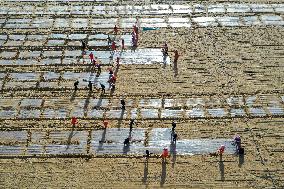
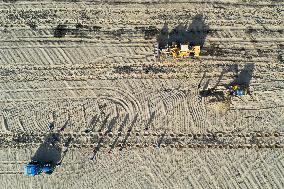
An aerial drone photo taken on April 8, 2025 shows people planting coix at a sand industry experimental base in Yutian County of Hotan Prefecture, northwest China's Xinjiang Uygur Autonomous Region. The Taklimakan Desert in northwest China's Xinjiang Uygur Autonomous Region covers 337,600 square kilometers and its circumference measures 3,046 kilometers, making it the largest desert in China and the second-largest drifting desert in the world. Thanks to decades-long sand prevention and control efforts, the Taklimakan Desert was completely encircled with a sand-blocking green belt on Nov. 28, 2024. In 2025, Xinjiang aims to afforest a land area of about 796,000 hectares, including 562,666 hectares for frontline control in the Taklimakan Desert. These afforestations form a part of the Three-North Shelterbelt Forest Program, the world's largest afforestation program, which tackles desertification in northwest, north and northeast China. Meanwhile, Xinjiang will further widen the sand-blocking green belt and enha

  •  
Taklimakan Desert Control Afforestation - China

Taklimakan Desert Control Afforestation - China

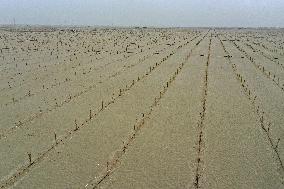
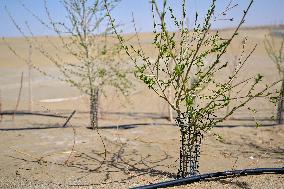
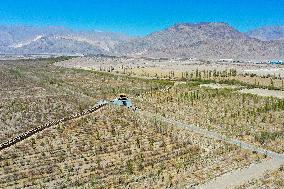
An aerial drone photo taken on April 7, 2025 shows oleaster saplings in Hotan County of Hotan Prefecture, northwest China's Xinjiang Uygur Autonomous Region. The Taklimakan Desert in northwest China's Xinjiang Uygur Autonomous Region covers 337,600 square kilometers and its circumference measures 3,046 kilometers, making it the largest desert in China and the second-largest drifting desert in the world. Thanks to decades-long sand prevention and control efforts, the Taklimakan Desert was completely encircled with a sand-blocking green belt on Nov. 28, 2024. In 2025, Xinjiang aims to afforest a land area of about 796,000 hectares, including 562,666 hectares for frontline control in the Taklimakan Desert. These afforestations form a part of the Three-North Shelterbelt Forest Program, the world's largest afforestation program, which tackles desertification in northwest, north and northeast China. Meanwhile, Xinjiang will further widen the sand-blocking green belt and enhance desert-locking efforts to achieve sus

  •  
Taklimakan Desert Control Afforestation - China

Taklimakan Desert Control Afforestation - China

Staff members plant onions in sandy land at a sand-control experimental station in Minfeng County of Hotan Prefecture, northwest China's Xinjiang Uygur Autonomous Region on April 8, 2025. The Taklimakan Desert in northwest China's Xinjiang Uygur Autonomous Region covers 337,600 square kilometers and its circumference measures 3,046 kilometers, making it the largest desert in China and the second-largest drifting desert in the world. Thanks to decades-long sand prevention and control efforts, the Taklimakan Desert was completely encircled with a sand-blocking green belt on Nov. 28, 2024. In 2025, Xinjiang aims to afforest a land area of about 796,000 hectares, including 562,666 hectares for frontline control in the Taklimakan Desert. These afforestations form a part of the Three-North Shelterbelt Forest Program, the world's largest afforestation program, which tackles desertification in northwest, north and northeast China. Meanwhile, Xinjiang will further widen the sand-blocking green belt and enhance desert-

  •  
Taklimakan Desert Control Afforestation - China

Taklimakan Desert Control Afforestation - China

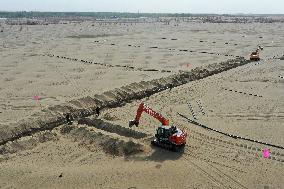
An aerial drone photo taken on April 8, 2025 shows staff members embedding water pipelines in Minfeng County of Hotan Prefecture, northwest China's Xinjiang Uygur Autonomous Region. The Taklimakan Desert in northwest China's Xinjiang Uygur Autonomous Region covers 337,600 square kilometers and its circumference measures 3,046 kilometers, making it the largest desert in China and the second-largest drifting desert in the world. Thanks to decades-long sand prevention and control efforts, the Taklimakan Desert was completely encircled with a sand-blocking green belt on Nov. 28, 2024. In 2025, Xinjiang aims to afforest a land area of about 796,000 hectares, including 562,666 hectares for frontline control in the Taklimakan Desert. These afforestations form a part of the Three-North Shelterbelt Forest Program, the world's largest afforestation program, which tackles desertification in northwest, north and northeast China. Meanwhile, Xinjiang will further widen the sand-blocking green belt and enhance desert-lockin

  •  
Taklimakan Desert Control Afforestation - China

Taklimakan Desert Control Afforestation - China

An aerial drone photo taken on April 9, 2025 shows staff members planting seedlings at a sand-control base in Qiemo County, the Mongolian Autonomous Prefecture of Bayingolin, northwest China's Xinjiang Uygur Autonomous Region. The Taklimakan Desert in northwest China's Xinjiang Uygur Autonomous Region covers 337,600 square kilometers and its circumference measures 3,046 kilometers, making it the largest desert in China and the second-largest drifting desert in the world. Thanks to decades-long sand prevention and control efforts, the Taklimakan Desert was completely encircled with a sand-blocking green belt on Nov. 28, 2024. In 2025, Xinjiang aims to afforest a land area of about 796,000 hectares, including 562,666 hectares for frontline control in the Taklimakan Desert. These afforestations form a part of the Three-North Shelterbelt Forest Program, the world's largest afforestation program, which tackles desertification in northwest, north and northeast China. Meanwhile, Xinjiang will further widen the sand-

  •  
Taklimakan Desert Control Afforestation - China

Taklimakan Desert Control Afforestation - China

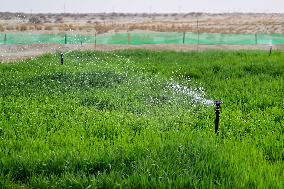
This photo taken on April 13, 2025 shows a wheat field irrigated by desalinated water in Xayar County, Aksu Prefecture, northwest China's Xinjiang Uygur Autonomous Region. The Taklimakan Desert in northwest China's Xinjiang Uygur Autonomous Region covers 337,600 square kilometers and its circumference measures 3,046 kilometers, making it the largest desert in China and the second-largest drifting desert in the world. Thanks to decades-long sand prevention and control efforts, the Taklimakan Desert was completely encircled with a sand-blocking green belt on Nov. 28, 2024. In 2025, Xinjiang aims to afforest a land area of about 796,000 hectares, including 562,666 hectares for frontline control in the Taklimakan Desert. These afforestations form a part of the Three-North Shelterbelt Forest Program, the world's largest afforestation program, which tackles desertification in northwest, north and northeast China. Meanwhile, Xinjiang will further widen the sand-blocking green belt and enhance desert-locking efforts

  •  
Taklimakan Desert Control Afforestation - China

Taklimakan Desert Control Afforestation - China

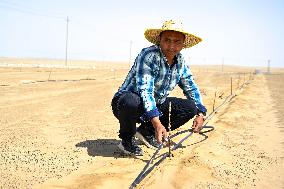
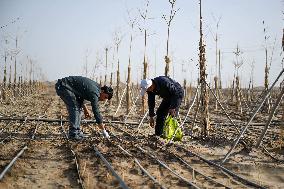
A villager arranges a drip irrigation pipe at a desert-control model zone in Yutian County of Hotan Prefecture, northwest China's Xinjiang Uygur Autonomous Region, April 8, 2025. The Taklimakan Desert in northwest China's Xinjiang Uygur Autonomous Region covers 337,600 square kilometers and its circumference measures 3,046 kilometers, making it the largest desert in China and the second-largest drifting desert in the world. Thanks to decades-long sand prevention and control efforts, the Taklimakan Desert was completely encircled with a sand-blocking green belt on Nov. 28, 2024. In 2025, Xinjiang aims to afforest a land area of about 796,000 hectares, including 562,666 hectares for frontline control in the Taklimakan Desert. These afforestations form a part of the Three-North Shelterbelt Forest Program, the world's largest afforestation program, which tackles desertification in northwest, north and northeast China. Meanwhile, Xinjiang will further widen the sand-blocking green belt and enhance desert-locking e

  •  
Taklimakan Desert Control Afforestation - China

Taklimakan Desert Control Afforestation - China

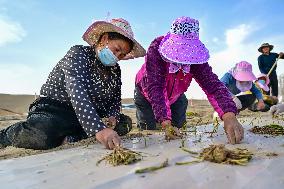
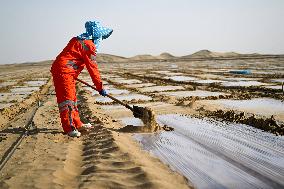
A villager plants coix at a sand industry experimental base in Yutian County of Hotan Prefecture, northwest China's Xinjiang Uygur Autonomous Region on April 8, 2025. The Taklimakan Desert in northwest China's Xinjiang Uygur Autonomous Region covers 337,600 square kilometers and its circumference measures 3,046 kilometers, making it the largest desert in China and the second-largest drifting desert in the world. Thanks to decades-long sand prevention and control efforts, the Taklimakan Desert was completely encircled with a sand-blocking green belt on Nov. 28, 2024. In 2025, Xinjiang aims to afforest a land area of about 796,000 hectares, including 562,666 hectares for frontline control in the Taklimakan Desert. These afforestations form a part of the Three-North Shelterbelt Forest Program, the world's largest afforestation program, which tackles desertification in northwest, north and northeast China. Meanwhile, Xinjiang will further widen the sand-blocking green belt and enhance desert-locking efforts to ac

  •  
Taklimakan Desert Control Afforestation - China

Taklimakan Desert Control Afforestation - China

Protective nets are attached to seedlings to prevent animals from eating them at a sand-control base in Qiemo County, the Mongolian Autonomous Prefecture of Bayingolin, northwest China's Xinjiang Uygur Autonomous Region, April 9, 2025. The Taklimakan Desert in northwest China's Xinjiang Uygur Autonomous Region covers 337,600 square kilometers and its circumference measures 3,046 kilometers, making it the largest desert in China and the second-largest drifting desert in the world. Thanks to decades-long sand prevention and control efforts, the Taklimakan Desert was completely encircled with a sand-blocking green belt on Nov. 28, 2024. In 2025, Xinjiang aims to afforest a land area of about 796,000 hectares, including 562,666 hectares for frontline control in the Taklimakan Desert. These afforestations form a part of the Three-North Shelterbelt Forest Program, the world's largest afforestation program, which tackles desertification in northwest, north and northeast China. Meanwhile, Xinjiang will further widen

  •  
Taklimakan Desert Control Afforestation - China

Taklimakan Desert Control Afforestation - China

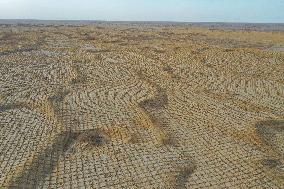
An aerial drone photo taken on April 8, 2025 shows checkerboard sand barriers in Minfeng County of Hotan Prefecture, northwest China's Xinjiang Uygur Autonomous Region. The Taklimakan Desert in northwest China's Xinjiang Uygur Autonomous Region covers 337,600 square kilometers and its circumference measures 3,046 kilometers, making it the largest desert in China and the second-largest drifting desert in the world. Thanks to decades-long sand prevention and control efforts, the Taklimakan Desert was completely encircled with a sand-blocking green belt on Nov. 28, 2024. In 2025, Xinjiang aims to afforest a land area of about 796,000 hectares, including 562,666 hectares for frontline control in the Taklimakan Desert. These afforestations form a part of the Three-North Shelterbelt Forest Program, the world's largest afforestation program, which tackles desertification in northwest, north and northeast China. Meanwhile, Xinjiang will further widen the sand-blocking green belt and enhance desert-locking efforts to

  •  
Taklimakan Desert Control Afforestation - China

Taklimakan Desert Control Afforestation - China

People arrange drip irrigation pipes at a sand-control experimental base in Yutian County of Hotan Prefecture, northwest China's Xinjiang Uygur Autonomous Region, April 8, 2025. The Taklimakan Desert in northwest China's Xinjiang Uygur Autonomous Region covers 337,600 square kilometers and its circumference measures 3,046 kilometers, making it the largest desert in China and the second-largest drifting desert in the world. Thanks to decades-long sand prevention and control efforts, the Taklimakan Desert was completely encircled with a sand-blocking green belt on Nov. 28, 2024. In 2025, Xinjiang aims to afforest a land area of about 796,000 hectares, including 562,666 hectares for frontline control in the Taklimakan Desert. These afforestations form a part of the Three-North Shelterbelt Forest Program, the world's largest afforestation program, which tackles desertification in northwest, north and northeast China. Meanwhile, Xinjiang will further widen the sand-blocking green belt and enhance desert-locking ef

  •  
Taklimakan Desert Control Afforestation - China

Taklimakan Desert Control Afforestation - China

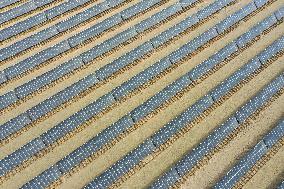
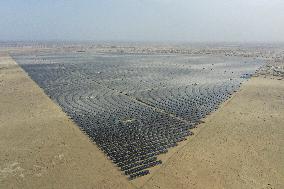
An aerial drone photo taken on April 13, 2025 shows a photovoltaic power project in Xayar County, Aksu Prefecture, northwest China's Xinjiang Uygur Autonomous Region. The Taklimakan Desert in northwest China's Xinjiang Uygur Autonomous Region covers 337,600 square kilometers and its circumference measures 3,046 kilometers, making it the largest desert in China and the second-largest drifting desert in the world. Thanks to decades-long sand prevention and control efforts, the Taklimakan Desert was completely encircled with a sand-blocking green belt on Nov. 28, 2024. In 2025, Xinjiang aims to afforest a land area of about 796,000 hectares, including 562,666 hectares for frontline control in the Taklimakan Desert. These afforestations form a part of the Three-North Shelterbelt Forest Program, the world's largest afforestation program, which tackles desertification in northwest, north and northeast China. Meanwhile, Xinjiang will further widen the sand-blocking green belt and enhance desert-locking efforts to ac

  •  
Taklimakan Desert Control Afforestation - China

Taklimakan Desert Control Afforestation - China

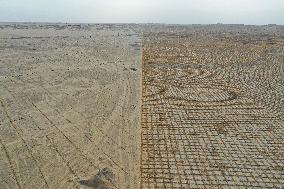
An aerial drone photo taken on April 8, 2025 shows checkerboard sand barriers at a sand-control zone in Minfeng County of Hotan Prefecture, northwest China's Xinjiang Uygur Autonomous Region. The Taklimakan Desert in northwest China's Xinjiang Uygur Autonomous Region covers 337,600 square kilometers and its circumference measures 3,046 kilometers, making it the largest desert in China and the second-largest drifting desert in the world. Thanks to decades-long sand prevention and control efforts, the Taklimakan Desert was completely encircled with a sand-blocking green belt on Nov. 28, 2024. In 2025, Xinjiang aims to afforest a land area of about 796,000 hectares, including 562,666 hectares for frontline control in the Taklimakan Desert. These afforestations form a part of the Three-North Shelterbelt Forest Program, the world's largest afforestation program, which tackles desertification in northwest, north and northeast China. Meanwhile, Xinjiang will further widen the sand-blocking green belt and enhance des

  •  
Taklimakan Desert Control Afforestation - China

Taklimakan Desert Control Afforestation - China

An aerial drone photo taken on April 11, 2025 shows a forest park in Hejing County, the Mongolian Autonomous Prefecture of Bayingolin, northwest China's Xinjiang Uygur Autonomous Region. The Taklimakan Desert in northwest China's Xinjiang Uygur Autonomous Region covers 337,600 square kilometers and its circumference measures 3,046 kilometers, making it the largest desert in China and the second-largest drifting desert in the world. Thanks to decades-long sand prevention and control efforts, the Taklimakan Desert was completely encircled with a sand-blocking green belt on Nov. 28, 2024. In 2025, Xinjiang aims to afforest a land area of about 796,000 hectares, including 562,666 hectares for frontline control in the Taklimakan Desert. These afforestations form a part of the Three-North Shelterbelt Forest Program, the world's largest afforestation program, which tackles desertification in northwest, north and northeast China. Meanwhile, Xinjiang will further widen the sand-blocking green belt and enhance desert-l

  •  
Taklimakan Desert Control Afforestation - China

Taklimakan Desert Control Afforestation - China

An aerial drone photo taken on April 13, 2025 shows a photovoltaic power project in Xayar County, Aksu Prefecture, northwest China's Xinjiang Uygur Autonomous Region. The Taklimakan Desert in northwest China's Xinjiang Uygur Autonomous Region covers 337,600 square kilometers and its circumference measures 3,046 kilometers, making it the largest desert in China and the second-largest drifting desert in the world. Thanks to decades-long sand prevention and control efforts, the Taklimakan Desert was completely encircled with a sand-blocking green belt on Nov. 28, 2024. In 2025, Xinjiang aims to afforest a land area of about 796,000 hectares, including 562,666 hectares for frontline control in the Taklimakan Desert. These afforestations form a part of the Three-North Shelterbelt Forest Program, the world's largest afforestation program, which tackles desertification in northwest, north and northeast China. Meanwhile, Xinjiang will further widen the sand-blocking green belt and enhance desert-locking efforts to ac

  •  
Taklimakan Desert Control Afforestation - China

Taklimakan Desert Control Afforestation - China

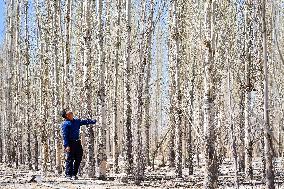
Fu Guoxi checks the trees at a green belt built by his father Fu Zhizhou in Hejing County, the Mongolian Autonomous Prefecture of Bayingolin, northwest China's Xinjiang Uygur Autonomous Region, April 11, 2025. Over the past four decades, Fu Zhizhou had planted more than 800,000 trees and his son Fu Guoxi took over the cause after his father passed away in 2024. The Taklimakan Desert in northwest China's Xinjiang Uygur Autonomous Region covers 337,600 square kilometers and its circumference measures 3,046 kilometers, making it the largest desert in China and the second-largest drifting desert in the world. Thanks to decades-long sand prevention and control efforts, the Taklimakan Desert was completely encircled with a sand-blocking green belt on Nov. 28, 2024. In 2025, Xinjiang aims to afforest a land area of about 796,000 hectares, including 562,666 hectares for frontline control in the Taklimakan Desert. These afforestations form a part of the Three-North Shelterbelt Forest Program, the world's largest affor

  •  
Taklimakan Desert Control Afforestation - China

Taklimakan Desert Control Afforestation - China

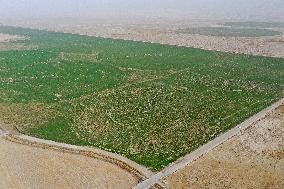
An aerial drone photo taken on April 12, 2025 shows a grassland in Baicheng County, Aksu Prefecture, northwest China's Xinjiang Uygur Autonomous Region. The Taklimakan Desert in northwest China's Xinjiang Uygur Autonomous Region covers 337,600 square kilometers and its circumference measures 3,046 kilometers, making it the largest desert in China and the second-largest drifting desert in the world. Thanks to decades-long sand prevention and control efforts, the Taklimakan Desert was completely encircled with a sand-blocking green belt on Nov. 28, 2024. In 2025, Xinjiang aims to afforest a land area of about 796,000 hectares, including 562,666 hectares for frontline control in the Taklimakan Desert. These afforestations form a part of the Three-North Shelterbelt Forest Program, the world's largest afforestation program, which tackles desertification in northwest, north and northeast China. Meanwhile, Xinjiang will further widen the sand-blocking green belt and enhance desert-locking efforts to achieve sustaina

  •  
Donald Trump signs the Laken Riley Act - Washington

Donald Trump signs the Laken Riley Act - Washington

US President Donald Trump reacts to a question form the media after signing the Laken Riley Act into law in the East Room at the White House in Washington on January 29, 2025. The law, named after a Georgia student murdered by an undocumented immigrant is the first bill of the second Trump administration. Photo by Yuri Gripas/ABACAPRESS.COM

  •  
The City Of Ayutthaya In Pictures - Thailand

The City Of Ayutthaya In Pictures - Thailand

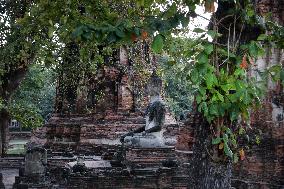
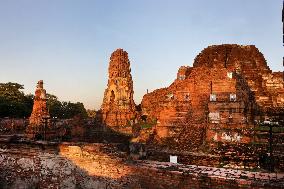
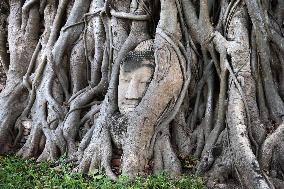
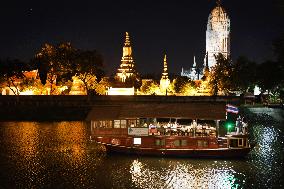
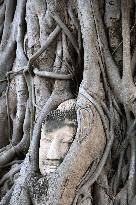
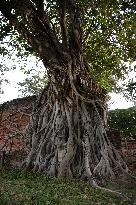
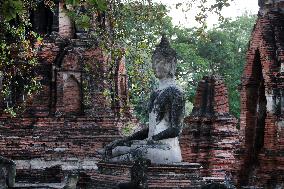
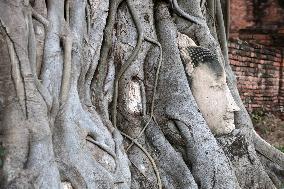
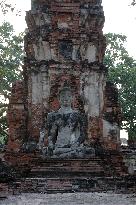
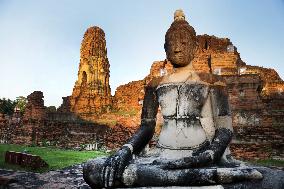
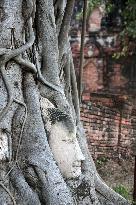
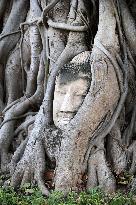
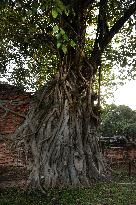
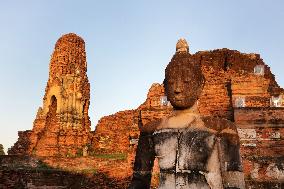
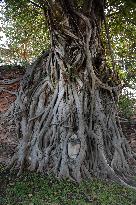
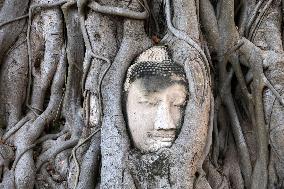
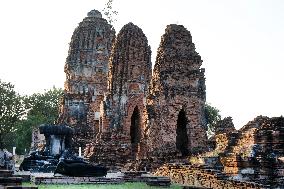
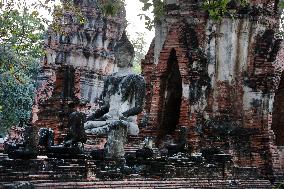
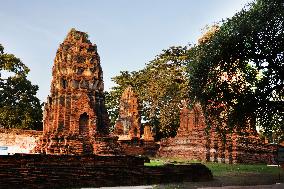
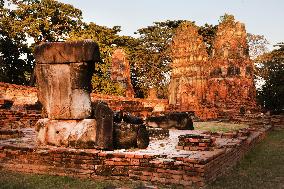
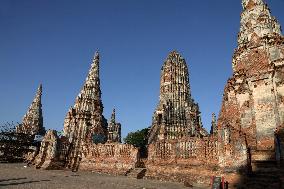
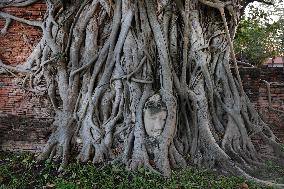
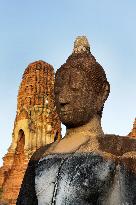
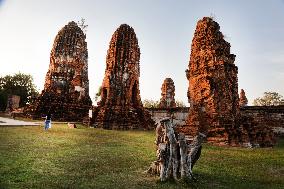
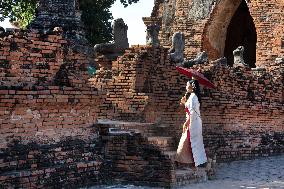
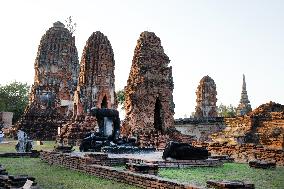
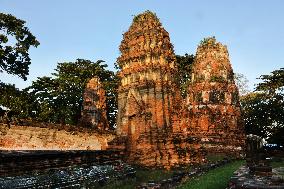
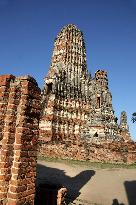
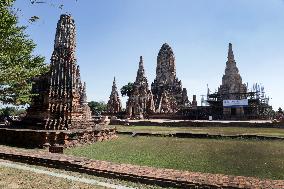
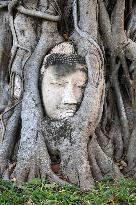
The city of Ayutthaya, founded in 1350, was the second capital of the Kingdom of Siam. Located about 80 kilometers north of Bangkok. It was the capital of the Kingdom of Siam and a prosperous international trading port, until it was razed by the Burmese in 1767. The ruins of the ancient city today form the historic park of 'Ayutthaya, an archaeological site including palaces, Buddhist temples, monasteries and statues.Thailand, December 22, 2023. Photo by Patrick Aventurier/ABACAPRESS.COM

  •  
The City Of Ayutthaya In Pictures - Thailand

The City Of Ayutthaya In Pictures - Thailand

The city of Ayutthaya, founded in 1350, was the second capital of the Kingdom of Siam. Located about 80 kilometers north of Bangkok. It was the capital of the Kingdom of Siam and a prosperous international trading port, until it was razed by the Burmese in 1767. The ruins of the ancient city today form the historic park of 'Ayutthaya, an archaeological site including palaces, Buddhist temples, monasteries and statues.Thailand, December 22, 2023. Photo by Patrick Aventurier/ABACAPRESS.COM

  •  
The City Of Ayutthaya In Pictures - Thailand

The City Of Ayutthaya In Pictures - Thailand

The city of Ayutthaya, founded in 1350, was the second capital of the Kingdom of Siam. Located about 80 kilometers north of Bangkok. It was the capital of the Kingdom of Siam and a prosperous international trading port, until it was razed by the Burmese in 1767. The ruins of the ancient city today form the historic park of 'Ayutthaya, an archaeological site including palaces, Buddhist temples, monasteries and statues.Thailand, December 22, 2023. Photo by Patrick Aventurier/ABACAPRESS.COM

  •  
The City Of Ayutthaya In Pictures - Thailand

The City Of Ayutthaya In Pictures - Thailand

The city of Ayutthaya, founded in 1350, was the second capital of the Kingdom of Siam. Located about 80 kilometers north of Bangkok. It was the capital of the Kingdom of Siam and a prosperous international trading port, until it was razed by the Burmese in 1767. The ruins of the ancient city today form the historic park of 'Ayutthaya, an archaeological site including palaces, Buddhist temples, monasteries and statues.Thailand, December 22, 2023. Photo by Patrick Aventurier/ABACAPRESS.COM

  •  
The City Of Ayutthaya In Pictures - Thailand

The City Of Ayutthaya In Pictures - Thailand

The city of Ayutthaya, founded in 1350, was the second capital of the Kingdom of Siam. Located about 80 kilometers north of Bangkok. It was the capital of the Kingdom of Siam and a prosperous international trading port, until it was razed by the Burmese in 1767. The ruins of the ancient city today form the historic park of 'Ayutthaya, an archaeological site including palaces, Buddhist temples, monasteries and statues.Thailand, December 22, 2023. Photo by Patrick Aventurier/ABACAPRESS.COM

  •  
The City Of Ayutthaya In Pictures - Thailand

The City Of Ayutthaya In Pictures - Thailand

The city of Ayutthaya, founded in 1350, was the second capital of the Kingdom of Siam. Located about 80 kilometers north of Bangkok. It was the capital of the Kingdom of Siam and a prosperous international trading port, until it was razed by the Burmese in 1767. The ruins of the ancient city today form the historic park of 'Ayutthaya, an archaeological site including palaces, Buddhist temples, monasteries and statues.Thailand, December 22, 2023. Photo by Patrick Aventurier/ABACAPRESS.COM

  •  
The City Of Ayutthaya In Pictures - Thailand

The City Of Ayutthaya In Pictures - Thailand

The city of Ayutthaya, founded in 1350, was the second capital of the Kingdom of Siam. Located about 80 kilometers north of Bangkok. It was the capital of the Kingdom of Siam and a prosperous international trading port, until it was razed by the Burmese in 1767. The ruins of the ancient city today form the historic park of 'Ayutthaya, an archaeological site including palaces, Buddhist temples, monasteries and statues.Thailand, December 22, 2023. Photo by Patrick Aventurier/ABACAPRESS.COM

  •  
The City Of Ayutthaya In Pictures - Thailand

The City Of Ayutthaya In Pictures - Thailand

The city of Ayutthaya, founded in 1350, was the second capital of the Kingdom of Siam. Located about 80 kilometers north of Bangkok. It was the capital of the Kingdom of Siam and a prosperous international trading port, until it was razed by the Burmese in 1767. The ruins of the ancient city today form the historic park of 'Ayutthaya, an archaeological site including palaces, Buddhist temples, monasteries and statues.Thailand, December 22, 2023. Photo by Patrick Aventurier/ABACAPRESS.COM

  •  
The City Of Ayutthaya In Pictures - Thailand

The City Of Ayutthaya In Pictures - Thailand

The city of Ayutthaya, founded in 1350, was the second capital of the Kingdom of Siam. Located about 80 kilometers north of Bangkok. It was the capital of the Kingdom of Siam and a prosperous international trading port, until it was razed by the Burmese in 1767. The ruins of the ancient city today form the historic park of 'Ayutthaya, an archaeological site including palaces, Buddhist temples, monasteries and statues.Thailand, December 22, 2023. Photo by Patrick Aventurier/ABACAPRESS.COM

  •  
The City Of Ayutthaya In Pictures - Thailand

The City Of Ayutthaya In Pictures - Thailand

The city of Ayutthaya, founded in 1350, was the second capital of the Kingdom of Siam. Located about 80 kilometers north of Bangkok. It was the capital of the Kingdom of Siam and a prosperous international trading port, until it was razed by the Burmese in 1767. The ruins of the ancient city today form the historic park of 'Ayutthaya, an archaeological site including palaces, Buddhist temples, monasteries and statues.Thailand, December 22, 2023. Photo by Patrick Aventurier/ABACAPRESS.COM

  •  
The City Of Ayutthaya In Pictures - Thailand

The City Of Ayutthaya In Pictures - Thailand

The city of Ayutthaya, founded in 1350, was the second capital of the Kingdom of Siam. Located about 80 kilometers north of Bangkok. It was the capital of the Kingdom of Siam and a prosperous international trading port, until it was razed by the Burmese in 1767. The ruins of the ancient city today form the historic park of 'Ayutthaya, an archaeological site including palaces, Buddhist temples, monasteries and statues.Thailand, December 22, 2023. Photo by Patrick Aventurier/ABACAPRESS.COM

  •  
The City Of Ayutthaya In Pictures - Thailand

The City Of Ayutthaya In Pictures - Thailand

The city of Ayutthaya, founded in 1350, was the second capital of the Kingdom of Siam. Located about 80 kilometers north of Bangkok. It was the capital of the Kingdom of Siam and a prosperous international trading port, until it was razed by the Burmese in 1767. The ruins of the ancient city today form the historic park of 'Ayutthaya, an archaeological site including palaces, Buddhist temples, monasteries and statues.Thailand, December 22, 2023. Photo by Patrick Aventurier/ABACAPRESS.COM

  •  
The City Of Ayutthaya In Pictures - Thailand

The City Of Ayutthaya In Pictures - Thailand

The city of Ayutthaya, founded in 1350, was the second capital of the Kingdom of Siam. Located about 80 kilometers north of Bangkok. It was the capital of the Kingdom of Siam and a prosperous international trading port, until it was razed by the Burmese in 1767. The ruins of the ancient city today form the historic park of 'Ayutthaya, an archaeological site including palaces, Buddhist temples, monasteries and statues.Thailand, December 22, 2023. Photo by Patrick Aventurier/ABACAPRESS.COM

  •  
The City Of Ayutthaya In Pictures - Thailand

The City Of Ayutthaya In Pictures - Thailand

The city of Ayutthaya, founded in 1350, was the second capital of the Kingdom of Siam. Located about 80 kilometers north of Bangkok. It was the capital of the Kingdom of Siam and a prosperous international trading port, until it was razed by the Burmese in 1767. The ruins of the ancient city today form the historic park of 'Ayutthaya, an archaeological site including palaces, Buddhist temples, monasteries and statues.Thailand, December 22, 2023. Photo by Patrick Aventurier/ABACAPRESS.COM

  •  
The City Of Ayutthaya In Pictures - Thailand

The City Of Ayutthaya In Pictures - Thailand

The city of Ayutthaya, founded in 1350, was the second capital of the Kingdom of Siam. Located about 80 kilometers north of Bangkok. It was the capital of the Kingdom of Siam and a prosperous international trading port, until it was razed by the Burmese in 1767. The ruins of the ancient city today form the historic park of 'Ayutthaya, an archaeological site including palaces, Buddhist temples, monasteries and statues.Thailand, December 22, 2023. Photo by Patrick Aventurier/ABACAPRESS.COM

  •  
The City Of Ayutthaya In Pictures - Thailand

The City Of Ayutthaya In Pictures - Thailand

The city of Ayutthaya, founded in 1350, was the second capital of the Kingdom of Siam. Located about 80 kilometers north of Bangkok. It was the capital of the Kingdom of Siam and a prosperous international trading port, until it was razed by the Burmese in 1767. The ruins of the ancient city today form the historic park of 'Ayutthaya, an archaeological site including palaces, Buddhist temples, monasteries and statues.Thailand, December 22, 2023. Photo by Patrick Aventurier/ABACAPRESS.COM

  •  
The City Of Ayutthaya In Pictures - Thailand

The City Of Ayutthaya In Pictures - Thailand

The city of Ayutthaya, founded in 1350, was the second capital of the Kingdom of Siam. Located about 80 kilometers north of Bangkok. It was the capital of the Kingdom of Siam and a prosperous international trading port, until it was razed by the Burmese in 1767. The ruins of the ancient city today form the historic park of 'Ayutthaya, an archaeological site including palaces, Buddhist temples, monasteries and statues.Thailand, December 22, 2023. Photo by Patrick Aventurier/ABACAPRESS.COM

  •  
The City Of Ayutthaya In Pictures - Thailand

The City Of Ayutthaya In Pictures - Thailand

The city of Ayutthaya, founded in 1350, was the second capital of the Kingdom of Siam. Located about 80 kilometers north of Bangkok. It was the capital of the Kingdom of Siam and a prosperous international trading port, until it was razed by the Burmese in 1767. The ruins of the ancient city today form the historic park of 'Ayutthaya, an archaeological site including palaces, Buddhist temples, monasteries and statues.Thailand, December 22, 2023. Photo by Patrick Aventurier/ABACAPRESS.COM

  •  
The City Of Ayutthaya In Pictures - Thailand

The City Of Ayutthaya In Pictures - Thailand

The city of Ayutthaya, founded in 1350, was the second capital of the Kingdom of Siam. Located about 80 kilometers north of Bangkok. It was the capital of the Kingdom of Siam and a prosperous international trading port, until it was razed by the Burmese in 1767. The ruins of the ancient city today form the historic park of 'Ayutthaya, an archaeological site including palaces, Buddhist temples, monasteries and statues.Thailand, December 22, 2023. Photo by Patrick Aventurier/ABACAPRESS.COM

  •  
The City Of Ayutthaya In Pictures - Thailand

The City Of Ayutthaya In Pictures - Thailand

The city of Ayutthaya, founded in 1350, was the second capital of the Kingdom of Siam. Located about 80 kilometers north of Bangkok. It was the capital of the Kingdom of Siam and a prosperous international trading port, until it was razed by the Burmese in 1767. The ruins of the ancient city today form the historic park of 'Ayutthaya, an archaeological site including palaces, Buddhist temples, monasteries and statues.Thailand, December 22, 2023. Photo by Patrick Aventurier/ABACAPRESS.COM

  •  
The City Of Ayutthaya In Pictures - Thailand

The City Of Ayutthaya In Pictures - Thailand

The city of Ayutthaya, founded in 1350, was the second capital of the Kingdom of Siam. Located about 80 kilometers north of Bangkok. It was the capital of the Kingdom of Siam and a prosperous international trading port, until it was razed by the Burmese in 1767. The ruins of the ancient city today form the historic park of 'Ayutthaya, an archaeological site including palaces, Buddhist temples, monasteries and statues.Thailand, December 22, 2023. Photo by Patrick Aventurier/ABACAPRESS.COM

  •  
The City Of Ayutthaya In Pictures - Thailand

The City Of Ayutthaya In Pictures - Thailand

The city of Ayutthaya, founded in 1350, was the second capital of the Kingdom of Siam. Located about 80 kilometers north of Bangkok. It was the capital of the Kingdom of Siam and a prosperous international trading port, until it was razed by the Burmese in 1767. The ruins of the ancient city today form the historic park of 'Ayutthaya, an archaeological site including palaces, Buddhist temples, monasteries and statues.Thailand, December 22, 2023. Photo by Patrick Aventurier/ABACAPRESS.COM

  •  
The City Of Ayutthaya In Pictures - Thailand

The City Of Ayutthaya In Pictures - Thailand

The city of Ayutthaya, founded in 1350, was the second capital of the Kingdom of Siam. Located about 80 kilometers north of Bangkok. It was the capital of the Kingdom of Siam and a prosperous international trading port, until it was razed by the Burmese in 1767. The ruins of the ancient city today form the historic park of 'Ayutthaya, an archaeological site including palaces, Buddhist temples, monasteries and statues.Thailand, December 22, 2023. Photo by Patrick Aventurier/ABACAPRESS.COM

  •  
The City Of Ayutthaya In Pictures - Thailand

The City Of Ayutthaya In Pictures - Thailand

The city of Ayutthaya, founded in 1350, was the second capital of the Kingdom of Siam. Located about 80 kilometers north of Bangkok. It was the capital of the Kingdom of Siam and a prosperous international trading port, until it was razed by the Burmese in 1767. The ruins of the ancient city today form the historic park of 'Ayutthaya, an archaeological site including palaces, Buddhist temples, monasteries and statues.Thailand, December 22, 2023. Photo by Patrick Aventurier/ABACAPRESS.COM

  •  
The City Of Ayutthaya In Pictures - Thailand

The City Of Ayutthaya In Pictures - Thailand

The city of Ayutthaya, founded in 1350, was the second capital of the Kingdom of Siam. Located about 80 kilometers north of Bangkok. It was the capital of the Kingdom of Siam and a prosperous international trading port, until it was razed by the Burmese in 1767. The ruins of the ancient city today form the historic park of 'Ayutthaya, an archaeological site including palaces, Buddhist temples, monasteries and statues.Thailand, December 22, 2023. Photo by Patrick Aventurier/ABACAPRESS.COM

  •  
The City Of Ayutthaya In Pictures - Thailand

The City Of Ayutthaya In Pictures - Thailand

The city of Ayutthaya, founded in 1350, was the second capital of the Kingdom of Siam. Located about 80 kilometers north of Bangkok. It was the capital of the Kingdom of Siam and a prosperous international trading port, until it was razed by the Burmese in 1767. The ruins of the ancient city today form the historic park of 'Ayutthaya, an archaeological site including palaces, Buddhist temples, monasteries and statues.Thailand, December 22, 2023. Photo by Patrick Aventurier/ABACAPRESS.COM

  •  
The City Of Ayutthaya In Pictures - Thailand

The City Of Ayutthaya In Pictures - Thailand

The city of Ayutthaya, founded in 1350, was the second capital of the Kingdom of Siam. Located about 80 kilometers north of Bangkok. It was the capital of the Kingdom of Siam and a prosperous international trading port, until it was razed by the Burmese in 1767. The ruins of the ancient city today form the historic park of 'Ayutthaya, an archaeological site including palaces, Buddhist temples, monasteries and statues.Thailand, December 22, 2023. Photo by Patrick Aventurier/ABACAPRESS.COM

  •  
The City Of Ayutthaya In Pictures - Thailand

The City Of Ayutthaya In Pictures - Thailand

The city of Ayutthaya, founded in 1350, was the second capital of the Kingdom of Siam. Located about 80 kilometers north of Bangkok. It was the capital of the Kingdom of Siam and a prosperous international trading port, until it was razed by the Burmese in 1767. The ruins of the ancient city today form the historic park of 'Ayutthaya, an archaeological site including palaces, Buddhist temples, monasteries and statues.Thailand, December 22, 2023. Photo by Patrick Aventurier/ABACAPRESS.COM

  •  
The City Of Ayutthaya In Pictures - Thailand

The City Of Ayutthaya In Pictures - Thailand

The city of Ayutthaya, founded in 1350, was the second capital of the Kingdom of Siam. Located about 80 kilometers north of Bangkok. It was the capital of the Kingdom of Siam and a prosperous international trading port, until it was razed by the Burmese in 1767. The ruins of the ancient city today form the historic park of 'Ayutthaya, an archaeological site including palaces, Buddhist temples, monasteries and statues.Thailand, December 22, 2023. Photo by Patrick Aventurier/ABACAPRESS.COM

  •  
The City Of Ayutthaya In Pictures - Thailand

The City Of Ayutthaya In Pictures - Thailand

The city of Ayutthaya, founded in 1350, was the second capital of the Kingdom of Siam. Located about 80 kilometers north of Bangkok. It was the capital of the Kingdom of Siam and a prosperous international trading port, until it was razed by the Burmese in 1767. The ruins of the ancient city today form the historic park of 'Ayutthaya, an archaeological site including palaces, Buddhist temples, monasteries and statues.Thailand, December 22, 2023. Photo by Patrick Aventurier/ABACAPRESS.COM

  •  
The City Of Ayutthaya In Pictures - Thailand

The City Of Ayutthaya In Pictures - Thailand

The city of Ayutthaya, founded in 1350, was the second capital of the Kingdom of Siam. Located about 80 kilometers north of Bangkok. It was the capital of the Kingdom of Siam and a prosperous international trading port, until it was razed by the Burmese in 1767. The ruins of the ancient city today form the historic park of 'Ayutthaya, an archaeological site including palaces, Buddhist temples, monasteries and statues.Thailand, December 22, 2023. Photo by Patrick Aventurier/ABACAPRESS.COM

  • Main
  • Top
  • Editorial
  • Creative
  • About Us
  • About ILG
  • Terms of use
  • Company
  • BEHIND
  • Price List
  • Single Plan
  • Monthly Plan
  • Services
  • Shooting
  • Rights Clearance
  • Support
  • FAQ
  • How To Buy
  • Contact Us
  • Become a Partner

© KYODO NEWS IMAGES INC

All Rights Reserved.

  • Editorial
  • Olympics
  • News
  • Sports
  • Japan
  • Tech
  • Royal
  • Disaster
  • NorthKorea
  • Old Japan
  • SNS
  • Creative
  • Food
  • Japan
  • Landscape
  • Animal
  • Popular
  • #Ukraine
  • #Russia
  • #coronavirus
  • #N. Korea
  • #China
  • #Thailand
  • #Ukraine
  • #Russia
  • #coronavirus
  • #N. Korea
  • #China
  • #Thailand
  • Food
  • Japan
  • Landscape
  • Animal
  • Olympics
  • News
  • Sports
  • Japan
  • Tech
  • Royal
  • Disaster
  • NorthKorea
  • Old Japan
  • SNS