•  

Wetland in N China becomes paradise for migratory birds

STORY: Wetland in N China becomes paradise for migratory birds SHOOTING DATE: June 8, 2024 DATELINE: June 8, 2024 LENGTH: 00:01:54 LOCATION: CANGZHOU, China CATEGORY: ENVIRONMENT SHOTLIST: 1. various of Nandagang Wetland STORYLINE: The Nandagang wetland in Cangzhou, north China's Hebei Province, has become a paradise for migratory birds. Due to improved ecological conditions, more than 100,000 migratory birds were monitored in Nandagang wetland in 2023, compared to 20,000 in 2019. Advanced technologies including artificial intelligence have been used to monitor and safeguard the birds. Located by the Bohai Sea, Nandagang wetland is an important stopover and breeding site along the East Asian-Australasian Flyway. Over recent years, a natural wetland ecosystem consisting of water bodies, shallows, and habitat islands have all been gradually restored. Xinhua News Agency correspondents reporting from Cangzhou, China. (XHTV)

  •  
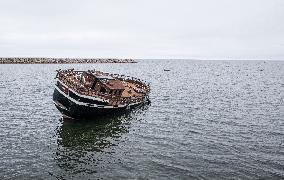
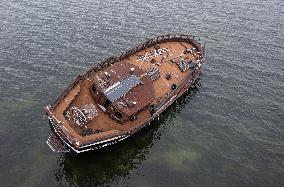
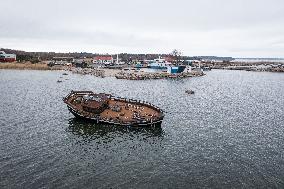
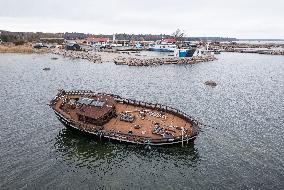
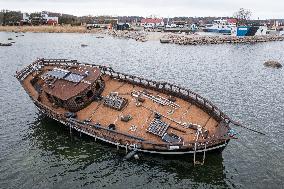
Finnish boat stuck in shallow water

Finnish boat stuck in shallow water

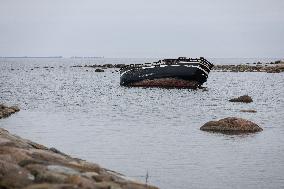
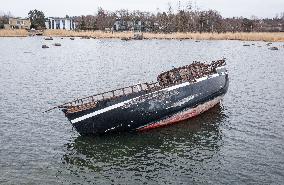
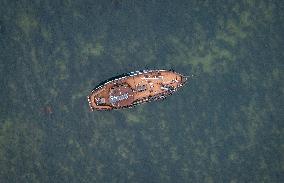
16.04.2024, Leppneeme. A boat named Mariana owned by a Finn is stuck in shallow water. A few weeks ago the vessel broke free from the port in stormy weather, moved in the storm and finally got stuck in the shallows. Photo Madis Veltman, Postimees

  •  
Finnish boat stuck in shallow water

Finnish boat stuck in shallow water

16.04.2024, Leppneeme. A boat named Mariana owned by a Finn is stuck in shallow water. A few weeks ago the vessel broke free from the port in stormy weather, moved in the storm and finally got stuck in the shallows. Photo Madis Veltman, Postimees

  •  
Finnish boat stuck in shallow water

Finnish boat stuck in shallow water

16.04.2024, Leppneeme. A boat named Mariana owned by a Finn is stuck in shallow water. A few weeks ago the vessel broke free from the port in stormy weather, moved in the storm and finally got stuck in the shallows. Photo Madis Veltman, Postimees

  •  
Finnish boat stuck in shallow water

Finnish boat stuck in shallow water

16.04.2024, Leppneeme. A boat named Mariana owned by a Finn is stuck in shallow water. A few weeks ago the vessel broke free from the port in stormy weather, moved in the storm and finally got stuck in the shallows. Photo Madis Veltman, Postimees

  •  
Finnish boat stuck in shallow water

Finnish boat stuck in shallow water

16.04.2024, Leppneeme. A boat named Mariana owned by a Finn is stuck in shallow water. A few weeks ago the vessel broke free from the port in stormy weather, moved in the storm and finally got stuck in the shallows. Photo Madis Veltman, Postimees

  •  
Finnish boat stuck in shallow water

Finnish boat stuck in shallow water

16.04.2024, Leppneeme. A boat named Mariana owned by a Finn is stuck in shallow water. A few weeks ago the vessel broke free from the port in stormy weather, moved in the storm and finally got stuck in the shallows. Photo Madis Veltman, Postimees

  •  
Finnish boat stuck in shallow water

Finnish boat stuck in shallow water

16.04.2024, Leppneeme. A boat named Mariana owned by a Finn is stuck in shallow water. A few weeks ago the vessel broke free from the port in stormy weather, moved in the storm and finally got stuck in the shallows. Photo Madis Veltman, Postimees

  •  
Finnish boat stuck in shallow water

Finnish boat stuck in shallow water

16.04.2024, Leppneeme. A boat named Mariana owned by a Finn is stuck in shallow water. A few weeks ago the vessel broke free from the port in stormy weather, moved in the storm and finally got stuck in the shallows. Photo Madis Veltman, Postimees

  •  
U.S.-ARIZONA-NEVADA BORDER-WATER LEVELS-RISE

U.S.-ARIZONA-NEVADA BORDER-WATER LEVELS-RISE

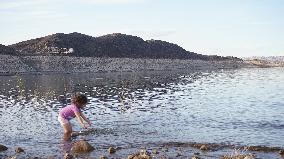
(230314) -- LAKE MEAD (U.S.), March 14, 2023 (Xinhua) -- A girl plays with water in the shallows of Lake Mead on the side of Nevada, the United States, on March 13, 2023. The Colorado River, the parched lifeline in U.S. southwest, which supplies water to some 40 million people in seven states, got a jolt in the arm from the 2022-23 winter thanks to the snowpack that is melting and swelling streams and rivers. (Photo by Zeng Hui/Xinhua)

  •  
Megafloat moved out of shallows in Mie Pref.

Megafloat moved out of shallows in Mie Pref.

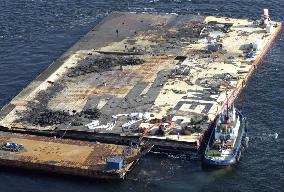
TSU, Japan - Part of a massive barge-like floating structure called Megafloat that ran aground in Mie Prefecture in January is moved to deeper water on March 1. The Megafloat, built in Japan and now owned by a South Korean ship-dismantling firm, ran aground while being towed to South Korea for scrapping.

  •  
Megafloat moved out of shallows in Mie Pref.

Megafloat moved out of shallows in Mie Pref.

TSU, Japan - Part of a massive barge-like floating structure called Megafloat that ran aground in Mie Prefecture in January is moved to deeper water on March 1. The Megafloat, built in Japan and now owned by a South Korean ship-dismantling firm, ran aground while being towed to South Korea for scrapping.

  •  
volunteers move clams from shallows of the Bolevecky pond in Pilsen

volunteers move clams from shallows of the Bolevecky pond in Pilsen

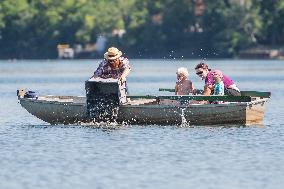
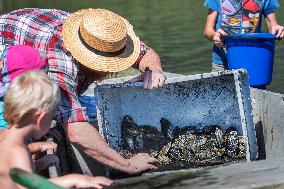
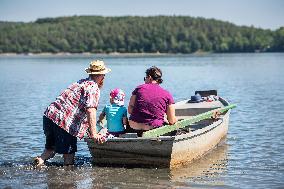
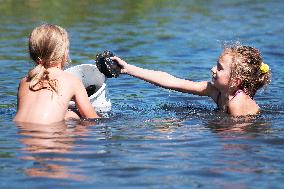
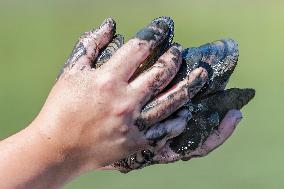
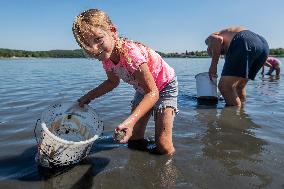
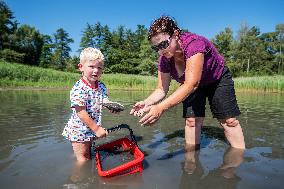
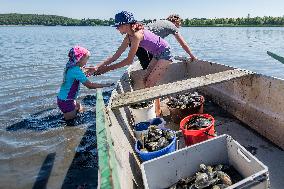
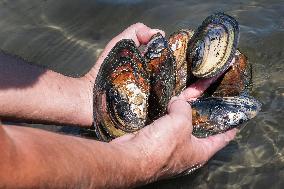
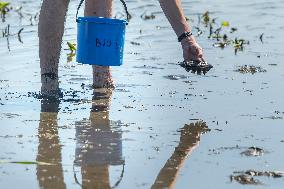
Volunteers move clams from shallows of the Bolevecky pond in Pilsen, Czech republic, to deeper water, on August 6, 2020. The largest of Pilsen's ponds is facing water loss. The receding water reveals large sandy and muddy areas near the shore and clams are not enough to get to safety in deeper water in time. (CTK Photo/Miroslav Chaloupka)

  •  
volunteers move clams from shallows of the Bolevecky pond in Pilsen

volunteers move clams from shallows of the Bolevecky pond in Pilsen

Volunteers move clams from shallows of the Bolevecky pond in Pilsen, Czech republic, to deeper water, on August 6, 2020. The largest of Pilsen's ponds is facing water loss. The receding water reveals large sandy and muddy areas near the shore and clams are not enough to get to safety in deeper water in time. (CTK Photo/Miroslav Chaloupka)

  •  
volunteers move clams from shallows of the Bolevecky pond in Pilsen

volunteers move clams from shallows of the Bolevecky pond in Pilsen

Volunteers move clams from shallows of the Bolevecky pond in Pilsen, Czech republic, to deeper water, on August 6, 2020. The largest of Pilsen's ponds is facing water loss. The receding water reveals large sandy and muddy areas near the shore and clams are not enough to get to safety in deeper water in time. (CTK Photo/Miroslav Chaloupka)

  •  
volunteers move clams from shallows of the Bolevecky pond in Pilsen

volunteers move clams from shallows of the Bolevecky pond in Pilsen

Volunteers move clams from shallows of the Bolevecky pond in Pilsen, Czech republic, to deeper water, on August 6, 2020. The largest of Pilsen's ponds is facing water loss. The receding water reveals large sandy and muddy areas near the shore and clams are not enough to get to safety in deeper water in time. (CTK Photo/Miroslav Chaloupka)

  •  
volunteers move clams from shallows of the Bolevecky pond in Pilsen

volunteers move clams from shallows of the Bolevecky pond in Pilsen

Volunteers move clams from shallows of the Bolevecky pond in Pilsen, Czech republic, to deeper water, on August 6, 2020. The largest of Pilsen's ponds is facing water loss. The receding water reveals large sandy and muddy areas near the shore and clams are not enough to get to safety in deeper water in time. (CTK Photo/Miroslav Chaloupka)

  •  
volunteers move clams from shallows of the Bolevecky pond in Pilsen

volunteers move clams from shallows of the Bolevecky pond in Pilsen

Volunteers move clams from shallows of the Bolevecky pond in Pilsen, Czech republic, to deeper water, on August 6, 2020. The largest of Pilsen's ponds is facing water loss. The receding water reveals large sandy and muddy areas near the shore and clams are not enough to get to safety in deeper water in time. (CTK Photo/Miroslav Chaloupka)

  •  
volunteers move clams from shallows of the Bolevecky pond in Pilsen

volunteers move clams from shallows of the Bolevecky pond in Pilsen

Volunteers move clams from shallows of the Bolevecky pond in Pilsen, Czech republic, to deeper water, on August 6, 2020. The largest of Pilsen's ponds is facing water loss. The receding water reveals large sandy and muddy areas near the shore and clams are not enough to get to safety in deeper water in time. (CTK Photo/Miroslav Chaloupka)

  •  
volunteers move clams from shallows of the Bolevecky pond in Pilsen

volunteers move clams from shallows of the Bolevecky pond in Pilsen

Volunteers move clams from shallows of the Bolevecky pond in Pilsen, Czech republic, to deeper water, on August 6, 2020. The largest of Pilsen's ponds is facing water loss. The receding water reveals large sandy and muddy areas near the shore and clams are not enough to get to safety in deeper water in time. (CTK Photo/Miroslav Chaloupka)

  •  
volunteers move clams from shallows of the Bolevecky pond in Pilsen

volunteers move clams from shallows of the Bolevecky pond in Pilsen

Volunteers move clams from shallows of the Bolevecky pond in Pilsen, Czech republic, to deeper water, on August 6, 2020. The largest of Pilsen's ponds is facing water loss. The receding water reveals large sandy and muddy areas near the shore and clams are not enough to get to safety in deeper water in time. (CTK Photo/Miroslav Chaloupka)

  •  
volunteers move clams from shallows of the Bolevecky pond in Pilsen

volunteers move clams from shallows of the Bolevecky pond in Pilsen

Volunteers move clams from shallows of the Bolevecky pond in Pilsen, Czech republic, to deeper water, on August 6, 2020. The largest of Pilsen's ponds is facing water loss. The receding water reveals large sandy and muddy areas near the shore and clams are not enough to get to safety in deeper water in time. (CTK Photo/Miroslav Chaloupka)

  •  
volunteers move clams from shallows of the Bolevecky pond in Pilsen

volunteers move clams from shallows of the Bolevecky pond in Pilsen

Volunteers move clams from shallows of the Bolevecky pond in Pilsen, Czech republic, to deeper water, on August 6, 2020. The largest of Pilsen's ponds is facing water loss. The receding water reveals large sandy and muddy areas near the shore and clams are not enough to get to safety in deeper water in time. (CTK Photo/Miroslav Chaloupka)

  •  
Antarctica icebergs seen from aboard Japanese ship

Antarctica icebergs seen from aboard Japanese ship

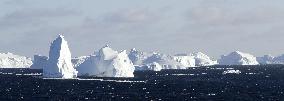
A group of icebergs are seen from aboard the icebreaker Shirase on March 1, 2017, during its Antarctic Sea voyage back to Japan from Showa Station, a Japanese research facility at the South Pole. The icebergs, stuck in the shallows off Cape Darnley in Antarctica, range in size up to more than 100 kilometers in length, about 30 km in width, and 50 meters in height above the sea surface. (Kyodo) ==Kyodo

  • Main
  • Top
  • Editorial
  • Creative
  • About Us
  • About ILG
  • Terms of use
  • Company
  • BEHIND
  • Price List
  • Single Plan
  • Monthly Plan
  • Services
  • Shooting
  • Rights Clearance
  • Support
  • FAQ
  • How To Buy
  • Contact Us
  • Become a Partner

© KYODO NEWS IMAGES INC

All Rights Reserved.

  • Editorial
  • Olympics
  • News
  • Sports
  • Japan
  • Tech
  • Royal
  • Disaster
  • NorthKorea
  • Old Japan
  • SNS
  • Creative
  • Food
  • Japan
  • Landscape
  • Animal
  • Popular
  • #Ukraine
  • #China
  • #coronavirus
  • #N. Korea
  • #Russia
  • #Thailand
  • #Ukraine
  • #China
  • #coronavirus
  • #N. Korea
  • #Russia
  • #Thailand
  • Food
  • Japan
  • Landscape
  • Animal
  • Olympics
  • News
  • Sports
  • Japan
  • Tech
  • Royal
  • Disaster
  • NorthKorea
  • Old Japan
  • SNS