•  
Illustration - Paris

Illustration - Paris

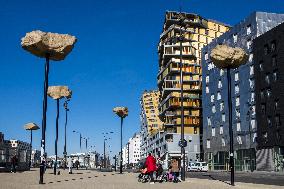
FRANCE. PARIS (13TH DISTRICT). PARIS RIVE GAUCHE DISTRICT. AT THE SOUTH-EASTERN END OF THE AVENUE DE FRANCE, PLACE FARHAT-HACHED: THE ARTISTIC INSTALLATION "ROCKS IN THE SKY", BY THE ARTIST DIDIER MARCEL. ON THE RIGHT: BUILDINGS WITH CONTEMPORARY ARCHITECTURE ON AVENUE DE FRANCE Photo by Jean-Francois Rollinger/Only Paris/ABACAPRESS.COM

  •  
Illustration - Provence

Illustration - Provence

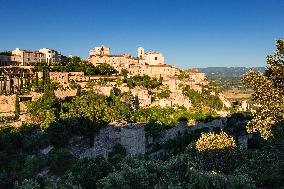
FRANCE, PROVENCE. VAUCLUSE (84), GORDES. A STUNNING HILLTOP VILLAGE IN PROVENCE, LOCATED IN THE LUBERON REGION AND FEATURES MEDIEVAL STONE BUILDINGS, LUSH GREENERY AND PANORAMIC VIEWS. A UNESCO WORLD HERITAGE Photo by Francois Roux/Only France/ABACAPRESS.COM

  •  
Nice Haliotis 2 Foundation Stone Ceremony With Estrosi And Ginesy

Nice Haliotis 2 Foundation Stone Ceremony With Estrosi And Ginesy

Christian Estrosi, Mayor of Nice, seen during the laying of the foundation stone for the Haliotis 2 project to modernise wastewater treatment and reuse, eliminate all types of pollutants, including microplastics, and generate new sources of renewable energy (biomethane, solar energy, heating and cooling of buildings) on the Promenade des Anglais in Nice, France, on 14-05-2025. Photo by Laurent Coust/ABACAPRESS.COM

  •  
Nice Haliotis 2 Foundation Stone Ceremony With Estrosi And Ginesy

Nice Haliotis 2 Foundation Stone Ceremony With Estrosi And Ginesy

(from L to R): Christian Estrosi, Mayor of Nice and Charles Ange Ginesy, President of the Alpes-Maritimes Departmental Council, seen at the laying of the foundation stone for the Haliotis 2 project to modernise wastewater treatment and reuse, eliminate all types of pollutants, including microplastics, and generate new sources of renewable energy (biomethane, solar energy, heating and cooling of buildings) on the Promenade des Anglais in Nice, France, on 14-05-2025. Photo by Laurent Coust/ABACAPRESS.COM

  •  
Nice Haliotis 2 Foundation Stone Ceremony With Estrosi And Ginesy

Nice Haliotis 2 Foundation Stone Ceremony With Estrosi And Ginesy

(from L to R): Christian Estrosi, Mayor of Nice and Charles Ange Ginesy, President of the Alpes-Maritimes Departmental Council, seen at the laying of the foundation stone for the Haliotis 2 project to modernise wastewater treatment and reuse, eliminate all types of pollutants, including microplastics, and generate new sources of renewable energy (biomethane, solar energy, heating and cooling of buildings) on the Promenade des Anglais in Nice, France, on 14-05-2025. Photo by Laurent Coust/ABACAPRESS.COM

  •  
Nice Haliotis 2 Foundation Stone Ceremony With Estrosi And Ginesy

Nice Haliotis 2 Foundation Stone Ceremony With Estrosi And Ginesy

Christian Estrosi, Mayor of Nice, seen during the laying of the foundation stone for the Haliotis 2 project to modernise wastewater treatment and reuse, eliminate all types of pollutants, including microplastics, and generate new sources of renewable energy (biomethane, solar energy, heating and cooling of buildings) on the Promenade des Anglais in Nice, France, on 14-05-2025. Photo by Laurent Coust/ABACAPRESS.COM

  •  
Nice Haliotis 2 Foundation Stone Ceremony With Estrosi And Ginesy

Nice Haliotis 2 Foundation Stone Ceremony With Estrosi And Ginesy

(from L to R): Christian Estrosi, Mayor of Nice and Charles Ange Ginesy, President of the Alpes-Maritimes Departmental Council, seen at the laying of the foundation stone for the Haliotis 2 project to modernise wastewater treatment and reuse, eliminate all types of pollutants, including microplastics, and generate new sources of renewable energy (biomethane, solar energy, heating and cooling of buildings) on the Promenade des Anglais in Nice, France, on 14-05-2025. Photo by Laurent Coust/ABACAPRESS.COM

  •  
Nice Haliotis 2 Foundation Stone Ceremony With Estrosi And Ginesy

Nice Haliotis 2 Foundation Stone Ceremony With Estrosi And Ginesy

Christian Estrosi, Mayor of Nice, seen during the laying of the foundation stone for the Haliotis 2 project to modernise wastewater treatment and reuse, eliminate all types of pollutants, including microplastics, and generate new sources of renewable energy (biomethane, solar energy, heating and cooling of buildings) on the Promenade des Anglais in Nice, France, on 14-05-2025. Photo by Laurent Coust/ABACAPRESS.COM

  •  
Nice Haliotis 2 Foundation Stone Ceremony With Estrosi And Ginesy

Nice Haliotis 2 Foundation Stone Ceremony With Estrosi And Ginesy

Christian Estrosi, Mayor of Nice, seen during the laying of the foundation stone for the Haliotis 2 project to modernise wastewater treatment and reuse, eliminate all types of pollutants, including microplastics, and generate new sources of renewable energy (biomethane, solar energy, heating and cooling of buildings) on the Promenade des Anglais in Nice, France, on 14-05-2025. Photo by Laurent Coust/ABACAPRESS.COM

  •  
Nice Haliotis 2 Foundation Stone Ceremony With Estrosi And Ginesy

Nice Haliotis 2 Foundation Stone Ceremony With Estrosi And Ginesy

Christian Estrosi, Mayor of Nice, seen during the laying of the foundation stone for the Haliotis 2 project to modernise wastewater treatment and reuse, eliminate all types of pollutants, including microplastics, and generate new sources of renewable energy (biomethane, solar energy, heating and cooling of buildings) on the Promenade des Anglais in Nice, France, on 14-05-2025. Photo by Laurent Coust/ABACAPRESS.COM

  •  
Nice Haliotis 2 Foundation Stone Ceremony With Estrosi And Ginesy

Nice Haliotis 2 Foundation Stone Ceremony With Estrosi And Ginesy

Christian Estrosi, Mayor of Nice, seen during the laying of the foundation stone for the Haliotis 2 project to modernise wastewater treatment and reuse, eliminate all types of pollutants, including microplastics, and generate new sources of renewable energy (biomethane, solar energy, heating and cooling of buildings) on the Promenade des Anglais in Nice, France, on 14-05-2025. Photo by Laurent Coust/ABACAPRESS.COM

  •  
Nice Haliotis 2 Foundation Stone Ceremony With Estrosi And Ginesy

Nice Haliotis 2 Foundation Stone Ceremony With Estrosi And Ginesy

(from L to R): Christian Estrosi, Mayor of Nice and Charles Ange Ginesy, President of the Alpes-Maritimes Departmental Council, seen at the laying of the foundation stone for the Haliotis 2 project to modernise wastewater treatment and reuse, eliminate all types of pollutants, including microplastics, and generate new sources of renewable energy (biomethane, solar energy, heating and cooling of buildings) on the Promenade des Anglais in Nice, France, on 14-05-2025. Photo by Laurent Coust/ABACAPRESS.COM

  •  
Nice Haliotis 2 Foundation Stone Ceremony With Estrosi And Ginesy

Nice Haliotis 2 Foundation Stone Ceremony With Estrosi And Ginesy

(from L to R): Christian Estrosi, Mayor of Nice and Charles Ange Ginesy, President of the Alpes-Maritimes Departmental Council, seen at the laying of the foundation stone for the Haliotis 2 project to modernise wastewater treatment and reuse, eliminate all types of pollutants, including microplastics, and generate new sources of renewable energy (biomethane, solar energy, heating and cooling of buildings) on the Promenade des Anglais in Nice, France, on 14-05-2025. Photo by Laurent Coust/ABACAPRESS.COM

  •  
Nice Haliotis 2 Foundation Stone Ceremony With Estrosi And Ginesy

Nice Haliotis 2 Foundation Stone Ceremony With Estrosi And Ginesy

Christian Estrosi, Mayor of Nice, seen during the laying of the foundation stone for the Haliotis 2 project to modernise wastewater treatment and reuse, eliminate all types of pollutants, including microplastics, and generate new sources of renewable energy (biomethane, solar energy, heating and cooling of buildings) on the Promenade des Anglais in Nice, France, on 14-05-2025. Photo by Laurent Coust/ABACAPRESS.COM

  •  
Nice Haliotis 2 Foundation Stone Ceremony With Estrosi And Ginesy

Nice Haliotis 2 Foundation Stone Ceremony With Estrosi And Ginesy

Christian Estrosi, Mayor of Nice, seen during the laying of the foundation stone for the Haliotis 2 project to modernise wastewater treatment and reuse, eliminate all types of pollutants, including microplastics, and generate new sources of renewable energy (biomethane, solar energy, heating and cooling of buildings) on the Promenade des Anglais in Nice, France, on 14-05-2025. Photo by Laurent Coust/ABACAPRESS.COM

  •  
Nice Haliotis 2 Foundation Stone Ceremony With Estrosi And Ginesy

Nice Haliotis 2 Foundation Stone Ceremony With Estrosi And Ginesy

(from L to R): Christian Estrosi, Mayor of Nice and Charles Ange Ginesy, President of the Alpes-Maritimes Departmental Council, seen at the laying of the foundation stone for the Haliotis 2 project to modernise wastewater treatment and reuse, eliminate all types of pollutants, including microplastics, and generate new sources of renewable energy (biomethane, solar energy, heating and cooling of buildings) on the Promenade des Anglais in Nice, France, on 14-05-2025. Photo by Laurent Coust/ABACAPRESS.COM

  •  
Nice Haliotis 2 Foundation Stone Ceremony With Estrosi And Ginesy

Nice Haliotis 2 Foundation Stone Ceremony With Estrosi And Ginesy

(from L to R): Christian Estrosi, Mayor of Nice and Charles Ange Ginesy, President of the Alpes-Maritimes Departmental Council, seen at the laying of the foundation stone for the Haliotis 2 project to modernise wastewater treatment and reuse, eliminate all types of pollutants, including microplastics, and generate new sources of renewable energy (biomethane, solar energy, heating and cooling of buildings) on the Promenade des Anglais in Nice, France, on 14-05-2025. Photo by Laurent Coust/ABACAPRESS.COM

  •  
Nice Haliotis 2 Foundation Stone Ceremony With Estrosi And Ginesy

Nice Haliotis 2 Foundation Stone Ceremony With Estrosi And Ginesy

(from L to R): Christian Estrosi, Mayor of Nice and Charles Ange Ginesy, President of the Alpes-Maritimes Departmental Council, seen at the laying of the foundation stone for the Haliotis 2 project to modernise wastewater treatment and reuse, eliminate all types of pollutants, including microplastics, and generate new sources of renewable energy (biomethane, solar energy, heating and cooling of buildings) on the Promenade des Anglais in Nice, France, on 14-05-2025. Photo by Laurent Coust/ABACAPRESS.COM

  •  
Nice Haliotis 2 Foundation Stone Ceremony With Estrosi And Ginesy

Nice Haliotis 2 Foundation Stone Ceremony With Estrosi And Ginesy

Christian Estrosi, Mayor of Nice, seen during the laying of the foundation stone for the Haliotis 2 project to modernise wastewater treatment and reuse, eliminate all types of pollutants, including microplastics, and generate new sources of renewable energy (biomethane, solar energy, heating and cooling of buildings) on the Promenade des Anglais in Nice, France, on 14-05-2025. Photo by Laurent Coust/ABACAPRESS.COM

  •  
Nice Haliotis 2 Foundation Stone Ceremony With Estrosi And Ginesy

Nice Haliotis 2 Foundation Stone Ceremony With Estrosi And Ginesy

(from L to R): Charles Ange Ginesy, President of the Alpes-Maritimes Departmental Council, and Christian Estrosi, Mayor of Nice, seen at the laying of the foundation stone for the Haliotis 2 project to modernise wastewater treatment and reuse, eliminate all types of pollutants, including microplastics, and generate new sources of renewable energy (biomethane, solar energy, heating and cooling of buildings) on the Promenade des Anglais in Nice, France, on 14-05-2025. Photo by Laurent Coust/ABACAPRESS.COM

  •  
Zanzibar In Pictures

Zanzibar In Pictures

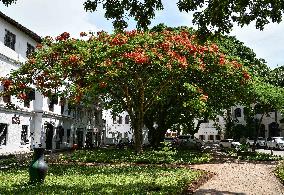
A man poses for photos as he dives into the sea in the Stone Town of Zanzibar, Tanzania, on December 10, 2024. Stone Town, designated as a World Heritage Site by the United Nations Educational, Scientific and Cultural Organization in 2000, is a prime example of the Swahili coastal trading towns of East Africa. It retains its urban fabric and townscape largely intact, with many fine buildings reflecting a unique culture that blends African, Arabian, Indian, and European influences accumulated over more than a millennium. Photo by Han Xu/Xinhua/ABACAPRESS.COM

  •  
Zanzibar In Pictures

Zanzibar In Pictures

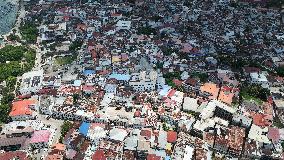
This photo taken on December 8, 2024 shows a view in the Stone Town in Zanzibar, Tanzania. Stone Town, designated as a World Heritage Site by the United Nations Educational, Scientific and Cultural Organization in 2000, is a prime example of the Swahili coastal trading towns of East Africa. It retains its urban fabric and townscape largely intact, with many fine buildings reflecting a unique culture that blends African, Arabian, Indian, and European influences accumulated over more than a millennium. Photo by Han Xu/Xinhua/ABACAPRESS.COM

  •  
Zanzibar In Pictures

Zanzibar In Pictures

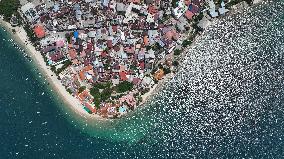
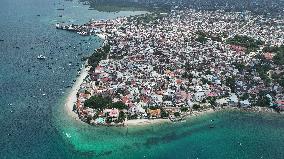
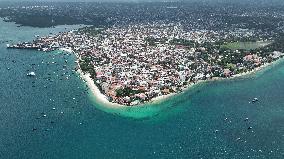
An aerial drone photo taken on December 11, 2024 shows a view of the Stone Town in Zanzibar, Tanzania. Stone Town, designated as a World Heritage Site by the United Nations Educational, Scientific and Cultural Organization in 2000, is a prime example of the Swahili coastal trading towns of East Africa. It retains its urban fabric and townscape largely intact, with many fine buildings reflecting a unique culture that blends African, Arabian, Indian, and European influences accumulated over more than a millennium. Photo by Han Xu/Xinhua/ABACAPRESS.COM

  •  
Zanzibar In Pictures

Zanzibar In Pictures

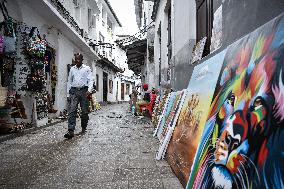
This photo taken on December 10, 2024 shows a gallery in the Stone Town in Zanzibar, Tanzania. Stone Town, designated as a World Heritage Site by the United Nations Educational, Scientific and Cultural Organization in 2000, is a prime example of the Swahili coastal trading towns of East Africa. It retains its urban fabric and townscape largely intact, with many fine buildings reflecting a unique culture that blends African, Arabian, Indian, and European influences accumulated over more than a millennium. Photo by Han Xu/Xinhua/ABACAPRESS.COM

  •  
Zanzibar In Pictures

Zanzibar In Pictures

An aerial drone photo taken on December 11, 2024 shows a view of the Stone Town in Zanzibar, Tanzania. Stone Town, designated as a World Heritage Site by the United Nations Educational, Scientific and Cultural Organization in 2000, is a prime example of the Swahili coastal trading towns of East Africa. It retains its urban fabric and townscape largely intact, with many fine buildings reflecting a unique culture that blends African, Arabian, Indian, and European influences accumulated over more than a millennium. Photo by Han Xu/Xinhua/ABACAPRESS.COM

  •  
Zanzibar In Pictures

Zanzibar In Pictures

A man walks past an art shop in the Stone Town of Zanzibar, Tanzania, on December 8, 2024. Stone Town, designated as a World Heritage Site by the United Nations Educational, Scientific and Cultural Organization in 2000, is a prime example of the Swahili coastal trading towns of East Africa. It retains its urban fabric and townscape largely intact, with many fine buildings reflecting a unique culture that blends African, Arabian, Indian, and European influences accumulated over more than a millennium. Photo by Han Xu/Xinhua/ABACAPRESS.COM

  •  
Zanzibar In Pictures

Zanzibar In Pictures

An aerial drone photo taken on December 11, 2024 shows a view of the Stone Town in Zanzibar, Tanzania. Stone Town, designated as a World Heritage Site by the United Nations Educational, Scientific and Cultural Organization in 2000, is a prime example of the Swahili coastal trading towns of East Africa. It retains its urban fabric and townscape largely intact, with many fine buildings reflecting a unique culture that blends African, Arabian, Indian, and European influences accumulated over more than a millennium. Photo by Han Xu/Xinhua/ABACAPRESS.COM

  •  
Zanzibar In Pictures

Zanzibar In Pictures

An aerial drone photo taken on December 11, 2024 shows a view of the Stone Town in Zanzibar, Tanzania. Stone Town, designated as a World Heritage Site by the United Nations Educational, Scientific and Cultural Organization in 2000, is a prime example of the Swahili coastal trading towns of East Africa. It retains its urban fabric and townscape largely intact, with many fine buildings reflecting a unique culture that blends African, Arabian, Indian, and European influences accumulated over more than a millennium. Photo by Han Xu/Xinhua/ABACAPRESS.COM

  •  
Zanzibar In Pictures

Zanzibar In Pictures

An aerial drone photo taken on December 11, 2024 shows a view of the Stone Town in Zanzibar, Tanzania. Stone Town, designated as a World Heritage Site by the United Nations Educational, Scientific and Cultural Organization in 2000, is a prime example of the Swahili coastal trading towns of East Africa. It retains its urban fabric and townscape largely intact, with many fine buildings reflecting a unique culture that blends African, Arabian, Indian, and European influences accumulated over more than a millennium. Photo by Han Xu/Xinhua/ABACAPRESS.COM

  •  
(GloriousGuizhou)CHINA-GUIZHOU-ANSHUN-TUNPU CULTURE-ANCIENT STONE BUILDINGS (CN)

(GloriousGuizhou)CHINA-GUIZHOU-ANSHUN-TUNPU CULTURE-ANCIENT STONE BUILDINGS (CN)

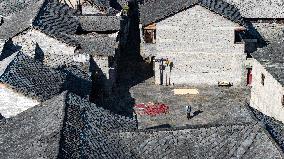
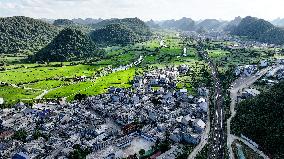
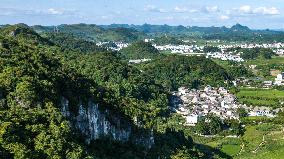
(240811) -- ANSHUN, Aug. 11, 2024 Photo by Xinhua/ABACAPRESS.COM) -- An aerial drone photo taken on July 25, 2024 shows a view of Jiuzhou ancient town scenic area of Anshun City, southwest China's Guizhou Province. Tunpu means "fort" in Chinese, referring to the complex of residential buildings in villages of Anshun built in the style of fortress for resisting the enemy's attacks in ancient times. In the Ming Dynasty (1368-1644), some troops were sent to Anshun, where they built villages and cultivated land for farming. Their descendants have lived there over generations with their original living customs preserved. Thus the unique Tunpu culture has taken shape. After more than 600 years, these stone-structured Tunpu residential buildings have endured and now become popular tourist destinations for many visitors. Photo by Xinhua/ABACAPRESS.COM/Ou Dongqu)

  •  
(GloriousGuizhou)CHINA-GUIZHOU-ANSHUN-TUNPU CULTURE-ANCIENT STONE BUILDINGS (CN)

(GloriousGuizhou)CHINA-GUIZHOU-ANSHUN-TUNPU CULTURE-ANCIENT STONE BUILDINGS (CN)

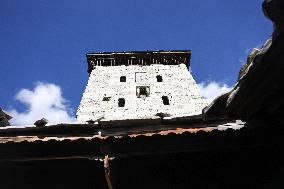
(240811) -- ANSHUN, Aug. 11, 2024 Photo by Xinhua/ABACAPRESS.COM) -- An ancient stone fortress is seen at Baojiatun Village in Xixiu District of Anshun City, southwest China's Guizhou Province, July 24, 2024. Tunpu means "fort" in Chinese, referring to the complex of residential buildings in villages of Anshun built in the style of fortress for resisting the enemy's attacks in ancient times. In the Ming Dynasty (1368-1644), some troops were sent to Anshun, where they built villages and cultivated land for farming. Their descendants have lived there over generations with their original living customs preserved. Thus the unique Tunpu culture has taken shape. After more than 600 years, these stone-structured Tunpu residential buildings have endured and now become popular tourist destinations for many visitors. Photo by Xinhua/ABACAPRESS.COM/Ou Dongqu)

  •  
(GloriousGuizhou)CHINA-GUIZHOU-ANSHUN-TUNPU CULTURE-ANCIENT STONE BUILDINGS (CN)

(GloriousGuizhou)CHINA-GUIZHOU-ANSHUN-TUNPU CULTURE-ANCIENT STONE BUILDINGS (CN)

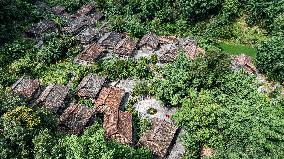
(240811) -- ANSHUN, Aug. 11, 2024 Photo by Xinhua/ABACAPRESS.COM) -- An aerial drone photo taken on July 24, 2024 shows Baojiatun Village in Xixiu District of Anshun City, southwest China's Guizhou Province. Tunpu means "fort" in Chinese, referring to the complex of residential buildings in villages of Anshun built in the style of fortress for resisting the enemy's attacks in ancient times. In the Ming Dynasty (1368-1644), some troops were sent to Anshun, where they built villages and cultivated land for farming. Their descendants have lived there over generations with their original living customs preserved. Thus the unique Tunpu culture has taken shape. After more than 600 years, these stone-structured Tunpu residential buildings have endured and now become popular tourist destinations for many visitors. Photo by Xinhua/ABACAPRESS.COM/Ou Dongqu)

  •  
(GloriousGuizhou)CHINA-GUIZHOU-ANSHUN-TUNPU CULTURE-ANCIENT STONE BUILDINGS (CN)

(GloriousGuizhou)CHINA-GUIZHOU-ANSHUN-TUNPU CULTURE-ANCIENT STONE BUILDINGS (CN)

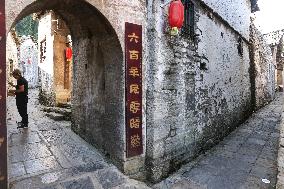
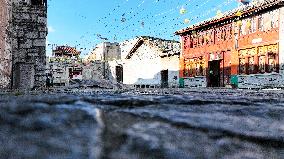
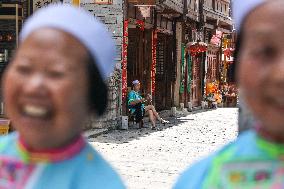
(240811) -- ANSHUN, Aug. 11, 2024 Photo by Xinhua/ABACAPRESS.COM) -- Lanes are pictured among stone buildings in Benzhai Village in Xixiu District of Anshun City, southwest China's Guizhou Province, July 23, 2024. Tunpu means "fort" in Chinese, referring to the complex of residential buildings in villages of Anshun built in the style of fortress for resisting the enemy's attacks in ancient times. In the Ming Dynasty (1368-1644), some troops were sent to Anshun, where they built villages and cultivated land for farming. Their descendants have lived there over generations with their original living customs preserved. Thus the unique Tunpu culture has taken shape. After more than 600 years, these stone-structured Tunpu residential buildings have endured and now become popular tourist destinations for many visitors. Photo by Xinhua/ABACAPRESS.COM/Ou Dongqu)

  •  
(GloriousGuizhou)CHINA-GUIZHOU-ANSHUN-TUNPU CULTURE-ANCIENT STONE BUILDINGS (CN)

(GloriousGuizhou)CHINA-GUIZHOU-ANSHUN-TUNPU CULTURE-ANCIENT STONE BUILDINGS (CN)

(240811) -- ANSHUN, Aug. 11, 2024 Photo by Xinhua/ABACAPRESS.COM) -- An aerial panoramic photo taken with a drone on July 25, 2024 shows Jiuzhou Township in Xixiu District of Anshun City, southwest China's Guizhou Province. Tunpu means "fort" in Chinese, referring to the complex of residential buildings in villages of Anshun built in the style of fortress for resisting the enemy's attacks in ancient times. In the Ming Dynasty (1368-1644), some troops were sent to Anshun, where they built villages and cultivated land for farming. Their descendants have lived there over generations with their original living customs preserved. Thus the unique Tunpu culture has taken shape. After more than 600 years, these stone-structured Tunpu residential buildings have endured and now become popular tourist destinations for many visitors. Photo by Xinhua/ABACAPRESS.COM/Ou Dongqu)

  •  
(GloriousGuizhou)CHINA-GUIZHOU-ANSHUN-TUNPU CULTURE-ANCIENT STONE BUILDINGS (CN)

(GloriousGuizhou)CHINA-GUIZHOU-ANSHUN-TUNPU CULTURE-ANCIENT STONE BUILDINGS (CN)

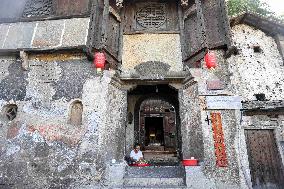
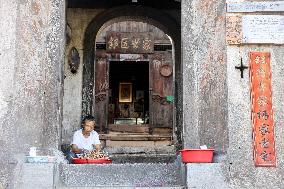
(240811) -- ANSHUN, Aug. 11, 2024 Photo by Xinhua/ABACAPRESS.COM) -- A resident is seen in a stone building in Benzhai Village in Xixiu District of Anshun City, southwest China's Guizhou Province, July 23, 2024. Tunpu means "fort" in Chinese, referring to the complex of residential buildings in villages of Anshun built in the style of fortress for resisting the enemy's attacks in ancient times. In the Ming Dynasty (1368-1644), some troops were sent to Anshun, where they built villages and cultivated land for farming. Their descendants have lived there over generations with their original living customs preserved. Thus the unique Tunpu culture has taken shape. After more than 600 years, these stone-structured Tunpu residential buildings have endured and now become popular tourist destinations for many visitors. Photo by Xinhua/ABACAPRESS.COM/Ou Dongqu)

  •  
(GloriousGuizhou)CHINA-GUIZHOU-ANSHUN-TUNPU CULTURE-ANCIENT STONE BUILDINGS (CN)

(GloriousGuizhou)CHINA-GUIZHOU-ANSHUN-TUNPU CULTURE-ANCIENT STONE BUILDINGS (CN)

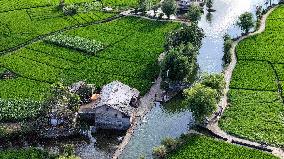
(240811) -- ANSHUN, Aug. 11, 2024 Photo by Xinhua/ABACAPRESS.COM) -- An aerial drone photo taken on July 24, 2024 shows Baojiatun Village in Xixiu District of Anshun City, southwest China's Guizhou Province. Tunpu means "fort" in Chinese, referring to the complex of residential buildings in villages of Anshun built in the style of fortress for resisting the enemy's attacks in ancient times. In the Ming Dynasty (1368-1644), some troops were sent to Anshun, where they built villages and cultivated land for farming. Their descendants have lived there over generations with their original living customs preserved. Thus the unique Tunpu culture has taken shape. After more than 600 years, these stone-structured Tunpu residential buildings have endured and now become popular tourist destinations for many visitors. Photo by Xinhua/ABACAPRESS.COM/Ou Dongqu)

  •  
(GloriousGuizhou)CHINA-GUIZHOU-ANSHUN-TUNPU CULTURE-ANCIENT STONE BUILDINGS (CN)

(GloriousGuizhou)CHINA-GUIZHOU-ANSHUN-TUNPU CULTURE-ANCIENT STONE BUILDINGS (CN)

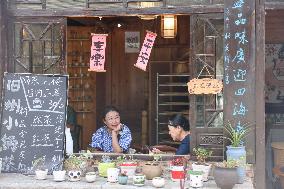
(240811) -- ANSHUN, Aug. 11, 2024 Photo by Xinhua/ABACAPRESS.COM) -- Tourists have tea at Jiuzhou ancient town scenic area of Anshun City, southwest China's Guizhou Province, July 24, 2024. Tunpu means "fort" in Chinese, referring to the complex of residential buildings in villages of Anshun built in the style of fortress for resisting the enemy's attacks in ancient times. In the Ming Dynasty (1368-1644), some troops were sent to Anshun, where they built villages and cultivated land for farming. Their descendants have lived there over generations with their original living customs preserved. Thus the unique Tunpu culture has taken shape. After more than 600 years, these stone-structured Tunpu residential buildings have endured and now become popular tourist destinations for many visitors. Photo by Xinhua/ABACAPRESS.COM/Ou Dongqu)

  •  
(GloriousGuizhou)CHINA-GUIZHOU-ANSHUN-TUNPU CULTURE-ANCIENT STONE BUILDINGS (CN)

(GloriousGuizhou)CHINA-GUIZHOU-ANSHUN-TUNPU CULTURE-ANCIENT STONE BUILDINGS (CN)

(240811) -- ANSHUN, Aug. 11, 2024 Photo by Xinhua/ABACAPRESS.COM) -- A drone photo taken on July 24, 2024 shows a view of Baojiatun Village in Xixiu District of Anshun City, southwest China's Guizhou Province. Tunpu means "fort" in Chinese, referring to the complex of residential buildings in villages of Anshun built in the style of fortress for resisting the enemy's attacks in ancient times. In the Ming Dynasty (1368-1644), some troops were sent to Anshun, where they built villages and cultivated land for farming. Their descendants have lived there over generations with their original living customs preserved. Thus the unique Tunpu culture has taken shape. After more than 600 years, these stone-structured Tunpu residential buildings have endured and now become popular tourist destinations for many visitors. Photo by Xinhua/ABACAPRESS.COM/Ou Dongqu)

  •  
(GloriousGuizhou)CHINA-GUIZHOU-ANSHUN-TUNPU CULTURE-ANCIENT STONE BUILDINGS (CN)

(GloriousGuizhou)CHINA-GUIZHOU-ANSHUN-TUNPU CULTURE-ANCIENT STONE BUILDINGS (CN)

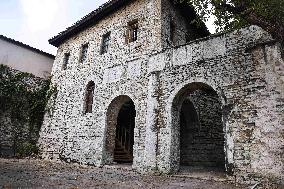
(240811) -- ANSHUN, Aug. 11, 2024 Photo by Xinhua/ABACAPRESS.COM) -- A stone building is pictured at an ancient town in Pingba District of Anshun City, southwest China's Guizhou Province, July 25, 2024. Tunpu means "fort" in Chinese, referring to the complex of residential buildings in villages of Anshun built in the style of fortress for resisting the enemy's attacks in ancient times. In the Ming Dynasty (1368-1644), some troops were sent to Anshun, where they built villages and cultivated land for farming. Their descendants have lived there over generations with their original living customs preserved. Thus the unique Tunpu culture has taken shape. After more than 600 years, these stone-structured Tunpu residential buildings have endured and now become popular tourist destinations for many visitors. Photo by Xinhua/ABACAPRESS.COM/Ou Dongqu)

  •  

US: Glacial Lake Flooding Damages More Than 100 Homes In Juneau, Alaska

More than 100 homes in Juneau, Alaska, were damaged by flooding after a glacial lake overflowed, sending surging water to nearby neighborhoods. Gov. Mike Dunleavy declared a state disaster emergency on Tuesday, August 6, as the Mendenhall River reached record levels and flooded neighborhoods in Mendenhall Valley. There were no deaths or severe injuries reported.

  •  
XINHUA PHOTOS OF THE DAY

XINHUA PHOTOS OF THE DAY

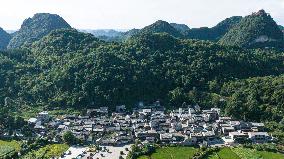
(240805) -- BEIJING, Aug. 5, 2024 Photo by Xinhua/ABACAPRESS.COM) -- An aerial drone photo taken on July 24, 2024 shows a view of Baojiatun Village in Xixiu District of Anshun City, southwest China's Guizhou Province. In Anshun City, ancient stone buildings and unique local traditions have made a cluster of villages popular tourist destinations for many visitors. The stone-structured Tunpu residential buildings were built in the Ming Dynasty (1368-1644), when some troops were sent to Anshun, where they built villages and turned the neighborhood into farmland for growing crops. Their descendants have lived there over generations, and formed the unique Tunpu culture which preserved distinctive customs, architectures, operas and costumes of ancient times. Photo by Xinhua/ABACAPRESS.COM/Ou Dongqu)

  •  
(GloriousGuizhou)CHINA-GUIZHOU-ANSHUN-TUNPU CULTURE (CN)

(GloriousGuizhou)CHINA-GUIZHOU-ANSHUN-TUNPU CULTURE (CN)

(240804) -- ANSHUN, Aug. 4, 2024 Photo by Xinhua/ABACAPRESS.COM) -- A villager sorts out beans in Benzhai Village, Xixiu District, Anshun City, southwest China's Guizhou Province, July 23, 2024. In Anshun City, southwest China's Guizhou Province, ancient stone buildings and unique local traditions have made a cluster of villages popular tourist destinations for many visitors. The stone-structured Tunpu residential buildings were built in the Ming Dynasty (1368-1644), when some troops were sent to Anshun, where they built villages and turned the neighborhood into farmland for growing crops. Their descendants have lived there over generations, and formed the unique Tunpu culture which preserved distinctive customs, architectures, operas and costumes of ancient times. Photo by Xinhua/ABACAPRESS.COM/Ou Dongqu)

  •  
(GloriousGuizhou)CHINA-GUIZHOU-ANSHUN-TUNPU CULTURE (CN)

(GloriousGuizhou)CHINA-GUIZHOU-ANSHUN-TUNPU CULTURE (CN)

(240804) -- ANSHUN, Aug. 4, 2024 Photo by Xinhua/ABACAPRESS.COM) -- A villager is pictured in Tianlong Tunpu ancient town in Pingba District of Anshun City, southwest China's Guizhou Province, July 25, 2024. In Anshun City, southwest China's Guizhou Province, ancient stone buildings and unique local traditions have made a cluster of villages popular tourist destinations for many visitors. The stone-structured Tunpu residential buildings were built in the Ming Dynasty (1368-1644), when some troops were sent to Anshun, where they built villages and turned the neighborhood into farmland for growing crops. Their descendants have lived there over generations, and formed the unique Tunpu culture which preserved distinctive customs, architectures, operas and costumes of ancient times. Photo by Xinhua/ABACAPRESS.COM/Ou Dongqu)

  •  
(GloriousGuizhou)CHINA-GUIZHOU-ANSHUN-TUNPU CULTURE (CN)

(GloriousGuizhou)CHINA-GUIZHOU-ANSHUN-TUNPU CULTURE (CN)

(240804) -- ANSHUN, Aug. 4, 2024 Photo by Xinhua/ABACAPRESS.COM) -- A villager (back) makes shoe soles in Tianlong Tunpu ancient town in Pingba District of Anshun City, southwest China's Guizhou Province, July 25, 2024. In Anshun City, southwest China's Guizhou Province, ancient stone buildings and unique local traditions have made a cluster of villages popular tourist destinations for many visitors. The stone-structured Tunpu residential buildings were built in the Ming Dynasty (1368-1644), when some troops were sent to Anshun, where they built villages and turned the neighborhood into farmland for growing crops. Their descendants have lived there over generations, and formed the unique Tunpu culture which preserved distinctive customs, architectures, operas and costumes of ancient times. Photo by Xinhua/ABACAPRESS.COM/Ou Dongqu)

  •  
(GloriousGuizhou)CHINA-GUIZHOU-ANSHUN-TUNPU CULTURE (CN)

(GloriousGuizhou)CHINA-GUIZHOU-ANSHUN-TUNPU CULTURE (CN)

(240804) -- ANSHUN, Aug. 4, 2024 Photo by Xinhua/ABACAPRESS.COM) -- An aerial drone photo taken on July 23, 2024 shows a view of Benzhai Village in Xixiu District of Anshun City, southwest China's Guizhou Province. In Anshun City, southwest China's Guizhou Province, ancient stone buildings and unique local traditions have made a cluster of villages popular tourist destinations for many visitors. The stone-structured Tunpu residential buildings were built in the Ming Dynasty (1368-1644), when some troops were sent to Anshun, where they built villages and turned the neighborhood into farmland for growing crops. Their descendants have lived there over generations, and formed the unique Tunpu culture which preserved distinctive customs, architectures, operas and costumes of ancient times. Photo by Xinhua/ABACAPRESS.COM/Ou Dongqu)

  •  
(GloriousGuizhou)CHINA-GUIZHOU-ANSHUN-TUNPU CULTURE (CN)

(GloriousGuizhou)CHINA-GUIZHOU-ANSHUN-TUNPU CULTURE (CN)

(240804) -- ANSHUN, Aug. 4, 2024 Photo by Xinhua/ABACAPRESS.COM) -- An aerial drone photo taken on July 23, 2024 shows a view of Benzhai Village in Xixiu District of Anshun City, southwest China's Guizhou Province. In Anshun City, southwest China's Guizhou Province, ancient stone buildings and unique local traditions have made a cluster of villages popular tourist destinations for many visitors. The stone-structured Tunpu residential buildings were built in the Ming Dynasty (1368-1644), when some troops were sent to Anshun, where they built villages and turned the neighborhood into farmland for growing crops. Their descendants have lived there over generations, and formed the unique Tunpu culture which preserved distinctive customs, architectures, operas and costumes of ancient times. Photo by Xinhua/ABACAPRESS.COM/Ou Dongqu)

  •  
XINHUA PHOTOS OF THE DAY

XINHUA PHOTOS OF THE DAY

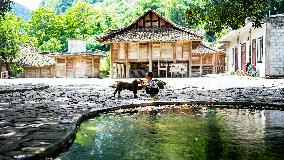
(240724) -- BEIJING, July 24, 2024 Photo by Xinhua/ABACAPRESS.COM) -- A child pats a dog in Tianmen Village, Shuicheng District of Liupanshui, southwest China's Guizhou Province, July 16, 2024. In the hinterland of Wumeng Mountain and by the Beipanjiang River, quaint stilted buildings scatter among the green mountains and waters, forming a pastoral picture, in Tianman Village. Tianmen Village is located in the northeast of Huajia Miao Buyi and Yi Township of Liupanshui City, which is a traditional Buyi ethnic village, divided into 6 hamlets with a population of more than 1,000. Surrounded by mountains on three sides and a river on the other, the remote village was once isolated. To get out of the village, people had to climb hundreds of stone stairs over the steep mountain and pass through cliffs in the canyon. Tianmen Village has a history of more than 600 years, and still retains 178 buildings made of wood shingles. The original landscape of the village and traditional folk activities have become a major fe

  •  
(GloriousGuizhou)CHINA-GUIZHOU-LIUPANSHUI-TIANMEN VILLAGE (CN)

(GloriousGuizhou)CHINA-GUIZHOU-LIUPANSHUI-TIANMEN VILLAGE (CN)

(240723) -- GUIYANG, July 23, 2024 Photo by Xinhua/ABACAPRESS.COM) -- An aerial drone photo taken on July 17, 2024 shows stilted buildings in Tianmen Village, Shuicheng District of Liupanshui, southwest China's Guizhou Province. In the hinterland of Wumeng Mountain and by the Beipanjiang River, quaint stilted buildings scatter among the green mountains and waters, forming a pastoral picture, in Tianman Village. Tianmen Village is located in the northeast of Huajia Miao, Buyi and Yi Township of Liupanshui City, which is a traditional Buyi ethnic village, divided into 6 hamlets with a population of more than 1,000. Surrounded by mountains on three sides and a river on the other, the remote village was once isolated. To get out of the village, people had to climb hundreds of stone stairs over the steep mountain and pass through cliffs in the canyon. Tianmen Village has a history of more than 600 years, and still retains 178 buildings made of wood shingles. The original landscape of the village and traditional fo

  •  
(GloriousGuizhou)CHINA-GUIZHOU-LIUPANSHUI-TIANMEN VILLAGE (CN)

(GloriousGuizhou)CHINA-GUIZHOU-LIUPANSHUI-TIANMEN VILLAGE (CN)

(240723) -- GUIYANG, July 23, 2024 Photo by Xinhua/ABACAPRESS.COM) -- Villager Lu Shengxiu (1st R) smiles as she attends a social gathering in Tianmen Village, Shuicheng District of Liupanshui, southwest China's Guizhou Province, July 16, 2024. In the hinterland of Wumeng Mountain and by the Beipanjiang River, quaint stilted buildings scatter among the green mountains and waters, forming a pastoral picture, in Tianman Village. Tianmen Village is located in the northeast of Huajia Miao Buyi and Yi Township of Liupanshui City, which is a traditional Buyi ethnic village, divided into 6 hamlets with a population of more than 1,000. Surrounded by mountains on three sides and a river on the other, the remote village was once isolated. To get out of the village, people had to climb hundreds of stone stairs over the steep mountain and pass through cliffs in the canyon. Tianmen Village has a history of more than 600 years, and still retains 178 buildings made of wood shingles. The original landscape of the village and

  •  
(GloriousGuizhou)CHINA-GUIZHOU-LIUPANSHUI-TIANMEN VILLAGE (CN)

(GloriousGuizhou)CHINA-GUIZHOU-LIUPANSHUI-TIANMEN VILLAGE (CN)

(240723) -- GUIYANG, July 23, 2024 Photo by Xinhua/ABACAPRESS.COM) -- Villager Lu Feng distributes popsicles to her grandchildren in Tianmen Village, Shuicheng District of Liupanshui, southwest China's Guizhou Province, July 16, 2024. In the hinterland of Wumeng Mountain and by the Beipanjiang River, quaint stilted buildings scatter among the green mountains and waters, forming a pastoral picture, in Tianman Village. Tianmen Village is located in the northeast of Huajia Miao Buyi and Yi Township of Liupanshui City, which is a traditional Buyi ethnic village, divided into 6 hamlets with a population of more than 1,000. Surrounded by mountains on three sides and a river on the other, the remote village was once isolated. To get out of the village, people had to climb hundreds of stone stairs over the steep mountain and pass through cliffs in the canyon. Tianmen Village has a history of more than 600 years, and still retains 178 buildings made of wood shingles. The original landscape of the village and tradition

  • Main
  • Top
  • Editorial
  • Creative
  • About Us
  • About ILG
  • Terms of use
  • Company
  • BEHIND
  • Price List
  • Single Plan
  • Monthly Plan
  • Services
  • Shooting
  • Rights Clearance
  • Support
  • FAQ
  • How To Buy
  • Contact Us
  • Become a Partner

© KYODO NEWS IMAGES INC

All Rights Reserved.

  • Editorial
  • Olympics
  • News
  • Sports
  • Japan
  • Tech
  • Royal
  • Disaster
  • NorthKorea
  • Old Japan
  • SNS
  • Creative
  • Food
  • Japan
  • Landscape
  • Animal
  • Popular
  • #Ukraine
  • #China
  • #coronavirus
  • #N. Korea
  • #Thailand
  • #Russia
  • #Ukraine
  • #China
  • #coronavirus
  • #N. Korea
  • #Thailand
  • #Russia
  • Food
  • Japan
  • Landscape
  • Animal
  • Olympics
  • News
  • Sports
  • Japan
  • Tech
  • Royal
  • Disaster
  • NorthKorea
  • Old Japan
  • SNS