•  
Humanoid Robot Innovation Center - China

Humanoid Robot Innovation Center - China

Robots perform sporting techniques at a humanoid robots 7S shop in Wuhan East Lake High-tech Development Zone, also known as the optics valley of China, in Wuhan, central China's Hubei Province, December 4, 2025. Relying on its scientific and educational resources as well as manufacturing advantages, Hubei is accelerating the layout of its humanoid robot industry chain this year. At present, there are many complete humanoid robot manufacturers as well as core components enterprises in the province, covering core technologies such as chips, joints and dexterous hands. The province has also established a humanoid robot innovation center, providing services for humanoid robot enterprises to carry out research and development such as concept and scenario verification as well as data integration, promoting the in-depth integration of scientific and technological innovation and industrial innovation. Photo by Xinhua/Xiao Yijiu/ABACAPRESS.COM

  •  
Vatican’s Ecological Project In The Pope’s Gardens in Castel Gandolfo

Vatican’s Ecological Project In The Pope’s Gardens in Castel Gandolfo

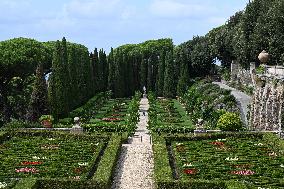
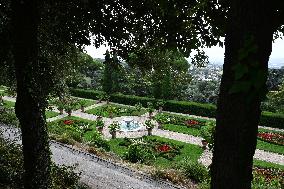
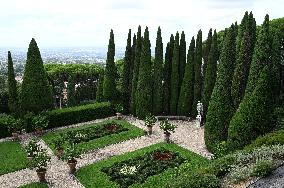
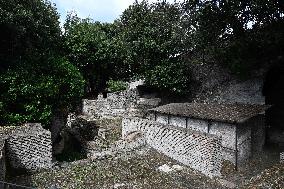
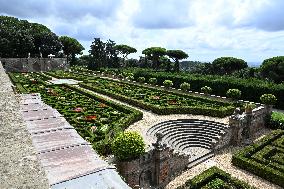
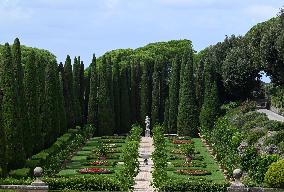
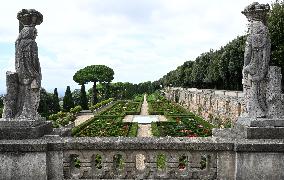
View of the Gardens of the Pontifical Villas located within the papal estate at Castel Gandolfo, near Rome, Italy on September 2, 2025, ahead of Pope Leo XIV's inauguration of the ‘Borgo Laudato Si' Project. Located on the area of the Pontifical villa, gardens and farms of Castel Gandolfo, the ‘Borgo Laudato Si' offers a richly biodiverse environment (with more than 3,000 plants from 300 species), providing visitors with an immersive experience in natural beauty. Borgo Laudato Si’ includes 55 hectares of extraterritorial area, divided into 35 hectares of magnificent gardens and 20 hectares of agricultural and farming land, greenhouses and service buildings that the Borgo is committed to preserving and developing with loving care, by also adding to the investment on education the essential commitment to foster the culture of care. Regarding the gardens area, the Borgo is entrusted with their preservation, maintenance, care, and at the same time development, by also applying new techniques and technological inn

  •  
Vatican’s Ecological Project In The Pope’s Gardens in Castel Gandolfo

Vatican’s Ecological Project In The Pope’s Gardens in Castel Gandolfo

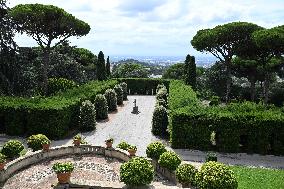
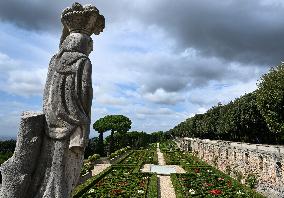
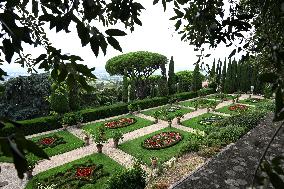
View of the Gardens of the Pontifical Villas located within the papal estate at Castel Gandolfo, near Rome, Italy on September 2, 2025, ahead of Pope Leo XIV's inauguration of the ‘Borgo Laudato Si' Project. Located on the area of the Pontifical villa, gardens and farms of Castel Gandolfo, the ‘Borgo Laudato Si' offers a richly biodiverse environment (with more than 3,000 plants from 300 species), providing visitors with an immersive experience in natural beauty. Borgo Laudato Si’ includes 55 hectares of extraterritorial area, divided into 35 hectares of magnificent gardens and 20 hectares of agricultural and farming land, greenhouses and service buildings that the Borgo is committed to preserving and developing with loving care, by also adding to the investment on education the essential commitment to foster the culture of care. Regarding the gardens area, the Borgo is entrusted with their preservation, maintenance, care, and at the same time development, by also applying new techniques and technological inn

  •  
Vatican’s Ecological Project In The Pope’s Gardens in Castel Gandolfo

Vatican’s Ecological Project In The Pope’s Gardens in Castel Gandolfo

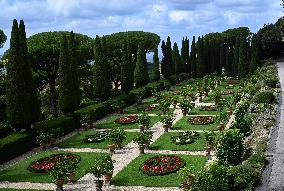
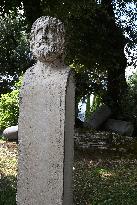
View of the Gardens of the Pontifical Villas located within the papal estate at Castel Gandolfo, near Rome, Italy on September 2, 2025, ahead of Pope Leo XIV's inauguration of the ‘Borgo Laudato Si' Project. Located on the area of the Pontifical villa, gardens and farms of Castel Gandolfo, the ‘Borgo Laudato Si' offers a richly biodiverse environment (with more than 3,000 plants from 300 species), providing visitors with an immersive experience in natural beauty. Borgo Laudato Si’ includes 55 hectares of extraterritorial area, divided into 35 hectares of magnificent gardens and 20 hectares of agricultural and farming land, greenhouses and service buildings that the Borgo is committed to preserving and developing with loving care, by also adding to the investment on education the essential commitment to foster the culture of care. Regarding the gardens area, the Borgo is entrusted with their preservation, maintenance, care, and at the same time development, by also applying new techniques and technological inn

  •  
Vatican’s Ecological Project In The Pope’s Gardens in Castel Gandolfo

Vatican’s Ecological Project In The Pope’s Gardens in Castel Gandolfo

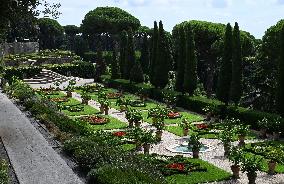
View of the Gardens of the Pontifical Villas located within the papal estate at Castel Gandolfo, near Rome, Italy on September 2, 2025, ahead of Pope Leo XIV's inauguration of the ‘Borgo Laudato Si' Project. Located on the area of the Pontifical villa, gardens and farms of Castel Gandolfo, the ‘Borgo Laudato Si' offers a richly biodiverse environment (with more than 3,000 plants from 300 species), providing visitors with an immersive experience in natural beauty. Borgo Laudato Si’ includes 55 hectares of extraterritorial area, divided into 35 hectares of magnificent gardens and 20 hectares of agricultural and farming land, greenhouses and service buildings that the Borgo is committed to preserving and developing with loving care, by also adding to the investment on education the essential commitment to foster the culture of care. Regarding the gardens area, the Borgo is entrusted with their preservation, maintenance, care, and at the same time development, by also applying new techniques and technological inn

  •  
Vatican’s Ecological Project In The Pope’s Gardens in Castel Gandolfo

Vatican’s Ecological Project In The Pope’s Gardens in Castel Gandolfo

View of the Gardens of the Pontifical Villas located within the papal estate at Castel Gandolfo, near Rome, Italy on September 2, 2025, ahead of Pope Leo XIV's inauguration of the ‘Borgo Laudato Si' Project. Located on the area of the Pontifical villa, gardens and farms of Castel Gandolfo, the ‘Borgo Laudato Si' offers a richly biodiverse environment (with more than 3,000 plants from 300 species), providing visitors with an immersive experience in natural beauty. Borgo Laudato Si’ includes 55 hectares of extraterritorial area, divided into 35 hectares of magnificent gardens and 20 hectares of agricultural and farming land, greenhouses and service buildings that the Borgo is committed to preserving and developing with loving care, by also adding to the investment on education the essential commitment to foster the culture of care. Regarding the gardens area, the Borgo is entrusted with their preservation, maintenance, care, and at the same time development, by also applying new techniques and technological inn

  •  
Vatican’s Ecological Project In The Pope’s Gardens in Castel Gandolfo

Vatican’s Ecological Project In The Pope’s Gardens in Castel Gandolfo

View of the Gardens of the Pontifical Villas located within the papal estate at Castel Gandolfo, near Rome, Italy on September 2, 2025, ahead of Pope Leo XIV's inauguration of the ‘Borgo Laudato Si' Project. Located on the area of the Pontifical villa, gardens and farms of Castel Gandolfo, the ‘Borgo Laudato Si' offers a richly biodiverse environment (with more than 3,000 plants from 300 species), providing visitors with an immersive experience in natural beauty. Borgo Laudato Si’ includes 55 hectares of extraterritorial area, divided into 35 hectares of magnificent gardens and 20 hectares of agricultural and farming land, greenhouses and service buildings that the Borgo is committed to preserving and developing with loving care, by also adding to the investment on education the essential commitment to foster the culture of care. Regarding the gardens area, the Borgo is entrusted with their preservation, maintenance, care, and at the same time development, by also applying new techniques and technological inn

  •  
Vatican’s Ecological Project In The Pope’s Gardens in Castel Gandolfo

Vatican’s Ecological Project In The Pope’s Gardens in Castel Gandolfo

View of the Gardens of the Pontifical Villas located within the papal estate at Castel Gandolfo, near Rome, Italy on September 2, 2025, ahead of Pope Leo XIV's inauguration of the ‘Borgo Laudato Si' Project. Located on the area of the Pontifical villa, gardens and farms of Castel Gandolfo, the ‘Borgo Laudato Si' offers a richly biodiverse environment (with more than 3,000 plants from 300 species), providing visitors with an immersive experience in natural beauty. Borgo Laudato Si’ includes 55 hectares of extraterritorial area, divided into 35 hectares of magnificent gardens and 20 hectares of agricultural and farming land, greenhouses and service buildings that the Borgo is committed to preserving and developing with loving care, by also adding to the investment on education the essential commitment to foster the culture of care. Regarding the gardens area, the Borgo is entrusted with their preservation, maintenance, care, and at the same time development, by also applying new techniques and technological inn

  •  
Vatican’s Ecological Project In The Pope’s Gardens in Castel Gandolfo

Vatican’s Ecological Project In The Pope’s Gardens in Castel Gandolfo

View of the Gardens of the Pontifical Villas located within the papal estate at Castel Gandolfo, near Rome, Italy on September 2, 2025, ahead of Pope Leo XIV's inauguration of the ‘Borgo Laudato Si' Project. Located on the area of the Pontifical villa, gardens and farms of Castel Gandolfo, the ‘Borgo Laudato Si' offers a richly biodiverse environment (with more than 3,000 plants from 300 species), providing visitors with an immersive experience in natural beauty. Borgo Laudato Si’ includes 55 hectares of extraterritorial area, divided into 35 hectares of magnificent gardens and 20 hectares of agricultural and farming land, greenhouses and service buildings that the Borgo is committed to preserving and developing with loving care, by also adding to the investment on education the essential commitment to foster the culture of care. Regarding the gardens area, the Borgo is entrusted with their preservation, maintenance, care, and at the same time development, by also applying new techniques and technological inn

  •  
Vatican’s Ecological Project In The Pope’s Gardens in Castel Gandolfo

Vatican’s Ecological Project In The Pope’s Gardens in Castel Gandolfo

View of the Gardens of the Pontifical Villas located within the papal estate at Castel Gandolfo, near Rome, Italy on September 2, 2025, ahead of Pope Leo XIV's inauguration of the ‘Borgo Laudato Si' Project. Located on the area of the Pontifical villa, gardens and farms of Castel Gandolfo, the ‘Borgo Laudato Si' offers a richly biodiverse environment (with more than 3,000 plants from 300 species), providing visitors with an immersive experience in natural beauty. Borgo Laudato Si’ includes 55 hectares of extraterritorial area, divided into 35 hectares of magnificent gardens and 20 hectares of agricultural and farming land, greenhouses and service buildings that the Borgo is committed to preserving and developing with loving care, by also adding to the investment on education the essential commitment to foster the culture of care. Regarding the gardens area, the Borgo is entrusted with their preservation, maintenance, care, and at the same time development, by also applying new techniques and technological inn

  •  
Vatican’s Ecological Project In The Pope’s Gardens in Castel Gandolfo

Vatican’s Ecological Project In The Pope’s Gardens in Castel Gandolfo

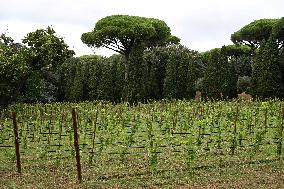
View of the vineyards located within the papal estate at Castel Gandolfo, near Rome, Italy on September 2, 2025, ahead of Pope Leo XIV's inauguration of the ‘Borgo Laudato Si' Project. Located on the area of the Pontifical villa, gardens and farms of Castel Gandolfo, the ‘Borgo Laudato Si' offers a richly biodiverse environment (with more than 3,000 plants from 300 species), providing visitors with an immersive experience in natural beauty. Borgo Laudato Si’ includes 55 hectares of extraterritorial area, divided into 35 hectares of magnificent gardens and 20 hectares of agricultural and farming land, greenhouses and service buildings that the Borgo is committed to preserving and developing with loving care, by also adding to the investment on education the essential commitment to foster the culture of care. Regarding the gardens area, the Borgo is entrusted with their preservation, maintenance, care, and at the same time development, by also applying new techniques and technological innovations to better prot

  •  
Vatican’s Ecological Project In The Pope’s Gardens in Castel Gandolfo

Vatican’s Ecological Project In The Pope’s Gardens in Castel Gandolfo

View of the Gardens of the Pontifical Villas located within the papal estate at Castel Gandolfo, near Rome, Italy on September 2, 2025, ahead of Pope Leo XIV's inauguration of the ‘Borgo Laudato Si' Project. Located on the area of the Pontifical villa, gardens and farms of Castel Gandolfo, the ‘Borgo Laudato Si' offers a richly biodiverse environment (with more than 3,000 plants from 300 species), providing visitors with an immersive experience in natural beauty. Borgo Laudato Si’ includes 55 hectares of extraterritorial area, divided into 35 hectares of magnificent gardens and 20 hectares of agricultural and farming land, greenhouses and service buildings that the Borgo is committed to preserving and developing with loving care, by also adding to the investment on education the essential commitment to foster the culture of care. Regarding the gardens area, the Borgo is entrusted with their preservation, maintenance, care, and at the same time development, by also applying new techniques and technological inn

  •  
Vatican’s Ecological Project In The Pope’s Gardens in Castel Gandolfo

Vatican’s Ecological Project In The Pope’s Gardens in Castel Gandolfo

View of the Gardens of the Pontifical Villas located within the papal estate at Castel Gandolfo, near Rome, Italy on September 2, 2025, ahead of Pope Leo XIV's inauguration of the ‘Borgo Laudato Si' Project. Located on the area of the Pontifical villa, gardens and farms of Castel Gandolfo, the ‘Borgo Laudato Si' offers a richly biodiverse environment (with more than 3,000 plants from 300 species), providing visitors with an immersive experience in natural beauty. Borgo Laudato Si’ includes 55 hectares of extraterritorial area, divided into 35 hectares of magnificent gardens and 20 hectares of agricultural and farming land, greenhouses and service buildings that the Borgo is committed to preserving and developing with loving care, by also adding to the investment on education the essential commitment to foster the culture of care. Regarding the gardens area, the Borgo is entrusted with their preservation, maintenance, care, and at the same time development, by also applying new techniques and technological inn

  •  
Vatican’s Ecological Project In The Pope’s Gardens in Castel Gandolfo

Vatican’s Ecological Project In The Pope’s Gardens in Castel Gandolfo

View of the Gardens of the Pontifical Villas located within the papal estate at Castel Gandolfo, near Rome, Italy on September 2, 2025, ahead of Pope Leo XIV's inauguration of the ‘Borgo Laudato Si' Project. Located on the area of the Pontifical villa, gardens and farms of Castel Gandolfo, the ‘Borgo Laudato Si' offers a richly biodiverse environment (with more than 3,000 plants from 300 species), providing visitors with an immersive experience in natural beauty. Borgo Laudato Si’ includes 55 hectares of extraterritorial area, divided into 35 hectares of magnificent gardens and 20 hectares of agricultural and farming land, greenhouses and service buildings that the Borgo is committed to preserving and developing with loving care, by also adding to the investment on education the essential commitment to foster the culture of care. Regarding the gardens area, the Borgo is entrusted with their preservation, maintenance, care, and at the same time development, by also applying new techniques and technological inn

  •  
Vatican’s Ecological Project In The Pope’s Gardens in Castel Gandolfo

Vatican’s Ecological Project In The Pope’s Gardens in Castel Gandolfo

View of the Gardens of the Pontifical Villas located within the papal estate at Castel Gandolfo, near Rome, Italy on September 2, 2025, ahead of Pope Leo XIV's inauguration of the ‘Borgo Laudato Si' Project. Located on the area of the Pontifical villa, gardens and farms of Castel Gandolfo, the ‘Borgo Laudato Si' offers a richly biodiverse environment (with more than 3,000 plants from 300 species), providing visitors with an immersive experience in natural beauty. Borgo Laudato Si’ includes 55 hectares of extraterritorial area, divided into 35 hectares of magnificent gardens and 20 hectares of agricultural and farming land, greenhouses and service buildings that the Borgo is committed to preserving and developing with loving care, by also adding to the investment on education the essential commitment to foster the culture of care. Regarding the gardens area, the Borgo is entrusted with their preservation, maintenance, care, and at the same time development, by also applying new techniques and technological inn

  •  
Vatican’s Ecological Project In The Pope’s Gardens in Castel Gandolfo

Vatican’s Ecological Project In The Pope’s Gardens in Castel Gandolfo

View of the Gardens of the Pontifical Villas located within the papal estate at Castel Gandolfo, near Rome, Italy on September 2, 2025, ahead of Pope Leo XIV's inauguration of the ‘Borgo Laudato Si' Project. Located on the area of the Pontifical villa, gardens and farms of Castel Gandolfo, the ‘Borgo Laudato Si' offers a richly biodiverse environment (with more than 3,000 plants from 300 species), providing visitors with an immersive experience in natural beauty. Borgo Laudato Si’ includes 55 hectares of extraterritorial area, divided into 35 hectares of magnificent gardens and 20 hectares of agricultural and farming land, greenhouses and service buildings that the Borgo is committed to preserving and developing with loving care, by also adding to the investment on education the essential commitment to foster the culture of care. Regarding the gardens area, the Borgo is entrusted with their preservation, maintenance, care, and at the same time development, by also applying new techniques and technological inn

  •  
Vatican’s Ecological Project In The Pope’s Gardens in Castel Gandolfo

Vatican’s Ecological Project In The Pope’s Gardens in Castel Gandolfo

View of the Gardens of the Pontifical Villas located within the papal estate at Castel Gandolfo, near Rome, Italy on September 2, 2025, ahead of Pope Leo XIV's inauguration of the ‘Borgo Laudato Si' Project. Located on the area of the Pontifical villa, gardens and farms of Castel Gandolfo, the ‘Borgo Laudato Si' offers a richly biodiverse environment (with more than 3,000 plants from 300 species), providing visitors with an immersive experience in natural beauty. Borgo Laudato Si’ includes 55 hectares of extraterritorial area, divided into 35 hectares of magnificent gardens and 20 hectares of agricultural and farming land, greenhouses and service buildings that the Borgo is committed to preserving and developing with loving care, by also adding to the investment on education the essential commitment to foster the culture of care. Regarding the gardens area, the Borgo is entrusted with their preservation, maintenance, care, and at the same time development, by also applying new techniques and technological inn

  •  
Vatican’s Ecological Project In The Pope’s Gardens in Castel Gandolfo

Vatican’s Ecological Project In The Pope’s Gardens in Castel Gandolfo

View of the Gardens of the Pontifical Villas located within the papal estate at Castel Gandolfo, near Rome, Italy on September 2, 2025, ahead of Pope Leo XIV's inauguration of the ‘Borgo Laudato Si' Project. Located on the area of the Pontifical villa, gardens and farms of Castel Gandolfo, the ‘Borgo Laudato Si' offers a richly biodiverse environment (with more than 3,000 plants from 300 species), providing visitors with an immersive experience in natural beauty. Borgo Laudato Si’ includes 55 hectares of extraterritorial area, divided into 35 hectares of magnificent gardens and 20 hectares of agricultural and farming land, greenhouses and service buildings that the Borgo is committed to preserving and developing with loving care, by also adding to the investment on education the essential commitment to foster the culture of care. Regarding the gardens area, the Borgo is entrusted with their preservation, maintenance, care, and at the same time development, by also applying new techniques and technological inn

  •  
Vatican’s Ecological Project In The Pope’s Gardens in Castel Gandolfo

Vatican’s Ecological Project In The Pope’s Gardens in Castel Gandolfo

View of the Gardens of the Pontifical Villas located within the papal estate at Castel Gandolfo, near Rome, Italy on September 2, 2025, ahead of Pope Leo XIV's inauguration of the ‘Borgo Laudato Si' Project. Located on the area of the Pontifical villa, gardens and farms of Castel Gandolfo, the ‘Borgo Laudato Si' offers a richly biodiverse environment (with more than 3,000 plants from 300 species), providing visitors with an immersive experience in natural beauty. Borgo Laudato Si’ includes 55 hectares of extraterritorial area, divided into 35 hectares of magnificent gardens and 20 hectares of agricultural and farming land, greenhouses and service buildings that the Borgo is committed to preserving and developing with loving care, by also adding to the investment on education the essential commitment to foster the culture of care. Regarding the gardens area, the Borgo is entrusted with their preservation, maintenance, care, and at the same time development, by also applying new techniques and technological inn

  •  
Vatican’s Ecological Project In The Pope’s Gardens in Castel Gandolfo

Vatican’s Ecological Project In The Pope’s Gardens in Castel Gandolfo

View of the Gardens of the Pontifical Villas located within the papal estate at Castel Gandolfo, near Rome, Italy on September 2, 2025, ahead of Pope Leo XIV's inauguration of the ‘Borgo Laudato Si' Project. Located on the area of the Pontifical villa, gardens and farms of Castel Gandolfo, the ‘Borgo Laudato Si' offers a richly biodiverse environment (with more than 3,000 plants from 300 species), providing visitors with an immersive experience in natural beauty. Borgo Laudato Si’ includes 55 hectares of extraterritorial area, divided into 35 hectares of magnificent gardens and 20 hectares of agricultural and farming land, greenhouses and service buildings that the Borgo is committed to preserving and developing with loving care, by also adding to the investment on education the essential commitment to foster the culture of care. Regarding the gardens area, the Borgo is entrusted with their preservation, maintenance, care, and at the same time development, by also applying new techniques and technological inn

  •  
Vatican’s Ecological Project In The Pope’s Gardens in Castel Gandolfo

Vatican’s Ecological Project In The Pope’s Gardens in Castel Gandolfo

View of the Gardens of the Pontifical Villas located within the papal estate at Castel Gandolfo, near Rome, Italy on September 2, 2025, ahead of Pope Leo XIV's inauguration of the ‘Borgo Laudato Si' Project. Located on the area of the Pontifical villa, gardens and farms of Castel Gandolfo, the ‘Borgo Laudato Si' offers a richly biodiverse environment (with more than 3,000 plants from 300 species), providing visitors with an immersive experience in natural beauty. Borgo Laudato Si’ includes 55 hectares of extraterritorial area, divided into 35 hectares of magnificent gardens and 20 hectares of agricultural and farming land, greenhouses and service buildings that the Borgo is committed to preserving and developing with loving care, by also adding to the investment on education the essential commitment to foster the culture of care. Regarding the gardens area, the Borgo is entrusted with their preservation, maintenance, care, and at the same time development, by also applying new techniques and technological inn

  •  
Vatican’s Ecological Project In The Pope’s Gardens in Castel Gandolfo

Vatican’s Ecological Project In The Pope’s Gardens in Castel Gandolfo

View of the Gardens of the Pontifical Villas located within the papal estate at Castel Gandolfo, near Rome, Italy on September 2, 2025, ahead of Pope Leo XIV's inauguration of the ‘Borgo Laudato Si' Project. Located on the area of the Pontifical villa, gardens and farms of Castel Gandolfo, the ‘Borgo Laudato Si' offers a richly biodiverse environment (with more than 3,000 plants from 300 species), providing visitors with an immersive experience in natural beauty. Borgo Laudato Si’ includes 55 hectares of extraterritorial area, divided into 35 hectares of magnificent gardens and 20 hectares of agricultural and farming land, greenhouses and service buildings that the Borgo is committed to preserving and developing with loving care, by also adding to the investment on education the essential commitment to foster the culture of care. Regarding the gardens area, the Borgo is entrusted with their preservation, maintenance, care, and at the same time development, by also applying new techniques and technological inn

  •  
Vatican’s Ecological Project In The Pope’s Gardens in Castel Gandolfo

Vatican’s Ecological Project In The Pope’s Gardens in Castel Gandolfo

View of the Gardens of the Pontifical Villas located within the papal estate at Castel Gandolfo, near Rome, Italy on September 2, 2025, ahead of Pope Leo XIV's inauguration of the ‘Borgo Laudato Si' Project. Located on the area of the Pontifical villa, gardens and farms of Castel Gandolfo, the ‘Borgo Laudato Si' offers a richly biodiverse environment (with more than 3,000 plants from 300 species), providing visitors with an immersive experience in natural beauty. Borgo Laudato Si’ includes 55 hectares of extraterritorial area, divided into 35 hectares of magnificent gardens and 20 hectares of agricultural and farming land, greenhouses and service buildings that the Borgo is committed to preserving and developing with loving care, by also adding to the investment on education the essential commitment to foster the culture of care. Regarding the gardens area, the Borgo is entrusted with their preservation, maintenance, care, and at the same time development, by also applying new techniques and technological inn

  •  
Vatican’s Ecological Project In The Pope’s Gardens in Castel Gandolfo

Vatican’s Ecological Project In The Pope’s Gardens in Castel Gandolfo

View of the Gardens of the Pontifical Villas located within the papal estate at Castel Gandolfo, near Rome, Italy on September 2, 2025, ahead of Pope Leo XIV's inauguration of the ‘Borgo Laudato Si' Project. Located on the area of the Pontifical villa, gardens and farms of Castel Gandolfo, the ‘Borgo Laudato Si' offers a richly biodiverse environment (with more than 3,000 plants from 300 species), providing visitors with an immersive experience in natural beauty. Borgo Laudato Si’ includes 55 hectares of extraterritorial area, divided into 35 hectares of magnificent gardens and 20 hectares of agricultural and farming land, greenhouses and service buildings that the Borgo is committed to preserving and developing with loving care, by also adding to the investment on education the essential commitment to foster the culture of care. Regarding the gardens area, the Borgo is entrusted with their preservation, maintenance, care, and at the same time development, by also applying new techniques and technological inn

  •  
Vatican’s Ecological Project In The Pope’s Gardens in Castel Gandolfo

Vatican’s Ecological Project In The Pope’s Gardens in Castel Gandolfo

View of the Gardens of the Pontifical Villas located within the papal estate at Castel Gandolfo, near Rome, Italy on September 2, 2025, ahead of Pope Leo XIV's inauguration of the ‘Borgo Laudato Si' Project. Located on the area of the Pontifical villa, gardens and farms of Castel Gandolfo, the ‘Borgo Laudato Si' offers a richly biodiverse environment (with more than 3,000 plants from 300 species), providing visitors with an immersive experience in natural beauty. Borgo Laudato Si’ includes 55 hectares of extraterritorial area, divided into 35 hectares of magnificent gardens and 20 hectares of agricultural and farming land, greenhouses and service buildings that the Borgo is committed to preserving and developing with loving care, by also adding to the investment on education the essential commitment to foster the culture of care. Regarding the gardens area, the Borgo is entrusted with their preservation, maintenance, care, and at the same time development, by also applying new techniques and technological inn

  •  
Intangible Cultural Heritage Ru Porcelain Art

Intangible Cultural Heritage Ru Porcelain Art

PINGDINGSHAN, CHINA - SEPTEMBER 2, 2025 - Artist Wang Junpei creates dragon shaped patterns on the surface of Ru porcelain using lacquer carving techniques in Pingdingshan City, Henan Province, China on September 2, 2025.

  •  
Intangible Cultural Heritage Ru Porcelain Art

Intangible Cultural Heritage Ru Porcelain Art

PINGDINGSHAN, CHINA - SEPTEMBER 2, 2025 - Artist Wang Junpei creates dragon shaped patterns on the surface of Ru porcelain using lacquer carving techniques in Pingdingshan City, Henan Province, China on September 2, 2025.

  •  
Intangible Cultural Heritage Ru Porcelain Art

Intangible Cultural Heritage Ru Porcelain Art

PINGDINGSHAN, CHINA - SEPTEMBER 2, 2025 - Artist Wang Junpei creates dragon shaped patterns on the surface of Ru porcelain using lacquer carving techniques in Pingdingshan City, Henan Province, China on September 2, 2025.

  •  
Intangible Cultural Heritage Ru Porcelain Art

Intangible Cultural Heritage Ru Porcelain Art

PINGDINGSHAN, CHINA - SEPTEMBER 2, 2025 - Artist Wang Junpei creates dragon shaped patterns on the surface of Ru porcelain using lacquer carving techniques in Pingdingshan City, Henan Province, China on September 2, 2025.

  •  
Intangible Cultural Heritage Ru Porcelain Art

Intangible Cultural Heritage Ru Porcelain Art

PINGDINGSHAN, CHINA - SEPTEMBER 2, 2025 - Artist Wang Junpei creates dragon shaped patterns on the surface of Ru porcelain using lacquer carving techniques in Pingdingshan City, Henan Province, China on September 2, 2025.

  •  
SIGGRAPH 2025 - Vancouver

SIGGRAPH 2025 - Vancouver

An exhibitor demonstrates remote-controlling a robotic hand through hand motions during the Premier Conference & Exhibition on Computer Graphics & Interactive Techniques (SIGGRAPH 2025) at the Vancouver Convention Centre in Vancouver, Canada, August 12, 2025. The exhibition showcases the innovation and technological advancement in computer graphics, digital art, animation, visual effects, new realities, artificial intelligence, research, and more. Photo by Liang Sen/Xinhua/ABACAPRESS.COM

  •  
SIGGRAPH 2025 - Vancouver

SIGGRAPH 2025 - Vancouver

An exhibitor poses with his own 3D-printed face mask for a picture inside a 3D face-scanning machine during the Premier Conference & Exhibition on Computer Graphics & Interactive Techniques (SIGGRAPH 2025) at the Vancouver Convention Centre in Vancouver, Canada, August 12, 2025. The exhibition showcases the innovation and technological advancement in computer graphics, digital art, animation, visual effects, new realities, artificial intelligence, research, and more. Photo by Liang Sen/Xinhua/ABACAPRESS.COM

  •  
SIGGRAPH 2025 - Vancouver

SIGGRAPH 2025 - Vancouver

Exhibitors demonstrate a motion capture system for gaming during the Premier Conference & Exhibition on Computer Graphics & Interactive Techniques (SIGGRAPH 2025) at the Vancouver Convention Centre in Vancouver, Canada, August 12, 2025. The exhibition showcases the innovation and technological advancement in computer graphics, digital art, animation, visual effects, new realities, artificial intelligence, research, and more. Photo by Liang Sen/Xinhua/ABACAPRESS.COM

  •  
SIGGRAPH 2025 - Vancouver

SIGGRAPH 2025 - Vancouver

A visitor checks the movement of shape-memory alloy actuators during the Premier Conference & Exhibition on Computer Graphics & Interactive Techniques (SIGGRAPH 2025) at the Vancouver Convention Centre in Vancouver, Canada, August 12, 2025. The exhibition showcases the innovation and technological advancement in computer graphics, digital art, animation, visual effects, new realities, artificial intelligence, research, and more. Photo by Liang Sen/Xinhua/ABACAPRESS.COM

  •  
SIGGRAPH 2025 - Vancouver

SIGGRAPH 2025 - Vancouver

A visitor tries to experience the feeling of being a baby by using virtual reality technology and wearing a special membrane bodysuit during the Premier Conference & Exhibition on Computer Graphics & Interactive Techniques (SIGGRAPH 2025) at the Vancouver Convention Centre in Vancouver, Canada, August 12, 2025. The exhibition showcases the innovation and technological advancement in computer graphics, digital art, animation, visual effects, new realities, artificial intelligence, research, and more. Photo by Liang Sen/Xinhua/ABACAPRESS.COM

  •  
Japan Coast Guard demonstrates intelligence gathering know-how

Japan Coast Guard demonstrates intelligence gathering know-how

Vice Adm. Hiroaki Kanosue, Japan Coast Guard's vice commandant for operations, meets the press in Sepang in the Malaysian state of Selangor on Feb. 26, 2025, after a demonstration of Japan's maritime intelligence gathering techniques using radar and thermographic cameras as part of a U.N. Office on Drugs and Crime program.

  •  
Japan Coast Guard demonstrates intelligence gathering know-how

Japan Coast Guard demonstrates intelligence gathering know-how

Vice Adm. Hiroaki Kanosue (C), Japan Coast Guard's vice commandant for operations, meets the press in Sepang in the Malaysian state of Selangor on Feb. 26, 2025, after a demonstration of Japan's maritime intelligence gathering techniques using radar and thermographic cameras as part of a U.N. Office on Drugs and Crime program.

  •  
Sake Making At Jozan Brewery In Fukui - Japan

Sake Making At Jozan Brewery In Fukui - Japan

A flower basket marking the 220th anniversary of the establishment at Jozan Brewery in Fukui. Japanese alcoholic beverages, including sake (nihonshu), shochu and awamori, are made from grains and water. Craftspeople use koji mold to convert the starch in the ingredients into sugar, and oversee the process to make sure the mold grows in optimal conditions. Jozan, a brewery located in Fukui Prefecture, a region renowned for its high-quality rice, has upheld traditional sake-making for over 220 years. Led by Shinpei Tokoyama, the brewery exemplifies its ongoing efforts in coping with challenges in modern era while preserving traditional craftsmanship. With modern techniques, Jozan has realized a meticulous control over the brewing process, ensuring the consistency of product quality without compromising the essence of traditional making methods. In 2017, Jozan also renovated its brewing space, combining functionality with modern design to accommodate both production needs and visitors from around the world. The

  •  
Sake Making At Jozan Brewery In Fukui - Japan

Sake Making At Jozan Brewery In Fukui - Japan

Samples of fresh sake are pictured at Jozan Brewery in Fukui. Japanese alcoholic beverages, including sake (nihonshu), shochu and awamori, are made from grains and water. Craftspeople use koji mold to convert the starch in the ingredients into sugar, and oversee the process to make sure the mold grows in optimal conditions. Jozan, a brewery located in Fukui Prefecture, a region renowned for its high-quality rice, has upheld traditional sake-making for over 220 years. Led by Shinpei Tokoyama, the brewery exemplifies its ongoing efforts in coping with challenges in modern era while preserving traditional craftsmanship. With modern techniques, Jozan has realized a meticulous control over the brewing process, ensuring the consistency of product quality without compromising the essence of traditional making methods. In 2017, Jozan also renovated its brewing space, combining functionality with modern design to accommodate both production needs and visitors from around the world. The United Nations Educational, Scie

  •  
Sake Making At Jozan Brewery In Fukui - Japan

Sake Making At Jozan Brewery In Fukui - Japan

Trademarks of Jozan Brewery are pictured at the reception area of the brewery in Fukui. Japanese alcoholic beverages, including sake (nihonshu), shochu and awamori, are made from grains and water. Craftspeople use koji mold to convert the starch in the ingredients into sugar, and oversee the process to make sure the mold grows in optimal conditions. Jozan, a brewery located in Fukui Prefecture, a region renowned for its high-quality rice, has upheld traditional sake-making for over 220 years. Led by Shinpei Tokoyama, the brewery exemplifies its ongoing efforts in coping with challenges in modern era while preserving traditional craftsmanship. With modern techniques, Jozan has realized a meticulous control over the brewing process, ensuring the consistency of product quality without compromising the essence of traditional making methods. In 2017, Jozan also renovated its brewing space, combining functionality with modern design to accommodate both production needs and visitors from around the world. The United

  •  
Sake Making At Jozan Brewery In Fukui - Japan

Sake Making At Jozan Brewery In Fukui - Japan

Cleaned rice is steamed at Jozan Brewery in Fukui. Japanese alcoholic beverages, including sake (nihonshu), shochu and awamori, are made from grains and water. Craftspeople use koji mold to convert the starch in the ingredients into sugar, and oversee the process to make sure the mold grows in optimal conditions. Jozan, a brewery located in Fukui Prefecture, a region renowned for its high-quality rice, has upheld traditional sake-making for over 220 years. Led by Shinpei Tokoyama, the brewery exemplifies its ongoing efforts in coping with challenges in modern era while preserving traditional craftsmanship. With modern techniques, Jozan has realized a meticulous control over the brewing process, ensuring the consistency of product quality without compromising the essence of traditional making methods. In 2017, Jozan also renovated its brewing space, combining functionality with modern design to accommodate both production needs and visitors from around the world. The United Nations Educational, Scientific and

  •  
Sake Making At Jozan Brewery In Fukui - Japan

Sake Making At Jozan Brewery In Fukui - Japan

Shinpei Tokoyama waits for moromi to flow into the filter at Jozan Brewery in Fukui. Japanese alcoholic beverages, including sake (nihonshu), shochu and awamori, are made from grains and water. Craftspeople use koji mold to convert the starch in the ingredients into sugar, and oversee the process to make sure the mold grows in optimal conditions. Jozan, a brewery located in Fukui Prefecture, a region renowned for its high-quality rice, has upheld traditional sake-making for over 220 years. Led by Shinpei Tokoyama, the brewery exemplifies its ongoing efforts in coping with challenges in modern era while preserving traditional craftsmanship. With modern techniques, Jozan has realized a meticulous control over the brewing process, ensuring the consistency of product quality without compromising the essence of traditional making methods. In 2017, Jozan also renovated its brewing space, combining functionality with modern design to accommodate both production needs and visitors from around the world. The United Na

  •  
Sake Making At Jozan Brewery In Fukui - Japan

Sake Making At Jozan Brewery In Fukui - Japan

Fermenting moromi is pictured at Jozan Brewery in Fukui. Japanese alcoholic beverages, including sake (nihonshu), shochu and awamori, are made from grains and water. Craftspeople use koji mold to convert the starch in the ingredients into sugar, and oversee the process to make sure the mold grows in optimal conditions. Jozan, a brewery located in Fukui Prefecture, a region renowned for its high-quality rice, has upheld traditional sake-making for over 220 years. Led by Shinpei Tokoyama, the brewery exemplifies its ongoing efforts in coping with challenges in modern era while preserving traditional craftsmanship. With modern techniques, Jozan has realized a meticulous control over the brewing process, ensuring the consistency of product quality without compromising the essence of traditional making methods. In 2017, Jozan also renovated its brewing space, combining functionality with modern design to accommodate both production needs and visitors from around the world. The United Nations Educational, Scientifi

  •  
Sake Making At Jozan Brewery In Fukui - Japan

Sake Making At Jozan Brewery In Fukui - Japan

A worker seals a bottle of sake at Jozan Brewery in Fukui. Japanese alcoholic beverages, including sake (nihonshu), shochu and awamori, are made from grains and water. Craftspeople use koji mold to convert the starch in the ingredients into sugar, and oversee the process to make sure the mold grows in optimal conditions. Jozan, a brewery located in Fukui Prefecture, a region renowned for its high-quality rice, has upheld traditional sake-making for over 220 years. Led by Shinpei Tokoyama, the brewery exemplifies its ongoing efforts in coping with challenges in modern era while preserving traditional craftsmanship. With modern techniques, Jozan has realized a meticulous control over the brewing process, ensuring the consistency of product quality without compromising the essence of traditional making methods. In 2017, Jozan also renovated its brewing space, combining functionality with modern design to accommodate both production needs and visitors from around the world. The United Nations Educational, Scienti

  •  
Sake Making At Jozan Brewery In Fukui - Japan

Sake Making At Jozan Brewery In Fukui - Japan

A worker examines samples of fresh sake at Jozan Brewery in Fukui. Japanese alcoholic beverages, including sake (nihonshu), shochu and awamori, are made from grains and water. Craftspeople use koji mold to convert the starch in the ingredients into sugar, and oversee the process to make sure the mold grows in optimal conditions. Jozan, a brewery located in Fukui Prefecture, a region renowned for its high-quality rice, has upheld traditional sake-making for over 220 years. Led by Shinpei Tokoyama, the brewery exemplifies its ongoing efforts in coping with challenges in modern era while preserving traditional craftsmanship. With modern techniques, Jozan has realized a meticulous control over the brewing process, ensuring the consistency of product quality without compromising the essence of traditional making methods. In 2017, Jozan also renovated its brewing space, combining functionality with modern design to accommodate both production needs and visitors from around the world. The United Nations Educational,

  •  
Sake Making At Jozan Brewery In Fukui - Japan

Sake Making At Jozan Brewery In Fukui - Japan

A worker stirs the mixture of steamed rice, koji, water and Shubo at Jozan Brewery in Fukui. Japanese alcoholic beverages, including sake (nihonshu), shochu and awamori, are made from grains and water. Craftspeople use koji mold to convert the starch in the ingredients into sugar, and oversee the process to make sure the mold grows in optimal conditions. Jozan, a brewery located in Fukui Prefecture, a region renowned for its high-quality rice, has upheld traditional sake-making for over 220 years. Led by Shinpei Tokoyama, the brewery exemplifies its ongoing efforts in coping with challenges in modern era while preserving traditional craftsmanship. With modern techniques, Jozan has realized a meticulous control over the brewing process, ensuring the consistency of product quality without compromising the essence of traditional making methods. In 2017, Jozan also renovated its brewing space, combining functionality with modern design to accommodate both production needs and visitors from around the world. The U

  •  
Sake Making At Jozan Brewery In Fukui - Japan

Sake Making At Jozan Brewery In Fukui - Japan

Bags of locally produced rice, a raw material for sake-making, is seen at Jozan Brewery in Fukui. Japanese alcoholic beverages, including sake (nihonshu), shochu and awamori, are made from grains and water. Craftspeople use koji mold to convert the starch in the ingredients into sugar, and oversee the process to make sure the mold grows in optimal conditions. Jozan, a brewery located in Fukui Prefecture, a region renowned for its high-quality rice, has upheld traditional sake-making for over 220 years. Led by Shinpei Tokoyama, the brewery exemplifies its ongoing efforts in coping with challenges in modern era while preserving traditional craftsmanship. With modern techniques, Jozan has realized a meticulous control over the brewing process, ensuring the consistency of product quality without compromising the essence of traditional making methods. In 2017, Jozan also renovated its brewing space, combining functionality with modern design to accommodate both production needs and visitors from around the world.

  •  
Sake Making At Jozan Brewery In Fukui - Japan

Sake Making At Jozan Brewery In Fukui - Japan

Workers weigh steamed rice at Jozan Brewery in Fukui. Japanese alcoholic beverages, including sake (nihonshu), shochu and awamori, are made from grains and water. Craftspeople use koji mold to convert the starch in the ingredients into sugar, and oversee the process to make sure the mold grows in optimal conditions. Jozan, a brewery located in Fukui Prefecture, a region renowned for its high-quality rice, has upheld traditional sake-making for over 220 years. Led by Shinpei Tokoyama, the brewery exemplifies its ongoing efforts in coping with challenges in modern era while preserving traditional craftsmanship. With modern techniques, Jozan has realized a meticulous control over the brewing process, ensuring the consistency of product quality without compromising the essence of traditional making methods. In 2017, Jozan also renovated its brewing space, combining functionality with modern design to accommodate both production needs and visitors from around the world. The United Nations Educational, Scientific a

  •  
Sake Making At Jozan Brewery In Fukui - Japan

Sake Making At Jozan Brewery In Fukui - Japan

Shinpei Tokoyama (L) and workers spread steamed rice mixed with koji mold at Jozan Brewery in Fukui. Japanese alcoholic beverages, including sake (nihonshu), shochu and awamori, are made from grains and water. Craftspeople use koji mold to convert the starch in the ingredients into sugar, and oversee the process to make sure the mold grows in optimal conditions. Jozan, a brewery located in Fukui Prefecture, a region renowned for its high-quality rice, has upheld traditional sake-making for over 220 years. Led by Shinpei Tokoyama, the brewery exemplifies its ongoing efforts in coping with challenges in modern era while preserving traditional craftsmanship. With modern techniques, Jozan has realized a meticulous control over the brewing process, ensuring the consistency of product quality without compromising the essence of traditional making methods. In 2017, Jozan also renovated its brewing space, combining functionality with modern design to accommodate both production needs and visitors from around the worl

  •  
Sake Making At Jozan Brewery In Fukui - Japan

Sake Making At Jozan Brewery In Fukui - Japan

Shinpei Tokoyama (2nd L) and workers spread koji mold over steamed rice at Jozan Brewery in Fukui. Japanese alcoholic beverages, including sake (nihonshu), shochu and awamori, are made from grains and water. Craftspeople use koji mold to convert the starch in the ingredients into sugar, and oversee the process to make sure the mold grows in optimal conditions. Jozan, a brewery located in Fukui Prefecture, a region renowned for its high-quality rice, has upheld traditional sake-making for over 220 years. Led by Shinpei Tokoyama, the brewery exemplifies its ongoing efforts in coping with challenges in modern era while preserving traditional craftsmanship. With modern techniques, Jozan has realized a meticulous control over the brewing process, ensuring the consistency of product quality without compromising the essence of traditional making methods. In 2017, Jozan also renovated its brewing space, combining functionality with modern design to accommodate both production needs and visitors from around the world.

  • Main
  • Top
  • Editorial
  • Creative
  • About Us
  • About ILG
  • Terms of use
  • Company
  • BEHIND
  • Price List
  • Single Plan
  • Monthly Plan
  • Services
  • Shooting
  • Rights Clearance
  • Support
  • FAQ
  • How To Buy
  • Contact Us
  • Become a Partner

© KYODO NEWS IMAGES INC

All Rights Reserved.

  • Editorial
  • Olympics
  • News
  • Sports
  • Japan
  • Tech
  • Royal
  • Disaster
  • NorthKorea
  • Old Japan
  • SNS
  • Creative
  • Food
  • Japan
  • Landscape
  • Animal
  • Popular
  • #Ukraine
  • #Thailand
  • #coronavirus
  • #N. Korea
  • #Russia
  • #China
  • #Ukraine
  • #Thailand
  • #coronavirus
  • #N. Korea
  • #Russia
  • #China
  • Food
  • Japan
  • Landscape
  • Animal
  • Olympics
  • News
  • Sports
  • Japan
  • Tech
  • Royal
  • Disaster
  • NorthKorea
  • Old Japan
  • SNS