•  

2,000-year-old temple reveals China's Buddhist history

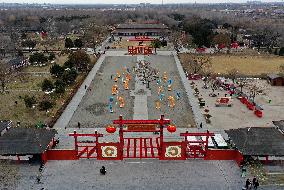
STORY: 2,000-year-old temple reveals China's Buddhist history SHOOTING TIME: Recent footages DATELINE: May 9, 2024 LENGTH: 00:00:49 LOCATION: GONGYI, China CATEGORY: CULTURE SHOTLIST: 1. various of the Ciyun Temple in Gongyi, Henan Province, central China STORYLINE: The Ciyun Buddhist Temple in Gongyi, central China's Henan Province, has a history of about 2,000 years. It serves as a rich repository of historical artifacts for the study of Buddhism in China. A stone inscription, dating back to the Ming Dynasty (1368-1644), records the founding of the temple in the seventh year of the Yongping Era (64 AD). The temple has over 50 stone inscriptions from ancient China. The temple's abbot, Shi Yanchao, has devoted himself to the study of these artifacts and the stories they tell. Xinhua News Agency correspondents reporting from Gongyi, China. (XHTV)

  •  
XINHUA PHOTOS OF THE DAY

XINHUA PHOTOS OF THE DAY

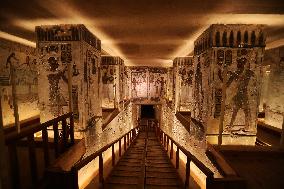
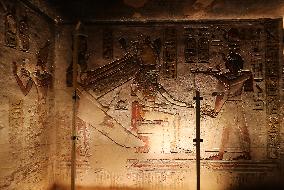
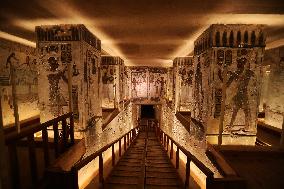
(240419) -- BEIJING, April 19, 2024 (Xinhua) -- This photo taken on April 8, 2024 shows mural paintings at the Valley of the Kings in Luxor, Egypt. Luxor, the ancient city of Thebes in southern Egypt, was the pharaohs' capital at the height of their power during the New Kingdom from the 16th century BC to the 11th century BC. Seen by many as the world's largest open-air museum, it is home to famous Tutankhamen's tomb in the Valley of the Kings and the ruins of the huge Karnak Temple Complex and Luxor Temple. The Yin Ruins, which is located in Anyang of central China's Henan Province, is the first documented late Shang Dynasty (1600-1046 B.C.) capital site in China, as confirmed by archaeological excavations and oracle bone inscriptions. Luxor and the Yin Ruins have, respectively, witnessed the historic highlights of the development of Egypt and China, the two ancient civilizations. April 18 marks the International Day for Monuments and Sites. It is a sound occasion to explore the trace of past glor

  •  
XINHUA PHOTOS OF THE DAY

XINHUA PHOTOS OF THE DAY

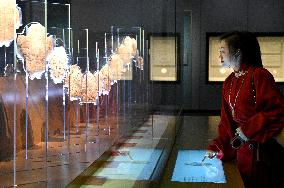
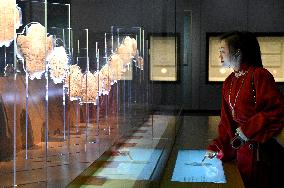
(240419) -- BEIJING, April 19, 2024 (Xinhua) -- This photo taken on Feb. 26, 2024 shows a visitor looking at oracle bones with inscriptions displayed at the new building of Yinxu Museum in Anyang, central China's Henan Province. Luxor, the ancient city of Thebes in southern Egypt, was the pharaohs' capital at the height of their power during the New Kingdom from the 16th century BC to the 11th century BC. Seen by many as the world's largest open-air museum, it is home to famous Tutankhamen's tomb in the Valley of the Kings and the ruins of the huge Karnak Temple Complex and Luxor Temple. The Yin Ruins, which is located in Anyang of central China's Henan Province, is the first documented late Shang Dynasty (1600-1046 B.C.) capital site in China, as confirmed by archaeological excavations and oracle bone inscriptions. Luxor and the Yin Ruins have, respectively, witnessed the historic highlights of the development of Egypt and China, the two ancient civilizations. April 18 marks the International Day

  •  
CHINA-EGYPT-YIN RUINS-LUXOR-ANCIENT CIVILIZATION (CN)

CHINA-EGYPT-YIN RUINS-LUXOR-ANCIENT CIVILIZATION (CN)

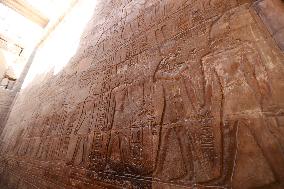
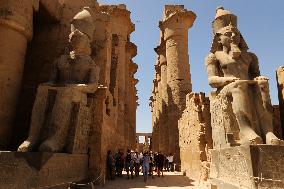
(240418) -- BEIJING, April 18, 2024 (Xinhua) -- This photo taken on April 9, 2024 shows murals at Luxor Temple in Luxor, Egypt. Luxor, the ancient city of Thebes in southern Egypt, was the pharaohs' capital at the height of their power during the New Kingdom from the 16th century BC to the 11th century BC. Seen by many as the world's largest open-air museum, it is home to famous Tutankhamen's tomb in the Valley of the Kings and the ruins of the huge Karnak Temple Complex and Luxor Temple. The Yin Ruins, which is located in Anyang of central China's Henan Province, is the first documented late Shang Dynasty (1600-1046 B.C.) capital site in China, as confirmed by archaeological excavations and oracle bone inscriptions. Luxor and the Yin Ruins have, respectively, witnessed the historic highlights of the development of Egypt and China, the two ancient civilizations. April 18 marks the International Day for Monuments and Sites. It is a sound occasion to explore the trace of past glory and have a touch w

  •  
CHINA-EGYPT-YIN RUINS-LUXOR-ANCIENT CIVILIZATION (CN)

CHINA-EGYPT-YIN RUINS-LUXOR-ANCIENT CIVILIZATION (CN)

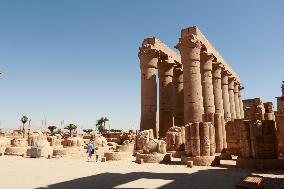
(240418) -- BEIJING, April 18, 2024 (Xinhua) -- This photo taken on April 9, 2024 shows people visiting Luxor Temple in Luxor, Egypt. Luxor, the ancient city of Thebes in southern Egypt, was the pharaohs' capital at the height of their power during the New Kingdom from the 16th century BC to the 11th century BC. Seen by many as the world's largest open-air museum, it is home to famous Tutankhamen's tomb in the Valley of the Kings and the ruins of the huge Karnak Temple Complex and Luxor Temple. The Yin Ruins, which is located in Anyang of central China's Henan Province, is the first documented late Shang Dynasty (1600-1046 B.C.) capital site in China, as confirmed by archaeological excavations and oracle bone inscriptions. Luxor and the Yin Ruins have, respectively, witnessed the historic highlights of the development of Egypt and China, the two ancient civilizations. April 18 marks the International Day for Monuments and Sites. It is a sound occasion to explore the trace of past glory and have a t

  •  
CHINA-EGYPT-YIN RUINS-LUXOR-ANCIENT CIVILIZATION (CN)

CHINA-EGYPT-YIN RUINS-LUXOR-ANCIENT CIVILIZATION (CN)

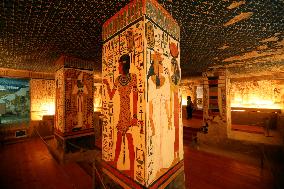
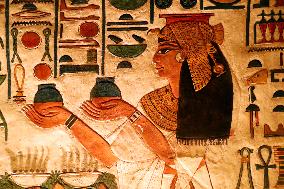
(240418) -- BEIJING, April 18, 2024 (Xinhua) -- This photo taken on Jan. 24, 2023 shows mural paintings inside the tomb of Nefertari at the Valley of the Queens in Luxor, Egypt. Luxor, the ancient city of Thebes in southern Egypt, was the pharaohs' capital at the height of their power during the New Kingdom from the 16th century BC to the 11th century BC. Seen by many as the world's largest open-air museum, it is home to famous Tutankhamen's tomb in the Valley of the Kings and the ruins of the huge Karnak Temple Complex and Luxor Temple. The Yin Ruins, which is located in Anyang of central China's Henan Province, is the first documented late Shang Dynasty (1600-1046 B.C.) capital site in China, as confirmed by archaeological excavations and oracle bone inscriptions. Luxor and the Yin Ruins have, respectively, witnessed the historic highlights of the development of Egypt and China, the two ancient civilizations. April 18 marks the International Day for Monuments and Sites. It is a sound occasion to

  •  
CHINA-EGYPT-YIN RUINS-LUXOR-ANCIENT CIVILIZATION (CN)

CHINA-EGYPT-YIN RUINS-LUXOR-ANCIENT CIVILIZATION (CN)

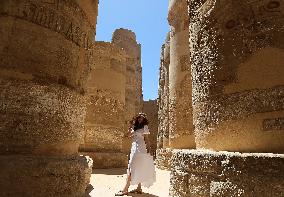
(240418) -- BEIJING, April 18, 2024 (Xinhua) -- This photo taken on April 8, 2024 shows visitors taking pictures at Karnak Temple in Luxor, Egypt. Luxor, the ancient city of Thebes in southern Egypt, was the pharaohs' capital at the height of their power during the New Kingdom from the 16th century BC to the 11th century BC. Seen by many as the world's largest open-air museum, it is home to famous Tutankhamen's tomb in the Valley of the Kings and the ruins of the huge Karnak Temple Complex and Luxor Temple. The Yin Ruins, which is located in Anyang of central China's Henan Province, is the first documented late Shang Dynasty (1600-1046 B.C.) capital site in China, as confirmed by archaeological excavations and oracle bone inscriptions. Luxor and the Yin Ruins have, respectively, witnessed the historic highlights of the development of Egypt and China, the two ancient civilizations. April 18 marks the International Day for Monuments and Sites. It is a sound occasion to explore the trace of past glory

  •  
CHINA-EGYPT-YIN RUINS-LUXOR-ANCIENT CIVILIZATION (CN)

CHINA-EGYPT-YIN RUINS-LUXOR-ANCIENT CIVILIZATION (CN)

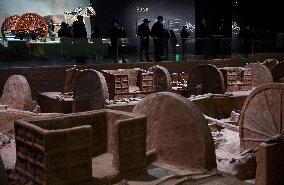
(240418) -- BEIJING, April 18, 2024 (Xinhua) -- This photo taken on Feb. 26, 2024 shows visitors looking at chariot pit displayed at the new building of Yinxu Museum in Anyang, central China's Henan Province. Luxor, the ancient city of Thebes in southern Egypt, was the pharaohs' capital at the height of their power during the New Kingdom from the 16th century BC to the 11th century BC. Seen by many as the world's largest open-air museum, it is home to famous Tutankhamen's tomb in the Valley of the Kings and the ruins of the huge Karnak Temple Complex and Luxor Temple. The Yin Ruins, which is located in Anyang of central China's Henan Province, is the first documented late Shang Dynasty (1600-1046 B.C.) capital site in China, as confirmed by archaeological excavations and oracle bone inscriptions. Luxor and the Yin Ruins have, respectively, witnessed the historic highlights of the development of Egypt and China, the two ancient civilizations. April 18 marks the International Day for Monuments and Si

  •  
CHINA-EGYPT-YIN RUINS-LUXOR-ANCIENT CIVILIZATION (CN)

CHINA-EGYPT-YIN RUINS-LUXOR-ANCIENT CIVILIZATION (CN)

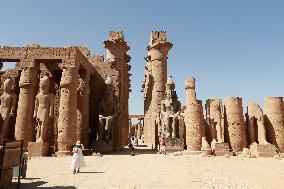
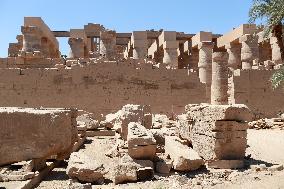
(240418) -- BEIJING, April 18, 2024 (Xinhua) -- This photo taken on April 8, 2024 shows Karnak Temple Complex in Luxor, Egypt. Luxor, the ancient city of Thebes in southern Egypt, was the pharaohs' capital at the height of their power during the New Kingdom from the 16th century BC to the 11th century BC. Seen by many as the world's largest open-air museum, it is home to famous Tutankhamen's tomb in the Valley of the Kings and the ruins of the huge Karnak Temple Complex and Luxor Temple. The Yin Ruins, which is located in Anyang of central China's Henan Province, is the first documented late Shang Dynasty (1600-1046 B.C.) capital site in China, as confirmed by archaeological excavations and oracle bone inscriptions. Luxor and the Yin Ruins have, respectively, witnessed the historic highlights of the development of Egypt and China, the two ancient civilizations. April 18 marks the International Day for Monuments and Sites. It is a sound occasion to explore the trace of past glory and have a touch wi

  •  
CHINA-EGYPT-YIN RUINS-LUXOR-ANCIENT CIVILIZATION (CN)

CHINA-EGYPT-YIN RUINS-LUXOR-ANCIENT CIVILIZATION (CN)

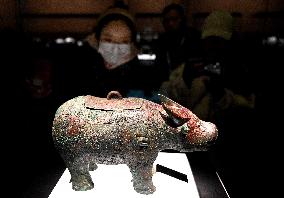
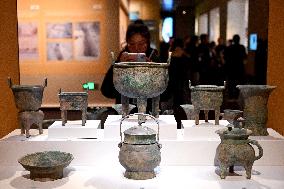
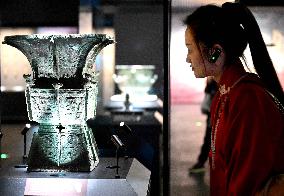
(240418) -- BEIJING, April 18, 2024 (Xinhua) -- This photo taken on Feb. 26, 2024 shows visitors looking at a buffalo-shaped bronze vessel unearthed from the Yin Ruins at the new building of Yinxu Museum in Anyang, central China's Henan Province. Luxor, the ancient city of Thebes in southern Egypt, was the pharaohs' capital at the height of their power during the New Kingdom from the 16th century BC to the 11th century BC. Seen by many as the world's largest open-air museum, it is home to famous Tutankhamen's tomb in the Valley of the Kings and the ruins of the huge Karnak Temple Complex and Luxor Temple. The Yin Ruins, which is located in Anyang of central China's Henan Province, is the first documented late Shang Dynasty (1600-1046 B.C.) capital site in China, as confirmed by archaeological excavations and oracle bone inscriptions. Luxor and the Yin Ruins have, respectively, witnessed the historic highlights of the development of Egypt and China, the two ancient civilizations. April 18 marks the

  •  
CHINA-EGYPT-YIN RUINS-LUXOR-ANCIENT CIVILIZATION (CN)

CHINA-EGYPT-YIN RUINS-LUXOR-ANCIENT CIVILIZATION (CN)

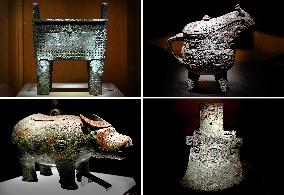
(240418) -- BEIJING, April 18, 2024 (Xinhua) -- This combo photo taken on Feb. 23, 2024 shows various bronze vessels unearthed from the Yin Ruins displayed at the new building of Yinxu Museum in Anyang, central China's Henan Province. Luxor, the ancient city of Thebes in southern Egypt, was the pharaohs' capital at the height of their power during the New Kingdom from the 16th century BC to the 11th century BC. Seen by many as the world's largest open-air museum, it is home to famous Tutankhamen's tomb in the Valley of the Kings and the ruins of the huge Karnak Temple Complex and Luxor Temple. The Yin Ruins, which is located in Anyang of central China's Henan Province, is the first documented late Shang Dynasty (1600-1046 B.C.) capital site in China, as confirmed by archaeological excavations and oracle bone inscriptions. Luxor and the Yin Ruins have, respectively, witnessed the historic highlights of the development of Egypt and China, the two ancient civilizations. April 18 marks the Internationa

  •  
CHINA-EGYPT-YIN RUINS-LUXOR-ANCIENT CIVILIZATION (CN)

CHINA-EGYPT-YIN RUINS-LUXOR-ANCIENT CIVILIZATION (CN)

(240418) -- BEIJING, April 18, 2024 (Xinhua) -- This photo taken on Jan. 24, 2023 shows mural paintings inside the tomb of Nefertari at the Valley of the Queens in Luxor, Egypt. Luxor, the ancient city of Thebes in southern Egypt, was the pharaohs' capital at the height of their power during the New Kingdom from the 16th century BC to the 11th century BC. Seen by many as the world's largest open-air museum, it is home to famous Tutankhamen's tomb in the Valley of the Kings and the ruins of the huge Karnak Temple Complex and Luxor Temple. The Yin Ruins, which is located in Anyang of central China's Henan Province, is the first documented late Shang Dynasty (1600-1046 B.C.) capital site in China, as confirmed by archaeological excavations and oracle bone inscriptions. Luxor and the Yin Ruins have, respectively, witnessed the historic highlights of the development of Egypt and China, the two ancient civilizations. April 18 marks the International Day for Monuments and Sites. It is a sound occasion to

  •  
CHINA-EGYPT-YIN RUINS-LUXOR-ANCIENT CIVILIZATION (CN)

CHINA-EGYPT-YIN RUINS-LUXOR-ANCIENT CIVILIZATION (CN)

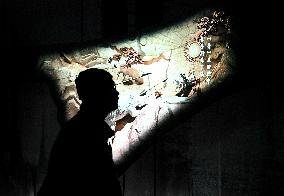
(240418) -- BEIJING, April 18, 2024 (Xinhua) -- This photo taken on Feb. 26, 2024 shows a man visiting the new building of Yinxu Museum in Anyang, central China's Henan Province. Luxor, the ancient city of Thebes in southern Egypt, was the pharaohs' capital at the height of their power during the New Kingdom from the 16th century BC to the 11th century BC. Seen by many as the world's largest open-air museum, it is home to famous Tutankhamen's tomb in the Valley of the Kings and the ruins of the huge Karnak Temple Complex and Luxor Temple. The Yin Ruins, which is located in Anyang of central China's Henan Province, is the first documented late Shang Dynasty (1600-1046 B.C.) capital site in China, as confirmed by archaeological excavations and oracle bone inscriptions. Luxor and the Yin Ruins have, respectively, witnessed the historic highlights of the development of Egypt and China, the two ancient civilizations. April 18 marks the International Day for Monuments and Sites. It is a sound occasion to

  •  
CHINA-EGYPT-YIN RUINS-LUXOR-ANCIENT CIVILIZATION (CN)

CHINA-EGYPT-YIN RUINS-LUXOR-ANCIENT CIVILIZATION (CN)

(240418) -- BEIJING, April 18, 2024 (Xinhua) -- This photo taken on April 9, 2024 shows people visiting Luxor Temple in Luxor, Egypt. Luxor, the ancient city of Thebes in southern Egypt, was the pharaohs' capital at the height of their power during the New Kingdom from the 16th century BC to the 11th century BC. Seen by many as the world's largest open-air museum, it is home to famous Tutankhamen's tomb in the Valley of the Kings and the ruins of the huge Karnak Temple Complex and Luxor Temple. The Yin Ruins, which is located in Anyang of central China's Henan Province, is the first documented late Shang Dynasty (1600-1046 B.C.) capital site in China, as confirmed by archaeological excavations and oracle bone inscriptions. Luxor and the Yin Ruins have, respectively, witnessed the historic highlights of the development of Egypt and China, the two ancient civilizations. April 18 marks the International Day for Monuments and Sites. It is a sound occasion to explore the trace of past glory and have a t

  •  
CHINA-EGYPT-YIN RUINS-LUXOR-ANCIENT CIVILIZATION (CN)

CHINA-EGYPT-YIN RUINS-LUXOR-ANCIENT CIVILIZATION (CN)

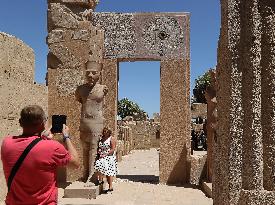
(240418) -- BEIJING, April 18, 2024 (Xinhua) -- This photo taken on April 8, 2024 shows a visitor posing for pictures at Luxor Temple in Luxor, Egypt. Luxor, the ancient city of Thebes in southern Egypt, was the pharaohs' capital at the height of their power during the New Kingdom from the 16th century BC to the 11th century BC. Seen by many as the world's largest open-air museum, it is home to famous Tutankhamen's tomb in the Valley of the Kings and the ruins of the huge Karnak Temple Complex and Luxor Temple. The Yin Ruins, which is located in Anyang of central China's Henan Province, is the first documented late Shang Dynasty (1600-1046 B.C.) capital site in China, as confirmed by archaeological excavations and oracle bone inscriptions. Luxor and the Yin Ruins have, respectively, witnessed the historic highlights of the development of Egypt and China, the two ancient civilizations. April 18 marks the International Day for Monuments and Sites. It is a sound occasion to explore the trace of past g

  •  
CHINA-EGYPT-YIN RUINS-LUXOR-ANCIENT CIVILIZATION (CN)

CHINA-EGYPT-YIN RUINS-LUXOR-ANCIENT CIVILIZATION (CN)

(240418) -- BEIJING, April 18, 2024 (Xinhua) -- This photo taken on Feb. 26, 2024 shows a visitor taking pictures of exhibits displayed at the new building of Yinxu Museum in Anyang, central China's Henan Province. Luxor, the ancient city of Thebes in southern Egypt, was the pharaohs' capital at the height of their power during the New Kingdom from the 16th century BC to the 11th century BC. Seen by many as the world's largest open-air museum, it is home to famous Tutankhamen's tomb in the Valley of the Kings and the ruins of the huge Karnak Temple Complex and Luxor Temple. The Yin Ruins, which is located in Anyang of central China's Henan Province, is the first documented late Shang Dynasty (1600-1046 B.C.) capital site in China, as confirmed by archaeological excavations and oracle bone inscriptions. Luxor and the Yin Ruins have, respectively, witnessed the historic highlights of the development of Egypt and China, the two ancient civilizations. April 18 marks the International Day for Monuments

  •  
CHINA-EGYPT-YIN RUINS-LUXOR-ANCIENT CIVILIZATION (CN)

CHINA-EGYPT-YIN RUINS-LUXOR-ANCIENT CIVILIZATION (CN)

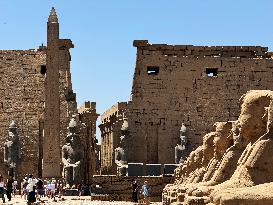
(240418) -- BEIJING, April 18, 2024 (Xinhua) -- This photo taken on April 9, 2024 shows people visiting Luxor Temple and the Avenue of the Sphinxes in Luxor, Egypt. Luxor, the ancient city of Thebes in southern Egypt, was the pharaohs' capital at the height of their power during the New Kingdom from the 16th century BC to the 11th century BC. Seen by many as the world's largest open-air museum, it is home to famous Tutankhamen's tomb in the Valley of the Kings and the ruins of the huge Karnak Temple Complex and Luxor Temple. The Yin Ruins, which is located in Anyang of central China's Henan Province, is the first documented late Shang Dynasty (1600-1046 B.C.) capital site in China, as confirmed by archaeological excavations and oracle bone inscriptions. Luxor and the Yin Ruins have, respectively, witnessed the historic highlights of the development of Egypt and China, the two ancient civilizations. April 18 marks the International Day for Monuments and Sites. It is a sound occasion to explore the t

  •  
CHINA-EGYPT-YIN RUINS-LUXOR-ANCIENT CIVILIZATION (CN)

CHINA-EGYPT-YIN RUINS-LUXOR-ANCIENT CIVILIZATION (CN)

(240418) -- BEIJING, April 18, 2024 (Xinhua) -- This photo taken on April 8, 2024 shows mural paintings at the Valley of the Kings in Luxor, Egypt. Luxor, the ancient city of Thebes in southern Egypt, was the pharaohs' capital at the height of their power during the New Kingdom from the 16th century BC to the 11th century BC. Seen by many as the world's largest open-air museum, it is home to famous Tutankhamen's tomb in the Valley of the Kings and the ruins of the huge Karnak Temple Complex and Luxor Temple. The Yin Ruins, which is located in Anyang of central China's Henan Province, is the first documented late Shang Dynasty (1600-1046 B.C.) capital site in China, as confirmed by archaeological excavations and oracle bone inscriptions. Luxor and the Yin Ruins have, respectively, witnessed the historic highlights of the development of Egypt and China, the two ancient civilizations. April 18 marks the International Day for Monuments and Sites. It is a sound occasion to explore the trace of past glor

  •  
CHINA-EGYPT-YIN RUINS-LUXOR-ANCIENT CIVILIZATION (CN)

CHINA-EGYPT-YIN RUINS-LUXOR-ANCIENT CIVILIZATION (CN)

(240418) -- BEIJING, April 18, 2024 (Xinhua) -- This photo taken on April 9, 2024 shows people visiting Luxor Temple in Luxor, Egypt. Luxor, the ancient city of Thebes in southern Egypt, was the pharaohs' capital at the height of their power during the New Kingdom from the 16th century BC to the 11th century BC. Seen by many as the world's largest open-air museum, it is home to famous Tutankhamen's tomb in the Valley of the Kings and the ruins of the huge Karnak Temple Complex and Luxor Temple. The Yin Ruins, which is located in Anyang of central China's Henan Province, is the first documented late Shang Dynasty (1600-1046 B.C.) capital site in China, as confirmed by archaeological excavations and oracle bone inscriptions. Luxor and the Yin Ruins have, respectively, witnessed the historic highlights of the development of Egypt and China, the two ancient civilizations. April 18 marks the International Day for Monuments and Sites. It is a sound occasion to explore the trace of past glory and have a t

  •  
CHINA-EGYPT-YIN RUINS-LUXOR-ANCIENT CIVILIZATION (CN)

CHINA-EGYPT-YIN RUINS-LUXOR-ANCIENT CIVILIZATION (CN)

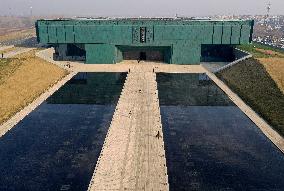
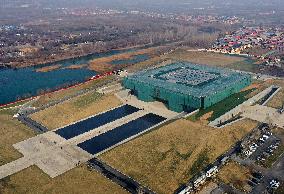
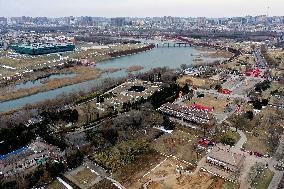
(240418) -- BEIJING, April 18, 2024 (Xinhua) -- An aerial drone photo taken on Feb. 26, 2024 shows the new building of Yinxu Museum in Anyang, central China's Henan Province. Luxor, the ancient city of Thebes in southern Egypt, was the pharaohs' capital at the height of their power during the New Kingdom from the 16th century BC to the 11th century BC. Seen by many as the world's largest open-air museum, it is home to famous Tutankhamen's tomb in the Valley of the Kings and the ruins of the huge Karnak Temple Complex and Luxor Temple. The Yin Ruins, which is located in Anyang of central China's Henan Province, is the first documented late Shang Dynasty (1600-1046 B.C.) capital site in China, as confirmed by archaeological excavations and oracle bone inscriptions. Luxor and the Yin Ruins have, respectively, witnessed the historic highlights of the development of Egypt and China, the two ancient civilizations. April 18 marks the International Day for Monuments and Sites. It is a sound occasion to exp

  •  
CHINA-EGYPT-YIN RUINS-LUXOR-ANCIENT CIVILIZATION (CN)

CHINA-EGYPT-YIN RUINS-LUXOR-ANCIENT CIVILIZATION (CN)

(240418) -- BEIJING, April 18, 2024 (Xinhua) -- An aerial drone photo taken on Feb. 26, 2024 shows the new building of Yinxu Museum in Anyang, central China's Henan Province. Luxor, the ancient city of Thebes in southern Egypt, was the pharaohs' capital at the height of their power during the New Kingdom from the 16th century BC to the 11th century BC. Seen by many as the world's largest open-air museum, it is home to famous Tutankhamen's tomb in the Valley of the Kings and the ruins of the huge Karnak Temple Complex and Luxor Temple. The Yin Ruins, which is located in Anyang of central China's Henan Province, is the first documented late Shang Dynasty (1600-1046 B.C.) capital site in China, as confirmed by archaeological excavations and oracle bone inscriptions. Luxor and the Yin Ruins have, respectively, witnessed the historic highlights of the development of Egypt and China, the two ancient civilizations. April 18 marks the International Day for Monuments and Sites. It is a sound occasion to exp

  •  
CHINA-EGYPT-YIN RUINS-LUXOR-ANCIENT CIVILIZATION (CN)

CHINA-EGYPT-YIN RUINS-LUXOR-ANCIENT CIVILIZATION (CN)

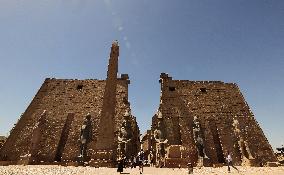
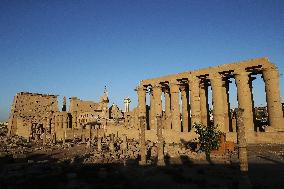
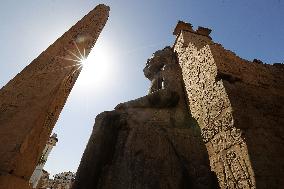
(240418) -- BEIJING, April 18, 2024 (Xinhua) -- This photo taken on April 9, 2024 shows a view of Luxor Temple in Luxor, Egypt. Luxor, the ancient city of Thebes in southern Egypt, was the pharaohs' capital at the height of their power during the New Kingdom from the 16th century BC to the 11th century BC. Seen by many as the world's largest open-air museum, it is home to famous Tutankhamen's tomb in the Valley of the Kings and the ruins of the huge Karnak Temple Complex and Luxor Temple. The Yin Ruins, which is located in Anyang of central China's Henan Province, is the first documented late Shang Dynasty (1600-1046 B.C.) capital site in China, as confirmed by archaeological excavations and oracle bone inscriptions. Luxor and the Yin Ruins have, respectively, witnessed the historic highlights of the development of Egypt and China, the two ancient civilizations. April 18 marks the International Day for Monuments and Sites. It is a sound occasion to explore the trace of past glory and have a touch w

  •  
CHINA-EGYPT-YIN RUINS-LUXOR-ANCIENT CIVILIZATION (CN)

CHINA-EGYPT-YIN RUINS-LUXOR-ANCIENT CIVILIZATION (CN)

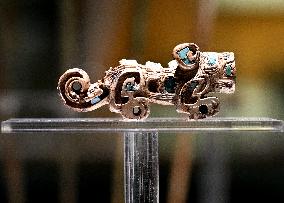
(240418) -- BEIJING, April 18, 2024 (Xinhua) -- This photo taken on Feb. 23, 2024 shows a tiger-shaped item with turquoise inlaid displayed at the new building of Yinxu Museum in Anyang, central China's Henan Province. Luxor, the ancient city of Thebes in southern Egypt, was the pharaohs' capital at the height of their power during the New Kingdom from the 16th century BC to the 11th century BC. Seen by many as the world's largest open-air museum, it is home to famous Tutankhamen's tomb in the Valley of the Kings and the ruins of the huge Karnak Temple Complex and Luxor Temple. The Yin Ruins, which is located in Anyang of central China's Henan Province, is the first documented late Shang Dynasty (1600-1046 B.C.) capital site in China, as confirmed by archaeological excavations and oracle bone inscriptions. Luxor and the Yin Ruins have, respectively, witnessed the historic highlights of the development of Egypt and China, the two ancient civilizations. April 18 marks the International Day for Monume

  •  
CHINA-EGYPT-YIN RUINS-LUXOR-ANCIENT CIVILIZATION (CN)

CHINA-EGYPT-YIN RUINS-LUXOR-ANCIENT CIVILIZATION (CN)

(240418) -- BEIJING, April 18, 2024 (Xinhua) -- This photo taken on April 8, 2024 shows mural paintings at the Valley of the Kings in Luxor, Egypt. Luxor, the ancient city of Thebes in southern Egypt, was the pharaohs' capital at the height of their power during the New Kingdom from the 16th century BC to the 11th century BC. Seen by many as the world's largest open-air museum, it is home to famous Tutankhamen's tomb in the Valley of the Kings and the ruins of the huge Karnak Temple Complex and Luxor Temple. The Yin Ruins, which is located in Anyang of central China's Henan Province, is the first documented late Shang Dynasty (1600-1046 B.C.) capital site in China, as confirmed by archaeological excavations and oracle bone inscriptions. Luxor and the Yin Ruins have, respectively, witnessed the historic highlights of the development of Egypt and China, the two ancient civilizations. April 18 marks the International Day for Monuments and Sites. It is a sound occasion to explore the trace of past glor

  •  
CHINA-EGYPT-YIN RUINS-LUXOR-ANCIENT CIVILIZATION (CN)

CHINA-EGYPT-YIN RUINS-LUXOR-ANCIENT CIVILIZATION (CN)

(240418) -- BEIJING, April 18, 2024 (Xinhua) -- An aerial drone photo taken on Feb. 23, 2024 shows the palace and royal ancestral shrines area site of the Yin Ruins (R) and the new building of Yinxu Museum in Anyang, central China's Henan Province. Luxor, the ancient city of Thebes in southern Egypt, was the pharaohs' capital at the height of their power during the New Kingdom from the 16th century BC to the 11th century BC. Seen by many as the world's largest open-air museum, it is home to famous Tutankhamen's tomb in the Valley of the Kings and the ruins of the huge Karnak Temple Complex and Luxor Temple. The Yin Ruins, which is located in Anyang of central China's Henan Province, is the first documented late Shang Dynasty (1600-1046 B.C.) capital site in China, as confirmed by archaeological excavations and oracle bone inscriptions. Luxor and the Yin Ruins have, respectively, witnessed the historic highlights of the development of Egypt and China, the two ancient civilizations. April 18 marks th

  •  
CHINA-EGYPT-YIN RUINS-LUXOR-ANCIENT CIVILIZATION (CN)

CHINA-EGYPT-YIN RUINS-LUXOR-ANCIENT CIVILIZATION (CN)

(240418) -- BEIJING, April 18, 2024 (Xinhua) -- This photo taken on Feb. 26, 2024 shows a visitor looking at an exhibit displayed at the new building of Yinxu Museum in Anyang, central China's Henan Province. Luxor, the ancient city of Thebes in southern Egypt, was the pharaohs' capital at the height of their power during the New Kingdom from the 16th century BC to the 11th century BC. Seen by many as the world's largest open-air museum, it is home to famous Tutankhamen's tomb in the Valley of the Kings and the ruins of the huge Karnak Temple Complex and Luxor Temple. The Yin Ruins, which is located in Anyang of central China's Henan Province, is the first documented late Shang Dynasty (1600-1046 B.C.) capital site in China, as confirmed by archaeological excavations and oracle bone inscriptions. Luxor and the Yin Ruins have, respectively, witnessed the historic highlights of the development of Egypt and China, the two ancient civilizations. April 18 marks the International Day for Monuments and Si

  •  
CHINA-EGYPT-YIN RUINS-LUXOR-ANCIENT CIVILIZATION (CN)

CHINA-EGYPT-YIN RUINS-LUXOR-ANCIENT CIVILIZATION (CN)

(240418) -- BEIJING, April 18, 2024 (Xinhua) -- This photo taken on April 9, 2024 shows a view at the Luxor Temple in Luxor, Egypt. Luxor, the ancient city of Thebes in southern Egypt, was the pharaohs' capital at the height of their power during the New Kingdom from the 16th century BC to the 11th century BC. Seen by many as the world's largest open-air museum, it is home to famous Tutankhamen's tomb in the Valley of the Kings and the ruins of the huge Karnak Temple Complex and Luxor Temple. The Yin Ruins, which is located in Anyang of central China's Henan Province, is the first documented late Shang Dynasty (1600-1046 B.C.) capital site in China, as confirmed by archaeological excavations and oracle bone inscriptions. Luxor and the Yin Ruins have, respectively, witnessed the historic highlights of the development of Egypt and China, the two ancient civilizations. April 18 marks the International Day for Monuments and Sites. It is a sound occasion to explore the trace of past glory and have a tou

  •  
CHINA-EGYPT-YIN RUINS-LUXOR-ANCIENT CIVILIZATION (CN)

CHINA-EGYPT-YIN RUINS-LUXOR-ANCIENT CIVILIZATION (CN)

(240418) -- BEIJING, April 18, 2024 (Xinhua) -- This photo taken on Feb. 26, 2024 shows a visitor looking at oracle bones with inscriptions displayed at the new building of Yinxu Museum in Anyang, central China's Henan Province. Luxor, the ancient city of Thebes in southern Egypt, was the pharaohs' capital at the height of their power during the New Kingdom from the 16th century BC to the 11th century BC. Seen by many as the world's largest open-air museum, it is home to famous Tutankhamen's tomb in the Valley of the Kings and the ruins of the huge Karnak Temple Complex and Luxor Temple. The Yin Ruins, which is located in Anyang of central China's Henan Province, is the first documented late Shang Dynasty (1600-1046 B.C.) capital site in China, as confirmed by archaeological excavations and oracle bone inscriptions. Luxor and the Yin Ruins have, respectively, witnessed the historic highlights of the development of Egypt and China, the two ancient civilizations. April 18 marks the International Day

  •  
CHINA-EGYPT-YIN RUINS-LUXOR-ANCIENT CIVILIZATION (CN)

CHINA-EGYPT-YIN RUINS-LUXOR-ANCIENT CIVILIZATION (CN)

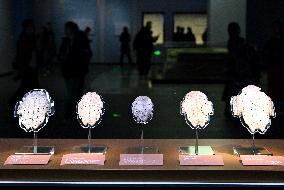
(240418) -- BEIJING, April 18, 2024 (Xinhua) -- This photo taken on Feb. 26, 2024 shows oracle bones with inscriptions displayed at the new building of Yinxu Museum in Anyang, central China's Henan Province. Luxor, the ancient city of Thebes in southern Egypt, was the pharaohs' capital at the height of their power during the New Kingdom from the 16th century BC to the 11th century BC. Seen by many as the world's largest open-air museum, it is home to famous Tutankhamen's tomb in the Valley of the Kings and the ruins of the huge Karnak Temple Complex and Luxor Temple. The Yin Ruins, which is located in Anyang of central China's Henan Province, is the first documented late Shang Dynasty (1600-1046 B.C.) capital site in China, as confirmed by archaeological excavations and oracle bone inscriptions. Luxor and the Yin Ruins have, respectively, witnessed the historic highlights of the development of Egypt and China, the two ancient civilizations. April 18 marks the International Day for Monuments and Sit

  •  
CHINA-EGYPT-YIN RUINS-LUXOR-ANCIENT CIVILIZATION (CN)

CHINA-EGYPT-YIN RUINS-LUXOR-ANCIENT CIVILIZATION (CN)

(240418) -- BEIJING, April 18, 2024 (Xinhua) -- This photo taken on April 9, 2024 shows people visiting Luxor Temple in Luxor, Egypt. Luxor, the ancient city of Thebes in southern Egypt, was the pharaohs' capital at the height of their power during the New Kingdom from the 16th century BC to the 11th century BC. Seen by many as the world's largest open-air museum, it is home to famous Tutankhamen's tomb in the Valley of the Kings and the ruins of the huge Karnak Temple Complex and Luxor Temple. The Yin Ruins, which is located in Anyang of central China's Henan Province, is the first documented late Shang Dynasty (1600-1046 B.C.) capital site in China, as confirmed by archaeological excavations and oracle bone inscriptions. Luxor and the Yin Ruins have, respectively, witnessed the historic highlights of the development of Egypt and China, the two ancient civilizations. April 18 marks the International Day for Monuments and Sites. It is a sound occasion to explore the trace of past glory and have a t

  •  
CHINA-EGYPT-YIN RUINS-LUXOR-ANCIENT CIVILIZATION (CN)

CHINA-EGYPT-YIN RUINS-LUXOR-ANCIENT CIVILIZATION (CN)

(240418) -- BEIJING, April 18, 2024 (Xinhua) -- An aerial drone photo taken on Feb. 23, 2024 shows the palace and royal ancestral shrines area site of the Yin Ruins in Anyang, central China's Henan Province. Luxor, the ancient city of Thebes in southern Egypt, was the pharaohs' capital at the height of their power during the New Kingdom from the 16th century BC to the 11th century BC. Seen by many as the world's largest open-air museum, it is home to famous Tutankhamen's tomb in the Valley of the Kings and the ruins of the huge Karnak Temple Complex and Luxor Temple. The Yin Ruins, which is located in Anyang of central China's Henan Province, is the first documented late Shang Dynasty (1600-1046 B.C.) capital site in China, as confirmed by archaeological excavations and oracle bone inscriptions. Luxor and the Yin Ruins have, respectively, witnessed the historic highlights of the development of Egypt and China, the two ancient civilizations. April 18 marks the International Day for Monuments and Sit

  •  

A glimpse of Jindeng Temple Grottoes in China's Shanxi

STORY: A glimpse of Jindeng Temple Grottoes in China's Shanxi DATELINE: May 22, 2023 LENGTH: 00:00:40 LOCATION: TAIYUAN, China CATEGORY: CULTURE SHOTLIST: 1. various of the grottoes STORYLINE: The Jindeng Temple Grottoes in Pingshun County, north China's Shanxi Province, is located on a cliff at an altitude of about 1,700 meters. According to inscriptions in the temple, the Jindeng Temple Grottoes was founded during the Northern Qi Dynasty (550-557) and the existing grottoes, niches and statues are all relics from the Ming Dynasty (1368-1644). Xinhua News Agency correspondents reporting from Taiyuan, China. (XHTV)

  •  
(MASTER OF CRAFTS) CHINA-HENAN-ZHENGZHOU-HIGH RELIEF RUBBING-INHERITOR (CN)

(MASTER OF CRAFTS) CHINA-HENAN-ZHENGZHOU-HIGH RELIEF RUBBING-INHERITOR (CN)

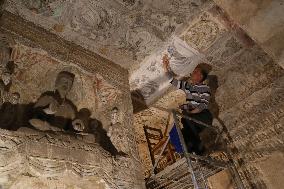
(221121) -- ZHENGZHOU, Nov. 21, 2022 (Xinhua) -- This undated file photo shows Li Renqing making rubbings at the Gongyi grotto temple in Gongyi, central China's Henan Province. Making rubbings for tablet inscriptions is a craft with a history of over 1,000 years in China, invented as a way to copy documents even before the art of printing. Upgrading the traditional rubbing craft which can only be applied to flat surface, Li Renqing, born in 1963 in Xinyang of central China's Henan Province, has been working for a whole life on rubbings of high relief cultural relics, making the once impossible task a mature craft. Different from flat rubbings, high relief rubbings require the craftsman to cut the Xuan paper into pieces according to the convex and concave of the sculpture, and then splice hundreds of pieces of paper together to reproduce the artwork. Such a craft can not only copy unmovable cultural relics in equal size, but can also record cracks and erosion on them, providing correct information for the

  •  
CHINA-SICHUAN-MOUNT EMEI-WORLD HERITAGE (CN)

CHINA-SICHUAN-MOUNT EMEI-WORLD HERITAGE (CN)

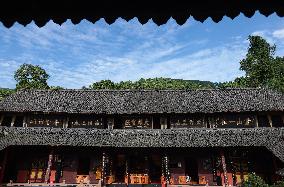
(220609) -- CHENGDU, June 9, 2022 (Xinhua) -- Aerial photo taken on June 7, 2022 shows the interior view of a temple at Mount Emei in southwest China's Sichuan Province. Mount Emei, located in southwest China's Sichuan Province, is an area of striking scenic beauty, notable for its lofty mountain and lush vegetation. It is also of great spiritual and cultural significance, in which there are archaeological sites, important architecture, tombs, ritual spaces, and collections of cultural artefacts, including sculpture, stone inscriptions, calligraphy, and paintings, among other traditional arts. Mount Emei is known as one of the four holy mountains of Chinese Buddhism. Carved out of a hillside in the 8th century, the Leshan Giant Buddha is an area of natural beauty into which the human element has been integrated with skill and subtlety. Facing the confluence of the Minjiang, Dadu and Qingyi rivers, the 71 meters tall Giant Buddha of Leshan is one of the most important cultural treasures of China. With it

  • Main
  • Top
  • Editorial
  • Creative
  • About Us
  • About ILG
  • Terms of use
  • Company
  • BEHIND
  • Price List
  • Single Plan
  • Monthly Plan
  • Services
  • Shooting
  • Rights Clearance
  • Support
  • FAQ
  • How To Buy
  • Contact Us
  • Become a Partner

© KYODO NEWS IMAGES INC

All Rights Reserved.

  • Editorial
  • Olympics
  • News
  • Sports
  • Japan
  • Tech
  • Royal
  • Disaster
  • NorthKorea
  • Old Japan
  • SNS
  • Creative
  • Food
  • Japan
  • Landscape
  • Animal
  • Popular
  • #Ukraine
  • #Thailand
  • #coronavirus
  • #N. Korea
  • #Russia
  • #China
  • #Ukraine
  • #Thailand
  • #coronavirus
  • #N. Korea
  • #Russia
  • #China
  • Food
  • Japan
  • Landscape
  • Animal
  • Olympics
  • News
  • Sports
  • Japan
  • Tech
  • Royal
  • Disaster
  • NorthKorea
  • Old Japan
  • SNS